CarMax is a big used-car seller. The hosts mention it because it’s known for making buying simpler and more predictable than many traditional dealerships.
Carvana is another major used-car company that sells cars in a more online and streamlined way. The discussion uses it to show how big these “non-traditional” used retailers have become.
Hertz rents cars, but it also sells many of those cars later as used vehicles. The hosts are using it to argue the list is missing major used-car sellers.
Lithia refers to Lithia Motors, a dealership group that sells new and used vehicles at large scale. Here it’s used in a sales-volume comparison to frame how dominant some dealer groups are versus pure-play used retailers.
An addendum is extra paperwork that can change the deal after you thought you already had the price. The hosts are saying some buyers want to avoid surprises like that.
Virtual retailing means buying a car with a lot of the process done online instead of in person. The point here is that it’s easier and more straightforward, which is why people choose those sellers.
Sourcing used inventory means getting the right used cars in stock. The hosts’ point is that success comes from planning what to buy, not just taking whatever trade-ins show up.
Pricing strategy is how a dealer decides what price to put on cars. The hosts are saying the key is getting the buying cost and the selling price right so cars move and profits stay healthy.
The G-Class is a luxury SUV with a very recognizable, boxy shape. Even older models can still be in demand because people want that specific vehicle style and status. That’s why it can come up when talking about buyers looking for older, higher-end cars.
In used-car retail, appraising a car means estimating what the dealer can pay for it and what it can sell for. The speaker emphasizes that you can’t rely only on what “the auto says” or generic pricing—your appraisal should be tied to what you can retail it for based on market demand and the specific vehicle’s condition/value.
Merchandising is how a dealer “sets up” the cars to sell—like pricing and presentation choices. The idea is that good merchandising helps you make more money on the same inventory.
Concept
missed opportunities
Missed opportunities are sales chances the dealer didn’t take. They’re saying they track those so they can improve what they do next time.
A trade appraisal is how a dealer figures out what your current car is worth if you trade it in. The hosts are saying that how you handle trade values can make or break sales.
A write-down is when a company has to admit something they own is worth less than they thought. The host brings it up because it can make profit numbers look lower.
Penske is another big company the host is comparing in the used-car/dealer business. They mention Penske’s profit number just to show how the competitors stack up.
Retail units means how many cars a company actually sold to regular buyers. The host compares those counts between companies to show who sold more cars.
Chevy is short for Chevrolet. The host is saying some people buy based on brand loyalty—like they trust the brand—rather than focusing on the best deal.
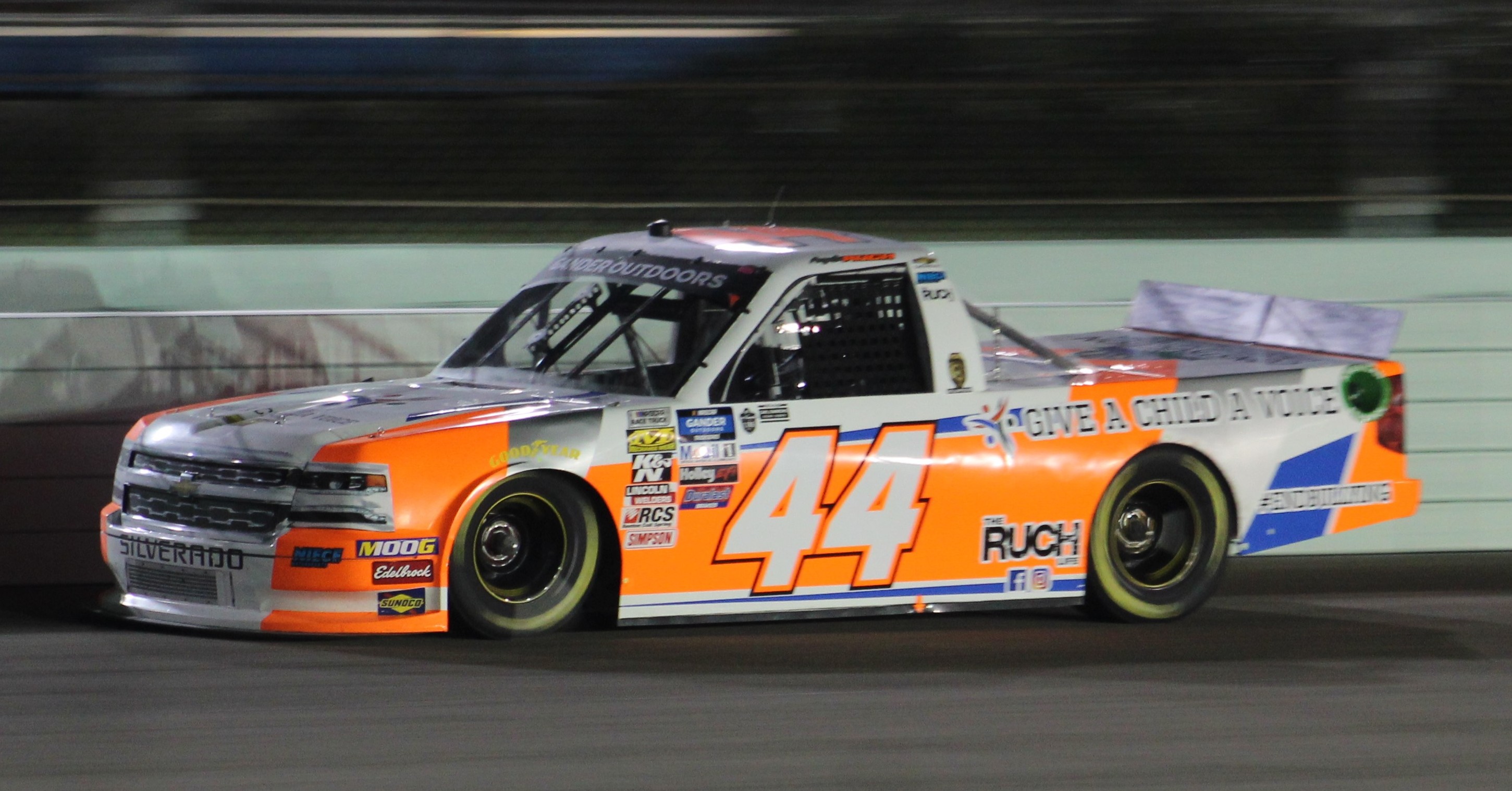
The Chevrolet Silverado is a popular full-size pickup truck. In this segment it’s just used to show how some people stick with a brand they like, even when it affects what they pay.
Term
days-wise
“Days-wise” here refers to how long a vehicle takes to sell in a specific market, often discussed as days on market (how quickly inventory turns). The host ties it to pricing strategy—knowing sell-through speed matters as much as knowing what a car is “worth.”
An auction is where cars get sold to the highest bidder. The host is warning that if cars don’t sell quickly, dealers may have to sell them at auction for less money.
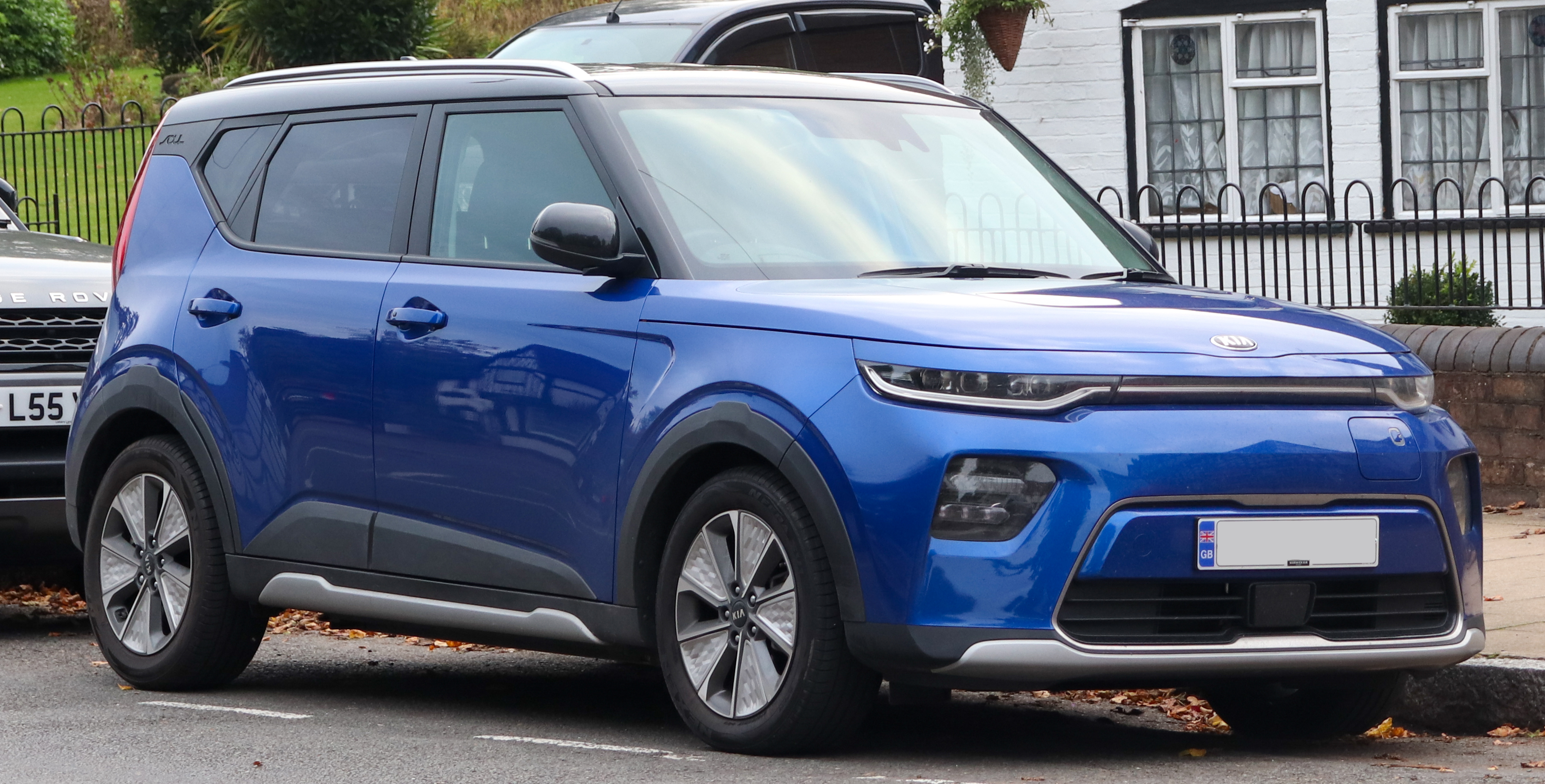
The Kia Soul is a small, boxy-looking car that’s popular for daily driving. The host uses it as an example of someone buying mainly because it “looked cute,” not because it made financial sense.
A master agreement is a big contract that sets the rules for lots of loans. The host is saying CarMax has agreements with lenders that let them arrange financing more smoothly.
Book value is the value a lender uses as the “official” number for what the car is worth. The host is saying some big dealers can get loans based on their listed price, while regular sellers may only get loan amounts based on that lender value.
An advance is how much of the car’s value the lender will actually pay out. The host is saying big dealers can get lenders to fund a larger share of the car’s value than regular sellers.
It’s basically comparing what you paid (or what it costs you to own) to what the market will pay today. If the market won’t match your cost, selling usually means taking a loss.
It means setting the car’s price based on what similar cars are selling for. If you paid too much and owe more than the car is worth, you may have to sell at a loss.
It means losing a lot of money on the sale. In this context, it happens when the dealer’s costs/financing don’t match the car’s real resale value.
Concept
paper starts maturing
“Paper” here means the financing agreement. When it “matures,” the payment is due, and that can force decisions about whether to sell or restructure.
Concept
repose stuff
This is about what happens if the financing doesn’t work out—basically, the lender may take the car back. The speaker is saying we’ll see how often that happens later.
It means new cars were hard to get in large numbers. When dealers can’t get inventory, they often focus on what they can sell, which can shift attention away from used cars.
Tariffs are taxes on imported products. The episode suggests tariffs made it harder for automakers/dealers to offer incentives and sell cars profitably.
Honda is the car company being discussed. The point is that Honda (like other automakers) is taking big EV-related financial hits and adjusting its future product plans.
Concept
redesigns
A redesign is a big update to a car model. The point here is that automakers may be delaying those updates longer than usual because EV plans have been financially painful.
“Full self driving” is Tesla’s name for a set of automated driving features. The host is saying it can handle more of the driving/parking for you than most people expect.
The Infiniti QX80 is a big luxury SUV made for carrying people comfortably. It’s known for staying basically the same for a long time, so older and newer versions can feel very similar. That’s why it often comes up when people talk about what to look for in used ones.
The Ford F-150 Lightning is a pickup truck that runs on electricity instead of gasoline. It’s meant to keep the usefulness of a truck—like hauling and towing—while using a battery. It also gets attention because electric trucks can be expensive to build, which affects how companies price and sell them.
Brand loyalty means how many people keep buying the same brand instead of switching. Here, they’re using loyalty percentages to show which automakers customers stick with the most.
Tesla is an EV brand. Here they’re saying Tesla customers are more loyal, partly because buying a Tesla is easier and more digital than many other brands.
A retail installment contract is the financing paperwork for paying off a car in monthly payments. The point here is that it can require lots of signatures, which makes buying feel slower or more complicated.
“Friction” here means the annoying extra steps that slow down buying a car. The idea is that if a company makes the process easier, customers are more likely to come back.
LIVE
Chris J. Martinez: All right, welcome back to the automotive informants. Zach couldn't be here with us as his computer kind of crashed a little bit, but he may jump on here in a few if he can make it on time. I've got a special guest, Alex Flores, longtime friend, been working with him for, I don't know, when did we first meet? Alex, was 2011, I think? 2011.
Alex Flores: 2011, yes sir, the year I got married, my friend. Yes, yes sir, 15 years ago.
Chris J. Martinez: was man, that's 2011. That's it's been a long time. So 15 years, it's been it's been some time, but Alex has agreed to join us. We're going to talk about, you know, some some cool headlines. Well, some maybe some a little slightly controversial headlines. And the idea is, you know, what what what is the noise? Is it just noise or how can we learn from it as operators? Can we can we get better? Or is it?
Chris J. Martinez: a sign that, you know, maybe we need to do something different. But, you know, I always I I joke a little bit about that. But ⁓ one the headlines, Alex, is that was looking through was on news and it ranked the top used retailers. ⁓ And what's interesting about it is are. Only reporting the new franchises, which.
Chris J. Martinez: You know, I understand it's their new car franchises, but they wanted to showcase the top used car retailers. So when I read that, instinctively, you're going to have the top used car retailers like CarMax, even Carvana. And so they didn't include them on the list. So ⁓ do you think? They include them on the list.
Alex Flores: Mmm. I guess they don't consider them part of the auto industry, ironically, you know, because, mean, which doesn't make any sense because they are, right? And they're definitely eating lunch in so many ways. If we to be honest and we want to really see things for what they really are, but for whatever reason, don't know the real reason to be honest with you, Chris, but I would imagine that they're definitely a big part of the for sure.
Chris J. Martinez: Yeah, you know, and what's what's interesting is CarMax they first started, they had new car franchises. And I remember I worked there in 2003 up until about 2008 or nine. I forget the exact year, but they you would think they include them and Carvana. You know, they just recently bought, I think their seventh Chrysler store. You'd think they'd be on that list, but for whatever reason, they didn't put them on there.
Chris J. Martinez: but, coincidentally, they didn't even put Hertz and Hertz, they sell like 200,000, used cars. They 200,000 used cars a year well. ⁓ and so, you and I have probably put that on that. had recently posted it and shared it, got a huge response from it. ⁓ some, ⁓ negative, some positive. Some of the people, you know, I guess I could read some of those negative ones, but, ⁓ we can leave that for a later time, but.
Chris J. Martinez: You know, Lithia, they did amazing. They did 435,000 vehicles, but CarMax did 800,000 vehicles and Carvana did 400,000. So Carvana would have been third place realistically to Lithia being number two spot and CarMax 800,000. What do you think?
Alex Flores: Man, think they, they're eating our lunch, man. I think they're making it transparent for the guests. They're making it efficient. making it convenient and complicating things again. I I always tell I always tell people that ⁓ we're not against The the mom store down the street.
We're not competing against ABC Toyota or you John Smith Chevrolet we're competing against at least for me my team. competing against Amazon, we're competing against Uber Eats and we're most certainly competing against CarMax and Carbona because making it so easy.
They're giving the guests a to buy that makes so easy and convenient. And the reality ⁓ they're paying more Just like when you do Uber Eats, you know? It blows my mind I see these kids that order Uber Eats.
I'm like, man, how much was that? It's a Chipotle bowl and be $25. I'm like, bro, you could have went and got it. for like $10, you know that right? Yeah, but it's convenient. I don't have to leave work, they bring it to me.
I think that's why people are doing that. That's people are to CarMax because regardless of the regardless of whatever they feel like, at least I know that the price they give me is gonna be the actual price.
There's not gonna be any addendums. There's not gonna be any surprises. At least I know that I might not get exactly what I want for my trade, but I don't have to go back and forth. just playing games and I could just get everything that they're getting the virtual Retailing experience that they're looking for that for whatever reason We ⁓ car are having a really hard time being able to deliver it a hundred percent
Chris J. Martinez: Right. And you know, I think you're right about that. But I also think it's, you know, a strategy standpoint, there's a reason why a CarMax can get built in your market. And all of a sudden have like, you know, three, 400 used cars on their lot, because they don't just like randomly pick used cars, they're looking at the marketplace and seeing what's that void. Okay, so you can look at, I guarantee you, could you can point me to any city in the country today.
Chris J. Martinez: And I can tell you which vehicles literally are missing in that marketplace and show you how I could fill up a store with two, 300 used cars. and dominate that marketplace because you'll see a lot of used car managers, they'll only buy their brand or enough of their brand, right?
Like I'll give you an example, you know, had a competing dealer I was working at and that their Land Rover dealer didn't have any, they didn't have any used cars in stock or the Lexus store didn't have any Lexuses in stock.
And guess what I did? I, I filled up my, my used car lot with those models and we turned them and we priced them accordingly and moved them. And so I think about all of those little opportunities there that you're just not, you're just, your used car departments asleep at the wheel.
They're not really sourcing them appropriately. They don't have a real strategy, a real plan. They kind of just.
Chris J. Martinez: it and just take in trades and that's it. They're not really trying to grow their business. And there's a lot of those people, right? And in addition to that, I think that there's use car dealers that don't put the right money in the cars.
You know, they're trying to hold from the new car department instead of just putting the right money in them to try to make every trade. Because how many times have you been in a store and they're like, oh, that's not, we don't want to buy that car.
And that's not the mindset. Your mindset should be, want to buy all
Chris J. Martinez: of them because if I can make money at wholesale, then I can make money there too. So it happens more often than you think. And interesting when you see that, you know, they're trying to hold on on trades, and the leaves building and they're still think they're holding and they're losing customers. ⁓
Alex Flores: 100 % no, that's that's a hundred percent. It's just always tell people that you know, you don't you don't make money when you sell the car you make money when you buy the car and and to point and that's thing that you and I experienced together when When we work together, you an outstanding job making sure that our merchandise was point and also strategy with pricing.
And that makes big difference because it's going to bring you the leads, it's going to bring you the opportunities. And you combine that with a strong sales force and good culture. And course, transparency that talked about earlier.
And then it's a recipe for ⁓ 100 % success. ⁓ And know that that's without a doubt and you with your experience, being that you worked at CarMax, you had that mindset of, hey, let's take every trade, let's buy every car, let's not be scared.
don't care if it's an older car, there's somebody looking for an older car or hey, it's an expensive Mercedes-Benz. Somebody's looking for that as well and next thing you know, we've got this mix vehicles that is just catering to everyone.
You could have somebody that comes in with their work clothes and they got paint all over their pants. Or you can have somebody come in with a Brioni suit looking for know, a vehicle, a G-Wagon or something, you know?
there's definitely, I think, that mindset of, hey, let's just stick to what we know. That's probably one of the most dangerous statements to make because it's probably, what saying is I'm not willing to get more money and more ⁓ revenue my business because I just want to deal with what I know.
Chris J. Martinez: Yeah, you know, it's funny because, some, some people, have that mentality where like they stick their head in the sand and like, wow, the prices are too expensive. Like I'll give you an example.
Remember when we were at that Toyota store in Austin, and just for background, Alex was with us and we worked together and we did, took the store 50 used cars a month to over 500 used ⁓ cars a month.
an amazing job. We, think, you know, those were some of the most exciting times when was in on the floor ⁓ helping sell cars. But what I think about those days that some these dealers, like the Honda store down the street, basically just stopped buying cars.
And I remember when I heard that and I remember thinking like, man, because he said that the auction prices were too expensive. And so they were just only going to focus in on trades, but then they didn't have a strategy to buy more, acquire more cars.
So there's a lot of those people that just don't want to compete. And so they make it easier for people like ourselves to go after the market and just completely take over. You know what I'm saying? Like there's that, those stores that say, it's too expensive.
How do we compete and this and that instead of, Hey, let's, let's come up with the plan and.
Chris J. Martinez: you know, educate ourselves and
Alex Flores: Is that why they say that scared money doesn't make money? You know, when you're ⁓ too conservative. And you know, that's one thing that I think I learned a long time ago, Chris, you know, when really started understanding used cars and how it works is that, you know, when you're appraising a car, when you're looking at a vehicle, you can't always think of like what, you know, the auto says, or this says, or that says.
You have to think of, hey, what can we retail this vehicle for?
Alex Flores: based on the market, based on the demand in the market, based on the merchandise, what can we retail it for? And lot of the times we did that, right? And then sometimes, yeah, you might be a little deep in one, right?
But then you figure out to get more money down and you get out of the car and you end up making money on it. So it's just, it's work. It's not easy. I mean, if it was easy, everybody would be doing it.
If you could just... Get on your computer and click 10 times and have 10 amazing used cars in your lot that you guarantee to make $5,000 after reconditioning. Well, shoot, that would be amazing, right?
But that's not the case nowadays. Nowadays, you have to really be paying attention. And that's what's really, I walked into this new opportunity here with 60 vehicles over 60 days old. I walked into an average selling price of $35,000.
I walked into a store that were the profit of the used cars. was about $1,200 because they just had so much old stuff and they were just trying to get out of holes. And within 60 days, we had one vehicle over 60 per copy.
So almost at 4,000 a copy. Our average vehicle is $27,000. And it's all the things we're talking about. It's just being disciplined, merchandising. We review every appraisal every day. We also look at missed opportunities.
We have a buying center now that we're growing. We just hire a new person. So doing all the things that Carmex and Carvana are doing that we need to learn from. So I think that's a great article to read and to be able to be humble and say, hey, maybe they're doing some things right.
I know that we probably have more experience when it comes to the sales part, the follow up, the asking for the business and all that stuff. I'm pretty sure we're better than they are, but. They are also winning because they're doing some things that we are terrible and we should learn from that.
Chris J. Martinez: Yeah, well, and then you've got to think, was it maybe 10 years ago or even 15 years ago? I remember a lot of dealers, anytime a CarMax store went into the market, a lot of dealers would send those customers to them. So now they already have that free advertising that dealers were just saying, hey, well, why don't you compare us to their trade appraisal and things like that. So now...
Chris J. Martinez: I remember when I used to work there on a Saturday, we would have like 400 people come in just to appraise their car. Like it was, it was crazy. And, know, and they, they could learn a lot from, you know, the traditional side on how to actually, you know, talk to those people, convert them, things like that, because was a lot of opportunities. That's ⁓ ⁓
Alex Flores: Mmmmm. Yeah, they're just saying they're praising cars. They're not even asking to... ⁓ We would never do that.
Chris J. Martinez: So like it's there's a lot of that. But this leads me into the next segue. And it's ⁓ of the same topic. CarMax and Carvana and all of these people. Just recently, everybody I was looking at all the quarterly statements and all the financials came out this for the first quarter.
And I was looking at Lithia. I was looking at all of the major dealer groups. And I was thinking, okay, so what does that look like? And I started, I have it up right here. And so Q1 Carvana actually crushed everybody.
I mean, it was $405 million in net profit. Penske came in at 234 million. So like doubled them. CarMax, I mean, they just got crushed, right? They did 210 million. And I know some people are saying, well, they had a write down and this and that, but
Chris J. Martinez: Still at the end of the day, this is your first quarter of the year. And this is, they came in at $405 million in net profit. But the real thing that I wanted to point out was Lithia came in at 102 million in net profit and they, they outsold, um, Carvana.
Carvana was, they did 187,000, uh, retail units and Lithia did 204,000 retail units except they did four times the amount of net profit. So Lithia came in at 102 million net profit. Carvana came in at 405 million.
Alex Flores: I mean going back to what we're talking about man that people will pay more for the convenience people will pay more when we're upfront and also to your point, they're strategic, man. They're not just buying cars based off emotions.
I think a lot of the times that happens, like you said earlier, ⁓ this is the brand that I'm used to. This is the brand I like. man, I love Silverado's. man, my dog's name is Chevy. I'm gonna pay all the money for Chevys, right?
So hey, that might be the case, maybe... ⁓ this vehicle is not doing good in my market. Do I know that? It's Chris, is all it is. It's being educated. It's being educated. And nowadays, you be that OG used car guy that, ⁓ hey, worry about it.
I know what a car's worth. Yeah, you might know what a car's worth, but do you know what a car is selling in your market? Do you know what a car is taking to sell in your market days-wise, right?
Alex Flores: Do you know all these things, the demand of the public in your area, right? So I think nowadays what it boils down to, if you wanna be profitable, if you wanna be able to compete with these people, which I think is gonna take us a while to catch up to these guys, because they're way ahead of the game, it's gonna have to take people understanding that education is very, that's why you have all these young kids that are joining the car business with ⁓ college.
education and they put them in these buying centers and they're doing amazing because they're sitting there studying just like you would study the the stock market if you were a day trader I go in there and make you know ⁓ 10 today on the stock market because I don't know what the heck I'm looking at but someone who's looking at every single day and knows what's happening and what this means and what that means and this drop and this racing then they know okay time to buy right now or time to sell And same with people that are taking the time to be educated rather than just say, hey, we need cars.
mean, think about how many dealerships are saying that right now. Hey, we need used cars. And somebody is going to go on the computer today and buy 15 vehicles. And they're even going to get a good job.
They're going to get, hey, great job. You bought 15 vehicles. Man, thank you so much. We needed that. Not realizing that out of those 15 cars, 10 we do not need and are going to sit in our lot for 60 days.
And we're going to end up losing 20 grand at the auction.
Alex Flores: Does that sound familiar? mean, great but great job, though. ⁓ It's
Chris J. Martinez: What's funny is I had a buyer one year, and I won't tell you who, but I remember him buying this Kia Soul, I think it was. it was like green or I don't know what color. was just the everything about this car was wrong. And I looked at it I was like, hey, walk me through how you came to the reasoning behind buying this car. What went through your mind? Good like mind day supply? What was it? Like, why did you say this vehicle?
Chris J. Martinez: And his exact words, and I quote, he said, well, Chris, it looked cute. and I looked at him and I'm just like, man, like it just, unbelievable that the people there's buyers out there that truly buy like that instead of having the analysis, the right information make it like really good decisions to say, you know what? I'm to buy this car because I know it's going to turn a profit.
Chris J. Martinez: I know it's not going to sit on the lot forever and we're here to make money, right? Like that's the whole purpose of buying a car, not because they look cute, not because you like the car. It's a good color. You know, I'm all for the right cars, good color, as long as it's moving fast and I know it's going to make money. Like that's at end of the day, those are the decisions you need to be making on not, Hey, look cute.
Alex Flores: That's right. Think about if going to open a restaurant and went to the bank and you got a loan and it was going to be your business, your family savings, you wouldn't just invest in any location. You wouldn't sign the paperwork.
Chris J. Martinez: 100%. I you're breaking up a little bit, Alex. Absolutely. And I'll tell you, I think what happens is most people don't actually have don't understand that Carmax and Carvana are actually playing a little bit different game.
Let tell you what I mean by that. So, and it's, it's under, it's good to understand this because think a lot of people don't really understand what, and I know some people say, well, they got their own banks and they're all financing.
Okay. What does that mean? And let me tell you what that means specifically. So when I was at CarMax, if you, decided a price of car for 29, nine, guess what? The bank is going to finance that full amount.
their banks will do it. They have CarMax Auto Finance. have all their master agreements with these other lenders like Wells Fargo, Ally, all of those. And they'll they'll finance that price that they put on the car.
Whereas you or me, if we have our we're trying to sell a car and to get the financing, the bank's only gonna loan and your book value is 25 grand. Guess what they're gonna you got to finance 110 % of book trade in value, not what you're selling it for.
You know what saying? And Carmax and Carvana are playing at that a different game and in that regard, so they can price whatever the what they want on that car. the banks are going to loan off that. for you and me, it'll be 180 % advance or some ridiculous advance like that.
But for them, it's okay. The bank will lend it. And it's just completely different because they've got those standardized master agreements because they've got 230 locations now. And they've got that buying power and they...
have that weight where they can literally just price these cars however they want. And of course they 100 % like work like they're you'll be you'll hear that all the time. Hey, how are they putting so much money in these cars?
Well, because, know, don't. If you you're buried in a car and you you own the car 109 % price to market or cost to market. You're more likely going to take a bath if you try to sell it because ⁓ the lender is going to cut you back to 110, 120.
And the customer only has 500 down or 1000 down. And you're still your advance is still out of whack. You're either gonna take make a decision to cut that deal, or don't sell that car. And, you know, you know what that happens, right?
That your first class is your best loss. Because when it's happening is you end up paying you say no to the deal. And then that thing sits on your lot for another hundred days, you know. But I think about that and but 405 million in net profit, they're doing something right.
know what saying? out. Yeah. And I another customer or another comment on post that I did. And they basically saying, hey, look, we'll see what it looks like when that paper starts maturing. And if there's repose stuff.
We'll see what that looks like. don't know. think Carvana their new car business and you know, only time will tell what that's going to look like. But all those stores that they're selling, they're selling new cars out of apparently are, are, have gone through the roof.
They're selling a bunch of new cars. I don't know if you've run into that yet. I don't know. ⁓ don't even know where the locations are at. I know you're over there in Tampa. So I don't, do you guys have a Carvana nearby your store?
Is it a little wide away? Okay. and the machine. Well, here's another one that just came out. You know, with these new cars, one of the comments that one of the guys said the reason why the new franchise dealers weren't really focused these last couple years on used cars and allowed CarMax and Carvana to kind of continue to just take their market share was because they were making so much more money in new cars.
Like so their whole focus was, hey, I'm just going to keep focusing on those new cars. And for me, I felt like that was probably the wrong angle to look at it from because I mean, inventory has been super tight on new cars.
Yes, you can make more money. There was a period where you're making a lot of money on new, but you didn't have that inventory. it was, you know, to be focused so much on an inventory that was tight. I know for when I was at Mercedes specifically, I mean, there was a point where we had just, you know, 20, 30 cars on the lot.
And when we normally would have like 300 cars. know I'm saying? So what do say to things like that? Yeah. Well, even so the tariffs played a big part on that last couple years, right? So there went your incentivized money because now they got to pay for these tariffs.
so, but here's the thing. Like, so we had that challenge or that period where everybody was all in on EVs. And this recent article that just came out, Honda from automotive news on this one as well was saying that they're actually, because they took a $15.8 billion write down.
on those whole EV things, they're actually now going to push back the redesigns. So normally it's refresh redesigns, usually five to seven years. Now they're holding on up to 13 years. What do you think about that?
You think that's just a isolated incident? Because keep in mind, every OEM so far has come out that they've lost, I mean, I think total is like over $100 billion in losses. for these EVs, because now they're switching everything over to hybrids.
Ha ha ha. Wow. I mean, but that was really the only way to sell them, right? Only way. I mean, Believe me, the same thing happened with me at Mercedes. There was a period losing 20, 30 grand a dealer level was like, that was the only way you're going to move them.
That terrible. I never lost money like that in my life. And to move that inventory, you had make some tough decisions. drive a Tesla sir and I'll you that you know that full self driving. It's amazing.
Like I don't know why every manufacturer is not moving towards that and I know a lot of them are starting to move Hyundai announced something Cadillac announced that they're going to be doing some some like autonomous driving.
And I know Rivian just announced. there's, there's, it's definitely going towards that direction with some of these manufacturers. But reality is until you truly experience it, everywhere I go, I just, I'm on self-driving.
Like it's just really the easiest thing, best thing for me specifically. Cause I just, I'm not that type of person that likes to drive. but it's just driving for you, like, it's an experience. you go, like I understand it till I own the car.
And it me everywhere. Like it parks for me. I mean, it's, it's like, ⁓ me, I everybody, do remember blackberries? You used to have a blackberry, right? Well, before iPhone came out, everybody a blackberry.
Right. And then once the iPhone came out, there was still a period where people were like, I like the keyboard. I don't want to touch screen. I was one of those people. but now I believe Tesla is the iPhone everyone else is in a Blackberry.
And so until you truly understand, like drive it and understand that, like, I don't even have to park it park, like it looks for a parking space for me. It just parks like it's, I mean, it's pretty amazing.
You know what saying? You got to try it. quick, getting back to this Honda thing, you know what happened with Infiniti? There was a period where, I mean, that QX80 was the same model forever. ⁓ kind ⁓ to my mind, in my experience, I was at an Infiniti at one point, I felt like that kind of hurt the brand.
Honda announcing that they're doing that. Do you think any of these other manufacturers may move towards that because of all these write downs that they had to do? absolutely. ⁓ I mean, you know, over $100 billion ⁓ losses across all the OEMs.
mean, ⁓ not wasn't unique to Honda. was General Motors, Ford. mean, Ford, what they lose like 20 billion on the lightning. It's every manufacturer, Porsche came saying they lost the money. It was a lot and I think we're not even seeing all of it at this point.
I think there's still some that are going to come announcing ⁓ at point, but, but they talk, they talk about the OEM level, how much was lost, they don't talk about from the dealer level, how much was lost.
And I think that's the part they they're missing. And one more before go is the the loyalty you of hinted at that, you know, Tesla recent loyalty rates for the beginning part of the year came out and said that Tesla was 61.1 % brand loyalty and that was number one across all OEMs.
Dodge was at 15.5 % loyalty and just showing you the ones that had the least loyalty. So I saw Dodge at 15%, Chrysler 21%. Infinity 31 % Ram 38%. And so when you look at all these these brands out there, what do you think?
Why do you think Tesla has such a higher one? Because even Toyota, mean, they're still good at 59%. Subaru was at 60%. But Tesla being up there at 61%. Why do you think they don't have that many models?
Why do you think there's such brand loyalty there? Well, I'll tell you, there was a, so when I bought my Tesla, it was interesting because I did everything online it ⁓ until I went in to pick up the vehicle that I was like, man, where's all my paperwork at?
Like I couldn't, like, I was like, well, I don't have to go to finance. There was like nothing. And I literally signed two documents and I was done. Right. And I remember thinking like, man, that was weird.
Like I didn't even see any paperwork or anything because I had done the credit app. online. did the whole information online and because you saw there's a lot of digital signatures you do when you go in there you just had to sign two documents and that was it.
so then I heard a story later on and what happened was so Elon Musk when he first started that they were first starting to look at you know contracting and all that the he asked how many clicks does it take to buy a Domino's pizza and the CEO or president of the time said he did it and it was 11 clicks, right?
Or 10 clicks. he goes, how many clicks does it take to buy a Tesla right now? And he said it was like 44, something like that. And so he said, but guess what, most of it is due to the contract, the retail installment contract, there's like, I don't know, 40 signatures or 30 signatures that you actually have to fill but we, did some research and they don't really even need all those signatures.
Um, it's just because over, over time and you know, some offices that over time, want, you know, a million different signatures because of this X, Y, Z. Um, but in reality, you didn't really need that many.
So he was able to reduce the amount of clicks it took to actually buy a car. And now it's such a seamless process that you didn't even realize you bought the car. Like I really literally They didn't know that I was done.
All I had to do was pick up the car. Yeah. It's pretty interesting, but it's a, it's something, it's some ways to relook at your current process and think, okay, how can I remove some of this friction so that we can have one, better experience?
Cause what ends up happening? Why do a lot of people go back to CarMax and why does a lot of people go and stay at the Tesla because they have removed that friction. So when they do make that decision, if you can make it easier for them, they're going to remember that and want to come back.
And I think that's some food for thought. As we close up, Alex, could you tie this all into a nice bow and say, all right, this is what dealers really need to focus on. Like, is this a lot of this just, you know, refresher?
this, the takeaway with these ⁓ points we kind of went through today? Well, definitely agree with you on what you just said, because even look at what CarMax, what happened to them, right? Like all of a sudden Carvana came out of nowhere ⁓ started being a real contender for them.
And much so that they lost their, CarMax had to fire their current president and now they just hired a new one. And so then they've had to do a whole new restructuring on advertising strategy, all of it, because their stock is...
Tank and Carvana, if you added all the dealer groups in the country today, the top five, and included Carmax in that, Carvana's market cap is greater than all of those combined, which is kind of interesting.
as always, Alex is great talking with you, always good catching up. I think you are doing an amazing thing out there in Tampa. what you're doing online and seeing how you motivate your team. As always, you've been that leader that I admire and like how you continue to keep pushing yourself and your team to new heights.
And let's it again next time. But to my audience, thank for jumping on. until next week, every week, we through the headlines so you don't have to, and we of help you walk through how you can... ⁓ deploy these into your business.
So until next time. All right. Thank you. you I appreciate it. Thank you. You guys have a good one.
About this episode
The conversation centers on how used-car winners think differently about inventory, pricing, and financing. The hosts contrast traditional dealers with CarMax, Carvana, and Lithia, arguing that profit starts at acquisition and that transparent, low-friction buying can pull in more customers. They also connect dealer economics to broader industry shifts, from financing limits and market-based appraisals to EV losses, Honda’s write-down, and a renewed emphasis on hybrids and driver-assist tech.
The conversation covers a range of topics related to the automotive industry, including the impact of used car retailers, challenges in sourcing and strategy, maximizing profit from used cars, the importance of education and strategy, financial performance of dealerships, the impact of EVs on dealerships, brand loyalty, and customer experience, and streamlining the car buying process.
Takeaways
Used car retailers are reshaping the automotive industry
The importance of education and strategy in used car operations