
Inside the Used Car Wars: Strategy, EVs & Dealer Survival
About this episode
The conversation centers on how used-car winners think differently about inventory, pricing, and financing. The hosts contrast traditional dealers with CarMax, Carvana, and Lithia, arguing that profit starts at acquisition and that transparent, low-friction buying can pull in more customers. They also connect dealer economics to broader industry shifts, from financing limits and market-based appraisals to EV losses, Honda’s write-down, and a renewed emphasis on hybrids and driver-assist tech.
The conversation covers a range of topics related to the automotive industry, including the impact of used car retailers, challenges in sourcing and strategy, maximizing profit from used cars, the importance of education and strategy, financial performance of dealerships, the impact of EVs on dealerships, brand loyalty, and customer experience, and streamlining the car buying process.
Takeaways
- Used car retailers are reshaping the automotive industry
- The importance of education and strategy in used car operations
Chapters
- 00:00 Introduction and Catching Up
- 05:27 Sourcing and Strategy for Used Cars
- 13:28 Financial Performance of Dealerships
- 19:09 Streamlining the Car Buying Process
- 26:29 Impact of EVs on Dealerships
- 32:55 Impact of EVs on Dealerships
- 38:12 Streamlining the Car Buying Process
CarMax
"Chris J. Martinez: You know, I understand it's their new car franchises, but they wanted to showcase the top used car retailers. So when I read that, instinctively, you're going to have the top used car retailers like CarMax, even Carvana. And so they didn't include them on the list."
CarMax is a big used-car seller. The hosts mention it because it’s known for making buying simpler and more predictable than many traditional dealerships.
CarMax is a large used-car retailer that sells vehicles with a focus on transparent, no-haggle-style pricing. In this segment, it’s used as an example of a company that can scale used inventory and compete directly with traditional dealer groups.
Carvana
"Chris J. Martinez: So when I read that, instinctively, you're going to have the top used car retailers like CarMax, even Carvana. And so they didn't include them on the list."
Carvana is another major used-car company that sells cars in a more online and streamlined way. The discussion uses it to show how big these “non-traditional” used retailers have become.
Carvana is a used-car retailer known for an online-first buying experience and large-scale inventory. The hosts compare its volume and market position to other used-car players to argue it should be included among top used retailers.
Hertz
"Chris J. Martinez: but, coincidentally, they didn't even put Hertz and Hertz, they sell like 200,000, used cars. They 200,000 used cars a year well."
Hertz rents cars, but it also sells many of those cars later as used vehicles. The hosts are using it to argue the list is missing major used-car sellers.
Hertz is known for car rentals, but it also sells large numbers of used vehicles after rental cycles. The hosts point out that Hertz sells hundreds of thousands of used cars per year, yet it was omitted from a “top used retailers” list.
Lithia
"Chris J. Martinez: You know, Lithia, they did amazing. They did 435,000 vehicles, but CarMax did 800,000 vehicles and Carvana did 400,000."
Lithia refers to Lithia Motors, a dealership group that sells new and used vehicles at large scale. Here it’s used in a sales-volume comparison to frame how dominant some dealer groups are versus pure-play used retailers.
addendums
"Chris J. Martinez: ...at least I know that the price they give me is gonna be the actual price. There's not gonna be any addendums. There's not gonna be any surprises."
An addendum is extra paperwork that can change the deal after you thought you already had the price. The hosts are saying some buyers want to avoid surprises like that.
In dealership sales, “addendums” are extra contract documents or line items added to the deal after the initial quote. The hosts use the term to describe why some buyers feel traditional dealerships can change the price or terms during the process.
virtual retailing experience
"Chris J. Martinez: ...at least I know that the price they give me is gonna be the actual price. There's not gonna be any addendums. There's not gonna be any surprises. At least I know that I might not get exactly what I want for my trade, but I don't have to go back and forth... just playing games and I could just get everything that they're getting the virtual Retailing experience that they're looking for..."
Virtual retailing means buying a car with a lot of the process done online instead of in person. The point here is that it’s easier and more straightforward, which is why people choose those sellers.
“Virtual retailing” is an online or remote car-buying flow where customers can research, price, and often complete key steps without visiting a dealership. The hosts use it to argue that used-car retailers win by making the process convenient and predictable, similar to how food delivery apps reduce friction.
sourcing used inventory
"Chris J. Martinez: ...they're looking at the marketplace and seeing what's that void. Okay, so you can look at, I guarantee you... which vehicles literally are missing in that marketplace and show you how I could fill up a store with two, 300 used cars... and dominate that marketplace..."
Sourcing used inventory means getting the right used cars in stock. The hosts’ point is that success comes from planning what to buy, not just taking whatever trade-ins show up.
Sourcing used inventory is the process of finding and acquiring specific used vehicles that match local demand—rather than simply waiting for trade-ins. The hosts argue that winning used-car retailers analyze market gaps and actively buy the right cars, while some dealer used-car departments “sleep at the wheel.”
pricing strategy
"Alex Flores: 100 % no, that's that's a hundred percent. It's just always tell people that you know, you don't you don't make money when you sell the car you make money when you buy the car and and to point and that's thing that you and I experienced together... making sure that our merchandise was point and also strategy with pricing."
Pricing strategy is how a dealer decides what price to put on cars. The hosts are saying the key is getting the buying cost and the selling price right so cars move and profits stay healthy.
Pricing strategy is how a dealer sets prices to balance speed of sale, profit, and competitiveness in a specific market. In this segment, the hosts emphasize that dealers make money not just by selling, but by buying right and pricing merchandise effectively.
Mercedes-Benz
"don't care if it's an older car, there's somebody looking for an older car or hey, it's an expensive Mercedes-Benz. Somebody's looking for that as well and next thing you know, we've got this mix vehicles that is just catering to everyone."
Mercedes-Benz is a luxury car brand. They’re using it as an example of the high-end customers dealers can attract, not just budget shoppers.
Mercedes-Benz is a luxury car brand, and it’s used in the segment as an example of the kinds of customers a dealer can serve. The speaker contrasts an expensive Mercedes-Benz buyer with someone shopping for an older car.

G-Class Gwagon
"don't care if it's an older car, there's somebody looking for an older car or hey, it's an expensive Mercedes-Benz. Somebody's looking for that as well and next thing you know, we've got this mix vehicles that is just catering to everyone. You could have somebody that comes in with their work clothes and they got paint all over their pants. Or you can have somebody come in with a Brioni suit looking for know, a vehicle, a G-Wagon or something, you know? there's definitely, I think, that mindset of, hey, let's just stick to what we know. That's probably one of the most dangerous statements to make because it's probably, what saying is I'm not willing to get more money and more ⁓ revenue my business because I just want to deal with what I know."
The G-Class is a luxury SUV with a very recognizable, boxy shape. Even older models can still be in demand because people want that specific vehicle style and status. That’s why it can come up when talking about buyers looking for older, higher-end cars.
The Mercedes-Benz G-Class is a distinctive, boxy luxury SUV known for its rugged design and long-running reputation. In the context you provided, it’s mentioned as an “older car” that still attracts buyers because it’s expensive and has a strong following. That combination—high demand and recognizable styling—often makes it a frequent topic in used-car and market discussions.
appraising a car
"when you're appraising a car, when you're looking at a vehicle, you can't always think of like what, you know, the auto says, or this says, or that says. You have to think of, hey, what can we retail this vehicle for?"
In used-car retail, appraising a car means estimating what the dealer can pay for it and what it can sell for. The speaker emphasizes that you can’t rely only on what “the auto says” or generic pricing—your appraisal should be tied to what you can retail it for based on market demand and the specific vehicle’s condition/value.
merchandising
"So almost at 4,000 a copy. Our average vehicle is $27,000. And it's all the things we're talking about. It's just being disciplined, merchandising."
Merchandising is how a dealer “sets up” the cars to sell—like pricing and presentation choices. The idea is that good merchandising helps you make more money on the same inventory.
Merchandising in used-car sales refers to how inventory is presented and managed to sell faster and at better margins—things like pricing strategy, vehicle mix, and how cars are positioned to buyers. The speaker groups it with discipline as part of how they improved results.
missed opportunities
"We review every appraisal every day. We also look at missed opportunities."
Missed opportunities are sales chances the dealer didn’t take. They’re saying they track those so they can improve what they do next time.
“Missed opportunities” refers to deals or sales chances the dealer didn’t capture—often from pricing, timing, follow-up, or inventory decisions. The speaker says they review these daily, implying it’s part of a feedback loop to improve used-car profitability.
trade appraisal
"So now they already have that free advertising that dealers were just saying, hey, well, why don't you compare us to their trade appraisal and things like that. So now..."
A trade appraisal is how a dealer figures out what your current car is worth if you trade it in. The hosts are saying that how you handle trade values can make or break sales.
A trade appraisal is the valuation process for a customer’s current vehicle when they’re trading it in toward a purchase. The segment frames it as a competitive advantage: dealers can lose customers if they don’t offer a compelling trade value strategy.
write down
"CarMax, I mean, they just got crushed, right? They did 210 million. And I know some people are saying, well, they had a write down and this and that, but"
A write-down is when a company has to admit something they own is worth less than they thought. The host brings it up because it can make profit numbers look lower.
A write-down is an accounting adjustment where a company reduces the book value of an asset because it’s worth less than previously recorded. The host mentions write-downs as a possible reason some companies’ profits look worse, even if sales are still happening.
net profit
"Q1 Carvana actually crushed everybody. [1064.1s] I mean, it was $405 million in net profit. Penske came in at 234 million."
Net profit is the “bottom line” profit after all the bills are paid. The host is using it to compare which companies made more money that quarter.
Net profit is the money a business keeps after subtracting expenses, costs, and taxes from revenue. In this segment, the host uses net profit to compare how profitable different used-car retailers were in the same quarter.
Penske
"Penske came in at 234 million. So like doubled them. CarMax, I mean, they just got crushed, right?"
Penske is another big company the host is comparing in the used-car/dealer business. They mention Penske’s profit number just to show how the competitors stack up.
Penske is referenced here as a major player in the automotive retail/transportation space, included in the host’s comparison of quarterly financial performance. The segment uses Penske’s net profit as another benchmark against Carvana and CarMax.
retail units
"Carvana was, they did 187,000, uh, retail units and Lithia did 204,000 retail units"
Retail units means how many cars a company actually sold to regular buyers. The host compares those counts between companies to show who sold more cars.
Retail units are the number of vehicles sold to end customers (not wholesale auctions or dealer-to-dealer sales). The host compares retail-unit volume between Carvana and Lithia to show sales scale alongside profitability.
Chevy
"I think a lot of the times that happens, like you said earlier, ⁓ this is the brand that I'm used to. This is the brand I like. man, I love Silverado's. man, my dog's name is Chevy."
Chevy is short for Chevrolet. The host is saying some people buy based on brand loyalty—like they trust the brand—rather than focusing on the best deal.
Chevy is the consumer-facing nickname for Chevrolet, used to describe brand loyalty and preference. The host uses it to illustrate how some buyers pay more because of familiarity with a brand rather than because the deal is objectively good.
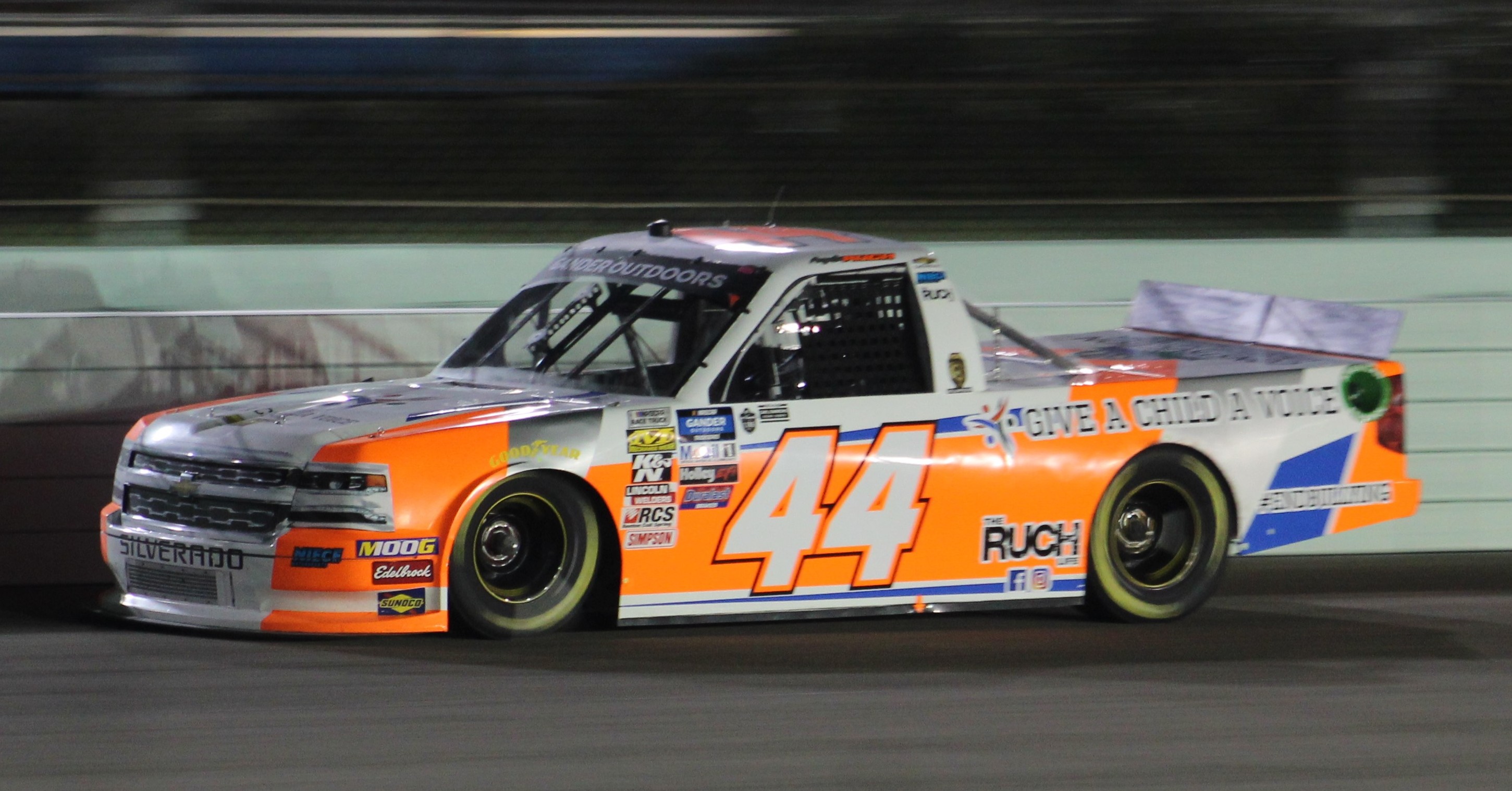
Chevrolet Silverado
"This is the brand I like. man, I love Silverado's. man, my dog's name is Chevy."
The Chevrolet Silverado is a popular full-size pickup truck. In this segment it’s just used to show how some people stick with a brand they like, even when it affects what they pay.
The Chevrolet Silverado is a full-size pickup truck line known for being a mainstream workhorse and family hauler. Here, it’s mentioned as part of the host’s example of brand loyalty—someone who loves the Silverado enough to overpay for “Chevys.”
days-wise
"Do you know what a car is selling in your market? Do you know what a car is taking to sell in your market days-wise, right?"
“Days-wise” here refers to how long a vehicle takes to sell in a specific market, often discussed as days on market (how quickly inventory turns). The host ties it to pricing strategy—knowing sell-through speed matters as much as knowing what a car is “worth.”
auction
"Not realizing that out of those 15 cars, 10 we do not need and are going to sit in our lot for 60 days. [1288.9s] And we're going to end up losing 20 grand at the auction."
An auction is where cars get sold to the highest bidder. The host is warning that if cars don’t sell quickly, dealers may have to sell them at auction for less money.
An auction is a marketplace where vehicles are sold to buyers (often dealers) through competitive bidding. The host describes a scenario where unsold inventory sits on a lot and then gets sold at auction at a loss.
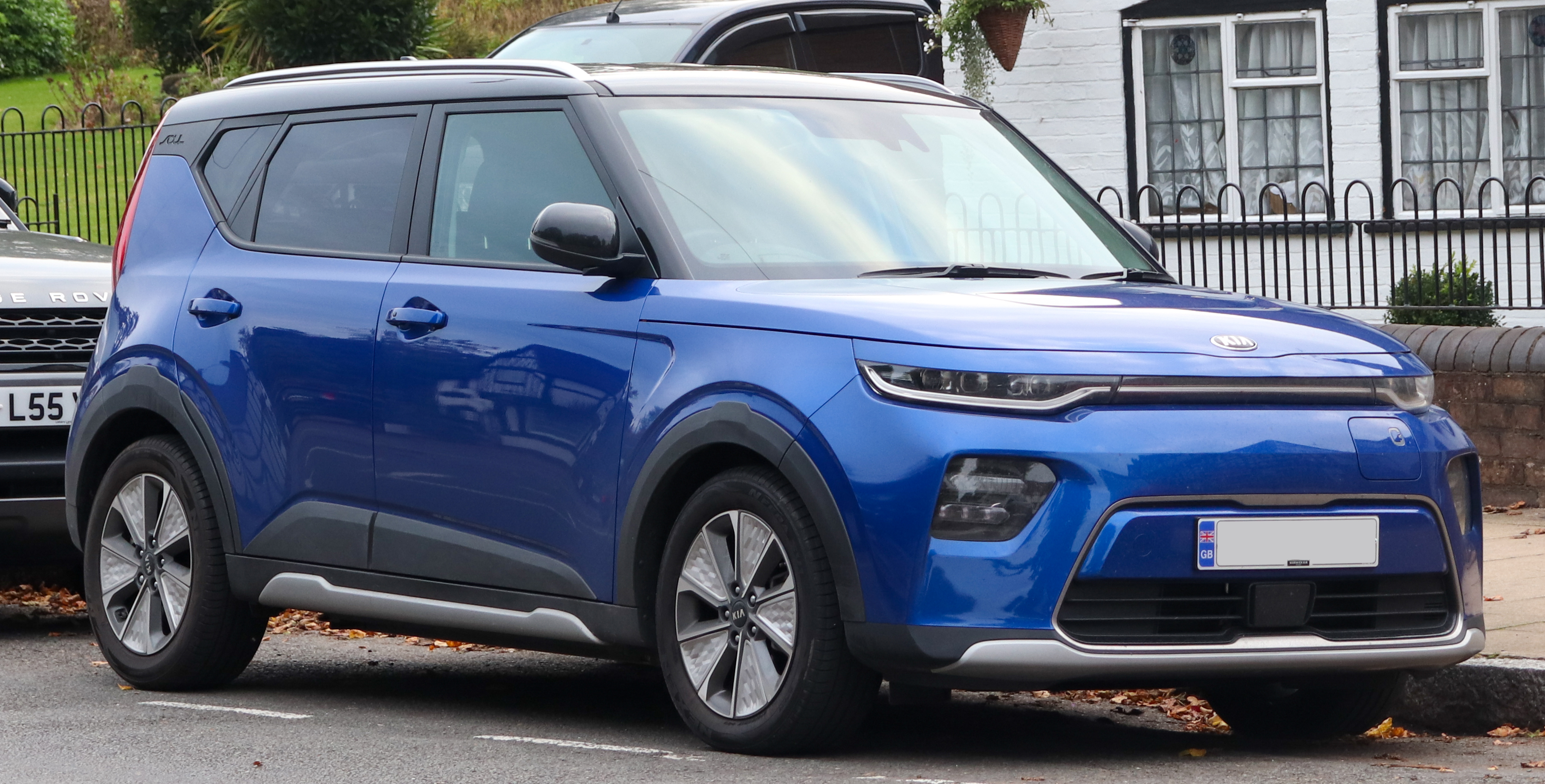
Kia Soul
"I had a buyer one year, and I won't tell you who, but I remember him buying this Kia Soul, I think it was. it was like green or I don't know what color."
The Kia Soul is a small, boxy-looking car that’s popular for daily driving. The host uses it as an example of someone buying mainly because it “looked cute,” not because it made financial sense.
The Kia Soul is a compact crossover/hatchback known for its boxy styling and easy-to-understand “everyday” appeal. In this segment, it’s used as an example of a buyer who chose the car based on how it looked rather than doing market/financial analysis.
master agreements
"They have CarMax Auto Finance. have all their master agreements with these other lenders like Wells Fargo, Ally, all of those."
A master agreement is a big contract that sets the rules for lots of loans. The host is saying CarMax has agreements with lenders that let them arrange financing more smoothly.
Master agreements are standardized contracts between a lender and a financing partner that define the terms for many transactions. The host says CarMax Auto Finance has master agreements with other lenders, which helps them finance the full price they set on cars.
Wells Fargo
"have all their master agreements with these other lenders like Wells Fargo, Ally, all of those."
Wells Fargo is a bank. The host mentions it as an example of a lender that can help fund car loans arranged by big dealers.
Wells Fargo is a financial institution mentioned as one of the lenders that can participate in auto financing arrangements. The host uses it to explain how dealer financing can be structured through relationships with major lenders.
Ally
"like Wells Fargo, Ally, all of those."
Ally is a finance company. The host lists it as another lender that can be involved when dealers arrange financing.
Ally is a financial company mentioned as an auto-lending partner in the dealer financing ecosystem. In this segment, it supports the point that CarMax/Carvana can finance the prices they set through lender relationships.
book value
"Whereas you or me, if we have our we're trying to sell a car and to get the financing, the bank's only gonna loan and your book value is 25 grand."
Book value is the value a lender uses as the “official” number for what the car is worth. The host is saying some big dealers can get loans based on their listed price, while regular sellers may only get loan amounts based on that lender value.
Book value is the value of a vehicle as recorded for financing/lending purposes (often tied to accounting or collateral valuation), not necessarily the dealer’s asking price. The host contrasts how CarMax/Carvana can get banks to finance the price they set versus how an individual seller might be limited to financing based on book value.
advance
"for you and me, it'll be 180 % advance or some ridiculous advance like that."
An advance is how much of the car’s value the lender will actually pay out. The host is saying big dealers can get lenders to fund a larger share of the car’s value than regular sellers.
In auto lending, an advance is the percentage of the collateral value (or book value) that the lender is willing to fund. The host claims CarMax/Carvana can structure financing so banks advance a higher amount relative to book value, letting them price cars more aggressively.
cost to market
"If you you're buried in a car and you you own the car 109 % price to market or cost to market. You're more likely going to take a bath if you try to sell it because ⁓ the lender is going to cut you back..."
It’s basically comparing what you paid (or what it costs you to own) to what the market will pay today. If the market won’t match your cost, selling usually means taking a loss.
“Cost to market” is the idea that the car’s purchase/ownership cost should line up with current market pricing. If your cost is far above what the market will pay, you’re more likely to lose money when you sell.
price to market
"Well, because, know, don't. If you you're buried in a car and you you own the car 109 % price to market or cost to market. You're more likely going to take a bath if you try to sell it..."
It means setting the car’s price based on what similar cars are selling for. If you paid too much and owe more than the car is worth, you may have to sell at a loss.
“Price to market” means pricing a used car based on what similar cars are selling for right now. In the segment, the speaker contrasts that with being “buried” in a car (owing more than it’s worth), which makes selling harder.
take a bath
"You're more likely going to take a bath if you try to sell it because ⁓ the lender is going to cut you back to 110, 120."
It means losing a lot of money on the sale. In this context, it happens when the dealer’s costs/financing don’t match the car’s real resale value.
“Take a bath” is a business phrase meaning you sell at a big loss. Here, it’s used to describe what happens when a dealer’s financing/advance is higher than what the car can realistically fetch.
paper starts maturing
"And they basically saying, hey, look, we'll see what it looks like when that paper starts maturing. And if there's repose stuff."
“Paper” here means the financing agreement. When it “matures,” the payment is due, and that can force decisions about whether to sell or restructure.
“Paper” refers to the financial contract or debt instrument tied to the purchase/financing. “Maturing” means the contract’s due date arrives, which can change the dealer’s options and cash-flow pressure.
repose stuff
"We'll see what it looks like when that paper starts maturing. And if there's repose stuff."
This is about what happens if the financing doesn’t work out—basically, the lender may take the car back. The speaker is saying we’ll see how often that happens later.
“Repose” is likely shorthand for repossession-related outcomes—when a lender takes back collateral if payments or terms aren’t met. The speaker is suggesting that as financing contracts mature, repossession risk could become a factor.
inventory has been super tight on new cars
"because I mean, inventory has been super tight on new cars. Yes, you can make more money. There was a period where you're making a lot of money on new, but you didn't have that inventory."
It means new cars were hard to get in large numbers. When dealers can’t get inventory, they often focus on what they can sell, which can shift attention away from used cars.
“Super tight” new-car inventory means there are fewer vehicles available for dealers to sell than usual. The speaker argues that when supply is constrained, dealers can earn more on new cars, which affects how much attention they pay to used-car inventory.
tariffs
"Well, even so the tariffs played a big part on that last couple years, right? So there went your incentivized money because now they got to pay for these tariffs."
Tariffs are taxes on imported products. The episode suggests tariffs made it harder for automakers/dealers to offer incentives and sell cars profitably.
Tariffs are taxes imposed on imported goods. The speaker says tariffs affected incentives and dealer economics, implying higher costs and less favorable pricing conditions during the period discussed.
Honda
"this recent article that just came out, Honda from automotive news on this one as well was saying that they're actually, because they took a $15.8 billion write down..."
Honda is the car company being discussed. The point is that Honda (like other automakers) is taking big EV-related financial hits and adjusting its future product plans.
Honda is an automaker referenced here via an Automotive News report about EV financial write-downs and a decision to delay EV redesign timelines. The segment uses Honda as an example of how EV losses are pushing manufacturers to change plans.
redesigns
"they're actually now going to push back the redesigns. So normally it's refresh redesigns, usually five to seven years. Now they're holding on up to 13 years."
A redesign is a big update to a car model. The point here is that automakers may be delaying those updates longer than usual because EV plans have been financially painful.
In automotive product planning, “redesigns” are major updates to a vehicle’s platform, styling, and/or powertrain strategy. The speaker contrasts the usual 5–7 year refresh cadence with Honda’s reported plan to hold redesigns up to 13 years due to EV losses.
hybrids
"Because now they're switching everything over to hybrids."
A hybrid uses a gas engine plus an electric motor. In the episode, it’s mentioned as the fallback plan while companies work through EV challenges.
Hybrids use both an internal-combustion engine and an electric motor/battery to improve efficiency and reduce emissions versus a purely gas car. The speaker frames hybrids as the near-term alternative automakers are switching to while EV losses mount.
OEMs
"Because keep in mind, every OEM so far has come out that they've lost, I mean, I think total is like over $100 billion in losses. for these EVs..."
OEMs are the car makers themselves. In the episode, it means most automakers have taken big losses related to EVs.
OEMs are “original equipment manufacturers”—the companies that build vehicles and major components sold under their brands. The speaker uses OEMs to summarize that many automakers have reported large EV losses.
full self driving
"drive a Tesla sir and I'll you that you know that full self driving. It's amazing."
“Full self driving” is Tesla’s name for a set of automated driving features. The host is saying it can handle more of the driving/parking for you than most people expect.
“Full self driving” refers to Tesla’s driver-assistance package marketed as enabling more automated driving functions. In this segment, the speaker emphasizes the practical experience—automation for driving tasks and parking—rather than just theoretical capability.

Infiniti QX80
"... Infiniti? There was a period where, I mean, that QX80 was the same model forever. ⁓ kind ⁓ to my mind, ..."
The Infiniti QX80 is a big luxury SUV made for carrying people comfortably. It’s known for staying basically the same for a long time, so older and newer versions can feel very similar. That’s why it often comes up when people talk about what to look for in used ones.
The Infiniti QX80 is a full-size luxury SUV built for comfort and space, typically aimed at buyers who want a large, family-friendly vehicle with a more upscale interior. The podcast’s note about it being “the same model forever” points to how long it stayed largely unchanged in its generation, which can make it a familiar choice for shoppers. It may come up in discussions because its long production run affects how buyers compare used examples and what to expect from different model years.

Ford F-150 Lightning
"...mean, Ford, what they lose like 20 billion on the lightning. It's every manufacturer, Porsche came saying the..."
The Ford F-150 Lightning is a pickup truck that runs on electricity instead of gasoline. It’s meant to keep the usefulness of a truck—like hauling and towing—while using a battery. It also gets attention because electric trucks can be expensive to build, which affects how companies price and sell them.
The Ford F-150 Lightning is an all-electric version of the F-150 pickup, designed to bring battery-electric power to a mainstream truck platform. The podcast reference to Ford “losing” money highlights that early electric-truck production and pricing can be financially challenging for manufacturers. It’s discussed because it represents a major shift in how trucks are powered and because its business impact and real-world ownership costs are closely watched.
brand loyalty
"And one more before go is the the loyalty you of hinted at that, you know, Tesla recent loyalty rates for the beginning part of the year came out and said that Tesla was 61.1 % brand loyalty and that was number one across all OEMs."
Brand loyalty means how many people keep buying the same brand instead of switching. Here, they’re using loyalty percentages to show which automakers customers stick with the most.
Brand loyalty is how likely customers are to choose the same brand again instead of switching to competitors. In this segment, the hosts use loyalty-rate percentages to compare how strongly different automakers keep buyers within their own brand ecosystem.
Tesla
"Tesla recent loyalty rates for the beginning part of the year came out and said that Tesla was 61.1 % brand loyalty and that was number one across all OEMs... Why do you think Tesla has such a higher one?"
Tesla is an EV brand. Here they’re saying Tesla customers are more loyal, partly because buying a Tesla is easier and more digital than many other brands.
Tesla is a battery-electric vehicle (EV) brand that’s also known for selling in a more direct, online-first way than many traditional automakers. In this segment, Tesla’s higher reported brand-loyalty rate is tied to a smoother buying process with less in-person paperwork and fewer steps.
Dodge
"So I saw Dodge at 15%, Chrysler 21%. Infinity 31 % Ram 38%. And so when you look at all these these brands out there, what do you think?"
Dodge is one of the car brands they’re comparing. They mention it because its loyalty percentage is relatively low in their list.
Dodge is a vehicle brand used here to illustrate lower reported brand-loyalty compared with Tesla and other OEMs. The segment lists multiple brands with different loyalty percentages to show how customer attachment varies across the market.
Infinity
"So I saw Dodge at 15%, Chrysler 21%. Infinity 31 % Ram 38%. And so when you look at all these these brands out there, what do you think?"
“Infinity” here likely means Infiniti, a luxury car brand. They mention it just to compare loyalty numbers between brands.
“Infinity” appears to be a transcription of Infiniti, the luxury vehicle brand. It’s mentioned only as part of the loyalty-percentage comparison across OEM brands.
Chrysler
"So I saw Dodge at 15%, Chrysler 21%. Infinity 31 % Ram 38%. And so when you look at all these these brands out there, what do you think?"
Chrysler is one of the brands they’re comparing using loyalty numbers. It’s included to show the range of loyalty across automakers.
Chrysler is mentioned as part of a set of OEM brands with different brand-loyalty rates. The point is comparative—showing that some brands have much lower loyalty than Tesla in the reported figures.
Ram
"So I saw Dodge at 15%, Chrysler 21%. Infinity 31 % Ram 38%. And so when you look at all these these brands out there, what do you think?"
Ram is another brand they list in their loyalty comparison. They’re using it to show that some brands keep customers better than others.
Ram is included in the segment’s loyalty-rate comparison across brands. The hosts use it to demonstrate that loyalty varies widely even among brands that might be grouped under the same broader corporate umbrella.
retail installment contract
"but guess what, most of it is due to the contract, the retail installment contract, there's like, I don't know, 40 signatures or 30 signatures that you actually have to fill but we, did some research and they don't really even need all those signatures."
A retail installment contract is the financing paperwork for paying off a car in monthly payments. The point here is that it can require lots of signatures, which makes buying feel slower or more complicated.
A retail installment contract is the financing agreement used when a buyer pays for a vehicle over time (typically with monthly payments). The segment claims that this paperwork-heavy step creates many “clicks”/signatures, and that streamlining it can reduce friction in the purchase flow.
friction
"All I had to do was pick up the car. Yeah. It's pretty interesting, but it's a, it's something, it's some ways to relook at your current process and think, okay, how can I remove some of this friction so that we can have one, better experience?"
“Friction” here means the annoying extra steps that slow down buying a car. The idea is that if a company makes the process easier, customers are more likely to come back.
In retail terms, “friction” is anything that makes a purchase harder, slower, or more confusing—like extra steps, paperwork, or in-person visits. The hosts argue that reducing friction improves the customer experience and increases the chance buyers return or stay with a brand.
Request an Explanation
Heard something you'd like explained? We'll add it to this episode.
Sign in to request explanations for terms you heard.
Want to learn more?
Browse our glossary for plain-English explanations of automotive terms, jargon, and concepts.
Help improve this episode
See something that's not quite right? Our annotations are AI-generated and can sometimes miss the mark. Click the flag icon on any annotation to suggest a correction.