
July 10, 2026 | The week’s top stories and J.D. Power’s Robert Karwel on sales, pricing, incentives
About this episode
Canadian auto sales held up better than expected in the first half of 2026, but Robert Karwel says the market is being propped up by rising incentives, thinner dealer margins and buyers chasing better deals as prices climb. The discussion digs into slower inventory turns, lingering tariff uncertainty, and how Canadians are still favoring well-equipped smaller vehicles. They also explore the surprising strength of passenger cars, especially hybrids, as some sedans are now pricing below compact SUVs.
USMCA uncertainty; Subaru’s Solterra price cut; and sub deal lacks auto. Plus, J.D. Power Canada Director of OEM Solutions Robert Karwel talks first-half sales, pricing, leasing, incentives and more.
USMCA
"North America's auto industry this month avoided the collapse of the United States-Mexico-Canada agreement, but automakers warn years of uncertainty remain. That's because the US declined to renew the trade pact for another 16 years."
USMCA is a trade agreement between the U.S., Canada, and Mexico. If it’s unclear whether it will be renewed, car companies may hesitate to make big long-term plans because rules and costs could change.
USMCA (the United States–Mexico–Canada Agreement) is the trade framework governing tariffs and market access across the three countries. The segment highlights that uncertainty around renewing it can affect automakers’ long-term investment planning.
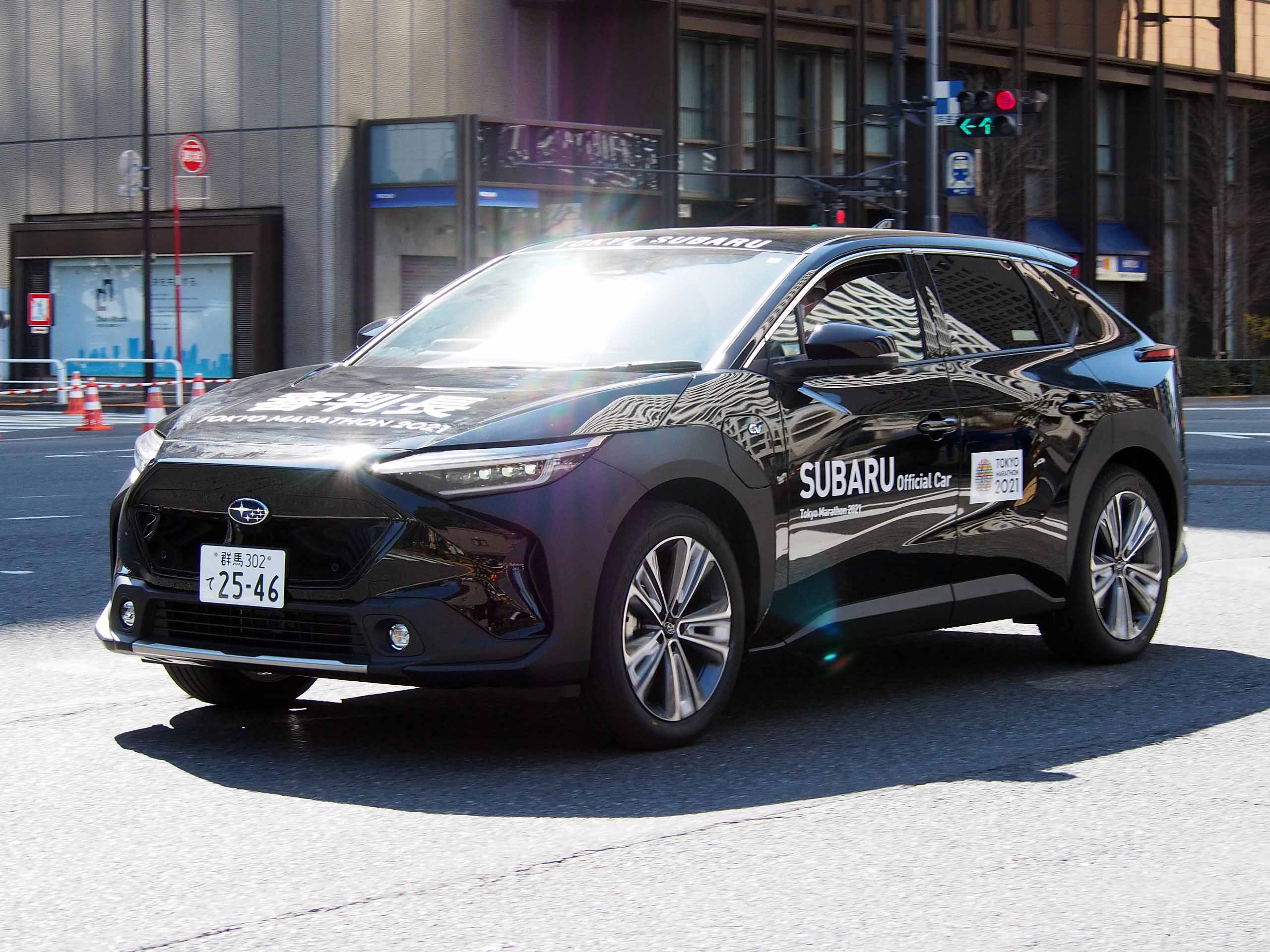
Subaru Solterra
"In retail news, Subaru is slashing the price of its updated Solterra electric SUV. It's doing so in an effort to ensure the vehicle qualifies for Canada's revived EV rebate."
The Subaru Solterra is Subaru’s electric SUV. Here, Subaru is lowering the price so the car can qualify for Canada’s government EV rebate, which can reduce what buyers pay.
The Subaru Solterra is Subaru’s electric SUV, built around an electric powertrain and sold as an all-wheel-drive crossover. In this segment, the host focuses on Subaru cutting the price of the updated Solterra to help it qualify for Canada’s EV rebate rules.
EV rebate
"It's doing so in an effort to ensure the vehicle qualifies for Canada's revived EV rebate. The 2027 model will start at just under $48,000."
An EV rebate is money back (or a discount) from the government when you buy an electric car. The car has to meet certain rules to qualify, so manufacturers sometimes adjust pricing to make sure it does.
An EV rebate is a government incentive that reduces the purchase cost of an electric vehicle if it meets eligibility requirements. In Canada, the rebate rules can depend on things like the vehicle’s price and model year, which is why pricing changes can matter.
trim mix
"There aren't large wholesale decreases in the trim mix. I'd say maybe some of the frame-based segments might be experiencing a little bit more of that where consumers are kind of humbling and hawing and maybe not taking as elaborately equipped a vehicle."
“Trim mix” just means which versions of a car people are buying—like the basic model versus the fully loaded one. If the trim mix isn’t getting worse, it suggests buyers are still choosing more expensive, better-equipped versions.
“Trim mix” is the mix of different equipment levels (base, mid, and top trims) that make up a brand’s or market’s sales. When the trim mix doesn’t “deteriorate,” it usually means shoppers are still buying higher-option versions rather than only the cheapest ones.
frame-based segments
"I'd say maybe some of the frame-based segments might be experiencing a little bit more of that where consumers are kind of humbling and hawing and maybe not taking as elaborately equipped a vehicle."
“Frame-based” means the car is built on a separate strong frame, like many trucks and rugged SUVs. That construction can make the vehicle feel different and often attracts a different kind of buyer than regular passenger cars.
“Frame-based” refers to vehicles built on a separate ladder-style chassis (body-on-frame), rather than a unibody construction. In the market, frame-based segments can behave differently because they often include trucks and rugged SUVs that appeal to different buyer needs.
compact SUV
"I'd say now on the two critical segments for most consumers in Canada, right, which is compact SUV and subcompact SUV. And subcompact SUV is on a tear in terms of market share growth, but also it's taking a little bit more pricing than the compact SUV segment is because…"
A “compact SUV” is a mid-sized small SUV—bigger than the smallest SUVs, but not as big as the larger ones. Car shoppers often compare within this size class, so sales and pricing trends can be very different here than in other SUV sizes.
A “compact SUV” is a smaller sport-utility vehicle category positioned between subcompact SUVs and larger midsize SUVs. The segment matters because pricing, incentives, and buyer switching behavior often differ by size class.
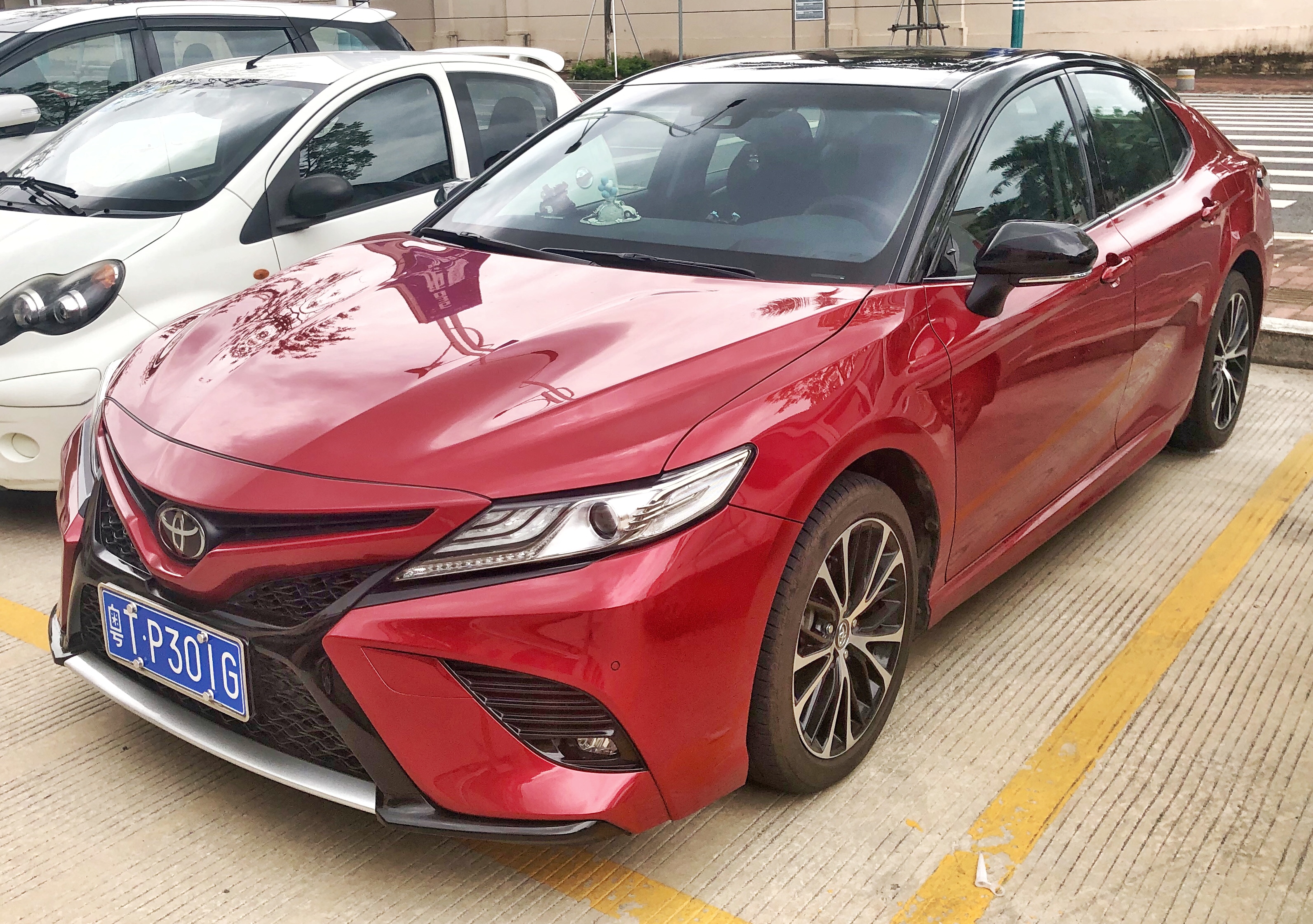
Camry
"Derosia Automotive just today, as you and I speak, noted that the intermediate passenger car segment, so Prius, Camry, some others in there, saw a 24% sales increase in the first half of the year."
The Toyota Camry is a popular mid-size sedan. In this conversation, it’s grouped with other mid-size passenger cars to talk about sales trends.
The Toyota Camry is a mainstream mid-size sedan that’s long been a volume seller in North America. The transcript groups it with the Prius under an “intermediate passenger car” segment to discuss sales growth.

Prius
"Derosia Automotive just today, as you and I speak, noted that the intermediate passenger car segment, so Prius, Camry, some others in there, saw a 24% sales increase in the first half of the year."
The Toyota Prius is a hybrid car—meaning it uses both a gasoline engine and an electric motor. Here it’s mentioned as one of the cars in the mid-size passenger-car group that saw sales growth.
The Toyota Prius is a hybrid electric vehicle (HEV) known for popularizing mass-market hybrid technology. In this segment discussion, it’s used as an example of the “intermediate passenger car” category that includes models like the Camry.
retail
"our data's telling us we're about 90% for retail. And maybe it was about 8812 in terms of light truck versus passenger car as body styles..."
In this context, “retail” means regular customer sales—people buying cars for themselves through dealerships. It’s different from sales to businesses or fleets.
In automotive sales reporting, “retail” refers to customer purchases through dealers (as opposed to fleet or wholesale shipments). Retail share helps show what buyers are actually choosing in the market.
passenger car
"And maybe it was about 8812 in terms of light truck versus passenger car as body styles, right? So, truck, obviously, encompassing pickup SUV and van body styles."
“Passenger car” means cars meant mainly for people—like sedans and smaller vehicles. It’s being compared against trucks/SUVs in the sales numbers.
“Passenger car” is a sales-data category for vehicles primarily designed to carry people, typically sedans and smaller cars, rather than trucks. In this segment, it’s contrasted with “light truck” categories like pickups and SUVs.
light truck
"And maybe it was about 8812 in terms of light truck versus passenger car as body styles, right? So, truck, obviously, encompassing pickup SUV and van body styles."
“Light truck” here is a sales category that usually means pickups, SUVs, and vans. It’s how analysts group these vehicles for comparing sales trends.
“Light truck” is a market category that typically includes pickups, SUVs, and vans rather than heavy-duty trucks. It’s used in sales data to group vehicles with similar buyer and usage patterns.
hybrid power train
"I think the hybrid kind of power train equation is also complicating some of this in that there's more Canadians that are now clearly on a path to save some of their operating costs and the hybrid power train, regardless of the body style..."
A hybrid is a car that uses two energy sources: a gas engine and an electric motor. It can switch between them depending on how you’re driving, which often helps it use less fuel.
A hybrid powertrain combines a gasoline engine with an electric motor and a battery. The car can use electricity for some driving and use the engine for other situations, which can improve efficiency and reduce fuel use compared with a purely gas car.
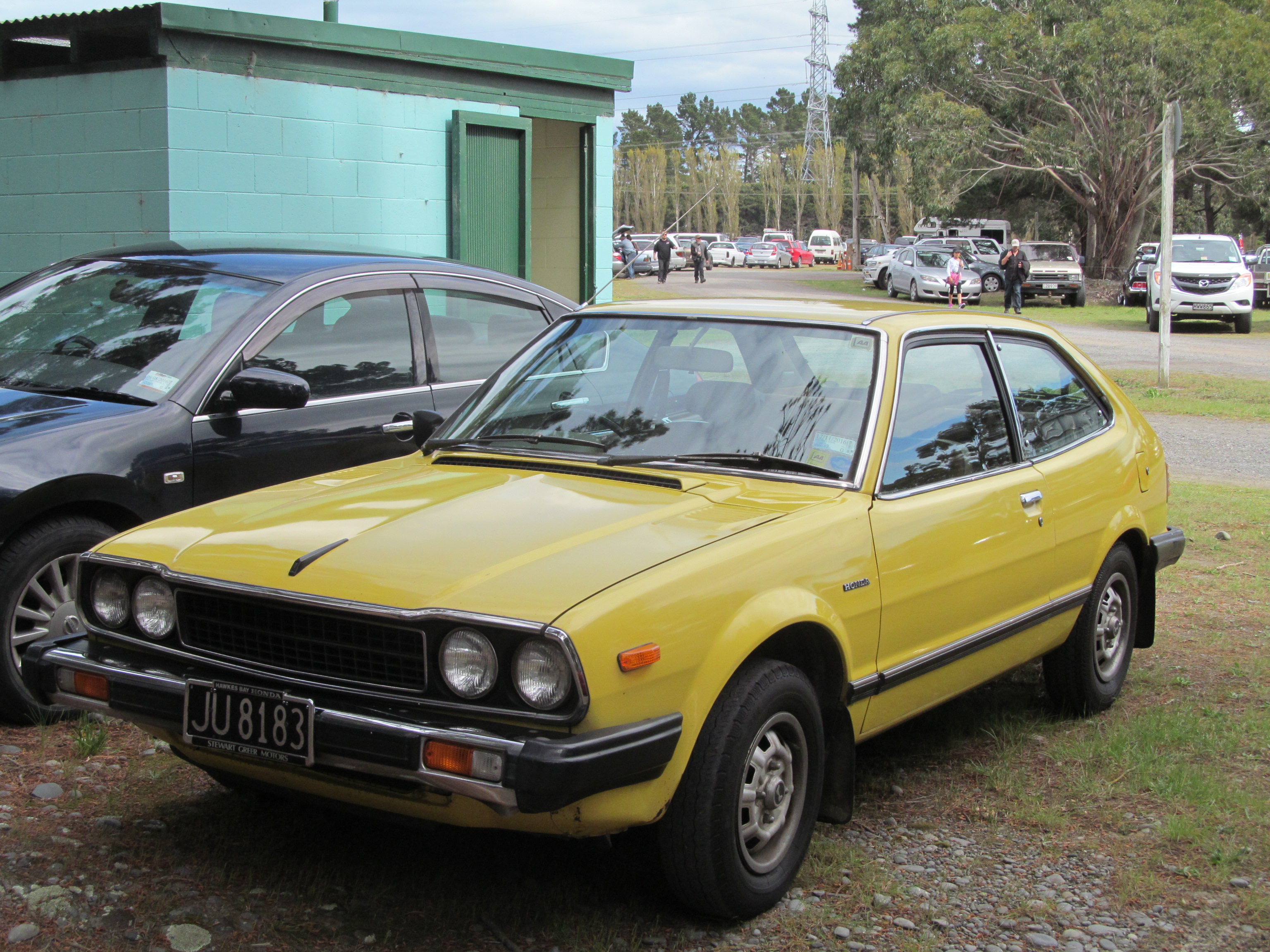
Honda Accord
"your average intermediate car, so think like Honda Accord segment, at transaction price, it's actually underneath where your average compact SUV was."
The Honda Accord is a popular midsize sedan. Here it’s mentioned as an example of the kind of car analysts mean when they say “intermediate car.”
The Honda Accord is a midsize sedan that’s commonly used as a benchmark for “intermediate car” sales and pricing. In this discussion, it’s referenced to illustrate how average transaction prices in the midsize car category compare to compact SUVs.
SUV body style
"Yes, it's an SUV body style, most likely with all-wheel drive, well-trimmed, right?"
An SUV body style is the common “taller” family-car shape—higher seating and more space. The host is saying this kind of vehicle is probably what shoppers are looking at, often with extra features.
An SUV body style is a vehicle category defined by a higher ride height, a more upright seating position, and typically a body designed for passenger space plus light utility. In the transcript, they’re also tying it to likely drivetrain choices like all-wheel drive and to consumer “trim” levels.
all-wheel drive
"Yes, it's an SUV body style, most likely with all-wheel drive, well-trimmed, right?"
All-wheel drive means the car can send power to all four tires. That usually helps it grip better in rain, snow, or slippery conditions.
All-wheel drive (AWD) sends power to all four wheels, improving traction compared with two-wheel drive—especially on wet, snowy, or uneven roads. The host mentions it as a common pairing with the SUV body style, implying many buyers expect AWD capability.
well-trimmed
"Yes, it's an SUV body style, most likely with all-wheel drive, well-trimmed, right?"
“Trim” is basically the car’s package of features. “Well-trimmed” means it likely comes with more options and nicer equipment.
A “trim” level is the specific equipment package a car is sold with—things like infotainment, interior materials, driver-assistance features, and sometimes engine options. “Well-trimmed” here suggests the SUV is likely offered in a higher-equipment configuration rather than a bare-bones version.
CFTP
"But at about an average CFTP of about 41,000 to 42,000, where your intermediate passenger car, one entire platform size larger, but yes, it is a sedan on an SUV."
CFTP is a sales/marketing metric that tries to measure how long it takes someone to go from thinking about a purchase to actually buying. Here, they’re using it to compare how quickly people shop for different types of cars.
CFTP is an industry shorthand for the average time it takes a buyer to complete a purchase decision—often used in retail/auto sales analytics. In this context, the hosts compare different vehicle categories by their typical CFTP to gauge how quickly shoppers move from consideration to buying.
sedan
"But at about an average CFTP of about 41,000 to 42,000, where your intermediate passenger car, one entire platform size larger, but yes, it is a sedan on an SUV."
A sedan is the classic car shape with a separate trunk. The host is saying the car is positioned like an SUV, but it’s still built around sedan-style fundamentals.
A sedan is a passenger car body style with a separate trunk and a more traditional “three-box” layout. The host contrasts sedan and SUV categories, saying the intermediate passenger car is “a sedan on an SUV,” implying a crossover-like packaging/positioning rather than a pure sedan.
platform size
"But at about an average CFTP of about 41,000 to 42,000, where your intermediate passenger car, one entire platform size larger, but yes, it is a sedan on an SUV."
A platform is the car’s underlying building block. When they say “platform size,” they mean the bigger or smaller engineering base that affects overall size and fit.
“Platform size” refers to the underlying vehicle architecture scale—roughly the size class of the shared chassis/engineering base. Automakers use platform families to build multiple models, so “one entire platform size larger” indicates a step up in vehicle dimensions and engineering scale.
average buyer age getting older
"Unfortunately, it doesn't take away from the total industry trend, which is of the average buyer age getting older in totality."
They’re talking about the typical car buyer getting older over time. That can change what kinds of cars sell best because different age groups want different things.
This refers to a demographic shift in the auto market where the typical buyer is increasingly older over time. The hosts connect it to changing demand patterns, including erosion of buyers under 35 and replacement by older age groups.
buyers 35 and under
"And I can tell you, most of the erosion in the buyer base is of buyers 35 and under. And yes, again, for the first six months of this year, we have the lowest amount of buyers in that 35 and under bucket."
This is just a way of grouping customers by age—here, people 35 or younger. They’re saying fewer younger people are buying cars than before.
“Buyers 35 and under” is a market segmentation bucket used to track how many younger shoppers are purchasing vehicles. The transcript claims this group has the most erosion in the buyer base, which is why they discuss it alongside first-time buyer timing.
Jeep
"on the way across brands. [1018.5s] Ram, Jeep, you name it, it seems like they want to pick up under just about every badge"
Jeep is a brand most people associate with SUVs. Here, they’re saying Jeep is also getting more involved in trucks because demand is rising.
Jeep is known for SUVs and off-road vehicles, but it’s also part of the broader trend of automakers chasing truck demand. The transcript frames Jeep as one of the brands expanding to capture the “truck craze.”
full-size trucks
"[1026.6s] But what is happening in Canada when it comes to full-size trucks? [1032.1s] It's a core segment for us."
They’re talking about the biggest pickup trucks and how many people in Canada are buying them. The key point is that the share of sales is changing fast compared with smaller vehicles.
The hosts discuss full-size trucks as a major Canadian market segment and how its popularity is shifting quickly. They compare full-size trucks’ market share trends against other SUV categories to show demand changes over roughly a year.
segment inversion
" [1065.5s] So there's about two months of data verifying that this isn't when we're approaching kind [1069.9s] of 75 to 90 days of data verifying that this isn't just a blip that we've had a segment [1076.2s] inversion."
They mean one type of vehicle suddenly becomes more popular than another. In this case, the ranking between full-size trucks and smaller SUVs changes over a short time.
A segment inversion is when one vehicle category’s sales ranking overtakes another—effectively swapping positions. Here, the hosts describe a shift where full-size trucks fell from second to third, then later moved again relative to subcompact SUVs.
residual value buy up
"Because manufacturers can put some ventures into residual value buy up of the vehicle. They're not necessarily going for minimalist APR."
In a lease, the car is assigned a value at the end. A “residual value buy up” means that value is boosted, which usually makes the monthly payment cheaper because you’re paying for less of the car’s expected drop in value.
A residual value buy up is when a leasing company (often with manufacturer involvement) pays to increase the car’s guaranteed residual value at the end of the lease. A higher residual typically lowers the monthly payment because the customer is effectively financing less of the car’s expected depreciation.
APR
"I think Canadian consumers have accepted the fact that, yeah, you can have an APR that starts with a three, right, or a four. ...the average financing contract... is about four and a half, quarter points."
APR is the interest rate on a car loan, shown as a yearly percentage. A higher APR usually means higher monthly payments and more money paid over time.
APR (annual percentage rate) is the yearly interest rate used to calculate the cost of borrowing in financing deals. In car shopping, it’s a key number because it directly affects monthly payments and the total finance cost.
36 month lease term
"consumers can choose to vary their term. They can take a shorter term, get the 36 month lease term in Canada..."
A 36-month lease means you’re renting the car for three years. The length of the lease can change the monthly payment because it affects how the lease is calculated.
A 36 month lease term is a leasing contract length of three years. Lease term length matters because it changes how much depreciation you’re paying for each month and can affect the lease’s interest rate and residual value assumptions.
48 month lease
"where to give you some context, the 48 month lease, which is the most popular, is just over four."
A 48-month lease is a lease that lasts four years. It can change your monthly payment and the overall cost because the lease is spread out over a longer time.
A 48 month lease is a four-year leasing contract. Longer lease terms can lower the monthly payment, but they also extend the time you’re committed to the lease and may increase total costs depending on the deal structure.
ultra low kilometer option
"And then on top of that, you can do an ultra low kilometer option. And you can get that payment down into, you know, the maybe the $700 range..."
This is a lease option that sets a very low mileage limit. If you drive less than that limit, your payment can be lower—but if you go over, you may pay penalties.
An ultra low kilometer option is a lease configuration that limits the allowed annual mileage to a very small number. Lower mileage limits can reduce the monthly payment because the lessor expects less wear and depreciation, but you must stay under the cap or face extra charges.
EVs, electric vehicles
"Where we have seen it dial back a bit is actually in EVs, electric vehicles. So leasing was building so strongly on electric vehicles,"
EVs are cars that run on electricity stored in a battery. The way leasing deals work can be different for EVs than for gas cars.
EVs (electric vehicles) are cars powered primarily by electric motors and rechargeable batteries rather than a gasoline engine. The segment notes that leasing trends and deal structures can differ for EVs compared with traditional internal-combustion vehicles.
incentives
"Our federal government decided to put the re-institute incentives [1477.8s] for K&K Consumers to Purchase and EV, [1480.3s] that both apply to a purchase and a lease, [1484.2s] but they don't apply the same rate on leases and there's a stair step to it."
Incentives are money-saving programs that make EVs cheaper to buy or lease. The hosts are saying the rules changed and that leasing and buying don’t get the same benefit.
Vehicle incentives are government or manufacturer financial programs that reduce the effective cost of buying or leasing a car. In this segment, the hosts say incentive rules changed for EVs and that the incentive rate differs between purchase and lease, which shifts leasing behavior.
stair step
"but they don't apply the same rate on leases and there's a stair step to it. [1489.8s] So we saw the lease penetration deal type on EVs actually go down"
A stair-step incentive means the discount changes at certain levels, like moving up or down “steps.” That can change how good a lease deal is depending on where you fall.
A stair-step incentive structure means the benefit changes in steps based on eligibility thresholds rather than being a single flat rate. The hosts imply that lease incentives for EVs increase or decrease at certain cutoffs, affecting lease economics.
lease penetration
"So we saw the lease penetration deal type on EVs actually go down [1495.8s] during the first six months of this year for a number of months [1499.0s] after the EVAP program came back."
Lease penetration just means “how many people are leasing instead of buying.” Here, they’re saying fewer EV shoppers chose leasing after incentives changed.
Lease penetration is the share of a vehicle market where buyers choose leasing instead of buying. In this segment, the hosts say lease penetration for electric vehicles dropped after incentive changes, meaning fewer EV shoppers were leasing during that period.
EVAP program
"So we saw the lease penetration deal type on EVs actually go down [1495.8s] during the first six months of this year for a number of months [1499.0s] after the EVAP program came back."
EVAP program is a government incentive for buying or leasing electric vehicles. When it returns or changes, it can make leasing deals more or less attractive, which changes what people choose.
EVAP program refers to a government incentive program tied to electric-vehicle purchases and/or leases. The hosts connect its “coming back” to changes in EV leasing behavior, implying the program affected how attractive leasing deals were.
transaction price
"Let's talk about the transaction price through the first six months, 49,700. [1543.2s] That is up $600 over last year."
Transaction price is the actual negotiated price paid for a vehicle (often after incentives and deal structure). The hosts use it to compare EV pricing over the first six months of this year versus last year.
monthly payments
"If you look at the monthly payments, 9.25 right now versus 9.00 last year, [1552.6s] how would you describe or characterize that increase?"
Monthly payments are what you pay each month for the car deal. They’re comparing the monthly cost this year versus last year.
Monthly payments are the recurring amount a buyer pays each month under a financing or lease arrangement. Here, the hosts compare monthly payment levels (9.25 vs 9.00) to discuss how deal economics changed.
Request an Explanation
Heard something you'd like explained? We'll add it to this episode.
Sign in to request explanations for terms you heard.
Want to learn more?
Browse our glossary for plain-English explanations of automotive terms, jargon, and concepts.
Help improve this episode
See something that's not quite right? Our annotations are AI-generated and can sometimes miss the mark. Click the flag icon on any annotation to suggest a correction.