
June 11th, 2026 | UAW, Dauch reach deal; Honda targets Toyota with Accord, Passport updates
About this episode
A tentative UAW deal is in place at a key Michigan axle plant, with about a thousand workers expected to return after 10 days on the picket line if members ratify. The agreement boosts wages 36% over four years, reaching $30 an hour by 2030, plus a $2,000 ratification bonus. Volvo’s XC60 launch timing and a delayed US–Canada bridge highlight supply-chain pressure. Honda counters with Accord and Passport updates aimed at Toyota competition, including a new hybrid “S Plus” simulated-manual shift system.
The UAW and Dauch Corp. have a tentative deal, likely ending a 10-day strike that threatened General Motors’ most profitable trucks. Volvo’s top U.S. manufacturing chief is out just months before the launch of its best-selling model on American soil. Plus, Automotive News Atlanta Bureau Chief Urvaksh Karkaria breaks down Honda’s strategy to take market share from Toyota with a heavily refreshed Accord and a more rugged Passport.

Volvo XC60
"...plant is about six months away from launching the XC60, its best-selling model built on US soil for the ..."
The Volvo XC60 is a luxury SUV, meaning it’s a nicer, more feature-focused family vehicle. The podcast says it will start being built in the US soon, which matters because it can change how quickly cars are available.
The Volvo XC60 is Volvo’s best-selling model and a compact luxury SUV, aimed at buyers who want comfort and premium features in a practical size. The podcast highlights that a production plant is about six months away from launching the XC60 built on US soil, which is significant because it can affect availability and supply timing. It’s also a notable milestone since the XC60 is described as Volvo’s top seller.
ratification bonus
"[215.6s] And finally, icing on the cake, a $2,000 ratification bonus for members as well. [222.0s] Nice. [222.8s] So what do we know if anything about how the rank and file are reacting to this as they"
A ratification bonus is extra money union members get if they vote to approve a new contract. It’s like a one-time thank-you tied to accepting the deal.
A ratification bonus is money paid to union members when they approve (ratify) a tentative labor agreement. It’s an incentive tied to the voting outcome, separate from wages and benefits negotiated in the contract itself.
suspension lift
"[279.2s] And the Passport is getting a suspension lift and ruggedness upgrade on its trail sport trim. [285.7s] The timing sources say is deliberate. [288.4s] Toyota has been dealing with supply constraints from factory retooling, and Honda wants to"
A suspension lift raises the car or SUV higher off the ground. That can make it easier to drive over bumps, ruts, and uneven terrain without scraping.
A suspension lift raises a vehicle’s ride height by changing suspension components (often springs/struts and sometimes control arms). The goal is usually more ground clearance for rough roads and improved approach/departure angles.

Honda Passport
"...ar more than a typical mid-cycle refresh. And the Passport is getting a suspension lift and ruggedness upgra..."
The Honda Passport is a midsize SUV, meaning it’s a larger vehicle meant for families and road trips. The podcast says it’s getting a lift and more rugged features, which usually helps it handle rougher roads better.
The Honda Passport is a midsize SUV built for families who want more space and a more rugged, outdoors-friendly setup than a typical crossover. The podcast notes it’s getting more than a standard mid-cycle refresh, including a suspension lift and added ruggedness features, which suggests a stronger off-road or rough-road focus. That’s the kind of change that can affect ground clearance, ride character, and how it’s equipped for trails.
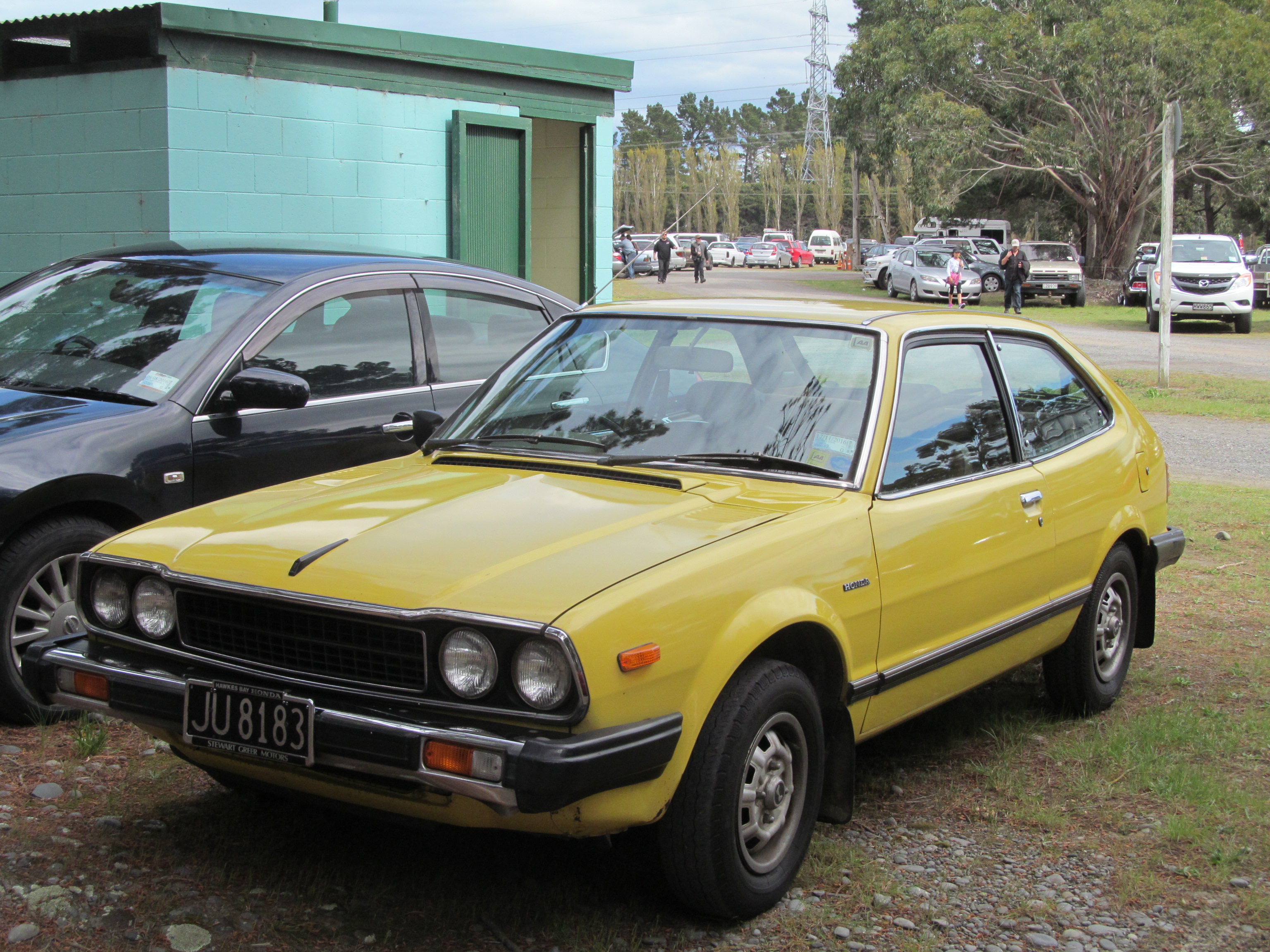
Accord
"Let's start with the Accord. So is this simply a mid-cycle refresher? ... And again, on the inside, there have been changes."
The Honda Accord is one of Honda’s most important everyday cars. This episode says the next update isn’t just small cosmetic changes—it also updates the look and the inside features.
The Honda Accord is a mainstream midsize sedan that Honda sells in high volume, so updates tend to be aimed at broad appeal and day-to-day usability. In this segment, the host describes a mid-cycle refresh that goes beyond minor styling, including changes to the front and rear design and interior tech.
mid-cycle refresh
"Yeah, so this is technically a mid-cycle refresh, but according to people familiar with this update, it's a lot more than just a minor tweak..."
A mid-cycle refresh is a halfway update to a car model. It’s usually meant to keep the car looking current and adding improvements, without replacing it entirely.
A mid-cycle refresh is an update done partway through a model’s life, typically after the initial launch. Automakers often use it to modernize styling, tweak features, and keep sales competitive without redesigning the car from scratch.
front and rear fascias
"it's a lot more than just a minor tweak to the front and rear fascias, which is what a typical refresh is."
The front and rear fascia are the main outer styling parts of the car’s front and back. If those change, the car’s look—like the grille and lights—gets updated.
A fascia is the body panel area that forms the visible front or rear styling surfaces, including parts around the grille and lights. When a refresh changes the fascias, it usually means the car’s exterior “face” and “tail” get redesigned for a new look.
front fascia
"The headlights have been also better integrated into the new front fascia."
The front fascia is the car’s front styling area. When headlights are better integrated into it, it means the lights are reshaped and positioned to look more seamless with the front design.
The front fascia is the front-end styling section of the car, typically including the grille area and how the headlights sit within the bodywork. Integrating headlights into the front fascia usually refers to redesigning the shape and fit so the lights look more “built-in” to the front design.
infotainment system
"It's being described as ergonomic... and the infotainment system has also increased."
The infotainment system is the car’s main screen and controls for things like music, navigation, and phone features. Updates to it usually mean a better screen or improved software.
An infotainment system is the car’s combined media and information interface, usually including the touchscreen, navigation, audio controls, and sometimes smartphone connectivity. When the segment says the infotainment system has increased, it implies upgrades to the screen/software or feature set.
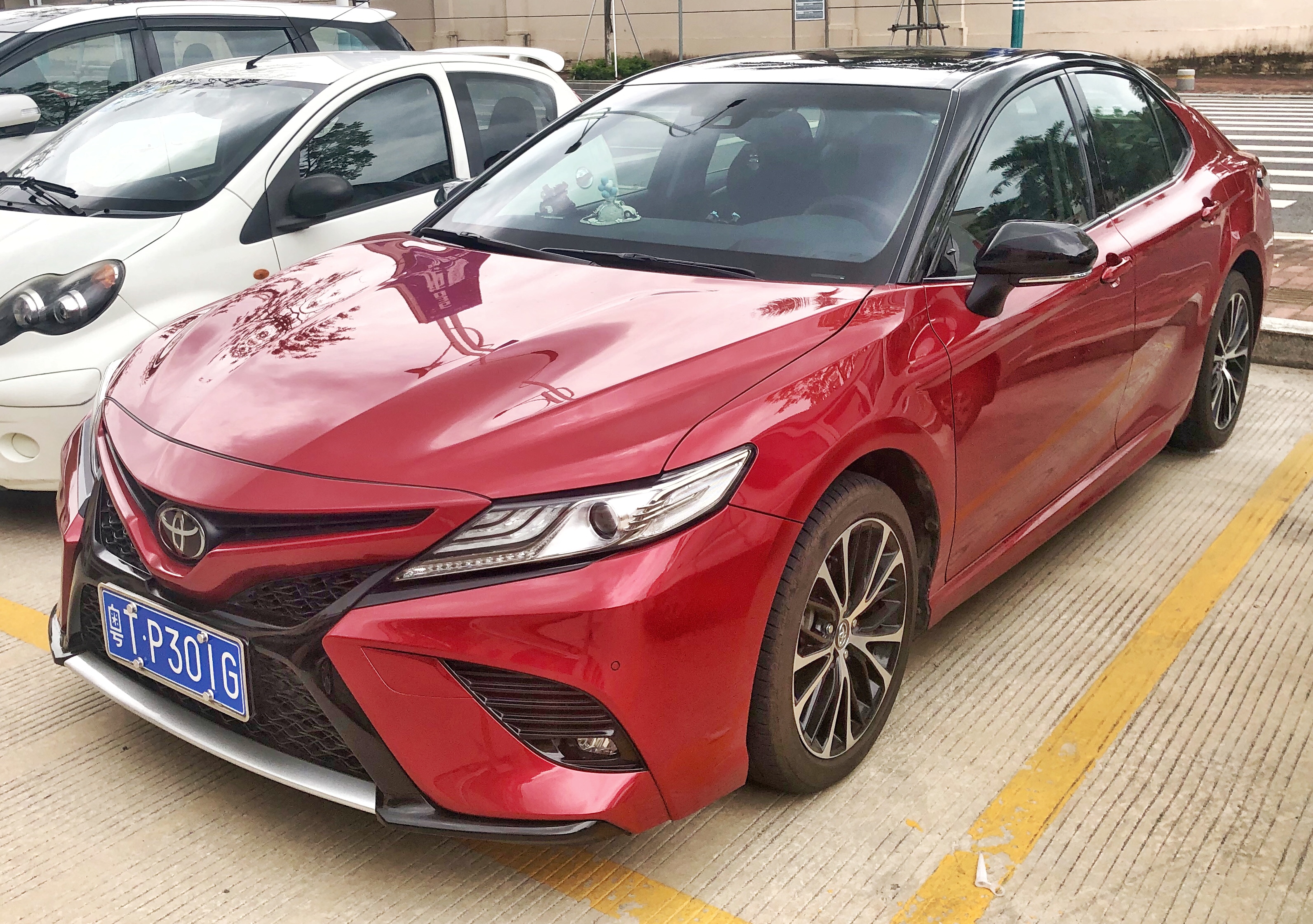
Toyota Camry
"The Accord's market share is number two after the Camry and it recently overtook the Nissan Altima."
The Toyota Camry is a very popular sedan, and in this discussion it’s used as the sales leader that the Accord is trying to challenge.
The Toyota Camry is the top-selling midsize sedan referenced here as the benchmark for Accord sales. The host notes the Accord is currently number two in market share behind the Camry.

Nissan Altima
"The Accord's market share is number two after the Camry and it recently overtook the Nissan Altima."
The Nissan Altima is another common sedan, and the host is using it to show how the Accord’s sales are moving up.
The Nissan Altima is another major midsize sedan used here as a comparison point for Accord sales. The host says the Accord recently overtook the Altima in market share.
step gear system
"However, Honda is potentially going to introduce its S Plus shift system, which is essentially a step gear system. It's a quick reacting simulated manual mode for its hybrids..."
A step-gear system uses fixed gear “steps” instead of a smooth, continuously changing ratio. That can help the car shift in a more familiar, noticeable way.
A step gear system uses discrete gear ratios (steps) rather than a continuously variable ratio. In the context of Honda hybrids, it’s used to make the car’s shifting feel more like conventional gear changes.
S Plus shift system
"However, Honda is potentially going to introduce its S Plus shift system, which is essentially a step gear system. It's a quick reacting simulated manual mode for its hybrids that kind of mimic a double clutch shifts."
Honda’s S Plus shift system is a way to make a hybrid feel more like a traditional manual transmission. It’s designed to make gear changes happen quickly and feel more connected, similar to how a double-clutch shift works.
Honda’s S Plus shift system is a transmission control strategy for hybrids that uses a step-gear approach to create more “manual-like” shift behavior. The host describes it as a quick-reacting simulated manual mode that can mimic double-clutch-like shifts.
double clutch shifts
"It's a quick reacting simulated manual mode for its hybrids that kind of mimic a double clutch shifts."
Double-clutch shifting is a method used in manual transmissions to make gear changes smoother. The idea is to match engine speed to the next gear so the shift feels fast and clean.
Double-clutch shifting is a technique where the driver coordinates clutch engagement twice to match engine speed to the next gear. The host is using it as a reference point for how Honda’s simulated manual mode aims to make hybrid shifts feel more like a traditional performance gearbox.

Honda Civic
"It debuted on the prelude and it's also going to be expanded to the Civic hybrid in the fall."
The Honda Civic hybrid is expected to get the same kind of hybrid shifting update. The host is saying Honda wants this feature to show up on more than just one model.
The Honda Civic hybrid is mentioned as the next model expected to get the S Plus shift system. This is notable because it indicates Honda plans to spread the hybrid “simulated manual” shifting feel beyond the Accord.
ride height
"It would basically get about an inch, a little over an inch of ride height, making it the tallest vehicle in its segment, which is the midsize crossover segment."
Ride height is how high the vehicle sits off the ground. If it’s increased, the SUV usually has more clearance for bumps, ruts, and rough trails.
Ride height is the vertical distance between the ground and the vehicle’s body/chassis. Increasing ride height (as described here by “about an inch”) can improve off-road clearance and reduce the chance of scraping the underbody on uneven terrain.
midsize crossover segment
"It would basically get about an inch, a little over an inch of ride height, making it the tallest vehicle in its segment, which is the midsize crossover segment."
This is the SUV “category” Honda is competing in—bigger than the smallest crossovers, but not as large as the biggest SUVs. Saying it would be the tallest in the segment means it would likely sit higher than most rivals.
A midsize crossover segment is a market category for SUVs that sit between compact crossovers and full-size SUVs, typically built on a unibody platform and aimed at families. When the host says the Trail Sport would be the tallest in this segment, they’re comparing ride height and stance versus competing midsize crossovers.
grille
"there will be some minor changes to the body, primarily the front fascia and the grille, to give it a distinct look from the more mainstream Passport."
The grille is the front “face” opening on the car, usually with a mesh pattern. It can affect airflow and it’s also a big part of how the car looks.
A grille is the front opening/mesh area on a vehicle that helps with airflow to cooling components and also serves as a major styling feature. Here, the host notes grille changes to make the Trail Sport look distinct from the mainstream Passport.
hybrid R&D
"Now that the EVs are off the table, all the focus on EVs essentially led Honda to take [638.3s] their ball off the hybrid R&D, which is what they are scrambling to now address."
R&D means research and development—basically the work a company does to design and test new technology. Here, it’s talking about Honda’s hybrid technology planning and engineering.
R&D (research and development) refers to the engineering work and testing used to create new technologies. In this segment, “hybrid R&D” is used to describe Honda’s development focus on hybrid systems before it redirected priorities.
hybrid powertrains
"Longer term, in the next two years and onwards, they will be launching their next-generation [652.6s] hybrid powertrains, both for their smaller cars, but also for their large vehicles."
A hybrid powertrain is what makes a hybrid car work. It uses both a gas engine and an electric motor to help improve efficiency and driveability.
A hybrid powertrain is the combined system that lets a vehicle use both an internal-combustion engine and an electric motor(s) to move the car. Here, Honda is planning next-generation hybrid powertrains for both smaller cars and larger vehicles, which is central to its product roadmap after shifting away from EV-only plans.
TRD
"and with the Passport changes, they're going after the TRD, the off-road TRD trims [683.2s] of Toyotas, primarily the Forerunner, which is the competitor to Passport."
TRD is Toyota Racing Development, Toyota’s performance and off-road branding used on certain models and trims. The segment frames Honda’s Passport updates as targeting Toyota’s TRD off-road versions, which are typically aimed at buyers who want more rugged capability and styling.

4Runner Forerunner
"... the off-road TRD trims of Toyotas, primarily the Forerunner, which is the competitor to Passport. They kind o..."
The Toyota 4Runner is an SUV made for tougher driving, including dirt roads and trails. The podcast brings it up because it’s known for off-road versions and it’s being compared to other rugged SUVs.
The Toyota 4Runner is a body-on-frame SUV known for off-road capability and durability-focused design. In the podcast context, it’s mentioned alongside off-road TRD trims and in relation to the Passport, highlighting how different SUVs target buyers who want rugged, trail-capable equipment. That makes it a relevant reference when discussing the market for more adventure-oriented midsize SUVs.
supply issues
"Toyota has famously had some supply issues because of retooling at their factories. [702.1s] So from what I understand, Honda is like, let's strike while the R&D is hot with these updates."
Supply issues means the company can’t make or deliver enough cars. The host says Toyota had problems because it was updating its factories for new production.
“Supply issues” here refers to the inability to produce and deliver enough vehicles to meet demand. The host ties it to Toyota “retooling at their factories,” meaning manufacturing changes can temporarily reduce output.
retooling
"Toyota has famously had some supply issues because of retooling at their factories. [702.1s] So from what I understand, Honda is like, let's strike while the R&D is hot with these updates."
Retooling means a factory is being updated—new machines or setups are installed so they can build something different. That can slow down production for a while, which affects how many cars are available.
Retooling is the process of updating or changing production equipment and tooling in a factory to build a new model, refresh, or different components. In the segment, Toyota’s retooling is presented as a reason for supply shortages during the transition.
Request an Explanation
Heard something you'd like explained? We'll add it to this episode.
Sign in to request explanations for terms you heard.
Want to learn more?
Browse our glossary for plain-English explanations of automotive terms, jargon, and concepts.
Help improve this episode
See something that's not quite right? Our annotations are AI-generated and can sometimes miss the mark. Click the flag icon on any annotation to suggest a correction.