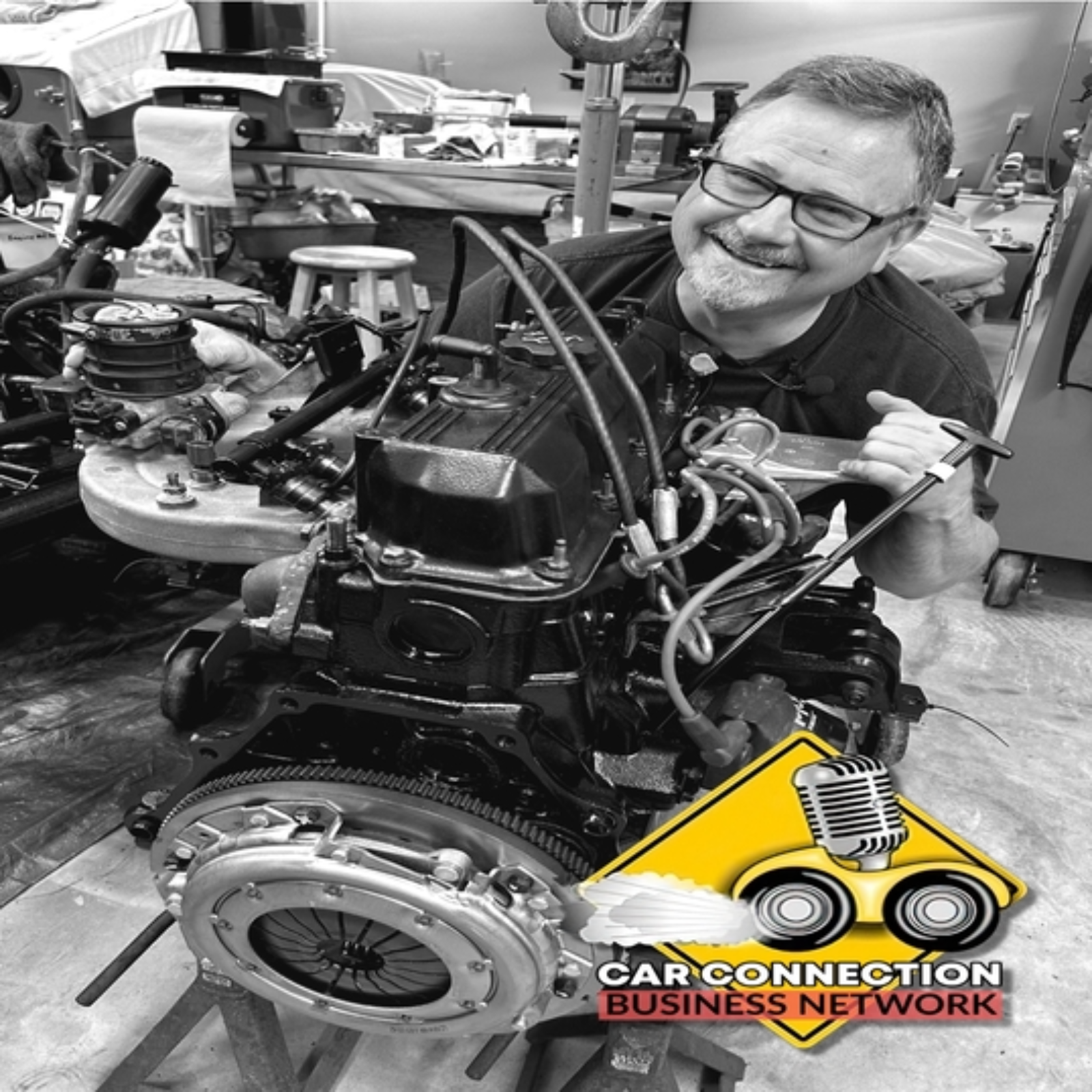
Just A Little Effort Wins: the 5 "What Ifs" That Save You Time, Money & Stress
About this episode
A quick welcome and weather/safety heads-up set the stage before the show’s core idea: “effort” beats neglect. The host frames a maintenance plan as the “what if” that saves time, money, and stress—whether it’s following the schedule, avoiding deep puddles, or not assuming you replace the car right after warranty ends. Along the way, they explain why maintenance matters more than mileage and how proactive care can prevent flatbed/tow headaches.
Yesterday we asked a tough question: when is it time to walk away from a vehicle. Today, we're looking at the other side of that conversation.
What if you had a maintenance plan?
What if you actually followed it?
What if sticking to the plan saved you time, money, and frustration?
In Episode 194 of the Car Connection Podcast, I share five simple "what if" questions that can completely change the way you think about vehicle ownership and maintenance. Whether you drive one vehicle or manage an entire fleet, a little effort today can prevent major headaches tomorrow.
The reality is simple: excuses are expensive. Good habits are profitable.
Run the pattern, follow the plan, and stack the odds in your favour every time.
A little effort really does win.
#VehicleMaintenance #SaveMoneyOnRepairs #MaintenanceMatters
Want to Support our Channel with a gift, Now You Can Safely: visit 🍩☕️buymeacoffee.com/motormouthnile Any amount is so appreciate friends, Skippy & Motormouth.
Yes we have Merch Available in our online store at (ccbusnet.com) all proceeds go to Total Freedom Addiction Campuses Canada & USA they're changing lives one at a time for 20 plus years, Join our crew lets help them get to a campus near them👌🚗❤️ Together we can make a difference in a life too❤️ Skippy & Motormouth
Maintenance Schedules are ready for you to order yours today friends, visit the profile page at (ccbusnet.com) fill out the order form we ship direct to you, start saving Money on Vehicle Repairs right away👍✅ Mileage Doesn't Matter Maintenance Does 🙌
E-Mail Me Your Questions: [email protected] or [email protected]
Like, Subscribe, and join the Motormouth Crew for more real-world automotive repairs, maintenance tips , and diagnostic adventures from t he Car Connection Workshop🚗
More Episodes and....project Details & links are available at Car Connection Business Network.com (ccbusnet.com) you'll find everything on our home page if you'd like to follow the build & repair work we do & connect with our program partners that make it all possible to provide you with information on true vehicle maintenance, we need them and YOU TOO✅
Happy Healthy Motoring Friends, Peace Patience Kindness Always❤️
We'll See You In The Next One, Luv Ya💕 Skippy & Motormouth🚗
microbursts
"These microbursts put down a lot of water in a short period of time. So be careful out there when you're driving because you can easily hydroplane."
Microbursts are sudden, heavy bursts of rain from a storm. For driving, they can dump a lot of water quickly, making it easier for your tires to lose traction.
Microbursts are intense, localized downdrafts of air that can drop a lot of rain in a very short time. On the road, that sudden water can reduce tire grip and dramatically increase the risk of hydroplaning.
hydroplane
"So be careful out there when you're driving because you can easily hydroplane. And what does that mean in layman's terms? Yee-haw! The car's going wherever it wants to go and you can turn that steering wheel and pump the brake, but it's sliding on a layer of water."
Hydroplaning is when your tires hit a layer of water and can’t grip the road well. Your car may slide or feel hard to steer and stop, even if you turn the wheel or press the brake.
Hydroplaning happens when water builds up under a tire faster than the tire can clear it, so the tire loses contact with the road surface. The car can feel like it’s “going wherever it wants,” because steering and braking effectiveness drop sharply while you’re riding on a thin water layer.
layman's terms
"And what does that mean in layman's terms? Yee-haw! The car's going wherever it wants to go and you can turn that steering wheel and pump the brake, but it's sliding on a layer of water."
“Layman’s terms” means explaining something in a simple way that doesn’t use technical words. In this case, they’re making the driving risk easier to understand.
“Layman’s terms” is a phrase meaning the speaker will explain something in a simpler, non-technical way. Here it signals that the host is translating a driving hazard into everyday language.
1983 short box toyota four-wheel drive
"was 17.93% back in the 80s it's a 1983 short box toyota four-wheel drive 11-2 cost me 22-5"
He’s talking about an older Toyota truck from 1983 with a shorter bed and four-wheel drive. Four-wheel drive means power goes to the wheels that help it grip better on dirt, snow, or rough roads.
This is a Toyota 4x4 pickup from 1983, described as a “short box” (a shorter cargo bed). The “four-wheel drive” part matters because it’s built for traction on loose or uneven surfaces, which changes how you maintain it versus a 2WD truck.
maintenance plan
"what if you actually have a maintenance plan that you're following what if number two what if you actually had that maintenance plan and you actually implemented the plan"
A maintenance plan is a checklist of car services you do regularly, like inspections and routine upkeep. The idea is that staying on schedule helps you avoid bigger, more expensive problems later.
A maintenance plan is a schedule of recommended service tasks (like inspections and fluid changes) done at set intervals. The host’s point is that following it consistently can prevent expensive failures and reduce downtime.
the definition of insanity
"then it's the definition of insanity doing the same thing over and over and over again but expecting a different outcome you if you always do what you've always done"
He’s using a common phrase to make a point: if you keep doing the same thing and nothing improves, you need to change your approach. In this episode, that means not skipping the steps that prevent car problems.
Here, “the definition of insanity” is used as a motivational analogy: repeating the same behavior without changing results. In the car context, it’s aimed at people who keep ignoring maintenance or avoiding proactive steps.
Request an Explanation
Heard something you'd like explained? We'll add it to this episode.
Sign in to request explanations for terms you heard.
Want to learn more?
Browse our glossary for plain-English explanations of automotive terms, jargon, and concepts.
Help improve this episode
See something that's not quite right? Our annotations are AI-generated and can sometimes miss the mark. Click the flag icon on any annotation to suggest a correction.