A “heat bubble” just means a small region that gets hotter than the surrounding areas. It’s like the weather gets “stuck” and doesn’t cool down normally.
Asphalt temperatures are how hot the road surface gets. When it’s extremely hot, it can be unsafe for people and can also affect how tires and vehicles behave.
Topic
keeping your cool
The episode is about how to handle hot weather without getting miserable or running into trouble. They’re also hinting it applies to Jeeps specifically, not just people.
Your cooling system is what stops the engine from getting too hot. It circulates a liquid (coolant) through the engine and radiator so heat can be carried away.
“JK” is the name Jeep enthusiasts use for a specific Wrangler generation (roughly 2007–2018). The cooling setup can vary between Wrangler generations, so it matters which one you have.
This is the route your coolant takes—mixing antifreeze with coolant and flowing it through the radiator and engine. It helps the car stay at the right temperature and protects against freezing.
The Jeep Gladiator is a Jeep that also has a truck bed, so it can carry things like a pickup. It’s built to handle dirt roads and rough ground better than many regular trucks. That’s why it shows up in off-road conversations.
Water cooling means the engine uses a liquid coolant to carry heat away. The coolant moves through the engine, then goes to a radiator where air helps cool it back down.
Brand
VW
VW is Volkswagen. The host is pointing out that Volkswagen kept using air-cooled engines longer than some other brands.
A thermostat is like a heat-controlled gate for coolant. When the engine is cold it helps it warm up, and when it’s hot it opens so coolant can go to the radiator to cool down.
Term
thermal change
“Thermal change” just means temperature change. The idea is that if coolant moves through too fast, it doesn’t have enough time to cool down in the radiator.
“Internal exhaust” means the exhaust gases go through the engine’s interior before they reach the exhaust pipes. That can make the engine run hotter because the heat stays inside longer.
Term
jacketing
“Jacketing” is about the engine’s cast-in structure around hot areas that helps manage heat. In this context, it’s describing how the exhaust stays in contact with the engine longer, affecting temperatures.
The exhaust manifold is the part that gathers exhaust gases from the engine and routes them into the exhaust system. Think of it like the engine’s exhaust “collector.”
Combustion is when the fuel and air burn inside the engine to make power. The speaker is saying newer engines let the exhaust leave faster after that burning happens.
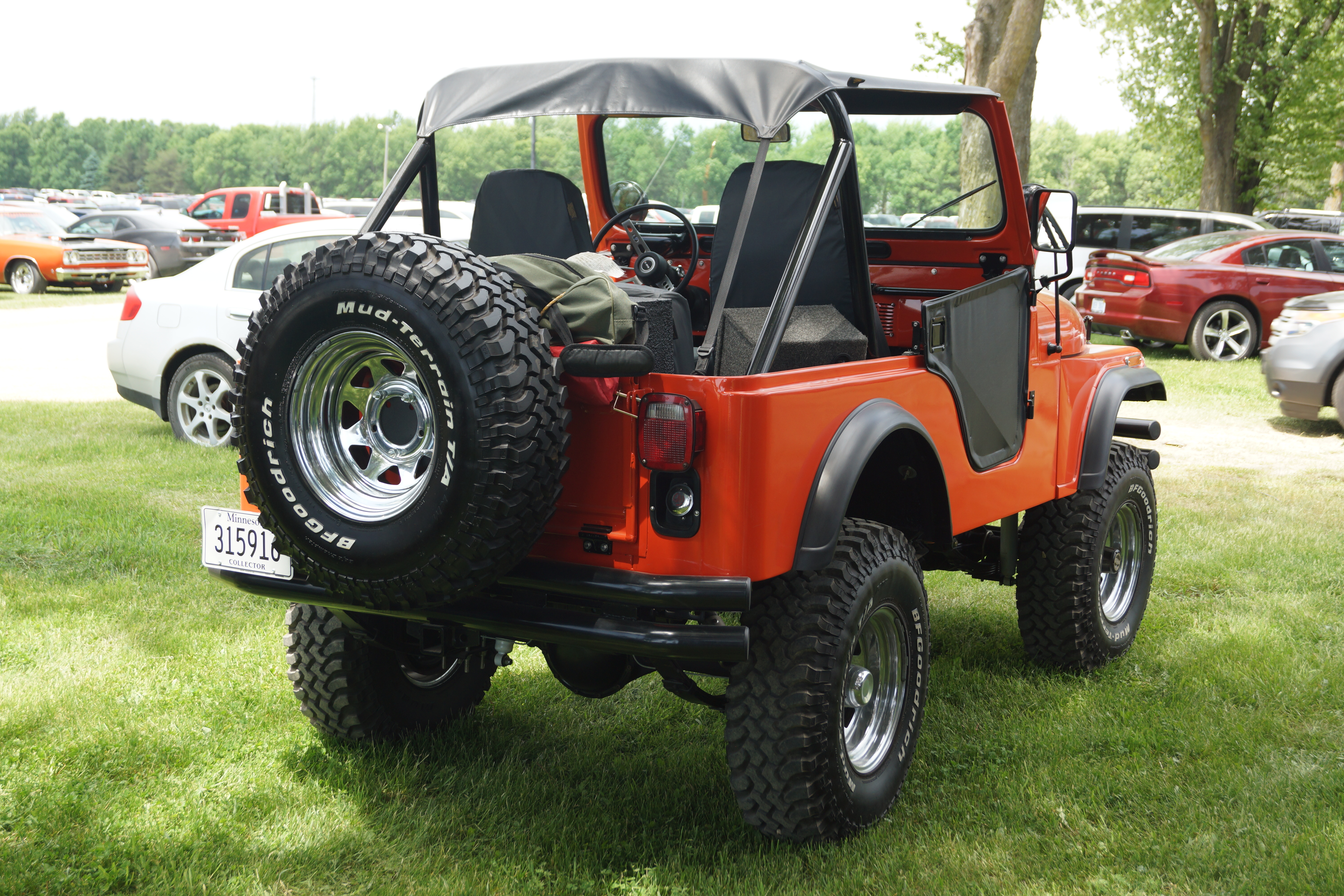
The Jeep CJ is an older Jeep model that’s built for off-road use and tough conditions. People often talk about it when they’re restoring or working on classic Jeeps. If the episode mentions an engine, it’s probably about fixing or rebuilding the mechanical parts.
Exhaust temperatures are how hot the engine’s exhaust gets. If they’re extremely high, it can damage or discolor parts near the exhaust, like the manifold.
Manifold temperature is how hot the exhaust manifold gets. Since it sits right by the engine’s exhaust ports, it’s a good sign of how much heat the engine is producing.
Non-pressurized cooling means the coolant isn’t under extra pressure. Without that pressure, it can start boiling at lower temperatures, which can limit how well the engine stays cool.
Boiling point is the temperature where a liquid starts turning into gas. In a car’s cooling system, higher pressure helps the coolant stay liquid at higher temperatures, reducing overheating.
Car
Chevy 350
“Chevy 350” is a very common V8 engine from Chevrolet. People often modify it, including changing how the engine controls temperature.
Heat soak means the engine and nearby parts keep getting hot and don’t cool down fast enough. That can cause the engine temperature to keep rising until it overheats.
Concept
engine bays were bigger
Where the engine sits matters for cooling. If the engine bay is more spacious, air can move around better and the radiator can work more effectively.
“Water flow” here means how well the coolant circulates through the engine and radiator. If it doesn’t circulate enough, the engine can’t get rid of heat as effectively.
The radiator cap controls pressure in the cooling system. More pressure helps the coolant boil at a higher temperature, so the engine can run cooler without overheating.
A copper radiator is a car cooling part that uses copper to move heat out of the engine. Older cars often used copper because it handles heat well, but it can require a bigger radiator to do the same job compared with newer materials.
The radiator core is the radiator’s main inside part where the coolant actually goes. Its design—like how many rows it has and how big the tubes are—controls how well it can cool the engine.
An aluminum radiator is a car cooling part made from aluminum. Because aluminum is lighter and can be built more efficiently, it often cools better with a smaller or simpler radiator design than older copper setups.
Brazing is a repair method that uses heat plus a special filler metal to seal or join metal parts. Radiator shops use it to fix leaks in the radiator’s metal sections.
Concept
older systems
By “older systems,” they mean older cooling setups that weren’t as maintenance-free. The idea is that older radiators and cooling parts often needed more regular attention to stay working well.
This is a radiator made from two materials: aluminum and plastic. The aluminum helps with heat transfer, while the plastic is often used for the end sections. It’s popular because it can be lighter and cheaper, but it may not last as long as an all-metal radiator.
This type of cap releases pressure when things get too hot or too pressurized. That protects the cooling system from being damaged by excessive pressure.
This is a valve inside the cap that responds to heat. When the engine is hot and pressure rises, it helps the cap open in a controlled way to protect the system.
Overflow is the part of the cooling system that handles extra coolant when it expands. Instead of spilling out unpredictably, it’s designed to go somewhere controlled.
“Ambiently vents” means it releases pressure straight into the open air. Older systems do this instead of sending overflow back into a recovery tank, so you can’t fill them all the way to the top.
They mean the coolant gets pushed out of the system and spills onto the ground. It usually happens when the radiator is filled too full for how the older system vents.
They’re saying some people add parts mainly because it looks cool, not because it’s the best or intended way for the engine to work. The host thinks the original design purpose was different.
They mean an older-style engine cooling setup with a radiator and older plumbing. The key idea is that older cooling systems weren’t designed with today’s aftermarket add-ons in mind.
Term
flapper
Here, “flapper” is the host’s playful way of describing a valve or seal area where steam can escape and make a noise. The idea is that when steam gets through a small gap, it can whistle or flutter.
The coolant system is how a car moves liquid to keep the engine from overheating. The liquid absorbs heat and then sends it to the radiator to cool down before it goes back again.
Radiator hoses are the rubber tubes that move coolant between the engine and the radiator. If they kink or collapse, coolant can’t flow properly and the engine can overheat.
Here, suction means the cooling system can create a kind of pulling force. If it’s strong enough, it can make a rubber hose collapse and block coolant from moving.
This is a clamp that squeezes a rubber hose using a screw mechanism. It was often used on older cars because the pressure inside the system wasn’t as high, so it could seal reliably.
This clamp uses a spring so it keeps squeezing the hose even as things heat up and cool down. That helps prevent leaks when the system pressure is higher.
A worm gear clamp is a type of hose clamp that tightens with a screw. When the engine heats up and then cools down, the hose and clamp can expand and contract, which can affect how tight it stays.
A helical gear is a screw-style gear that turns in a way that pulls things tighter. In a clamp, that screw action is what squeezes the hose band around the hose.
Thermodynamic properties are basically how heat affects materials. When things get hot and then cool down, they can expand and shrink, which can make a clamp loosen a little.
Heat cycles are the repeated process of the engine warming up and then cooling down. That temperature change can cause the hose and clamp to shift slightly, which can affect tightness.
“OE” means the factory-installed parts that came on the vehicle when it was built. The host is basically saying: if you look at how the car is put together from the factory, you’ll see certain clamp types more often than others.
Worm gears are the “screw clamp” style mechanism used on common hose clamps. When you turn the screw, it tightens the clamp band around the hose. The host is saying you may not see this style on some factory-installed setups.
“Proprietary” here means the part is made to fit a specific system and isn’t easily interchangeable with generic alternatives. That can make DIY repairs more annoying and more expensive. The host is warning that you may need the exact matching clamp.
Spring rate is how stiff the spring is—how strongly it pushes when it’s compressed. For a hose clamp, that stiffness matters because it controls how tightly the clamp squeezes the hose. The host is saying the factory engineers pick the spring stiffness for the exact application.
A U-joint is a joint that lets a driveshaft keep turning even as the suspension moves. “Greaseable” U-joints have a way to add grease, so people thought they’d last longer than sealed ones.
Sealed U-joints are U-joints that are sealed up from the factory. Instead of adding grease, they rely on the grease already inside until they wear out.
The serpentine belt is a long belt that powers multiple engine accessories. It helps drive the water pump, which is why belt condition can affect cooling.
A serpentine belt is one continuous belt that runs around several pulleys in the engine. It helps spin important accessories like the alternator and water pump.
Reverse rotation means something is spinning the opposite way than normal. On some cooling setups, that can change how well the system moves air or coolant.
Standard rotation is the normal direction of spin for the belt-driven accessory. The host is linking it to belt/pulley design (smooth vs ribbed belt sides) to determine whether the system is set up to run clockwise/anti-clockwise as intended.
Term
standard flow
Standard flow is the normal way coolant is supposed to circulate through the engine. The podcast is comparing it to reverse flow, where coolant moves the other way.
Reverse flow means the coolant is moving through the engine in the opposite direction from the usual setup. That can affect how the engine heats up and how cooling works.
The water pump is what moves the coolant around the engine so it doesn’t overheat. It’s usually powered by a belt and helps keep the engine at the right temperature.
Inside the water pump, the impeller shaft is the spinning part that turns the pump’s blades. Those spinning blades push coolant through the engine to keep it cool.
A pulley is the part the belt wraps around. As the engine runs, the belt turns the pulley, which turns the water pump.
Concept
vintage car side
They’re talking about older cars, where the original cooling parts may not be as robust. The goal is usually to make upgrades that help the old design work better today.
Restriction is basically how “hard it is” for coolant to flow through the cooling passages. If there’s too little restriction, coolant can rush through and not cool down enough.
This means the thermostat works without electronics. Instead, temperature changes physically move parts inside the thermostat to open or close coolant flow.
A shock absorber is part of the suspension that helps control bouncing. In this segment, it’s mentioned mainly as a comparison to how a spring-like mechanism moves.
The thermal bulb is the part inside the thermostat that “feels” temperature. When it gets hot, it expands and pushes the valve open; when it cools, it shrinks and lets the valve close again.
A jiggle pin is a small part on some thermostats that helps coolant start moving smoothly. It helps reduce trapped air so the engine can cool properly right after warm-up.
As the engine heats up and cools down, parts slightly change size. If two parts expand and shrink at similar rates, they’re less likely to lose their seal.
The engine block is the big main part of the engine that holds the cylinders. Coolant flows through passages in/around it to help keep the engine temperature under control.
Water jackets are internal passages inside the engine where coolant flows. They keep the engine from getting too hot by moving heat away from the cylinders.
The exhaust valve is the valve that opens after combustion so the engine can push out exhaust gases. It gets very hot, so cooling around it matters.
Term
12, 3, 6's
This sounds like a shorthand the speaker uses to talk about specific spots inside the engine or cooling system. It likely helps them describe where debris is coming from, but the exact meaning isn’t fully clear from this excerpt.
A heater core is like a mini radiator inside the dashboard that warms the air for your cabin. If it gets clogged with debris, you may not get much heat inside.
Backflushing is a way to clean a system by pushing fluid through it backwards. The goal is to knock loose trapped dirt or sand so the cooling system can flow properly again.
A flathead is an older engine design where the valves sit in the engine block instead of the head. With old engines, sand and grit can get trapped in places that are tough to clean out completely.
The Jaguar XJ-S is a luxury sports coupe made by Jaguar. It’s designed for comfortable long drives while still being quick. It comes up in discussions about older Jaguar models from the same general time period.
An open cooling system lets coolant/steam vent out rather than keeping everything sealed and pressurized. That can make the system behave differently when the engine heats up and cools down.
An expansion bottle is a small reservoir that coolant flows into when it gets hot and expands. When things cool down, coolant can flow back so the system doesn’t run low.
The lower radiator hose brings cooled coolant back from the radiator to the engine. It completes the coolant loop so the engine can keep running at the right temperature.
“Intake” usually means the intake manifold area where air (and sometimes fuel) enters the engine. Its temperature can be influenced by how the cooling system routes coolant.
Term
3-6
“3-6” is the speaker’s shorthand for a 3.6-liter V6 engine. They’re talking about how coolant flows through that engine and which parts get cooled first.
The timing cover is a protective housing on the front of the engine. It can also be part of the coolant path on some engines, so coolant sits there before it moves through the engine.
“Flow design” means the way coolant is routed through the engine and how it travels. Different engine designs need different coolant paths to keep temperatures under control. The goal is to move heat away where it’s generated most.
A sealed cooling system means the coolant circuit is closed and pressurized instead of open to the air. That helps stop coolant from boiling away as easily when the engine gets hot.
An oil cooler is a device that helps lower the temperature of the engine oil. Cooler oil can protect the engine better because it doesn’t thin out as much when things get hot.
Term
cooling the oil
Cooling the oil means removing heat from the engine’s lubricant. That helps it stay in the right condition to lubricate parts properly.
Term
cooling the coolant
Cooling the coolant means keeping the engine’s liquid temperature under control. That prevents overheating and helps the engine run consistently.
A temperature sensor is a small electronic sensor that measures how hot the engine or coolant is. The car uses that reading to help prevent overheating.
A coolant sensor helps the car keep track of the coolant system. Since coolant is what absorbs and moves heat, the sensor helps the car know if things are running correctly.
Sometimes air gets trapped in the cooling system. Burping/bleeding is how you get that air out so coolant can flow where it needs to go and the engine can run at the right temperature.
Radiator fluid is the coolant that keeps the engine from overheating. It circulates through the engine and radiator to move heat out, and the right type helps protect the system from corrosion.
Steam ports are small passages meant to let trapped air or vapor escape from the cooling system. That helps coolant move through the system the way it’s supposed to, improving cooling.
Residual air means tiny bubbles trapped in the cooling system. Those bubbles can stop coolant from flowing where it should, so the engine can run hotter than it should.
The “Camaro trick” is a simple bleeding method. By lifting the front higher than the back, air tends to move up and out, helping coolant fill the system properly.
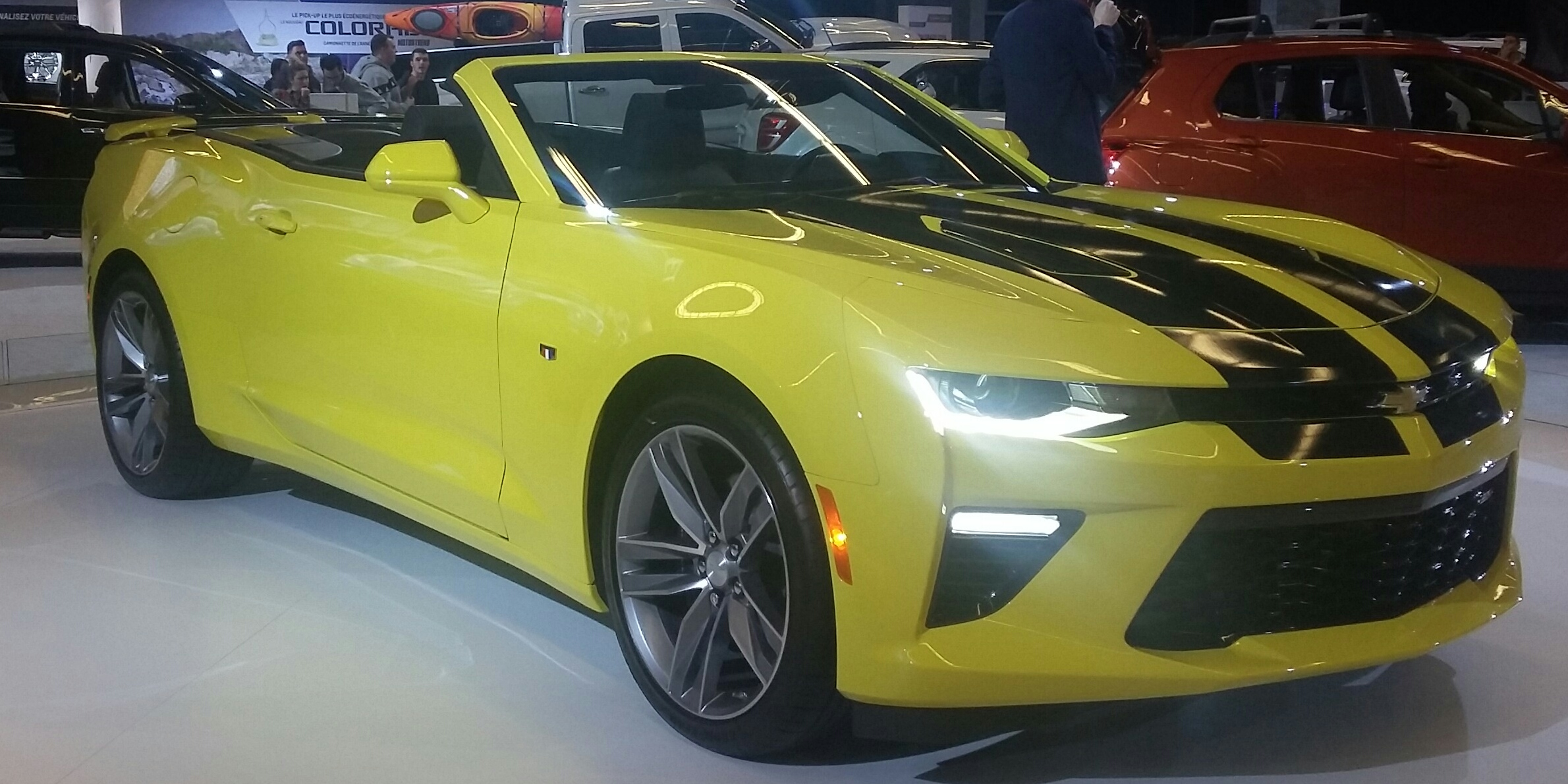
The Chevrolet Camaro is a sports car made for performance and driving fun. If someone talks about a “trick” involving lifting the front, they’re likely describing how they raise the car for work or a demonstration. It’s a popular car people often modify or maintain themselves.
Coolant exchange is when you drain the old antifreeze and put in new coolant. It’s important because trapped air can cause overheating or weird cooling behavior.
Coolant burping means getting air out of the cooling system after you’ve drained or refilled it. If air stays trapped, the engine can run hotter than it should.
Concept
DIY friendly experience
“DIY friendly” describes how practical it is for an owner to perform a repair or service themselves without specialized tools or procedures. The host is saying the cooling/bleeding setup is complex enough that it’s hard to do correctly at home, likely because of intricate routing and air-bleed requirements.
Cooling hoses are the tubes that carry coolant around the engine. If they’re leaking or collapsing, the engine can overheat—even if you replaced them, there may still be an air pocket or another leak.
“High temperatures” means the engine is running too hot. If it still runs hot after you fix hoses or clamps, something else is still wrong—like trapped air or another leak.
The “root cause” is the real reason the problem exists. Instead of replacing parts randomly, you want to find the actual reason the engine is still overheating.
Cooling temperature is how hot the engine coolant is allowed to get while the engine is running. In this episode, they’re saying the Jeep is designed to run at a specific (higher) temperature for better efficiency, so it shouldn’t be treated like an overheating problem.
Term
efficiently running
“Efficiently running” here is about engine thermal efficiency—how effectively the engine turns fuel energy into work while operating at an intended temperature range. The segment’s key claim is that you can’t simultaneously chase a colder coolant temperature and maximize efficiency.
Concept
good efficiency
“Good efficiency” refers to how effectively the engine converts fuel into motion, which is influenced by operating temperature. In many modern engines, higher controlled coolant temperatures can improve combustion and reduce losses, so the cooling system is calibrated to support that.
“Mileage” here is used in the everyday sense of fuel economy, but tied to the cooling/efficiency argument. The segment claims that colder cooling temperatures would hurt efficiency and therefore reduce fuel economy.
“Four liter” is referring to an engine displacement of about 4.0 liters, commonly used to describe certain Jeep Wrangler engines. The host contrasts that with “JL” operation, implying that different engines/generations may show different coolant temperature behavior because of how they’re calibrated.
Term
231
“231” is almost certainly a coolant temperature reading (commonly in °F) that the host says is normal for the JK/JL cooling strategy. The point is to prevent owners from misinterpreting a higher-than-expected gauge reading as an actual problem.
Term
fan conversation
This sounds like the transcript meant “fan control.” That’s the car’s system for deciding when the cooling fan should run and how fast it should spin.
PWM is a way to control a fan’s speed electronically. The fan doesn’t have to be only on or off—its controller can make it spin faster or slower as needed.
PWM technology is an electronic trick for controlling how much power a device gets. In a car, it helps the cooling fan run at the right speed instead of constantly blasting at full speed.
The radiator needs airflow to cool the engine. If the engine gets too hot, the fan turns on to push air through the radiator even when you’re not moving fast.
0W-20 is a type of engine oil. The “0W” part means it stays easier to pump when it’s cold, and the “20” part describes how thick it is when the engine is hot.
Synthetic oil is a more advanced type of engine oil. It’s designed to protect your engine better, especially when it’s very hot or very cold.
Term
oil from 70s
They’re talking about older oil types from the 1970s. Today’s oils are made differently and usually perform better, so you can’t assume they work the same way.
Engine oil changes thickness when it gets cold or hot. Viscous modifiers are additives that help the oil stay usable at both temperatures, so it can flow quickly on startup and still protect the engine when things heat up.
Oil quality means how good the oil is at protecting the engine. Better oil formulations include additives that help keep the engine clean and lubricated, and they can change how the oil behaves.
Detergents are additives in engine oil that help prevent gunk and sludge from building up inside the engine. They keep things cleaner so the oil can keep doing its job.
“Zero W20” is an oil label that tells you how the oil behaves in cold vs hot conditions. The “0W” part is about easy flow at cold start, and the “20” part is about how thick it is once the engine is warmed up.
The “20” in W20 is about how thick the oil is when the engine is hot. Thicker or thinner oil at operating temperature changes how well it lubricates and how much friction it creates.
This is how much air is in your tires (usually measured in PSI). The right amount helps the tire grip the road and wear evenly. If you just change it randomly, you might fix one thing but cause other problems.
Concept
root change
A root change means addressing the underlying cause of a problem rather than just treating symptoms. In automotive troubleshooting, this is often called finding the root cause. The goal is to prevent repeated issues by fixing what’s actually driving the failure.
Universal coolant is a “one-size-fits-many” coolant. It can work, but it may not have the exact right mix of additives for your specific vehicle, so you might have to replace it sooner.
This is the coolant the automaker specifically recommends for your vehicle. Using it helps make sure the fluid has the right ingredients to protect the cooling system and keep temperatures under control.
A universal mix refers to mixing or using a generic coolant formulation rather than a vehicle-specific coolant. In this segment, the host contrasts it with purpose-built or OEM-spec coolant and implies it affects service intervals (how soon it needs attention).
Term
recharge that coolant
“Recharge” here means the coolant may need to be refreshed so it keeps doing its job. Over time the coolant’s protective chemicals can wear out, so you’ll need to service it.
Water wetter is an additive people mix into their cooling system to try to help it cool better. But if your cooling system is leaking or not working right, an additive won’t solve the real issue.
Overheating means the engine is getting too hot. It often happens when the coolant isn’t circulating correctly or the system has a leak, so the engine can’t cool itself down.
Antifreeze is what goes in your Jeep’s cooling system to keep it from freezing or boiling over. “Universal” just means it’s made to fit a lot of different vehicles, but you still want to check the label to make sure it’s the right type for your cooling system.
They’re talking about how long the coolant is supposed to last before you should replace it. In real life, how long it lasts can vary based on your Jeep’s condition and how well the cooling system is maintained.
“40s” usually means 40-inch tires. Bigger tires help off-road, but they often require a lift and other changes so everything fits and drives correctly.
A “lift” means raising the Jeep higher off the ground using suspension parts. People do it so bigger tires fit and you get more clearance off-road, but it can also change how the Jeep steers and rides.
Brand
Eddie Jeep
“Eddie Jeep” sounds like a nickname for a specific Jeep someone in the community uses. It likely refers to that particular rig, not a factory model.
Wheeling means driving off-road over obstacles like rocks and ruts. It can make your Jeep run hotter than normal driving, which is why cooling matters in summer.
A “back carburetor” is the carburetor mounted toward the back of the engine. If there are multiple carburetors, the back one helps feed part of the engine, so adjusting it can change how the Jeep responds when you press the gas.
The throttle is the part connected to the gas pedal that controls how much the engine can “breathe.” When you press the pedal, the throttle opens and the carburetor can start feeding more fuel.
Here, the “link” means the mechanical connection between the gas pedal and the carburetor. Changing its length changes how quickly the carburetor opens when you touch the pedal.
Brakes are what slow the car down and help you stop safely. If you’re trying to get a car running, brakes are one of the first things you need to verify.
Wiring is the car’s electrical connections. If something is wrong with the wiring, the car may not start or may run poorly because key systems aren’t getting power.
LIVE
SFJ 4x4 Studios presents
In my oversized four-wheel drive Jeep
A Jeep podcast starring industry experts
Cure monocity
What? Say that again!
With mad scientist Scott Brown
I use my drill press as a sort of lathe
Our host, Neil Simpson
If one light goes on they all go out
And Phil was shenanigans
We are really professional with Jeeps
This is I-Speak Jeep
Double the sheep
Double the fun
Good morning, afternoon, evening, wherever
However, you are joining us
This is the I-Speak Jeep podcast
Presented by SFJ4x4.com
My name is Neil with SFJ4x4 Simpson Family Jeeps
Joined in Grandma's couch studio
By the maddest mad scientist
Going crazy
And the scrambling producer
By the hair of his chin
Jeff the Italian stallion
The producer, Shere Monta
I feel like more and more I'm running on Simpson time
Don't do that
That's a rough one
That is a rough one
You have to be a well-skilled and oiled individual
To be that challenging
Yeah
I just think the funny thing is the goat noise
That used to be silent
People didn't get to experience that
I'm so glad they do now
This is our 213th episode
We're calling it Keeping Your Cool
It is July 5th as it is
We just came off of the Hades
Today's July 6th?
That is
RUTRO
Lost the day
It's a snapshot of everything that's been going on
For everyone involved in this podcast
We just are on our second day
Of not having to deal with the heat of Hades
In life
Which I thought was humorous
Was that we were in our area
Northern Ohio
And just east to us
Pennsylvania was a heat advisory
Which under normal circumstances was like
Hey, if you're a person who has some health issues
Or some asthma
Or shouldn't be out in the heat
Hey, take
This is not the moment to go do your fence
Or labor all day in the hot sun
And even if an individual is not used to labor in the sun
Don't go do that
Whereas as far as our specific area
Was actually such an extreme heat warning
It was like, hey, don't do things
And then east of us
We actually had the gathering for Big Boy
Which of course we've talked about here on air
Had 100 plus people treated for some heat related issues
We had a young little kid pass out on the field
Throwing the first pitch of a baseball game
A minor league, major league baseball game
A lot of crazy stuff happened here recently
The thing that really blew me away is how it was just in our area
You could go like an hour south
And it was, don't get me wrong, it was a little hot
It was not the hot we had
They called it something like a heat bubble
There was some weather term as far as what was
I don't know, man, I don't know
And then, interestingly enough, with that
We ended up having to cancel our 4th of July Jeep Parade
Which was disappointing
And I hope the vast majority of people got that message
There was hundreds and of shares
But the city on a level canceled the parade itself
Because of asphalt temperatures reaching
Triple figures of 140 to 160
Really crazy stuff
And that's Fahrenheit for our global listeners
Yes, yeah, really crazy stuff
So we're kind of tiptoeing back into a degree of normalcy
Just normal summer heat at this point
Hopefully
Hopefully, but with that said
Today's topic is keeping your cool
And I think there's a double entendre there
For both socially and specifically in relation to our Jeeps
And we are going to get pretty tech heavy
On how your cooling system works
And we're going to focus on the most relevant platforms
Of the JK and the JL
But obviously we will give some historical context
While kind of getting heavy into the tech-centric things
Of the actual radiator coolant antifreeze flow system
And break it down so that it is potentially more tangible
For our listening audience
Because there is, it's a little bit of an unsung hero
Especially when you're dealing with these high temperatures
That we recently have
If you're interested in hearing how our 4th of July weekend was
Make sure you stay tuned through the outro credits
And we'll give you a little snapshot of that as well
And I suppose without further ado any good comments there
Looks like the comments are hot and heavy this morning
Actually as you scroll back, remember if you're listening
Your ear holes at a later time, you too can join us
Most Monday mornings at 10.19am
We are going to take a hiatus on a day
I believe it's going to be July 20th
I plan on being out of town
And don't know that I'll be able to remote in
So likelihood is no podcast on Monday the 20th
But otherwise we're locked and loaded for the month of July
We do have coming up towards the end of the month
We will have Jeanne of Cookie Monster on air
She'll be in studio on Monday, July 27th
To talk with us about her experience
And we'll get back to our conspiracy theories by next week
So a little deviation here
We'll head into the factual technical
We'll get back to our conspiracy theories next week
Off the following and then in studio guest to wrap up the month
Alright, so Nate started off the comments with Good Morning
So he's first
He was doing a digit check
Hopefully everyone still has all their flanges out
I've got my human abacus still intact
All ton of mine
Billy Joe saying Good Morning
Daddy Jeep said Good Morning
Mudhorn Gladiator says Good Morning
Jeanne says Good Morning to all
It was a great weekend for ducks
Hope you had a good one
We got ducked over the weekend as a matter of fact
Billy Joe says Good Morning
Nate says Nope, definitely the sixth
My bad
Reference to your date
My bad
He also said the heat advisory was a perfect time
To lay under the TJ and cut off the old muffler by hand
Nope, sure wasn't
Mike said Good Morning
It was really good
The comments moved on me
It was really good at Daytona Beach on the fourth
Probably better than here
I've got to be honest with you
Daddy Jeep said heat was perfect for welding inner rockers
Requiring all the PPE
Scott kept looking at some of these guys at PPE
Working on the construction sites last week
Head to toe
Maybe hotter just watching them work
Jeanne said she did the Meadville parade
And that was a lot of fun
Billy Joe said they had an AC tent
And a fan with water to cool
You off at the Zippo Case Museum and flagship store
For the event and fireworks
Nate, anyone else?
Feed keep freezing or is it just me?
I'm thinking it's just you
Jerry, Good Morning
Glad you guys didn't wash away with all the crazy rain totals
Eric, Good Morning gentlemen
And Jaga Jeepers, Morning guys
And on all of that note
Good Morning, Good Morning to everyone
We did have a freak
Weather incident here
We actually had
And I'm surprised that it's not made more news
I think it has to do with the fact that it's kind of a
You know, we're rural to some of these urban dense spaces
But we actually had a dust storm come through
Like a microburst
And interestingly enough
It was some type of weather system that happened momentarily
Because or in conjunction with this
Major heat bubble we had
And we had
Folks that I communicated with
Felt it as far as eastern Michigan
And so something came in a seam
From the Michigan area
And like an arrow through this heat bubble
And actually disrupted festivals and events
And homes and trees and stuff along the lake line
But starting inland Michigan
But something having to do with the heat bubble
Kind of interesting
I'm not sure somebody said something
Oh, because it went down into Pennsylvania
So the Zippo Museum and their experience as well
It was just super interesting weather related event
In conjunction with that
I do want to mention a couple people in here
Are following up
We have this weekend is the Oil Valley Jeeps
Ten mile for two mile run
We do have some representation
Going to be at that event
Whether or not somebody from in-house SFJ
Will be there or not
Is yet to be totally determined
But super super cool
Off-road event that is near and dear to my heart
Because it is actually an old, retired
So it's a county, it's a current county park
Which is stunningly gorgeous
And it used to be an old off-road area
That once hosted the Allegheny Jeepers Club events
With Pappy Fry and a whole bunch of other cast of characters
Back in the race days
And our friend Fred Motai actually raced there
At one time
And it's a historical space that I find to be very charming
And endearing
They have an event where you can once again
Access this property
They do two events per year
This being one of them
I'm not sure if they still have registration spaces
Maybe somebody will pop into the comments
And tell us if there's on-site registration
Still available or not
But if you're listening to this
Hopefully it's uploaded in a timely fashion
That you too may be able to still join them
Also Jerry being in the comments
The next big stop on our show list
Is the Toledo Jeep Festival
Coming up in about a month from now
It is literally about 30, you know, some days away
So definitely if you haven't put that
It is the first full weekend in August
Marking it somewhere around the 7th
That, you know, weekend there
Toledo Jeep Festival
If you are listening somewhere in eastern Pennsylvania
PA Allbreeds kind of resurfaces in Gettysburg
I don't know that I'll make that one
I think it's kind of cool
And I'd like to know how that's going to go
That was a fantastic show
That I absolutely loved attending
Back when it was in New York
Kind of humble beginnings
It then relocated to Carlisle
It then shifted and now is relaunching in Gettysburg
That's in about 23 weeks as well
So definitely some good
Regional to nationally recognized events
Coming up soon for the Jeep community
Alright, anything else before we get to
I think we need to hear how the horses were cooled
I literally was just about to say
Before we got to the watering trough
Taking my thunder, man
So obviously every town had a water trough
And then as we got to our horseless carriages
We could also use those
We had the earliest cars
Didn't even have thermostatsuring
That sort of stuff
They just expected the water to move on its own
It's a weird situation
Then we moved on to our flatheads
Which are V8 and 6s and 4s
Obviously the 4s and the 6s are our Jeeps
Well I think it's interesting
Is to talk about water cooling in general
I kind of want to...
There was air cooled
And air cooled
Even up to the 70s and 80s
I think VW is still air cooled in the 80s
Not here-ish
Right, globally
Yeah
And look at ATVs
If you're into four-wheelers
And dirt bikes and so on and so forth
Air cooled engines
Have always been a thing
Absolutely
And then I remember when ATVs came out with water cooled
And motorcycles
And everybody was like, oh this is revolutionary
That was just within the last 20-30 years
Yeah, absolutely
And I would think most people would be surprised
What air cooled has
There's air cooled diesels
There's all kinds of crazy stuff
But we're more focused on the liquid cooled side of things
Obviously we do have a thermostat
In our earlier flat heads
That is to hold the water in the block
Long enough that it can adsorb heat
And allow the water in the radiator to cool off
So you can have an exchange
So those people that are
Think it's a conspiracy against you with your thermostat
No, it's actually to help you
If you do not have a thermostat
The water can move through the block
And end the radiator so fast
That it cannot do that thermal change
Which is why some race cars
And some other things will use a washer
Or something like that with a small hole in it
To slow it down
But those are only running for a brief moment
So it doesn't matter as much
Another thing that people do not realize about flat heads
Is just the way the motors are designed
You have more internal exhaust
Jacketing compared to other vehicles
Which is what that means
Is that in order for the exhaust gases
To go from the valves to the manifold
It has to travel through the block
It's held longer internal in the engine
Whereas our more modern engines
That exhaust basically the combustion
Happens and the exhaust immediately exits
Correct
Which means that the heat is
In that cast iron pretty much
Really fast, really soon
And we even have seen that with our M38 project
Even though it was supposed to be engine paint
And stuff, it's kind of aging that paint quicker
On the exhaust side
Because of how much heat is in containment of that
Now, and interestingly I know
And I'm going to in a second here
Jump in and just do a rudimentary glossary of terms
However, kind of a fun piece
To bring up and why this is important
Air-cooled versus water-cooled
And the exhaust, you know, heat exchange
And this is, it's valuable
Because obviously and I always thought about this
From being a little kid
There are thousands of little extreme explosions
Happening inside the engine at any moment
We almost don't give that enough credit
For how incredibly, like
How mind-numbing it is to think that you have controlled fireworks
Inside your engine cylinder walls
Constantly, right?
And we know how devastating a firework outside of
Of course that's a much bigger explosion
But we have these very hot, very intense explosions
Happening inside the engine
And we as occupants are kind of none the wiser
There's a whole swath of society who just gets in
Pushes the button, turns the key, whatever
And goes from point A to point B
Not only that, they expect it to do it quietly
Yes
Without any alarms
Yes
And with no maintenance
And with efficiency of, you know, MPG and whatnot
Yes
And as a kid, I had a vast appreciation of the fact
That there is a controlled, chaotic explosion
Happening inside that cylinder wall
And now we have to get rid of that explosion
Right?
And we all saw the fireworks
Hopefully most people saw fireworks over the weekend
And we saw coverage
We saw Washington DC blanketed in a plume
A cloud of
So was Pittsburgh
Pittsburgh, you couldn't even see the grand finale
So, and those things happened, absolutely, you know
And that cloud has to go somewhere from our engine
Right?
So you're using that conversation
Now, the whole point of this is a nuts and bolts conversation
To say that exhaust temperatures
When I was monitoring the exhaust temperatures in the M38
That manifold temperature was in excess of four to
Not quite 500 degrees at the manifold
Right?
Now, that's not exactly the temperature
But that's what the temperature of the manifold is getting up to
Whereas our modern day vehicles
JKs and JLs
Easily see exhaust temperatures of 1200 plus degrees
Yes
Think of that, that is so, so crazy to me
That, you know, the manifold temperatures
And we, and you had talked about aging the paint
On the high temp paint on the manifold
And the fact that that flathead is, you know
Has a rudimentary cooling system
And it's still, let's call it not quite 500 degrees
At the exhaust manifold
Think about that, that means there's hundreds of degrees
Of temperature held within the engine block
And also, those early cooling systems
First they were non-pressurized
Then we went to a very low pressure
It was common for four to seven PSI
And for those that don't know
The more pressure you have, the more
Your boiling point is raised
So, and we're not talking like you can just go throw
You know, like our TJs were 18 pounds
I think some of our JKs were as well
Roughly speaking
So, you know, we've had a lot of people that
Like, oh, it's be interesting to get a vintage vehicle
You cannot take some of the things you know
From today and translate it over to that
Just for the simple of the cooling system
It's not the same as your new Jeep
It's so vastly different in the way it works
No, not the way it works
But the way it's designed to operate
At a degree of efficiency in operation
And I think what's interesting to me
Is that I think much of our automotive culture
And I talk about the ripple effects
And the timeframe we're living in
Much of our automotive culture has been largely
Dominated by the understanding
I like to throw the Chevy 350 under the bus constantly
But that basically back in the day
You had an individual who, you know
Could work on the Chevy 350
And they pulled the thermostat out
And you wanted that engine to operate as cool as possible
And so they would, you know, pull the thermostat out
Because they thought they were doing something right
And there was lots of conversations about
Two-core, you know, and three-core radiators
Well, and it's important to note
Most people that would pull the thermostat out
And get rid of it
Initially, it seemed to run cooler
But then they felt vindicated that
See, I made a difference
That if they continued to use it
It would just...
Heat soak
It would turn into this chain reaction
Of overheating
Sure
And I think there was a thing to say
That engine bays were bigger
Yes
Right?
That engine bays were not as compact
There was a lot less stuff stuffed under the hood
Radiators were made out of material
That had better thermal conductivity
Right?
So they exchanged
But weaker
But they exchanged temperature a little better
Than what we're, you know
Kind of exactly working with today
You know, copper, brass, brassy
You know, brassy metallurgy
Gold-colored material
Gold-colored materials helped
Exchange that temperature better
It was kind of...
You could do less
And return more
By being a DIYer working on those vehicles
And there were some common things to say
Hey, I want this engine to run cooler
So I'm going to not restrict its water flow
I'm going to let it hang out in the radiator
And maybe change the pressure on the cap
For that boiling point
And it is important to note those earlier cooling systems
With copper radiators
Because the copper is a weaker material
They had smaller core tubes
Which meant they had to add more of them
To have the same amount of cooling
Where when we move to an aluminum radiator
The aluminum is actually a stronger material
Allows you to have a larger tube in the core
So therefore you can flow more water
So you have less cores or less rows in it
Likewise, when we had that weaker material
Every town had a radiator guy
You know what I mean?
You had a business that was just dedicated
To building radiators
You could go in and they would...
Mechanic or you or whatever
They'd pressure test
They would braise
They would repair
That was an expected mechanical process
And I'm going to probably blow some people's minds
That's because you needed that
With those older systems
You had to constantly maintain them
And constantly repair them
Where honestly now that we have
Our aluminum slash plastic composite radiators
People expect 100,000 miles
And that radiator should not...
Better not make a peep
100%
Yeah
100%
And so if we were to take a brief moment
And just kind of do a glossary of terms
On your general cooling system
And I do want to kind of take a step back in that
We've talked a good bit about our radiator
Which has...
Is comprised of fins and cores or rows
That allow the coolant to hang out in there
You have a radiator cap
Which is a pressure venting cap
So there's actually a little metal tab inside
That has a heat sensitive valve
It's all mechanical
And it opens and closes a gasketed stopper
As it opens, it allows expanded pressure
From the fluid to vent out
Again, the older systems vented at lower pressures
The newer systems vented at higher pressures
And earlier systems were just vented to the air
Correct
And that meant that your radiator
Had to have a expansion room inside them
Where pretty much anything made in our lifetime
Has had a catch can or an overflow
It is actually not uncommon for an older radiator
To not be filled all the way up to the top
Correct
Because if you take a vintage radiator
That ambiently vents and it's filled to the top
It is going to puke out onto the surface
Of your parking lot immediately after use
Yes, immediately
And then stop
And then stop
Because that's what it's meant to do
It actually starts low intentionally
And just fills up the radiator and then recedes
I wish I had a dollar for every time I've heard a guy
That's gotten into a classic car
And he's like, I don't understand
I keep filling this thing up and it keeps puking at me
All the time I see it
On the social pages
And then somebody will be like
Well, yes, because you need a catch can
100%
Which on the vintage builds
We see like the whiskey bottles
The Coke bottles
The stuff like that
Understand it's not exactly supposed to work that way
There is a cool factor to it
But that's not how that system was originally designed
That's a modern day process
My dad had a vintage radiator system on a 48 car
That he tried putting an overflow on
And not only did it not like that
It pumped out all the stuff in the overflow
And then found its level
He called it seeking its level
And then ran there perfectly
And he was like, okay
I'm just taking the catch can off
I mean, it's a simple
It's a simple concept that can be
You know, kind of conceptualized by a teapot
Folks, right?
You pour in, you know
Four cups of water into a teapot
And you take that teapot
And that four cups of water fits nicely in the teapot
And you set it on your stove
Doing nothing and adding no heat to it
It'll sit there as four cups of water
Until it naturally evaporates over time
It won't whistle
It won't pop the flapper
It won't do any of that kind of stuff
As soon as you subject that same teapot
That same four cups of water to heat
Eventually you get the whistling effect
As the steam pushes past the seal
And creates the whistle
Or the flapper, you know
Flaps or does whatever
That's how your radiator system is largely working
Now the radiator system is intended to capture
That same heated water
And recycle it by our more modern, you know
Versions of the coolant system
I love the technical term flapper
And I absolutely can identify which part
That is in a radiator system
Coolant system
So additionally we have our radiator hoses
Which some of you may note over the years
Have had wire inserts to them
Some hoses do, some hoses don't
Some will be sheathed, some are not
They are almost always molded by today's standards
And they are molded and configured in such a way
So that they allow free flowing fluid
Through them, right
You don't want bends or kinks
Or them to pinch off
Or depreciate water flow
In our...
I thought real quick I would explain why
They had the wires and the hoses
So reason why there is wire in the hoses
Is because at water pump on that vehicle
Or the way that flow is designed
On that specific vehicle
Can actually have such suction
It can collapse the hose onto itself
Therefore shutting off a valve basically
So that spring inside the hose
Or as part of the hose is to make that not do that
Basically it's a stint for your hose
Yup, it is a stint for your hose
I'm so glad you brought that up
And that's why some do and some don't
Right, and that's the problem is that
You'll get a well-intentioned individual
Who's doing DIY backyard stuff
Who's like, well, that's why this didn't do it
Or whatever it might be
Especially when the spring is removable
I've seen a couple times now
Where people have not transferred them over
Because all that hose is $10 cheaper
Well, it's because you're not getting a spring
You're not getting the spring
And then next thing you know
The hose is flat as a pancake
Correct
And it's overheating
And they're going, what happened?
Correct, I put a new hose on it
The mechanics put a new hose on it
Why is this happening?
Yup
It's you've actually changed the variable
In the process
And yes, you have new parts on there
But you don't actually have the right parts
For them to work comprehensively
It's also important to note
Because of our lower pressure systems
Back in the day
A worm gear hose clamp was plenty
For those systems
Because it, well, again, was
10 pounds was pretty rockin'
For back in the day
Where now we have a spring tension clamp
Is what it's called
Basically it constantly is
Trying to close that hose
Under a spring pressure
And that is because of our 18
The 20 psi of pressure
In our cooling systems
And we actually have this conversation
Frequently with people
And so while we're on hoses and whatnot
Is that worm gear clamps
Is your traditional one size fits most clamp
You can go to any auto parts store
And you're going to find the ability
To have a mechanical actuation
It has a helical gear in there
It grabs the teeth
Or it grabs the teeth of the gear
Recess into the band
And then the band tightens
Well, once you have done that
That same clamp is still subject
To thermodynamic properties
And so as it
At the tension is that
So as that unit heat cycles
A natural expansion will happen
But also a contraction as it cools off
And it can inherently loosen up
In the process
Not only that a hose clamp
That design has a basically
A good side that can hold
And a weaker side that can hold
Closer to the screw itself
Is harder for it to clamp
Compared to the other side of it
It's just simple, you know
Leaver arm technology basically idea
Where that spring tension clamp
Is uniform all the way around the hose
And the challenge with spring tension clamps
And if you open up any OE manufacturer's hood
You are going to find ample amount
Of spring tension clamps
You're not going to find worm gears
Under the hood of a manufactured vehicle
And those spring tension clamps
Are factually kind of proprietary
To the system they're being used on
An engineer has specified the spring rate
The steel and a manufacturer
Has made them very, very specifically
So they end up being expensive
Good luck figuring out exactly
Which one is which when you order them
Absolutely
And that inherently makes a challenge
For especially DIYers
To replace them because they can fail
They do their spring, they snap
And there was a time where people thought
Oh well, I can mechanically screw this one down
So it's better, right?
It's like when we use this hard
It's when we thought that greaseable U-joints
Were better than sealed units
And so there is this kind of mystique
To how this thing works
Now just like any type of spring steel
Eventually it can weaken with enough
Or rust out
Or rust which also weaken it
It's kind of like a mechanical fan
That has a clutch system on it
And sadly I think the reason why the aftermarket
Hasn't stepped up to supply
Replacement spring tension hose clamps
Is because of that old adage of
The worm gear is better
And it's just cheaper
It's easily consumed
We as an aftermarket community
Are not gathered with our pitch forks and torches
Demanding auto zone carry spring steel clamps
Demanding our local Napa
Have these spring steel clamps
We're just not doing it
We used to be 69 cents
It's probably $8 in this economy
But we buy that spring steel clamp
I'm gonna hold my tongue further
And we put it on and we run away
So that is actually an unsung hero
Of the cooling system
A lot of people don't know
They go oh I've got a leak
And I just had these hoses
The inner spring for certain systems
I mean we haven't even gotten to the water pump
We haven't even gotten to the thermostat itself
We're literally talking about the devil in the detail
Components that create a seamless system
So we then do have a water pump
I could totally nerd out on the types of impellers
Flow rates
Fascinatingly enough
The design of the impeller
And how the serpentine belt spins it
Is a big deal
Is a big deal
And speaking of with serpentine systems
If it's on the smooth side of the belt
Is reverse rotation
If it's on the ribbed side
Or on a V-belt situation
It is standard rotation
Basically clockwise or anti-clockwise
Anti-clockwise
Whatever
That's not a term
But I like it
I gotta wake up Jeff once in a while
Counter-clockwise
But we'll go with anti
Anti
And also we can have a standard flow
And reverse flow
Which is basically where is the thermostat at
Right
Newer vehicles can be reverse flow
Versus standard flow
Anti-flow
Anti-flow
It's an also important note
In the water pump
We usually have ceramic
And springs to seal
The impeller shaft
From the ambient outside
Right because we have a shaft
That literally is both subjected
To high water hot temperatures
And its shaft goes through a
You know an opening
Through the housing
And it comes out the other side
So that it can be driven by a pulley
And back in the day
You used to literally use a press
Pull them apart
Change the seals
Replace the impeller if it was bad
Put it all back together
Put it back on the car
And we have seen on the vintage car side
Some water pump improvements
For vintage vehicles
Where they are taking that
Hundred years of learning
And putting better impellers
In the vintage water pumps
To help cooling for some of the vehicles
That always had cooling problems
Now I will mention
So as we kind of get into the
Semantics of these items
Like we did the clamps themselves
Impeller technology improvement
You actually got to a point where
You had high flow water pumps
Sometimes and people again
Went through this that more is better
They actually started doing high flow water pumps
Well they did it in systems
That did not have enough restriction
So it never had time
Similar to when you pull the thermostat out
Never had time to actually cool off the water
So you're circling hot water
The only time you know in a high flow
Water pump is when you're going to
Make tons of passes on the drag strip
And let it cool off in between
And you're not driving it on the road
Or the other pieces
And we tried it on a Jeep
That we have some heating issues with
That when we would get the RPMs up
Automatically the temperature of the vehicle
Would come down
And so we were trying to simulate
The high RPMs with a higher flow rate
Of the water pump itself
But that's because other variables had changed
Agreed
So we have the water pump
Thermostat, housing, thermostat
It's on the water pump
They also have mechanical fan versus electric fan
That's fair
That's true
But I want to stay with the flow
That's a good one
Let's put that on the shelf first
That's correlative
That's correlative
Let's put that on the shelf for a second
Let's continue on with thermostat
Early thermostats
Literally was a little door
Remind you of a butterfly on your carburetor
That would shut
And it would have a spring that would open it
Temperature is all done mechanically
By, you know, you set it and forget it
Theoretically
Spring steel temperature related stuff
If you get into some of your 40s vehicles
You also will see a bunch of plates
It almost reminds you what should be in the shock absorber
That has to expand and shut
Again, that's a type of spring
Everything pretty much standard today
Is you're going to have a spring with a thermal bulb
In the center
And it will suck down and open
And then when it cools off
Go back to shut
Kind of the same technology and principles
As the radiator cap themselves
Another important thing that a lot of the shade tree
Mechanics will do
And sometimes it helps
Sometimes it doesn't
Is drilling a small hole
Like eighth inch hole
In the body of the thermostat
And then putting that at the top
I was going to say that works really good
If you put it at the top
Not because it's at the bottom
And some thermostats come stock with that
With a little jiggle ball
Another Scott term
Jiggle pin
Jiggle pin
And that idea is
It's like a one-way valve
It's not allowing it to backflow
That is one downfall of drilling the hole
Four liters do like an eighth inch hole
At the top
That will help
And something the aftermarket has not done
I think it's probably because it's a
Specific situation scenario
Anyway
Okay
So the one piece that we have found
With some of these coolant systems
And of course we get
It totally changes once we get away from the 4.0
However the thermostat housing itself
Is subject to heat related issues
So we have a cast housing
At the front of the 4.0 basically
And when we replace the thermostat housing
Because once you take it off
You now have kind of disrupted
The mounting surface
That little thermostat housing could
Or is almost oftentimes always warped
I'm gonna give a
Spoiler alert-ish thing
But you'll have to pay attention
To know what I'm talking about
So early in line sixes
Of the 4.0 lineage
Had cast iron thermostat
Yes
Decks
Which expand and contract
At the same rate as the head
At some point in many
Ownerships
They decided it would be better for that to be aluminum
Yes
Which expands and contracts at a different rate
Which we have found makes it warp
This is a very thin material there
So if you want to reuse one
You have to get out your plate of glass
And your sandpaper and sand it
So it is smooth
You also have to use the right amount of sealant
In the right places
In the right gasket
And that is due to the fact
That it expands differently
And that's part of the keeping your cool
Right?
We could do all the right things
And if the head of
Or if that thermostat housing itself
Is warped
Is warped
You could experience weeping
Or you know coolant loss
Or pressure loss in that
Which is why nine times out of ten
We just replaced them
But yet even replacing them
We'd buy a brand new thermostat housing
We still are putting it on a piece of plate glass
Just to verify
I actually remember
One of you two doing that
I think we made Jeff do it as an early hazing
Probably
But it's definitely something to be
You know considerate of
And the function of the thermostat
And thermostat housing
Now once we're in the engine block itself
You have what are called
You know water jackets
Or cooling jackets
This is part of that conversation
Regarding the flat head
And the exhaust valve
And combustion chamber
Exiting the vehicle
I think it's important
Since we're in the water jackets
To explain
Because this is something that's come up
About in forums
And in actual news
A couple of times
About casting sand
Being left in the motors
That are restricting
The places the water can go
And the reason that is
Is how they make that void
In the cast iron
Or cast aluminum
Is they have cores
Sand cores
That literally go
And get all fixed up
And then they pour around those
What's supposed to happen
Is that block gets tumbled
And beat up
And that sand is supposed to
Break down and fall out
If it doesn't all fall out
Which is commonly
When we switch platforms
And they haven't figured out the
Haven't worked all the bugs out
To shake that block appropriately
You'll then hear about like
12, 3, 6's
And that sand getting
Dislodged and plugging up
Radiators and heater cores
And I've even heard is all
Wait to 15's on some of those
That's also why it's
Backflushing motors
Used to be a thing
And kind of still is
And it's kind of crazy
Like a lot of guys with flat heads
They're still getting sand
Out of those motors
Even though they're
You know, 70, 80 years old
That old sand is still there
So that is actually part of the thing
Of rebuilding a flat head
Properly is to clean out
All those water jackets
And there's a bunch of
I don't think we need to
Put a little more sand in
Because it's nostalgia
It's supposed to have it
And we'll see a beach
And I won't get into
You know, the tactics of cleaning
Or flushing explicitly
Because there's a bunch of different
You know, folklore
And YouTube videos out there
On how you can
Just as many as sealing it up
And properly, you know
Pepper and eggs and everything
Exactly, exactly
But we talked a lot about
Different components of it
And there's still more
Components obviously
But we didn't actually
Talk about the flow
Like what's the order
That everything works
How does the
Back in the day
If you had a cool factory service manual
It would show you the flow
Of how it was expected
The way you started back at the day
I thought you'd just
Lead the horse to the trough
I know, I know
I thought about it
I thought
That would kind of make me want to
Drive it up
And I will note that
We did not have
We didn't even go into
A very applicable yet
Separate sidebar of your
Heater core
Which comes at a later date
Because as we've talked about
The heater systems
And we've chronologically
Tracked heater system functionality
From, you know, ambient hot air
To gaseous fumes
To so on and so forth
Eventually we decide
That we should actually take
That hot water from our
Engine system
And enter it into the cab
Right?
So we have the heater
We have a series of
Peter bypass tubes
Which actually divert
Some of that hot water
Before it goes into the radiator
And stuffs it into
This little mini radiator
In our dash
Which we can then pull
Warm air off of via our fan
And so just to kind of
Talk about, you know,
Jeffrey's question
As we make it relevant
To our JKJL customers
I do want to
Step back and give homage
To the renex era
XJs and MJs, right?
And I know, I know
But this is like
We have to own this portion
Of our history
Because this was our first
Closed cooling system
Which all of us in the 90s
And early 2000s
Promptly ripped out
And subjected it to
An open system
Because that's what we knew
Because change is hard
And yet here we are
On expansion bottles were junk
And we didn't have
Any good replacements
And here we are 25
40 years removed
And we're back to closed
Cooling systems
But I will say that it's because
Everything else has changed
Kind of on Marit the Jeff
Flow on an older motor
You know, your water
Comes from the radiator
Goes down the upper radiator hose
It's held back
Well, actually, no, it doesn't
It goes in the bottom
Radiator hose comes up
Through the water pump
Gets forced through
And the thermostat holds it back
And then when it opens
It goes out the upper radiator hose
Where, so because of that
Your heads and your intake
And that kind of stuff
Are sort of the last thing
To get the cooling
The bottom of the motor
Is kind of the first
On a 3-6 we see where
The water is basically held
In the timing cover
As the final
Because that's where your
Thermostat is
And your cooling system
Jackets in the block
Are actually very shallow
So the 90% of your cooling
On a 3-6 is your heads
And the front cover
So the water is
Much less in the actual
Block itself
Yes, we're talking
The half an inch to an inch
Depth at most
Far more cooling than
We're used to seeing
In Jeep applications
In the top end
Now it's also when we move
Into a VVT, a V
I had a lot of Vs
VVT?
VVT valve train
And that is inherent
To why we need more coolant
Because now we have more moving pieces
Higher in the operation
Of the engine
So basically
On a 3-6
The water pump
Is basically forcing that water
Into the heads
It then hangs out there
To a point
And then comes into the timing cover
Which also I'm sure does some cooling
And then is then put into the radiator
So our flow design
Is really different
Than it was on a 4-liter
Or earlier V8
Or even flathead 6
Or 4-cylinder
And because of that
Your
Way that system is working is different
So yes
It both have
A sealed system
And an overflow bottle
That's under pressure
Like a renex
But everything else is different
100%
And I saw as one of the last pieces
A pertinent specifically
To the 3-6 JKs JLs
Is our oil cooler
Assembly
Yes
As well
Cooling the oil
And cooling the coolant
Which other manufacturers
Have tiptoed in and out of that
Depending on the usage of the vehicle
If it was a
So to be a truck
So heavy use
It would have both
Again I heard lots of old
Shade tree know-it-all mechanics
Would rip that stuff off
Because it was leaking
And it was a problem
Jeep saw
The cooling needs of this engine
Was like it needs both of those
It's also important to note
You have a temperature sensor
In the back of that
Coolant
You have a coolant sensor
In the back of that assembly
And so
In that oil cooler
Housing assembly
You actually have oil jackets
And cooling jackets
Side by side
And we've talked about
Material and all that
In the previous podcast
So if you want to know more
You should definitely go
And look at that one
Totes my goats
So the last piece of this
Conversation for me
For our listeners
Is the challenges
That is burping, bleeding
Or exchanging radiator fluid
In our most modern vehicles
So this goes back to
That flow conversation
And we saw it
I hate to bring up
Off-brand stuff
But it's a good example
In the LS
Moving from the old
Die Hard 350
Something was introduced
And those was called steam ports
And the reason why I bring it up
Is because that seems to be
The more known about of that
And that is to help the air
Get out of the system
Because it is flowed differently
Than the traditional style
So because the 3.6
Is a different flow design
Than previous motors
You need some way
For this residual air
To get out of the system
And on the JK
They didn't do a good job of that
Just the way the system is designed
Now from the factory
They're able to get the air out
We have developed a process here
After much fighting with it
Because just air lifting it
Which is a process
Of putting the cooling system under a vacuum
And then allowing that vacuum
To suck the coolant into it
Still was not getting all the air out of it
Doing what we affectionately call
The Camaro trick
Where you raise the front of the vehicle
Up higher than the back
Which therefore makes the radiator
Higher than the engine
Also was kind of a mixed bag
Mixed bag of results
I mean it's valuable to know
Don't lose your place
It's valuable to know
That if this is not something
That you've dealt with
If you were to just do a quick search
On any how to page
On the YouTubes and the socials
Of the Jeep 3.6 world
Coolant exchange
You've opened the system
And now you're trying to
You know seal the system back up
And it gets problematic
It's one of the most
Like widely talked about subjects
In my opinion
Other than how much lift do I need
To put 35s on my Jeep
Which is a common conversation
That's one that's tangible in our face
But this coolant burping
Of specifically the JK system
Jails tend to bleed
JLJTs tend to bleed a little bit better
Of the ports
They have a better steam port
And going back to this conversation
Regarding steam ports and LS and blah blah blah
It's once again this conversation
That for whatever reason
The Jeep branded engineers
Seemed to just think
We have to reinvent the wheel
Every single time
We can't actually look across
To anybody else
And learn from their platforms
And so
We're always 20 years behind
We always are
And to say
It's a pretty good system
When it's actually working right
But it's such an intricate jigsaw puzzle
That in order for it to work right
It is not a DIY friendly experience
So again you'll see guys
And gals who are jacking the front end up
Trying to create that as the high spot
You'll see airlifting
Or creating the vacuum
Even the dealerships themselves
Have experimented
With different procedures
And processes of
Efficiently bleeding
And up until very recently
Oftentimes bleeding
Or burping a system could
Literally be
Anywhere from 2.5 to 4 hours
Of us just constantly
Burping or bleeding an air system
Customers bring in vehicles
That they have literally done
A water pump on
Or a coolant exchange
Or whatever
And have fought with it so long
They have given in
They have thrown in the towel
And said
Can you bleed my cooling system for me
That's all you need to do
And I think that that's
That's a big challenge
Because much like
I'd mentioned about
The new hoses
And the springs collapsing
Or the hose clamps
Or whatever
You go
But I just did all this
New stuff
I did all this good stuff
Why am I still seeing
Fluid loss
Why am I still seeing
High temperatures
Why is my jeep
Still overheating
It must be something else
And we get further and further
And further away from
A root cause
Of how that system was intended
To work
And maybe what is wrong with it
And it's also important to note
Since we're in the JKJL world
They are the highest temperatures
We have ever seen
On purpose
They want that
That is where it is
Efficiently running
You can't have good efficiency
And good mileage
And all that stuff
And have a colder cooling temperature
So if you go into it
And you know
You go from a four liter to a JL
And you freak out
Because it's 231
On the temperature
Nope
That's right
That's what it's supposed to be
And that's the thing
And I do
I did recently have this conversation
With a customer
Because then when
As Jeffrey had brought up
The fan conversation
And airflow
And drawing across the radiator
When the PWM fan takes over
I personally super nerd out
On PWM technology
And it's a variable
A largely infinite speed rated fan
So super cool
It's such a nerdy thing
What's that?
Pun intended
Yeah
Butooch
That we're living in a world
Where we have this
You know kind of infinite variability
Of the fan system itself
That you can get up
You know 224
Typically
Thermostat opens
Fan kicks on
By 231
It's running like a jet engine
It drops down to 209
We'd like to see somewhere
In that 214, 215 range
The Jeep hanging out
But hitting 224 to 231
Not uncommon
And not something to be
Totally terrified by
Back in the XJ days
You had to take an XJ break
Somewhere around 210
You had to sit there with the hood
215 at maximum
At maximum
The hood agape
And sit there for 15-20 minutes
While you made a sandwich
And BSed about your 32s
Because that's all you could fit on your XJ
Red Rooster brought up a good question
He said if temps are so high
Should we be running thicker oil 5W30?
So this is a great question
And I appreciate from the audience
Let me wrap up my quick
Coolant conversation
And then we'll address that
So those higher temperatures are okay
And I remember a decade plus ago
Being at Jeep Alouza and a customer
Or somebody coming up
And wanting to pick our professional brain
Becoming upset at me
Because he's like, but just
The thermal properties
He really wanted to dig in
At a kind of a scientific level
To say that things are more efficient
At cooler temperatures
That was the line in the sand
He wanted to create
What's that?
Those explosions in our cylinders
Energy creates heat
So with that said
We come over to the question on line
And to say that should we be running
Thicker oil because of this
And the challenge is this
Delicate balancing act
Between an engineered rate
Of flow of coolant
Flow of oil
Lifespan of coolant
Which is pretty darn good
And lifespan of oil
Now I will be the first person
To criticize
What I call water weight oil
In the sense that 020 is so incredibly thin
I do think it loses its lubricity
That's just kind of fact
We have this conversation
And it's thin
So therefore it leaks easier
Seals are challenging
Oil consumption goes up
Because it can burn it
There's multiple things
But my biggest challenge
Also tried to be an engineer
And go to engineering school
And that kind of stuff
They planned for 020
With the oil pump
They planned for that
With the oil cooler
They planned for that
For the amount of lube
You needed for your VVT
And how that operates
And when we go blindly
Without other just cause
Just going from a 020 to a 520
We are doing the same amount
Of just ripping the thermostat out
Because we don't understand it
As our previous generations
Now if you have a motor issue
That it's consuming a copious amount of oil
Well now we need to talk about it
But if it's operating perfectly happy
It's not burning oil
It's not overheating
It's getting good mile per gallon
It's doing as it's engineered
You should leave it be
And I think it's important to know too that
The oil synthetic nowadays
Is going to be a lot different
Than your oil from 70s
So there's a difference in quality
And the standard
But that's something that we could do
A whole other podcast on just oil
And just going back
And addressing that comment that came in
I will stand on my soapbox
To say that I have
Utilized my professional understanding
And experience
To purposely change customer of ours
Over to different viscosities of oil
Based on what their Jeep is doing
So I stand on that
We also in that situation
Went to a higher quality oil
Correct
To also facilitate that change
And what you are gaining in that process
Is not just the weight but the
Reduction in viscous modifiers
Which we have talked about in a previous podcast
Regarding that you actually
Have a different quantity of oil quality
And not just detergents and viscous modifiers
Which take up a portion of that same
Unit of, you know, five quarts
Or six quarts that you put into your engine
Not just for a quick refresher
Honestly, to help me remember as well
Zero W20
Starts out zero and moves to 20
Correct
So when it's warmed up
You actually have a 20 weight oil
In your cooling system
Or your oil system
You only have zero when it first starts out
Within an initial startup process
But the contention is this
Is that in order for the oil
To move from a zero weight
To a 20 weight at startup
You need more modifiers
So the same, again
Hundred parts of a quart
Now a portion of it being zero
A portion of it being
A larger portion being viscous modifier
To end at the 20
So as just a friendly refresher
For everybody
Since the oil will be spending
Most of its time at the 20 rate
Then let's call it 60% of your oil
Is 20 weight
Say 25% is
Zero and 15% being viscous modifier
If I start at a 520
Now I might have closer to 20
Or 25% being 5 weight
And or 20 weight
Making it up on either end of the spectrum
And only 10%
Or less being viscous modifier
I have less additive
And more lubricant
It also goes back to the point
Of that depends on your climate
Your end
Part of the country you're in
Or area you're in
Someone in San Francisco, California
Or Florida
The oil is going to spend more of its time
In the 20 rate
Than at the zero
So it probably would make less of an impact
To switch it over to a 520
Versus somebody in Alaska
Hundred percent
And now you can't start your car
Because it's a thicker oil
And so on that last note on this
Because obviously we want to talk about keeping our cool
And our coolant
And I want to get back to one of the final conversations
Or questions in the comments today
Is I regularly as a professional
Say, you know, change from my chest
The oil and the viscous
Components of a customer's vehicle
For them to benefit them
Just the same as we recommend
And change your air pressure in your tires
These are changes that should be taken
From a professional stance
And not just willy nilly
Which is what you were saying
If your system is operating as engineered and designed
Don't go about just changing it
Because you get further and further away from the problem
That was caused by some of these little other
Intricate jigsaw issues
From a professional standpoint
When we review kind of a holistic approach
To your vehicle
Then we make a recommended change
Same as we make a recommended change
On your tire pressure
You need to understand the issue that you're having
Before you can appropriately make a root change
And with that said
We move into one of the final comments here
Regarding radiator or antifreeze
In itself and of itself
Keeping your cool is critically important
And I'm going to give you the
Try to give you the non-eyes
Glazing over a conversation
I think that means I have to be quiet
I'll just say I think I got like a minute to go through this
100%
There was in the early 2000s
A really crappy coolant
Don't use that
If you use universal
You're going to need to change it out sooner
Then if you use a kind of a purpose built coolant
Or manufacturer recommended coolant
So each manufacturer has their own
Specific coolant that they recommend
With its own properties
Again much like the oil
It will have detergents and other
Qualifiers within the coolant itself
If you use a universal mix
Which is actually our recommendation
Cool
Do that
But you will eventually need to recharge
I'm doing air quotes for our listeners
Recharge that coolant
Or change it out sooner
Than if you used a purpose designed engineered radiator fluid antifreeze
In the same process
Is that fair?
That's fair
And only use expensive antifreeze
Once you factually know
That the system is 100% working mechanically
And contained
I've been privy to too many conversations
Where people are using
Water wetter or expensive peak
I'm trying to think of there as a manufacturer
As a really expensive purple coolant
Not royal purple
But I thought they had like a special expensive coolant
And that's confusing
Because like Subaru has gone to a purple coolant
Totes
Anyways really expensive coolants
Like really expensive oils
But if your system is still leaking
Inefficient and overheating
Then you're literally just
Washing money down the drain
In the process of the coolant
Use affordable universal antifreeze
It can be purchased at Darnier
Any automotive place
And you're still good for 100,000 miles
And realistically you are good for 100,000 miles
It just simply has a depreciated lifespan
Versus a higher purpose or intended antifreeze
Well last comment here
Or a question
Joe asked how much of a lift to fit 40s
Joe you're just not allowed to have 40s
That's just what it comes down to
Rob said don't forget Eddie Jeep
It's hot summer days of wheeling
That you need some trail therapy
So there's that
I do
I do
And I'm going to work towards that goal this summer
Yeah that's August 1st, August 2nd
You know go over follow him on YouTube
Check out Rob
Great
Great contributor to the Jeep community
Not just you know western Pennsylvania
Which is where the wheeling trip will happen
But you know from coast to coast
Being just a good relatable individual
Out there contributing to you know
To Jeepers and builders and ensuring
You know kind of like we try to do
That the whole community has met
I think we've covered keeping our cool
Pretty well
And beaten
Well that and you actually kept your cool
You didn't get all wild up about it
I did
Normally
I am exhausted
And we'll maybe touch briefly on that
In our outros
We do have quite a plethora of Jeeps
That have shown up over the weekend
So once again
Despite our best efforts to have a
Manageable schedule
We are what we are
And we thank our listeners
Our customers
Everyone for that opportunity
To do what we do
With your Jeeps and vehicles
And again we ask for your patience
While we figure out the rest of 2026
Until next time Jeep on
Jeep on
On a complete side note
I had the opportunity to employ
Our newfound knowledge of beer draft lines
Over the weekend
Oh boy
Oh boy
And so for those of you
I like doing a lot of things
I'm a pretty multi-layered individual
And as we had built up our business
And prior to Jeffrey and Davey
Pursuing other professional endeavors
I was able to spread my wings
Just like Jeffrey had done some non-profit stuff
And Scott had built his metal shop
We had been able to do some other things
The schedule here had been more manageable
So I had taken on a leadership role
Within our local Fourth of July celebration
Which is 146 years young
This celebration has a lot of historical weight
Despite the fact that
There's a lot of turnover at the leadership
Because it's a voluntary piece
And it's a two or three day festival
You have to do lots of fundraising
There's a big parade that's part of it
You know that meme that says
I accidentally became important at my job
He accidentally became important at the festival level
Yeah
So as part of the entertainment process
And you have food trucks
And you have an adult beverage tent
And so on and so forth
There was a conversation
Because the adult beverage tent, the beer tent
Which everybody is super respectful
It's very appropriate
I'm not a beer guy
I'm just not
And neither is Scott
I don't have anything wrong with it
It's just not something that I regularly engage in
But I respect what other people want to
And that's part of their celebration
And we want to
Just like we want to have kiddie rides over here
And we have cool food trucks over there
We've got craft vendors over there
We want to have something that
The whole community can enjoy in the process
And so we have
The beer tent as a whole
Which as part of our festival committee
People buy affordable quality drinks
You know name brand stuff
And then they're in a can
In their cases
People can go from there
We follow all legal liquor laws
Blah blah blah
All this stuff
Well we had a whole conversation about the taste difference
And how cans taste differently than bottles
Which taste differently than draft
And I said
But wait
I know some technical minutia
About why that might be
And what you know is so engaging about it
And you know something that
You know prior to six months ago
I would have been like
And just kind of how funny
That was to draw upon
Or be part of that conversation
I can take it one step further
You could take that draft part
And a clear cup
Step out in the sun
And within one minute
It's going to taste different
And I mean
We're really getting into like
When wine people aerate it
And sniff and gargle and what
That's too far from me folks
I'll talk to you about PWM fans
You know like
We got to
Our brains can't handle that
We got full of other stuff
We're full of stuff
I'm not going to aerate my wine
Yeah
I'm full of something
You know
And so anyways
My weekend was a
Emotional
Physical
Whatever roller coaster
Of becoming entirely too important
To the function of this
Of this festival
We did end up cancelling the parade
As both a parade organizer and city
I'll let
Behind the scenes
Is because Scott about passed out
It is literally
And I actually
And I tell people
I made the final call
I cancelled the parade
For the city
For SFJ4
I made the final call
You know it is what it is
And in large part
It's Scott's fault
Which is kind of normal
You know when things
But it just costs
I'm just glad it wasn't a DJ moment
Right it was not actually
Jeff's fault in this situation
But it was Scott's fault
Because
I am an old school
Suck it up
Buttercup kind of guy
Down and dirty
And we're working
In the shop
We've got
11 fans running
These are big industrial fans
We've got waters
We've got Gatorades
We are individuals
Who are used to
This rugged
Workplace environment
We are not individuals
Who work
At a desk in air conditioning
You know the majority of the time
And just me and her out
Under the service floor
We've been in that situation
For years
For years
Right
And about
Thursday
Wednesday
Wednesday
Yeah cause you don't work
On Thursdays
My bad
On Wednesday
You know we had a brief
Interaction
But I wasn't really
Paying you attention
I had my own things to do
I was milling about
Doing my own stuff
And
I could recognize that
You know maybe you weren't
Moving
Super fast
But none of us were
Yeah
And then shortly
Before launch
Or show
I remember seeing
It started at 11 o'clock
Okay
That's when
Crisis started
And I was like
I'm really hungry
That was the first red flag
I was like
I normally take a later lunch
Correct
So this was like
Later in the day
Because time gets away
From us sometimes here
Sure
It was not the case
The next thing I know
I'm lightheaded
Okay
So I'm trying to listen
To myself
I remember just yelling about
Taking you know
Hey we've got power aids
We've got you know
Electro lights
We've got water in the fridge
We've got room temperature
Whatever people needed
We've got it
So I go ahead
And I sit
Sit my buck down
In the chair
To try to
And it wasn't until
Greg
Our HR manager
Yeah
Who
Strangely in tune
With things
Yes
He comes over
He's like
What are you doing there
And I had gone
And got a cold water
That of course felt good
And I chugged it down
And the next thing
My guts are not happy
And he comes over
And drank a cold water
Didn't you
Yeah
It's like
When your insides
Are all hot
You need to drink
Warm water
Not cold water
Because you just
Shocked your system
Yep
Okay Greg
That's great
So
And it wasn't until
There was this extended
Discourse that was
Happening that I became
Alert to the fact
That you were experiencing
Heat exhaustion
Yep
Just to kind of
Move briskly through
My conversation
That it became
Apparent to me
That here
As an individual
Healthy
You know
Young middle aged
Used to this
Work environment
Tuesday
Anyway
Whatever
Used to this
Work environment
Was experiencing
Heat exhaustion
Yeah
And as we saw
Temperatures rise
And the heat soak
You know
Kind of just settle
Into the localized area
I think it was Tuesday
Because then
I had a
Thustly after that
The next day
I think it was
Wednesday then
We sent me on
A chase for screws
And I
Only after
About a half
25 minute drive
In the air conditioned truck
To then
Be in a store
That was air conditioning
I realized
I almost basically
Didn't know what was going on
Yeah
I had like
A lapse of memory
Right
And I kind of like
Woke up in
The roll came going
What's going on man
Yeah
You became all of a sudden
You had this degree of clarity
Yeah
And at the end of the day
It was back
Making the hard call
To be like
There will be individuals
Especially are
The median
Or average age
Of our veterans
And representatives
They are of
Is 75
Yeah
And so
You know
This holiday
That is intended to
Celebrate
Such a positive
American experience
We did not
As our independence
Have the hundred people
At the train
Situation
Dropping like flies
Correct
Being very aware
That there are individuals
Who work in
You know
Air conditioned environments
Who would be staging
For two plus hours
Without shade
Or resource
We would not have
Waters
And
And cooling stations
Available
At the parade
Staging
We would have
A parade route
On asphalt
For a mile
And a quarter
Then you have to return
From that
You know destination
It's just bad
It's just downright
Not a good option
What scared me the most
When I got the memory
Laps
Whatever
Is how quickly
It happened
And I wasn't aware of it
That's what scared me the most
Is once I woke up
I was like
I didn't even know
This was happening
Until I realized
After the fact
I had that moment of clarity
So
That means
This is happening to you
And you're none the wiser
Yep
Until you're on the ground
Or needing attention
And that is
So
Classically
Heat exhaustion
Yep
And I just
I was unwilling
And to
Subject
The community
And you win some
You lose some
And we looked at alternatives
To fitting it into
The weekend
In some capacity
And it just
Didn't fit
And so as much as
We would have
Likeed to
Have furthered
That
There just
Wasn't a good option
From there
I do
You know
Provide on-site
Services
To the festival
For the vast majority
Of the weekend
My Jeep experience
Was limited
To towing a trailer
Around
With our 1976
Time capsule on it
Breaking stuff down
And cleaning up
Correct
So
Not really
A great Jeep-centric
Experience, but
We can't confirm
It was actually
The time capsule
It was not Jimmy Hoffa's body
Had some pretty cool
Decorations painted on it
Yep
Once we were able to see it
Yep
It was
Very cool
But as we had suspected
It was totally ruined
It was brown mush
Appeared to be
Some type of
Published book
But
Likelihood was a scrapbook
And contained
In the cooler
That they had attempt
To seal up for us
An American flag
That as I
Kind of pulled it from
That's watery depths
Inside the cooler
Just literally fell apart
In our hands
As we attempted to
You know
Kind of display it
For the crowd
We are going to
Try to preserve
What we can
But it's
An uphill battle
Totally
So
Pretty interesting weekend
Of celebrating America
But
But ultimately
Overly consumed
With the nuts and bolts
Of running
A wide scale festival
For a regional community
On America's 250th
So super
Super interesting
Experience for me
Yeah
We'll be talking about it
In our rock and chair
Some day
Yeah, no doubt
So
Alright, on to somebody else
So
I'll just make
Jeff go
Last like always
Okay
I had set
Unrealistic goals
For myself
Like normal
Then once
We had kind of
Decided that
Friday we were
So hot
And
Melting
In the shop
And you had
Bunch of stuff to attain to
We did end up
Closing early
Which allowed me to go home
And kind of
Reaccimate to air conditioning
So then I was like
The ambition came back
Once I cooled off
Right
And I was like
No
I'm gonna put my
Transmission together
I have all the parts
I can stand here
In my air conditioned shop
And do this
And I got that together
Fairly easily
Is just a really
Simple little tiny
Transmission
So then I
Well I want to see it
On the motor
So I stopped it on the motor
On the stand
Got some bolts in it
And everything
I was like
I'm gonna put this thing
In the frame
Oh boy
Now I did wisely
Wait
Went into eight
And you know
Reaccimate
And kind of cool off
Cause I was getting warm
In the shop
Even with air conditioning
And waited till
My wife got home
We did
We were debating
I was in that
In decisiveness
Of tractor
Picking the motor
And sitting it in
Or using the engine crane
We end up using the tractor
As it was starting to rain
But she operated the tractor
I guided it in
Kind of bodily forced it
Into place
And I got to sit back
At the end of that day
And look at
The motor
That was pretty
Really painted
Sitting on the mounts
Made me feel pretty accomplished
Yeah
And it made up for
Not
A lot
Able to get the stuff done
I wanted here
Sure
So it did
Fill up my cup
A little bit of that
Fourth of July
We ended up going
Over to a friend's place
And having pool day
Which I didn't partake in
Till the very
At the very end
Well you're not really a swimmer
I'm not a swimmer
I'm more of a sinker
Yep
And it was a lot of kids
A lot of commotion
And I remember
From a previous
Traumatic experience
That that's not when
The non-swimmers
Should go in the pool
So
I waited until
It was calm
And I could float
Around at my leisure
But it was a
Saltwater pool
So that was
Very nice
Yeah
And then Sunday
I went out
And I actually
This is a
Spoiler alert
I haven't even
Released this yet
I now have a clutch
That I can push
With my foot
And actuate a clutch
Obviously I still have
Brake lines
And stuff
But the brake pedal
Is hooked
To the master cylinder
And I now have
A throttle pedal
That you push
The throttle pedal
And the back carburetor opens
Nice
So I have
Some adjustments to do
I extended
The link
On the throttle
About
Two and a half
Two and a quarter
Inches
Because I have
That high-rise intake
On it
Without extending
The pedal on the inside
So right now
It's like
Whap
You hit the
You very touch it
With your big toe
And it's open
Halfway
I was like
That's
That's literally made me
Think of
When we were talking
About thermostats
And removing things
And not understanding
I changed the ratio
And didn't think about it
And that could have made
Very dangerous
So thankfully
I need to extend
The pedal inside anyway
Sure
So that should
Put us back into it
Now I know
The amount to change
And likewise
My clutch is heavy
So I need to
Increase my leverage
Point on that
So there's some
Cutting and slicing
And changing
I need to do
But
Felt pretty good
To be able to sit
In the car
I can steer it
I can clutch it
I can give it gas
I just need to work
On brakes
And some wiring
And hopefully
The cooling system
Holds its water
And the motor
And we might be able
To make noise
With this thing
Very cool
Nice
I had a
Did you work all week
On Jeffrey?
Of course I did
But
We had a
Very unique opportunity
For the fireworks display
At Erie
They were
Friday night
At the Bicentennial Tower
Down at the bay
While
The historic Boston store
That our brewery is in
Is a
Direct line of site
Down to there
Sure
As
Kind of been working
Closely with some
Of the maintenance guys
Of the building
On AC
And other projects
They
Invited us
To go up to the rooftop
For the display
So we went up to the rooftop
With them
Very cool experience
To see
From the roof line
Of the Boston store
The historic building
In Erie
Watching the 250th
Celebration fireworks
Yeah
At the Bicentennial Tower
Which
Just all around
Really cool experience
The kids
Got to
You know, walk up
To the edge a little
Look down
And get scared
And then
Stand back
A little bit
But it was
A really fun time
Yeah
That's fantastic
And did you guys
You were open
Up to the fireworks
And then
Were you open
After the fireworks
We were open the whole time
Okay
Yep
I just
I realized
I had a moment
To sneak away
With the kids
And they were
Crustin and the kids
Were going up
To the roof with them
Regardless
If I was available
Sure
So I
Made sure
I prioritized
Sneaking away
For a few minutes
To go up with them
What a cool experience
That must have been
For them
It'll be something
Again
Talking about
The rocking chairs
Type of deal
And the
Famous clock tower
On top of the
Boston store
If you know
Erie
You would know
About that
We have a picture
Of Crustin and I
Standing in front
Of the clock
Tower
Now on the roof
So
That's awesome
How fun
Very cool
Pretty fun
Excellent
Alright folks
Well
We appreciate you
Tuning in
And being
Part of this
You know
Today's program
And
As always
You can reach us
Contact
C-O-N-T-A-C-T
At SFJ 4x4
Or text us
On our text
Only number
440-855-2100
Don't forget to
Contact us about
Your
Conspiracy
Conspiracy
Theory
Then a week off
Then
In-studio guest
Until next time
G-PON
G-PON
G-PON
About this episode
Sweltering July heat and a canceled 4th of July Jeep parade set the stage for a deep dive into Jeep cooling systems. The hosts trade stories about heat advisories, a “heat bubble,” and even a dust-storm microburst that disrupted events. Then it gets technical: they break down how liquid cooling works on the JK/JL platforms, why thermostats matter, and how coolant flow and radiator heat exchange prevent overheating. Along the way, they connect cooling history from early engines to modern designs and tease upcoming guests and events.
The warm summer heatwave brings in a great time to talking about keeping it cool. Not your temper, but your Jeep's temperature. Join us for a tech dive on coolant systems.
Thanks for listening, give us a review and check us out on YouTube -SFJ4x4 and visit our website to grab some great gear or products for your Jeep, SFJ4x4.com. Don't forget, you can email [email protected] for special content requests, blind react videos, suggestions, special guests, or general questions. Check out our Patreon patreon.com/ISpeakJeep