
Kris Buys... The Grandpa-est of Grandpa Cars?
About this episode
Kris’s new daily-driver debate centers on a brand-new Tesla Model Y and whether an appliance car should prioritize comfort and automation over driving feel. That conversation opens into a broader garage update, including a rare 1983 Mercedes-Benz 280 SL with a manual transmission. From there, the hosts wander through Trans-Am cheating lore, Volkswagen Golf future plans, dealership laws, and a wild insurance-fraud story involving fake bear attacks on luxury cars.
The guys chat Jake buying the dumbest of all cars, and Kris buying another grandpa car. Also, some interesting and obscure news on dealership models and bear fraud.
Penske's racing team
"But this reminded me the reason I bring this up is reminded me of this anecdote of, you know, Penske's racing team, right? Yeah, they are renowned at showing up at races. And they are the best looking crew there."
Penske’s racing team is a well-known auto racing organization. The story is about how they take race weekends very seriously and look extremely prepared.
Penske’s racing team refers to the Penske Motorsport organization known for professional, highly organized race operations. The host uses it as an example of a team with a strong “show up ready” culture and attention to presentation.
OSHA approved
"This is the opposite showing up in pajamas. Yes. Yeah, I don't know if that would be OSHA approved to show up in pajamas to to work on cars."
OSHA is a U.S. agency that focuses on workplace safety rules. The comment is a joke about whether pajamas would be considered “safe/appropriate” for working.
OSHA is the U.S. Occupational Safety and Health Administration, which sets workplace safety rules. The host jokes about whether wearing pajamas would meet workplace safety expectations while working on cars.
pits
"But it did remind me about an anecdote that I heard where they would intentionally bring the cars into the pits and they would just detail them. Everyone else is like working on their cars, checking oil pressures, checking oil levels, stuff like that."
The pits are the team’s work area at a race track. Cars come in there so the crew can do things like checks and service.
In racing, the pits are the dedicated area where teams service cars during a race weekend. It’s where you’ll see work like inspections, refueling, tire changes, and quick checks between track sessions.
oil pressure
"Everyone else is like working on their cars, checking oil pressures, checking oil levels, stuff like that. And they would just polish the car, polish the car, polish the trailer."
Oil pressure tells you how strongly the engine’s oil is being pumped around. If it’s too low, the engine may not be getting enough lubrication.
Oil pressure is the pressure of engine oil as it circulates through the engine to lubricate moving parts. In racing, teams monitor it because low oil pressure can indicate lubrication problems that can quickly damage an engine.
oil level
"Everyone else is like working on their cars, checking oil pressures, checking oil levels, stuff like that. And they would just polish the car, polish the car, polish the trailer."
Oil level is how full the engine’s oil reservoir is. The engine needs the right amount of oil to lubricate properly.
Oil level is how much engine oil is in the engine’s sump. Maintaining the correct oil level matters because too little oil can lead to inadequate lubrication, while too much can cause aeration and other issues.
wheel bearing
"Don't show up to the track with and try to wheel. That is the equivalent of showing up to road America and needing to do a wheel bearing before the race starts."
A wheel bearing helps the wheel spin smoothly. If it’s bad, it can make the car vibrate or even become unsafe.
A wheel bearing is a component that allows a wheel to rotate smoothly while supporting the vehicle’s weight. If it fails, it can cause noise, vibration, and potentially loss of control—so it’s a serious issue for track use.
road America
"Don't show up to the track with and try to wheel. That is the equivalent of showing up to road America and needing to do a wheel bearing before the race starts."
Road America is a race track. They’re saying it would be ridiculous to need a wheel bearing right before the race starts.
Road America is a well-known road course in the United States. The hosts reference it to illustrate that doing a major mechanical fix like a wheel bearing right before a race would be absurd.
24 hours of Le Mans
"You're one practice lap or something. I don't know. This isn't the 24 hours of Le Mans, dude. This is dating my daughter."
Le Mans is an extremely long race that lasts 24 hours. They mention it to say this isn’t that kind of endurance situation.
Le Mans is a famous endurance race, and “24 hours of Le Mans” refers to the 24-hour format where cars run continuously for a full day. The hosts use it as a comparison to emphasize how different this situation is from endurance racing.
24 hours of lemons
"This is not 24 hours of lemons, rather. This is dating my daughter, which is more closer to the 24 hours of Le Mans."
“24 Hours of Lemons” is a silly, budget-minded endurance race. They’re using it like a joke comparison.
“24 Hours of Lemons” is a motorsport event known for being budget-focused and humorous, often with older or inexpensive cars. The hosts use it as another comparison point for how this scenario differs from serious racing.
acid dipped cars
"Have you heard of the acid dipped cars? So I I've heard of it. And this goes with the long line of I'll let you get into it, but of like the really creative ways that cheating happens in motorsports."
The idea is that someone uses acid to remove a little material from the car’s body so it weighs less. It’s basically rule-breaking weight reduction.
“Acid dipped” cars refer to a cheating method where the car’s body is chemically treated to remove material and reduce weight. In the story, the acid bath thins steel so the car comes out lighter, helping it meet performance advantages tied to minimum weight rules.
Trans-Am
"So in 1967, if you wanted to win in Transam, you ran a Mustang. Penske and Donahue had Camaros and they were getting beat."
Trans-Am was a U.S. racing series where different manufacturers competed with race-prepped cars. The hosts are talking about cheating tactics that helped teams win in that series.
Trans-Am (Trans-Am Series) was a U.S. road-racing championship that became famous in the 1960s for manufacturer-backed pony car battles. The transcript frames the cheating story around what it took to win in Trans-Am during that era.
Shelby crew
"The Shelby crew was sneaking their Mustangs into Lockheed Martin Aerospace at night and dipping the bodies in acid."
The Shelby crew is a racing team connected to Carroll Shelby. In this story, they’re the group accused of using a cheating method to make their cars lighter.
The Shelby crew refers to the racing operation associated with Carroll Shelby, known for building and campaigning high-performance cars. In the transcript, they’re described as sneaking Mustangs into Lockheed Martin Aerospace and using acid dipping to gain an advantage.
Lockheed Martin Aerospace
"The Shelby crew was sneaking their Mustangs into Lockheed Martin Aerospace at night and dipping the bodies in acid."
Lockheed Martin is a big aerospace company. The story says the cheating happened at their aerospace facility.
Lockheed Martin Aerospace is the aerospace division of Lockheed Martin, a major defense and aerospace company. The transcript uses it as the location where the Shelby crew allegedly performed the acid-dipping process.
tech inspection
"Tech inspection. Tech inspection found it to be 250 pounds under the minimum. Oops. Donahue was in the bath a little too long."
Before or after a race, officials inspect the car to make sure it follows the rules. They can check things like how much the car weighs.
In motorsports, a tech inspection is an official check of the car’s compliance with the rules. It often includes measurements like weight, dimensions, and sometimes specific components to ensure the entry isn’t breaking regulations.
weight minimum
"Tech inspection. Tech inspection found it to be 250 pounds under the minimum. Oops. Donahue was in the bath a little too long."
Racing rules often require cars to weigh at least a certain amount. If officials find it’s too light, the car can be disqualified.
A weight minimum is a rule that sets the lowest allowed mass for a race car. If a car is found to be under that limit during inspection, it can be disqualified or forced to forfeit results.
SCCA
"So in 1968, SCCA wise up, every car got weighed. So Penske ran the same lightweight 67 Camaro slept 68 girl and tail lights on it, painted identical to a brand new legal 68 car and set the legal one through tech twice."
SCCA is a U.S. organization that runs and oversees sports car racing. The episode says they responded by weighing every car to stop the cheating.
SCCA stands for Sports Car Club of America, which has historically organized and sanctioned road racing events in the U.S. In the transcript, SCCA is described as changing enforcement by weighing every car to prevent the lightweight cheating.
ballast back in spots
"They just got smarter eating the metal off the body and adding ballast back in spots that helped the car turn right."
They removed some weight from the car, then added it back where it would help the car steer better. It’s basically “tuning” where the weight sits.
This refers to relocating weight to specific locations on the car to change how it behaves in corners. After removing metal from the body, adding ballast back in targeted areas helps restore balance and improve turn-in.
dipping (eating the metal off the body)
"So the dipping never stopped. They just got smarter eating the metal off the body and adding ballast back in spots that helped the car turn right... Inspectors spent the whole season convinced something illegal was hiding under there."
The “dipping” described is basically removing metal from the car to make it lighter. The hosts say teams would then hide the damage so officials wouldn’t catch it.
“Dipping” here describes an illegal or rule-bending process of chemically removing metal from the car’s body to reduce weight. The segment also describes how teams tried to conceal the results—like wrinkling—using coverings such as vinyl roofs.
paddock
"The crew had to warn anyone walking through the paddock. Do not lean on the Camaro. It will dent."
The paddock is the busy “team area” at a race. Cars are parked there and people are working on them, so you don’t want to touch or lean on them.
The paddock is the area at a race event where teams park, work on cars, and move between garages and the track. It’s where crew members and officials manage cars between sessions, which is why the crew warns people not to lean on the car.
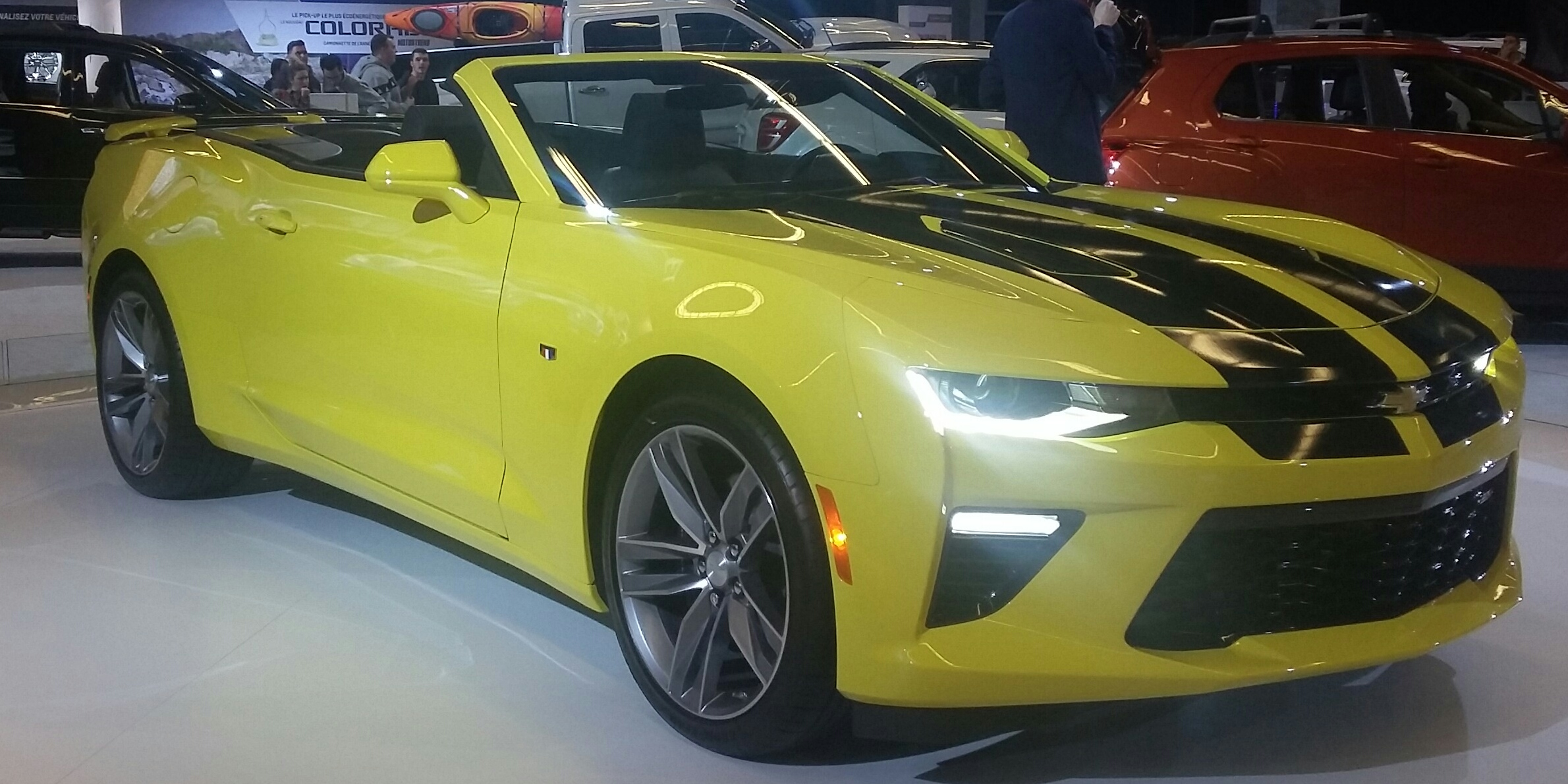
Chevrolet Camaro
"The crew had to warn anyone walking through the paddock. Do not lean on the Camaro. It will dent."
The Chevrolet Camaro is a well-known American car. Here it’s being talked about as a race car in a pit/team area, where the body is vulnerable.
The Chevrolet Camaro is a popular American muscle car platform that has also been used in racing. In this segment, the hosts mention it in the context of a race paddock where the car’s bodywork is so delicate it can dent easily.
vinyl roof
"By 69, the roof panel got dipped so thin that it wrinkled. Penske covered it with black vinyl roof and told SCCA that he just liked the look."
A vinyl roof is a fake “roof covering” material put on top of the metal roof. In this story it’s used to hide problems so inspectors don’t notice.
A vinyl roof is a covering applied over the car’s roof panel, often for appearance. Here, Penske covered a roof panel that had been “dipped” extremely thin and wrinkled, then used the vinyl to conceal the damage and influence what inspectors saw.
FCP Euro
"You want to tell us about FCP Euro before we get into the cars that we bought one which FCP Euro makes parts for... [708.3s] FCP Euro is your source for online OE aftermarket performance parts made specifically for European cars..."
FCP Euro is a website where you can buy car parts for European brands. They also sell pre-packaged kits so you don’t have to figure out which parts you need yourself.
FCP Euro is an online retailer that supplies parts and accessories for European cars. In this segment, they’re described as carrying OE (original equipment) and aftermarket parts and offering bundled “kits” to make maintenance jobs easier.
OE aftermarket performance parts
"FCP Euro is your source for online OE aftermarket performance parts made specifically for European cars from BMW, Porsche, Volvo, Audi, Volkswagen, Tesla and more."
“OE aftermarket” means the part is made to be like the original factory part. It’s an aftermarket product, but it’s meant to work the same way as what came on the car.
“OE aftermarket” refers to parts made by aftermarket suppliers that are intended to match original equipment (OE) specifications. In other words, they’re designed to fit and function like the factory parts, but are sold through the aftermarket.
expert assembled kits
"They have expert assembled kits. ... They take the guesswork out of the process with all their expert assembled kits."
An “assembled kit” is a package of parts that are chosen to go together for a particular repair. It helps you avoid missing a part and having to place a second order.
“Expert assembled kits” are bundles of parts put together for a specific repair or maintenance job. The goal is to reduce the chance you forget a required component, so the job can be completed with the correct parts in one order.
lifetime replacement guarantee
"Plus, every single product they sell is backed by a lifetime replacement guarantee..."
A “lifetime replacement guarantee” means if the product fails or wears out, the company will replace it for a long time—often tied to how long you own the car. It’s basically a strong promise beyond a typical short warranty.
A “lifetime replacement guarantee” is a warranty-style promise that the seller will replace the product for the duration of the customer’s ownership (or for a defined lifetime period). In practice, it’s meant to cover wear items and common maintenance parts so you can replace them without paying again.
auto sensing wipers
"Is I forget that I have auto sensing wipers on the on the wagon and I go through the car wash and the thing comes out and the thing just rips the wiper off."
Auto-sensing wipers use a sensor to detect rain and turn the wipers on automatically. The wiper speed can change based on how wet the windshield is.
“Auto sensing wipers” are windshield wipers controlled by sensors that detect rain or moisture and automatically adjust wiper speed. This is different from manual wipers where you choose the speed yourself.

Tesla Model
"...t you now bought a Tesla. You bought a brand new Tesla Model Y, right? Where yeah, I swear we talked about it..."
The Model Y is an electric SUV made by Tesla. Instead of using gasoline, it runs on electricity from a battery. In the podcast, it’s mentioned because someone bought a brand-new Model Y.
The Tesla Model Y is a compact electric SUV designed for everyday driving with an all-electric powertrain. It’s significant because it represents Tesla’s mainstream, high-volume approach to EV ownership rather than a niche sports car. Your podcast context focuses on someone buying a new Model Y and discussing it directly.
internal model code
"The quote Juniper is the internal model code. And where is it? What is it saying?"
Car companies often use hidden codes to track the exact version of a car you ordered. “Juniper” here is that kind of internal label for the specific Model Y setup.
An internal model code is an internal identifier used by a manufacturer (or dealer system) to distinguish specific configurations of the same model. In this case, “Juniper” is being used to refer to the exact Model Y configuration the buyer ordered.
Tesla store vs dealership
"But I went, we went to the Tesla store, which we'll get into later, not a dealership. And I was vehemently against this."
They’re comparing Tesla’s own store setup to the usual way you buy cars at a dealership.
The hosts contrast buying experience at a Tesla store with a traditional dealership model. This matters because it affects how pricing, sales pressure, and the overall buying process feel to shoppers.
test drive (car driving for us)
"And when we went on the test drive, which literally was the car driving for us. I was like by the end of the test drive, I said to myself, I don't see any reason"
They’re implying the car did more of the driving than usual during the test drive, using driver-assist technology.
The phrase “the car driving for us” suggests the test drive included some level of driver-assistance or automated driving features. That’s different from a conventional test drive where the customer is fully in control.

Tesla Cybertruck
"And I just, I've driven a Cybertruck now and I'm like, holy shit, this is unbelievable. [982.3s] But I don't like it. [984.9s] No."
The Tesla Cybertruck is an electric pickup with a very unusual, boxy design. The hosts are talking about how it can feel impressive, but they personally don’t like it as a daily driving experience.
The Tesla Cybertruck is an electric pickup known for its angular, stainless-steel body and futuristic design. In this segment, it’s brought up as an example of something that feels “unbelievable” to drive, but still doesn’t match the host’s preference for how a daily driver should feel.
self driving
"[1074.7s] You know, I've been, I've experienced the self driving. [1079.3s] I have. [1080.9s] It's like I'm talking from a place of like, I don't understand. [1090.1s] I think I would still drive."
“Self driving” means the car tries to drive for you. Usually it still expects you to stay alert and take over if needed.
“Self driving” refers to driver-assistance systems that can steer, accelerate, and brake with limited or conditional autonomy. Even when marketed as self-driving, most systems still require the driver to supervise and be ready to take over.

Chevrolet C10
"even like, Oh, I'm going to go to the hardware store, but I'd like to have fun. If I want to go to the hardware store and have fun, I'll take my C 10. If I'm taking that truck, I wish that truck self drove to that's where I was going with"
The C10 is an older Chevrolet pickup truck. People like it because it has a classic look and can be fun to drive. In the episode, it’s used as an example of a truck you’d take for a quick errand just for enjoyment.
The Chevrolet C10 is a classic pickup truck from the C/K series, known for its simple, customizable design and strong popularity with enthusiasts. It’s often discussed as a fun, character-filled truck choice—especially for people who want something older and more personal than a modern daily driver. In your podcast, it’s mentioned as the truck you’d take for a casual trip like going to the hardware store.
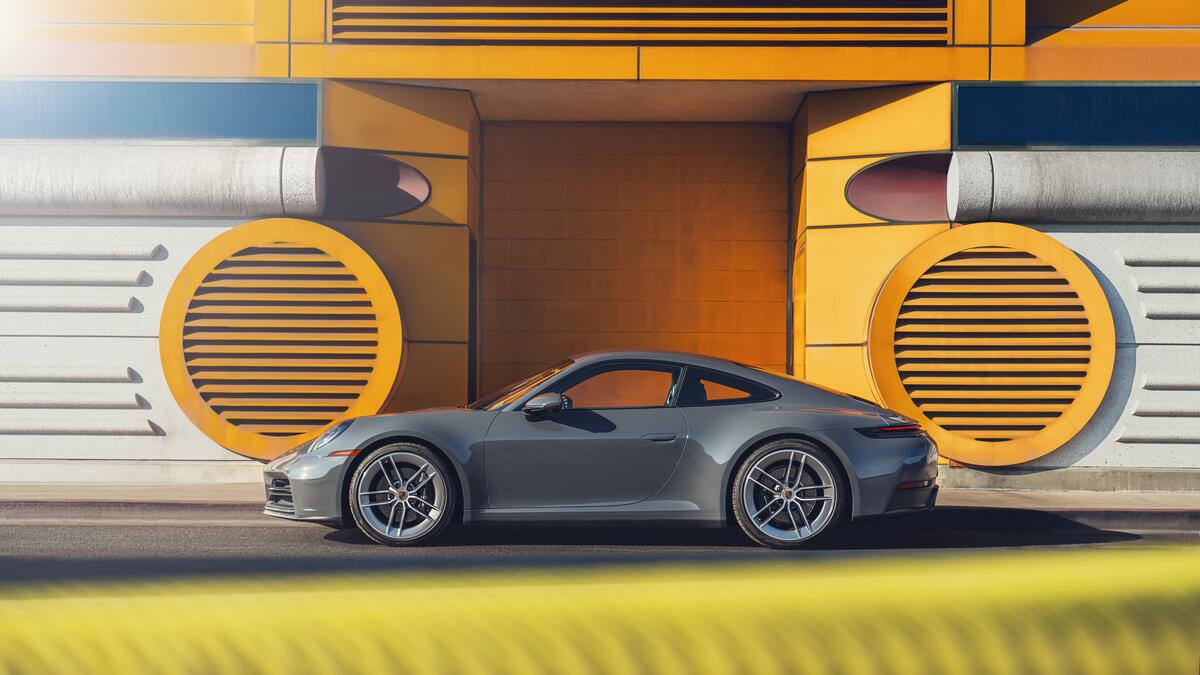
Porsche 911
"Like I I've driven my 9 11 a lot. [1279.2s] I've been driving it every day. [1280.3s] I get in it. [1281.0s] I drive it to the store."
The Porsche 911 is a classic sports car from Porsche. Kris is saying he drives his 911 every day—like to the store and hardware runs—because he genuinely enjoys how it feels.
The Porsche 911 is a rear-engine sports car known for its distinctive flat-six layout and long-running design. In this segment, Kris Buys describes daily-driving his 911 for errands, emphasizing how the car’s feel and usability fit into normal life.
air-cooled
"[1306.9s] I don't get in the car and be like I love this smell. [1309.0s] It smells like oil air cooled smell like oil I really like it. [1312.8s] It's not like that."
Air-cooled means the engine is cooled mostly by air flowing over it, not by circulating liquid coolant. Kris is saying he likes the distinctive smell that comes with that kind of engine.
Air-cooled refers to an engine cooling system that relies on airflow over the engine rather than a liquid coolant loop. Kris specifically mentions the “air cooled smell,” which is a common enthusiast association with older air-cooled Porsche engines and their oil/engine-bay odor.
M110
"[1406.0s] ... 1983 Mercedes Benz 280 SL which has ... [1416.7s] oh it's just the M110 aspirated diesel no no this is not a diesel this is an M110 it's [1423.9s] the twin overhead cam oh engine yeah that came in this car ..."
M110 is the name of the engine Mercedes used in this car. The host says it’s a twin-cam design, which is a way the engine’s valves are controlled.
M110 is Mercedes-Benz’s inline-six engine family used in various models. Here, the host specifically describes it as a twin overhead cam (DOHC) setup, which affects how the engine breathes and how it makes power compared with simpler cam layouts.
twin overhead cam
"[1416.7s] ... this is an M110 it's [1423.9s] the twin overhead cam oh engine yeah that came in this car ..."
A twin overhead cam engine uses two camshafts on top of the engine to control the valves. That can help the engine run more efficiently and feel more responsive.
Twin overhead cam (DOHC) means the engine uses two camshafts located in the cylinder head to operate the valves. This layout can improve airflow and allows more precise valve timing, which often helps performance and responsiveness.
Zender
"[1460.0s] the bumper is something it does special bumpers are great it does have a zender body kit [1465.0s] it's a full zender kit which is really dope ..."
Zender is a company that makes aftermarket body kits for cars. In this case, they’re saying the Mercedes has a complete Zender styling package.
Zender is an aftermarket tuning and bodywork brand known for styling kits. A “full Zender kit” typically means multiple exterior pieces—like bumpers and side/body panels—are replaced to give the car a more aggressive, factory-like appearance.
carb smog certified
"[1478.6s] and fully carb smog certified do t combined we don't care about that we don't care about it [1482.7s] oh manual transmission manual transmission interesting rare ball super duper rare all right"
“Smog certified” means the car is legal to drive because it meets emissions rules. If it uses a carburetor (instead of modern fuel injection), getting it certified can be a bigger deal.
“Smog certified” means the car’s emissions system meets legal requirements for street use in a given jurisdiction. “Carb” refers to carburetors, which meter fuel mechanically; carbureted engines can be harder to keep compliant than fuel-injected setups, so a smog-certified carbureted car is a notable detail for buyers in smog-regulated states.
manual transmission
"[1482.7s] oh manual transmission manual transmission interesting rare ball super duper rare all right [1491.2s] yeah I'm gonna run I didn't even yeah totally didn't even it super rare like the the transmission is"
A manual transmission means you choose the gears yourself using a clutch and a shifter. Some cars are much rarer with manuals, so that can make them more desirable.
A manual transmission is a gearbox controlled by a clutch pedal and gear lever, where the driver selects each gear. In enthusiast circles, a manual is often considered more engaging and can also make a specific car configuration rarer, which affects value.

Ford Mustang
"...ute here it is here's the interior it's got like Mustang recarles in it which are they're okay and here i..."
The Mustang is a sporty car made by Ford, usually as a coupe or convertible. People like it because it’s built for driving enjoyment and performance. In the episode, it’s mentioned while showing the interior and seat setup.
The Ford Mustang is a performance-focused American coupe/convertible that’s become an icon of the muscle-car era and modern pony-car segment. It’s frequently discussed because of its strong enthusiast following and its role in racing and track comparisons. In your podcast, it’s mentioned with details about the interior and “Mustang” Recaro-style seats.
dual overhead cam
"[1602.5s] reliable um it was a really advanced engine for the 60s it's engine block cam box cylinder head [1609.5s] dual overhead cam in late 60s was like pretty hot shit and as a result they're kind of a"
DOHC means the engine uses two camshafts in the head to control the valves. It can help the engine run better, but it can also make the engine more complex to service.
Dual overhead cam (DOHC) means the engine uses two camshafts located in the cylinder head to operate the valves. DOHC designs can improve breathing and performance, but they also add complexity, which can make maintenance and timing-related repairs more involved.
timing chain guides
"[1615.4s] bear to work on it's really hard to get parts the uh I had a hell of a time finding timing chain guides [1622.1s] for the ones that I built so here she is right here"
Timing chain guides help keep the timing chain in the right position. If they’re worn or broken, the engine timing can get messed up, and repairs can be expensive or hard to do.
Timing chain guides are components that help position and control the timing chain’s movement so valve timing stays accurate. If these guides wear or fail, the engine’s timing can be thrown off, and replacing them can be a difficult job—especially if parts are scarce.
offset fenders
"...it would look a little bit better with like a slightly bigger wheel really offset fenders on this thing..."
Offset fenders means the fender position is adjusted so the wheel and tire sit better in the wheel opening. It’s often done to prevent rubbing and to get the look right.
Offset fenders refer to fender positioning that’s shifted relative to the wheel/tire for fitment. Enthusiasts adjust this to improve wheel clearance, reduce rubbing, and achieve a desired flush or aggressive look.
fitment
"...look how low the rear the rear fender I see that yeah I was gonna say the rear fitment is great..."
Fitment is how well the wheels and body parts match up. Good fitment means the tires fit nicely in the wheel wells without hitting anything.
Fitment is how well the wheels/tires and body components line up—especially clearance and how flush or tucked the wheels look. In modified cars, “good fitment” usually means no rubbing and an intentional stance.
reverse rake
"...the front the front needs the spring pads need to come out it kind of has some reverse rake to it..."
Reverse rake means the car looks like it’s “squatting” in the back—lower in the rear than the front. It’s mostly about the car’s stance, and it can also influence how it drives.
Reverse rake describes a stance where the car sits lower in the rear than the front. It can affect how the car looks and can also change ride/handling characteristics by altering weight distribution and suspension geometry.
spring pads
"...the front the front needs the spring pads need to come out it kind of has some reverse rake to it..."
Spring pads are small suspension parts that help determine how the car sits. Changing them can raise or lower the car and affect the stance.
Spring pads are components used with the suspension springs to set ride height and alignment. If they’re changed or removed, the car’s stance can change and the suspension can sit differently at rest.
white market car
"...the car is actually a white market car not a gray market car so it was imported but it was done properly I guess sure so um and so it's a properly car compliant..."
A white market car is imported the “official” way. That usually makes it simpler for the car to be legal and compliant where you live.
A white market car is imported through the manufacturer’s intended, official distribution route. Because of that, it’s more likely to already match local regulations, or be easier to bring into compliance.
gray market car
"...the car is actually a white market car not a gray market car so it was imported but it was done properly... so um and so it's a properly car compliant so that means yeah..."
A gray market car is basically a car that was brought in through unofficial import channels. It might not meet local rules out of the box, so it can require extra steps to make it street-legal.
A gray market car is imported outside the manufacturer’s official distribution channel. That can mean it wasn’t originally intended for your country’s regulations, so it may need additional compliance work to be legal to register and insure.
chalky
"...this side is like super chalky I'm hoping it'll polish up I think with just like a buffer you..."
Chalky means the paint looks dull and whitish, like the clear coat has worn out. Sometimes polishing helps, but it depends on how far the damage goes.
“Chalky” describes a surface finish that has degraded—often from UV exposure—so the paint or clear coat looks dull, hazy, or whitish. It can sometimes be improved with polishing, but heavy oxidation may require more involved restoration.
jump seat
"...that's is that supposed to be a rear seat or no I think it's a jump seat yeah it looks like it goes up doesn't it..."
A jump seat is a small back seat meant for short trips or kids. It’s usually not as comfortable or spacious as a normal rear seat.
A jump seat is a small, fold-up rear seat intended for occasional use rather than full-time seating. It’s common in some convertibles or compact rear areas where space is limited.
soft top
"...soft top obviously tucks into here have you tucks into the back..."
A soft top is the fabric roof on a convertible. When you open the car, it folds down and stores in the back.
A soft top is the fabric roof used on many convertibles. It tucks into the rear compartment when lowered, and its condition matters for weather sealing and long-term durability.

Volkswagen Rabbit
"... owned a convertible never oh once I got I had a rabbit convertible once okay before the cabbie there's t..."
The Volkswagen Rabbit is a small car made by Volkswagen. The podcast mentions a Rabbit convertible, meaning a version with an open-top design. The speaker is talking about owning one and sharing their experience.
The Volkswagen Rabbit is a compact car that’s especially remembered for its practicality and availability in different body styles, including a convertible. It comes up in the podcast as a personal ownership story, where the speaker mentions having a Rabbit convertible. That kind of anecdote is often used to highlight real-world ownership experience rather than specs.
climate control
"...one cool thing about this is because it's the import it doesn't have the super annoying climate control that these things usually have it's got the regular turn the knob..."
Climate control is the system that automatically manages the cabin temperature for you. The speaker is saying this car uses a simpler setup instead of the more annoying automated one.
Climate control is an automated HVAC system that regulates cabin temperature using sensors and actuators, often with separate zones and set-and-forget operation. The speaker contrasts it with a simpler manual system.
HDR springs
"it's already got hdr springs which is awesome they're partner bars and it's got like conie suspension"
Springs are part of the suspension that support the car and help it ride over bumps. “HDR springs” here sounds like a particular aftermarket spring choice that changes how the car sits and rides.
“HDR springs” refers to a specific aftermarket spring setup (the exact brand/meaning of HDR isn’t spelled out in the transcript). Springs are a key part of the suspension because they affect ride height and how the car absorbs bumps.
Coni(e) suspension
"it's already got hdr springs which is awesome they're partner bars and it's got like conie suspension [1819.9s] the guy has put a ton of work into the into the car"
This sounds like an aftermarket suspension setup from a brand like Koni. Upgraded shocks/struts help the car control how it moves over bumps and during cornering.
“Coni(e) suspension” appears to refer to Kon(i) shocks/struts or a Kon(i)-branded suspension kit (likely “Koni,” though the transcript is unclear). Aftermarket suspension components like shocks/struts strongly influence damping, ride quality, and handling response.
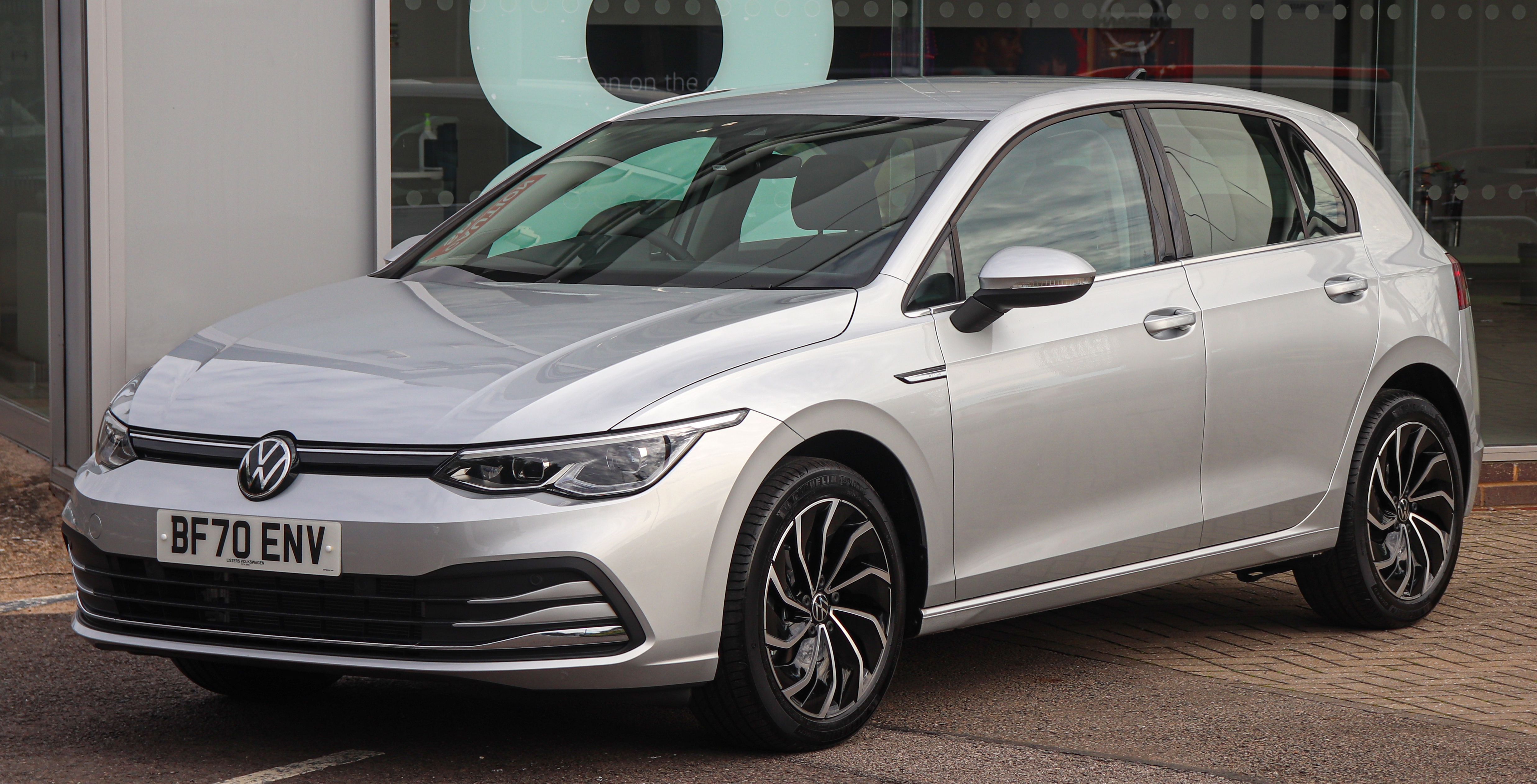
Volkswagen Golf
"...lks we're gonna share new details of the upcoming golf nine mark nine which is insane uh mark nine in i..."
The Golf is a compact car made by Volkswagen. It’s designed to be practical for everyday use, like commuting and errands. The podcast mentions upcoming information about the next “Golf” generation.
The Volkswagen Golf is a compact car line known for being practical while still offering driving refinement. It’s often discussed because it’s a long-running model with frequent updates and a large global owner base. Your podcast context references “Golf nine,” indicating upcoming details about the next-generation Golf.
fully electric model
"quote don't touch anything the mark nine launches in 2028 as a fully electric model on"
“Fully electric” means the car has no gas engine and is powered by a battery. You charge it instead of fueling it.
A “fully electric model” means the car runs only on electricity from a battery, with no gasoline engine. That changes how the car is packaged and engineered—especially around the battery, charging, and thermal management.
SSP platform
"vokes wagon's new ssp platform the architecture meant to underpin most of the golf vw group's future evs sorry the combustion golf is not going away though production of the mark"
A “platform” is the shared set of design and engineering underpinnings a company uses to build many cars. “SSP” here is Volkswagen’s future EV-focused base that multiple models can use.
“SSP platform” refers to Volkswagen Group’s scalable vehicle architecture intended to standardize how future cars are built. In this segment, it’s described as the foundation for many of the group’s upcoming EVs, while combustion models are said to continue on other platforms.
MQB evo platform
"8.5 moves to mexico in 2027 where it will continue on the mqb evo platform as the home of the next gti however the golf r itself is expected to be electric only on the ssp architecture"
Volkswagen uses “platforms” like a common blueprint for many models. “MQB evo” is an updated version of that blueprint that supports newer Golf variants.
“MQB evo platform” is Volkswagen Group’s modular architecture used for a wide range of cars, including updated versions (“evo”). The segment ties it to where the next Golf generation will be built and how it will continue after moving production to Mexico.
modular platform
"the yeah they just stretch the platform exactly just the modular yeah we can't make anything just nice we just have to make it cheap now because everything's have 4 000 bells and whistles"
A modular platform is like using the same basic car “kit” and rearranging parts to make different models. It helps manufacturers build cars faster and cheaper.
A “modular platform” approach means the same core vehicle structure can be adapted for different models and powertrains by swapping standardized modules. The hosts describe this as why Volkswagen can build many variants while keeping costs down.
VR6 diesel
"you know what this is oh i can't hear it very well but yeah that's the vr six diesel that"
A “VR6 diesel” is a VR6 engine that burns diesel fuel. Diesel engines and gasoline engines behave differently, so the sound and character can be quite distinct.
A “VR6 diesel” refers to a VR6 engine configured to run on diesel fuel rather than gasoline. In this segment, the host is showing an audio clip and identifies it specifically as a VR6 diesel, which implies a rare/enthusiast-specific powertrain variant.
diesel engine conversion
"that guy converted it is a diesel your favorite your favorite engine has been converted to diesel ... i did see that where the guy actually made it to run as a diesel"
A diesel conversion means changing a car so it runs on diesel fuel instead of its original setup. The host is talking about a conversion that made the engine sound and behave like a diesel.
A diesel engine conversion is when a car originally built for another fuel/engine setup is modified so it runs on diesel instead. The host is describing a specific example where someone converted a VR6 to run as a diesel and it sounded like a diesel.
timing chains
"but that's the only time it has timing chains it has chains instead of a belt right because it was supposed to be a diesel"
A timing chain helps keep the engine’s moving parts timed correctly. In this case, the host is saying this engine uses chains rather than a belt.
Timing chains are components that synchronize the crankshaft and camshaft(s) timing. They’re often used instead of a timing belt on certain engines, and the host is pointing out that this diesel-intended VR6 uses chains.
Carfax
"the common gear is a online platform where it basically puts all of your digitized records together ... common gear is basically a platform built for car people"
Carfax is a website that gathers vehicle history information into one report. The hosts are talking about how having that paperwork organized can help you understand a car’s past.
Carfax is an online vehicle history platform that compiles records like service and ownership-related events into a searchable report. In the segment, the host compares it to a similar “digitized records” service for building a complete car history.
limited slip
"there's a couple things that are like not installed like i was like oh it's got a limited slip but he he didn't actually install that"
Limited-slip is a drivetrain feature that helps the car put power down better when traction is uneven. Here, the host is saying the listing/claims didn’t match what was actually installed.
Limited-slip refers to a differential that reduces wheel spin by limiting how differently the left and right wheels can rotate. The host notes a mismatch between what the car is said to have and whether the limited-slip differential was actually installed.
fuel accumulator
"all this stuff is new in the car very fuel accumulator fuel pump fuel filter well you"
A fuel accumulator is a part that helps keep fuel pressure steady so the engine gets the right amount of fuel at the right time. It’s mentioned here as part of the car’s updated fuel setup.
A fuel accumulator is a component used in some fuel systems to store and regulate fuel pressure, helping the system deliver consistent pressure during changes in demand. The host lists it as part of the newly installed diesel-related fuel system components.
fuel pump
"very fuel accumulator fuel pump fuel filter well you said a couple of things"
A fuel pump is what sends fuel from the tank to the engine. The host is listing it as one of the new parts in the car’s fuel system.
A fuel pump moves fuel from the tank to the engine and helps maintain the pressure required by the fuel injection system. In this segment, it’s mentioned as part of the upgraded/new diesel fuel hardware.
fuel filter
"very fuel accumulator fuel pump fuel filter well you said a couple of things"
A fuel filter cleans the fuel so dirt doesn’t get into the engine. It’s mentioned as part of the new fuel system components.
A fuel filter removes contaminants from fuel before it reaches the injectors and other precision components. The host includes it in the list of new diesel fuel system parts.
dealer laws
"for this dealer thing i want you to tell me why does this matter to me so when you talk about like the dealer laws kind of maybe explain what it is"
Dealer laws are rules about how car companies are allowed to sell cars—whether they must go through local dealerships or can sell straight to customers.
“Dealer laws” are regulations that govern how cars can be sold in the U.S., often requiring or protecting dealership networks. The hosts discuss these rules because they affect whether brands can sell directly to consumers.
direct-to-consumer sales
"are all fighting to defeat to defend their ability to sell cars directly to consumers so that means there's no dealership there's no middleman literally place the order online or in the app"
Direct-to-consumer sales means the car company sells to you directly, instead of using a traditional dealership as the middle step. The episode discusses how laws can affect whether brands can do this.
Direct-to-consumer sales is the model where a car brand sells directly to the buyer, typically ordering online or through a brand app/store. The episode frames it as a legal battleground because many states historically rely on dealership middlemen.
Lucid
"new eb brands like scout motors rivian lucid and of course tesla are all fighting to defeat to defend their ability to sell cars directly to consumers"
Lucid is an EV brand brought up in the discussion about selling cars directly to buyers rather than through dealerships.
Lucid is mentioned as part of the group of EV brands pushing for direct-to-consumer sales. The point is that legal rules around dealerships can limit how these brands deliver orders and pricing to customers.
Rivian
"new eb brands like scout motors rivian lucid and of course tesla are all fighting to defeat to defend their ability to sell cars directly to consumers"
Rivian is an EV company mentioned because it wants to sell cars straight to customers instead of going through dealerships.
Rivian is cited as an EV brand challenging the traditional dealership model by seeking the ability to sell directly to consumers. This ties into the broader legal scrutiny around “direct sales” in the U.S.
Scout Motors
"new eb brands like scout motors rivian lucid and of course tesla are all fighting to defeat to defend their ability to sell cars directly to consumers"
Scout Motors is an EV brand mentioned in the context of how car companies want to sell cars directly to buyers, without traditional dealerships.
Scout Motors is mentioned as one of the newer electric-vehicle brands involved in the push to sell cars directly to consumers. That “direct-to-consumer” model is central to the legal fight over dealership involvement.
zero percent financing
"...with a great deal zero percent financing you know it was not that at all..."
Zero percent financing is a car loan where the interest rate is 0%, so you don’t pay extra interest on top of the loan amount. The total deal can still include other costs, so it’s worth checking the full price.
Zero percent financing means the lender charges 0% interest on the loan, so you pay back only the principal. It’s often used as a marketing incentive, but the overall deal can still be affected by fees, pricing, or required terms.
ceramic coating
"...did anybody ask you to buy like ceramic coating hey we can ceramic coat your entire car this is let me tell you the whole the whole process..."
Ceramic coating is a protective layer you put on your car’s paint. It helps water bead up and can make the car easier to clean and less prone to getting dirty.
Ceramic coating is a paint-protection product that bonds to a car’s clear coat to add a hydrophobic (water-repelling) layer. Enthusiasts use it to make the car easier to wash and to improve resistance to light contaminants and minor surface damage.
dealer markups
"...this model why pay dealer markups simply for a middleman to be involved in the transaction..."
A dealer markup is extra money a dealer adds on top of what the car is supposed to cost. It’s basically an added fee that can make the same car more expensive depending on where you buy.
Dealer markups are added charges above a car’s base price that a dealer sets to increase profit. They can be separate from the manufacturer’s suggested price and may vary by region, demand, and inventory.
direct-to-consumer car buying (dealership restrictions)
"...the problem is in a lot of states it's illegal to not have dealerships states like texas michigan and connecticut have some of the strictest restrictions effectively requiring..."
In some states, you can’t always buy a car straight from the manufacturer online. Certain laws require dealerships to be involved, which changes how the purchase process works.
Some U.S. states restrict direct-to-consumer sales, effectively requiring a dealership network to sell certain vehicles. These rules can limit how brands can sell online and may force buyers to go through a dealer for paperwork, pricing, or delivery.
independent franchise dealerships
"all vehicles to be sold through independent franchise dealerships so manufacturers have gotten creative i do like this they've opened galleries or showrooms in places where staff can walk you through the car"
Instead of the car company selling straight to you, they often require sales through local dealer businesses. Those dealers have special permission (a franchise) to sell that brand.
Many automakers require sales through independent franchise dealerships under a franchise agreement. That structure limits how manufacturers can sell cars directly to customers and creates rules around where and how sales can happen.
out of state transaction
"you can take a look at a car you can talk to the staff but you have to complete the purchase online which the servers by the way need to be located out of state the car is then shipped in from a district distribution center out of state essentially turning it into an out of state transaction to comply with local law"
Sometimes sellers try to structure the paperwork so the sale is legally treated as happening somewhere else. That can change which state laws apply to the deal.
An “out of state transaction” is a legal workaround where the sale is structured to fall under another state’s rules. In this case, the purchase is completed online with servers located out of state, then the car is shipped from an out-of-state distribution center.
tribal land is sovereign
"the one that i really liked was using tribal land so because tribal land is sovereign literally state franchise laws don't apply tesla has partnered with groups like the onida indian nation in new york"
Some Native American land is governed separately from the surrounding state. That can let businesses operate under different rules than normal state dealership laws.
Tribal land is considered sovereign, meaning certain state franchise and regulatory laws don’t apply the same way. The transcript describes using that sovereignty to open sales and service centers that bypass state restrictions.
direct-to-consumer (EV-only) sales laws
"there's of course ongoing lobbying for narrow car votes law that would basically allow ev only manufacturers to sell direct so saying okay yeah yeah we can you can keep your traditional you know dealership locked in but if it's an electric car then no"
There are laws being debated that would let electric-car companies sell straight to buyers, instead of going through regular car dealers. The idea is that gas-car brands would still use the old dealer system.
The segment discusses proposed “EV-only” legislation that would allow electric-vehicle manufacturers to sell direct, while keeping traditional dealership requirements for gas cars. This is framed as a way to change the balance between manufacturers and dealer franchises.
Ford Motor Company
"so you have to go back to the 1940s so think about it chris companies like ford motor company and general motors weren't just big they were like americana through and through"
Ford is a long-established car company. In this discussion, it’s used as an example of how big automakers used to strongly influence how local dealers operated.
Ford Motor Company is referenced as an example of a major automaker that historically shaped the U.S. auto industry’s power structure. The point is that earlier dealership dependence gave manufacturers significant leverage over local dealers.
General Motors
"chris companies like ford motor company and general motors weren't just big they were like americana through and through this was american manufacturing they were everything"
General Motors is mentioned alongside Ford as a historical example of how large automakers dominated the auto industry. The segment argues that dealer businesses were heavily dependent on manufacturers, which changed the “balance of power.”
franchise laws (dealer franchise system)
"[2666.9s] protection no leverage state stepped in then and said all right manufacturers cannot sell directly to consumers they must go through franchised independent dealers"
Car brands often aren’t allowed to sell directly to you in some places. Instead, they have to go through local dealerships under franchise rules.
The dealer franchise system is the rule structure that typically requires automakers to sell through franchised independent dealerships rather than directly to consumers. The segment describes how states stepped in to enforce this, framing it as a form of protection for dealers.
antitrust situation
"[2681.7s] franchisees did they say hey we need to be protected by big daddy detroit or what i guess i also think it's a little bit of antitrust situation like they didn't want the entire process to be monopolized"
“Antitrust” is about laws meant to keep markets competitive. Here, the idea is that certain rules may make it harder for car makers to sell directly, which could reduce competition and affect prices.
An antitrust situation refers to legal concerns about competition—like whether companies or industries are using rules to limit who can sell to consumers. In this context, the discussion is about whether dealer franchise laws unfairly restrict manufacturers’ ability to sell directly.
direct-to-consumer car sales
"[2702.0s] the entire process of purchasing a car now is fundamentally different you you sell the car online or buy the car online"
Direct-to-consumer means the car company sells to you directly, not through a local dealership. The claim is that it can make pricing and the buying steps simpler.
Direct-to-consumer (DTC) sales means the manufacturer sells the car to the buyer without the traditional dealership “middleman.” The segment argues this can simplify pricing and the buying process, and reduce dealer-driven markups.
Porsche 911 GT3
"[2776.2s] but on the other hand you get absurd markups on something like gt3's remember there was like [2781.4s] dealer markups of 200k"
The Porsche 911 GT3 is a very performance-oriented 911 that enthusiasts want a lot. When dealers get limited supply, some try to charge huge markups.
The Porsche 911 GT3 is a high-performance track-focused variant of the 911, known for its motorsport-derived tuning and strong demand. Because it’s a limited, enthusiast-targeted model, it’s also a common target for dealer markups when supply is constrained.
direct sales
"the state's ban on direct sales arguing that the law shouldn't apply to them in the first place"
Direct sales is when a car company sells cars straight to you, instead of using local dealerships. Some states have rules that protect dealerships, so companies that try direct sales can get into legal fights.
“Direct sales” means a car brand sells vehicles directly to customers instead of routing sales through franchised dealerships. In the U.S., many states regulate this through franchise and dealer-protection laws, which is why the episode mentions a legal dispute over whether the law should apply to brands doing direct-to-consumer sales.
dealer groups
"and then dealer groups of course suing the brand's back like scout motors saying that they are"
Dealer groups are groups of dealerships that sometimes team up to fight legal battles or push for policy changes that protect how they sell cars.
“Dealer groups” are multi-dealer organizations that represent clusters of dealerships and can coordinate legal action or lobbying. In the segment, they’re described suing the brand to challenge direct sales arrangements.
cost of ownership
"it's not unionized so yeah i don't know it's yeah um just think how much money there is in the dealership model from service to financing sales bugs me is that means"
Cost of ownership is what a car really costs over time—things like financing costs, maintenance, and repairs—not just what you pay at the dealership.
“Cost of ownership” is the total amount you’ll spend over time to own and operate a car, not just the purchase price. The hosts connect it to dealership-driven costs like financing and service, arguing those can raise the long-term price you pay.
submerged in a pond for decades
"[2951.7s] it sat down there oh wow for 44 years this thing has been wow at the bottom of the bottom of the [2960.0s] situation there from the pond it was in a pond state police divers in the lycaster fire department [3016.7s] fresh water low oxygen buried in the mud 44 years of conditions better than the average Pennsylvania [3023.1s] roadway you know the internet's went to work immediately on this is ran when parked recently"
Leaving a car underwater for a very long time can sometimes slow the usual rust, but it can also cause other damage from mud and moisture. They’re pointing out that this one looks better than most similar cars you’d find because of how it was stored.
When a car is submerged in water for a long time, it can preserve some parts from typical road corrosion, but it also creates new problems like trapped moisture, mud contamination, and potential electrical/engine damage. The hosts are using the “pond for 44 years” detail to explain why this recovered Volkswagen Rabbit is unusually clean compared with typical rusted cars.
low oxygen
"[3013.3s] Pennsylvania is cleaner than most mark one rabbits currently for sale anywhere in Pennsylvania [3016.7s] fresh water low oxygen buried in the mud 44 years of conditions better than the average Pennsylvania [3023.1s] roadway you know the internet's went to work immediately on this is ran when parked recently"
Low oxygen means the water is less “rust-friendly.” The hosts are saying the pond conditions likely helped prevent the car from corroding as badly as it would on normal roads.
“Low oxygen” water slows oxidation, which is the chemical process behind most rust and corrosion. In this segment, the hosts suggest the pond had low-oxygen conditions, helping explain why the recovered Volkswagen Rabbit is cleaner than typical cars.
insurance fraud
"insurance fraud after staging fake bear attacks on their own luxury cars a fourth is a trial the scheme worked like this..."
Insurance fraud is cheating the insurance company on purpose. The story says people staged damage to luxury cars and then claimed it was caused by a bear so they could collect money.
Insurance fraud is when someone intentionally misrepresents facts to get paid by an insurer. This segment describes a staged scenario—damaging cars and claiming a bear did it—to trigger insurance claims and payouts.

Rolls-Royce Rolls Royce Ghost
"... a claim saying a bear had climbed onto its 2010 rolls royce ghost up at lake arrowhead and torn up the interior the..."
The Ghost is a very high-end luxury car made by Rolls-Royce. It’s designed to be comfortable and quiet for long drives. The episode mentions a 2010 Ghost because there was a claim about damage to the interior.
The Rolls-Royce Ghost is a luxury sedan built for high comfort, quiet cruising, and a premium ownership experience. It’s the kind of car that often appears in stories because of its high value and distinctive presence. In your podcast, it’s mentioned in connection with a claim about damage to a 2010 Ghost’s interior.
search warrant
"...a biologist with cal 40 fish and wildlife determined that their bear was in fact a person in a bear suit the search warrant turned up the suit at the suspects home..."
A search warrant is a legal order that allows police to search a specific place for evidence. In the segment, investigators use one to search the suspects’ home and find the bear suit used in the staged attacks.
Request an Explanation
Heard something you'd like explained? We'll add it to this episode.
Sign in to request explanations for terms you heard.
Want to learn more?
Browse our glossary for plain-English explanations of automotive terms, jargon, and concepts.
Help improve this episode
See something that's not quite right? Our annotations are AI-generated and can sometimes miss the mark. Click the flag icon on any annotation to suggest a correction.