
throttle therapy
“Throttle therapy” just means getting out and driving hard enough to feel the car respond. The idea is that you learn by doing—using the gas to accelerate through corners and figuring out what feels fast and controllable. It’s about practice as much as it is about fun.
lap it get ET times performance times
“ET times” refers to elapsed time—how long it takes to complete a timed run, most commonly associated with drag racing. The hosts also mention “performance times” and “lap it,” which points to using timing tools to quantify improvement on track. Logging times turns subjective driving into measurable progress.
time attack
Time attack is when you’re trying to set the fastest time on the track, usually by yourself in timed runs. Instead of battling another car, you’re racing the clock. It’s all about driving technique and consistency.
track days
Track days are days where regular drivers can take their cars to a race track to practice. You’re not racing for points—you’re learning and getting lots of laps. It’s a great way to improve your driving safely.
SCCA racing
SCCA is a big U.S. organization that runs amateur sports-car events. If you’re into racing but don’t want to jump straight to pro-level stuff, SCCA is one of the common places to start. The episode mentions it as part of the time-attack and performance scene.
drag racing
Drag racing is when cars race in a straight line over a short distance. The goal is to be the quickest, usually measured by elapsed time. The host mentions it as a big part of his driving history.
auto cross
Autocross is a motorsport where drivers navigate a marked course (often in a parking lot or field) at speed, emphasizing quick steering inputs and car balance. Unlike track days, it’s typically lower speed but very technical, with lots of acceleration/braking changes. The hosts call it “a blast,” framing it as another way to learn limits and improve driving skills.
road course
A road course is a track with lots of turns, not just a straight drag strip. Driving it teaches you how to handle the car through corners. The host is saying it’s more educational because you’re doing the hard stuff more often.
breaking and turning
“Breaking and turning” (likely “braking and turning”) refers to the core driving sequence used to control speed and direction into corners. On track, mastering how braking overlaps with steering helps maintain traction and stability. The episode lists these as areas where drivers learn their limits and improve.
hit the apex
The apex is the inside “turning point” of a corner. Hitting it helps you line up the car so you can exit the corner smoothly and accelerate sooner. It’s one of the key skills track drivers practice.
throttle out of it
This is about how you press the gas when you’re coming out of a turn. Getting it right helps the tires grip and keeps the car stable.
data
“Data” here means the car’s measurements from sensors. Racers use those numbers to figure out what’s helping (or hurting) lap times.
aero
Aero is how the car’s shape interacts with the air. In racing, it’s often used to push the car down so the tires can stick better at high speed.
shocks
Shocks are the parts that control how the suspension moves. The right settings help the tires stay planted instead of bouncing around.
suspension travel
Suspension travel is how much the suspension can move up and down. If it doesn’t have enough room, the car can bottom out; too much can make it feel unstable.
chassis wise
“Chassis-wise” means how the car’s body and suspension act as a system. When the car is going really fast, the way it flexes and loads up matters a lot.
putting a lot more power down
This phrase means getting the engine’s power to actually move the car forward instead of just spinning the wheels. When you have more power, tires and traction become the main challenge.
big V8 engines
A big V8 is an engine with eight cylinders arranged in a V shape. It often makes strong pulling power, but in a fast car you still have to be careful because too much torque can overwhelm the tires.
high horsepower
High horsepower means the engine makes a lot of power. More power can make a car feel faster, but it also makes it easier to lose grip if you press the gas too hard.
king of the hill
“King of the hill” just means everyone is trying to be the best and stay on top. In racing, it usually means you’re constantly chasing the fastest performance.
treadwear tire
Treadwear is basically a tire’s “how long it lasts” rating. Racing series sometimes require a certain treadwear level so everyone can’t just buy the most expensive, longest-lasting race tires.
1,500 horsepower turbo cars
They’re talking about cars making around 1,500 horsepower using a turbo. More power usually means faster acceleration and better chances to pass, so if you’re down on power you’re fighting uphill.
rule change that bumped me out of the class
Sometimes racing rules change, and suddenly your car doesn’t fit the class anymore. That can force you into a different group where you’re competing against different kinds of cars.
unlimited class
An “unlimited class” typically means fewer restrictions on powertrain modifications, allowing teams to chase performance without a cap. That often leads to an arms race where spending and engine output escalate, and the competitive gap can widen if one team can afford bigger upgrades.
horsepower matters
They’re saying horsepower is a major driver of speed. If your car has less power, it’s harder to get up to speed and keep momentum, so you’ll usually struggle unless you have other advantages.
chasing that guy / arms race to 1200 horsepower
They’re describing a cycle where if one team gets faster, everyone else feels pressure to spend more to catch up. That’s how you end up with extremely high horsepower numbers and big costs.
differentials
The differential is what lets the two driven wheels spin at slightly different speeds when you turn. If you add a lot more power, it can get overwhelmed and break.
axles
Axles are the parts that carry power from the drivetrain to the wheels. If the torque is too high, they can fail.
clutches
A clutch connects and disconnects the engine’s power to the transmission. Higher horsepower and aggressive driving can overheat or wear out clutches, leading to slipping or failure.
thousand wheel
“Thousand wheel” means about 1,000 horsepower reaching the wheels, not just the engine. It’s a way to measure how much power the car is actually putting to the ground.
turbos
Turbos are devices that cram extra air into the engine to make more power. They’re saying they wanted to avoid some of the extra headaches that come with turbo setups.

Audi S5
The Audi S5 is a sportier version of an Audi A5. It’s meant to be more powerful and more performance-focused than the regular model. People talk about it as a good starting point for upgrades and builds.

2018 Mustang
They’re talking about a 2018 Ford Mustang they already had. They took parts off it and put them onto another car to try to make the new build work better.
Tremac Magnum XL
Tremec Magnum XL is a performance transmission meant for high power. They’re saying that once they pushed the car too hard, even that upgraded gearbox wasn’t enough to prevent other parts from failing.
finite budgets
Finite budgets means you don’t have unlimited money for upgrades. So you have to be smarter about what you improve first, because you can’t replace everything if it breaks.

Mazda MX-5 / Miata
The Miata is a small sports car made by Mazda. It’s built to feel light and easy to drive, and some versions come with a roof. That makes it a popular choice for people who want a fun car without complicated ownership.

Scion Frs
The Scion FR-S is a small sports car made to be fun and easy to drive. The podcast compares it to a Miata, but with a fixed roof instead of an open-top design. That makes it a common choice for people who want a sporty car they can use daily.
LS
“LS” refers to GM’s LS-series V8 engines, which became a popular swap choice because they’re compact, plentiful, and have strong aftermarket support. The hosts mention that LS swaps are common enough that they’ve “been done to death,” and they warn about the cost spiral when chasing very high power.
LS swap kit
An LS swap kit is a set of parts that makes it easier to put a GM V8 (the “LS” engine family) into another car. They’re saying people have done this so much that it can be expensive and stressful to chase big power.
bigger cam
A “bigger cam” is an aftermarket camshaft upgrade that changes valve timing and lift to improve airflow at certain RPM ranges. The hosts use it as an example of how chasing power can quickly escalate into drivetrain and chassis stress, leading to failures at high horsepower.
3 15s and 3 35 big tires
They’re talking about running very wide tires. Wider tires can grip the road better, but they can also make the car harder on parts like suspension and drivetrain if you’re pushing big power.
wheel horsepower
Wheel horsepower is the power measured at the wheels, usually on a dyno. It’s lower than engine horsepower because some power is lost through the drivetrain (transmission, driveshaft, differential, etc.).
opposed boxer engine
An opposed boxer engine places cylinders on opposite sides of the crankshaft, with pistons moving in and out like a “boxer” stance. The tradeoff is packaging: boxer engines can be wide, which affects how easily they fit in certain chassis compared with narrower V6 layouts.
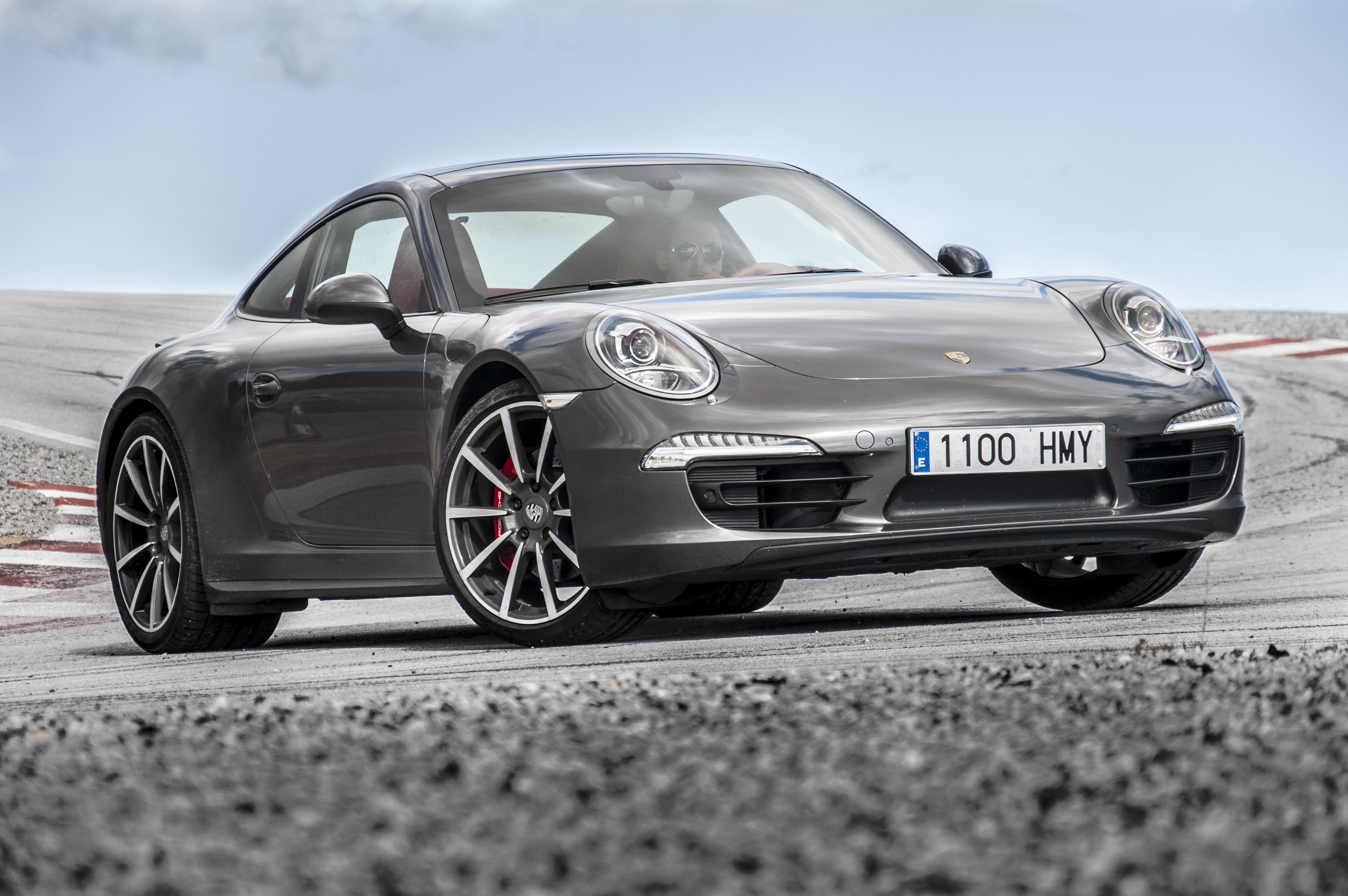
Porsche 911
They’re mentioning the Porsche 911 as an example of a car with a wide flat engine. The point is that boxer-style engines can take up a lot of space compared with other engine layouts.
single overhead cam
Single overhead cam means there’s one camshaft in the engine head that controls the valves. It’s a common, straightforward valve setup that can be easier to package and maintain than more complex designs.
all-aluminum V6
All-aluminum means the engine is made mostly from aluminum instead of heavier iron. That usually helps it weigh less, and a V6 is just a six-cylinder engine shaped like a “V.”
class rules that limit modifications to the long block internals
They’re talking about race rules that say you can’t change the engine’s internal guts. That keeps costs down and makes the competition about what you can do within the allowed limits.
pick a class you can build to the limit
The quote is basically saying: don’t chase the biggest, most expensive racing class right away. Pick a category where you can fully use the rules to build the best car you’re allowed to build.
Trans-Am racing
They’re referencing Trans-Am, a racing series, as an example of where a team chose the right competition level and then did really well. The takeaway is about strategy and resources, not just the cars.
driveline swap packaging constraints
When you swap parts, you can’t just pick an engine and transmission based on horsepower. The car’s layout determines what physically fits, so you often need custom adapters or fabrication to make the drivetrain work together.
transverse engine layout
“Transverse” means the engine is mounted sideways in the chassis. Most transverse setups are designed for front-wheel drive, so if you want a different layout, you usually can’t just bolt on the “right” transmission without custom parts.

Acura NSX
The Acura NSX is a sports car made by Acura. It’s designed to be fast and technologically advanced, and it has a history tied to racing engineering. That’s why it’s often discussed when people talk about performance cars and engines.
bell housing adapter
A bellhousing adapter is a custom piece that lets two parts connect correctly—engine to transmission. In a swap, you can’t always use the factory connection, so you build an adapter so everything lines up and the starter and clutch work properly.

Mazda Rx8
The RX-8 is a sports car made by Mazda that uses a different type of engine than most cars. In the podcast, they’re talking about using its transmission in a project, which means the parts can fit into other builds. That’s why it’s mentioned in a discussion about swapping components.
reverse mountain starter
“Reverse mountain starter” appears to describe a starter configuration/location that’s opposite of what you’d expect in a typical setup. In context, it’s tied to how the starter is packaged on the transmission side for their chosen engine/transmission combination.
300 horsepower
They’re aiming for roughly 300 horsepower. The point isn’t just raw power—it’s that in a light car, that power level can still be manageable for track driving.
2,500 pound car
They’re giving a weight number—about 2,500 pounds—to explain why the car should feel manageable. Lighter cars generally need less power to be quick, and they respond better on track.
engine swap packaging
They’re talking about whether an engine can physically fit and work in a different car. Things like engine shape and how it’s mounted can make swaps easy or hard, and that also affects cost.
dual overhead cam
A camshaft controls the engine’s valves. “Dual overhead cam” means there are two camshafts up top, and the speaker is saying this engine isn’t that layout.
v-tech
V-Tech/VTEC is a system that helps the engine breathe better depending on how fast you’re revving. It can make the car feel better at low speeds and stronger at higher RPMs.
four valves per cylinder
Instead of just one intake and one exhaust valve, this engine uses two of each. More valves can help the engine get air in and exhaust out more efficiently.
weight is something that really does matter
They’re saying lighter cars tend to feel quicker and handle better. Less weight helps the car accelerate, stop, and turn more easily.
six speed manual
They’re saying the car will use a manual transmission with six gears. That means you still use a clutch and shift yourself.
GM quit selling blocks
They’re saying it’s harder to buy new engine block parts from GM. That makes LS builds more expensive and forces more scavenging or rebuilding.
sweet spot
They mean there’s a best balance point—enough power to be exciting, but not so much that you have to replace a bunch of parts. If you go too far, the car can stop feeling like the original and the costs jump.
r180 differential
They’re talking about the rear differential (the part that sends power to the wheels). In these smaller cars, that differential isn’t as strong, so it can break when you add too much power.

Subaru BRZ
They’re comparing the BRZ/FRS-style cars to the BMWs, saying the smaller cars hit limits sooner. When you add big power, parts like the rear differential and axles can become the weak link.
plug-and-play wiring harness
A plug-and-play wiring harness is an aftermarket harness designed to connect the swap components to the car’s electrical system with minimal splicing. This reduces installation time and helps avoid wiring mistakes that can cause drivability or reliability issues.
Link ECU
Link ECU refers to an aftermarket engine control unit used to manage fuel and ignition for swapped engines. With an ECU like this, tuners can calibrate the engine to work correctly with the new setup and sensors.

Honda S2000
They’re saying this engine is also commonly used in Honda S2000s. The S2000 is famous for revving high, so they’re comparing how the swap changes the driving feel.
class rules (allowed modifications)
The hosts are discussing how racing classes restrict what you’re allowed to change, which directly affects performance. In many spec-style classes, suspension and brake upgrades may be limited or tightly defined, while other areas are more open.
remote MCS doubles
This is a type of upgraded suspension damper. The “remote” setup means the shock’s fluid reservoir is mounted separately, which can help the suspension stay consistent when you’re driving hard for a while.
brake any iron brake
They’re saying the rules let them change the brakes. Better brakes can stop you harder and more consistently, especially after repeated laps.
tread wear (200 tread wear)
Tread wear is a number that hints at how long a tire should last. Lower numbers usually mean the tire grips better but wears out sooner; higher numbers last longer but may not feel as sticky.
wide body
A wide body means the car’s fenders are widened so you can run bigger tires. That usually helps the car stick better in corners.
eight square foot wing
A wing is the spoiler-like part that helps keep the car planted at speed. The bigger the wing area, the more downforce it can usually make.
six inch splitter
A splitter is a piece under the front bumper that helps the air flow in a way that can push the car down for better grip. A bigger one usually means more aero effect, but it can also be easier to scrape.
castor camber plates
Camber and caster plates let you adjust how the wheels sit. On a track, that helps the tires grip better when you’re turning hard.

BMW E36
The BMW E36 is a well-known 3 Series from the 1990s. It’s popular with enthusiasts because it’s a great base for engine swaps and track cars.
headers
Headers are parts that help the exhaust leave the engine efficiently. They’re often expensive in swap projects because they have to fit the engine and car correctly.
dual clutch sequential transmission
This is a gearbox that shifts quickly using two clutches. Instead of you manually selecting gears one-by-one like an old-style stick shift, it moves through gears in sequence, often with paddles.
engine swap logistics (wiring/computer integration)
Even if you physically bolt parts in, the car’s electronics still have to work together. With modern swaps, wiring and computer control can be the hardest part, not just the mechanical fitment.
SMG
SMG is BMW’s system that makes a manual-style gearbox shift automatically using computers and actuators. If it’s not working right, it can feel jerky or slow, so some owners replace it with a regular manual.
clunky early 2000s
They’re basically saying the car’s shifting didn’t feel smooth. With some automated-manual setups, the computer can make the shifts feel delayed or rough.
DCT
DCT (dual-clutch transmission) uses two clutches—one preps odd gears while the other handles even gears—so shifts can be extremely fast. The hosts describe how the car “pre-engage[s]” the next gear and even blocks unsafe downshifts, which helps explain why DCTs feel so consistent and quick.
PDK
PDK is Porsche’s dual-clutch transmission. It’s designed to shift fast because it can line up the next gear before you need it.

Corvette C8
The Corvette C8 is the newer Corvette generation with the engine mounted behind the front seats. They bring it up because it’s one of the cars that can use a dual-clutch transmission for quick shifting.

Shelby GT500
The Shelby GT500 is a very powerful muscle car made by Ford with Shelby branding. The podcast is talking about its dual-clutch automatic transmission, which changes gears quickly. That’s a big part of why people find it exciting to drive.
lswap movement
An LS swap is when people put a GM LS V8 engine into a different car. It’s popular because the engine is common, has lots of aftermarket parts, and can be easier to build for performance.
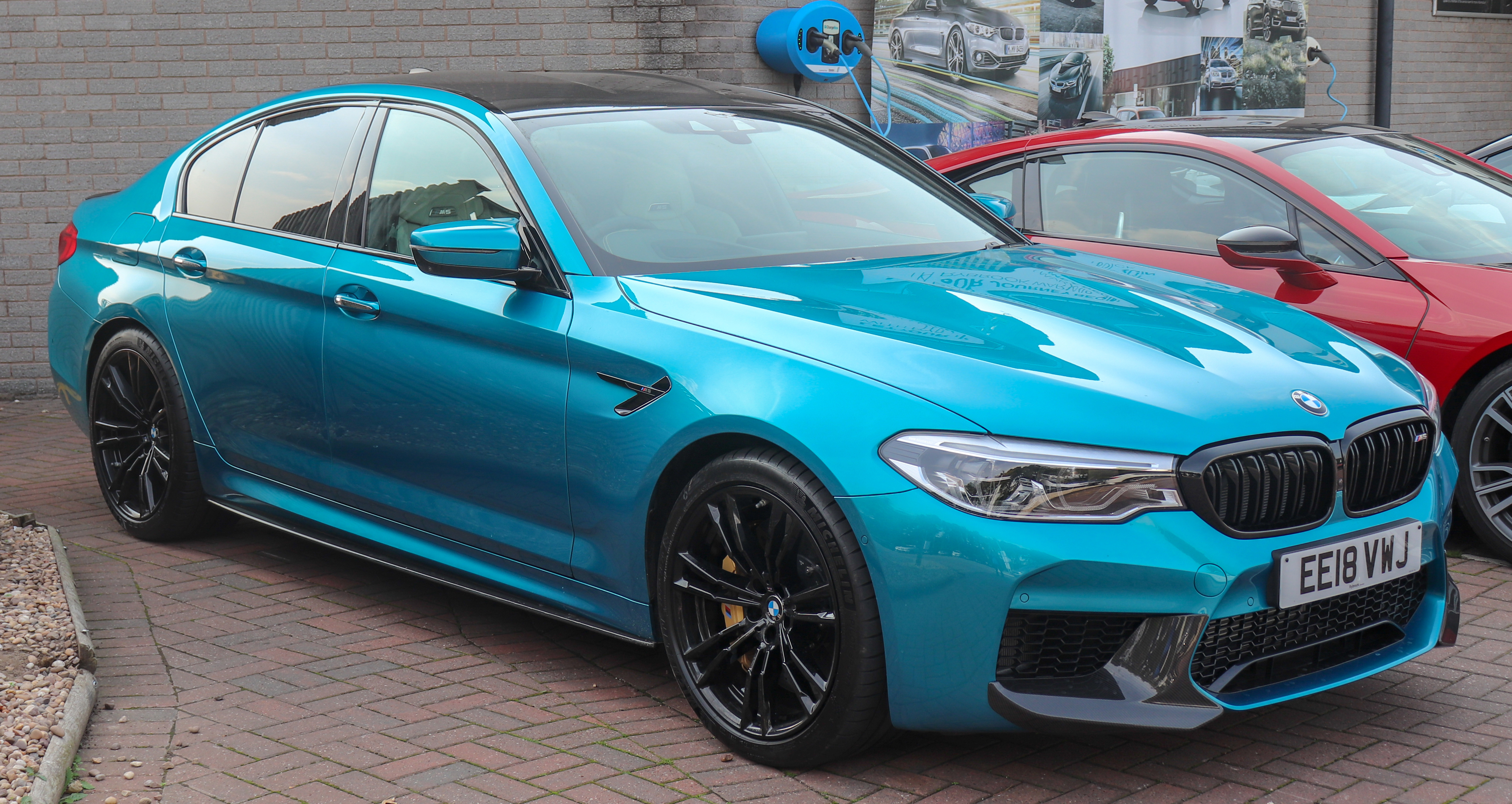
BMW M5
The BMW M5 is a fast, high-performance version of a BMW sedan. It’s known for having very powerful engines, including V8 and V10 options depending on the generation. That’s why it’s often mentioned when people talk about performance cars that still work as daily drivers.
inline 6
“Inline 6” means the engine has six cylinders lined up in a row. The hosts are saying BMW’s older inline-6 engines had a certain feel that people miss. Turbo engines can be fast, but they may not sound or rev the same way.
8400 rpm
RPM tells you how fast the engine is spinning. 8,400 rpm is pretty high, meaning the engine is revving hard. They’re describing the excitement and feel you get when an engine can pull to high revs.
paddle
Paddles are the little shift buttons on the steering wheel. Instead of moving a shifter, you pull a paddle to change gears. The hosts are saying it makes the car feel more immediate when you’re driving hard.
ballast
Ballast is added weight placed in a car to meet a minimum weight requirement or to balance performance under racing rules. The segment mentions adding ballast to reach a target weight (e.g., running at 3,000 pounds) to make the car eligible and competitive. This is common in spec-like classes where weight affects grip, braking, and acceleration.
weight classes / minimum weight rules
They’re talking about racing rules that limit how light a car can be. If your car is too light, you add weight so everyone competes on a more even playing field. That means teams focus on setup and driving, not just raw power.
Max four / max classes
They’re talking about racing “classes,” like categories that cars compete in under specific rules. “Max four” is one of those categories, and they’re saying it’s slower than some others. Their goal is to beat the class expectations anyway.
Eagles Canyon
Eagles Canyon is the race track where they’re planning to compete. Different tracks reward different car setups and driving styles. That’s why they’re talking about class rules and car weight in the context of that event.
Engine sourcing on eBay (swap cost comparison)
The segment contrasts swap economics by describing finding an engine on eBay for $4,000 versus much more expensive BMW engines. This highlights a common swap strategy: using readily available donor parts to keep the project affordable. The hosts also frame risk/replacement cost—if it breaks, you can replace it cheaply.
Uncorked
“Uncorked” usually means the exhaust has been opened up so it flows easier and sounds louder. People say it when they’ve removed or changed mufflers/resonators. In this segment, they’re saying it sounds amazing once it’s uncorked.
High-revving engine (revved to 8,000)
The hosts emphasize how often they rev the engine to around 8,000 rpm, highlighting a high-revving character. High-revving engines typically require careful maintenance and correct oil choice, and they can be more sensitive to neglect. In swap discussions, the “how it sounds when you rev it” is often part of the appeal, not just the power number.