
Leap into the unknown? Has Stellantis masterstroke turned Chinese car invasion to its advantage?
About this episode
Leap Motor’s rapid push into Europe becomes the lens for a bigger question: can Stellantis turn Chinese EV momentum into an advantage? The hosts trade hands-on impressions of the Leap T03 and B10, including efficiency, practicality, and pricing. They also unpack the rollout mechanics—deal timing, a 21% stake, and using existing Stellantis dealers—alongside real-world EV concerns like charging handovers and battery-warranty confidence. The conversation closes with product plans, including a B10 range-extender.
Chinese automotive industry
"thinking and contemplating and reading and researching about Chinese the Chinese automotive industry and the impact it's having in Europe."
The host is talking about how China’s car industry—especially electric cars—is growing fast and changing what happens in Europe. That includes how European companies respond and how deals/partnerships start forming.
This refers to the rapid growth of China’s EV and auto manufacturing ecosystem and how it’s reshaping competition in Europe. The host’s point is that Chinese brands are influencing pricing, technology, and partnerships across the European market.
T3 T03
"...three quick things one I drove the the Leap Motor T03 earlier this year when we did the little road tri..."
The Leap Motor T03 (often shortened to T3) is a small electric car. The host drove it and is talking about it as a quick review item. It’s meant for everyday driving, like getting around town.
The T3 in the podcast context refers to the Leap Motor T03, a small electric car that the host drove earlier in the year. It’s the kind of vehicle people discuss for practical everyday use, especially where compact size and electric running costs matter. The podcast is using it as part of a “quick things” segment after test driving it.
Leap Motor T03
"one I drove the the Leap Motor T03 earlier this year when we did the little road trip through Wales... it turned out to be extraordinarily competent... hundreds of miles in the rain in the cold and it was fine brilliant wipers excellent heating."
The Leap Motor T03 is a small electric car meant for city driving. The host says it handled lots of miles in rain and cold really well, with good wipers and heating.
The Leap Motor T03 is a small, budget-focused electric city car from Leap Motor. In this segment, the host highlights real-world usability in bad weather (rain and cold), suggesting it’s designed to be practical rather than just a cheap EV on paper.

Leap Motor B10
"For the last week I've had a Leap Motor B10 which we've filmed a review of... it's an SUV so it's not my favourite type of vehicle but as SUVs go oh my god incredibly energy efficient... masses of storage and impressive... for £31,000 UK"
The Leap Motor B10 is an electric SUV. The host says it’s very efficient and comfortable, with lots of storage and good rear-seat space, and they mention it costs about £31,000 in the UK.
The Leap Motor B10 is an electric SUV from Leap Motor, positioned here as a more spacious alternative to a city car. The host emphasizes efficiency and everyday practicality (comfort, storage, and rear-seat space) and anchors it with a UK price point around £31,000.

Alpina B10
"... heating. For the last week I've had a Leap Motor B10 which we've filmed a review of and that will go o..."
The Alpina B10 is a luxury car that’s designed to feel sporty while still being comfortable. In the podcast, the host has been using one for a week and is reviewing it. The focus is on how it drives and works day to day.
The Alpina B10 is a performance-oriented luxury sedan based on BMW’s 5 Series platform, tuned by Alpina for a more refined driving experience. In the podcast context, the host says they’ve had a Leap Motor B10 for a week and have filmed a review, indicating it’s part of their recent test lineup. It’s being discussed as a featured vehicle they’re evaluating over time.
energy efficient
"as SUVs go oh my god incredibly energy efficient really comfortable really comfy grunt free"
For an electric car, “energy efficient” means it doesn’t waste electricity. That usually helps it go farther on a charge and can make it cheaper to run.
“Energy efficient” in an EV context means the car uses less electrical energy to travel a given distance. That typically translates to more range per charge and lower “cost per mile,” which is why the host connects it to EVs getting cheaper than petrol cars.
Stalantis
"which he will explain because it is a fascinating Leap Motor and Stalantis or Stalantis own a big"
Stellantis (spelled here as “Stalantis”) is a big car company in Europe. The host is saying it has some kind of connection or strategy involving Chinese EV brands like Leap Motor.
Stellantis is a major European automaker formed from the merger of Fiat Chrysler Automobiles and PSA Group. In this segment, the host frames it as having a strategic relationship to Leap Motor, implying Stellantis is positioning itself to respond to Chinese EV competition.
Chinese car invasion
"[163.0s] chunk of Leap Motor. Leap Motor is a Chinese company cars are made in China at the moment but [168.0s] they're about to be made in Europe as well really interesting story"
“Chinese car invasion” is a dramatic way of saying lots of Chinese cars are moving into other countries. The discussion is about whether a big automaker can benefit from that trend instead of just being threatened by it.
“Chinese car invasion” is a media-style phrase for the rapid increase of Chinese-made cars entering foreign markets. The hosts frame it as something Stellantis might be able to turn into an advantage through partnerships or investment.
B2B EV day
"[245.7s] are funded by our fun packed test drive tastic events in the UK and Australia next up everything [252.9s] electric greater London and then Sydney all events include a B2B EV day and commercial vehicles too"
A “B2B EV day” is an electric-vehicle event for businesses. It’s not just for people shopping for a car—it also targets companies and fleets.
A “B2B EV day” is an event aimed at business customers rather than individual consumers. In the segment, it’s described as part of the podcast’s live event lineup and includes commercial vehicles too.
Leap Motor B10
"but the quality of the build of the car I've just had the Leap Motor B10 for a week because I've we filmed it last week I mean it's a really well put together car that is really really nice to drive"
The Leap Motor B10 is an electric SUV. The speaker says it feels well put together and is fun to drive, and it helped the company grow quickly in the UK.
The Leap Motor B10 is a C-segment SUV from Leapmotor, and the host highlights it as a well-built, enjoyable-to-drive electric car. The discussion focuses on how quickly the brand has grown and how the B10 fits into its lineup strategy in the UK.
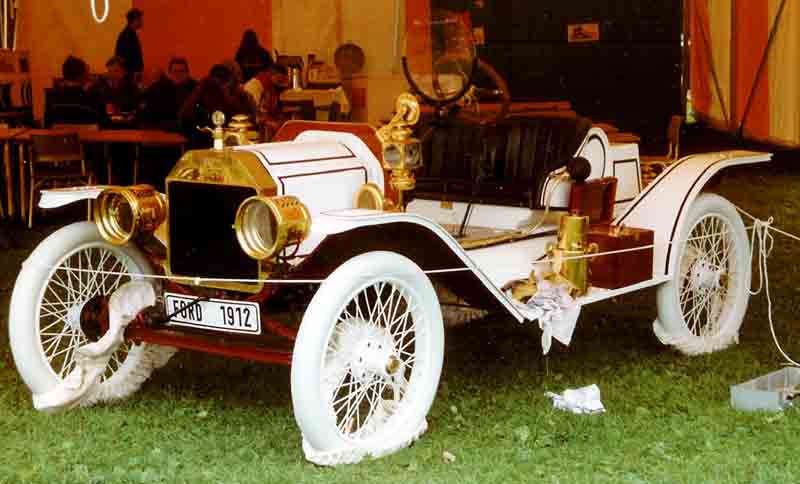
Ford Model T
"I mean and who can who can remember a model that Ford made in 1995 that's pre that predates the..."
The Ford Model T is a very old Ford car from the early days of mass car production. It’s famous because it helped many people be able to buy cars. The podcast brings it up as an example of a car from far back in time.
The Ford Model T is an early mass-produced car that helped make automobiles affordable and widely available. It’s historically significant because it played a major role in popularizing car ownership. The podcast references it as a “remember this” type of car when talking about older Ford models.
D segment SUV
"so we would have a segment through to D segment SUV and as I say quite unusual to have the smallest and largest"
“D-segment” is a European category for bigger cars. Here it’s used to say the brand planned to move up to larger SUVs, not just smaller ones.
“D-segment” is another European vehicle-size class, typically referring to larger cars than C-segment. In the host’s lineup strategy, it’s used to describe the upper end of the SUV range they planned to cover over the next 18 months.
C segment SUV
"launched our B10 the one you drove so thank you so much for the feedback which is a C segment SUV which is the largest in the UK"
“C-segment” is a way of classifying car size in Europe. A “C-segment SUV” is basically a mainstream compact SUV—bigger than a small city car, but not the biggest family SUV category.
“C-segment” is a European vehicle-size class used to group cars by approximate dimensions and market positioning. Calling the B10 a “C-segment SUV” tells you it’s aimed at the mainstream compact-SUV buyer rather than a larger D-segment family SUV.

Zoe
"that's amazing that is in comparison with the like the first generation of electric cars like your Zoe's in your Leafs"
They mention the Renault Zoe as an older electric car example. The point is that earlier EVs often needed more charging during a trip than newer ones.
The Renault Zoe is an early-generation mainstream electric car used here as a comparison point for charging frequency. The speaker implies older EVs required multiple charges for the same kind of trip, while the newer car they’re discussing needs fewer.
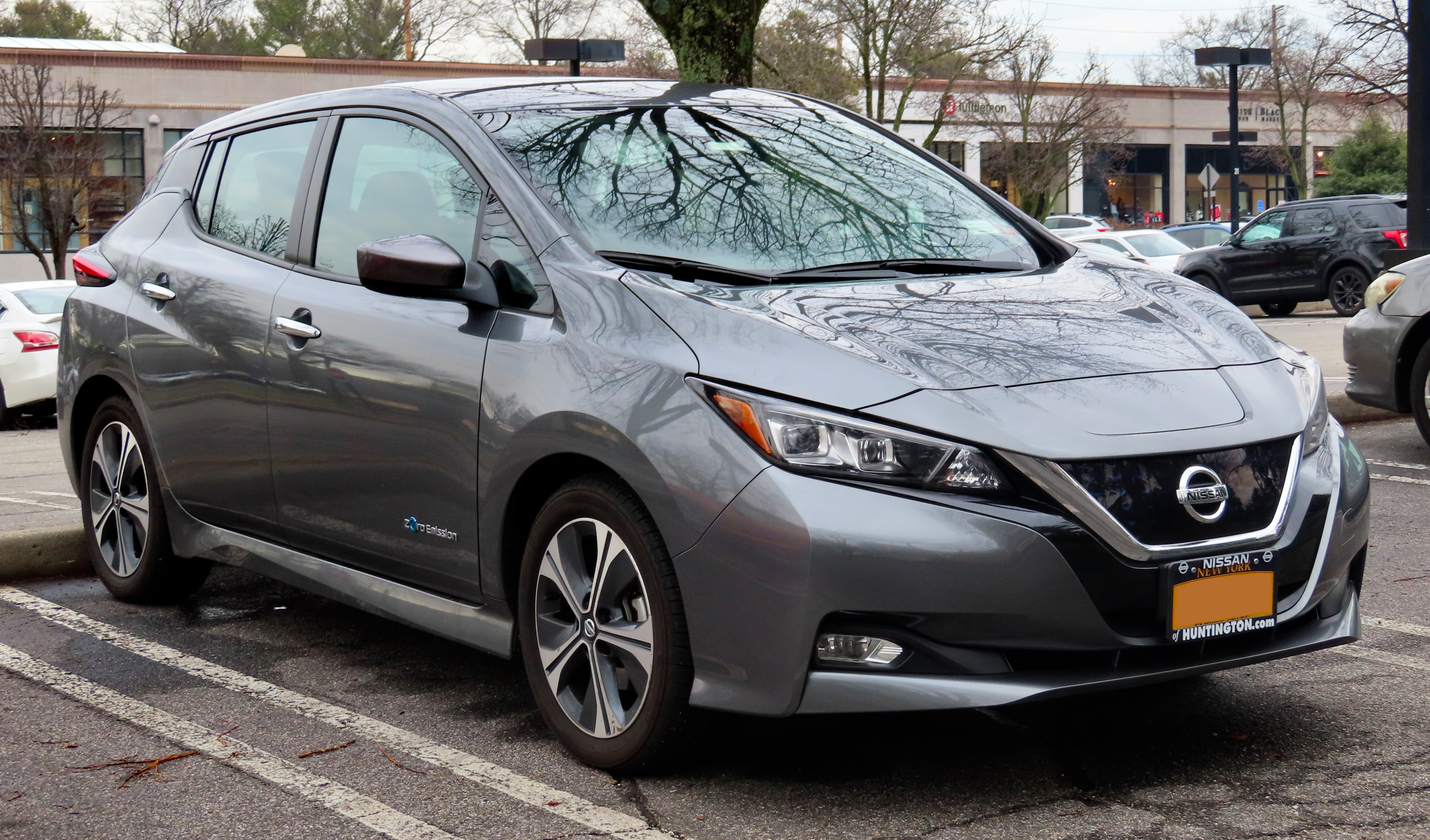
Leafs
"that's amazing that is in comparison with the like the first generation of electric cars like your Zoe's in your Leafs"
They’re referencing the Nissan Leaf as another older electric car example. The takeaway is that earlier EVs often needed more charging than newer models.
The Nissan Leaf is an early, widely sold electric car, referenced here to illustrate how first-generation EVs could require several charging stops. The speaker uses it as a baseline for how charging needs have improved.
best value
"we never set out to be the cheapest what what we wanted as a positioning was to be the best value yeah and I think the word value is often misused"
They’re talking about “value” as more than just a low price. Their point is that the car costs less but still includes lots of features.
“Best value” here is a pricing-and-specification philosophy: the speaker argues value isn’t just “cheap,” but what you get for the money. They frame the EV’s low price as paired with high equipment levels (sunroof, large screen, and ADAS).
adaptive cruise control
"false allowers full sunroof you know a large screen adaptive adaptive cruise control on a 14 and a half down a bit so an 11 ADAS features"
Adaptive cruise control is like cruise control, but it also watches the car in front of you. It can automatically slow down and speed up to keep a safe gap.
Adaptive cruise control is a driver-assistance system that automatically adjusts the car’s speed to maintain a set following distance from the vehicle ahead. Unlike basic cruise control, it can slow down and speed back up as traffic changes.
ADAS
"so an 11 ADAS features so and we packed a lot into actually a really let me say low price"
ADAS means “advanced driver assist.” It’s a set of safety and convenience features that help the car drive more safely, like helping with speed and alerts.
ADAS stands for Advanced Driver-Assistance Systems, a collection of technologies that help with driving tasks like maintaining lane position, controlling speed, and warning about hazards. In this segment, the speaker uses it to describe the suite of features packed into the car.
range
"and I went oh oh yeah I better look at the state of the battery it was fine I mean that range I [788.3s] don't know what the stated ranges I can't I'm written it down but it's 270 miles so yeah I mean"
For an electric car, “range” means how many miles you can drive before the battery runs low. The number you see is an estimate, and your actual miles can be more or less depending on how you drive and the weather.
In an electric car, “range” is how far the vehicle can drive on a full battery charge. It’s usually quoted as a standardized estimate, so real-world results can vary with speed, temperature, and driving style.
state of the battery
"I went oh oh yeah I better look at the state of the battery it was fine I mean that range I [788.3s] don't know what the stated ranges I can't I'm written it down but it's 270 miles so yeah I mean"
“State of the battery” is basically how full (and how healthy) the battery is right now. If it’s in good shape and well-charged, you can expect the car to go farther.
“State of the battery” refers to the battery’s current condition—most commonly its state of charge (how full it is) and sometimes its health. Checking it helps explain whether the car’s displayed range is realistic for the trip.
volume seller
"you want those yeah no it's really it looks and also that's kind of our volume seller Robert [805.2s] through us you're right I can imagine now it's amazing but but but interestingly"
A “volume seller” is the car a company expects to sell the most of. It’s the one they count on to bring in the biggest sales.
A “volume seller” is the model a brand expects to sell in the highest numbers—its main bread-and-butter product. Automakers often design pricing, packaging, and marketing around these cars because they drive overall profitability and production scale.
clean sheet of paper
"because and again we know we started the brand with a with a clean sheet of paper and [821.7s] in the business plan we thought that would be the volume car"
“Clean sheet of paper” means starting fresh instead of modifying something that already exists. It usually signals a brand is building its plan and product from the ground up.
“Clean sheet of paper” means designing a product from scratch rather than adapting an existing platform or strategy. In automotive terms, it often implies a new vehicle architecture and business plan built around the intended technology and target market.

Chevrolet C10
"...ht that would be the volume car because I see our c10 which is the biggest the dsuv if you watched it i..."
The Chevrolet C10 is a pickup truck, meaning it has an open cargo bed. It’s a popular older truck model that many people recognize. The podcast mentions it as a big, common example when comparing vehicles.
The Chevrolet C10 is a classic pickup truck line known for its simple, durable design and strong aftermarket support. It’s often discussed as a “volume” or common classic truck because many were built and they’re widely seen. In the podcast context, it’s mentioned as the speaker’s reference point for size and presence.

Land Range Rovers
"... I was in a traffic jam and there was about three Range Rovers I went oh I'm at the same height as those people ..."
The Range Rover is a large luxury SUV made by Land Rover. It’s designed to sit high off the ground, so it can look like you’re at the same height as other drivers. That’s why it stands out when you’re stuck in traffic.
The Land Rover Range Rover is a full-size luxury SUV known for its high ride height, comfort, and off-road capability. It often comes up in discussions because it’s a common “status” SUV and its stance makes it noticeable in traffic. In the podcast context, the speaker is comparing their own height to other Range Rovers in a jam.
c-segment hatch
"we'll be on television it's it's a as you say a c-segment hatch really probably I'm not saying it's a sports car or a sporty car but a bit bit sportier"
“C-segment” is a way of describing the car’s size category. A “hatch” means the back door opens upward, and these cars are usually practical for everyday use.
“C-segment” is an automotive size class used in Europe to group cars by overall dimensions and market positioning. A “hatch” is a body style with a rear door that lifts upward, typically combining practicality with a compact footprint.
launch control
"so and we're trying to position this also to a wider audience trying to attract some younger people as well so we've got quite a cool concept which I would love to tell you about but I can't and we're going to go on tv without we've got some really interesting things so so that will be with us we look literally looking to book the television for the 17th of July right and then we will launch a we'll also launch a range extender version of our b10 the one you've just driven right which I mean let me be clear we are an electric brand first right for whatever reason the people whoever can't quite make that leap right"
Launch control is a mode that helps a car accelerate as quickly as possible from a stop. It controls power and traction so the wheels don’t just spin.
Launch control is a driver-assist feature that optimizes acceleration from a standstill. It manages traction and engine or motor output so the car can launch hard without wheelspin.
dealerships
"to come back to a question about dealerships we had dealerships almost ready made that we could so we could act and it fits in with the speed i mentioned a moment ago"
Dealerships are the local shops where you buy cars and get them serviced. The point here is that using existing dealerships can make it faster for a new EV brand to start selling and supporting cars.
In auto retail, dealerships are the physical sales and service network that handles customer acquisition, vehicle delivery, and after-sales support. The segment argues that using existing Stellantis dealerships reduces ramp-up time for a new EV brand entering Europe.
service departments
"presumably though that you can then train people in the service departments to be familiar with the leap motor products"
The service department is where the dealership fixes and maintains cars. They’re saying dealers will need training so the technicians can work on the specific Leap Motor EVs.
A service department is the part of a dealership responsible for maintenance and repairs. The segment highlights that staff must be trained to understand the specific EVs being sold, so customers can be supported properly after purchase.
piggyback all the systems and processes
"secondly we can piggyback all the systems and processes which gives us a massive advantage"
They mean using the existing dealership setup instead of starting over. The idea is that the dealer network already has systems for selling EVs, so the new brand can move faster.
“Piggyback” here means leveraging an existing organization’s established workflows rather than building everything from scratch. The segment claims this gives an advantage because dealerships already have EV-related selling and operational routines.
fast chargers
"she said oh i can't use the the fast chargers my car doesn't have that connection you know the ccs you pull out the plug she didn't know i mean the most simple thing to show"
Fast chargers are EV charging stations that charge your battery quicker than normal chargers. Even with a fast charger, your car has to be able to plug in the right way.
“Fast chargers” are higher-power EV charging stations designed to add a lot of battery energy in a shorter time than standard home or workplace chargers. The key point is that they’re still not universal—your car must support the charging standard and connector type used at that station.
ccs
"she said oh i can't use the the fast chargers my car doesn't have that connection you know the ccs you pull out the plug she didn't know i mean the most simple thing to show"
CCS is the common plug type many EVs use for charging, including fast charging. If your car uses CCS but you try to use a different kind of charger, it won’t connect properly.
CCS (Combined Charging System) is the common EV charging standard that uses a specific plug/port shape for both AC charging (in some setups) and DC fast charging. If a driver doesn’t know their car uses CCS, they may arrive at a charger that physically won’t connect or won’t work as expected.
transition where people who'd gone into car sales were probably petrol heads
"but that failing of the sales system you know in a sense it was part of that transition where people who'd gone into car sales were probably petrol heads that love petrol cars and then they suddenly had to deal with these weird new ones"
The speaker is talking about how car salespeople used to focus on petrol cars, and EVs are a different world. If the staff don’t know EV charging basics, customers can get stuck.
This describes the cultural shift in car retail as sales teams move from selling mostly internal-combustion (petrol) cars to selling EVs. The “problem” isn’t just the product—it’s that staff may be less familiar with EV charging standards and day-to-day charging realities.
handover of an electric car
"so so first of all i think the handover of an electric car is even i mean handovers were always important sometimes some stuff but even more important now"
“Handover” means the moment the dealership gives you the car and teaches you how to use it. With electric cars, that teaching matters a lot because charging can be confusing at first.
The “handover” is the customer delivery process—showing the owner how to use the car’s key systems right after purchase. For EVs, this is especially important because charging setup, connector use, and route planning are new to many buyers, and confusion can quickly turn into a bad first experience.
taking the leap as we like to say from from thermic to um obviously electric
"a lot of people have you know made the like taking the leap as we like to say from from thermic to um obviously electric and what we don't want is people panicking like that lady"
“Thermic” here is being used to contrast internal-combustion cars (which rely on burning fuel to make power) versus electric cars. The “leap” is the buyer’s change in everyday habits—especially around charging instead of refueling.
motorway services
"[1400.2s] and now if you even if you're driving a you know a petrol car and you stop at a motorway services [1412.2s] it's very likely you'll see the 30 boxes that have got charges on you kind of you've kind of"
Motorway services are the places you stop on a highway to rest, buy food, and—now—charge an electric car. They matter because they provide public charging when you can’t charge at home.
Motorway services are rest stops along highways where drivers can refuel or recharge. In the EV context, they’re increasingly equipped with public charging bays, making charging feel more “normal” for drivers who don’t have home charging.
charging at home
"[1426.5s] i mean most people are charging at home yes i mean it's interesting because the whole sort of you [1433.6s] can i live with an electric car unless cost i mean i mean it certainly in most cases"
Charging at home means plugging your electric car in where you live instead of using public charging stations. Many people do it overnight so the car is ready in the morning, and it’s usually easier and often cheaper.
“Charging at home” means topping up an electric vehicle using a home charging setup (like a wallbox or standard outlet) rather than relying on public chargers. It’s often cheaper and more convenient because you can plug in overnight and start each day with a full battery.
public charging
"[1443.1s] and actually doing 90 90 percent of the charging at home i mean i mean i've i've charged publicly a [1448.3s] couple of times but most of the time i'm charging at home yeah"
Public charging means using chargers that aren’t at your house—like at stations or service areas. The point here is that many EV owners mostly charge at home, and only use public chargers occasionally.
Public charging is charging an EV using chargers located outside your home, typically at roadside locations, shopping centers, or highway service areas. The speaker contrasts it with home charging to highlight how most EV drivers rely on home charging most of the time.
EV owner
"[1452.9s] my father is an EV owner and i convinced him into it it was before leak motors just to be [1459.3s] clear so don't ask me which car"
An “EV owner” is just someone who has an electric car. In this story, the key benefit is that charging overnight means they don’t need to stop at petrol stations as often.
An “EV owner” is someone who drives an electric vehicle and manages charging as part of everyday life. The transcript uses it to illustrate how charging overnight can reduce dependence on petrol stations.
charging overnight
"[1473.9s] loved it he loves it now because every time he gets in this car he's charging overnight at a really [1479.6s] you know an amazing cost"
Charging overnight means plugging in your electric car at night so it’s ready by morning. It helps because you don’t have to think about charging during the day.
Charging overnight is a common EV routine where the car is plugged in while parked at home during off-peak hours. It turns charging into a background activity, so the driver starts each day with sufficient battery without planning trips around charging.
brand loyalty
"that cli but you know brand loyalty i got asked in an interview you know what about are you now [1652.0s] brand loyal to any particular make no i've never been i've never done brand loyalty then they asked"
Brand loyalty means sticking with the same car brand. They’re saying EVs can make people more open to trying different brands.
“Brand loyalty” is the tendency to stick with the same car brand over time. The speaker argues that the arrival of electric cars can disrupt that behavior, making people more willing to try brands they’ve never owned before.
petrocar
"what was your last petrocar it was a golf what was the one before that a golf what was the one [1662.2s] before that it's like four golfs in a row okay i had brand loyalty but you know yeah but that's"
“Petrocar” just means a regular gas or diesel car, not an electric one.
“Petrocar” is a slang term for a conventional car that runs on petroleum-based fuels like gasoline or diesel. In this context, it’s used to contrast the speaker’s past gas cars with electric cars.
honkuk
"this episode is brought to you by honkuk the honkuk ion tire is built exclusively for electric [1756.1s] vehicles engineered to deliver what ev drivers need most confident grip quietness energy efficiency"
They mention Honkuk as a tire brand that makes tires designed for electric cars. They also say it’s connected to Formula E racing.
Honkuk is presented as a tire brand making an “ion tire” specifically for electric vehicles. The segment frames it as an EV-focused product built for grip, quietness, energy efficiency, and long life, and it’s also tied to Formula E as an “official tire partner.”
quietness
"vehicles engineered to deliver what ev drivers need most confident grip quietness energy efficiency [1763.2s] and long mileage as the official tire partner of formula e honkuk proves its ev technology"
They’re talking about how quiet the tires are while driving. Since EVs are already pretty quiet, tire noise stands out more.
“Quietness” refers to reduced tire noise (tread/road noise) compared with typical tires. EVs are often quieter than gas cars, so tire noise becomes more noticeable, making low-noise tires a selling point.
energy efficiency
"vehicles engineered to deliver what ev drivers need most confident grip quietness energy efficiency [1763.2s] and long mileage as the official tire partner of formula e honkuk proves its ev technology"
For EVs, “energy efficiency” here basically means the tires waste less energy as the car rolls, which can help the car go farther on a charge.
In EV tire marketing, “energy efficiency” usually means reducing rolling resistance so the car needs less energy to maintain speed. Lower rolling resistance can translate into better real-world range.
Formula E
"and long mileage as the official tire partner of formula e honkuk proves its ev technology [1769.4s] is at the highest level of performance and brings that same innovation to every ion tire"
Formula E is a racing series where the cars are fully electric. The host brings it up to suggest the tire tech is tested at a high level.
Formula E is an all-electric single-seater racing series. Mentioning it here is relevant because it’s used to support the claim that Honkuk’s EV tire technology is proven in high-performance electric racing.
spying on me
"and i mean what about the the china thing is that is that ever mentioned with customers [1787.0s] are they going i don't know if i want a chinese car because it'll be spying on me or whatever reason"
They’re bringing up a privacy fear: some people worry a car (especially from China) might collect data or send it somewhere. It’s mentioned as a reason some customers hesitate.
This is referencing a common concern about connected cars and data privacy—specifically fears that a foreign (here, Chinese) vehicle could collect or transmit user data. While the speaker frames it as a rumor (“whatever reason”), it’s a real adoption barrier discussed in EV and tech marketing.
Leap tzero three
"we already um started to manufacture it's actually um started and stopped which gives an example of how quickly they can turn on turn on and turn off depending on demand so we already started to manufacture tzero three in poland for a specific time"
Leap tzero three is an electric car model from Leapmotor. The point here is that the company can start making it in Europe quickly and scale production based on demand.
Leap tzero three is an electric vehicle model from Leapmotor. The host mentions it being manufactured in Poland for a specific period, highlighting how quickly production can be ramped up and adjusted to demand.
Stellantis
"we obviously made the investment in spain um and i think again this is the usp of the relationship with stelantis is massive global manufacturing footprint and gives you know the combination of the two"
Stellantis is a big car company. Here, the host is saying Stellantis helps by having factories and production capacity that make it easier to build cars closer to where they’re sold.
Stellantis is the major automaker the host credits with providing a massive global manufacturing footprint. In the segment, that footprint is presented as a key advantage for scaling production in Europe for both Stellantis and Leapmotor.
suspension settings
"whether that be the adas features themselves or all the suspension settings all this car stuff is you know it's moving it's evolving"
Suspension settings refer to how a car’s suspension is tuned—things like spring/damper behavior and ride/handling balance. The host frames it as part of adapting an EV to European tastes, alongside ADAS features.
heat pump
"uh you know all of that heat pump not [2235.6s] very sexy but on some brands cost you 1100 pounds it's very important yeah yeah all all our standard"
A heat pump is how an EV warms the cabin (and sometimes helps the battery) more efficiently. Instead of using lots of electricity to make heat, it transfers heat, which can help the car go farther. It matters most when it’s cold outside.
A heat pump is an HVAC system that moves heat rather than generating it directly with resistive heaters. On EVs, it can improve efficiency—especially in cold weather—by using less energy to warm the cabin and battery. That’s why hosts often call it “not sexy” but important.
stilantis
"and can we talk a bit about stilantis because it is fascinating [2327.1s] how that company it's just you know i've lost track i'm i'll be perfect i've lost track of [2333.2s] how many brands are now stilantis brands but it's quite a lot"
Stellantis is a big car company that makes and sells cars under lots of different brand names. Because it owns many brands, it can share parts and technology across different models. That’s why it can feel like there are “too many brands” to keep track of.
Stellantis is a major European automaker formed from the merger of FCA and PSA. The host is pointing out that it owns many brands under one corporate umbrella, which affects how models, platforms, and technologies are shared across the group. That brand portfolio complexity is part of why it’s “fascinating.”
longevity of the batteries
"and it's kind of diminished and it's in it being repeated but the longevity of the batteries is you know that was the thing that for years was was a bug bear for me people go oh well if i buy an electric car i have to throw them throw the battery away after three years"
This is about how long an EV’s battery lasts before it starts to feel “worn out.” If the battery doesn’t last, it can mean costly repairs, so people worry about replacement timing.
In EVs, “battery longevity” refers to how long the battery pack can keep delivering usable power before its capacity and performance noticeably degrade. The big worry for buyers is whether the pack will need replacement early, which can be expensive.
renewing these batteries
"so first of all innovations happening about renewing these batteries and kind of you know prolonging the life and stuff so yeah i mean i think there's a couple of things here"
They’re saying EV batteries are getting better and can last longer than people used to think. Sometimes that’s because the battery design improves, and sometimes because there are better ways to service or replace parts of the battery.
“Renewing these batteries” here points to improvements in EV battery technology and servicing that extend usable life. That can include better cell chemistry, improved thermal management, and battery refurbishment/replacement strategies that reduce the chance you must replace a pack after only a few years.
guaranteed for eight years
"but i mean certainly and i think most car brands now are guaranteed for eight years so it's that concern it's really not i mean i mean just to be clear for most british buyers"
This is about the EV battery warranty. The host is saying most brands cover the battery for around eight years, so buyers shouldn’t expect to replace it after just a few years.
A battery “guarantee” (often called a warranty) sets a minimum coverage period for battery health or defects. When the host says “guaranteed for eight years,” they’re arguing that the common fear of early battery replacement is less relevant because coverage typically lasts much longer than the “three years” claim.
36 months 48 months
"it's really not i mean i mean just to be clear for most british buyers um now are buying um on 36 months 48 months"
These numbers are how long many people keep the car under common payment plans or leases. The host’s point is that most buyers are likely to be done with the car before any battery-wear fears would matter.
“36 months” and “48 months” refer to common UK EV ownership/finance timelines (often leases or hire-purchase terms). The point is that many buyers won’t even reach the end of these periods before the battery warranty coverage is still in effect.
warranty is covered on the battery
"these concerns yeah i mean we interviewed a guy last year [2685.4s] who was in australia who who has a famous american electric car brand as a i like i like the fact [2692.7s] we're never going to mention any other brand name anyway it was it was used as a limousine and he"
An EV battery warranty is the promise from the maker that they’ll cover battery problems for a certain number of years. It’s important because battery replacement can be expensive.
EV battery warranties define how long the manufacturer will cover battery-related issues, often tied to time and/or a minimum retained capacity. This matters because battery degradation and replacement costs are the biggest long-term ownership concerns for many EV buyers.
over 600 000 miles
"he had to change the battery now this is with the story at over 600 000 miles he'd finally [2706.2s] replace the battery so when we talked to him he was great guy and this car is in use all day"
They’re talking about an EV that racked up more than 600,000 miles. The takeaway is that the car was used very hard as a limousine and still made it a long time before major battery work was needed.
“600,000 miles” is being used as a durability benchmark for an EV in extreme, high-mileage limousine service. The point is that even with heavy use, the battery replacement interval and overall wear can be managed, which supports the argument that EVs can last far longer than skeptics expect.
rapid charged
"they only ever rapid charged it because they didn't have any other choice [2744.4s] they had easy access to rapid chargers and nothing else so that you know which was a very good"
Rapid charging is when you plug an EV into a fast charger that can add a lot of battery power quickly. It’s great for convenience, but doing it all the time can be harder on the battery than slower charging.
“Rapid charging” refers to using a high-power DC fast charger to recharge an electric vehicle quickly. It can be convenient for heavy-use vehicles, but it also tends to stress the battery more than slower charging, so charging habits matter for long-term battery health.
battery life
"also from the environmental perspective to make [2771.8s] sure they make they continue yes yeah i mean it's been great talking to you because i think this is [2777.4s] a really intriguing you know a turn of events in the automotive world and i think you know [2784.2s] i'm sure leap motor gonna go from strength to strength"
Battery life is how long the EV battery keeps working well before it starts losing capacity. How you charge—especially using fast chargers often—can affect how quickly it wears out.
Battery life is how long an EV battery can keep delivering useful capacity before it degrades noticeably. Factors like charge rate (especially frequent rapid charging), how often the battery sits at high state-of-charge, and overall thermal management influence how quickly capacity fades.
Request an Explanation
Heard something you'd like explained? We'll add it to this episode.
Sign in to request explanations for terms you heard.
Want to learn more?
Browse our glossary for plain-English explanations of automotive terms, jargon, and concepts.
Help improve this episode
See something that's not quite right? Our annotations are AI-generated and can sometimes miss the mark. Click the flag icon on any annotation to suggest a correction.