
March 12, 2026 | Diesel price spike squeezes North American suppliers; Honda cancels 3 EVs
About this episode
Honda cancels three planned EV models amid declining demand and mounting losses, shifting focus to hybrid powertrains instead. Meanwhile, a sudden 20% spike in diesel prices, triggered by geopolitical tensions, is squeezing margins for North American auto suppliers, especially smaller ones reliant on just-in-time trucking. The episode also covers new Texas DMV rules tightening ID requirements for vehicle registration, causing dealer frustration and lost sales due to increased customer confusion. Discussions include the challenges suppliers face with fuel surcharges and how dealers are adapting to regulatory changes in a crucial market.
The Iran conflict is causing diesel price spikes, squeezing supplier margins across North America. Honda cancels three electric vehicles planned for U.S. production, expecting up to $15.8 billion in losses. Plus, new rules from the Department of Motor Vehicles are creating friction at dealerships and threatening auto loan defaults.
Honda Xero Series Saloon
"Honda is cancelling three electric vehicles planned for U.S. production, the Xero Series SUV, Xero Series Saloon, and the Acura RSX."
Honda planned to make an electric car called the Xero Series Saloon but decided not to. They are now focusing on hybrid cars instead.
The Honda Xero Series Saloon was another planned electric vehicle model for the U.S. market that Honda has cancelled. This model was part of Honda's EV plans before the company shifted focus due to market challenges.

Acura Rsx
"Honda is cancelling three electric vehicles planned for U.S. production, the Xero Series SUV, Xero Series Saloon, and the Acura RSX."
Acura, Honda's luxury brand, was going to make an electric car called the RSX but decided not to. They are now focusing on other types of cars.
The Acura RSX is a model that Honda planned to produce as an electric vehicle in the U.S. but has cancelled. Acura is Honda's luxury brand, and the RSX was part of their EV strategy before the cancellation.
federal tax credits
"The decision stems from declining EV demand following the repeal of federal tax credits, U.S. tariffs, and weak performance in China."
The government used to give money back to people who bought electric cars to make them cheaper. When this stopped, fewer people wanted to buy electric cars.
Federal tax credits are government incentives that reduce the cost of purchasing electric vehicles to encourage adoption. The repeal of these credits can reduce consumer demand for EVs, impacting automakers' sales and production plans.
U.S. tariffs
"The decision stems from declining EV demand following the repeal of federal tax credits, U.S. tariffs, and weak performance in China."
The U.S. charges extra taxes on some cars and parts coming from other countries. This can make cars more expensive to make or buy.
U.S. tariffs are taxes imposed on imported goods, including vehicles and parts, which can increase costs for automakers and affect pricing and profitability. Tariffs can influence the competitiveness of vehicles in the U.S. market.
hybrid powertrain
"Honda is pivoting to hybrids instead, developing a new hybrid powertrain for commercialization"
A hybrid powertrain means the car uses both gas and electric power to move. This helps save fuel and is better for the environment. Honda is now working on new versions of these systems.
A hybrid powertrain combines an internal combustion engine with an electric motor to improve fuel efficiency and reduce emissions. Honda is shifting focus to developing new hybrid powertrains for commercialization instead of fully electric vehicles.

GMC Yukon
"This included high performance models like the Ford F-150 Raptor and GMC Yukon AT4."
The GMC Yukon AT4 is a big SUV made to drive better on rough and bumpy roads. It has special tires and parts to help it go off-road.
The GMC Yukon AT4 is an off-road-oriented trim of the full-size GMC Yukon SUV, featuring enhanced suspension, all-terrain tires, and other features designed to improve its capability on rough terrain.
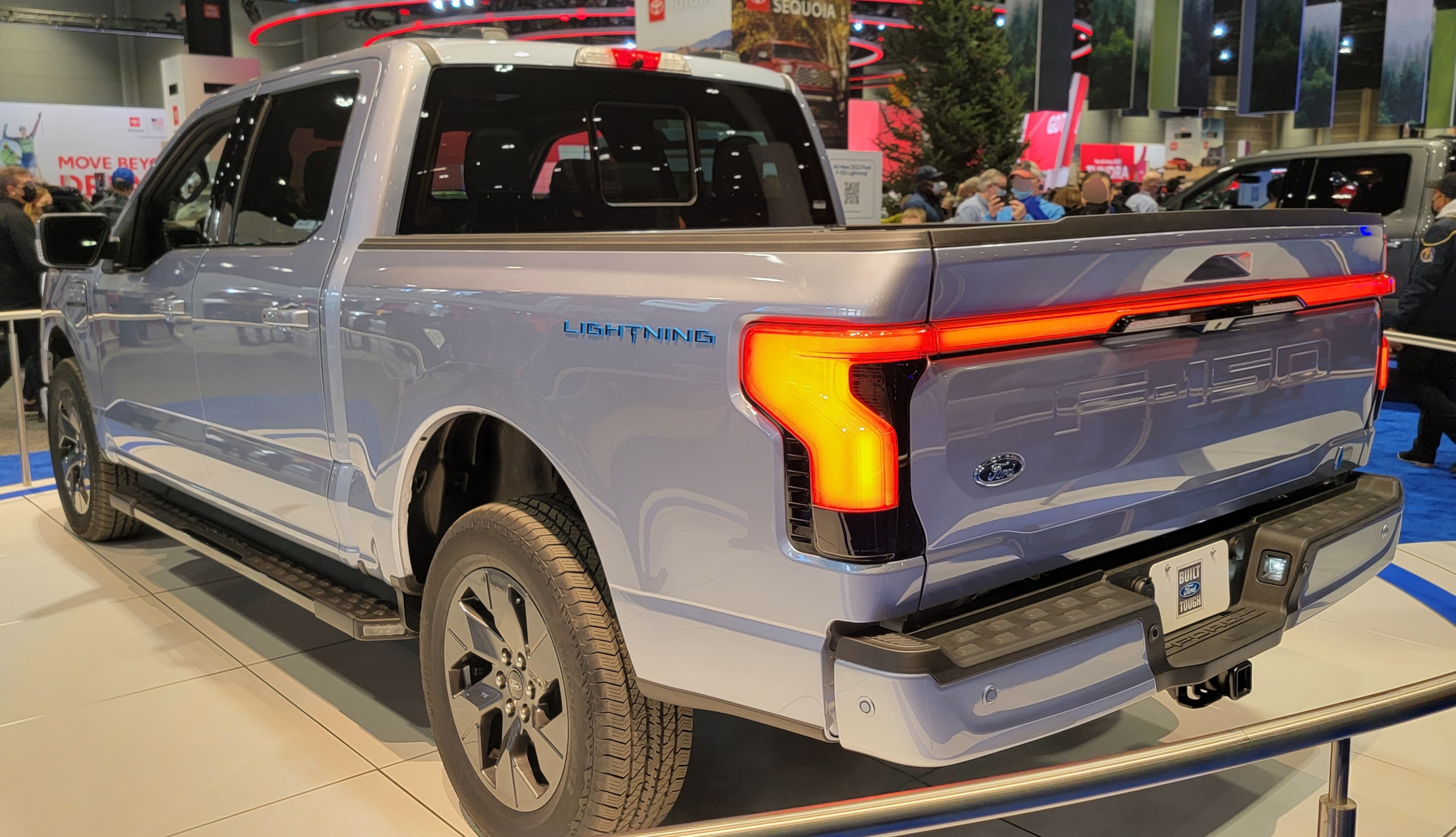
Ford F150
"This included high performance models like the Ford F-150 Raptor and GMC Yukon AT4."
The Ford F-150 Raptor is a special version of a big truck made to drive really well off-road. It has a strong engine and special parts to handle rough roads and dirt.
The Ford F-150 Raptor is a high-performance off-road variant of the popular Ford F-150 pickup truck, known for its powerful engine, advanced suspension, and rugged capabilities designed for challenging terrains.
diesel prices
"And a sudden 20% spike in diesel prices is squeezing auto supplier margins across North America."
Diesel prices mean how much it costs to buy diesel fuel, which many big trucks use. When diesel gets more expensive, it costs more to run trucks and make car parts.
Diesel prices refer to the cost of diesel fuel, which is commonly used by trucks and commercial vehicles. Fluctuations in diesel prices can significantly impact operating costs for transportation and automotive suppliers.
just-in-time schedules
"...because most auto parts move by truck on just-in-time schedules."
Just-in-time schedules mean car parts arrive right when factories need them, so companies don't have to store lots of extra parts. But if trucks are late, it can slow down making cars.
Just-in-time (JIT) schedules are inventory management strategies where parts and materials arrive exactly when needed in the production process, minimizing storage costs but making supply chains sensitive to disruptions.
transportation contract
"There is not much they can do other than hope and pray because the way the system works is you're locked into your contract, your transportation contract at a agreed-upon rate of fuel."
A transportation contract is a deal that says how much it costs to ship parts or products. If gas prices go up, the contract might still make you pay the old price or sometimes more.
A transportation contract is an agreement between suppliers and carriers that sets the terms and rates for shipping goods. These contracts often fix fuel cost assumptions, so sudden fuel price increases can lead to higher expenses for suppliers.
fuel price spike
"So in Canada, for example, $1.65 a liter, let's say, and then if gas spikes by 35 cents or 21% as it has, you've got to pay that."
A fuel price spike is when the cost of gas or diesel suddenly goes up a lot, making it more expensive to move things around or make products.
A fuel price spike refers to a sudden and significant increase in fuel costs, which can impact transportation and manufacturing expenses. This volatility affects supply chains, especially for industries reliant on fuel-intensive logistics.
just-in-time delivery
"This is an industry that works on just-in-time delivery, so you can't stockpile parts and ship them at a later date when fuel goes down."
Just-in-time delivery means parts arrive right when the factory needs them, so they don't have to store a lot. It saves money but can cause problems if deliveries get delayed.
Just-in-time delivery is a supply chain strategy where parts and materials are delivered exactly when needed in the production process, minimizing inventory costs. This system requires precise coordination but is vulnerable to disruptions like fuel price spikes.
EV semi-trucks
"Greg, this actually sounds like those EV semi-trucks would have come in handy right now."
EV semi-trucks are big trucks that run on electricity instead of gas or diesel. They can save money on fuel and help the environment.
EV semi-trucks are electric-powered heavy-duty trucks used for freight transport. They offer potential savings on fuel costs and reduced emissions compared to diesel trucks, which is especially beneficial during fuel price spikes.
friction
"Texas has a lot of undocumented immigrants living in the state, especially because of the border. And but also, you know, dealers like to use the word friction. They're always trying to avoid friction."
Friction means anything that makes buying a car harder or slower, like extra paperwork or confusing rules. Dealers want to avoid this so people buy cars more easily.
In automotive sales, 'friction' refers to any obstacles or difficulties in the buying process that can discourage or delay customers from completing a purchase. Dealers aim to minimize friction to improve customer experience and sales.
vehicle registration
"The new vehicle registration rule went to effect last week, but the renewals won't go into effect until January 1st, 2027."
Vehicle registration means signing up your car with the government so you can legally drive it. You get a card and plates that show your car is allowed on the road.
Vehicle registration is the official recording of a vehicle with a government authority, which allows it to be legally driven on public roads. It typically involves obtaining a registration certificate and license plates.
auto lenders
"But the auto lenders are really concerned that they lent to people before March 5th, who do not qualify to renew their vehicles anymore."
Auto lenders are banks or companies that give people money to buy cars. You pay them back over time with interest.
Auto lenders are financial institutions or companies that provide loans to consumers for purchasing vehicles. They assess creditworthiness and set loan terms for repayment.
vehicle insurance
"And so then they also won't be able to keep up to date with insurance. And so then they'll stop driving their car and maybe stop paying their loans."
Car insurance is a plan you buy that helps pay for damage or accidents involving your car. You usually need it to drive legally.
Vehicle insurance is a contract that protects car owners financially in case of accidents, theft, or damage. It is often legally required to drive a car.
DMV
"asked for the DMV, the Texas DMV, to grandfather in people who had already, you know, registered their car, allow those people to finish out their, you know, continue to register that car if they already own it. And then if you get a new one, maybe you'd have to follow the new rules. They declined to do that. So, you know, we've got some time to see how that's going to play out and for the lenders to make plans, but it's something they're going to have to reckon with. All right, Paige. So all that in mind, what is Texas saying in response to this backlash? You know, the Texas DMV was pretty firm."
The DMV is the government office where you register your car and get your driver's license. In Texas, the Texas DMV handles these jobs.
DMV stands for Department of Motor Vehicles, a government agency responsible for vehicle registration, driver licensing, and enforcement of vehicle laws. The Texas DMV is the specific agency handling these matters in Texas.
grandfathering
"asked for the DMV, the Texas DMV, to grandfather in people who had already, you know, registered their car, allow those people to finish out their, you know, continue to register that car if they already own it."
Grandfathering means that if you did something before new rules started, you can keep doing it the old way. So, if you already registered your car, you might not have to follow the new rules right away.
Grandfathering is a legal or regulatory concept where existing conditions or rights are preserved when new rules are introduced. In this context, it refers to allowing people who have already registered their cars under old rules to continue doing so despite new regulations.
Request an Explanation
Heard something you'd like explained? We'll add it to this episode.
Sign in to request explanations for terms you heard.
Want to learn more?
Browse our glossary for plain-English explanations of automotive terms, jargon, and concepts.
Help improve this episode
See something that's not quite right? Our annotations are AI-generated and can sometimes miss the mark. Click the flag icon on any annotation to suggest a correction.