The Mercedes GLE is a luxury SUV made by Mercedes-Benz. It’s the kind of vehicle people buy when they want a nicer, more comfortable family car with room for passengers and cargo.
The Jeep Gladiator is a pickup truck that’s designed to go off-road. It’s related to the Wrangler, but it has a truck bed for hauling. The podcast mentions it because a common issue affected many Gladiators and was described as fairly simple.
The Jeep Wrangler is a type of SUV made for off-road driving. It’s popular because it’s built to handle rough roads and has lots of parts and upgrades available. The podcast mentions it because there was a problem that affected many Wranglers and it was described as fairly simple to deal with.
A wiring harness is like the car’s electrical “wire bundle.” If a recall might involve it, the fix is typically about making sure the wires and connectors are connected correctly so the car doesn’t act up.
A hybrid car uses two power sources: a gas engine and an electric motor. Here, they’re saying the recall is for non-hybrid cars, and it may or may not include the hybrid versions too.
A crossover is a car that’s kind of in between a regular car and an SUV. It usually feels more like a normal car to drive, but looks more rugged and has a higher seating position.
This is Mitsubishi’s upcoming electric car that uses the Eclipse name. The host says it’s basically an EV take on the same kind of concept as the Nissan Leaf, but with Mitsubishi’s look and branding.
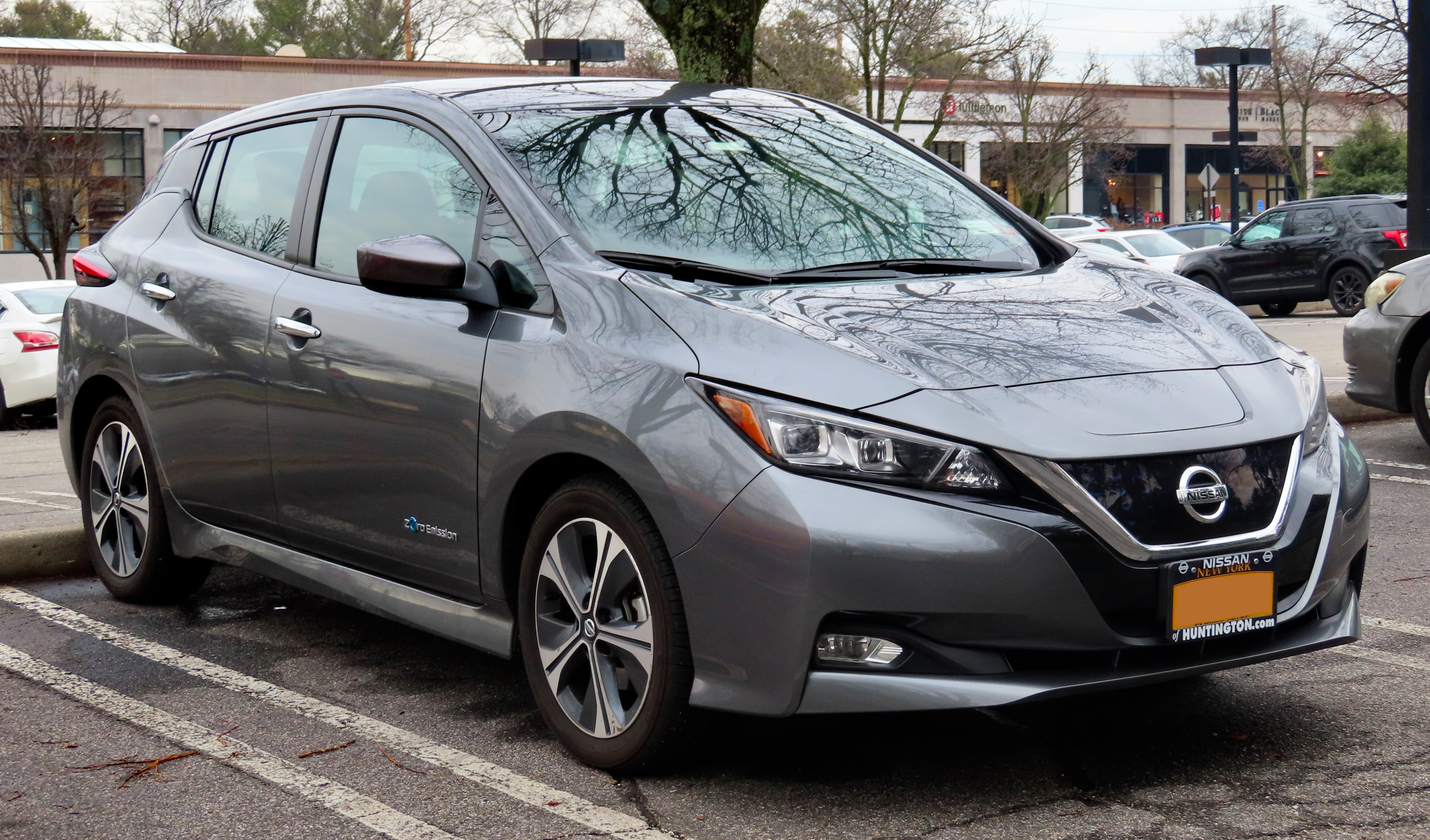
The Nissan Leaf is one of the best-known electric cars from Nissan. In this segment, it’s the comparison point for the upcoming Mitsubishi EV and even how its rear lights may look.
“3D tail lights” refers to tail-light designs that use layered lenses, sculpted housings, or multiple light elements to create a more dimensional, depth-like appearance rather than a flat light bar. The host contrasts this with the Eclipse Sportback EV’s tail-light look versus the Nissan Leaf’s design.
Level 2 charging is the faster kind of EV charging you often get at home with a 240V setup or at public stations. It’s usually quicker than plugging into a normal outlet.
The Mitsubishi Outlander is a popular SUV. Here, the hosts say it’s closely related to the Nissan Rogue, which usually means they’re built on similar engineering and can drive in a similar way.
The Nissan Rogue is a common family SUV. In this discussion, it’s used as a reference point for how the Mitsubishi Outlander is built and how it drives.
They’re saying the Subaru Outback is the most common wagon-style car people buy. So even though wagons are rare, the Outback is one of the main options that fills that role.
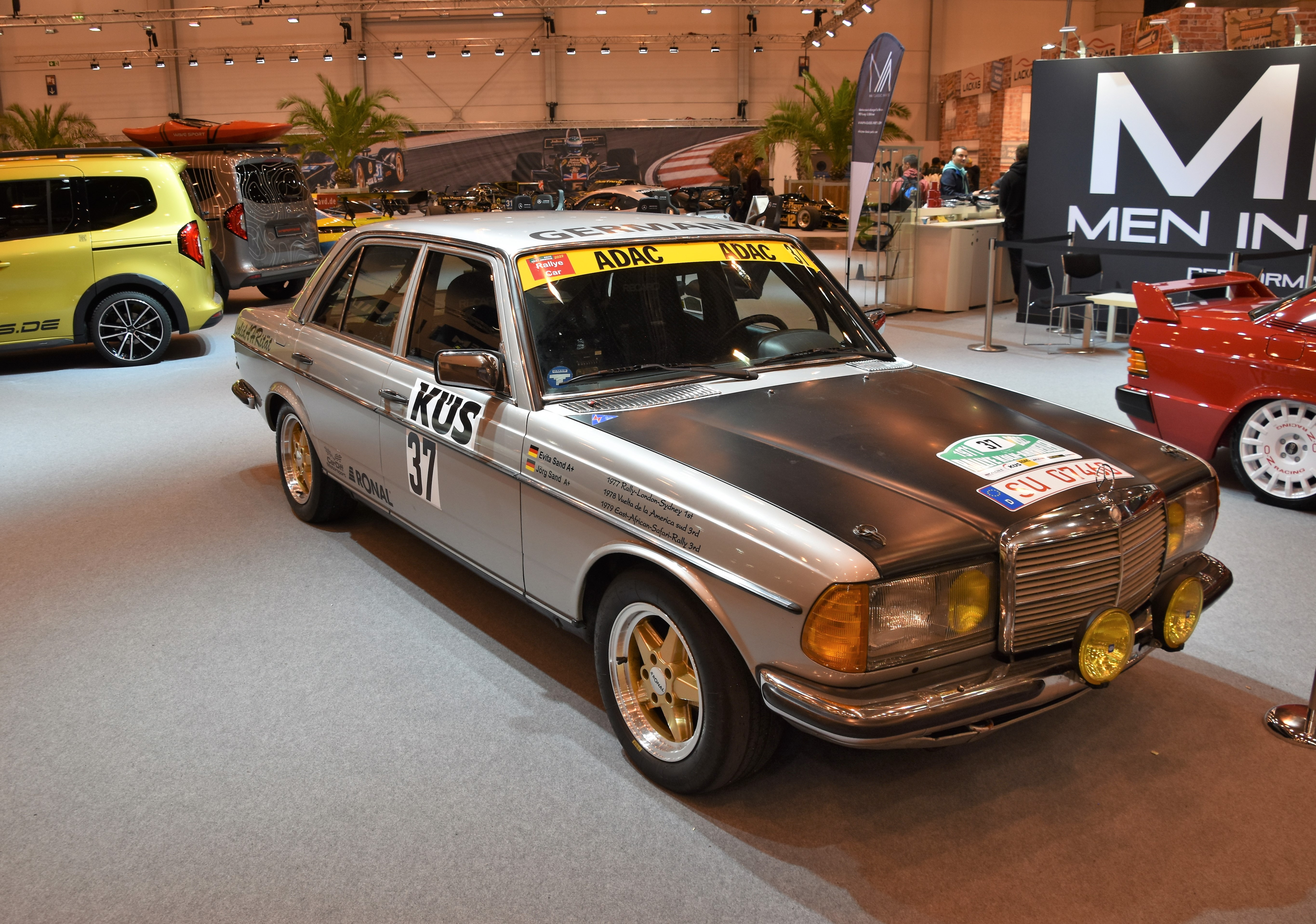
The Mercedes E-Class is the sedan line. In this case, the wagon versions are built from the same underlying design, so they drive and behave more like an E-Class than like a generic wagon.
“All-terrain” here means a wagon setup meant for rough roads. It’s not a full SUV, but it’s intended to be tougher and more capable than a normal road-only wagon.
A plug-in hybrid is a car that uses both electricity and gas. You can charge it from a plug, so it can sometimes drive on electric power for part of your trip before the gas engine takes over.
The EPA is a U.S. agency that publishes official testing numbers for things like electric range and fuel economy. Those numbers are based on standardized tests, so your real results can differ. The host is comparing the official estimate to what they’re seeing in daily driving.
Electric range is how many miles the car can drive using electricity only. It changes with things like weather and how you drive. The host is saying the car’s displayed electric range has been higher than the official estimate.
A 110 jack means a regular home outlet (about 120 volts) you can plug a charger into. It usually charges more slowly than a dedicated home charging station, but it can be enough for daily use if you charge overnight. The host is saying they’ve been able to rely on electric driving by charging at home.
“0-60” tells you how fast a car can go from standing still to 60 mph. Lower seconds usually means the car feels quicker when you press the accelerator.
Fuel economy is how efficiently a vehicle uses energy—typically measured as miles per gallon (for gas) or miles per unit of energy (for hybrids/EVs). In a plug-in hybrid context, it’s strongly affected by how much you can drive on electricity before the gas engine has to take over.
A digital display is the screen that shows your driving info instead of old-style gauges. It can show things like speed and battery status, and some cars use multiple screens.
A passenger screen is a screen for the front seat passenger. It’s usually there so they can watch or control things like media or navigation.
Term
3D
They’re saying the dashboard screen uses a 3D effect. They notice it can look blurry when you glance at it, but clearer once you focus your eyes on it.
Term
Bermister surround sound system
They’re talking about a premium sound system brand called “Bermister.” It uses multiple speakers so music and audio feel more spread out around you, not just coming from the front.
A recall is when a car company has to fix a problem in certain vehicles. Here, the problem is described as debris getting into the engine and ruining engines.
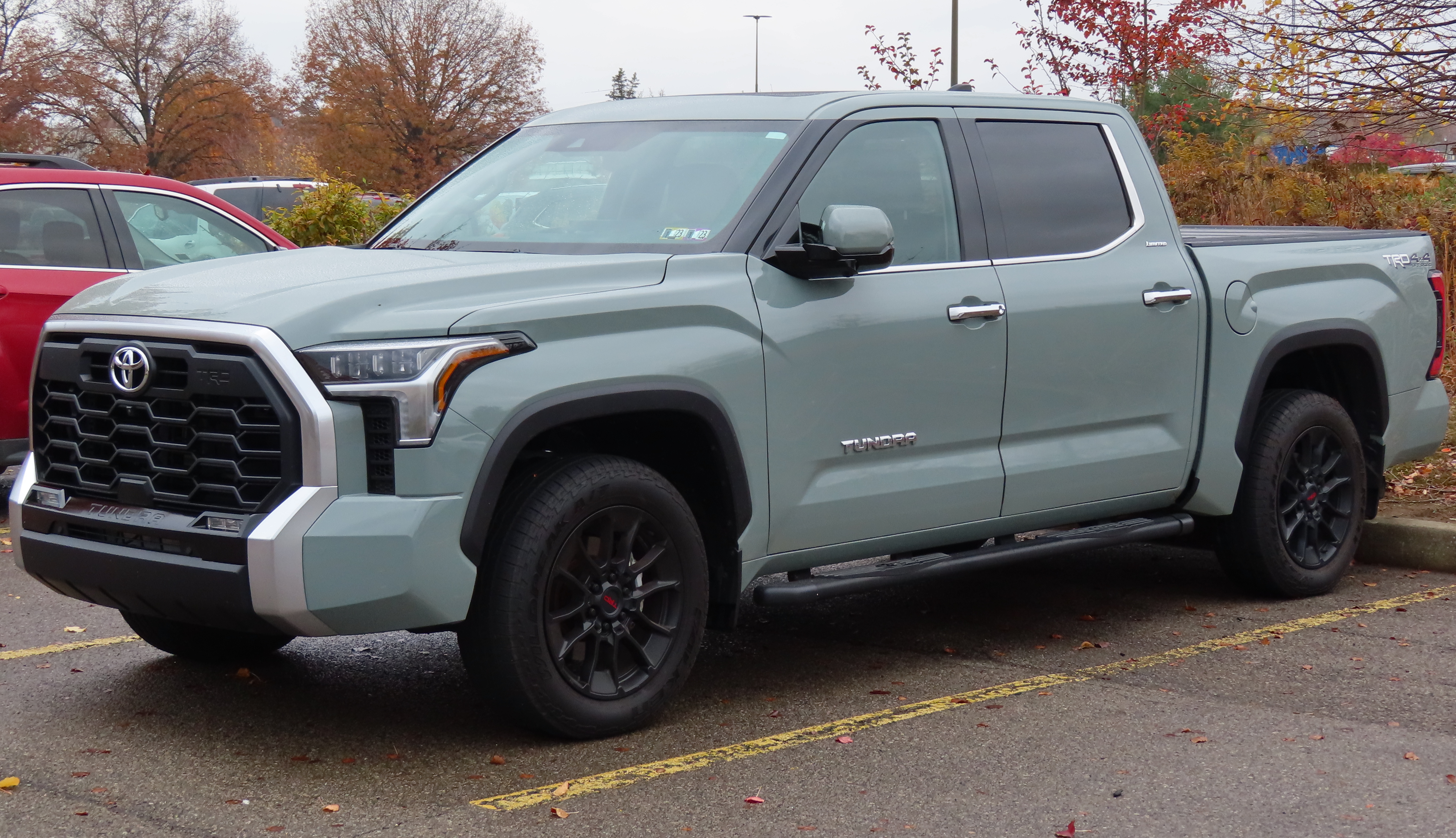
The Toyota Tundra is a big pickup truck from Toyota. Here, the hosts are talking about a recall affecting some Tundras because debris can get into the engine and cause serious damage.
An “engine switchover” means the company changed the engine being installed or the engine design used for repairs. In this case, Toyota tried swapping in new engines, but the issue still kept happening.
“Residual demand” means people still want to buy cars even after the original shortage is over. The host is wondering if that leftover demand is still affecting sales.
The Hyundai Santa Fe is a family SUV. “Hybrid Calligraphy” is the nicer version that uses a hybrid powertrain, and the host is saying Hyundai added a cheaper hybrid version to keep buyers from being priced out.
“SAR” sounds like a sales-tracking number used to describe how fast cars are selling. The host mentions a selling rate around 17, but doesn’t fully define the acronym in this clip.
A solid state battery is a type of EV battery that uses a solid material inside instead of a liquid. The goal is to make the battery safer and potentially better at storing energy. If it works as hoped, it could change how EVs are built and priced.
Energy density is how much “usable power” a battery can fit into a certain size or weight. If a battery has higher energy density, the car can often travel farther without making the battery bigger. It’s one of the big reasons people care about new battery designs.
Battery-as-a-service means you don’t own the EV battery. Instead, you pay to use it, kind of like a subscription. The idea is to make it easier to keep the car while upgrading or replacing the battery later.
Vinfast is an EV company. In this discussion, they’re mentioned for a plan where you buy the car but rent the battery instead of owning it. The hosts use it to explain how battery technology could reshape EV pricing and ownership.
Car
Toyota solid-state battery
They’re talking about Toyota’s solid-state battery technology. The main idea is that it could last much longer than the batteries used in most cars today.
Instead of charging a battery, battery swapping lets you trade your empty battery for a full one at a station. The hosts say it’s easier when battery designs are standardized so different cars can use the same swap units.
Lithium-ion is the common battery type used in most modern cars. The hosts are saying that even after a lot of miles, it often still has most of its usable energy left.
“Service license” is basically the time period the battery is expected to keep working well enough for its intended use. They’re comparing that normal expected lifespan to the idea of batteries lasting decades.
A rotary engine is an engine design where a spinning rotor makes power. It’s different from the usual piston engines you’re probably picturing, and the show connects it to the Wenkel rotary idea.
Alfred P. Sloan was an important leader at General Motors. The show says he helped GM through the Great Depression and created an idea for how GM’s different car brands were positioned for different kinds of buyers.
The “Sloanian ladder” was GM’s marketing plan for its many car brands. It treated the brands like steps: as people made more money, they were expected to “move up” to the next brand in the lineup.
The host credits Felix Wenkel with the rotary engine idea. In this segment, they say it was developed in the late 1950s for a German automaker called NSU.
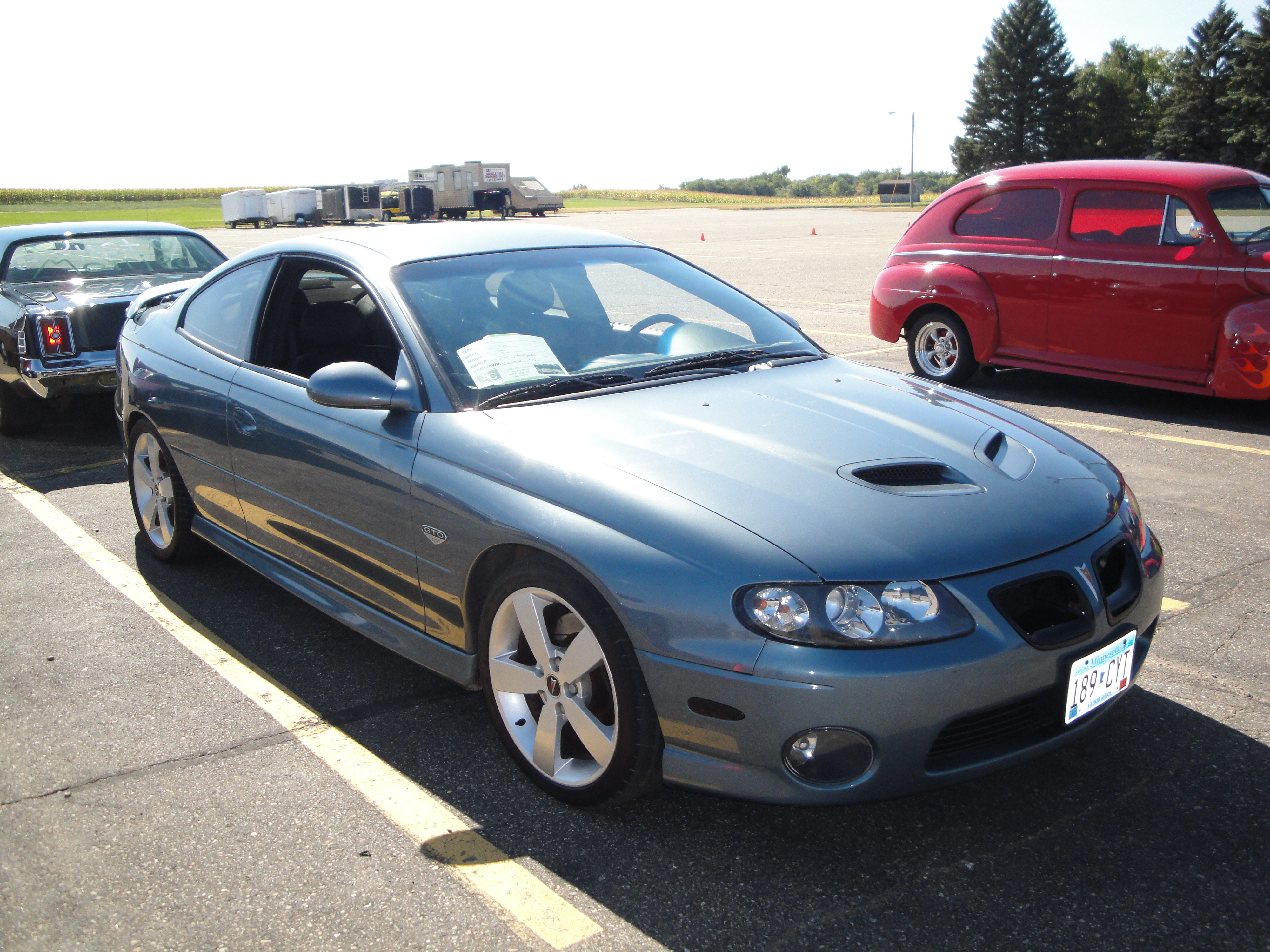
John Z. DeLorean is a famous automotive executive/figure. In this trivia question, the host links his name to the Pontiac GTO and also jokes about whether he invented the turbocharger.
A turbocharger is a device that helps an engine make more power by forcing extra air into it. It uses the engine’s exhaust to spin a turbine that compresses that incoming air.
The DeLorean DMC-12 is a sports car with a very recognizable look. The podcast brings it up while discussing John Z. DeLorean and his involvement with cars. It’s mentioned because the DMC-12 is closely tied to that person’s story.
The Pontiac GTO is an early “muscle car,” meaning it was built to be fast in a straight line and exciting to drive. The host explains it as a regular-sized car that was stuffed with a big engine, and it got some upgrades to help it handle better. Even then, it could still be risky.
A muscle car is an American kind of performance car built for strong acceleration. The idea is usually a normal-sized body with a huge engine, plus some extra parts to help it stop and handle better. The host also points out that they weren’t always easy or safe to drive.
The Ferrari 250 GTO is a very famous, very expensive Italian performance car from the early 1960s. The host is saying the Pontiac GTO’s creator was inspired by cars like this. It’s basically “European racing cool” influencing an American muscle-car idea.
Person
Max Gale
Max Gale is a person the host brings up in a “who did what” discussion tied to American Motors (AMC). The host seems to be trying to figure out whether Gale was involved with AMC design. It’s about the humans behind the cars.
Dick Teague was a car designer who worked for American Motors (AMC). The host is mentioning him as a major figure in how AMC cars were designed. It’s basically a “who was behind the design” moment.
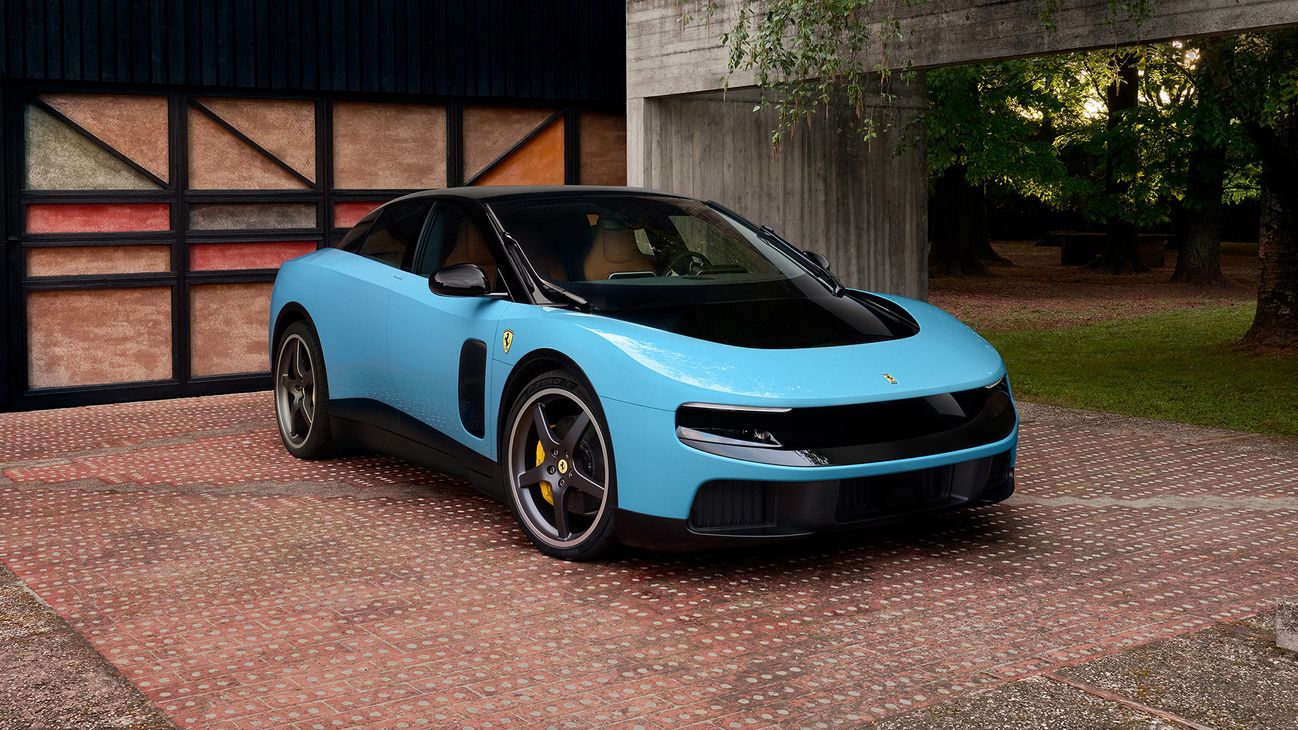
The Ferrari Luce is a new Ferrari that’s fully electric, and it’s also one of the rare four-door Ferraris. The big talking point here is that its styling and color choices are dividing opinions.
A pure electric vehicle is powered only by electricity from a battery. The host is pointing out that this Ferrari is fully electric, not a gas-electric hybrid.
Pininfarina is an Italian design house historically associated with shaping the look of many Ferraris. The host notes Ferrari’s long-term partnership with Pininfarina, then contrasts it with Ferrari designing vehicles in-house more recently, which they describe as having mixed results.
Apple is referenced because designer Joni Ives previously worked there, including on the first iPhone. The hosts use that connection to explain why the vehicle’s design feels “Apple-like,” implying a cross-pollination of design philosophy between consumer tech and automotive design.
An “electric supercar” is a very fast, high-end sports car that runs on electricity rather than gasoline. The segment is about whether people actually want EVs at that extreme performance level.
“Thousand horsepower” means the car is claimed to have about 1,000 units of engine power. The hosts mention it to emphasize how extreme the performance is supposed to be.
A rebate is a discount you get back after you buy the car. Here, they’re guessing Ferrari probably won’t offer that kind of deal.
LIVE
Whether you drive a car, need a car, or just occasionally bummer ride with friends, you've
come to the right place.
Join Jill and Tom as they break down everything that's going on in the auto world.
New car reviews, shopping tips, driving green, electric cars, classic cars, and plenty of
great guests.
This is the Consumer Guide Car Stuff podcast.
All right, this is the Consumer Guide Car Stuff podcast.
I am Tom Appel, publisher of Consumer Guide Automotive.
Thank you for joining us this week.
When you have a moment, when you have a chance, do me a big favor.
Check us out at consumerguide.com.
While you're there, check out our 2026 Best Buy picks.
If you were shopping for a new car, this list is super handy.
You can also stream this very podcast right there on our homepage, though you should subscribe.
Also, Jill, people should leave us reviews.
Yes.
Reviews are helpful.
Reviews are very helpful.
Yeah, that voice is Jill Siminello.
She is contributing editor here at Consumer Guide, North American Car of the Year juror
and freelancer.
What do you have?
What do you have freelanced recently?
What have I freelanced recently?
Well, I'm currently working on a series of previews on current model year vehicles for
CarGurus and just wrote a review of the Mercedes GLE for US News.
CarGurus, that's a commerce site, right?
You can go there, look for cars.
Yep, look for cars, but they also have reviews and previews.
So how are you doing?
What's that?
I said end buying guides.
Good.
Good.
No, I'm doing well.
I have, as I mentioned in the last episode, I've been embroiled in a battle with pigeons on
my balcony and I'm now five days pigeon-free, so.
I live in a neighborhood that made terrible, terrible mistakes about starting two years ago.
And by we, I mean, collectively, the neighborhood has made terrible mistakes,
mostly in feeding cats.
And I've been watching this woman all day long trying to trap cats.
And I don't know how that's going.
But one of the things that they do, you trap a cat, you have it neutered or spayed,
and then you bring it back.
Yep, they do that a lot in Chicago.
And then that kitty can go to town but can't really spread the genetic love.
Exactly.
Yeah, I think I said that in a G-rated way.
We have Bodie coming up on the show soon.
He's the host of the kilowatt.
He's done another one of his earnings calls and he makes these really easy.
If you're sort of interested in the financial element of this business
and you find earnings calls boring, which they are,
and you kind of can't make sense of all the numbers,
Bodie does that.
He breaks it down, he summarizes, and he gets it done in a fairly short amount of time.
So worth listening to.
But his Ford earnings call podcast is up right now.
Yeah, and I'm a little bit behind on my podcasting.
But I just listened to his Tesla earnings call.
And what he does that I think is really interesting is he pulls out excerpts of the call.
So you hear Elon Musk talking and then he backs out and he was like,
what I think this actually means is blank.
He does a really good job of allowing you to hear the words from the person
and then explaining what that actually means.
And that's useful stuff.
Massive, massive Jeep recall.
Did you see this?
I did.
I did.
1000000 units, that's a one and six zeros,
1000000 units of the 21 through 25 Wrangler and Gladiator.
Fairly simple problem.
It has something to do with the wiring harness and the power steering system.
But this is a out and away warning.
They don't want you to park in a garage or near other vehicles.
Doesn't that sound scary?
And it kind of is.
It is.
It's totally ominous.
But you want to heed that.
Park in the back of the lot, people.
People will get word the letters go out July 9th.
So they'll talk about a fix.
I imagine this is not a super difficult fix.
This sounds like a wiring harness thing.
You will have to bring your vehicle in.
Yeah.
And this is separate from the four by e-recalls that we have seen previously.
This is on their just regular non-hybrid vehicles.
This has got nothing to do with the hybrids.
Well, it may include the hybrids.
But there you have that.
Mitsubishi, you wanted to talk about this.
This is interesting.
And we should have predicted this one.
This one seems so easy.
Mitsubishi sells a vehicle called the Eclipse Cross.
That's a small crossover.
And that borrows its name from the legendary Eclipse,
which was a very popular sports during the 80s and 90s,
mostly in the 90s.
But that was a hot little car.
Now it's a crossover, not so hot.
But the Eclipse Sportback EV due out later this year is an electric version of...
The Nissan Leaf.
The Nissan Leaf.
And Nissan and Mitsubishi have been working together for a long time.
So this sort of makes sense.
This helps Nissan get a little scale.
And this helps Mitsubishi stay in the news and kind of tech
and maybe even sell some vehicles.
That may not happen.
There's not enough Mitsubishi dealers for this to maybe have an impact.
And I don't know what their marketing money is like for an EV at this point.
But it could be a really nice take on that vehicle.
Yeah.
Well, and I don't know if you've seen any of the pictures,
but I think it looks really handsome, actually.
From the tail end with the tail lights.
It doesn't have the 3D tail lights that you see on the Nissan Leaf,
but it has a really attractive tail end.
And the headlights, if you look at some of the Mitsubishi vehicles,
the headlights are a little bit polarizing.
But this actually has in my mind a little bit more of a Nissan-esque vibe,
but it has a Mitsubishi take on it with these headlights that kind of see around
and then have lines going down.
I don't know.
I think this is a less funky looking version of the Nissan Leaf.
I think it looks a little bit more mainstream.
And the pictures I've seen have all been in this beautiful navy blue color,
so that is also helpful.
But when you look at what the Nissan Leaf is,
being an affordable EV at less than $30,000,
getting about 300 miles of electric range,
having Tesla charging as well as your, was it J1772,
like level two charging capabilities,
you have this really nice, affordable, well-rounded vehicle
that's comfortable, has up-level interior materials.
I mean, it looks very modern, but I don't know.
I have high hopes for this, for Mitsubishi.
They certainly need an infusion of something.
And I think this is hopefully just a stepping stone in helping them come back,
because I believe they have quite a lot of product coming in the next couple of years.
We've been hearing that for a long time, though.
I think it's real this time.
Yeah, I do not have high hopes for volume here,
but it might be an interesting vehicle,
and it can't hurt Mitsubishi at this point
to make a few magazine covers and to be known for selling something that's tech.
And as you noted, the price points are interesting between 30 to 40 grand,
up to 300 miles of range.
So, can't hurt.
And Mitsubishi's take on the Outlander,
which is more or less based on the Nissan Rogue, is very nice.
That's a very nice interior.
That is a very nice ride-and-handling vehicle.
So, they can do nice things with stuff.
Nice things with stuff.
Nice things with stuff, which is a great name for an album.
Yes.
Nice things with stuff.
We haven't talked much about donuts lately,
but Mork's chocolate and Palatine's donut of the week is lemon.
Okay.
Lemon.
It doesn't help us a lot.
We're not there.
No.
If there you have it.
Are you going to make me make vegan gluten-free donuts again
and deliver them to you?
Because I could do that.
I would prefer they weren't vegan or gluten-free, but...
Because I did that during the pandemic.
I remember.
I mean, they were good.
Much appreciated.
They were good.
They were chocolate.
Yeah.
All right, you just drove something incredibly weird and rare.
The station wagon, as we know it, is virtually dead.
I just did some checking.
Of all the station wagons sold last year, almost all of them were Subaru Outbacks.
And then a tiny number.
A tiny number came from Mercedes-Benz BMW Volvo and Audi.
And by tiny, I mean tiny, number of them.
But you just drove a really interesting, even more tiny volume vehicle.
Mercedes sells two wagons.
They're basically the same thing.
They're based on the E-Class sedan.
I drove one once.
It was a fantastic car.
But there is a base version that is more or less off-road-y.
They call the all-terrain.
And now there's a plug-in hybrid.
Yes.
You drove the plug-in hybrid.
Yes.
And I mean...
You do tell.
I've driven both of these wagons now.
And this E-53 is new in the United States for 2026.
It has a plug-in hybrid powertrain.
EPA estimates that you get 41 miles of electric range.
But on the trip computer, I've been seeing like 48 to 50 miles of electric range.
I haven't put that to the test yet.
But in very nice weather right now.
Yeah, in very nice weather.
And but I've been touring around town and I haven't needed the gas at all.
I think when they delivered the vehicle to me,
they put a hold on the electricity and they drove it in gas.
Because my fuel economy isn't...
I think it's about 40 miles per gallon right now.
And so they drove it here using gas.
But I've only used electric since I've had it.
And I plugged it into my 110 jack in my garage.
And I think it's, I mean, it is everything I could possibly want in a vehicle.
Plenty of cargo space, really comfortable seats,
great visibility out of all of the windows.
It's narrow enough that it's easy to maneuver in tight city spaces.
And it is powerful enough that when you go to merge on the highway
or take off from a stop sign or a red light,
you've got all the power at your fingertips that you can pass.
It's ridiculously fast.
Mercedes Quads 0-60 in four seconds flat from 577 horsepower.
I know, I mean, it is just one of those phenomenal vehicles.
And it's funny because one of my neighbors in the garage saw me and they were like,
damn, that's a nice car.
And I was like, yeah, I wish it was mine.
Because it really is, I mean, from the fuel economy,
just tooling around in the city, I would never have to dip into the gas engine.
But driving to and from Indianapolis as I do,
I would have that backup of the gasoline engine
so I don't have to stop in Lafayette, Indiana
and the back of a Walmart parking lot to charge.
And so to my mind, it's one of the best of both worlds
because you have a nice amount of range.
And then you have that backup and you can drive distance if you need to.
The seats are comfortable.
The tech is Mercedes, it's a little OTT.
You have a lot of screens in addition to the center stack infotainment screen
and the digital display.
You have a passenger screen.
And I haven't dug into the workings of the screen behind the wheel yet,
but it's 3D and it's driving me crazy.
Because when I look at it, sometimes it's blurry
and then I'll focus on it and then it comes into focus.
But it's just like if you glance at it, it's not always in focus.
I'm like, I wonder if you can take that out of 3D.
So I need to figure that out.
But the ambient lighting is crazy bright, but you can dim it
and you have a lot of different options.
So to me, it's just this very futuristic, interesting vehicle.
And living the city as I do, it is, again, great for tight city spaces.
I get in and out of my garage, no problem.
And tight parking spaces and really crowded lots.
So I have just thoroughly enjoyed my test time in this.
And it is one of those vehicles that I think will be overlooked by a lot of people
because they're going for the larger SUVs.
But if you are looking for an SUV, I implore you to also check out a wagon.
Well, if you're looking for something a little different.
Yeah. And this is definitely different.
I mean, if you're like some kind of weird, cool author who's independently wealthy
and you collect sheepdogs or something, this is your car.
I did want to point something out, though, even in electric only mode,
you're going to be tapping the gasoline engine when you use a lot of power.
Something like 200 horsepower comes from the electric motor.
That'll get you around town and on the highway just fine.
But if you hit the gas hard, what should be, and you'll tell me if it is,
should be super smooth Mercedes inline six, which is turbocharged and hybrid kicks in.
Is that integration smooth?
I haven't experienced it yet.
So I'm going to have to go and really mash the pedal down somewhere
because I have not switched into the gas engine at all.
All right.
I do have one downside that I want to share.
Yeah, it's the price, I assume.
It is the price.
I mean, the starting price for this vehicle is like $94,000.
But the sticker sheet with optional equipment,
and this had a lot of optional equipment, was $111,000.
Wow.
How is the stereo?
The stereo is really good.
But is that the Bermister?
I'm like at the available Bermister with the really cool steel guitar,
speaker grills.
Yeah, that is sweet.
I'm a total sucker for that look.
It totally classes up the interior.
Well, it looks good and it sounds really good as well.
And I will say on this vehicle, the Bermister surround sound system is not optional.
It is standard on this vehicle.
Oh, that's cool.
That is one thing that you get included for the price.
I wonder if that's standard on AMG products.
It could be.
We should say that the base vehicle, the all-terrain starts at $80,000.
So to go with the sportier version of this vehicle with the plug-in hybrid,
it adds 15 grand to your bottom line.
Yes.
All right.
We have to take a break.
When we come back, we talk to Larry Velikette of Automotive News.
I'm excited.
Me too.
All right.
Stick around.
Consumer Guide Automotive with me is Jill Siminello.
Jill, how's it going?
It is going well.
Thank you.
Yeah, doing good?
Yeah, I finally have a pigeon-free balcony.
I have a new microphone.
Tell me it sounds great.
It sounds great.
OK, good.
I feel better.
You and I get a lot of our news from the same place.
We do.
And that's the Automotive News Daily Drive podcast, which is super essential,
I think, to keeping up in the industry.
On the phone with us for the first time ever is Larry Velikette.
He is senior staff reporter at Automotive News,
and he covers the Toyota Mazda Subaru Beat,
and he's going to talk cars with us for a little while.
Larry, how are you?
Tom, I'm doing great.
It's Jill.
It's wonderful to see and hear you again.
It is very good of you to make time for us.
This has been a crazy, crazy year in the auto industry,
following a crazy, crazy year.
And there's so much stuff going on.
I don't even know where to begin.
But real quick, tell us what it is you do at Automotive News
and a little bit about your beat.
Yeah, so I have been at Automotive News.
It'll be 15 years this November.
And that was after 25 and a half years at a newspaper.
Automotive News, for those that don't know,
is a business-to-business publication that comes out weekly.
But our website, autonews.com, comes out all the time.
It's never ending.
And I cover Toyota, Subaru, and Mazda.
We're one of the few publications
that still have reporters on specific automaker beats.
So it's a luxury.
We also still have a copy desk,
which is a little insider baseball, but it is a luxury position
to be in as a journalist.
It sounds like a good gig,
just because you were surrounded by quality people.
The content you guys generate and the insights
that you guys share, absolutely worth hearing.
And anyone not familiar with you guys
should check out the Daily Drive podcast.
It is so good.
It is so useful.
Yeah, I love it and I swear by it.
I wanted to ask you a little bit about Toyota,
your primary beat.
For years and years and years,
we always just assume that Toyota's got things
where they should be.
They've got it figured out.
It's working good.
Things are going great.
But lately, a couple of chinks in the armor,
and I wanted to ask you a little bit about one of them,
there's that huge V6 recall that seems to not be happening.
That just seems like money
that they're going to have to dish out at some point.
This recall has been fascinating to watch, number one.
And it's fascinating.
These are V6 recalls primarily for the Tundra.
The Toyota Tundra full-size pickup,
and then the Lexus G6, I'm sorry, GX, not the G6.
Lexus GX is impacted.
A couple of smaller vehicles as well,
or other vehicles as well, of that size.
What's fascinating is that it's a recall because of debris
that gets in the engine and it's ruining engines.
And last year, Toyota faced with this giant recalls,
over 100,000 vehicles.
Toyota said, all right, well, we're just going to make it right,
and we'll put new engines in these vehicles,
and we'll wait.
If consumers want them now, they can get them now,
or they can drive the heck out of their engine,
their current engine, and then we'll just give them a new one.
So that's where they were.
What's fascinating, though, is that the engine switchover
didn't solve the issue.
They're still having problems.
It's crazy because it wasn't just one plant.
There's not just one engine plant.
It's an engine plant in the US,
and it's an identical engine plant in Japan
that are having the same issue.
Yeah, this is not something that you would normally see.
If there was a quality issue, you would trace it.
Whenever there's a recall, they trace it back.
They try to figure out what went wrong.
Generally, it's one operation at one location.
Here you have two different plants on two different continents
making the same engine, and they're both messed up.
So it feels like a deeper design issue then.
Obviously, it's further up the design chain.
Are they still replacing the engines?
Have they paused doing that?
Well, they are still replacing the engines,
and they're standing by that guarantee.
That's good.
Yeah, so they're going to treat consumers right,
which is something that Toyota is known for.
I think that's not a worry for consumers.
But I would say that it's worth noting that
in talking with the chief engineer for these products,
he pointed out that this engine was designed during COVID.
Hmm.
When the engineering teams around the world were all working apart
and trying to work remotely.
And if you look at recall rates right now across the board,
this is playing out everywhere.
Toyota has this specific issue,
but the recall rates that we're seeing right now
are because these vehicles were designed during COVID.
That's interesting.
And it was funny how actively the manufacturers were encouraging
people to work from home for a little while.
And then now they really want them to come back.
Mary Barrow really wants them to come back.
So very interesting thing.
And obviously, now they're pointing to problems that came from this.
Yeah, and they're going to be living with them for a while.
So just kind of a nutshell thing.
I want to move on to a different topic,
but you're sort of suggesting that if you own one of these,
it's not a problem.
Toyota will stand by the thing.
And if you want to beat the crap out of your vehicle,
you can because they're still going to fix the engine.
I would.
Yeah.
I'd beat the heck out of it.
And then, you know, take it down with 20 miles to go
and say, hey, I want a new engine and they'll put one in for you.
All right.
I got a question for you.
It's not on your beat, but I know you've been talking about it.
The Gordy Howe Bridge.
I don't think the average person knows how important this is
or how frustrating this is.
Yes.
Yeah.
For those of you not Michiganders, and that's the proper term,
by the way, not Michiganians, Michiganders,
the Gordy Howe Bridge is the second bridge that will connect
Detroit and Canada, Windsor, Ontario specifically.
It is a multi-billion dollar bridge that has been needed
for the better part of 50 years.
It was so needed, and there was so much political turmoil
in Michigan trying to get it built,
that the government of Canada several years ago
said, we will pay for it.
We will build it.
All you have to do is man the US side.
All right.
Okay.
Seems like a good deal.
I know, it doesn't seem like it would be that hard.
Pretty great deal as infrastructure goes, right?
Yeah.
So what happened is that we have a change in administrations
and a different relationship than traditionally we have held with Canada.
Right.
And the Trump administration now says, after, by the way,
a million dollar donation from the owner of the other bridge in Detroit.
Crazy.
Which is, yeah, it just lets you know this international bridge,
first international bridge called the Ambassador Bridge,
privately owned, has been for decades.
The owner of that bridge made a very large donation,
and suddenly the much needed second bridge, the opening has been delayed.
Even though it's beautiful, it looks great from the road,
but you can't drive on it yet.
Yeah, because it was the first open last Friday, right?
Yes.
Yes, initially.
But it has been delayed because the Trump administration apparently wants it more than free.
Because right now it's a free bridge for US taxpayers.
He wants a better deal more than free after Canada built this bridge, so we are waiting.
For people who don't understand the situation,
it is actually famously difficult to drive from Windsor to Detroit via the Ambassador Bridge.
Like a crazy number of stop lights, all sorts of slowing down, traffic jams.
The truck traffic is insane, because that is the busiest crossing between the US
and its largest trading partner.
It is a very, very busy, busy bridge.
I think it was Mark Fields that was talking about something that was either built in the US
or Canada and going the other direction, and that the actual assembly,
the actual creation of the part to being installed in a vehicle was like 45 minutes.
So that supply chain was absolutely necessary,
and obviously compromised regularly by traffic on the Ambassador Bridge.
Yes, absolutely.
It happens all the time, and they just have to live with it.
But when you build stuff just in time parts, that's what happens.
How do you feel about it being called Gordy Howe?
Just asking.
I think it's fantastic.
Okay.
It is the absolute best name that they could have come up with.
Gordy Howe, for those of you who don't know, played for the Detroit Red Wings.
He was Canadian, and he was the legendary Detroit hockey player for the Red Wings,
and actually lived, ended his days down by me in Sylvania, Ohio.
All right.
Well, cool then.
It just seems very Canadian to name a bridge for a hockey player.
Just remember, that bridge goes to Hockey Town, Detroit.
Airpoint.
Oh, man.
So we're coming up on the midpoint for the year.
Is there anything that you're looking forward to or dreading in the next six months?
You know, the thing, and I'm just writing about this right now, actually,
the thing that's really confusing me is why the market is as strong as it is.
Yeah, and your thoughts are.
You know, I have a theory, but that's all it is.
I can't explain it.
Every, you know, autos are traditionally a leading indicator, right?
And a leading economic indicator.
People buy cars when they feel good about being able to make the payments.
That's when they switch vehicles unless they obviously have to,
because of an accident or something.
But all the indicators, like consumer confidence is down, inflation is up,
pricing, I don't know if you guys look at the website.
The average marketed price for a vehicle on sale in the US today is up $2,000 over where it was a
year ago. And that's not just mixed. That's just price increases.
So that's a solid 4% higher in a year.
Yes, 4% higher in a year. That is really rough.
And yet we're looking at more than likely when Q2 reports the year at the beginning of next month.
We're looking at probably, you know, a 16 million, 16 million vehicle
pace that we would end the year with having sold 16 million vehicles a year.
Yeah, about the same as last year.
About the same as last year. It might be a little down, might be a little up.
It's going to depend. The second half of last year was a little softer than the first half
because of the people rushing out to buy because of the tariffs and then the ending EV subsidies.
But I don't know what's driving consumers to jump into new vehicles if they don't have to.
Could it be just residual demand from COVID? It seemed like we'd be past that by now.
You know, there is. There's probably something to that. There's certainly some left over.
As I'm sure Jill knows, we're at the oldest point that we have been in terms of the age of our car
park, our vehicles. That has continued to go up. But that's largely a reflection of quality too
of the increased vehicle quality. But yeah, I think there's some left over. There are some
people who bought almost everybody that bought during COVID in 21 and 22 and 23 when we had the
supply shortages. They're all upside down by significant amounts. They shouldn't be back in
market. No. I did notice something last week. I wrote a review of the Hyundai Santa Fe
hybrid calligraphy. And in going researching that vehicle, one of the things I noticed is that
Hyundai has added a base trim level to the hybrid side of that vehicle, which seems like a very,
very small crack in the egg, but a recognition perhaps that the car has gotten too expensive
that they would add this base trim level. And I don't know if we're going to see that because
mostly what we've seen in the last 18 months, 24 months is base models disappear. But if the market
isn't growing and if interest rates are fixed and if people are upside down, I share your concern,
Larry, where are these sales coming from? And it feels like we're coming up on what should be a
very serious decline in sales. Yeah. Oh, go ahead. I was going to say, I wonder if some of the
the ability to buy is coming from longer loan terms, because traditionally it's been three,
maybe five years, but I'm starting to see like seven, 10-year loans. So I'm wondering. Isn't
that crazy? That's nuts. Beyond my comprehension. I mean, yeah, beyond my comprehension. But I'm
wondering if part of it is the loan terms. Well, that's certainly, I think that's certainly a
factor. You're seeing people go into these longer terms. And frankly, the underwriting
would probably support it because of the better quality. If car is going to last longer, perhaps.
Now, not that it makes more sense to take those longer loan terms because you're certainly paying
more with current interest rates. But I think the theory that I'm working on is that we basically
you have priced out the what's called the SAR, the selling rate was around 17.
And that was kind of the high water mark, the recent high water mark. And starting in about
in September of 24 or so, the people as prices went up because of COVID and because of the inflation
that was rolling through the economy at that point, people that were buying new vehicles or
would have bought another new vehicle, I think already left the market. And so if those folks
left, if they're permanently in the used vehicle market now going forward, and we've reduced the
overall number of buyers by about $2 million a year or $1 million or $2 million a year,
then maybe we're at a point where it doesn't, we're not really cyclical anymore.
Interesting.
That if you've basically calved off the lower part of the auto purchasing public
who are more exposed to the daily economic indicators, the folks that are living paycheck
to paycheck but need transportation, if they can no longer even consider a new vehicle,
that has real long-term implications for the whole industry.
It does. I remember too, Elon Musk famously saying that a good used car was going to be ride
sharing or not ride sharing, ride hailing. But interestingly, and I cannot remember her name,
she was a great guest on the podcast, Ford has a futurist who joined us for a visit once. And
one of the things that she pointed out, and this was interesting, is that the industry isn't too
worried about ride hailing because the number of vehicle miles traveled isn't going to change,
which means that actual vehicle consumption will remain relatively constant. But yes,
people may be priced out at the bottom end of the thing and be dependent on ride sharing,
or ride hailing, I'm sorry, I keep saying sharing. Or use vehicles.
Yeah. It's interesting that the market isn't so worried, it seems about losing customers,
they're probably still going to be selling vehicles to somebody.
Yeah. Or something.
Yeah, well, they all hope, don't they?
They do. Oh man, so crazy stuff. Larry, what else are you working on?
You know, I want to talk about something that, I don't know, Jill, have you seen
Toyota's solid state battery yet?
I've not seen it, no, not IRL. So Toyota, like many automakers, is working on the solid state
battery. And this fascinates me, as you talk about futurists, about the future, because of the
potential that this vehicle has, or that this technology has to upend our entire industry.
The solid state battery, it's about the size of a large briefcase, right?
Okay.
And they believe that this, when they get this perfected, and they were planning to
actually introduce it next year, I don't think that's going to happen anymore.
I think that's going to get delayed. But they believe that this battery
will last 40 years. Oh, well, that's impressive.
Yes. And it will last 40 years, and it's the size, like I said, it's the size of a large briefcase.
Now, this is where we have to think about this, because if the battery lasts 40 years,
and that's the largest component that you purchase in an electric vehicle, right? That's
the largest driver of cost. You can finance a battery for 10 years, and swap out cars around it,
right?
That does, everything's topsy-turvy, then. The commodity is the battery,
that's the thing you hold on to. The commodity is, yeah, the commodity is the car, actually.
Well, what you're holding on to is the battery, and then you can replace the car if you want to.
And the car won't be especially expensive, because it won't have a drivetrain.
Well, it'll have motors, probably. But maybe it's a skateboard, and you don't need to do that.
Well, that's like the backward model that Vinfast was trying to go for, where they were
going to be selling you the car and then renting you the battery.
Yeah, but if this works, right, think about the change that this would drive across the entire
industry. It'd be huge. It'd be enormous. Larry, tell us a little bit about the potential gains
from this particular battery. So this is a Toyota solid-state battery. It's a Toyota solid-state
battery. And what are they talking about in terms of just rough percentages of storage gains and
cost? Well, because it's not going to degrade like chemical batteries,
because it's solid-state. The cost is going to be expensive, right? But if it lasts 40 years,
okay. But they believe that it will drive down the price of the surrounding car
substantially. I have one concern, and that is the American market. In China,
they have luck with replaceable batteries. They actually have charging stations where
they simply take a battery out, swap it for another battery. Yeah. And that works, but it
works also because manufacturers, there's agreed on battery types, which is not something we have
here. And you would have to get Americans to buy into this. And Americans don't love owning things
they share. Well, this you wouldn't share this battery. I guess not. You would keep
it and then you would just load it into the car that you bought. You know what's going to happen?
Grandpa's going to have a battery in the garage, and the kids are going to be like,
hey, Grandpa, we need your battery. I'd like to inherit your battery. Yeah. That's totally
what's going to happen. But 40 years is a long time. We're already seeing that the lithium-ion
batteries in most cars are going way beyond the service license of the vehicle. Like at 100,000
miles, they're still like 90%, 85% intact. So that's working pretty well. But a battery that goes 40
years, that's like a 99 year lease. That's like forever. Yeah. And if you are 25 years old and
you're buying a car, that is your battery for life. Isn't that crazy? That is crazy. Oh, man.
Larry, we've run out of time. It was a joy talking to you. Tell us how people can keep track of what
you're working on. They can go to autonews.com and find us every day, all day, all the time.
Myself and my fellow staffers at Automotive News, they can reach us on our podcast on Daily Drive
or the Weekend Drive, which is our weekend show. Also, the Daily Drive podcast is free.
People need to know that. Yes. Yeah. Our subscription is not. No. Let me just add Lord know.
But worth every penny. Yes. But it is worth it. You know why it's totally worth it? And now I'm
going along. The future product stuff is gold. Pipeline. It's pure gold. And I've mentioned
it, Jill, when you guys go to the NADA convention and you have writers there and reporters there,
and dealers go into these dealer meetings drunk, see what they're not supposed to talk about,
and then leave the meeting and immediately tell you guys everything.
Best issue of the year. All these secrets are just blown. Yeah.
Larry, thank you so much for your time today. Tom, Jill, thank you so much. It's been wonderful
to talk to you. We'll have to have you back on soon. That was Larry Veluquette with Automotive
News. We're going to take a break. And when we come back, quiz time, quiz time. Questions or comments?
Drop us a line at carstuffatconsumerguide.com. That's carstuffatconsumerguide.com.
Welcome back to the Carstuff Podcast. All right, we're back. This is the Consumer
Guide Carstuff Podcast. I'm Tom. She is Jill. I'm having a pretty good time today. Yeah,
I'm good. Larry Veluquette, I want to have him back on often. Yeah, he's great. He's a great guest.
He's a seer. He has an almost religious understanding of the auto industry.
Yes. All right, we should talk very quickly about some social media stuff. Do tell.
Very quickly. You can find me at Jill Siminello on all the things. I post new videos every day to
TikTok and Instagram. And I occasionally can be found on LinkedIn, Facebook, Instagram,
Blue Sky, Threads, Twitter, all the things using the hashtag Car De Shore.
There you go. I am Car Guy Tom on Twitter, X and Blue Sky. Also, if you hear this in time,
which is super unlikely, I'm on WGN Radio tonight at 8.15 with John Records Landecker.
Tonight being Monday. Being Monday. That's correct. Not Tuesday.
So yeah, there's a good chance most people aren't going to get to the sun time.
But I wanted to throw it out there. Okay, just in case. All right. It's quiz time. Are you ready?
I am never ready, but go for it. I have a fantastic topic for you today. The topic is,
who was that guy? Are you ready? I'm just going to give you a guy. You have to tell me who he was.
Okay. I predict zero. I predict zero out of zero for Jill this week.
All right. I'm going to give you options. So it's not that hard.
Alfred P. Sloan. Was he the inventor of the rotary engine or a president of General Motors?
Alfred P. Sloan. That name does not sound familiar. So I'm going to go with, no, it does not.
General Motors? You're going with General Motors? Yeah. You're correct.
Alfred P. Sloan was the president of GM between 23 and 43. He was in the company with the company
longer than that. He was important for a couple of things. He was a good president. That's generally
understood, but more important. He also got them through the depression. He's credited with the
Sloanian ladder, which is basically that every General Motors division, and there used to be a
lot more of them, would be very specifically tied to someone's ability to pay and their
expectations of a vehicle. So the way it worked, it was Chevy and then it was Pontiac and then it
was Oldsmobile and then Buick and then Cadillac. And in there were other brands for a while that we
don't talk about anymore. Viking, LaCelle, Marquette. LaCelle's beautiful, by the way. But anyway,
Alfred P. Sloan, you're on the board. You have one. Okay. All right. Felix Wenkel.
Okay. Was he the inventor of the rotary engine or the founder of Firestone?
That was the rotary engine. Yes, it was. It's in fact, it's the Wenkel rotary.
Mm-hmm. Yeah, he developed that in 1957 for German car company NSU. You have two points.
This one's a toughy Harvey Firestone.
Was he the founder of Firestone or the inventor of the turn signal?
Hopefully this is not a trick question, but I'm going to go with Firestone.
No, you're thinking of Bob Firestone. No, I'm kidding. Yes, you've got three. You've already won.
Woo! All right. Five questions total plus the bonus question. You need three for a victory.
You've already won. We've got two more regular questions plus the bonus question. Okay. All
right. Number four, John Z. DeLorean. Was he the founder or the father
of the Pontiac GTO or the inventor of the turbocharger?
Oh, I mean, you might know the guy for something else. Yeah, I'm like, obviously,
we know him because of the DeLorean and, you know, back to the future if you're not a car person.
I feel like he did work for GM for a while.
But was he the father of the GTO? I'm going to say yes.
Yeah, he basically invented the muscle car. Okay. He was a cool guy. He got in a lot of
trouble. Probably shouldn't have sold cocaine. Maybe not. But he joined Pontiac way back in 1956.
The GTO was based on a couple of Ferraris that he liked, including the 250 GTO.
And the GTO came out for 63, 64. That's that story. The GTO is a cool car. And a lot of people
don't know what the formula is for a muscle car. It was a mid-sized car stuffed full of big-sized
car engine, plus some stuff. Never adequate, but better brakes, better steering, roll bars,
and stuff like that. Ultimately, they were dangerous cars that were a blast to know about
and drive. All right, year four for four. Wow, never would have expected that. All right,
finally, Max Gale. Max Gale. Was he a designer at American Motors or did he play Woja Hoets
on Bernie Miller? The name does not sound familiar, but because I feel like this should be a car
quiz. Yeah, it should be. I'm going to go with the first one. Yeah, no. Max Gale played Wojo.
I don't know how or why. I'm suddenly following him on Facebook. He should be like 90,
but Max Gale played Wojo. Dick Teague was sort of the last corporate designer at AMC.
Okay. I think we lost him recently. All right, I've got something here for you.
I think I hope you appreciate it. I need you to tell me which of the following is not a Hallmark
Channel movie. Okay, so this, I thank you. Thank you for going back to the Hallmark Channel. So
this is the bonus. Yeah, I didn't know this and it frightens me since 2001. No, 2000. Hallmark
has produced more than 1000 movies. By most estimates, not one of them is worth watching.
Okay, I do have to say whenever I go to my mom's house, I'm always like Hallmark Channel
because she watches the news to like all the time and I'm like, this is very depressing. Hallmark
Channel. Isn't that depressing? Less depressing than the news. Isn't there like one actress who's
in every movie? Pretty much. And she's beyond days of our lives. There you go. Yeah. I'm going to
give you four movies. You need to tell me which one is the fake. Okay. Are you ready? Yes. National
I feel like the middle two are probably real. Read the first one and the last one again.
National Park Romance, The Mistletoe Secret. I mean, National Park Romance sounds really boring.
Yes, it does. I'm going to go with that one. I'm going to go with that one. No, Christmas in
Belgrade is the fake. But if it matters, I'm sure these are all basically the same movie.
Yeah. All right. Yeah, they are. Yeah, it's typically, you know, girl leaves the big city,
goes someplace in the wilderness, meets the boy who is a handyman farmer or something like that.
And then they try not to get together, but they get together. And then she's going to go back
to the big city, but stays. Wow. Yeah, that's it in a nutshell. That's every plot. That's 1000
plots. Yes. Yes. All right. I lost my notes. Here they are. Ferrari. Luce. Luce. Ferrari recently
shook up the industry, freaked people out, made people mad, and got an awful lot of ink
because they launched a new vehicle, revealed a new vehicle. And that is the Ferrari Luce. The big
deal about the Ferrari Luce is it's the company's first ever electric, pure electric vehicle,
and only the second ever four door Ferrari. But here's the deal. Ferrari, famous for its long,
long, long term partnership with Italian design house Pininfarina, has been designing vehicles
in house for a while with mixed results. I think most people think they still look cars still look
good. And there's a car called the Roma, which came out a couple of years ago. Fantastic looking.
It's a legendarily good looking Ferrari. But the Luce, which is, I was going to say,
it's priced at 550,000 pounds or Euro. I can't read my writing. I believe that's Euro.
Euro. 640,000 dollars. It's controversial. So you want to know the first thing that I said
when I saw it? I said it looks like a Nissan Leaf. It does. And the fact that they launched it in
this powder blue color isn't helping. Not a good idea, because that was the halo color for the
Nissan Leaf. But there's a lot going on here and it's got this solid modular look to it.
It's got the blue color and then it's got a black roof. And the two tone thing with a black roof,
I think like Nissan kicks 24 grand, not most of a million dollars. So
this is playing very weird with Ferrari lovers. And Ferrari claims that they wanted to make a
stink and they wanted people to think hard about their vehicles moving forward. But
little weird. And here's the interesting stuff about this vehicle. One of the designers,
this gentleman by the name of Joni Ives, who was responsible. He worked at Apple and was
responsible for the first iPhone and some subsequent iPhones. And you can see that.
If you look at this vehicle, you think, wow, that's an Apple product.
And Apple actually was working on a car 10 years ago or so, the Apple car.
They, some of the stuff they showed, Kevin, it looks like this.
Yeah.
So it's a very weird thing to see. Ferrari Luce, we will share a picture on our Facebook page.
But it does not look like a Ferrari. I don't know if this represents the future of Ferrari.
I seriously doubt it.
Probably not.
But it's also electric. And one of the interesting things about electric super cars is that
a lot of super car manufacturers have come out and just said no one wants an electric super car.
I believe McLaren has said this. I believe Lamborghini has said this,
but I've heard it from other places too. People don't want this.
So it's interesting to see what Ferrari's doing here and that they would do something so darn
controversial.
Yeah. Yeah. Well, and I don't know if you saw any of the Nissan, like, and I don't know if it was
Nissan proper or just like a dealership, but there, there've been some funny advertisements out
where it shows like a Nissan Leaf and the Luce and they, it's like,
imitation is the sincerest form of flattery. And I'm like, wow.
Wow. Yeah. It's supposed to be, it's a thousand horsepower.
Yeah.
It's probably lightning fast, like just crazy fast, Ferrari fast, probably, probably fastest
Ferrari ever.
Yeah.
But we'll see what happens when these things go on sale and how many they're going to make.
One of the interesting thing that Ferrari does is it protects itself from overselling by limiting
the number of things it manufactures. So we don't know how many they're going to make it.
I don't think we know. I haven't seen that number, but they're probably not going to,
there probably won't be rebates.
Right. I would guess not.
You know, a thousand bucks off in a year of free oil changes or something.
All right. That's all I got. What do you got?
No, I mean, that's about it as well. I, the Luce and the Mitsubishi
Sportback have been the two things on my brain this past week.
Both electric.
Yep. It's electric.
All right. Well, guess what we did here?
We had a great show.
We did. Yeah. Big thanks to Larry Velikette of Automotive News. Love to have him back sometime.
Thank you, Jill. Thank you to producer Margaret. Let's talk more about cars again.
Next week.
Next week.
Remember to check us out at consumerguide.com.
The Car Stuff podcast is produced by J-Turn Media.
To advertise on the show, please drop us a line at carstuffatconsumerguide.com.
About this episode
Jeep’s recalling about 1,000,000 Wrangler and Gladiator vehicles, with recall letters expected to go out July 9. The hosts also spend time with the 2026 Mercedes plug-in hybrid E-Class wagon, calling out real-world electric range and quick performance, then compare it with Toyota’s ongoing V6 recall issues tied to COVID-era engine design. The conversation widens to why U.S. sales stay resilient despite higher prices—plus a look at solid-state battery timelines and potential EV disruption.
Jill and Tom open the show sharing news of a massive Jeep recall. Jeep has issued a "park-outside" warning for owners of many late-model Jeep Wranglers and Gladiators. Listen in for details.
The hosts discuss Mitsubishi's new electric crossover, the Eclipse Sportback EV. Mitsubishi's first U.S.-market electric vehicle shares its basic architecture with the Nissan Leaf.
Jill reviews the Mercedes-Benz E 53 Hybrid wagon. One of a waning number of true station wagons still offered in the U.S., the E 53 serves up power and tech, though exclusive pricing will keep the car a rare sight on U.S. roads.
In the second segment, Jill and Tom welcome Automotive News' Larry Vellequette to the show. Larry talks about Toyota quality issues, the Gordie Howe Bridge, and surprisingly robust U.S. auto sales. Listen in for some great insights.
In the last segment, Jill is subjected to Tom's "Who is that Guy?" quiz. The hosts wrap up the show with a quick take on Ferrari's first-ever electric vehicle, the controversial Luce. Check out the Car Stuff Podcast Facebook page for a picture of the Luce, and listen in for the price.
Hosted by Simplecast, an AdsWizz company. See pcm.adswizz.com for information about our collection and use of personal data for advertising.