A dune buggy is a small off-road vehicle made for driving on sand and bumpy ground. It’s usually lighter and simpler than a regular car, so it’s meant to be fun and easy to take off-road. The reference to a well-known dune buggy builder is about a famous version of that idea.
The episode is saying Myers-Manx isn’t only about building buggies anymore—it’s also about building a whole lifestyle around them. That means people buy into the community and the vibe, not just the car.
Concept
amphibious airline
They mention an “amphibious airline” as a fun, offbeat brand feature. It’s not a normal car-industry thing—it’s more about showing how the brand is building a whole world around its vehicles.
The Tesla Model S is an all-electric car that helped popularize EVs. In the episode, it’s used as a time marker for when Tesla was new and exciting.
Concept
scrappy disruptor
The hosts are describing Tesla early on as a smaller, scrappier company trying to shake up the car industry. It’s basically saying Tesla didn’t look like the traditional automakers yet, and that made the cars feel new.
Bollinger is an EV company that focuses on electric trucks and off-road-style vehicles. The episode is pointing out Chet’s exposure to different kinds of EVs.
VinFast is a newer automaker that’s been making electric vehicles and trying to sell them internationally. It’s included here to show the variety of EV companies Chet has worked with.
Company
Canapa
Canapa is a brand/company name mentioned in Chet’s career history. The episode doesn’t explain what it does here, but it’s included to show how wide his experience is.
Ferrari is a famous Italian sports car brand known for fast, high-end cars. Mentioning it is basically saying Chet’s career spans from EV startups to top-tier exotic brands.
They’re talking about a Mercedes, which is a well-known luxury car brand. The point is that Chet was already into cars early on, even if he couldn’t identify the exact model from far away.
The speaker describes their home garage as being “reversed” in the sense that the family’s car roles and ownership were unusual—specifically, the mother had many high-performance Porsches while the father had a station wagon. This is a “family car culture” concept: how early exposure to specific cars shapes a person’s tastes and career path.
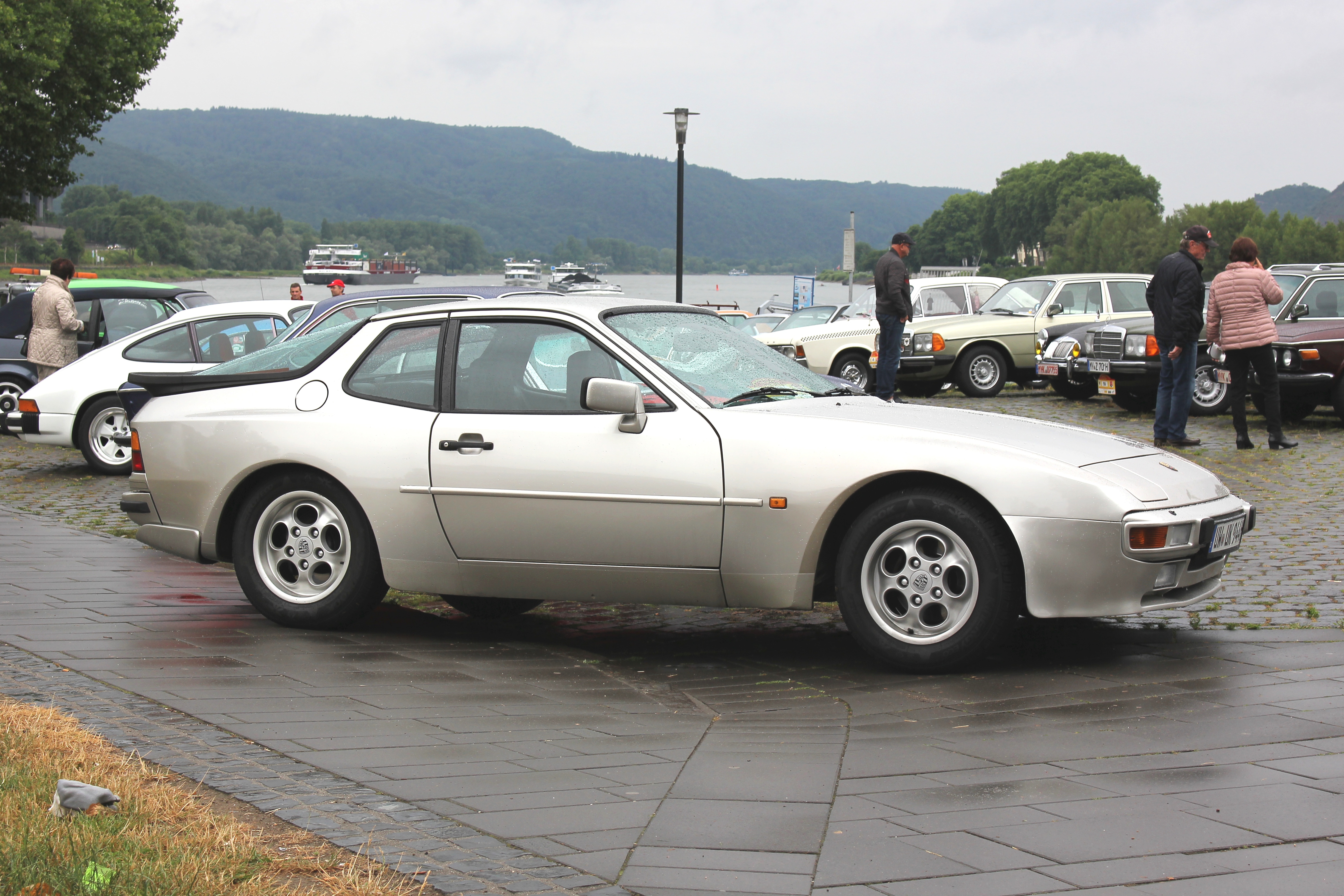
The Porsche 944 is a sports car from Porsche. The “turbo” version adds a turbocharger, which helps it feel quicker. The speaker is listing it as one of the cars in their family’s garage.
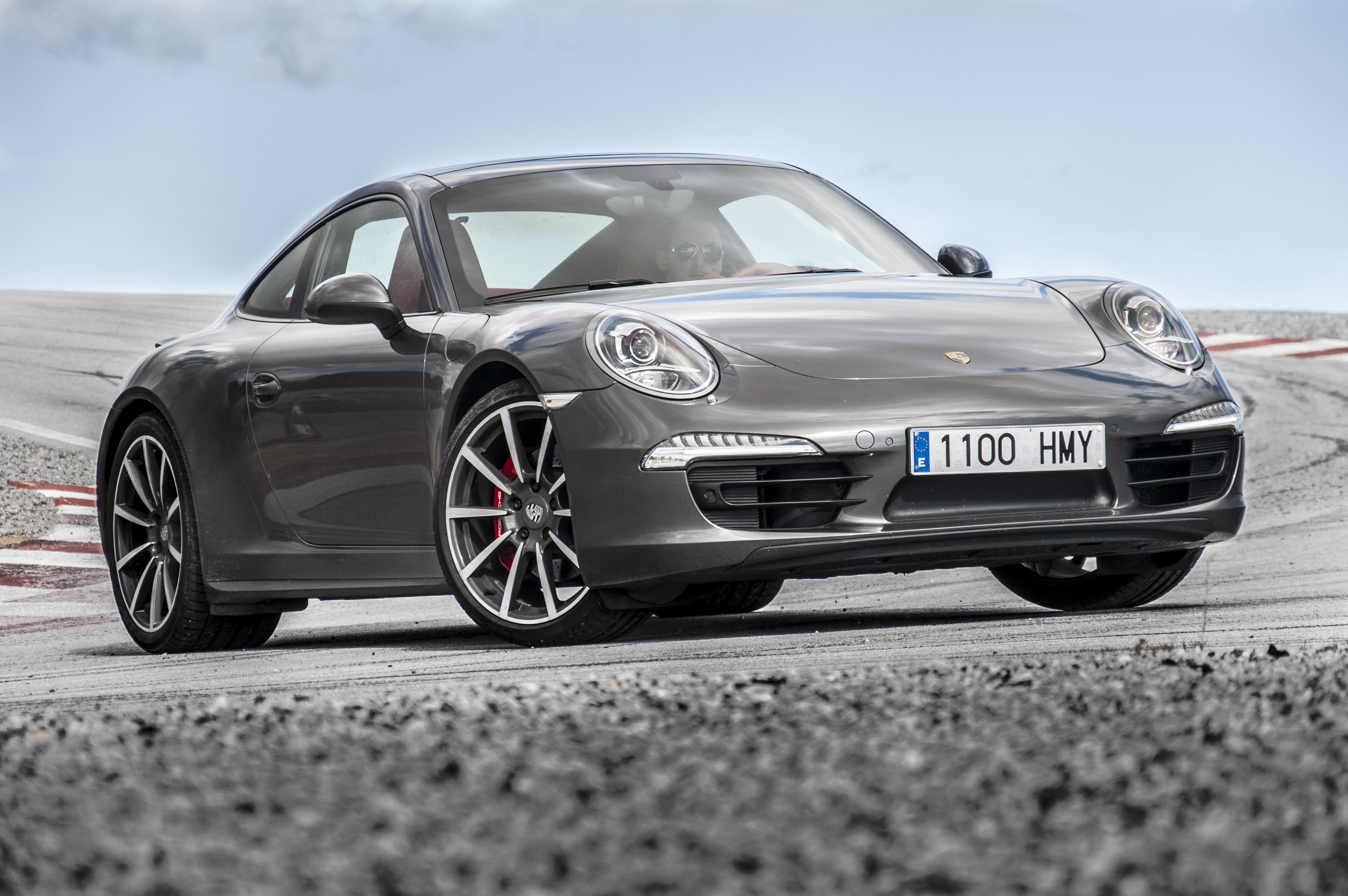
On a Porsche 911, “C4” usually means it has all-wheel drive. That helps the car grip the road better, especially when it’s wet or when you accelerate hard. The speaker is naming it as another family car.
They’re talking about the 2008 financial crisis and how it hurt the car market, especially expensive cars. The host’s point is that prices and demand can fall fast, so dealers can take big losses.
The Ferrari 360 is a sports car made by Ferrari, built for strong acceleration and a driver-focused experience. It’s a well-known model that many collectors watch because it can be expensive to buy and maintain. When people talk about pricing changes, it’s usually about how the market value has shifted.
The Lamborghini Gallardo is a high-end sports car made by Lamborghini. It’s known for having a powerful engine and being a serious performance car. People may mention it in pricing stories because its value can change a lot depending on the market.
The Subaru 360 is a very small older car made by Subaru. It was designed to be compact and efficient, especially for city driving. People talk about it today because it’s a classic model with a distinct place in automotive history.
MSRP is the price the manufacturer recommends. “Over MSRP” means the dealer charged more than that, and if the market turns, those cars can lose value fast.
George Blankenship is referenced here as a retail-program designer who helped create the early Apple Store-style approach and later applied similar thinking to Tesla galleries. The point is that Tesla’s early customer experience was influenced by established retail concepts.
They’re describing how Tesla set up big service and delivery operations in Dallas. The host is basically talking about the real-world logistics of supporting lots of customers and cars.
Falcon wing doors are doors that open upward like a bird’s wings. The speaker is criticizing that kind of design choice as something that can get in the way of doing “better” overall.
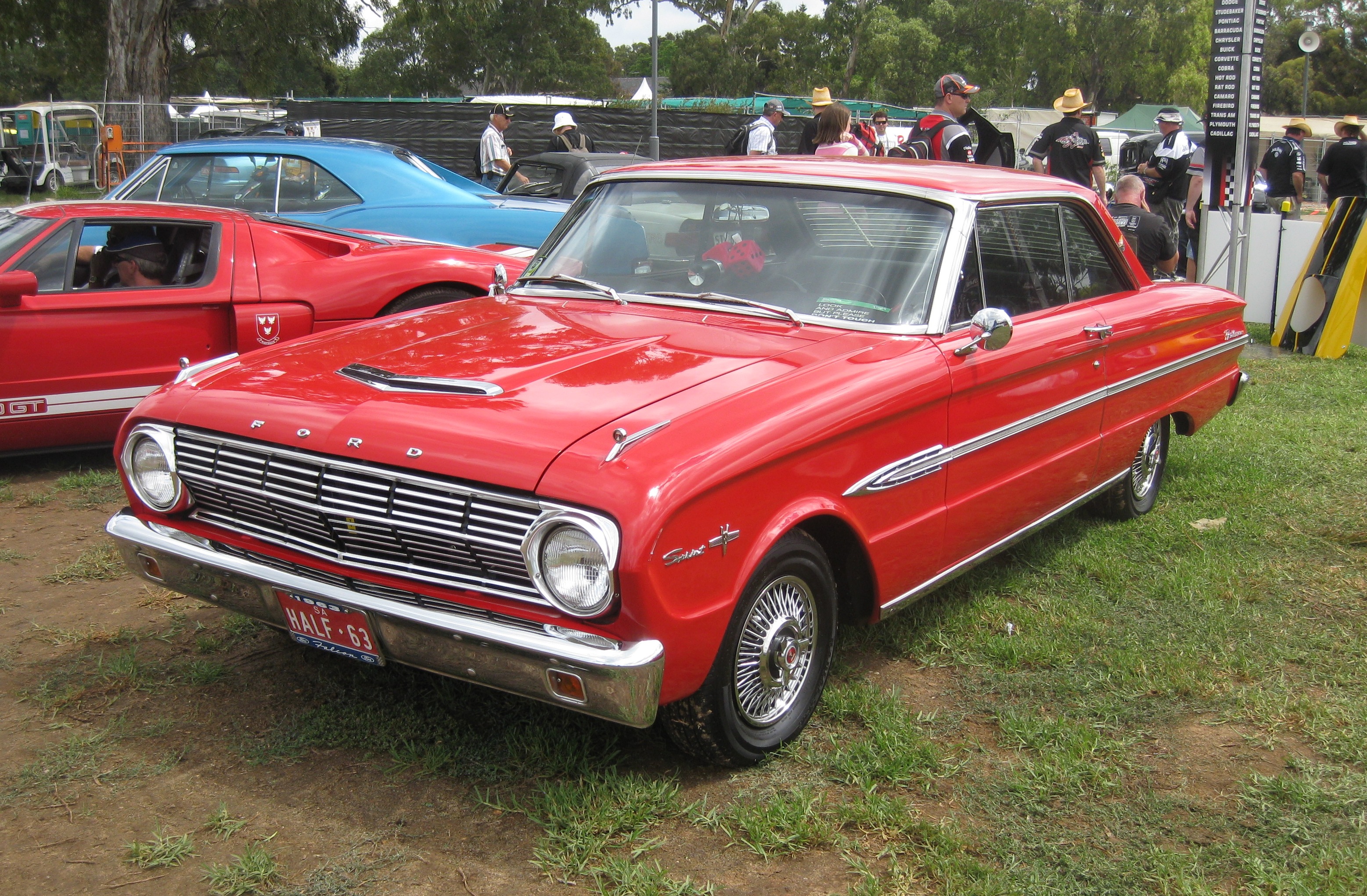
The Ford Falcon is a car model made by Ford that’s known for classic styling. In this context, “wing doors” refers to a special door design that changes how the car looks and how the doors open. People bring it up because those details make the car easier to recognize.
Faraday Future is an electric-car company that tried to build and launch vehicles. The host is basically saying it was chaotic and that the money and plans didn’t seem to add up.
An electric car runs on electricity stored in a battery instead of burning gas. It can feel fast right away because electric motors deliver power instantly, but how good it feels overall depends on how the car is designed and built.
“Decontented” basically means they removed features or downgraded parts to save money. The car might still look similar, but it may feel less complete or less refined than the original idea.
Even if a team has good ideas, the car can still fall short if the details aren’t carried through properly. That includes how well parts work together and whether the car is built and tuned to actually perform as intended.
They’re basically saying the project didn’t have the money managed well enough. When that happens, teams may have to cut corners or move too fast, and the final product can feel unfinished.
They’re describing how hard it is to build an electric-vehicle business from scratch. It’s not just designing a car—companies also have to solve expensive production and reliability problems while money runs out.
A RestoMod is basically a classic car that gets brought back to life, but with modern upgrades. Think better brakes, newer tech, and sometimes a more reliable engine—so it’s more fun and easier to drive than the original.
Vintage Modern is the company they worked with and met in person. It sounds like they build or show cars that blend classic style with modern upgrades.
“Car Week” is when a bunch of car events happen close together, and people go to see cars and take drives. The hosts are saying their vehicles got a lot of attention because it was the kind of week where everyone is looking at cars.
A “full car rig” is the filming setup used to shoot cars—basically the gear that helps the camera capture the car smoothly and safely. They mention it alongside a drone because it helps them get better-looking footage.
Concept
Canyon Bridge
They’re talking about driving over a scenic bridge in a canyon area. Because there were no other cars around, it made it easier to get clear video shots.
If a hard drive crashes, the computer/storage device can stop working and the video files may be lost or inaccessible. That’s why backups are so important for event footage.
Direct-to-consumer means the car company tries to sell to you directly, instead of going through a traditional dealership. That can change how you order, how the car gets delivered, and how the buying process feels.
A lease program lets you drive a car for a set time while making payments, usually with rules about mileage. At the end, you typically return the car or have an option to buy it.
Min Group is the bigger company that VinFast belongs to. When a car brand is backed by a parent company, it often has more resources to launch and grow.
Concept
facial recognition for everything
They’re using facial recognition to control access and services on the island. It’s basically a high-tech way to identify people instead of using tickets or cards.
Concept
VIN 29 celebration
This sounds like a company event where people are invited because they did well. It’s basically an incentive trip/reward tied to the company’s internal recognition.
The LA Auto Show is a big event where car companies show off new cars and plans. The hosts bring it up as a point in time when VinFast was talking about what they’d do next.
Concept
viscars
“Viscars” appears to refer to a type of vehicle used for testing, demos, or marketing—likely related to the company’s work before selling finished cars. Because the transcript doesn’t define it, listeners may benefit from clarification on what kind of vehicles these are and why they matter.
A dealer model is when the brand sells cars through local car dealerships. That usually changes how you shop and buy—often more negotiation and more dealership involvement.
Daewoo is a car brand that’s being used here as an example of a strange sales strategy. Instead of typical dealerships, they tried selling cars through college students.
They’re talking about a marketing/sales scheme where college students helped sell cars. It’s basically a “local people on the ground” approach instead of traditional dealership sales.
They mean selling for less than competitors. The hope is that you’ll attract buyers by giving them more features for the money.
Concept
rest of mods
They’re talking about “restomods,” which are older cars rebuilt with newer parts. The warning is that not every restomod is done well, so it can be hard to judge what you’re really getting.
“G wagons” refers to the Mercedes-Benz G-Class, a luxury off-road SUV famous for its boxy design and high-end interior customization. The host uses it as a reference point for Carlex’s typical level of interior trim and craftsmanship.
They’re improving how the car rides and handles by upgrading the suspension parts. That usually makes the car feel smoother and more controlled.
Concept
rest of them on
They’re basically saying the custom parts don’t cost wildly more than other expensive versions of the same idea. It’s about how customization can make a car feel premium without being totally out of reach.
They’re saying some buyers want the classic style, but they don’t want to give up modern safety. The goal is to feel comfortable driving it with family, without worrying as much about older safety tech.
“Classic styling” refers to design cues from older vehicles—shape, proportions, and visual details—that evoke a specific era. In the context of modern builds, it’s often paired with updated engineering so the car looks nostalgic but is more usable day-to-day.
“Ease of use” and “accessibility” describe how a car fits into everyday life for a broader audience, not just enthusiasts. This can include straightforward controls, comfortable ergonomics, and driver-assist features that lower the learning curve.
The hosts are making a buyer-psychology point: many customers aren’t enthusiasts who care about specs first. Instead, they may buy for aesthetics, personality, and lifestyle fit—then only later learn the technical details.
This underscores that engine choice (V8 vs V12 vs inline-six) isn’t the primary driver for every buyer. For some, the appeal is emotional—looks, vibe, and usability—so powertrain specs become secondary to the overall experience.
They’re talking about the trade-offs of owning an older car. With vintage vehicles, you often give up convenience and modern ease, and restomods try to fix that.
A manual transmission means you shift gears yourself. Some people love it because it feels more connected to the car, but it can be harder if you’re used to automatics.
Carbureted engines use a carburetor to get the right fuel-air mix. They can be a bit fussier to start than newer fuel-injected engines, especially when it’s cold.
Car
Myers Manx
Myers Manx makes the famous Manx buggy—those classic-looking beach buggies you often see in old photos. They’re known for building cars that resemble the original style, but are sold as ready-to-drive packages today.
“Remastered classics” refers to updated versions of the original Manx-style buggies—keeping the look and vibe of the historic cars while modernizing the product for today’s buyers. The speaker frames this as preparing for the next generation of Manx offerings.
“Turnkey” means the vehicle is delivered ready to use—typically assembled and set up so the buyer doesn’t have to complete major build steps. In the segment, the speaker says the remastered classics are turnkey, emphasizing convenience and immediate usability.
CAD is a computer program designers use to draw and measure parts precisely. They used it to make the buggy bodies fit better and be more consistent than the original hand-built versions.
Tolerances are how precisely parts are made to match each other. If tolerances are tighter, the buggy pieces line up better and the build feels more solid.
Fiberglass is the material the buggy body is made from. Newer manufacturing methods can make it thicker and more consistent, which helps the body be stronger.
The segment says they use completely restored Volkswagen chassis, which is the structural base the buggy body mounts to. Using a restored Volkswagen chassis helps keep the classic layout and geometry while allowing the builder to upgrade the buggy body and fitment.
This is the classic Volkswagen “boxer” four-cylinder engine layout. Using the standard crate version means it’s the familiar setup and easier to maintain than a one-off engine swap.
“Cross shopping” means buyers consider a buggy alongside other lifestyle purchases rather than comparing it to a single direct competitor. The hosts frame it as a second vehicle or “fun” purchase—like a boat, motorcycle, or even a vacation home—because it serves a different role than a typical daily driver.
“Paint to sample” means the shop can match a specific color sample provided by the customer rather than using a limited set of standard paint options. For a highly customized buggy like the Manx, this is part of offering near-custom, personal finishes.
Gel coat is the protective, glossy outer finish on fiberglass. If you customize it, you’re changing how the buggy looks and how well the surface holds up.
Bruce Meyers is the person who created the classic dune buggy idea. He wanted a simple car that was fun on sand and could carry surf gear, and his design became a whole kit-car phenomenon.
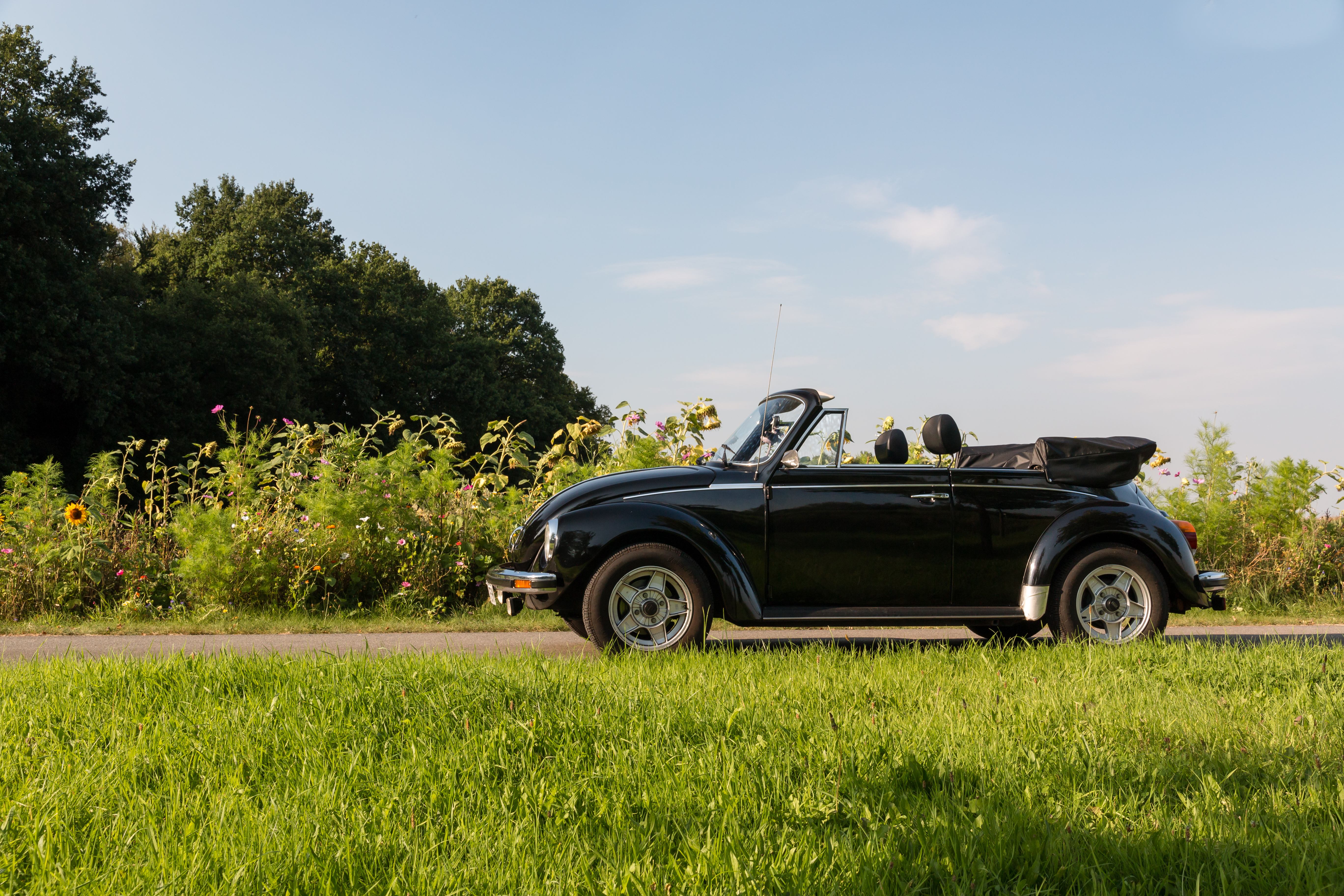
A dune buggy is basically a small, simple off-road car made for driving on sand. People sometimes call similar vehicles “beach buggies,” but they’re talking about the same general style.
Car
VW engine
They’re talking about using a Volkswagen engine in the buggy. The reason is that VW engines were common and well-suited to simple, lightweight builds.
Using the whole VW chassis means the buggy adopted the underlying Volkswagen platform rather than only borrowing parts. That typically improves fitment, structural consistency, and parts availability for builders.
They’re joking about a simple test: put a drink on the front fender and see if it stays put. If it doesn’t slide, the fender is shaped and mounted in a way that keeps things stable.
Concept
accessible, so much fun
They’re saying the buggy was popular because it was easy to get into and enjoyable. When something is accessible, more people try it and it spreads.
LIVE
If somebody passes you into Myers-Manx, they're probably having more fun than you are.
This week on That Car Show, it's our Myers-Manx pal, Chet Parsons.
From the brand's Southern California roots to its modern rebirth as a full-fledged lifestyle
company complete with its own amphibious airline and a cafe at the Peterson Museum.
But Chet's story starts earlier, back when Tesla was still a scrappy disruptor and the
Model S felt like the future.
He's had chapters with other manufacturers too, including a stint at Faraday Future and
even some time spent on a mysterious island with everyone's favorite EV enigma, then fast.
This is a fun one with some great industry insight and a few surprises along the way.
It's Chet Parsons and It's That Car Show.
Welcome back to this week's episode of That Car Show.
I'm Lindsay and I'm here with Ryan and I'm really excited to have my friend Chet Parsons
with us this week.
Chet describes himself as a full-time automotive idealist and a part-time automotive cynic,
which I think is a pretty good balance in the car world.
He began his career in the dealership world when he was only 19 and he's built a career
out of playing with cars, which I mean, we all want to do that.
He has recently found himself working with one of the most specialized brands in the
industry, Myers-Manks.
Along the way, there were exotic cars, EVs, commercial trucks, and that included stints
at Faraday Future, Vinfast, Bollinger, Vintage Modern and Tesla, as well as experience at
Canapa and Ferrari.
All that to say, you know he's got some really good stories, which he is happy to share when
he has offered a Negroni or two.
And we are so excited to hear some of the stories tonight.
I mean, we definitely don't have time to cover all of that, but I'm so excited to hear all about it.
Yeah, so welcome to the show, Chet.
Thanks, brought my own Negroni so we can keep going.
Perfect.
And everybody has everything they need.
Everything we need.
I feel a little low class here with my Coors light, just saying, Chet, but it's good to have you on the show.
It's a local thing, Brian.
That's right.
You got to keep us the local flavor.
Yes, that's right.
Yeah, what is it?
Bi-local, drink local, all that.
I have my, I have my iced tea, but it's in my cool blip shift mug.
So it's like bourbon to me.
Yeah, right.
I'm like iced tea, wink, wink.
I think that one could argue, Chet, that you are definitely having the most fun in the car world right now with banks.
Like given, you know, I love watching your Instagram feed because it's like, where's Chet, you know, bugging today?
And you've had some pretty amazing experiences.
So can you tell us a little bit about kind of your career path?
And then we'll get into, you know, all the buggies, which is what we all want to talk about.
Car nut, since I was a kid, you know, my mother would tell me stories.
She was like, you'd be in the backseat of the car and you'd point and look at that Mercedes.
And my mother would say, no, you can't tell what it is from here.
And I'd be like, it's a Mercedes.
And then it would go by and it was a Mercedes.
And I'd be the smug little kid in the backseat like I told you and she was like, how do you do that?
So it kind of has been like that since, since the beginning.
And, and always was in a family with cars.
You know, my it's the garage in our house was what a lot of people think was reversed
because my dad had the station wagon and my mother had up to, you know, up to 911
turbos in the garage at any given time.
So 944, 944 turbo, 911 turbo, 911 C4.
She had a boxer for a little while and she got into Jeeps and she went off roading with me.
So she was a huge influence on me and we've done things illegal on the streets.
You know, I remember being in the car with her when I'm pretty sure this was in her
turbo 911. We live in Memphis at the time.
And she was driving us home probably from church.
And we were racing on the freeway, a guy in a GNX.
So this is this is the household I grew up in.
And dad's station wagon was not just dad's station wagon.
It was an Audi 5000 CS turbo Quattro wagon with a manual transmission and also, you know,
a fun car to drive.
He drove like a grandma, but it was a fun car to drive when he wasn't in it.
So that's kind of where I grew up.
And through that and through those connections we had, I got called one day by the manager
at the Porsche Audi Mercedes dealer that we did business with in Memphis.
And he said, do you want to come sell cars?
And so I started selling cars age 19 at the Porsche Audi dealer in Memphis, Tennessee.
And ever since then, you know, with some breaks to go back to school or to oddly drive
a FedEx truck for a few years, I've been in the car industry ever since.
So we won't say how many years that is, but many.
Nobody's going to do the math.
Nobody's nobody's doing math.
No, I feel like there's stories I didn't even know about with the FedEx driver.
Like that's got to be quite an experience.
Yeah, that was 2008 ish and the market had just gone to complete crap, especially I was
working for a dealer in Houston that was mostly like pre-owned exotics and classics.
And, you know, we saw Ferrari 360s and Gallardo's that had been, you know, over MSRP cars at
one time, tanking, I mean, 10, $20,000 losses in six months on cars.
It was a good time to get out.
Yeah, it was it was a good time to take a break from the industry and kind of clear
my head and had kind of gotten tired of little dealers and little things.
And that's kind of what my career had been up to that.
And so in 2008, I started applying at Tesla because it was new as a thing.
I met George Blankenship at the Tesla gallery opening in Houston.
And he's famously did the Apple stores that created that retail program,
Microsoft stores and then the original Tesla galleries were all part of his
plan and had a great chat with him, decided I needed to go work for this company.
And eventually I did.
It was 2013, was there until 2018, running service operations for them in Dallas,
which was a huge delivery center.
And, you know, it was fraught with all kinds of crazy things of like, you know,
why do you need more than one entrance into this service department?
No, we were going to do it.
We leased you a building that has this massive storage space in the back where
you could put cars. Great.
We moved in and the garage door to that back area was sheet rocked over.
And we're like, what happened to this area?
It's like, oh, we couldn't put sprinklers in yet, so you don't get it.
So it was, it was, it was fun.
Did someone say growing pains?
Yeah, it was, you know, five years in that company was still acting
like a startup revolving door at upper management.
It was, it was, it was interesting.
I'm glad I was there.
And, you know, people always ask me, it's like, oh, do you hate Tesla now?
Do you hate, I'm like, not a fan of Elon.
Never was.
Always thought he was kind of questionable, but I was really more
just disappointed because they were so successful and yet they could have done
more and could have done better if they'd gotten a certain someone's ego out
of the way when it came to insisting on things like Falcon wing doors.
And yeah, anyway, you get the idea.
So that was, yeah, so much promise and so little delivered, even though
so much was delivered at the same time.
So yeah, I left Tesla when I moved to California.
I was in Texas for a long time and like said, moved to LA for personal reasons.
And Tesla didn't really make it easy for me to try and find something out here.
So I ended up, ended up at Faraday Future, which was another experience
all in and of itself, a company that I can't fathom how they are still in business,
how they still exist.
Lots of questionable things going on there.
Sean O'Kane did a big piece, an ongoing piece for the Verge when he was still there
documenting all the crazy stuff that was going on and houses and other people's
names and people who didn't have visas that should have been.
I mean, we had somebody come in who was a.
Head of Department had come from a cell phone manufacturer.
He had a company called Faraday Future, brought in his deck and had the whole
company-wide meeting all hands sitting in this big conference room in Gardena,
California. And he pulls up the slides.
He's like, I didn't have time to do new slides.
So he pulls up all the slides and they say, why way on them?
Like, we're using, we're literally using Hawaii slides for your presentation.
And I'm guessing you didn't make these, which if he had, it might have been the
guy who did the worst PowerPoint presentation I've ever seen, which was at Faraday Future.
I'm sorry if they're listening, but they had, I still have it somewhere.
I actually saved it because it was just the worst.
And I was like, here's an example of how not to do.
Yeah, here's an example of how not to do.
I went in and took over that position at Faraday Future.
And that guy got moved into something else.
So it was a better allocation of resources.
Yeah. And then they allocated all their money to things that we don't know where it went.
They were burning through, they burned through $800 million, like $100 million a
month and the like nine months that I was there, ran out of money, furloughed a bunch
of people, put a bunch of people on a cap salary, and then gave us an option to take
furlough or the cap salary.
And it was just like, bye.
You're like, I will do neither of these things.
I will, I will, I will not take a cap salary.
I'll take furlough and keep my benefits while I search for another job.
What does things drive like, Chet?
I'm gonna tell you, never drove one.
Rode in one.
It was a big fast electric car, but the interior was, you know, hodgepodge.
It was a neat idea in 2017 or 2014 or whatever, when they originally designed
it, when I was there, it was about a five year old design.
And I think they didn't change much.
I think they actually decontented it a little bit from what it was supposed to
have originally by the time they actually produced the car in 2024, I think it was.
So neat design, cool looking, had some promise.
They ran Pike Speak with it.
There were, again, a lot of promise, a lot of cool things.
They had some great engineering talent.
They had some really neat tech ideas, but the execution wasn't there.
And the, we'll just say the financial acumen was questionable.
Could have, could have done with a little more.
A little more sensible handling of the funding.
So I'm just thinking like, man, imagine if you had access to
$800 million, I feel like I could have stretched it more than nine months.
You'd think.
I mean, they may have just stretched it into other things like houses and
cars and things for executives.
I'm not saying that's what happened, but yeah, there's articles out there that
allege what happened.
Yeah, it was interesting.
So that was kind of my first real EV startup and kind of saw how that
world worked and saw how crazy it was.
And so then I stayed in it and went into another company and went through
the EV, the EV startup pain again, and then again, and then went back to one.
And then, you know, got out a little bit in 2023 and got to the RestoMod world,
which is also chaos, as we were discussing before we started.
Well, and that was where we actually met.
That was where we met in person was when you were with Vintage Modern because I
got to drive one of their cars.
It was one of the demonstrators, I think, that you had.
Yeah, that was the first demo that we had.
A neat idea.
And they're still going strong.
You know, I left on great terms with those guys, still friends, you know,
nothing, it was just I was there to do a project and I did it and then I left.
And they're still making modern Broncos.
And it's funny.
I was watching a video the other day with Jay Leno in Fuzzy's garage,
Gabriella Glacius's garage, and you could see his vintage modern in the background.
It's like, hey, that's his vintage modern.
I know what color that is.
I remember when he ordered that.
That's cool.
Yeah.
So it's pretty interesting.
It was it was fun and, you know, having access to those was a blast.
When we did Car Week, we had three of them and we were cruising around.
We got more attention than just about anything.
You know, we could be parked in a lot and there's five begatis could go by and
they'd be like, yeah, those are cool.
But did you see this pink Bronco?
Because we had we had one that was going to one of our first clients here in LA
and she let us bring it to the car week and show it and drive it and get some
really good content with it.
And we did.
We met up with a guy who had the full car rig.
He had a drone.
We did things.
We went towards Big Sur and we went over the Canyon Bridge and we got it to
where we had the whole bridge.
No cars on either end.
Three Broncos rolling across.
We got the drone footage.
We go to lunch.
He's showing us the footage.
He's like, this is great.
Ghosted us after lunch.
We never heard from him, never saw any of the footage, never asked for payment.
He spent he spent five, six hours with us that day.
All the footage.
We don't know if it's gone.
We don't know.
We've never seen it.
It's not like he did anything else with it.
I don't know if he lost it and just didn't want to tell us his hard drive
crashed.
But yeah, he had a Mustang set up with this great camera rig and we're like,
that looks like the guy that did our stuff in Florida.
And he's like, oh, yeah, this is what I modeled it after.
We're like, this is great.
We were doing all kinds of fun.
It kills me that we lost all that footage because it was some amazing,
you know, driving up and down highway one towards Big Sur with
we had a green Bronco, a purple one and a pink one.
And they were all kind of different flavors, like one had chrome wheels,
one had black wheels, one had white wheels, like white interior on one,
black interior on or like a dark, dark brown interior on one,
then like a south great looking trio of cars.
Yeah, great opportunity for photos.
And then we never saw it.
That's hysterical.
Do we know if he's still with us?
Maybe that's why he was still posting stuff.
And one of our, one of the guys that was working with us was reaching out
and talking to their, his friends on Instagram is like, Hey,
have you heard from so-and-so?
And he's like, yeah, he's, he's still doing stuff.
I don't know what happened.
Yeah, never heard back from him.
It was absolutely crazy.
The automotive photographer version of Weekend at Bernie's, they're like,
yeah, he's totally fine.
He's totally fine.
Yeah.
I want to ask if that's the truth.
He's doing really well in jail.
Yeah, yeah.
Stranger things have happened.
I want to ask if that's the weirdest thing that's ever happened to you
working in the industry, but I have a feeling it's probably far from it.
That's child's play.
I mean, weird stuff is not.
Like there was, I, VinFast, be careful how much I say about this,
but VinFast was hands down the most.
Extreme experiences I ever had just because of how they
operated and my particular scenario.
So I was at VinFast, I was the head of sales operations and product
landing for them in 2022, I guess it was.
And so they were launching in the US.
My goal was to build sales operations and be able to do direct to consumer
deliveries.
We built lease programs.
We did all kinds of stuff and we were, we were killing it for what we
were given and the resources that we had, which were limited to say the best.
And so I don't know, I'm probably six months in, four months into this,
this job, things are going well.
The CEO for the US was like to me and, you know, was congratulatory.
And they kept doing these trips where they would fly influencers,
vendors, suppliers and like team for rewards over to Vietnam.
And the parent company of VinFast is called Min Group.
They own an island off the coast of Nha Trang.
And on this island is like the Vietnamese version of Disneyland.
So they have a theme park, multiple hotels, golf courses.
There's a big shopping mall.
The tram was being redone and you have to get there by boat.
And once you go in, it's like facial recognition for everything.
It's all looped in, no cars on the island.
And it is wild experience.
You fly in, you find this little airport, you drive up to this small city
and then you get on a boat and you go to this Vietnamese Disneyland.
And you stay at one of the hotels.
They closed one of the hotels for this event.
So I'm going to this event the second time around, I think it was.
And at the last minute, they're like, you're going to come to this trip with us.
It's like, sure, I'd love to go to Vietnam.
This would be fun.
And I didn't have anybody specific that I was entertaining.
I didn't have a vendor, didn't have a supplier.
They're like, come support fleet, come support these guys,
meet some of the production people.
This is great.
I get over there.
They have the hotel closed down for us.
Everything is calm.
You can get massages.
You can do this.
They take us on a cruises in How Long Bay.
They get all these things and have us going all around, spend some time at Hanoi.
Going to dinner with some of the vendors and the production team is super interesting.
And while I'm there like the second day and I'm sitting at lunch at the factory
and I get an email from somebody in Bin Group
and they're like, we want you to come to Vietnam.
Or the VIN 29 celebration.
So VIN Group does an annual celebration where people who have performed well get to go as a reward.
I apparently had performed well or I was just the only one left in the US who would go.
But the catch was that I was supposed to be there one week after I got home from this trip.
So they wanted, I was just like, this is crazy.
But I was like, yeah, I'd love to go, but I can't really.
So I run into my equivalent, the woman who was my equivalent in Vietnam,
kind of my counterpart over there at lunch, she sits me down, we're chatting.
And then she was like, are you going to come back for VIN 29?
I was like, I kind of need to go home.
I don't have, you know, I wasn't planning on staying for three weeks or much less.
And she was like, we should just stay through and I'm like, it's three weeks.
And while we're doing that kind of surreptitiously, she's texting her good friend,
who is the CEO of the US, of VIN Fast US, who then comes down from the restaurant
upstairs and sits down with us.
And she asks the same question.
He's like, well, it's my wife's birthday next week, and I kind of need to be home for that.
So this is middle of July.
And she just looks at me.
She's like, well, what if we gave your wife a trip to Vietnam for her birthday?
I was like, I mean, sure, if that can be done.
And like got approval from the chairman of VIN Group to fly Halley over to Vietnam,
flew her over business class, treated her better than anybody else
had been treated at this point.
She gets a car from the airport, all these things like everything's great.
They bring her over if she's there for VIN 29.
So I stay the week in between.
I'm working in the office.
I'm doing laundry at the hotel.
I'm staying in different hotels and moving around because they're closing hotels
to get them ready for this big event.
All kinds of crazy stuff going on.
This is hysterical.
And I'm thinking this whole time that I'm there to be groomed for promotion.
Like I've done well, like things are going well, like they need more leadership
in the U.S. And that was still, I guess, a possibility, but nothing really happened.
And, you know, without going into too much detail, VIN 29, that starts.
And I've got all these events to go to in dinners and things like that.
And I'm pretty well just completely told, oh, your wife can't come to this.
Like, oh, these are employee only things.
She's not allowed to participate.
She can come watch some of the team building exercises.
I'll get to later, but she could only go to one dinner with me.
So they brought her over to be with you.
And then they were like, just kidding.
She's also not invited.
She had the best time because there were two other employees that I worked with,
my counterpart and her, like next in line and Tracy and Haley, when my wife's name
is Hallie, Tracy and Haley took my wife everywhere.
They went into not trying.
They ate local food.
They were doing all kinds of stuff.
They went to the Disneyland theme park and rode the rides and went to the botanical
gardens and did all the things while I'm sitting in these crazy conferences.
Some of them are like two hours long.
We're getting translated into earpieces live from somebody who's like dial
into this team's call and so and so is going to translate into this.
So you can hear in your earbuds.
And so we're in this meetings about the craziest stuff because things
that would not fly in the U.S., like punitive penalties for not performing.
Am I a punitive?
I mean, financial penalties.
Oh, wow.
If you don't meet your KPIs, they'll dock your pay.
You didn't hit this number.
Great.
That's 10% off your next paycheck.
And enforcing these things and like talking about how this is such a great way
to do people getting up and giving testimony about how that worked and it made
them realize why they'd missed their KPI and they did it the next time.
People saying, I didn't feel like this was right.
So I paid the penalty for my employee.
And then when it happened again, I didn't.
It's just like, so I'm sitting in that stuff.
She's going and having crazy lunch and in like downtown not trying.
So we had some fun times.
Like we got to go eat local food with people who were local because you go
into a place, no pictures on the menu.
Everything's written to be an amuse because not trying a smaller city than
Hanoi, you know, so it's it's more.
Rural, you know, it's more traditional and we had a great time.
She had a great time and there's there were more stories about their drinking
habits and other things that happened to that I won't go into.
But yeah, offline, if you want crazy stories, it's that's that's the tip of
the iceberg and I came home and I was just like, I don't want work for this company anymore.
Yeah, it sounds like a cult.
Oh, you signed a billion year contract or anything while you were there.
They've come knocking five years, they have a theme song.
Vingroup has a theme song that the employees all have to learn.
There used to be a video on YouTube.
I can't find it anymore.
I don't know if it changed, got pulled down or just moved.
But they have a theme song and it was it was kind of ridiculous.
And the first morning of this event, they have us all go up to the office
building, which is up on a hill on this on this ledge looking over the water.
Beautiful view.
And it's just a big concrete courtyard in front of this, what they called
the Pink Palace because it was a model of the building in Hanoi that's
called the White Palace, but this one was pink.
Obviously, that makes sense.
They had us line up and rose by the teams that we were with or by our department,
by our company, by our company, whatever it was.
And we all had to be in matching uniforms.
Wow.
Their company colors are like bright red, burgundy and yellow.
That sounds aesthetically pleasing.
There were people walking around with hats and was like, oh, where's your hat?
Where's your hat?
Here's a hat for you.
Here's a hat for lined up.
Security detail, marches in step with the flag, raises the flag.
The flag has the little things to blow it.
So it flutters in the wind singing the theme song and everybody knows the theme song.
Wait, so was there a dance?
Like, please tell me there's a dance.
There kind of is.
I think there was a talent show as part of this event.
Like there's a theater on the island where they did a talent show.
The talent show involves some people lip syncing to.
I mean, it was it's wild.
The theme for the event was called Conquer the World.
Like that was the theme for VIN 29.
Well, and when you were talking about like you go, you take a boat to the island
and it's all facial recognition, like at which point did you get to see the dinosaurs?
I'm like, and then we get to tour the lab.
You know, islands are just a bad idea in 2026.
Let me tell you, I got to tour the factory.
And then there were some.
There were some drastic technology happening in the factory,
which kind of made me worry about how all these cars are getting built.
It was interesting for as much high tech as there was.
There were some also some things that were just like running off an Excel spreadsheet.
So it was just, yeah, despite all this, they couldn't win in the States.
Right.
I mean, they're still trying.
They still claim that they're going to build the factory in North Carolina.
That's right.
They were at the LA auto show last year, weren't they?
Yeah, yeah, it wasn't.
But then, right.
But then past was in fast one.
Make it make sense.
I know it's every now and then I see a vin fast on the road, like one of their cars.
And I'm like, there it is still there's the token one.
Yep. But they're all different colors.
I know they're like, I know they're I'm not seeing the same one over and over.
That's what's wild.
Yeah. Yeah.
There's a body shop in my neighborhood that specializes in them.
So I can walk around the corner and sometimes I'll see three of them in the parking lot.
Crashed, but they'll see three of them in the parking lot.
So they work on those viscars.
What else do they specialize?
I mean, the thing is, you can still go out and buy a new vin fast in the US.
It's through they scrapped everything that we built for direct to consumer
and then went to a dealer model.
So they completely switched that up.
Yeah. Do you remember Daewoo and how they had their business model
was selling cars through college students?
Yeah, that was their business.
I thought that was weird.
Yeah, I mean, it was that was very early direct to consumer.
Yeah. Wow.
OK, they're selling them on college campuses.
I mean, this is this is brand new information.
I know that's the last person I want to buy a car.
Yeah, I think they were just enlisting college students and like,
here, do you want to make a couple of bucks?
Go drive this day, we went out and sit in a parking lot and try to sell it.
Like it was almost like gorilla marketing.
Yeah, but with an automobile, but with an automobile.
Yeah. Yeah. Every once in a while, I'll see one on the road still.
And it's just, you know, I have to recalibrate, right?
Yeah. Yeah. That thing. Yeah.
What is happening?
That's why. So that whole emerging thing is a is a whole the whole different thing.
Like that's an emerging brand in a market, you think.
And we went in thinking, this is great.
Like we'll be Hyundai in the 70s and 80s.
Like we'll be we'll be this emerging brand and we'll come in and undercut
the Teslas and things with this car that has more features at a lower cost.
And the the the corporate, the chairman's marketing team were like, no, no, no.
We should be competing against Tesla and Mercedes.
I'm like, no, no, we're not.
What if we don't?
Yeah. What if we what if we set our sights at something more realistic?
But yeah, reality is not something that was was often in the in the mix with that crew.
Yeah. When you were describing your trip, I'm like,
haven't we all seen this movie? This is a different version of it.
And like I said, there's some stuff that's not fit for error
that that I can tell you later that it just it got darker.
That's for Patreon.
Yeah, yeah, that's that's a whole that could be a whole episode in and of itself.
Like, I mean, yeah, I mean, obviously, say how much we had on it just
just this time around and I've edited a lot.
So so fast forward back to the world of reality.
Back to the world of reality the last several years. Yeah.
Yeah, rest of mods are fun.
But it's, you know, it's a that general market of the actual rest of mods
is tricky to navigate.
And unless you have something truly different in that market, like vintage
modern, you don't really have a way to gain to gain anything.
And so for people that aren't familiar with vintage modern cars, can you describe?
You know, I mean, no one will be surprised that I was excited
because it's Bronco related.
Sure. So vintage flips the rest of model.
And instead of taking an old car, restoring it and modifying it,
they take a new car and modify it to make it look like a car that was restored.
So they take and this is a brilliant idea.
And it worked really well, specifically on the two of our Bronco.
It just it all came together very well.
It was executed very well.
Like no bad things to say about the product.
Had fun driving those.
It was it was so much fun to have those in LA, but it was a new Bronco chassis.
So they buy a new Bronco from the Ford dealer, register it and title it
so it was no longer a new car.
We didn't run any issues there.
Rebody it with all new steel body work that was made to look like the original 66 to 77.
And that body almost fit perfectly.
Like it was such a good it was such a good like dimensionally fit.
And right.
The interior was all done up by a company in Europe called Carlex
that does crazy leather and they do G wagons and things like that.
So it's that level of interior trim, new stereo, better suspension,
you know, bespoke wheels and tires and turn out great, beautiful
and the same kind of price as a really good rest of them on.
OK. Yeah.
Well, and I mean, the interior, I drove the green one, which had that kind of
saddle brown leather and it was just gorgeous.
Like, you know, the top quality, absolutely beautiful.
And it was.
And you mentioned the pink one, which I got to see in Monterey that year
at Car Week and it was just, I mean, it was just so fun.
Like you couldn't look at it and not smile and, you know, it just brightened your day.
So I can imagine like if you're, you know, going about your day with that car,
it definitely would make you smile.
And you and I talked about it that day was that a lot of the demand was people
that loved the classic styling, but they wanted the modern safety features
because they want to be able to take their families in it and not stress
about the the decades of safety development that have happened in the meantime.
It's it's it's the ease of use and it's the accessibility.
And a lot of people, you know, a lot of people aren't car people.
And I think, you know, it's easy to lose sight of that.
And that's where kind of my part time Senate comes in, is it's easy to lose sight of that.
There are people out there who want this car because it's cute or it's pretty
or it's just neat.
It's something that I want.
You know, there's a reason for it other than the technical.
I don't care if it's got a V8 or a V12 or a six or whatever.
They don't they don't know.
And they want the joy of driving it and owning it and seeing it and looking at it
and being seen in it.
But without having to learn new things about how to drive a 67 Bronco,
which doesn't drive like a modern car.
Right. The accommodations of the classic.
Yeah. Yeah.
This is like the idea of kind of modern luxury.
And this is where we were with vintage is accessing the joy and the pleasure
of driving the thing without having to have the compromise.
And as car people, I think we see that compromise as a challenge
and there's fun to it.
The manual transmission, the car that's a little harder to start
because it's carbureted, like these are all like the badge of honor things is
like I do these things because they make the enjoyment more visceral for me
or whatever it is.
Right. And a lot of people out there who just don't know how to deal
with that and don't want to learn and they just want to enjoy the car.
Yeah. And so that's where Resto mods came in.
But this took it to another level.
And, you know, it's a car that nobody's mad at.
Regardless of if they know it costs $300,000 or not, they look at it
and they don't care because it's just a thing of happiness.
You know, it's a thing of joy and it kind of, you know, sparks that with people,
which is, you know, transitioning that into the only thing that does
that more than a vintage Bronco is a frigging Myers Manx doom buggy.
It is this car.
The joy that a buggy elicits when people see it going down the road
or when they ride in it and there's still people who it's not for them.
Just fine.
So many people have a story about a buggy in the seventies, especially
living in Southern California.
Right. Right.
And I had people like honk their horns and flash the lights and wave and dance
and sing at me in traffic because I was driving a buggy.
And it's every it's every age, gender, race, everybody.
And I get kids pointing at me while I'm driving people taking pictures
while I'm driving down the street in any buggy.
And it doesn't matter if it's pink, purple, green, gray.
People smile at it and love it.
And nobody's mad at it unless, you know, sometimes they're old
and they're crotchety and they blow smoke when they start.
Wait, that's where we try to get that out of the way before they get to customers.
But that kind of leads to why Myers Manx exists the way that it does now.
Yeah. And kind of what I'm doing there, which is, you know,
I've come on board to kind of help revitalize sales
and prepare for the next generation of Manx, which is the remastered classics,
which is what we sell currently.
We started delivering these last year.
And these are turnkey cars with a body that looks just like the original
Manx because we got the original molds from Bruce Myers before he passed away.
He sold the company to our group and gave us all the molds,
all the everything that he had.
We took those original molds, took those original bodies, 3D
scandal, figured out where they could be improved because they were all done by hand.
They were all designed by, you know, by site and by feel by Bruce.
And they're pretty closely, they're actually pretty good, all things considered.
But then we took them, we put them into CAD, we started fixing things on them.
The tolerances are better, they're more symmetrical.
The tolerances and the thickness of the fiberglass is better
because the modern fiberglass technology, you know, laying fiberglass is more precise now.
We've done a couple of things, we added a trunk that you can lock
and little things that make it more functional.
But at the end of the day, these are stronger, stiffer bodies
that are more accurate, better tolerances, they fit the bodies, the chassis is better.
We use completely restored Volkswagen chassis, just like Bruce did.
But we go much further with those.
They're fully seam welded, powder coated, the two-door or the two-seater buggies,
sorry, no doors, the two-seater buggies are shortened by 14 inches
and then they get new floor pans, they're all welded, they're powder coated.
They look brand new, we've got a rack of them sitting in the shop.
The four-door, four-door, God, it's getting late.
The four-seater is a, the four-seater is a standard Beetle wheelbase.
And same thing, fully restored, but the new body goes on top of that.
A brand new crate motor, still the standard motor, still a VW flat four crate motor.
We tweak them a little bit, a little more displacement,
a little more power, a couple of carbs if you want it.
And then we can go crazy with it, which is a whole other thing.
But, you know, they're all manual transmission.
They're all traditional buggies.
You know, they have a little top that's standard, but otherwise you're
completely exposed to the elements.
But you can do fun things with them.
And we've had a lot of people who have bought them, who are also.
Horses of people, Ferrari people.
And they like the idea of the cross shopping.
That's, I mean, a boat, a motorcycle, another house, you know, whatever.
It could be, you know, a vacation place in Cabo.
Who knows? It's not, there's not a direct comparison car.
Sure. But we get a lot of people who have personalized them and we can do all of that.
We've got designers in-house who have the experience to do that.
So if you want fancy leather, better seats, you want, you know, German square,
we've carpeted and a, you know, a canvas top, we can do that.
We can do paint to sample.
We can do all kinds of fun stuff with the gel coats.
So you can have a very customized Manx that is, you know, down to a personalized
shift knob if you want.
I was going to say, I think we all are familiar with the hot dog shift knob.
It has probably gotten the most notoriety on Matt Ferris.
Can we go back to the beginning?
Because I don't know if everyone listening, you know,
knows Myers makes in the history and sort of, you know, the Genesis and Bruce Meyers
and, and what a part of Southern Colorado, Southern Colorado, very much not Southern
California automotive and surf culture and this kind of thing.
Because when you think of a dune buggy, when you think of, and that's maybe a bit
of a misnomer, right? Or beach buggy.
This is that iconic form.
Yeah, it really is.
And, and he didn't know what he had created.
He just wanted something that was simpler and easier because he was seeing guys build
these crazy tube frayed things with small blocks and Porsche engines and VW engines.
And I'm driving around and he was just like, I don't need all that.
I just want something to bounce around on the sand and put my surfboards on, get down
to the boat, do whatever and, and realize very quickly like how he could make that happen.
So Bruce was an artist and a surfer and a poet and a boat builder.
Like he had the skills because of these other things that he did to draw and design and
to kind of have that creative feel for what this was going to be and figured out how
like easy it would be to take this fiberglass, you know, tub and then both the VW engine
and suspension to it.
And you've got a super lightweight, plenty of power because the Volkswagen engines made
to move more and it achieved what he wanted to.
And you know, famously you see him jumping in on the cover of the magazine and it did
that and he evolved it and made it better and stiffer and ended up using the whole VW
chassis at one point and it took off and people wanted it, wanted them.
So he started offering the bodies and made the kits and people could buy them and make
their own, never intending to be, you know, anything big and didn't protect himself.
So he didn't know to go, you know, patent his IP and do that.
And so it became the most copied design in the automotive history.
So this is the most copied car ever made is in my bank.
So there were so many clones of doom buggies and some of them were flimsy.
You could just, you know, bend the plant, you know, the bodies and break things.
And they didn't have the design kind of elegance that that Bruce's buggy did.
Down to the fact that, you know, historically, and this is kind of a
neat little fact is to tell if it's a real man, one trick is put your beer on the
front fender, that it flat on the front fender.
If it slides off, that's not a real man's.
If it stays flat, chances are it's a real man's, because that he made it so
that while he was working in his shop and fixing his surfboard or painting,
he could reach around and put his beer on the fender and it wouldn't fall off.
Fantastic attention.
If you see us, if you see us in an event and we're taking a margarita
and putting it on the fender, it's made for that.
It's not, we didn't have too many margaritas.
So yeah, so he's yeah, he created this thing.
It created that phenomenon because it was so easy.
It was so accessible, so much fun.
And then this is in 1964 that he did this.
So really kind of at the right time and everybody wanted that freedom and
that ability to get around and the beetle was cheap.
The buggies were not expensive to build.
You could build it in your garage, even if you weren't that mechanically
inclined, the motors and everything people could work on and you could hot
rot them.
So it really touches beach culture, surf culture, hot rod culture, BW culture.
It had a lot of the early ones that people were building.
Three fifty sixes weren't precious like they are now.
So there are a lot of the early buggies that three fifty six motors.
And yeah, so that was a piece of it.
Yeah, it's crazy to think that, you know, they were disposable cars at that point.
You know, get a rusty three fifty six and like, I'll put that motor in my
doom buggy. Yeah, we've done that too.
It would be great. Yeah. Yeah, exactly.
We should give a shout out to our friend Basson Wassef, of course,
who literally wrote the book in the history of the company.
Literally, it's a fantastic, you know, it's a it's a tome.
It's a it's a coffee table book.
It's the first thing I did when I started at that started working with
Myers and X last year was acquire my own copy of said book and have
Basm come by to site. Yeah.
Yeah. Nice. Study it.
I had to borrow it with him a little bit.
I had we got some extra books for himself too.
But yeah, no, it's it's great to have that and to kind of have that
documented because it is such a big part of the history.
And it touches on soul.
Like I said, so many parts of California culture and California
car culture, you know, both.
So it's and the fact that we still build them in Costa Mesa
miles away from where Bruce's original shop was.
I think it's a storage unit now or something.
But so yeah, yeah, if I may.
So so what was sort of the demise of the original, you know, incarnation
of the company and then where did we get from there to where we are today?
You know, Bruce never tried to make it a big company.
It doesn't seem like it wasn't his goal with it.
He wanted to make him for himself and his friends and build them.
And then people started copying him and his he couldn't keep up.
You know, he wasn't building them cheaply.
It was and then I think also things happened in the market and the economy
and things that just, you know, it wasn't as common to do that anymore.
But they're still a very loyal Manx owners group in Southern California,
all over the world, really.
So it just eventually just kind of fizzled out into probably the 80s.
But Bruce was still selling kits into the 80s or 90s.
Really? And he kept the business name and everything alive.
And every now and then I think he would do a run of bodies or do
enough to keep the brand going, but he was also getting up into his 80s.
By the time our owner or the owner of our company, Philip Sarifam,
who's a big car guy in his own right, Philip and Freeman Thomas,
who's our designer and also very well known in his own right.
They approached Bruce.
Freeman had known him, had met him before.
And so they approached him knowing that he was looking for a way to preserve the brand.
And he liked what we were going to offer and what we were going to do with it.
And he was like, this is great. I like you guys. I want you to have it.
And did that. And sadly, he passed away a couple of years later.
This was in 2019, 2020.
So we kind of started the business in 2020.
But when I met Freeman and Philip in 2019 was when they were acquiring the brand.
And so that's where it is now.
And we started off selling kits and parts,
but we were getting people who wanted us to build full cars.
And so we were experimenting with that, playing with that.
And we still have some of the first remastered cars that we built,
being able to redesign it and do the body, sorry, remaster the body.
It's still the original design and create this.
And then people are like, I just want one. I want to turn the key go.
I just want to have it and be able to go enjoy it.
I don't want to have to go through building this in my garage.
I don't have the time. I don't have the inclination, but I want to enjoy it.
And so that's where we are now is the people who are really interested in this
and really want this is that that car and have the luxury of being able to afford it
and have the place to use it.
They want it the way they want it.
They want it built and they want to turn the key and drive it and enjoy it.
And so that's that's the the market that we're fulfilling now.
Yeah, I got to take one of the remastered original ones out with Freeman
a couple of years ago, and he was showing me of the updated touches.
And one of the things I really liked is the panel in the back
and it functions as a storage space.
But then if you need to work on the engine,
like if you've taken it out in the dunes and something happens,
this panel comes off and you can access the engine without having to get under the car.
So I really liked the thoughtfulness of all of the little features
that have been added while preserving, obviously, the original design.
It's like the best of both worlds.
And then, you know, he was talking me through the resorder
and all of the thoughtfulness that has gone into like the safety
and like, how are we dispersing the energy?
And so people feel comfortable taking their families in them
and they can just go enjoy.
Yeah, no, I mean, it's it's hard to talk about safety in a car that has, you know,
no doors and you can literally reach out and touch the road.
Like it's possible, right?
Yeah, exactly.
I mean, the the resorder has a lot of reinforcements in the body, outside of the body.
We did think so that it wasn't a floppy little noodle.
And to drive an original resorder and drive a modern one, you're like,
oh, this is very different.
And the resorder is very different to the buggy.
The two-seater is like a little sports car.
It's short wheelbase, it's kind of twitchy, it bounces around.
You feel quick and you just kind of want to drive it crazy all the time,
which means you're going like 40 miles an hour because it's a dune buggy.
You feel like you're going a million when you're going 40.
The resorder is like just a little bit more calm and you just want to cruise in it.
And it's really more the light.
It's a little bit more reserved, if you want to call it that,
for a four seat open air dune buggy.
But it's it's still fun.
Like there's still it, you know, it's there's still a level of joy.
And, you know, that's the slogan of smiles for miles.
Like this is what we're all about is just making people happy,
whether you're in it, driving it or looking at it or seeing somebody
driving it and enjoy it.
It's like you see somebody driving when you just like,
that person's having more fun than I don't care what you're driving.
If somebody passes you in a Myers Manx,
they're probably having more fun than you are.
And for so many different reasons, because it is you're exposed,
you're open air, it's quick feeling and they are pretty quick.
You know, it's a two liter motor and a little 2,000 or 1,400 pound buggy.
The the nice thing for me, though, is like, there's no radio,
there's no phone, there's no GPS, which sometimes is tricky if you don't know
where you're going. But, you know, you put your phone in that trunk in the back
and close it, just like there's nothing all you're paying attention to is driving.
And when you stop the light, you're looking around and seeing what's there.
And usually you're seeing somebody waving at you like, that's so cool.
And it's just like, how can you not smile?
How can you not enjoy this?
It's just I did I dare you to drive one and not have fun.
Yeah, yeah, it's the opposite of, you know, most cars, I guess, right?
And that's what makes it so wonderful.
Yeah, we're right. Most fun because so you mentioned the two models.
There's a two door, there's the resorder, and then you have different
power train options. So can you break down sort of what's available?
So there's the current what we're currently selling and what's currently
available to order are the make the classic Manx's.
So this is the buggy and the resorder, the buggy being the two seater,
the resorder being the four seater and you can, like I said, build them however
you want all the way up to in the buggy.
You can actually order it with a radial three cylinder,
two liter, like aeromotive power plant.
That's the one that we pulled and fueled ejected and has more horsepower
and more torque. And it looks ridiculous to have this three cylinder thing
that looks like an alien poking out of the back of your Manx.
But when you drive it and you have this seamless torque,
a little more horsepower, a really crazy sound.
And it can go.
You don't have to worry about carburetors.
It's like it feels kind of modern.
There's a mo tech digital dash like this is this is very incongruous
to a sixties doing buggy, but at the same time, it feels absolutely perfect.
And I when I finally got the chance to drive one of the radials, I was just like,
oh, this is worth the not inexpensive price tag for it.
It's it's just so it just is silly.
It's just silly in the best way of just like this car is too
quicker than it needs to be.
It sounds cooler than anything else out there.
It looks cool. It functions.
It's the reliable, the internals are from Chevy LS motors.
So like from a GM LS crate motor, like you can take the pistons and rods out
and they fit in this three cylinder radial engine.
It was designed to be repairable by anybody.
You know, and we've developed the cooling system for it
so that you can drive it on the highway and it can stay cool.
And you can drive it in hot temperatures and stop and go traffic.
And it's just kind of there.
It's just flawless. It's just this great little thing.
But then it goes quicker and it's, you know, more fun around corners and things
like that. It's it's just like I said, it's silly in the best way,
kind of going towards that, you know, bringing joy to somebody who's driving it.
And, you know, we'll build a lot fewer of those.
Most of the buggies are still going to be the VW engines.
But the radial is just like our exotic car.
Like it's the it's the craziest thing.
No, you know, your neighbor's not going to go buy one.
Your neighbor's not going to come back after you bought your, you know, SF 90
with a 296 and like, I've got a Ferrari too. It's like, no, you don't.
It's somebody's going to come over and they're like,
I want to mix with the VW engine because your radial was so cool.
You know, it's like you said, it's a hoot to drive.
It really fits the character of the buggy.
And I said, I think it's worth every penny of it and not
just because I'm actually in charge of selling them now.
But yeah, minor detail.
No, the radial is just the the radial is just the coolest, the coolest thing.
It's not for everybody.
And it's like I said, it's not not it's not inexpensive.
It raises the price of a buggy considerably.
So but yeah, drive one.
We'll get you guys behind the wheel at some point.
Love to. Yes, please.
Yeah. Well, who's buying these?
Like, where are they going? Are they, you know, because they're not just being,
you know, people, it's not just Southern California people
or buying, you know, it's it's a lot in Southern California.
But we've got clients that are taking them to their properties in Idaho
and Montana to drive on the ranch because they're buggies.
They're off-road tires.
You know, we do a king off-road suspension for them that's bespoke for us
so they can handle doing these things.
We've raced them in in noro races at Baja.
So and famously Bruce won his class with stock makes at Baja.
Yeah. So they're capable little things off-road because they don't weigh anything.
They got plenty of traction.
You got the engine in the back and they're a hoot for bouncing around
fire roads and driving around your property because you can just like let's go that way
and you can do it.
So we see people buying them for ranches in Texas and Montana and Idaho.
We have people buying them
because they want to cruise around their beach community in Florida.
We're starting to see more interest in Texas.
People want to drive around the Hamptons.
The four seater is really starting to get more attention
because people want to be able to take their friends and their kids in it
and do things with them.
And your restomads are big in the Hamptons.
You know, you see a lot of vintage you vintage modern
vintage Broncos, kindreds and all those things up there.
You see those up there and they're saturated.
You know, there's a bunch of them, you know, one notoriously rolled over in East Hampton.
You know, it's like there's this is different.
And it's also it's, you know, it's less likely to be like overt and in your face.
It's kind of subtle and cute, even though, you know, it's still a fun car to drive.
It's it's definitely more approachable.
Well, I think you summed it up well when you said it's silly.
It's sort of inherently like it's a silly proposition in the best way possible.
And it's like it knows that it's sort of like, I know I'm silly
and that's why I'm here to make everyone smile.
Yeah. Yeah.
When I first started with the company, they they sent one over to me to drive
because I hadn't driven any of the buggies before and they sent me a classic
is called surfsep. Got a license plate.
California plate says surfs EP.
It's got quilted like diamond quilted white vinyl interior
and the piping on the interior matches the metal flake exterior.
Coolest car bulletproof had been, you know, lovingly driven,
restored, driven, restored, maintained.
I had that car for a week and a half, two weeks.
And I was like, what am I going to do with a new buggy?
Like, I'm going to drive it a weekend.
I'm going to take it somewhere to see what's going on.
I would find myself in the middle of the day like.
Working from home.
I'm going to go to lunch.
Yeah. I usually eat lunch at home.
I'm like, I'm going out for lunch, so I have a reason to drive the buggy.
It just makes every little thing more fun.
Without extra, like any extra lift.
It's like it's no harder than getting in your car to go out to lunch.
But it's more fun than getting in your car to go to lunch.
And it kind of makes you want to get in the buggy to go to lunch.
Like, I don't necessarily want to go get my F-150 to go out for lunch.
But if I have a buggy in the driveway, I'll find somewhere to go that's further away.
It kind of it kind of inspires you to do things and to be out.
Right. Right. Right.
Which is pretty great when you think about it.
But yeah, you're standing there.
You're like, we have dry cleaning that needs to be picked up, don't we?
Or we need milk?
Yeah, it hangs over the bar.
I have picked up my dry cleaning in a buggy before.
And then when you get home, it's an extra crash.
Yeah, that's right.
So I'm convinced I want to order one tomorrow.
What's the process? What do I do?
And how would you expect yours?
I guess I'm curious, too.
I do a radial with the the the good suspension.
And yeah, man, every day,
I see one that we've built and like, oh, that's cool.
Porsche, sepia, brown paint to sample with like brown leather.
I'm like, that's great looking.
And then we built one that was a we just sold that was a gunmetal gray
with brown seats and a tan top and white wheels and like a wood steering wheel.
And like, that's kind of up my alley, too.
You know, we've done some really neat builds.
You know, it's it that that answer of what I would order
would was change from day to day, but the process is, you know,
we keep a few cars in inventory.
So we have cars to test drive to take events to show people and to sell.
If somebody's just like, I got to have a buggy tomorrow and varying colors.
I got one that's bright green metal flake.
Looks like a green disco ball with a black interior and black wheels.
And it's real sporty looking.
We've got one that's the gunmetal one.
We got that we just sold a yellow one with like an off white vintage GT
Porsche seat interior, just like really simple, but really elegant looking.
If I were building one, it'd definitely be the radial at this point.
I just I love that the good, the vintage shifter, you know,
the the vintage GT or the fiber steel seats, like the three 56 style seats,
for sure, just because they're more comfortable for me.
The colors, I don't know, like I said, it changes day to day.
But to start the order process, if we if you want one, you call us up
and you say, hey, I really got to have one of these things.
If we don't have one in in ready to go that suits your needs.
If you're not like, I want that one, then we go through the design process with you.
Like our sales team kicks it off.
Like what roughly do you want?
Like what color we've got these colors and these interiors?
Yeah, like I like this, but I kind of wanted to do this.
I saw one with plaid inserts.
Great. Here's a package that you can do that's just got plaid inserts and some other pieces.
That's that's the quick and easy version.
Then if you want to go crazy and you're like, no, I want I want to sit down
with the design team and I want to do some really fun stuff like great.
Takes longer, costs more, but we can do it.
And we spec the car out with you.
We have a design team.
Our design team has a rendering tool.
They'll render it for you so you can see what the whole thing's going to look like.
And then we put it in the build queue.
And right now a two-seater buggy is probably about four to six months out.
Resorder six to nine months away from delivery radials or be early next year.
And then the big news is the other part of the business is Manx 2.0, which is electric.
Yeah. Yeah.
So this has been something that's building cars is hard.
And look, it's the same.
The body is this close, tolerance wise to being an original.
So it's very much you park them next to each other and they're so close.
It's just a more modern, refined version of it.
And again, credit to Freeman and his team making this new thing that looks very
much like the old one, but just more refined and modern.
And electric powertrain, similar power to something like a radial.
We're going to do a launch edition.
This has been a labor of love coming for years now.
And it's finally we're getting this much closer to production.
And hopefully we'll have them in customer hands by the end of the year.
Hopefully we'll have something to show it.
Car week, fingers crossed, everything goes well.
You know, and we'll have the launch edition cars to show for that.
Same premise as the original lightweight to see quick, but not ridiculous,
but finished out in the same way.
The launch edition is going to be all available in one of two combinations
because we're going to be able to build more of these.
So customers still be on the table once we get started.
But for now, there'll be two launch editions that are kind of a yin and yang
to each other.
If you want, you know, red pill, blue pill, green pill, orange pill, whatever.
So that's that's the next step, because that goes one step further to the
accessibility and for people who don't want to worry about servicing
their car with carburetors on it, gassing it up before when they leave
their house in the Hamptons and leave it there over the winter.
People who don't drive manual transmissions want an automatic
you know, things like that, where it just kind of opens up our market
to people who are inclined, but maybe not so inclined that they want to
learn to drive a manual transmission and deal with carbureted engines.
So it really opens this up and takes us into that like next chapter.
And that's why we call it makes 2.0.
So it'll be eventually, you know, similar process, but for right now
we're about to start kind of reopening the order books for those.
So that'll come out later this year.
Like I said, people are excited about the brand.
You know, you guys are out there.
You're doing things.
You're doing the fat ice race.
You're at car week.
When I mentioned that you were going to be on the show chat, the question
I got from a couple people was, tell me about Myers-Manks Airways,
because that is sort of the epitome of cool.
Break that down for us.
How does that fit into the larger picture?
Tell us what that is exactly, because it's it was just cool.
So it's this is this is purely Philip, who I love him for this
is he has an eye for really good design and things that are elegant industrial design.
And so the Albatross plane that we have that is Myers-Manks Airways,
it's just the one airplane that lives in Europe right now.
It it was something that he picked up early on in the Manx revival
to kind of promote the brand and kind of explore the greater Manx lifestyle,
which, you know, I used to cringe a little bit when people would say,
what's a lifestyle brand?
I'm like, we really embody this in a way that nobody else can.
Is like, this car was built around a lifestyle.
So this is this is the original lifestyle car.
And the Airways kind of takes this to the next level.
And it really kind of goes to the bigger picture of even that is that
not everybody has the place to keep a buggy, drive a buggy, own a buggy,
or the means to own a buggy.
It's not for everybody as far as owning one.
But the brand brings so much joy and is so recognizable now
when you start to see a buggy and, you know, and as we kind of gain
some recognition, people recognize that a buggy is a Manx.
And the Manx is the original buggy. Yeah.
And so our apparel has blown up because it's a way to get involved
with the brand and kind of have that joy and have that in a sweater or a shirt.
And it sounds kind of cheesy, but it's like,
I get more compliments on my Myers Manx sweater
that I was lucky to get from the new collection.
It's just a cream sweater with a red buggy like just stitched into it.
And it's just the simplest thing.
I have people wanting to steal it off of my back
because it's such a fun thing.
And again, buggies bring joy.
And even on a sweater, a buggy brings joy.
So it's been really fun to see the Airways, the merch, the merchandise,
the apparel, the brand at large.
And we have other plans for how to bring people into the brand
and enjoy it without having to necessarily own a buggy,
because people in certain, you know, certain markets,
if you live in Manhattan, a buggy is probably not on your radar
to have parked in the garage of your building or somewhere.
But, you know, you might want to go to the Hamptons and drive once.
So we've seen opportunities where we can work with resort properties
and places to have house cars that are Manx's, especially with the electric,
because then the barrier to entry is much lower.
For maintenance and for people to be able to drive them.
So building this out as a bigger brand than just the buggies
is absolutely part of what we're doing.
And, you know, we've brought on new people to our team
and we're working in collaboration with people who are specialists
in building apparel brands of merchandising retail
to kind of help us build all the verticals in our brand at one time.
So off-road racing, so Caldoon Buggies,
cool apparel, sea planes flying through Europe.
It's all part of our bigger brand.
And yeah, the airways thing is interesting because, you know,
the first time I saw that was well before I ever was involved with the company.
But I knew Philip had it and I met Philip and Freeman before that.
It was at Quail in probably 2020 or 2021.
And I was there working, I was there with Bollinger Motors.
And midway through the day, you hear this low rumble
as that plane did a low, low flyover of the Quail field.
And you just see this thing coming over and it just kind of trundles
because it just kind of like, you know, the way that it moves along
with those giant motors and the giant props on it.
And it just you could feel it shake you as it flew over
and it just did this giant sweeping arc flyover.
I was like, that's how you do a brand.
That's how you show up for your brand, you know, where you can do it.
So it was pretty cool to have seen that.
And, you know, to know that that's part of our, you know, our brand DNA
is just like silly stuff that makes you smile.
But it's also functional, you know, you can drive a mix to work if you want,
especially when the weather's nice.
Yeah, just ask you'll show up.
You're going to show up when you're going to show up when blown
and, you know, like a little suntan, but, you know, everybody will be jealous.
So, yeah, right.
You know, sun kissed cheeks.
And I would say Philip is definitely the master of sort of having
notable fun vehicles that put a smile on people's faces,
like with the VW bus that is has been at Quail and was at AirWater
and, you know, I mean, even the bus, like they're just so cute.
And that plus the banks and then the plane, it's like you can't not smile.
The beach chairs, parking the buggy in the bunker, you know, it's just you can't do that.
You can't do those things with other brands and have them take you seriously.
And that's the thing is we can be a little silly and have a lot of fun
and people can still take us seriously.
Yes. And we back it up with good quality stuff.
Like these these buggies are amazing the way that they're built and handcrafted.
You know, we we are when we're looking to other brands of benchmarks
for how we're going to how we're going to build these, how we're going to produce them.
You know, we went and toured Singer vehicle design.
We're going to go to our icon.
We're looking at those brands as the benchmarks in this.
But what we're going to be delivering is that level of hopefully we can aspire to this.
That level of quality and build and personalization at a fraction of the cost.
So, you know, Singer vehicle, you know, Singer vehicle designs,
Porsches are not not cheap.
They make ours very reasonable by comparison.
You know, we're the we're the the tender to the singer yacht.
You know, and and it's interesting.
One of the last one of the last buggies that we sold last month
went to a gentleman who showed up at our Costa Mesa facility,
just kind of out of the blue one day and I happened to be there and I saw him
and I saw what he was driving and it's just like that's an icon Bronco.
And he pulls up and I see it says icon on the side.
And it's like this is beautiful, you know, great color combination, beautiful finish.
And he hops out and he's like, yeah, this is I built this with Jonathan
and told me all about it.
And he's like, I really wanted one of these blue buggies I saw online.
And then he ended up buying one of the blue remastered that we had in stock.
And he drives it back and forth to work in something like in San Diego area.
And so it's it has that same kind of ethos and the same kind of it
tracks the same kind of buyer.
You know, when you ask that question about who buys these,
it's the same kind of people who have that attention design.
And it's very much like Philip is our demographic.
You know, when we talk about him, like he's the kind of person
that appreciates these things and he loves he'll show up in a buggy and drive
from his house in Beverly Hills to our shop in Costa Mesa for lunch.
It's like that's a long drive.
Fantastic. It's a long drive in a car, much less than a buggy.
He's like, he's a nice day.
He's like, I wanted to drive the buggy down PCH.
He's like, God bless you.
Like, that's great. Yeah.
And this is this is who I work for.
It's like, this is why this job is fun.
That's that's that's right.
Well, and I think that's something Philip is known for.
And he does sort of, you know, live the lifestyle like he's sort of an example
of it himself, because he has, you know, the wedge cars and he drives those
like all these things that a lot of other people would put them away.
He is like out exercising them, living, you know, to the fullest and sort
of setting the example of like, here's how I want the brand to be viewed.
And I'm putting my money where my mouth is.
So it's pretty fun.
He bought a plane for goodness sake.
I mean, it's right.
It is he is very committed to this brand.
And and that's and again, you know, one of the reasons
when I came on board is like, I know that he's committed to this.
We can be realistic and tell him what we need to do and what the, you know,
the day to day, the reality of the business, because it is a startup.
It is very building cars is hard.
I will say that for eternity.
And this is again, part of that, you know, idealistic kind of balance
is not an easy thing to do.
Building one prototype, designing and building a prototype is hard.
Iterating that and making a hundred of them, a thousand of them, 10,000 of them,
even harder.
And so where we are now is because he has been willing to to to really,
you know, put his weight behind this and commit to it.
And the people that are here, the people that are working for this company,
get that. And that's why we're here is like you're committed to it, too.
Like nobody's here just because I'm not here because I needed a job.
This was not the I, you know, I need a new job.
I'm going to go work with this doom buggy company.
This is a job because I'm passionate about automobiles and passionate about these things.
And as I've gotten older, it's been kind of hard to find that thing that still
really makes me smile and doesn't have any negative connotations to it.
And, you know, it's this is that thing.
It's funny that I found it.
And like vintage was kind of that same way.
It's like there's nothing, there's no downside here.
Like there's no there's no negative except that it's expensive to do and it's hard.
And it's a challenge to make that business work.
And so that's what we're doing now is we're putting everything we've got into
this to make sure that it's successful and we deliver that level of product
so that people can come in, turn the key and go and enjoy it.
We all need a little more silly in our lives these days, especially.
I think the word is jaunty.
That's the word that comes to mind when I think.
Jaunty buggy.
Yeah, jaunty buggy.
We need more of that in this world.
Yeah, it makes you and I think you described it well, Chet.
Like and I was thinking back to when I was driving the one with Freeman and it's a really good.
It makes you be present in the moment, which I think we don't have a lot of
opportunities for that because of our phones and all the connectedness.
But yeah, I mean, the combination of the open air manual, you know, and just the design
and seeing other drivers around you react to it.
You kind of go like, yeah, this is a pretty special moment.
I mean, I remember driving it and just going like Freeman Thomas is next to me
and I'm driving a restored Myers mags buggy in the sunshine.
Like, it's a Tuesday for you, Lindsay, stop, you know, but it's I would tell you,
like one of the best drives I did was we had an event at the motoring club
over on the west side of LA and it was a test drive event.
And I had one of the buggies at my house on the east side of Burbank
and the event started at 8 a.m.
So I needed to be there at 7 a.m.
Yeah, it was a little chilly, not going to lie.
But I got in the buggy, fired it up here quietly in the street.
So I didn't wake up my wife and I drove.
I stay off the highways with it just because it's less pleasant.
I went all the way across the valley on Ventura.
The Sepulveda up over the Sepulveda pass.
It was the sun was just coming up.
It was a little misty.
It was a little cool.
Didn't see another car the whole way.
And like if I'd been in a Porsche or, you know, an M car or an exotic car,
I would have been lost a little bit because I would have been.
Driving too hard.
I would have been like, let's go fast because there's nobody in my way.
We're in the buggy.
I could go a little faster and still have a hoot and not feel like when I got there,
like, oh, thank God, I'm coming down off this adrenaline rush.
It was just like this like perfect level of serotonin.
Just like this is happy.
It's just like I got there and I got to the test drive and I was like,
that was that was amazing.
I'm going to have a coffee now.
Like it was just like no stress, no nothing.
And you'd think that driving a car with no doors and no roof would, you know,
beat you up.
And it's like, yeah, now you kind of get out like relaxed and refreshed.
Sometimes, you know, after a long day, it's, you know, getting in and out.
It's for older guys like me, it's not necessarily be careful.
I've gotten more flexible getting into these, like, especially with the soft top
on, you kind of have to do some, yeah, some, some gymnastics, more yoga
and Pilates to his life, just getting in and out of buggies.
That's, that's, that's another benefit.
Right.
Exactly.
It keeps you healthy.
It keeps you young.
That's right.
It takes the years right off.
Well, I think that's a perfect example, like description of the drive.
It's just sort of like, it's set your day, set you up for the event.
It like started your day on the most, you know, delightful note.
And then you're like ready to go for the rest of the day.
So I love it.
So I was listening to one of my one or very lucky.
Yeah, very, very lucky to have this job and to have access to this.
And yeah, it is amazing.
So you're living the dream, but I feel like you sort of paid your dues.
You know, a couple of chapters.
Yeah, there's been some sketchy minutes of, of, of existence that, uh, yeah,
I wasn't quite sure what the next thing would be.
But, um, yeah, no, this is, I'm happy I'm here now, where I am.
And, and at this time of my life, this is, this is what I need right now.
And it's like I said, uh, you know, I'm working with people I know and like,
and it's an enjoyable experience.
And the people I've gotten to know since I started here in the company,
customers, people who are just friends of the brand, brands that we work with.
Uh, you know, we did a corroboration with cherry and Los Angeles, um, a couple,
like last year and they invited us to a cars and coffee this year.
And so we went and it was almost a bank's takeover of their cars and coffee.
We had like 10 banks that showed up.
We brought four and then people just showed up in their own.
And so it was really fun to have that and have that support and have that
familiar with the brand.
Um, I think, uh, we're going to be doing an event with, uh, dais.
I believe, I don't know if that's public public yet.
We haven't really formally announced it.
I think I'm meeting tomorrow to finalize the details.
Um, yeah, the meeting goes south tomorrow.
Uh, so that's, uh, you know, just another like a cars and coffee type event
that we're going to do with them because there's a really similar vibe
between motorcycles and again, motorcycle crowd loves us.
The hot rock crowd loves us.
Like everybody has some connection to Manx in a, in a positive way.
Yeah, history.
You get a lot of different, like, you know, a more universal appeal for sure.
It's fun.
And it speaks a lot to the car.
I think to, uh, the guys that run the treasure state show, um, which is for
those who don't know, is a curated, very exclusive, not in a snooty way, but
just know like we want the coolest cars and we know the people that have them
and are willing to bring them.
And we get invited to that, to bring buggies.
And the last treasure state event was at the Greystone mansion in Beverly Hills.
And you can't, the only people that could park on the, on the property
were people who invited to show and display and other people that were
spectators would park on the street.
We were shuttling them from the street up the driveway in resorters the whole
day back and forth.
And we had a couple of cars there, Philip brought out the Stephen
Queen's Thomas Crown affair, Myers-Makes, Doom buggy that he has in his collection.
And so we, we fit there, but then we can go to dais and hang out with the
motorcycle hipsters in Venice.
It's great.
It's like, there's, there's, it's appealing across all demographics.
So it's really fun to be in a brand like that where, yeah, everybody's friendly.
I think if you want to get a taste of, of the brand, uh, of the flavor of Myers-Makes,
go to the Peterson museum, go to the Myers-Makes cafe, which is probably the most
well curated space I've ever eaten a breakfast, a breakfast burrito.
And, uh, it is, so it's got like this vintage, uh, Macintosh stereo.
It's, it's, I think there's a, even the playlist is curated, right?
There's some famous DJ who, who, you know, programs the audio.
It's just this wonderful space, especially after you've spent the day in the
museum, uh, to make a pit stop, no pun intended, uh, it's just a great space.
But it's, it's sort of, uh, I don't know.
It's, it's, uh, it's just, it's, it's Myers-Makes in a, you know, it's very
on, it's very on brand for us, but it speaks to the level of quality that is
the expectation of our brand.
Like we're not going to make a cheap t-shirt.
We're not going to make a cheap sweater and we're not going to make a cheap buggy.
You know, it's not what we're doing.
And our cafe is going to serve good food and the pricing is actually pretty reasonable.
We knew who, we knew who we were serving at the museum and we didn't want to exclude
people.
We wanted people to come enjoy it.
So we made sure that what we, what we, what was curated for the restaurant on a
menu was accessible again, just like the buggy.
Like this is not an exotic car that costs hundreds of thousands of dollars.
It's an accessible, fun car that doesn't cost much more than a average, you know,
mid-sized luxury SUV.
The cafe is, is curated in that same way, the decor, the design, the
Manx that's sitting out on the patio, you know, so you, you get that same feel.
And the staff there is amazing.
We do pop-ups with them at Peterson events.
The Peterson staff is great for us.
They really enjoy the brand.
Like, you know, Dan's been super helpful.
You know, we, I see Dan a lot.
So we, you know, we see him previously, we talked a lot about doing events with
the Peterson.
I, yeah, I definitely do.
He's on assignment tonight by the way.
He took his backyard on assignment tonight.
I was just, I was just glad he didn't like ask you guys to play me into cram,
like to, uh, to play me into counting crows.
I'm just, I'm glad he didn't like put that out there before I got on the show.
You do know, Dan.
Right?
No, you don't say from that.
I still want to hear that VinFast song.
Got some Googling to do after this.
Oh, if I can ever find that link I'll send it to you guys.
Amazing.
Amazing.
That would be amazing.
Um, I feel like we have obviously barely scratched the surface of your stories,
but we want to be, you know, cognizant of everybody's time tonight.
So for now, tell people where they can find you online so they can follow along
with your Manx adventures.
Myers Manx.com, uh, gets you into everything and at Myers Manx on Instagram.
Uh, we, we have a great creative director who keeps our social.
Full of the fun and the joy that we experienced.
Um, we, we keep a buggy where he and I can access it so that anytime we have somebody
who is worthy of taking for a ride, which is a lot of people, we're, we're
pretty, pretty free with our ride giving, uh, you know, we go out and we capture it
because, you know, capturing somebody experiencing that joy.
So shout out to Hag up for, for, for curating that as well.
But yeah, Myers Manx.com at Myers Manx on Instagram.
Um, and, uh, yeah, uh, you'll see us out and about to say hi to me.
And then what's your Instagram?
Cause you have a good time too.
Uh, yeah, I really want that out there.
Uh, my, I am just W C P F O U R W C P four.
So my, my full name, which we won't say on there.
No.
Well, thank you for joining us and being so generous with your stories.
I really enjoyed kind of the peak behind the curtain to all these different brands
and you know, you've had quite a career and we're so excited to see where you are
now and watch as Manx develops.
Um, so everybody, please remember to like and subscribe and tell your
enthusiast friends about us and remember always be driving and we will see you next week.
Thanks guys.
About this episode
Chet Parsons, a longtime automotive “idealistic cynic,” shares his winding career from selling cars at 19 to running Tesla service operations, then bouncing through EV startups like Faraday Future and VinFast—where he recounts surreal, cult-like corporate trips and KPI penalty culture. He lands at Meyers-Manx, helping modernize the brand with remastered classics, customization, and the upcoming electric “Manx 2.0.” The conversation dives into why buggies create instant smiles, plus the brand’s lifestyle reach, including Meyers-Manx Airways and the Peterson Museum cafe.
This week on That Car Show, it’s our Meyers-Manx pal Chet Parsons. From the brand’s SoCal roots to its modern rebirth as a full-fledged lifestyle company complete with its own amphibious airline and a Cafe at the Petersen Museum. But Chet’s story starts earlier, back when Tesla was still a scrappy disruptor and the Model S felt like the future. He’s had chapters with other manufacturers, too, including a stint at Faraday Future and even some time spent on a mysterious island with everyone’s favorite EV enigma, VinFast. This is a fun one, with some great industry insight and a few surprises along the way. It’s Chet Parsons, and it’s That Car Show.