
Meyers-Manx's Chet Parsons Gets Buggy
About this episode
Chet Parsons, a longtime automotive “idealistic cynic,” shares his winding career from selling cars at 19 to running Tesla service operations, then bouncing through EV startups like Faraday Future and VinFast—where he recounts surreal, cult-like corporate trips and KPI penalty culture. He lands at Meyers-Manx, helping modernize the brand with remastered classics, customization, and the upcoming electric “Manx 2.0.” The conversation dives into why buggies create instant smiles, plus the brand’s lifestyle reach, including Meyers-Manx Airways and the Peterson Museum cafe.
This week on That Car Show, it’s our Meyers-Manx pal Chet Parsons. From the brand’s SoCal roots to its modern rebirth as a full-fledged lifestyle company complete with its own amphibious airline and a Cafe at the Petersen Museum. But Chet’s story starts earlier, back when Tesla was still a scrappy disruptor and the Model S felt like the future. He’s had chapters with other manufacturers, too, including a stint at Faraday Future and even some time spent on a mysterious island with everyone’s favorite EV enigma, VinFast. This is a fun one, with some great industry insight and a few surprises along the way. It’s Chet Parsons, and it’s That Car Show.
meyersmanx.com

Dune Myersmanx
"If somebody passes you into Myers-Manx, they're probably having more fun than you are. This week on That Car Show, it's our Myers-Manx pal, Chet Parsons."
A dune buggy is a small off-road vehicle made for driving on sand and bumpy ground. It’s usually lighter and simpler than a regular car, so it’s meant to be fun and easy to take off-road. The reference to a well-known dune buggy builder is about a famous version of that idea.
A dune buggy is a lightweight off-road vehicle built for fun on sand and rough terrain, often using a simplified, exposed design. In this podcast context, the mention of Myers-Manx points to a specific style of dune buggy that’s become iconic in the hobby. It’s discussed because it represents a playful, enthusiast-driven approach to building and driving cars.
modern rebirth as a full-fledged lifestyle company
"From the brand's Southern California roots to its modern rebirth as a full-fledged lifestyle company complete with its own amphibious airline and a cafe at the Peterson Museum."
The episode is saying Myers-Manx isn’t only about building buggies anymore—it’s also about building a whole lifestyle around them. That means people buy into the community and the vibe, not just the car.
This frames Myers-Manx as evolving from a vehicle manufacturer into a broader lifestyle brand—likely involving events, apparel, community, and experiences tied to the vehicles. For listeners, it’s a useful concept because many niche car brands now monetize identity and culture, not just hardware.
amphibious airline
"...its modern rebirth as a full-fledged lifestyle company complete with its own amphibious airline and a cafe at the Peterson Museum."
They mention an “amphibious airline” as a fun, offbeat brand feature. It’s not a normal car-industry thing—it’s more about showing how the brand is building a whole world around its vehicles.
An “amphibious airline” is a playful, brand-world detail that suggests the company is creating whimsical experiences beyond traditional automotive products. While it’s not a standard automotive term, it’s relevant here because it supports the episode’s theme of Myers-Manx operating like a lifestyle brand with unique attractions.

Tesla Model S
"But Chet's story starts earlier, back when Tesla was still a scrappy disruptor and the Model S felt like the future."
The Tesla Model S is an all-electric car that helped popularize EVs. In the episode, it’s used as a time marker for when Tesla was new and exciting.
The Tesla Model S is a flagship electric sedan that became a benchmark for early mainstream EV performance and technology. The hosts use it as a reference point for when Tesla was still seen as a scrappy disruptor and the Model S “felt like the future.”
scrappy disruptor
"But Chet's story starts earlier, back when Tesla was still a scrappy disruptor and the Model S felt like the future."
The hosts are describing Tesla early on as a smaller, scrappier company trying to shake up the car industry. It’s basically saying Tesla didn’t look like the traditional automakers yet, and that made the cars feel new.
“Scrappy disruptor” is a common industry framing for early-stage companies challenging established automakers with new technology and a different approach to product and marketing. In the transcript, it’s used to describe Tesla’s early perception and why the Model S felt so groundbreaking at the time.
Bollinger
"...that included stints at Faraday Future, Vinfast, Bollinger, Vintage Modern and Tesla..."
Bollinger is an EV company that focuses on electric trucks and off-road-style vehicles. The episode is pointing out Chet’s exposure to different kinds of EVs.
Bollinger is known for building electric off-road trucks and SUVs, especially the Bollinger B1 and B2 concepts/production vehicles. The episode’s list suggests Chet has experience with EVs targeted at rugged, utilitarian use cases.
Vinfast
"...that included stints at Faraday Future, Vinfast, Bollinger, Vintage Modern and Tesla..."
VinFast is a newer automaker that’s been making electric vehicles and trying to sell them internationally. It’s included here to show the variety of EV companies Chet has worked with.
VinFast is an EV and automaker brand that emerged from Vietnam and quickly expanded into global markets. Mentioning VinFast highlights how Chet’s career spans multiple international EV efforts, not just U.S. companies.
Canapa
"...as well as experience at Canapa and Ferrari. All that to say..."
Canapa is a brand/company name mentioned in Chet’s career history. The episode doesn’t explain what it does here, but it’s included to show how wide his experience is.
Canapa is mentioned as part of Chet’s varied background, implying experience with a specialty or niche automotive-related brand. Because the transcript doesn’t provide details, this is mainly a “name to know” moment for listeners tracking Chet’s career path.
Ferrari
"...experience at Canapa and Ferrari. All that to say, you know he's got some really good stories..."
Ferrari is a famous Italian sports car brand known for fast, high-end cars. Mentioning it is basically saying Chet’s career spans from EV startups to top-tier exotic brands.
Ferrari is a high-performance Italian sports car manufacturer known for engineering-focused road cars and motorsport heritage. The episode uses Ferrari as the “other end” of Chet’s spectrum—showing he’s worked in both EV and exotic-performance environments.
Mercedes
"Car nut, since I was a kid, you know, my mother would tell me stories. She was like, you'd be in the backseat of the car and you'd point and look at that Mercedes."
They’re talking about a Mercedes, which is a well-known luxury car brand. The point is that Chet was already into cars early on, even if he couldn’t identify the exact model from far away.
The host mentions a Mercedes as a car Chet would point out from the back seat. Mercedes-Benz is a major luxury automaker known for both passenger cars and performance models, so it’s a recognizable “car brand” reference even in a childhood story.
garage in our house
"You know, my it's the garage in our house was what a lot of people think was reversed because my dad had the station wagon and my mother had up to, you know, up to 911 turbos in the garage at any given time. So 944, 944 turbo, 911 turbo, 911 C4."
The speaker describes their home garage as being “reversed” in the sense that the family’s car roles and ownership were unusual—specifically, the mother had many high-performance Porsches while the father had a station wagon. This is a “family car culture” concept: how early exposure to specific cars shapes a person’s tastes and career path.
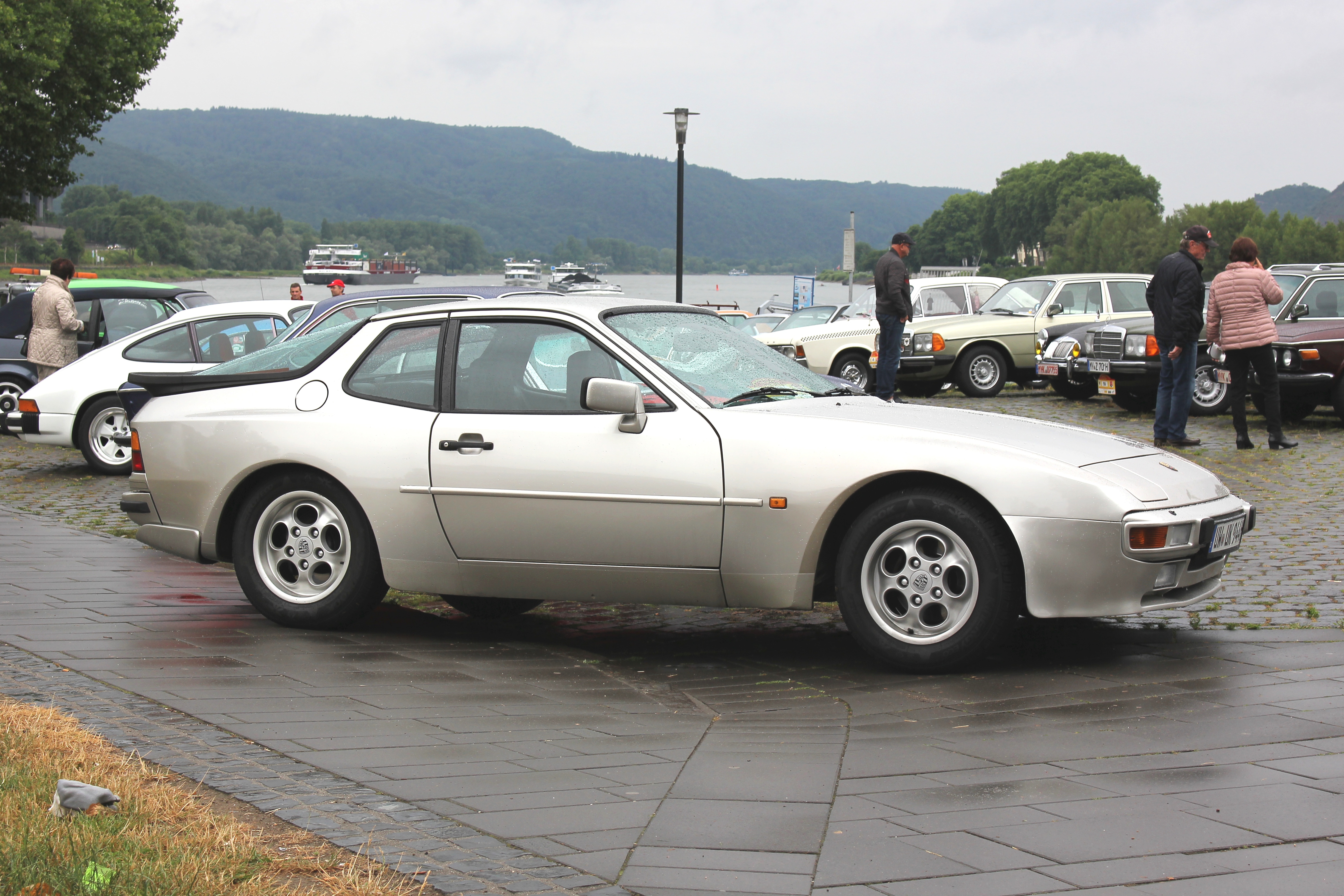
Porsche 944
"So 944, 944 turbo, 911 turbo, 911 C4. She had a boxer for a little while and she got into Jeeps and she went off roading with me."
The Porsche 944 is a sports car from Porsche. The “turbo” version adds a turbocharger, which helps it feel quicker. The speaker is listing it as one of the cars in their family’s garage.
The Porsche 944 is a front-engine, rear-transaxle sports coupe, and the “944 Turbo” variant adds a turbocharger for stronger performance. It’s a popular enthusiast choice because it’s more approachable than many other Porsche models while still delivering classic Porsche driving feel.
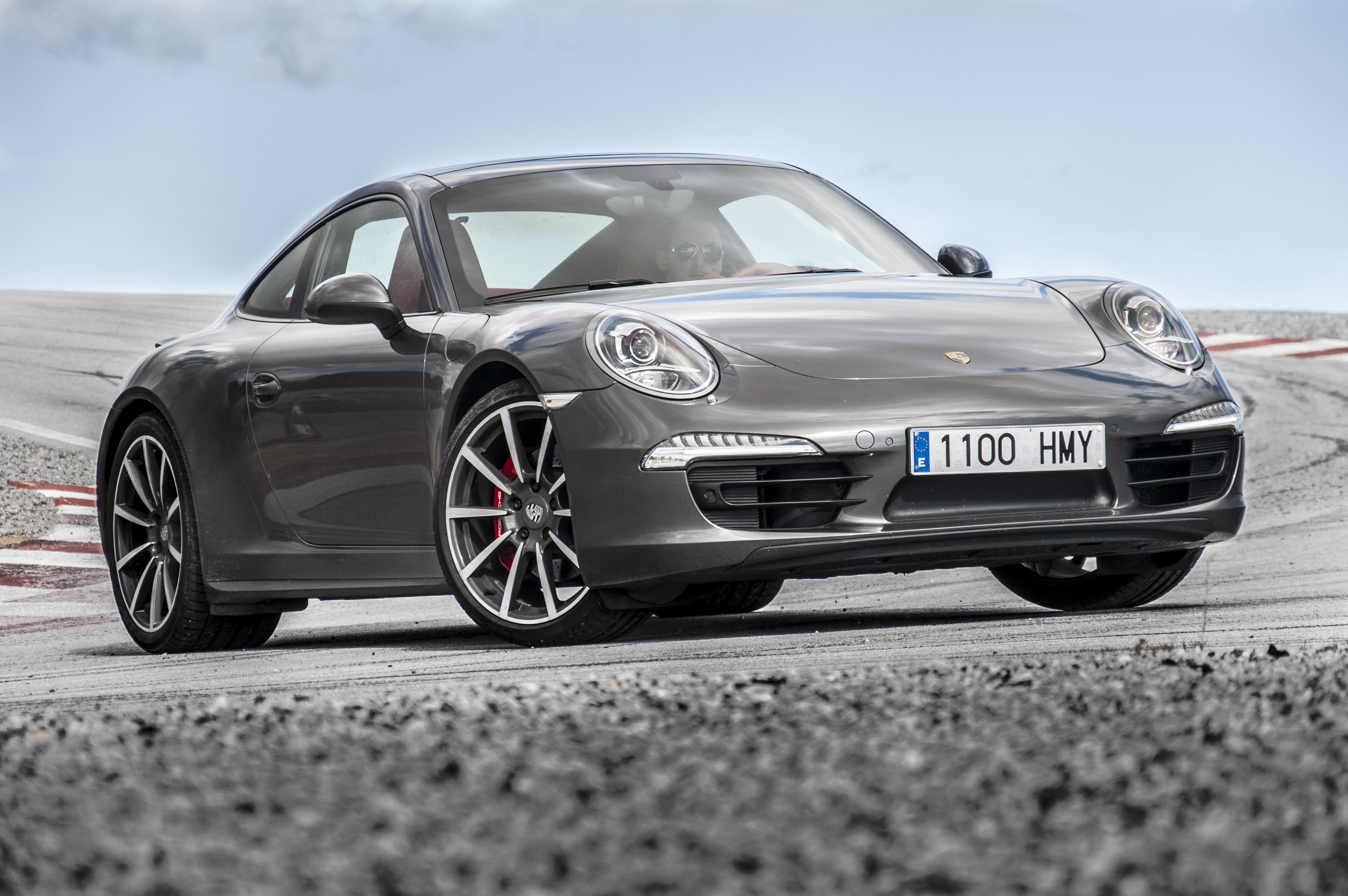
Porsche 911
"So 944, 944 turbo, 911 turbo, 911 C4. She had a boxer for a little while and she got into Jeeps and she went off roading with me."
On a Porsche 911, “C4” usually means it has all-wheel drive. That helps the car grip the road better, especially when it’s wet or when you accelerate hard. The speaker is naming it as another family car.
“C4” on a Porsche 911 typically indicates all-wheel drive (Carrera 4). Compared with rear-wheel-drive 911s, the C4 layout can offer better traction and stability, especially in poor weather or spirited driving.
2008 market downturn
"Yeah, that was 2008 ish and the market had just gone to complete crap, especially I was working for a dealer in Houston that was mostly like pre-owned exotics and classics."
They’re talking about the 2008 financial crisis and how it hurt the car market, especially expensive cars. The host’s point is that prices and demand can fall fast, so dealers can take big losses.
The speaker references the 2008 period when the market “went to complete crap,” which is shorthand for the broader financial crisis and its impact on discretionary spending like exotics and collectibles. The key takeaway is how quickly dealer inventory values and pricing power can collapse.

Ferrari 360S
"...wned exotics and classics. And, you know, we saw Ferrari 360s and Gallardo's that had been, you know, over MSRP..."
The Ferrari 360 is a sports car made by Ferrari, built for strong acceleration and a driver-focused experience. It’s a well-known model that many collectors watch because it can be expensive to buy and maintain. When people talk about pricing changes, it’s usually about how the market value has shifted.
The Ferrari 360 is a high-performance Italian sports car known for its V8 power and modern supercar-era design. It often shows up in collector conversations because it’s a recognizable entry point into the Ferrari lineup and a frequent target for enthusiasts. Mentions of cars “over MSRP” and market swings reflect how demand and pricing have changed over time for this model.

Lamborghini Gallardo
"working for a dealer in Houston that was mostly like pre-owned exotics and classics. And, you know, we saw Ferrari 360s and Gallardo's that had been, you know, over MSRP cars at one time, tanking, I mean, 10, $20,000 losses in six months on cars."
The Lamborghini Gallardo is a high-end sports car made by Lamborghini. It’s known for having a powerful engine and being a serious performance car. People may mention it in pricing stories because its value can change a lot depending on the market.
The Lamborghini Gallardo is a V10-powered supercar that became one of the brand’s most widely recognized models. It’s frequently discussed alongside other exotics because it’s a common sight in collector inventories and dealer listings. The mention of cars that were once priced above MSRP and later “tanking” points to how sharply the market can move for this model.

Subaru 360
"...tics and classics. And, you know, we saw Ferrari 360s and Gallardo's that had been, you know, over MSRP..."
The Subaru 360 is a very small older car made by Subaru. It was designed to be compact and efficient, especially for city driving. People talk about it today because it’s a classic model with a distinct place in automotive history.
The Subaru 360 is a small, early Japanese kei car that became an important part of Subaru’s history. It’s often brought up in classic-car circles because it represents a specific era of compact, efficient motoring. In a podcast that’s discussing exotics and classics together, it highlights how collectible cars can range from tiny everyday machines to supercars.
over MSRP
"we saw Ferrari 360s and Gallardo's that had been, you know, over MSRP cars at one time, tanking, I mean, 10, $20,000 losses in six months on cars."
MSRP is the price the manufacturer recommends. “Over MSRP” means the dealer charged more than that, and if the market turns, those cars can lose value fast.
“Over MSRP” means a dealer sold a car for more than the manufacturer’s suggested retail price. When demand cools, those inflated prices can reverse quickly, which is why the speaker describes large losses on exotics and classics.
George Blankenship
"I met George Blankenship at the Tesla gallery opening in Houston. And he's famously did the Apple stores that created that retail program, Microsoft stores and then the original Tesla galleries were all part of his plan."
George Blankenship is referenced here as a retail-program designer who helped create the early Apple Store-style approach and later applied similar thinking to Tesla galleries. The point is that Tesla’s early customer experience was influenced by established retail concepts.
Tesla service operations / delivery center
"It was 2013, was there until 2018, running service operations for them in Dallas, which was a huge delivery center."
They’re describing how Tesla set up big service and delivery operations in Dallas. The host is basically talking about the real-world logistics of supporting lots of customers and cars.
This segment discusses running Tesla’s service operations in Dallas and mentions it as a “huge delivery center.” It’s a structural look at how EV companies scale logistics and customer support infrastructure, not a deep technical explanation.
Falcon wing doors
"...could have done better if they'd gotten a certain someone's ego out of the way when it came to insisting on things like Falcon wing doors. [443.2s] And yeah, anyway, you get the idea."
Falcon wing doors are doors that open upward like a bird’s wings. The speaker is criticizing that kind of design choice as something that can get in the way of doing “better” overall.
Falcon wing doors are a distinctive door design that pivot upward from the front hinge, rather than swinging outward like conventional doors. They’re often associated with Tesla’s styling and can affect packaging, access, and service considerations compared with standard door designs.
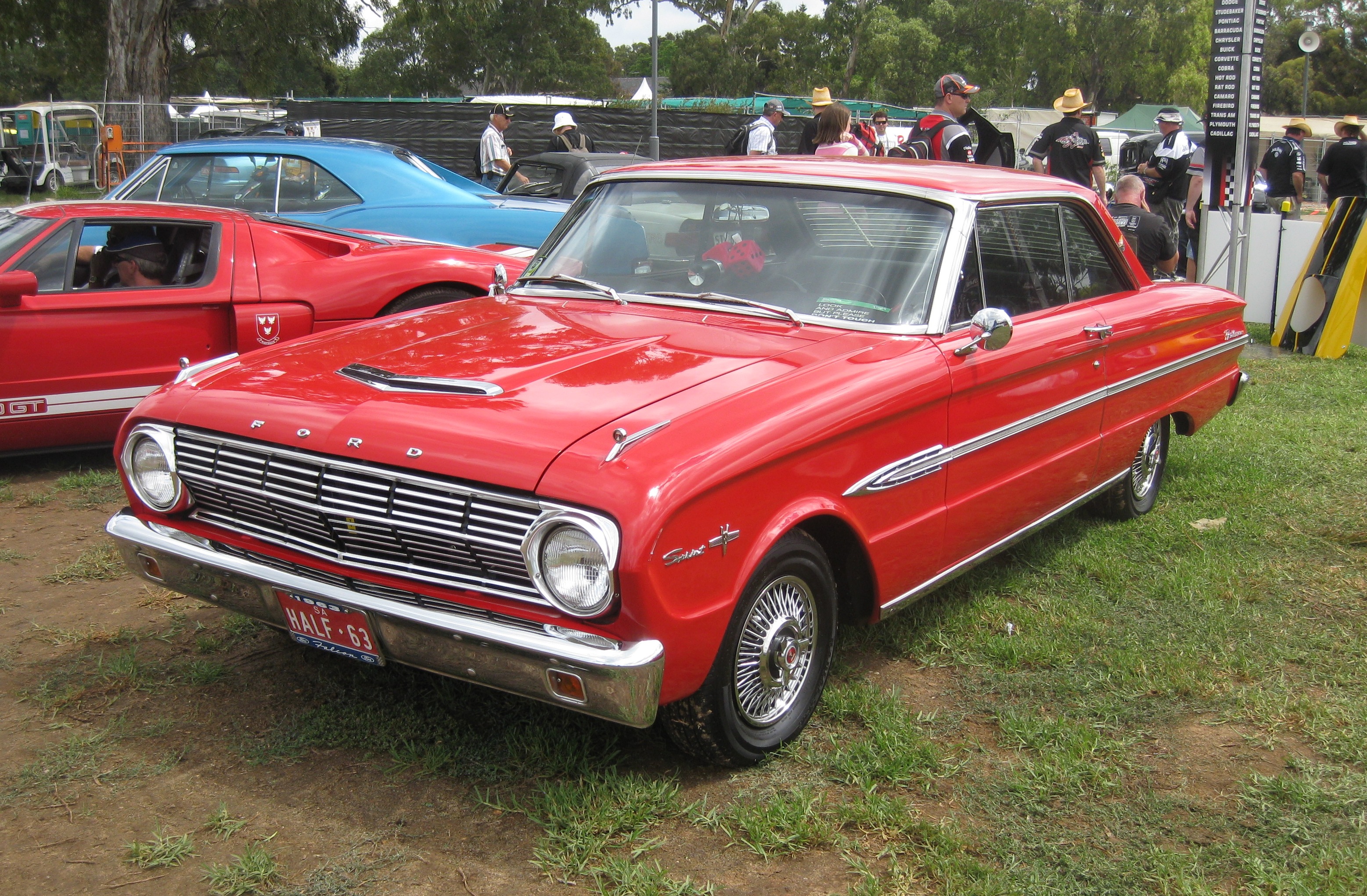
Ford Falcon
"... the way when it came to insisting on things like Falcon wing doors. And yeah, anyway, you get the idea."
The Ford Falcon is a car model made by Ford that’s known for classic styling. In this context, “wing doors” refers to a special door design that changes how the car looks and how the doors open. People bring it up because those details make the car easier to recognize.
The Ford Falcon is a model line associated with classic American performance and distinctive design details. It’s discussed here in relation to “Falcon wing doors,” which suggests a specific body style or feature that stands out visually. That kind of detail is often a big part of why certain Falcons become collectible.
Faraday Future
"So I ended up, ended up at Faraday Future, which was another experience... Lots of questionable things going on there... And then they allocated all their money to things that we don't know where it went."
Faraday Future is an electric-car company that tried to build and launch vehicles. The host is basically saying it was chaotic and that the money and plans didn’t seem to add up.
Faraday Future (FF) is an EV startup that has attracted attention for its high-profile funding and ambitious plans, but also for repeated controversies and operational instability. In this segment, the host describes it as a company with unclear spending and “questionable things,” highlighting how difficult it can be for EV startups to execute at scale.
The Verge
"Sean O'Kane did a big piece, an ongoing piece for the Verge when he was still there documenting all the crazy stuff that was going on..."
The Verge is a tech news website. The host is saying a journalist there kept reporting on what was going wrong at the company.
The Verge is a technology news outlet that has covered EV and tech industry developments, including investigative reporting on companies like Faraday Future. Here, the host references a reporter’s ongoing coverage to support the idea that “crazy stuff” was happening behind the scenes.
electric car
"I'm gonna tell you, never drove one. Rode in one. It was a big fast electric car, but the interior was, you know, hodgepodge."
An electric car runs on electricity stored in a battery instead of burning gas. It can feel fast right away because electric motors deliver power instantly, but how good it feels overall depends on how the car is designed and built.
The host describes a “big fast electric car,” which points to a vehicle powered primarily by an electric motor(s) and a battery pack instead of a traditional gasoline engine. Listeners may benefit from understanding that electric cars can feel very quick due to instant torque, but the overall experience depends heavily on software, packaging, and thermal management.
decontented
"I think they actually decontented it a little bit from what it was supposed to have originally by the time they actually produced the car in 2024, I think it was."
“Decontented” basically means they removed features or downgraded parts to save money. The car might still look similar, but it may feel less complete or less refined than the original idea.
“Decontented” means the production version gets fewer features or lower-cost components than what was originally planned. This often happens when budgets tighten, and it can affect perceived quality, usability, and even performance if key systems are simplified.
execution wasn't there
"They had some great engineering talent. They had some really neat tech ideas, but the execution wasn't there."
Even if a team has good ideas, the car can still fall short if the details aren’t carried through properly. That includes how well parts work together and whether the car is built and tuned to actually perform as intended.
“Execution wasn't there” is a common theme in product development: having talent and ideas doesn’t guarantee a finished, reliable, well-integrated vehicle. In automotive terms, execution covers engineering integration, manufacturing readiness, software maturity, and meeting targets for cost, durability, and drivability.
funding
"And the, we'll just say the financial acumen was questionable. Could have, could have done with a little more. A little more sensible handling of the funding."
They’re basically saying the project didn’t have the money managed well enough. When that happens, teams may have to cut corners or move too fast, and the final product can feel unfinished.
The segment ties vehicle development outcomes to “funding” and “financial acumen,” implying that budget management affects timelines and engineering decisions. For listeners, this is relevant because underfunding can lead to rushed systems, simplified components, and delayed validation/testing—factors that show up as “promise” without polish.
EV startup pain
"So that was kind of my first real EV startup and kind of saw how that [674.2s] world worked and saw how crazy it was. [677.5s] And so then I stayed in it and went into another company and went through [683.0s] the EV, the EV startup pain again, and then again, and then went back to one."
They’re describing how hard it is to build an electric-vehicle business from scratch. It’s not just designing a car—companies also have to solve expensive production and reliability problems while money runs out.
“EV startup pain” refers to the difficult, high-risk realities of building and scaling electric vehicles as a new company. Common issues include funding burn, supply-chain constraints, manufacturing complexity, and the challenge of turning prototypes into reliable, mass-producible cars.
RestoMod
"And then, you know, got out a little bit in 2023 and got to the RestoMod world, [694.6s] which is also chaos, as we were discussing before we started."
A RestoMod is basically a classic car that gets brought back to life, but with modern upgrades. Think better brakes, newer tech, and sometimes a more reliable engine—so it’s more fun and easier to drive than the original.
A RestoMod is a restomod: an older car that’s restored but also modernized with updated engineering, electronics, and sometimes powertrains. The goal is to keep the classic look while improving drivability, reliability, and safety versus the original setup.
Vintage Modern
"That was where we met in person was when you were with Vintage Modern because I [707.7s] got to drive one of their cars. [712.5s] Yeah, that was the first demo that we had."
Vintage Modern is the company they worked with and met in person. It sounds like they build or show cars that blend classic style with modern upgrades.
Vintage Modern is referenced as the company the hosts met through, where one person got to drive a demonstrator car. In this episode’s context, they appear tied to the restomod/modern classic scene—building or showcasing updated versions of classic vehicles.
Car Week
"[747.9s] When we did Car Week, we had three of them and we were cruising around. ... [779.6s] Three Broncos rolling across."
“Car Week” is when a bunch of car events happen close together, and people go to see cars and take drives. The hosts are saying their vehicles got a lot of attention because it was the kind of week where everyone is looking at cars.
“Car Week” refers to a period of events where car enthusiasts gather for shows, drives, and media coverage—often in a specific region. The hosts describe how their vehicles drew unusually high attention during this kind of event, especially when multiple similar cars were present.
full car rig
"[768.5s] We met up with a guy who had the full car rig. [770.7s] He had a drone. [771.4s] We did things."
A “full car rig” is the filming setup used to shoot cars—basically the gear that helps the camera capture the car smoothly and safely. They mention it alongside a drone because it helps them get better-looking footage.
A “full car rig” usually means a dedicated setup for filming vehicles—often including mounts, stabilization, and camera positioning to capture smooth motion shots. The hosts connect it to meeting a guy with the rig and using a drone, emphasizing how production gear enables higher-quality automotive content.
Canyon Bridge
"[772.2s] We went towards Big Sur and we went over the Canyon Bridge and we got it to [776.7s] where we had the whole bridge. [778.5s] No cars on either end."
They’re talking about driving over a scenic bridge in a canyon area. Because there were no other cars around, it made it easier to get clear video shots.
A “canyon bridge” drive is often used for cinematic automotive content because it provides dramatic scenery and controlled framing. Here, the hosts mention going toward Big Sur and crossing a canyon bridge with no cars at either end, which helps create clean, uninterrupted footage.
hard drive crashed
"I don't know if he lost it and just didn't want to tell us his hard drive crashed."
If a hard drive crashes, the computer/storage device can stop working and the video files may be lost or inaccessible. That’s why backups are so important for event footage.
A hard drive crash means the storage device that holds the footage failed, potentially making the files unreadable. For car video shoots, this is a common failure mode because large video files are often stored on a laptop or external drive during editing.
camera rig
"But yeah, he had a Mustang set up with this great camera rig and we're like,"
A camera rig is a way to hold and stabilize a camera on a car. It helps the video stay steady and properly framed while you drive.
A camera rig is a mounting setup that stabilizes and positions a camera for consistent footage while a vehicle is moving. In automotive filming, the rig design matters because it affects vibration control, framing, and how smooth the video looks at highway speeds.

Ford Mustang
"But yeah, he had a Mustang set up with this great camera rig and we're like,"
A Mustang is a Ford sports car. Here, someone had a camera setup on a Mustang so they could film driving scenes.
A Ford Mustang is a popular American pony car, and it’s being used here as the base vehicle for a camera setup. The point is that the rig was mounted on a Mustang to capture driving footage, similar to what the hosts had previously done.
chrome wheels
"And they were all kind of different flavors, like one had chrome wheels, one had black wheels, one had white wheels,"
Chrome wheels are wheels with a shiny, reflective finish. They look different on camera than darker or lighter wheel colors.
Chrome wheels are wheel finishes that use a reflective chrome plating. They change the visual “flavor” of a car in the shot—especially in daylight—because they catch highlights differently than black or white wheels.
black wheels
"like one had chrome wheels, one had black wheels, one had white wheels, like white interior on one,"
Black wheels are wheels painted or finished in black. They change the car’s look and can stand out differently in photos and video.
Black wheels are a wheel finish/color choice that tends to look more aggressive and can visually “shrink” the wheel. In a multi-car shoot, wheel color helps differentiate cars even when the vehicles are otherwise similar.
white wheels
"one had black wheels, one had white wheels, like white interior on one,"
White wheels are wheels finished in white. They’re visually striking and help the car stand out in video.
White wheels are a distinctive wheel color that can create a strong contrast against darker body colors and can look especially bright in daylight. For filming, they help the cars read clearly on camera from a distance.
white interior
"one had white wheels, like white interior on one, black interior on or like a dark, dark brown interior on one,"
White interior means the cabin seats and trim are light-colored. It can look really different on camera compared with darker interiors.
Interior color (like white interior) affects how the cabin reflects light on camera and how the car’s overall “theme” comes across. In a multi-car shoot, different interior colors help each vehicle feel like a distinct build.
direct to consumer deliveries
"My goal was to build sales operations and be able to do direct to consumer deliveries. We built lease programs."
Direct-to-consumer means the car company tries to sell to you directly, instead of going through a traditional dealership. That can change how you order, how the car gets delivered, and how the buying process feels.
“Direct to consumer” (DTC) delivery is a sales model where the automaker sells and delivers vehicles directly to customers rather than relying on traditional dealer networks. It often pairs with standardized ordering, centralized logistics, and marketing designed to reach buyers without local dealership involvement.
lease programs
"We built lease programs. We did all kinds of stuff and we were, we were killing it for what we were given..."
A lease program lets you drive a car for a set time while making payments, usually with rules about mileage. At the end, you typically return the car or have an option to buy it.
Lease programs are structured financing offers where customers pay to use a vehicle for a set term, typically with mileage limits and an end-of-lease decision (return, buyout, or renewal). For new brands launching in a market, leases can reduce upfront cost and make adoption easier while the company builds demand.
influencers, vendors, suppliers and like team for rewards over to Vietnam
"And they kept doing these trips where they would fly influencers, vendors, suppliers and like team for rewards over to Vietnam."
They were flying influencers and business partners to Vietnam as a reward. The idea is to build relationships and create buzz for the brand.
This describes a rewards-based trip program used as part of marketing and partner management. Bringing influencers and business partners together can create brand awareness, strengthen supplier relationships, and generate content that supports a new-market launch.
Min Group
"And the parent company of VinFast is called Min Group. They own an island off the coast of Nha Trang."
Min Group is the bigger company that VinFast belongs to. When a car brand is backed by a parent company, it often has more resources to launch and grow.
Min Group is described here as VinFast’s parent company, meaning it owns or controls VinFast. Understanding the parent company matters because it can influence funding, long-term strategy, and how aggressively a brand invests in new markets.
facial recognition for everything
"The tram was being redone and you have to get there by boat. And once you go in, it's like facial recognition for everything."
They’re using facial recognition to control access and services on the island. It’s basically a high-tech way to identify people instead of using tickets or cards.
The speaker mentions facial recognition being used throughout the island’s theme-park/hospitality environment. While not automotive-specific, it’s a notable example of how the parent company’s resort infrastructure is integrated with high-tech access control.
VIN 29 celebration
"Or the VIN 29 celebration... are you going to come back for VIN 29?"
This sounds like a company event where people are invited because they did well. It’s basically an incentive trip/reward tied to the company’s internal recognition.
The “VIN 29 celebration” is presented as an annual event tied to VIN Group recognition. It functions like a corporate incentive/reward program, where attendance is earned based on performance.
VIN Group
"So VIN Group does an annual celebration where people who have performed well get to go as a reward."
VIN Group is a big Vietnamese company. Here, they’re mentioned as running an annual event where people who did well get special rewards.
VIN Group is the Vietnamese conglomerate behind the VIN brand and its automotive efforts. In the segment, they’re described as running an annual reward/recognition event for people who performed well.
business class
"got approval from the chairman of VIN Group to fly Halley over to Vietnam, flew her over business class, treated her better than anybody else had been treated at this point."
Business class is a more comfortable, higher-end way to fly. They mention it to show the company went out of its way to treat her well.
“Business class” is an airline cabin level often used to describe higher-comfort travel for executives or VIPs. In the context here, it’s used to emphasize the level of treatment and hospitality provided by the organization.
theme song
"They've come knocking five years, they have a theme song. Vingroup has a theme song that the employees all have to learn."
Some companies make everyone learn the same song or do the same ritual. It’s a way to make people feel like they’re part of the same group.
A “theme song” requirement is an example of how some workplaces use highly coordinated rituals to build group identity. In car culture terms, it’s similar to how brands or teams reinforce culture through repeated, shared symbols and behaviors.
LA auto show
"They were at the LA auto show last year, weren't they? Yeah, yeah, it wasn't. But then, right."
The LA Auto Show is a big event where car companies show off new cars and plans. The hosts bring it up as a point in time when VinFast was talking about what they’d do next.
The LA Auto Show is a major U.S. automotive event where automakers reveal new models and concepts. The hosts reference it to suggest VinFast was actively promoting plans and products there.
viscars
"So they work on those viscars. What else do they specialize?"
“Viscars” appears to refer to a type of vehicle used for testing, demos, or marketing—likely related to the company’s work before selling finished cars. Because the transcript doesn’t define it, listeners may benefit from clarification on what kind of vehicles these are and why they matter.
dealer model
"and then went to a dealer model. So they completely switched that up."
A dealer model is when the brand sells cars through local car dealerships. That usually changes how you shop and buy—often more negotiation and more dealership involvement.
A “dealer model” is the traditional retail setup where independent dealerships sell the manufacturer’s cars. Moving from DTC to a dealer model typically affects how cars are stocked, how sales incentives work, and how customers negotiate or pay “out-the-door” pricing.
Daewoo
"Yeah. Do you remember Daewoo and how they had their business model was selling cars through college students?"
Daewoo is a car brand that’s being used here as an example of a strange sales strategy. Instead of typical dealerships, they tried selling cars through college students.
Daewoo is referenced as an example of an unusual sales approach—selling cars through college students. The point is less about the cars themselves and more about how different brands have experimented with non-traditional distribution and marketing.
selling cars through college students
"Do you remember Daewoo and how they had their business model was selling cars through college students? Yeah, that was their business."
They’re talking about a marketing/sales scheme where college students helped sell cars. It’s basically a “local people on the ground” approach instead of traditional dealership sales.
The transcript describes a grassroots sales tactic where college students acted as salespeople or promoters. This is an example of an early, unconventional distribution strategy that tries to reduce marketing costs and create a direct sales channel.
undercut
"Like we'll be we'll be this emerging brand and we'll come in and undercut the Teslas and things with this car that has more features at a lower cost. And the the the corporate, the chairman's marketing team were like, no, no, no."
They mean selling for less than competitors. The hope is that you’ll attract buyers by giving them more features for the money.
“Undercut” here describes a pricing strategy: offering a car with more features while selling it for less than competitors. In automotive markets, this can accelerate adoption, but it also pressures margins and can complicate long-term profitability.
rest of mods
"Yeah. Back to the world of reality the last several years. Yeah. Yeah. rest of mods are fun. But it's, you know, it's a that general market of the actual rest of mods is tricky to navigate."
They’re talking about “restomods,” which are older cars rebuilt with newer parts. The warning is that not every restomod is done well, so it can be hard to judge what you’re really getting.
“Rest of mods” appears to be a transcription of “restomods,” which are classic cars updated with modern technology (often including better drivetrains, suspension, and safety). The hosts say the general restomod market is tricky to navigate, implying variability in quality, sourcing, and build consistency.

Bronco
"... I was excited because it's Bronco related. ... it worked really well, specifically on the two of our Bronco. ... they buy a new Bronco from the Ford dealer, register it and title it ..."
They’re talking about the Ford Bronco as the starting point. Then they change it so it looks like a much older Bronco-style truck.
The Ford Bronco is the base vehicle in this “vintage modern” build concept. In the segment, they describe buying a new Bronco from a Ford dealer, then modifying it heavily to recreate the look of an older era.
rebody it with all new steel body work
"Rebody it with all new steel body work that was made to look like the original 66 to 77. And that body almost fit perfectly."
Rebodying is basically putting a new body shell on a car. They’re making new steel panels so the newer Bronco looks like an older 1966–1977 model.
“Rebodying” means replacing the outer body panels/structure to change the vehicle’s appearance (and sometimes proportions) while keeping the underlying chassis and drivetrain. Here, they’re using new steel body work shaped to resemble the original 1966–1977 look, and it “almost fit perfectly,” suggesting careful engineering and fabrication.
Carlex
"The interior was all done up by a company in Europe called Carlex that does crazy leather and they do G wagons and things like that."
Carlex is a company that specializes in upgrading car interiors, especially with fancy leather and trim. They handled the interior work on this build.
Carlex is an aftermarket interior customization company known for high-end leather and trim work. In this segment, they’re credited with doing the interior build—matching the “vintage modern” idea with premium materials and detailing.

G-Class G Wagons
"... Carlex that does crazy leather and they do G wagons and things like that."
“G wagons” refers to the Mercedes-Benz G-Class, a luxury off-road SUV famous for its boxy design and high-end interior customization. The host uses it as a reference point for Carlex’s typical level of interior trim and craftsmanship.
new stereo
"... that does crazy leather and they do G wagons and things like that. So it's that level of interior trim, new stereo, better suspension,"
They’re upgrading the car’s sound system. It’s a common change in custom builds so the audio feels modern and better.
A “new stereo” means replacing or upgrading the audio system as part of the build. In custom restorations and restomods, audio upgrades are common because factory systems in older-looking builds may not meet modern expectations for sound quality and connectivity.
better suspension
"So it's that level of interior trim, new stereo, better suspension,"
They’re improving how the car rides and handles by upgrading the suspension parts. That usually makes the car feel smoother and more controlled.
“Better suspension” refers to improving the vehicle’s ride and handling by upgrading components like shocks/struts, springs, bushings, or alignment geometry. For a vintage-modern conversion, suspension upgrades help the newer chassis feel stable and comfortable while still matching the intended stance and driving character.
rest of them on
"and the same kind of price as a really good rest of them on."
They’re basically saying the custom parts don’t cost wildly more than other expensive versions of the same idea. It’s about how customization can make a car feel premium without being totally out of reach.
The hosts are talking about pricing in the same ballpark as other high-end builds, likely including wheels/tires and customization. In car-market terms, this is about how bespoke components can push a vehicle’s cost toward premium “restomod” or custom-restoration territory.
modern safety features
"a lot of the demand was people that loved the classic styling, but they wanted the modern safety features because they want to be able to take their families in it and not stress about the the decades of safety development that have happened in the meantime."
They’re saying some buyers want the classic style, but they don’t want to give up modern safety. The goal is to feel comfortable driving it with family, without worrying as much about older safety tech.
This segment highlights a common reason people buy classic-styled cars: they want the look, but with modern safety tech. Features like improved crash structures, airbags, and driver-assist systems reduce the “stress” of driving something that predates today’s safety standards.
classic styling
"a lot of the demand was people that loved the classic styling, but they wanted the modern safety features"
“Classic styling” refers to design cues from older vehicles—shape, proportions, and visual details—that evoke a specific era. In the context of modern builds, it’s often paired with updated engineering so the car looks nostalgic but is more usable day-to-day.
ease of use and it's the accessibility
"It's it's it's the ease of use and it's the accessibility. And a lot of people, you know, a lot of people aren't car people."
“Ease of use” and “accessibility” describe how a car fits into everyday life for a broader audience, not just enthusiasts. This can include straightforward controls, comfortable ergonomics, and driver-assist features that lower the learning curve.
people aren't car people
"And a lot of people, you know, a lot of people aren't car people. And I think, you know, it's easy to lose sight of that."
The hosts are making a buyer-psychology point: many customers aren’t enthusiasts who care about specs first. Instead, they may buy for aesthetics, personality, and lifestyle fit—then only later learn the technical details.
I don't care if it's got a V8 or a V12 or a six
"There's a reason for it other than the technical. I don't care if it's got a V8 or a V12 or a six or whatever."
This underscores that engine choice (V8 vs V12 vs inline-six) isn’t the primary driver for every buyer. For some, the appeal is emotional—looks, vibe, and usability—so powertrain specs become secondary to the overall experience.
compromise
"And this is where we were with vintage is accessing the joy and the pleasure of driving the thing without having to have the compromise."
They’re talking about the trade-offs of owning an older car. With vintage vehicles, you often give up convenience and modern ease, and restomods try to fix that.
The hosts use “compromise” to describe the trade-offs that come with owning vintage cars—things like less convenient starting, different driving feel, and more maintenance or learning. Restomods aim to reduce those compromises while keeping the classic character.
manual transmission
"The manual transmission, the car that's a little harder to start because it's carbureted, like these are all like the badge of honor things is"
A manual transmission means you shift gears yourself. Some people love it because it feels more connected to the car, but it can be harder if you’re used to automatics.
A manual transmission requires the driver to use a clutch and shift gears themselves. It can make driving more engaging, but it also adds learning and physical effort compared with automatic transmissions.
carbureted
"The manual transmission, the car that's a little harder to start because it's carbureted, like these are all like the badge of honor things is"
Carbureted engines use a carburetor to get the right fuel-air mix. They can be a bit fussier to start than newer fuel-injected engines, especially when it’s cold.
“Carbureted” refers to engines that use a carburetor to mix fuel and air before it enters the cylinders. Carbureted engines often require more driver involvement (like choke use) and can be less consistent than modern fuel-injected setups.

Myers Manx
"that more than a vintage Bronco is a frigging Myers Manx doom buggy... But that kind of leads to why Myers Manx exists the way that it does now."
Myers Manx makes the famous Manx buggy—those classic-looking beach buggies you often see in old photos. They’re known for building cars that resemble the original style, but are sold as ready-to-drive packages today.
Myers Manx is the iconic American buggy brand best known for the Manx, a fiberglass off-road-style beach buggy inspired by the Volkswagen Beetle. In this segment, the hosts discuss how the company’s modern lineup is focused on “remastered classics” that look like the originals while being sold as complete, ready-to-drive cars.
remastered classics
"prepare for the next generation of Manx, which is the remastered classics, which is what we sell currently."
“Remastered classics” refers to updated versions of the original Manx-style buggies—keeping the look and vibe of the historic cars while modernizing the product for today’s buyers. The speaker frames this as preparing for the next generation of Manx offerings.
turnkey cars
"And these are turnkey cars with a body that looks just like the original"
“Turnkey” means the vehicle is delivered ready to use—typically assembled and set up so the buyer doesn’t have to complete major build steps. In the segment, the speaker says the remastered classics are turnkey, emphasizing convenience and immediate usability.
CAD
"But then we took them, we put them into CAD, we started fixing things on them. The tolerances are better, they're more symmetrical."
CAD is a computer program designers use to draw and measure parts precisely. They used it to make the buggy bodies fit better and be more consistent than the original hand-built versions.
CAD (computer-aided design) is used to digitize the original buggy body shapes and then refine them. Here, CAD helps improve tolerances and symmetry compared with hand-built original tooling.
tolerances
"The tolerances are better, they're more symmetrical. The tolerances and the thickness of the fiberglass is better because the modern fiberglass technology, you know, laying fiberglass is more precise now."
Tolerances are how precisely parts are made to match each other. If tolerances are tighter, the buggy pieces line up better and the build feels more solid.
Tolerances are the allowed variation in dimensions between parts—tighter tolerances generally mean better fit and less “slop.” The hosts connect improved tolerances to more accurate body shapes, better symmetry, and stronger, stiffer results.
fiberglass
"The tolerances and the thickness of the fiberglass is better because the modern fiberglass technology, you know, laying fiberglass is more precise now. We've done a couple of things, we added a trunk that you can lock and little things that make it more functional."
Fiberglass is the material the buggy body is made from. Newer manufacturing methods can make it thicker and more consistent, which helps the body be stronger.
Fiberglass is the composite material used for the buggy body panels. The segment emphasizes that modern fiberglass layup techniques are more precise, improving thickness consistency and overall structural stiffness.

Volkswagen chassis
"We use completely restored Volkswagen chassis, just like Bruce did. But we go much further with those."
The segment says they use completely restored Volkswagen chassis, which is the structural base the buggy body mounts to. Using a restored Volkswagen chassis helps keep the classic layout and geometry while allowing the builder to upgrade the buggy body and fitment.
seam welded
"They're fully seam welded, powder coated, the two-door or the two-seater buggies, sorry, no doors, the two-seater buggies are shortened by 14 inches"
Seam welding means welding along the seams where metal pieces meet. It makes the structure more rigid so it flexes less.
Seam welding is a welding process that joins metal panels along seams to create a stronger, more rigid structure. In this context, fully seam-welding the chassis/body mounting areas is part of making the buggy “stronger, stiffer” than the original approach.
powder coated
"They're fully seam welded, powder coated, the two-door or the two-seater buggies... and then they get new floor pans, they're all welded, they're powder coated."
Powder coating is a tough protective finish applied to metal parts. It helps prevent rust and keeps things looking better for longer.
Powder coating is a protective paint process that applies an electrostatically charged powder and then bakes it to form a durable finish. The hosts mention powder coating alongside welding and restored chassis work to improve corrosion resistance and durability.
shortened by 14 inches
"...the two-seater buggies are shortened by 14 inches and then they get new floor pans, they're all welded, they're powder coated."
They make the two-seat version physically shorter by 14 inches. That changes the buggy’s size and how the body fits on the frame.
Shortening the two-seater by 14 inches changes the buggy’s overall length and proportions while still using the underlying Volkswagen-based architecture. This kind of dimensional change affects packaging, stance, and how the body aligns with the chassis.
VW flat four crate motor
"A brand new crate motor, still the standard motor, still a VW flat four crate motor."
This is the classic Volkswagen “boxer” four-cylinder engine layout. Using the standard crate version means it’s the familiar setup and easier to maintain than a one-off engine swap.
A “VW flat four” refers to Volkswagen’s air-cooled horizontally opposed four-cylinder layout (the classic boxer configuration). Using a standard crate version keeps the buggy’s character and simplifies parts/service compared with custom engine setups.
carbs
"We tweak them a little bit, a little more displacement, a little more power, a couple of carbs if you want it."
Carbs are devices that help the engine get the right mix of fuel and air. Changing carb setup can affect how much power the engine makes.
“Carbs” is short for carburetors, which mix air and fuel before it enters the engine. The hosts mention “a couple of carbs,” implying a carbureted setup that can be tuned for more power by changing airflow/fuel delivery.
traditional buggies
"They're all traditional buggies. You know, they have a little top that's standard, but otherwise you're completely exposed to the elements."
They’re describing a classic dune-buggy style. It’s mostly open-air, with less coverage than a normal car, so you feel the weather more.
“Traditional buggies” here refers to the classic open, dune-buggy style: simple, exposed seating and minimal bodywork compared with a conventional car. The hosts also mention a small top as standard, but otherwise the vehicle is open to the elements.
cross shopping
"And they like the idea of the cross shopping. That's, I mean, a boat, a motorcycle, another house, you know, whatever."
“Cross shopping” means buyers consider a buggy alongside other lifestyle purchases rather than comparing it to a single direct competitor. The hosts frame it as a second vehicle or “fun” purchase—like a boat, motorcycle, or even a vacation home—because it serves a different role than a typical daily driver.
paint to sample
"We've got designers in-house who have the experience to do that. So if you want fancy leather, better seats, you want, you know, German square, we've carpeted and a, you know, a canvas top, we can do that. We can do paint to sample."
“Paint to sample” means the shop can match a specific color sample provided by the customer rather than using a limited set of standard paint options. For a highly customized buggy like the Manx, this is part of offering near-custom, personal finishes.
gel coats
"We can do paint to sample. We can do all kinds of fun stuff with the gel coats. So you can have a very customized Manx that is, you know, down to a personalized"
Gel coat is the protective, glossy outer finish on fiberglass. If you customize it, you’re changing how the buggy looks and how well the surface holds up.
Gel coat is the outer resin layer used on fiberglass parts, providing the smooth, glossy surface that can be painted or finished. The hosts mention customizing gel coats, which matters because fiberglass buggies rely on gel coat quality for appearance and durability.
shift knob
"So you can have a very customized Manx that is, you know, down to a personalized shift knob if you want. I was going to say, I think we all are familiar with the hot dog shift knob."
The shift knob is the part you grab to change gears. On these buggies, people can customize it with fun or fancy designs.
A shift knob is the handle on the end of the gear shifter, and in a manual car it’s a direct touchpoint for feel and ergonomics. The hosts mention a “personalized shift knob,” including a famously quirky “hot dog” style, to emphasize how far customization can go on these buggies.
Bruce Meyers
"Because I don't know if everyone listening, you know, knows Myers makes in the history and sort of, you know, the Genesis and Bruce Meyers ... So Bruce was an artist and a surfer and a poet and a boat builder."
Bruce Meyers is the person who created the classic dune buggy idea. He wanted a simple car that was fun on sand and could carry surf gear, and his design became a whole kit-car phenomenon.
Bruce Meyers is the key figure behind the Meyers-Manx dune buggy concept. He was a surfer and boat builder who turned that lifestyle into a simple, sand-friendly vehicle design.
dune buggy
"Because when you think of a dune buggy, when you think of, and that's maybe a bit of a misnomer, right? Or beach buggy. This is that iconic form."
A dune buggy is basically a small, simple off-road car made for driving on sand. People sometimes call similar vehicles “beach buggies,” but they’re talking about the same general style.
A dune buggy is a lightweight, off-road-focused vehicle designed for loose sand. The hosts note that “dune buggy” can be a bit of a misnomer, because people also use the term for beach buggies, but the iconic form is the same general idea.
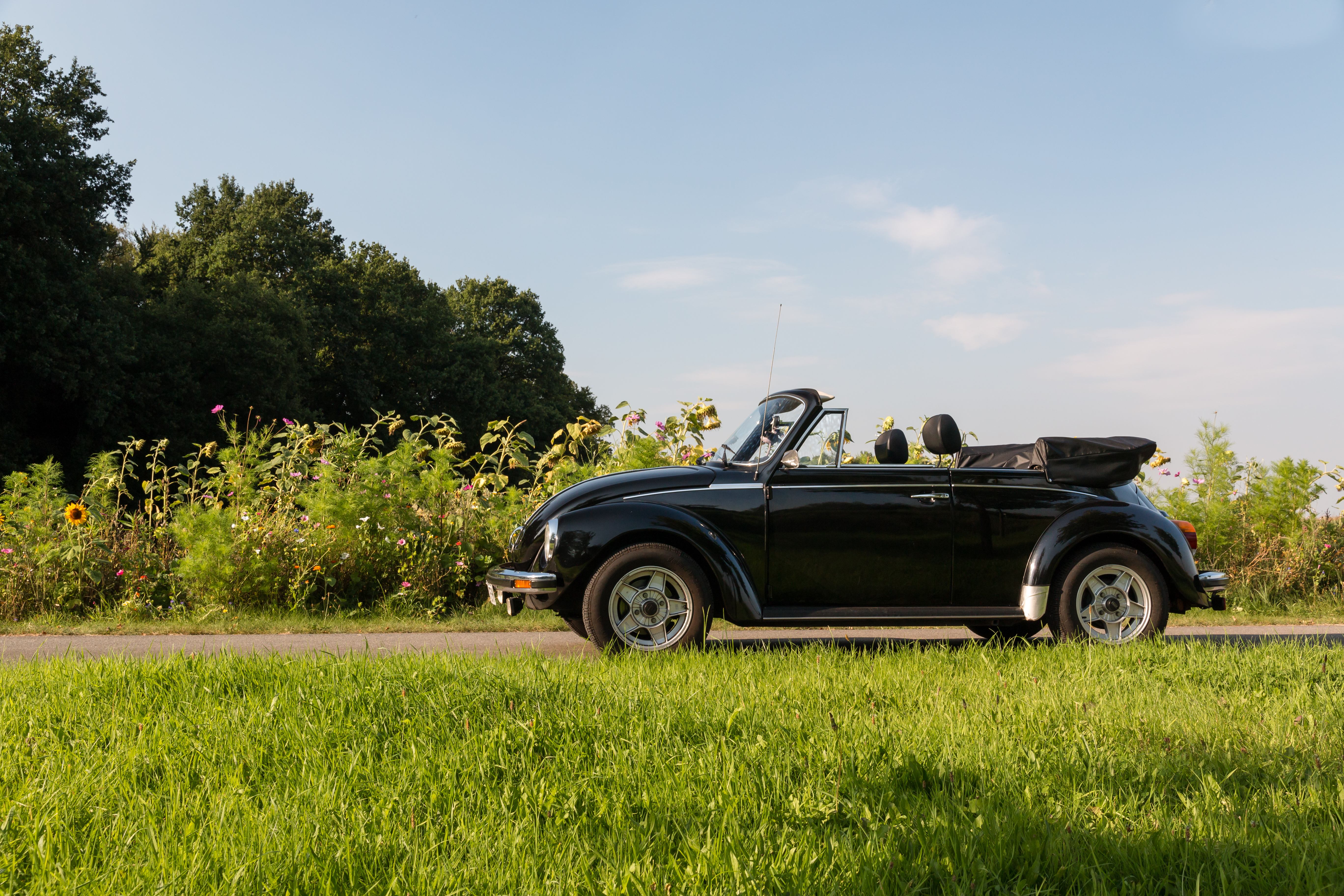
VW engine
"...these crazy tube frayed things with small blocks and Porsche engines and VW engines. And I'm driving around and he was just like, I don't need all that."
They’re talking about using a Volkswagen engine in the buggy. The reason is that VW engines were common and well-suited to simple, lightweight builds.
The hosts describe using a Volkswagen engine as the powerplant for the buggy. In this context, “VW engine” usually means the air-cooled Volkswagen layout that was popular for kit cars because it was compact, durable, and easy to source.
super lightweight
"...And you've got a super lightweight, plenty of power because the Volkswagen engines made to move more and it achieved what he wanted to."
They’re saying the buggy is very light. Being light helps it move easily over sand and makes it more fun and controllable when you’re jumping around.
The hosts emphasize that the buggy’s fiberglass body and VW-based components create a super lightweight vehicle. Lower weight improves acceleration, helps it float over sand, and makes it easier to drive and jump compared to heavier cars.
VW chassis
"...he evolved it and made it better and stiffer and ended up using the whole VW chassis at one point and it took off and people wanted it, wanted them."
Using the whole VW chassis means the buggy adopted the underlying Volkswagen platform rather than only borrowing parts. That typically improves fitment, structural consistency, and parts availability for builders.
kits
"So he started offering the bodies and made the kits and people could buy them and make"
They started selling kits—basically the parts to build your own buggy. That’s what helped the idea spread beyond just one car.
The hosts mention that Meyers-Manx offered bodies and made kits so people could buy components and build their own buggies. This is a key part of the buggy’s history: it turned a one-off idea into a DIY, parts-supported product.
patent his IP
"So he didn't know to go, you know, patent his IP and do that. And so it became the most copied design in the automotive history."
They’re talking about protecting the design legally. If you patent your idea, it’s harder for other people to copy it.
“IP” means intellectual property—ideas and designs that can be legally protected. The discussion suggests that if the original creator had patented the design, fewer copies would have been made.
most copied car ever made
"So this is the most copied car ever made is in my bank. So there were so many clones of doom buggies and some of them were flimsy."
They’re saying this buggy design got copied a ton. When a car is “easy to copy,” lots of other builders make their own versions of it.
The hosts are describing how Chet Parsons’ Meyers Manx-style buggy became a template that many people copied. In automotive culture, “most copied” usually points to how influential a design was and how easily others could replicate it.
clones of doom buggies
"So there were so many clones of doom buggies and some of them were flimsy. You could just, you know, bend the plant, you know, the bodies and break things."
They’re talking about knockoff versions of the buggy. Some were built cheaply, so they didn’t hold up as well.
“Clones” here refers to replica or derivative dune-buggy builds that copied the look and layout of the original. The hosts also note that many clones were “flimsy,” implying differences in build quality and engineering.
beer on the front fender test
"Down to the fact that, you know, historically, and this is kind of a neat little fact is to tell if it's a real man, one trick is put your beer on the front fender, that it flat on the front fender."
They’re joking about a simple test: put a drink on the front fender and see if it stays put. If it doesn’t slide, the fender is shaped and mounted in a way that keeps things stable.
This is a tongue-in-cheek “real man” test tied to the buggy’s design. The idea is that the fender shape and mounting allow a flat placement without the beer sliding off, implying good fitment and rigidity.
accessible, so much fun
"It created that phenomenon because it was so easy. It was so accessible, so much fun. And then this is in 1964 that he did this."
They’re saying the buggy was popular because it was easy to get into and enjoyable. When something is accessible, more people try it and it spreads.
The hosts connect the buggy’s popularity to accessibility—meaning it was easy to build, buy, or enjoy compared with more complex vehicles. This helps explain why a design could spread rapidly and spawn many copies.
Request an Explanation
Heard something you'd like explained? We'll add it to this episode.
Sign in to request explanations for terms you heard.
Want to learn more?
Browse our glossary for plain-English explanations of automotive terms, jargon, and concepts.
Help improve this episode
See something that's not quite right? Our annotations are AI-generated and can sometimes miss the mark. Click the flag icon on any annotation to suggest a correction.