
Moron Nation Unfiltered Ep. 14: Everything Drag Racing RIGHT NOW
About this episode
Yard-life chaos and drag-racing frustration collide as the hosts settle in after a week home, dealing with mower issues and a missing yard helper. The conversation then turns to racing: after a season-opening high, their car struggled at US131 in Martin, Michigan—misfires/engine troubles, stuck rings, and a scramble to diagnose what changed with the bigger blower. They discuss new gas-ported pistons, ring packages, spare parts, and a fresh “Blues” motor setup waiting on a new blower-to-intake pipe, plus upcoming race plans and the heavy-hitter field at US131.
A LOT has happened in the drag racing world over the past couple of weeks, and we're breaking it all down.This episode covers our disappointing weekend at the Midwest Drag Racing Series race at US 131, the Jacob McNeal controversy, the future of the IHRA Triple Crown and Jason Harris' shot at the million-dollar bonus, why Outlaw Syndicate continues to gain momentum, and everything we broke at Skelton Raceway.We also talk about Chase Womack's huge Small Tire No Prep win, why we're glad to see a different style of race car winning again, the upcoming Outlaw Syndicate events, and Aiden's adventure hauling GoldMember all the way to Edmonton, Alberta, Canada for Diesel Days.If you enjoy honest opinions, behind-the-scenes stories, and hearing what it's really like inside the drag racing world, this episode is for you.#MoronNation #SmallTire #ProMod #OutlawSyndicate #MWDRS👕Get your official Murder Nova and 187 Customs apparel or order parts for your hotrod at:https://www.themurdernova.comGet your Never Eyewear here:https://neveneyewear.com/?rfsn=8810281.b585c0&utm_source=refersion&utm_medium=affiliate&utm_campaign=8810281.b585c0 mTAGSFollow Us!https://www.facebook.com/187Nova/https://www.facebook.com/187customsLLC/https://www.instagram.com/murdernova/https://www.instagram.com/187customs_/https://www.instagram.com/phantom.405/
fuel injected
"…and now I was the same reasons that I was happy and that I got that mower is the same reasons that I can't work on it oh yeah it's fuel injected I don't know the whole high idle thing…"
“Fuel injected” means the engine sprays fuel in a controlled way using electronics. It’s different from older carburetors, and when something goes wrong, the fix often involves checking sensors and the fuel system rather than just adjusting a carb.
“Fuel injected” means the engine delivers fuel using an electronic fuel-injection system instead of a carburetor. In practice, that usually improves throttle response and fuel metering, but it also means idle and sensor issues can be more complex to diagnose.
high idle
"…it's fuel injected I don't know the whole high idle thing it runs it is one idle yeah it's weird…"
“High idle” means the engine is revving too fast while it’s just sitting still. When that happens, it usually points to a problem with how the engine controls air and fuel at idle.
“High idle” is when an engine’s idle speed is higher than normal when it’s not under load. That can be caused by things like an air/fuel control issue, a throttle/idle control problem, or a vacuum/air leak—so it’s a symptom that points to a specific control system rather than “just running rough.”
diagnose it
"…so I took it in for them to diagnose it and I don't know I'll probably swing by tomorrow and just talk to them…"
“Diagnose it” refers to troubleshooting to identify the root cause of a problem, typically using a combination of inspection and test results. In modern vehicles and equipment, diagnosis often includes reading fault codes and checking sensor/actuator behavior.
battery
"…that's right that's right man just put it on the lift yeah so we should have like a battery"
A “battery” is the electrical power source used to start an engine and run electronics when the engine isn’t producing power. If a battery is weak or failing, you can get hard-start issues that look like mechanical problems but are actually electrical.
spool up a car
"[407.3s] was like I don't know man do dooch do I mean all you do is spool up a car yeah I mean for a while"
When you “spool up” a turbo car, you’re waiting for the turbo to spin fast enough to make boost. It’s the moment the engine starts producing that extra turbo power after you press the gas.
“Spool up” describes how a turbocharger (or supercharger) increases speed and boost after you apply throttle. As exhaust flow rises, the turbo accelerates until it reaches a steady boost level.
hemi cars
"[415.1s] it's not like it was the you know one of the hemi cars no"
“Hemi” is a nickname for a specific style of V8 engine used by Chrysler. People associate “Hemi cars” with big power and a very recognizable sound, especially in racing.
“Hemi” usually refers to Chrysler’s HEMI V8 engines, known for their hemispherical combustion chambers. In drag racing culture, “Hemi cars” often implies a loud, high-performance V8 with a distinctive sound and strong aftermarket support.
LS twin turbo
"[421.5s] it was an LS twin turbo deal like turbos are mufflered yes they are the muffler yeah"
“LS” is a popular GM V8 engine family. “Twin turbo” means there are two turbochargers, which help the engine make more power—especially when you’re racing and need quick acceleration.
“LS” refers to GM’s LS-family V8 engines, and “twin turbo” means two turbochargers feeding the engine. This setup is common in drag racing because it can make strong boost quickly and at high power levels.
turbos are mufflered
"[421.5s] it was an LS twin turbo deal like turbos are mufflered yes they are the muffler yeah doesn't make any sense"
They’re talking about trying to quiet down a turbo setup with mufflers or other exhaust noise-control parts. But turbo cars can still be loud even when you add muffling.
“Mufflered turbos” refers to adding exhaust silencing (mufflers/resonators or tuned exhaust components) around the turbo system to reduce noise. Even with muffling, turbo cars can still be loud because boost and exhaust flow create strong sound pressure.
season opener
"[464.8s] so let's just get into it let's touch on our last you know last time we were here we were holding this eagle we just won the season opener"
The “season opener” is the first event of the racing season. It’s where teams find out how well their car is working right away.
A “season opener” is the first race of a racing series for that year. Results there set expectations for how the team and car are performing early in the schedule.
rings
"the rings just stick whenever they feel like it yeah it's weird it's very weird we've never really had that trouble before"
Piston rings are small metal rings on the piston that help seal the cylinder and keep oil where it belongs. If they “stick,” the engine can start running poorly or fail because the rings can’t do their job.
Piston rings seal the combustion gases and control oil consumption inside the cylinder. When the hosts say the rings “stick,” they’re describing a failure mode where the rings lose their ability to move freely, often due to heat, deposits, or lubrication issues.
bigger blower
"let's be honest we're making more power now with the bigger blower yeah we haven't had that problem with the other blowers"
A blower is a device that pumps extra air into the engine so it can make more power. A bigger blower usually means more air pressure, but it can also stress engine parts more than before.
A “blower” in drag racing is a supercharger that forces more air into the engine to make more power. Going to a bigger blower changes the boost characteristics (how much and how quickly the engine is pressurized), which can also change reliability issues like piston/ring behavior.
gas ported pistons
"you're talking about the gas ported pistons are gas ported now the pistons are gas ported now"
Gas-ported pistons have extra openings built into the piston to help control how combustion pressure behaves. The goal is to keep the piston rings working correctly and prevent them from sticking.
Gas-ported pistons have small openings (ports) that help manage combustion gases and reduce pressure behind the piston rings. That design can improve ring control and reduce the chance of ring sticking compared with older piston/ring setups.
ring package
"and there's a different ring package so and they do say that these rings don't stick like the old ones"
A ring package is the exact set of piston rings installed in the engine. Different ring designs can seal better and handle heat differently, which matters a lot when rings are sticking.
A ring package is the specific set of piston rings used together (typically compression rings and an oil ring) with their material and geometry. Changing the ring package can alter sealing behavior and heat transfer, which is directly relevant when rings are sticking.
spare stuff
"which speaking of we probably need to order some spare stuff which we have a rack we've gone through a lot of stuff"
“Spare stuff” here means extra replacement parts ready to go. In racing, having backups helps you fix problems fast so you can keep competing.
In drag racing, “spare stuff” usually means keeping replacement engine parts on hand to swap quickly between rounds or events. The hosts mention ordering spare components after repeated failures, indicating a practical race-team reliability strategy.
spare racks
"we have a couple spare racks I have no well there are spoken for though one of them's"
“Spare racks” are storage areas where a team keeps backup parts. If something keeps breaking, they need more parts ready to replace it quickly.
“Spare racks” refers to organized storage for backup parts (often engine components) used by a race team. The mention suggests they’re cycling through multiple sets due to the ring/piston issues and need additional inventory.
martin michigan
"so that I get him before the next he's gonna be at martin michigan though guys so I'm pretty happy about that um and we do have the brand new motor in the car"
Martin Michigan is where the next race is happening. The hosts are talking about their schedule and how they’ll be there for the next event.
“Martin Michigan” refers to a drag-racing venue/event location in Michigan where the next round is scheduled. The hosts tie it to their upcoming race calendar, making it relevant to the episode’s racing timeline.
new heads
"we do we finally got blues actual motor in set up as an mh7 now so that means I got new heads new camshaft got a different intake which really messed up our whole pipe situation"
Cylinder heads sit on top of the engine and control the combustion area. Swapping them can change how well the engine breathes and how it burns fuel.
Cylinder heads are the top castings of an engine that house the combustion chambers, valves, and (in many engines) the ports that feed air/fuel. New heads in a drag build usually mean changes to airflow and combustion efficiency to support the new camshaft and boost/power goals.
intake
"got a different intake which really messed up our whole pipe situation just the front of the intake which uh yeah anyways so we got to build a pipe for it"
The intake is how air gets into the engine. If you change it, you may need to adjust the piping so everything lines up and flows correctly.
The intake is the air-delivery path (often including the intake manifold and related components) that brings air into the engine. In a boosted drag car, intake changes can require reworking the piping because the airflow path and fitment to the blower/intake interface must match.
converter
"it does we pulled the converter apart freshened it up uh redid all the boost lines we've been I've been focusing on the tree"
A converter here refers to a torque converter used in an automatic transmission. In drag racing, the torque converter’s stall characteristics affect how the car launches and how the engine stays in its power band under boost.
boost lines
"we pulled the converter apart freshened it up uh redid all the boost lines we've been I've been focusing on the tree"
Boost lines are the tubes that carry the pressurized air from the supercharger/blower to the engine. If they leak, the engine won’t get the boost it needs.
Boost lines are the hoses/tubing that route pressurized air (boost) from the blower/supercharger through the intake system and to any related components. In a high-boost drag setup, freshening boost lines helps prevent leaks and pressure loss that can cost power or cause tuning problems.
the tree
"we've been I've been focusing on the tree I've been practicing a lot on the tree guys so we'll see how that you know yeah see how that plays out"
The tree is the set of lights at the start of a drag race. It tells you when to go, and good timing helps you launch without fouling the start.
The tree is the drag-racing starting light system (the “Christmas tree”) that signals when to launch. Practice on the tree usually means timing the launch to the lights to avoid red-lighting and to maximize reaction time and consistency.
midwest drag series
"and then Keith uh midwest drag series there were some for real heavy hitters there like so heavy that the midwest series"
The Midwest Drag Series is a set of drag races run as a competition series. They’re saying the event had strong drivers because it combined series.
The Midwest Drag Series is a regional drag-racing competition series. The hosts mention it alongside another series to explain why the field had “heavy hitters” and a tougher level of competition.

Oldsmobile Cutlass
"... when they had it on paddles at one time that old cutlass yeah i didn't i didn't know that that uh what kin..."
The Oldsmobile Cutlass is an older American car that many people customize. In the podcast, they mention one with “paddles,” which sounds like a particular feature or driving setup on that car. The conversation is focused on what that specific Cutlass had.
The Oldsmobile Cutlass is a classic American car that’s well known for being a popular platform for customization and personal builds. It comes up in enthusiast conversations because many examples have been modified over the years. The podcast references an Old Cutlass with “paddles,” suggesting a discussion about a specific setup or feature on that car.
pulley
"they left that pulley on that blower that blower was from when they were running some outlaw stuff or something ... like to go from the bigger pulley to the smaller pulley"
The pulley is part of how the blower gets driven by the engine. If you change pulley size, the blower spins faster or slower, which changes how much boost (extra pressure) the engine gets.
A blower pulley is part of the supercharger drive system; changing pulley size changes the blower speed. In drag racing, smaller pulleys typically spin the blower faster for more boost, while larger pulleys reduce boost—so pulley changes can be a major tuning lever.
outlaw stuff
"that blower was from when they were running some outlaw stuff or something like that allegedly that's what happened"
“Outlaw stuff” means the car is set up in a way that doesn’t follow the rules of a normal class. It often involves parts or settings that would be disallowed in stricter competitions.
“Outlaw stuff” in drag racing usually means running outside the rules of a specific class—often with parts or setups that wouldn’t be allowed in more regulated categories. That can include different pulley/boost configurations, engine components, or other rule-bending hardware.
three forties
"obviously he can tune you know uh i mean he's been three forties like he at one point he held the door car record"
“Three forties” means the car is running very fast times—around the 3.40-second range for the quarter-mile. Drag racers use these numbers to compare how quick cars are.
“Three forties” is shorthand for running in the 3.40-second elapsed-time range in the quarter-mile. It’s a performance benchmark drag racers use to describe how fast a car is in real race conditions.
door car record
"like he at one point he held the door car record i didn't even know that he's been like 348 or something like that"
A “door car record” refers to a record category for street-legal (or production-based) cars—cars with doors—rather than dedicated purpose-built race cars. The exact rules vary by series, but the idea is comparing performance within a more restricted class.
what's legal
"like to go from the bigger pulley to the smaller pulley which would have been to go from what's legal there 92 98 92 okay so 92 and he went to 98"
“What’s legal” means the rules for that race class. It can limit what parts you’re allowed to change, like blower pulley sizes, so everyone competes under the same constraints.
“What’s legal” refers to the rules of the specific drag racing class regarding allowable modifications. In supercharged cars, legality often determines what pulley sizes (and therefore boost levels) you’re permitted to run.
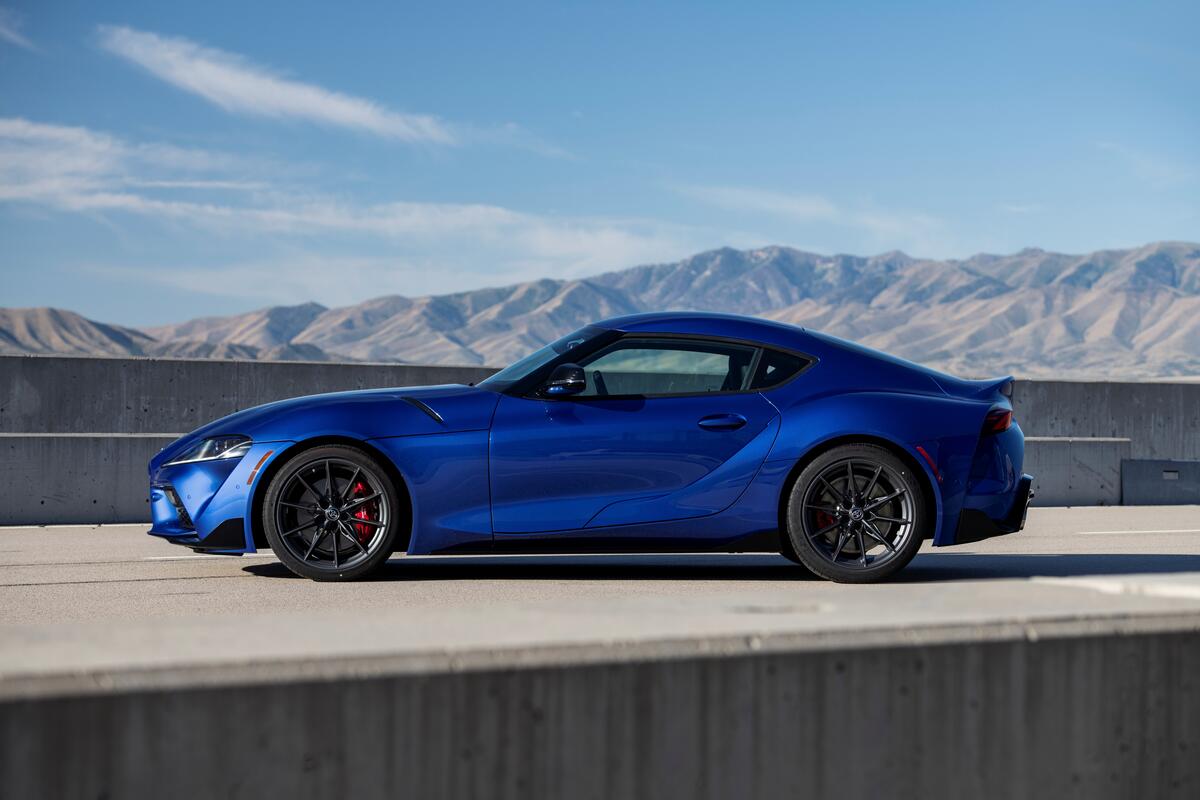
Toyota A90
"to go from what's legal there 92 98 92 okay so 92 and he went to 98 i think he went to one no it wasn't one it was a 90 i'm pretty sure it went to 98 okay so but they say it's like four or five pounds or six pounds i mean that's quite a bit that will maybe not that will tear"
The Toyota Supra is a sports car made by Toyota. People talk about it a lot because it can be modified to make more power. The podcast mentions it in relation to what fuel is used and how that can change how the car runs.
The Toyota Supra is a performance sports car known for its strong acceleration and driver-focused design. It often comes up in conversations about tuning and engine upgrades because owners may adjust how the engine runs for different fuel types. In the podcast, it’s referenced in the context of fuel/engine setup and how changes affect performance.
pounds
"they say it's like four or five pounds or six pounds i mean that's quite a bit that will maybe not that will tear your motor up"
They’re talking about how much extra pressure is being forced into the engine. More pressure can make more power, but it can also be harder on the engine if it’s not tuned correctly.
In drag racing, “pounds” here likely refers to boost pressure (how much extra air pressure the engine is fed). More boost usually means more power, but it also increases stress on engine internals and can raise the risk of damage if the setup isn’t right.
tuner
"he even told me that he said man show you know i don't tune ... i truly believe that he didn't know but at the end of the day you still gotta own it ... the the tuner puts you in a bad position there"
A tuner is the person who sets up the car’s engine computer so it runs correctly. In drag racing, the tune has to be right or the car can break or run into trouble.
A “tuner” is the person who calibrates the car’s engine management (fuel, ignition timing, boost control, etc.) to match the engine and track conditions. In drag racing, tuner decisions can be the difference between a safe, repeatable pass and an engine failure or rules violation.
stripped him of all of his points
"i'm pretty sure they stripped him of all of his points from that race"
“Stripped him of all of his points” means the competitor’s results were invalidated for the season standings, usually due to a rules infraction or disqualification. Points systems are how drag racing series track performance over multiple events.
deemed a cheater
"drag racing if you get deemed a cheater man it's bad once a cheater always a cheater man"
This is about being judged to have broken the rules. If officials decide you cheated, it can hurt your reputation and standing in the sport.
“Deemed a cheater” refers to an official ruling that a competitor violated rules—often involving illegal tuning, traction/boost control strategies, or other non-compliant setup. In drag racing culture, that label can carry long-lasting reputational damage even beyond the immediate event.
finals
"he didn't get to go to the finals erin wells went instead"
The finals are the last, most important round. The cars that make it there are the ones still competing for the win.
“Finals” in drag racing is the last round of eliminations, where the remaining top cars race for the win. Reaching the finals typically means you’ve advanced through earlier qualifying/elimination rounds.
paul gargis
"erin wells went instead to face gargis paul gargis and then paul gargis set the record yep and won the race"
Paul Gargis is the competitor they say Paul faced in the finals. They also say he set a record and won.
Paul Gargis is named as the opponent in the finals matchup and is credited with setting a record and winning. That implies a standout performance for the event.
erin wells
"he didn't get to go to the finals erin wells went instead to face gargis"
Erin Wells is the person they say replaced the original driver in the finals. They’re a competitor in that drag race.
Erin Wells is mentioned as the competitor who went to the finals instead of the original driver. The context suggests they were part of the same drag racing event and bracket.
ryan
"ryan did amazing at that race he did they don't have a lot of time on that car and he had no tuner on property"
Ryan is the driver they’re praising for doing really well at the race. They say the car wasn’t fully sorted and there wasn’t a tuner there.
Ryan is referenced as performing “amazing” at the race, with the speaker noting the car had limited time and no tuner on property. This frames Ryan’s run as impressive given the constraints.
struck the tire
"how did he end up losing oh he's he hit that he struck the tire against gargis"
That sounds like the car hit a tire barrier/obstacle during the run. In drag racing, hitting something like that usually means you lose the run because the car can’t keep going straight or safely.
“Struck the tire” suggests the car hit a tire barrier or tire-related obstacle during the run, which can happen if the car veers or loses traction. Contact like this often ends the run and can be a sign of poor traction, setup, or control at speed.
one more round
"all he needed to do is go one more round than us well he went more rounds any qualified better"
In eliminations, racers advance step-by-step. “One more round” means winning an additional head-to-head race so you go further in the bracket and usually score more.
A “round” is one elimination step in drag racing (e.g., first round, second round). Winning an extra round typically means advancing further in the bracket, which usually increases the points you earn.
qualify number one
"you get 25 if you qualify number one you get 25 points yes and then number two is 24 number three is 23"
Before the head-to-head races, drag racers do timed runs to rank the cars. “Qualify number one” means you were fastest in that session, so you start eliminations with the best advantage.
In drag racing, “qualifying” is the timed session where cars set their best elapsed time (ET) and speed to determine starting positions. “Qualify number one” means you were the top performer in that session, earning the best lane/position advantage for eliminations.
low et of the round
"literally every every everything you do matters like there's points for low et of the round there's points for low qualifier"
“ET” is short for elapsed time, basically how many seconds the car takes to go down the strip. “Low ET of the round” means the fastest time in that round, and some events give extra points for it.
In drag racing, “ET” means elapsed time—the time it takes a car to run from the start line to the finish line. “Low ET of the round” refers to the quickest elapsed time achieved during a specific elimination round, which can earn extra points in some series formats.
low qualifier
"points for low et of the round there's points for low qualifier there's there's there's points for everything so literally everything"
Qualifying is the timed practice/competition runs that set up the bracket. “Low qualifier” means the person with the fastest qualifying time, and some races reward that with extra points.
In drag racing, qualifying determines the starting order for eliminations based on timed runs. “Low qualifier” means the driver who posted the quickest qualifying time, and in some point systems it earns additional points.
darlington
"our our actual next race is uh the next outlaw syndicate race at darlington oh god it's gonna be hot darlington"
Darlington is a drag-racing track in South Carolina. In July it can get brutally hot, and that heat can make cars run differently and tires behave differently.
Darlington is a well-known drag-racing venue in Darlington, South Carolina, used for events in multiple drag series. The hosts note it can be extremely hot in July, which matters because track and air temperature affect engine performance and tire grip.
lifter
"except for stuff on the outside that sucks the lifters the lifters i think are okay"
A lifter is a small engine part that helps open and close the valves. It sits in the valve system and moves based on the camshaft, so if the lifters are fine, that part of the engine might not need replacing.
A lifter is a valve-train component that transfers camshaft motion to the engine’s valves. If the lifters are “okay,” it means the cam/valve actuation parts may still be serviceable even if the rest of the engine is damaged.
crankshaft
"the the crankshaft camshaft the block the head it's all bad"
The crankshaft is the big rotating shaft inside the engine that turns the power from the pistons into motion the rest of the drivetrain can use. If it’s damaged, the engine often can’t be fixed with minor parts.
The crankshaft is the main rotating shaft that converts the engine’s piston motion into usable rotational power. When someone says the crankshaft is “all bad,” it usually means the engine is beyond a simple refresh and needs major internal work or replacement.
camshaft
"the the crankshaft camshaft the block the head it's all bad"
The camshaft is the part that controls when the engine’s valves open and close. If it’s damaged, the engine’s timing and breathing can be wrong, so it often requires serious repair.
The camshaft controls valve timing by opening and closing the engine’s valves via lobes and the valve train. In drag racing, repeated high-load passes can damage the camshaft, which is why it’s listed along with other internal parts as “all bad.”
block
"the crankshaft camshaft the block the head it's all bad"
The engine block is the main metal body of the engine that holds the cylinders. If the block is damaged, it usually means the engine needs major rebuilding.
The engine block is the main structural casting that houses the cylinders and supports the crankshaft and many internal components. Saying the block is “all bad” implies serious internal damage, not just wear items.
timing pulled out
"that car usually just you get it out of because it's just numerous passes at 28 30 pounds of boost and it's a lot of timing pulled out of it"
“Timing pulled out” means the engine is told to spark a bit later than usual. That can help keep the engine from knocking when it’s under heavy boost, but it may cost some power.
“Timing pulled out” refers to reducing ignition advance (the spark timing) to protect the engine under high load. In boosted drag racing, pulling timing can help prevent knock/detonation, but it can also reduce power.
leak down
"probably should have done a uh after we put it all back together a leak down or compression or something just have a baseline"
A leak-down test checks whether each cylinder is sealing properly. They put air pressure into the cylinder and see if it leaks out, which can reveal problems before you run the engine hard again.
A leak-down test pressurizes a cylinder to check how well it holds pressure, helping identify sealing problems like worn rings, damaged valves, or head gasket issues. The speaker suggests doing one after reassembly to establish a baseline before making more passes.
baseline
"leak down or compression or something just have a baseline but i think it'll be all right"
A baseline is a starting measurement you record so you can tell if things get better or worse later. They want one after rebuilding so they know the engine is in good shape before racing.
In engine testing, a baseline is a reference measurement taken after work is completed so later results can be compared. Here, the baseline would help confirm the rebuild is healthy before making high-boost passes.
compression
"a leak down or compression or something just have a baseline"
Compression is how much pressure the engine builds inside the cylinders. Low compression can mean worn rings, valve issues, or a head gasket problem, so it’s a common check before hard driving.
Compression refers to the engine’s cylinder pressure during the compression stroke, which reflects how healthy the rings, valves, and head gasket are. The speaker pairs “compression” with a leak-down test as a way to get a baseline before racing.
oil pan
"out oil pan so i don't have to weld on yours uh just a few little odds and ends but no no big deal i'm gonna put it on he's gonna use the long block"
The oil pan is the reservoir at the bottom of the engine that holds engine oil. Swapping or modifying it can be necessary when fitting different engine components or when you want clearance for other parts in a custom drag setup.
methanol
"yeah he's gonna swap it to methanol because that's what that truck has been on doesn't really matter but it needs every chance that it can get"
Methanol is a special racing fuel. It can help the engine run cooler and more safely when you’re pushing big power, which is why drag racers use it.
Methanol is a fuel used in many drag racing applications because it can help control combustion temperatures and allow more aggressive tuning. Switching to methanol often goes along with changes to fuel system components and sometimes engine calibration.
stator
"they don't really seem worried about it spooling a circle deed did send me a new stator for it just to kind of help so because you know going it's basically 100 cubic inches that i'm losing"
A stator is a part inside the forced-induction system that helps guide airflow. Swapping one can help the setup build boost more effectively.
In this context, a stator refers to a component in a supercharger/turbo-related system that helps manage airflow and improve efficiency. The speaker is treating it like a tuning part to help the setup spool and make up for displacement changes.
cubic inches
"going it's basically 100 cubic inches that i'm losing yeah so send me a new stator every bit of 75 cubic inch yeah well it this new one's a 3 32 and it was a 4 27"
Cubic inches is a way to measure engine size. Bigger displacement usually means more potential power, so changing it can change how the engine performs on the track.
Cubic inches (cc-displacement in imperial units) is the engine’s swept volume, which strongly influences how much air/fuel the engine can ingest. In drag racing, changing displacement (e.g., 427 to 332) can require tuning changes and affects power potential and spool/boost behavior.
dyno
"but we're we're finna find out so get it all put back together and ready to go get it on the dyno make sure everything's good but aint been beating on that truck for a while so yeah"
A dyno is a machine that tests a car or engine while it’s strapped down. It helps you measure power and make sure everything is running correctly before racing.
A dyno (dynamometer) measures engine output—like horsepower and torque—under controlled conditions. Drag teams use dyno testing to verify tuning, confirm power levels, and catch issues before track runs.
mains
"get it all put back together and ready to go get it on the dyno make sure everything's good but aint been beating on that truck for a while so yeah it's one of those things that uh we needed to pull it out and just check everything anyways the mains are really gonna tell us what that thing's been doing"
Main bearings are the bearings that hold the crankshaft in place. If the engine has been under heavy stress, the mains can show wear that tells you what’s been happening inside.
Main bearings (often referred to as “mains”) support the crankshaft in the engine block. The speaker says the main bearings will reveal how hard the engine has been worked, because bearing wear patterns reflect crankshaft loads and flex.
stock crank
"it does have a stock crank in it and turning that procharger yeah that's sometimes that's not good a lot of times those those cranks will will they'll flex oh yeah so the middle bearings will take the brunt of that flex"
A stock crankshaft is the original crankshaft that came with the engine. With big power, it can bend or flex more than a stronger racing crank, which can hurt the bearings over time.
A stock crank is the factory crankshaft, not a strengthened or aftermarket racing crank. The speaker is concerned because high power and forced induction can cause crankshaft flex, which increases stress on bearings and can lead to premature wear or failure.
Procharger
"it does have a stock crank in it and turning that procharger yeah that's sometimes that's not good a lot of times those those cranks will will they'll flex"
Procharger is a type of supercharger system. It forces extra air into the engine, which can make a lot of power, but it also adds stress to engine parts.
Procharger is a brand of supercharger, typically belt-driven, used to force more air into the engine. Belt-driven superchargers can provide boost quickly, but they also increase mechanical loads on the crankshaft and bearings.
small tire
"there's there's 20 000 up for grabs at every one of these races for just a small tire just for the small tire not to mention the 5000 to win 530"
In drag racing, “small tire” means the rules limit how big your tires can be. That helps keep the race fair by preventing the biggest, grippiest tires from dominating.
In drag racing, “small tire” usually refers to a class/ruleset that limits tire size (and often related traction components) to keep cars closer in performance. It’s part of how race organizers separate competitors into categories so results are more about setup and driving than raw grip.
outlaw syndicate race
"we'll just leave florida and go up for the first outlaw syndicate race man when it comes down to it"
This is the name of a racing series/event they’re talking about. The hosts are discussing plans for which races to target next.
This refers to a specific racing series/promoter (“Outlaw Syndicate”) that the hosts are planning to attend or coordinate around. It’s a structural part of the episode’s discussion about where racers will go after cancellations.
blasted off a pass
"uh we took it down the road the other day and blasted off a pass i put it on the chip and everything"
That phrase is just drag-racing talk for “the car launched and accelerated really hard” during a run. It’s about how the car got going at the start.
This is drag-racing slang for launching hard and accelerating hard during a run (“a pass”). It’s describing the car’s start and initial acceleration phase rather than a specific mechanical component.
chip
"blasted off a pass i put it on the chip and everything uh probably need to test that thing pretty soon"
A “chip” usually means a performance tuning device for the engine computer. It can change how the car runs so it accelerates better and responds more sharply.
In drag racing and performance tuning, a “chip” typically means an aftermarket engine control module (ECU) or a performance calibration device that changes how the engine is managed. It’s used to alter fueling/ignition and other parameters to improve acceleration and consistency.
cutting lights
"for other things like cutting lights you know oh yeah it helps you like that button and stuff because if you can get really good cutting the light in that car"
In drag racing, “cutting the lights” is about how fast you react when the start lights come on. The quicker and more precisely you launch (without breaking the rules), the better your chances.
In drag racing, “cutting a light” means timing your launch so the car reacts extremely quickly at the start-line lights. It’s a skill measured by how fast you respond and how close you are to the legal reaction-time window.
promod
"because if you can get really good cutting the light in that car that doesn't react as fast as your promod then you'll be yeah you know you'll be really good in the promod yeah so uh ... i love promod"
“Promod” is a drag-racing category for heavily modified cars. The cars are built to run fast down the strip while following that class’s rulebook.
“Promod” is short for Pro Modified, a drag-racing class built around highly modified, purpose-built cars. The key idea is that these cars are engineered for repeated, high-level performance passes while still fitting the class rules.
triple crown stuff
"with what the hra has going on with their triple crown stuff like the the the promod"
They’re talking about a “triple crown” series—basically a set of drag races where doing well across multiple events can earn a bigger overall reward.
The hosts are discussing a “triple crown” format tied to the HRA’s current drag-racing program. In practice, these formats usually mean multiple events/rounds with a special overall prize for consistent performance.
winter series
"someone has a chance to win a million dollars right only one person has that chance only one person has a chance and it's the same person that had a chance in the winter series"
The “winter series” is a seasonal set of races. The hosts are saying the same person who had a chance to win there also has a chance in the current series.
The “winter series” is a seasonal drag-racing competition referenced as a prior opportunity for a driver to win. It’s mentioned as part of the same “million dollars” chance, implying a structured points/qualification setup across seasons.
Jason Harris
"i hope he wins it i do so so jason harris man he uh i don't know the dude like i i don't i've met him but like i've never really said and talked to him"
Jason Harris is a drag racer being talked about in this episode. The hosts are saying he’s doing really well right now and is hard for other racers to beat.
Jason Harris is mentioned as a drag racer who is currently competitive and expected to be a top contender. In this segment, the hosts frame him as the “guy to beat” because of his results and the support of his tuner.
Brandon
"he uh you know he's got brandon as his tuner and like their program is just kind of on point"
Brandon is described as the tuner for the car. A tuner helps dial in the car so it runs its best and launches hard and consistently.
“Brandon” is referenced as the tuner for Jason Harris. In drag racing, a tuner calibrates the car’s setup (fueling, timing, boost/control strategy, and launch behavior) to maximize consistency and elapsed-time performance.
triple crown races
"the other people here have adopted that same deal and if you win these three triple crown races you can win a million dollars well he won the opener of that"
“Triple crown races” means a set of three races. The hosts are saying the series is set up so winning all three can earn a million-dollar prize.
“Triple crown races” here refers to a three-race set with a cumulative payout structure. The hosts say that winning these three specific races can also earn a million dollars, mirroring the winter series format.
double header
"they're doing a double header like keith is doing"
A “double header” means two race events are run close together at the same track. So you get more than one chance to qualify and race during the weekend.
A “double header” is a schedule where two race events are held back-to-back at the same venue. In drag racing, that typically means multiple qualifying and race rounds across the same weekend.
Maple Grove
"the next two races are all in one spot at maple grove they're doing a double header like keith is doing"
Maple Grove is the track where these drag races are happening. They’re describing a weekend schedule with more than one race event.
Maple Grove is the drag strip location where the next races are scheduled. The hosts mention a double-header format there, with multiple qualifying and race runs across the weekend.
qualify it run it
"they're gonna have one race qualify it run it and then the third race they'll qualify it and run it also at maple grove"
This phrase means they’ll do qualifying runs first, then race runs. Qualifying helps set up where you go in the bracket, and then the real competition happens.
“Qualify it run it” describes the standard drag-racing flow: you make qualifying passes to determine starting position or bracket placement, then you run the actual race rounds. The hosts say they’ll do this multiple times at Maple Grove.
mid 50
"that's tough with having a car that they can go out there and drop a mid 50 on you at any given time"
“Mid 50” is a quick-time shorthand drag racers use for how fast the car runs in seconds. The point here is that the car is capable of running very fast times repeatedly.
“Mid 50” is shorthand for elapsed time in the mid-5.0-second range (e.g., 5.5x seconds) during a drag pass. The hosts use it to stress how quickly the car can run consistently, which raises the bar for opponents.
whole shot
"and then he lost this last race on a whole shot he did but it still was a good light"
A “whole shot” is when you launch so well that you get out in front right at the start. It’s basically winning the race off the line.
A “whole shot” in drag racing means getting the best launch and being first off the line—winning the start. The hosts contrast “whole shot” with the “light” timing, emphasizing how close the reaction-time performance was.
pits
"every you you hear the stuff going through the pits on man what happened to that and then you hear"
The “pits” are where the racing team works on the car between runs. If something breaks, this is where they fix it before the next attempt.
The “pits” are the service area beside the track where teams work between runs. Crew members diagnose problems, swap parts, and get the car back ready for the next pass.
motor apart
"they had the motor apart last weekend and they put this back in wrong yep like wasn't it wasn't"
“Motor apart” means the engine was taken apart and worked on. After that, the team has to put everything back together correctly or the car can fail on the next run.
“Motor apart” means the engine has been disassembled for service or repair. In drag racing, that can be necessary for reliability, but it also increases the chance of reassembly mistakes that cause failures during a run.
overflow drain
"the overflow drain came out and that's what went under his tire"
An “overflow drain” is a small drain that catches extra fluid so it doesn’t spill everywhere. If it comes loose, fluid can leak onto the tires and cause problems during a run.
An “overflow drain” is a drain path used to route excess fluid away from a component. If it comes out or isn’t seated correctly, fluid can leak onto tires or hot surfaces, creating traction issues or even safety problems.
rods
"some of that is but the rods were still in the motor because it was running so it couldn't have been a rod kick"
“Rods” are internal engine parts that connect the pistons to the crankshaft. If the engine is still running and the rods are still there, it suggests the problem isn’t a rod failure.
“Rods” refers to connecting rods inside the engine. If the engine is running and the rods are still in place, it rules out certain catastrophic failures (like a rod failure) as the cause of what the team is seeing.
rod kick
"so it couldn't have been a rod kick you know"
“Rod kick” means an internal engine part (a connecting rod) fails badly. When that happens, it can punch through parts of the engine and usually ends the run.
“Rod kick” is a drag-racing/engine failure scenario where a connecting rod breaks and can “kick” out, often causing severe damage. It’s used as a quick diagnosis term when teams suspect a catastrophic internal failure.
quad zeros
"that carolina kid went quad fours quad zeros yes and won that race but he won did he is that the nha race that uh collins won did he beat him in the final i think so i'm pretty sure i wasn't sure quad zero is insane quad zeros in eliminations"
“Quad zeros” is drag-racing slang for an insanely quick time slip. It means the car is running times so fast that the numbers start with a bunch of zeros.
In drag racing, “quad zeros” refers to running an extremely fast elapsed time in the 0.000-second range (i.e., a time that starts with multiple zeros). It’s shorthand for elite-level performance and is often discussed in the context of qualifying and elimination rounds.
eliminations
"quad zero is insane quad zeros in eliminations yeah in the finals not of eliminations for what 125 thousand dollars or something is what it what it was"
In drag racing, “eliminations” are the bracket rounds where you race another car directly. Win and you move on; lose and you’re out.
“Eliminations” are the head-to-head rounds in drag racing where racers advance by winning their matchup. It’s distinct from qualifying, where cars set times to determine the bracket.
HRA
"that's another guy that that can drive i mean he's making huge noise in hra right now like big big yep with that old screw combo that just can't hang"
“HRA” is the name of a drag-racing series/organization. When they say someone is “making huge noise in HRA,” they mean they’re doing well in that specific competition.
“HRA” is a drag-racing organization/series abbreviation referenced as the venue where a driver is currently performing well. It helps listeners understand what competition circuit the hosts are talking about.
screw combo
"making huge noise in hra right now like big big yep with that old screw combo that just can't hang you know yeah i'm so tired hearing the screw"
A “screw combo” is slang for a particular kind of forced-induction setup. It usually means the car uses a blower design that changes how it makes power.
A “screw combo” likely refers to a supercharger type (a roots/screw-style blower) paired with the rest of the engine’s forced-induction setup. In drag racing, blower type strongly affects boost characteristics and how the car behaves under load.
sandbagging
"yeah i know that who's the one guy that was sandbagging that didn't make a pass press round or whatever the guy who put a pro line him oh no no no it's not a pro line he just put a hearts charger on his car you're talking about uh decker decker yeah said that he's gonna show everybody how they've been everyone's been sandbagging"
“Sandbagging” means someone is not trying their hardest on purpose. In racing, it can be used to hide how fast they really are.
“Sandbagging” in racing means intentionally underperforming (or not showing full capability) to manipulate outcomes like bracket position or perceived strength. It’s often discussed when teams think others are holding back rather than racing at full potential.
pro line
"yeah i know that who's the one guy that was sandbagging that didn't make a pass press round or whatever the guy who put a pro line him oh no no no it's not i don't think it's it's still not a pro line he just put a hearts charger on his car"
“Pro line” sounds like a racing label—basically a category or setup name. Here it’s mentioned as something different from another modification the car has.
“Pro line” appears to refer to a specific drag-racing class or setup label used in the sport’s community. In this context, it’s being contrasted with “hearts charger,” suggesting a difference in the car’s configuration or category.
supercharger
"it's still not a pro line he just put a hearts charger on his car you're talking about uh decker decker yeah said that he's gonna show everybody how they've been everyone's been sandbagging"
A supercharger is an add-on that forces more air into the engine. More air (and fuel) usually means more power—especially helpful for drag racing.
A supercharger is a forced-induction device that compresses intake air to increase engine power. In drag racing, it’s commonly paired with high-boost setups to achieve very fast acceleration and elapsed times.

Dodge Charger
"...'s it's still not a pro line he just put a hearts charger on his car you're talking about uh decker decker ..."
The Dodge Charger is a car made by Dodge that’s built for power and quick driving. People often customize them with different parts. The podcast brings it up in the middle of a discussion about a Charger being worked on.
The Dodge Charger is a full-size, performance-oriented sedan/coupe-style muscle car that’s popular for its power and street presence. It’s frequently discussed because there are many trim levels and aftermarket parts available. In the podcast, it’s mentioned alongside a “charger” reference, suggesting it’s part of a build or customization conversation.
wheels in the air
"i mean they've they've done well with it that car comes off the trailer and it's fast every single time it wheels in the air and 60 flat off the trailer pretty much everywhere he goes"
It means the car lifts up during the start because it’s putting down so much power that the tires can’t keep it planted. It’s a sign the car is very strong off the line, but it can also be hard on traction and control.
In drag racing, “wheels in the air” describes a car lifting off the ground during launch due to traction and torque. It usually means the car is making enough power to overcome the tires’ grip, causing wheel hop or a wheelie depending on the setup.
60 flat
"it wheels in the air and 60 flat off the trailer pretty much everywhere he goes"
In drag racing, “60 flat” is how fast the car gets to 60 feet from the start. A lower number usually means the car launched hard and hooked up well.
“60 flat” refers to a drag-racing time measured from the start to 60 feet. It’s one of the most important indicators of launch quality—how well the car hooks up and accelerates early.
no prep race
"there was a big no prep race this last weekend small tire deal down in texas"
A “no prep” drag race means the track isn’t specially cleaned or made grippy. Because the surface is unpredictable, it’s harder to launch consistently.
A “no prep race” is a drag race where the track surface isn’t prepared (no sanding/cleaning) to create extra grip. That makes traction less predictable, so launches and tire choice matter even more.
wings
"i was so glad to see somebody win without one of those stupid fucking wings dude"
“Wings” are the big aero pieces on the back of a race car that push the car down onto the road. They can help traction, but they can also slow the car down a bit due to extra air resistance.
In drag racing, “wings” usually refers to rear aerodynamic wings used to generate downforce. More downforce can help the car plant the tires at speed, but wings also add drag and can be controversial in certain classes or setups.
pro charge car
"well it was a pro charge car it was pro charged yeah when he got it from bobby"
A “ProCharger car” means the engine is using a supercharger. A supercharger forces extra air into the engine to make more power.
A “pro charge car” indicates the car uses a ProCharger-style supercharger system. Superchargers force more air into the engine, boosting power, and the exact setup strongly affects boost response and traction.
20s
"if you could run 20s you could mollywap some fools now if you run 20s you might get past first round"
When racers say “20s,” they’re talking about how fast the car runs in seconds—basically a quick way to say the time is in the 20-second range. Faster “20s” usually means you’re more likely to advance in the bracket.
In drag racing talk, “20s” usually means running in the 20-second range for the quarter-mile (or another short drag distance). It’s a shorthand for how fast the car is, and it’s used to compare competitiveness round-to-round.

S10
"dude in that truck uh that green truck that man will oh dude that thing was fast that thing so it outran that little s10"
The Chevrolet S10 is a compact pickup that’s popular in drag racing because it’s relatively light and easy to modify. In this segment, the S10 is being compared directly to a faster “green truck,” highlighting how competitive these builds can be.
all-wheel drive
"the s10 was the one that went to cletus's rural drive all-wheel drive and then came to thunder valley"
All-wheel drive means power goes to all four wheels. That can help the truck get traction at launch so it doesn’t just spin its tires.
All-wheel drive (AWD) sends power to all four wheels. In drag racing, AWD can reduce wheelspin and improve launch consistency, especially when traction is limited or the car is making huge torque.
Thunder Valley
"the s10 was the one that went to cletus's rural drive all-wheel drive and then came to thunder valley oh it was and then won that backside deal"
Thunder Valley is the name of a drag racing event/venue. The hosts mention it to say where these trucks raced and who they beat.
Thunder Valley is a drag racing venue/event name referenced in the segment. It’s used as a marker for where the truck competed and how it performed against other “heavy hitters.”
primer black
"lowered black s10 with the yeah the like primer black yeah okay"
“Primer black” means the truck is left in a primer-like black finish instead of a fully painted look. Some racers do it because it’s faster and tougher for track use.
“Primer black” describes a bare or minimally finished black primer look on the truck. In drag scenes, this aesthetic is common on race-prepped vehicles because it’s quick and durable compared to full paint.
coilovers
"oh okay maybe just where he put the coils at threw me off oh he put on a valve cover they're on the cover"
Coilovers are suspension parts that let you adjust how the car sits and how it absorbs bumps. In racing, they help you tune grip and handling.
“Coilovers” are adjustable suspension units that combine a coil spring and shock absorber in one assembly. Drag racers use them to tune ride height and suspension behavior for traction and weight transfer, and the speaker is discussing where the coilovers were mounted/installed on the truck.
valve cover
"oh he put on a valve cover they're on the cover"
A valve cover is a cover on top of the engine that protects the moving parts under it. People notice it because it’s visible and can hint at what engine parts are installed.
A “valve cover” is the protective housing on top of an engine that covers the valve train area. The hosts are using it to describe what parts are visible on the engine bay and how the truck’s front-end/engine packaging looks.
Request an Explanation
Heard something you'd like explained? We'll add it to this episode.
Sign in to request explanations for terms you heard.
Want to learn more?
Browse our glossary for plain-English explanations of automotive terms, jargon, and concepts.
Help improve this episode
See something that's not quite right? Our annotations are AI-generated and can sometimes miss the mark. Click the flag icon on any annotation to suggest a correction.