HPTuners makes special computer programs that let you change how a car's engine works to make it faster or better. Mechanics and car enthusiasts use it to tune cars.
Flex fuel means a car can use different types of gas, like regular gas or a mix with alcohol. The car knows what fuel it's using and changes how it runs to work best.
The Pontiac G8 is a sporty car that looks like a sedan and has a strong engine. People who like cars often enjoy working on it because it drives well and is fun to fix.
The Ford Mustang is a famous American sports car that many people like to modify and work on. It's often used in schools and by car fans to learn about fixing and improving cars.
The Dodge Challenger is a well-known American muscle car that many people enjoy working on and improving. It's a favorite for car lovers who like powerful cars.
A wide band sensor helps the car's computer know exactly how much fuel and air are mixed in the engine, which helps it run better, especially in cars with turbochargers.
Concept
E85
E85 is a type of gas that has a lot of alcohol mixed in. Some cars can use it to run better, but not all cars are made for it.
Oxygen sensors are little devices in the car that check how much oxygen is in the exhaust. This helps the car know if it needs more or less fuel to run well.
RC cars are small cars you can control from a distance with a remote. Some run on batteries, and others have tiny engines that need fixing and tuning, which helps people learn about cars.
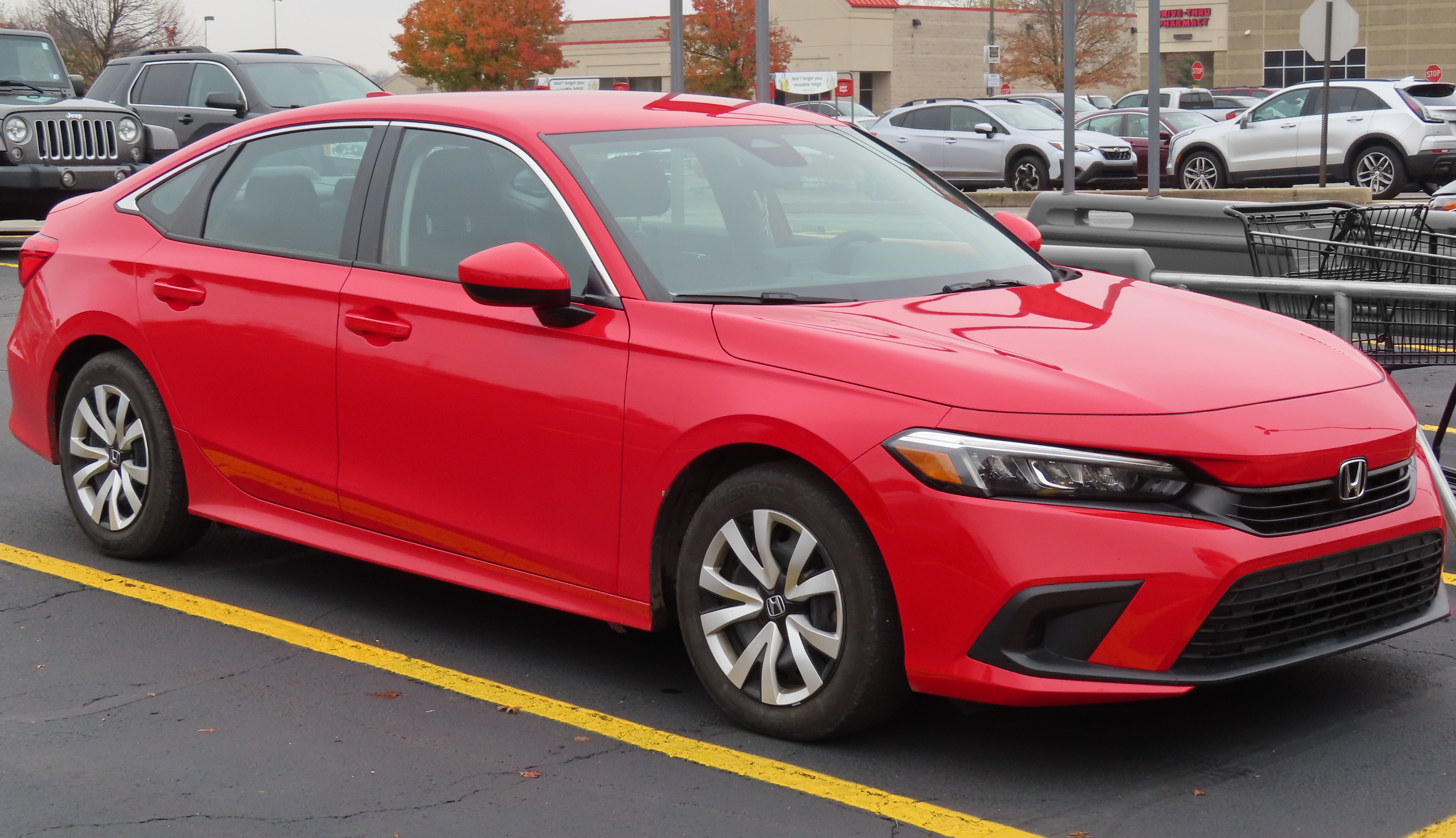
The Honda Civic is a small car made by Honda. It's popular because it uses little gas and is easy to take care of. The 1996 model is an older version that many people still like for everyday driving.
LIVE
It's tough in the shop.
Every man for himself.
That's not true.
There is teams everywhere.
People do help each other out.
Good people help each other out.
Because good people can see that
when me and you do something together,
we're two and a half times successful
instead of two times successful.
Welcome back to Beyond the Wrench.
My name is Jay Gannon and I am your host.
Today we're joined by Garrett Jacobson,
an automotive technology instructor
at Hawkeye Community College,
who's focused on preparing the next generation
of technicians for successful careers
in our industry.
In this episode,
we'll talk about Garrett's journey
into automotive education,
what he's seeing from students entering
the industry today,
and how educators and shop leaders
can work together to build
a stronger technician pipeline.
How are you?
Not too bad yourself?
I am doing good.
So I had the pleasure of meeting you
as we record this just about a week ago.
You and I were on a roundtable
at the Vision High Tech Conference in Kansas City.
And I have to start by saying,
your energy just captured me, right?
You brought this different level of energy.
I think the room really took note of that.
And you just have a presence about you
that was just amazing.
So I've been looking forward to this.
I think this is really, really cool
that we were able to get you to come on the show.
I appreciate it.
I'm glad that it's noted as a good thing.
Sometimes I get to hear that I have too much energy
or I'm too loud.
So matter of fact,
I think I was actually told
that I was too loud at Vision at one point too.
So you'll have that.
So I was on the other side
of the too loud conversation, right?
And it was, I believe,
you were going through and doing some software training
you were doing.
What were you teaching on in the other room?
Yeah, and HPTuners related stuff.
How to use what is commonly thought of
as a tuning software and breaking the law.
How to actually use it for good for students.
Because this is engaging and it's really cool to them.
So to be able to use that software in your classroom
and also to really understand what a mass airflow table it
really is, they can see a picture of it
instead of seeing the sensor and the operation.
So like us as instructors,
how to use that for good, essentially?
I will admit, I was in the other session,
but because you were talking about HPTuner stuff
and that seemed maybe a little bit more intriguing
than the conversation I was a part of,
my ears were definitely drifting that way.
And I was wishing that I was in that class
because that sounded,
it sounded really, really cool.
And what an awesome tool to be able to appeal
to the younger generation,
to the car community in general,
HPTuner is a fantastic company, just really cool class.
It's always, I mean, here at the college,
it was a weird thing for some people to go,
oh, wow, you're using HPTuners with your students?
That doesn't seem right.
Like, oh, you must be deleting emissions.
And that is completely not even the narrative.
It's a great scanner, truly a great scanner.
It's on the students' laptop.
They download the software free.
We have the hardware.
So what better thing to use than that?
The logging of it is phenomenal.
They think it's cool just because it's fancy
and fuels tuning.
Even we're not even using the editor.
On my side of it, for my computerized controls classes
and stuff like that, I'll use it as far as,
I'll read a module and I'll show them,
hey, this is what a speed density table looks like.
Like, this is what's in the module, guys.
This is what a multiplier table looks like.
So when the vehicle's cold, it looks at this
and it says, yeah, add this much timing
or if it's got flex fuel, it does this.
So they can see those things,
but being able to, for us as instructors,
to throw it out to those students, they love that stuff.
And it's cheap too.
It's 400 bucks for some sort of scanning
diagnostic tablet device.
You can't beat the cost of something like that.
So that's why we have a bunch of them here in our shop.
I mean, the students love it.
They grab it.
Yeah, we got the top-downs and zoos and hotels
and all the OEM stuff, but it is a commonly sought out one.
They go grab it immediately.
How did you get into that part of the world, right?
Because I think it's so cool.
I do think, as cars continue to get more complex,
I think that's a really cool way to teach
different things that you're trying to land home
when it's one of those cool things
that maybe would appeal to a student.
But how did you get started in it
and kind of tinkering around with computers?
Because that's some pretty advanced stuff.
When I was 16, I had my first set of keys.
And of course, like every other young individual,
we try to make our stuff go faster.
And I like third disclosure.
I was that Honda guy that everyone hated,
like the loud Honda.
Yes, that was me.
You had the coffee can?
Oh, yeah, yeah.
And does my wife make fun of me for this?
Yes, but remind her that she's been with me now.
We've been together almost 20 years now,
so she's stuck with that guy.
But that was just my passion,
was trying to make cars fast.
And it blended into what I ended up doing in the field.
I went to school for this stuff
and doing engine-derivability diagnostics,
advanced electrical stuff.
But I had a Honda and I had to figure out
how to make this thing faster.
And back then, we were taking the EEPROM
and making an electronically erasable EEPROM
and soldering into the board on a P28 module on those.
And it kind of grew from there.
And the reason I did it, just like every other 16-year-old,
I didn't have a lot of money.
But I did have the internet.
And I could read things and I could figure things out.
This was like, while I did mess some things up on my own,
I figured things out in cheap ways to make stuff work.
And it grew from there.
Eventually, then it was like, okay,
I had a lot of people that like general motors products.
So I was like, okay, I can figure out
what the tuning software is for that.
And then that's where HP Tuners came in.
And it was like, okay, I can make some money doing this
on the side.
And so I was like, okay, I'll start tuning some vehicles
here and there.
And then it kind of exploded from there in a good way.
But I will honestly say that tuning
made me a better diagnostic technician.
Because even today, I still have a chassis dyno at my own shop.
It's just like my hobby shop, just to be clear.
It's not like it's a full-on thing or anything.
But I would say 80-plus percent of the vehicles that come to me
have a problem.
So I have to electronically or drivability diagnose
whatever the issue is, just to tune it.
And that's where it really makes great case studies
for students, because it's like cool.
It's like a cool car.
It's a Mustang or it's a Challenger or a Camaro or a G8
something, right?
But I was too cheap of a kid to pay somebody else to do it.
And I had the resource that everyone has, the internet.
And it's even more powerful now than it was then.
So we can get these things.
And I guess I had the drive to figure it out.
And it worked out.
And it's been fun.
It's just a different part of the world that I've been able
to dabble in.
And some of my students, a lot of students come,
and they don't come just because they're like,
yeah, I want to do work.
As an automotive instructor, they don't always like,
yeah, I want to go work on an independent or a dealership.
They came because they thought cars were cool.
And I was that person.
And I can see that.
And some of them do work.
We've had students leave here, Iowa,
go work down in Florida, or in Atlanta,
at different performance shops.
It's not uncommon.
Unfortunately, we got some of those connections now
to be able to do that stuff.
There's different avenues in the automotive world.
It's not just one avenue.
There's a lot of other things.
And being able to myself go that direction with it was fun.
And then be able to see students go that direction
was enticing fun to see everything happen with it, too.
Did you freak out at all when you were 16 years old,
And I'm like, okay, so I go ripping the igniter out
and ripping the coil out.
And I put it all back together and it doesn't run.
I'm like, oh, like this is bad.
Like you asked me this scenario, this is what happened.
Well, it's just that I didn't put the spark plug wires
back on in the correct orientation.
Like how simple of a fix was that?
Well, like as a 16 year old,
he didn't know all those things.
So, oh yeah, but I lived those scenarios.
When you get, when you get forced to figure it out,
it's amazing how resourceful you can be.
Yes, absolutely.
So it worked out.
There was times that I blew stuff up in my own cars.
I became, the reason that I own a chassis dyno now
is because I bought it from the people at the machine shop
that I worked with for the last 15 years.
And you can imagine why I became best friends
with these people as a machine shop.
Well, because I broke a lot of stuff.
I think that's an underrated way of learning.
We talk about it a lot about having to screw something up
in order to kind of learn.
And I love people that have the same mentality that you do,
which is really that learned lesson from a failure
and how important that is because that's what sticks.
I feel like that sticks better than anything else.
I made a post on my Facebook page about it
with one of my students yesterday,
like honestly, one of my best students too.
He's phenomenal.
Not just as like a technician, but as a person.
And he goes over to do the most simple thing.
He wanted to do a transmission service on his car,
pull the pan down.
And this is the kid that wore five quarts of fluid
and it's all over the floor.
Like, this just doesn't happen to him.
But it happens, he learned from it.
The biggest thing is like getting anyone,
just reset, whatever happened,
who cares, move on.
And he did.
I got a picture of it.
He's just soaked and I got a picture of it.
It's all over the floor.
It's just gross, but move on.
It's fine.
And he knows now that that bin,
we got to have that up at the top of what we're draining in.
It's got to have that foam stuff on it.
So it doesn't go splattering and flying everywhere anymore.
He knows, he won't forget it now, I guarantee it.
As somebody that's done that before,
that's a different level of smell, right?
It just feels like it seeps into your skin
and it takes a couple of days
to really feel like you're clean again.
Yeah, I mean, I'm not gonna lie,
I didn't go smelling already today,
but I guarantee you smelled that same way that you did yesterday.
All right, so you start by tinkering at 16.
What path led you to where you're at today then?
How did you get truly into automotive?
So I was very fortunate with our local high school
that they did what was called as a tech prep program.
And then what that meant was as a junior in my high school,
I could go take the gen eds
that were required for the automotive courses.
So I did that.
And then as a senior, I could be integrated in 100%
with the core automotive students
at this college that I was gonna go to.
So even though I was a senior in high school,
I didn't go to high school.
I went straight to the college.
You wouldn't have known,
besides I was the small kid in the class,
you wouldn't have known that I was anyone else
besides a traditional college student.
So I had a leg up that way.
I didn't pay for that first year schooling.
It was free to me.
And I'm fortunate that one of those instructors,
I ended up being able to work with him then afterwards
as an instructor, but he was one of my instructors.
I went there for a year as a high school student.
And then the second year of the program,
I'd actually, I got scholarships
because I was a high school student.
Weirdest thing.
So I didn't ever have to take any loans
or anything out to go to school.
And in the meantime, I bribed
because I wouldn't stop knocking on the doors
of Charlie's auto repair.
I was like, Hey, you got to give me a job.
You got to give me a job.
Poor Charlie and Mike Brass gave me a job.
And I stuck out with them for quite some time
through school and even after school,
working in an independent repair facility.
You know, and even though like this, this tuning stuff,
it's really fun.
I was that guy in the classroom that my instructor, Rob,
we're over in the corner.
So what are you guys doing?
Well, that's, that was my first time I ever
chipped a P28 and a Honda module,
like 100% two-through without an issue.
Was that in that classroom?
Because they had like the nice soldering guns and stuff.
It's like, I got this.
And you should be looking at space.
We're in steering suspension class
and I'm over in the corner soldering a board.
And you still make fun of me to this day about it,
but hey, it is what it is.
No, I did that for a while.
And then I went to, I was, I think it was like 19-ish.
And I went to work for another local repair facility.
Just better pay.
I mean, as a technician or a nomad,
and I was looking out for that.
And there was a, it was great, great owner, great shop.
Still one of the like better growing shops in the, in the area.
And I worked on more European stuff, even at that shop.
More, I would say luxury.
It was in Clear Lake.
So there's a little bit higher of a clientele
than I was used to in a good way.
That was totally fine.
And it was awesome.
I, this girl walked in the shop one day
and I was like, I like her.
I wasn't going to say it because it was the guy that owned it.
He was young.
It was his sister.
Oh.
Two years later, I left that shop
and I moved in with his sister down in Iowa City.
And now that's my wife.
So you can imagine how like some Christmases went for a little bit.
But hey, I got a really cool wife.
And unfortunately, my brother-in-law now
is the one that lost out a little bit there.
So sorry, Adam, but it worked out.
But now I get to follow her around for a while after that.
We went to Iowa City so she could finish her schooling
and then to St. Louis so she could finish more schooling.
And then that's where I actually started to instruct.
And I came back to Iowa here
and worked at a college, North Iowa Area Community College.
And that's where I went to school.
So it was like full circle here.
Like I went out and worked in the field for a while
and I came back and now I'm an educator.
They hired me and I was like, I don't know how this happened.
This was awesome.
And it was fun.
It was great.
We did that for five years.
And we decided, my wife and I, we weren't able to have kids.
So we're like, you know what?
Let's move around the world.
I got an offer with the tuning school to go teach tuning.
And that's always been my background passion to teach tuning
and to be in that field.
And so I did.
So we moved to Florida.
We're like, screw it.
Iowa, you're home to us.
This is awesome.
But I don't think too many people could turn down that offer
to go live in nice warm weather.
So we did.
And it was good for a while.
And not that it was ever bad, but it is different lifestyle.
And that's totally fine.
But we're blessed by the grace of God to be able to figure out
that we were able to have a kid.
So we, I don't know how it happened, but it happened.
We tried for five years and it's not gonna,
and then we get to this and we're in Florida water now.
I don't get it.
But so we moved back to Iowa.
And that's where I landed with Hawkeye Community College.
And I've been here for seven years now.
And it's been a whirlwind.
You know, we've had a great program and it was good.
And we just keep building on the successes that we had.
And we're an ASC certified program now.
We weren't when we started and a lot of things have changed.
We're actually in a whole brand new building now too.
So we're going from 14 hoists in like 26 Bay Shop
to now 18 and 32.
So like it just keeps getting bigger and bigger.
And it's been a fun journey this whole.
I must admit.
Nothing to complain about.
We're going to talk a lot about your enthusiasm
because I think that's a big part of why that program's growing.
But I do have a couple of questions.
One first general comment.
Your wife must be a saint for,
she never escaped the automotive world.
She just kind of kept getting herself further into it.
But then the other part that I want to ask about
as it related to you going into a shop,
you had this interest with tuning.
And I think where we face a big disconnect
with a lot of young people coming into a shop is,
yeah, we love tuning, love the performance side
or love different parts of the industry.
But then having to work through kind of the,
you've got to get through your bumps once you get into a shop.
And how did you manage that part of like,
I really love this part,
but am I going to have to go start doing some maintenance
to start off with?
Or how did that transition work for you?
I mean, like any other person,
no one took me seriously as a 16-year-old,
120-pound wimpy kid walking into a shop.
That's not what happens.
So you have to start by doing the grunt work,
for lack of better.
And that set me, I do not like doing,
rather than Iowa, brake lines are the worst thing
because they're rusty.
I see that.
Yeah.
You're right there with me.
It's terrible work.
But I'm fortunate that I found that out.
And I don't like alignments really either
because it's not that they're hard,
it just, I don't like rusty drippiness on top of me.
And I did do these things.
And that set me up to go this direction
with drivability and diagnostics.
And pretty much my last five years in the field,
that's all that I did was electronic drivability,
direct diagnostic stuff.
That's it.
Because I found out really fast
that I do not like doing brake lines.
It's not enjoyable.
So if that's the truth,
but I want to be in this field,
I need to figure out what to do to get to that point.
And I'm very fortunate that I had Mike Brass.
I owe this guy millions of dollars in multiple lives
because without him, he pushed and I'd watch him.
He was like a wizard when it came to any vehicle
to come in with a no start.
And he'd be doing this and then this.
And I'm over here in the corner doing an oil change,
just watching like what's going on.
How is this happening?
And fortunately, and I work with him to this day,
we do all kinds of stuff, I've worked together,
and we're always networking on all kinds of things.
And it's amazing.
And now I actually got him on the HP Tuner side of stuff now too,
like pretty deep in a grip rope.
But it was a passion, but it's not realistic
in a lot of cases to believe
that you're only going to do performance work.
I still need to make money to pay
for the things that I enjoy.
The other thing is, I don't know,
if you enjoy something so much,
do you want to do it every, every single day
and then get burnt out on it?
And that's kind of how I felt about some of the performance stuff.
Like I enjoy that, but do I want to do that every single day?
And I'm not going to lie,
I did find that in working with the tuning school,
that teaching that, my passion,
I am blessed to be able to teach students
that are at the community college.
That is, I love it.
I think there's no replacement for it.
I go out and I do seminars and I teach for Snap-On
and the tuning school stuff and any of this other stuff.
And I'm fortunate to do those things and I enjoy that.
But the day-to-day camaraderie
and the people that I deal with here today,
that's what it's about for me.
Like it hits, I feel like I can just,
I can just kill it with those guys.
Not that I can't with any other group,
but like the pride and the passion falls out on that.
But, you know, I would go in these shops and I would work
and I would recognize at night,
I wanted to go do these different things.
And I never ever pushed for any of my employers to go,
hey, let's do some of these tuning things.
Let's do some of these tuning things.
It says, quite honestly, there's not a whole,
if you're doing so small of it,
there's not a lot of money to be made in it.
I can make so much more money doing a break job
or struts or an alignment or an engine or a head gasket
or a misfire or whatever it is.
So it wasn't anything to ever push.
It was a passion versus a job in most cases.
And, you know, being an instructor, full disclosure,
we got summers off, you know, we do have some free time.
So I did create a tuning business
and I got rid of the tuning business actually
because it grew, grew, grew and we got rid of it.
And now somebody, it's a full running thing.
One of my old students actually was one of the people
that ran it for quite some time.
But it's really cool to be able to see that kind of stuff,
but it's never been a passion of mine
to just sit on that side.
My passion's always been just teaching,
to getting people to just that light bulb moment
and enjoy what, for that first six, seven years of my life,
that I loved this stuff.
I loved drivability.
I mean, there was some, it's hard today.
It's a lot harder than it used to be.
You know, I'd have a Vortech vehicle come in
and it's got a misfire.
Well, it's a pop it nozzle fuel injector.
It's this, it's a Ford with the, it was easy stuff.
And now, not that it's not easy anymore,
but it's definitely going to be difficult.
So, which is fun.
That's the challenge of all this.
Well, in using that HP tuner's example of what you do
and how appealing that is to a young person,
I do feel like there's so much to be learned
and it's a different style of teaching it.
Because in a lot of ways,
you're still teaching the fundamentals of engine performance,
how an engine runs.
And I think nothing drives me crazier
than if I go to a school
and you'll hear the students talk about boost.
Yeah, boost bro, boost, boost.
And I'm like, you don't even know what that means.
Like you're talking about it,
but you don't know what it means.
Whereas if you're dialing a car in
and you are actually playing with figures
and you're trying to truly tune a car,
it's, you can't help but learn it, right?
You're going to learn what it actually does,
which does help you diagnostically,
regardless of what direction you go.
And it just piques attention
to where you're going to pay a little bit more attention to it
because it's fun.
100%.
And that's where, if you know why it's doing it,
like the module, if I'm tuning it
and I know why it's doing it,
now on the outside, I get to the next car,
I know why something happened.
I can understand the process a lot better.
Like my brain goes a different direction
in a lot of other people
because I understand what's happening inside the module.
It's really funny when people,
like they're talking about a dodge
and they're like, oh yeah,
that's a speed density vehicle.
I'm like, no, it's not.
Everyone thinks it's speed density
because it's got a map sensor,
not a mass airflow sensor,
but it's actually an artificial neural network.
It's a completely,
it's a speed density base,
but it's an artificial neural network.
And people just, oh, what's that?
It doesn't matter, I'll just fix the map sensor.
Like, but it's just a different process of thinking
when you get to some of that stuff.
You know, with the students on this,
you mentioned something with Booze.
You know, one of the things that I do with,
I just left fuel systems with my students
and getting them to understand
what open loop is versus closed loop.
That's fine, but getting them to see
the difference between open loop and closed loop.
And on a scan tool,
seeing it switch from open to closed loop
or why when it goes wide open throttle,
when the car goes wide open throttle,
it goes back into open loop instead of closed loop.
I put the car on the dyno
and they beat the tarnation out of this poor Cavalier.
It's old, I should probably get rid of it.
It's like a 2005 Cavalier, but it won't die.
It genuinely will not die.
So while we use it to this day for this,
and they go, oh, okay.
So, you know, it spikes rich.
They could see that.
It spikes rich when it goes wide open throttle.
And they can see that it goes into open loop.
Then closed loop comes back in when it's cruising.
And they see these things.
And then we put a Pontiac Solstice on
that has, it's a turbocharged vehicle,
wide band equipped in it.
Never goes into open loop.
Why, when it goes wide open throttle here,
it's because it's a wide band air fuel sensor.
Like this, the silliest things using HVDers
and looking at these pieces, it clicks for these guys.
And they had fun doing it.
That's like the biggest thing.
Because I remember learning some drivability stuff
and I'm like, it was honestly kind of painful sometimes.
Because it's not all hands on work.
It's a lot of really understanding difficult things.
So we got to figure out a way to make it fun,
these difficult things.
And that's one of them.
Even, you know, E85 in a vehicle.
I, this poor Cavalier, it's not a flex fuel-based vehicle.
And as it's running, we're looking at the fuel trims
in the graph.
And it's, you know, it's running and it's got gas in it.
And then it's sitting on the diners idling
and they see the fuel trims zero to, you know, one, two, three.
I just straight dump some E85 in it while it's running.
And they watch the fuel change, change, change, change, change.
I'm like, okay, now go do a full throttle pull.
They're like, hold on.
You just told us that.
Is it going to go super lean, like 30% lean?
I'm like, yeah, it's not going to die.
Eventually it's going to.
I'm going to get in trouble.
But that's okay.
That's for another time.
My Dean might be mad at me when we blow up a car or two.
But it's okay.
But I'll make them do a full throttle pull
with straight E85 in this.
You guys are probably thinking, this guy's crazy.
And that's the truth.
I am crazy.
But they see that oxygen sensors start to like sneak up
just images of the pegs lean.
It's like 100 millivolts.
They're like, whoa, whoa, whoa.
And it starts backfiring and popping and stuff.
I'm like, but it ran good for a second Garrett.
Yeah.
Because remember those fuel trims and closed loop
were fixing it.
They weren't fixing it.
They were adjusting to understand that there was a problem
and try to fix what it can within the problem.
But remember open loop.
It can't do that anymore.
And they get it now.
And then they can, and in Iowa, that's not in your land.
It's not uncommon for somebody to accidentally
put the cheapest fuel in their vehicle.
It happens all the time.
Why?
For sure.
They see this.
They do a quick diag.
And I'm saying they're going to go beat the car down the road,
but they go driving like, whoa, these things, this is a mech.
And then they pull fuel sample and diag done.
But they had fun doing it the entire time.
Well, in doing it in a situation to where it's not working on a customer's car for,
like if you're, I remember growing up in the industry and whether it was,
maybe I was taking it wrong from teachers or even from my dad growing up in a shop, right?
Just always like, if you fry that computer, you know how much that computer costs?
That's not cheap.
And if you fry that, that is, we're going to shove that thing where the sun doesn't shine.
And it was like, okay, I, you get to the point to where you're like,
I don't, I don't want to screw this up because if I fry this controller, I'm dead meat.
And so what you're doing there, I think is also making a student comfortable with trying
some things and even getting it to run rough on purpose.
Like, and seeing that real time, how that impacts the car.
I love that.
It's, you know, we'll have people tell us all the time.
Yeah, I think about one, the power probe, you know, push power, you know, push ground.
People are, we have people that'll tell us you cannot train your students how to use that.
They're going to let the smoke out of a module.
And while I don't disagree with them, I have 40 of my own fleet vehicles here.
I would rather train them how to use that tool properly versus never have seen it
and get in the field and go, Hey, that looks cool.
Then they do buy it.
And then they do cause an issue, you know, myself and Shane at Western Iowa Tech,
we were joking a couple of years back.
We're like, everyone's telling us this, everyone's telling us because they're
going to accidentally put voltage into a canline.
So me and Shane, we did this at Vision a couple of years ago with me and Shane come
back to school and we're like, we took 12 bits and shoved it into can high and 12
and they can't low and, and nothing happens.
Then by the way, like car might shut off, nothing, but like, okay, we need to make
sure our students, I'm not telling them to go do these things just to be clear.
But we need to train them how to use the things that are scary too,
because I would hate for somebody to go in the field and not know that that power probe
can damage something.
It can.
So this is why you don't do certain things.
In the case of the fuel, I mean, this is the time that if they're going to make a
mistake, I'd rather than make a mistake with me where it costs no one nothing.
It does educational power at this point.
I'm fortunate that if we do break something, it's, I got a budget.
I'm not saying I'm going to go try, but it happens in a while.
Well, and I look at it from the standpoint of just getting them opportunities to play
with their hands a little bit and use their minds.
And I think when a lot of, whether it was our parents or our generation were growing up,
you might get that lawnmower that you could tear into and try to figure some things out.
I feel like there are less opportunities for that just because everything's so expensive
now so that if you tear into something and it doesn't go well, you're again going to be in trouble.
But you know, whether it's this or, you know, looking at just different opportunities for
young people to get their hands on something and do some of that kind of if they're curious,
you want to stoke that curiosity and how do you get them interested?
I was just had a conversation with somebody last night with the power of RC cars and we
were talking through like, I actually was one of my coworkers here at Wrenchway that
he has RC cars at home and he's like, I got the electric ones now, but he said,
I missed the nostalgia of trying to get the old engine to start and having it not start and
having to figure it out. And I just think there's so many ways where if you can get people,
young people, time to experiment and try things and as it relates to like tuning,
you know, make some mistakes, make it run like crap, like do some things that are going to
make that mind of yours stretch because if you think about it and you do some critical thinking,
you're going to be better off because of it.
100%. And that's the overall goal to this is and some people don't like that. I say this
because I've had people complain about this, but I'm going to say it. If a student leaves today,
this college, I had students here today, if they leave this college today and they had fun,
that's it. I'm good. I am good for the day. I don't care. Well, they're not, you know,
well, they're supposed to learn. Okay, I get that, but I guarantee if they had fun, they learned
something, but you can learn something and not have fun. So I want them to have fun at the
end of the day and they will learn. I promise. We turn out some great students here. Absolutely
amazing. You know, I have students that are not ASC student certified, ASE certified when they
leave here. That's this, we do our best to prepare our students for amazing, amazing things. And
but they need to leave. I wouldn't want them to leave. If I have a student leave that learned
something, but didn't have fun, do you think they're going to enjoy going to work this afternoon in
the field? I need people to enjoy what we do. I need people to enjoy our field or our field could
slowly die off and end, which is what we've seen in some scenarios. I mean, the poor machinists of
the world, look what happens to that. I mean, there's very few of that, you know. So we got to
enjoy it. Well, and that's kind of that's a big reason why I wanted you to come on the podcast
was to talk about the enjoyment. You wear the passion on your sleeve just constantly and you
can tell, you know, we were on that little stage set up with Liz and Keith Perkins, you and I,
and just talking through a lot of industry and education type of things and how we can make
this a better industry for everybody, right? And that passion was so apparent that, you know,
I can see why students want to follow you, students want to come to class and maybe rather than
dreading when they wake up in the morning to say, I have to go to class, like they're kind of pumped
about it, right? Like they want to come in and have fun. I think that when you took that mindset
going into this, was this something that you had thought out where it's just your natural personality
and this is how you approached students and just interested to see where your comfort level was
coming in with the personality that you have and the ability to be yourself.
I didn't grow up in a household that had a whole lot of cheerleading. It just didn't happen.
You know, we had to figure stuff out and it was, it was, it was a little tough, you know,
my, my dad was a person that went back to school when he was 30 years old and this guy ended up
being the city administrator of the town long term. I mean, he, I grew up watching hustle,
not hearing it. He didn't sit here and tell us that we had to do something. We just knew it.
We, we had to figure things out and I carried that. I care, you know, I figure I caught
on to something and I had a passion and I watched him, he liked challenges and that was
same with us. And it came from a racing background too. I don't, I really, I have a really hard
time going to a racetrack. I go to win. If I go, if we get second and we come back,
something's getting changed. Now I don't drive the cars. I just build them and own them.
I don't have to, I don't want to have to change the driver, but you know, we had to, we had to,
going through and just the whole, from where I started to where I've always had a passion
for a challenge. That's been my thing. And I've never had a whole lot of people push me besides
my wife and now my mentor, Rob. And they pushed me to, to, to do these next things. And what is
this next thing? And motivation, it's, it's like a shower. You just need to do it every
single day. You got to get up and try. And I, that is difficult and a lot of students don't
have that. They don't, you know, I say this and I don't, I mean it jokingly. People don't,
an at a boy goes a long way for everyone, but it's not the only thing. You got to be
self-motivated. You have to try to get yourself going. You know, I think about like this year,
there's myself and nine of my students that are here at school at six a.m. to work out every day.
I don't like doing that. Do you think some of them were the scrawny little wimpy kids? It doesn't
matter. And then we got Jeremy Weeks, who is a big huge burly dude over in the corner, just
blasting. Like, but you got to figure out how to get that passion and, and work together as a team
and do this. Let's go. And, and it bleeds into what happens here in the shop. You know, a bunch of,
you got a bunch of 18 to 20 year olds and my 37 year old out there on a bunch of pre-workout.
You could just imagine what's going on in that shop. It's crazy. 730 comes around. You don't need
no coffee in this place. It's rolling here. When I was young, I figured that out, man. It was, it
was, we got struggles. Everyone's got struggles. Well, I get, I just, I'm not motivated today.
Why aren't you motivated today? Because this happened. Oh, done. End it. We're done. You control
your day. You control your destiny. Stop. End it. Reset. Let's go. Move on. You know, you can't.
That stuff happens to everyone every day. It happens to me. It happens to you.
Move forward. You got to shrug it off. If you're just going to hold onto it, you might as well
just go, go sit down, be done. So I think that paralyzes so many young technicians too, right?
When they run into that situation where they're covered in transmission fluid, or if something
breaks when they're working on a car, they beat themselves up so much that it, and I was that
way as a young tech, right? Like something goes wrong. You kind of almost paralyze yourself with
fear of telling somebody or fear of like, how, oh my gosh, this car is supposed to be out in an
hour. How am I supposed to get all this done? And I just broke a bolt and I got to get this all
figured out. You have all of this kind of angst and anxiety, but your words couldn't be better
stated for a young person right now where it is, you know what? Stuff is going to happen. I guarantee.
If you're moving stuff, like you're going to have good and bad stuff happen, and you've got to be
able to handle the bad stuff and come back from it because it's not easy to do. And the more you
can just kind of take it in stride and move on and get about your day, get it fixed, move on to
the next thing, the more successful you're going to be as a human being. You're going to fail.
It's going to happen. Let's get over it. And I tell all my people here, I lack the give-a-crap
for any excuse. I don't care. I don't care what your excuse is because I got one too. Everyone's
got one. What I do care is that let's wash it away and let's move on. If that means five minutes
and a monster in the hallway, have at it. That means 10 minutes and run down to Chick-fil-A,
be my guest, but we have to move forward. None of those two steps back stuff. It's just steps
forward. If we could stop, we've got to go forward. And I wish every young person would
listen to that part right there, right? Where it's just, cut the excuses, get, like, just
keep your head down, keep working. And even if you screw up, especially for a young technician in
a shop, I think a lot of experienced technicians look at how you respond to that kind of thing.
And you can gain a lot of respect from a more experienced technician if you battle through
things and you don't just throw your hands up and give up because that's when you start to lose
respect from those experienced technicians. And believe me, you want that respect from those
experienced technicians. They will help you out a lot if you show them a reason as to why they
should help you. We find that, you know, I teach all sophomores here, so all the second-year people,
I fortunately, I mean, they're motivated at this level. They've made it this far, right?
But they're self-motivating each other at this point. I'm here to coach and throw that at them,
you know, try to do that. But you've got to figure it out and you've got to keep going on
your own because when you get in the shop, and I don't want it to sound bad because there are
people like, well, it's tough in the shop. Every man for himself, that's not true. There is teams
everywhere. People do help each other out. Good people help each other out because good people
can see that when me and you do something together, we were two and a half times successful instead
of two times successful. And I remind these guys that it's okay, struggle, struggle, struggle,
ask, but don't give up. Don't stop. And I say this to some of these students and I told you about
working out. I struggled, struggled, struggled just last week when I was, it was my personal
max bench press. I'm struggling, struggling, struggling. And I got a 19-year-old behind me
with his little fingers trying to move this bar up and he said, come on, you take us all the time,
get it. Let's get, let's go, let's go. And I got it up because it was either that or I was going
to die, I think. But you know, I felt good in that moment knowing that two reasons, one,
I pushed a personal best. Two, I got these guys to believe that if I make them push through it,
they can make other people push through other things. They trusted themselves to push me,
Garrett, further. That was a win. I mean, in my head, I'm like, there's a weight above my head,
I can die, but look at this moment, Garrett. This is really cool. This is awesome.
If you're an automotive diesel or collision instructor or an educator helping students
explore these careers, this is for you. Building relationships with local shops takes time,
and knowing who's willing to help isn't always clear.
ASC Connects, in partnership with Wrenchway, brings schools and industry together on one easy
online platform at no cost for schools. At the heart of ASC Connects is School Assist,
the online resource that lets you post exactly what your program needs. From guest speakers,
shop tours, tools, advisory committee members, career fair participants, and even student job
opportunities, shops can see your requests and respond directly to you. You'll also get access
to instructor focused resources, webinars, and templates designed to save time and strengthen
industry partnerships. Even if your school doesn't have a formal auto or diesel program,
you can still participate to help connect interested students with real-world opportunities.
ASC Connects is free for schools. Get started at wrenchway.com slash solutions slash schools
or use the link in the show notes.
I want to talk about something you mentioned early in your story,
and I think is very important for a technician coming in, a young person coming into our industry,
which is that mentorship aspect of going into a shop. And as you're looking at this,
we've been talking about the student side. I'd love to get your take on advice for shops out
there and how they can better take care of that young person coming in their doors.
I'm very fortunate. I've dealt with bad, and I've dealt with good, and I've dealt with in
between. And I'm telling you right now, I'm dealing with a lot of good. My advisory board
is not a big advisory board like we even talked about before, but it is a good advisory board.
And I deal with a lot of good service managers, service advisors, and owners in our area
that believe in our process. They believe in what we're doing here at this college.
And as an instructor, I have to get them to believe in me and what my mission here is,
because without that, I can't get these guys, the jobs, these girls, the jobs,
that matter in the field. But when these people, when my students do go out,
you know, I tell the owners that it's going to take a little bit. I started with somebody in
a lot of cases that they didn't know what ratchets and wrenches and screwdrivers were,
and I'm genuinely not kidding. I'm being 100% serious. That's crazy to think that,
thinking that we were just talking about, hey, I'm 16, and I'm soldering boards in the corner
over here. But today, they don't know what a solder gun is when they're 18 and 19.
But we got to see that there is a progression that can be made. And being able to work with that
and find what niche or what they're good at, and we might find out that they might not be,
you know, they go through my program, they might not be the best with their hands,
but they can think through them stuff, and they can talk to people, and they're a phenomenal
sales advisor. And then once they do that, so good that they can be a shop manager.
And I say that, because that's dear to my heart, because one of our students that's 24 years old
right now, he is the manager of a Dodge Jeep Chrysler dealership in our area at 24, because
he showed that. And he was that student too, by the way, he didn't know what's your driver's
funny, poor guy. But he went that far. You know, we work with our people to see what
suits this student to where, where can we take them? You know, they're going to take us places
long term. But where can we help take them? You know, one of our dealerships in the area,
they're phenomenal. They'll start them on a lubricant. It's what happens. And within a couple
of months, you know, I got two of my students that are a Toyota dealership, which is one of
my best service managers. This, this guy, he just kills it. Flexibility with students,
absolutely amazing. There's, there's none of this. Oh, you were, you didn't come in
yesterday. Well, you didn't tell me to come in. The attitude stuff. Nothing like, oh,
you're five minutes late. Like he's flexible with these guys. I'm not saying you can't,
you can't stick to time. I'm not saying that. But like, you got to be flexible within reason,
especially with schooling. And I got two individuals that they're not on the lubricant.
They are on the main line, both of them sitting in between the master technician in the center,
learning every single day. They're bleeding that knowledge to these both sides of these boys.
And it's crazy, you know, and both of them, ASC certified stuff, working their way up the
Toyota ladder with stuff. You know, these, these shop managers out there, we, you got to be flexible
some of these students. Students today are only motivated by money. I've come to figure that out.
Me, if you put a dollar in front of me, I'm going to figure out a snatch. You put $100 in front of
me, I'm probably going to have to hit you, but I'm going to get it. That's not the same with
students today. Some of them, they want, they want vacation. They want time off. They want a new
set of earbuds. I don't know. They want things. Find the thing that motivates them and present
that to them. And you'd be surprised what you can get out of these students. For me, for a while,
it was, Hey, I'm going to do pizza Friday anymore. They don't care about pizza Friday.
What they want is they want to be done at 10 a.m. on Friday. That's what they want. All right.
If you give me that hustle, I'll let you out at 10 a.m. on a Friday. We're still going to
work out on Friday morning just to be clear, but I'll let you out at 10 a.m. on Friday, right?
So for these shop owners, find those incentives, find those flexibility units for them, find what
works for them because it's going to work for you as well. We all have to work together for this.
The industry is changing. So if we're all going to sit here and think, well, this is how it was
50 years ago, cool. Go to address your carburetor and your points because that was 50 years ago.
Tell me that that happens today. It doesn't. So if you think that people are the same way today,
you are dead wrong. Things change. Amen. I think that part, we heard that in our voice of technician
survey, the report that we put out just a couple of weeks ago, that work-life balance. And we talk
about that a lot, but it's more like, hey, when I have a kid, are you going to give me a hard time
if I need to go to that kid's soccer game every week and I need to leave early? Or
I joke about this a lot, but I remember growing up in a shop and you'd go for like a doctor's
appointment or a haircut or something during the day and come back and they'd say, welcome back,
part timer. And you're like, I was literally gone an hour. So I think the culture is changing. I do
think kind of the new age of technology and everything that is coming is really beneficial
there because it is making us cater to that a little bit. And if nothing else, just listen to
your people, like have conversations with them, get to know them as people, get to know what's
important to them. You might have a tech that just wants to keep working. They want to work
all the time. Or you might have a tech that's like, hey, you know what? I definitely am not going
to work Saturdays and you have to be okay with that. And so I just, I probably preach in the
choir a little bit here, but one of my big things is that I feel like our industry has a tendency
to put all technicians in the same bucket that we all like the same things that we all are this,
you know, have the same backgrounds. And you're like, that's naive of us to talk about them that
way. Like they all have different backgrounds and they all have different interests and each,
like every other person and every other profession, not everybody's exactly the same,
we should stop making assumptions that everybody in our industry is the same.
And that's work, I'm not telling anyone to have, they have to work around somebody else's schedule,
just full disclosure on that. But what I'm telling you is if you're willing to say, hey,
you can come in from nine to six instead of eight to five, that could change the entire
projection, the whole day, the whole week, the whole month, you'd be blown away because
that student of mine wanted to play video games all night long. So it was easier for them to wake
up at eight and be to work at nine, but they have zero problem working till six. As a matter of fact,
they'll even sit till six, 30 or seven. It does not affect them. They just want to be able to
play video games from 10pm until 2am. Like that is weird to me. I don't understand that.
I'm up at five. That's my body clock. But guess what? That's not everyone else's body clock.
That's not, flexibility goes a long ways and you'd be surprised what you could get out of
somebody if you are flexible. I mean, I'm fortunate in that here at school. So
yeah, and I think from a shop's perspective, that's a really easy way to stand out from other
shops, right? Where if you do listen to your people, you do have flexibility, you do work with
your team, and it's not holding a stick over their head all the time. You're actually talking to them
and really trying to work around their personal lives as well. There's a lot of value in that.
So I really appreciate that side. Now, the other side that I was going to mention was
if you're a shop that's out there listening, building that relationship of the school is so
important. And one of the big reasons why in my opinion is you understand what the school is
teaching better by being present and being a part of the school, caring about the program.
You understand maybe where the school stops, right? Like you're teaching them up till graduation.
What you're doing from then on and how you onboard them, what your expectation is of what
their capability is when they do come in the doors. And at some points, you need to manage
that expectation because I think a lot of times in our industry, we expect too much too early,
too fast, and really then both sides end up frustrated as a result. And somehow we've got to
come to a better understanding there. And I think just being more involved will help you
get a better understanding of that whole process.
If you're involved in any community, I don't care, any community college, tech college,
any college, I don't care anything. You're just, you're that much further ahead. I mean,
simple as that. You know, for all of our people that come out here, we're a public institution.
Anyone could walk in that door right now. They could walk in and they could look around. Well,
they could stand on the safety line and we'll look around and they go, that student's working
really hard. That student's working really hard. And those two students aren't doing anything.
So when they come in to interview, that's in the head of the service manager. They already know
that. What better thing for you to do as a service manager, shop owner, service advisor,
hiring HR, whatever, than work with your, you know, I tell all of my people, just come. If you
want to text me and warn me, that's totally fine. But I work at a public institution,
you can open the door and walk in. It's totally fine. And I've warned my students that that can
happen. So if you're looking for a job and you're going to sit over there and do nothing,
that's probably not going to work out in your favor. So this is all, all these things are good.
But you know, in a shop owner, you, you, I come out here, you would think you'd be able to find
and see pretty easily, pretty fast who you want to hire. And you can find amazing people. It's
crazy to think that some shop owners don't go that way with it. And they, they, the only thing is
some shop, I see this more in the independent repair, repair facilities. And that's where I,
all of my background is from that. I think too many of the shop owners come in and they look
for the student that can do everything instead of certain things very, very, very well. You know,
maybe they're just a really good alignment technician. That's fine. You can transfer some of
those skills or they're really good with electric in this. They just like, well, I need them to do
everything. What you forget as a shop owner is you're the shop owner. You might do everything.
They don't own the shop. Treat them like they don't own the shop. That's okay because you're
paying them like they don't own the shop. So give them that work until you're going to pay them
like they own the shop. Don't expect, you know, top tier every single thing out of these people.
We've got to keep that in mind here because I guarantee you're making your money's worth
or you wouldn't keep, see, I have a lot of people while you'll hear about it training as well.
These students are terrible. So why do you still have them? Well, because there's no one else
better to find. So if they're so bad that they're losing you money, why do you still have them?
That's not a possibility. So they're there and they're good.
It's interesting to me. Carm Capurado, who obviously a legend in our industry has done
so much for the industry, has really started to stress the need for specialization.
I've had several conversations with him. I've listened to a lot of his content that he's done
around that. And I do think we're to the point to where we're going to have to start looking at
that seriously. If you're going down, you know, I look at a school like yours and all of the things
that you need to try and fit into two years, right? And say, now you're adding on ADOS,
now you're adding on EB, now you're adding on all of this technology. And it feels like we're at
that breaking point where we're going to have to split off and have ADOS specialists or EV specialists
or hybrid specialists, diagnostic specialists as a whole, you know, just different forms of
specialties because I think it's going to become more and more rare that there are people that
can do everything. I think you're going to have to kind of break off. You know, I joke around
and saying this and I'm not knocking any other trade out there. But I am an AC and HVAC plumbing
technician. Like we deal with cooling and HVAC stuff, it happens. I am also a hydraulic technician
when we're doing any hydraulic related things breaks. We just talked about that. I am also an
electronic technician when I'm dealing with anything electronic and then I'm a drivability
technician. And then I'm a machinist over here when I'm putting different engine. I mean,
there's so many, we don't wear one hat. And that's where like I'm very fortunate. Full disclosure,
I've never taught a steering suspension class in my life. I don't enjoy it. I think I started
I don't want to. Can I do it? Absolutely. I just helped out our shop manager with a with
alignment just a second ago. I will go over there and I'll point and I'll say this needs to be do
this because in my head, I understand it because of my race car theory, but I don't want it. I just
don't enjoy it. I teach drivability, teach what I get to specialize and do this specifically. I teach
A6 and A8 ASC stuff. That is it. And A1. I should add A1 as well. And that's okay.
And we should see that. You know, there's a lot of great shops that do that. I think about one here
in town that the shop owner, Steve, he is not your shop owner that sits in a desk or up front or
any of that. He's in the back with all those guys. And I love it. And it's a phenomenal,
phenomenal shop. And he is the drivability guy. And then he's got another guy that does
transmissions and engine related work. And that's it. He doesn't do anything more than that. He's
doing suspension stuff. And then he's got two more utility people. And that's totally fine.
But they kind of specialize in their own thing. And then they can hit better bonuses too.
They figure out that they're really good with this. And you know, Chad, one of the guys that
works there, he's like, I don't want to touch electric. It is not for me. And that's totally
fine. And Steve says, yes, that's okay. I'll do that work. Put that on me. You're really good at
doing that over there. Really talented, far better than anyone else. Go do that. And that's okay.
And you can make a lot of money doing that. And that's okay. Because we do live in a world where
we work on a million different things when it comes to an automobile. It's kind of crazy
what we all do when we look at about the other trades. When you're an electrician,
you work with electric. Done. Plumber, you do water, plumbing, I mean,
but we do it all. We do everything. So it's okay to, so in Carm's words of this,
it's okay to specialize and find that niche in that specific thing.
I love it. It is interesting to me. And maybe before we, I've got some fun questions for you
here in just a second, but talk to me a little bit about how much pressure there is on you to fit
so much curriculum into that short period of time, because it's a lot. And it feels like
every advisory committee meeting I go to at a tech school, you're trying to prioritize what
curriculum to keep what to get rid of. And some of this, you know, it feels like we're getting
more and more that is relevant that we have to fit. And we trim some of the easy stuff like,
yeah, we aren't working on carburetors anymore. Let's table that. But now you're getting so
much relevant stuff in that two years. It's tough. It is super tough. You know, when you talk about
a lot of the tech colleges, community colleges, stuff like that, where we have
four or five semesters worth, you know, in our case, we do four, 16 week semesters.
That's not a lot of time. I mean, we're here with our students 25-ish hours a week, which is good.
That's how much we have in our core class, but you'd be surprised how much stuff you can't get done
is what it really comes down to. You have to prioritize what matters and what it's going to
do for the students ultimately when they leave. You know, do they need to learn? Do they need to
use an on-car brake light? Yeah. Do they need to be the absolute most professional with it?
Well, that's depending on your area, too. Because if your dealers and your
independents are saying, we use this a ton, ton, ton, ton, ton, then sure. But if your dealers are,
you need to show them and then prioritize through your region. Because your region can be different
than mine. I have to teach in depth how to fix fuel and brake lines. We can't skip that. It is a
priority in our area. If I moved to Texas or Oklahoma or something, it'd probably be something
that we would show them and they would understand, but they might honestly never do it again. They
might not repair that line because it's a regional thing. Colleges do forget that. We should show.
We should always show students what to do. But putting a heavier emphasis on other things
because of the time that's allowed is a priority as well. Because I need to show very specific
things here. We might not be able to do a ton of one thing because we don't have the time,
but we have to do a ton of this other piece over here. We don't build a whole lot of engines in
the field anymore. We're doing cylinder heads, obviously, on-off, R&R stuff, oil pan stuff like
that. Am I going to prioritize how to machine a block? Absolutely not. No way. This is this,
this is this, this is this, this is this. We build a quick engine. It goes back together,
but I am going to prioritize how to mechanically and electronically check compression. I am going
to prioritize how to find a head gasket or, in the case of some Asian vehicles, adjust some valves
and different things like that. What is active fuel management and displacement? You have to
prioritize things because in the time that's allowed, we just simply don't have that. I could
stretch my program out to be three or even four years long if we truly wanted the best technician,
you know, the doctorate of a technician. Because when you think about this, we all are still training.
A lot of us just got back from vision or ASTA in the fall or whatever training event we're all
going to. We're still training to this day. So I can still do that with my students. I could
never stop. They just keep paying money, poor guys, but we have to find a priority is what it
ultimately comes down to. With ASC Education Foundation, they do give us an amazing list.
So we get A1 through A, and these are the priorities of P1s, priority 1s, 2s, and 3s,
and we should hit this amount and this amount and this amount, and we should. But once again,
we have to take into effect where does it fit in and how relevant is it to our region?
You know, I say that to a lot of, when I go out with other schools and helping them on any
consultation, I always bring that up. What your region needs is not necessarily what my region
needs. A lot of people in my area might not do this thing. We should still educate, but it does
not mean we have to be a doctorate in that study. We just have to, the students have to know and
recognize. Because once again, just the analogy back on Texas versus an Iowa or Wisconsin car,
we're doing break lines. It's going to happen. On there. Whether we want to or not. Yeah,
it might not. So there's some work behind that in every college. So that's where you can't judge
your college too by exactly what they're teaching because it is regional. We got to keep that in
mind. And I had a hard time with that being younger and going around and looking at other
colleges and like, you guys don't teach break lines. What's wrong with you? You're so silly.
We do it all the time. And then step back and go, Hey, you idiot, you live in Florida. How many
break lines do you see rust out and down there? Oh yeah, none. Okay, I get it now. Yeah. So you
got to really think those things through. Oh man, this has been such a fun conversation. And I
knew this would go fast. This was one of the fastest hours I think we've ever had.
But I do have some fun questions to wrap up with you here. So
just three kind of off the wall questions. The first one is, what is your favorite food group?
Oh, right. I eat rice all day long, straight rice. Just rice. It's odd enough. I got a thing
that says all about my dad. My three year old did it at the church daycare. What's your dad's
favorite food? She even knows it rice. I don't know. I just, man, I just smoked some rice down.
I would get it. What was your first car? What do you think? Honda. There you go. Do I still
have it today? Yeah. Other cool people are out there like, Yeah, I got my first car. I got a
Nova. I got a Malibu. Like, Oh, you do? Yeah, I got a 96 Civic. What's up? You ain't got one
of those. I do. Was it cut in half and buried and turned into a dirt bike jump at this point?
Yes. Yes, definitely. Also awesome. Also awesome. A great, great story. You kind of already answered
this, but what time do you wake up? 501. Not a time. 501 on the dot. 501 on the dot. Why the
one? I don't know. It accidentally skipped in my phone one time and it just sat there since.
So is it alarm clock wake up or wake up? You beat your alarm to it.
There's an alarm, but if you've hit the alarm enough, as in like, I'm body clocked ahead of it,
which blocks because it's like Saturday morning. I'm like, all right, I am sleeping in because
there is zero student that's going to see me at the gym. So I can get there by like,
hey, I'm good to go. All right. No, five year awake. Okay, this was great. You know,
but hey, I'm not done. My zero three and six year old are still sleeping. So
I can hit the laptop again. Work done at least. Oh man, what an absolute pleasure to have you on.
I consider myself very lucky for being placed, is sitting next to you at that round table at
Vision because we had a blast up there. Love your energy. I love what you're bringing to the
students there and to the industry as a whole. I hope we can have you back on here. I hope you
get on a bunch of other podcasts as well. I just or create your own podcast at some point. I think
you'd be a phenomenal podcast host. Just so much good that you're doing and so much positive
enthusiasm for our young people to follow along. So I just thank you so much for all of that.
I appreciate it. And I appreciate the kind of words. And obviously it was,
I was the lone wolf just hanging out and the little guy over here boots on the ground compared
to all of you guys. It was the real actual stuff at Vision. So I'm just happy to be a part of it
with you guys. So simple as that. If I can do it, it would be great. Be good. Yes. Yes. Well,
thank you for everything. Hope to have you back on. Absolutely. I appreciate it.
Thank you.
ASE connects community which empowers shops and dealerships with reliable data, school
connections and industry insights, while helping grow the future technician workforce.
You can learn more by visiting wrenchway.com.
Thank you so much for listening, we'll see you next week.
About this episode
Garrett Jacobson, an automotive technology instructor, shares his journey from a passionate teenage tuner to an educator shaping future technicians. He discusses innovative teaching methods using tools like HP Tuners to engage students, the importance of hands-on learning, and fostering resilience through failure. Garrett emphasizes the need for mentorship, flexibility, and specialization in the evolving automotive industry. He also highlights the value of industry-school partnerships and adapting education to regional needs. The conversation is filled with enthusiasm, practical advice, and insights into motivating students and building successful careers in automotive technology.
Gerrot Jacobson, Automotive Instructor at Hawkeye Community College, joins us to talk about how he challenges and motivates students in the classroom every day—giving them a safe place to fail so they can learn, grow, and keep moving forward! He also shares his path into the automotive industry and why it’s so important for shops to show up and build relationships with their local schools.
ASE Connects brings shops, dealerships, and schools together in one structured network to strengthen the technician pipeline. By making it easier to connect, collaborate, and support students through job shadows, internships, and classroom engagement, ASE Connects helps schools build stronger programs and helps shops develop a more consistent, local source of future technicians. Learn more: