
MP 1705: The Week In Sports Cars June 25 2026
About this episode
Rulemaking and racing strategy take center stage as the hosts unpack how the 2030 sports car regulations were introduced as “a framework with not much detail,” and how OEMs are reacting without hard specifics. They connect the LMH/LBH split, hybrid-system rules, and hydrogen momentum to cost control ideas like a five-year development freeze. The discussion then widens to Porsche’s shifting endurance plans, plus a packed weekend preview from Watkins Glen to Spa 24 Hours—complete with entry counts, ticket/value talk, and ongoing media coverage growth.
It's The Week In Sports Cars show featuring DailySportsCar.com's Stephen Kilbey and Graham Goodwin
Every episode is graciously supported by the Justice Brothers and TorontoMotorsports.com.
NEW show stickers and memorabilia: ThePruettStore.com
If you'd like to join the PrueDay podcast listener group, send an email to [email protected] and you'll be invited to participate in the Discord chat that takes place every day and meet up with your new family at events.
Play on Podbean.com: https://marshallpruett.podbean.com/
Subscribe: https://marshallpruettpodcast.com/subscribe
Join our Facebook Group: https://www.facebook.com/MarshallPruettPodcast
[WSC]
R&D funded approach
"They can stick with that purely R&D funded approach, which to this point has been very successful for them in terms of the way in which the technology come forward and the greatest challenges they've won with it."
“R&D” means research and development. It’s the money and effort a company uses to invent and improve technology, like new engine or battery systems.
“R&D” stands for research and development. In an automotive context, an “R&D funded approach” means the company pays for technology development internally rather than relying on marketing spend to drive adoption or sales.
marketing budget
"Or they can adopt in part or in whole an approach that includes marketing budget, at which point some or all of that concern goes away."
A “marketing budget” is the money a company spends to promote products. Here, the point is that marketing can help make a new technology feel less risky to customers.
In this context, “marketing budget” means the money allocated to promoting and selling a technology or vehicle. The speaker contrasts it with purely technical development funding, implying that marketing can reduce the perceived risk of adopting new tech.
LMH manufacturer
"And I think the LMH manufacturer is going to be the ones driving that. And it's going to then be up to what does the general consensus in the room?"
LMH is a racing category for the fastest endurance cars at Le Mans. An “LMH manufacturer” means a company building a race car that follows those LMH rules.
LMH refers to Le Mans Hypercar, a top-level endurance racing class under the Le Mans ruleset. An “LMH manufacturer” is a team/brand building a car to that specific racing category, typically with hybrid powertrains and strict technical regulations.
hybrid system
"what's have their own design powertrain, including the hybrid system. We get that."
A hybrid system is a car setup that uses both gas power and electric power. It can use the electric motor sometimes and can also recharge the battery when you slow down.
A hybrid system combines an internal-combustion engine with an electric motor and a battery. The goal is to improve efficiency and performance by using electricity for certain driving conditions and by recovering energy during deceleration.
single platform
"Prior to that, we had Thomas Lohenbach on the record from Porsche talking about the benefits and the necessity to actually have a single platform."
A “single platform” is when race cars share a common basic design. That way, teams aren’t starting from totally different foundations, and the rules can keep competition more even.
In top-level racing rule discussions, a “single platform” means multiple manufacturers build cars around one common underlying architecture. That can reduce development cost and complexity while keeping performance closer to the rules rather than drifting into manufacturer-specific engineering arms races.
ACO of the FIA
"But that's a darn sight easier question to answer if you're the ACO of the FIA and you've got eight manufacturers saying yes and one or two saying no."
The ACO and the FIA are the organizations that set the rules for major endurance racing. If they decide how the regulations work, automakers have to build their cars to match.
The ACO (Automobile Club de l’Ouest) is the organizer behind the 24 Hours of Le Mans and related endurance racing rules. FIA is the Fédération Internationale de l’Automobile, the global motorsport governing body; together they shape the regulations that OEMs must follow.
OEMs basically write the rule book
"Yeah, they've got to strike a balance between letting the OEMs basically write the rule book and them saying this is what we decided."
This is about who gets to influence the racing rules. If the car makers have too much control, the rules might end up favoring certain designs, and the organizers have to keep things fair.
This refers to a regulatory dynamic where automakers (OEMs) heavily influence the technical rules that govern what race cars can be built. The tension is that too much OEM control can lead to rules that favor specific approaches, while the sanctioning body still needs to ensure fairness and feasibility.
rule set being finalised by the end of the year
"You're in and you're out because if they, you know, tipped her around this for too long and we get into a point where it doesn't reach this deadline, for instance, of the rule set being finalised by the end of the year, then it starts to get edgest"
Race rules have to be decided early so teams have time to build and approve the cars. If the rules change too late, teams may not be ready in time.
Racing regulations are typically locked well in advance so teams can design, validate, and homologate cars. If the rule set isn’t finalized by a deadline, development timelines slip and it becomes harder to get cars ready and approved for the target competition year.
2030
"whether you can get programmes signed off and cars designed and developed in time for 2030 anyway."
They’re talking about a future target year. It means teams have to plan far in advance so their cars can meet the rules by then.
The mention of 2030 frames the long lead time required for major endurance racing regulation cycles. It highlights that manufacturers must plan powertrain and vehicle development years ahead to meet future rule compliance.
hydrogen powered cars
"And the other element, certainly to Toyota, which you mustn't forget is the fact that this new rule set incorporates the use of hydrogen powered cars, which is an element of this, that Toyota have got a massive interest in."
These are cars that use hydrogen for energy. Most of the time in modern designs, hydrogen is turned into electricity inside the car to power the wheels.
“Hydrogen powered cars” refers to vehicles that use hydrogen as their energy source, typically via a fuel cell that turns hydrogen into electricity to drive the electric motors. In racing discussions, it usually means hydrogen fuel-cell powertrains rather than simply “hydrogen fuel” in a conventional engine.
Le Mans
"They've developed their own prototype, they've demoed at Le Mans. [572.8s] It could be that they go all the way to the brink..."
Le Mans is a legendary long-distance race in France. Because it lasts 24 hours, it’s a tough test for new technology to prove it can survive and perform.
Le Mans is the famous French endurance race (24 Hours of Le Mans) held at the Circuit de la Sarthe. It’s a major proving ground for new powertrain technologies because cars must run for long stints reliably at high speed.
hydrogen powered prototypes
"So watch this space in the coming days for that. [610.9s] But I think possibly one of the most significant statements made on hydrogen powered prototypes for some time hasn't been picked up anywhere else."
“Hydrogen powered prototypes” are experimental race cars built to test hydrogen fuel-cell (or hydrogen-based) powertrains and related systems under competition conditions. Prototypes are not production cars; they’re designed to prove feasibility, performance, and reliability before any broader adoption.
development freeze for five years
"implement the development freeze for five years, barring disaster for a car that gets David and his way off."
A development freeze means teams are told to stop making big performance changes for a while. The goal is to keep racing closer and make the sport cheaper to compete in.
A development freeze is a rules-based limit that restricts teams from making major performance changes for a set period. In endurance racing, it’s used to control costs and reduce the performance gap that can widen when teams continuously update their cars.
performance updates
"manufacturer that's used so many performance updates. But what he's trying to say is every time we update the 9x8, everyone else updates their cars as well."
Performance updates are small-to-medium changes teams make to try to make the car faster. If everyone updates at the same time, the racing may stay about the same instead of getting closer.
“Performance updates” are incremental engineering changes—often aerodynamic, cooling, electronics, or setup-related—that can improve lap times. The speaker’s point is that when one team updates, others tend to respond, so the overall competitiveness may not actually improve.
public position
"goes down the same road as David Salter's public position on one of the reasons why Acura is standing aside."
A public position is what a company says publicly about something. In racing, those statements can affect how people interpret the company’s plans and why they might change course.
A “public position” here refers to a manufacturer’s stated stance in media or official communications. In motorsport politics, these positions can influence how rules, development limits, or participation decisions are perceived by other teams and organizers.
manufacturers, budgeted programs
"That's a massive win because we would be coming to the end of most [768.5s] manufacturers, budgeted programs anyway, by 2030, if not before."
The host is describing how manufacturer-backed racing efforts are often planned as time-bounded “budgeted programs.” That means teams may pause, reduce, or restructure their involvement when funding cycles end—especially as the sport transitions into a new era.
IMSA
"I mean, you've got Porsche who are committed in IMSA GDP through the end [779.0s] of next season."
IMSA is the big racing organization in North America for sports cars. When someone says a team is committed to IMSA, they mean they plan to race in that major series with the rules and classes IMSA uses.
IMSA stands for the International Motor Sports Association, the North American organizer behind major sports-car racing series. In this context, it refers to the racing platform Porsche is committed to, which matters because IMSA’s rules and class structure shape what cars and teams build.
LMP2
"of regulations that's also going to morph into LMP2."
LMP2 is a category of race cars used in long-distance endurance racing. It’s meant for teams that want to compete with prototype-style cars without the biggest-budget costs.
LMP2 is a top-level prototype racing class in the FIA endurance rules. It’s designed for privateer teams using standardized technical regulations, typically with cost controls compared to the top prototype category.
off the shelf
"So they need to make sure that they know it's going to work. [1118.9s] And I think the big news coming with this may be that we don't see any off the shelf [1123.7s] spines produced anymore"
Here, “off the shelf” means a ready-made race-car component that different teams can purchase instead of designing their own. They’re debating whether teams will keep buying shared parts or build their own to stay competitive.
In this context, “off the shelf” means a standardized chassis/spine supplied by a constructor that multiple teams or manufacturers can buy and use. The discussion is about whether that model still makes business sense versus each manufacturer developing its own.
spines
"we don't see any off the shelf [1123.7s] spines produced anymore, because the kind of general sense I'm getting is that [1128.6s] it doesn't necessarily make business sense for Elegia, for instance, or Anorak,"
In race cars, the “spine” is a key structural part that helps hold the car together and supports the rest of the body. The point here is whether teams will buy a common version or have their own custom one made.
“Spines” here refers to a structural backbone/chassis tub component used in prototype race cars. The hosts are discussing whether constructors will keep producing standardized “spines” for multiple manufacturers or whether manufacturers will insist on their own to reduce compromise.
platform era
"They were going to want to be as competitive as possible in this single [1144.4s] platform era, they're going to want their own spine."
“Platform era” refers to a rules/competition period where teams are expected to base cars on a shared technical platform or standardized architecture. The hosts connect it to manufacturers wanting their own chassis “spine” so they can differentiate as much as possible within the shared framework.
tubs
"whether they can sit down with a manufacturer and come [1173.5s] to an agreement on how much money there's been made, because some of these [1177.2s] manufacturers don't have the capability that these constructors do when it comes [1180.6s] to building tubs and build slots for prototypes."
A “tub” is the main structural body shell of a race car. It’s the part that everything else attaches to, and it has to be strong and safe for endurance racing.
“Tubs” are the chassis tub/monocoque structure in a prototype race car—the main structural shell that the rest of the car mounts to. The hosts mention constructors having capability to build these tubs and related prototype components.
build slots
"manufacturers don't have the capability that these constructors do when it comes [1180.6s] to building tubs and build slots for prototypes. [1184.9s] They're going to need them, but there has to be something in it for the constructors"
“Build slots” means available time in a factory’s production schedule. If a manufacturer can’t build the car structure itself, it needs a constructor that has open slots to make it.
“Build slots” refers to production capacity—specific time slots in a constructor’s manufacturing schedule. The point is that some manufacturers lack the in-house ability and capacity, so they rely on constructors to produce the prototype structures.
LMDH
"necessarily just going to be the four that we see in LMDH... it looks a little bit more like LMDH."
LMDH is a set of racing rules for the newest generation of endurance prototype race cars. It’s meant to make it easier for teams to compete in both Le Mans and American endurance racing with a similar type of car.
LMDH (Le Mans Daytona Hybrid) is a prototype racing rule set that lets manufacturers build cars using a standardized hybrid system and a common chassis approach. It’s designed to create a bridge between IMSA’s top prototype class and the 24 Hours of Le Mans, so teams can race the same general car in both series.
budgets
"they're going to play a major part in what the budgets actually look like, because yes, you're moving to a single platform..."
In racing, budgets are the money teams have to spend on building and improving the car. The host is saying the rules and parts choices can make those budgets bigger or smaller.
In endurance prototype racing, “budgets” are a major constraint because development, homologation, and ongoing upgrades are expensive. The discussion ties budget size to whether teams can use standardized components or must invest in custom engineering.
bespoke chassis
"But some of these manufacturers who are involved in LMDH now, not used to... working with, you know, a bespoke chassis built for them."
A bespoke chassis means the race car’s frame is custom-designed for that team, not bought as a ready-made setup. Custom parts can be more expensive and take longer to develop.
A bespoke chassis is a custom-built chassis designed specifically for a particular manufacturer’s race car program, rather than using an off-the-shelf platform. In prototype racing, that can increase engineering time and cost, especially when teams are trying to meet new rule requirements.

Peugeot 9x8
"They're not going anywhere. They're bringing a substantial update for the 9x8 for next year."
The Peugeot 9x8 is Peugeot’s race car for long-distance endurance events like Le Mans. When they say they’re updating it, it usually means changes meant to make it faster and more reliable for the next season.
The Peugeot 9x8 is Peugeot’s top-level Le Mans Prototype (LMP) race car built for endurance racing. It’s a modern hybrid prototype program aimed at competing at the front in the LMDH-style era, so updates to it matter for overall performance and competitiveness.
narrow operating window
"When we talk about motorsport in media terms, it has a very narrow operating window. What does that mean?"
A “narrow operating window” means the car only works really well under certain conditions. If conditions or rules change, the car may not behave as predictably or may lose speed.
A “narrow operating window” means the car only performs well within a limited range of conditions or setup parameters. Outside that range—like after BoP changes—the car can become less competitive or harder to drive consistently.
balance performance
"It means if you apply certain certain forms of balance performance to this car, it's outside its comfort zone."
In some racing series, organizers use “balance of performance” rules to make different cars compete more evenly. They may tweak things like power or weight so one car isn’t automatically faster than the rest.
“Balance performance” (often shortened to BoP) is a rulemaking approach used in sports car racing to equalize performance between different cars. Officials adjust things like weight, engine output, and sometimes aerodynamic limits so no single design dominates.
Thomas Loudon
"As for Porsche, another one that's worth kind of going over is the vice president of the motor sport there, Thomas Loudon back sat down with me for good sort of 25 for 25 minutes, 30 minutes before the race Le Mans."
Thomas Loudon is identified here as the vice president of motorsport at Porsche. The host says he sat down with Loudon shortly before the Le Mans race, indicating an interview about Porsche’s racing plans and progress.
GTP
"But for now, they've got some interesting choices to make because they're rolled in into the GTP, they've pulled out of hypercar."
GTP is the name of a top racing category for endurance prototype cars. When the host says Porsche is “rolled into GTP,” they mean Porsche’s next racing direction will follow that category’s rules.
GTP is a top-level endurance racing class designation used in modern sports car racing. The speaker is saying Porsche has been rolled into GTP, meaning its future prototype racing plans are tied to that class’s rules and competition structure.
EV
"It was primarily based on the current performance of the company in financial terms around EV, around China and to a lesser extent in North America."
EV means electric vehicle. In this discussion, it’s about how Porsche’s electric-car business is doing financially and how that affects their racing plans.
EV stands for electric vehicle, and here it’s used to describe Porsche’s business performance and priorities. The speaker is linking Porsche’s racing decisions to financial pressures tied to EV strategy and market conditions.
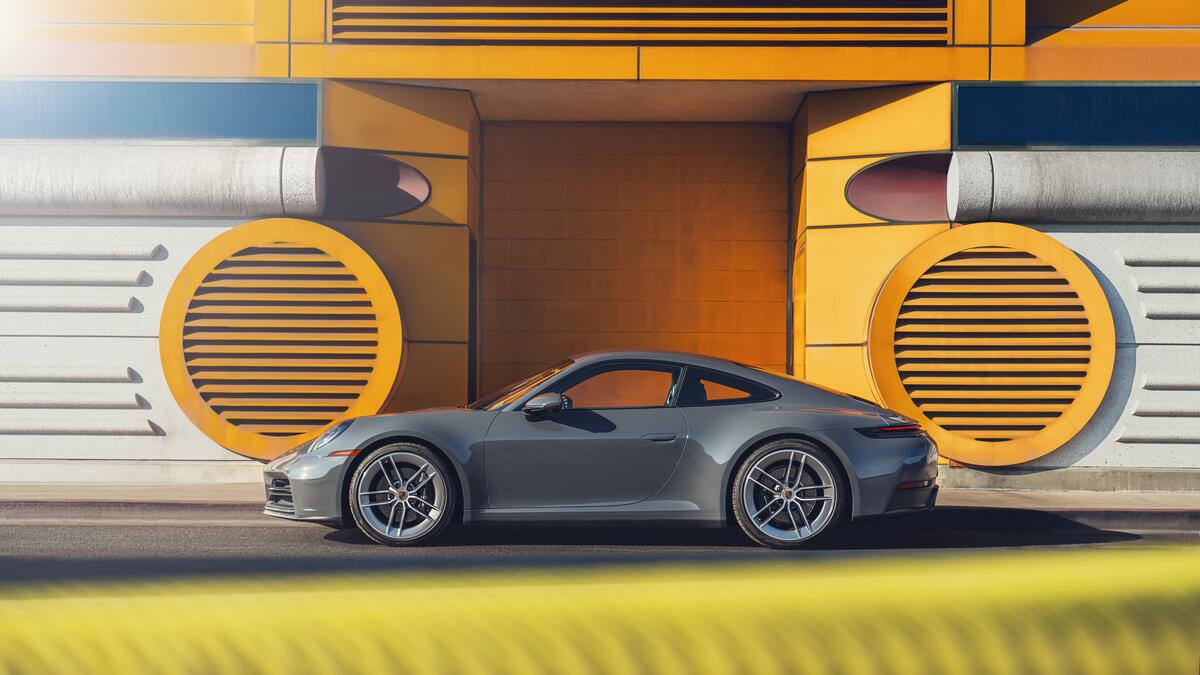
Porsche 911
"And I'm going to specifically say here, I if I was the kind of customer that doesn't just buy you 9-11 every year, buy something bespoke and buy something for the track as well and buys one for, you know, for my family as well."
The Porsche 911 is a sports car made by Porsche that’s been around for a long time. It’s known for being quick and fun to drive, including on race tracks. People bring it up a lot because it’s a popular choice for performance upgrades and special builds.
The Porsche 911 is a long-running sports car known for its rear-engine layout and wide range of performance-focused versions. It’s often discussed because it’s a benchmark for track-capable driving and because many enthusiasts treat it as a repeat purchase or a platform for bespoke builds. In a podcast context, it fits when talking about customers who want both everyday usability and serious track hardware.
next set of regs
"And by the time we decide on what they're doing for the next set of regs. For two reasons."
“Regs” means the rules. The “next set of regs” are the new rule changes coming for racing, and they can change what teams build and how they compete.
“Regs” is short for regulations, and “next set of regs” means the upcoming rule changes that govern how cars must be built and raced. In motorsport, new regulations can reshape competition by changing performance targets, technical constraints, and team strategies.
grid
"It's a massive boost to the grid to have Porsche in it will be a massive boost again to have them back."
The “grid” is basically the group of race cars that show up to compete. Here, the host is saying Porsche being there makes the field stronger.
In racing, the “grid” is the set of cars competing in an event (and often the starting lineup). The host uses it to emphasize that Porsche’s presence boosts participation and competitiveness in the top category.
Formula R
"If we heard that that program is done at the end of 2027 and that the only factory international racing that Porsche was doing with Formula R."
Formula R is the name of a racing series. The host is saying that if Porsche only races in that one series, it would be a big change from what they’re currently doing.
Formula R refers to a specific racing series/format the host is describing as the only factory international racing Porsche would be doing. The key point here is that it’s being contrasted with Porsche’s broader factory involvement in other top categories.
Ferrari
"But in the long run for a brand like Porsche, and you kind of mentioned it when you're talking about the likes of Ferrari, the way they do business in the long run..."
Ferrari is a famous Italian car brand known for high-end supercars. The hosts mention it to compare how different brands handle racing and brand visibility over time.
Ferrari is an Italian supercar brand with a long-standing factory racing presence and extensive customer racing support. Here it’s referenced as an example of how motorsport involvement ties into long-term brand strategy.
customer GT3 program
"But I'm here in a paddock where McLaren do and how to do with their new customer GT3 program and they've got all their people here..."
A customer GT3 program is a racing effort where a manufacturer supports privately run teams with GT3-spec cars, engineering guidance, and parts/technical infrastructure. The key idea is that the brand’s cars and people show up in the paddock through customer teams, not just factory entries.
McLaren
"But I'm here in a paddock where McLaren do and how to do with their new customer GT3 program and they've got all their people here..."
McLaren is a racing and supercar brand. The host is pointing to McLaren as an example of a company that’s actively supporting teams in GT3 racing.
McLaren is a British supercar and racing brand that fields cars in GT racing and supports customer teams. In this segment, it’s used as an example of a brand actively showing up with a customer GT3 program.
BMW
"and think of BMW do. You know, what does it do to a Porsche car racing?"
BMW is a major car company that also races. The host mentions it to make the point that big brands keep showing up with racing programs and support.
BMW is a German automaker with a major motorsport presence and customer racing involvement. Here, it’s mentioned as another brand whose people and programs are visible in the paddock, reinforcing the point about brand presence.
Porsche Junior shootout
"What does it do to the fact that the Porsche Junior shootout? Yeah, who's interested in being a Porsche Junior and gunning for that"
The Porsche Junior shootout is a Porsche event for young drivers. It’s basically a way for Porsche to find future racing talent, and the host is saying that if Porsche isn’t as visible in racing, fewer people may want to chase that path.
The Porsche Junior shootout is a Porsche talent-development and selection event aimed at identifying and promoting young drivers. The host uses it to illustrate how reducing motorsport presence can affect the pipeline of drivers and interest in Porsche’s racing ecosystem.
WEC
"before we move away from the kind of WEC, ACO sphere. ... confirmation that the Silverstone WEC race will award the RAC Trophy"
WEC is the World Endurance Championship, a big international series for long-distance sports-car races. In this segment, they’re talking about what happens at the Silverstone WEC race.
WEC stands for the FIA World Endurance Championship, the top global endurance racing series featuring long-distance races and prototype/GT categories. The host is discussing WEC-related news tied to the Silverstone event and its trophy awards.
RAC Trophy
"confirmation that the Silverstone WEC race will award the RAC Trophy, which to me is fantastic. ... It's the world's oldest race trophy."
The RAC Trophy is a long-running, prestigious trophy in motorsport history. The host is excited because it’s being awarded again for the Silverstone WEC race, and they highlight how old and significant it is.
The RAC Trophy is a historic motorsport award associated with the Royal Automobile Club (RAC). The host emphasizes its prestige and age, noting it’s the “world’s oldest race trophy” and that it has been awarded to winners of the Silverstone WEC race.
Silverstone
"confirmation that the Silverstone WEC race will award the RAC Trophy ... That's exactly what it needs to be awarded for."
Silverstone is a well-known race track in the UK. The host is talking about the WEC race there and a trophy that will be awarded to the winners.
Silverstone is the famous motorsport circuit in the UK that hosts major endurance and championship events. Here, it’s specifically referenced as the venue for the WEC race that will award the RAC Trophy.

Jaguar XJS
"Went on by the way to do the same with European touring car championship successes with TWR, with both Rover and Jaguar, the XJS and again with the electronics that went through there."
The Jaguar XJS is a classic Jaguar grand touring car. Here it’s being mentioned because it was also used in racing programs and helped lead to competition success.
The Jaguar XJS is a grand touring (GT) coupe from Jaguar that became a platform for racing success. In this segment, it’s mentioned in the context of touring car and motorsport programs tied to TWR, showing how the XJS was used as a competitive base.
hybrid drivetrain technology
"We then go on to the contribution that the company Zitech initially made with pioneering work in hybrid drivetrain technology with Sparky,"
Hybrid drivetrain technology means the car uses both a traditional engine and an electric motor. In racing, that can help the car use energy more efficiently and sometimes deliver extra power when it matters.
Hybrid drivetrain technology combines a conventional engine with an electric motor and energy storage (like a battery) to improve efficiency and performance. In endurance racing, hybrids are also used to manage power delivery and recover energy under braking.
LMP one hybrid
"in the American Le Mans series. Again, with Zitech powertrains proving the concept of frankly where we are to this day through LMP one hybrid and in the hypercar."
LMP1 was the top prototype class in the Le Mans–style endurance racing rules, and “hybrid” refers to cars in that class using an electric-assist system. The segment is connecting Zitech’s early hybrid work to the later evolution of hybrid prototypes up through the modern hypercar era.
hypercar
"Again, with Zitech powertrains proving the concept of frankly where we are to this day through LMP one hybrid and in the hypercar."
Hypercar is the name for the newest, top-level class of race cars in endurance racing. It’s basically the modern evolution of the fastest prototype rules, often with hybrid tech.
Hypercar is a modern endurance-racing category for very high-performance, heavily regulated prototype-style cars. It’s used here to describe the current direction of hybrid technology that traces back to earlier prototype hybrid efforts.
LMP 675
"That became the Zitech 15 of those cars built for LMP 675, LMP 2 and LMP 1 competition and those cars through a variety of rule sets remained competitive"
LMP 675 is a specific endurance-racing rule category for prototype race cars. It’s mentioned because the same race-car platform competed under different rule sets.
LMP 675 refers to a prototype racing rule set/class based on a specific weight/engine-displacement (and related) framework used in endurance racing. The segment ties the Zitech 15 cars to competing under multiple rule sets, including this one.
LMP 1
"That became the Zitech 15 of those cars built for LMP 675, LMP 2 and LMP 1 competition and those cars through a variety of rule sets remained competitive"
LMP1 is the top class of prototype race cars in endurance racing. Here it’s mentioned because the Zitech 15 was built to compete at that highest level.
LMP1 is the top prototype class in Le Mans–style endurance racing rules (historically the “works”/factory-level category). The segment frames Zitech’s cars as being built for LMP1 competition, linking their development to the highest level of prototype racing.
Formula Gibson
"We talk about Formula R, we should be talking about Formula Gibson, 4.2 litre, normally aspirated V8, the soundtrack to sports car racing."
Formula Gibson is a racing series where the cars used Gibson engines. The host is pointing out how that engine setup—especially the naturally aspirated V8—became a memorable part of the racing experience.
Formula Gibson refers to a single-make/engine-specified formula series where Gibson-powered engines were used. The speaker ties it to a specific engine configuration (a naturally aspirated V8) and highlights its role in sports car racing’s “soundtrack.”
normally aspirated V8
"We talk about Formula R, we should be talking about Formula Gibson, 4.2 litre, normally aspirated V8, the soundtrack to sports car racing. Since 2017, without a shadow of a doubt."
A normally aspirated V8 is a V-shaped eight-cylinder engine that doesn’t use a turbo or supercharger. It tends to feel responsive and makes a distinctive sound in racing.
A normally aspirated V8 is an engine with eight cylinders arranged in a “V” layout that draws air without a turbocharger or supercharger. In racing, this often changes how power is delivered—typically emphasizing throttle response and a distinct sound compared with forced-induction engines.
Formula 3000
"Add on to that their time with the Jod Zitech 3 litre engine that powered multiple years of Formula 3000. And then a one GP with the original formula and Zitech power there."
Formula 3000 was a well-known open-wheel racing series that helped drivers move up the ladder. The host is mentioning it because the same engine design powered that series for years.
Formula 3000 was a major open-wheel feeder series that used standardized engines and helped develop drivers before they moved up to higher categories. The speaker mentions it to show how the cited Zitech engine powered multiple years of that series.
V6 turbo
"saw the work that's going on on the new Nismo based V6 turbo for the next generation of LMP 2."
A V6 turbo is a six-cylinder engine with a turbocharger. The turbo helps the engine make more power by pushing extra air into the cylinders.
A V6 turbo is a six-cylinder engine arranged in a V configuration that uses a turbocharger to force more air into the cylinders. Turbocharging is a key technology for modern endurance prototypes because it can improve efficiency and power density while meeting rule constraints.
Gibson Technology
"we went up to Retton, the current home of Gibson Technology, saw the work that's going on"
Gibson Technology is a company that builds and supports racing technology. The host is visiting their current facility to see what they’re working on for the next LMP 2 engine program.
Gibson Technology is the company associated with the “Gibson era” mentioned for LMP 2 programs. The host visits its facility to discuss ongoing work on a new engine for the next generation of LMP 2.
Nismo
"saw the work that's going on on the new Nismo based V6 turbo for the next generation of LMP 2."
Nismo is Nissan’s performance and motorsport brand, known for developing race engines and track-focused components. Here, it’s mentioned as the basis for a new V6 turbo engine intended for the next generation of LMP 2.
Retton
"we went up to Retton, the current home of Gibson Technology, saw the work that's going on"
Retton is the town/location where the host says Gibson Technology is based. It’s mentioned because they’re touring the company’s current facility.
Retton is the location the host names as the current home of Gibson Technology. It’s included because it anchors the discussion in a real-world facility visit rather than just a racing headline.
Watkins Glen
"And that is the six hours of Watkins Glen. [3214.6s] That's the Imza endurance cups third round."
Watkins Glen is a well-known race track in New York. Sports car races happen there a lot, and it’s known for being exciting and influential for the season standings.
Watkins Glen is a famous road-racing circuit in New York, best known for its fast flowing layout and elevation changes. It’s a staple venue for sports car racing, so it often becomes a key battleground for championship points.
endurance cups
"That's the Imza endurance cups third round. [3218.7s] Finally, the whole field back in action again."
An endurance cup is a season-style competition for long races. Teams earn points at each event, and those points add up toward the overall standings.
An endurance cup is a points-based competition within a racing series focused on long-duration events. The “cup” structure typically means teams accumulate results across rounds, with standings affecting championship outcomes.
sports car racing
"I think it's a great track for sports car racing. [3244.1s] Often produces drama."
Sports car racing is racing for cars that are built for performance and endurance. It often involves teams sharing driving time and competing across different car categories.
Sports car racing is a category of motorsport featuring production-based or purpose-built cars designed for endurance and performance. Races often involve multiple classes and driver stints, so strategy and consistency matter as much as speed.
championship battle
"I mean, this is a really crucial part to the championship battle, isn't it? [3262.4s] I mean, we've got so many storylines and all the classes to kind of cover."
A championship battle is the race to finish first in the season standings. One event can change who’s leading because teams earn points based on their results.
A championship battle is the ongoing fight for the top position in a season’s points standings. In endurance racing, each round can swing the battle because results depend on reliability, strategy, and how teams handle incidents.
margins are so tiny
"And the margins are so tiny that it's always inevitable. [3317.1s] So it is really a matter of a bit of a mix with Supreme Skull, Skull,"
That phrase means the race is decided by very small differences in time. When gaps are that small, being even slightly off the pace—or getting stuck in traffic—can cost positions.
In racing, “margins are so tiny” means the cars are separated by very small time gaps—often fractions of a second. That makes qualifying, traffic management, and avoiding mistakes especially critical because one incident can reorder the field.
Wintella Racing
"just wanted to say one thing about one of the cars. [3326.8s] And that is to the cars, Wintella Racing. [3332.6s] We talked about them, the lead up to Le Bonne."
Wintella Racing is a motorsports team. The discussion is about how well they’re doing and whether they can stay competitive at the next race.
Wintella Racing is a racing team mentioned in the context of sports car competition strategy and results. The host is discussing how the team performed at a prior event and what they need to replicate at Watkins Glen.
Laguna Seca
"Yeah, Laguna Seca looking forward to seeing if Philip Engelmark at Whitman kind of put something together."
Laguna Seca is a famous race track in California. It has a tricky section called the Corkscrew, so it can really show which cars handle and brake best.
Laguna Seca refers to WeatherTech Raceway Laguna Seca in Monterey, California, known for its distinctive Corkscrew corner and elevation changes. It’s a popular venue for sports car racing because those features can strongly test braking, traction, and driver skill.
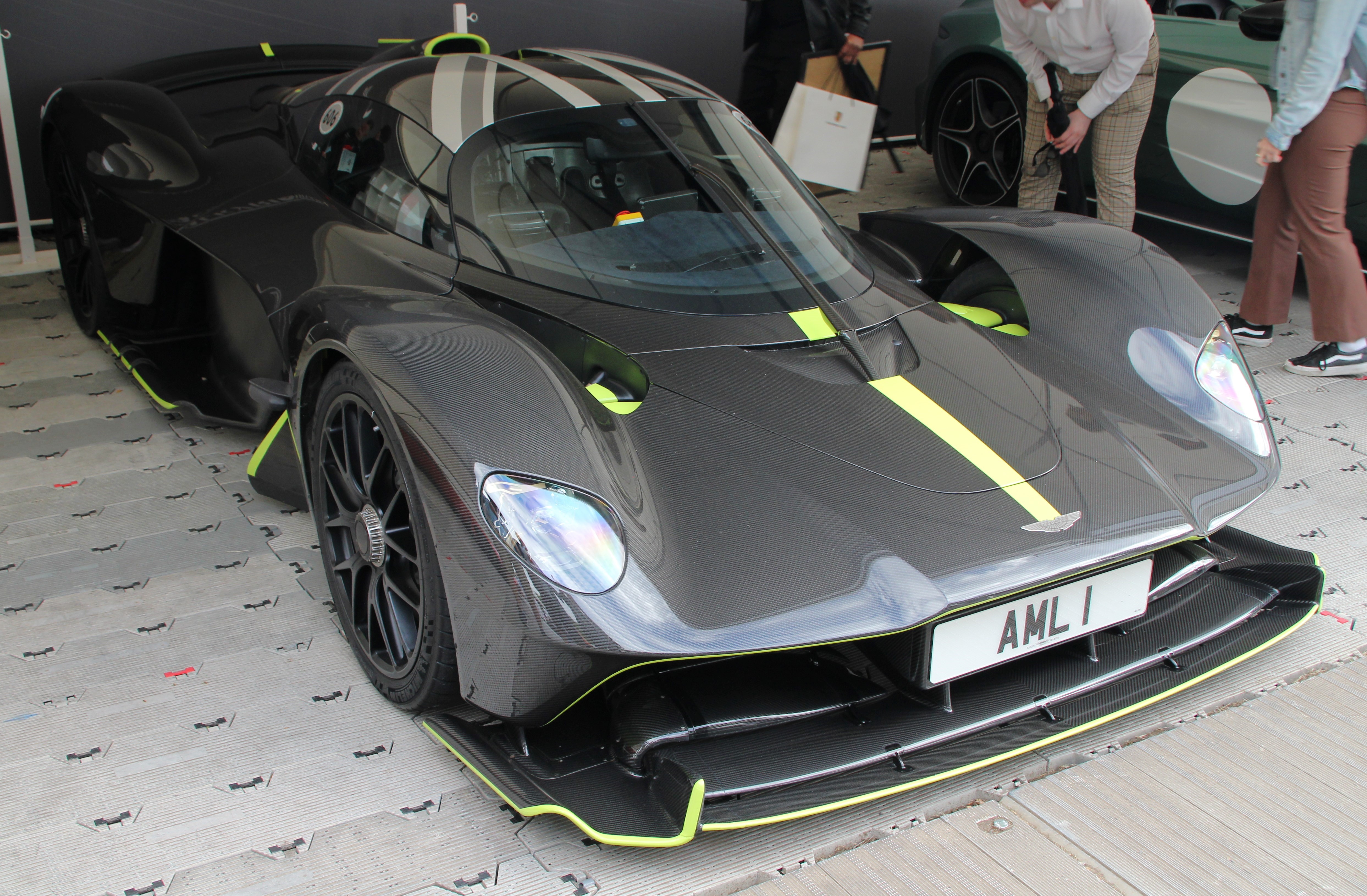
Aston Martin Valkyrie
"Interesting to see how competitive the Aston Martin, the Valkyrie can be."
The Aston Martin Valkyrie is a very high-end, track-oriented supercar from Aston Martin. It’s being discussed here because it may be competitive against the usual race cars in the field.
The Aston Martin Valkyrie is a track-focused hypercar built around a high-performance, aerospace-inspired approach, including an advanced aerodynamic package. In sports car racing discussion, it’s notable because it’s an unusual choice versus more typical GT entries.
GTD Pro and GTD
"But yeah, and then of course, got both GT classes in action as well. [3577.8s] And [3579.4s] it's just so deep and it's such a good entry. [3582.4s] GTD Pro and GTD."
GTD Pro and GTD are two classes in sports-car racing for production-based “GT” cars. GTD Pro is the more professional, factory-supported end of the GTD family, while GTD is aimed more at privateer teams; both run similar car types but with different driver/team expectations.
Dark Horse Legends class
"And to the point where the Dark Horse Legends class, which is the class for the average drivers, actually grown to the point where it's bigger than the main class."
This is a race class designed to give less-experienced drivers a more level playing field. In this weekend’s entry list, it’s apparently drawing more cars than the main class.
“Dark Horse Legends” is a named IMSA class/format aimed at “average drivers,” using a driver-skill or rating structure to keep competition closer. The host notes it has grown to the point where it’s larger than the main class for the weekend.
Ford and their Dark Horse platform
"learn all about, you know, what it's like being part of that Imsa Pyramid, what it's like working with Ford and their Dark Horse platform."
Ford’s “Dark Horse” is a Mustang-based racing program. It’s basically the rules and setup teams follow for that Mustang competition.
Ford’s “Dark Horse” platform refers to a branded racing program built around the Mustang Dark Horse concept, used as the basis for a spec-style competition. In this context, it’s the framework the team uses for cars, rules, and driver development.

Ford Dark Horse
"...ramid, what it's like working with Ford and their Dark Horse platform. That's going to be a really interesting..."
The Ford Mustang is a sports car made by Ford. The podcast mentions the “Dark Horse” platform, which is a particular performance version of the Mustang. It comes up because it’s a strong base for upgrades and serious driving.
The Ford Mustang is a high-profile American sports car that has become a major platform for performance tuning and motorsport involvement. In this podcast context, it’s specifically tied to Ford’s “Dark Horse” platform, which suggests a focus on a particular modern Mustang generation and how it’s used or supported for performance work. That makes it relevant to discussions about engineering partnerships and track-capable development.
endurance races
"So, yeah, so we'll move on from Imza at Watkins Glen to the other major [3900.1s] endurance races on this weekend, because it's a very, very major weekend for [3904.3s] endurance racing again."
Endurance races are long races where the goal is to keep the car running and competitive for hours. Teams plan pit stops and driver swaps so the car can finish strong.
Endurance races are events where cars race for a long duration (often 6, 12, or 24 hours) rather than a short sprint. They heavily reward strategy—like pit stops, tire management, and driver changes—plus mechanical durability.
Spa 24 Hours
"It's the Spa 24 Hours, Graham. [3917.2s] It's back. It's bad. [3918.9s] It's got a huge entry list again."
The Spa 24 Hours is a long-distance race where cars compete for a full day at Spa-Francorchamps. Teams have to manage tires, fuel, driver changes, and car reliability to last the whole race.
The Spa 24 Hours is a major endurance race held at Spa-Francorchamps, featuring multi-class GT and endurance cars racing for 24 hours. It’s known for large entry lists, long stints, and strategy-heavy racing where reliability and driver consistency matter as much as outright speed.
entry list
"[3918.9s] It's got a huge entry list again. [3922.1s] And that is 69 cars now on the most up to date [3927.6s] entry lists at the time of publishing."
An entry list is just the official list of which cars/teams are registered to race. Saying the entry list is bigger usually means more competition and more cars on track.
An entry list is the official roster of cars and teams entered for a race. When the host says there are “69 cars” on the entry list, they’re emphasizing field size and the level of competition across classes.
calendars
"loads of news, as always, around this event, around direction for SROs, GT platforms, calendars."
“Calendars” here means the race schedule—what weekends the events happen. If the schedule changes, teams have to plan travel and car prep around new dates.
In motorsport coverage, “calendars” means the schedule of races and how series dates are arranged across a season. Changes to calendars can affect team logistics, car development timing, and which events a manufacturer or driver prioritizes.
multi class
"It's always a weekend where it's back to thrills and spills in one make and multi class, multi make, sorry."
“Multi class” means different types of race cars run in the same race. Some are quicker than others, so the faster cars have to pass carefully and teams plan around traffic.
“Multi class” racing means multiple categories of race cars compete on track at the same time. Faster classes must navigate traffic from slower classes, which adds strategy, timing, and risk management.
one make
"It's always a weekend where it's back to thrills and spills in one make and multi class, multi make, sorry."
“One make” means the race is for cars from the same brand. Since the cars are more similar, it’s easier to compare drivers and team choices instead of the cars being wildly different.
“One make” describes a racing series or race format where competitors all use the same manufacturer’s cars. This reduces differences in car design and performance, making driver skill and setup choices more important.
GT racing
"GT racing GT for European series, I think he's on this weekend as well."
“GT racing” is racing for cars that are based on real road cars. Teams modify them for track use, and races often involve long stints and strategy.
“GT racing” means Grand Touring-style competition, typically using production-based cars modified for racing. GT series often emphasize endurance strategy and balance between different car models.
Corvette
"And, you know, you got all the heavy hitters, but you've also got the likes of Corvette, Backbacars, Ford with Mustangs, loads of McLarens, loads of Ferrari's..."
Corvette is Chevrolet’s sports-car line. The host is saying you’ll see Corvettes competing in this endurance race field.
Corvette is Chevrolet’s performance sports-car brand, and in endurance racing it’s known for fielding factory-backed and customer teams. In this context, it’s being listed as one of the major makes you’ll see competing.
Mustangs
"And, you know, you got all the heavy hitters, but you've also got the likes of Corvette, Backbacars, Ford with Mustangs, loads of McLarens, loads of Ferrari's..."
The Mustang is Ford’s famous muscle car. The host is saying Mustangs are part of the race lineup.
The Mustang is Ford’s iconic pony car, and here it’s mentioned as one of the models competing in the race. In endurance-series context, it signals the presence of American muscle-style entries alongside European exotics.
SRO competition
"loads of McLarens, loads of Ferrari's first 24 hour race in with an SRO competition for the Temeraio GT3."
SRO is a company that organizes a lot of GT (grand touring) racing. Saying “SRO competition” means the event is run under their GT race rules and classes.
SRO refers to Stéphane Ratel Organisation, a motorsport promoter best known for running GT racing series. When the host says “SRO competition,” they mean the race is organized under SRO’s GT rules and class structure.
pro class
"But we just read out the team names in the pro class gram. And tell me you don't want to watch this race."
In racing, “pro class” means the cars are competing in a category aimed at professional-level drivers. Endurance races often have multiple classes running at the same time, so class wins are a big deal.
“Pro class” is a racing class grouping that typically indicates entries driven by professional or pro-level drivers, often with different rules or driver requirements than amateur/pro-am categories. In endurance racing, class structure matters because you can win your class even if you’re not overall first.
Mercedes
"Boot some VDS Porsche for Stappen Racing Mercedes. Come to you, Aston Martin."
Mercedes is one of the big car makers competing in the race. The host is mentioning a Mercedes entry as part of the overall lineup.
Mercedes-Benz is referenced as a major manufacturer in the endurance race lineup, here in connection with “Stappen Racing.” The host is listing headline brands to emphasize how competitive and varied the field is.

Volvo 960
"Two F Corsa. Two 960s. By Winwood."
The Volvo 960 is a big, comfortable sedan made by Volvo. It’s meant for everyday driving and long-distance comfort rather than being a race car. The podcast mentions it as part of a group of cars in their discussion.
The Volvo 960 is a large, executive-class sedan from Volvo, known for comfort and a more traditional, durable approach to engineering. It’s mentioned in the podcast alongside other cars, suggesting it came up as part of a specific lineup or story. Because it’s not a typical “track weapon,” its inclusion often points to how different cars were used in real-world or racing-adjacent contexts.
BOP
" [4284.96s] You're going to want one. [4285.6s] Forget BOP. [4286.4s] For a moment, who's on pole?"
BOP is a rule system that tries to make different race cars more evenly matched. Instead of one car always being faster, officials tweak settings to balance performance.
BOP stands for “Balance of Performance.” It’s a set of rules used in GT racing to adjust things like weight, engine output, or restrictor settings so different cars can compete more closely.
Nurburgring 24 hours
" [4292.4s] Little bit of a Stappen racing Mercedes. [4296.4s] Could be fun to see how they get on after, obviously, the Nurburgring 24 hours didn't [4300.0s] go the way they they would like and Max himself is not racing in that car."
This is a famous 24-hour race in Germany at the Nürburgring. Teams race for a full day, so both speed and reliability matter a lot.
The Nürburgring 24 Hours is a major endurance race held at Germany’s Nürburgring circuit. It’s known for long stints, traffic management, and how quickly reliability and strategy can make or break a team’s result.
GT World Challenge Europe
" [4328.4s] But yeah, also a couple others to point out an expanded effort this year for [4333.2s] Optima Motorsport in GT World Challenge Europe. [4335.8s] They got two cars, one racing in gold, silver."
This is a European series for GT race cars. Teams bring cars and drivers to compete over weekends, often with endurance-style racing.
GT World Challenge Europe is a multi-class GT racing series in Europe. Teams enter cars in different driver/vehicle categories, and it’s a common platform for endurance-focused GT competition.
gold, silver
" [4333.2s] Optima Motorsport in GT World Challenge Europe. [4335.8s] They got two cars, one racing in gold, silver. [4339.3s] They're going to be in the mix, no doubt."
Those labels are driver skill/experience categories. “Gold” and “Silver” are used to help structure teams so the competition stays fair.
“Gold” and “Silver” refer to FIA driver rating categories used in many GT series. They group drivers by experience/achievement level to help balance lineups and competition.
Formula One in Austria
" [4349.1s] It's Mikael Pedersen, Lenny Reid, Anton Dekand, Dennis Lind for a gold line up. [4353.5s] That is really, really something. [4355.5s] We have got Formula One in Austria. [4358.0s] So Max will be watching between outings."
They’re referencing an F1 race weekend in Austria. The timing matters because other racing series events are happening around the same time.
This points to a Formula One race weekend in Austria. F1 weekends are tightly scheduled, so “between outings” implies the team’s attention shifts between series events.
GT4
"They're also inviting GT3 and GT4 cars to that race."
GT4 is a racing class meant to be cheaper and easier to run than GT3. The cars are more like production cars, so more teams and drivers can compete.
GT4 is a lower-cost, amateur-friendly class of GT racing rules compared with GT3. The cars are closer to production models and are typically less complex and less expensive to run, which is why many series use GT4 as an entry point to GT racing.
multicasting
"So multicasting kind of going to be a bit similar to that Aston Martin festival we"
Multicasting here means showing the race live in more than one place at the same time. The host is comparing how this event will be covered to an earlier event they watched.
In motorsport media, multicasting refers to distributing the same live feed to multiple platforms or channels at once. The host is comparing the broadcast/coverage approach to a past Aston Martin event.
knotted the barrier
"No, no, the guy who knotted the barrier, said, Rouge on his first lap and ruined the entire race."
It sounds like the driver crashed into the track barrier on lap one. That kind of early incident can ruin the rest of the race for everyone.
This appears to be a transcription error for a common motorsport incident description like “hit” or “knocked” the barrier. The point is that a driver made contact on the first lap, which then affected the whole race.
Rouge
"said, Rouge on his first lap and ruined the entire race."
“Rouge” is probably the name of a specific corner on the track. The host is saying the driver got it wrong there on lap one.
“Rouge” is likely referring to the Rouge corner/chicane at a road course (commonly seen in European circuits). The host is saying the driver went off/into the wrong line at that section on the first lap.
George Osana
"Congratulations to the management team at McLaren led a course down by George Osana with Rob Belt involved deeply in that sporting director as well."
George Osana is a person the host credits with helping run or support the McLaren racing program. In this segment, he’s mentioned as part of the management/sporting leadership behind the series.
George Osana is credited here as being involved with McLaren’s management team for the event/series. The host is specifically mentioning him in the context of sporting leadership and coordination.
Rob Belt
"Congratulations to the management team at McLaren led a course down by George Osana with Rob Belt involved deeply in that sporting director as well."
Rob Belt is another person the host credits with helping run the McLaren racing program. The host is saying he’s involved in the sporting leadership behind the scenes.
Rob Belt is mentioned as being deeply involved alongside George Osana in the sporting director/management side of the McLaren program. The host is using their names to credit the people behind the series operations.
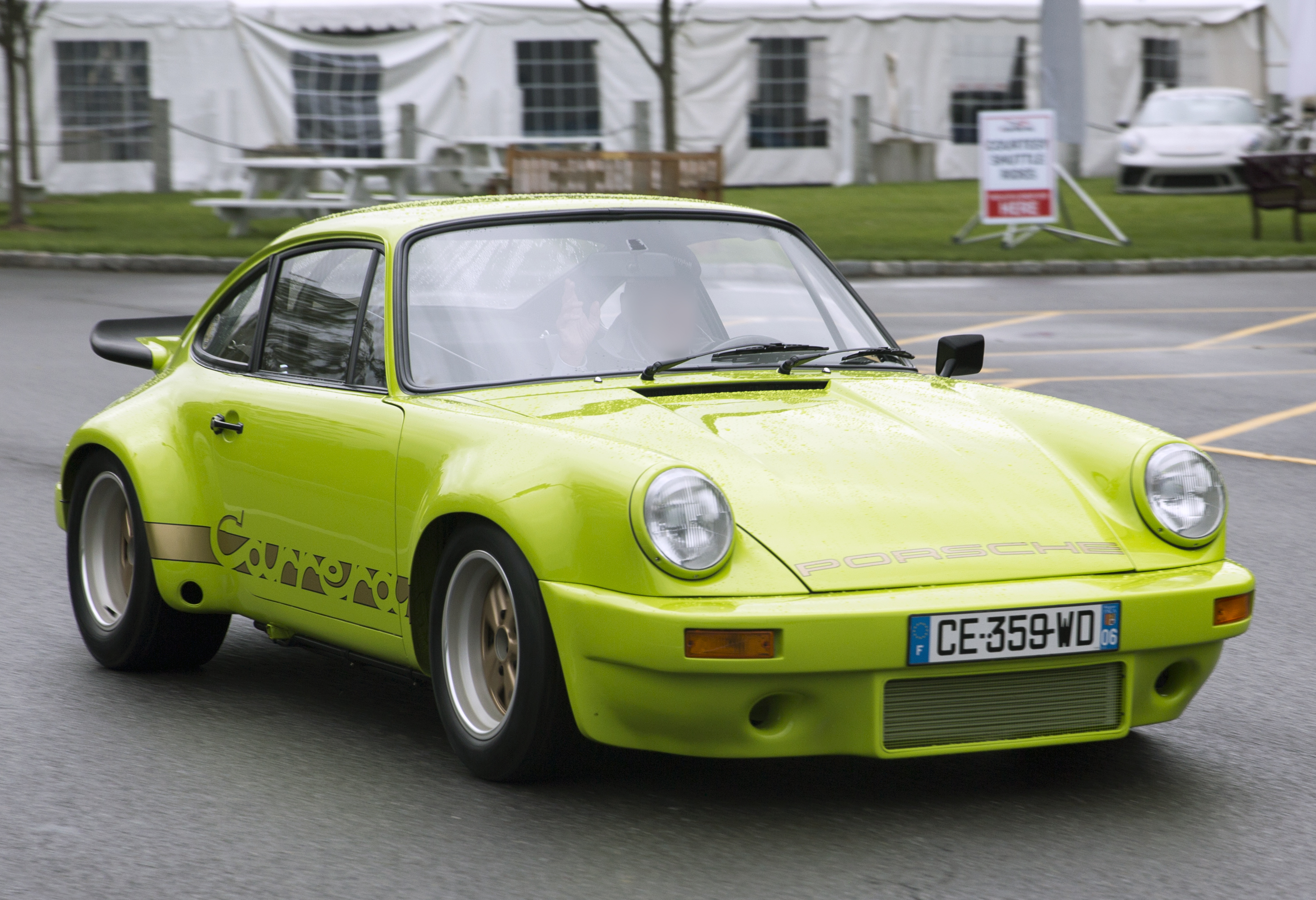
Porsche Carrera
"...we had the Ferrari challenge there this year with Porsche Carrera Cup Brazil, a couple of absolutely amazing races ..."
The Porsche Carrera RS is a special, track-oriented version of the 911. It’s made to be lighter and more performance-focused than a regular road car. The podcast brings it up because it connects to Porsche’s racing history and competition events.
The Porsche Carrera RS is a performance-focused 911 variant built with a strong emphasis on lightweight construction and track use. It’s significant because it’s closely associated with Porsche’s racing heritage and the idea of a “pure” driver’s car. In the podcast context, it’s tied to Porsche’s presence in series like Carrera Cup Brazil and the excitement of high-level racing.
SRO Speed Week
"because the GT2 won its first ever race in the GT2 European Series at Spa during the SRO Speed Week."
SRO Speed Week is a racing event where several GT races happen over a short period. It’s basically a packed week of racing organized by SRO.
SRO Speed Week is an SRO Motorsports Group event format where multiple racing series run during a single week at the same venue. The host is tying the GT2 win to the broader schedule of races happening during that event.

AMG Gt2S Mercedesamg
"It's they've got a field with Lamborghini Supertrafozo and their Maserati GT2s, Mercedes-AMG GT2s, load across KTM Crossbows, a 296 Challenge, an Audi R8 GT2 as well."
The AMG GT is a high-performance sports car made by Mercedes-AMG. It’s designed to be fast and capable, including on race tracks. The podcast brings it up because it’s one of the cars used in serious GT-style racing.
The Mercedes-AMG GT is a performance sports car built by AMG, known for its strong power and track-capable design. In the podcast context, it’s mentioned in the same breath as other GT race cars, indicating it’s part of the competitive lineup being discussed. That makes it relevant to conversations about how different manufacturers approach GT racing hardware.

X-Bow Crossbows
"...Maserati GT2s, Mercedes-AMG GT2s, load across KTM Crossbows, a 296 Challenge, an Audi R8 GT2 as well."
The KTM X-Bow is a small, lightweight sports car made by KTM. It’s designed to feel sporty and nimble, with an open-cockpit style. The podcast mentions it because it’s part of a group of performance cars used in racing.
The KTM X-Bow is a lightweight, open-cockpit-style sports car designed to deliver high performance with a focus on agility and driver feel. It’s brought up in the podcast as part of a field that includes other GT race cars, implying the X-Bow is being compared or grouped within a broader racing context. That makes it relevant when discussing what kinds of machines show up in serious competition.

Audi R8
"...ad across KTM Crossbows, a 296 Challenge, an Audi R8 GT2 as well. And the CMR guys did it."
The Audi R8 is a supercar made by Audi. The podcast specifically mentions the “GT2” version, which is a race-prepared version built for competition. It’s included because it’s one of the cars in the racing lineup being discussed.
The Audi R8 is a mid-engine supercar known for its performance and for being used in motorsport and track-focused programs. The podcast mentions an “R8 GT2,” which points to a race-prepared version used in competition. That’s why it comes up alongside other GT cars—because it represents a serious racing-spec platform.
LMP3
"GT4, they certainly won. Yeah, an LMP3, that one. Yeah, not a bad little record, is it?"
LMP3 is a prototype racing class meant to be a stepping stone. It’s built to keep costs down so more teams can race endurance-style cars.
LMP3 is a prototype-style endurance racing class designed as an entry point to the Le Mans Prototype (LMP) ladder. It uses standardized, cost-controlled rules so teams can compete in multi-hour races without the expense of higher prototype categories.
multiple class wins
"And on top of that, multiple class wins. And did they win races when Geneta had presents in with the ZYTEK?"
In endurance races, cars compete in different groups (classes) at the same time. “Multiple class wins” means they won in more than one of those groups.
“Multiple class wins” means the team or car won races in more than one racing category/class. In endurance racing, overall winners and class winners are tracked separately because cars of different types race together.
Request an Explanation
Heard something you'd like explained? We'll add it to this episode.
Sign in to request explanations for terms you heard.
Want to learn more?
Browse our glossary for plain-English explanations of automotive terms, jargon, and concepts.
Help improve this episode
See something that's not quite right? Our annotations are AI-generated and can sometimes miss the mark. Click the flag icon on any annotation to suggest a correction.