A turnaround plan is what a company does when things aren’t going well and it needs to get back on track. Here, it means Nissan is trying to change its direction to improve sales and reputation.
The Sentra is Nissan’s smaller sedan for everyday driving. The host is saying there hasn’t been a more exciting, performance version for fans recently.
A CVT is a type of automatic transmission that can adjust to different speeds smoothly. The host is saying Nissan still uses this kind of transmission in some cars.
The Nissan GT-R is Nissan’s high-performance sports car. It’s famous for being fast and capable, especially because it has all-wheel drive. When they say it’s coming back, they mean Nissan plans to keep or restart that performance model.
Body-on-frame means the car’s body sits on a separate heavy-duty frame underneath. This is often used for trucks and off-road vehicles because it’s strong and can handle rough use and towing better.
Brand
infinity showrooms
They mention “showrooms” for a luxury brand. Infiniti is Nissan’s luxury division, so the point is that these vehicles may be sold through that higher-end dealer network.
They’re saying sports cars are the main focus of the brand. That usually means the company wants to spend more effort on making and selling sports cars, not just regular cars.
The Silvia is a Nissan sports car that became popular with car fans, especially in Japan. Mentioning it usually means they’re talking about making a smaller, more fun-to-drive sports car again.
Concept
Business case (positive vs negative) for a model
A “business case” is the justification for whether a vehicle program makes financial sense—typically factoring in expected sales, margins, costs, and brand impact. A “negative business case” means the numbers don’t pencil out well, so the team has to find a strategy (or accept tradeoffs) to keep the model alive.
An “iconic nameplate” is a model name that carries strong brand recognition and emotional value, often tied to decades of history. Here, Nissan’s strategy is described as keeping the Z name visible to preserve heritage and brand identity, even if the product’s pure financial case is challenging.
An “accessible” sports car is one that’s meant to be affordable enough for more people to buy. They’re saying Nissan wants the Z to be the entry point to sports-car ownership, not just the super-expensive GT-R crowd.
The VR38 is the engine family behind the GT-R. They’re saying that engine might not be the easiest path forward if emissions rules keep getting stricter, so Nissan may need a different setup.
A hybrid uses both a gas engine and an electric system. The goal is usually to cut pollution and use fuel more efficiently without giving up all the performance.
Concept
Nürburgring batteries
They’re talking about batteries that can handle hard driving, like at the Nürburgring. The concern is that today’s battery tech may not yet be good enough for that kind of sustained performance.
“Sunset” here means the company plans to stop selling that car. They’re saying the current GT-R generation couldn’t meet new pollution rules in a practical way.
“Future proof” in automotive planning means designing a vehicle platform so it can adapt to future requirements—like stricter emissions—over a long product life. Here, it’s used to describe making the next GT-R evolvable rather than quickly obsolete.
Emissions regulation is the set of laws that control how much pollution cars are allowed to produce. If the rules might get stricter (or get relaxed), automakers have to plan their cars accordingly.
Concept
development of what we want this car to be
They’re talking about how making a new car can take longer when the future rules or plans aren’t fully known yet. So engineers may hold off on certain decisions until later. It’s a reminder that car development is as much about timing and planning as it is about parts and performance.
This part of the conversation is basically about the GT-R coming back. They talk about the people working on it and when we might hear more. It’s the main storyline of the segment.
The Nissan GT-R R35 is a specific generation of the GT-R sports car. The speaker is saying they owned one and that the roads they drove on matched the car’s strengths. It’s mentioned because it’s an example of how the car feels in everyday driving conditions.
Concept
2028... hopefully see something by 2030
They’re giving a rough timeline for when we might hear more and when something could actually show up. In car development, big decisions and launches often depend on planning steps that take years. So even if engineers start now, the public usually hears about it later.
The Nissan Z is a sports car model line that Nissan keeps updating over time. They’re talking about what the next version should be and how the current one is set up with twin-turbo power.
“Heritage-like design” means the new car looks like it’s taking inspiration from older, classic versions. The goal is to keep the brand’s identity while still making a modern car.
They’re saying the people buying the car now aren’t all the same—some are older customers who missed out earlier because of money. That helps the company decide what the next version should be.
A heritage edition is a modern car packaged with styling, colors, and interior cues that reference a brand’s past. The idea is to appeal to buyers who connect emotionally to earlier eras, often using recognizable paint schemes and cabin themes.
The Buick Model 27 is an older Buick model from the past. In this discussion, it’s mentioned with details like the model year and paint color, which suggests it’s a specific collectible car. The point is that it’s notable among classic Buicks.
A manual is the kind of transmission where you use a clutch pedal and shift gears yourself. The episode is saying Nissan did extra engineering work so the high-performance Nismo Z can be had with a manual.
This is Nissan saying they’ll make higher-performance, limited-run versions of the Z. Instead of just one regular model, they’ll offer special editions with upgrades for enthusiasts.
“Frame-based” means the car has a strong metal frame underneath, and the body sits on top. It’s common on trucks and off-road-capable SUVs because it’s built to handle heavier work and tougher roads.
This is Nissan simplifying its lineup—selling fewer different models. The idea is to focus on the vehicles they think will do best instead of spreading effort across too many choices.
Infiniti is Nissan’s luxury brand. They’re saying some of the same new vehicle platforms could be used for both Nissan and Infiniti, just with different positioning and features.
The Nissan Pathfinder is a family SUV. They’re saying Nissan may offer two different versions—one more rugged and capable, and another that’s built more like a typical car for comfort and efficiency.
Unibody means the body and the main structure are basically one integrated piece. It often helps with comfort and efficiency, while body-on-frame tends to be chosen for maximum toughness.
This phrase means a four-door car that’s meant to feel quick and fun to drive. “High horsepower” is just a way of saying it’s built for strong performance.
The Nissan Skyline is a famous performance car line in Japan. In the U.S., you usually wouldn’t see the Skyline name—instead, similar cars were sold as Infiniti models.
The Infiniti Q50 is Infiniti’s sedan you can buy in the U.S. It’s basically the same idea as the Nissan Skyline, just branded differently for different markets.
The Infiniti QX-60 is one of Infiniti’s main luxury SUVs. The hosts are saying it’s selling well and fits the kind of customer Infiniti wants right now.
The Infiniti QX-80 is Infiniti’s large luxury SUV, typically aimed at buyers who want maximum space and comfort. Here it’s mentioned as part of the brand’s “massive luxury vehicle” coverage alongside the QX-60.
Car
Infiniti QX-65
The Infiniti QX-65 is a more stylish, coupe-like take on the QX-60. Infiniti is using it to pull in shoppers who might not have considered the brand before.
An “incremental customer” is a new type of buyer Infiniti expects to win. It’s not just selling to the same people again—it’s bringing in someone who wouldn’t have bought before.
“Sweet spot” refers to the point where a product matches demand—typically balancing pricing, features, size, and buyer preferences. The hosts use it to say the QX-60 has found the right formula for steady sales.
A “high performance sedan” is a nicer car that’s also meant to drive more excitingly. The hosts are saying Infiniti thinks there aren’t many options for people who want a sporty luxury sedan.
“Ride, handling, and performance” describes the trade space between comfort (ride quality), control (handling), and driving capability (performance). The hosts suggest a sedan “biased” toward ride/handling/performance, even if it means compromising some comfort—an important engineering and marketing decision.
Quad LED taillights means the back lights use LEDs and there are four main light sections. The point here is that the design is meant to look like a classic performance Skyline.
A “donor” is an existing car that you use as the starting point for a new project. It helps keep costs down because you can reuse parts and engineering instead of starting over.
Car companies share the same basic building blocks across different models to save money. When budgets and platform options are limited, they have to reuse more existing parts instead of making everything new.
The Nissan Maxima is a regular Nissan sedan sold in the US. The host is saying it’s been discontinued, which matters because it suggests there aren’t as many people in the US shopping for a high-performance Nissan sedan.
JDM means “Japanese Domestic Market.” It’s shorthand for the whole enthusiast scene around Japanese cars, including the culture and the specific models people chase.
They’re talking about making a sedan that feels like the Nissan Z—same enthusiast vibe, but with four doors. The point is that Infiniti could build it using existing shared parts so it’s not starting from scratch.
When cars share platforms and transmissions, it means they use similar underlying parts and drivetrain designs. That makes it cheaper and faster to build new versions of the car.
They’re talking about an engine that’s 3.0 liters, has a turbocharger, and has six cylinders in a line. They’re saying it’s a strong, dependable setup that can handle more power.
A performance tune is a change to the car’s computer settings to make it run stronger. In this discussion, they’re considering doing it through a dealer so you still get warranty coverage.
They’re discussing performance upgrades that come with warranty coverage. Instead of risking warranty issues with an aftermarket tune, the dealer would do an approved software update.
A reflash means the dealer updates the car’s computer software. It’s like installing a new program that changes how the engine behaves, and the idea is to keep it warranty-approved.
They’re talking about what Infiniti showed at Pebble Beach: special QX80 versions aimed at track use and rougher terrain. The takeaway is how these reveals can hint at what’s coming next.
They’re talking about building an engine to be strong enough that it can handle more power than the factory initially advertises. That way, tuning later is less likely to cause immediate problems.
A “changeover kit” or “retro kit” here means a conversion package that updates a modern car’s appearance or equipment to a more classic/JDM look. The key twist is the hosts’ idea of selling it through Nissan/Infiniti with warranty coverage to reduce legal and reliability risk versus DIY mods.
DOT regulations are the U.S. rules that car parts—especially lights—have to meet. The hosts are saying modern headlights are harder to swap because they’re designed to comply with these rules.
The Jeep Cherokee is an SUV that comes in different versions over the years. The comment here is about how older Cherokees were easier to work on for small fixes like headlight changes. Newer ones can be harder because the parts are more tightly packaged.
Part
adaptive LED headlights
Adaptive LED headlights adjust beam pattern based on driving conditions (often steering angle, speed, or sensors). The hosts use their complexity and cost to explain why retro headlight conversions are challenging on modern cars.
Factory-supported tuning is when the car maker supports performance upgrades instead of leaving it entirely to the aftermarket. The goal is more confidence that the car will stay reliable and covered.
Instead of the company doing every modification itself, they work with trusted tuning shops. That helps make sure the car is set up correctly and works well.
Heritage parts are replacements that look and fit like the original parts from the car’s past. Collectors like them because they keep the car feeling “true” to its history.
The Nissan 300 ZX is a classic Z-car model, and the speaker specifies a 1990 example. They’re using it to illustrate how sourcing OEM-style parts (like exhaust components) can be difficult for older, niche performance cars.
Mufflers are the parts that quiet the exhaust. If you need replacements for an older car, it can be hard to find the right ones that fit and keep the sound close to stock.
An X-pipe is a specific exhaust connection that can change the sound. The host doesn’t want it because they’re trying to keep the car from getting louder.
“Cat-back” means the exhaust parts from the catalytic converter to the back of the car. If you replace cat-back components, you can change how loud the car is and how it fits.
A restomod is an older car that gets refreshed with newer parts so it drives better and feels more modern. The goal is to keep the classic vibe, but improve performance and usability.
The segment describes a market where dealers apply markups and buyers resell vehicles for more than the manufacturer’s suggested price (“over sticker”). This is a supply-and-demand phenomenon that can distort pricing, affect availability, and change what “value” means for performance cars and limited allocations.
Car
Nissan QX80
The QX80 is a big luxury SUV. Here, they’re talking about making it much more powerful—like 600 to 700+ horsepower—and using it to test what buyers want. They also describe different concept versions built for different events and driving styles.
A “two-prong approach” means they’d make two different versions of the same idea—like one that’s more performance-focused and another that’s even more extreme. It helps them see what people actually want. They’re discussing whether this plan is just for the QX80 or for other cars too.
A “proving ground” is basically a test area. They’re using the QX80 to see how people respond to new performance concepts before committing to the same approach everywhere. It’s like running a controlled experiment with real driving and real attention.
SEMA is a big U.S. car show that’s especially focused on performance and aftermarket upgrades. Here, they’re saying Nissan brought an “R spec” version to that kind of enthusiast crowd. It helps gauge interest from people who care about modifications and speed.
Electric cars can make huge power numbers, sometimes around 1,000 horsepower, especially in top performance versions. Because electric motors respond instantly, the car can feel extremely fast right away. They’re using this to explain why the horsepower targets they’re discussing feel different than in the past.
The BMW M5 is a fast BMW sedan. They’re using it as an example of how horsepower numbers used to be “wow” even at around 400. The point is that today’s cars (especially electric ones) can reach much higher power.
It means the car can push with its strongest pulling force right when you start moving. With electric motors, there’s no waiting for the engine to rev up.
This is a quality score from J.D. Power based on how many problems new cars have. The point here is that the brand has been doing well, and they want to keep it that way.
They mean they want the car’s moving parts to be extremely reliable. Before chasing bigger numbers, they want to prove the system can handle it without breaking.
They mean making a special idea into something factories can build in large numbers. It’s hard because you have to make it repeatable and reliable, not just possible once.
A one-off build is a custom car project made for one person, not something mass-produced. It usually means more tailoring and custom work to get exactly what the owner wants.
Aftermarket support means how many extra parts and upgrades are available from companies other than the car maker. More support usually means it’s easier to personalize and improve the car.
The Ford Mustang is a car made for driving enjoyment. It’s known for being sporty and for having a long history as a popular model. People bring it up because it’s one of Ford’s most recognizable performance cars.
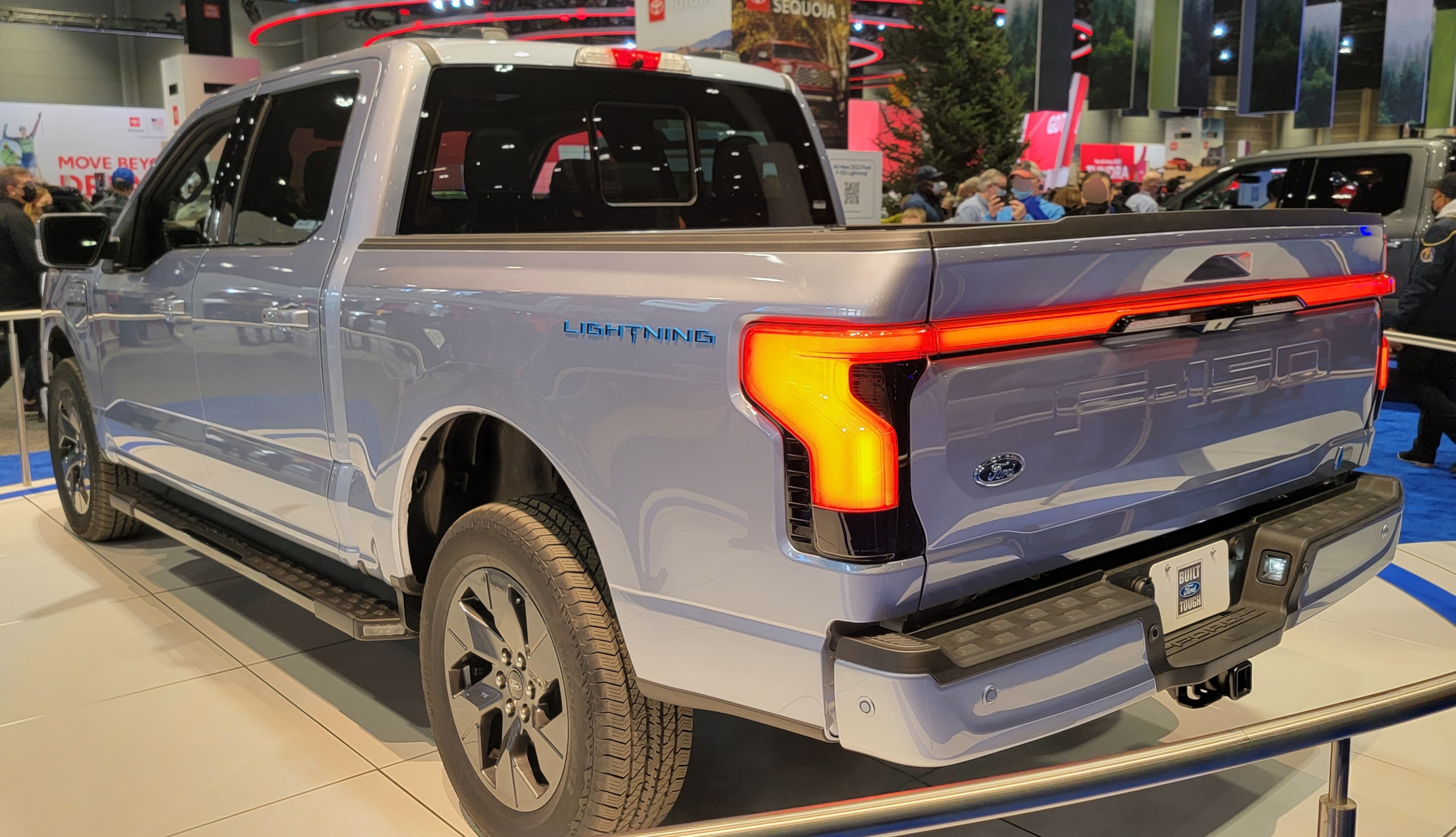
The Ford F-150 is a large pickup truck made for everyday driving and work. It’s one of Ford’s most well-known models. The podcast mentions it because it connects to Ford’s bigger lineup of popular, performance-leaning vehicles.
Split headlights means the front lights are designed in two separated sections instead of one continuous unit. It’s mentioned as part of what they noticed in the teaser.
Term
hard-body three slots
They’re talking about a signature front-end design—three vertical slots—that Nissan fans recognize. It’s being used to hint that the new vehicle will look like it belongs to the brand’s rugged past.
Aftermarket tires are just tires you buy from companies other than the one that built the SUV. The point here is that the old X-Terra had enough clearance to run different tires without them hitting other parts.
The Jeep Wrangler is an SUV designed to handle rough roads and off-road trails. It’s also popular because many owners add accessories to change how it looks and how it works. The point is that it’s become a “customizable” vehicle in a way that’s more common today than in the past.
LIVE
Hello, everyone, and welcome to The DriveCast.
I'm definitely not Kyle Charomka, and I assure you, you can tell by the hair.
I'm Joel Federer, director of content and product at The Drive, and The DriveCast is
our weekly podcast, giving you an inside behind-the-scenes look at the biggest stories, controversies,
and people shaping the automotive industry.
I promised you on episode one this just wouldn't be another automotive podcast, and so far,
we've aimed to deliver on all promises.
Today, we add to the list and share our inside access with you.
I'm nothing if not a man of my word.
Today's topic is Nissan, and I'll be joined by a special guest,
senior vice president and chief planning officer for Nissan North America, Pons Pendicatira,
while in Japan together to discuss the turnaround plans for the beloved automaker.
Nissan's been in a tough spot as of late.
There's a strong enthusiast community that rallies around the brand and its heritage.
That's no secret.
Just look at the comments on The Drive, or Reddit, or various forums around the Internet.
The love is strong, but the flame is weak as of late.
The GT-R is on ice again.
The Pathfinder morphed into a strong-selling family mobile.
The XTERRA is MIA.
There's no hoted-up Sentra or Ultima.
The Maxima is dead.
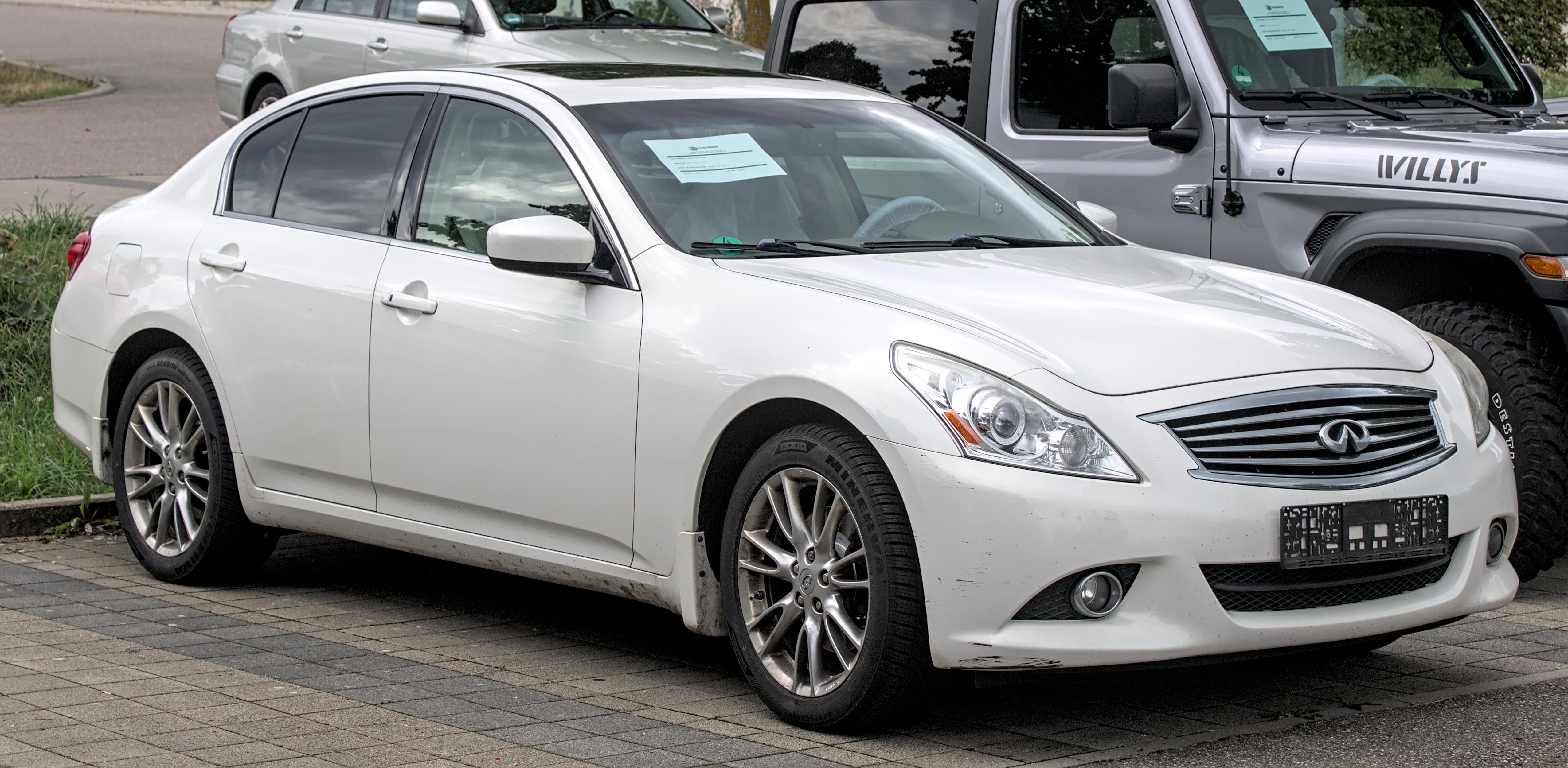
The CVT still lives on in some places, and in infinity showrooms,
there's two vehicles at the moment.
For some fans, you might use the term bleak, but there's hope, we are told.
Last year, Nissan appointed new CEO Ivan Espinosa and good news for enthusiasts.
He's a car guy through and through.
In February, Espinosa told The Drive to tell enthusiasts,
Nissan is back.
We know the GT-R will return and work is already underway.
The Z just received a refreshed based on enthusiast feedback.
The XTERRA is returning along with a family of body-on-frame vehicles
that will make their way into infinity showrooms as well.
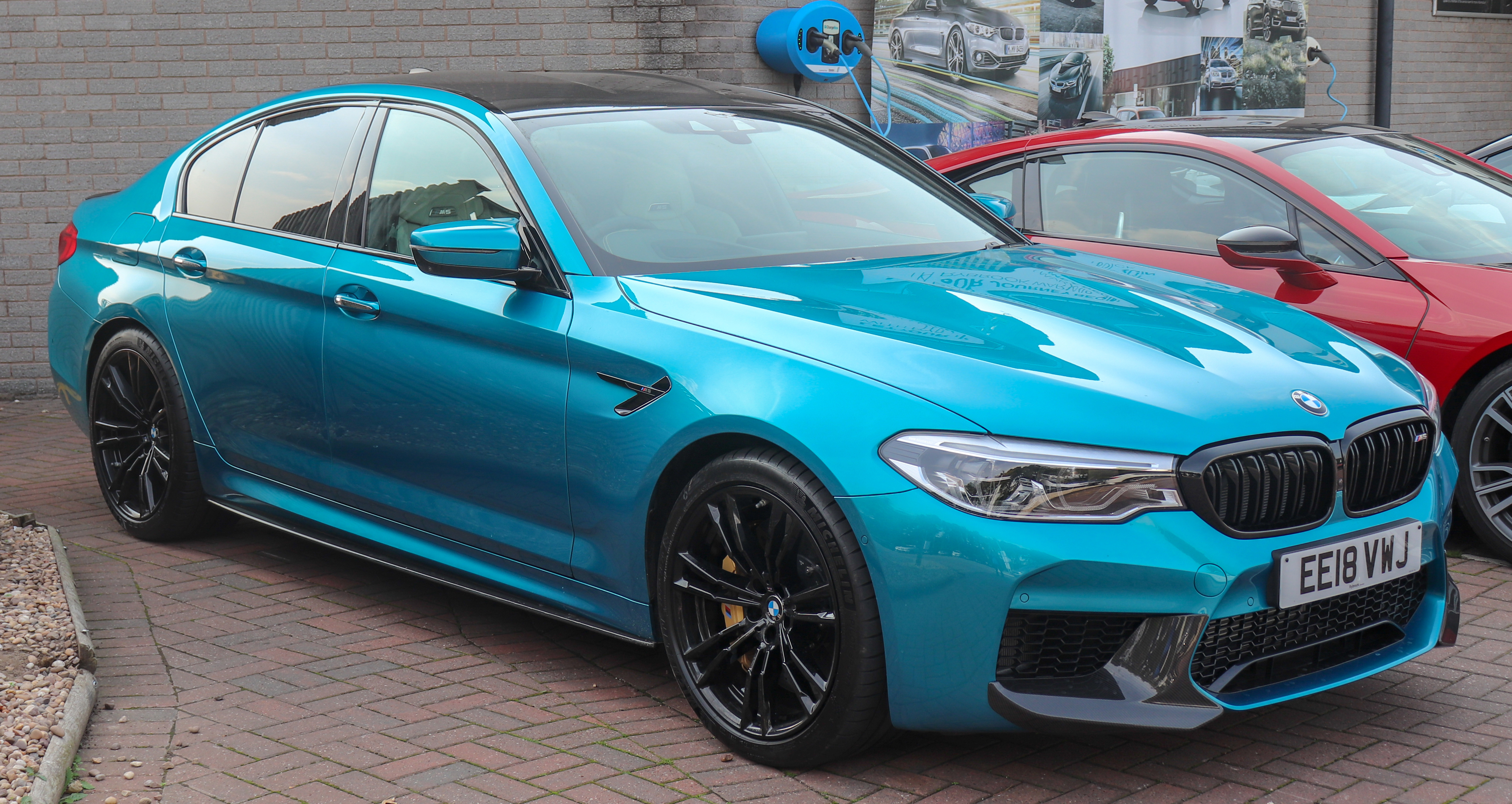
There's even a quote, high horsepower sports sedan on the way for infinity.
Maybe Espinosa's right.
So today, it's behind the scenes on Nissan's turnaround plan and what comes next.
By the way, if you like what we're doing here, do us a favor and hit us with a
five-star review on Spotify or Apple Podcasts.
It really does help get the Drive cast in front of more people.
Okay, let's go.
All right, so Pons, we're here in Japan.
We're just outside Tokyo in Yokohama and we're talking about Nissan's future.
But before we get into the topic today, you're a Z guy and I'm a Z guy.
Like we've talked about this at length, yeah?
Enthusiast, I think a little crazy is the right word.
More than just an enthusiast.
Never wanted to do anything other than build and make cars in my life ever since I was,
I don't know, seven or eight years old.
So a bit car crazy.
And your history, you worked at Chrysler at one point.
We were actually just talking a little while ago before we started recording about you
launching the Chrysler Crossfire.
Absolutely.
Actually, my first job right out of university, I only wanted to work on cars,
but I got hired by Schneider Electric right out of university and they offered me a lot of
money and I was a poor college student with a lot of college debt.
So I actually joined them, worked for them, I couldn't take it more than 18 months,
took a pay cut, moved to Detroit, started working at Chrysler.
Actually, at Warren Truck Assembly where they build the Dodge Ram pickup trucks.
I was working on the production line as a quality engineer and started in 1996 in the
auto industry and been there ever since.
So this is your 30th year based on what you just said.
But several car companies.
Several car companies and now you're an executive.
You're one of the top executives at Nissan Americas.
So let's just dive into it.
In New York, we talked about the GTR, right?
And earlier this evening, I spoke with Ivan Espinosa, the CEO of Nissan.
And I asked him about sports cars and other cars like the GTR, the Z.
And quote, he said, the sports cars are the core of the company.
And he also noted that if he could, he would bring back something like the Silvia, right?
He would love to.
But he also said, for sure, we will see more sports cars come into the portfolio.
Can you expand on that or give us an idea?
I know you have talked about GTR and Z.
So Ivan's a true and true car guy.
I've known Ivan since I joined the company back in 2012.
And in fact, I actually backfilled Ivan.
He was the VP of product planning in Europe, Nissan in Europe.
And when he moved to Japan, I actually took his old job.
So we know each other quite well.
And I know that he's an authentic sports car guy.
He's not just saying that to sound cool or whatever.
The guy loves the Z.
In fact, he is the person in this company responsible for bringing the Z.
The Z was kind of a negative business case overall.
You couldn't really find a way to make it positive.
And he was the guy who was chief, the same job I have.
He was doing globally.
And at that point, he said, look, whatever happens,
we got to bring this car out for the brand to save.
We still care about our heritage.
We want to keep an iconic nameplate out there.
And he put the business case of the Z.
So when he talks about Zs and GTRs, he absolutely means it.
Now, he's a big fan of accessible sports cars.
So you got GTR at the very top.
It's a pinnacle, but not everybody can afford 130,000 plus sports car.
We got a Z that's in the $45,000 to $65,000 range.
But he's looking for the lightweight, affordable sports car
that the Silvia was back in the day.
And he's talked about this several times, well before he was a CEO.
So I think if there's a guy in this company
who could find a way to bring a sports car like the Silvia back, it's him.
So you and I talked about the GTR when we were in New York,
and you mentioned why would we throw away the VR38 block.
It's going to have to be a hybrid, of course,
because of global emissions and global cars.
Got to be on the Nurburgring batteries.
May not be there today for electric cars in terms of that.
But he specifically said tonight, quote, yes, we are working on the GTR.
Like it was a stake in the ground of like,
the GTR is actually being worked on in this company.
I know you and I talked about timeline a couple of weeks ago for that, yes?
Look, what I think is the biggest challenge
with the current generation GTR is it just didn't meet emissions.
And there was too much stuff that had to be done to the car.
That would basically choke the powertrain to make it, you know,
compatible with the latest emission standards.
So it was definitely time to sunset that vehicle.
What we want to do is future proof next generation GTR,
that it can have a really long life and keep evolving over its life cycle.
But the unknown, the big unknown is which way our emissions regulation is going to go.
We currently have a reprieve with the current administration.
They backed off on a lot of the regulations.
And so there's many things we can do today,
but we don't know if we can do them maybe post 28 or post 32.
And so that's what's actually slowing down
the development of what we want this car to be.
That said, there is a core group of people,
and Yvonne's confirmed it to you.
There is a core group of enthusiasts based right here in Japan,
working on bringing the GTR back.
And you know, they're completely nuts about this car.
By the way, if you've never been to the Hakone Skyline road,
I highly recommend it.
Rent a car, drive on this Izu Skyline Hakone toll road,
because that's where the GTR was developed.
When I lived here in Japan, I had an R35 GTR.
That road is made for it.
And these guys who are working on us, this core group,
they're out there taking their cars every weekend and playing with it.
So believe me, they're actively working on figuring out
the right way to bring the GTR back.
So when the time is right, the car will be absolutely right.
And believe two weeks ago, we said we should probably see something
or start hearing things around 2028
and hopefully see something by 2030, yeah?
Yes, the reason I said 2028 is that's when we'll actually know
if there's going to be a change in the administration
and then we'll find out a trajectory of what emissions will look like
and then that'll solidify the plans.
That said, you can't start in 2028.
So clearly a lot of the work will be done here,
but hopefully by 2028, you know,
with somebody like Ivan as the CEO now,
I think it'll get a higher priority
and we should be able to make some concrete announcements
by 2028 of a timeline of when exactly you'd be able to see a new GTR.
And in the meantime, we'll still work on a classic blue Z just for you, Joel.
Appreciate that.
So talking about Z, I think in New York,
we talked about a three-year timeline
and we'd start working on the next Gen Z.
What does the next Gen Z need to even be?
So the current Z is a twin-turbo.
We're back to a twin-turbo and we're literally back to a heritage-like design.
What does the Z need to be in this next iteration?
So the interesting thing is if I gave you what I wanted the Z to be
that's less valuable, then what are the customers
who buy that vehicle and droids really want?
So we're finding a lot of the customers who buy the car now
are actually older customers,
those who maybe lost it after this car when they were younger
and maybe couldn't afford it for whatever reason.
And they're now on a stage in their lives
that they really want to buy their childhood toys
and they're going after the Z.
They're very interested in the heritage version.
So those are the ones that moved really quick.
And you saw the 27 model year
and the British Racing Green with the Camel Interior.
That's somebody who really knows what those things mean
for when they were in their teens or maybe 20s and early 30s.
So we're going to do a lot of special versions to cater exactly to that audience.
And then I don't think the car is short of power by any means.
We've got the Nismo version.
If you really want to track the car, want the extra horsepower,
the braking power.
So a lot of tuning has been done to bring a manual into the Nismo.
That was a natural evolution of the vehicle.
I do see performance upgrades in the future of the Z
that Twin Turbo is capable of a lot more power and outputs
that are compatible obviously with the latest submissions.
So I do see performance versions coming out, special limited series.
And then who knows if things go well,
I would like nothing more than to see a convertible version of the Z out there.
It takes a lot more work obviously
because you know there's things you have to do with stiffness and stuff like that.
But we have had a convertible in the two previous generation of Zs
and they sold very well.
There was a large part of the mix.
So let's see how successful the company is in the next two years.
If we meet those targets that we outlined and things are going really well,
that could be something we play with on the Z.
I love that.
So let's talk a little about a lot of the occurring product you guys have.
Now there's been a lot of announcements about it, right?
We've talked about the frame-based family.
We talked about reducing the model line from 56 to 45.
I believe that was it.
45 units, yeah.
45 new vehicles.
So we're going to trim some models,
but we're going to really focus in on what we're doing.
And then we've got a whole frame family of vehicles coming that are going to split
between Nissan and Infiniti.
We talked about that.
We talked about the XTERRA coming back.
You and I have talked about, and then Nissan is kind of teased a little
about the Pathfinder doing how to split strategy with the body on frame version
for more people that want more capability,
but then we're also going to have that unibody version we still have today.
And then of course you have the Frontier and the Armada.
So we've got those.
And then we also discussed a hot quote to Tiago Castro.
His quote was,
high horsepower sports sedan for Infiniti.
And then we also talked about these Infiniti SUVs as well.
So a ton of product expansion.
Let's take the listeners and the readers behind the scenes a little on some of this stuff.
And there's obviously stuff we know,
and then maybe there's stuff you can shed light on.
So starting with Infiniti,
just because it's a smaller lineup to tackle here,
the high horsepower sedan, right?
We've already know it's a four door sedan.
We know it's a high horsepower.
And we also know it's going to have an available main transmission and rear wheel drive.
These are all things we were told by Tiago.
And then today, when we're recording this in Japan,
you guys tease a new Skyline.
Now a Skyline is a global model that's not sold in the U.S.
The version of that that was sold in the U.S. was badged in Infiniti.
And it was badged Q50 or G35 or G37, depending on the generation.
Is this, are we ready to confirm that that car is the car that will come to America,
that in Skyline, are we not ready to confirm that is the Q50 or return of the Infiniti
or high horsepower sedan?
Well, we can't really confirm exactly what the donor will be.
But let's talk about what we want to do with Infiniti.
Let's talk about that.
So Infiniti is a two car lineup right now.
It's really a QX-60 and a QX-80.
We just shown and revealed the QX-65, the very stylish coupe version of the QX-60
that's going to bring an incremental customer into the brand.
And then, so you've got massive luxury vehicle taken care of.
And by the way, it's hit its sweet spot.
We're selling about 12 to 1400 units of those every single month.
For the first time ever, Infiniti has brought a customer who makes more than a half a million
dollars a year.
And now we're actually bringing on a regular basis customers who make more than a million
dollars a year that had never happened in Infiniti's history.
So Infiniti is now gaining its ground.
The QX-60 has hit its sweet spot.
You've got a QX-65 bringing in a completely incremental customer.
And our question is, what else can we go and cover that's not logical and not perfectly
rational but really hit the emotional side of the Infiniti brand?
And so that's when we settled on, okay, sedans.
This is, you don't see many sedans around.
And there is a customer base who just craves a high performance sedan.
There's not very many alternatives out there.
So what if we were able to bring a premium sedan out that was biased for ride handling
and performance and maybe makes a few compromises in terms of comfort?
What would we do?
So we're like, okay, we've got a great powertrain with the Z.
You've got a three liter twin turbo with 400 horsepower.
So what if we do that manual transmission but then give it the convenience of having a backseat
and four doors?
And that's how this car came up.
Now, you know, we have a skyline plan for Japan because it means something for Japan.
And we just tease the two images, the front and the rear ends with the
very historic quad LED taillights that are little GT RS, but very, I mean,
like if you look at old school GT RS of history, right?
All the way back to the beginning, skyline name, right?
That is historic.
And then the front end in the teaser image is very horizontal and very retro,
like with heritage knowledge, of course, for people that haven't seen it.
So yes, it could be a donor.
I let you connect the dots and, you know, we have limited budgets and limited platforms
we can play with.
But the one question actually that I get asked is like,
if you're going to do a very cool skyline sedan in Japan,
why don't you just bring the skyline Nissan sedan in the US?
It's a fair question.
Well, it's an expensive car because a lot of hardware is going into it.
And there's a cult following for that car here in Japan because we've continuously
always had one version of the skyline after the other.
And, you know, it's a right hand drive car very focused on this market.
And in the US where we've had Ultima as we've even phased out the Maxima recently,
we really don't have a car park of people looking to buy a high performance Nissan.
And that enthusiast customer would be much more interested in the luxury version of that car.
And so Infinity makes more sense.
Price point, the luxury offerings, the kind of the level of execution we'd want out of it.
It's not a mainstream Nissan customer, but it could attract an Infinity customer.
That said, we really do know that there's customers in the US who understand the JDM
culture very well and do understand what the skyline really is.
So what if there was a nice merging of the two? What could we bring?
You mentioned earlier the 400 horsepower for the Z powertrain.
You basically talked about how this could be a four door sedan version of the Z,
which is kind of with the Q50 and the G35 and all those.
They shared platforms and transmissions and all that stuff.
There's a lot of people out there in the tuning world easily pumping 500 horsepower out of the
Zs these days. It's a very reliable and stout three liter turbo six.
It's almost, I don't want to call it underrated because I don't think it's coming from factory
underrated, but I do think that there's a lot of untapped performance potential.
Do you see a world where A, this skyline Q50, whatever it's called that's being sold at
Infinity dealership, could A have more power than the Z? Or B, could it be something where you add
a performance tune with a factory warranty at a dealership level for an upgrade?
Like Ford's done this with EcoBoost. You can do a factory tune the 2.3 liter EcoBoost
with a factory warranty through a dealership. It's a reflash because is that something that
where you see a market where people might pay the Infinity dealer to do this under warranty?
So let's talk about what we have done so that could predict the future much better.
At Pebble Beach last year, we showed a track spec and a terrain spec QX80,
really going into completely new territory and we actually have a drivable version of the track
spec that delivers 650 horsepower off that same platform. The same platform and the same powertrain.
So that VR35 3.5 liter twin turbo V6 delivers 450 horsepower in stock form and working with some
partners, we were able to get that vehicle up to 650 with some bolt-on parts but not
fundamentally tearing up the engine. So this tells you this is how Nissan likes to do their
powertrains. You know we build in enough upside where we make it for a conservative power outlet
output which 450 is by no means low but it's conservative but it can be tuned up and so
the target for Infinity within this year is to come out with a performance version of the QX80
that's well north of 600 horsepower and I'm just throwing conservative numbers out there because
I'd rather be lower than too high. So going back to your really comment about Peep, there are
there's a contingent in there that they're not going to pay that kind of money for any song.
They want that's how we get to an infinity, right? You get the service, you get the interior, etc.
But there is a contingent that loves JDM culture, they love the JDM life, they know what Skyline
means. To be able to tune it. And they want to tune it. Is there a world where if you sell this
with an infinity badge because if you sell it in an infinity dealer you probably need a badge,
is there a world where you could offer a kit, like a changeover kit that a customer could get
this to be the JDM version, right? Because the problem is that modern cars headlights and modern
cars all these things with DOT regulations and all these things, it makes it very difficult.
It's not like back when I had a Jeep Cherokee and XJ and I just swapped out the headlights
and I put in different bulbs. We're not in that era anymore, right? You can't just swap out reflectors
when they're built into headlights. All these things are very complicated. It's very, very built
and integrated. Headlights can cost a thousand to eight thousand dollars. Like the LED this and
adaptive that, it's crazy. So is there a world where infinity you guys and Nissan would consider
selling a, I don't know what to call it, a retro kit, a back day kit, a changeover kit,
whatever for those JDM enthusiasts with a warranty? Yes, let's put it this way. First,
whatever power frame we bring to the US will be tunable. So you can work with the right tuner
if we can offer it through the factory with all our warranties, we will. And sometimes the volumes
are too small. It's actually a business better done with a tuner. So we partner with tuners before
we could officially partner with them. And so we would definitely consider that and make sure that
the supply chains in place, sharing the right mapping and ECU data so the tuner is well equipped
to get a perfectly functioning car out there. So that's an absolute yes. But what you're referring
to actually is very interesting proposition which we could very easily do and which my,
my planning team and I have really tossed around is what if you have an infinity version because
that's the right brand and the right demographic to bring in. But maybe there's some purists out
there who'd be like, you know what, I'd like this to be like the skyline that's in Japan
or whatever car that's super authentic to the, to the heritage of this, help me make this. And
we would love to facilitate that, you know, because a purist wants it, they know it. It's
going to be a very small, narrow niche buyer. And for sure we can facilitate this culture around
that was a culture around it. And you know, those who are in it, they know it. And these are not
these aren't people who are trading their cars in and out, but they want to keep this collector
toy in their garage. And, you know, we'd like to make that, make that happen. Who knows, we might
even offer a Datsun kit for people who want to take a, take an original Z and then make the Datsun
version of it from way back then with the original Datsun logos. I think that could be heck of a
business jewel. I mean, I personally would love to see you guys go down the path. I mean, Porsche
does an amazing job with it. BMW was doing an okay job with it, but to really embrace
the heritage cars and bring back parts. I mean, look, I have it, it's no secret in the world.
We have a 1990, 300, ZX, a system in my garage. It's blue on blue. And I got to tell you, parts are
a problem. When I needed new exhaust mufflers, which by the way, that car goes all the way from
the cat's back. It's a very long setup. It was a nightmare to like, because I don't want an X pipe.
I don't want to be loud. The whole car is basically stock. I mean, I got my hands on them,
but it was difficult. And I mean, we can't, we were, we were one stop short of overnighting parts
in Japan. Like, I mean, it was like almost fast and furious level here. Tell you what, Joe, you give
me between six and 12 months, and I'm going to give you a guy who you're going to reach out to
directly who is going to facilitate this stuff at an industrial level. That's all I can say for now.
There's somebody working on this through Nissan, obviously, that we've intentionally put this
person in place, but he's in study mode right now to evaluate how this can be done at an industrial
level. He'll be doing exactly what you're talking about. Heritage parts, back in production to
support enthusiasts with other cars. And to do Resto Mod style builds. I love that. And there's
many other brands doing it. And we haven't been very good about doing this.
Tiago and I were talking a couple weeks ago in New York on our show, and he was talking about how
we were talking about SLAV and how they can't build those fast enough.
Really? They make a car? Sorry. I'm joking. I'm just kidding. I'm just kidding.
Can't wait. We'll see. I'm just going to love that.
No, but, but, but they can't, they can't build them fast enough. This is 680 horsepower.
Excuse me. SUV does 060 in like 3.8 seconds, but it costs like 150 grand, 140 grand.
And, and, and they can't build these things out of Texas fast enough. And they're going with
markups on them at dealers. And then people are reselling them back over sticker. It's crazy
market, right? And Tiago is saying, there's a market for that. I want that. And he was telling
me how he would love, and he was rounding numbers to be clear, but he's like, I'd love to see a 700
horsepower QX80. I think he was rounding up, but like, he's like, I'd love to see that. At the same
time, he is saying, that's harder than selling a 600 horsepower because 600 horsepower to your
point about the engines overbuilt or whatever, taking something 600 horsepower and not pushing it
to seven with a warranty, they're easier. And he was talking about, maybe we do a two-prong
approach. Maybe we do a, you know, a sportier version and then even a higher horsepower version,
right? And you guys showed a thousand horsepower version of the QX80 with the GTR powertrain.
It seemed like last year, gorgeous purple paint. Do you see this two-prong approach
for the QX80 and other models or is it just QX80? Like, can we get a two-prong approach on this
sports sedan? Can we get a two-prong approach on other models? Or is it really the QX80 we're
looking at? No, it's the QX80 is being used as a proving ground. Let's test the market and see
what it is. So when we showed track spec and terrain spec, it was just like, you know what,
this might just be a curious experiment and we've got two great concept cars. All of this work,
by the way, all three were driven out of my team. So we did the track spec in the terrain spec for
Pebble Beach and we did the R spec for SEMA. So we're going to do a very cool driving event with
the R spec sometime soon. So, Dom, we got to get him on our list, invite him to the event. We'll
probably do it maybe locally around Nashville. I wanted the tracks that are nearby and then get
you to drive it because that thing is a beast. It's an absolute beast and it's rear-wheel drive
because you couldn't get the four-wheel drive to package. So I think it's rear-wheel drive,
so it's an absolute monster. So coming back to this point, so why 600 first? Because the base
powertrain is 450 horsepower, nothing to be shy about. You could easily go up to 500 without
any problems, but we live in a world where 500 horsepower was kind of an average number now.
It used to be a monster. It's crazy, right? It's crazy. It's absolutely insane. But we got electric
cars now putting 1,000 horsepower. I remember when an M5 had 400, some of them were like, whoa.
It was crazy. I had a car at 320 horsepower, a twin-turbo all-wheel drive car at 320,
and I thought I had the ultimate supercar. I mean, electric cars have changed the game, right?
I mean, Rivian, you can get 1,025 horsepower SUV and it rips 0-60 in 2.6 seconds. It weighs 7,000
pounds. It's crazy. And peak torque available at zero is just incredible. So what we want to do
with this is, okay, 500 is not a dramatic enough number. Let's give somebody genuine bragging rights
if you want this vehicle. So let's start with 600 as a target. Now, we end up wherever we end up to
make sure that we're being conservative with the powertrain. And that's really our objective,
because we've won JD Power IQS now with these cars that have done extremely well. So the brand
reputation is climbing. Infinity's quality ratings are really superb. So we don't want to tank that
by any means. So we will be conservative to the point where we can deliver an absolutely bulletproof
powertrain. And then we'll test the market. If there's people just lining up and saying,
why just 600? Why not 700? Then we'll build it. Now, that takes incremental investment.
It takes incremental effort. And again, to make sure that the quality coming out is absolutely
bulletproof. Once we prove that out on a vehicle like QX80, and why are we picking QX80, we're
already getting customers who make more than a million dollars a year coming to shop this vehicle.
When you make that kind of money, you've got all kinds of choices. So we got to make sure that
the car is special. That's going to give you something that you can't get from another brand,
from another type of the vehicle. Once we have that proved, absolutely, we're going to bring it
down to the other cars in the lineup. I could think of a QX65 that's tuned. What if we did a
special project, Joel, where we maybe shoehorned the V6 from a Z into the QX65 and really made
a high horsepower. How would you do that? Isn't that a front-wheel drive based car?
Yeah, it all takes just money and investment, right?
You know, I have a general contractor, and when I ask him questions, sometimes he looks at me
and says, Joel, for money, anything's possible. Absolutely the truth.
It is absolutely the truth. Now, what makes it tough is industrializing something like that,
so where we can get thousands of those cars out. But I'd just love to do special purges. You know
what I really would like to do is if people like to do these things, coming back to our earlier idea,
make the kits available, facilitate it, you know, so people can get back into this business of
actually tuning and customizing vehicles the way they want to, that we can't do it in industrial
level, but one-off bills, the stuff that I see online now, some of this really amazing, amazing
stuff. I do think there's a lot of missing support from automakers in a big way in that
it used to be different, right? It's very much so in the JDM scene back in the day.
But just in general, I do think that Ford's really made a good attempt, especially with
its Raptor off-road stuff and also its Mustang line, so like its icons, if you will. They've
done a good job with it, but in general, I do think there's a lot of aftermarket support missing
from the automaker level, so I love hearing that. So let's shift from Infinity real quick.
Let's shift to Nissan. A lot of big things going. We know about the Z and the GTR, obviously, but
we know there's next terror coming. We've talked about our body and frame Pathfinder. We've talked
about the Armada is already here and it's great. I just drove one recently, the Pro4X off-road.
It was blue, by the way. Really cool. Cool hardware, locking, re-differential, all that stuff.
So let's talk about the next terror, right? Everyone's really excited about this car.
We know it's going to start on 40,000. From previous interviews, we know it's going to start
on $40,000. We know it's going to be available in yellow. We know it's going to be a back-to-basis
car that's going to be able to have off-road tires and auxiliary stuff put on it. Like these are all
things we talked about between different interviews with you guys. So let's talk a little about,
we saw a teaser image and it was dark and shadowy, but we did see split headlights. We saw the
trademark hard-body like three slots, the male slots or whatever you guys call them.
My uncle, the one who owned the Z, he had a 1990 Nissan, blue on blue with a manual transmission
Pathfinder. That was his daily driver. That was his winter driver while he drove the Z in the
summer. I'm not kidding you. So, dude, the heritage runs deep. So talk to me a little about what this
thing needs to be beyond what we already know. We haven't seen real images, right? But there were
certain trademark aspects of the old X-Terra, right? It had the bump in the roof. It had the
punch out in the rear tailgate for the emergency kit back in the day. Punched out fenders. You
could put aftermarket tires back on it and they wouldn't rub. There weren't a ton of accessories
like a Jeep Wrangler back in the day. We were in a different era. Now we've got a whole aftermarket
support for a lot of things from different companies at this point. What does this thing
need to be in terms of design to be a success beyond what we've seen so far?
So the original X-Terra, and by the way, that vehicle was made before I joined Nissan. So I've
learned a lot about the heritage of that vehicle. Super cool car. Yeah, it was a very cool car.
Everything you needed, nothing that you didn't. That was a good way of describing it. And I just
loved it. The fact that it was back to basics, bulletproof, never broke, and you could take it
and really beat the crap out of it. Now this thing to keep in mind is the people who bought the car
back then, they're a lot older right now and they have a lot more money to spend. They are. They're
exactly right. So maybe that's their toy and they want a car now that's rugged, that reminds them
of their fun car that they had when they were younger, but their expectations of the vehicle
are also different. So we need to be able to straddle with this car, the back to basics vehicle,
but quite frankly at 40 grand, that's not really a very basic car, right? Like X-Terra back in the
day was much more affordable than a 40, $42,000 car would be today. Well, it was a less expensive
version of a Pathfinder. They shared running gear, right? But they were not, it was below the Pathfinder
in the packing order in terms of price, features and content. Correct. Well, and you know where
the Pathfinder sells today. So we're starting at 40 grand with the X-Terra. We're actually going
to be more expensive than a Pathfinder. Totally different car though. This is going to be a much
more off-road cable. We're in a different era. So the idea is yes, back to basics in the sense that
this isn't going to be a technological showpiece. It's going to have a lot of great tech on it,
but not overloaded with tech. Now, authenticity is important. So there'll be tons of design cues
on this X-Terra that remind you of the original X-Terra, but the modern interpretation of it.
I'm not a fan at all of just bringing back an old car and then just doing a few cosmetic things
and basically looks like the old car with new hardware. That's not the goal at all. It's bigger.
It's going to ride taller. It's going to have a whole bunch more capability that the old one did
not have, but it'll have the cool elements like the, there's going to be characteristic lines on
the sides of the vehicle that remind you of the X-Terra. They'll have the three-slot grill up front
that goes back to the hard body. A lot of use of LEDs, which is new. So it's going to have a light
pattern that's going to be dramatically more functional than the previous vehicle. It's
going to have the stepped roof. There's going to be very cool things with roof rails and roof boxes
available. Which was a thing with the original. That was the thing. It had the rails that said
X-Terra on it and then it had the thing in the front and you could put a wet suit in there that
was wet and then throw a net or bungee over it so it wouldn't get inside the car. Remember this.
All those little details and we've tapped in actually to some of the knowledge that's in
the company, people who've been there a long time ago, to say how are these cool elements,
which one should we preserve and how can we go about executing all of that. Now it'll have a
unique signature look in terms of approach and departure angles to show genuine capability.
It's not like we just made this an overloaded kind of suburban family hauler. I mean,
you've got other vehicles in our lineup that can do that. And that's what I think will really
appeal to people. It's authentic. It'll have a very capable powertrain. The big trend in the
segment has been to go to downsize the four cylinders. We're going with the V6, lots of
available torque and horsepower. And then who knows, we'll design the architecture to be able
to accept a hybrid powertrain in the future. You want a future proof of vehicle, you have to build
a certain level of electrification into the plan. So depending on how things go, which administrations
and power, how the regulations go, we will have the ability to hybridize the vehicle if we need to
and with the significant benefit and, you know, miles per gallon. So there's actually,
it pays off for their customer. So stay tuned because it's an authentic real deal.
There's a level of excitement in this building since we're here in Japan and, you know,
you were at the tech at the engineering center. There's a level of excitement from the designers
to even the people setting up the supply chain to certainly all of the test engineers that want
to make this an absolute home run and stay tuned. You're going to love it.
Well, definitely want to talk to those test engineers and I'm losing my voice. So I apologize
to all the listeners. It's been a long day here in Japan. Talk to me a little about,
so we talked about a family based set up of on frame vehicles, right? We know about the exterior.
We already have a frontier and these are all going to share the next frontier. We share these
platforms and all that stuff. We have our motto, right? But we also talked about the possibility
of two pathfinders living side by side, but with different demographics and different angles.
We got the current one we have today, which is unibody, which for people that don't know,
the pathfinder has had an on off relationship with unibody and we've had two pathfinders
with unibody and two pathfinders actually with body on frame. So this vehicle in nameplay has
lived multiple lives in different vehicle setups. So today's unibody is said to live on,
but then part of this body of frame vehicles or family, I will say, is supposed to get a
pathfinder variant that is larger than exterior because the exterior is a two row vehicle, right?
How do dueling pathfinders live next to each other? How does it work?
Yeah, I think this story maybe has been misinterpreted or maybe somebody can give you
the right thing. So let me help clear it up. Please.
If you start off with two nameplates living side by side, we're not asking the right question.
So the right question is, who's the customer for what product? So we've got a customer base for
today's pathfinder that's working really well. We're selling 110,000 units of these.
The turn rate is excellent. The dealers love it. They think we've got a sweet spot on the vehicle.
It's working great. So we've taken care of a customer who's typically using it in a suburban
use case. It is used as a family vehicle, third row seat access, ingress and egress matters,
cargo capacity matters, twin capacity matters, but it's mostly an on-road vehicle. If you're
more into the hunting and camping lifestyle, we got a Rock Creek version for you. That's one type
of vehicle. Now we switched gears. We just talked about a body on frame exterior that's a completely
different vehicle. It's more driven by image. You are going to use it in a more rugged
circumstance. You're going to be taking it as much more capable and genuine off-road.
Absolutely. It's not exactly a boulder climbing vehicle, but it's going to have real off-road
capability. You will see people putting lift kits on vehicles like this and really modifying them.
Now the thing is, does that person then have a need for a more functional vehicle because
they have this image-driven vehicle, but they also have a family and they do need more space?
Maybe you want to have family, kids, luggage and tow, and that's a slightly bigger vehicle.
So can you take an XTERRA and do a larger version of that that accommodates the third row seats?
That's the functional need and the type of vehicle that the customer is asking for.
What you call it is secondary. So I want to park the discussion on what you call it and name it,
as that should be the consequence afterwards. Because if you just say it needs to be a path
finder, then you're going to confuse the daylights out of people saying, you just showed me this
vehicle. I've been seeing this in the market for six or eight years and that's a path finder.
Now how is this a path finder? It's just confusion. So I'm talking about what is that customer? Why
would they need this vehicle? So we described the XTERRA customer and I'm just saying there's an
extension of somebody like that who's got a family and they want to take this family on these adventures
with them, but they need more functionality. We'll take care of that customer. Now let's take this
a step further and say there's somebody who wants all that capability, the coolness, the design,
et cetera, but they really need a pickup truck. Well, I can make you a pickup truck off of this.
And by the way, the XTERRA is a beautiful looking car, but if you merge that with some of the cool
design elements that we have in a frontier today, that could be a pretty damn cool car. So now you
got your pickup truck. Then you come back and go, okay, you've got these three great vehicles,
but hey, what does it take to make an infinity out of these things? And we've already shown that
you can have a Pathfinder and a QX60 that coexist. You can have an Armada and a QX80 that coexist,
and you do a massive job of differentiating the two, that they're not really cross-shopped and
they're serving a different customer base. And now I can take care of the infinity equivalence of
these two vehicles. That is a good plan. And we keep talking about a family of five and set,
you know, five frame vehicles. Why does it matter? It takes well north of a billion dollars to bring
cars like this to a market. Now, if I can do multiple derivatives off of these vehicles
and have them cater to unique customer segments, I've got a home run, an absolute home run.
And that's what we plan to do with this. I think that's a great place to start closing it,
but I will say there's an heritage nameplate that we haven't discussed yet that totally
work with today's naming structure on the XTERRA version of the luxury frame SUV, QX4.
QX4? Yeah. Oh, from way back in the...
But a QX4 was the luxury version of the Pathfinder, which was the second generation
Pathfinder at the time. And so originally, the QX4 was the only way you get electronic,
automatic, full wheel drive in a Pathfinder back in the day. And then eventually,
you could get in a high-end Pathfinder as well. But my mom, my dad looked at the first gen QX4,
he didn't end up getting it. And my mom ended up looking at the second gen QX4.
We didn't end up getting it, but super cool cars. And they had the horizontal
HID high beams, and they had the three spoke wheels, super cool car. I'm just saying QX4,
think about it. Duly noted, I'm going to make a note. QX4 could be the infinity version,
and maybe we'll do a special JF edition, Joel Fader edition.
You're going to have the three spoke wheels. They got to be, they can be mono.
If I do that, you're going to have to do WWJD.
People don't even know what that means. So back last year, Pons wanted me to start,
whatwouldjoeldrive.com? I didn't even remember, but I should, I should still start it. It'd be
funny. All right. I really appreciate it. It's late here in Japan. I really appreciate the time.
Pons, thank you so much for your time. We'll definitely have you back on the podcast.
Always a pleasure. Thank you.
That's it for this week's episode of The Drive Cast. Thanks to Nissan for opening
his doors to Pons for his time and insights. Thanks to our editor, Tyler Mark. And thank you
for listening. We'll be back next Wednesday. Be sure to check out thedrive.com for our full
coverage of everything Nissan is doing. Subscribe to one of our fine newsletters.
They're free, by the way. Follow us on Instagram, Facebook, and TikTok. And subscribe to us on
YouTube where you'll see Kyle and his hair doing lots of cool things. We'll see you next week.
Bye, everyone.
About this episode
Nissan’s planning chief Pons Pendicatira lays out the brand’s turnaround strategy from Japan, focusing on bringing back sports-car credibility while expanding SUVs and trucks. He confirms work on a future GT-R, with timing tied to emissions clarity around 2028 and hopes for a new car by 2030. The next-gen Z will lean into heritage, special editions, and more performance variants. Infiniti gets a high-horsepower sedan concept (likely linked to Skyline cues) and a QX80 performance “proving ground” targeting 600+ hp. Nissan also details the return of the Xterra and a body-on-frame family approach, plus ideas for heritage parts and tuner-supported resto-mod kits.
Nissan's in trouble, but the automaker's not going down without a fight. After laying out a massive turnaround plan it's clear Nissan's not just on the ropes, but about to swing for the fences and really try and cater to both the masses and enthusiasts, again, as it refocuses.
This week, The Drive's Director of Content and Product, Joel Feder, is joined by Senior Vice President and Chief Planning Officer for Nissan North America, Ponz Pandikuthira, in an exclusive one-on-one chat taking place in Japan discussing what's coming from both Nissan and Infiniti. From a family of U.S.-made body-on-frame vehicles to special edition Zs, the timeline for the next GT-R, backdate kits, restomod and classic parts, to a 600-plus-horsepower QX80, Pandikuthira spills the goods about how Nissan and Infiniti intends to win back the hearts, and wallets, of buyers ranging from millionaires to enthusiasts on a budget and everyone in-between.
So, today, it’s behind-the-scenes on Nissan’s turnaround plan and what comes next.
Stories mentioned in today's episode:
Nissan Announces Huge Turnaround Plan To Cut Models and Keep the Good Stuff
Nissan’s Next GT-R Will Be a Hybrid, Keep the VR38 Block, and Arrive by 2030
The Nissan Z Is Thriving Thanks to an Unlikely Hero: Your Parents
The Next-Gen Nissan Xterra Is Real, and Here’s Your First Look
Nissan Confirms New Xterra Will Offer Hybrid and Non-Hybrid V6 Options
Nissan Is Looking at Doing a Sports Car Lineup Again, Exec Says
00:00 Intro
03:27 Next-gen GT-R
07:46 What's next for the Z?
09:44 Summarization of the upcoming products
10:39 Infiniti's "high-horsepower" sedan (the Skyline)
11:26 The future of Infiniti
15:37 A performance version of the Infiniti QX80
16:43 A Skyline JDM kit for Q50?
19:17 Bringing back and providing heritage parts
22:44 Hotter QX80s and what could come next
25:20 Special projects?
26:44 Xterra is coming
Learn more about your ad choices. Visit megaphone.fm/adchoices