Acura’s Integra A-spec is a sportier version of the Integra. The speaker is using it as an example of a newer car that looks and feels different from an older Integra.
Power steering helps you turn the wheel with less effort. If a car doesn’t have it, steering usually feels heavier, especially when parking or driving slowly.
Term
AC
AC means air conditioning. The speaker is saying their older car doesn’t have it, which affects comfort on drives.
The Honda Prelude is a Honda coupe that people often liked because it felt fun to drive. Here, they’re talking about how older Preludes compare to newer cars that replaced them, especially in terms of how they drive.
The Civic Type R is a high-performance Civic made by Honda for people who want a sportier driving experience. They mention it here to compare what modern performance cars feel like versus older favorites.
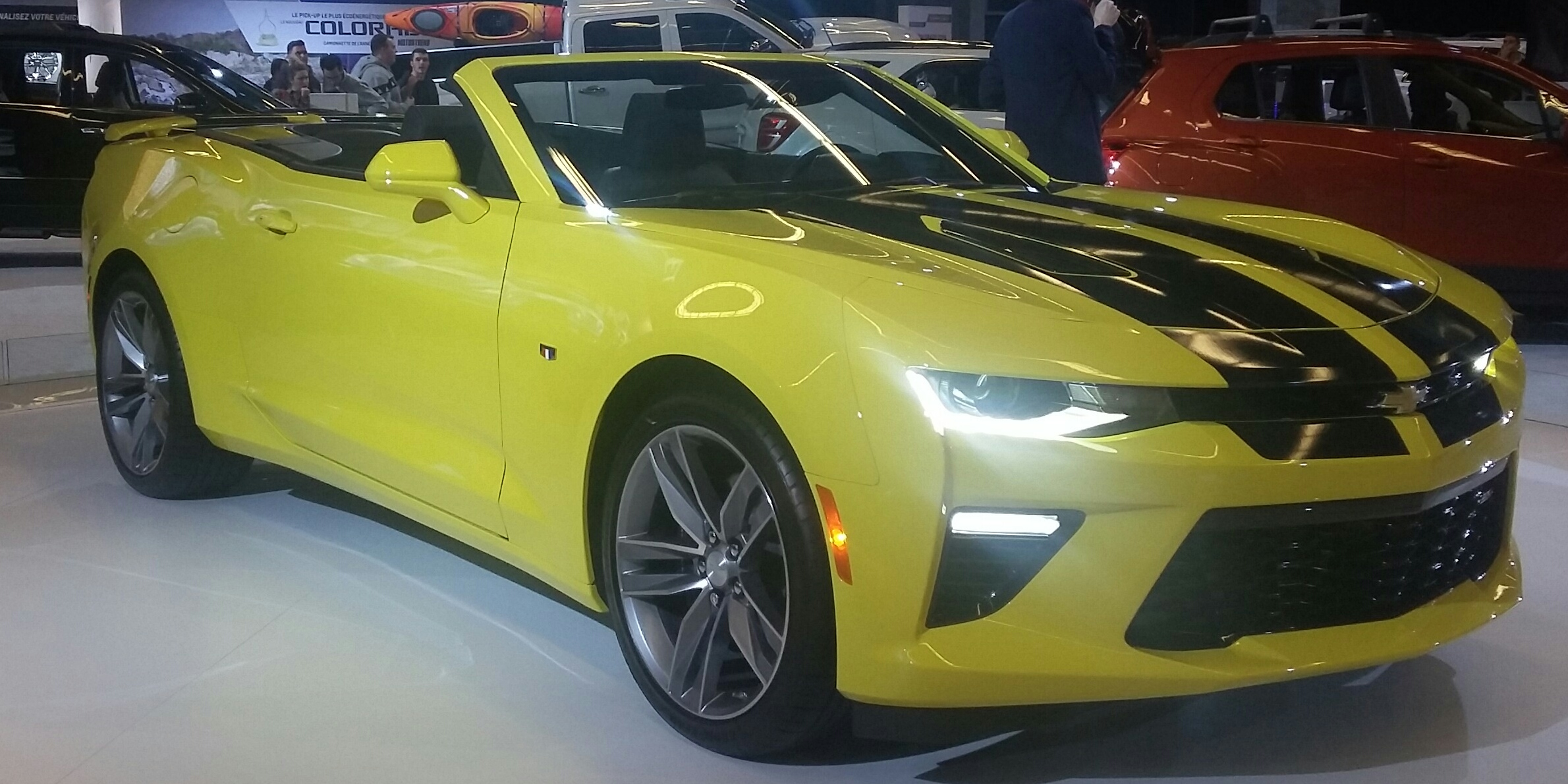
The Chevrolet Camaro is a sports car from Chevrolet. Older versions are often talked about for their classic design and performance. It’s a well-known model that many car fans compare to other muscle cars.
A subframe is like a strong inner frame that holds important parts of the car. Swapping in a modern subframe is one way to make an older car handle and drive more like a newer one.
“Showroom floor” means the car is brand-new from the dealer, not modified. They’re saying the original, unmodified experience is part of what people still enjoy.
Hot rod culture is about modifying older cars to make them more fun or more powerful. The hosts are saying that kind of hands-on, DIY attitude is part of why people still love the legends.
A differential is part of the drivetrain that lets the wheels spin at different speeds when you turn. That matters for traction and how the car feels when you accelerate.
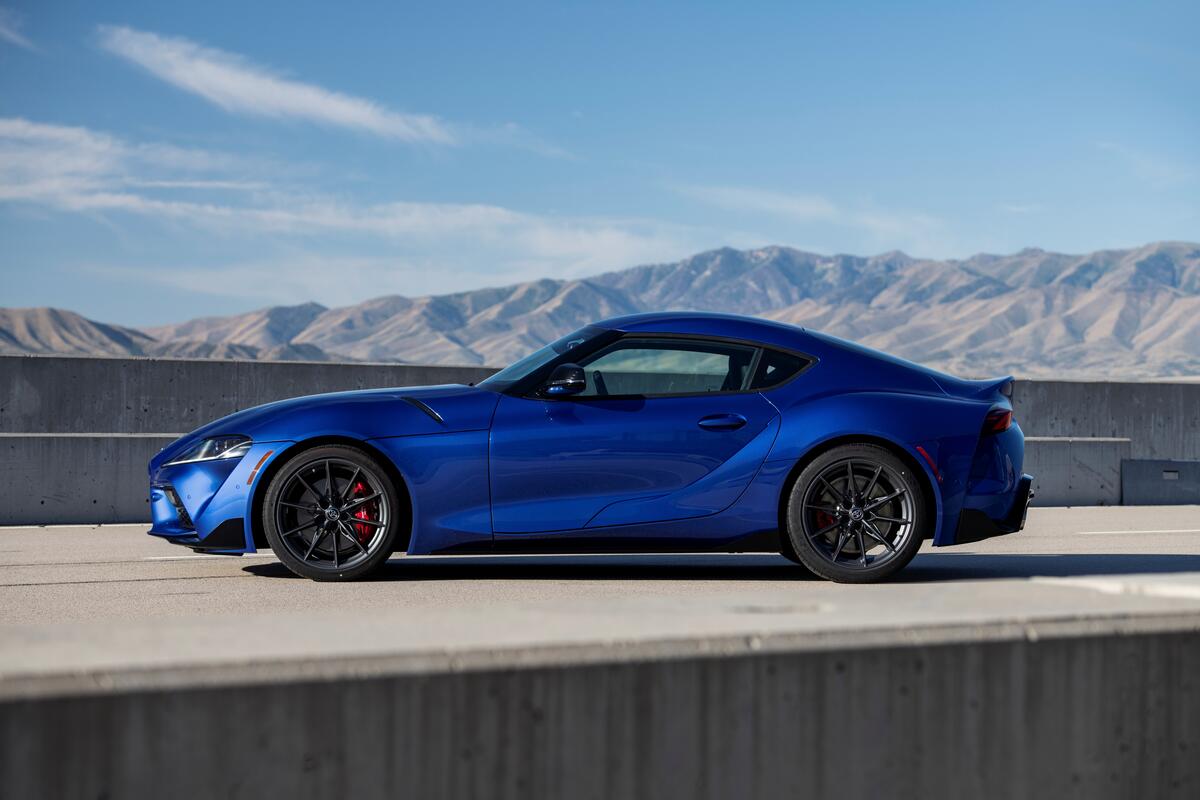
The Toyota Supra is a well-known sports car. The point here is that modern versions are offered as high-performance packages from the factory, like the “legends” people used to chase by modifying older cars.
The Nissan 350Z is an older Z-car that many enthusiasts love. In this conversation, it’s used as an example that a car doesn’t have to sell a ton to become important later.
The Nissan 300ZX is an older Nissan Z model that’s considered a classic by many car fans. The host mentions it to show that the Z has always had enthusiasts, not just modern buyers.
A manual transmission is when you shift gears yourself with a clutch and a stick. The host is saying that getting a car with a manual is a meaningful upgrade.
A “gentleman’s agreement” here means car companies were kind of agreeing to cap the horsepower numbers they advertised. The host is suggesting the official ratings didn’t tell the whole story. So the real performance could be closer to what enthusiasts measured.
USDM means the version of a car sold for the U.S. market. Different countries can have different rules for emissions and engine tuning, which can change how much power the car makes. The host is saying the U.S. version still performs surprisingly well.
The cam angle sensor tells the computer where the engine’s camshaft is. The computer uses that info to time things like spark and fuel. The host is saying getting that sensor adjustment right helps the engine make more power.
A timing light is a tool that helps you see when the engine’s spark is happening. If the spark timing is off, the engine may not make as much power. The host is saying you can tune timing to help the car reach higher output.
Term
93
“93” is a type of gas with a higher octane rating. Higher octane helps the engine run more aggressively without knocking. The host is saying the tune they’re talking about works best (or safely) on 93.
The Nissan GT-R (R35) is a high-performance Nissan designed to be fast right out of the box. The point here is that it’s relatively easy to add upgrades to make more power, and the replacement parts are usually cheaper than what you’d pay for some exotic brands.
“Bolt-ons” are upgrades you can add without doing a full rebuild of the engine. They’re popular because they’re usually simpler and can still add power.
Residual value means how much the car is still worth after you’ve owned it for a while. The point here is that the R35 doesn’t seem to drop in value as badly, so ownership feels less financially painful.
“Supercar performance” just means the kind of very high-level speed and driving feel you’d expect from expensive exotic cars. The hosts are saying the R35 can get you close to that experience without the same cost of ownership.
Ferrari is mentioned as the example of an expensive exotic brand. The claim is that parts for Ferraris tend to cost more, so the Nissan GT-R approach can feel cheaper for similar thrills.
The Nissan Skyline R34 is one of the famous older Skylines people love. Here it’s being compared to the newer GT-R (R35), with the claim that the R34 was more of a modified base car, while the R35 was built from the start to be a performance machine.
Nostalgia is when you like something because it reminds you of your past. In this case, it explains why people might prefer older cars they remember from games or shows.
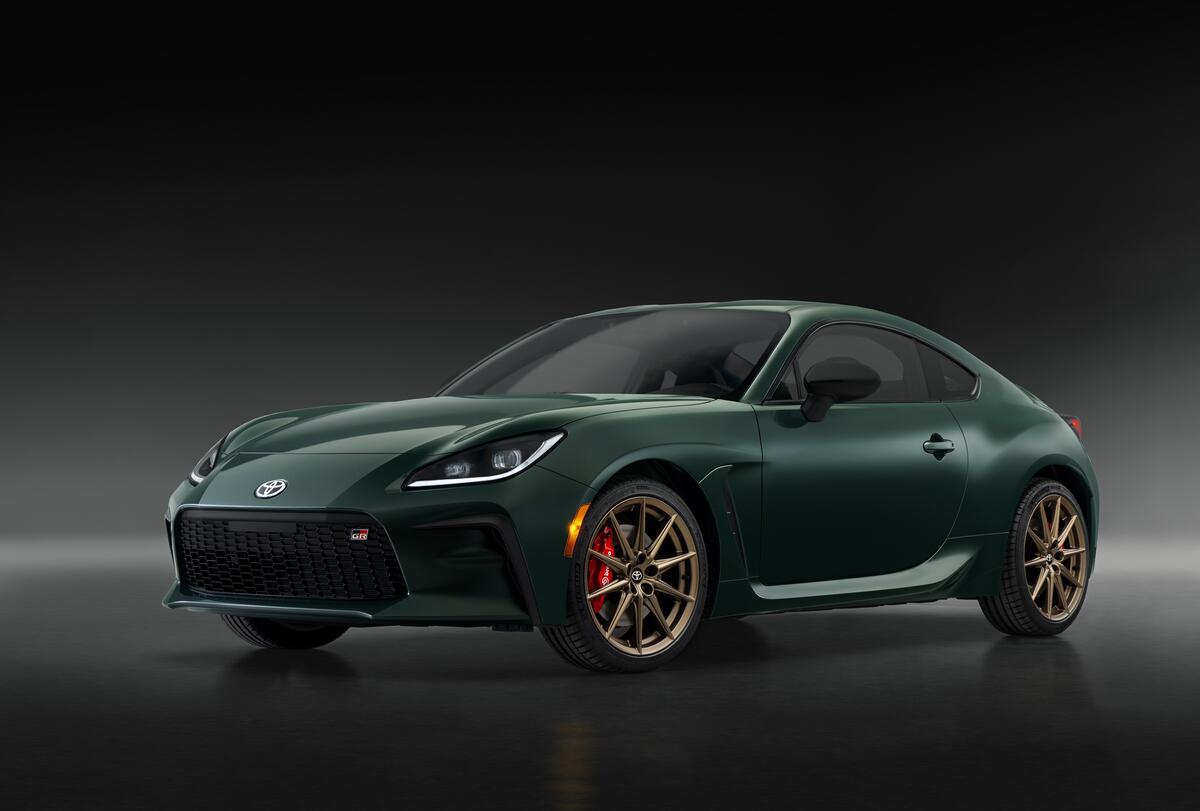
The Toyota GR 86 is a modern sports car meant to feel fun and engaging to drive. In this discussion, it’s being compared to older “legend” cars and whether it has that same cultural pull.
Initial D is a Japanese anime about racing and car culture. The host is saying it played a big role in making those cars and driving styles popular in the United States.
Drift events are car events where drivers practice sliding the car sideways through turns. The host is saying enthusiasts already knew about this world, even before the anime made it popular.
Concept
anime
Here, “anime” means Japanese animated shows. The host is saying that the show helped make car culture more widely known to people who weren’t already into it.
A “clone” here refers to an unofficial replica or copy of a car (the speaker mentions an “86 clone” from Alibaba). The point is that people are modifying or critiquing these replicas, comparing them to the original factory car.
The Toyota Corolla is a very common, everyday car. The host is basically saying the performance legend they’re discussing still comes from a normal, mass-market starting point.
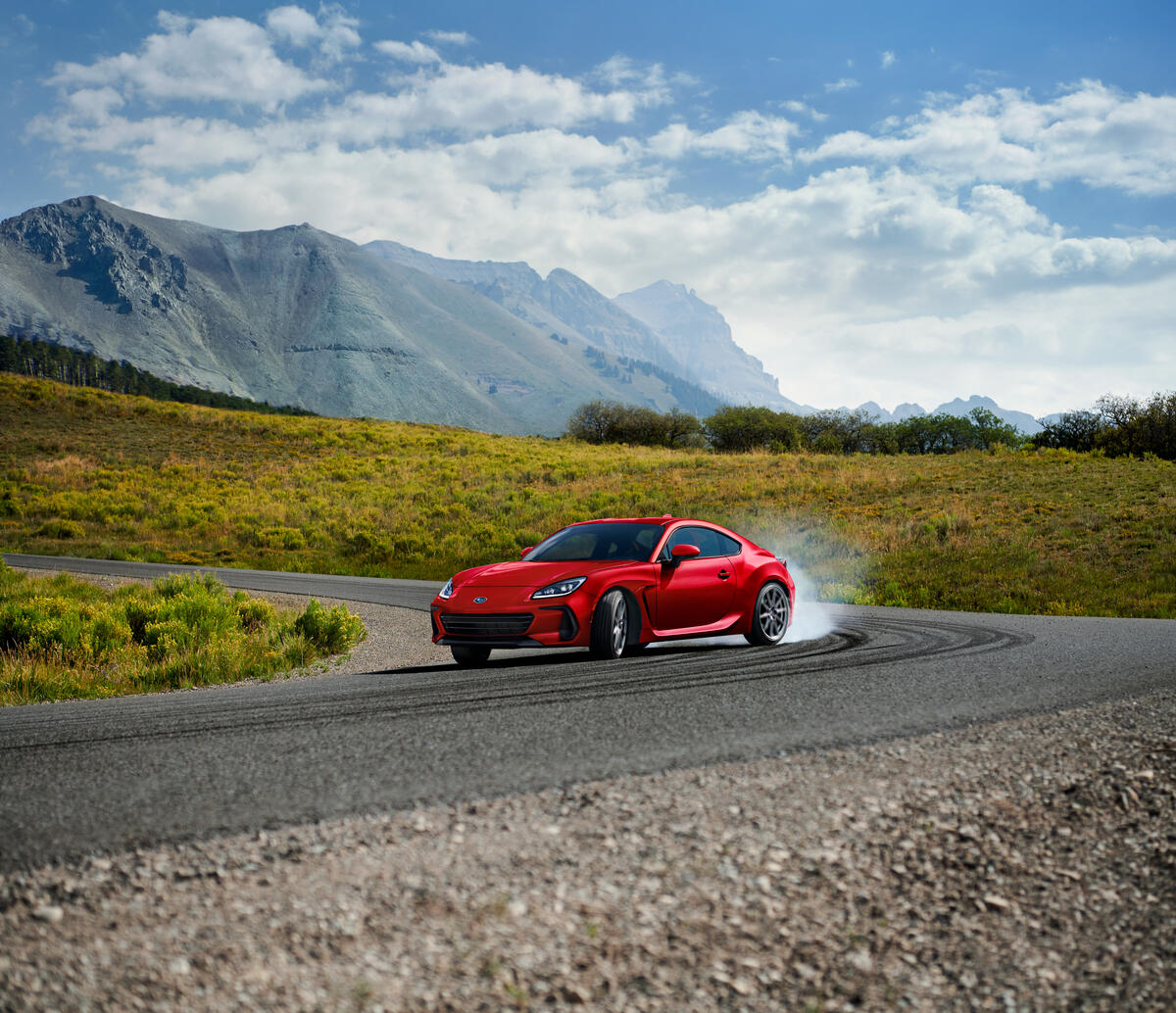
Car
Toyota FRS
The Toyota FRS is an earlier version of the same basic sports-car idea that later became the Toyota 86 and Toyota GR 86. They’re using it as a reference point for how the platform evolved toward more performance.
The Subaru BRZ is a sports car that shares the same general “86/FR-S” idea—lightweight and made to be fun to drive. Here, it’s brought up as part of the lineup that helped shape the later GR 86 performance focus.
The Mitsubishi Eclipse is a name that used to mean a sporty car. In this discussion, the host argues that a newer Eclipse variant didn’t really match what people associate with the original.
Badge engineering is when a company basically rebrands a car—same underlying vehicle, different badges and marketing. It often feels like the new model doesn’t really earn the name it’s using.
“Legacy cars” are modern vehicles that intentionally reference a brand’s past—either in name, styling cues, or driving character—to keep the enthusiast identity alive. The speaker argues that having one or two such models can help manufacturers stay relevant with fans even as the lineup changes.
The Ford Mustang is a famous American sports car line that’s been around for decades. The host uses it as an example of a car brand that keeps its history and spirit alive.
The Dodge Challenger is a well-known muscle car. The host mentions it as an example of a model that was paused and then returned, because people still want that kind of heritage.
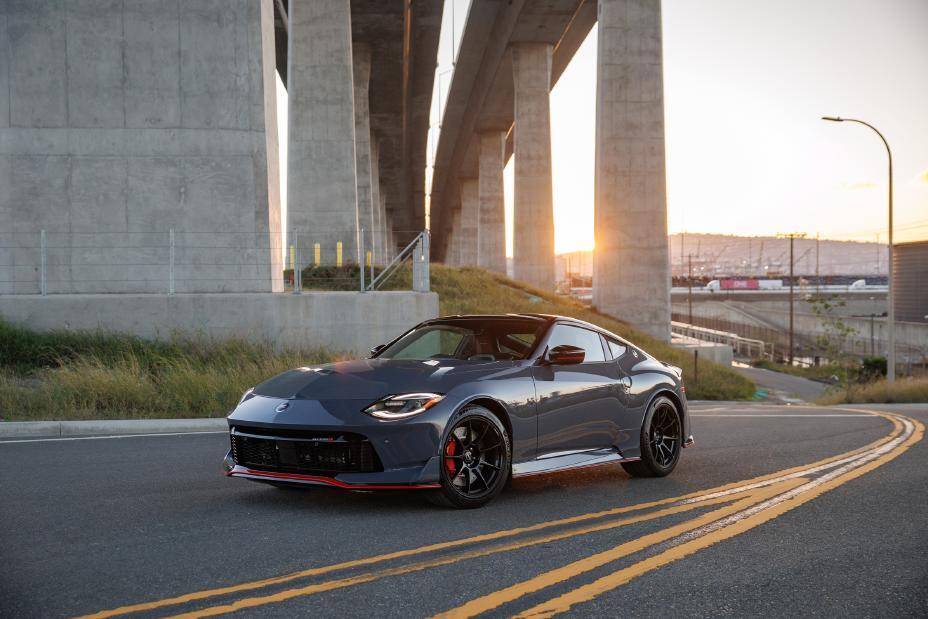
The Nissan Z is a famous sports car line that’s been around for decades. In this segment, the host is talking about how the older Z generations still feel like real Nissan, even if they weren’t all their favorites.
The Datsun 280Z is an older sports car from the Z family. It’s one of the earlier versions that helped shape what later Z cars became. It comes up when people talk about how the Z models evolved.
Car
Nissan 280 ZX
The Nissan 280 ZX is one particular generation of the Nissan Z sports car. The host is basically saying some fans don’t like it as much, but they still consider it part of the Z family.
Term
JZ
“JZ” is Toyota’s engine family used in certain Supras. People love these engines because they’re strong and respond well to upgrades, which is why they’re often associated with big power builds.
Boost lag means there’s a short delay before the turbo really starts pushing power. In the segment, that delay is part of why the car can feel unpredictable right when the turbo finally kicks in.
“Tail happy” means the back of the car is more likely to slide out or feel loose. The hosts are saying older turbo Supras can get that way when the turbo spools up.
“Turbo kicks in” is when the turbo starts producing boost strongly, and the car suddenly feels much more powerful. If the tires don’t have enough grip, that sudden push can make the car slide.
A hybrid system uses both a gasoline engine and an electric motor. That can change how the car delivers power—sometimes making it feel smoother or more responsive.
The Honda NSX is a famous Honda sports car. The earlier version had pop-up headlights, and the newer one looks different—so they’re using that difference to explain why some people prefer the older “legend” vibe.
Pop-up headlights are headlights that slide up from the front of the car when you turn them on. They’re a distinctive design feature that makes the car look more special.
Concept
raw and visceral
“Raw and visceral” is a way of saying the car feels intense and hands-on, not muted. The hosts are basically saying the older cars feel more connected to what’s happening underneath.
The Corvette C8 is a Corvette model where the engine sits closer to the middle of the car, not up front. Some people feel that changes what a Corvette “should be,” so they argue about whether it still fits the Corvette name.
“Mid-engine” means the engine is placed near the middle of the car instead of the front. That can make the car feel more balanced when you steer and corner.
A turbo setup uses a turbocharger to help the engine make more power. It does this by pushing extra air into the engine, which can make acceleration feel stronger.
All-wheel drive means the car can send power to all four wheels. That can help the car grip the road better, which is why people think it’s great for quick launches.
Street racing is when people race cars on public roads, often from stoplights. The point here is that some car features get popular because they seem good for that kind of driving, even if the car is great without it.
Front engine means the engine is mounted at the front of the car, ahead of the driver. The host frames “V8 front engine, two-seater” as their definition of a Corvette, contrasting it with other layouts.
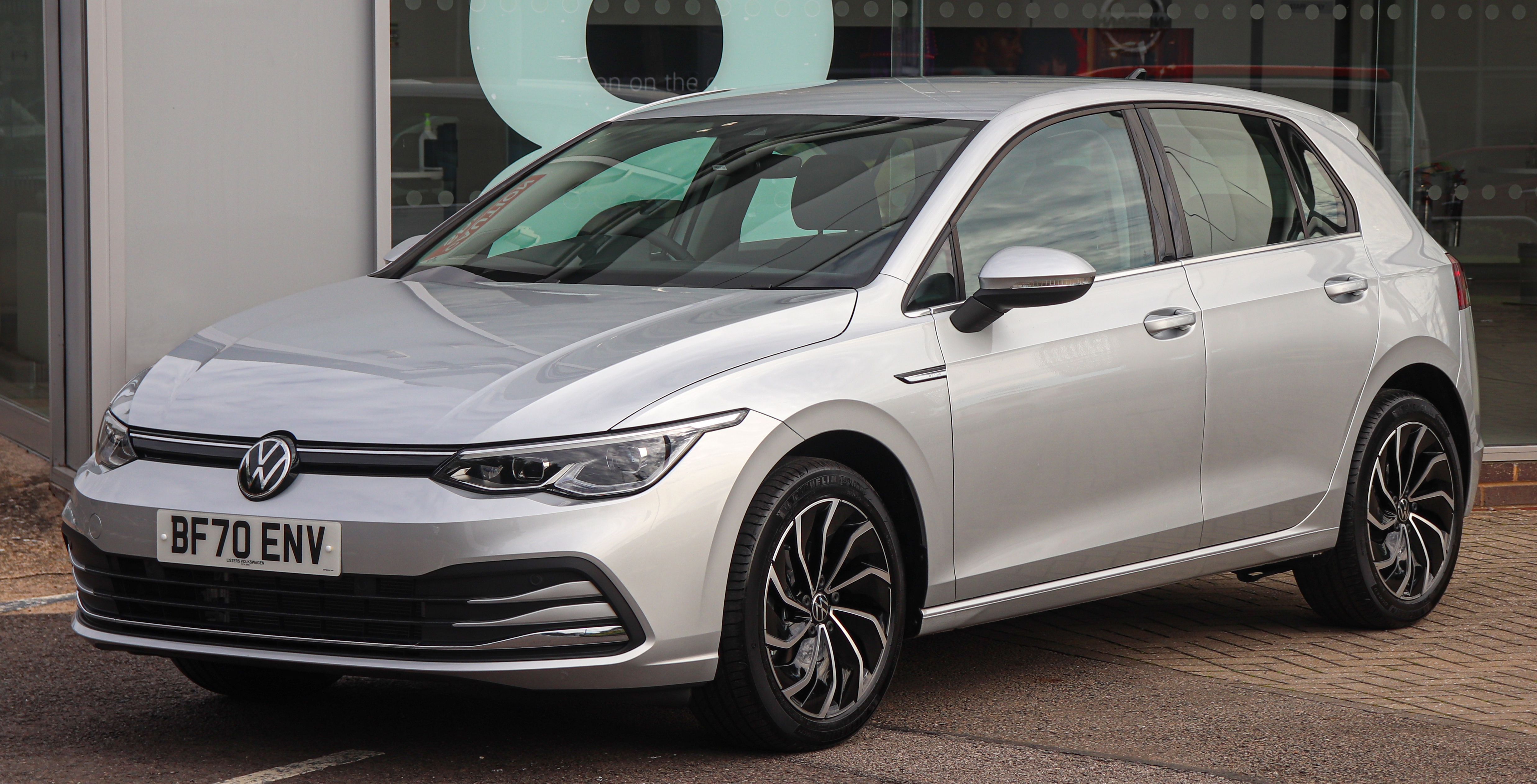
Here, “Golf” is mentioned as a car that has its engine in the front. The point is about layout—where the engine sits—rather than about a specific trim or racing version. It’s used to help explain the difference in design compared with other cars.
The Ford Mustang GTD is a special, high-performance version of the Mustang. The main detail mentioned is that it keeps the engine in the front. That helps define how it’s built and how it drives compared with cars that use different layouts.
A supercharger is a device that forces extra air into the engine. More air usually means more power, and it can make the car feel more aggressive and different to drive.
LIVE
So the other day, I'm cruising to take my son to school and he's spotted, he's not really
that much in the cars, but he's been really good about like, recognize him and, you know,
naming them.
He has a pretty good, a pretty good way of like, you know, figuring out what brand is
with, what should, you know, stuff like that.
So we saw a newer Integra A-spec with like, you know, has like the flared fenders and
you know, it was lowered, had wheels, it's pretty loud too.
And but he had not seen that car before.
So he was asking me, you know, what car is that?
He saw the Acura badge.
He knew it was an Acura, but he didn't know what model.
And then, you know, when it zoomed past us, he saw the Integra thing and he's like, that's
an Integra.
He's used to my Integra, which is really old, right?
And he's been in that car many times, you know, we go for drives all the time and he
was just kind of asking like, which one's better though?
Because the new one, it's so big and the old one, you know, yours, the one in the garage
is like, it's tiny in comparison.
It really is.
If you put them next to each other, it dwarfs it, right?
It's so small compared to it.
And you know, we kind of got into a little discussion about, you know, what's better?
Basically, I kind of just explained to him that it really depends on the driver and what
your expectations are because we go for a ride at my car, there's no AC, there's no
power steering.
It's, you know, it's a bit bumpy, it's a little loud, you know, the whole thing.
The newer one has all the amenities.
It's got, you know, it's got solid power.
It's got, you know, all the modern safety equipment and stuff like that.
He wasn't really trying to hear that.
He was just more interested in like the actual drive, you know, and which one drives better?
You know, you kind of think like with some of the older vehicles and all these newer
replacements for them, and there's, you know, there's a bunch of like, you know, the prelude
and there's, you know, even like the Civic Type R, you know, all compared to new, there's
all these different versions.
And it's like, you kind of have to look at it from, from what your expectations are and
what you're trying to get out of it.
Right.
So one, have you seen any of the new preludes out on the road yet?
I have not seen any yet, which is actually kind of surprising being in SoCal, but I
will say that I don't spend a lot of time in the freeway these days.
I do work remotely.
So I'm here at home and then, you know, like the kids practices and school and
everything, it's all pretty close to where I live.
So, you know, I don't spend a ton of time on the road during the week, but surprisingly,
I haven't even seen one.
So I'm kind of in the same boat, but I got to tell you, so I saw probably one of the
cleanest previous generation.
What is that fourth gen?
Was that the one right before the new one?
It was 44 gens, right?
There was five.
Five.
So the fifth gen, the one with the square headlights.
Gorgeous body kit and stunning red color that they had.
I know you could like, you know, looked like an apple as it was sitting there.
These cars were timeless though.
And that's, that's the thing that I don't feel necessarily happens the same with
newer cars as much.
It's, it's almost that hot rodder aspect, you know, like you look at an older
Mustang or older Camaro or older Challenger charger.
Yeah, they're not necessarily going to keep up with the brand new car.
They're not going to be that same, but, you know, I mean, obviously you put a whole
new subframe underneath and do everything and switch everything out to modern.
Yeah, you make it into a modern car, it will keep up.
But as far as, you know, right off the showroom floor, they were never, you know,
they were based on the technology that they had.
But there's still something so visceral and enjoyable about that drive that I
still think that can apply to our, our generation of, I guess, hot rod culture,
you know, like you're looking back and you're seeing some of these cars and
you're right, there's no power steering.
There's no, you know, some of these guys ripped out power steering pumps.
They did all this stuff and, and it is that hot rod, you know, modified culture,
let's say, or that, that, you know, that idea of making a little something
that was only doing a hundred horsepower, let's say ramp up the power, rip out
what you have to and make it fun to drive.
Now you go to the showroom and you can buy a 400 horsepower car.
Yeah, I hear, I hear what you're saying, but look at it like this too.
Like, because you mentioned the hot rodders, you know, obviously they did
everything well, well before we did, but they were starting off with a vehicle
that was not intended to be fast, right?
It was just basic transportation.
They modified it.
They made it faster.
They made it do, you know, you know, better eighth mile run to quarter mile
run to whatever it was.
And then many, many years later, manufacturers started offering like
premium models with, with big engines and, you know, lots of power and the
transmission and the, and the diffs to hold that power.
We were kind of in that same boat now, looking back, because we had, you know,
these really, really underpowered vehicles, you know, commuter cars,
basically in like the late 80s and the 90s.
And they started to get a little bit faster.
The manufacturers started doing special additions and like more powerful, you
know, the type bar and things like that.
Nowadays though, it's like, there's really a lot of premium options for you,
you know, to pick from, right?
You have the A-spec Integra, you have the, you know, the, the civic type R,
you have, uh, let the, you know, the Supra and things like that.
It's kind of, it's kind of mirrored that in a way, but do you think that
looking at it now, are you looking at it in terms of nostalgia?
Because you see a new, a new vehicle now, maybe like a new Z and you're like,
man, that's not going to be a classic in, in 20 years or 30 years.
So I, so I actually think that the Z is, the new Z is perfectly primed to
be a classic later on because of, I think that was their intention, right?
Well, but also the low, like everyone's like, oh, they didn't make a lot of them.
They didn't sell a lot of them.
Just so everyone knows before the 350Z, like I'm wearing my 300ZX shirt right now.
They did it.
Yeah, I know.
Well, it happens.
They did not sell a lot of those cars, like in the grand scheme of things.
It's not a Toyota camera.
It's not a Civic.
They're not selling gangbusters of them.
And that wasn't expected.
And I think the modern expectation is that we should have these high sales
numbers and because the car doesn't hit that goal, it will never be amazing.
But I think that car has a ton of potential that in 10, 15 years down the road,
it's going to be a great bang for the buck for what you get.
I mean, even now it's a good bang for the buck.
I mean, there's not many other cars on the market.
That are now priced low enough that you can get 400 horsepower and a manual
transmission, yeah, manual transmission, which is a big step up.
It really is.
Um, but do I think that it's better than the three 70?
Do I think, do I like it more than the 300ZX?
No.
Um, so you have a, you have a special connection to that vehicle, though.
It's true, right?
So you have to take that into consideration.
I, and I get that, I think where I'm coming from is that when the 300ZX came
out in the nineties, it was dominant.
Like, let's be honest, there wasn't, it, it made 300 horsepower.
Everyone, you know, the gentleman's agreement was out there, which we did a
video on, by the way, Max put the link down below, but regardless, um, they
cheated, like, let's be honest, the, the USDM cars, I know for a fact that
the stock one can make almost 300 horsepower.
Um, you know, a little bit of, uh, throwing a timing light, adjusting
the cam angle sensor, and you're there.
Um, and you have to run 93, but you can get there.
So it was way ahead of its competition.
You know, don't get me wrong, you had other cars out there.
You had the skyline, but we didn't get that here.
We didn't get the R33 or the R34, um, which I want to touch on.
We'll circle back to that.
Cause I know that I'm heavily leaning into the, uh, the nineties and
Isans here, but I do have a point, I do have a point to that.
Um, but I don't think that the Z was dominant enough when it came out to
make the same impact that the 300 ZX did, in my opinion.
Um, but I think that the R35 is better than any other skyline that was ever made.
Whoa.
Uh, it's for, I know, I know, right?
You know, but let's be honest here.
The R35 has the sky's the limit potential.
It's very easy to make good power on bolt-ons.
The cost of the vehicle has stayed relatively the same.
Um, it dipped down for a little bit, but they're kind of back up there
after production stops.
So you're not really losing money on the car when you own one.
Yeah.
Um, and then on top of that, you still have, you're buying Nissan parts
and you're getting supercar performance.
You're not buying a, you know, a Ferrari and paying Ferrari parts, parts pricing
to be able to have that same experience of owning a quote unquote supercar.
The R34, R33 and R32 were very capable cars, but they were built on
that same ideology that you were saying that they were special additions
of a commuter car and that's the difference.
The R35 was designed up for performance in mind.
Yeah.
And I think that's where that you really start to see the difference
in the way that the mindset of the car being built was there.
Yeah, I think there certainly is something to, like I said, the nostalgia
and then also like kind of the, uh, the legacy and like the tall
tales that surround 32, 33, 34s, um, you know, from the video games
and, and like the movies and, um, you know, I mean, even in print media
and stuff back in the day, there was always praises like this, you know,
this world killer and I mean, I think those are great cars.
I love them and they're awesome.
But if you're talking about from a strictly performance perspective,
it is hard to argue that the R35 isn't better and, and, you know, in a lot
of ways, but, you know, if you ask the average person that, you know,
enthusiasts, they're going to probably want a 34 over the 35.
And I think a lot of that just comes down to, yeah, I think a lot of
that comes down to, like I said, like nostalgia, what they grew up with,
you know, playing, you know, uh, you know, Gran Turismo and things like that.
So that's always going to be a factor and stuff like that.
Um, but do you feel that, that way about the GR 86 and the
80 86?
Because let's be honest, the 86 only really, it's claimed to fame is
initial D like, let's be honest.
If that, yeah.
Well, 100% that movie didn't, uh, that manga, I'm sorry.
The manga, the TV show and the, you know what I mean?
The anime didn't exist.
That car would never have caught on the way they did.
It was popular, obviously in Japan.
Yeah.
I was going to say, yeah, yeah, it's still popular there, but it never
would have made the pond jump.
It never would have spread to the United States like it did.
Like that was a hundred percent on the back of initial D for sure.
I think there was a, there was a big group of like, like teenagers when,
you know, when that, um, that series was huge and they kind of jumped on
that and, and they were into it.
We knew about it, you know, previously because of all the Japanese magazines,
um, drift events, things like that.
But, um, the general public, I think, if it wasn't for the anime, wouldn't
have known about it.
It wouldn't have been as big for sure.
I just feel like, you know, and, and now we have, we did the, the, uh, the clone,
the, you know, the, um, I get the Alibaba, um, 86 clone and they're
starting to mess around with those.
And it was funny because I'm watching this and they're talking about like,
Oh, this isn't exactly right.
And this isn't exactly right.
But it was funny because some of the things that were bringing up, they're
like, Oh, this is actually better than the way that it was done on the factory
car, which is terrifying to think about when, when you're critiquing these things
that are wrong, but then they're also pointing out things that were done better.
Um, so it was a mass produced Corolla at the end of the day.
And I think the GR, well, I mean, the FRS, obviously, and the, and the
BRZ started to lay that groundwork, but I really feel like the GR 86 is a much
more performance oriented vehicle compared to the 86 without question, obviously.
But I'm just saying like Toyota or, you know, Toyota got the idea and was like,
listen, we have the fans that love this car that they'll never have that car.
So let's give them something that they can emulate it or they can, they
can try to have that same experience, but be able to get it from a showroom.
And let, but let's also be realistic to you.
Like the reason that Toyota did that is because they could sell more vehicles.
Right.
If you put, if you tie the two together, if that, if that was a brand new, um,
model by itself, different name completely, had nothing to do with the original.
I don't think that it would have as much fanfare as it does, right?
Like that, that tie-in makes a big, big difference.
It's the same thing with the Integra and other brands doing the same thing,
trying to bring those back, right?
What, what does the Mitsubishi Eclipse, uh, SUV, it's so weird, right?
I feel like that was just badge engineering at its finest because that
didn't, that did not harken anything back to the car.
I mean, I gotta say, that's at least the good thing about these, the performance
models that we're seeing come out, like, you know, for instance, the Type Rs
and the A-specs and, you know, so on and so forth.
At least they're trying to embody something of what the car was.
Like, I feel like the Eclipse did absolutely nothing to do that.
Obviously we, we all agree on that.
I feel like that, that's something that is good about these modern cars is that
they're continuing a pedigree, legacy, a lineage of these
cars, which is really cool because, you know, my kids are probably never going
to get a chance to own, you know, well, Grayson already has a 300ZX, so that
doesn't count, but, you know, they're not going to have that same opportunity
necessarily to buy the cars like we did.
And to be able to say, Hey, in a couple of years, you can go pick up the Newsy.
And yeah, it's not the same thing, but it is a twin turbo.
It's manual.
It's still fun to drive.
It's rural drive.
You know, not everything is this, you know, cookie cutter Nissan cube of the
world and you're doing, you know, you still have something fun.
And I like that.
I think that is, I think that's something that's going to go really well if they
continue to just, even if every automotive manufacturer just has one or two little,
you know, legacy cars, let's call them, or something that, that harkens back to
their motorsports or harkens back to a car that they did in the past.
I think that's, that's going to be very important for these brands going forward.
And if you, you know, Mustang is probably one of the best examples of that.
And yeah, they've had a lineage.
And look at Dodge.
They had to cancel the challenger and now they brought it back or charger or
whatever they want to call it.
They, now it's one car, but you know, they killed off an entire platform for a
number of years just to bring it back.
Ford did the same thing previously way back in the 80s, but they haven't stopped
since and those cars have gotten better and better and better.
And I think that if these auto manufacturers took that same approach,
the next Z could be better.
The next R 36 will be better.
Like if they keep doing.
If they keep doing that, we could have a renaissance of like this car culture,
not necessarily the same thing we had, but at least you would have an experience.
You know, you'd still get to have these cool cars and still have the fun of it
and enjoy it versus just everyone goes to driving around an Nissan Altima and
we lose that, that aspect of it, you know, over.
So what about if, because you mentioned kind of like the Mustang and stuff like
that, what if you went from the Mark four Supra to the current Supra, what
if the next generation, if there's going to be a next generation, they pull away
from BMW and they do their own thing.
What do you think happens there?
Does does the connection between the 45 and possibly possibly six, does
that remain or does the five sort of get eliminated?
So here's the problem.
So do you, when you like for me, when I look at Nissan and I go, OK, the Z
lineage S 30, S 130, so even though the 280 ZX is like the redheaded, ugly
stepchild of, of the Z and so is the Z 31, I still count them, you know, yeah,
I might not be fans of them.
They're not my favorite.
They're not my first go to, but I still, but those are still also pure
Nissan, whereas the Toyota, it really got muddied up with the whole BMW thing
because it's mostly BMW, right?
So I just wonder, because, you know, it got a lot of flack for a lot of years.
I think it's pretty much accepted now.
But what happens moving forward if on the next version, they ditched the BMW
stuff and they just go a hundred percent Toyota.
I guess it depends if the Toyota is better than the BMW.
I guess that really concerns it because, because let's be honest, they, the Toyota,
the, the Toyota Supra, the A90 is the best Supra that they make.
I mean, let's, you know, the two JZ is dominant, you know, don't get me wrong.
The Mark four is a very capable machine, but as far as track performance, as far
as daily driving, as far as, you know, you just the usability, like
drive a big turbo Supra, even a modern technology, they are still tail happy,
you know, boost lag, you know, it's gotten better over time.
Don't get me wrong, but I've been doing this long enough that I've driven cars
that you're sitting there waiting for boost to load.
And then all of a sudden you're looking sideways because the turbo kicks in
and the car kicks out completely out on you.
Yeah, you don't get that with these, the, the A90, the Mark five, because
but are you comparing a heavily modified four to a stock Mark five?
Because I've even driven, so I've driven a 700.
Yeah, it was 700 plus horsepower, A90.
I think the fastest Supra I've ever actually driven was probably eight,
900 So in that range, so it's not that much of a differential,
but you're so much more planted in the A90.
Like it's, it's more, it's, it's a better car.
And that's, that's really, it's, it's a, it's a modern version.
It should be better, right?
It should also be improved.
So, so the question is, is, is the next Toyota going to be better than the
BMW that came before it?
And if Toyota doesn't do that, then they are going to fail because how do you
not beat your predecessor, especially, and then you're going to get looked at
like, oh, the only reason the A90 was capable was BMW at that point.
So Toyota's got, they got a heavy cross to bear with that.
Genuinely, they do.
And, and I wouldn't want to be the guy developing that car.
Genuinely, I would not want to be on that, that side of it.
Yeah, it's so weird.
Like if you look at how close they are in terms of like the four,
like the Mark four and the A90, and then you look at something like the original
NSX and then the newer, you know, the modern hybrid version, they're like
completely different animals, right?
They're, they're, yeah, they're mid-engine, but like there's so many
differences between, you know, the turbo and the hybrid system and essentially
all will drive and all these different things.
They're, they're in different, different lanes completely, right?
And I don't know that, if the modern NSX gets the amount of
respect that it kind of deserves because people were always looking back
toward the older version and then it priced itself, you know, so high.
It's so far out of reach for everyone.
Um, maybe, maybe in like 10 years, 20 years, maybe it'll become, uh, you
know, a collectible classic and people will be after it.
But right now, I mean,
I've seen more of the original NSX is actually, I've seen more of pop-up
headlight NSX's than I have of the new one.
And that's, you know, it's crazy to think that it like, that that's even possible.
You know, this car came out, what, 20 years apart and that we should be seeing
a lot more of the modern one than we are of its predecessor.
I feel, I mean, that's just kind of, yeah.
I mean, that's true.
Like with the NSX, but even like, um, like on the lower level at the Civic,
you know, the Type R, I know we didn't, we didn't get it, but like the, the UK
nine and how raw it was.
And it's this high revving, you know, this tiny little 1.6 liter and it was
like really very raw and visceral.
And the FL five is like a very comfortable for the most part, the very
comfortable, like street friendly, you can drive it in the street throughout
the week and then take it to the track on the weekend.
You could do that with the UK nine too, but after all the modifications
you're going to be doing to it, it's going to be a pretty rough ride.
I get a lot of FL fives here.
There's a lot of FL fives around here.
There's the pun here too.
Yeah.
You know, I really like those cars.
I think they're great, but it just, that's such a far, they're so far removed
from, from one another.
They're so different.
And like if, if my son, you know, looks at the two of those and goes, you know,
which one's better?
Again, it depends, right?
It depends on what you're after.
I know a lot of people watching this are going to be obviously the UK nine.
That's, you know, it's the true heart and soul and it's the high revenue, all
that stuff, but then what are you using it for?
Like are you going to the track all the time with it?
Is that what you want that?
Or is it just nostalgia?
Cause nostalgia always has, it always plays a factor.
And when you spend, when you spend 1% of your time at the track and 99% of the
time driving around the road, which one are you going to take home is really
the question.
Um, so I have a, I have a one that I kind of wanted to ask you about.
I know it's kind of outside of our range just a little bit, but, uh, how
do you feel about the C eight being considered a Corvette?
Cause I have a big problem with a mid-engine car being a Corvette.
Yeah, I definitely, man, it's so far outside like the, the, you know what
it reminds me and I, I'm sorry.
I keep going back to Honda stuff.
I know I'm, I'm nerding out on this stuff, but like it reminds me or it
makes me think of like, what if the FL five or even the FK eight before it had
come out as the all will drive, uh, you know, uh, turbo setup that everyone, you
know, what was saying that they have to do, everyone kept saying, you know, on
the internet was like, they got to go all we'll drive, you know, to keep up with
the, with the competition.
It would completely change the way just the dynamic of what the Civic really was.
Right.
So for me, I think that would have been a bad move.
And I know people love all we'll drive because it led to street race and they
like to go, you know, stop light, grand prix and a lot of stuff.
But if you actually drive the car, you realize how good it is, um, already.
But I think with the Corvette, it's kind of the same thing.
I think it went so far away from what we're used to.
It's almost like it should have been a different model.
Yeah.
They should have been the core entirely.
It should have been the core of air again.
I don't know.
Just some sort of, maybe it's like, you know, just, um, a little sub brand or
something.
Um, I liked those cars though, um, we were just looking at one yesterday.
We were, we were at the, um, the outlets here and there was two of them
parked next to each other and my son was, he called it out.
He's like, oh, you see those Corvettes and he was just checking them out.
They're really, I think they're really cool.
But it just, when I see it, I don't think of Corvette personally.
Extremely capable vehicle.
Like that, that's something I want to express.
They are, they are the best performing Corvette.
I mean, I'm a huge C6, 06 fan.
Like I'm, I'm forward till the day I die, but that is the one Chevy that I
would take home in a heartbeat.
Um, but I look at the new Corvette and I'm like, eh, it's not a Corvette.
And that's kind of how I feel about it.
And I know I'm going to get flack out of all the things.
That's probably the one I'm going to get the most flack for.
But to me, a Corvette is a V eight route.
Well, not necessarily V eight because they did have, I, well, maybe.
Did they have a, I think they did have a straight six at one time.
Regardless, I think the very, very like C ones, but don't hold me to that.
Somebody's going to know in the comments better than I will.
But, um, regardless, you know, we will drive V eight front engine, two-seater.
To me, that's a Corvette, you know, that's the definition of the Corvette.
If you look at all the generations, then all of a sudden CA comes out and they're
like, we're going to completely change up what we're doing so that we build a
Lamar car.
And I get it, but it's not a Corvette to me.
That's like, at least the Mustang GTD still has the engine in the front, you know,
and it's still kind of a Mustang because it's built off of that.
But I think that that's still more of a Mustang than the Corvette.
C eight Corvette is a Corvette.
I wonder like guys, guys that are actually poor, that guy is like, you know,
they've been Corvette guys their whole lives and that's what they live and breathe.
The ones that have driven the older models and then they drive that version.
I wonder what their opinion is.
Like, is it still, does it have that same sort of character, the same sort of feel
that made the Corvette what it is?
Or is it so far removed, it's so, so completely different that they don't
consider it, even in the same realm, it, you know, it has the badge on it,
but it's just completely different experience.
You know, I mean, I guess the same could be said for your NSX thing too,
for the people that have driven both.
I would, I would want to know which one of those feels because those got
to feel more opposite to, because all wheel drive turns.
Yeah, I mean, I'll be honest with you there.
You know, I drove, I drove a few NSXs, the original ones, there's a local guy
here that has a shop, just a repair shop, and he does a lot of NSX work.
And he insisted that I drive his NSX, he put a super charge on it and I was like,
all right, I wasn't comfortable with it because, you know, it's his baby.
But I drove around the block and, and that feeling of driving that vehicle,
as compared to the modern NSX, completely different experience.
It's so different that if you, if I didn't know anything about the vehicles
and you just told me, you know, one's a, one's Toyota, one's a Nissan, I believe
it, because they're just completely different.
There's nothing that ties the two together in any way in my eyes from behind the wheel.
That's what I needed with the Corvette guys.
I wonder if it's the same way when we get into that mid-engine setup with our
like, and this is, this is completely different.
Maybe it's better, I don't know, but I just, I'm just curious about that.
I don't know anybody that's like a big Corvette guy, so I couldn't ask them.
Well, I guess that would be the perfect time to leave it on today's broadcast
because you guys have to let us know down below which of these cars you've driven,
which one's better in your opinion.
You guys got a lot of homework today, but there's like our 35 or older
Skylines are the same GTR, what will they say?
Mark 4 Super inversely 90, old versus new NSX, EK9, FL5, because those
are completely different into the spectrum.
GR86 and the AE86, I think we covered like 90% of the vehicles, but, but it's
funny because those are the ones that speak to us.
I feel like those are the ones that we spend the most time talking about.
So let us know how you feel about everything down in the comments below.
This has been the behind the wheel podcast, I'm Nick, that's Matt.
Yeah.
And if you feel like flaming him on all of his comments, it's fine.
Just go ahead.
About this episode
The hosts kick off with real-world seat time, comparing a newer Acura Integra A-spec to an older Integra that lacks “AC” and “power steering,” and using that contrast to frame the episode’s “old school vs new school” theme. They debate why modern cars can be objectively better yet still lose the “legend” factor—often driven by nostalgia and media like Initial D. The conversation then ranges across Z/GT-R/Supra/NSX/Civic Type R and even Corvette identity, ending with a listener-style “which would you pick?” lineup.
In this episode of Behind the Wheel, we’re stepping back from the spec sheets to ask the big question: can modern technology ever truly replace the raw, mechanical soul of a classic?
From the lightweight legends of the 90s to the 600hp+ digital monsters of 2026, we explore a variety of platforms to see where manufacturers got it right—and where they lost the plot. It’s a deep dive into the passion, the engineering, and the “X-factor” that makes us fall in love with a car in the first place.
Whether you’re a fan of vintage iron, JDM icons, or the latest performance EVs, this is a conversation about the heart of car culture.
So the question arises… old school or new school? EK9 Type R or FL5 Type R? Both very different, but share the same name.
If you could only have one car for the rest of your life, would it be a 1-of-1 classic or a brand-new factory-warrantied beast?
2026 Behind the Wheel Podcast | All Rights Reserved
Thank you for tuning in, and if you enjoy our podcast, please SUBSCRIBE! We’re on Spotify, Apple Podcast, and iHeartRadio, and we always upload our full video interviews on our YouTube Channel: https://www.youtube.com/konigwheels (we’d love for you to subscribe there as well!) Thank you for listening!