People used to say you should change your engine oil every 3,000 miles. Modern cars and modern oil can often go longer, so the best schedule is what your car’s maker recommends.
“Break-in oil” is oil used right after an engine is new (or rebuilt) while parts are settling in. Some makers want you to change it soon after break-in so you can get rid of early metal particles.
Oil analysis means sending used oil to a lab to see how it’s doing. It can show whether the oil is still protecting the engine or if it’s getting contaminated and should be changed.
Flashpoint is a safety/chemistry measure of how easily an oil can vaporize and ignite. When used oil is tested, flashpoint can help reveal problems like fuel mixing into the oil.
Viscosity is basically how thick the oil is. If used oil gets too thin or too thick, it may not lubricate the engine properly, so labs measure it to judge oil health.
When engines wear, tiny metal particles can end up in the oil. Testing for metal and other contaminants helps show whether the engine is wearing normally or something is going wrong.
Oil analysis is when you send used engine oil to a lab to see how healthy it still is. It can show whether the oil is still protecting the engine or if it’s time to change it.
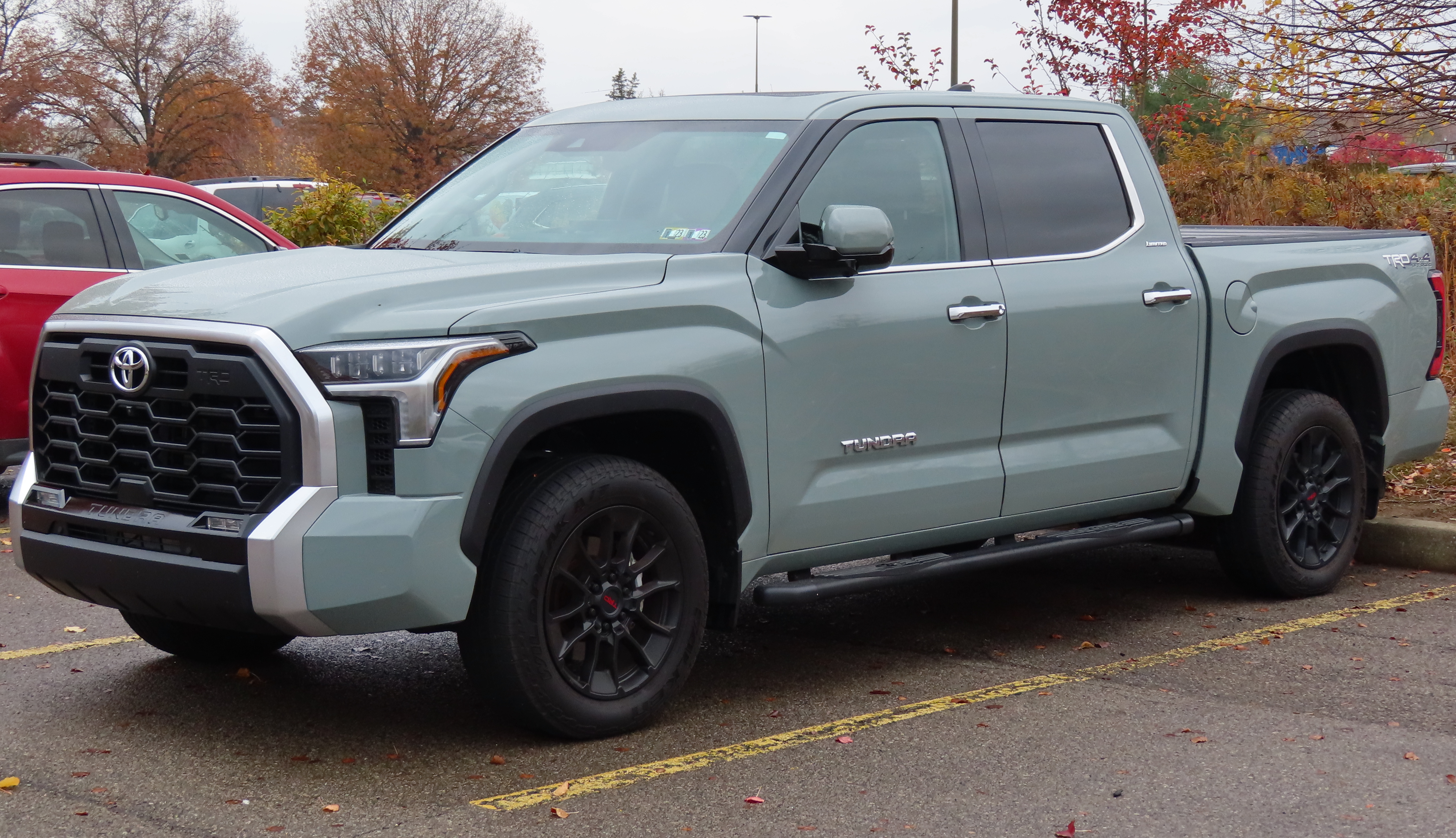
A Toyota Tundra is a large pickup truck. People buy it to tow trailers or carry heavy loads, and it’s known for being a practical, long-lasting truck. The discussion is basically about why some buyers stick with it.
“10,000 mile oil changes” means you wait a long time between oil services. Some newer engines and oils can handle that, but it depends on the car and how you drive.
This is advice that changes when you live or drive at high elevation. Because the air is thinner and the engine can behave differently, some people think you need more frequent oil changes.
Oil temperature is how hot your engine oil gets. If it gets very hot for long periods, the oil can wear out faster and protect the engine less effectively.
Track driving means you’re pushing the car hard on a track. That heavy use makes the oil get hotter and wear out faster than normal driving.
Term
five
“Five” is the oil-change interval the host says they aim for instead of the older 3,000-mile advice. The idea is to use a reasonable schedule rather than an outdated one.
Off-roading is a harsher duty cycle than normal street driving, often involving dust, impacts, and sustained low-speed operation. Because of that, some maintenance intervals (like fluid changes) may need to be shorter than “normal” schedules.
Stop-leak products are liquids you add to a car to try to seal a leak. They can help briefly, but they can also cause bigger problems by gumming up parts of the system.
Power steering helps you steer with less effort. It uses fluid, and adding stop-leak type products can sometimes clog or hurt the system instead of fixing the real leak.
A radiator is part of the cooling system that helps keep the engine from overheating. If you’re losing coolant, the radiator is one of the places you’d check.
The head gasket is a thin seal inside the engine that keeps fluids where they belong. If it fails, you can get leaks or mixing of oil and coolant, and fixing it usually costs a lot.
Engine oil lubricates the moving parts inside the engine. The hosts are saying it’s a bad idea to dump mystery additives into the oil instead of fixing the real problem.
The cooling system keeps the engine from overheating by moving coolant around. The host is basically saying not to use silly or unproven stuff to try to fix a real cooling problem.
A shifter is the lever you move to change gears. The host is saying you shouldn’t casually rest your hand on it, because it can move or feel awkward—especially on longer shifters.
“Popping out of fourth gear” describes a manual-transmission failure mode where the car unexpectedly disengages from fourth and returns to neutral or another position. The hosts discuss a forum theory that hand/resting pressure could contribute to wear, but they question whether that explanation fits the specific car.
Some older manual transmissions use brass parts inside. The hosts mention a forum theory that those brass parts wear out and that could make fourth gear pop out.
Car
fiat Spider-124
This is a classic Fiat roadster (the Spider-124). The hosts are talking about a common old-car annoyance where the gear lever can pop out of fourth gear, and they’re debating why it happens.
The Ford F-150 is a popular big pickup truck. Because so many are sold, the company and dealers often use incentives to move inventory. That can change whether a used one is actually a better deal than a new one.
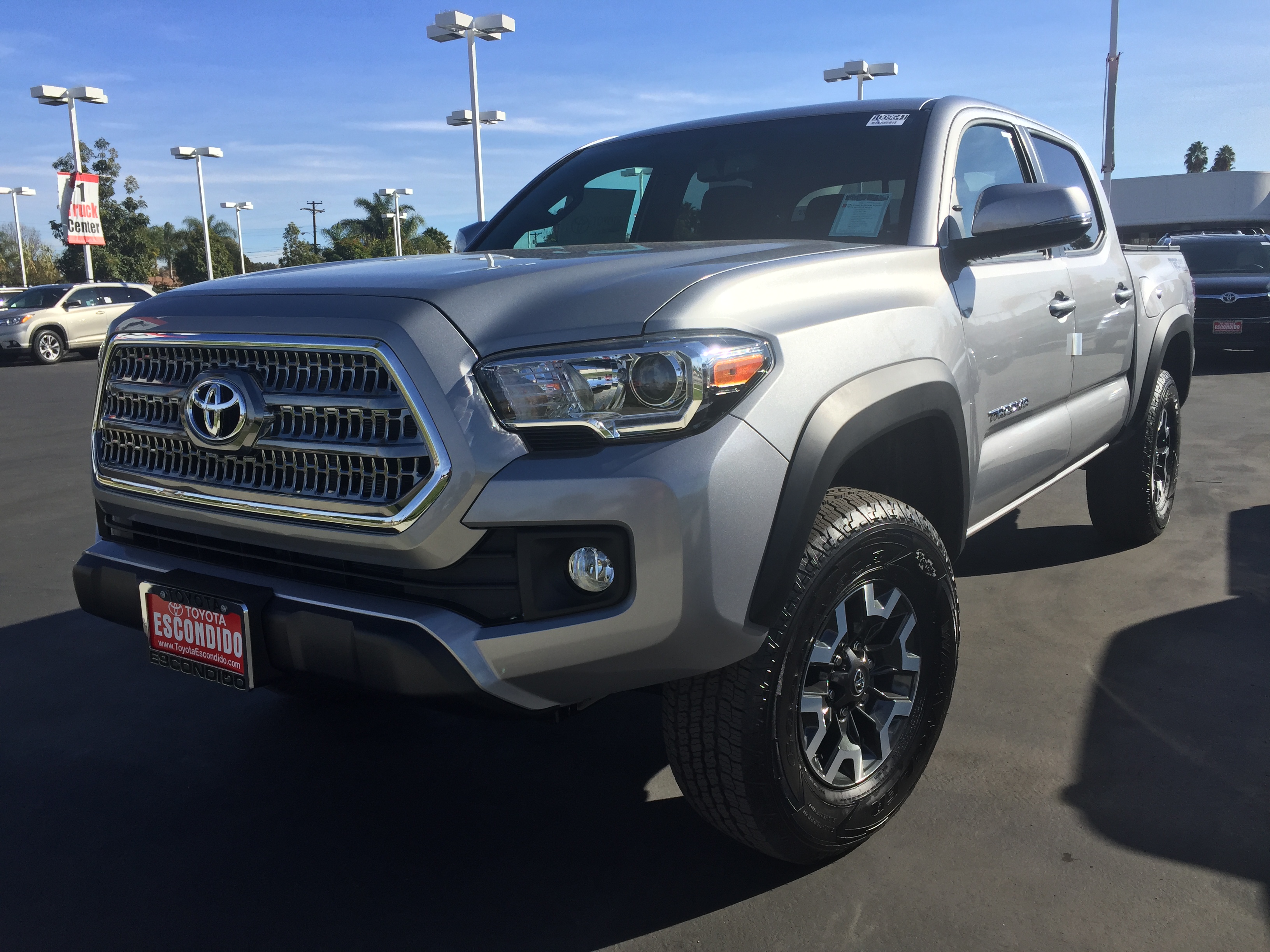
The Toyota Tacoma is a popular midsize pickup. The host is saying that used Tacomas that are only a couple years old can be priced close to new ones. So you might not get the discount you were hoping for.
The Toyota Land Cruiser is a rugged SUV that’s known for lasting a long time. Because people really want them, used prices can stay high. So the usual advice about getting a big discount on a slightly used one may not work well here.
The Jeep Wrangler is a popular off-road SUV. The host is saying that because lots of people want Wranglers, used ones may not be much cheaper than newer ones. So the usual “buy slightly used for a deal” advice may not work.
The Toyota 4Runner is a rugged SUV that many people buy for off-road use. The host is saying that because it’s in demand, a used 4Runner may not be much cheaper than a newer one. So the usual “buy used to save” advice may not apply.
“Trade it” means getting rid of the car and switching to something else. In this story, they’re saying they don’t usually sell that quickly, but they did in this case.
“Vehicle shortages” means there weren’t enough cars available. When that happens, used cars can become more expensive, which affects what you can sell your car for.
Stop-start is the feature that turns the engine off at red lights and turns it back on when you’re ready to go. People worry it will wear out the starter, but newer cars are designed to handle the extra starts.
The starter is the part that cranks the engine to start it. With stop-start, it has to do this more often, so cars use starters designed for that extra work.
When the engine shuts off at a stop, the car may not run the air conditioning the same way. In hot weather, that can mean you start feeling heat while waiting at a light.
A diesel is a type of engine that starts differently than a gas engine. The speaker is saying that on some diesel cars, the way it restarts can feel rougher or more noticeable.
A modern hybrid is a car that uses both a gas engine and an electric system. It can sometimes keep the gas engine off, but still run things like cooling so you don’t really notice the engine stopped.
The high voltage battery is the big battery in a hybrid that stores electricity. It can power the car and some features even when the gas engine isn’t running.
Emergency braking is when the car automatically brakes to prevent or reduce a crash. Sometimes it can misread what’s nearby and brake at the wrong time.
It’s an old saying that if you pay with cash, you have more power in the deal. The host is saying that today dealers often make more money when you finance or lease, so cash doesn’t always help as much as it used to.
Financing means you borrow money to buy the car, and you pay it back over time. The dealer may earn extra profit when the sale is financed, not just when you pay cash.
Leasing is like renting the car for a few years with a contract. You usually don’t own it at the end, and the dealer may make more money on leases than on cash purchases.
People often think a car with very low miles must be better. But if it sat for a long time, it can have problems anyway—like fuel going bad—so low miles alone isn’t a guarantee.
A Honda Civic is a popular, reliable small car. Here the point is that an “almost new” 1984 Civic with extremely low miles still had trouble starting because it had been sitting with old fuel in the fuel system.
An odometer is the instrument that records how many miles (or kilometers) a vehicle has been driven. The host uses it to make the point that extremely low odometer readings don’t automatically mean the car is in good shape if it sat unused for years.
The fuel system is how the car stores and delivers gas to the engine. If a car sits unused for a long time, the fuel can go bad and cause starting problems.
“Mechanically totaled” means the car is so badly damaged (mechanically) that it’s not really worth repairing. It’s basically treated as a total loss because the fix would be too expensive or too hard.
The front diff is a gearbox that helps the front wheels turn at different speeds, like when you’re taking a corner. If it breaks, the car can act wrong or stop driving properly until it’s fixed.
The climate control module is the car’s “brains” for heating and air conditioning. If it dies, you can lose control of things like fan speed and temperature.
These are the physical buttons you use to control the car’s heat and fan. Here, they stopped working too, which points to a bigger electronics problem.
Sometimes the repair shop decides the safest fix is replacing the entire unit, not just one part inside it. That’s because the problem might be deeper than the cheaper repair can address.
A circuit board is the electronic part inside the module that controls how everything communicates. Sometimes shops can replace just that board, but sometimes the whole unit has to be replaced.
Shocks are parts that help smooth out bumps and keep the tires planted on the road. If they’re worn out, the car rides worse and can handle less predictably.
Knock is when the engine’s fuel burns in an abnormal way, sometimes making a pinging sound. Cars can detect it and adjust, but the right fuel helps prevent it.
Some turbo engines are tuned to squeeze the air-fuel mixture more tightly. That can make them more picky about gasoline quality, so they may want premium to avoid engine knocking.
Land Rover makes luxury SUVs that are built to handle rough roads. They’re saying their Land Rover also recommends premium gas, which is often printed on the fuel door.
The Ford Explorer is a family SUV. They mention their V6 version doesn’t need premium gas, which shows that fuel requirements depend on the specific engine, not just the car type.
Derate means the car limits power to stay safe. If the engine senses something like knocking or poor fuel quality, it may reduce performance to protect itself.
This is a 2010 Lexus RX SUV. The discussion is about what gasoline grade it really needs—premium versus cheaper options—especially after the car has lots of miles.
“Mid-grade” is gasoline that costs less than premium but is higher octane than regular. Whether it’s okay depends on what your car’s engine is designed to handle.
Ethanol-free gas is regular gasoline without alcohol mixed in. Some older engines and carburetors can run better on it because ethanol can cause problems over time.
E-15 is gas that contains 15% ethanol (alcohol). Some older cars and small engines aren’t designed for it, so you have to check what they’re rated to use.
“Carbureted” means the engine uses a carburetor to mix fuel and air. Older carburetors can be more sensitive to ethanol, especially if the fuel sits for a while.
“Charging at home” means using a home charger (often installed in a garage or driveway) to replenish the EV’s battery overnight or between trips. It matters because relying on public charging can be slower, more expensive, and less convenient.
They mean the charging stations you use outside your home. If those aren’t convenient or affordable, it can make daily EV life (and road trips) more annoying.
A charging network is the set of public places you can plug an EV in. If there are lots of chargers where you need them, road trips are easier and you waste less time.
This means the typical charging plug system used in the U.S. and Canada. When more cars and chargers use the same standard, it’s easier to charge on the road.
Superchargers are fast charging stations for Tesla electric cars. They’re meant to refill your battery much quicker than slower chargers, so you can drive longer distances.
Fuel injection is how a modern car delivers fuel to the engine. The hosts are saying that even when a technology is proven—like fuel injection—people can still be nervous about it.
The Saab 900 turbo is an older turbocharged Saab. The hosts bring it up to illustrate that early turbo engines could wear out faster because they ran hotter and under more stress than today’s designs.
This means the car uses computers to control how the engine runs. Sensors feed data to the computer, and it adjusts things so the engine stays in the right operating range.
A turbo is a device that uses exhaust energy to push extra air into the engine. That can make the engine stronger without making it bigger, and the point here is that it doesn’t have to ruin reliability.
Hybridization means the car has both a gas engine and an electric system. The host is saying that even if the battery eventually needs work, these cars can still rack up very high mileage.
Battery replacement refers to replacing the traction battery (in a hybrid) when its capacity degrades enough to affect performance or efficiency. The host claims that taxi fleets can run hundreds of thousands of miles between battery replacements, implying the battery is a manageable wear item rather than an immediate reliability deal-breaker.
The Toyota 4Runner is an SUV built for durability and rough-road use. People compare different model years to see which one holds up better over time. The podcast is discussing that kind of long-term comparison.
The host mentions the GMC Canyon and expects to lose money on it. The Canyon is GMC’s mid-size pickup, and depreciation can be especially noticeable when new trucks are priced aggressively or when incentives change after launch.
They mean the price you pay for a new car can drop quickly once the excitement fades. After you buy it, the market figures out what it’s really worth, and that can be lower than the launch price.
They’re talking about the Chevrolet Corvette Z06. It’s a very performance-focused Corvette, but the point here is that buying it new can still mean you lose money soon after you drive it off the lot.
They’re talking about the Corvette ZR1, which is a top-performance Corvette version. The point is that hype and how many are available can affect whether you can sell it later for more than you paid.
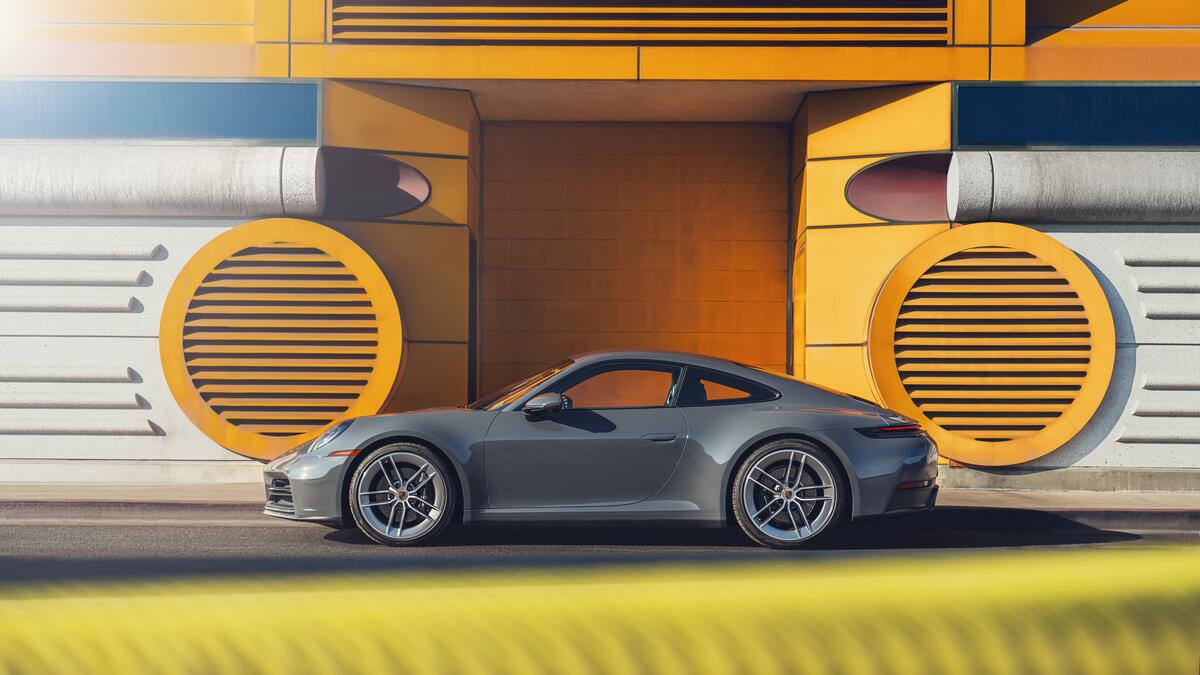
The 911 is Porsche’s famous sports car. They’re saying that older 911s used to lose value more than people wanted, but today the market treats some 911s as more collectible and better at holding value.
“Hold their value” means the car doesn’t lose much resale price as the years go by. Some cars become more desirable, so their resale prices stay higher (or even go up).
Koenigsegg is a company that makes very rare, very expensive supercars. The point here is that for cars like that, the buying process and pricing can be different from normal cars.
Rivian makes electric trucks and SUVs. The hosts are saying Rivian’s new-car pricing is set by the factory, so you can’t negotiate discounts the same way as with many other brands.
Supercharging is Tesla’s fast way to charge its cars at Tesla charging stations. Here, they’re talking about Tesla sometimes throwing in free charging time as part of the deal.
The Tesla Cybertruck is a pickup truck that runs on electricity instead of gas. It’s known for its unusual design and for being a newer kind of electric truck. The discussion is about how its price and sales strategy can change.
The Tesla Model Y is an electric SUV. It’s popular because it’s practical for daily driving while still being powered by electricity. The podcast is referencing it as a top-selling example of EVs.
Incentives are deals that can lower the price you pay for a car. The hosts are saying the available incentives can change, so you shouldn’t assume the price will be the same forever.
Rust proofing is a protective coating or treatment that helps stop the car from rusting. If it wasn’t done, the vehicle is more likely to develop rust—especially in winter conditions.
An extended warranty is extra coverage you buy to help pay for repairs after the original warranty expires. The catch is that many plans have exclusions, so you have to read the fine print to know what’s actually covered.
Granger is the company the host mentions for extended warranty coverage. The host says they’ve had a good experience with it when an expensive repair came up.
Butterfly valves in the exhaust are small flaps that help control how exhaust gases flow. If one fails, the car may warn you with the check engine light.
“Fine print” is the detailed wording in a warranty that lists what’s covered and what isn’t. Two warranties can sound similar, but the fine print is often where the real differences are.
“Complexity” here means modern cars have lots of electronics and systems working together. When something breaks, it can be harder and more expensive to fix than on older vehicles.
A tailgate is the back door on a pickup truck. Newer trucks may put lights and speakers in the tailgate, so if it gets damaged, the repair can cost more.
Car
Duramax
Duramax is a diesel engine used in some GM trucks. Here, they’re using it as an example of how even something like a side mirror can be costly today because it has electronics inside.
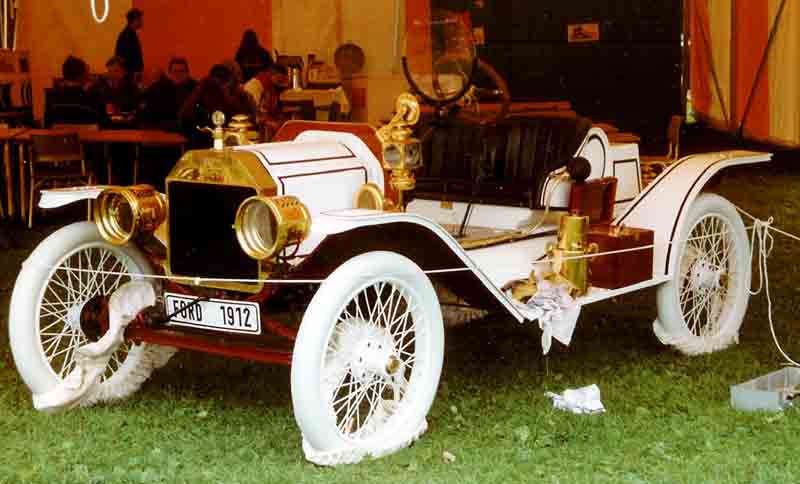
The Model T is an old Ford car from the early 1900s. They mention it to make a point: older cars were simpler, so there were fewer electronic parts that could get expensive to replace.
The Mercedes E-Class is a luxury car model line. In this discussion, it’s being used as an example of a car that didn’t do well in snow for the speaker.
The BMW 5-Series is a luxury car. “X-Drive” is BMW’s all-wheel-drive system, and the speaker says it handled better in snow.
Term
symmetric
Here “symmetric” is about how Subaru’s all-wheel-drive system is set up so power is distributed in a balanced way. The host thinks that makes it behave more consistently on slippery roads.
All-wheel drive means power goes to more than just the two wheels on one axle. It can help with traction in slippery conditions like snow, but different systems work differently.
Term
double X mode
“Double X mode” is a named setting on Subaru AWD that changes how the car manages traction. It’s basically Subaru’s way of adapting to different driving conditions.
Audi Quattro is Audi’s system for sending power to more than one wheel. The goal is to help the car grip the road better, especially when it’s slippery. The podcast is mainly referencing the name and how it’s described.
A slip test checks how well a car can keep traction when the wheels start to spin. It helps show whether the AWD system actually works well on slippery surfaces.
Snow tires are made to grip well in cold weather and on snow or ice. When it gets hot in summer, they wear out faster because the rubber is softer for winter traction.
All-weather tires are designed to handle more than just dry summer roads. They’re built to be usable in winter too, so you can often leave them on all year instead of swapping tires.
This just means the kind of weather most people deal with most of the year—some cold, some warm, and mixed conditions. It’s the “in-between” scenario compared to true winter or true summer.
“Pure winters” means the real winter conditions—very cold and often snowy or icy. Dedicated winter tires are made for that, while all-weather tires are more of a middle ground.
A “fuel saver” tire is designed to make the car easier to roll along, which can help you use less fuel. It’s usually not optimized for snow or ice grip like winter tires are.
Concept
keep them on all year round
They’re talking about not switching tires with the seasons. The idea is to use a tire that works well enough in both summer and winter so you don’t have to change them as often.
All-season tires are meant to be a “good enough” tire for most weather, like dry days and rainy days. They’re not the best choice if you’re doing real off-roading or deep snow.
Term
MT
MT means mud-terrain tires. They have a chunky tread meant to bite into mud and rough ground, but they can be louder and less smooth on regular roads.
Term
AT
AT means all-terrain tires. They’re designed to work on both paved roads and rougher surfaces like dirt and gravel, without being as extreme as mud-terrain tires.
These angles describe how well a car can handle bumps and steep hills without hitting the ground. Bigger numbers usually mean less chance of scraping the front, rear, or belly when you go over obstacles.
Low-range is a special low gear used for off-roading. It makes the vehicle move slowly but with more pulling power, which helps when you’re climbing or crawling over tough ground.
The Ford Bronco Sport is a smaller SUV made for light off-road use. It’s meant to feel like a Bronco, but in a size that’s easier to drive day to day. The podcast is saying it can handle rougher conditions better than you might expect.
A heat limit means the vehicle has a built-in protection when parts get too hot. If you keep using the off-road mode a lot, it can overheat and then limit how it works.
Overheat means the vehicle’s parts get too hot. The speaker is saying that using low-range-style off-road behavior often can make the system heat up quickly.
CVT means “continuously variable transmission.” It’s a type of automatic gearbox that can change ratios smoothly instead of shifting between set gears.
A planetary gear set is a gearbox design that uses several gears working together around a center gear. It helps the transmission create different “gear ratios” efficiently.
The Toyota Prius is a hybrid car. Its drivetrain uses a transmission strategy that people often describe as an ECVT, helping it blend the gas engine and electric motor efficiently.
The Ford Maverick is mentioned as another example of a drivetrain that people might call a CVT in practice. The host’s point is that the label can be confusing compared with older CVT designs.
The Nissan Versa is a small, budget-friendly car. In this segment, the hosts mention the 2012 Versa to make the point that its transmission setup can be misunderstood because people react to the “CVT” label.
Term
used CV
They’re talking about buying a used electric car and worrying about the battery. The point is that EV batteries can wear out, and that can be expensive to fix.
The Chevrolet Volt is a plug-in hybrid: you can drive it on electricity, and it also has a gasoline backup. The host likes it because they believe the battery situation is less scary than some other used electrics.
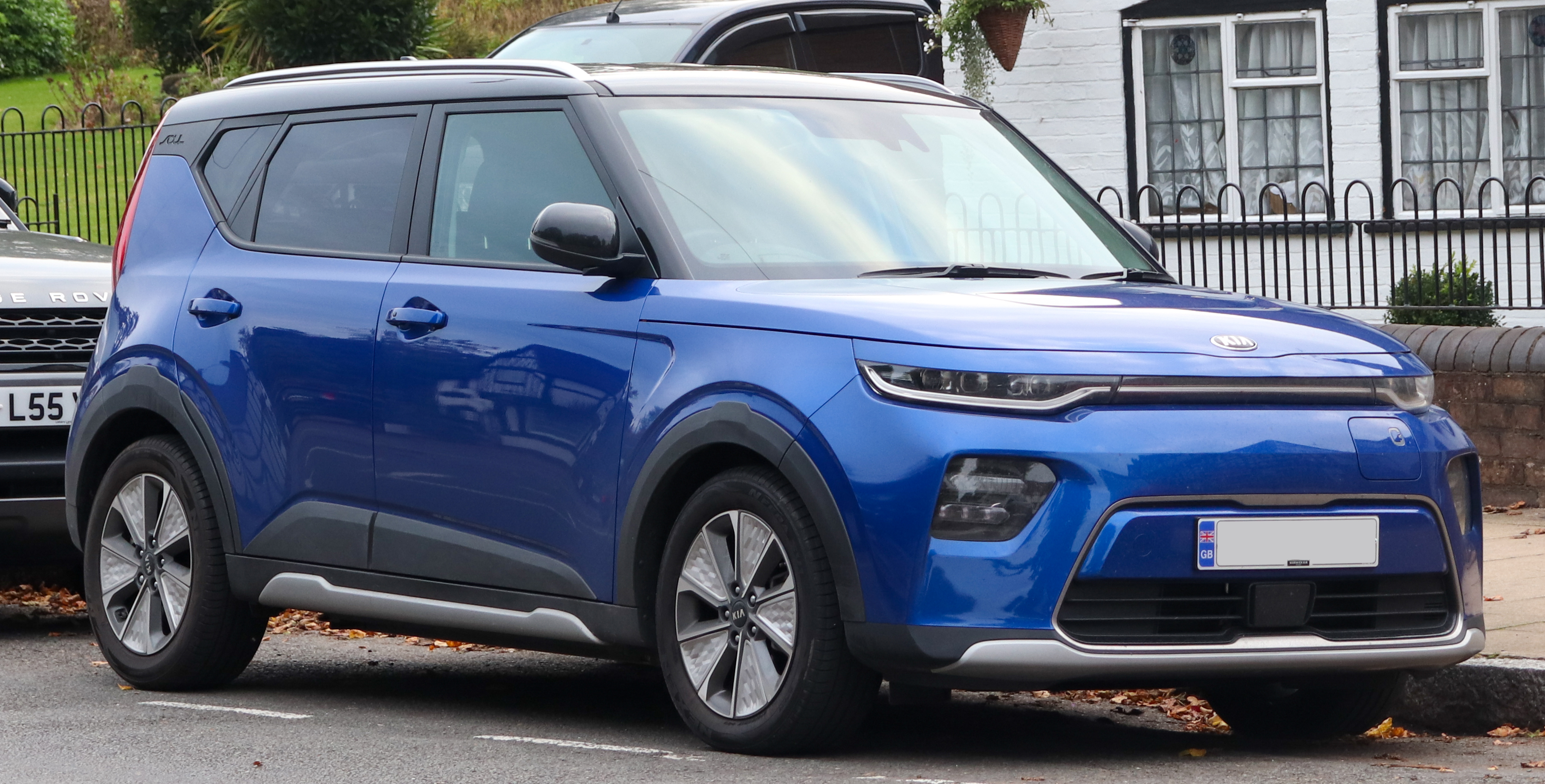
The Kia Soul is a small crossover-style car with a distinctive shape. Some versions are electric. The podcast is talking about problems people can run into, like how the car behaves when it gets hot or is pushed hard.
A climate control battery refers to EV battery thermal management—keeping the battery at an appropriate temperature using heating/cooling systems. Battery temperature strongly affects how long the pack lasts and how consistently it delivers range over time.
The BMW i3 is an electric car. The hosts are saying that, unlike some older EVs, the i3’s battery can last a long time and still work well even after lots of driving.
This means the newest version of the car’s self-driving/assist software. The host says some people criticize it without having tested the newest update themselves.
A ballard is a short, strong post placed on the ground to stop cars from driving into an area. It’s like a fixed barrier that you’ll see near sidewalks or entrances.
They’re talking about a mode that changes how aggressively the car drives. A “road ragey” setting means it behaves more assertively, like it’s less cautious and more pushy in traffic.
“Mad Max” is just a playful name for the most aggressive driving setting. It means the car drives in a more intense, less-cautious way.
Term
mallard
They’re using “mallard” (a duck) as an example of the car recognizing animals. The idea is that it can identify ducks as ducks, not just treat them as random shapes.
“Full self-driving” is Tesla’s software that tries to drive the car for you. Even when it’s working well, you’re still expected to watch the road and be ready to take over.
“Ready for prime time” means it’s good enough to use in normal life. They’re also saying it only works well if the driver is paying attention and using it responsibly.
Stop-and-go traffic is when traffic moves a little, then you have to stop again and again. It’s the kind of driving where self-driving help can feel more useful—or more annoying—depending on how it behaves.
The Volkswagen Jetta is a compact car, usually a sedan. Some Jettas can be ordered with a manual transmission or an automatic transmission. The podcast is talking about how those different versions can feel and behave differently.
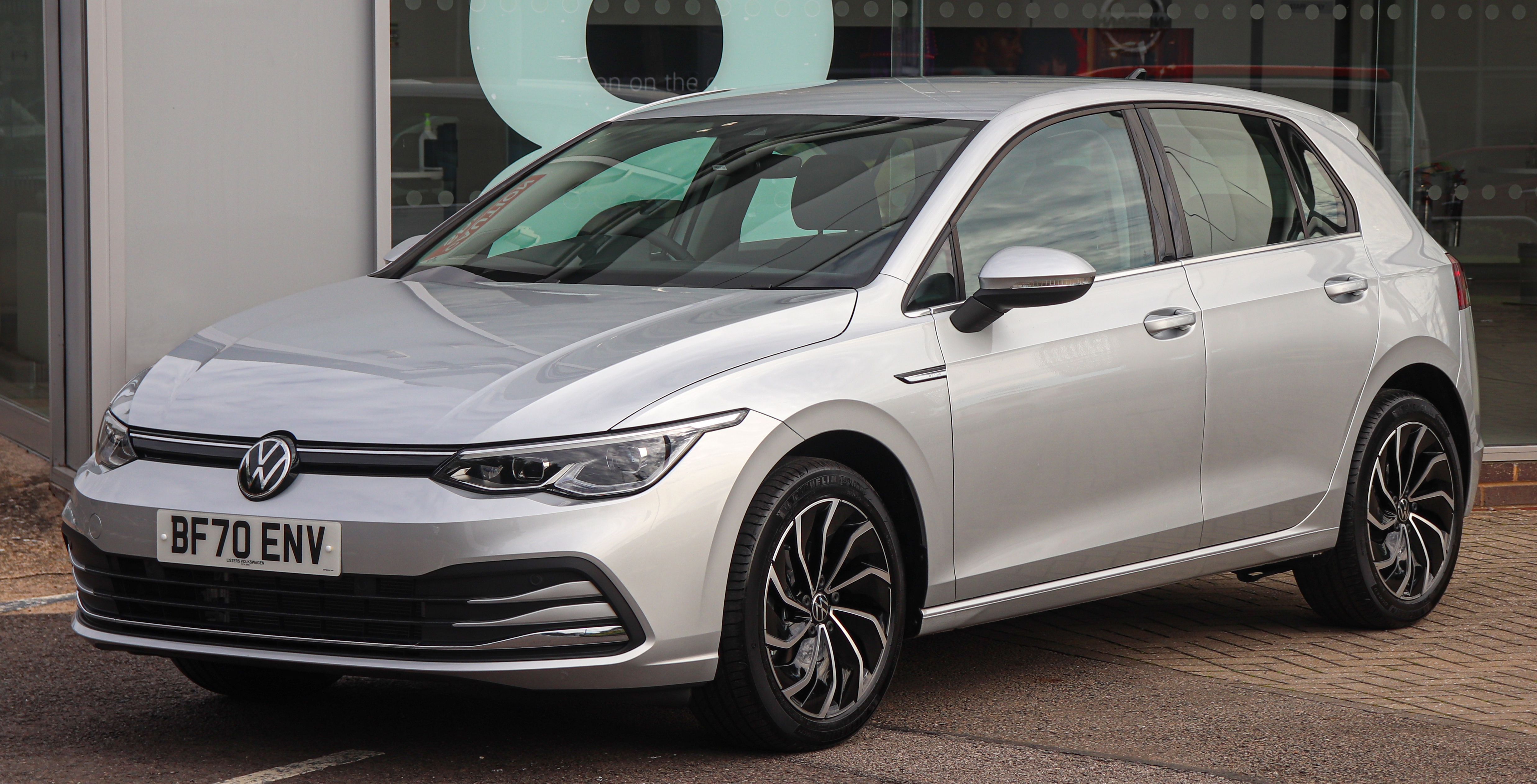
The Volkswagen Golf is a compact car that’s made for everyday driving. Like many cars, it can come with different transmission options depending on the version. The podcast is talking about how those choices can change how the car feels to drive.
DSG is a type of automatic transmission used by Volkswagen and Audi. It shifts faster than some older automatics because it’s ready with the next gear ahead of time.
Concept
anti-manual EV
“Anti-manual EV” is basically a joke about preferring electric cars over manual-transmission cars. Because EVs drive differently, the manual-vs-automatic debate doesn’t really apply the same way.
The BMW E60 M5 is a performance version of the 5 Series from the E60 generation. The host is using it as an example of how BMW’s choices and options differed by market.
An automatic transmission changes gears for you. The speaker is saying they personally enjoy the automatic more than the manual in this case.
LIVE
Hey Tommy, did you know you're supposed to change your oil every 3,000 miles?
That's what they say.
Yep, because today we're going to be talking about outdated car advice.
And to help us along the route to getting rid of some old wives tales, we've got Kase
here as well.
Hey Kase.
Yeah, there's three of us on this podcast.
The most outdated man we know.
Yeah.
Oh sure.
So we each have a list of outdated car advice that people keep repeating that I hear all
the time.
Let's just jump into it.
People keep saying you've got to change your oil every 3,000 miles.
Is that true?
Well, it's interesting because we've done several tests typically based on what a manufacturer
recommends.
And even on some vehicles with their brake in oil, the manufacturer is recommending changing
that brake in oil, which to me sounds kind of crazy, but until 10,000 miles.
I know, it's crazy.
And we've done that and then sent out that oil to get analyzed by a company that we've
used many, many times.
And they look at all kinds of things like flashpoint.
They look at the viscosity of the oil.
They look at any material, you know, bearing material or metal shavings or contaminants
that they might find in that oil.
And whenever we've had 10,000 mile oil analyzed, even though it seems pretty extreme, the oil
comes back being pretty effective.
I can hear somebody out there saying, tell that to the tundra buyers.
Sure.
Yeah.
But yeah, modern cars have lower viscosity oils.
They don't need to be changed as often.
And when people tell you to change your oil, I think first time I saw that was on a BMW
every 10,000 miles, people freak out because it seems like that's way too long of an interval.
And yet that's where we're at these days.
Yeah.
And especially the technology in engineering, which kind of sounds crazy to say engineering
relative to what's just a fluid, but the amount of energy that goes into making modern
oils versus what would have been in our Model T back in the teens in the twenties is a world
of difference.
Although I think that fundamentally you're not going to do any harm by changing your
oil sooner than they recommend.
So even if it is, so for example, like many quite famously a bunch of years ago recommended
doing 10,000 mile oil changes.
And allegedly the story goes that the engineers said this is not going to last.
And then sure enough, the engines are starting to fail prematurely because of these long
oil change cycles.
So even though, you know, in theory, you could go 10 or 15,000 miles going every five is
probably going to prolong the life of your engine.
Yeah.
I mean, there's an OCD argument, you know, where people who are a little obsessive compulsive
feel like this is something that they need to do.
And the other argument for it comes from dealerships.
I remember when we had that was the fourth generation foreigner, I took it in to get
some service done and they said, it's a high altitude vehicle.
You have to change your oil more often.
And I think this is a money grab by dealerships.
But I think the basic advice is just check your owner's manual or if you don't want to
do that, check AI and find out how often the manufacturer recommends and follow that recommendation.
To that point, though, it definitely does depend somewhat on use case because some of
the times that we've done in Ike up the hill, whatever truck that we're towing with the oil
temp will get.
Okay, this is a TFL car chat.
Yeah.
Okay.
Whenever we do car Ikes, the oil temperature will get above and beyond, you know, 240 degrees.
I mean, I think we've seen up to 250 degrees.
And at that point, that fluid does start to deteriorate more rapidly.
So if you're having or if you're track driving your car a lot, for example, and that hard
use, that is going to again deteriorate that fluid more quickly.
But I think to your original point with modern oils, 3000 is pretty obsessive.
Not strictly necessary.
I think five is what I target.
I see what the manufacturer says.
But sometimes, like to case this point, if it says heavy use case, like off-roading,
it'll actually be a faster interval, a quicker interval than normal.
Yeah, but how many people are actually off-roading?
Our friends are, we are.
But you know, if you live on the East Coast, good luck with that.
All right.
Tom, you got one you want to pass along, outdated car advice?
Yes.
I've got a whole list here so I can jump to mine, but I thought you should add something.
No, I'm going to, a case and I want to do this one with case, but I think it's funny.
The egg in the cooling system?
Yeah.
I'm going to expand.
So this used to be this thing where like if you had a crack in your radiator, you could
drop an egg in it.
And cook that egg.
I don't know if that actually solved it.
But I do know there's like a lot of stuff you can buy, like a lot of stop leak stuff
you can buy that will typically end up ruining your cooling system much more effectively than
actually fixing leaks a lot of the time.
Yeah.
And those products aren't just for cooling systems.
I've seen it as well for power steering systems.
For example, a stop leak fluid additive that maybe it does more than just this, but I would
imagine largely thickens up the fluid so that it leaks slower, which might be an overall
good thing, but it's not exactly a solution to the problem.
You should probably fix the leak.
There's all kinds of stuff.
There's for radiators right there.
If you're burning oil, well, there's a head gasket one.
So I'm not convinced that any of that stuff head gasket in a bottle.
This real thing.
I'm not sure any of that stuff actually does anything other than clog up your.
It's only one way to find out.
You have still a Rover V8, so we could find out, but there comes a point where like, especially
you should know this time you with your Landover slash Range Rover, you know, love.
There comes a point where it's actually cheaper to pour that stuff into the engine oil than
it is to actually change the head gasket.
Oh, of course.
So immediately cheaper.
The vehicle is worth, let's say, you know, two to 3000, you're going to go and change
the head gasket on it.
Are you going to pour some magic mystery oil in my right case?
Yeah, we can't pin the Land Rover Range Rover love just on Tommy.
Yeah.
To be fair.
We're all free-afflicted.
That's true.
So, so you're saying don't do any of that.
I would not crack an egg into my cooling system.
Maybe on the Model T, that's not a pressurized cooling system, so it might be a little more
useful there.
You'll have scrambled eggs too.
Exactly.
Hard boiled.
You got one case?
Yeah.
And this one is a little bit vehicle dependent to be fair.
But one of the ones that everybody loves to say, the first time I think they've ever
sat in a manual car, maybe the second or third, because they would have heard this at some
point related to manuals is resting your hand on a shifter.
Yeah.
Jason Fenske did a big video about that.
Yeah.
I wouldn't use it as an arm rest.
You know what I mean?
I wouldn't use it to get in and out of your car, especially if it's running.
But for example, my truck, the shifter from the floor of my truck is probably not to brag,
but two and a half feet long.
I know it's big.
What a brag.
Thank you.
And it also, as many do, it has a curve to it, it angles back.
And so the weight of that shifter is not directly downward.
It's pulling one way or the other.
Yeah.
Yeah.
The weight of it is pushing back.
So, if I have my arm on the center console and my fingers are resting on that shifter,
I'm not going to be wearing out anything in that transmission quicker than the weight
of the shifter itself.
Plus, I've never heard of anybody having to replace a transmission because they rested
their hand on it.
Yes.
Unless it's a really old transmission.
Which is also why I say it is kind of vehicle dependent, but people love to bring it up.
My fiat, sometimes.
You had an issue with your fiat?
I know, crazy.
Sometimes pops out of fourth gear.
And the people in the forum will tell you it's because the brass in the transmission wears
out from people resting their hand in fourth.
Now I'm not entirely sure I buy that.
It could also be because it's a 1970s fiat that pops out of fourth gear.
This is a fiat Spider-124.
That's right.
But yeah, I think for the most part people do blow it away.
I know people that won't even touch their shifter unless they're careful.
Be careful.
They'll touch it very gently and carefully.
I also think this is something that is becoming irrelevant because manuals are so rare now.
I've also heard that, this is the one that really gets me, I've had multiple people
now tell me don't rest your hand on an automatic transmission shifter.
That's connected to absolutely nothing.
Exactly.
Especially the modern ones.
It's like trying to switch.
It's connected to a computer.
Exactly.
And I got to wear out the computer.
In a Tesla, are you saying don't rest your hand on the screen because that's where the
shifters happen.
Don't you dare.
All right.
Let me keep going with my next one.
We're going to jump all over the place here because this is just advice.
I don't want to just go down the road of giving mechanical advice.
So let's switch to car buying advice.
Here's an interesting one here.
I hear all the time used cars will save you money.
And that can be the case, but in a lot of, because of COVID and because of tariffs, sometimes
it's actually cheaper to buy a new car than it is to get a one or two year old version
of that car.
I'm talking about Tacomas.
I'm talking about Wranglers.
I'm talking about even like back to trucks, F-150s, because right now the manufacturers
are putting a lot of incentives on their vehicles and there's a lot of push to sell
new vehicles, especially with inventories being high.
And sometimes if those cars haven't come off lease, especially if they're new, like
the Land Cruiser or even the Tacoma, you can't get a two or three year old Tacoma.
And especially with a Tacoma, a two or three year old Tacoma is going to cost you as much
if not more than a new one.
And so this advice or this belief that there's a lot of like one year old cars with low miles
waiting at dealership lots for you to buy at 20% off, I think is not something that
is a reality.
Unless you get a Land Rover.
Yes, exactly.
I mean, I think, yeah, it's very vehicle dependent, like quite famously your wife bought a one
year old car.
Yes.
But that's an EV.
Yeah.
And she saved like $35,000 on it.
Yeah.
So I think that like.
Even your mom.
Yes.
But specifically the like the Wrangler Tacoma 4Runner, yeah.
The cars people want.
You're not going to save money by getting one year old one, especially tellurites, palisades,
right?
The stuff that is always in demand.
You're just not going to do it.
Because think about it, I just bought a really great car, let's say it's a tellurite, right?
And I love that car.
And then, you know what, after a year and only putting 5,000 miles, I'm going to go
trade it.
That never happens.
It does happen though.
But with mom's car?
Well, that's an EV because nobody wanted EVs.
But I think it's tough to like my.
That's BMW IX.
My first car was a Mazda 3.
Yeah.
Got it brand new.
It was a little over 30 grand.
It was pretty nicely equipped.
And after seven years and 40,000 miles.
This is partly market dependent because I sold that car right at the beginning of COVID
when people were a little afraid to spend money before vehicle shortages had become
a thing.
It's good timing.
Great timing.
Sold that car for 10 grand.
And that's not some insane luxury car that you figure you're going to lose everything
on because it's $180,000 and it's going to depreciate to a quarter of that in three years.
After not that many miles, that car was worth a third of what it was new.
So I just think with a lot of new cars, I think you're the same as myself that we typically
buy depreciated cars because it hurts less.
But like it's all car dependent.
Like I was just chopping around for for James, we were talking about fifth gen foreigners
and like a $2,021 fifth gen foreigners, $38,000, which is crazy.
I've got another good one.
Oh yeah, it's here.
People that say you still need to warm your car up in the morning.
Oh God, that's the worst one.
Here's one a lot.
And it's just this has been proven time and time again that the best way to get heat in
your engine is just to start driving it gently.
Right.
But there's still so many people that will get in the car, turn it on and just sit there
idling for 30 seconds or a minute or a couple minutes to get some heat in the engine.
But the best thing you can do is just to get your car or start driving away unless it's
a 79 Fiat that won't run after 30 seconds or three minutes.
Then maybe you want some heat in the engine.
But other than that, modern cars are designed to just work in a work right away.
And we've gone as far as to even, well, no offense, but on the truck podcast.
Oh God, I talked to an engineer and he said the same thing.
He said, best way to get your vehicle up to temperature is to drive it.
It does it quicker, it spends less time with the oil at a suboptimal viscosity and it's
the best thing that you could do for your engine.
So that's not just a feeling, that's something that obviously manufacturers, they test those
things pretty rigorously, more rigorously than really any individual can because of their
resources and their level of information.
And that at this point is just kind of a confirmed fact.
That's mine.
Kind of on that same theme, another one that's interesting is people think that, well, people
hate stop-start, obviously, but they think one of the reasons that it's bad is because
it wears out the starter.
And I've talked to a bunch of engineers and they're like, no, it doesn't.
I'm like, how come?
And they're like, well, we put stronger starters in the car.
If the vehicle has to do stop-start, we compensate for that by, you know, doing a longer lasting
starter so that it can cycle through more of these things.
I'm not saying stop-start is good.
I mean, it's annoying as all get out.
But it will not break your starter.
One of case nice hot take is we don't mind stop-start at all.
Yeah, it's not that bad.
Yeah, I don't mind either.
The only time, there's two times I mind it, if it's super hot and the air conditioner
goes off, I mean, it's got to be really hot and you start to hear it along, stop light
and you all of a sudden start to feel the heat and it's kind of a pain in the ass.
Or if you have like a big engine, like a diesel that just rocks the whole car when it comes
back on.
Yeah.
Yeah.
I mean, with hybrids, modern hybrids, you can't even tell when the engine's not running because
the air conditioner stays on.
It's driven off of the high voltage battery.
But if there's like a big diesel, though, all of a sudden the whole thing just shakes.
That's kind of...
In the majority of cars and in the majority of situations, I don't think it's the worst
thing about how most vehicles drive.
You know what I mean?
Versus lane departure warning or something flashing in your instrument cluster to tell
you your two miles per hour over the speed limit.
When it gets frequency increases, volume increases and you're just parking the damn car, that
is so annoying.
Or when it goes into reverse, when it automatically does emergency braking, when you go into reverse
because your door's open because you're not trying to curb your wheel now, that is really...
Even Andre's F-150, there's a small curb behind the parking spaces that we park at here at
the office back before there was the fence there.
And Andre's F-150, every time you would be backing it into a spot, it would see that
curb, which an F-150, by the way, can clear with the bumper pretty easily and it would
jam on the brake every single time.
Really frustrating.
All right.
Here's another one from car buying.
Tommy, your grandfather would use to do this.
He would walk into the dealership and he'd be like, cash is king, right?
He'd have like a pocket full of money and like cash money today.
Nice.
Well, that sort of car was $9.
And all the dealers thinking today is, I'm not going to make all that money from getting
the financing, which is something that dealers get if you finance a car.
So cash is no longer king.
In fact, I think that dealers prefer that you finance a car or that you lease a car because
there are incentives for them that we don't know about, apparently, that they get if you
do either of those two things and if you just walk in and hand them a whole bunch of money,
they're like, oh, or might make a couple grand, if that much.
And that's the end of it.
I agree.
I've got another one as far as used car shopping.
And what I would say about it is that mileage, miles is not everything.
Specifically, extremely low miles is not always a good thing.
Yes.
Because if there's a car, especially, this is an extreme example.
But we had an 84 Honda Civic that had under 100 original miles on the odometer.
So you would think, wow, I mean, this car is brand new.
That's so awesome.
It was extremely hard to get it running because it had sat with fuel in that fuel system for
such a long time.
And it had been such a long time since that car had been on the road that even though in
a lot of ways it was like brand new, it's a car that hadn't ran consistently in 40 years,
which made it very difficult to get the car actually driving and moving.
So there's some times where I think a balance between not an excessive number of miles,
but a number of miles.
That means a car is being used and more importantly maintained, consistently kept up to date.
Cars age when they sleep, just like we do.
Exactly.
People forget about that.
They think that just because it hasn't been driven, that, you know, it's that's a good one.
Yeah.
Yeah.
And the other one being that maintenance in in some ways is more important than miles
because you could have 100,000 miles of little to no maintenance that would have basically
absolutely mechanically totaled a car and you could have 250,000 miles of incredibly
meticulous maintenance that makes for a fantastic driver.
Yeah, we just live we're living that with our current Land Cruiser.
You want to tell me, Tommy, you want to talk about what's happening to our Land Cruiser?
It's back in the shop again.
Everything.
The most reliable car in the world is now back in the shop again.
Yeah.
The start with we bought a Land Cruiser with 250,000 miles and we immediately broke the
front diff.
Yes.
And thank God for one of our viewers, he sent us a new one.
They're hard to get because apparently they're relatively fragile in Land Cruisers.
So we just had to pay to have it installed and then, of course, shipping.
But then the air conditioner took a dump.
Yes, we paid to have the air conditioner fixed.
And now the whole climate control module has died.
That climate control and screen module.
So like there's the little touchscreen and there's buttons along the side of the
touchscreen for navigation and radio.
All those died along with all the climate control buttons.
So the heat controls, the fan controls, all of those are no longer functional as well.
So that's going to be another $1,200 unit to put in.
You have to replace the whole thing.
Basically, replace the circuit.
You can replace just the circuit board or the whole thing.
You can replace the circuit board for a thousand, but it may not fix it.
Or the whole thing for 1200.
Yeah.
So this is my next one.
Well, hold on.
So before you get to that, what I was using that to point out is that just
because a car has a reputation for reliability or the converse of that
doesn't necessarily mean that that was going to be what I was going to say.
Yeah, yeah.
Just because a car is known for being the most reliable car in the world, it
isn't doesn't mean that it will be the most reliable car in the world when it's
still a machine that needs to be maintained.
And we've noticed a, we've also noticed a funny discrepancy with some people where
if you spend money maintaining a vehicle like that Land Cruiser, people are like,
good for you, man.
I mean, you're protecting your investment.
That's that's just a really smart way to spend money.
But God forbid you throw a pair of shocks on a car.
That's maybe some car that's deemed unreliable.
Then people say, look, see, I told you, you shouldn't have bought that thing.
You haven't had to dump all this money into it.
So there's kind of a cognitive dissonance there.
Well, I think it boils down to like loving your car, but not maintaining it.
You could do both of those at the same time because maintenance and is expensive
and it's time costly, whereas ignoring routine maintenance is easy.
And in general, most people end up doing that.
They just, you know, they'll do the stuff that they need to do to get the car
down the road or to get themselves down the road comfortably.
Like if the air conditioner takes a dump, they'll fix that.
But replacing shocks, you know, doing fluid changes, all that stuff
that really keeps the car running is something that I think a lot of people don't do.
And it's a trap that can be fallen into with a vehicle like that Land Cruiser
because I think a lot of people buy that machine because they feel like it's so reliable.
They don't have to worry about dumping a bunch of money into it.
So they don't dump a bunch of money.
It's a Land Cruiser. It doesn't need oil change.
Exactly.
It's like, well, you still got to maintain the thing.
I was like, I was talking to this guy who had a hundred series
and he's like, yeah, it's the best car I've ever owned.
It never breaks.
He's like, I just put $8,500 worth of maintenance into it.
Like, maintenance, that's fixing problems, my friend.
Yeah, no, that's a funny one.
All right, let's hit the gas premium regular or middle grade.
What should you do?
It's a question that a lot of people have wondered about.
And there are really, I think, three things right that you could do.
So some cars don't say anything, which is like, I think that's just you put
the cheap shit in there, cheap stuff.
Sorry. And then there are some that say premium recommended.
Yep.
And that basically is because the manufacturer is saying if you want
the ultimate fuel economy, if you want the ultimate horsepower,
then you need to use premium.
But the car will adjust for that.
Most cars are computerized, so it won't knock, obviously, like they did in the past.
And then there's premium required, in which case you could probably put
the cheaper stuff in there, but you're certainly going to lose performance.
Whether you'll avoid the warranty, I don't think so.
But when I see premium required, I kind of think, yeah, I'd better put
the premium stuff in there.
What's your call then?
I probably wouldn't put 85 in my Tourbillon.
Yeah, no, that's for that.
But like the Land Cruiser, the new one we have, that's this premium required.
I'll put dogbow water in that.
I think the high compression turbos, those little two-liter turbos.
Oh, you mean the new Land Cruiser?
Yeah, it says premium required.
Well, I don't know.
That recommended required.
Yeah, but my Land Rover also says premium required.
And do you put premium in there?
No, because it has a Ford Explorer V6.
Why would I put premium in a Ford X?
It says premium required.
When you open up the flap, it says premium required.
Really?
Yeah, and I think that's because it was a high-end luxury vehicle.
Maybe it's just the same sticker that they had for the 4.4.
It's just their father changing it.
No, I think that modern engines will derate themselves
and they do have knock sensors, right, for these reasons.
But it probably is best to go off with what the company recommends.
So what you're saying is if the car's new premium is required,
but if it's old, even though it says it, it probably isn't.
But we just had this conversation.
Like my mother-in-law has a 2010 Lexus RX.
I hope she's not listening to this.
She's not.
But she's been putting premium in it forever.
And I'm like, I really don't think at this point,
with 150,000 miles and an S-Chanceprator V6,
like I think the car will be OK if you put mid-grade in, right?
So I don't want to say don't do what the manufacturer recommends,
but at some point, there has to be the math.
Like I'm paying another dollar for a car that's worth $8,000 per gallon, right?
Where's the...
I'll tell you what I do think can be valuable, though.
If you have it as an option where you live,
which I luckily do where I'm at,
is ethanol-free fuel, especially in older vehicles.
Definitely, yeah.
Is a nice thing to be able to use.
Obviously, you can burn E-15 in an older vehicle,
but especially some of our older machines,
like bikes of mine that are carbureted.
Oh, God, yeah.
If you can use ethanol-free, more power to you, for sure.
All right, let me ask you this, because this goes to another one.
As both of you are now EV owners, the same EV.
Leasers.
There's this feeling out there that a lot of people will tell you
is that EV can only be a second car.
Is that true?
Or, and then the second part of that is you can't road trip an EV.
So have we gotten to the point now where EVs can be primary cars
that you can use on an everyday basis like you guys do,
and in fact, road trip them?
Sure, it depends on the car.
I mean, to be fair,
you've only really been able to road trip an EV practically since 2015.
Definitely.
So it's only been, you know, 11 years.
Yeah, but yeah, for sure.
You can have it as your only car, and you absolutely can road trip it.
My only caveat there is I'm still gonna come back to
if it's your only car, you better have charging at home.
Because having to rely on the public infrastructure
is not impossible, but it's expensive,
and it takes a lot of patience, right?
Yeah.
So not that you can't do it,
like there's plenty of people in Boulder that have a Tesla
and they only go to the superchargers to charge it,
but it's expensive,
and then they're hanging out at Trader Joe's for 30 minutes once a week,
which is not what's also not a bad thing,
but it is so much better if you just have a place
to doink it in the garage and plug it in.
Interesting.
Doink it in the garage, huh?
Yeah, you just doink it in there and then plug it in.
So long as your doors aren't see-through.
But I would say one of the things that gets way overblown
is how much of a drag it is to stop for 30 or 40 minutes
every couple hours to let a car charge on a road trip.
It's absolutely and pretty easily calculated
that you would spend a lot less wasted time
for the couple road trips you do per year
stopping to charge for 30 minutes
than all the times during the week that you go to a gas station
instead of charging at home,
or having to book oil changes regularly once a year or more.
So all in, I think you're going to waste less time
daily driving an EV, but you know.
I think we're getting to the point now
where the network charging network has been built out enough.
Most new EVs are now North American charging standard,
which is Tesla.
Tesla has the most superchargers.
Last time I checked it was in the tens of thousands
when you combine them all.
So I think you can road trip,
and I think you can have an EV as your main car.
It depends probably where you live.
It's probably easier in some places than others.
I know in California where there are a lot of Tesla's
there tend to be big lines of superchargers.
People live in apartments, so it's hard to...
But if you can, like you said,
if you can swallow the 15 minutes you're going to spend
or 20 minutes you're going to spend charging at someplace public,
then you could probably have it as your main car.
Fundamentally, where most people are coming from
is that they just don't want an EV.
Yeah.
Which is a valid enough reason for them not to...
Yeah, because...
That's all you've got to say.
But to make the argument...
And there's a gas station every corner.
This is true.
Yeah.
But to make the argument that it's horrifically impractical
to live with one at this point is just not the situation.
Okay, we're living through a time where we're going hybrid
and we're going smaller displacement,
displacement with turbos.
Our hybrids and turbos trouble.
Most people will say they are.
Are they indeed trouble?
I mean, let's say the hybrids have been around
since the Prius originally came out
and this is now 25 years, 30 years, something like that.
So the basic hybrid technology is now pretty established,
kind of like fuel injection.
And yet people are still terrified of hybrids.
And turbocharging, same thing, right?
Turbocharging was around when I was a kid.
Yeah, but they were pretty bad when you were a kid.
Yeah, sure.
The Saab 900 turbo was not exactly...
And that's a pinnacle of longevity.
There was, you know, turbos would get very hot
and then they would wear out.
You're running more pressure through an engine.
So you're, you know, you do run the risk of...
So are they less reliable?
Are hybrids and turbos less reliable?
I'm gonna say no.
Yeah, I think no as well.
I mean, I think that with modern tolerance is especially
and also computer aided engine management systems.
I think that turbocharging and specifically hybridization
does not mean that the vehicle is any less reliable.
I mean, look at all the taxis in New York
that have been pre-assisted for like the last two decades
and they're putting on 500, 700, 800,000 miles on these cars.
And yeah, they may need battery replacements at some point,
but they're very affordable to get those battery replacements done.
And the last, like in some cases,
half a million miles between battery replacements.
And then turbocharging doesn't fundamentally mean less reliable.
I mean, there's an argument to be made that,
like your common diesel, right, is a turbocharged engine
and that's a million mile engine.
Granted, that's a diesel and it's a little bit different,
but like it can also be long-lived.
Absolutely. I think where most people are coming from
is if you were to compare a fifth gen forerunner
to a sixth gen forerunner purely in terms of longevity
and simplicity, maintainability, all of that,
then I'm sure the fifth gen forerunner, I would wager,
is going to come out on top in the long term in that sense.
So there is an element of truth to it.
But to your point, it's not a necessary truth
that a turbocharged engine or a hybrid powertrain is
going to be any less reliable than the average.
All right. Here's another one that we've lived.
New cars are money pits and they always lose money.
Do new cars always depreciate?
The best majority of them do.
Yeah, almost always.
I think before COVID, this was true,
but we have had a lot of examples of cars that we bought that either
we've had one example of a new car.
No, the forerunner we bought, that did not.
We bought it and sold it for the exact same amount.
We lost money, though, after taxes.
So like it did, we did lose money on it.
Okay, but the taxes you have to allow.
And that's just because it was a brand new forerunner.
Other than a Toyota.
Yeah, there was a Toyota and the 911 and the two cars.
But in the past, the second you would drive a car off the lot,
you'd lose like 10,000.
And that's still the case.
I mean, look at that.
Unless it's a Toyota.
Yeah, unless it's a Toyota or a brand new 911.
I mean, if I look at all the cars that we've owned recently,
we lost a ton of money on the Bronco.
We're going to lose a ton of money on the GMC Canyon.
These cars are gotten so expensive that I think the market correction happens
the second you drive it off the lot.
I hate to say you're going to lose a ton of money on that Z06.
But the reason for that is because Chevy just came out with a ZR.
Well, that's the problem with buying a new car.
There's always one that's going to be better.
I don't always know.
For a long time, Z06 is for like 23 years,
you could have made money on those cars if you had not waited for the ZR1 to come out.
If it's a very special kind of limited production or low production.
But ZR1 are not limited.
If you buy ZR1 or Z1X.
But they were hard to get.
There was a lot of hype around them.
And now if you bought were to buy a ZR1,
you might be able to make some money.
But in a year, you're not, right?
Who knows?
I mean, for like two years, you could have probably gotten in out of a Z06
without losing any money.
But super high end sports cars aside, any other normal car.
We lost a lot of money on the F-150.
You know, we lost a lot of money in the Bronco.
We lost a lot more than norm.
Yeah.
I'd say there are 95% of the cars we sell.
But in the past, I think all cars would have lost your money.
But now, especially now that cars are so expensive,
they've become more than just disposable commodities.
Some cars actually appreciate.
But that's only like the really special ones.
I don't know if it corresponds to the 50.
A Yukon is not an appreciating asset.
Let me ask you this here.
All right.
When I was doing research for this, right?
How many Corvettes do you think GM?
How many CA Corvettes do you think GM is built over the last?
What is it?
20 was the first year?
Yeah.
Six years.
Six years.
How many do you think they've?
120,000.
What do you say?
This is a hundred and nineteen.
170,000.
Oh, wow.
That's a lot.
It should have bet the over.
It's not all that special, Tommy.
Yeah, but the Z06 is special.
And there's a lot of hype around it, right?
You also have to look at the hype.
And when the Corvette was new, the standard one you could sell for 10 over.
Now if you buy a standard Corvette, you're going to sell it 10 under the second you drive it up a lot.
And the same things happen with 9-11s?
Sure, but what's it get?
9-11s hold their value?
That name a normal passenger car with four doors.
But the 4s and 9-11s didn't hold their value.
They depreciated not as quickly as others, but they didn't hold their value.
And now they do hold their value.
We're living in a time where people want one of one and anything that approaches that
is going to appreciate.
And I know it's weird, but it's true.
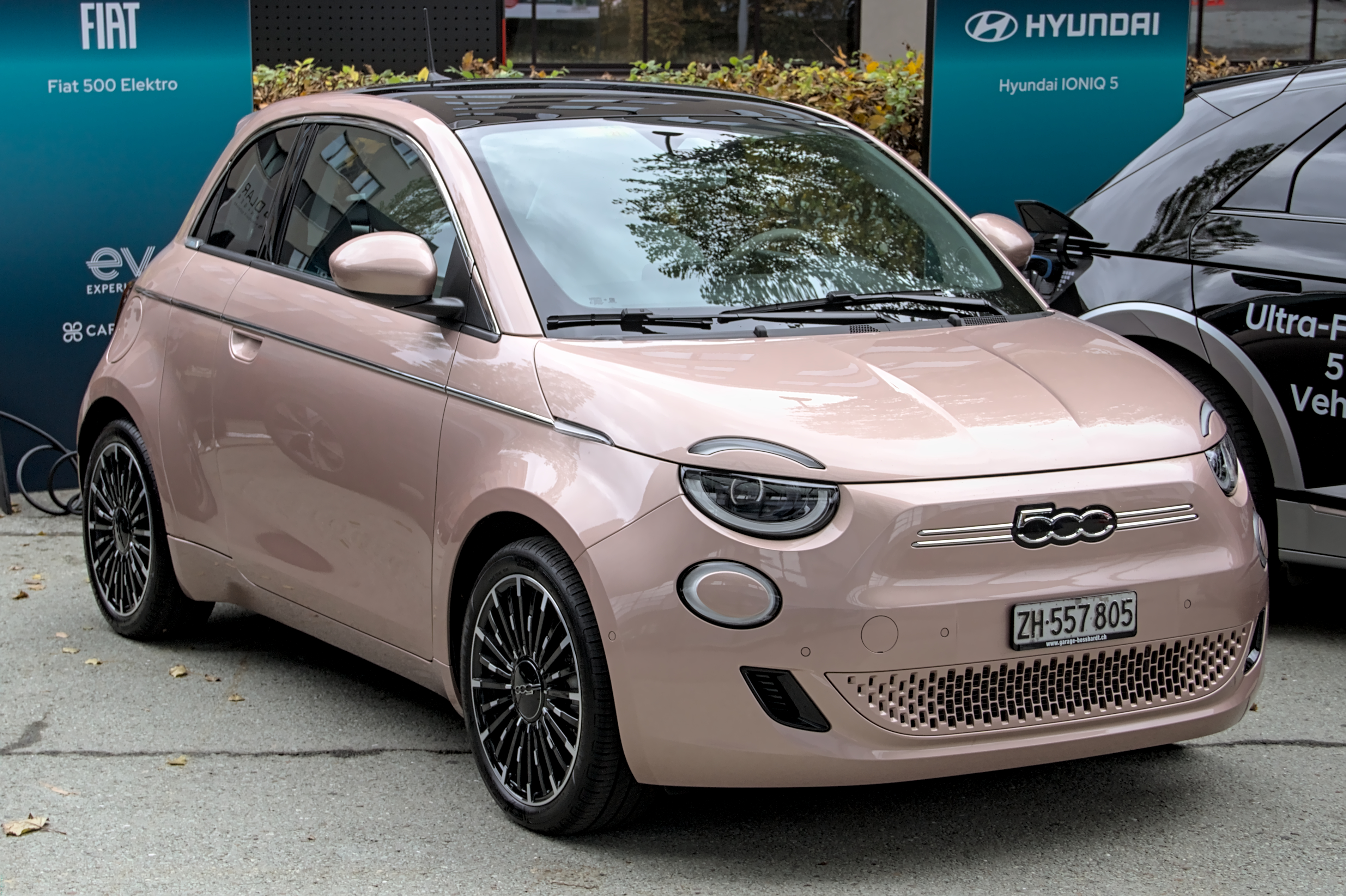
But a Fiat 500e is not going up in value.
No, a Fiat 500e, no.
Yours might not.
Any electric, yours is one of one.
This does not hold true for any electric car.
Or any car with four doors.
Sure, but that's always been the case.
Four doors have never been a secret set.
I think like if you're in that upper .01% and you're shopping for Koenigseggs,
maybe the, maybe the market hire.
You're one of one Yesco.
Yes, your Yesco is worth more than the nor-
Or my Turbillon.
Or your Turbillon.
Well, not if you keep putting 85 octane in a case.
It's not going to be worth more.
Now people know that.
All right.
Well, we've beat that horse.
How about this one?
You can't get a deal on Lucid, Tesla, or Rivian because the pricing is fixed by the factory.
What do you say to that?
Is that true or not?
There's some cheap Lucids.
Like, what do you mean?
Well, the thinking is that when you're buying one of those three brands new,
there's no dealer.
So there's no, like, you can't go in and you can't like negotiate.
So you can't be like, hey, I'll, you know, give you 50,000 cash today for a $55,000 car.
Well, like what Tesla does is there's really no negotiating,
but sometimes they'll throw in your freebies.
Like they'll give you a year of supercharging.
Actually, what Tesla does is worse than that because they constantly change the pricing on their cars.
And people don't realize that.
People think when they go on the website, it looks like it's very corporate.
That's not negotiating, though.
That's just them changing the price.
Yeah, Mr. Musk wakes up and he thinks we need to sell more in Cybertruck.
So all of a sudden the Cybertruck becomes a $60,000 Cybertruck instead of an $80,000.
Or $69,000 because.
Yes.
Because of, yeah, exactly.
Talk about losing money or when you drive it off the lot, the Cybertruck.
But you see what I'm saying?
You can, you just have to know that those numbers on their website change pretty literally.
Yeah, it's not negotiation so much as gambling.
Oh, yeah, true that.
You just kind of like, well, maybe it'll be cheaper tomorrow, but it is what it is today.
I think there's a belief that like the Model Y, which is the world's most popular
electric car, always is the same price.
No, it's very different.
But that new price does change and there are incentives and you just need to be clever
about when you buy it and how you buy it.
So I think that's another one that I think people don't necessarily know about.
All right, should we keep going?
Do you have any others?
Case?
I have another one.
It takes hours to buy a car.
It does take hours every single time.
They will, they will just hold you there to make sure.
You don't think that's true?
Well, I have bought a car in two minutes, but I think there's a big caveat and that is.
It's used?
No, we have two dealers that we work with now pretty much exclusively because I trust them and
we buy a lot of cars from them and they know what I want.
So they don't, you know, I'll give you an example of what was painful.
So usually when I buy a car, we're going to be getting a Wrangler 3&2 very soon.
So I'll call up the owner, which I can because I know him and I'll say,
Hey, I've got this Canyon.
I want to trade.
He'll give me a number and I'll be, you know, thumbs up or thumbs down.
And then I'll walk in.
But only thumbs up if the price is higher than what we paid for.
Yeah, it's never gonna be that.
But then I'll walk in and they'll escort me right to the finance person.
And within two minutes, I have cut a check, signed all the paperwork and I turned over the keys
to the Canyon, got the keys to the Jeep.
It takes longer to make the video than it does.
But that's because you're in the know.
That's because I have a relationship with it.
The flip side of that is that we've spent days cumulatively at that dealership to get to that point.
I'll give you the flip side when we were buying the Land Cruiser, the new one.
We bought it out of the fleet.
And so Toyota had told us how much we were going to pay for it.
So the price was already negotiated.
There was nothing the dealer could do because Toyota said,
This is what we're selling it for.
And I agreed to that.
So I thought I would do the same thing, walk in, walk into the, you know,
and I get, I sit down with the rest of the people that are sitting down.
And they're like, yeah, we've got a salesman.
And I'm like, why do you have a salesman?
They assigned me a salesman.
And I'm like, I'm like, there's nothing.
I just had the car for a week alone.
The price is already the price.
All I need to do is give you this check, sign a bunch of paperwork.
I had a doctor's appointment at three o'clock.
I came in at 11.
I got out of there barely at 245.
Yeah, there you go.
So no negotiation, no nothing.
And I was still in that dealership for four hours.
Well, so there you go.
You can't buy a car for under four hours unless you know the owner.
Even when we leased our fiat for a grand total of $49 a month.
It's been like nine hours down there.
They had to make sure they had, they basically ran full background checks on them.
Asked the FBI.
That's true. That happens.
They do, they run a background check.
Yeah. Yeah.
Talk, talk to all the flock cameras and everything just to make sure that we were cool.
And then they finally gave us a $49 a month.
Messed it up three times.
Well, they messed yours up.
They got mine perfect.
I was the first one in there.
You messed up the system.
Everybody after Tommy had a hard time.
So we just returned our leaf after two years.
We returned it early because it was $9 a month and we were paying more insurance.
Well, you returned it one month early.
One month early.
Actually, you returned it like a week early.
No, one month.
It was one month.
It's due next month.
Say $9.
Anyway, Zach, $9 a month.
Zach tried to return it to the way that if you're a normal person, it works,
which we are, but I'll explain what I meant by that.
You call up Nissan and I think they use Cox Automotive and then you make an appointment
and then some dudes supposed to come here and do like a walk around, check it out.
So Zach did that.
Dude never showed up.
Yeah.
So that was on Thursday.
Next week he calls again and they say, oh yeah, we can come by,
but it'll be after the lease return date.
So it was like six weeks in the future.
And he's like, that's great, but the car's going to be back in four weeks
and you're setting appointment for six weeks.
So in frustration, I called the manager at the Nissan dealership and he's like, just bring it in.
But that's the thing.
It's like the only way to buy a new car in 2026 is to have a million subscribers.
That's right.
If you have a million subscribers, you are great advice from us.
That's the sad reality of the situation is like you basically have to threaten public shame.
Shame, shame, shame.
Otherwise you can't buy a new car.
That's what it comes down to get my fiat.
It's just not buying.
This is returning.
Yeah, but that's fine.
Public shame.
It's because that leaf is the Rolex of cars, you know.
You got to know people in order to.
I guarantee you when I need to return the fiat, it's going to be a nightmare.
Well, yours is because your situation's weird.
Yeah, mine is weird because we're over the mileage already.
No, we're not over the mileage yet.
No, they like, they tried to refund you the money and yeah, this is a mess.
His was a mess.
I don't even, to be honest with you, I'm not even sure I have a lease on this car.
Like I never got a contract for anything.
So like, do they know I have this car?
You might just keep it.
Let's move on.
Without incriminating ourselves.
Let's move on.
You're talking about.
They never gave me the lease on the car.
I don't know if I have a lease.
I have the car.
They haven't asked for it back.
Yeah, they do call you though.
They call me so much.
You have a plated and you have a title.
Yeah, they call me like every, almost every day now to get it in for service.
I'm like, it's an electric fiat.
What do you need to do to it?
You think the service is like a Trojan horse, a reverse Trojan horse to get your car in there?
In case you had one.
No, Tommy just accused me of having one.
I ran through mine.
Did you have more?
Yeah, no, I did have one though.
Oh, Tommy's got one.
Casey and I talked about on the other podcast we do called Carish and this is actually Casey's.
Good podcast.
Good podcast.
They don't make them like they used to.
We still make that one.
No, that's the, I thought you were talking about the podcast.
No, when people are like, you know, I would buy that car, but they just don't make them like they used to.
Yeah, that older was better.
Tommy and I love vintage cars.
But they're not better.
Just about anything.
There's a reason that odometers back in the day used to be five digit.
Yeah, because you never get to six.
Yeah, exactly.
The tolerances for, you know, cylinders, pistons, piston rings, bearings was within the nearest inch.
The rust proofing was non-existent.
The best example of that is like how people have owned that six cylinder in the Tacoma,
you know, the 35 which was just a dog of an engine.
It was slow.
It was thirsty.
But it was reliable.
It was reliable, but it never worked with the transmission.
And yet, you know, the two, is it 24 now or is it 24 turbo is so much more powerful,
so much more fuel efficient.
And yet everybody wants a six cylinder.
And sometimes there's a reason for that because there is real consequences of reliability.
But I think in this case, the, the longing for that old six cylinder is probably a little over bone.
When I think the even more extreme example of that would be, you know, you watch a video
of a square body back in the day like a rock and it's, it's blasting through a field and,
and those ads were much better than the ads.
So good.
So the trucks are beautiful.
They are very repairable and that's a difference.
But to say that that was a better made truck, they don't make them like they used to is not
true because you drive a square body through two years of a winter and it's got visible
holes in the side.
That's just how things were.
Now repairability used to be better.
Like our Model T, for example, Tommy and I did a head gasket on the Model T.
It took all of 34 minutes because there's, it's that simple.
There's nothing going on in the head of that motor.
But do you also break down in the Model T three times every time you go somewhere?
So there's a difference between repairability, which used to be better,
and reliability, which was nowhere near what it is today.
All right.
Here's another one.
Extended warranties are a scam.
Now this was something that I think was very popular because people,
and this can still be the case depending on the extended warranty company,
but we work with Granger as you guys know.
We have, we're not just, you know, sponsored by them, but we're also customers.
So I paid full amount for an extended warranty on that first C8 that we had, the 2020.
And I was driving it to Estes Park and all of a sudden I get the little,
you know, check engine light and one of the little butterfly valves in the exhaust
would not function anymore.
So I took it in.
The repair ended up being very expensive, $1,800 and it was covered under the extended warranty.
So that's dependent on the extended warranty company because a lot of them have a lot of fine print.
Sure.
That, that, you know, does not allow for a lot of repairs, but a reputable like Granger
really is a lifesaver and it does give you true peace of mind because
when expensive stuff breaks, like air conditioners or transmissions, which we probably should have
had on that, I can't do, you can do extended warranties on like
high mileage cars, but they're so expensive that it's probably not worth it.
But, you know, when something breaks and it will happen, then you're covered.
Yeah.
And especially something like that is useful on modern vehicles just because of
how expensive a lot of components are.
Oh, it's complexity.
Yeah.
It used to be on a 30, 30 year old truck.
How could it cost $1,500 or $1,800?
Or like a 30 year old truck, you, you damage your tailgate, which
happens to a lot of people the time.
Tailgates now have speakers and lights built into them and they open multiple different
directions.
They've got several hinges and even the, the mirror on our Duramax got damaged at one point.
Mirrors at one point in time were pretty simple devices, things, parts that didn't cost that
much to replace.
Do you remember how much the Duramax mirror was to?
$1,400.
Yeah.
$1,400 because we, we backed it up and.
Should have bought a Model T.
Yeah.
Exactly.
Should have bought a Model T.
Because there's a lot of, because there's a lot of electronics in that mirror, right?
Yeah.
Model T doesn't even have mirrors.
And, and a light.
Good luck in better.
Good luck breaking a mirror you don't have.
So, so I would say, and I'm not trying to promote our sponsor, even though that's what's
coming off as, because they are really good.
But if you guys want peace of mind, then a good extended warranty is well worth the money.
Fixing cars is pricey these days.
This is another one I hear a lot.
You're like, I had a Mercedes E-Class, Formatic.
It was the worst car in the snow.
But then I had a BMW 5-Series X-Drive, best car I've ever driven in the snow.
I'm like, no, you're driving the tires.
You're not trying to get in the driving system.
The reality is, is like, they're not always all the same.
There are certainly.
But tell me Subaru's is symmetric.
Well, yeah.
There are certainly.
The symmetry is outstanding.
All-wheel drive, double X mode now.
They have X and XX mode.
And Audi is Quattro.
Try to not go to triple X.
No, triple X mode.
It's not regular four-wheel drive.
It's Quattro.
But the BMW is X-Drive because, you know, an X is like four.
But the reality is that like most of the modern all-wheel drive systems in the standard passenger
cars are all going to be very sufficient.
But the four-motion system in a Mercedes, Tommy, come on.
That's Volkswagen.
That's Volkswagen.
What's Mercedes?
Formatic.
Formatic.
Very different.
Very different.
But the reality is that what you're driving is attires, not necessarily all-wheel drive system.
And all the modern all-wheel drive systems are going to work OK to get you to school
when it's cold and snowy, right?
When you get to like the fringe stuff, like the really off-roading trims,
and you really start to see the differences, that's why we do the slip test.
And then certain all-wheel drive systems like some of the Toyota hybrid systems of the past
have been pretty poor.
But pretty much across the board, X-Drive, to Formatic, to four-motion, to whatever,
they're all going to kind of get you where you need to go if you have the right tires.
That's more important than the all-wheel drive system.
Yeah.
100 percent.
Here's one that's actually true.
You will burn your snow tires off in the summer.
That one is true.
That one is true.
How many years have I done that?
And that's expensive.
Yeah.
Remember, we went to a quarter lane.
You know what I've noticed a lot now are these new,
new, they've been around for a thousand years.
But the all-weather tires?
Sure.
Yeah.
They're everywhere here at Cardo.
They're very popular because...
Very, very popular.
They're effective.
We've done testing between all-seasonal weather,
pure winters, and then just kind of a regular highway fuel saver tire.
And the all-weathers are pretty good in between.
Yeah, you can keep them on all year round.
Yeah, I think that was done because of Canada, where one of the provinces
amended it like Germany does, snow tires in the winter.
And then the tire manufacturers came up with this all-weather tire,
which is, I'd say, 80% as good as a dedicated snow tire,
and much, much better than an all-season tire.
The downside is on the all-weather tires is they ride kind of rough.
I'm team MT on everything.
Yeah, Mount, yeah.
Mount Terrain or Maximum Traction?
Maximum Traction.
I'm team AT on everything.
AT's are the best of all worlds.
He's got maximum traction on the Fiat.
The great thing about an MT versus an AT is how rad they are.
And you know what you were saying about all-wheel drive system?
It's kind of the same thing when it comes to off-roading.
So number one is it's tires, and number two,
it's the approach, departure, and break over angles
that really determine how good a vehicle is.
I think with anything off-road, a low-range is your first step
into something that's genuinely capable.
If you don't have a low-range, you're not in the game.
Yeah, but now like the new Bronco Sport, it does a pretty good job for simulating
that low-range, you know?
But if you use that off-road regularly,
you're going to hit the heat limit pretty quickly.
Yeah, they do good hot.
You're going to overheat low-range.
This is a hot take.
All CVTs are bad.
No, yeah, ECVTs are good.
ECVTs are good now.
Don't at me.
I didn't just say that, but ECVTs are good.
I think traditional CVTs are actually on the way out now.
Planetary gear sets, as much as I don't know how they work,
but they do work.
Nobody knows how they work.
Nobody knows how they work.
It's a complete mystery.
It's better than a belt running around a cone.
That's right.
Yeah, the planetary gear set systems, like what you were talking about in our Model T.
Pre-i, really high mileage Toyota Prius, is running that style of CVT essentially.
Yeah, a Model T has a planetary gear set.
Do you know that?
And 100 years later, look at us.
100 years later, it still is going.
No, but like Prius is a good example, but the two-motor Civic is a good example.
That's technically a CVT.
Ford Maverick's technically a CVT.
It's just, they should have called it something different.
From ECVT almost sounds worse than CVT.
Normally.
Yeah, it's like it's worse than a CVT.
Ew, CVT, yeah.
Yeah, so the naming is unfortunate.
And planetary gear set is confusing.
That's horrible.
Yeah.
Nobody knows what that means.
But they needed to rebrand it.
The reality of it is that that is, again, it's nuanced.
Like a lot of people hear CVT, they're immediately checked out,
which is fair because even a planetary gear set,
Nissan really did, you know.
Jacko, yeah.
2012 Versa really did it.
And they should have called them like the Zoom-O-Matic or something.
Oh, the Zoom-O-Matic.
That's great.
That's right.
That's all you, that's all you, Honda.
Yeah.
Yeah, yeah.
Yeah, yeah.
Yeah, yeah.
Free.
For Zoom-O-Matic.
Free advice from Tommy.
That's actually another good one, though, that it's very dangerous to buy a used CV
because the battery is 100% going to fail.
Yeah.
People always equate their car battery with their phone battery,
and it's the biggest mistake you can make.
Yeah, very different.
We can't change that.
I've tried.
Other than the early Nissan.
If you're buying a 2012 Nissan, the Bolts.
You are correct.
No, Bolts are pretty good.
And Volts, especially are unkillable.
No, the Bolts that had their batteries.
Oh, sure.
Yeah, the LG thing.
So other than all the ones that we're talking about.
Other than those that are awful.
So one of the cases, actually, favorite cars is the Chevrolet Volt.
He loves the Volts because...
I'm more of an ELR guy.
He's an ELR guy.
It looks better next to the Tourbillon.
But the Volts are a good idea.
That thing's now like 15, 18 years old now.
And those batteries are indestructible.
They're really, really long-lasting.
The air-cooled stuff that Nissan used, that Kia used, and like Soul EV,
those are pretty bad, and those get hot and then they fail.
But for the most part, the fast majority of EVs with climate control battery is like a BMW i3.
Andre has had his...
He's now got 100,000 miles and is 11-year-old i3.
There's people with Teslas that have 3,400,000 miles.
And the range is fine.
And the range is 80% of what it was when it was new, which after that,
after closing in on half a million miles, 80% of your original...
It's pretty good.
Good.
That's...
Yeah.
The one that I keep hearing all the time, and this is from people who should know better,
because they're...
And I know the reason for it is that autonomy doesn't work.
It's too dangerous.
It's not ready for prime time, and we'll be lucky to have autonomous cars in 50 years,
let alone today.
And yet, the problem is that most of those people haven't actually never sat foot
or have tried Tesla's latest, both self-driving latest software.
What's happened in the last two years, and I've talked to engineers about this,
is AI has sped up exponentially how quickly computer learning allows cars to drive themselves.
So there was this belief, and it's absolutely true that humans are really bad at a lot of things,
but we're really good at driving, but computers are not good at driving, because like,
let's say you have a duck and a ballard, right?
You have to know what that duck's going to do, versus what the ballard is going to do.
What's a ballard?
It's a type of song.
Not a ballad.
Is it a ballard?
You know, like a big...
A ballard.
Ballard.
Ballard.
A mallard?
A mallard and a ballard.
You've got the duck and a ballard.
A duck and a mallard.
You've got to know...
All right, let's just...
All right, you have a tree.
You have a tree.
I genuinely don't.
And you have a duck.
The tree will not move, but the duck will, and you have to know that.
Is that a tree?
No, a ballard.
You don't know what a ballard is?
I guarantee you've come across this.
This is a ballard.
Oh, sure.
Yeah, like a post.
Like a concrete...
A ballard is a short, vertical, sturdy post.
I thought it was ballard.
The term originated as a maritime word, as you, in the early 19th century,
but has since expanded to refer to several different types of posts used for traffic control.
I'm a big maritime guy.
That's why I live in Colorado.
Yeah, okay.
So let me keep going.
So, you know, we've now driven a Tesla 6,000 miles with the latest version of full self-driving.
And for the most part, it's pretty, pretty, pretty as David,
Larry David would say.
Pretty, pretty, pretty good.
Yeah, yeah.
It's not perfect, but it's very good.
It's certainly better than, you know, somebody who's somehow impaired, which is driven a lot.
It's not drunk.
It's not drunk.
Somebody who is, you know, full of road rage.
Somebody who might be elderly and can't see, so they're only driving the daytime.
You can set the car to a somewhat road ragey setting.
You can with the high setting, Mad Max.
It also works in conditions that people don't think it will work, like on snow.
We've got to drive on snow, and it actually did really well.
So, so, yes.
And it knows the difference between a ballard and a mallard.
Yes, it does.
Yes, it's a huge deal.
Very different.
It does.
So I think that people don't realize, especially in our profession, how good it's gotten.
And that's because Tesla doesn't lend truck or cars to automotive journalists.
So the only way that you could actually get behind the wheel of a full self-driving Tesla is to either
buy it or get it on Touro, because you're not going to get it handed to you on a silver platter,
like they do with the rest of the cars when they bring them to our office.
Yeah.
And I think it's, I'm going to use this word, I think it's disingenuous of people who have read
about it or who have heard about it, but who have never actually experienced it for more than,
you know, one ride, if that much, to start saying it's not ready for prime time.
Yeah.
We've put, like I said, 6,000 miles on it, full self-driving.
And for the most part, it's very, very, very good.
Yeah, it's ready for prime time with a responsible user.
Yeah.
Yeah, there are other problems with it, but it's not the system.
You can't.
It's the fact that humans are really bad at not driving.
And so you get bored very quickly and you get distracted very quickly when you're actually
not driving.
It's just a lot of people want all or nothing.
They want level five.
It's not there yet.
No, they want, they want level five.
Yeah.
People want to be on their phone and, and completely check out.
Well, and that is the other, I think, flip side of that coin for me is, is that
full self-driving does so well, so much of the time, that it's hard not to get lulled into
kind of a sense of confidence and, and yeah, be complacent.
We just did a video where it pulled into the wrong entrance to our office building.
And there's a big sign that says one way to do that, enter and get the vehicle completely
ignore that.
And you could, the other thing that happens, and this is also very frustrating.
If an electric car catches fire, it makes national news.
But everybody ignores the 15 car fires on the 405 or the 110, right?
Because you're basically putting a very combustible material in your car.
No one freaks out about that and parking in your garage.
But God help you if an electric car catches fire.
Or the same thing with autonomy, right?
If, if an, if a autonomous car somehow makes one mistake, it makes national news.
But yet it's fine for some drunk dude to wipe out a family of four.
Well, it's not fine.
It's not fine, but it's, it's like local news, right?
But it won't be like, you know, it won't be, it happens every day.
And yet one autonomous car does something stupid.
And oh my God, the whole world is coming to an end because that makes news.
And then people assume because it's one car messed up that they all mess up.
And yet we ignore the obvious, which is, you know, people tend to be 30,000 people die a
year on American roads.
And a lot of that is human error, if not most of it.
Yeah, there is something there.
But I also don't love being driven around and by that car.
No, I don't like it either.
I actually, I actually don't like it because it's, I get bored and then I get sleepy.
He's very boring.
Yeah.
And it takes, it takes the fun of driving completely out of my hands.
Because that car is so fun to drive.
Yeah.
We're talking about the Model Y now.
Somebody actually said that in a comment.
It's like, it's a bummer you're letting the car drive itself because it's.
But in stopping, it's in stopping go traffic.
Sure.
There's situations where I don't much get it.
But I don't know.
I just get, I get so grumpy and old manish when I'm in that car and it's driving itself.
And anytime it does something slightly differently from how I would like for it to do it.
You're yelling it?
Terrible.
Unacceptable.
Oh no.
I think it's an everyday commuter.
Oh, I got another one.
All right, go for it.
Yeah, I hear this one a lot.
Also another one we talked about on the, the Carish podcast
that you have to drive a manual to be a car enthusiast.
A lot of people are gatekeeping the car enthusiast world here.
And I think, what was the topic of today's episode?
I think I'm off track here.
It's become the things we think are wrong.
No longer relevant.
Oh yeah.
Okay, that's true.
Or that I'll take it a step further.
People, I still see sometimes people think that the manual is superior to the automatic.
But objectively in every way, the manual is less good than the automatic.
Well, it's slower and less efficient.
Simplicity.
I think in a lot of situations, simplicity and durability can be better.
Because automatics are complicated.
Just because you had the whole three automatics out of your land rover
doesn't mean that's every person's situation.
No, I mean, I think it's not even a Land Rover automatic.
If you owned a new Jetta GLI with the manual and a Jetta DSG with the automatic,
I'm not sure that that automatic is going to be the first thing to fail on that car.
That car is going to be, I think.
But done so compared to the manual though.
I'm not saying it's better in terms of fun to drive this,
but it's going to be more efficient and faster.
Am I wrong?
It's also going to be sadder.
You know, the problem is that people who say manuals are better always associate
driving it in the canyons or driving it on a racetrack or driving it someplace where it's fun.
But when you're in stop and go traffic or you're commuting to work and you're late,
they're not more fun.
They're just a pain in the butt.
I think if you live with those circumstances, they're just no fun.
If you live where there's traffic, that was your first mistake.
That's what Keith always says.
Move out of the city for your manual car.
We firmly established ourselves as, by this point, it sounds like anti-manual EV.
We love self-driving.
We love hybrids.
We hate manuals and we love self-driving.
The next thing you'll comment, you're so woke, whatever that means.
Ultimately.
This is a guy who drives a Cummins.
Yeah, pre-emissions, obviously.
TFL owns a number of vehicles that would be, you know.
I don't even think the Model T would pass emissions.
Considered the most unwoke.
I'm talking about our Bob Deuce and a half.
No, sure.
That would not be, you know.
Automatic.
Tree hugger's first choice.
Everyone loves 46s.
It's an automatic though.
It is an automatic, yeah.
I think the point of a lot of these points is more so that there's nuance in all these
subjects, which I think Slyia, casual observers, miss.
Not good news for the internet though.
You know what I liked?
I liked when it was like, when I was a young man and manuals were cool and then as you get older.
Well, the automatic hadn't been invented yet.
So what else were you going to drive, the horse?
No, there were automatics times.
What happened in my lifetime was automatics went from being slow and inefficient to being
fast and efficient.
It went from the two speed power drive.
If you're an engineer and you're working for, you know, let's say you're working for Chevy
and the notion of putting a manual into a Corvette is abhorrent because you're making
a vehicle that's slower, that's less fuel efficient, you know, that isn't at the top
of its game in terms of performance.
And what the enthusiasts are saying is we want that engagement, which I get.
But as an engineer, you're saying, I want to build the fastest, coolest, you know, most.
Well, that's the German argument.
That's why they didn't sell the E-60M5 in Germany with the radial.
What I liked was as you're young, you want manuals.
As you get older, you get more comfortable and you want automatics.
I think that that trend was always true.
But now even the old guys want manuals and that's because you want what you can't get.
And manuals have gone the way of the dodo.
So now everybody wants a manual.
But like I just found out when we sold our 911 Sakura 2S with the manual for the turbo,
which is an automatic, I like the turbo a lot better.
And I like the automatic a lot better.
It could be, but I just, it's just a lot more fun to drive for me because
after a while shifting, it just gets to be.
If you have 50 or 60 years of shifting yourself, maybe.
Yeah, thanks.
At least 50 or 60, not 500.
But you see what I'm saying?
Sure.
I like the convenience.
Well, we'll see where, with Jason and I are 50 or 60.
I can like have a drink in my car and actually drink it without spilling it because I've
hopefully been drinking and shifting the car at the same time.
Martini, what are you talking about?
No, like a Coke or something, you know what I'm saying?
Well, put a lid on your beverage.
It's hard.
Big Benny scroll.
Or the hat.
But when you're driving and stop and go traffic or through town, it's hard to do anything else
with the hand because one hand's on the steering wheel and one hand is constantly shifting.
I just drove the Fiat back from, I'm always talking about Fiat, so much as podcast,
from Starbucks to the day, with no cup holders, two drinks in my lap and a manual transmission.
Did you just lean down to the cup holder to sip out of it as you were rowing gears?
I let them, I had to savor the thought of the beverage.
Well, your ice cubes melt.
Yes, that's right.
All right, well guys, if you want more of this nonsense, head over to the other podcast.
And if you want less of it.
You're already begone.
Autovirus guy, check them out.
And thanks for watching or listening.
We hope you've enjoyed it.
If you want to see our videos, head on over to alltfl.com.
And this is Roman.
Tommy.
In case.
We'll see you next time.
Ciao.
About this episode
The hosts tackle outdated car advice head-on, from the “3,000-mile oil change” myth to dealership claims about high-altitude maintenance. They lean on manufacturer guidance, used-oil analysis, and real-world heat effects from hard driving. The conversation then pivots to other common myths—stop-leak products, warming up by idling, and even manual-shifter habits—before moving into modern buying and ownership realities like EV charging, depreciation, and repair costs driven by electronics.
( https://www.alltfl.com/ ) Check out our new spot to find ALL our content, from news to videos and our podcasts! In this episode of TFL Car Chat, Roman, Tommy, and Kase sit down to tackle the ocean of outdated car advice, old wives' tales, and automotive myths that drivers just refuse to let go of. From classic garage wisdom passed down for generations to bad buying habits, the guys look at what actually holds up in 2026 and what is complete nonsense.
The crew dives headfirst into the great maintenance debate, questioning whether standard practices like the ancient 3,000-mile routine or the habit of idling your car on a cold morning actually do your modern vehicle any favors. They share stories from engineering experts and fluid analysis labs to reveal what your powertrain actually needs. Then, they pivot to the dealership lot, shattering long-held beliefs about how cash influences a sale, whether a low-mileage odometer is always a good sign, and if buying used is still the ultimate money-saver in today’s volatile market.
( http://www.patreon.com/tflcar ) Visit our Patreon page to support the TFL team!