Summit Racing
Summit Racing is a major automotive retailer focused on performance parts and accessories. Because this is a Summit Racing–powered podcast, the discussion is likely geared toward practical, build-focused guidance for enthusiasts. It can be a helpful reference point for parts availability and common upgrade paths.
piston ring
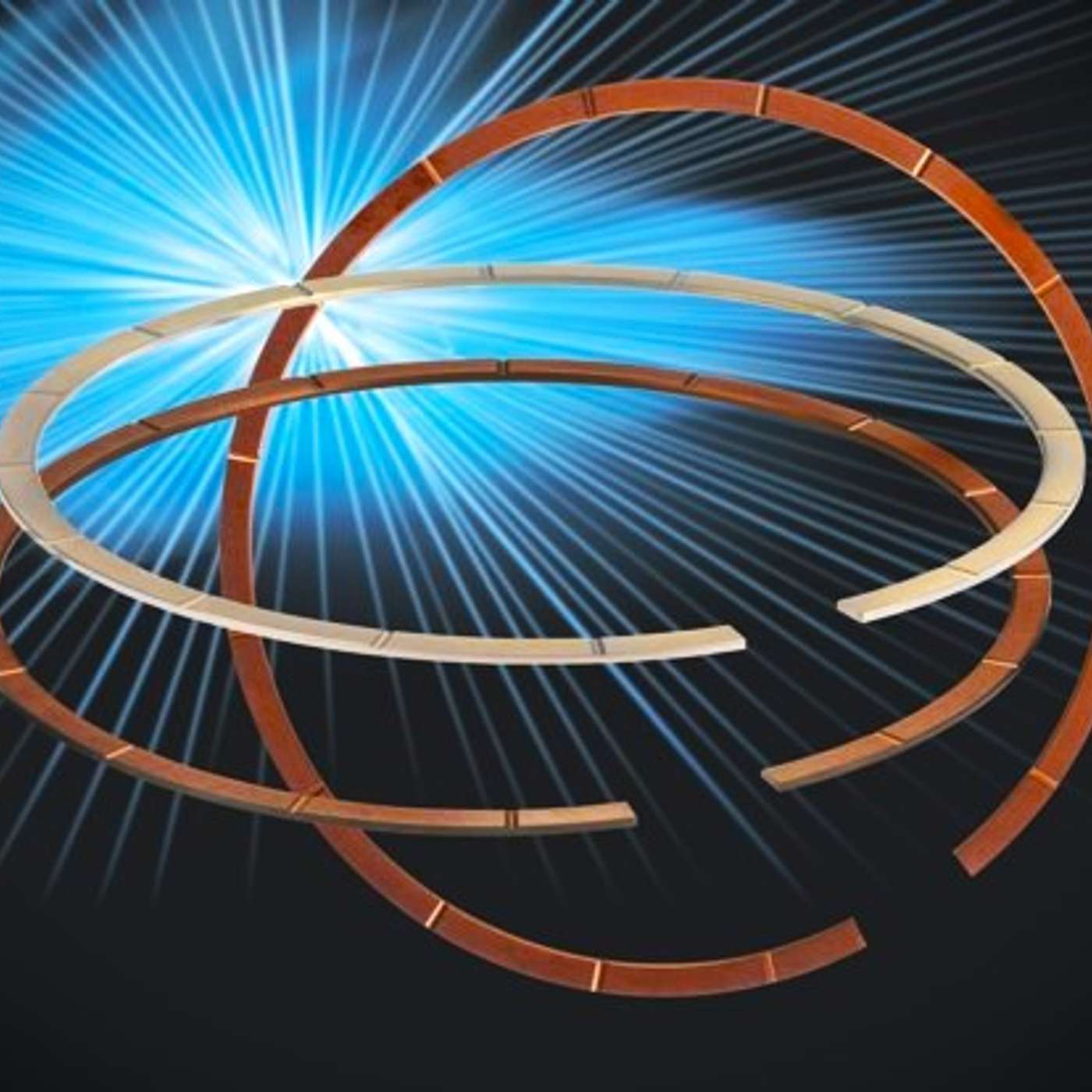
A piston ring is a small metal ring on the piston that helps the engine seal properly. It keeps combustion gases from leaking into the crankcase and also helps manage how much oil gets used. Better rings can mean less wear and better engine performance over time.
Total Seal
Total Seal is a company that makes piston rings. Since this episode is about piston ring tech, their recommendations are likely based on how different ring designs perform in real engines. It’s useful to listen for what they suggest for your type of build.
bracket racing
Bracket racing is a drag-racing format where competitors race to a preset “dial-in” time rather than trying to be the absolute fastest. It emphasizes consistency and reaction-time/ET management, which is why it often attracts people who are deeply into engine and tuning details.
running super cop
“Super Cop” sounds like the name of a racing class or event. The key takeaway here is that the guest has experience across different types of racing, not just one.
GM
GM refers to General Motors, a major automaker with both production vehicles and a large motorsports/performance ecosystem. Here, Keith Jones mentions working through GM dealership chains and GM racing, which frames his background before joining Total Seal.
gapless second rings
“Gapless” ring sets use a design where the ring end gap is minimized or eliminated, improving sealing consistency. “Second rings” refers to the second compression ring in the piston ring pack, which plays a major role in controlling blow-by and maintaining cylinder pressure.
Warren Johnson
Warren Johnson is mentioned as someone in racing who cared about piston rings being consistent. The point is that if rings vary, sealing and performance can vary too.
GM racing
GM racing is General Motors’ involvement in racing. The speaker is saying their racing connections helped them understand what top teams want from piston rings.
micrometer
A micrometer is a tool for measuring very small distances accurately. It’s used to make sure piston rings are the right size before they’re installed.
speed pros
“Speed Pros” is a brand of performance engine parts. The speaker is saying they used to just buy rings and install them, without fully understanding how precise the fit needs to be.
tolerance
Tolerance is how accurately a part is made. With piston rings, if the ring and cylinder are made to fit closely, the engine seals better and wastes less oil and gas.
Formula One car
Formula One is referenced as an example of the extreme performance environment piston-ring technology can be used in. The point is that the same core sealing challenge exists across lawn mowers, drag racing, and top-tier motorsport, but the requirements scale dramatically.
pro stock car
Pro Stock is another drag racing class where engines are tuned for repeated high-performance runs. The reference is used to illustrate that ring technology must handle demanding cycles and maintain sealing performance over repeated pulls.
top fuel car
Top Fuel is drag racing where cars accelerate extremely hard. That kind of stress makes piston rings work under tough conditions, so durability and sealing matter a lot.
gapless rings
Most piston rings have a small opening (a gap) so they can expand as the engine heats up. “Gapless” rings try to reduce that opening to improve sealing, but they’re more sensitive to fit and setup.
production level parts
Production level parts are made in large numbers with consistent quality. Racing parts often require more experimentation and tougher performance targets, so they’re more interesting to build.
race engines
Race engines are pushed much harder than normal driving engines. Because of the heat and pressure, piston rings have to seal and control oil extremely well to keep the engine healthy.
turbos
“Turbos” refers to turbochargers, which force more air into the engine to increase power. Higher boost typically raises cylinder pressures and temperatures, which can increase demands on piston ring sealing and durability.
reinvent that wheel
They’re basically saying that as engines get pushed harder, the parts have to keep improving. So manufacturers and builders can’t just use the same ring design forever—they need better rings to keep working reliably.
1000 horsepower motor
They’re talking about building an engine that makes extremely high power—around 1,000 horsepower. When you do that, the engine parts have to handle much more pressure and heat, so things like piston rings become especially important.
internet and gear heads having access to a lot more information
They’re saying the internet makes it easier for car enthusiasts to learn from others. That helps people build engines more effectively because they can find tips, data, and proven combinations faster than before.
NHRA national events
NHRA is a big U.S. drag racing organization. They’re saying they do their tech talks at major drag racing events, where engine parts like piston rings get tested hard.
seal the compression
When the engine compresses the air-fuel mix, you want it to stay sealed so it can make power. If the piston rings don’t seal well, some of that pressure leaks out and the engine loses efficiency.
compression, spark bang, explosion
This is describing how an engine makes power: it squeezes the fuel-air mix, ignites it with a spark, and then burns it to create force. The piston rings have to seal and handle the heat during that whole process.
least amount of leakage getting by as possible
This describes minimizing “blow-by,” which is combustion gas that leaks past the piston rings into the crankcase. Less blow-by generally means better power, better fuel economy, and less contamination of engine oil.
transfer heat
Your engine makes a lot of heat, and it has to get rid of it. The piston rings help move heat from the piston to the cylinder wall and then into the cooling system so the engine stays in a safe temperature range.
heat out through the piston... wall to the water, water to the air
Heat has to travel from the hot engine parts into the coolant, and then the radiator uses airflow to cool that coolant down. If that heat can’t get out, the engine can run too hot and parts can wear faster.
cold fusion
Cold fusion is a claim that fusion could happen without the extreme heat normally required. In this conversation, it’s mentioned as an example of something that might not be pursued if it doesn’t look profitable or practical.
thermal transfer through the rings
Engines get extremely hot, and they have to move that heat away. The piston rings help carry heat from the piston area into the rest of the engine, so they matter for keeping temperatures under control.
control the lubricant
“Controlling the lubricant” refers to managing how oil is distributed, metered, and retained in the cylinder. The goal is to maintain a proper oil film for friction reduction and wear protection while still allowing the rings to seal effectively.
oilless engines
Some engine ideas try to work with little or no engine oil. But in this discussion, the point is that fully oilless operation is still hard, and lubrication is still important for sealing and protection.
engine project that runs on water (hydrogen from water)
They’re talking about a concept where you use water as the starting point to make a fuel—specifically hydrogen. It’s an example of exploring alternative fuels beyond normal gasoline or diesel.
oil is the gasket
Even when the cylinder wall isn’t perfectly smooth, a thin layer of oil can help fill the tiny gaps. That oil layer helps the rings seal better, like a gasket would.
ring seal despite cylinder-wall imperfections
Cylinder walls aren’t perfectly smooth in real life. The oil film can smooth over tiny rough spots so the rings can still seal tightly and keep gases from leaking.
octane rating
Octane rating tells you how resistant the fuel is to “pinging” or knocking. If the fuel can’t handle the engine’s conditions, it can start burning in the wrong way and cause damage.
detonation
Detonation is when the fuel-air mixture ignites in an uncontrolled, explosive way. Instead of a smooth burn, it “bangs,” which can hurt the engine fast.
HRA test down in Gainesville
They mention a racing test in Gainesville to show how tiny tuning changes can matter a lot. In racing, engines are pushed hard, so detonation can happen quickly if setup isn’t right.
timing
Timing is when the spark happens during the engine cycle. If it’s too early, the engine can get too hot/pressurized and start knocking.
knock
Knock is when the engine starts “pinging” or burning unevenly. It’s a warning sign that the combustion is wrong, and racers often lose power to prevent it.
wet combustion chamber
A wet combustion chamber means oil is getting into the cylinder where it shouldn’t. That oil can mess up how the fuel burns and can lead to knocking and damage.
top ring
The top ring is the ring closest to the combustion area. Its main job is to keep the high-pressure gases from leaking down into the crankcase. Because it can’t be perfect all the time, other rings help make up the difference.
oil ring
The oil ring is the ring that helps manage oil on the cylinder wall. It makes sure the engine doesn’t leave too much oil there (which can burn and smoke) or too little (which can increase wear).
ring package
A ring package is the full set of rings you install in an engine. The key idea is that the rings, piston, and cylinder have to be matched so they work together. If you pick rings meant for a totally different kind of engine use, they may not survive or seal correctly.
cylinder finish
Cylinder finish is how smooth (and what kind of texture) the inside of the engine cylinder is. The rings need the right surface to seat properly and control oil. If the cylinder surface is wrong, the rings can wear faster or not seal well.
honed right
Honing is the process of finishing the inside of the cylinder so the rings can seat correctly. If it’s not done right, the rings may not seal well and can wear out sooner. It’s one of the steps that has to match the rings you plan to use.
three stage nitrous engine
Nitrous oxide (NOS) adds extra power by injecting more oxygen into the engine. A “three stage” setup means it can add that power in steps, which makes the engine conditions much more intense. The speaker is saying the rings have to be built for that kind of stress.
burnout
A burnout is when you spin the tires while the car is mostly in place, and the engine is working hard. The speaker uses it to show that if the engine parts aren’t matched, they can fail quickly under heavy heat and load.
system
He’s saying the engine parts work together. Rings can only do their job well if the piston and cylinder surfaces and the oil are also right.
oil control
Oil control means the rings manage how much oil gets into the wrong places. Good oil control helps prevent the engine from burning oil.
eight rings
Earlier engines sometimes used more rings because the parts weren’t as precise and the surfaces weren’t as good. More rings helped them seal and manage oil.
lubrication on there
Lubrication is the thin layer of oil that keeps metal parts from grinding against each other. If the oil film is right, rings seal better and the engine lasts longer.
material technologies
Material technologies means newer metals and coatings used to make rings tougher and more wear-resistant. That can let engineers use less material while still keeping the engine sealed and lubricated.
bore conformability
Bore conformability means the ring stays pressed against the inside of the cylinder. If it doesn’t stay in contact, you can lose sealing and performance, so this is a key design goal.
aluminum blocks
An aluminum engine block changes shape more as it heats up than a cast-iron block. That movement can affect how well the piston rings seal, so ring design has to account for it.
fuel management
Fuel management is how the engine computer chooses the right fuel amount for the current driving conditions. Getting it right helps the engine run smoothly and prevents problems from running too rich or too lean.
draw through and blow through carburetors
These are two old-school ways to put a carburetor in a turbo system. The problem is that when boost changes, the carburetor can’t always adjust fuel accurately enough, so the engine can run poorly or dangerously.
fuel curves
Fuel curves are basically the “map” of how much fuel the engine gets as conditions change. If that map is wrong, the engine can run too rich or too lean.
engine management
Engine management is the car’s computer system that controls how the engine runs. It decides things like when to spark and how much fuel to use. Better engine computers let engineers design engine parts differently because the engine can be controlled more accurately.
boosted engines
Boosted engines use forced induction to increase the amount of air entering the cylinders, which allows more power from a given engine size. Common forms include turbocharging and supercharging. Boost changes combustion pressures and temperatures, which influences piston ring design targets like sealing under higher cylinder pressures and controlling oil under more demanding conditions.
turbocharged
Turbocharged means the engine has a turbo that squeezes more air into the cylinders. More air usually means more power, but it also means the engine parts see higher stress. That’s why ring design has to account for the tougher conditions.
supercharged
Supercharged means the engine uses a belt-driven blower to push more air into the cylinders. More air can mean more power, but it also makes the engine work under higher stress. That affects how piston rings are engineered.
direct injected era
Direct injection means the fuel is sprayed straight into the engine’s combustion chamber. It lets the computer control fuel more precisely. Because the way the engine burns fuel changes, piston rings may need different design choices to handle the results.
piston design
Piston design refers to the geometry and features of the piston—such as crown shape, ring land dimensions, and cooling provisions—that determine how the piston seals, sheds heat, and withstands combustion forces. Since piston rings are mounted on the piston, changes in piston design can drive changes in ring package requirements. The speaker is framing modern engines as “race car engines” in terms of how tightly engineered the internal components are.
rod designs
Rod design is about the connecting rods inside the engine. They help transfer force from the piston to the crankshaft. Even though this part is about rings, the idea is that modern engines are designed as a complete system, not just one component.
TRW piston
TRW makes engine parts like pistons. The speaker is using TRW as a historical example of older piston designs compared to today’s shorter, more compact setups.

BMW 316S
The BMW 3 Series is a car made by BMW that’s designed to be comfortable for daily driving but also fun to drive. People talk about it in engine discussions because it has engines that can be modified, and the internal parts like pistons and rings matter for how well it handles more power. If someone is building an engine, they may choose parts based on what that engine needs.
compression heights
Compression height is the vertical distance between the piston’s wrist-pin center and the piston crown. Shorter compression heights change where the rings sit relative to the combustion chamber, which drives the need for different ring sizes and ring-stack packaging.
OE
OE means the car manufacturer’s own design. The host is saying racing influences how manufacturers build engines, but manufacturers also have to meet rules and targets.
detonate
Detonation is when the fuel-air mixture ignites in an uncontrolled way, causing a harsh pressure spike. It can damage engines, and this segment explains how modern design and engine control reduce that risk.
crevice volume in the ring stack
Crevice volume is the tiny “pockets” around the piston rings where gases can get trapped. If those pockets are smaller, the engine is less likely to develop damaging knock/detonation.
push those compression ratios higher, run the engines leaner
Higher compression and “leaner” fueling are ways to get better efficiency. They can be harder on the engine if not controlled well, so modern design and computer tuning help keep everything stable.
fuel economy emissions, tailpipe emissions standards
Car makers have to meet government rules for how efficient the car is and how clean the exhaust is. Those rules influence how the engine is designed and tuned, including details like piston and ring design.
thinner, lighter, stronger rings
Ring makers try to make rings that are lighter and thinner so the engine wastes less energy. But they still have to be tough enough to keep sealing properly when things get hot and pressurized.
dilemma of choice
Engine builders used to pick parts separately, and that meant you had to choose the right rings for the piston you wanted. Today some kits come pre-matched, which can simplify things but changes how you think about compatibility.
cast, forged
Cast and forged pistons are made differently. Forged pistons are often stronger, while cast pistons can be lighter or cheaper depending on design. Since pistons expand and wear differently, the rings may need to be chosen to match.
dish, domed
Dish and dome are shapes on the top of the piston. They change how much space is in the combustion area, which affects compression and how hard the engine works. That can influence what kind of rings you need to keep everything sealed and durable.
rings never came with the pistons
They’re saying that in the past, you usually bought rings separately from pistons. That gave builders more control to match rings to the exact engine they were building. Now some piston kits include rings automatically, which can be convenient but less customizable.
ring selection for the application
The episode emphasizes that the “ring set that comes with the piston” is often chosen to hit a cost target, not necessarily to survive extreme conditions. Selecting rings should be based on the actual power/pressure environment (e.g., forced induction or nitrous), not just the piston model.
cast iron ring set
Cast iron rings are a traditional, affordable ring material. They can be fine for everyday or mild performance, but they may wear out faster when you add big power like nitrous or heavy boost.
piston and ring combination
The piston and the rings work together as a system. If the rings that come with a piston aren’t meant for your power level, you may need different rings or a different piston setup so everything lasts.
matching parts to the build (don't buy by price)
The speaker emphasizes that performance parts must be selected as a system—ring type/coating, cylinder finish, and the engine’s power goals—rather than chosen purely by cost. This “fitment” mindset helps prevent premature wear or failure when the engine is pushed harder than the parts were designed for.
piston kit
A piston kit is the set of parts you install when rebuilding or upgrading an engine’s pistons. It usually includes the piston rings, and the rings need to be the right type for how your engine is built and how hard you’re pushing it.
right ring for what you're doing
Not all piston rings are the same. The “right” ring depends on how you’re using the engine—like how much boost or nitrous you’re running—because the rings have to handle the heat and pressure.
high boost
“Boost” is extra air pressure from a turbo or supercharger. More boost usually means more power, but it also means the engine is under more stress, including the piston rings.
powdered metal rods
Powdered metal connecting rods are manufactured from metal powder and sintered, then formed into rod shapes. They can be cost-effective for production engines, but they may not tolerate extreme power/heat cycles as well as stronger aftermarket forged rods—especially when combined with high boost or nitrous.
molly coated ring
A molly-coated ring has a special surface treatment that helps it wear in and last longer against the cylinder wall. When you’re making more power, that coating can help the rings hold up better.
100 shot
When people say “100 shot,” they mean a nitrous dose that’s expected to add a certain amount of power. Bigger shots usually mean more power, but also more stress on the engine.
adjustable
“Adjustable” here means the nitrous system can be set to different levels. That’s important because you want to stay within what the engine can safely handle.
500
Here, “500” is being used as a bigger target than the initial plan. The takeaway is that if you’re going to push that hard, you can’t rely on a mild setup—you need to build for the higher load.
stock bottom end
“Bottom end” is the engine’s lower rotating assembly (crankshaft, rods, pistons, bearings). The host says a stock bottom end can be okay only if you keep the power/abuse “in check,” because nitrous and aggressive tuning can exceed what stock components were designed to handle.
high octane fuel
High octane fuel helps prevent the engine from “knocking,” which is harmful. If someone turns up the timing to make more power, you often need higher octane to keep it safe.
93 octane
Octane is how well the fuel resists knocking in the engine. If the speaker says you need 93 octane, it usually means lower-octane fuel could cause knock and potentially damage the engine.
87 octane
87 octane is regular gas. The speaker’s point is that using 87 when the engine needs higher octane can lead to knocking and faster engine trouble.
ring gap
Piston rings have a tiny gap at their ends. That gap matters because the ring gets bigger when the engine heats up—too little gap can cause the ring ends to touch and fail, while too much gap lets more combustion gases leak by.
end gap
End gap is the clearance at the ends of a piston ring when installed. It’s typically set at room temperature (static gapping) and then chosen to account for how much the ring will expand during operation, preventing the ring from butting while maintaining sealing.
blow by
Blow-by is when some of the engine’s combustion gases sneak past the piston rings instead of staying in the cylinder. If it’s too much, it can foul the oil and generally means the rings aren’t sealing well.
butt the ring
If the piston ring gap is too tight, the ring can expand until its ends touch. That can lead to the ring getting damaged because it can’t handle the heat and movement safely.
mechanical fitment issues
Mechanical fitment issues are mistakes in how parts are physically matched and installed. With piston rings, the most common problems are incorrect ring gap or rings not sitting correctly, which can quickly lead to failure.
D wall
“D wall” is an old shortcut people used to estimate how deep piston rings should be. It was based on cylinder measurements, but the point here is that modern setups don’t follow that simple rule anymore.