
Q&A - Classics for the taller man
About this episode
Motorway variable message signs get a playful roasting, with the hosts and a listener debating how obvious safety prompts can feel. The Q&A then turns to “classics for the taller man,” weighing which 1960s/70s roadsters won’t fit (especially for very tall frames) and which alternatives—like MGB/TR6, R107 SLs, and roomier cruisers such as the W126—might work. Along the way, they also field questions on “psychological rain” and personalized number plates.
In this week’s On The Other Side Of Things question answering show, Jonny and Richard tackle message signs on motorways, things you might commission Gerry McGovern to design, car-related versions of ‘psychological rain’, a fun car for a lofty listener, and are private plates for morons?
For early, ad-free episodes and extra content go to patreon.com/smithandsniff
To buy merch and tickets to live shows go to smithandsniff.com
Hosted on Acast. See acast.com/privacy for more information.
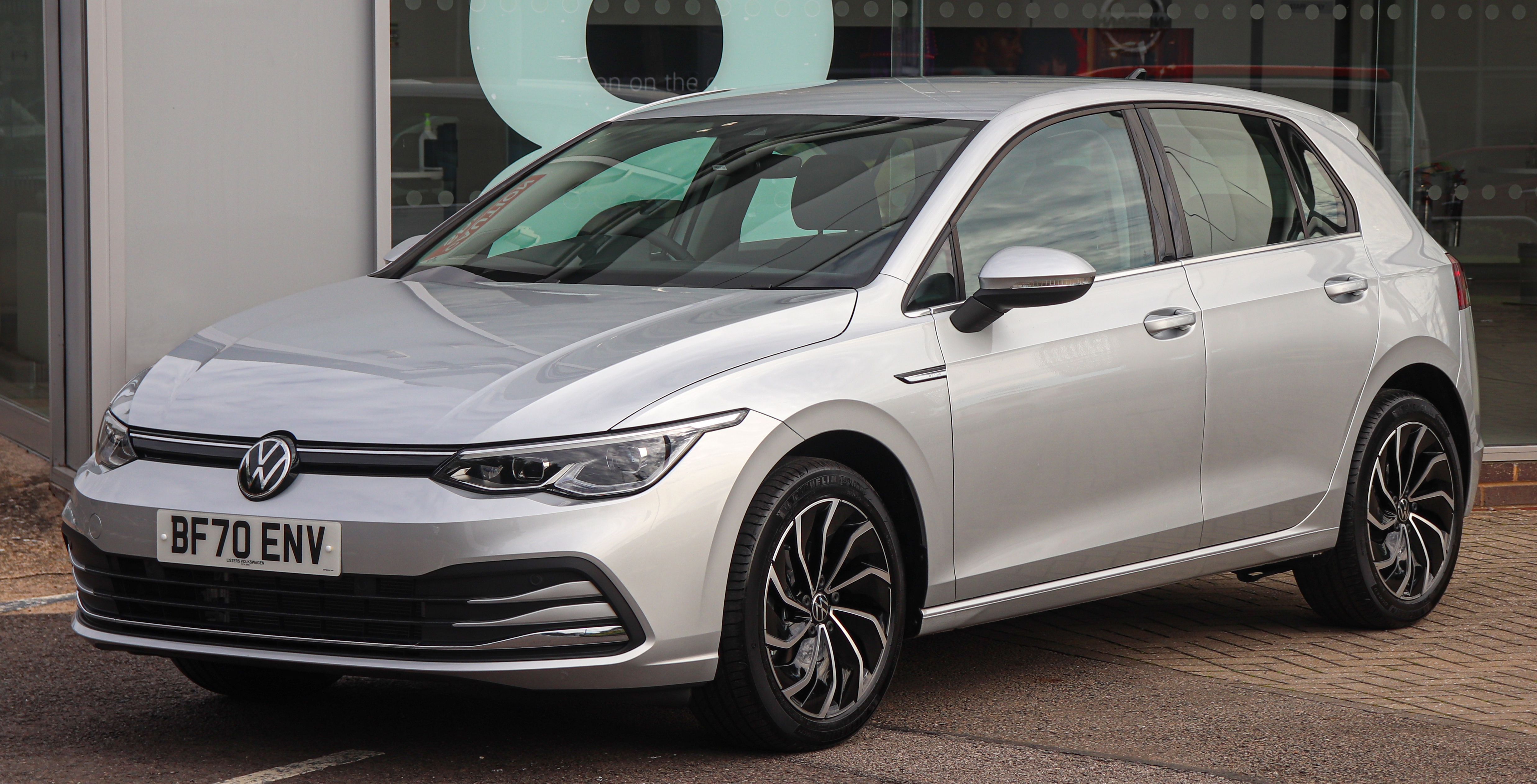
Volkswagen Golf Gti
"...ust flash up, you know, sort of, hey, nice Mark 1 Golf GTI or something like that if you saw one go by. Yeah..."
The Volkswagen Golf is a small car that’s meant for everyday driving. A “GTI” version is a sportier version of the Golf. The podcast mention sounds like they saw or thought about an early, classic GTI.
The Volkswagen Golf is a compact car line that became widely known for being practical, easy to live with, and available in performance versions. When someone mentions a “Mark 1 Golf GTI,” they’re usually referring to the early, iconic hot-hatch era that helped define the model’s reputation. In the podcast, it’s brought up as a recognizable classic sighting.

Citroen 2CV
"...t was, hey, has everybody seen that lovely yellow 2CV? Yeah, I quite like that idea."
The Citroën 2CV is an older French car with a very simple, unusual design. It was made to be practical and comfortable for everyday use, even on rough roads. The podcast is praising it as a fun, distinctive car idea.
The Citroën 2CV is a quirky, classic French small car famous for its simple design and unusual ride comfort. It’s often discussed because it was built to be practical and economical, with a very distinctive character that still attracts enthusiasts. In the podcast, it’s mentioned as a “lovely” example—likely because someone likes the idea of owning or experiencing something so different.

Chevrolet Corvette
"... at a zoo. Was the guy around the corner with the Corvette a nice guy or a bit of a wrong one in hindsight? ..."
The Chevrolet Corvette is a sports car made in the U.S. It’s designed to be fast and fun to drive, and it’s pretty easy to recognize. People talk about it a lot because it’s a well-known enthusiast car.
The Chevrolet Corvette is a long-running American sports car known for its distinctive styling and performance-focused design. It often comes up in conversations because it’s a recognizable “halo” car—something people associate with speed, status, and enthusiast culture. In a podcast, it may be mentioned as a memorable sighting or as a clue to the kind of person who drives it.

Audi
" [281.6s] Corvettes in Britain, Ronan's question mark. [285.6s] Yeah. [285.9s] That Audi doing 140 is driven by a pedophile."
Audi is a car brand from Germany. In this moment they’re talking about an Audi driver’s speed and how to get drivers to slow down.
Audi is a German brand known for engineering-focused cars and a strong presence in Europe. Here it’s mentioned in the context of a driver doing 140 (likely km/h), which is used to set up a safety/behavior point rather than a specific model.
clutch
"So I went, oh no, is there a clutch on the way out? Or is there something wrong with the gearbox?"
The clutch is what helps you change gears smoothly. If it’s not working right, the car can feel like the shifting is “off,” and you might worry something is wrong with the transmission.
A clutch is the mechanical part that lets you disconnect the engine from the gearbox so you can change gears. If a clutch is wearing out or misbehaving, shifts can feel rough, delayed, or inconsistent.
gearbox
"So I went, oh no, is there a clutch on the way out? Or is there something wrong with the gearbox?"
The gearbox is the part that lets the car use different gears. If shifting feels wrong, you might suspect the gearbox instead of just how you’re changing gears.
A gearbox is the transmission system that changes engine power into different gear ratios. When the speaker says they wondered about the gearbox, they mean the issue could be inside the transmission rather than just driver technique.
oil light
"I had a flicker of the oil light in the Beetle a while back. Oh no."
The oil light is a warning that something isn’t right with the engine oil. If it flickers, it can mean the oil pressure is low, so you should check the oil right away and not keep driving.
The oil light is a dashboard warning that indicates a problem related to engine oil pressure or oil system status. A flicker can be caused by low oil level, oil starvation during cornering, or an oil pressure issue—any of which warrants prompt attention.
killed the engine
"Oh no. And I saw, and I killed the engine so fast."
They shut the engine off right away. If the oil warning light comes on, turning the engine off quickly can help prevent damage.
“Killing the engine” means shutting it off immediately to prevent further damage. When the oil light appears, turning the engine off quickly can reduce the risk of running with insufficient oil pressure.

TR6
"...m the sixties or the seventies? I'm thinking MGB, TR6, et cetera, et cetera. Love your work."
The TR6 is an older sports car made in Britain. It’s from the classic era of sports cars and is known for being fun to drive. The podcast is bringing it up because it’s a well-loved model from that time.
The TR6 is a classic British sports car from the Triumph TR line, known for its open-road styling and enthusiast following. It’s commonly grouped with other 1960s–1970s sports cars because it represents that era’s approach to driving feel and character. In the podcast, it’s mentioned as part of a list of classic models people love.

Dodge Super
"...Stardis and Lightly Revver, and I got to sit in a Dodge Super B and do the same. Well, the Cougar is quite a sm..."
The Dodge Super B is an older Dodge car model. It’s the kind of classic vehicle people might not see often, so sitting in one can be a special experience. The podcast is likely highlighting that rarity and the feel of the car.
The Dodge Super B is a classic-era Dodge model that’s less common in modern discussions, which is why it stands out when someone gets to sit in one. It’s being referenced alongside other classic cars, suggesting the conversation is about period styling and the experience of being in these older vehicles. The significance here is mainly that it’s a memorable, unusual car to encounter in person.

Ford Mustang
"You know, 15 to 20 grand you could get a Mercury Cougar convertible or even a Mustang convertible."
The Ford Mustang is a famous classic American muscle car. A convertible is the open-top version, and it’s a popular choice if you want the classic look and feel with V8 power.
The Ford Mustang is one of the defining American muscle cars, and the convertible version emphasizes the “cruiser” side of the formula. It’s commonly available in the 1960s/70s used-classic market, often with V8 options.

Mercury Cougar convertible
"You know, 15 to 20 grand you could get a Mercury Cougar convertible or even a Mustang convertible."
A Mercury Cougar is a classic American car, and the convertible version is the open-top style. People like it because it can come with a V8 and feels like a real “muscle car” without costing as much as some other classics.
The Mercury Cougar is a classic American personal-luxury muscle car from the 1960s/early 1970s, and the convertible version adds open-top cruising. In this price range, it’s often discussed as a way to get big-car style and V8 power without modern-car money.

Plymouth Barracuda
"And you could get something like a Plymouth Barracuda or a Ford Falcon."
The Plymouth Barracuda is a classic muscle car from the U.S. People like it for its bold look and the fact that many versions can be had with a V8. It’s being suggested as another fun classic option.
The Plymouth Barracuda is a classic American muscle car known for its aggressive styling and, in many years, V8 performance. It’s mentioned here as an alternative to Mustangs and Cougars in the same “buy it for fun” budget range.

Ford Falcon
"And you could get something like a Plymouth Barracuda or a Ford Falcon."
The Ford Falcon is a classic Ford model that’s generally smaller than the big muscle cars. It’s mentioned as another affordable way to get into classic driving fun.
The Ford Falcon is a classic American compact that can be found in 1960s/70s configurations, sometimes with V8s depending on year and trim. In this segment it’s grouped with other “small American cars” as a budget-friendly classic.
two-stroke
"or even the early two-stroke Saabs, or even a Volvo from the 60s and 70s."
A two-stroke engine makes power using a different internal cycle than the more common four-stroke design. Because of that, it can feel more eager to rev and gives the car a different driving character. Saab’s early cars are known for this kind of engine.
A two-stroke engine completes its power cycle in two strokes of the piston (one crankshaft revolution), unlike a four-stroke that needs four. In Saab’s early cars, the two-stroke layout is part of why they feel revvy and have a distinctive character compared with most modern four-stroke engines.
circuit race replica
"but you could even get a little sort of like circuit race replica or rally replica looking one."
A “circuit race replica” is basically a car that’s styled to look like a track-racing version. It’s more about the look and vibe than being a full-on race car. The speaker is saying you can get a Saab with that kind of track-inspired appearance.
A “circuit race replica” is a styling/trim approach that aims to look like a car prepared for track racing, often with visual cues like decals, bodywork details, and sometimes suspension/brake upgrades. In this context, the speaker is describing Saab variants that can be bought with a track-inspired look.
rally replica
"or rally replica looking one. Oh yes, go full."
A “rally replica” means the car is made to look like a rally car. That usually involves visual details like decals and styling cues, and sometimes setup changes. The speaker is saying you can choose a Saab with that rally-inspired look.
A “rally replica” is a car configured or styled to resemble rally cars—typically through livery, exterior trim, and sometimes suspension/handling changes. Here it’s used to describe Saab options that can be made to look like they belong in rally competition.
revvy
"Eric Carlson and then, yeah, they're revvy, aren't they? Yeah, I'm really down with them."
“Revvy” just means the engine feels like it wants to rev higher. When you drive it, it tends to feel lively as the RPMs climb, rather than feeling lazy at higher speeds.
“Revvy” is enthusiast slang for an engine that spins up quickly and likes higher RPMs. It usually indicates a powerband that comes alive as the revs rise, which matches the earlier mention of two-stroke Saabs being eager and characterful.

Volvo Amazon
"I mean, two-door Volvo Amazon would fit in that. Yeah, it feels like this is not where this is heading though"
The Volvo Amazon is an older Volvo model from the mid-20th century. Here it’s being used as an example of a classic two-door car that might work better for taller drivers because of how the cabin fits people.
The Volvo Amazon is a classic Volvo from the 1950s–60s known for its simple, sturdy design and easy-to-live-with proportions. In this Q&A, it’s mentioned as an example of a two-door car that could physically fit taller people comfortably.
roof down
"I'm definitely seeing roof down is the sort of... But maybe not. Maybe that's the thing."
“Roof down” means driving a convertible with the top open. They’re using it to describe the kind of car vibe they’re imagining for summer evenings.
“Roof down” is shorthand for driving with the convertible roof open. In this context, it’s part of the discussion about what kind of classic car best matches summer evenings and tall-person comfort.

Ford Capri
"[1265.3s] What about Ford Capri? [1268.1s] I suppose. [1269.9s] With a sunroof? [1271.0s] Yes."
The Ford Capri is a classic Ford coupe that was popular in Europe. Here they’re talking about one with a sunroof, which can change how much headroom and space you have—important if you’re tall.
The Ford Capri is a classic European-style personal coupe from Ford, best known for its popularity in the UK and across Europe. In this segment, the host is specifically talking about a Capri with a sunroof, which affects both the look and the practicality for taller drivers.
Pillarless Coupe
"[1275.3s] I'm thinking Pillarless Coupe could be considered it. [1280.5s] You can have a Coupe Pillarless, BMW Pillarless Coupe perhaps."
A pillarless coupe is a car where the side windows don’t have the usual vertical post in the middle. It can make the cabin feel more open, but it’s also a specific design that can affect how the doors and structure are built.
A pillarless coupe is a body style where the side windows don’t have a traditional B-pillar (the vertical support between the front and rear doors). That design can look sleek and open up the cabin, but it also changes door structure and can affect things like rigidity and how the car feels for taller occupants.

W126
"[1305.8s] Because, you know, get a nice W126, again, very much a cruiser, [1309.8s] but plenty of room, that would be the upside to that."
W126 is a Mercedes-Benz S-Class generation. People like it because it feels like a comfortable cruiser and tends to offer more space inside, which can help if you’re tall.
W126 refers to the Mercedes-Benz S-Class generation from the late 1970s through the early 1990s, known for its “cruiser” feel and spacious, comfortable cabin. In this segment, the host points out that it’s a good choice if you want room—an important consideration for taller drivers.
Request an Explanation
Heard something you'd like explained? We'll add it to this episode.
Sign in to request explanations for terms you heard.
Want to learn more?
Browse our glossary for plain-English explanations of automotive terms, jargon, and concepts.
Help improve this episode
See something that's not quite right? Our annotations are AI-generated and can sometimes miss the mark. Click the flag icon on any annotation to suggest a correction.