
Roadster Shop Chassis Production Team
About this episode
Roadster Shop’s chassis production leadership gets the spotlight with Kyle Blannis and Jimmy Emily. The conversation traces both men’s paths from the bottom of the shop—sweeping floors, learning TIG welding, and building frame rails—to managing RS2 and RS1 chassis fabrication and assembly. A key theme is pride in the “small stuff” at the end of the process, since the last touches (stickers, crate details, door fitment) are the first things customers see after months of waiting. The episode mixes shop-floor stories, mentorship, and the mindset shift from worker to manager.
This week on *Oil & Whiskey*, we’re joined by Roadster Shop’s Kyle Blanas and Jimmy Emiley for the next installment of our behind-the-scenes RS department episodes.Kyle and Jimmy have both spent over a decade at Roadster Shop, starting at the bottom and working their way through chassis production, frame rails, TIG welding, CNC/plasma/laser work, assembly, crating, and eventually into leadership roles overseeing RS1 and RS2.In this episode, we get into the evolution of Roadster Shop chassis production, how the team has grown, what changed when the shop moved from plasma cutting to laser cutting, the balance between process and “cowboy,” and what it takes to keep chassis moving out the door without losing sight of quality.We also talk about customer pickups, the importance of the final details, shop stories from the early days, moving from the floor into management, and why the last thing the chassis team touches is often the first thing the customer sees.

Dodge Journey
"...some really great stories as far as your path and journey through the Roadster shop and the many different ..."
The Dodge Journey is a mid-size SUV meant for regular driving with a focus on practicality. The podcast brings it up as part of someone’s personal story about their time at the shop. It’s being used as an example of a vehicle in that journey.
The Dodge Journey is a mid-size crossover SUV that’s typically associated with family-oriented driving and practical day-to-day use. In the podcast, it’s mentioned in the context of “your path and journey through the Roadster shop,” which suggests it’s part of a personal ownership story rather than a technical deep dive. It’s discussed because it represents a real-world vehicle in someone’s timeline.
frame rails
"started building frame rails not too shortly after that and, uh, [461.2s] just kind of worked and until I figured out the TIG welding enough."
Frame rails are the main “backbone” beams of a car’s frame. They run lengthwise and help hold everything together, especially when you’re building or modifying a chassis.
Frame rails are the long, structural members of a vehicle’s chassis that run along the sides and carry major loads. In a custom or chassis-building context, building frame rails is a foundational step because they determine how the car’s structure fits together and how it handles stress.
TIG welding
"just kind of worked and until I figured out the TIG welding enough. [467.2s] And then, uh, and then, uh, kind of took over, uh, multiple positions, got into the CNC department and then, uh, here we are."
TIG welding is a careful welding method that makes strong, neat welds. It’s often used when you want precise control and clean results, like when building metal parts for a car’s structure.
TIG welding (Tungsten Inert Gas welding) is a precise arc-welding process that uses a tungsten electrode and an inert gas shield. It’s commonly used for high-quality metalwork because it can produce clean, controlled welds—important when fabricating structural parts like chassis components.
CNC department
"got into the CNC department and then, uh, here we are. [476.6s] It's just kind of a fast forward into this."
CNC is a way to machine parts using computers to control tools. It helps make car parts accurately and consistently, which matters a lot for fitment on a chassis.
A CNC department uses computer-controlled machines to cut, mill, or shape parts with high repeatability. In chassis production, CNC work helps produce accurate components and fixtures so the frame and mounting points line up correctly.
TIG welder
"And before you know it, you're a TIG welder, you're a fabricator, you're building a chassis and it's like, it was the good old days."
A TIG welder is a tool that joins metal using a very controlled electric arc. People like it because it can make neat, strong welds—especially on metal parts that need to be accurate.
A TIG welder uses a tungsten electrode to create a very precise, high-quality weld. It’s commonly used for thin metal and for critical structural work where you want strong, clean welds with good control.
chassis
"And before you know it, you're a TIG welder, you're a fabricator, you're building a chassis and it's like, it was the good old days."
The chassis is the main metal structure under the car. It’s what everything else mounts to—like the suspension and body—so it has to be strong and properly built.
A chassis is the vehicle’s main structural foundation that carries the suspension, drivetrain, and body. In performance and custom builds, chassis work often means welding and fitting frame components to achieve strength and correct geometry.
fabricator
"And before you know it, you're a TIG welder, you're a fabricator, you're building a chassis and it's like, it was the good old days."
A fabricator is someone who makes metal parts for a project. In a car shop, that can mean cutting and welding metal to build or modify the vehicle’s frame and structure.
A fabricator is a tradesperson who builds parts by cutting, shaping, and welding metal components to make a finished structure. In a chassis shop, fabricators often work on custom or modified frames and mounting points.
big welds
"We all skip, we all skip the big welds. So I just, uh, do all that."
“Big welds” are the major welds that join big structural parts of the car’s frame. They matter because they help the frame stay strong over time.
“Big welds” refers to large, high-importance welds used to join major structural metal sections. In chassis production, these welds are typically done carefully because they affect the frame’s strength and long-term durability.

Tesla Semi
"...mething to bounce the crate as we put it into the semi truck. I'm not going to say what that something i..."
The Tesla Semi is a large electric truck used to move freight. The podcast talks about how they handled crates and equipment when getting it into the truck. It’s mentioned because it’s a special, new type of semi.
The Tesla Semi is an electric heavy-duty semi truck designed for long-haul freight. The podcast mentions handling and “bouncing the crate” while putting it into the semi, which points to logistics and delivery/handling of the truck. It’s discussed because it’s a notable new category of vehicle compared to traditional diesel semis.
MIG weld
"they took me back and you want to teach me how to mig weld and. You know, tried it out, completely destroyed his mig welder."
MIG welding is a common way to join metal using a wire that’s fed through a welding gun. The gas helps keep the weld clean, which is why it’s widely used for car fabrication work.
MIG welding (Metal Inert Gas) uses a continuously fed wire electrode and a shielding gas to protect the weld pool from contamination. It’s popular in automotive fabrication because it’s relatively fast to learn and works well on thin sheet metal and structural parts.
big wall machine
"I never really take a big wall machine."
That phrase sounds like the speaker means a large, shop welding setup that’s not as easy to use or move around. It’s basically describing bigger, more industrial welding equipment.
“Big wall machine” is a colloquial reference to a larger, shop-style welding power source (often requiring more electrical capacity) rather than a smaller portable unit. In a fabrication context, it usually signals equipment that’s more industrial and less convenient for casual practice.
weld aluminum
"Realize can't weld aluminum and seal together."
Aluminum welding is more demanding than welding many steels because aluminum’s thermal properties and oxide layer require specific technique and filler choices. The speaker’s point—“can’t weld aluminum and seal together”—suggests they’re talking about a fabrication approach where aluminum needs proper welding/fitment rather than relying on sealant to substitute for a weld.
helmet
"Because I even went as far to watch him with through a helmet to watch his process. Because he had a puddle."
In welding, a helmet is a safety device with a protective face shield that helps block intense light and UV radiation from the arc. Many welding helmets also use auto-darkening filters so the welder can see the joint before striking the arc and then stay protected while welding.
puddle
"Because he had a puddle. Yeah, he had a very unique way of how he pulses manual."
During welding, there’s a small spot where the metal melts into a liquid pool. A good welder controls that molten pool so the weld comes out strong and looks right.
The weld puddle is the molten pool of metal created at the welding tip as heat melts the base material. Controlling the puddle shape and size is critical for consistent penetration, bead appearance, and avoiding defects like undercut or lack of fusion.
pulses manual
"Yeah, he had a very unique way of how he pulses manual. That was before we ever had any pulse machines."
Instead of welding with one constant heat level, pulsed welding turns the heat on and off in a controlled way. That can help keep the molten metal pool stable and make the weld come out cleaner.
Pulsed welding refers to applying the welding current in pulses rather than a steady output, which can help control heat input and stabilize the weld puddle. In manual TIG, the welder’s timing and technique determine how the pulses translate into consistent bead shape and penetration.
pulse machines
"That was before we ever had any pulse machines. And his hands would be like and the fucking weld every comes out full lawless."
A pulse machine is a welding setup that automatically controls the on-and-off heat pattern. That helps make welds more consistent from one pass to the next.
Pulse machines are welding power sources or control units that generate a pulsed current waveform automatically. Using them can improve repeatability by controlling pulse timing and amplitude, reducing how much the process depends on the welder’s exact hand timing.
TIG welds
"The most beautiful TIG welds you've ever seen. Yeah. Yeah."
TIG welding is a careful metal-joining method where a special electrode and a protective gas help make a very clean weld. People use it when they want the weld to look neat and be strong.
TIG welding (Tungsten Inert Gas) is a precise welding process that uses a tungsten electrode and an inert gas shield (usually argon) to protect the weld from contamination. It’s known for producing very clean, controlled welds—especially on thin materials and high-quality fabrication work.
laser table
"needed a position to fulfill [1693.7s] the laser table. [1695.9s] And that's kind of, sorry, plasma table at the time."
A laser table is a machine that uses a laser to cut metal very precisely. Shops use it to make parts that match the design without a lot of hand fitting.
A laser table is a CNC cutting system that uses a focused laser beam to cut metal with high precision. It’s often used for clean, accurate sheet-metal parts, and many shops use either laser or plasma depending on material thickness and cost.
planishing hammers
"Eventually learn the planishing hammers and all that stuff. [1712.0s] Never touched them because there was a problem at hand"
Planishing hammers are special tools used to smooth metal after it’s been shaped or welded. They help make the surface look straighter and cleaner.
Planishing hammers are tools used to smooth and refine metal panels after forming or welding. They help reduce surface waviness and improve the final fit and finish, especially on hand-fabricated bodywork.
powder coated ones
"[1740.2s] It's been approved by someone. [1742.2s] I guess it wasn't that bad. [1743.7s] Those are the powder coated ones. [1745.7s] Yeah."
Powder coating is a durable surface-finishing process where a dry powder is electrostatically applied and then baked to form a hard protective layer. On chassis parts, it’s often used to improve corrosion resistance and give a consistent finish.
control arms
"[1982.1s] Did that for a while, moved to control arms a little bit, moved to front ends. [1984.8s] Just kind of jumped around everywhere."
Control arms are parts of the suspension that hold the wheel in the right position. They help determine how the wheel moves as you drive, which affects steering feel and handling.
Control arms are suspension links that connect the chassis to the wheel hub, controlling wheel motion and alignment. In a chassis/fabrication context, building or modifying control arms is a big part of getting proper handling geometry.
street rider
"[2024.0s] You're trying to give you an early rise at this point. [2027.0s] I was going to say, was that a street rider? [2029.0s] Yeah."
A “street rider” usually means something built to be driven on normal roads. Here, they’re just trying to figure out what kind of vehicle it was.
“Street rider” is a colloquial term for a motorcycle/ride built for street use rather than track-only or race-only purposes. In this context, it’s being used to guess what kind of vehicle the photo-shoot car was.
split ID
"[2031.0s] I was going to say, was that the split ID on it? [2034.3s] Yeah. [2035.3s] So it was nothing to actually, yeah, that was not fun at all."
“Split ID” sounds like a shorthand for a specific identifying feature or setup on the car. They mention it as a guess, but they don’t fully explain what it means here.
“Split ID” appears to be a shorthand reference to a specific identification or configuration detail on the vehicle (possibly a model/trim or a split-layout component). The transcript doesn’t provide enough context to define it precisely.

Crosstrek Crosstrak
"...models from Consumer Reports and the Forester and Crosstrak have been named top picks and honor given to only..."
The Crosstrek is a small SUV that’s made for everyday driving. In the podcast, it’s mentioned because it was recognized as a top pick by a consumer-focused source. That means it’s often recommended for people shopping in this category.
The Crosstrek (commonly spelled Crosstrek/Crosstrek) is a compact crossover SUV known for being practical and easy to live with. The podcast references it alongside other models that received top picks and honors, indicating it’s being discussed in the context of consumer evaluation and recommendations. It’s mentioned because it’s a widely considered option for everyday drivers who want crossover versatility.
prints
"they're bending those and welding them to prints and then bending those parts to number and kind of staging those."
“Prints” are the detailed drawings that tell the shop the exact measurements. They’re used so parts get made to the right size and shape.
In manufacturing, “prints” refers to engineering drawings/specifications that define exact dimensions and tolerances. Using prints ensures parts are formed and welded to the required shape before assembly.
rear shock mounts
"and that those rear shock mounts are the ones that were bent, you know, wrong or whatever."
Rear shock mounts are the parts that hold the rear shocks to the frame. If they’re made wrong (like bent the wrong way), the suspension won’t line up correctly, and you may only notice the problem when it’s time to weld everything together.
Rear shock mounts are the structural brackets or plates where the rear suspension shocks attach to the chassis. If they’re bent incorrectly or not mirrored properly, the suspension geometry can be wrong and the car may not sit or handle as intended.
welded
"And I'd much rather have just a part cut really, really quick and welded so we could get this chassis done because then on Monday you can come in and start."
“Welded” means the metal pieces are fused together with heat so they become one strong unit. Here, they’re saying welding quickly helps them complete the chassis on schedule.
In chassis fabrication, “welded” refers to joining metal parts together using welding, typically to create a rigid, load-bearing structure. The speaker is emphasizing that faster welding/joining helps them finish the chassis sooner so production can resume the next day.
press break operator
"I like, yep, a lot of blame to point, you know, maybe it was the press break operator, maybe it was a small parts guy, whatever."
A press brake is a machine that bends sheet metal into shape. The operator is the person who sets it up and runs it so the metal bends the same way every time.
A press brake is a metalworking machine used to bend sheet metal by clamping it between a punch and a die. The “press break operator” is the person who sets up the tooling and runs the machine to make consistent bends for parts like chassis components.
capacity of things have kind of challenged it
"You don't see that near it near as often, if ever at the same time, the capacity of things have kind of challenged it as well."
They’re talking about a “traffic jam” in production—when the machines can’t make parts fast enough. When that happens, the shop has to change how they work or add new steps so they can still hit their build goals.
This describes a production bottleneck: when the shop’s available equipment throughput (cutting, forming, and welding) can’t keep up with the number of chassis being built. In practice, that forces changes like new processes or additional equipment to maintain yearly output targets.
plasma table
"But right now let's just get this... you're still at the limitations of a plasma table. ... we just couldn't. Capacitate that stuff as much anymore."
A plasma table is a computer-controlled machine that cuts metal using a super-hot electrical arc. If the shop is making more parts than the machine can cut quickly, it slows the whole production line.
A plasma table is a CNC cutting system that uses a high-temperature plasma arc to cut metal sheets into precise shapes. Its cutting speed and throughput can become a bottleneck when production volume rises, which is why the speaker says they’re limited by the plasma table’s capacity.
lead times
"there's certainly an element there of lead times, keep it up with lead times, getting stuff out the door."
Lead time is the time between starting a process (or ordering materials) and having the finished parts ready to ship or install. In a chassis shop, shorter lead times can improve throughput, but they must be balanced against quality.
deburring parts
"But I think where we fell off was where you start looking at like, hey, how much time are guys spending deburring parts?"
After cutting metal, tiny rough edges can be left behind. Deburring means cleaning those edges so the parts fit together better and feel safer to handle.
Deburring is the process of removing sharp edges and metal “burrs” left after cutting. In production, less deburring usually means faster assembly and better fitment, because parts sit more accurately.
jigs
"How inaccurate are parts? How many jigs are required to make parts?"
Jigs are tools that hold parts in the right spot while you work on them. They help make sure every part is made the same way.
Jigs are fixtures or guiding tools that hold parts in the correct position during manufacturing. They help ensure repeatable accuracy, which is especially important when making chassis components that must align precisely.
RS logo
"But we took an RS logo out of a tri-five mid-plate."
“RS” is a badge Porsche uses to mean a more performance-oriented version of a car. Here, they’re talking about moving an RS badge/logo onto a piece of the car they were building.
“RS” is a model/trim designation commonly used by Porsche to indicate a more performance-focused, stripped-down variant (most famously on the 911 RS). In this context, they’re talking about transferring or placing an RS badge/logo onto a specific chassis part.
IFS cross member
"It was shoot. [2977.7s] I think it was a rounded hole on an IFS cross member. [2981.0s] And, and I'm like, look, man, like these aren't Pierce points anymore."
An IFS cross member is a strong metal bar in the front of the car that supports the front suspension. It’s part of the frame structure that helps the wheels move correctly and stay aligned.
An IFS cross member is a structural beam that ties into an independent front suspension (IFS) layout. It helps locate the suspension components and carries loads from steering and braking into the chassis.
Pierce points
"I think it was a rounded hole on an IFS cross member. [2981.0s] And, and I'm like, look, man, like these aren't Pierce points anymore. [2984.6s] These are just absolute dialed in holes."
Pierce points are fixed reference spots used to line up parts during manufacturing. The speaker is saying the new setup uses more precisely made holes instead of the older reference method.
Pierce points are reference locations used during manufacturing or assembly to ensure parts align correctly. In this context, the speaker contrasts older “Pierce points” with newer, more precisely machined or drilled holes.
dialed in holes
"And, and I'm like, look, man, like these aren't Pierce points anymore. [2984.6s] These are just absolute dialed in holes. [2987.1s] He's like, well, you know, it's just not the bolts not going through."
“Dialed in holes” means the mounting holes are made very accurately. That helps the bolts and parts line up correctly so you don’t get fitment problems.
"Dialed in holes" refers to precisely located and correctly shaped mounting holes. The idea is that the holes are made to tight tolerances so bolts and brackets fit without issues.

Ford Bronco
"10 years. Got a cowboy little buck and Bronco on there, which is pretty bad ass. Yeah."
The Ford Bronco is a type of SUV meant for rough roads and off-road trails. It’s the kind of vehicle people pick when they want something tough and capable. In the podcast, it’s mentioned as a cool, standout choice.
The Ford Bronco is a rugged SUV built for off-road driving, with a strong focus on trail capability and durability. It often comes up in conversations about classic “tough” vehicles and modern off-road builds, which fits the cowboy-themed, standout vibe mentioned in the podcast. People discuss it because it’s a recognizable nameplate for both enthusiasts and customizers.
process thing
"Um, I'd say just the, uh, I'm going to go back to the whole process thing of it, you know, actually implementing, uh, four quarters that can be tracked and followed throughout the whole process of building a chassis."
They’re talking about improving how the shop runs the build. Instead of relying on whoever remembers where things are, they want a clear system that tracks the steps and parts from start to finish.
The speaker is describing a production process system—moving from informal, person-to-person sourcing toward a structured workflow. The key idea is traceability: being able to track parts and steps through the entire chassis build rather than relying on memory and scavenging.

67 Chevelle
"It's kind of word of mouth. Hey, we're going to build a, you know, 67 Chevelle, figure it out. Um, here's some, maybe some parts or over there."
A 67 Chevelle is a classic 1960s Chevrolet muscle car. The speaker is using it as an example of how builds used to be handled without a formal system for tracking parts and steps.
The Chevrolet Chevelle (here referenced as a 1967 Chevelle) is a classic American muscle car from the late 1960s. Roadster Shop’s point is that older builds were more ad-hoc—“figure it out” for a specific car like a 67 Chevelle—rather than using a tracked production system.
production
"Now somebody calls off. [6096.6s] Well, now that's a day loss in production. [6099.0s] I got to figure out how to fill that role."
Here, “production” just means how many cars/parts the shop can build and finish. If someone doesn’t show up, the schedule slips, so the team has to move people around to keep the work on track.
In this context, “production” means the shop’s scheduled manufacturing output—how many chassis get built and completed within a given time window. When someone calls off, it creates a bottleneck that can reduce output unless the team backfills or shifts work.

Chevrolet Impala
"...ucking ticket, dude. I didn't see a ticket on the Impala in the handicap spot. Yeah, we fucked up."
The Chevrolet Impala is a large, comfortable sedan. In the podcast, it’s mentioned because of what happened with it in a parking situation. It’s basically being used as a real example from the story.
The Chevrolet Impala is a full-size sedan that has been used for decades as a comfortable, family-friendly car. In the podcast context, it’s mentioned around a parking or ticketing situation, which suggests it’s being referenced as a specific vehicle present in the moment. It’s a recognizable model that often shows up in everyday driving stories.
powder coating
"So in four weeks and his powder coating, so we got to go back in time to make this one happen. [7011.4s] But we made shit happen, right?"
Powder coating is a protective paint process for metal. It bakes on as a tough coating that helps prevent rust, which is especially important for a chassis.
Powder coating is a finishing process where a dry powder is applied to metal and then cured under heat to form a durable, even coating. On a chassis, it’s used to improve corrosion resistance and make the frame easier to keep looking clean.
get out of jail free cards
"And all of these good customers know they've got a they got a limited amount [7029.8s] of get out of jail free cards, but they do have a get out of jail free card,"
It’s a joke/metaphor for special favors. The idea is that some customers can sometimes get exceptions or priority when the schedule is in trouble.
“Get out of jail free cards” is a metaphor for special-case exceptions or priority help that customers can earn. In production terms, it describes how some customers can sometimes bypass normal scheduling constraints when timing is tight.
favor bucket
"But oh, next time you call in for a real favor, you got one in the favor bucket, right?"
“Favor bucket” is a metaphor for a stash of favors. If you use one favor to speed things up now, you have fewer left for later.
“Favor bucket” is another metaphor for a reserved pool of goodwill or prioritized assistance. It implies that when a customer gets help to overcome a delay, that assistance is tracked and can be used later.
fabricated IRS
"because we can't be a fabricated IRS for it. We built that C 10 for David and it's a beautiful car."
IRS means the rear wheels can move independently, which usually helps the truck handle better and ride smoother. “Fabricated” means the shop made or modified that suspension setup for the build.
An IRS (independent rear suspension) lets each rear wheel move somewhat independently, improving ride comfort and grip. “Fabricated IRS” here means the shop built or customized that suspension setup rather than using a stock kit.

Chevrolet C10
"because we can't be a fabricated IRS for it. We built that C 10 for David and it's a beautiful car. I mean, one of the first L T five trucks, killer patina truck,"
The Chevrolet C10 is an older pickup truck that many people restore or customize. In the podcast, they talk about a C10 they built for someone, and they mention it has great patina, meaning it looks naturally aged and full of character. It’s being highlighted as a special project truck.
The Chevrolet C10 is a classic 1960s-era pickup truck platform that’s popular for restoration and custom builds. The podcast specifically mentions building a C10 for David, calling it an early L/T5 truck and highlighting its patina, which points to a carefully crafted, character-rich project. It’s discussed because the C10 is a well-known base for enthusiasts who want a timeless truck look.
LT five trucks
"I mean, one of the first L T five trucks, killer patina truck, and it just sat right."
“LT5” is an engine name people use for a particular GM V8. They’re saying this truck was an early example of using that engine in a pickup.
“LT5” refers to the GM LT5 engine family designation, commonly associated with high-output V8 builds in the enthusiast world. Saying “one of the first LT5 trucks” implies this C10 was an early example of putting that engine into a truck platform.
patina truck
"I mean, one of the first L T five trucks, killer patina truck, and it just sat right."
“Patina” is the intentionally worn, naturally aged look a vehicle gets over time. Here, they’re describing the truck’s style as having that cool, lived-in character.
“Patina” in car culture means the worn, aged look of a vehicle—often intentionally preserved or recreated—rather than a perfectly restored “showroom” finish. Calling it a “patina truck” signals the build’s aesthetic direction: cool, lived-in character instead of full restoration.
stance
"The amount of when you get him with the stance on his pick up the customers ... They want, you know, hey, I want that like can dig it stance on the this."
“Stance” means how the truck sits—how high or low it is and how the wheels look in the wheel wells. Builders chase a specific look when they set up the suspension and tires.
In custom truck culture, “stance” refers to the vehicle’s stance and proportions—how low it sits, wheel/tire fitment, and overall ride height. It’s often a key target when building a show or street truck because it affects both appearance and how the suspension geometry looks.
private label stuff
"that come through and like the specific, especially when you got like private label stuff and you get you got a velocity Bronco..."
“Private label” usually means parts or products made for a specific shop or brand. Here, it sounds like Roadster Shop is using those specific items for customer builds.
“Private label stuff” refers to parts or branding that are made for a specific retailer or shop rather than being a generic, widely sold brand. In custom builds, it often means customers want a particular look or component source that Roadster Shop can package and deliver consistently.
Paul Atkins Nash
"you got like private label stuff and you get you got a velocity Bronco with a Paul Atkins Nash and a David Meyer rear end."
They mention Paul Atkins Nash as someone connected to a specific part or setup used in these builds. It sounds like customers ask for that exact style or configuration.
Paul Atkins Nash is named as part of a specific Bronco build recipe, implying he’s associated with a particular component or design approach used in Roadster Shop projects. The context suggests his name is tied to a “setup” that customers request.
rear end
"you got you got a velocity Bronco with a Paul Atkins Nash and a David Meyer rear end."
“Rear end” is the back axle area of the vehicle. It includes the parts that send power to the rear wheels, and it can be upgraded or changed for a build.
“Rear end” is shorthand for the rear axle assembly, including the differential and related components that drive the rear wheels. In a custom build, the rear-end choice can strongly affect drivability, strength, and how the car sits and handles.
David Meyer
"you got you got a velocity Bronco with a Paul Atkins Nash and a David Meyer rear end."
They’re saying David Meyer is associated with the rear-axle setup on that build. So customers want that specific rear-end configuration.
David Meyer is referenced as the person behind the “rear end” setup in a customer-requested Bronco build. In this context, his name functions like a shorthand for a known configuration that Roadster Shop builds repeatedly.
Bill Steele
"How many times we saw it with the Bill Steele model? ... Like, yeah, how many Bill Steele model is, you know, did we did we build?"
Bill Steele is brought up as a reference build that Roadster Shop has done before. They’re basically saying, “We’ve built this kind of setup many times.”
Bill Steele is mentioned as a prior model/build reference (“Bill Steele model”), implying Roadster Shop has built multiple examples of that specific recipe. The speaker uses it to compare how often they’ve seen certain requested configurations.
progression
"Favorite thing about the road to shop has got to be the progression and the satisfaction that comes with it."
They’re talking about the build process moving forward step by step. It’s the satisfaction of seeing the project improve as it goes.
“Progression” here describes the step-by-step build process from raw chassis to finished customer vehicle. It’s a shop-floor concept—tracking how the project evolves and becomes satisfying as each stage is completed.

G-Class G Wagon
"So I bet the dude in that G wagon standing outside the Trump ... And standing sitting right there is a G wagon"
“G wagon” usually means a Mercedes-Benz G-Class. It’s a tough, square-looking SUV that’s famous for being able to handle rough terrain, and it’s also popular as a luxury status car.
“G wagon” is the common nickname for the Mercedes-Benz G-Class, a boxy, body-on-frame SUV known for rugged off-road capability and a very distinctive silhouette. In enthusiast circles it’s often treated as a status-and-capability vehicle rather than a performance sports SUV.

Chevrolet Corvette
"That and the Callaway Corvette. Have you not learned?"
A “Callaway Corvette” is a Corvette that’s been tuned or upgraded by Callaway. Callaway is a company that makes performance upgrades, so the Corvette is usually faster or more powerful than stock.
A “Callaway Corvette” refers to a Chevrolet Corvette modified by Callaway, a tuner known for boosting performance and refining the Corvette platform. Callaway packages often focus on engine output and drivability rather than changing the car’s overall identity.
Trump Hotel
"So I'm standing outside the Trump Hotel. Must be nice in Chicago."
They’re talking about where they are—outside a hotel associated with the Trump name. It’s basically a location reference, not a car-related technical detail.
“Trump Hotel” refers to a hotel brand/location associated with the Trump name. In this segment it’s used as a real-world landmark for where the speaker is standing.

Jeep Grand
"...s either one of your first cars. See, Kyle, think Jeep Grand Cherokee. You think Jeep Grand Cherokee, but I'm ..."
The Jeep Grand Cherokee is a mid-size SUV that can be used for normal driving and can also handle tougher roads. It’s a popular model people may have owned early on. That’s why it’s brought up as something many listeners would recognize.
The Jeep Grand Cherokee is a mid-size SUV known for combining everyday comfort with available off-road capability. It’s frequently referenced as a common “first car” or early ownership choice, which is why it shows up in casual car talk. The podcast mentions it in a way that suggests it’s a familiar, widely recognized model.

GMC Yukon
"You see, you're fucking it up. This wasn't the Yukon GT. The note."
The GMC Yukon is a large SUV meant for everyday driving and carrying people comfortably. The podcast is clarifying which Yukon version it was, because trims can differ. So it’s mentioned as the specific SUV in their conversation.
The GMC Yukon is a full-size SUV built for family use, towing, and long-distance comfort. The podcast references the Yukon GT and corrects the listener about which Yukon it was, indicating the trim/variant matters in their story. It’s discussed because different Yukon versions can be noticeably different in features and identity.

Chevrolet Blazer
"No, it was a Chevrolet. Was it really? Yeah, it was a blazer. It was the last year."
A Chevrolet Blazer is an SUV model from Chevrolet. The conversation is basically figuring out which Chevrolet SUV it was—Blazer or Tahoe—because they’re different vehicles.
The Chevrolet Blazer is a compact SUV from Chevrolet that was offered in multiple generations and trims. In this segment, the hosts are clarifying whether the vehicle was a Blazer or a Tahoe, which matters because the two are different Chevrolet SUV models.

Chevrolet Tahoe
"Was it a Tahoe? It was a Tahoe. Yeah, it was a two door Tahoe. ... But it was the Tahoe sport with the charcoal fender flares."
A Chevrolet Tahoe is a large Chevrolet SUV. In this part, they’re describing a specific version—two-door—and some styling details like fender flares.
The Chevrolet Tahoe is a full-size SUV known for its roomy interior and family-friendly layout. Here, the speaker specifies a two-door Tahoe and mentions the “Tahoe sport” with charcoal fender flares, which are trim/appearance details enthusiasts often care about when identifying the exact configuration.
barn doors
"Oh, 1999. Last year they made a black with barn doors, doors."
“Barn doors” means the back of the vehicle has two separate doors that open like doors on a barn. It’s a specific rear-door style you can spot on some SUVs and trucks.
“Barn doors” refers to a rear cargo door design that splits into two hinged doors, opening outward like barn doors. This is a recognizable body/door style detail that can help identify the exact vehicle variant and year.
charcoal fender flares
"But it was the Tahoe sport with the charcoal fender flares."
Fender flares are the plastic or trim pieces around the wheel area. “Charcoal” just means they’re a dark gray color, and it helps identify the car’s exact look.
Fender flares are trim pieces mounted over the wheel arches to cover tire width and add a more rugged look. “Charcoal fender flares” describes their color, which is a common way enthusiasts identify a particular Tahoe’s appearance package.

Ford Mustang
"It's a SN95 Mustang. [8817.9s] That's what my guess is. [8820.0s] It's pretty decent pole or a G body."
The SN95 Mustang is a specific generation of Ford Mustang, from the late 1990s into the early 2000s. People use “SN95” like a nickname so they can talk about the exact kind of Mustang and the parts that fit it.
The SN95 Mustang is the late-1990s to early-2000s generation of Ford’s Mustang, known for its classic Fox-era roots but with a more modern chassis and interior. In enthusiast circles, “SN95” is a shorthand for identifying that specific platform generation when people are talking about swaps, parts compatibility, and common builds.
G body
"[8820.0s] It's pretty decent pole or a G body. [8823.2s] There's no. [8823.8s] Well, yeah, he's got it."
“G body” is a nickname for a certain older GM car platform from the 1970s and 1980s. It’s used by car people to quickly say what kind of older GM car they mean.
“G body” refers to a class of 1970s–1980s General Motors cars built on the GM G-body platform (commonly associated with models like the Monte Carlo, Malibu, and Cutlass). It’s mentioned here as an alternative guess to the SN95 Mustang, showing the speaker is comparing two different eras/platforms.
five speed
"[8842.2s] Yeah, five speed. [8845.0s] My guess. [8845.7s] I think you should just say."
“Five-speed” means the car has a manual gearbox with five gears you shift through. It can change how the car drives—especially at highway speeds and during acceleration.
A “five-speed” refers to a manual transmission with five forward gears. It matters because gear count and gearing affect how the car accelerates, how it cruises at highway speed, and how it feels to drive compared with automatics or six-speed manuals.
rear drive
"[8857.6s] I'm going to get an oddball rear engine thing. [8861.4s] Like a rear, rear drive."
“Rear drive” means the rear wheels are the ones that get the power. That can affect how the car grips and how it handles when you accelerate or turn.
“Rear drive” is shorthand for rear-wheel drive (RWD), where engine power is sent to the rear wheels. This layout typically changes traction behavior and handling feel compared with front-wheel drive, especially during acceleration and corner exit.

Lambo
" [8868.3s] Jimmy had a Lambo. [8871.0s] The nicer. [8872.1s] Can't put a finger. [8873.0s] 240 sx."
“Lambo” is just a nickname people use for Lamborghini, a famous Italian supercar brand. Here it means someone had a Lamborghini, but the exact model isn’t specified.
“Lambo” is a nickname for Lamborghini, the Italian supercar brand known for high-performance engines and exotic styling. In this conversation it’s used as a shorthand for a Lamborghini the speaker’s friend owned.

240 sx
" [8873.0s] 240 sx. [8874.5s] Yeah, I was thinking that one. [8875.6s] It's definitely not. [8876.4s] He couldn't have gone back. [8877.4s] When I had a lot of 240 sx."
The “240 SX” is a Nissan sports car that lots of people modified for racing and drifting. It was popular partly because it was cheaper than many other performance cars, so it became a common choice for beginners and hobbyists.
The “240 SX” is a Nissan sports coupe from the S13/S14 era that became a favorite for grassroots tuning and drifting. It’s known for being relatively affordable and easy to modify compared with many other performance cars of the time.
drifting
" [8881.1s] Yeah. [8881.6s] Well, I mean, they're cheaper. [8882.6s] Yeah, they were. [8883.2s] They're dirt cheap. [8884.4s] That's why you're drifting."
Drifting is when a driver intentionally makes the car’s rear slide sideways while still steering through a turn. It takes practice to keep the car under control.
Drifting is a driving technique where the driver intentionally oversteers so the car’s rear slides while maintaining control and speed through a corner. It’s often associated with cars that have good balance and predictable handling when pushed hard.
Mustang Fox Body
"I didn't have a Mustang. I had a Fox body, though. You have every car."
The Ford Mustang is a sports car that’s known for being fun to drive. The podcast mentions a “Fox body,” which is an older Mustang style that many people like to restore or modify. It’s brought up because it’s a well-known car people often talk about.
The Ford Mustang is a long-running American sports car known for its performance heritage and huge enthusiast following. The podcast mentions having a “Fox body” Mustang, which refers to an older Mustang generation that’s especially popular for restoration and modifications. It’s discussed because Mustang ownership and build culture are a major part of the car community.
Nissan 240SX
"We got out of last day high school. Had a 240SX at the time, actually. White one."
The Nissan 240SX is an older Nissan sports car that lots of car people modify. It’s rear-wheel drive and has a huge parts community, so it’s common for things like drifting and custom builds.
The Nissan 240SX is a classic late-1980s/early-1990s compact sports coupe/sedan that became famous in the U.S. for its rear-wheel-drive layout and strong aftermarket support. It’s especially known for drifting and for being a popular platform for engine swaps and suspension upgrades.
donut
"My buddy bet me I wouldn't do a donut around the light post. I was like, all right, cool. I know this."
A “donut” is when you spin the car in a tight circle, usually by turning the wheel and using the gas to make the tires lose grip and slide.
A “donut” is a tight circle maneuver where the driver keeps the car rotating around its center, usually by using throttle and steering to break traction. In car culture it’s often done in rear-wheel-drive cars to show off tire grip and control.
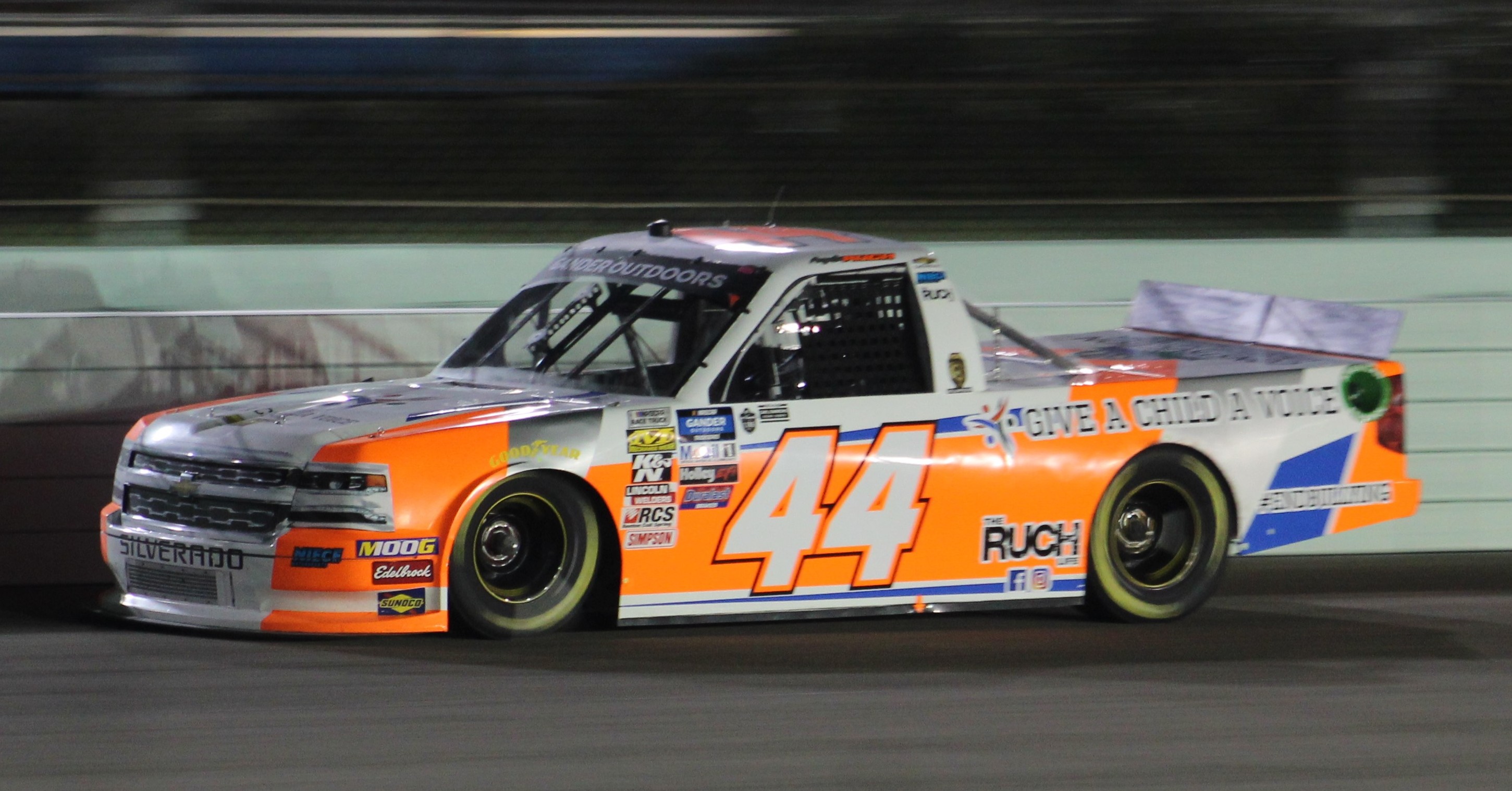
Chevrolet Silverado
"...ke a jacked ass up, like eight inch lift, fucking Silverado out there just rolling coal. But like that's not ..."
The Chevrolet Silverado is a large pickup truck made for towing and hauling. People often modify them with lifts and performance changes. In the podcast, it’s mentioned as a big, loud, standout truck.
The Chevrolet Silverado is a full-size pickup truck designed for hauling, towing, and everyday work use. In the podcast, it’s described with a lifted stance and “rolling coal,” which points to a heavily modified truck culture. It’s discussed because it’s a common platform for customization and performance builds.
T-tops
"It was 4th Gen. His red SS. [9764.1s] T-tops out and subs obviously in the back."
“T-tops” are roof panels you can remove, so you get an open-air feel. Instead of one big open roof, there are two openings with a bar in the middle.
“T-tops” are removable roof panels that open up the cabin, leaving two roof openings separated by a center support. They’re a common feature on some American coupes, and they change how the roof seals and structural rigidity feel compared with a fixed roof.
subs
"His red SS. T-tops out and subs obviously in the back. Or he had a faded SS stripe."
“Subs” means subwoofers, which are the speakers that play the deep bass. Putting them “in the back” usually means the bass speakers were mounted there.
“Subs” is short for subwoofers—large speakers designed to reproduce low-frequency bass. When someone says “subs in the back,” they’re describing where the audio system’s bass speakers were installed.
Sierra Classic style
"Or he had a lifted crew cab, 2500 as the OB. [9796.2s] Like the Sierra Classic style. Everybody's in the back."
“Sierra Classic” refers to a specific GMC Sierra look from an earlier generation. They’re saying the truck looked like that older Sierra style.
“Sierra Classic” is a named trim/era designation associated with the GMC Sierra line, referring to a particular styling generation. Saying “Sierra Classic style” implies the truck’s look matched that older GMC Sierra design language.

Beetle Vw Bug
"Cool. Like VW bug style body. Nah, who's building it?"
The Beetle is a small car with a very recognizable rounded shape, often called the “VW bug” style. The podcast mentions it as something cool and asks who is working on it. That usually means it’s part of a custom build or restoration project.
The Beetle is a compact, iconic car with a distinctive rounded “VW bug” style body. In the podcast, it’s mentioned as a cool-looking build and the question “who’s building it?” suggests it’s part of a custom or project conversation. It’s discussed because the Beetle’s design is instantly recognizable and popular for restoration and personalization.
pre-runners
"I do fucks with some pre-runners, but probably a ripper fucking two door Tahoe built by us."
Pre-runners are off-road vehicles built for desert driving. They’re set up to handle rough terrain at speed, often with stronger suspension and off-road tires.
“Pre-runners” are off-road trucks/SUVs built to race or chase desert routes, typically inspired by vehicles that scout the course before the main event. They’re usually set up for high-speed dirt running with stronger suspension, skid protection, and tires meant for loose surfaces.
four by four
"But probably like an RS4R style chassis on a two door Tahoe. You go four by four."
“Four by four” means the car can drive all four wheels, which helps it grip better on slippery or rough ground.
“Four by four” is shorthand for a four-wheel-drive (4WD) system, meaning power is sent to all four wheels for better traction. It’s especially helpful on loose surfaces, steep grades, and off-road conditions.
wheelbase
"Four by four with some travel and another wheelbase. Yeah, I think I'll flip over."
Wheelbase is the distance between the front and rear wheels. It changes how the vehicle feels—longer usually feels steadier, shorter can feel quicker but less stable.
Wheelbase is the distance between the front and rear axles. Changing wheelbase affects stability and ride/handling balance—longer wheelbases generally feel more stable, while shorter ones can feel more agile but may be less steady at the limit.
travel
"Four by four with some travel and another wheelbase. Yeah, I think I'll flip over."
“Travel” is how much the suspension can move when the wheels go over bumps. More travel can help the tires stay on the ground better off-road.
In suspension talk, “travel” means how much the suspension can move up and down. More suspension travel usually helps a vehicle absorb bumps and keep tires in contact over uneven terrain, but it also changes ride height and handling geometry.
flip over
"Yeah, I think I'll flip over. Yeah, no, you can handle it if you know how to handle it. The total flip over."
“Flip over” refers to a rollover, where a vehicle tips onto its side or roof. Rollover risk is influenced by factors like center of gravity, suspension setup, tire grip, and how the vehicle is driven.
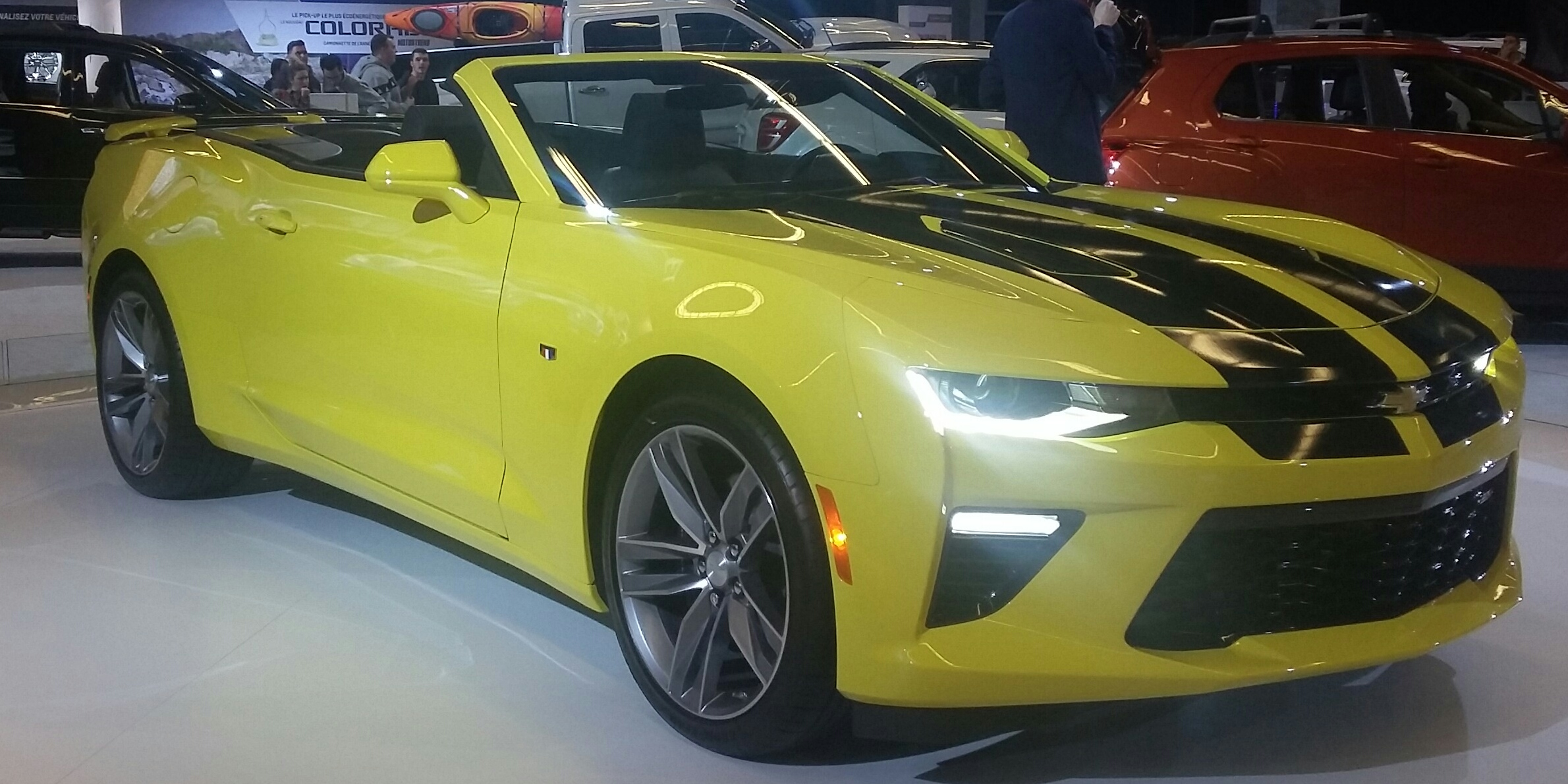
Chevrolet Camaro
"Yeah. Oh, for God, you got the Camaro number one. They're doing it all."
The Chevrolet Camaro is a sports car, usually a coupe, built for performance. It’s the kind of car people talk about when they’re into faster, more exciting builds. The podcast highlights it as a standout choice.
The Chevrolet Camaro is a performance-oriented sports coupe that’s known for its aggressive styling and engine options. The podcast calls out the Camaro as a top number, suggesting it’s a featured or highly regarded car in their context. It’s a frequent topic among enthusiasts because it’s widely supported for builds and upgrades.
Request an Explanation
Heard something you'd like explained? We'll add it to this episode.
Sign in to request explanations for terms you heard.
Want to learn more?
Browse our glossary for plain-English explanations of automotive terms, jargon, and concepts.
Help improve this episode
See something that's not quite right? Our annotations are AI-generated and can sometimes miss the mark. Click the flag icon on any annotation to suggest a correction.