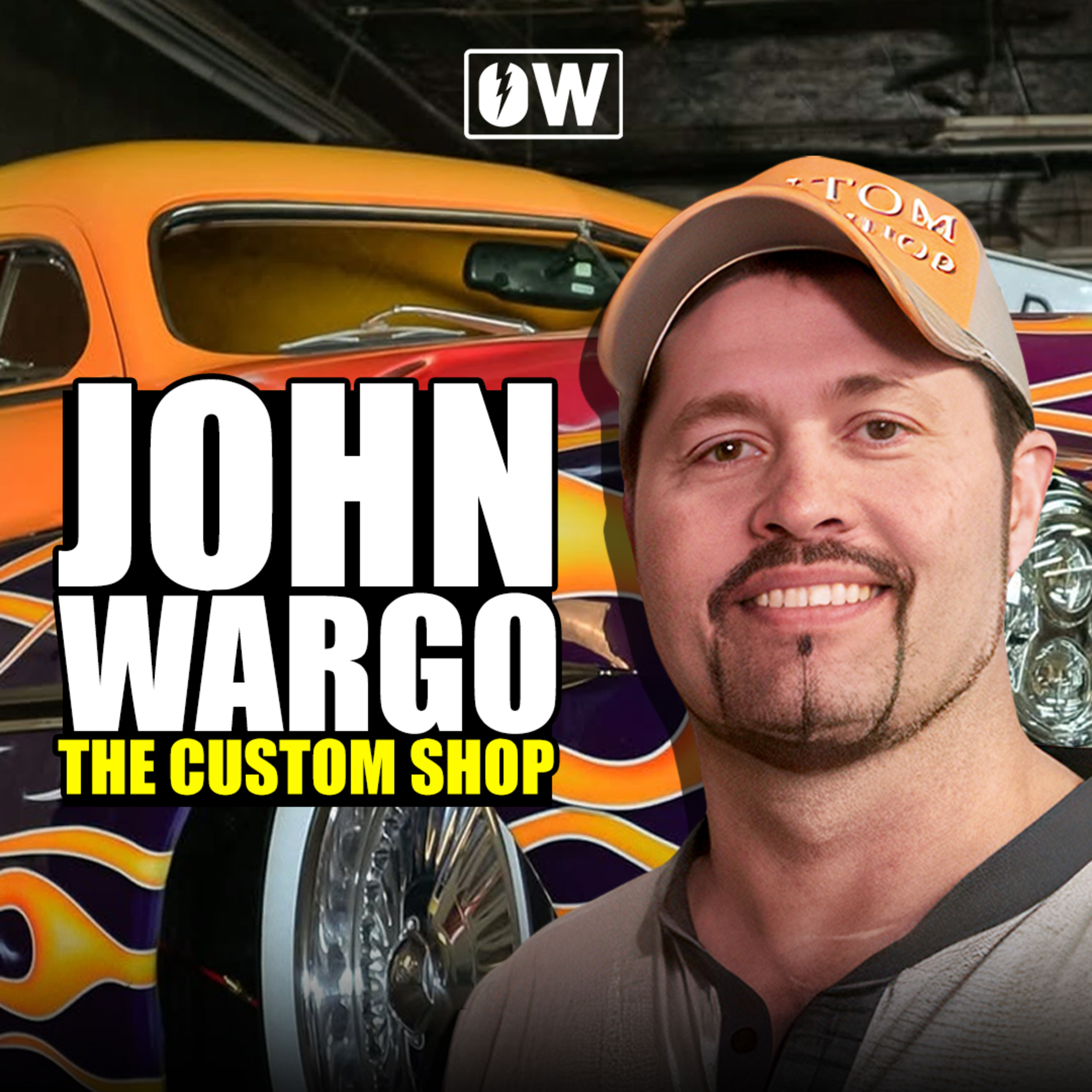
John Wargo of The Custom Shop
About this episode
John Wargo of The Custom Shop shares how he got started flipping and building cars as a teenager, then explains how his shop evolved from fix-and-flip into customer builds. The conversation moves through chassis and bodywork fundamentals—boxing frames, improving backside prep, and managing wiring—plus the culture of stance mods like body drops. Wargo also details how SEMA changed his career: BFGoodrich invited him, sponsorships followed, and the shop built dozens of cars for the show. Along the way, they trade stories about paint, graphics, and show deadlines.
This week on Oil & Whiskey, we’re joined by John Wargo of The Custom Shop.
John has been at it since 1988, building everything from wild mini trucks and graphic-heavy show vehicles to muscle cars, SEMA builds, custom paint, and full-blown one-off projects.
This one gets into the early days, building cars right out of high school, work ethic, the evolution of the custom car world, SEMA stories, magazine features, old builds coming back around, and what it really takes to keep doing this at a high level for decades.

57 Chevy
"And we've been doing this so long now that we're getting cars, like we have a car in the shop right now. It's 57 Chevy that I built 30 some years ago."
“57 Chevy” means a 1957 Chevrolet. It’s a famous old American car that a lot of people restore, and in this story it’s a project he built years ago and is working on again.
The “57 Chevy” refers to the 1957 Chevrolet, a classic American car that’s especially popular with restorers and hot-rodders. In this segment, John Wargo says he built it decades ago and is now restoring his own build, which highlights how long these projects can last.
crew cab
"It's a crew cab duly with a 53-foot matching trailer all painted to match."
A “crew cab” is a pickup truck with four doors, so the back seat is easier to get into. It’s a common truck layout for people who want more usable seating.
A “crew cab” is a pickup-truck body style with four full-size doors, allowing easier rear-seat access than a two-door or extended-cab layout. Wargo uses it to describe the kind of truck he built for his trailer-and-truck setup.
53-foot matching trailer
"It's a crew cab duly with a 53-foot matching trailer all painted to match."
A “matching trailer” is a trailer that’s styled and painted to match the truck or car it hauls. A “53-foot” trailer is very long, usually used for big show setups.
A “matching trailer” is a custom trailer finished to visually coordinate with the vehicle it carries—often painted and detailed to look like part of the same build. The “53-foot” length matters because it signals a show-grade, long-haul display setup rather than a small utility trailer.
Carlisle All-Truck Nationals
"I had that with a couple of mini trucks out at Carlisle All-Truck Nationals. And we won, like, everything."
Carlisle All-Truck Nationals is a big truck show in Pennsylvania. People bring their customized trucks there to show them off and compete.
Carlisle All-Truck Nationals is a major custom-truck and truck-show event held in Carlisle, Pennsylvania. It’s the kind of venue where builders bring multiple trucks/trailers to compete and get visibility with brands and media.
B.F. Goodrich
"I mean, everything. B.F. Goodrich actually came out and talked to me and said, hey, would you be interested in bringing this thing out to SEMA?"
B.F. Goodrich is a well-known tire company. Here, they’re contacting the builder to see if he wants to bring his car to a big industry show.
B.F. Goodrich is a tire brand that’s heavily involved in motorsports and the custom-car scene. In this segment, the brand representative reaches out to Wargo, showing how tire companies recruit builders to appear at major events like SEMA.
warranty
"A little lot of warranty. But again, it's funny to see these cars just going around from different owners and popping up later down the road"
A warranty is a promise that if something goes wrong after the work is done, the seller/shop will cover the fix. With custom cars, what’s covered can be less straightforward than on a factory car.
Here, “warranty” refers to a promise from the shop or seller to cover certain problems after delivery. In custom builds, warranty coverage can be complicated because work may be one-off fabrication rather than standardized production parts.
evolution of the tools and the equipment
"you see in your mind the evolution of what you used to do compared to what you do now. And I'm not saying that it's not a nice car and it's not good work, but the evolution of the tools and the equipment and the things that we use now"
They’re talking about how the shop’s tools and equipment have gotten better over the years. Better tools can make the work more consistent and can improve how strong and clean the final build turns out.
This is about how fabrication and restoration methods improve over time—new tools, jigs, and equipment can make the same kind of work faster, more consistent, and sometimes stronger. In custom builds, that can change how a chassis is reinforced and finished.
chassis
"the evolution of the tools and the equipment and the things that we use now, like that chassis, you know, obviously beings that were here at the roaster shop, you know, it's an original chassis that we just box and welded the whole thing and smoothed it"
The chassis is the car’s main skeleton/frame. It’s what holds the important parts together, so when a shop talks about boxing and welding it, they mean they’re strengthening that frame.
In a custom car context, the chassis is the vehicle’s main structural frame that everything else mounts to—engine, suspension, steering, and bodywork. When someone says they “box and welded the whole thing,” they’re describing structural reinforcement work done to that frame.
box and welded
"it's an original chassis that we just box and welded the whole thing and smoothed it because, you know, back then I could do it myself."
“Boxing” means adding metal so a frame section becomes more solid and rigid, like turning a flat/open area into a stronger enclosed shape. Welding is how the shop permanently attaches that added metal to the frame.
“Boxing” a chassis means adding material to create a boxed-in section (often turning open sections into enclosed ones) to increase stiffness and strength. Welding then permanently fuses those added panels/plates to the existing frame so the structure can handle loads better.
prepping and painting the backside of your panels
"Well, I guess for me, you know, like a lot of things that you learn over the years is like prepping and painting the backside of your panels and stuff better now than you did back then."
Before paint goes on, you have to prep the metal so it sticks and lasts. Painting the hidden side of body panels helps stop rust from starting there.
“Prepping and painting” refers to the bodywork process of cleaning, sanding, and applying coatings so paint adheres and protects metal. Painting the backside of panels matters because it helps prevent corrosion where you can’t easily see or reach later.
full metal center council
"you get to the backside of like we built a full metal center council that went all the way down it. And that's where all the wiring runs, you know, and I'm like, boy, I could have zip tied and"
He’s talking about a custom metal center console area. Making it solid metal helps it hold up and gives a safer route for wires underneath.
A “center council” here appears to mean a custom-built center console/center structure made from metal. Building it as a full metal piece provides a rigid mounting surface and can better protect wiring and components routed through it.
zip tied
"And that's where all the wiring runs, you know, and I'm like, boy, I could have zip tied and clean that up a little more."
He’s talking about using plastic cable ties to hold wires in place. Keeping wires neat can help prevent damage and makes repairs easier later.
“Zip tied” refers to using cable ties to bundle and secure wiring harnesses. In a custom build, tidying wiring reduces the chance of chafing, snagging, or making future troubleshooting harder.
Ghost Flames
"You know, but you know, but I mean, you know, the paint job still looks fantastic. You know, I did Ghost Flames on it and it's that Lamborghini orange color."
“Ghost Flames” is a paint design where the flames look faint and layered, like they’re fading into the paint instead of being super loud and solid.
“Ghost Flames” is a custom paint style where flame shapes are done with a subtle, semi-transparent look rather than bold, high-contrast flames. It’s meant to appear layered or “smoky,” giving depth without fully covering the base color.
Lamborghini orange
"You know, but you know, the paint job still looks fantastic. You know, I did Ghost Flames on it and it's that Lamborghini orange color. [446.6s] I can't remember the name of it."
He’s describing the car’s color as the kind of bright orange Lamborghini is known for. It’s basically a recognizable paint color reference.
“Lamborghini orange” refers to the distinctive orange paint color associated with Lamborghini. It’s a recognizable brand color choice that many custom shops use as a reference point for a similar vivid hue.

Pontiac Firebird
"So when I was actually in high school, before I even got my driver's license, [490.9s] I got my first car. [492.3s] It was a 75 Firebird when I was I wasn't even 15 yet."
A Pontiac Firebird is a classic American muscle car. “75 Firebird” means a 1975 model, and the story is about customizing it so it looked and felt cool to drive.
The Pontiac Firebird is a classic American muscle car, and the “75” refers to the 1975 model year. In the mid-1970s, these cars were often customized for a more aggressive look and stance, which fits the pro street scene the speaker mentions.
pro street
"So down in Pontiac is by where we're at. [510.5s] There was a bunch of pro street guys running around. [512.6s] Yeah."
Pro street is a way people build a drag-style car that still drives on the street. It’s usually about making the car look tough and hooking up better for acceleration.
Pro street is a style of drag-focused street car build where the car is modified to look and perform like a serious drag machine, but still be driven on the street. It often involves suspension and tire changes aimed at getting traction and stance, even if the car isn’t a full-on race-only setup.

Dodge Charger
"...something from nothing. You know, like I did a 73 charger that I used to drive back and forth. My girlfrien..."
A Dodge Charger is a muscle car—meaning it’s built for strong acceleration and a sporty feel. The “73 Charger” mentioned is a specific older model year that people often restore or customize. It’s also the kind of car that some owners drive regularly, not just show off.
The Dodge Charger is a classic American muscle car known for its bold styling and strong V8 performance, especially in the 1960s and 1970s. In the podcast context, a “73 Charger” is mentioned as a personal car used for everyday driving, which highlights how these cars can be both iconic and practical. It’s a common topic in car-building and restoration circles because many owners modify or restore them to keep the look and feel of that era alive.
snap rope
"So I ran home, of course, didn't have a trailer in time, but I had a snap rope. So I snatched rope that bitch home."
A tow rope is a strong rope used to pull a car. The host is saying he didn’t have a trailer, so he brought a rope in case the car couldn’t be driven the whole way.
A tow rope (often called a “snap rope” in casual speech) is used to pull a car when you don’t have a trailer. The host is describing a roadside-style recovery plan: if the car wouldn’t stay running, they’d tow the remaining distance.
didn't even have to snap, trope it
"Didn't even have to snap, trope it. But I got about halfway home and then it died again so that we had to stand up to the last little ways."
They thought they might have to pull the car with a rope, but they didn’t. The car actually ran enough to drive for a while before it died again.
This is describing a tow plan that ended up not being needed. “Trope it” appears to be a transcription error for “tow it,” meaning the car was expected to require towing but instead was driven partway after being started.
50 series tires
"I wide bodied the back and put a set of 50 series tires on it. [803.6s] Nice. And it was blue with orange and yellow and red flames down the side."
“50 series” is a tire sizing detail that describes how tall the sidewall is compared to the tire’s width. It affects how the tire rides and how much clearance you have when you change wheels or bodywork.
“50 series” refers to the tire’s aspect ratio—typically the sidewall height is about 50% of the tire’s width (e.g., 255/50R17). Lower aspect ratios usually mean a shorter, stiffer sidewall; 50-series is a mid-range choice for a balance of ride and fitment.
wide bodied
"I fixed it up. I believe it or not. I put flames on that thing. [800.1s] I wide bodied the back and put a set of 50 series tires on it."
“Wide body” means the car’s fenders are widened so it looks wider and can fit bigger tires. People do it for style and for better tire fit.
“Wide bodied” means widening the car’s bodywork—usually by adding fender flares or wider panels—to create more tire clearance and a broader stance. It’s commonly done for looks and to fit wider wheels/tires without rubbing.
body drop
"Body dropping stuff. Oh, word of mouth. Oh yeah, all word of mouth. Just going to little car shows here and there."
A “body drop” means lowering the car’s body so it sits closer to the ground. People do it for a specific look, but it can affect how the car moves and clears parts underneath. Two body drops can feel very different depending on how they’re done.
“Body drop” is a customization where the vehicle’s body is lowered relative to its chassis/frame. It’s commonly done to achieve a lower, more aggressive stance, but it also changes how suspension travel, steering geometry, and drivetrain clearances work. Because it’s a fabrication-heavy mod, builders often treat different body-drop setups as very different jobs.
OBS
"Especially when you're doing, you know, at that point, they weren't OBS, but OBS, sure. These right? You use some full size OBS is you start getting there."
“OBS” is slang for a specific older generation of full-size pickup trucks. People talk about it because the parts and fitment for lowering or body modifications can be different depending on which generation you have.
In this context, “OBS” refers to an older generation of Chevrolet/GMC pickup trucks (often used by enthusiasts to mean the late-1980s to mid-1990s era). Builders mention it because body-drop fitment, suspension geometry, and clearance issues can differ by generation. That’s why the host distinguishes “full size OBS” setups from earlier or different platforms.

Ford Expedition
"Oh, really? Expedition. Oh, no."
The Ford Expedition is a large SUV meant for carrying people and gear. It’s built more for practicality than for sports-car performance. The podcast mentions it as a quick point in the conversation.
The Ford Expedition is a full-size SUV designed for passenger space and towing or hauling capability. In the podcast, it’s mentioned briefly as a reaction (“Oh, really? Expedition. Oh, no.”), suggesting it came up in a conversation about vehicles or preferences. It’s significant because it represents a different category than the performance cars being discussed.
wheel tubs
" [1532.6s] Damn. [1533.1s] Wheel tubs. [1533.8s] And then you've got a dog leg in the rear."
Wheel tubs are the inner fender areas that make room for the tires. When you change to bigger or wider wheels, you often have to cut and reshape them so everything clears.
Wheel tubs are the shaped inner fender/inner-body sections that create clearance for the wheels and tires. In custom truck or “mini trucking” builds, they’re often cut and reworked so wider wheels can fit without rubbing.
dog leg in the rear
"[1533.8s] And then you've got a dog leg in the rear. [1535.2s] Damn. [1535.8s] Yeah."
A “dogleg” is a bent/stepped shape in the rear body area. When you’re modifying the truck to fit different wheels or interior pieces, that step can make the fitment harder.
A “dogleg” in the rear typically refers to a stepped or angled section of the body/frame area that changes shape where the floor and rear structure meet. In cab-and-chassis or mini-truck fabrication, that geometry can complicate fitting the rear wheel area and interior.
mini trucking
"[1535.9s] It's always there's a, there's the challenge. [1538.5s] Mini trucking guys that are listening, you know, there's people that have done them. [1541.2s] They're still doing them now."
“Mini trucking” is a style of truck customization. People modify smaller trucks with big wheels and lots of body/fabrication work to get a low, aggressive look and proper tire clearance.
“Mini trucking” is a customization scene focused on compact trucks and trucks built with aggressive stance, wheel/tire fitment work, and heavy fabrication. It often involves cutting and reshaping body sections (like wheel tubs) to fit the desired wheels while maintaining drivability and interior space.
Hot Rods, wheels and tires
"[1545.0s] You're like, man, fuck, this thing's gonna be sweet. [1547.3s] Sit back just like we do in Hot Rods, wheels and tires. [1549.8s] This thing's awesome."
They’re saying the same kind of thinking applies as in hot rods: wheels and tires dictate a lot of the modifications. Once the fitment is done, you then have to make sure the interior still fits correctly.
This segment compares the fabrication challenges of mini-truck builds to the hot-rod approach, where wheel and tire fitment is a major driver of the work. It highlights that stance and clearance issues often come first, before the interior is reinstalled.
plastic panels
"[1554.4s] Guess what? [1555.2s] Where do my legs go? [1556.1s] Well, even just plastic panels that you've cut."
Plastic panels are the interior trim pieces. After you cut and modify the truck, you often have to trim and re-fit these pieces too, and that can affect where you can actually sit.
Plastic panels in a custom build are interior or trim pieces that may need to be cut and reshaped after structural fabrication. Even when the metal work is done, re-fitting trim and interior surfaces can reveal new clearance or seating/legroom issues.
pocketed door sill
"Or leaving enough room in your pocketed door sill for the door panel and the door to come in, you know, and you start and then you're like, oh, shit, there's a frame rail there."
When a truck is lowered a lot, the door can hit parts of the body. A “pocketed door sill” is a cut-and-recess in the sill so the door can open and close without rubbing.
A “pocketed door sill” is a sheet-metal modification where material in the door sill area is recessed (“pocketed”) to provide clearance for the door panel as the truck is lowered. In slammed builds, the door can otherwise interfere with nearby structural parts.
frame rail
"Or leaving enough room in your pocketed door sill for the door panel and the door to come in, you know, and you start and then you're like, oh, shit, there's a frame rail there."
A “frame rail” is part of the truck’s main skeleton. If you’re modifying the body to sit lower, that rail can get in the way of cutting or clearance work.
A “frame rail” is a main structural member of a body-on-frame vehicle, running longitudinally along the sides. When you lower or reshape body panels for custom fitment, the frame rail can limit how much you can cut or pocket nearby sheet metal.
channeling a hot rod
"All kinds of like unique, like again, no different than channeling a hot rod and doing so that you same chance, same shit."
Channeling is a traditional hot-rod trick to make the car sit lower. The body is modified so it drops over the frame/chassis for that classic stance.
“Channeling a hot rod” is a classic custom technique where the body is lowered over the chassis by cutting and repositioning the body mounting area. It’s a fitment method used to achieve a lower stance while keeping the overall proportions visually “right.”

Geo Tracker
"I'll tell you what, in the truck, they're at the Fiero. [1626.6s] That's that might be in my collection one day. [1628.5s] I guarantee you in the mini truck world, people know it's called track dog. [1621.3s] I fuck with the geo track. [1622.6s] Dude, is that an Amigo? [1624.1s] I'll tell you what, in the truck, they're at the Fiero."
The Geo Tracker is a small SUV that people like to modify. Here, they’re talking about changing it so bigger wheels fit without rubbing the fenders.
The Geo Tracker is a compact SUV/crossover from Geo (a GM brand), best known in enthusiast circles for being a simple, mod-friendly platform. In this segment, it’s being discussed as a “mini truck world” project that got fitted with wheels and then modified for clearance.

Pontiac Fiero
"... I'll tell you what, in the truck, they're at the Fiero. That's that might be in my collection one day."
The Pontiac Fiero is a small sports car made by Pontiac. It’s known for being a popular car to modify because people can change the engine and build it into something different. The podcast mentions it as a car the speaker might want to own later.
The Pontiac Fiero is a mid-engine sports car from Pontiac that became well-known for its compact size and for being a popular base for swaps and custom builds. The podcast mentions the Fiero as something that might be in a collection one day, which fits its reputation as a platform people modify. It’s often discussed because it’s lightweight and can be transformed with different engines and chassis setups.
fenders
"[1655.3s] And so we got it all body dropped and we got the wheels and we put the wheels on [1659.8s] and they wouldn't clear the fenders. [1662.7s] So he's like, what are we going to do now?"
Fenders are the panels around the wheel area. If you install bigger wheels, the tires can hit the fenders, so you may need to cut and reshape them.
Fenders are the body panels over the wheel openings, and they’re a key part of clearance when fitting larger wheels/tires. This segment focuses on fender interference—cutting the top, bending the metal outward, and adding sheet metal so the tires can fit.
lower it
"So in that, I mean, back in the day, especially like zero to low budget, you know, you get a Nissan hardbody and tools, you can lower it, right?"
“Lower it” means making the truck sit closer to the ground. It often looks better, but it can ride rougher and scrape more easily.
“Lower it” means lowering the truck’s ride height by changing suspension components or ride-height settings. Lowering usually improves the look and stance, but it can also hurt ride quality and increase the chance of scraping or bottoming out.
block or flip
"Though block or flip. If you did it, you know, but turn the bars down the front."
“Block or flip” are two old-school ways people lower trucks. One uses a spacer (“block”), and the other changes the leaf spring setup (“flip”) so the truck sits lower.
“Block or flip” refers to common DIY methods for lowering a truck with a solid rear axle and leaf springs. A “block” uses a spacer to reduce ride height, while “flip” typically means reversing the leaf spring orientation to change how the axle sits.
turn the bars down the front
"Though block or flip. If you did it, you know, but turn the bars down the front."
That phrase means adjusting the front suspension so the truck sits lower. Doing it can change how the truck rides and handles, not just how it looks.
“Turn the bars down the front” describes lowering the front suspension by adjusting torsion bars (common on some trucks). Turning the bars down reduces ride height, but it can also change alignment and ride comfort.
center bore
"And hog out the center bore, right?"
The “center bore” is the hole in the wheel that helps it line up on the hub. If it’s the wrong size, the wheel won’t sit centered, so people modify it to fit properly.
The “center bore” is the hub’s locating diameter that centers a wheel on the vehicle. If the wheel’s center bore doesn’t match the hub, people may “hog out” (enlarge) it so the wheel sits correctly and safely.
Same lug pattern
"And hog out the center bore, right? Same lug pattern."
The “lug pattern” is how the wheel’s bolt holes are spaced. The wheel has to match the truck’s pattern or it won’t bolt on correctly.
The “lug pattern” (bolt pattern) is the number and spacing of the wheel studs/bolts. Wheels must share the same lug pattern to mount correctly; otherwise the wheel won’t line up with the studs.
BFG Euro TAs
"Same lug pattern. Throw some BFG Euro TAs on it, right?"
“BFG” is a tire brand (BFGoodrich). The host is naming a specific tire model they’d put on the truck for the look.
“BFG” refers to BFGoodrich, a tire brand. “Euro TAs” is a BFGoodrich tire model name, and here it’s mentioned as part of an inexpensive wheel-and-tire setup for a lowered truck look.
lower profile
"Throw some BFG Euro TAs on it, right? Some lower profile."
“Lower profile” tires have a shorter sidewall height relative to the wheel diameter. That usually improves steering response and appearance, but it can also make the ride harsher and increase the chance of wheel damage on rough roads.
six or 700 bucks
"You might be total out of pocket, depending on how much you get the wheels and tires for six or 700 bucks back in the day."
They’re giving a rough old-school budget number for how much the wheels and tires might cost. The point is that you could get the look without spending a ton of money.
The host is talking about a budget wheel-and-tire swap cost (“six or 700 bucks”) as a practical example of how cheap it could be to build a lowered truck look. It’s a reminder that fitment work (wheels/tires) can be the biggest cost driver in these builds.
wide body
"And the hardbodies are cool because it's like factory little wide body. [1814.0s] So that hardbodies kind of had the little, you know, they had, they just"
“Wide body” means the truck’s fenders are widened so it looks wider and can fit bigger tires. It’s usually done with fender flares or wider panels.
A wide body is a body modification where fenders and sometimes other panels are widened to give the car more visual width and clearance for wider tires. In this context, the host compares “hardbodies” to factory-style wide-body looks.
roll pan
"Pull the bumper off and you're going to get to a roll pan. [1827.0s] But right now it doesn't matter."
A roll pan is a custom, smooth panel that covers the area where the bumper usually sits. It helps the truck look cleaner and more “finished” instead of having a bulky bumper.
A roll pan is a smooth, aftermarket rear or front panel that replaces the bumper area to create a cleaner, more integrated look. The host mentions removing the bumper to get to a roll pan, which is a common custom-truck bodywork step.
zip screw the tag
"But right now it doesn't matter. [1828.1s] You can, you know, zip screw the tag to right there."
“Zip screw” here is describing a quick mounting method for a license plate using a fastener (like a screw/zip-style attachment) rather than a more permanent bracket. It’s a practical shop detail about how they temporarily mount the tag during work.
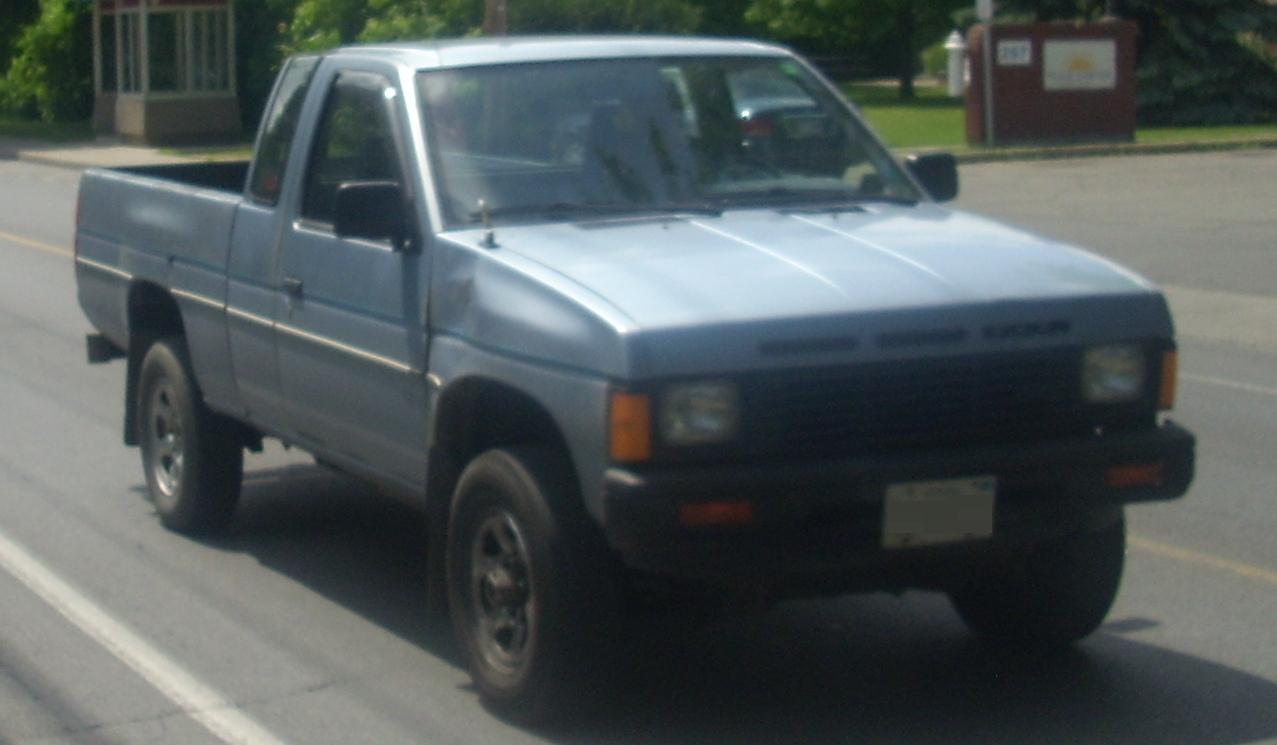
Nissan hardbodies
"My daughter has two Nissan hardbodies right now. [1833.0s] Really? [1833.4s] Yep."
A Nissan Hardbody is a classic Nissan pickup truck (from the 80s/90s era) that people like because it’s easy to modify and feels like a real work truck. Here, the speaker says their daughter has two—one raised up and one lowered.
Nissan Hardbody is the enthusiast nickname for the Nissan pickup line from the 1980s–1990s, known for simple, truck-like styling and a straightforward, durable platform. In this segment, the host is talking about two Hardbodies with very different stances—one lifted and one lowered—showing how popular they are for customization.
lowered
"She's got a big lifted one on 33s and she's got a lowered one. [1838.3s] So the hardbodies always like the, you know, you talk about the"
A lowered truck sits closer to the ground than stock. People do it for a lower, more aggressive look and handling feel.
A lowered truck has its suspension set lower than stock to improve stance and reduce body height. In this segment, the lowered Hardbody is contrasted with a lifted one to show how the same model can be built for different looks.
lifted
"She's got a big lifted one on 33s and she's got a lowered one. [1838.3s] So the hardbodies always like the, you know, you talk about the"
A lifted truck sits higher than it did from the factory. That usually helps with clearance and often goes along with bigger tires.
A lifted truck has been raised higher than stock, usually with suspension changes, to increase ground clearance and fit larger wheels/tires. The host pairs “lifted” with “33s,” indicating a more aggressive off-road/stance setup.
33s
"She's got a big lifted one on 33s and she's got a lowered one. [1838.3s] So the hardbodies always like the, you know, you talk about the"
“33s” means the truck is running 33-inch tires. Bigger tires can make the truck look tougher and may require suspension changes to fit properly.
“33s” is shorthand for 33-inch tires, a common way enthusiasts describe tire size. Bigger tires like 33s usually require suspension lift and can change steering feel, gearing, and ride comfort.
tandem axled
"my first magazine feature was a 87 Nissan hardbody that I tandem axled."
“Tandem axled” means the truck has two axles instead of one. It’s a big modification that changes how the truck is built and how it carries weight.
“Tandem axled” means adding a second axle to the vehicle so it has two axles in the same general area. On a pickup, this is a major structural and fabrication change that’s usually done to support extra weight and to create a distinctive custom look.
lift off
"What was the, uh, what was it? ... What was the, the, the, um, lift off. Yeah."
“Lift off” here means the roof/top can be removed. It’s describing a convertible-style setup using a removable canvas top.
In this context, “lift off” refers to a removable roof system—typically a convertible-style setup where the top can be taken off. The host later clarifies it as a “radical tops” convertible concept, describing how the canvas top replaces the fixed roof.
radical tops
"We had the little rat in the thing for the ads. Oh, radical tops, radical, radical tops with RIT. So it was a convertible."
“Radical tops” sounds like the name of a top system people used for custom convertibles. In this story, it’s connected to the removable canvas top on the truck.
“Radical tops” appears to be a brand or product name for a convertible-style top system used in custom truck builds. The host ties it to the idea of a removable canvas top, and even mentions the “RIT” reference from the ads, suggesting it was a recognizable aftermarket solution in that scene.
canvas top
"Had a, had a canvas top that was, what was the name?"
A “canvas top” is a fabric roof. It’s common on custom convertibles because it’s flexible and easier to build around unusual shapes.
A “canvas top” is a fabric roof used on convertible-style vehicles. In custom builds, canvas tops are often chosen because they can be made to fit irregular bodywork and can be removed or replaced more easily than rigid roofs.
camper shell
"and had a half of camper shell on the back that had four 15s in it."
A “camper shell” is a cover/enclosure that sits on top of a truck bed. People use it for storage or to build custom setups on top of the truck.
A “camper shell” is a hard or semi-hard enclosure mounted over the bed of a pickup. In custom builds, people often modify or section it to fit unique rooflines or to integrate accessories—here, the host describes using a portion of a camper shell as part of the rear setup.
four 15s
"and had a half of camper shell on the back that had four 15s in it."
“Four 15s” means the truck had four big 15-inch speakers. It’s describing a very loud, show-style audio setup.
“Four 15s” refers to installing four 15-inch speakers (a common way to describe big audio setups). In custom truck culture, large subwoofers are often built into the bed/roof structure to create a showy, high-output sound system.
quarter panel
"everybody's got their, you know, 60s and 70s car that needs a quarter panel fixed or, you know, and I mean, a lot of the body shops don't like fixing rust."
A quarter panel is the metal panel on the back side of a car, near the rear wheel. It often gets damaged or rusts because it’s right where road spray and debris hit.
A quarter panel is the body panel on the rear side of a car, between the rear door and the rear wheel opening. It’s a common rust and collision repair area on older cars because it’s exposed to road debris and moisture.
PPG
"Back then I was PPG. Yeah. So, um, Napa, uh, at the time, well, and I was in high school, they were Sherman Williams."
PPG is a brand of car paint and paint-related products. If you’re doing bodywork, it’s the kind of paint system you spray on to make the repaired area match the rest of the car.
PPG is an automotive coatings brand—most commonly paint and refinishing products used for bodywork. When the speaker says they were using PPG, they’re referring to the paint system used to spray and finish repaired panels.
Sherman Williams
"So, um, Napa, uh, at the time, well, and I was in high school, they were Sherman Williams."
This is a paint brand the shop used at the time. They’re talking about which car-paint products they were getting before moving to PPG.
Sherman Williams appears to be a reference to Sherwin-Williams, a major coatings and paint manufacturer. In the context of this shop story, it’s about what paint brand they were buying/using for refinishing before switching to PPG.
Napa
"So, um, Napa, uh, at the time, well, and I was in high school, they were Sherman Williams."
NAPA is a company that supplies car parts and shop materials. In this story, it’s where they were getting the paint/coatings for repairs.
NAPA is a parts and automotive supplies retailer/distributor that also sells refinishing materials through its supply chain. Here it’s mentioned as the source the speaker was dealing with while learning and buying paint products.
A and B supplies down in Bloomington
"Um, and then, um, uh, A and B supplies down in Bloomington started doing PPG and, 2008.9s uh, had a rep come by and was talking to us."
This refers to a local automotive supply business in Bloomington that, according to the speaker, started carrying PPG. It’s relevant mainly as part of the shop’s paint-sourcing story, not as a technical automotive concept.
ISCA
"Uh, um, 94, I think it was, um, that ran the ISCA show circuit. ... If you run an ISCA, that it's a different. It is a whole different world."
ISCA is a group that runs custom car competitions, especially for paint and detailed builds. The speaker is saying that if you’re competing in ISCA events, the standards are very specific and intense.
ISCA refers to a car-show organization focused on custom paint and vehicle detailing competitions. The speaker frames it as a “whole different world,” meaning the judging and expectations for show builds are specialized compared with general car shows.
Lexon
"The whole, I mean, the bottom of the bed was paneled in graphic. ... sub box in the bed was all Lexon. I mean, I mean, you clear, you could see through everything."
Lexon is the name the speaker uses for the material used in the truck’s sub-box. They’re saying it was finished in a way that looked extremely clear, so you could see through it.
Lexon is referenced here as a material used for the sub box in the truck bed. In show-car contexts, using a clear or highly finished material for enclosures helps create a “see-through” effect that judges often reward for craftsmanship and visual impact.

GMC Sonoma
"Um, you know, I did a truck for Robbie Dotson, uh, that, uh, it's a GMC Sonoma that has 53 colors on it that he couldn't go anywhere and not win best paint."
A GMC Sonoma is a small pickup truck made by GMC. Here, it’s being talked about because it has an extremely detailed, multi-color paint job aimed at winning car-show awards.
The GMC Sonoma is a compact pickup truck from General Motors (GMC). In this segment, it’s notable because the speaker describes a highly customized paint job with many colors and a focus on show-winning presentation.

Ford Fusion
"...t year his was, maybe a 96, uh, but it was called fusion illusion. And obviously the in the mini truck wor..."
The Ford Fusion is a regular, everyday type of car in the sedan category. In the podcast, it’s mentioned briefly in a phrase, not as a detailed build or performance topic. It’s basically a common kind of car compared with the classic performance vehicles also discussed.
The Ford Fusion is a mid-size sedan that’s typically positioned for everyday driving rather than classic performance. In the podcast, it’s referenced in a phrase that sounds like “fusion illusion,” suggesting it was part of a story or theme rather than a deep technical discussion. It’s included because it represents a more mainstream vehicle category in a conversation that also covers custom and performance cars.
flip forward hood
"Um, again, another flip forward hood, smooth firewall, smooth bottom of the hood [2306.6s] graphics running top to bottom upside down."
A “flip forward hood” is a custom hood design that pivots forward instead of opening upward like a stock hood. It’s common in street-truck and custom builds because it can improve access and also create a distinctive, clean front-end look.
smooth firewall
"Um, again, another flip forward hood, smooth firewall, smooth bottom of the hood [2306.6s] graphics running top to bottom upside down."
The firewall is the wall between the engine area and the inside of the truck. A “smooth firewall” means the builder reshaped it to look cleaner and more custom, not like the factory stamped shape.
A “firewall” is the panel separating the engine bay from the cabin. Making it “smooth” usually means removing factory contours and seams and then reshaping it for a cleaner, more custom appearance—often part of a top-to-bottom bodywork theme.

Buick Nationals Grand
"... you know, like that was my first street machine, nationals grand champion. Wow."
The Buick Grand National is a performance version of a Buick. In the podcast, it’s mentioned as the speaker’s first street-focused car and connected to winning at events. That makes it a notable car in the story because it’s tied to racing success.
The Buick Grand National is a performance-focused version of the Buick lineup, especially known for its strong reputation in street and racing circles. The podcast mentions it as the speaker’s “first street machine” and notes a “nationals grand champion,” tying it to competition and achievement. It’s discussed because it’s a standout performance classic with a dedicated enthusiast following.
muscle car
"So that was getting back to probably one of the, the first muscle car top to bottom. [2364.9s] I mean, like the whole bottom of that 57 is completely smooth than painted."
A “muscle car” is a type of American car known for big power and fast acceleration. The speaker is using the term to frame the 1957 Chevy as having that classic performance vibe.
A “muscle car” is a category of American performance cars that became famous for strong engines and straight-line speed, especially in the late 1960s. In this segment, the speaker uses it to describe the 1957 Chevy as a foundational, classic performance-style build.

Datsun 280 Z
"Uh, he actually had a car at SEMA. Uh, he did a Datsun 280 Z. Yeah. Yeah."
The Datsun 280 Z is a classic old-school sports car. People like it because it’s popular with car builders and there are lots of parts and upgrade options.
The Datsun 280 Z is a classic Japanese sports coupe from Nissan’s Datsun era, known for its long-hood, short-deck styling and enthusiast-friendly platform. It’s often modified because it has a strong aftermarket and responds well to engine swaps and suspension upgrades.
SEMA
"Uh, he worked at the shop. He actually had a car at SEMA. Uh, he did a Datsun 280 Z."
SEMA is a major car show focused on custom cars and aftermarket parts. If a car is at SEMA, it’s usually a serious build that people in the car world pay attention to.
SEMA is the Specialty Equipment Market Association show, one of the biggest annual events for aftermarket parts, custom builds, and car culture. Having a car there usually means it’s a notable build aimed at enthusiasts and industry buyers.

Cadillac ATS two liter turbo motor
"Um, we swapped a, um, uh, Cadillac ATS two liter turbo motor in that thing. But that was fun."
They swapped in a newer Cadillac turbo engine. Turbo engines can make more power and torque than many older engines, which is why people do swaps like this.
A Cadillac ATS two-liter turbo motor refers to the 2.0L turbocharged engine used in the Cadillac ATS. Swapping that kind of modern turbo power into a classic Z is a common hot-rod approach: it can add stronger low-end torque and easier parts availability compared with older engines.
engine swap
"Um, we swapped a, um, uh, Cadillac ATS two liter turbo motor in that thing. But that was fun."
An engine swap means putting a different engine into a car. People do it to get more power or better performance than the original engine.
An engine swap is when you remove one engine from a car and install a different one, often from another model or even a different brand. It’s popular in the custom scene because it can modernize power, improve drivability, and take advantage of better parts support.
motor and trans combo
"It's, it went together that, and I honestly, I'm shocked that more people don't use that combination because that little, that little motor and trans combo and that thing are killer."
They’re talking about the engine plus the gearbox working together. When the match is right, the car feels quicker and smoother because the gears and power delivery line up well.
“Motor and trans combo” means pairing a specific engine with a specific transmission. The engine-transmission match affects how the car accelerates, shifts, and feels under load, so a “killer” combo usually means the gearing and power delivery work together well.

Mitsubishi Eclipse
"We built them a, um, uh, Mitsubishi eclipse. [3326.4s] That's wide bodied, pro charged, uh, orange on top, purple on bottom."
A Mitsubishi Eclipse is a sporty car that a lot of people modify. Here it’s being built for a car show with a wider body and a supercharger, so it looks more aggressive and can make more power.
A Mitsubishi Eclipse is a sporty coupe that became popular in the 1990s–2000s for aftermarket tuning and show builds. In this story, the Eclipse is described as wide-bodied and pro-charged, which are common modifications for making big visual impact and adding forced-induction power.
pro charged
"We built them a, um, uh, Mitsubishi eclipse. [3326.4s] That's wide bodied, pro charged, uh, orange on top, purple on bottom."
“Pro-charged” means the car has a supercharger setup. A supercharger pushes extra air into the engine, which can make the car much stronger—if it’s tuned and supported correctly.
“Pro-charged” is shorthand for using a ProCharger-style supercharger to force more air into the engine. That typically increases power potential compared to stock, but it also requires matching supporting mods (fuel, cooling, tuning) to run safely.
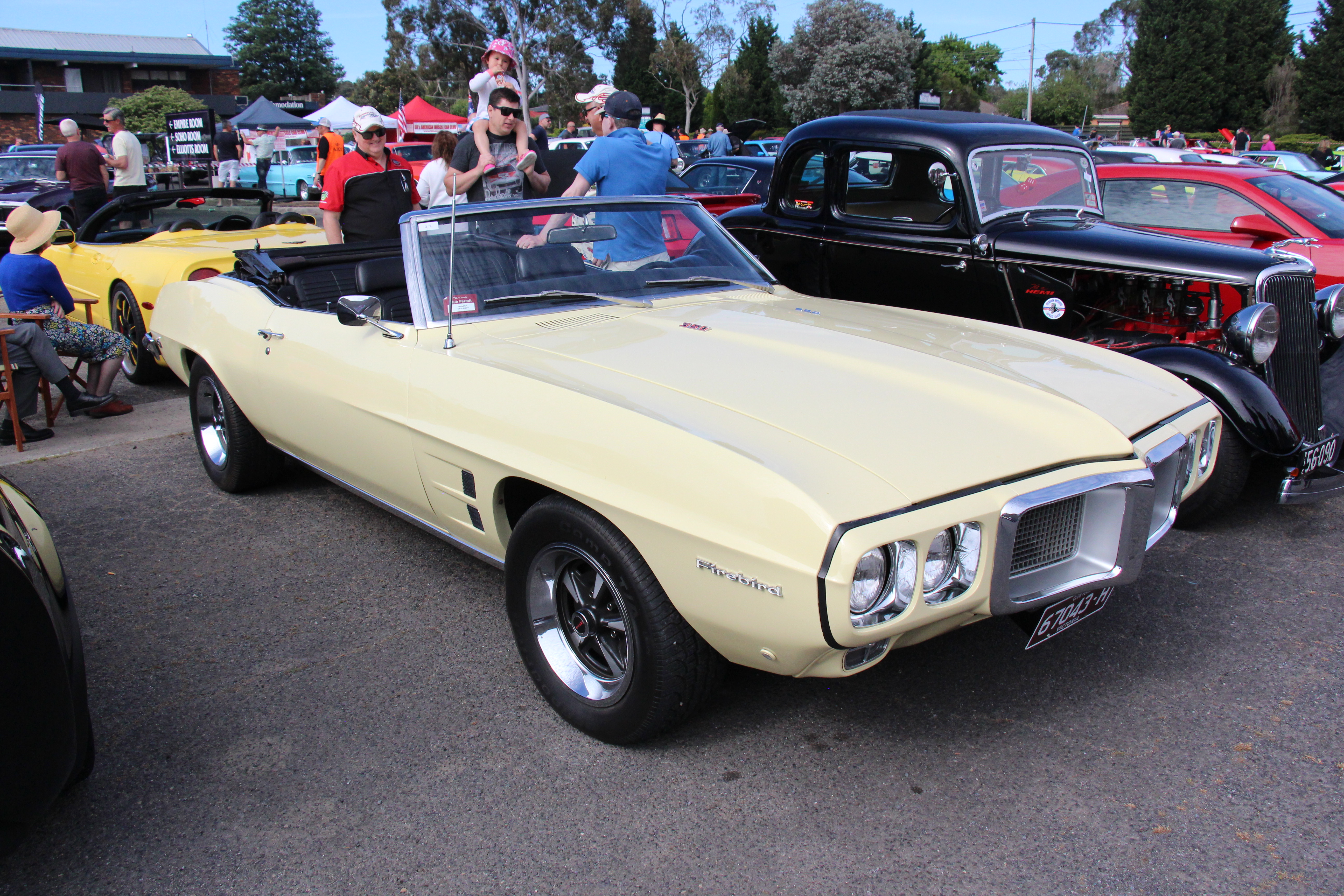
trans am
"So, uh, I asked him if she wanted to go down with me. [3361.5s] So I had a trans am, uh, that's yellow on top, black on the bottom with flames in between, uh, again, super charged."
A Pontiac Trans Am is a famous muscle car from the U.S. In this story, the one mentioned is customized with a supercharger, so it’s not just about looks—it’s meant to be quick too.
The Pontiac Trans Am is a classic American muscle car known for its performance heritage and strong aftermarket support. Here it’s described as a custom color scheme and “supercharged,” which points to a show-and-go build rather than a stock example.
super charged
"So I had a trans am, uh, that's yellow on top, black on the bottom with flames in between, uh, again, super charged. [3369.2s] I mean, pretty cool car."
“Supercharged” means there’s a device that squeezes more air into the engine. More air usually means more power, but the car has to be set up/tuned so it can handle the extra boost safely.
“Supercharged” means the engine uses a forced-induction system (a supercharger) to compress intake air before it enters the cylinders. More compressed air generally allows more fuel to be burned efficiently, which can raise power—assuming the engine is tuned and cooled for the added stress.
Orange County choppers
"And, and even like when Orange County choppers was hot, I mean, I built gosh, tons of full frame motorcycles. ... Orange County choppers, everybody wants the, the, the motorcycle name in there."
Orange County Choppers is a famous custom motorcycle shop/brand that became really well-known in the TV era. The host is saying that when that whole “OCC-style” hype cooled off, the motorcycle market changed fast.
Orange County Choppers (often shortened to OCC) is a custom motorcycle brand and TV-era phenomenon associated with highly styled, big-built “chopper” motorcycles. In the segment, it’s used as a reference point for a period when that specific motorcycle naming and style was extremely popular.
full frame motorcycles
"Orange County choppers was hot, I mean, I built gosh, tons of full frame motorcycles. Yeah."
“Full frame” in custom motorcycle context usually means the build uses a complete, purpose-built frame (as opposed to a minimal or heavily altered structure), allowing the builder to control geometry and fitment. The host mentions it while describing how they built many custom bikes during the chopper boom.
300 back tire
"at SEMA that was supercharged, had a 300 back tire, a 180 front tire stretched."
A “300 back tire” refers to a very wide rear motorcycle tire, commonly associated with custom builds that aim for a planted stance and high traction. Tire width affects how the tire contacts the road and can change handling feel, especially on stretched or heavily modified bikes.
180 front tire
"at SEMA that was supercharged, had a 300 back tire, a 180 front tire stretched."
A “180 front tire” indicates a wide front tire size used in custom motorcycles. Wider front tires can alter steering response and stability, and they’re often paired with stretched front ends and custom wheel/tire fitment.
Goodguys
"we started going to the bigger, you know, stream machine nationals, good guys, you know, SEMA stuff like that. We started kind of getting into those plateaus, um, and you know, starting to get people to say, Hey, I want something like that."
Goodguys is a classic car show series in the U.S. that brings together hot rods and custom cars. The shop mentions it as one of the places they used to meet customers.
Goodguys is a well-known U.S. classic car show and event organizer that hosts large gatherings for hot rods, customs, and restorations. Here it’s mentioned alongside other events as part of how the shop found customers before going deeper into SEMA-focused builds.
hot rod industry
"because I feel like you sort of exist in a little bit of a different world there than some of the hot rod industry does."
“Hot rod industry” means the community of people who modify cars—often older ones—to make them look cool and drive better. The speaker is saying their audio/custom world is a bit different from that scene.
The “hot rod industry” refers to the culture and business around modifying older cars for style and driving feel—often with performance upgrades, custom fabrication, and show builds. In the transcript, it’s contrasted with the audio-focused custom-shop world.
Sony
"Like you're always, you're hooked up with the stereo guys. You've always been in Sony's booth, right?"
Sony is a major consumer electronics brand, and in car-audio contexts it’s known for head units, speakers, and audio components. The transcript’s point is that the custom shop’s relationships extend into mainstream electronics booths, not just traditional car-show circles.
mini truck days
"So, you know, I always did like back in the mini truck days, we always did big stereos, so that was not uncommon for us to do audio systems."
“Mini truck days” means the time when people were really into customizing small pickup trucks. A big part of that scene was putting in loud, impressive car audio systems.
“Mini truck days” refers to the era/culture of heavily customized small pickup trucks—often with lowered suspensions, custom bodywork, and especially big, showy audio systems. The speaker uses it to explain why large stereos were already part of their shop’s background.
big stereos
"So, you know, I always did like back in the mini truck days, we always did big stereos, so that was not uncommon for us to do audio systems."
“Big stereos” means a serious car audio setup—more speakers and more power than stock. It’s usually built to sound loud and hit hard, especially with bass.
In car audio, “big stereos” typically means high-output, multi-speaker setups designed for loudness and strong bass—often with custom wiring, amplifier power, and sometimes specialized subwoofer enclosures. The transcript ties this directly to the shop’s early focus and customer base.
basehead
"And again, my own cars, I've always been a big basehead and big stereo guy. So my cars have always had systems."
A “basehead” is slang for someone who loves bass. In car audio, it means you care a lot about the low-end sound—like deep, punchy subwoofer hits.
A “basehead” is car-audio slang for someone who’s especially focused on bass—wanting deep, powerful low frequencies more than anything else. It explains why the speaker’s personal cars always had audio systems.
Pennsylvania
"And so I had that with a couple of mini trucks out at Pennsylvania at the Carl LL truck nationals."
Pennsylvania is a U.S. state. Here it’s just where the speaker went to compete/show their mini trucks.
Pennsylvania is the U.S. state where the speaker says they attended events related to mini trucks. In this context it’s a geographic anchor for where the shop’s early builds were shown and competed.
Carl LL truck nationals
"And so I had that with a couple of mini trucks out at Pennsylvania at the Carl LL truck nationals. And we won like everything."
This sounds like a truck competition event. The speaker is saying they brought their mini trucks there and won a lot.
“Carl LL truck nationals” appears to be the name of a truck-focused competition/event the speaker attended. The transcript doesn’t provide enough detail to confirm the exact event name, but it’s clearly a venue for showing and winning with mini trucks.
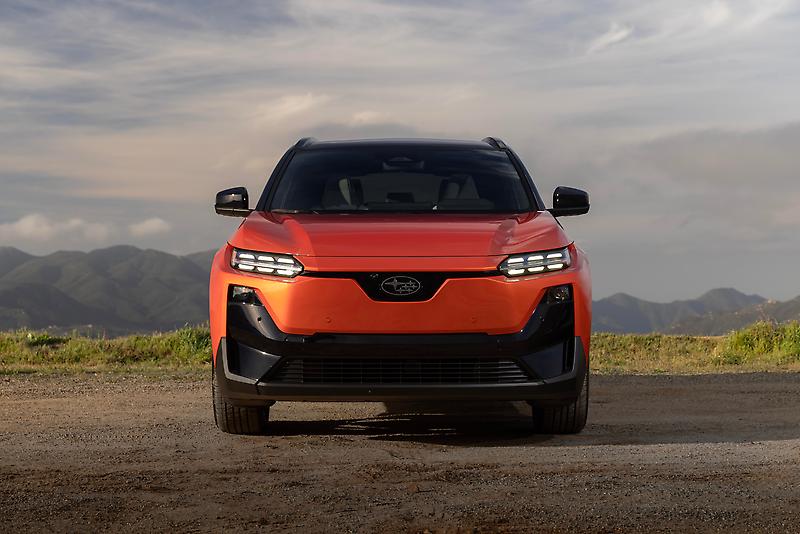
Subaru Uncharted
"...that believes in you. You're going to try to push uncharted territory. Well, with that uncharted territory co..."
“Subaru Uncharted” sounds like a name used in a phrase about trying something new. It doesn’t clearly match a single, specific car model the way the other vehicles are named. In the podcast, it seems to be used to mean “new territory” rather than to describe a particular car’s details.
“Subaru Uncharted” appears to be a reference to a concept or theme rather than a specific, clearly identified production model in the way the other cars are named. In the podcast context, it’s used in a motivational phrase about pushing into “uncharted territory,” suggesting the name is being used metaphorically. Because the exact vehicle model isn’t clearly specified, the discussion is likely about the idea more than a particular car specification.

Chevrolet Chevelle
"...y shop won't do the quarter panel repair on my 67 Chevelle, right? And it's a stock paint, right?"
The Chevrolet Chevelle is a classic muscle car from Chevrolet. In the podcast, a 1967 Chevelle comes up in a discussion about body repair and keeping the paint looking stock. That’s important because restoring the body is a big part of owning an older car.
The Chevrolet Chevelle is a classic American muscle car, especially associated with the 1960s model years and popular performance trims. The podcast mentions a 67 Chevelle and a question about quarter panel repair and stock paint, which points to restoration and bodywork decisions. It’s significant because body panel work and preserving original-style appearance are major parts of Chevelle ownership and restoration.
blend line
"Because you want everybody to know that when you did, they're like, holy shit, [4379.6s] I can't even see the blend line. [4380.7s] I can't even see that."
The blend line is where the new paint meets the old paint. If the blend line is visible, it looks like a patch. If it’s not visible, the paint looks like it was never repaired.
The “blend line” is the visible boundary where new paint transitions into existing paint. In quality bodywork, painters blend the color and finish so the repaired area doesn’t show a hard edge or mismatch under different lighting angles.
over spray
"And when the guy looks at it, he's like, Hey, it knows, got a little like over [4405.6s] spray and run on the backside. [4407.1s] But just so you know, he's happy with it..."
Overspray is when paint accidentally gets on parts you didn’t intend to paint. It usually happens if masking isn’t tight enough. It can make a repair look less clean.
Overspray is paint that lands on areas that weren’t meant to be painted, often from spraying without perfect masking or airflow control. Even small overspray on nearby surfaces can be a sign of sloppy masking or finishing, though it may be minor enough to be acceptable to the customer.
run
"And when the guy looks at it, he's like, Hey, it knows, got a little like over [4405.6s] spray and run on the backside. [4407.1s] But just so you know, he's happy with it..."
A “run” in paint is when the paint drips or sags, leaving a streak. It usually means too much paint was sprayed at once. Fixing it often means sanding and repainting that area.
A paint “run” is a sagging streak where too much paint was applied in one spot, causing gravity to pull it downward before it fully sets. Runs are typically considered a finishing defect and usually require sanding and repainting to correct.
street machine
"Like I want to build a badass muscle car for street machine and go to Columbus. Now, where's the customer?"
A “street machine” is a customized car that’s built to drive on the street and still look impressive. It’s the kind of car you’d take to shows and actually enjoy driving.
“Street machine” is an enthusiast term for a street-driven custom/performance car, usually with visible upgrades and a show-ready look. It implies the build is meant to be used on the road (not just a trailer queen) while still aiming for styling and performance.
Columbus
"Like I want to build a badass muscle car for street machine and go to Columbus. Now, where's the customer?"
They mention going to Columbus, which suggests these cars are meant to be used and shown at events. It’s not just a garage project.
Columbus is referenced as a destination for street-machine-style events or shows. For listeners, it signals that these builds aren’t just for display—they’re intended to be driven and shown at real gatherings.
laying these things out
"where again, like we talked body drops and, you know, and laying these things out now."
“Laying these things out” here refers to planning the visual layout and stance of a custom build—how the car’s proportions, fitment, and components are arranged. In custom culture, it’s about translating an idea into a cohesive look before the work is done.
bagging
"So, um, we're bagging, you know, a ton of muscle cars and, um, did a bunch of ride tech stuff back in the day."
“Bagging” is when a car gets an air suspension system. That lets the car sit really low for looks, and then you can raise it back up to drive.
In custom-truck and muscle-car culture, “bagging” means installing an air suspension system so the car can be raised or lowered at will. It’s commonly used to get an ultra-low stance for shows while still being able to drive normally when the air pressure is adjusted.
ride tech
"we're bagging, you know, a ton of muscle cars and, um, did a bunch of ride tech stuff back in the day."
“Ride tech” means suspension upgrades. It’s the stuff you change to control how the car rides and how low it can sit.
“Ride tech” is a catch-all term in the custom scene for suspension and chassis upgrades—especially components that improve ride height control, handling, and fitment. In this context, it likely includes air-suspension-related parts and other suspension hardware used to build low, show-ready cars.
bolt on suspensions
"and, uh, you know, it was a lot of bolt on suspensions or, or like I, I did a 49 Chevy truck, uh, that probably I'd say 94, 95 that was body dropped"
“Bolt-on suspensions” are suspension parts that install with bolts and brackets, not a ton of custom welding. They’re meant to be easier to fit than fully custom suspension work.
“Bolt-on suspensions” are suspension kits designed to install with relatively straightforward hardware rather than requiring extensive custom fabrication. In the custom scene, they’re often used as a starting point before more advanced chassis/suspension “ride tech” work.

49 Chevy truck
"it was a lot of bolt on suspensions or, or like I, I did a 49 Chevy truck, uh, that probably I'd say 94, 95 that was body dropped and on air."
A “49 Chevy truck” is a 1949 Chevrolet pickup. The host says it was lowered (“body dropped”) and set up with air suspension so it can sit really low.
A “49 Chevy truck” refers to a 1949 Chevrolet pickup, a classic American truck platform that’s popular for custom builds. In this segment, it’s specifically described as being “body dropped” and “on air,” meaning it was lowered and fitted with air suspension for an extreme stance.
air
"did a 49 Chevy truck, uh, that probably I'd say 94, 95 that was body dropped and on air."
“Air” here means air suspension. Instead of normal springs, the car uses air pressure to change how high or low it sits.
Here, “air” refers to air suspension, where air springs replace conventional coil springs. The system uses air pressure control to change ride height, which is what makes “bagged” builds possible.
laying rockers
"I mean, it was, you know, laying rockers, you know, and this is like I said, I'm guessing 96, you know, I'm, I'm just, I'm really intrigued, um, and impressed."
“Laying rockers” means setting the car up so the lower body (the rocker area) sits very low. It’s about getting that super-low look without the car looking “wrong.”
“Laying rockers” is custom-car slang for lowering the rocker panels/stance so the lower body sits very close to the ground. It’s part of the visual “fitment” goal in bagged builds, where the car’s body lines and clearance are tuned for an extreme look.
Hail Mary
"Either you've planned a car for it or there's shorter or there's that last-minute Hail Mary of like, you know, [5210.8s] We could I think we could get this thing done and it'd be cool to debut it at Columbus"
A “Hail Mary” is a last-second attempt to pull something off. Here it means they might have to rush to get the car finished in time for the show.
“Hail Mary” is a sports term used here metaphorically for a last-minute, high-risk effort to finish a build in time for a show. In car-building terms, it describes the scramble to complete fabrication, assembly, and final details under a tight deadline.
Heartland Nationals
"You've got Des Moines. Yep. Heartland Nationals coming up to you. That's a July 3rd through 5th Great cruising great events."
“Heartland Nationals” is a weekend car event with cruising and shows. The host says it runs July 3rd to 5th and features a lot of hot rods and muscle cars.
“Heartland Nationals” is described as a multi-day cruising and car-event weekend running July 3rd through 5th. The host frames it as a place where attendees see a wide variety of hot rods and muscle cars.
Summit Racing Nationals
"then right after that the 28th Summit Racing Nationals at Ohio Expo Expo Center. That's Columbus. That's July 10th through 12th"
“Summit Racing Nationals” is a big car event where a lot of hot rods and performance builds show up. The hosts mention it because they’ll have their cars there and awards categories will be happening.
The “Summit Racing Nationals” is a major drag-and-car-show style event series run by Summit Racing. In this segment, it’s used as a reference point for where the hosts’ cars and builders will be featured.
street ride of the year
"That's where you do street ride of the year and they do street machine of the year. Lots of really cool stuff"
“Street ride of the year” is an award category at the event for a standout street car. The clip doesn’t explain the judging rules, but it’s clearly meant to recognize the best overall street build.
“Street ride of the year” is presented as another award category at the same event. Like other show awards, it’s meant to spotlight a standout street-oriented vehicle, but the transcript doesn’t provide the exact judging criteria.

Lucid Air
"...et machine here to we're bringing a 54 Chevy Bell air that obviously has Roadster shop chassis and 69 t..."
The Lucid Air is an electric car, meaning it runs on electricity instead of gasoline. It’s designed as a luxury sedan with modern technology. The podcast mentions it as part of a broader mix of vehicles being discussed or built.
The Lucid Air is an electric luxury sedan known for advanced technology and a focus on efficiency and range. In the podcast, it’s mentioned alongside a custom build context, indicating the conversation includes both classic hot rods and modern electric vehicles. It’s discussed because it represents a different direction in performance and daily drivability compared with older gasoline cars.
69 trans
"we're bringing a 54 Chevy Bell air that obviously has Roadster shop chassis and 69 trans and that also has a fast track underneath of it."
“Trans” means transmission. Saying “69 trans” usually means they used a transmission from a 1969 car, chosen because it works well with the rest of the build.
“69 trans” is shorthand for a transmission sourced from a 1969 donor car (the speaker is implying a 1969-era transmission). In hot-rod builds, using a specific donor-year transmission can be about matching the torque capacity, shifter feel, and compatibility with the rest of the drivetrain.
fast track
"and 69 trans and that also has a fast track underneath of it. It's awesome."
“Fast track” here appears to be a named performance/handling package or undercarriage component associated with the build. Because the transcript doesn’t define it, the key takeaway is that it’s described as something “underneath” the car—i.e., part of the chassis/suspension modernization.
renderings
"The other benefit that I have of being able to render... I render what I know we can build"
Renderings are basically computer pictures of a car idea. They help you see what the finished custom could look like before any real work starts.
Renderings are visual mockups—often digital—that show what a custom car design will look like before it’s built. The speaker frames it as a workflow advantage: they can “render what we can build,” and AI is now letting others generate concepts that may be harder to physically execute.
AI
"The AI stuff is crazy. I mean, I can't tell you how many accounts I follow on instagram that some stuff"
AI here means computer software that can create pictures or designs when you give it instructions. The speaker is saying it’s making it easier for people to visualize custom car ideas.
AI (artificial intelligence) can generate images or design concepts from prompts, letting creators visualize custom ideas quickly. In this context, the speaker is comparing AI-generated renderings to their own long-running process of sketching and visualizing car builds.
wide bodies
"I've been doing renderings and building cars and doing Body drops wide bodies Graphics muscle cars all this stuff"
Wide-body cars have fenders that are stretched wider than stock. That lets the car run wider tires and usually looks more aggressive.
“Wide bodies” refers to a custom body modification where the fenders are widened to create more tire clearance and a broader stance. It’s commonly paired with suspension and wheel changes to fit wider wheels/tires and improve cornering grip and visual impact.
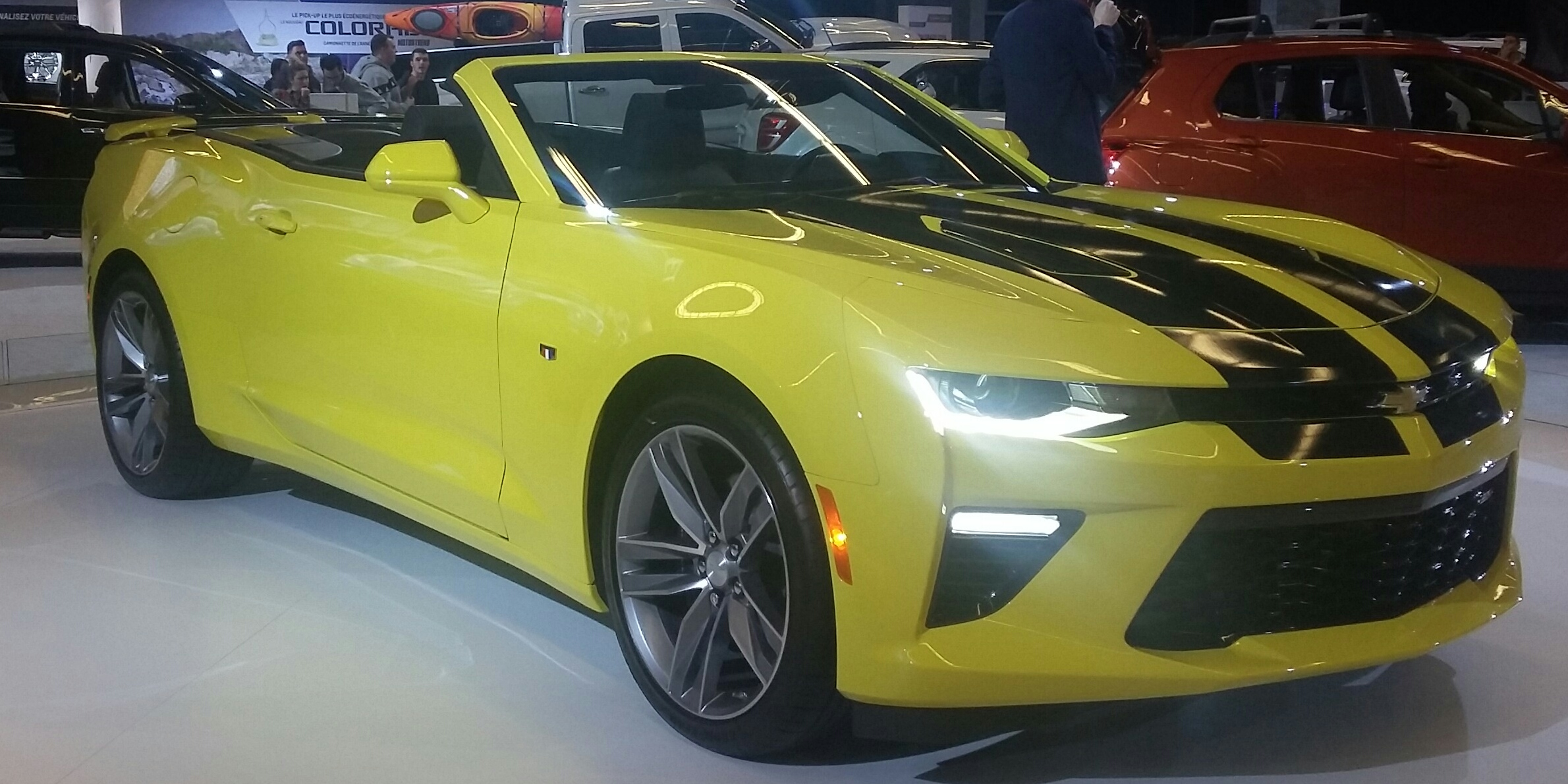
68 Camaro
"That's a tough one probably my all-wheel drive 68 Camaro 800 horse all-wheel drive say that named sod"
A 1968 Camaro is a classic muscle car that people love to customize. Here, they’re talking about a heavily modified one with all-wheel drive and a wide, lowered look—basically turning it into something much more extreme than stock.
A 1968 Chevrolet Camaro is a first-generation (1967–1969) muscle car platform that’s become a favorite for custom builds. In this episode, the host describes an all-wheel-drive, wide-body, body-dropped version with supercharging, which is a major departure from the original rear-wheel-drive layout.
all-wheel drive
"That's a tough one probably my all-wheel drive 68 Camaro 800 horse all-wheel drive say that named sod"
All-wheel drive means the car can send power to all four wheels. That usually helps the car grip better, especially when accelerating or on slippery roads—though it’s also harder to build into a classic car.
All-wheel drive (AWD) sends power to both the front and rear axles, improving traction compared with rear-wheel drive. On a classic Camaro like the 1968 mentioned here, converting to AWD is a major engineering effort because it changes drivetrain layout, packaging, and driveline components.
first gen Camaro
"You know so much stuff's been done to a first gen. I mean, we all know that I mean, there's been every color combination and everything you can think of to a first gen Camaro"
“First gen Camaro” is Camaro-speak for the earliest generation of that model. It’s basically the late-1960s Camaro body style that people often build and modify.
“First gen Camaro” refers to the original generation of the Chevrolet Camaro produced in the late 1960s. In enthusiast usage, “first gen” is a shorthand for the 1967–1969 body style family, which is why builders talk about “first gen” as a distinct platform for customization.
body panel
"So you just call it five fifth gen if you count up If you count up a body panel something on a car, right?"
A body panel is one of the car’s outer parts—like the doors, fenders, or quarter panels. The point here is that you can change parts of the car and still argue about what counts as a “generation.”
A body panel is a specific sheet-metal or composite section of the car’s exterior (like a fender, door, or quarter panel). The speaker uses it to explain how counting “generations” can get subjective when you’re changing individual panels rather than the whole platform.
front end fascia
"You've got a one be front bumper right front end fascia two would be fenders"
The front end fascia is the car’s front styling cover—basically the outer pieces around the bumper. Customizers often modify it because it controls a lot of the car’s visual “face.”
Front end fascia is the front exterior trim/covering area of the car—often including the bumper cover and surrounding styling pieces. It’s a common place for custom fabrication because changing the fascia can dramatically alter the car’s look without changing the underlying chassis.
quarters
"four would be quarters"
Quarter panels are the big body sections behind the doors, near the rear wheels. They’re often modified on wide-body cars to fit wider tires and change the shape of the rear end.
Quarter panels (often shortened to “quarters”) are the large body sections behind the doors that extend toward the rear wheel. They’re a key area in wide-body conversions because widening the quarters is how builders increase rear tire clearance and stance.

Chevrolet Nova
"...ry that He just did it. like two gins. He did the nova and uh, Camaro Got it. But just think about that ..."
The Chevrolet Nova is an older American car that’s often used for performance builds. In the podcast, it’s mentioned as part of a set of cars someone worked on or owned. It’s a popular platform because it’s easy to modify for speed and style.
The Chevrolet Nova is a compact American car that became a popular choice for drag racing and street performance builds. The podcast mentions a Nova alongside a Camaro, indicating it’s part of the same conversation about classic car projects and ownership. Novas are frequently discussed because they have a strong aftermarket and are common donor cars for custom builds.

Chevrolet C10
"Obviously, they're all getting older I had done a c10 for greg and he's like man. He said I got this 54..."
The Chevrolet C10 is an older pickup truck. People like it because it’s a great base for customizing—changing the look and sometimes the engine. The podcast mentions a C10 as a project that was done for someone.
The Chevrolet C10 is a classic pickup truck known for its simple, customizable platform and its popularity in restoration and street-truck builds. In the podcast, a C10 is mentioned as something that was worked on, tying it to the shop’s custom work and long-term ownership. It’s often discussed because many C10s are turned into modernized trucks with updated drivetrains and bodywork.
LS4 27
"Obviously ordered up the roadster shop chassis We put an LS4 27 in it. Um It's not the most radical thing that we've ever built"
“LS4” is the name of a modern GM V8 engine family that people swap into older cars. It’s popular because it’s powerful, fits well, and there are many parts and tuning options for it.
“LS4 27” is almost certainly referring to an LS-series GM V8 engine (commonly discussed as an LS4) being installed into the 1954 Chevrolet. LS engines are popular for swaps because they’re compact, make strong power with modern tuning, and have lots of aftermarket support.
distressed leather
"But it's a very nice clean slick. It's root beer brown with a vanilla top with brown distressed leather interior"
“Distressed leather” means the leather is made to look older or more worn on purpose. It’s a style choice to give the interior a vintage, rugged vibe.
“Distressed leather” is leather that’s intentionally treated to look worn or aged. In custom interiors, it’s used to create a vintage, lived-in aesthetic rather than a brand-new, uniform finish.
root beer brown
"But it's a very nice clean slick. It's root beer brown with a vanilla top with brown distressed leather interior"
“Root beer brown” is just a way of describing a specific shade of brown paint. It’s a warm, dark brown color that custom car builders use to get a vintage look.
“Root beer brown” is a paint color description used in custom-car culture. It typically refers to a warm, dark brown tone reminiscent of root beer soda, often paired with contrasting finishes (like a lighter top).
Des Moines
"Standard questions brought to you by good guys rod and custom [6471.7s] Des Moines right around the corner"
Des Moines is the location of a Goodguys Rod & Custom event mentioned in the segment. The hosts are giving listeners dates and show locations to catch the debuts.
project car
"30 years ago always looking in the trailer trying to find one that was a project car, you know yada yada [6549.2s] so"
A “project car” is a car you buy because it needs fixing or improving. You’re planning to work on it yourself or with a shop to get it into the condition you want.
A “project car” is a vehicle you buy with the expectation that it needs work—mechanically, cosmetically, or both—before it’s truly enjoyable or reliable. In the Porsche context here, it usually means hunting for a specific model that can be restored or upgraded over time.
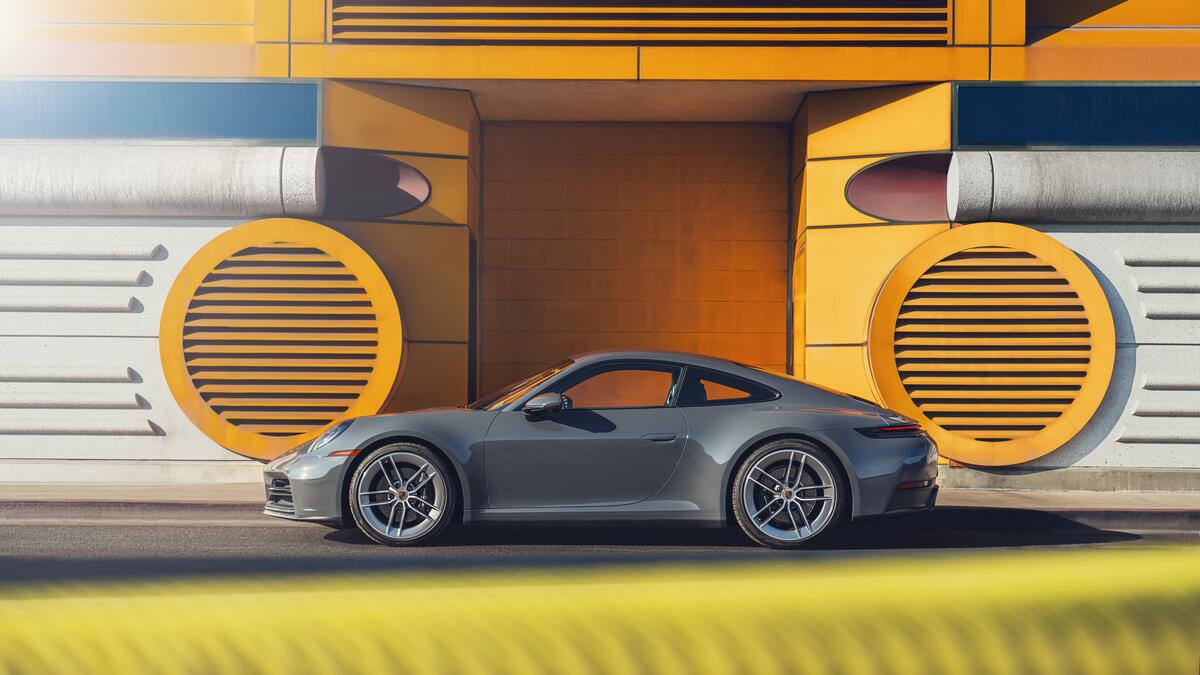
Porsche 930
"Um, and the guy put [6558.5s] 75 930 needs repair that was his ad and i'm like hey, that's right on my alley"
“930” is Porsche’s code for a specific older 911 Turbo. It’s a classic, turbocharged 911 era that many enthusiasts chase as a project or collector car.
The Porsche 930 is the internal designation for the 911 Turbo generation from the late 1970s through the 1980s. It’s known for being one of the most iconic air-cooled turbo 911s, with a character that’s very different from naturally aspirated 911s.
Porsche 911
"and um, I had already looked at probably a dozen other ones [6592.6s] 930s and 911s and um, I was just like everyone that I looked at everybody's"
The Porsche 911 is Porsche’s famous sports car model. People talk about it across many years, but it’s always the same basic idea: a rear-engine design with a distinctive driving feel.
The Porsche 911 is the long-running sports car line built around a rear-mounted, air-cooled flat-six layout in many classic generations. In enthusiast circles, “911” often refers to a wide range of eras and configurations, from naturally aspirated to turbocharged variants.
chameleon
"But I didn't want it black and gold. So it's chameleon [6693.7s] You [6694.7s] You painted it."
“Chameleon” paint is paint that looks like it changes color. Depending on how you look at it or how the light hits it, it can appear as different colors.
“Chameleon” paint refers to color-shifting automotive paint that changes appearance depending on viewing angle and lighting. It’s typically achieved with special pigments (often mica/flake-based) so the car can look like different colors at different angles.
color shift paint
"Um, and so it's it's full [6717.9s] You know color shift paint and then I did so if you're familiar with the harlequins, there's like six different colors."
Color shift paint is designed to look different from different angles. That’s how you get effects like purple turning into gold as you move around the car.
Color shift paint is a finish designed to change hue as the angle changes, usually using layered or flake pigments that reflect light differently. In practice, it can create a dramatic “purple to gold” or “gold to purple” look like the speaker describes.
harlequin
"Um, and so it's it's full [6717.9s] You know color shift paint and then I did so if you're familiar with the harlequins, there's like six different colors."
Here, “harlequin” means a special paint pattern that uses multiple color-shift panels. As you move, different sections can look like they’re swapping colors.
“Harlequin” in this context refers to a multi-color, color-shift paint scheme associated with the classic Harlequin-style look—often with alternating panels that appear to swap colors. The speaker describes it as having multiple color-shift directions (forward vs backward), which is why one side can read purple-to-gold while the other reads gold-to-purple.

Lamborghini Countach
"On a fiero chassis. Yes, but a bonneville supercharged 3.8 in it... And so that one of my business cards is my Porsche and my kuntash... going back to the cannonball run thing... the kuntash was the quintessential supercar"
The Lamborghini Countach is a famous supercar with a very distinctive angular shape. Here, the speaker is talking about a Countach-style custom build and connecting it to the Cannonball Run legend.
The Lamborghini Countach is an iconic 1970s–80s wedge-shaped supercar known for its dramatic styling and high-performance V12. In this segment, the host describes a Countach-inspired build based on a modified Fiero chassis, tying it to the Cannonball Run story and the idea of recreating a famous supercar look.

Chevrolet Impala SS
"all corvette suspension ls4 from a uh, I impala super sport. Uh, I actually moved the motor to the rear so it's transverse mounted."
The Impala SS is a performance version of the Chevrolet Impala. Here it’s mentioned as a parts source for a custom project.
The Chevrolet Impala SS is a performance trim of the Impala, and in this segment it’s referenced as a donor for suspension/parts in a custom chassis build. The host’s point is that the build blends components from multiple GM cars to create a Lamborghini-like custom.
transverse mounted
"Uh, I actually moved the motor to the rear so it's transverse mounted. Yeah, but it's rear engine now"
Transverse mounted means the engine sits sideways in the car. They’re saying they put it in the back, but still sideways, which changes how the drivetrain is arranged.
Transverse mounted means the engine is installed sideways across the car rather than pointing straight front-to-back. The host says they moved the motor to the rear but kept it transverse, which is a packaging choice that affects drivetrain layout and how the car drives.
ABS brakes
"I kept the abs brakes traction control heads up display everything from the Grand Prix that it came out of"
ABS brakes help stop the wheels from locking up when you brake hard. That lets you steer while braking, and the speaker is saying they kept that tech in the custom car.
ABS brakes (anti-lock braking system) prevent the wheels from locking up during hard braking, helping maintain steering control. The host lists ABS as part of what they kept from the donor car’s electronics in their custom build.
traction control
"I kept the abs brakes traction control heads up display everything from the Grand Prix that it came out of"
Traction control helps prevent the tires from spinning when you accelerate. The speaker is saying they carried that system over from the donor car into their custom build.
Traction control is an electronic system that reduces wheel spin by adjusting engine power and/or braking at the driven wheels. The host mentions keeping traction control from the donor car to make the custom build behave more like a modern, controllable performance car.
heads up display
"I kept the abs brakes traction control heads up display everything from the Grand Prix that it came out of"
A heads-up display shows information on the windshield. The speaker is saying they kept that kind of tech from the donor car in their custom build.
A heads-up display (HUD) projects key driving information onto the windshield so the driver can see it without looking down at the instrument cluster. The host lists it among the electronics they retained from the donor car.

Grand Prix
"everything from the Grand Prix that it came out of I still own that car as well."
The Grand Prix is a Pontiac model the speaker used as a donor. They’re saying they took electronics and driving systems from it and reused them in the custom project.
The Pontiac Grand Prix is referenced as the donor car for electronics and systems used in the custom build. The host’s point is that they didn’t just swap mechanical parts—they kept the control tech (ABS, traction control, HUD) from the original car.
Unobtainium
"Unobtainium that's the car, you know, so I knew I couldn't afford one So going back to being a builder. I'll build one"
“Unobtainium” is a playful word meaning “basically impossible to get.” Here, it’s describing a car the host can’t afford.
“Unobtainium” is a joking way to say something is extremely rare or impossible to get. In car culture, it often gets used for hard-to-find parts, special editions, or dream cars that are out of reach financially.

Hayabusa
"Pulled over for silly shit. I mean I got pulled over doing a little over 200 in a Hayabusa that's pretty good, but"
“Hayabusa” is a fast Suzuki motorcycle. The point here is that the host was riding it at a very high speed when they got pulled over.
“Hayabusa” refers to the Suzuki Hayabusa, a motorcycle known for very high top speeds and strong acceleration. The host uses it as context for being pulled over at a very high speed.
restomod
"Oh, yeah, you want to rest a mod in a kuntash? [7053.7s] Be cool. I appreciate that dude. I would have a field day with that one"
A restomod is an old car that gets updated with newer technology. The goal is usually to keep the classic style, but make it drive and perform more like a modern car.
A restomod is a modified classic car that keeps the original character (often the body and styling) but upgrades the mechanicals with modern parts. In this segment, they’re talking about doing a restomod on a Lamborghini Countach—using today’s performance and technology while aiming to preserve the Countach’s look and feel.
Roadster Shop
"I've known you guys for a long time I've been very fortunate to be close to you and so we can pick up our chassis here, which is nice"
Roadster Shop is a company that builds custom cars. Here, they’re being referenced as the shop doing the kind of work the conversation is about.
Roadster Shop is a custom automotive builder known for high-end restomods and custom builds, often centered on classic American roadsters. In the segment, it’s referenced as the shop context for the chassis and build process.
solid color
"It's probably gonna have to be a solid color Oh, that'd be all right."
“Solid color” just means the whole car is painted one single color, not with stripes or graphics. It’s a common choice when you want the car’s shape to stand out.
A “solid color” paint scheme means the body is finished in one uniform color without graphics or multi-color gradients. In custom work, choosing solid color vs. graphics affects how the car’s lines and reflections read in photos and in person.
pearl orange
"it would be pearl orange. I mean hands down That everybody knows me that knows me well knows orange my color."
“Pearl orange” is a paint that has a special shimmer. Instead of looking flat, it catches light and can look different depending on the angle.
“Pearl orange” refers to a metallic/pearl paint finish where tiny reflective particles create a color shift and depth as light hits the surface. Custom shops often recommend specific colors based on the car’s iconic look and how the paint will photograph under different lighting.
PCH california
"You've got a you've got a coast coastal trip ahead of you, right? You're gonna do [7366.4s] The whole pch california"
PCH is California’s famous coastal highway. People do it as a road trip because it’s beautiful and twisty.
“PCH” refers to the Pacific Coast Highway, a famous coastal route in California. It’s often used as a road-trip benchmark because it’s scenic and involves lots of curves and elevation changes.

C4 zr1
"Yeah, on the corvette side I gotta ask you have you ever had a c4 zr1? I have had a 88 c4 lingenfelter"
The C4 ZR-1 is a special, higher-performance Corvette version from the C4 generation. The ZR-1 badge means it’s the “big deal” Corvette, not the standard one.
The C4 Corvette ZR-1 is the high-performance halo version of the C4-generation Corvette, built to compete with top-tier sports cars of its era. The “ZR-1” badge signals a more extreme factory performance package than regular C4 Corvettes.
C4
"Yeah, on the corvette side I gotta ask you have you ever had a c4 zr1? I have had a 88 c4 lingenfelter"
“C4” is just a way Corvette fans label a specific generation of the car. It helps people know which era of Corvette they’re talking about.
“C4” is the internal generation code for the Chevrolet Corvette produced in the 1980s and early 1990s. Generation codes like C4 help enthusiasts quickly identify which Corvette platform and era they mean.
Lingenfelter
"I have had a 88 c4 lingenfelter That Was a pretty bad ass car For its day."
Lingenfelter is a company that specializes in making certain cars faster and more performance-focused. Here, it’s mentioned because the Corvette was modified by them.
Lingenfelter is a performance brand/shop known for building and upgrading high-output versions of American cars, especially Corvettes. In this segment, it’s used to describe a Lingenfelter-modified C4 Corvette.
Corvette Grand Sport
"... They're kind of like the base model You know the grand sport the z06 the zr1 But the c4 model man it jumped li..."
The Corvette is a sports car made by Chevrolet. The podcast mentions several versions of it, like different trims and generations, which means there are multiple kinds of Corvettes. It’s discussed because people often compare what each version is best at.
The Corvette is Chevrolet’s performance sports car line, offered in many trims and generations. The podcast mentions different Corvette variants like “base model,” “Grand Sport,” “Z06,” “ZR1,” and “C4,” which shows how Corvette history spans from everyday performance to more extreme factory options. It’s a common topic because each generation and trim has its own identity and enthusiast following.
supercharger
"Wide-bodied pro charge z06 ... powers that make uh 715 But my pro charge one is actually faster than my z06"
A supercharger is an add-on that squeezes extra air into the engine. More air usually means more power, so the car feels quicker.
A supercharger is a forced-induction device that increases engine power by compressing more air into the cylinders. That extra airflow lets the engine burn more fuel and produce more torque and horsepower, which is why the host’s ProCharger-equipped Corvette can outperform a higher-revving setup.
ProCharger
"Wide-bodied pro charge z06 ... powers that make uh 715"
ProCharger is a brand of aftermarket superchargers used to add forced induction to an engine. In this segment, the host credits a ProCharger setup for making a C8 Corvette “faster” than his Z06, illustrating how supercharging can boost acceleration.
715
"Um powers that make uh 715 But my pro charge one is actually faster than my z06"
The “715” is a big power number—most likely horsepower—showing how much stronger the modified Corvette is. The speaker is using it to explain why it feels so fast.
In context, “715” is almost certainly horsepower (a power number) for the ProCharger-equipped Corvette. The host uses that figure to frame how strong the modified car is compared with his Z06.
revving motor
"But my pro charge one is actually faster than my z06 even though it doesn't have the higher revving motor"
“Revving” just means the engine spins faster (higher RPM). Spinning higher can help make power, but the supercharger can still make the car quicker overall.
“Revving motor” refers to an engine that can spin to higher RPM (engine speed). Higher RPM can help an engine make power, but the host argues that the supercharged car is still faster even if it doesn’t have the higher-revving engine.
bent a rim
"About halfway up here. I was like, yeah, okay. I'm glad I did. I probably bent a rim or popped a tire or something Yeah, how did you come up here?"
A “rim” is part of your wheel that the tire sits on. If you hit a pothole hard enough, you can bend it, which can make the car shake or lose tire pressure.
A “rim” is the wheel’s outer metal structure that the tire mounts to. Hitting potholes or curbs can bend it, which can cause vibration and air leaks if the wheel is no longer perfectly round.
popped a tire
"About halfway up here. I was like, yeah, okay. I'm glad I did. I probably bent a rim or popped a tire or something Yeah, how did you come up here?"
“Popped a tire” means the tire failed suddenly, like a blowout. Big hits from potholes can damage the tire enough that it can’t hold air.
“Popped a tire” means the tire suffered a sudden failure—often a blowout—after impact damage. Potholes can pinch the tire or damage the sidewall, leading to rapid loss of pressure.
grand champion
"I've been very fortunate. We won grand champion there nine times um And obviously with different cars every time so it wasn't like it was the same car"
“Grand champion” is a top prize at a car show. It usually means the best car overall, not just a win in one class.
“Grand champion” is a top award at many car shows, typically meaning the overall best car across categories. Winning it multiple times suggests consistent judging success across different builds.

62 buick skylark
"There you can see a picture of that buick we're working on right now [8002.6s] That's a 62 buick and and dyson there. Yeah, so that's a 62 buick [8008.1s] uh skylark with a [8010.6s] 65 [8011.4s] corvair roof"
This is a 1962 Buick Skylark, a classic American car. The hosts are talking about a custom version they’re working on, and how the roof change makes it look really different.
A 1962 Buick Skylark is a classic American coupe that’s especially popular in custom and restomod circles. In this segment, it’s being discussed as a project car, with the hosts pointing out a distinctive roof modification that changes its silhouette.

Chevrolet Corvair
"uh skylark with a [8010.6s] 65 [8011.4s] corvair roof [8013.6s] So it looks like a mini bubble top. That is cool"
They’re talking about using the roof from a 1965 Chevrolet Corvair as part of a custom build. The idea is to change the car’s shape and make it look like a different style of roof.
A 1965 Chevrolet Corvair roof is being referenced as a donor piece for a custom bodywork swap. Using a different model’s roof is a classic hot-rod/custom technique to achieve a new shape—here, the host describes it as creating a “mini bubble top” look.
bubble top
"So it looks like a mini bubble top. That is cool [8016.9s] Is core that those corvairs at a beautiful roof line."
A bubble top is a roof that’s shaped like a rounded dome. It’s a custom look that makes the car’s top look different from a normal roof.
A bubble top is a custom roof style where the roofline rises into a rounded, “bubble” shape, often to create more headroom and a distinctive look. In this segment, the hosts use it to describe the visual effect of grafting a different roof onto the Buick.
Request an Explanation
Heard something you'd like explained? We'll add it to this episode.
Sign in to request explanations for terms you heard.
Want to learn more?
Browse our glossary for plain-English explanations of automotive terms, jargon, and concepts.
Help improve this episode
See something that's not quite right? Our annotations are AI-generated and can sometimes miss the mark. Click the flag icon on any annotation to suggest a correction.