
Roadster Shop Hot Rod Fabrication Team
About this episode
Roadster Shop’s hot-rod fabrication crew gets an inside look—starting with early hiring and the “massive” feeling of the shop, then moving into how fabricators actually learn: welding, metal shaping, and improvising when there’s “no platform” and “no blueprint.” The team contrasts CAD/laser workflows with hands-on reality, emphasizing accuracy, repeatability, and serviceability. Along the way, they share career paths, shop culture, and why real-world mistakes matter more than theory.
On this episode of Oil & Whiskey, we’re joined by part of the RS hot rod fab team: Jon York, Spencer Newman, and Dakota Montour.
From the work that goes into high-level builds to the chaos, craftsmanship, and shop stories that come with it. A trip, and a stumble, down sketchy memory lane, the boys recall the early days and how each of them ended up at Roadster Shop.

Acura NSX
"Yeah. That was my dad picked me up in the NSX, you know, and you just had this. I see it with m..."
The Acura NSX is a fast sports car made by Acura. It’s designed to drive well and feel special, not just be quick in a straight line. The podcast mentions it because it was the car the speaker’s dad used to pick them up.
The Acura NSX is a high-performance sports car built by Acura, known for blending everyday usability with supercar-level performance. It’s often discussed because it represents a serious engineering effort and has a strong reputation among enthusiasts. In the podcast, it’s mentioned as the speaker’s dad picking them up in an NSX, highlighting its presence and impact.

Ford Mustang
"It's hard to judge style on a Fox body Mustang that turned into a garbage truck. That was the lawnmower. I think the Fox body was the lawnmower."
A “Fox body Mustang” is an older Ford Mustang from the late 1970s through the early 1990s. People love it because it’s a popular, mod-friendly car that’s easy to customize.
The “Fox body Mustang” refers to the Ford Mustang built on the Fox platform (the 1979–1993 generation). It’s a famous enthusiast base because it’s relatively simple, parts are widely available, and it’s easy to modify into everything from street cars to wild one-offs.
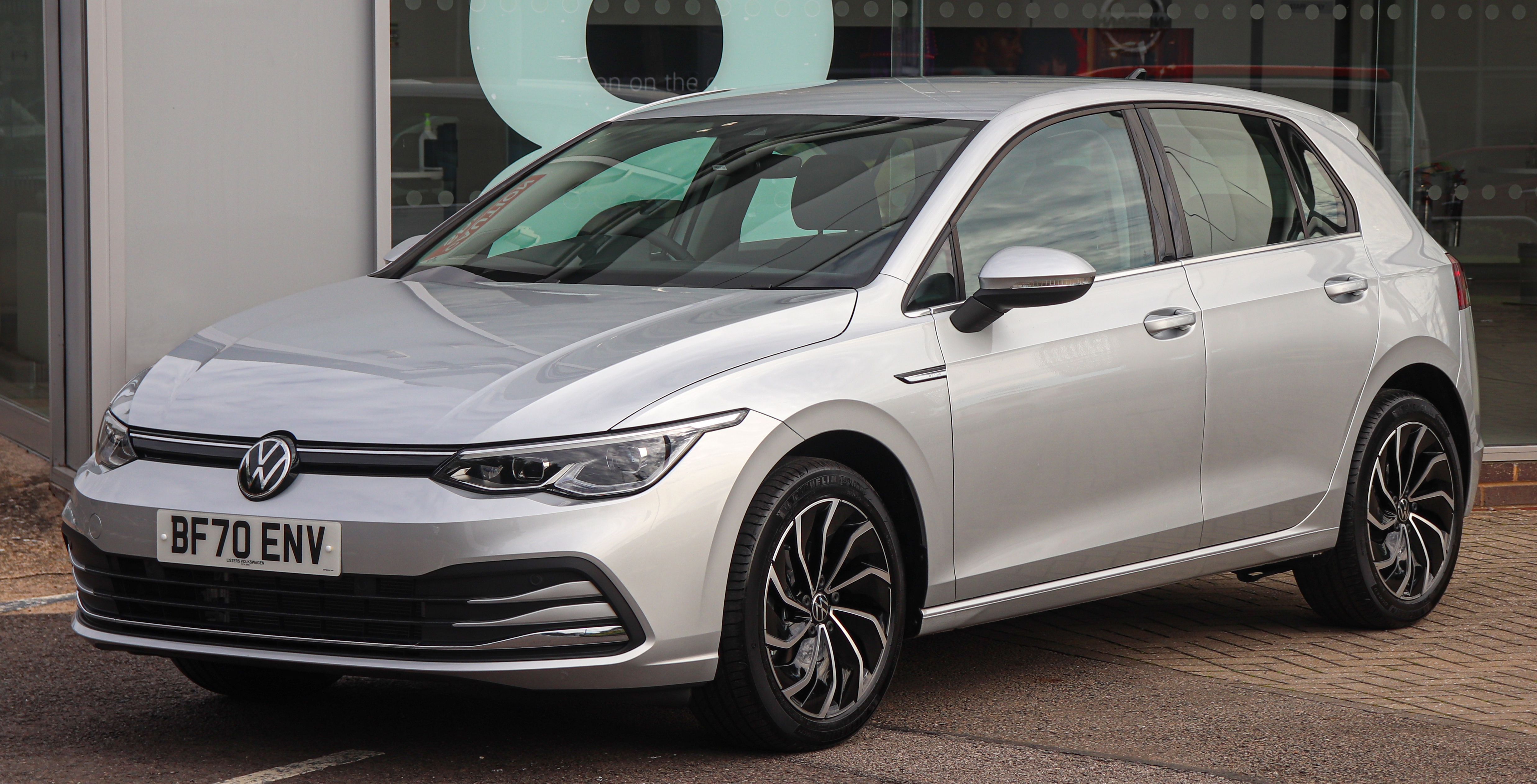
Volkswagen Golf
"...hink the Fox body was the lawnmower. It picked up golf balls. It was the golf ball fetcher."
The Volkswagen Golf is a small everyday car. It’s built to be practical for commuting and daily driving. In the podcast, it’s referenced in a humorous way connected to golf balls.
The Volkswagen Golf is a compact car line known for being practical, efficient, and widely used worldwide. It’s a common reference point because many people have owned one or interacted with one over the years. In the podcast, it’s brought up through a playful story about a “golf ball fetcher” type of vehicle behavior.
junkyard
"Oh, yeah. Junkyard words like it's. But now when I look at junkyard words, I feel like that is how Chris Gray grew up."
A junkyard is a place where broken or old cars are kept so people can take parts from them. Hot rodders use it to find cool parts and ideas for custom builds.
A “junkyard” is where old, wrecked, or retired cars are stored and stripped for usable parts. In hot-rod culture, it’s a creative resource—people hunt for odd components and inspiration that you can’t easily buy new.
tubing
"you think that coil back that refrigerator and you can use that as a tubing. And you can do like there was so much."
Tubing is just metal pipe. In car building, it’s used to make custom parts—like frames, brackets, or lines—because you can cut it and weld it into new shapes.
In hot-rod fabrication, tubing is metal pipe used as structural or fluid-carrying material. People often repurpose tubing from other items because it’s already the right shape and can be cut, bent, and welded into custom parts.
bare metal
"There was a bare metal 53 after you."
“Bare metal” means the car’s body is left unpainted so you can see the metal. Builders do it to show off how good the metal shaping and finishing work is.
“Bare metal” refers to a custom finish where the body is left exposed rather than painted. In hot-rod culture, it’s used to showcase metalwork quality—panel fit, shaping, and surface finishing—because imperfections are very visible.

Ford F100
"There was a bare metal 53 after you. F 100 was chopped metal finish, just beautiful metal work. And I knew that's what I wanted to do."
The Ford F-100 is an older pickup truck from Ford. People often customize them because they’re a great base for custom paint and metalwork. The podcast mentions it because the speaker wanted that kind of beautiful metal finish.
The Ford F-100 is a classic American pickup truck, and it’s especially popular in the hot-rod and custom-truck world. In the podcast, the focus is on a specific style of finishing—“chopped metal” and bare metal work—showing how these trucks are often customized for craftsmanship and show quality. It’s discussed as a personal target for the kind of metalwork the speaker wanted to build.
chopped metal finish
"F 100 was chopped metal finish, just beautiful metal work."
“Chopped” means the top of the car was lowered. That makes it look lower and meaner, and “metal finish” here points to careful metal shaping instead of just painting over it.
A “chopped” build means the roof (or upper body section) is lowered to create a lower, more aggressive profile. When paired with “metal finish,” the speaker is emphasizing traditional metal fabrication—shaping and fitting the body so it looks clean and intentional.
Todd Ryder
"Go talk to the guy. [1603.2s] His name was Todd Ryder."
Todd Ryder is the person the speaker says they were told to go talk to. He’s part of the reason they got a chance to learn and work on custom cars.
Todd Ryder is named as the shop contact the speaker was encouraged to talk to. The speaker frames him as part of the mentorship chain that led to hands-on fabrication work.
Paul Ryder
"His name was Todd Ryder. [1604.4s] Your Paul Ryder was his dad."
Paul Ryder is Todd Ryder’s dad, according to the speaker. The speaker mentions him to explain how they were connected to the shop.
Paul Ryder is identified as Todd Ryder’s father in the speaker’s story. The segment uses this family connection to explain how the speaker got access to the hot-rod fabrication world.
Mt. Clemens, Michigan
"Paul was a Mt. [1608.9s] Clemens, Michigan friends with like Ron Fournier."
This is a city in Michigan. The speaker is saying the Ryder family and their friends were based there.
Mt. Clemens, Michigan is the location the speaker associates with Paul and Todd Ryder’s circle. It provides geographic context for where this early fabrication mentorship and custom scene took place.
Ron Fournier
"Paul was a Mt. Clemens, Michigan friends with like Ron Fournier."
Ron Fournier is another person mentioned in the speaker’s story. He’s part of the local group around the Ryder family.
Ron Fournier is mentioned as part of the Ryder family’s friend group. In this segment, he functions as a contextual name that situates the speaker within a local fabrication network.
hammerwork
"They all worked with Ed scutchfield on their hammerwork."
“Hammerwork” means shaping metal by hand with a hammer and tools. Custom builders use it to get the body panels smooth and the right shape.
“Hammerwork” is metal-shaping using hammers and dollies to form and refine sheet metal panels. In hot-rod fabrication, it’s a core skill for achieving smooth contours and tight panel fit before any finishing.
Ed scutchfield
"They all worked with Ed scutchfield on their hammerwork."
Ed Scutchfield is a person the speaker says they worked with. The important part is that he’s associated with metal-shaping work using a hammer.
Ed Scutchfield is named as someone Paul and Todd worked with on “hammerwork.” The speaker uses this to connect their early inspiration to a specific fabrication craft and mentor lineage.
Matt Gergic
"And it worked out. [1628.8s] I was there for five years. [1630.2s] I worked with Matt Gergic."
Matt Gergic is someone the speaker says they worked with at the shop. It’s part of the story about learning fabrication skills.
Matt Gergic is named as a person the speaker worked with during their five-year stint. The mention supports the apprenticeship/fabrication-team context of the episode segment.
Sled alley customs
"I worked with Matt Gergic. [1633.4s] Yeah, we all know. [1633.4s] Sled alley, Sled alley customs."
This is the name of a custom car shop. The speaker is saying they worked there and learned fabrication skills.
Sled Alley Customs is referenced as a shop the speaker worked with, tying this segment to a real hot-rod fabrication environment. It’s presented as part of the speaker’s early training and apprenticeship-style experience.

Dodge Road Runner
"...that you're able to to get your hands on like the road runner, you know, like nominee shops are going to let yo..."
The Dodge Road Runner is a classic muscle car. It’s known for being a performance car with a tough, sporty look. The podcast mentions it as a car people want to find or buy through specialty shops.
The Dodge Road Runner is a classic American muscle car known for its performance-focused character and strong collector appeal. It’s frequently referenced in enthusiast circles because it represents a specific era of bold, no-nonsense styling and driving. In the podcast, it’s mentioned as a desirable car that certain shops might help you get your hands on.

Buick Grand National
"...s very engineering based. You know, even like the Grand National, for example, that car is pretty much an engineer..."
The Buick Grand National is a performance car made by Buick. It’s known for having a lot of engineering behind it, not just styling. The podcast brings it up as an example of that kind of car.
The Buick Grand National is a performance-oriented model from Buick that’s known for being heavily engineering-focused. It’s often discussed because it combines strong power with a reputation for serious mechanical design. In the podcast, it’s used as an example of a car that’s “pretty much an engineer” kind of vehicle.
fender flares
"You know, even like the Grand National, for example, that car is pretty much an engineered hot rod right down to the fender flares. I mean, where bucks were laser cut out of sort of skeletons."
Fender flares are the extra pieces around the wheel area. They help cover wider tires and can also make the car look more aggressive.
Fender flares are extended panels around the wheel opening that cover wider tires or add clearance. They’re often part of an engineered look on hot rods and restomods, because their shape affects tire coverage, airflow, and how the body lines up with the suspension and wheels.
bucks
"I mean, where bucks were laser cut out of sort of skeletons. All the sheet metal was pretty well CAD designed."
In this context, "bucks" are like molds or templates used to shape sheet metal. They help the metal end up with the right curves and fit.
In metal fabrication, "bucks" are physical forms or templates used to shape body panels. They act like a mold/guide so the sheet metal can be formed to the correct contours and fit the rest of the bodywork.
laser cut
"I mean, where bucks were laser cut out of sort of skeletons. All the sheet metal was pretty well CAD designed."
Laser cutting is a precise way to cut metal using a laser. It’s useful in fabrication because it makes templates and parts come out very accurately.
Laser cutting uses a focused laser beam to cut metal with high precision. In fabrication, it’s commonly used to create accurate templates or "bucks" (forms) that guide later metal forming, which reduces guesswork and improves repeatability.
CAD designed
"All the sheet metal was pretty well CAD designed. It folded, not shaped."
CAD means they used computer software to design the metal parts before cutting or forming them. It helps make sure everything fits together the way it’s supposed to.
CAD (computer-aided design) is software used to create precise 2D/3D models before anything is built. When sheet metal is described as "CAD designed," it means the shapes and bends were planned digitally so the parts fit and fold correctly.
chassis
"is, is this going to help a customer that buys a chassis from us as building a car down the road?"
A chassis is the main frame of the car—the part that the rest of the car gets attached to. If you buy a chassis, you’re buying the basic structure that the build will be built on.
In hot-rod and fabrication contexts, a chassis is the vehicle’s structural foundation—typically the frame and mounting points that everything else bolts to. When someone buys a chassis, they’re often buying the “skeleton” that will later be fitted with suspension, drivetrain, wiring, and bodywork.
engineering
"Does this need to be communicated to engineering and the people that know how to use a computer to make those files?"
In this context, engineering means the technical planning and design work that makes sure parts are made correctly. It’s what turns ideas into files and instructions that the shop can build from.
Here, “engineering” refers to the technical design and documentation work needed to turn a fabrication plan into build-ready parts. In a shop setting, that often means producing and maintaining CAD files and manufacturing instructions so the parts fit correctly and can be reproduced for customers.
plasma table
"we got a plasma table. Like while I was working there, nobody knew how to run it... And it changed the game for me."
A plasma table is a machine that cuts metal using a super-hot electrical arc. You can program the shape, and it cuts it quickly and accurately.
A plasma table is a CNC cutting system that uses a high-temperature plasma arc to cut sheet metal or plate into shapes. It’s especially useful for repeatable fabrication because CAD/CAM files can be translated into precise cut paths, dramatically reducing manual layout and drilling.
axle bracket
"instead of spending three hours cutting out a little fucking axle bracket and drilling two holes, it was 10 minutes to design and cut it out on this plasma"
An axle bracket is a fabricated mounting piece that locates and supports an axle (or axle assembly) relative to the chassis. Because it controls alignment and attachment points, its hole locations and geometry matter for suspension/axle fitment and driveline alignment.

Pantera
"Yeah, I think one of the best examples of that is this project coming out of the pipeline with the Pantera. That is a mind-blowing exercise in engineering."
The Lamborghini Pantera is a classic exotic sports car with the engine in the middle. When a shop talks about a Pantera project, it usually means they’re doing a big custom build that takes a lot of fabrication and engineering work.
The Lamborghini Pantera is a mid-engine V8 grand tourer that became famous for its sharp handling and exotic styling. In a hot-rod fabrication context, mentioning the Pantera usually signals a project where custom engineering and fabrication are being pushed beyond what the original car was designed to do.
roof skin
"somebody's still got to build a roof skin. Somebody's got to shape the fender flares."
The roof skin is the outer metal panel you see on top of the car. If you’re customizing the body, you have to shape it so the roof lines up right and seals properly.
A roof skin is the outer sheet-metal panel that forms the visible roof surface. In a custom build, shaping and fitting the roof skin is critical for correct alignment, weather sealing, and the final look of the body.
tool box
"Unless John dusts off the tool box. Are you going to get your hands dirty on this one, John?"
Here, “toolbox” just means the set of tools they use to work on the car. It’s about getting involved in the hands-on part of the project.
In this context, “toolbox” refers to the fabrication shop’s hand tools used for metalwork and assembly. It’s a shorthand for getting hands-on with the build rather than just planning.
master cylinder
"and figuring where your master cylinder is gonna go [3487.2s] before you start doing your fender fix. [3488.6s] There's no figuring at that point."
The master cylinder is the part that makes your brakes work. When you press the brake pedal, it pushes brake fluid through the brake lines. Where it’s mounted matters because the hoses and lines have to be routed correctly so the brakes feel right and are easy to service.
The master cylinder is the hydraulic “pump” that turns your brake pedal force into pressurized brake fluid. Its location matters because it affects how brake lines are routed and how reliably the system can be bled and serviced. In a hot rod build, packaging it correctly is part of making the brakes work consistently.
fender fix
"before you start doing your fender fix. [3488.6s] There's no figuring at that point. [3490.2s] That's what we're working on today."
A “fender fix” is the custom work to make the fender fit correctly. Builders may need to adjust or reshape things so the fender clears the engine/brake parts and looks straight. It’s basically part-fitting during a hot rod build.
“Fender fix” here refers to the fabrication/fitment work needed to get body panels (like fenders) to clear components and sit correctly. In custom builds, you often mock up and adjust the body after placing mechanical parts, so the order of operations matters. It’s a packaging-and-clearance concept more than a single standardized repair.
car building
"But what's interesting about that, [3498.1s] that comes down to experience from car building. [3500.6s] It's like, we, this is a crazy machine, right?"
They’re talking about how real experience from building cars teaches you what problems show up in the real world. Instead of only designing on paper, you learn from mistakes and then build better the next time. That’s especially important when you’re fitting parts into a custom layout.
The hosts are contrasting “car building” experience with pure engineering theory. In fabrication-heavy hot rod projects, builders learn from mistakes and real-world fitment issues—then apply that knowledge to design choices like component placement and service access. It’s a practical development loop: build, test, learn, refine.
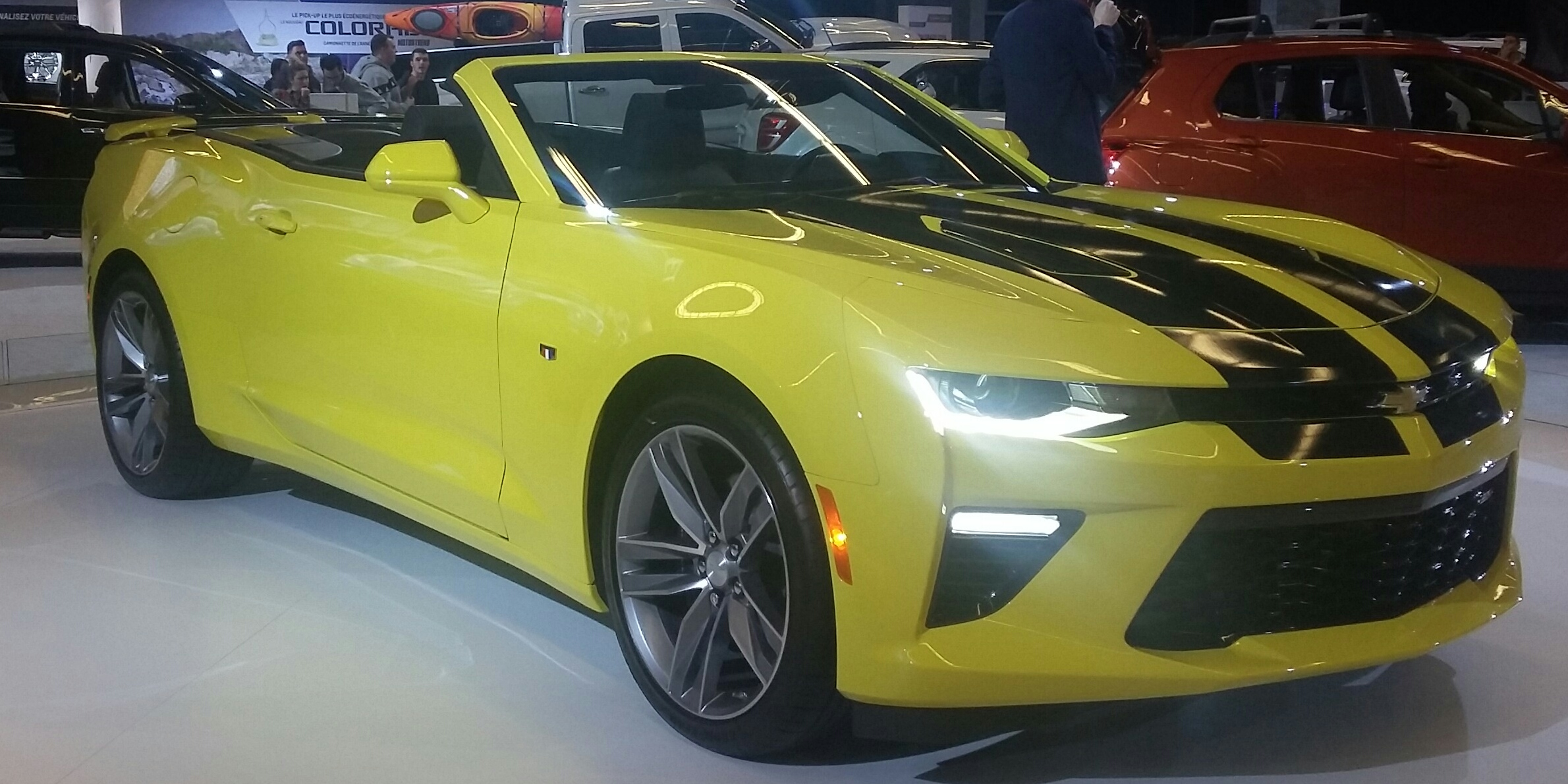
68 Camaro
"I think it was a 68, Camaro. Yeah. And it's like, here's this Matt Hodge custom pop-up fuel filler."
A “68 Camaro” is a 1968 Chevrolet Camaro. It’s a classic muscle car that a lot of hot-rod builders like to customize because there are lots of parts and people know how to work on them.
The “68 Camaro” refers to the 1968 Chevrolet Camaro, a classic first-generation muscle car known for its iconic styling and strong hot-rod aftermarket support. In a fabrication context, it’s the kind of platform builders often modify for custom fuel systems and bodywork.
custom pop-up fuel filler
"And it's like, here's this Matt Hodge custom pop-up fuel filler. I want you to sync this thing with the back end."
A “pop-up fuel filler” is a fuel opening that stays hidden until you need it. When you go to refuel, it pops up so you can access the gas cap without ruining the car’s smooth look.
A “pop-up fuel filler” is a fuel-door/filler assembly that hides flush with the body and then lifts or pops out when you need to refuel. On a hot rod, it’s often used to keep the exterior clean and aerodynamic while still making the car practical to refuel.
Matt Hodge
"And it's like, here's this Matt Hodge custom pop-up fuel filler. I want you to sync this thing with the back end. [4403.1s] Matt Hodge hot match. [4404.7s] Sync these custom machines."
“Matt Hodge” is the name of the person they’re crediting for the custom fuel-filler setup. In custom car building, that usually means it’s a specific design made by a particular fabricator, not a random universal part.
Matt Hodge is referenced here as the person associated with the custom pop-up fuel filler and related “custom machines.” In hot-rod fabrication, naming the fabricator/designer often signals a specific, known solution or part design rather than a generic off-the-shelf piece.
sync this thing with the back end
"I was like, here's this Matt Hodge custom pop-up fuel filler. I want you to sync this thing with the back end."
They’re telling him to make sure the fuel filler works correctly with the rest of the rear body parts. That usually means lining it up so it opens the right way and doesn’t leave weird gaps or rub on anything.
“Sync this thing with the back end” likely means aligning the pop-up fuel filler’s operation and fitment with the surrounding bodywork and rear-panel components. In fabrication, “sync” usually implies the timing/actuation and the panel gaps/clearances all match so the part opens smoothly and looks correct.
floor pans
"So like the floor pans when we get them and receive them. Like it's already done. And that shit takes forever just to make a simple floor pan by hand."
Floor pans are the metal sheets that make up the floor of the car inside. If a shop gets them pre-made, it’s a big time-saver because making and shaping them by hand is slow and labor-intensive.
Floor pans are the metal panels that form the bottom of a car’s cabin and support the floor structure. In hot-rod or restoration work, getting them “already done” usually means the shop is using pre-made panels or fabricated sections that save a lot of hand-forming time.
three quarter inch bar stock
"And we also knew that like three quarter inch bar stock could be turned down [5793.6s] and it there's we happen to have three quarter inch ID heavy wall tubing."
Bar stock is just raw metal in a bar form. They’re saying they started with a thick piece of metal (three-quarter inch) and then machined it into the final part shape.
“Bar stock” is raw metal material sold in straight bars that machinists cut and shape into parts. Here, the host specifies a “three quarter inch” size, meaning the starting diameter/width before turning or machining.
gate valve
"put a straighter valve in it, put a gate valve and then put nitrogen to it [5804.9s] and then have sideshow here, who is great on a lathe,"
A gate valve is a valve that basically turns flow on or off. When it’s open, fluid can pass; when it’s closed, it blocks flow.
A gate valve is a type of shutoff valve that uses a “gate” to fully open or fully close a flow path. It’s commonly used in systems where you want reliable isolation (on/off control) rather than fine throttling.
nitrogen
"put a straighter valve in it, put a gate valve and then put nitrogen to it [5804.9s] and then have sideshow here, who is great on a lathe,"
Nitrogen is a gas that doesn’t react much with other materials. They’re using it like a safe pressurizing gas for what they’re building/testing.
Nitrogen is an inert gas often used in fabrication and testing setups because it doesn’t react easily with metals or many materials. In this context, it sounds like it’s being used to pressurize a chamber for a controlled test or process.
lathe
"and then have sideshow here, who is great on a lathe, [5807.9s] who could actually like, you know, just cut beautifully crafted bullets."
A lathe is a workshop machine that spins a metal piece while a cutting tool shapes it. It’s used to make round parts very straight and precise.
A lathe is a machine tool that spins a workpiece while cutting tools shape it, typically for cylindrical parts. The host credits someone as “great on a lathe,” implying precision machining to produce straight, consistent “slugs.”
bullets
"who could actually like, you know, just cut beautifully crafted bullets. [5811.9s] You could make these slugs and they'd go straight through the side of an L."
They’re using the word “bullets” to mean small, machined metal projectiles. The point they’re making is that the pieces are made straight so they travel correctly.
In this segment, “bullets” appears to be a colloquial term for machined projectile-like slugs used in a controlled test. The key detail is that they’re describing precision turning/cutting so the slugs stay straight through a target.
engine block
"You ever would just the end block all the way through? [5827.1s] What's that? The engine block? [5828.3s] Now we want to keep the car running."
The engine block is the big metal core of the engine where the cylinders are. If something goes “all the way through” it, that’s usually catastrophic damage.
The engine block is the main structural casting of an internal-combustion engine that houses the cylinders and supports many critical components. The host mentions “end block all the way through,” then clarifies they mean the engine block, emphasizing the severity of the damage.

Audi A4
"...s the same, you know, same situation here hit the Audi A4. And it was pretty."
The Audi A4 is a nicer-looking everyday sedan made by Audi. It’s designed to feel comfortable and well put together. The podcast brings it up as a car the speaker had a positive experience with.
The Audi A4 is a compact luxury sedan known for a comfortable ride and a more refined driving experience. It’s often discussed because it’s a mainstream entry point into Audi’s lineup while still feeling “premium.” In the podcast, it’s mentioned as part of a similar personal story where the speaker “hit” an Audi A4 and found it appealing.
hood
"He's walking on the shop trying to find his hood."
The hood is the front cover over the engine. It opens so you can get to the parts underneath for maintenance.
The hood is the front hinged panel that covers the engine bay. On many cars it’s designed to open for access to the engine and service items underneath.
doors
"The doors we took the door."
Doors are the side panels you open to get into the car. In a build or teardown, people may remove them to strip the body or move the car easier.
Doors are the side access panels that open to let people into the cabin. In a hot-rod or fabrication context, removing doors is common when stripping a car for work or transport.
five point, oh
"We took his jeans, five point, oh, on the forklift and drove it down the street"
“Five point oh” means a 5.0-liter engine size. It’s a way people talk about how big the engine is, but the exact model of the engine isn’t stated in this clip.
“Five point oh” is shorthand for a 5.0-liter engine displacement (5.0L). In American hot-rod circles, that often points to a V8 commonly associated with Ford’s 5.0-liter era, but the exact engine isn’t explicitly named here.
forklift
"We took his jeans, five point, oh, on the forklift and drove it down the street"
A forklift is a machine used in warehouses to lift heavy stuff. In a shop, it helps move heavy car parts safely.
A forklift is a powered industrial truck used to lift and move heavy loads with forks. Shops use them to handle car parts or even whole vehicles during teardown, staging, or transport.
curb
"We wanted to put it on the roof, but we couldn't get up over the curb to get."
A curb is the raised edge along the side of the road. If a car is too low, it can hit or get stuck on it.
A curb is the raised edge at the side of a road. Low cars and tow/transport setups can struggle to clear curbs because the underbody or tires can catch on the lip.
spray foam
"Who’s got a spray foam to James? [6235.4s] That was Deans, too. Yeah. [6237.4s] Yeah, that was his wagon. [6240.8s] Spray foam will do a number on a door latches and door jams. [6249.9s] You cannot get it open."
Spray foam is a foam that expands and hardens. If it gets into the parts that let a door latch open, it can jam the door so you can’t open it normally.
Spray foam is a polyurethane foam that expands as it cures. In a car context, it can get into tight areas like door latch mechanisms and door jambs, where it can interfere with how the latch releases and how the door opens.
bull max
"Like I before working here, I had never used a bull max. [7148.7s] Yeah. Straight up. [7150.0s] Like, yeah, because none of the shops that I worked at could afford one."
“Bull max” is probably the name of a specific metalworking machine at the shop. It matters because if you can use a machine like that, you can do more advanced fabrication work and practice faster. The episode doesn’t explain what it is, so it’s worth asking what exact tool/model it refers to and what it’s used for.
“Bull max” sounds like a specific fabrication machine brand/model used in metalworking shops. In a hot-rod context, it’s likely tied to cutting/forming or welding-related work, and the key point is that having access to it changes what a shop can practice and learn. Because the transcript doesn’t spell out what it is, listeners would benefit from clarification on the exact machine and what it does.
sheet metal work
"And you kind of strike me as a guy who like, I'm guessing you don't like to do things that you're not good at. [7172.9s] Right. And like you were always a little bit. [7172.9s] You shied away from sheet metal work."
Sheet metal work is fabrication using thin metal panels that are cut, bent, and shaped to form bodywork, brackets, and interior/exterior panels. It’s a skill-heavy part of hot-rod building because small mistakes can show up visually and can affect fitment and structural strength. The host’s point is that the guest used to avoid it, but is improving at it.
sheet of metal
"John fucking 100 percent can make anything from a sheet of metal. And not a lot of people can do that."
Sheet metal is thin metal that you can cut and shape into parts. Custom car builders often start with it to make things like panels and brackets.
A sheet of metal is thin, flat stock used in fabrication to form body panels and brackets. In hot-rod and custom work, starting from sheet metal lets fabricators cut, bend, and shape parts to match the vehicle’s lines.
hammering it
"And you got frustrated and you started hammering it, right? Because of your mentality of not wanting to get beat by it."
Hammering is a way to shape metal by striking it to move it into the right shape. Metalworkers often do this during panel fitting to get the contours to line up.
Hammering (often paired with dolly work) is a metal-shaping technique used to move and form sheet metal or panels. In this context, the speaker is using hammering to correct or refine the hood-side shape while managing how the metal responds during welding and stretching.
stretching that weld out
"And it starts seeing the fact that the metals moving that way by stretching that weld out."
This means adjusting the welded area so the metal ends up in the right shape. Instead of the weld pulling everything suddenly, the builder tries to control the distortion so the panel fits better.
“Stretching that weld out” describes a fabrication technique where the weld area is manipulated so the metal’s shape changes gradually rather than pulling abruptly. It’s a practical way to manage weld-induced distortion and achieve smoother alignment when forming complex curves.
plan A, B and C
"A lot of everything that we do is plan A, B and C. [7740.7s] You usually end on plan C or D. Yeah."
It means the builders have backup ideas. If the first plan doesn’t work out, they switch to the next one instead of getting stuck.
“Plan A, B and C” describes a contingency workflow: builders assume the first approach may not work and prepare alternate paths. In hot-rod fabrication, this is common because fitment and metalwork outcomes can vary based on the condition and exact geometry of the donor parts.
pivot
"I hope it goes well. Right. If it doesn't pivot. [7750.2s] Yeah. You know, exactly."
Here, “pivot” means they change their approach if something doesn’t go as expected. It’s like switching tactics during the build so the project still comes out right.
In this context, “pivot” means changing direction mid-build when reality doesn’t match the initial plan. Fabrication teams often pivot due to unexpected fitment issues, panel differences, or structural constraints discovered during mock-up and welding.
wheel tub
"Oh, I had to shape like a wheel tub. So we got on the power hammer and got after it. ... He was just like, oh yeah, that dude. That looks like a wheel tub."
A wheel tub is the metal “housing” around where the tire sits. Builders reshape it when they’re fitting bigger wheels/tires or changing the car’s look and wheel clearance.
A wheel tub is the shaped metal structure in a car’s body that surrounds the wheel opening. In hot-rod and custom fabrication, it’s often modified (reshaped, widened, or reworked) to fit larger wheels/tires or to achieve the desired stance and clearance.
power hammer
"So we got on the power hammer and got after it. You know what I mean? And then what?"
A power hammer is a heavy metalworking tool that hits metal quickly and repeatedly. Fabricators use it to bend and shape parts faster and more consistently than doing it all by hand.
A power hammer is a shop forging tool that uses a motor-driven mechanism to deliver repeated, controlled blows to metal. In sheet-metal or fabrication work, it’s used to form curves and shapes efficiently—like shaping a wheel tub—without hand-hammering everything.
weld it back together
"We'll shrink it. You had to cut it in half. Oh, that's right. Yeah. We did tell him to cut it in half and then weld it back together."
After cutting a metal part, welding is how you fuse the pieces back together. It’s what makes the modified section become one solid part again.
“Weld it back together” refers to joining two cut sections of metal using welding so the part becomes one continuous structure again. In body fabrication, this is commonly used after sectioning (like cutting a wheel tub in half) to adjust shape, then restoring strength and alignment with welds and subsequent finishing.
quarter panel
"Like I remember putting the first quarter panel, like was the car going to fall apart? [8744.1s] Like what's that? [8745.1s] That's what holds it together."
The quarter panel is the metal sheet on the side of the car near the rear wheel. When builders replace or fit it, they have to make sure it lines up right and is strong so the car’s body doesn’t get weak or crooked.
A quarter panel is the body panel over the rear wheel area (the “quarter” of the car’s body). In hot-rod and restoration work, it’s a structural-looking sheet-metal piece that often needs careful fitment and welding/bolting so the body stays rigid and aligned.
splice
"Where'd you tell them to put it? [8764.1s] To cut it at? [8765.1s] Where'd you tell them to splice it? [8766.1s] You tell them to put full quarter on it?"
A splice is where you join two pieces of metal together. In bodywork, it’s important that the joint is strong and lines up correctly so the repair doesn’t look wrong or feel flimsy.
A splice is a joint where two pieces of metal are joined together—here, likely quarter-panel sections. In fabrication, splicing is done so the seam is strong, properly aligned, and can be finished without creating weak spots or mis-shapen body lines.
quarter skin
"I said put a full quarter on it. [8768.1s] If you're not going to put a full quarter on it, the quarter skin, they've got like a half quarter that'll wrap it over."
“Quarter skin” refers to the outer sheet-metal layer of the quarter panel. When someone says a “half quarter” can wrap over the skin, they’re describing how much outer panel material overlaps to create coverage and some added stiffness at the seam.

Chevrolet Chevelle
"The worst thing you can possibly do is put it in the flat. [8781.1s] Like those Chevelle quarters. [8783.1s] Dead in the middle."
They’re using the Chevrolet Chevelle as an example of a quarter-panel style that they think is the wrong way to do it. The point is about avoiding a certain shape/placement when fitting body metal.
The speaker references “Chevelle quarters” as an example of a quarter-panel shape/placement they consider problematic. In this context, it’s being used as a cautionary example for how not to position or form the rear quarter sheet metal.

Dodge Charger
"...me to that, when he was getting into that fucking charger, walking around, like all pissed off and badass, ..."
The Dodge Charger is a powerful American car with a sporty, aggressive look. People often associate it with muscle-car style performance. The podcast mentions it in a dramatic way to show how it feels when someone gets into it.
The Dodge Charger is a full-size American muscle car known for its bold styling and strong performance heritage. It’s frequently discussed because it has a distinct look and a reputation for attitude on the road. In the podcast, it’s described as a “badass” moment when someone is getting into the car, emphasizing its presence.

Lincoln Continental 1965
"We were visited. Because of the Lincoln Continental 1965. Next question."
A 1965 Lincoln Continental is an old-school luxury car from Lincoln. People like it for customizing because it has a recognizable, stylish body that can be turned into a unique hot rod or custom.
The 1965 Lincoln Continental is a classic American luxury car known for its big, comfortable “personal luxury” vibe and long-wheelbase feel. In hot-rod and custom circles, it’s a common donor because its body proportions and styling can be reworked into distinctive builds.

Oldsmobile Cutlass
"Okay. I nailed the cutlass on the meekum dude. Yeah."
The Oldsmobile Cutlass is an older American car model. People often remember it because it was popular and many were kept or customized. The podcast mentions it because the speaker is talking about getting it right.
The Oldsmobile Cutlass is a classic American car line that’s well known in muscle and personal-vehicle history. It often shows up in conversations about older cars because many were customized or kept as enthusiast favorites. In the podcast, it’s referenced as a car the speaker “nailed,” indicating a successful connection or build outcome.

Ford Taurus
"Uh, somebody's got a silver Ford Taurus. Somebody's got a silver Ford Taurus."
A Ford Taurus is a regular, everyday Ford sedan. Here it’s just being name-dropped as one of the cars someone brought.
The Ford Taurus is a mainstream American sedan that was especially common in the 1980s–2000s. In this segment it’s mentioned as one of the two vehicles in the group, but no specific generation or performance details are given.
Fox body
"That would be the 90th, uh, 94. The round right after the Fox body."
“Fox body” is a nickname for a specific generation of Ford Mustangs. It means the Mustang from that late-70s through early-90s era.
“Fox body” is the enthusiast nickname for the Ford Mustang built on the Fox platform (roughly the 1979–1993 generation). It’s used as a shorthand for that era’s styling and mechanical layout, which helps people quickly compare Mustangs across years.

Subaru Forester
"So it's like Ryan Cook's little Subaru. [10121.2s] Whew. [10122.2s] Uh, no, no, no, it was cooks as the forester."
The Subaru Forester is a Subaru SUV/crossover that’s built for everyday use and bad weather. Here, they’re talking about someone’s Forester as a reference for what their own car was like.
The Subaru Forester is a compact crossover/SUV known for its practical, outdoorsy layout and Subaru’s all-wheel-drive focus. In this segment, the hosts specifically reference Ryan Cook’s Forester as the comparison point for their own cars.

1990 OBS pickup
"I went from working on a 1937 cord to working on a 1990 OBS pickup in like the span of a couple of fucking months."
“OBS” is a nickname for a certain generation of older Chevy/GMC pickup trucks from the late 1980s and 1990s. People like them for customizing because the truck is familiar and there are lots of parts and options.
“OBS” is a common enthusiast shorthand for the 1988–1998 Chevrolet and GMC C/K pickup generation, and a 1990 OBS pickup is from that era. These trucks are popular in the hot-rod and fabrication world because their platforms are well-known, parts are widely available, and they’re easy to customize for modern builds.
passenger door
"And the passenger door. [12920.7s] Oh, I didn't know what part of the server. [12922.3s] Tell me. [12929.0s] Well, we're going to go to the far. [12930.2s] So passenger door, the passenger door wasn't fully closed"
The passenger door is the door you’d use to get in from the passenger side. They’re mentioning it wasn’t shut all the way, which can cause problems like noise or the door not sealing properly.
The “passenger door” is the door on the right-hand side of the car from the driver’s perspective (or the side opposite the driver in left-hand-drive markets). In this segment it matters because the host notes the passenger door “wasn't fully closed,” which can affect safety, wind noise, and even how the car’s interior seals behave.
donor vehicle
"S 8 is a 10000 dollar donor vehicle that has everything that I need. OK."
A donor vehicle is a used car you buy so you can take parts from it. People do this to save money when building a custom car.
A donor vehicle is a car you buy specifically to harvest parts and/or use as the build foundation for a different project. In hot-rod and restomod work, it helps control cost by using components that are already there.
road rage
"It's going to be a road rage. V 2 wider."
They’re using “road rage” to mean the car is going to be built to feel aggressive and wild. It’s more about the attitude/vibe than a specific mechanical definition.
“Road rage” here is being used as a build theme—something aggressive and attention-grabbing rather than a calm, stock-style restoration. It’s not a technical term; it’s shorthand for the vibe the builder wants.
perfect restoration
"It doesn't have to be like a perfect restoration thing like he was always a hot rod or like it started blue."
They’re saying it doesn’t need to be restored to look exactly like it did when it left the factory. Instead, they’re open to customizing it as a hot rod.
The speaker contrasts their plan with a “perfect restoration,” meaning returning a car to factory-correct condition down to details. Hot-rod culture often allows more personal customization—keeping the spirit of the car rather than chasing concours-level correctness.
V8
"He put fucking a V8 in it like it was always like"
A “V8” is an engine with eight cylinders arranged in a V shape. It’s a common choice for hot rods because it can make strong power and there are lots of parts available.
“V8” refers to an engine with eight cylinders arranged in a V-shaped layout. Hot-rod builders often choose V8s because they’re widely supported by aftermarket parts and are known for strong low-end torque.
Regular cab short bed
"So I. Yeah. [13355.0s] Regular cab short bed OBS Chevy man. [13358.4s] You know what I mean."
It means a pickup with a basic single-cab (not a bigger crew cab) and a shorter back bed. People like this setup because it’s compact and can look great when customized.
“Regular cab short bed” describes a specific truck body configuration: a single-row cab (no extended crew seating) paired with a shorter cargo bed. This layout is often chosen for easier maneuvering, a more compact stance, and a simpler foundation for custom hot-rod builds.
6L 80
"[13364.5s] OK. Exactly what I want. [13365.9s] It's just a simple like maybe six liter with a 6L 80. [13369.5s] You know what I mean."
“6L80” is the name of a GM automatic transmission with six forward gears. Hot-rod builders mention it because it’s a popular, modern transmission option for custom builds.
“6L80” refers to a GM 6-speed automatic transmission used behind V8 engines in many trucks and SUVs. It’s commonly discussed in hot-rod circles because it’s a modern, electronically controlled gearbox that can be paired with engine swaps and tuned for street driving.
Cole Foster
"Guys I don't necessarily know but have respected. I think I'd bring in Cole Foster if he's still out there and around."
Cole Foster is a hot-rod builder the host says they’d want on the team. The host mentions he built a custom car for Metallica’s James Hetfield, which suggests he’s well-known in the custom-cars world.
Cole Foster is referenced as a builder the host would bring in for a custom hot-rod project. The speaker specifically credits him with building a car for James Hetfield, tying Foster to high-profile, show-car-level fabrication work.
James Hetfield
"He built that 36 for James Hetfield which was just the most cool and hot rod in my eyes as far as stance."
James Hetfield is a famous musician (Metallica). Here, he’s mentioned because he’s the person who had a custom hot rod built for him, and the host thinks it turned out especially awesome.
James Hetfield is mentioned as the owner of a custom hot rod that Cole Foster built. In this context, Hetfield functions as a celebrity patron whose involvement highlights how prominent and “cool” the resulting build is within the hot-rod/stance scene.
stance
"He built that 36 for James Hetfield which was just the most cool and hot rod in my eyes as far as stance. Yeah. I'd like to."
In hot rods, “stance” means how the car looks when it’s sitting—how low it is and how the wheels and tires fit. People chase a certain look by adjusting suspension and wheel setup.
In hot-rodding, “stance” refers to the car’s visual and geometric attitude—especially ride height, wheel fitment, and how the body sits relative to the tires. It’s a style goal that often overlaps with suspension setup and wheel/tire choices to achieve a low, aggressive look.
ride height
"I would rely on you guys to figure out the chassis because [13436.8s] let's be honest that's a tough chassis to make a ride height [13438.9s] work if you're not going to have to bag it probably which [13441.1s] sucks."
Ride height just means how high the car sits off the ground. If it’s too low, the underside can hit the road; if it’s too high, the handling and airflow can suffer.
Ride height is the distance between the car’s body and the ground. In a hot rod or race-style build, it’s critical because it affects aerodynamics, suspension geometry, and how easily the car scrapes or drags parts.
bag it
"let's be honest that's a tough chassis to make a ride height [13438.9s] work if you're not going to have to bag it probably which [13441.1s] sucks."
“Bag it” means putting on air suspension so you can adjust how low the car sits. It helps you get the look/stance without constantly scraping or riding too harshly.
“Bag it” refers to installing air suspension (air springs) so the car can be lowered or raised on demand. Builders use it to achieve very low ride height without permanently sacrificing ground clearance and rideability.
ride quality
"probably which [13441.1s] sucks. [13442.1s] Yeah. [13443.1s] Ride quality so that you guys figure that out. [13444.1s] Make sure the thing actually runs and rides properly and"
Ride quality is how comfortable and smooth the car feels when the road isn’t perfect. A suspension setup that’s too low or too stiff can make it feel rough or bouncy.
Ride quality is how smooth and controlled the car feels over bumps—how much it bounces, how it absorbs impacts, and how stable it feels at speed. Suspension setup and ride height strongly influence ride quality, especially on low, stiff builds.
seven foot of skirt
"Make sure the thing actually runs and rides properly and [13446.3s] doesn't drag that seven foot of skirt on the back of it. [13448.9s] Exactly."
The “skirt” is a piece under the car meant to help airflow stay controlled near the ground. If the car sits too low, that skirt can drag on the road, which is bad for both performance and safety.
A “skirt” here is an aerodynamic ground-effect skirt that extends along the underside to help seal airflow near the road. If it drags or scrapes, it can ruin performance and damage the car, so the build must balance very low ride height with clearance.
small block
"No it could be a small block. [13472.1s] It could be anything could be."
“Small block” means a smaller V8 engine design. Hot-rod builders like it because it’s usually easier to fit in a custom car and can be built to make good power without being huge and heavy.
“Small block” is a shorthand for a compact V8 engine family (most commonly associated with Chevrolet’s small-block V8s). In hot-rod talk, it usually means an engine that’s physically smaller and lighter than big-block alternatives, making it easier to fit and build in custom chassis.
horsepower
"It's. [13519.2s] Yeah. [13521.2s] It's. [13522.2s] It's thousands per. [13523.2s] Single horsepower. [13525.2s] There's nothing wrong with."
Horsepower is a number that describes how much power an engine can make. Higher horsepower usually means the car can accelerate harder, but it’s not the only factor. People use horsepower to compare different engine builds and upgrades.
Horsepower is a measure of an engine’s power output—how much work it can do over time. When someone says “per horsepower,” they’re talking about cost or effort relative to how much power the car makes. It’s a common way enthusiasts compare how “efficient” or “expensive” a build is for the power gained.
Grand National Roadster show
"Especially around here too because we don't see him like that was a [13540.6s] thing going to Grand National Roadster show they're like to turn a corner and [13542.9s] there's one it's like oh I mean we don't see these where we're from."
The Grand National Roadster Show is a big car show focused on hot rods and custom builds. People bring their cars there to show them off and get attention from the hot-rod community. When someone references it, they’re usually talking about what looks impressive in that scene.
The Grand National Roadster Show is a major custom car and hot-rod event where builders bring show cars and fabrication projects to be judged and displayed. Mentioning it signals that the conversation is about building cars that stand out in the traditional hot-rod/custom scene. It’s also a place where you’ll see a lot of period-correct and heavily modified builds.
TIG welding
"You know what would be cool is that like there's TIG welding and there's MIG welding [13784.1s] but what about a new kind of welding?"
TIG welding is a careful welding method that uses a special electrode and protective gas. It’s often used when you want a neat, precise weld, especially on thinner metal.
TIG welding (Tungsten Inert Gas) uses a non-consumable tungsten electrode and an inert gas shield to produce a very precise, high-quality weld. It’s commonly used for thin sheet metal and for clean-looking fabrication work where control matters.
MIG welding
"You know what would be cool is that like there's TIG welding and there's MIG welding [13784.1s] but what about a new kind of welding?"
MIG welding uses a wire that keeps feeding as you weld, plus a protective gas. It’s usually quicker and simpler than TIG, which is why many shops use it a lot.
MIG welding (Metal Inert Gas) feeds a continuous wire electrode through a welding gun while inert gas shields the weld. It’s typically faster and easier to use than TIG, making it popular for production-style fabrication and thicker sections.
body kits
"15 years ago in the back of the magazine you'd see those like body kits to turn like a 91 or whatever 90's thunderbird... I'm gonna buy one of those body kits and demand that Chad Glass Hacle builds it on a sheet fence."
A body kit is a set of add-on parts that changes how a car looks. People use them to make a stock car look more custom or more aggressive.
A body kit is an aftermarket set of exterior parts—like bumpers, side skirts, and fenders—used to change a car’s appearance and sometimes its aerodynamics. In hot-rod and custom scenes, body kits are often the starting point for “restyle” projects before deeper fabrication.

Studebaker
"The stu-de-baker? We could turn them into stu-de-bakers or thunderbirds."
Studebaker is a historic American car brand from the past. They’re joking about using a kit to make another car look like a Studebaker.
Studebaker was an American automaker known for distinctive designs and a long history that ended in the 1960s. In this segment, they’re using “Studebaker” as a target look—suggesting you could use a body kit to make a later car resemble a Studebaker-style build.
Cochran
"I love that that's happening. You saw Cochran's car didn't you?"
They mention “Cochran’s car,” meaning someone named Cochran has a custom car they’re talking about. The clip doesn’t say who that person is.
“Cochran” is referenced as having a car they’ve seen (“Cochran’s car”). In custom-hot-rod circles, this kind of mention usually points to a specific builder/owner whose build is being discussed, but the transcript doesn’t provide enough detail to identify which Cochran.

G-Class Gwagon
"Start kicking around. It needs to be a G-Wagon level interior. Get more in Clark."
The G-Class is a luxury SUV made by Mercedes-Benz. It’s known for being tough and also having a high-end interior. The podcast mentions it as the standard for the kind of interior quality someone wants.
The G-Class (often called the G-Wagon) is a rugged luxury SUV known for its distinctive design and off-road capability. It’s frequently discussed because people expect a very high-end interior and overall feel at that level. In the podcast, it’s referenced as a benchmark for what the speaker wants—specifically a “G-Wagon level interior.”
wheelhouse
"“This one is wheelhouse. It's going to be up Ron Jones wheelhouse.”"
Here, “wheelhouse” just means “their specialty.” It’s the kind of thing that person is best at.
In this context, “wheelhouse” means the area of work or expertise where someone is especially suited to succeed. It’s being used to say Ron Jones is likely the right person to take on a specific kind of project.

Lamborghini Urus
"They could be. Now they have the Urus and it's not. Yeah, it's not cheap."
The Lamborghini Urus is a luxury SUV made by Lamborghini. It’s designed to be fast and upscale, not just a regular family SUV. The podcast mentions it mainly to point out that it costs a lot.
The Lamborghini Urus is a high-performance luxury SUV that brings supercar-style performance into a more practical body. It’s often discussed because it’s expensive and because it represents Lamborghini’s move into the SUV segment. In the podcast, it’s referenced as “not cheap,” tying directly to its cost and desirability.
Request an Explanation
Heard something you'd like explained? We'll add it to this episode.
Sign in to request explanations for terms you heard.
Want to learn more?
Browse our glossary for plain-English explanations of automotive terms, jargon, and concepts.
Help improve this episode
See something that's not quite right? Our annotations are AI-generated and can sometimes miss the mark. Click the flag icon on any annotation to suggest a correction.