
December kicks off with a deep dive into automotive industry trends, featuring insights from economist Jeremy Robb on sales patterns and consumer behavior. The episode discusses the ongoing semiconductor supply issues affecting automakers, a recall from Ford, and a viral TikTok controversy involving Stellanus. Derek Scroggins shares his experience in developing service talent and fostering a positive workplace culture in the automotive and powersports sectors. The conversation highlights strategies for adapting to winter weather challenges and the importance of engaging employees in their career paths.
Today's show features:
Jeremy Robb, Chief Economist at Cox Automotive
Derek Scroggins, Parts and Service Director at Pilson Automotive and Power Sports
This episode is brought to you by:
Cars.com – the #1 most recognized automotive marketplace and the place shoppers turn for trusted expertise and a better way to compare vehicles. Unlike marketplaces that reduce everything to price, Cars.com automatically merchandises your inventory’s most compelling features and accolades to highlight true value and help shoppers make confident buying decisions. Cars.com is the flagship offering from Cars Commerce, an audience-driven technology company simplifying everything about buying and selling cars. Learn more at https://www.carscommerce.inc/marketplace.
CDG Circles – A modern peer group for auto dealers. Private dealer chats. Real insights — confidential, compliant, no travel required. Visit https://cdgcircles.com/ to learn more.
Car Dealership Guy is back with our second annual NADA Party—happening in Las Vegas on Thursday, February 5th. It’s the hottest ticket at NADA 2026. Spots are limited and unfortunately we can't invite everyone —so RSVP today at https://carguymedia.com/cdglive and we hope to see you in Vegas!
—
Check out Car Dealership Guy’s stuff:
CDG News ➤ https://news.dealershipguy.com/
CDG Jobs ➤ https://jobs.dealershipguy.com/
CDG Recruiting ➤ https://www.cdgrecruiting.com/
My Socials:
X ➤ https://www.twitter.com/GuyDealership
Instagram ➤ https://www.instagram.com/cardealershipguy/
TikTok ➤ https://www.tiktok.com/@guydealership
LinkedIn ➤ https://www.linkedin.com/company/cardealershipguy/
Threads ➤ https://www.threads.net/@cardealershipguy
Facebook ➤ https://www.facebook.com/profile.php?id=100077402857683
Everything else ➤ dealershipguy.com
"Industry groups and suppliers, including Nissan, Bosch and Germany's VDA, continue warning that the dispute still threatens chip availability..."
Bosch is a big company that makes parts and technology for cars. They help improve how cars work and are safe to drive.
Bosch is a global engineering and technology company that supplies automotive components, including sensors, braking systems, and electronic control units. They play a crucial role in the automotive supply chain.
"Industry groups and suppliers, including Nissan, Bosch and Germany's VDA, continue warning that the dispute still threatens chip availability..."
Nissan is a well-known car company from Japan that makes many types of vehicles, including cars and trucks. They are also known for their electric cars.
Nissan is a major Japanese automotive manufacturer known for producing a wide range of vehicles, including electric cars like the Nissan Leaf. The company has been involved in various partnerships and collaborations within the automotive industry.
"Industry groups and suppliers, including Nissan, Bosch and Germany's VDA, continue warning that the dispute still threatens chip availability..."
Chip availability means how many computer chips are available for making cars. These chips are important because they help control many features in modern vehicles.
Chip availability refers to the supply of semiconductor chips that are essential for modern vehicles. These chips control various functions in cars, from engine management to infotainment systems. Disruptions in their supply can significantly impact vehicle production.
"Next up today, Ford is reissuing a recall for 20,558 Escape and Lincoln Corsair plug-in hybrids because the software fix meant to prevent battery fires, well, isn't doing its job."
The Lincoln Corsair is a fancy version of a small SUV, designed for people who want a more luxurious ride. The models from 2020 to 2024 come with many high-end features.
The Lincoln Corsair is a luxury compact SUV that shares a platform with the Ford Escape. The 2020 to 2024 models are known for their upscale features and comfort.
"Ford is reissuing a recall for 20,558 Escape and Lincoln Corsair plug-in hybrids because the software fix meant to prevent battery fires, well, isn't doing its job."
A recall is when a car company asks owners to bring their cars back to fix problems that could be dangerous. This can include fixing parts or updating software.
A recall is a request by a manufacturer to return a product to fix safety issues or defects. In the automotive context, it often involves repairs or software updates to address safety concerns.
"The software fix meant to prevent battery fires, well, isn't doing its job. So the recall is being recalled."
Battery fires happen when the batteries in electric or hybrid cars catch fire, often due to problems in how they're made or how the car's software controls them. It's a serious safety issue.
Battery fires in electric and hybrid vehicles can occur due to manufacturing defects or software issues that fail to manage battery safety. This is a significant concern for manufacturers and consumers alike.
"...g themselves pulling apart the interior of a Jeep recon at the LA auto show, calling the stunt, quote, de..."
The Jeep Recon is a new electric SUV made for people who love off-roading. It's important because it shows that Jeep is moving towards using electric power while still keeping the tough, adventurous spirit of their vehicles.
The Jeep Recon is an all-electric SUV designed for off-road adventures, showcasing Jeep's commitment to sustainability while maintaining its rugged heritage. It is significant as it represents the brand's transition towards electrification, appealing to both traditional Jeep enthusiasts and environmentally conscious consumers.
"...the creators known as the middle lane roasted the recon's build quality in a clip..."
Build quality is about how well a car is made. It includes the materials used and how everything fits together, which affects how long the car lasts and how nice it feels to drive.
Build quality refers to the overall construction and materials used in a vehicle, impacting its durability, reliability, and perceived value. High build quality typically results in fewer issues and a better driving experience.
"...pointing to panel gaps and loose interior pieces while arguing the SUV isn't worth its $65,000 price tag."
Panel gaps are the spaces between different parts of a car's body. If these gaps are too big or uneven, it can make the car look poorly made and might lead to problems like water leaking inside.
Panel gaps refer to the spaces between body panels on a vehicle. Proper alignment and minimal gaps are crucial for both aesthetics and aerodynamics, as well as preventing water and dirt ingress.
Term
$65,000 price tag
"...while arguing the SUV isn't worth its $65,000 price tag. Stellanus says the whole thing is being taken out of context."
The $65,000 price tag is how much the Jeep Recon is expected to cost. Knowing the price helps people decide if it's worth buying compared to other cars.
The price tag of $65,000 refers to the manufacturer's suggested retail price (MSRP) for the Jeep Recon, which is a significant investment for a consumer vehicle. Understanding MSRP helps buyers gauge the value and compare it against competitors.
"the consumer price inflation index, it's averaged up 5% every year for the past five years. So even though we've seen it slow down, it's still in consumers minds, it's been very significant."
The consumer price inflation index shows how much prices for things we buy, like car parts and services, have gone up over time. It helps us understand how inflation affects our money.
The consumer price inflation index measures the average change over time in the prices paid by consumers for goods and services, including automotive parts and services. It reflects how inflation affects purchasing power and costs in the economy.
"the maintenance and repair cost, you can see how high that line has gone and especially over the past six months or so, it's gone a lot higher, it's averaging up 8.7% every year for the last five years."
Maintenance and repair costs are the money you spend to keep your car running well, like oil changes or fixing broken parts. These costs have been going up a lot recently.
Maintenance and repair costs refer to the expenses associated with keeping a vehicle in good working condition, including routine services, parts replacement, and labor. These costs have been rising significantly, impacting car ownership expenses.
EVs, or electric vehicles, are cars that run on electricity instead of gas. They can have different costs for maintenance and repairs compared to regular cars.
EVs, or electric vehicles, are cars that are powered entirely by electricity rather than traditional gasoline or diesel engines. They often have different maintenance needs and cost structures compared to conventional vehicles.
"...to have the best, most up-to-date information and outlook out there and provide it to everybody to use to m..."
The Saturn Outlook is a big family car that was made a few years ago, known for having a lot of space inside. It’s good for families because it can fit many people and their stuff.
The Saturn Outlook was a mid-size crossover SUV produced from 2006 to 2010, notable for its spacious interior and family-friendly features. It was one of the first vehicles in the Saturn lineup to offer three rows of seating, making it a popular choice for larger families.
"Well, yeah, I guess one thing I see that that I mean it's it's gone to the wayside a little bit. But you know, EV prices are actually holding in there, you know, interesting."
EV prices are the costs of electric cars. These prices can change based on how many people want to buy them and any government discounts available.
EV prices refer to the market prices of electric vehicles, which can fluctuate based on demand, incentives, and market conditions. Used EV prices, in particular, can be influenced by factors like tax credits and the overall supply of electric vehicles.
"I think a lot of EV prices were advertised, whether a consumer would get it or not without that $4,000 tax credit in it."
A tax credit is money you can subtract from the taxes you owe. For electric cars, it means you can pay less tax if you buy one, making it cheaper for you.
A tax credit is a financial incentive provided by the government that reduces the amount of tax owed by a taxpayer. In the context of electric vehicles, tax credits can significantly lower the effective purchase price, encouraging consumers to buy EVs.
"...what's in our CRM, CDK and like speed and, you know, dealer socket and spike..."
CRM means Customer Relationship Management. It's a system that helps businesses keep track of their customers and improve their interactions with them.
CRM stands for Customer Relationship Management, which is a technology for managing a company's relationships and interactions with potential customers and clients. It helps businesses streamline processes, improve profitability, and enhance customer satisfaction.
"...we all have been jumping into the AI technology. So we've been really big on creating AI lists for companies..."
AI technology means using computers to do tasks that usually need human thinking, like analyzing data or making decisions. In cars, it can help with things like customer service and managing parts.
AI technology refers to artificial intelligence systems that can perform tasks that typically require human intelligence, such as data analysis, pattern recognition, and decision-making. In the automotive industry, AI can be used for customer outreach, inventory management, and predictive maintenance.
"...picking up the fleet service business, you know, for service and even power sports..."
Fleet service means taking care of a group of vehicles that a company owns. This includes fixing them and making sure they are running well.
Fleet service refers to the management and maintenance of a group of vehicles owned or leased by a business or organization. This can include regular maintenance, repairs, and servicing to ensure the vehicles operate efficiently and safely.
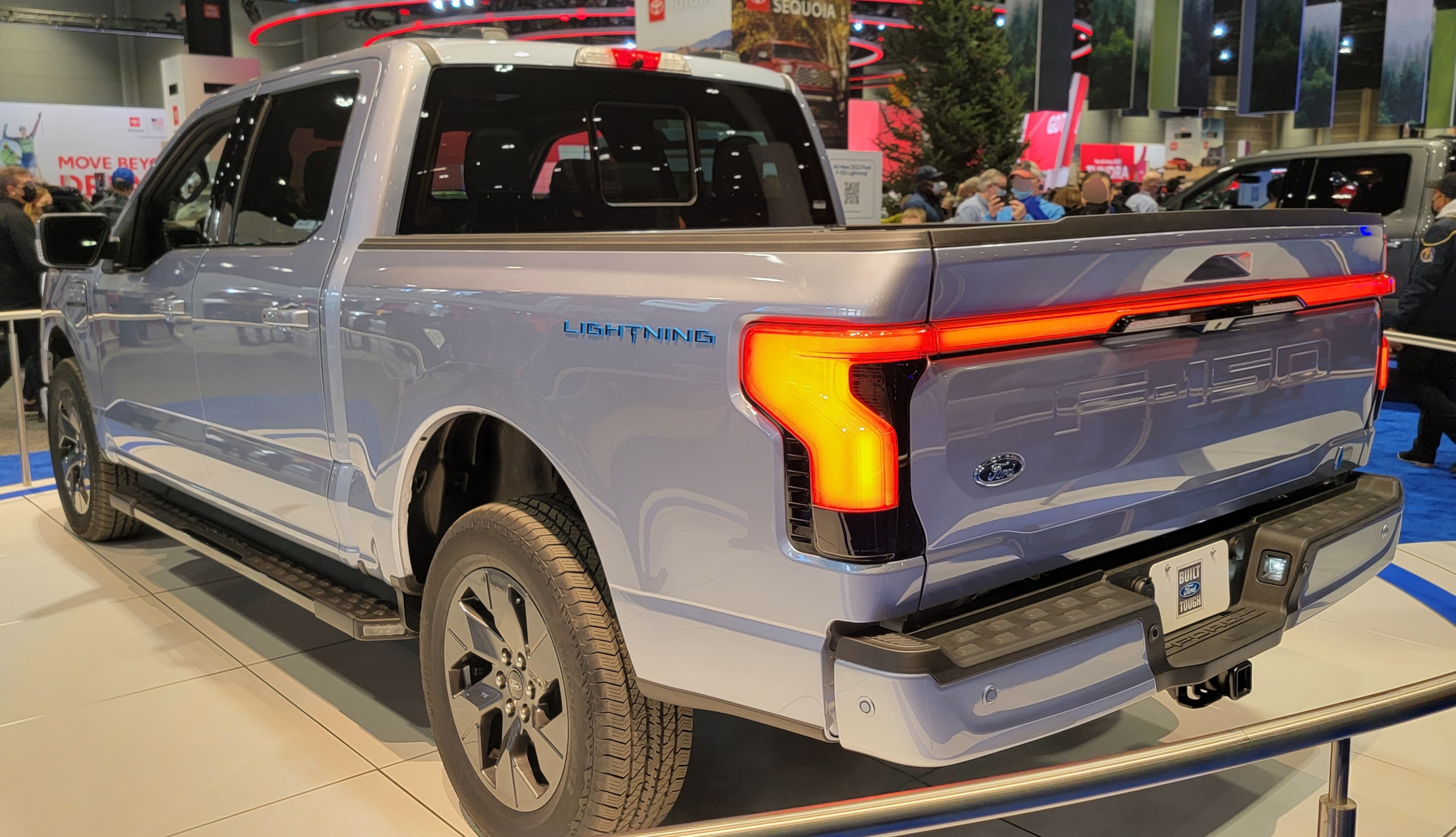
"...maybe is looking for somebody to service all their F-150s, right? So when you say AI lists..."
The F-150 is a popular pickup truck made by Ford. It's known for being tough and is used for many different jobs and activities.
The Ford F-150 is a full-size pickup truck known for its durability, versatility, and strong performance. It is one of the best-selling vehicles in the United States and is often used for both work and personal purposes.
"...n sell them or service for them, I'll have my K&M ambassador contact them, introduce the six by six. We'll als..."
The Hindustan Ambassador is an old car from India that many people recognize because it was used a lot as a taxi. It’s important in Indian culture and has a unique look that makes it stand out.
The Hindustan Ambassador is a classic car that was produced in India from 1958 until 2014, known for its distinctive design and significance as a symbol of Indian automotive history. It was widely used as a taxi and government vehicle, making it an iconic part of urban life in India.
"Eager K Superfan says six by six are great, especially G-wagon six by six. They used to say to lock in showroom when I used to get allocation and every salesman would want to drive it. So I guess that's"
The Mercedes-Benz G-Class 6x6 is a unique version of the G-Class SUV that has six wheels instead of four. This design helps it drive better on rough terrain and makes it more powerful and stable.
The Mercedes-Benz G-Class 6x6 is a highly specialized off-road vehicle based on the G-Class SUV, featuring six wheels for enhanced traction and stability. It's known for its rugged design and off-road capabilities, making it a favorite among enthusiasts and collectors.
Select text to request an explanation
Hey, everybody, welcome back to another episode of The Daily Dealer Live.
I'm your host, Sam Dark, and welcome to this space where automotive comes together to learn,
to share, to execute. Thanks for choosing to be here on this first day of December 2025,
where many parts of the upper Midwest are under snow. What a way to end November,
record-breaking snow in the Chicagoland as an example. Michigan got a healthy dose and
we'll hear a little bit about that and how it may have impacted some dealers'
clothes. But before we go there, let's hit today's auto industry headlines.
First up today, the battle over semiconductor supplier, Nexperia, isn't cooling off. Wingtec,
the chipmaker's Chinese parent company is asking, is now asking the Netherlands Supreme Court to
overturn rulings that stripped it of control and put Nexperia under a court-appointed
administrator. The move targets an October 1 decision that suspended Nexperia's former
CEO and transferred voting rights to a Dutch lawyer. You can't make this up. A decision
Wingtec argues was rushed politically influenced and issued without the company getting a chance
to present its case. A Supreme Court ruling isn't expected until next year, meaning
the ownership tug of war, which will stretch on while automakers remain dependent on parts
tied to a company with an uncertain chain of command. Industry groups and suppliers,
including Nissan, Bosch and Germany's VDA, continue warning that the dispute still threatens
chip availability, especially heading into the first quarter of 2026. What's the big picture here?
Well, even with production holding steady for now, Nexperia's legal limbo is a reminder of
how quickly one politically entangled supplier can disrupt inventory flow, pricing and build
schedules across the global auto industry. Next up today, Aaron Wilson of Wilson Auto Family has
acquired Dutch Miller GMC as part of a CDG buy-sell update. Elder Otto in Kansas from Chris Miller
of Dutch Miller Auto Group, according to side-sell advisors from Performance Brokerage Services.
The transaction is Wilson Auto Family's first entry into Kansas, expanding from its Oklahoma
base, where the company business started back in 1986. Since Aaron took over leadership of Wilson's
Auto Family from founders Dathan and Teresa Wilson in 2013, the group has grown from a single Chevrolet
dealership in Stillwater into a multi-brand operation. Meanwhile, the Dutch Miller Auto
Group now operates 12 locations across North Carolina, Tennessee, Virginia and West Virginia,
with about 300 employees representing 11 brands. What's the bottom line here? Well,
single store divestitures from established regional groups continue creating expansion
opportunities for family operators pushing into adjacent markets. And don't forget, as you know,
you can see this deal announcement and many more throughout the entire year by visiting the
CDG buy-sell tracker at cdgbuysell.com. Next, there we go. We love that, by the way. Next up today,
Ford is reissuing a recall for 20,558 escape and Lincoln Corsair plug-in hybrids because
the software fix meant to prevent battery fires, well, isn't doing its job. So the recall
is being recalled. The issue affects 2020 to 2024 models built with certain Samsung
SDI battery cells, where a manufacturing flaw can damage the internal separator and increase
fire risk. Ford has now seen seven fires on vehicles that already had the earlier software update.
This is essentially a redo of a 2024 recall, same problem, same supplier, just a fix that didn't
hold again, recall of a recall. And there's still no permanent repair, Ford is telling
owners to limit their cargo level and keep the car in auto EV mode until engineers finalize
a real solution. Again, to see more recalls, head over to the CDG recall tracker powered by
Busycar at cdgrecalls.com. And finally, up today, Stellanus is pushing back after a group of LA
influencers posted a viral TikTok showing themselves pulling apart the interior of a
Jeep recon at the LA auto show, calling the stunt, quote, destructive and unprofessional.
The creators known as the middle lane roasted the recon's build quality in a clip that is now,
in a clip that's now passed one million views pointing to panel gaps and loose interior
pieces while arguing the SUV isn't worth its $65,000 price tag. Stellanus says the whole
thing is being taken out of context. The company clarified that the recon on display
was a hand built production unit meant for design reveals, not a reflection of final
build quality or durability. And the influencers reject the idea that they damaged anything,
saying the parts quote popped out of my hand, and that they were simply showing what they
found on the show floor. However, with more than a third of shoppers using influencer
content as part of the decision making process, every prototype shown in public
is now a reputational risk if the wrong video takes off. And that's a wrap on today's industry news.
You'll wait. What's the best way to make sure a story doesn't die, but it gains legs? It's
to object to it. Like, you don't give it air. Stellanus should never have come out and said,
hey, we don't like this video out there. Everybody knows that when you go to an
auto show and you see a prototype, it's not the final build. It's not the final vehicle.
The worst way to give a TikTok legs is to talk about the TikTok. So of course,
Yuli, what should we do right now? We should definitely talk about that.
But let's take a look at it again. What do you think? I mean, is this a problem?
You know, I go either way with this. Yes, it's a hand built thing for the auto show
and it shouldn't be indicative of, you know, final build quality, but
there's lots of cars that are like that at the auto show that you don't let people in. I think
if you're letting people sit in the car, I mean, it's not only these guys, there should be
consumers that are sitting in the car, lock the car. Because if it's not up to par, I mean,
you're going to have a lot of potential buyers that are going to sit in that car and
then be like, this is junk. I don't want to buy. Yeah. Yeah. But there's always that
little disclaimer. I mean, I've been to a bunch of product reveals by different OEMs,
even not public ones, very private ones. There's all the disclaimers. Hey, this isn't a final model.
This is, you know, this is just created to show people what it looks like. Some of them don't
even have engines in them. So I think it's a much ado about nothing. But the best way to take
the oxygen out of the debate is to just not talk about the TikTok. So Stellanus might
consider that as an approach. What do you think, our loyal listening audience,
what do you think of this post into the CDG social media across all our platforms? We'll
bring your comments in to today's show. It'd be fun to hear your thoughts on it.
And by the way, Yuli, you've got some fan posts out there. DanC9 440 says,
clean shaven Yuli. And Lauren Klein, a long time listener, no more mustache.
Yup. And yeah. So continue to post today. By the way, I would love to hear from everybody
out there as well. Are you in the snow and what are you doing to adapt your selling techniques
in the snow? You know, the Chicagoland set an all time record in the history of weatherkeeping.
Last Saturday, it was the heaviest single day snow in the Chicagoland in November ever.
And you know, it's interesting, Yuli, last day of the selling month, if you're to close Sunday,
which most of the stores I think in the Chicagoland are, you know, it kept some customers at bay.
So how do you get them back? I'd love to see that in the comments.
Yeah. You know, what are some of the most unique and interesting things you can do
to bring customers in when weather is less than elite? So hot cocoa sale.
Yeah. Hot cocoa sale, comfort, paperwork at a distance. Yoga car says snow coming tomorrow to
Massachusetts. That is a fact. The snow is headed east. So thanks yoga carves for continuing to
listen. Well, speaking of month end, so we're past Thanksgiving. We're into December. We're
into the December selling season full on. We thought today, Yuli, we'd bring on an
economist to tell us what the heck happened in November and what are we looking forward to in
the month of December? And then even Q1, 2026, what comes up next? So let's actually go to our
first guest today, Jeremy Robb, interim chief economist at Cox Automotive. Welcome to the show.
Thanks for having me here. Good to see you guys. Thanks for being on the show and thanks
for responding to our request to come on and just tell us a little bit about how, how,
how are things in November? So from your perspective, how was automotive sales in November?
Yeah, there's, you know, we're, we don't have all the data yet on that, but we, we watch it every
week, really every Monday morning. We're pulling that together, looking at what's been happening
in the industry. And we've seen better trends through most of November than we had in, in
October. I think across the industry, we look in the wholesale side, the retail side,
anything that we saw, a lot of our economic data, we saw, you know, things slow down right at the
end of September and October, maybe be a little bit softer. And then we started to rise and, and
move a little bit better in terms of sales and positioning like that in November so far. So
we've seen trends be better in November. There, there's nothing to write home about. I
wouldn't, I wouldn't call that. But up from where we were in October, both on the new car
side and on the used car side, that's kept day supply, you know, at pretty, pretty decent levels,
not rising too much right now. And that just goes into, you know, there's a lot going on with the
consumer right now. And especially in this period where we're just starting to get some of that
data from the government to come back after the government shutdown, that there's, there's a
lot of things that need to be interpreted and looked through. And I think over the next
few weeks, we'll, we'll get a little bit of a clearer picture on something.
So to your, so to your point, give us a little peek at that. Dealers keep hearing about this
consumer slowdown, right? But your data shows something different. What is the media getting
wrong about the current market and automotive? Yeah. So the narrative, I mean, the broad
narrative, I think you guys know this and most people do is affordability has been a
huge issue. It remains a big issue. You know, every day you, you see an article or a news post
or something on TV about affordability that may have to do with housing. It may have to do with
the automotive market. It's probably has to do with it with food. We just had Thanksgiving.
Everybody's very, very aware of what the prices of things are. You know, and then we
we're coming off of that right when we had this government shutdown last for the longest
period ever. You know, and that that affects a lot of people across the United States,
holds back spending, slows things down, really can put a dour mood on the surface of the consumer.
And we saw that if you follow the University of Michigan consumer sentiment data,
it's basically sitting at an all time low, you know, but we follow other things like
there's some daily indicators of consumer sentiment that show that it's starting to get
a little bit better. And so I think that's part of the narrative. When you're dealing with data,
trying to deal, trying to see the big picture of what happens, it takes time for that to play out.
Speaking of that data, though, you have data on inflations impact on auto sales. What data
do you have on that? We do. So this is something I put together in the last six weeks
or so. And I present a lot to people. And this is like this is a funny thing about this chart.
You know, when you talk to people a lot, you start to feel like what is resonating with them.
And it usually takes me five or six minutes to get off this slide alone, because people start
asking you questions about what's happening. So what this does, it's it's measuring different
parts of inflation in sectors, and specifically in sectors that can be tied
to the automotive market overall. And so I got all this data, it's all publicly available
information. But what I did is index all of it to January of 2018, we're all equals 100, then
that gives us about a two year run rate. Prior to the pandemic hitting, we know inflation took
off then and then you can see what happens. So if you look the black line, that's this
the consumer price inflation index, it's averaged up 5% every year for the past five years. So even
though we've seen it slow down, it's still in consumers minds, it's been very significant. Yeah,
definitely significant. And then you look at kind of the blue line there, that's parts and equipment.
That is more of like your DIY consumer, if they're going to get an air filter,
something like that at a store, you know, they're not experiencing costs that are quite as crazy,
because a lot of the cost that really impact your automotive sector are tied into servicing
and workers and things like that. And that's when you look at the that's the orange line there,
the maintenance and repair cost, you can see how high that line has gone and especially
over the past six months or so, it's gone a lot higher, it's averaging up 8.7%
every year for the last five years. So really, really high, you know, we know about sensors, EVs,
you know, in insurance, insurance is the next one there. That's a thing.
Insurance is astounding. Are we reading that right 13% increase every year for five years?
Yeah, you're reading it right. Now, one of the things that makes it so strong,
but also so acutely felt by consumers is if you kind of look backwards in that line,
and you see that when the pandemic hit, insurance actually went a little bit lower,
like people, they weren't driving as much, right? And insurance companies offered them a break.
And then starting in 2022, when the impact of inflation really got going,
new vehicle prices were much higher, used vehicle prices were higher, they had to keep,
you know, ratcheting up the cost of insurance. Not only did it start to equip the consumer price
index, you can see that about the beginning of 2023. And then it moved much more, you know,
up and to the right, in the other sector there. So Jeremy, as a dealer and as a general
manager watching the show, what's my takeaway for December and Q1 2026 with this inflation
data? Where's the opportunity? How do I use this to gain an advantage in automotive?
Well, I think, I mean, a lot of the things we've talked about all year long,
and I think a lot of people see there's a trade-down effect going on, you know,
things are really expensive. Consumers are looking for anything that's more affordable,
starting to get a little bit better interest rates out there. So that should be good.
So you might see consumers trade down from new to used, maybe by brand,
something like that. But then one of the things that's really going to occur, we've talked about some
of this before also is these changes in the tax code for next year are set to be pretty impactful.
You know, we estimate we'll see the average consumer will basically see the strongest tax
refund they've ever seen next year. And that could go up to about $3,700. That's a pretty
good increase from people that were getting refunds last year, which was just over $3,000.
So pretty strong there. And then what also happens starting in January 1, the withholding
rates on people's paychecks are going to come down because they haven't been adjusted yet.
So consumers should start to get better take-home pay starting early in January.
And then they should get these higher tax refunds too, which we know the spring market
bounces there. A lot of people use those tax refunds just down payment to come out by cars.
And you would expect that unless there's something else precluding them from doing that,
that they would do that. And those metrics would look to be pretty strong.
Jeremy, your tax argument is fascinating. I first heard that from Jonathan
Smoke several weeks ago. Why is no one talking about this double benefit to consumers
in tax season Q1, 2026 and the potential impact it'll have on automotive?
Yeah, I don't know. We shared it the first time in early October as part of the Q3
movie call or the Q4 call we do publicly. A lot of the Wall Street banks have put out
research that says yes, they expect tax refund season to be pretty good.
There's a lot of media that are really caught up on things that are negative.
And it's really easy to be negative when you look at the data and look at consumer sentiment
and we're spending patterns are going. And we do use AI in a lot of things. Sometimes I run
AI to shoot out something for me and it gets real negative really quick. And you're just like,
whoa, man, I can't share this with people. You've got to not only look at the rear-view mirror,
but also have a little bit of a view towards the future. And we've sat through several years
of uncertainty about what the economy is going to be. And I think that's just
led us to where we are today. All we can do is really try to have the best,
most up-to-date information and outlook out there and provide it to everybody to use to make the best
decision for them. So before I ask you for the takeaway for a deal or preparing for Q1 and even
to close out December, talk to us a little bit about interest rates. This is the gift that just
hasn't fully delivered itself. We've seen the Fed rate reduced multiple times this year,
but auto rates really haven't come down yet. Why is that? And when can we expect the auto
rates to come down? And will there be a positive consumer impact to lowering rates once that happens?
Yeah, I mean, to answer the very last question first, there's a positive
impact for lowering rates. It matters at the margin. It's not a huge incremental
pickup for a consumer. I think it matters almost as much psychologically as it does on paper.
It's feel good. Yeah, I agree. Yeah, for them, if you get a point lower or something, then that
can matter a little bit to a consumer. But if you look at it by credit tier, you do see that
rates have come down, especially in the top tiers, 60, 80 basis points, something like that,
starting to move the needle a little bit. But then what's also happened too is if you think
about consumers, you think about student loan repayments, we've had more people move from
being higher in their credit score to lower in their credit score. So maybe they're not prime
or they're not super prime anymore. They're like near prime or even back to subprime. And you start
to see that shift of having a lower credit customer in there, you look at the overall
interest rate, it keeps the rate from moving down quite as much. So that's part of the
mechanics of just some shifts. And you think about where the consumer and their credit tier
bans are sitting right now when they come to make those loans. And then the other thing,
obviously, in late Q3, we had some industry bankruptcies going on and just some credit
and lenders being hit. And I think those definitely take those into account on the
lending side and on the underwriting side when they're moving forward. And so even if they start
to get a little bit of a reduction in their own buy rates, what they're able to buy at,
they're not passing that along quite as much as you would think.
So following that, is there trouble in the subprime credit markets right now? We've seen some
failures of tricolor, some other lenders that have either said, hey, I'm out for whatever
reason, Larry Miller's lending arm in Utah that sold the auto group to, who was it?
Anyway, they sold the auto group off, but they kept the lending arm. The lending arm recently
announced last week, they're going to stop taking new applications. Do you have concerns
with the credit market now or does it remain strong? I think they pulled back a little bit.
I don't know that I have concerns, but I do worry and I worry for that lower tier consumer.
How does that person, that group of people, where can they borrow money? Or even if they can,
can they make that payment every month on a 17 or 18% loan?
Because affordability is so crazy right now. It is a multifaceted problem. The credit is one
aspect of it. You're seeing that, I mean, people are prioritizing their auto loan payment, which
is a positive thing for us in the automotive biz, but to your point, so many of these things
stacked on top of each other have led to this unaffordability that we're dealing with right
now. So there's not one thing that's going to bring those prices way down. I mean, you're just
stacking 2%, 5% on top of each other, and we are where we are.
So Jeremy, it's interesting. On Facebook, I saw a recent debate among a dealer,
Brian Benstock was in on it, and it was, woe is me, the used car market is falling. Used car
pricing and valuations are dropping. Is that true? Or if it's not,
why does everybody keep projecting that and it doesn't happen, Jeremy?
Yeah, so I think some of that is context. I see people talk about that and reports on it.
The worst month of the year for prices and for vehicles, especially the wholesale prices,
for sure, is the end of September into October. Every year, if you're in the industry,
especially if you're in the wholesale market, you should expect the prices are going lower
over that time period, and they typically do, and they depreciated a little bit more than
they usually do this year. So got a little bit worse than what we normally do,
but we're expecting that. We're like, we would be expecting that, and then you start to see
retail prices come down a little bit after that. I tracked a top 50 basket of the top 53-year-olds
sold retail every week this year and last year, and that basket is holding right at 3.5% higher
than last year on a weighted basis. So it's come down. It came down for seven weeks in a row
until last week, and it was flat last week. But it's still well above where it is this year,
and a lot of that's due to tariffs and inflation and pushing things up and
where the total market sits and all. So I see those reports. Sometimes I shake my head. I try
not to say anything about it. Our data says that we have seen prices come in down a little bit,
but nothing out of what we would usually have expected anyway. And now, if anything,
you're moving to a part of the year on the new car side, you start to see prices move up because
you get a little bit of a better luxury mix into the marketplace. And then every week,
you see more of these model year 2060s come in with a little bit higher price point too.
Okay. So take us to December and then Q1, 2026. So I'm a dealer. I'm a general manager at a store,
and I want to win. Thinking about the tax benefit you're talking about, the decreasing interest
rates that are potentially going to fully realize over the next two, three months,
the used car marketplace, how do I win over the next 30, 60, and 90 days?
Yeah. So I mean, I do think that tax refund season will drive more consumers into
transacting, pulling the trigger. And when you couple the tax refunds with getting
more take home pay in January, that could be a little bit better. We start to,
every month we go through, we can push maybe a little bit of the tariff impact away.
From what's happening out there, I think that's good. If you're a new car dealer,
and that is where you make a lot of your money, I do think you, you might be worried a little
bit because we've shown that the new car world is like, it's very case shaped,
and it's much more tied to your higher end consumer. And there's been some volatility
in the stock market, in the Bitcoin market, things like that. That could come into play
at your end. But we've got the Fed moving generally in the right direction for interest
rates. The stuff with taxes and consumer incomes, that story, whether we're getting it
out here today and everyone's going to latch on to it or it's going to take another four weeks
for everybody to, I do think that's going to matter a lot. And there's a lot of players historically
speaking in the dealer world that have started, they start sometimes in December, trying to pick
up a little bit more vehicles at a lower price before we get into the spring market,
even though knowing they're going to hold them for a little bit longer. But to have them ready
to sell. And I think, I don't think it's going to be gangbusters, but I think you're going to have
pretty decent demand in the spring. And then we'll see what happens the rest of the year.
What's your take on killing your used turn discipline to kind of stock up to prepare
for the spring market? Do you think that's a safe bet coming into the spring, given these factors?
Well, it'll be hard to say it's a safe bet. I mean, I don't want to be put in that
pigeonhole into that, but we know a lot of people do it, right? And some of the big players do it
more and they may do it more because they've got a balance sheet that allows them to do that.
It allows it. But if there's vehicles that you sell, you sell right, they're your money makers
and you think they're harder to get right now, and you think you're,
you know, you're going to sell them in the spring, then it might be worth for the right product for
you, whatever your market is, to look at those. Because you know every used car manager will clip
this quote from interim chief economist at Cox saying, hey, it's OK for me to hold something
for six months. That's why I don't want to do it. No, I know, I know. We walked you into it.
So it's interesting because the trend that you see coming is the one you can prepare for
and you can capitalize on. It's the trend that you don't see coming that that can bite you or you
can you can benefit from. What's one thing in automotive today that most people may not anticipate
that you see hints of in the data out there, thinking about either December or Q126?
Well, yeah, I guess one thing I see that that I mean it's it's gone to the wayside a little
bit. But you know, EV prices are actually holding in there, you know, interesting.
And part of that's mechanical. And I'm talking used EV prices, not new. I think a lot of EV prices
were advertised, whether a consumer would get it or not without that $4,000 tax credit in it.
We got through the end of Q3. I do the same thing that I was talking about with the used
market. But I do it for used EVs, monitor the top ones of those that that price bucket has lifted
quite a bit from the end of Q3. Now it's starting to go down a little bit over the past couple of
weeks. But that's still a pretty affordable product for a consumer, if it's the right
product for them. You know, and I do talk about this a lot with a lot of people,
there are going to be a lot of those cars that come back over the next couple of years.
And so if you're a dealer, and you say, this is not what my my vehicle, I don't sell a lot of these,
you know, that's going to be a place where you can get inventory, actually the next couple of years.
And so I that's that's kind of my messaging around that, not trying to advocate
either way, right? We like, look, this is these are where you can source
used vehicles over the next coming years. And we know there's been a lot more
consumer adoption for them than there has been for a while. And, you know, since the end of the tax
incentives, we that narrative is going away a little bit. But I think as we get into Q1,
and certainly as we get into the second half of next year, that's going to be a huge story in
the marketplace. Is there if there's a if there's a GM out there that wants to protect
our front end grosses, and we're hearing a lot about margin compression, inventory getting
better, but margin compression. Is there a data point that that GM or dealer should be watching
as they seek to protect those front end grosses in December?
Yeah, you know, I mean, I tend to think that a lot of the the the front end gross scenarios are
they're back loaded, like you you've acquired the inventory somehow some way, you know, and so
protecting, like December is harder versus where you're going to get into into January and February.
How are you buying a car? You make the profit at purchase, right? And and if you're doing that
now, it's too yeah, we I mean, we've cut that data a lot of different ways. And it's it's
it's got a pretty good four to six week lag wholesale to retail, what that is. That's the
strongest component. So, you know, being being smart, but you know, we keep moving forward.
I and I truth, I believe this, it's December 1, right? We're moving in before we know it,
it's going to be January 1. You know, those people are going to get more money in their
take home pay. And as like consumers, if they continue to feel a little bit better,
which they've shown recently, they are. And the government shutdowns behind us, right? We're going
to get more of that data to come back to more people, you know, getting money and seeing is
inflation moving the right way, right? Are is unemployment and jobs, how are those things trending?
That stuff couldn't matter a lot. Awesome. Well, Jeremy Rob, it's been an absolute pleasure
hearing your take and perspective on all things economy, automotive, November, December,
how you win Q1. Any final takeaways for our audience as they think about the next 30 days,
the next 90 days and winning the winning, winning the day?
No, I just, I think we covered a lot, you know, the consumer is a little bit of a
like a seesaw, a teeter totter, if you will, like where we're going to go from here.
I don't know that anybody knows that for sure. It could go negative. You know, I don't want to
want to be negative. I don't, and I, I think betting against the consumer in the US, you've
always lost. So, you know, but at some point, they could happen. We just got to see how all
that plays out. I think we need a couple more weeks. We'll get some pretty good data points.
And we share a lot of this, you know, whether it's talking here with you through our website,
anything like that. We try to bring as much information to help everybody make as good
as decisions as they have. So, we'll keep trying to do that too.
Awesome. Jeremy Robb, interim chief economist at Cox Automotive. By the way, they need to
take away the interim. Just make it official. You're the chief economist. You replace Jonathan
Smoke. If anyone can do that, Jonathan's a legend in his own right. But Jeremy Robb,
we appreciate you being on the show. Thank you.
Thank you very much.
Thanks. I don't know. That's a great take on what the next 90 days looks like. I love the
concept of there being a two, three times benefit with the tax season. Most people don't anticipate,
right? Yeah. It'd be cool to see how that plays out. Like if we could quantify that on
average pay, you know, what's, what's that going to play out on take home? How much
more does that free up for, you know, car payment? And every used car manager,
hey, I heard it on daily dealer live. I can stock up used car inventory. I can hang on to it.
I can buy a convertible in September in Michigan and hang on to it till spring, right?
To qualify that though with the EV, it's potential opportunity, right? But there's
going to be a hell of a lot of off-lease EVs coming in next year also. So, it's one of those.
You've got to play your cards right. Yep. All right, Yuli. Let's talk cars.com.
So, today's episode is brought to you by Cars.com, the number one most recognized
marketplace brand helping your dealership show up and stand out to the most valuable
car shopping audience. You can scan the QR code there to find out more about what Cars.com has
to offer. You can go to Cars.com, simply put, or you can click the link in the show notes
for more information. But we appreciate Cars.com for sponsoring the content today,
including the fascinating insights into the economy delivered by Jeremy Robb. We look forward
to hearing more of that in future episodes. But thanks Cars.com for supporting today's content.
All right. Let's keep moving. Let's next up today, let's turn to Derek Scroggins,
Parts and Service Director at Pilsen Automotive and Powersports. Derek, welcome to the show.
Morning, guys. How are you? Excellent, Derek. Thanks for joining us.
You know, we got to ask our signature question here. And as you answer, you know, how's biz in your
multiple different facets that you have there? I know you have some automotive and some
powersports, which is fun. We'll get into that. Tell us a little bit about who you are while
you're letting us know how business has been. Business has been good. We're taking off year
over year. We're making leaps and bounds improvements. And a lot of that is the
people we have and the roles they're in and new roles they've taken on. And
just the excitement in the culture has really changed, at least with us. So all the Pilsen's
group is heading the right direction, for sure. And Powersports is an energy of its own. That's
for sure. You're in the Powersports location right now, right? You had mentioned of show?
Yeah. Yeah. I'm in the Powersports location today up here in the War Room. So, you know, I
can look down into the showroom and watch all the kids coming through making their wishlist for their
new little four-wheelers, you know. I love it. Being that you're parts and service director for
Pilsen Automotive and Powersports, what do you see that you can bring over from the Powersports side
or the automotive side that can give dealers an edge today? Well, I've been in the automotive
side for 40 years, 35 of them with one group. And moving over into the Powersports sector,
it's still the same. The one concentration point you've got to have, no matter what the product is,
the brand, the level is, you just, you've got to concentrate on your people. They've got to
have a voice. They've got to be part of the path. They've got to be excited. There isn't
anybody who wants to come to work and just kind of muddle through the day. It's five o'clock and then
go home, you know, having a team that's engaged and excited and even spend some of their own time
training to perfect their own craft. That's the level you've got to get to. And that's
usually what we push to. And in the Powersports world, it's working out great.
Well, pull on that for a bit, because I mean, I think as dealers, we all think we treat our
people great, right? I don't know anyone that goes to work and says, hey, I treat my employees
like garbage. But when you say you put emphasis on people, what can you do or what are you doing
specifically that's giving them that voice or that mission or that drive to pull in the direction
you want them to? Sure. Well, at any time, any dealer, I'm sure, has some kind of meeting
with their employee of one-on-one. Maybe it's just a yearly evaluation. I know in the service
world, that's kind of what it ends up being is once a year, you sit down with your manager and
you get to talk, but really engaging with your employees and finding out what they want to do.
It's not always just, you know, right person, right seat. But what about the right person
in the future seat? So this is, this is what we did a few years ago in the store I was in.
So I had a rock star service manager and he wanted to be a GM and there was going to be an opening
with us opening another store. So you know what? He proved himself great young man and he started
training for that position. But because we had interviewed and talked to our people along the
way, when he moved up, I took a lead service advisor, moved it into his position. A parts
manager wanted to be that lead advisor or get involved with the advisor field. So he moved in.
I had a parts guy that was all set up, queued up, had been training. He went into the parts
position. A driver came up from parts driver. He came into the parts counter position
and I moved a porter to the parts driver. So he moved up, four or five other people moved up
and if you're the dealer, the easy headache point is I replaced a high level service manager and
all I had to hire was a porter. It's definitely important to have a succession plan. I mean,
this is something that I think most people overlook when trying to build or recruit that
talent to allow them to expand. What do you think is something that gives you an edge in
doing this? Is it the relationships that you keep with, in this case, the service manager?
Yeah. You've got to have a good relationship with everybody. There's that old cliche,
you'll see it in memes and stuff where somebody will say, I was taught to treat the janitor
with the same respect, to treat the owner. But it's not a cliche.
Now, our owner is phenomenal at that. He can walk into any store and he knows the guy that's
sweeping the floor and it's not just he knows his name. It's how's your kid Tim or whatever.
Taking a personal interest. He knows the whole thing and that's what drives the culture and
really if you're outside the business, that's what drives people to want to come work for you too.
Especially the younger generation, because I hate to sound like the old guy, but I am.
Their currency is different. A lot of them will stay somewhere even if it's a few dollars
less because they're comfortable. They like the energy, the culture. People care for me.
They want that business hug and they stay involved in it. Plus then they have a future
career path. You've got to let your employees know what the next thing is if it's available to them.
Hey, if this comes up, do you want to start today? It helps them be involved in their own
career. That's a really interesting point. I mean, I guess from your perspective,
how should a dealer or a GM start that real career path conversation with an employee
without scaring or over-promising? We can start with all the basics. You can start with the analytics
of what they do and look at them and then go out and talk to them. That first step has got to be,
I got to get to know you from the business standpoint and now I've got to get to know
you a little bit where your head's at a personal standpoint. From there, if you can put two and
two together and monitor it, you're not going to make those decisions overnight how they're
going to fall into your bench, but you're going to be able to make them over a few meetings and
again watching some of the background analytics and then you can place them in a place. But then
I always take them like if I want to move somebody from an odd department to somewhere
that is totally foreign to them, if you're going to take somebody from service to sales,
hypothetically. Have them go meet that sales manager. I got a guy that was a technician
now he's in sales doing great. That's an interesting one. Yeah, you just got to meet him.
What do you think is a simple framework or a set of questions that leaders can use to
uncover an employee's true potential coming from the fixed side?
Well, coming from the fixed side, again, if you sit them down and you're talking to them
about what are their interests? What do they like to do? And there are going to be some things
they're going to queue up. And one thing I do like to use is at least here of recent is,
is the EOS business model of the delegate. Let's look at what somebody's doing in their
bottom two boxes and see if that's something that really isn't conducive to what they're
doing as a career path now. And a lot of times in those conversations, when you look at that,
they're going to tell you what they want to do or where they want to be.
They just haven't ever said it out loud before because no one's given them a voice
to say it out loud. So they're just going through the motion. Sorry, go ahead, Sam.
No, no, no. I was just going to say, so Derek, you're getting a ton of comments online,
ton of props. Lauren Klein says, Pilsen is such a great organization, loved working with Jamie
and his team. Eager says, great dealer principles make it their priority to get to know their staff.
And then Khalid Isaac says, love the relationship and building the safe ground of improvements.
Thanks, Derek. They use different currency. Very true.
Yeah, 100%. And the other thing that I've done is, is get involved with your local community
colleges. A lot of them have great automotive programs, get involved with the advisory boards.
But if you're going to be in these leadership roles, you got to take that extra minute outside
of your day, you know, you've got to you got to make an effort, you're going to have to show
up, you're going to have to give some talks, you're going to have to do the things you're
going to have to come on dealer daily live and talk to you guys, you know, and
you know, that's those are the things you got to do. And because you do have to
attract some people to you too. And again, if you're doing those great things inside your
organization, people will apply to you. We've got people that are applying to be
technicians here at the power sports store. And I don't have enough room for all of them.
Yeah. That's a good, good problem to have, right guys?
That is not, that is not a, not a big, that is a good problem to have. So it's interesting,
you and I share some geography between Indiana and Illinois. We had this massive weather that
came in through the last day of the month. It's, it was a record breaking storm in the
Chicagoland and Indiana was significant as well. What's your strategy as we hit
the winter weather season, you talk about culture, you talk about hiring and recruiting the right people,
talk to us a little bit about how you win in, in kind of challenging adversity in particular
weather and, and snow and cold stuff. How do you put together the end of a good strong
close to the month on a Saturday when it's snowing? Well, that was tough. You know, we were,
we had the one thing about the power sports industry is you draw people from miles away.
So we had like me myself, I live 40 minutes away from the dealership. So, you know, we had people
burning up the phone lines from off campus. We had them burning up the phone lines in town and
just setting up the month of December, letting people know what we've got going on and all
the specials, the rebates, the, the financing and even service does it. And the great thing,
again, about having these cultures is when service is done with some of their calls,
they're willing to pick up and call some sales people, you know, and it's just an environment
you don't see. And it's really, it's really great thing. And again, to the comments we've
received yet, Jamie's organization creates that across the board. Love that. Are you using
any technology to help you, you know, with that outreach?
You know, obviously what's in our CRM, CDK and like speed and, you know, dealer socket and spike
and, you know, the, all of that we bring together. But we, we all have been jumping into
the AI technology. So we've been really big on creating AI lists for companies and entities
and things like that, picking up the fleet service business, you know, for service and even power
sports, you know, the hope is, is find one good customer that wants to buy six golf carts at
the time or five side by sides and likewise, you know, you find a company that maybe is
looking for somebody to service all their F-150s, right? So when you say AI lists, you're, you're
not using AI for, you know, inbound or outbound, you're using AI to help curate a list of potential
targets for you guys. Yeah, a potential of hot leads. And the more you, the more you ask it,
the more you get in it. If you're looking for quick answers, you'll never really get the
the meat potatoes of what it can offer. But jumping into it, we've, we've generated
some lists that have got us, got us quite a bit of leads that have been very, very lucrative.
So how are you implementing that? So you're going in, you're generating a list,
you're looking for some key data points for how you can connect thoughts from
you to the end consumer. How does that play out in your organization? You know,
who are you delegating that to to do the outbound? Are they existing relationships?
Are they new relationships that you're building? A few of them are existing, but then some are
definitely new. And so we, I have different people doing different brands. We have some brand
ambassadors. So here in the power sports world, if I want to have first responders
that are going to be excited about a product, we can sell them or service for them,
I'll have my K&M ambassador contact them, introduce the six by six.
We'll also send over information. If we've got email addresses,
we just kind of multi-target the same company. And it's worked out pretty well because we offered
that we'll take the units and we'll load them up on a trailer. We'll drive them to you.
So whether it's golf carts for your facility or side by sides or whatever the case might be,
we'll bring them to you. We'll let you demo them on your workaround. I'll drop them off and leave
with it. Have some fun. Sam, I don't know. That sounds pretty cool, especially if you guys got
all the snow out there that you're saying you got some six by sixes. I don't know. Yeah.
We had the, you know, the H2, the 235 horsepower turbo. Oh, that bike? Yeah. No,
that it's a side by side, but it's, yeah, the guys, when the guys were pulling stuff out Saturday,
I think there may have been a few donuts in the park. Yeah, of course. There has to be.
Hey, so Derek, as parts and service director, are you in just the motorsport side or are you
also in the other automotive, the auto side? Well, what happened was, I was in parts and
service director for the company I was with before. I came over to Jamie to consult and he had me here
three days on a consultation and he thought, well, we'll kind of have Derek do parts and service,
so go around and help everybody. And about a month into that, he walked in and he goes,
I think we're going to have you be GM of the PowerSport store. Got it. Yeah. Now I just answer
questions when the phone rings and now I'm tackling this front to back, so it's, now I can say I've
held officially every hat you can have, I think, in a dealership. But you're currently the general
manager of the store, right? Now I'm general manager, yeah. Of the PowerSports and you
transition from parts and service director for the auto group. Compare automotive to
PowerSports. It's been interesting. We went from, I went from a need to, I kind of want to. And
the service side is exactly the same. People want the same thing. Given the service they need,
do what you say you're going to do, keep them informed, all the rest of it. But then the
rest of it, it's fun. Yeah. And we make it fun for the client. And it's been an exciting period in
my career, because like I try to make for my other employees, it's been nice. I get up in the morning,
I want to rush to work. My coffee is, we're going to pull the machines outside. People come in,
they're excited. You don't get the, so far, haven't gotten any of the mad people in the
showroom. They got their kids in here. They didn't want to test drive units. People will call you,
you get involved in events in the community. And it's been really different. I really enjoy it.
And where were you prior to joining the group? You said you came in and you consulted and then
you transitioned into the role. What were you doing consulting with?
So I was with an automotive group for 35 years. And I transferred over to the
Napleson automotive group. And yeah, I was with them for about five years. And the gentleman I
spoke of earlier that was my service manager wanted to be a GM. He eventually went to be a general
manager of a roofing company. So he contacted me. He's like, Hey, come on over, let's tackle this
together. And we kind of tagged it for a while. But I had a strong pullback to automotive and
Jamie, he always calls him to checks on me. Always wanted to see how he works. But so I, you know,
I told him he had some concerns. I said, Well, I'll come over and take a look at it. So I came
over and looked at it and again, it just steamrolled into this. So yeah. Well, Derek
Scroggins, general manager, Pilsen Automotive and PowerSports. It's been a heck of a lot
of fun learning from you about all things culture development and what it takes to win
in motorsports, power sports on a snowy day, which we've definitely had a little bit of. And
we're going to probably continue in our shared geography to have throughout the rest of this week.
So we'll see a lot of this white stuff. And hey, when it's snowing out the snowmobiles,
the sleds, they, they, they do really well. So that's the other fun thing about the toys,
isn't it? So yeah, it is more snow today. So it's on the way. Yeah, it's coming.
All right, Derek Scroggins. Thanks for being on the show, sharing your perspectives.
Hey, gentlemen, thank you for having me. Thanks, Derek.
You know, it's fun when you hear someone that truly loves what they do.
You feel it. You sense it. You see it. He loves what he does. And I'm fascinated because,
you know, some people will go from automotive into motorsports or power sports.
Some don't make that transition very well. He obviously is pulled into it and does a great
job of building a great culture in that store. And it seems like they're just having a heck of a lot
of fun. So I wish we could take cars out and do the, the sled type activities like you can at
motorsports stores. Big frown on that. Yeah, yeah, they do frown on that. Eager K Superfan says six
by six are great, especially G-wagon six by six. They used to say to lock in showroom when I
used to get allocation and every salesman would want to drive it. So I guess that's
your version of a sled in automotive. Yeah, my organization had a management skills class
for one day every month. We trained out managers on site. He also says great tools.
And then we see from Khalid grassroots is very effective long term. I agree. So,
well, what do you think, Yuli? We're back from, we're back from Thanksgiving. It's all,
it's all there. We got Ben Jammon. I got to share this as we wrap today. There's love for Yosi out
there. Ben Jammon, three separate posts. We miss Yosi, the car dealership guy. And by the way,
so do we. We love it. We love listening to him on the podcast. And every now and again,
when we get to host him here on this show, it's a heck of a lot of fun to have him.
He was on promoting the NADA show, which by the way, I think is in 60 days from today. So
a reminder, you can go register for that to be considered for inclusion into that. And then
you can also go on to the CDG website and learn about a special executive retreat next July
in Colorado. If you want to learn more about that, you can go there. We need to have Yosi
back to come talk about that. So yes, Ben Jammon in, we agree with you 100%. We miss and love the
car dealership guy himself. Well, I think that's a wrap on today's show, Yuli. Yeah.
December one in the books. December one is in the books. So thank you, our loyal listening
audience for watching the daily dealer live where we break down the biggest moves in the car
business as they happen. Don't forget, we're live here every Monday, Wednesday and Friday.
So if this is your world, hit like, hit subscribe, and turn on those notifications
so you never, ever, ever miss a beat. We'll see you next episode. See you Wednesday, everybody.
Thanks, guys.
Request an explanation for:
7 cars
Scroll for more
7 cars featured
Request an Explanation
Heard something you'd like explained? We'll add it to this episode.
Sign in to request explanations for terms you heard.
Want to learn more?
Browse our glossary for plain-English explanations of automotive terms, jargon, and concepts.
See something that's not quite right? Our annotations are AI-generated and can sometimes miss the mark.
Click the flag icon on any annotation to suggest a correction.