Ron Ananian, The Car Doctor - Classic Car Doctor - September 26, 2015 - Hour 1 - Volkswagen in the Hot Seat: Emissions Scandal
Ron Ananian The Car Doctor
Ron Ananian, The Car Doctor - Classic Car Doctor - September 26, 2015 - Hour 1 - Volkswagen in the Hot Seat: Emissions ScandalRon Ananian The Car Doctor · May 14, 2026
This is a Volkswagen Beetle, and the big issue here is overheating. The car’s cooling fans weren’t turning on, so the engine got dangerously hot and the dashboard started warning the driver.
Overheat means the engine is getting too hot. The dashboard warning is telling you the cooling system isn’t keeping up and the engine could be damaged if you keep driving.
A fuse block is where the car’s electrical fuses live. If something goes wrong there—like corrosion or heat damage—it can blow a fuse and stop important electrical parts from working.
Corrosion on the battery terminals is gunk that forms on the metal contacts. It can make the electrical connection worse and cause heat or electrical problems.
This is a temperature-triggered switch. As it warms up, the wax inside expands and the switch changes, which can tell the cooling fans when to come on.
Term
vacuum switches
A vacuum switch uses suction from the engine to move a mechanism. It was often used in older car systems to control how parts respond.
Many cars use multiple fan speeds to manage engine cooling efficiently. A high-speed fan circuit typically engages when temperatures rise enough that the cooling system needs maximum airflow.
A relay is like an electrically controlled switch. It lets the car use a small signal to control a bigger power load, like a fan.
Concept
diagnosing an electrical cooling-fan circuit
This is figuring out why the radiator fans aren’t working by following the electrical path. You check switches, fuses, and control boxes to see where the problem is.
The host is describing a situation where the car behaves one way during the emissions test and another way afterward. The claim is that it passes the test but pollutes more during normal driving.
“Federal speck” refers to the U.S. federal emissions standards a vehicle must meet. The host claims the reported emissions were about 30–35% above those standards.
PCM means the car’s main computer that controls the powertrain. If it’s damaged or not reading signals correctly, it can cause problems like harsh shifting or even the car shutting down.
Hard shifting describes an automatic transmission shift that feels abrupt or harsh rather than smooth. In this segment, it’s the symptom the caller associates with a solenoid replacement and later a PCM replacement, suggesting the control electronics were commanding shifts incorrectly.
A solenoid is an electrically controlled part that helps the transmission decide when and how to shift. If it’s failing or its electrical readings are wrong, the transmission can shift hard or cause computer-related problems.
Resistance value is an electrical measurement—basically how much a part resists the flow of electricity. If a solenoid’s resistance isn’t within the expected range, it can signal a bad component or wiring issue that leads to shifting problems.
A short (in electrical diagnostics) is an unintended low-resistance path that can cause excessive current. The host connects this to an out-of-range solenoid circuit potentially creating a short inside the PCM, which then results in incorrect shifting behavior until the PCM is replaced.
ECM is another name for the engine computer. It’s what the mechanic talks to when they scan the car and check what’s wrong.
Car
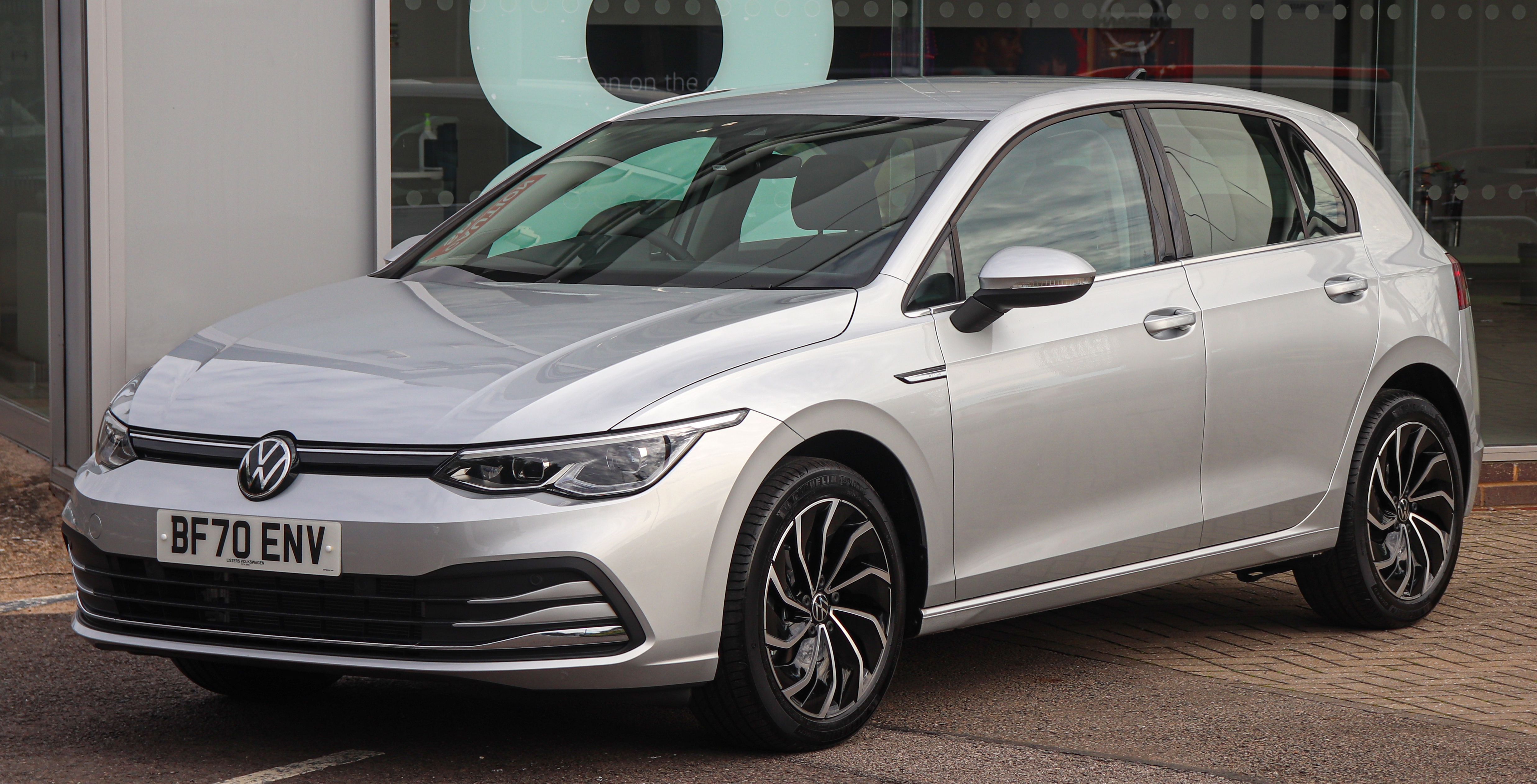
Volkswagen 2011 GTI
The Volkswagen 2011 GTI is a sporty compact car. Here, the owner’s car starts running badly after an accident, and they’re using diagnostic scanning to figure out what’s causing the misfires.
The Volkswagen Golf is a small car (a hatchback) made for everyday driving. The GTI is a sportier version of the Golf, and it can have problems like other cars—especially if it was recently crashed and repaired. A mechanic might talk about what to check to make sure it’s working correctly again.
A crank position fault means the car is having trouble reading where the crankshaft is. That information helps the engine time spark and fuel, so problems can cause rough running and warning lights.
A misfire is when the engine doesn’t burn the fuel in one cylinder the way it should. The car’s computer notices and may turn on the check engine light.
Here, “transmission” refers to the parts that manage shifting gears. If it’s “jumping” between gears, it can feel like the car is pulling back and forth instead of shifting smoothly.
The check engine light comes on when the car’s computer finds a problem. If it’s on, the issue is likely happening now; if it’s off, the problem may be intermittent or already fixed.
Fuel trim is the car’s way of adjusting fuel delivery to stay on target. If it has to constantly “correct,” it can point to a problem with sensors, airflow, or combustion.
Mass airflow readings are data from a sensor that tells the engine how much air is coming in. If that number is wrong, the car may add the wrong amount of fuel.
It means the cars were set up to look cleaner during official emissions tests than they really are in everyday driving. That’s why regulators got involved and why it can lead to recalls.
The EPA is the U.S. government agency that sets and enforces emissions rules for cars. Their announcement is what kicked off the investigation and estimates mentioned here.
A recall is when a car company has to fix a problem in cars that are already out in the world. The show is saying more cars may need fixes, not just the initial group.
Diesel engines are a type of engine that runs differently than gas engines. The discussion here is about how the scandal makes people think diesels are dirty again, even though modern ones were supposed to be cleaner.
AutoNation is a large U.S. auto dealer chain, and the transcript cites its CEO’s reaction to the scandal. Dealer comments like this are used as a proxy for how quickly consumer trust and sales can be affected.
A defeat device is a trick in the car’s software that helps it pass emissions tests. But when you’re not on the test, it may not control pollution as well.
Engine control technology is the car’s computer system that controls how the engine runs. In this scandal, the worry is that the software changes emissions behavior depending on the situation.
A systemic problem means it’s not just one small mistake—it’s something built into the way the company works. Here, it’s used to argue the cheating wasn’t random or accidental.
An emissions scandal is when a car company is caught not following the rules for exhaust pollution. Here, it’s described as intentional and it led to fines and lawsuits.
Dealer add-ons are extra items a dealership tries to sell on top of the car price. The host is saying they’ll talk about those later instead of focusing on them right away.
The Clean Air Act is a U.S. law that sets rules for how much pollution vehicles are allowed to produce. Here, it’s mentioned because the scandal involved cars that didn’t meet those emissions rules.
A class action lawsuit is when lots of people with similar problems team up to sue together. The episode mentions these because consumers were seeking legal remedies related to the scandal.
This part is about what the Volkswagen emissions problem could cost the company and what legal actions might follow. The hosts talk about penalties, lawsuits, and investigations.
Modern cars use onboard software to control engine behavior, including how the engine responds to driving conditions. In emissions scandals, the concern is that software logic can change engine operation to achieve emissions compliance without matching what drivers expect in normal use.
The ignition switch is what you use to start the car. The host is saying there was a serious defect in that switch, and the company allegedly hid it for a long time.
Toyota is brought up as another car company that had issues with how fuel economy numbers were handled. The point is that regulators are likely to tighten rules.
Hyundai and Kia are mentioned as car brands accused of not being truthful about fuel economy. The host’s takeaway is that this kind of pattern leads to stricter testing.
Self-certifying means the car company tests its own cars and reports the results. The host is saying that regulators may stop trusting that and require outside testing.
Company
NITSA
This sounds like the U.S. vehicle-safety agency. The host is explaining that companies used to run their own tests and submit results to government agencies.
This is about the diesel Volkswagen emissions scandal. The host is warning that owners of affected diesel cars may notice worse real-world performance or fuel economy.
LIVE
Ron An aian. When you're in a situation like that,
and sometimes especially when you're a mechanic, you find yourself feeling like you're talking to yourself. Is that talking to
the car doctor? Is the anti theft warning indicator on?
And if you don't know which light is the anti theft warning indicator, boy, you've got a problem. You know.
That's just one of the things you need to know about your cards. It's critical.
Welcome to the radio home of ron Anian the Car Doctor.
Since nineteen ninety one, this is where car owners the world overturned to for their definitive opinion on automotive repair.
If your mechanics giving you a busy signal, pick up the.
Phone and call in. The garage doors are open, but
I am here to take your calls at eight five five five six ninety nine hundred.
And now he Ronnie.
Hey, did you hear about the problems at Volkswagon. No,
not those problems, different problems. Hello and welcome ronn Aye
and the Car Doctor here at eighty five to five five six zero nine nine zero zero the Car Doctor's phone number. To get in and talk to me. We
can solve your car problem. If you're new to this
radio show. Give us a call. We want to We
want to help you understand your car a little bit better.
We want to help you have that adult conversation with your mechanic after we have one and talk about how to get your car back in top shape or to keep it there either or eight five five five six zero nine nine zero zero. There's more information about this
radio show by the way at Cardoctorshow dot com. If
you're hearing us live on one of our many affiliates across America, great, But if you're looking for podcasts of this radio show, or you're looking for another way to tune in or tell your friends, tell them to get out to Cardoctorshow dot com. They'll find podcasts there. They'll
also find some links down the left side of the page.
Tune in dot com and you'll find information about iHeart and iTunes dot com. And keep in mind, if you
need the car Doctor during the week, I'm on call twenty four to seven. Send me an email Ron at
Cardoctorshow dot com. Ninety eight Volkswagen came into the shop
this week. You know, some weeks, I think Volkswagen makes
it too easy to pick on them and it just it just gets better and better each and every day.
I enjoyed Tuesday, by the way, you see Tuesday, Volkswagon stock fell twenty two percent seventeen point two billion dollars or some crazy number like that, And I couldn't help but think maybe my ACRONYMVW, maybe virtually worthless, is really going to be true to what they become. But we'll
have to wait and see as they go through this metamorphosis in this change, because Volkswagen is not going to look the same again, if it all ever for a very long time. But this ninety eight Volkswagon came into
the shop a beatle and the complaint was that while you're driving along after a while, the red light on the dashboard started flashing and that meant overheat. Now, fortunately
the customer showed some common sense, which is sort of a rarity in this day and age, but this person actually showed common sense and pulled over, parked the car, called for a tow truck and had it towed in.
They didn't want to drive it, they were fearful of hurting it. And I was like, wow, look at this.
Somebody that you know kind of gets it. Like a
dash warning light goes off and they pay attention. Imagine that.
So naturally it fell into my rack because I think the boys in the shop are trying to prove that you know how much I love Volkswagons, and you know what, I do love Volkswagons, especially the tail lights. Leaving the shop,
but you know, it was like, fix the car, run, all right, I'll fix the car ran it did my usual coach, went through my diagnostic routine and found out the cooling fans were not coming on at all. It
would get up to two hundred and forty five degrees and then the red light would start flashing on the dashboard, meaning that it was approaching meltdown. And I thought about
it for a second. I got to say, well, gee,
if I let it melt down, that's one less Volkswagon on the road. But they we'd have. There's not a
lot of room in the landfills lately, especially with the latest Volkswagon recall. So I guess I'll fix this one
and keep it running, he said, tongue in cheek. So
you go through the way they wire the cooling fans on this and there's a point to this story, I promise, in that you look at the stupidity because there's no other way to put it. They mount the fuse block
or one of the fuse blocks for this particular beetle, like they do on a lot of their cars, on top of the battery. Now, I want to know what
engineer in their right mind mounts something as delicate as a fuse box and fusible links on top of a device that spews acid as it gets older. Right, batteries,
you know, gas and they vent and acid comes out.
And as a matter of fact, this Volkswagen on the top of the battery was a little wet, and it had corrosion on the terminals, and the fuses are a quarter of an inch above it, laying there in this plastic housing. Turns out that the thirty in fuse, the
last one on the left, was melted. It had burst away,
and the bottom part of the fuse box was melted and dissolved, and it had taken the fuse out with it.
And that happened to be the fuse that ran the electric cooling fans. Okay, so I started to trace the circuit.
It comes down out of that fuse. It goes down
to a thermo wax switch in the bottom of the radiator.
Thermo wax, which just went out about nineteen seventy four, because that's where we started to have vacuum switches with wax pellets in them to open and close. A lot
of the car companies went to Thermo time or Thermo point switches that were much more accurate, whereas this wax switches.
It should come out at one hundred and ninety five degrees eah, give or take one ninety five to twelve two twenty two oh five. You know, it depends on
the manufacturer of what day of the week it is, and a bunch of other factors, but it's close. After
that switch, it then goes to one of two places.
There's three wires coming into that switch. There's a hot
coming down from the fuse. There's a hot that goes
over to the two fans which are wired in series, and then there's a smaller gauge wire which runs over to this two hundred and fifty dollars fan controller module which runs only the high speed fan. Now, if you
look at a typical car, a normal car per se, most are run fan switch, computer command or a fan switch that goes to a relay which will just flip one way or the other and run a higher a fan.
Not Volkswagon. We're going to overcomplicate it. We're going to
put everything in the system this way. Everything has to
be looked at and diagnosed. What it turned out was
the high quality nineteen fifty eight technology Thermo wax switching.
The lower left corner of the radiator had stuck on and ran the fans to the point that they actually one of them actually burnt itself out and it was hard to turn and it melted the fuse holder. So
maybe the car was saying I've had enough, I just want to self destruct. Maybe that was melt down. Maybe
that was like you know on Star Trek when Captain Kirk says self detruction cains and let's energize in a way we go. But bottom line that to repair this
Volkswagon very tedious, very time consuming. A lot of which
way does this wire go and what does this wire do?
And I think when you approach a Volkswagen, it's part of the diagnosis. It's you know, they're okay to work on.
Did I say that okay to work on? But there's
a mentality to them. There's a process that you have
to sit down and decipher. And the biggest problem is
chances are what you learn on the Volkswagon today will be different on the next Volkswagon tomorrow, and it could be another ninety eight Beetle. But if it was made
a different week, they might have had leftover worst surplus parts.
So they decided to just make things entirely different, use up more components, and add more things to the car.
Because you see, when you're fixing a Volkswagon, it's a fix like nothing else. But you've got to have a
couple of things in order to be a proper Volkswagon owner.
And I think it translates well to the rest of you out there driving every other car. Number One, you've
got to have common sense. She did the right thing.
She came in when the hot light was on. Number two,
she authorized me and gave me the ok to diagnose and repair the problem instead of throwing parts at it.
Everything got diagnosed. I didn't put a fan controller in
it didn't need it. The high side fan were good.
Put a Thermo wax switch, change the fuse box which there could have been on someplace other than the battery, and put a set of fans in it. And yeah,
one thousand dollars later the car was fixed. But you
know what, we still got our Volkswagon and we can drive it around with the little flour and the dashboard and look good because that's what Volkswagen owners like to do.
So I just wanted to start the hour today telling you a Volkswagen story. I thought it would be appropriate.
I know a lot of you think I hate Volkswagon.
I just look at them and I scratch my head and I say why. And we're gonna find out just
if they are virtually worthless in the coming weeks, because commenting on that Volkswagon story that we all read about this week with emissions and real quick, I'll just jump into this real quick. The Volkswagon problem is that they
basically designed a bunch of their diesel cars to run on software that only when they do the emissions test for inspection does the vehicle come into compliance. Other than that,
the software is cheating and running the car in a different mode to give it better performance, but emitting higher emissions levels. And I've read reports where the emissions levels
are thirty to thirty five percent above federal speck.
So I follow my tappipe.
And that's what you're gonna be falling for because Volkswagen's got its issues. The CEO stepped down Wednesday. There's a
new CEO in place, the guy from Portsie, and you're gonna watch Volkswagen fall from position of number one world number one automaker down to something else. And it's gonna
be an interesting fall as we see them take their take their tumble. But you know what's going to be
really interesting to see if people will be loyal to them.
I have this theory and I'll say it right here.
Everybody knocks GM, Ford and Chrysler, and you'll love to bash the American car companies. I have not seen the
fure that people bash GM Ford and Chrysler coming up against Volkswagen. Yeah, a little bit here and there, but
everybody's like, poor Volkswagen. You know what, they did something wrong,
They cheated and they deserve to have their handheld to the fire. Let's see if everybody can take the heat
eight five five five six zero nine nine zero zero running any in the car Doctor. I'll be back to
open the garage doors right after this. Welcome back Ronny
and the Car Doctor rolling along. Let's get up and
kick the garage doors back and welcome Pat from Chicago, Illinois, ninety nine olds and some questions about PCM and transmission. Pat.
Welcome to the car doctor. How can I help? Hi?
Ron, Thanks for taking my call.
Welcome.
You have a question. I recently had a PCM and
sawed in my car. It takes on my car because
it quit all together, right, But I was wondering if dead had anything to do with the hard shifting I had with the transmission problem them earlier, because I had a solenoid. Replaced my transmission three weeks before that, and
the problem came back three weeks after, just before I was about to take it into car quit and I changed my PCM. So, and I'm wondering if the solenoid
was even a problem to begin with.
So, in other words, what you're saying, if I understand your Pat, is that you had a problem with the way the trans was shifting. They diagnosed and replaced a solenoid,
and yes, three weeks later the car just died. It
was diagnosed as a bad PCM, and now the car shifts and operates normally.
Yeah, before I could bring it back to the original shop that did the transmission. Car was working perfect.
Well, here's here's the deal. Guess what might have taken
out the PCM the solenoid if the solenoid it depending upon how the solenoid failed and just exactly what it was doing. All solenoids that generation vehicle require a certain
resistance value, typically twenty homes or less. And if it
was if it was a problem, if it was out of range and or twenty homes or more, I'm sorry, there's a range there. And if it was out of range,
it could cause a short inside that PCM and create the problem of a shifting point. And now it's fixed,
so it sort of looks like you didn't need the second rather than the latter. Every time we used to
change PCMs on those cars, we always had to ome all the solenoids. There was a way to go into
the connector at the ECM with the manufacturers, the rebuilders, GM or whoever it was, would have us go through an om out all the solenoids or control modules or whatever we were testing in that circuit to make sure they met a certain resistance value, because otherwise you'd plug in a new PCM and pop that one too, So you kind of did it backwards and saved yourself a step.
From the sounds of it that, yeah, if it's working, it's probably it was the trance solinoid was bad and that's what they got the PCM in the first place.
Oh okay, well great, I really appreciate the information.
All right, sir. And you're lucky. You know I should
point out too, you're lucky to have found a PCM simply because obviously the oldmobile is gone these many years.
And you know, one of the problems I always said with computer cars is coming home to roost in that the electronics are getting harder to find on older models.
It's the same as you know now trying to find a valid Windows XP operating system or a computer that would run it. It just doesn't exist. Technology is marching,
marching on, and you're finding that it's it's that way with automobiles as well. Sir.
All right, okay, fantastic, Thanks so much, You're very welcome.
You have a good rest of the day, and say hey to the gang out in Chicago. Let's go over
and talk to George and the Bronx New York twenty eleven Volkswagen. George, I'll be gentle, what's going on here.
Hey, how you doing that?
All right?
Well, right now I'm having problems with my Volkswagen twenty eleven GTI, and uh, well I crashed it in early January.
I slipped on a black ice and uh I had to toe it because it wouldn't drive. And so after
I towed it, I sent it to autobody shop on Boston Road in the Bronx and then, uh they fixed it.
They did the autobody work, and then it started it was misfiring, so my engine kept on shaking, right, and after after a while I kind of ended up driving it while it was misfiring, which I shouldn't have done.
But then around like I want to say, like three three weeks, uh, it just the transmission started getting jumpy on me. The RPM started bouncing and the car kept
on pulling me that like back and forth.
Right, Let me ask it. Let me ask you this.
When you scan this for codes, what sort of information did you get out of it?
Uh? I had a first, it was the crank the
crank shaft sensor, right, that was the only sensor that popped up after the miss. It was also the engine
misfire or piston misfire.
Okay, so, so it had a misfire fault, that had a crank position fault. Was any of that diagnosed and repaired?
The the misfiring was repaired. But after the misfiring was repaired, Uh,
it was still jumping on me with the transmission all right.
So after that I sent it to my uncle and uh I had actually totally I paid four hundred dollars to total from the Bronx to Massachusetts.
Okay, hang on a second, let me let me let me back you up a minute after after the check engine light fault codes were diagnosed and repaired, is the check engine light still out?
Yeah?
The check engine light was still on?
No, still on or still off?
Still it was still on. After I sent it to
the shop and they fixed the misfiring.
Okay, so they didn't fix the missfiring, then it still has the problem.
Yeah, but the code wasn't popping up for the misfiring.
Okay. What code was popping up?
It was the crank shaft sensor.
Okay, but didn't they fix that as well?
That's what we sent them to get. We sent the
car to get fixed for the misfiring, and then after that I sent it to my uncle to help to take the check engine light off to see what the problem was because we didn't know what was going on.
Okay, so where does it? Where does it stand now?
Right now? It's it's it's still just jumping on the train.
It's jumped on the transmission every time. It's going from
like i'd say, what first to second gear? It just
is gonna pull you back and forth.
Okay? Is the check engine light still on?
The check engine light is not on?
All right? Does the check engine light light up when
you turn the key on the engines off?
I'm sorry? Could you say that again?
When you turn the key on and the engine is off, is the check engine light still on?
Check engine light still on?
Yes?
When the engine is off? Does the check engine light
light up if you turn the key on?
No?
Okay, so the check engine light is it doesn't. Wait
a minute, let's back up a second. This is key.
You turn the key on and the engine is off, does the check engine yes?
Yes?
Yes?
The check engine light doesn't yes? Okay, I didn't understand.
All right, that's okay, So we have bulb check all right, which which I just want to verify that the system's operating properly. All right, what what did your uncle at
the trans shop do to repair the check engine light fault?
Did he say no, he actually didn't see He actually didn't repair the engine light, not the engine I'm sorry, didn't repair the transmission because we send it to him and he fixed started fixing up the sensors. That's saying
that were misplaced.
Okay, I'm confused because it sounds like it sounds like the first shop fixed the misfires, then crank sensor faults came out, and then it went to your uncle for crank sensor faults. But he's a trans shop.
No, he's not a trend. He's not a trans shop.
He's just himself. Like I'm okay, he's a shop.
Okay, so right now there, all the faults are repaired, but the vehicle doesn't accelerate properly.
Uh, yes, that's correct. It feels like it's not a
It feels like like the airflow sensor is like it's a breathing properly. That's what it kind of seems like.
Okay, number one, and the clock's gonna take me, George, so I gotta be quick. Number one. You may want
to talk to your insurance company because if any of this is accident related, all the money you're spending is covered under your policy because it extends from the accident.
Number two, take a careful look at mass airflow readings and fuel trim to see if they're anywhere near in space, and then call me back and we can have another conversation from there. Clock's gonna take me, George. I'm sorry, Hey,
coming up next, Paul Eisenstein. I'll be back right after this.
It was quite a week in the world of automobiles this week, folks along and welcome. By the way, I'm
on any of the car doctor. Volkswagen was caught up
in a scandal. Unless you were living under a rock
or visiting the Pope in New York City, which you might have been, you have to hear about this. It was.
It's quite a bit in the news just out of the Detroit Bureau, Thedetroit Bureau dot com or good friend Paul Eisenstein. He wrote, German authorities now say two point
eight million Volkswagen diesel vehicles sold in that country or affected by the maker's rigging of emission tests. But VW
may not be the only maker implicated. I know this
guy on radio said when he first heard about this, it was the tip of the iceberg. Back to Paul.
The suspect turbo diesel engine used by Volkswagen apparently also was sold to several other manufacturers, including Chrysler Mitsubishi for use in some of the European models. Wow. And that's
the only way that comes to my mind, because I think Volkswagen is in a world of trouble, and so are a lot of other vehicle manufacturers. Here to help
us sort out with the facts, our friend Paul Eisenstein at the Detroit Bureau of Thedetroit Bureau dot com. Paul,
welcome back to the car doctor, sir.
Good to be with you.
And your reference to the Pope may be appropriate because I think VW doesn't have a prayer without some divine intervention.
Yeah. Absolutely, they are in a world of trouble.
You know.
On Tuesday, correct me if I'm wrong, their stock fell twenty two percent I think was the number, and I think at.
The moment they're down about thirty eight percent. Wow. The
scandal was first set into motion a week and a half ago when the EPA announced that there were four hundred and eighty two thousand vehicles here in just the United States likely affected by this problem. We're going to
see a big recoil here. We may see even bigger
recalls in Europe. Recall, not only is VW one of
the largest makers in the world and certainly in Europe with various brands, but that diesels also happened to be the dominant form of powertrain in Europe. So this is
going to be big over there if it proves that they were cheating there as well, and it now is starting to look that way.
Well, and you know, Paul, I think that the biggest damage will be to the image of diesel engines. Unfortunately,
the people will look at this as and just when diesels were starting to come out of the out of the closet, so to speak, and around away from you know, big old, dirty, smoky, noisy they were getting very high tech the being they were very clean, they were very efficient, and then this just sort of tarnished their image. And
you know, here we go again, and it's going to take a long time for the public to forget. What
do you think the public's reaction is going to be to this, Paul, Have you seen any indicators yet?
Well, we're already hearing some things that sales at VW stores in general, I'm told have really collapsed. I think
they've lost so much trust that it's going to really hurt them in general. And then when you add up
the fact that they have already taken their diesels, the four cylinder version anyway, off the market, they've essentially said for the time being, they have no interest, no ability to sell them because those vehicles can't be quickly fixed.
As a matter of fact, I don't know if VW knows at all. But the real question is what will
happen long term to the diesel market in general, And that's unclear, but it looks like it could take a big hit. Mike Jackson, who runs AutoNation, you know, the largest,
the largest auto dealer chain in the country, said, this is a real black eye.
And where do you think this leads The manufacturers that are using the Volkswagen engine in their cars, like Chrysler, for example, Well.
That's an interesting question. Now there aren't a huge number
of them, but it turns out that some manufacturers were using or buying these diesels from VW for use overseas, particularly in Europe. Chrysler was using them, apparently through its bankruptcy, which,
as you may recall, ran through two thousand and nine, and right now it's unclear not only did they use the engines, but did they also use the suspect technology, the engine control technology that had this so called defeat device basically a bunch of software code embedded in it.
We don't know that yet, but we suspect that some of the VW products are some of the VW engines used in christ of products will come under investigation.
Paul, you're closer to this than I. Your gut call
just an opinion. Do you think when Volkswagen did this
they knew the mistake they were making or was this just an honest mistake?
There was no an honest mistake. No, there's no question
that they knew what they were doing and they intentionally looked to gain the system. This isn't like some sort
of code that just accidentally just happens under certain conditions to make the initiation the emission system work correctly, and all the rest of the time it just happens to not work right. No, this wash was not only intentional,
but it wasn't the case of a few bad apples. Again,
back to Mike Jackson over at Automation, who has worked inside automakers. Remember, he ran Mercedes here in North America
for a while and he was very active in the Mercedes network globally, so he knows what goes on in these companies. And as Mike said, this was a systemic problem,
clearly a problem that led. If it didn't lead all
the way to former CEO Wintercorn, it.
Came multi close a couple of years ago. I'll go back.
I think it was about four and a half years and ago you and I first spoke, and the article we were talking about at the time was Volkswagen's quest to become the number one auto manufacturer in the world.
I never forgot this. And you said to me, Ron,
they're going to have a rough road because somewhere along the way, there's a bump in the road. And I
don't think you were referring to this, because I don't think you had any inkling that this was going to be it. But this is about as big a bump
in the road as you can get, isn't it.
Oh, this is sort of like a sixty foot pothole.
Right.
They can swallow up just about anything that manufacturer produces even it's heavy duty trucks. That's I forgot about that comment.
But you're right, this is a company that may may totally be derailed by this. Look at just the potential
cost that they're going to face.
We even measure that yet, I mean, do we have a way to you know, I mean we can probably measure it to the company, but then to the individual dealers, to the text they might have to lay off, to the people, to the guy at the sandwich shop that doesn't have the dealership to sell lunch to anymore, to the snap on truck driver, to.
The that's an interesting point. Now we'll skip the add
ons for a moment. We'll get back to that. But
if you look at what VW's done, they have four hundred and eighty two thousand vehicles that violated the Clean Air Act intentionally. This is one thing when you screw
up and you know you make a mistake. This was
an intentional dodge, and they tried to deny it almost to the very last second. When the EPA announced that
they had you know, that they had this problem on the eighteenth of this month, so they could be subject to thirty seven, five hundred dollars per vehicle sold. Save
you the math, that's about eighteen billion dollars.
Wow.
Okay. Now let's add the fact that, as far as
I know, they were already at least four class action suits on behalf of consumers. They may sue forward any
number of reasons, including the lost value of these vehicles, which certainly would go on the market. And we need
to talk about this what a consumers do, But we'll go on the market. If you were selling them now
for less than what they would have gotten two weeks ago.
Then we have the Justice Department which is launching a criminal investigation. Do I expect them to come back with fines? Appsolully?
Oh? Sure, we have anywhere we can that we can
make money. And you know, stand up and bang the
drumab belt. Look at all the good we're doing. Hey, Paul,
tell you what, Let me pull over and take a pause.
I don't want to let this go. It's too good.
You stay right where you are. Monanini and the Car Doctor.
We'll be back right after this. Welcome back ron a
Name and the car Doctor here this hour with Paul Eisensteiner the Detroit Bureau dot Com. Paul, you're still there, sir,
I am. We were having such a wonderful chat and
it's just there's just so much here. Uh. And the
conversation was all about Volkswagen and their current goings on, and you were going to talk a little bit about the the cost ramifications, and then we were gonna talk a little bit about the add ons. You want to
continue where you left off?
Yeah, well just let's let's let's cut that short. The
bottom line, you've got EPA fins, You've got the Justice Department, which will probably bring a criminal charge as some sort of criminal investigation down. I wouldn't be surprised in this case,
unlike some of the other recent ones where they even bring criminal charges against individuals, because you have people that actively try to deceive the government. I mean, that's unusual
where it goes that far and that late in the game where they just plane lied to the faces of investigators from the EPA.
Do you think the days of oolkswag? Do you think
the days of Volkswagen being the number one automaker are done for a while, if not for a.
Very good shot that they're going to have a problem right now. Yeah, they they'll probably slip behind Toyota again.
And by the way, another reason is they're so dependent on China, which is slipping as well. Bottom line, you'll
have lawsuits, you'll have regulators taking action against them. Overseas,
you'll have consumers this class action and moving in VW's direction from Italy, I mean South Korean regulators are investigating this thing. I expect they are going to be nailed
so fast and hard in so many angles that they are not going to know what to do. And frankly,
they're in a position right now that for them to try to fight it. Remember how they try to resist
three decades ago, the unintended acceleration problem twenty five years ago involving Audi. Yeah, and while they were ultimately proved right,
their image as not caring about consumers almost destroyed AUDI.
Certainly here in the United States. They still aren't up
to the competition in terms of raw value. So VW
is in a position where they're probably going to have to spend money beyond what they normally would if they lawyer it up. But because they can't afford to have
consumers believe, they'd rather continue the cover up.
I think part of Volkswagen's problem too now is and unfortunately the owners will feel. The brunt of it is,
how are they going to correct this emissions defect, which is the way the software runs the car, run the engine and give the owners the same performance and fuel economy.
Because if they could have done that in the first place, they wouldn't have this problem.
So the owner, yeah, they're smart now right, Well, you know, conceivably they're smarter, they have better code, they can do it, but realistically they can't.
Mean it didn't mean to cut you off. But you're right.
And so here's the question. They have to meet emission
standards or those vehicles have to come off the road.
If they come off the road, they have to buy them back.
YEP.
Alternatively, they have to sacrifice either mileage or performance. And
if they sacrifice either of them, they either have to buy the vehicles back or face incredible problems with the owners.
Most likely they're going to have to settle some of these class action suits for billions of dollars and give owners a lot of money for the fact that they didn't receive what they thought they bought.
YEP. And I think it's a huge problem. It is
the tip of the iceberg. It's going to be very
interesting going forward. We're going to be hearing about this
story for years to come. Hey, real quick, before I
let before I let you go, what are your thoughts?
What do you get from the other car manufacturers? Are
they wringing their hands in glee or do they feel Volkswagon's pain? What do you think?
Well?
I think Mary Borrow over at GM's probably glad not to still be in the headlines, as she was only a few weeks ago when GM paid nine hundred million dollars in fines to the Justice Department over concealing for ten years their ignition switch problem. So Barr is probably
happy about that. But here's the thing between that case,
Toyota's case, the Hyundai Kia lying about their fuel economy numbers.
A few years going on and on, you're going to see the Feds have to crack down. It used to
be that automakers could self certify, they'd run their own tests, give the numbers to the EPA and NITSA, who would probably number crunch those things and say, yeah, the numbers add up. But I think going forward, you're going to
see pressure on the government to force the automakers to either have the government run those tests, or to pay for independent third party organizations to run tests that they the government can trust to not be paid off.
Yeah, it's it's gonna come down to tow the line and orf for the consequences. Paul Eisenstein, the Detroit Bureau,
Thetroit Bureau dot Com. Always a pleasure, sir. You enjoy
the rest of your weekend. Thanks, thanks for taking the time.
You're very welcome. You take good care. Imar on on
Any and the car doctor. We are back right after this.
Why this car is automat it's systematic, it's dramatic.
What's lightning? Welcome back, Ron and Ny and the Cardock.
You know. The takeaway from the Paul Eisenstein and VW
conversation has to be, and here's what I want you to think about and be aware of in the coming years, because it's going to be a long time until we hear the end of this. Has to be that those
people that own diesel volkswagons with this problem are not going to have either the same performance or fuel economy, and it's going to be a real issue for him.
So we'll see where this goes. Let's get over and
take one more Let's go talk to Paul Sor. He
is our tech over at Ford out in Minnesota. He's
been a long time listener and he's calling in today. Paul,
how are you today? What's going on? Oh?
Excellent, sir. I fault myself for not getting back to
you number of probably three months ago. I was talking
about our brand new at that time of fourteen f one to fifty that would just die randomly with multiple network codes. Sure I remember that, yep, yeah, okay, finally
figured it out.
What was it?
And yeah again, fold spindle and mutilate the harness and found again, like you were talking on that your beetle earlier, they have the the fuse box main fuse box right on top of the radiator. Oh okay, caught that just
by accident because I was being becoming very frustrated, just happened to push on the harness as it was idling in my stall.
It died.
I'm like, okay, okay, anyway, long story short, PCM relay contacts ran new truck.
Okay, A quick one there too, talking about the Volkswagen diesel issue, just something to throw into the mix. Which
talking to our other diesel texts on our Ford Diesel board, it's interesting that Europe has a very high seat team rating on their field versus US. Yeah, Dad may have
a player in there.
That's interesting too. That's something to consider, Paul. Always good
to hear from you. Give us a call again. Next
time we'll have a little bit more time. And until
the next time, I'm ronning eighty and the car doctor reminding you good mechanics aren't expensive, they're priceless. See y
About this episode
A 1998 Volkswagen Beetle lands in the shop with a flashing red overheat warning. The diagnosis traces it to cooling fans that never come on—because a melted fuse in the fan circuit disables power, and the fan control ultimately relies on a thermo wax switch at the radiator. The conversation then pivots to the Volkswagen diesel emissions scandal: alleged test-only compliance, “defeat device” software, and widespread legal and regulatory fallout. The show closes with discussion of how diagnostics and verification may shift toward independent testing.
Volkswagen in the Hot Seat: Emissions Scandal, Transmission Questions & Real-World Repair Advice
On this episode of Ron Ananian, The Car Doctor, Ron opens the hour with his thoughts on the growing Volkswagen emissions controversy and what it could mean for consumers, automakers, and the future of vehicle technology.
The calls keep coming as Ron helps a listener with a 1999 Oldsmobile Intrigue wondering whether a PCM replacement can affect transmission operation, and another caller dealing with transmission concerns on a 2011 VW GTI.
Also joining the program is automotive journalist Paul Eisenstein of The Detroit Bureau to discuss the developing VW emissions scandal, how it happened, and the larger impact on the auto industry.
The hour wraps up with a call from a technician reaching back out to Ron after advice given years earlier—another reminder that good diagnostics and honest repair guidance never go out of style.