Ryan Blaney After Dark
About this episode
Ryan Blaney After Dark bounces from light banter to serious race breakdowns, starting with the hosts’ jokes and then getting into Atlanta’s rain-disrupted stages and Blaney’s late-race execution. The conversation turns to pack-racing cause-and-effect—vibration, bumper contact, and why the winner wasn’t coming from the front row—plus a yellow-line penalty debate and what it means when blocking and track position decide outcomes. Between playoff pressure, points math, and rivalry psychology, the show also previews North Wilkesboro’s points return and talks Lime Rock red flags and regional racing growth.
rain delay
"There was a big over three hour rain delay that took place out at Atlanta. Only got to partially through stage two before this storm rolled in."
A rain delay is when NASCAR stops the race because the weather is too bad. When it happens, teams have to adjust their plans because the track and car conditions can change.
A rain delay is when a race is paused because weather makes it unsafe to continue, usually due to wet track conditions. In NASCAR, delays can reset strategy, affect tire and brake temperatures, and change how teams plan for the remaining race segments.
stage two
"Only got to partially through stage two before this storm rolled in. So we have a lot to talk about leaving Atlanta Motor Speedway."
NASCAR races are split into stages, and stage two is the second part. Points are earned at the end of stages, so if the race stops before stage two finishes, it can change the strategy.
Stage two is the second segment of a NASCAR race under the sport’s stage format, where points are awarded at the end of each stage. If weather interrupts before a stage completes, teams may have to adjust fuel, tire, and pit timing for the rest of the event.
Atlanta Motor Speedway
"So we have a lot to talk about leaving Atlanta Motor Speedway. We're of course going to preview North Wilkesboro coming up next."
Atlanta Motor Speedway is a NASCAR race track in Georgia. It’s the kind of track where weather—like rain—can really change how the race plays out.
Atlanta Motor Speedway is a NASCAR oval track in Hampton, Georgia, known for high-speed racing and frequent cautions due to tire and grip changes. In NASCAR coverage, it’s a common venue for strategy-heavy races where weather can drastically affect timing and track conditions.
Fords
"And I think that the Fords have been strong here the last several years and this time they showed up and we're strong again."
“Fords” means the Ford-branded race cars/teams in NASCAR. The speaker is saying Ford has been doing well lately and this race was another example.
“Fords” here refers to Ford-powered NASCAR entries (Ford teams and cars competing under Ford branding). The host is crediting Ford’s recent competitiveness and suggesting Blaney’s win reflects that strength.
car behind him to help push
"stayed managed the race really well and was able to put himself in a position right here to have a car behind him to help push him to the start, finish line and win the race."
That’s NASCAR “drafting” where one car helps another go faster by running close behind. The host is saying Blaney got himself in the right spot so someone behind him could help push him to the finish.
This describes NASCAR drafting/pushing—using another car’s momentum and reduced aerodynamic drag to help gain speed. The host is saying Blaney positioned himself so a trailing car could assist him toward the start/finish and the win.
strategy was aggressive
"It was a strategy was aggressive. Oh, man, it had a lot. It had the way he drove it, too."
In NASCAR, an “aggressive” strategy usually means taking bolder risks—pushing for track position, making earlier/later pit calls, or driving harder to force opportunities. The host is tying this to how Blaney commanded the race.
front row
"and I said, look, you're going to see this. Whoever's going to win this won't be from the front row, because no one's pushing the 77."
The “front row” is where the two cars start at the very front of the starting lineup. It’s usually a good spot, but they’re saying the winner didn’t come from those two cars.
In NASCAR, the “front row” refers to the two cars starting side-by-side at the front of the grid. Starting up front is usually advantageous, but this segment argues the winner wasn’t coming from there due to how the race played out.
damage
"yeah, he had damage. Oh, well, yeah, him and Bubba with Bubba and he was radioing to the team."
“Damage” means the car got hit and something got bent or knocked out of place. That can make the car handle differently and can even change how it stays stable at speed.
“Damage” here means the car was physically hurt—typically from contact with another car or the wall—affecting aerodynamics, handling, and stability. They later connect the damage to how the car’s “nose” and rear bumper contact contributed to Blaney being shoved into the fence.
bad vibration
"He had a bad vibration and was still able to drive well. The car was."
A “bad vibration” means the car is shaking or vibrating more than it should. That can come from a problem with parts or how things are mounted, but they’re saying the driver still managed to drive well.
A “bad vibration” in a race car usually points to a mechanical or aerodynamic imbalance—something is not running true or is contacting/oscillating. The key detail here is that even with vibration, the driver could still maintain good driving performance.

Ford F-150 Lightning
"...e lead. And, and, you know, in the end, he shoved lightning in the fence and as easy as the noses are to lose..."
The Ford F-150 Lightning is a pickup truck that runs on electricity instead of gas. It’s designed to keep the usefulness of a truck, but with electric power, so it can be part of conversations about driving and capability.
The Ford F-150 Lightning is an all-electric version of the F-150 pickup truck. It’s significant because it brings electric power to a vehicle type people use for work and hauling, which is why it can come up in performance and driving discussions. In a NASCAR-related conversation, it may be referenced as a specific “Lightning” example tied to the story being told.
nose
"I think right there, you know, the nose kind of taken off in the front and back bumper touching and it just shoved Blaney up in the fence."
The “nose” is the front of the car. If it gets destabilized or damaged, the car can start behaving unpredictably, especially when other cars are close.
In NASCAR bodywork language, the “nose” is the front end of the car, including the front fascia and aerodynamic surfaces. The segment claims the nose “took off,” meaning the front end was destabilized by contact/damage, which then contributed to the car being driven into the wall.
back bumper touching
"the nose kind of taken off in the front and back bumper touching and it just shoved Blaney up in the fence."
“Back bumper touching” means one car’s rear bumper is hitting another car. That can shove the other car around and make it harder to control, especially in tight racing.
“Back bumper touching” describes rear-end contact between cars, which can push a car off its line and upset its handling. In pack racing, even light contact can change aerodynamic balance and create a chain reaction that sends a car into the wall.
shoved Blaney up in the fence
"and back bumper touching and it just shoved Blaney up in the fence."
They’re describing how the contact pushed Blaney toward the wall. Once the car gets hit and starts sliding, it can end up pinned into the fence.
This describes a classic NASCAR crash mechanism: contact causes a car to lose control and get forced into the outside wall (“the fence”). It’s not just a collision—it’s the result of momentum transfer and aerodynamic/handling disruption from the preceding bumper-to-bumper contact.
blocking
"I think he's doing everything he can do to try to keep the track position to, to win the race and blocking part of the game. And, you know, as, as you saw earlier in the race, when Bubba blocked and, and Ty was going quite a bit faster than he was, it, it turned Bubba around."
Blocking is when a driver deliberately places their car so another driver can’t pass. It’s a common tactic in NASCAR, especially on tracks where cars run close together.
In NASCAR drafting races, blocking is the defensive move where a driver positions their car to prevent an opponent from getting alongside and making a pass. Because cars are so tightly matched in speed, blocking can force the trailing car to lose momentum or change line, sometimes leading to contact.
track position
"I think he's doing everything he can do to try to keep the track position to, to win the race and blocking part of the game."
Track position just means where you are in the running order on the track. In NASCAR, being ahead can be a big advantage because it’s harder to pass than it looks.
Track position is where a car sits relative to others on the circuit—especially important in NASCAR because passing can be difficult. In drafting races, having track position often lets you control strategy (like when to block or when to push for a move).
yellow line
"Bubba Wallace was Mamba's pick and he obviously was penalized for attempting to advance his position by going below the yellow line. Do you feel like this is obviously fair or any room for interpretation on what was decided?"
NASCAR has a painted yellow line on the track. If a driver goes below that line and then improves their position, NASCAR can call it against the rules and penalize them.
At NASCAR super speedways, there’s a painted yellow line that marks the boundary for where cars are allowed to run during certain restarts and passing situations. If you go below it and then gain position, officials can treat it as an illegal advance and apply a penalty.
super speedways
"Uh, is this the same rule that we've had at all the super speedways forever? That if you go below the yellow line and then you advance your position after that point, like, I understand what Bubba is saying..."
Super speedways are NASCAR’s large, high-speed oval tracks where cars often race in tightly packed drafts. Because speeds are high and airflow effects are strong, rules about lane boundaries (like the yellow line) and passing/advancing are especially enforced.
tire marks
"Yeah. You can see the tire marks. Like he really yanked the wheel down to get below Carson."
Tire marks are the rubber tracks a race car leaves on the track. They can show how the driver moved—like where they turned or if the car slid a bit.
Tire marks are the visible rubber streaks left on the racing surface by a car’s tires. In NASCAR, they’re often used to infer where a driver turned in, how hard they braked/accelerated, and whether they slid or “yanked” the car into a gap.
Christopher Bell
"Ryan Blaney said one of the reasons that he was able to win was giving credit to Christopher Bell. Shout out to him."
Christopher Bell is a NASCAR race driver. In this segment, they’re talking about how he’s still running well even with an injury and how close he is to staying in the points race.
Christopher Bell is a NASCAR driver, and the host is discussing his current form while racing with an injury. The segment focuses on how his speed and points position keep him in contention for the playoff “cut line.”
Ryan Blaney
"So Ryan Blaney said one of the reasons that he was able to win was giving credit to Christopher Bell."
Ryan Blaney is a NASCAR driver. Here, they’re talking about his win and crediting another driver, Christopher Bell, for helping set up the kind of performance that matters in NASCAR.
Ryan Blaney is a NASCAR driver, and the host attributes part of his win to Christopher Bell’s performance. The discussion also frames Blaney’s perspective on how drivers’ results and speed translate into points and playoff positioning.
road courses
"he just wanted to get through the road courses and he felt like with these other tracks, it wouldn't be quite as much of an uphill battle."
A road course is a type of race track with lots of turns and braking, not just left turns on an oval. Drivers can be better or worse on road courses depending on their car setup and driving style.
Road courses are tracks that include a mix of turns, braking zones, and sometimes elevation changes—more like a traditional road than an oval. NASCAR’s schedule includes a limited number of road courses, and drivers often have different strengths there versus ovals.
cut line
"He's currently ninth plus one 13 to the cut line. What are you seeing from Bell?"
The cut line is the points “border” that separates drivers who are still in the playoff chase from those who are not. Being above or below it tells you how close someone is to making it.
The cut line is the points threshold that determines who is eligible to advance in NASCAR’s season format. When a driver is “plus” or “minus” relative to the cut line, it indicates how many points they need (or can afford to lose) to stay in the playoff hunt.
Daytona
"And I think that you've got Daytona and Talladega, no road courses the rest of the year."
Daytona is a famous NASCAR track where cars run very fast and often race in tight groups. How well you manage drafting and timing can make a big difference.
Daytona refers to Daytona International Speedway, one of NASCAR’s most important venues, known for high speeds and pack racing. It’s a track where drafting and momentum can heavily influence who leads at the end.
chase starts
"So I think he wins before the playoffs or for the chase starts. And I think that they contend throughout the last 10 weeks of the season, just because they have, they have raw speed."
This means the start of NASCAR’s playoff run. The speaker is saying the driver could win races and get hot before the playoffs even begin.
“Chase starts” refers to the beginning of NASCAR’s playoff/championship run (historically called the “Chase” in certain eras). The idea is that a driver can win races and build momentum before the playoffs begin, rather than relying only on playoff performance.
raw speed
"And I think that they contend throughout the last 10 weeks of the season, just because they have, they have raw speed. Yeah. You agree?"
Raw speed is basically how fast the car is at its core. If a team has raw speed, it usually means they can run near the front even without perfect circumstances.
“Raw speed” in racing means the car’s underlying pace—how fast it can run—before accounting for strategy, luck, or track position. When a team has raw speed late in the season, it often shows up as consistent front-running performance across similar tracks.
New Hampshire motor speedway
"Yeah. Yeah. I think, I think they circle New Hampshire motor speedway for sure. He's been the guy to beat there over the last, what, like three years, four years."
This is a NASCAR race track in Loudon, New Hampshire. Some drivers and teams are especially good at it because they can set up their cars to handle its turns and speed consistently.
New Hampshire Motor Speedway is a NASCAR oval track in Loudon, New Hampshire, known for its high-speed, sweeping corners and relatively long straightaways. In NASCAR, certain teams/drivers can develop repeatable setups for this track, so “the guy to beat there” is a meaningful performance indicator.
setups
"Now it's not so much of a kind of a random shot in the dark. Like everyone's starting to figure out the car, the tire, their setups, what they need."
A “setup” is how the team adjusts the car for a specific track. Small changes can make the car turn better, grip more, and wear tires in a predictable way.
In NASCAR, “setups” are the adjustments made to the race car to match a specific track and conditions—affecting handling balance, tire wear, and how the car behaves in turns. The speaker connects setups to performance because teams learn what works on a given circuit and then repeat it.
tires
"Like everyone's starting to figure out the car, the tire, their setups, what they need."
Tires are a huge deal in NASCAR because they wear out and grip changes over time. Teams try to understand how the tires will behave so they can adjust the car and plan pit stops accordingly.
In NASCAR, “tire” performance is a major part of race strategy because grip changes as tires heat up and wear down. Teams study tire behavior to decide how to drive, when to pit, and how to adjust the car so the tires stay in their best operating window.
qualify
"Yeah. The Toyotas are pretty adamant to they are set up to race, not qualify. Cause I know that to you."
Qualifying is when cars run to determine where they start the race. The speaker is saying some teams care more about being fast during the race than being fastest in qualifying.
“Qualify” refers to the session where cars set their starting positions for the race. The speaker’s point is that some teams (here, “Toyotas”) may be more focused on race-day setup and performance rather than optimizing specifically for qualifying speed.
Toyotas
"Yeah. The Toyotas are pretty adamant to they are set up to race, not qualify. Cause I know that to you."
This means the NASCAR teams using Toyota race cars. The comment is about how they set up the car to be good in the race, not just to be quick in qualifying.
“Toyotas” here refers to NASCAR teams running Toyota-manufactured race cars. The speaker is contrasting how those cars are prepared—suggesting they prioritize race pace over qualifying pace.
stage one
"But I want to talk about some of the things surrounding Carson outside of just the race finish this week. Yeah. Yes. So next up was Carson Hosevar, who ended up third on the day, even though he was able to battle back through the field from a flat tire going down in stage one."
NASCAR races are broken into segments called stages. Stage 1 is the first part of the race, and if something goes wrong there—like a flat tire—it can hurt the rest of the day because you lose time and position early.
In NASCAR, races are split into stages (like “Stage 1”), which determine points and strategy during the event. A flat tire “going down in stage one” is especially significant because it can force early pit decisions and damage a car’s track position before later stages.
flat tire
"next up was Carson Hosevar, who ended up third on the day, even though he was able to battle back through the field from a flat tire going down in stage one."
A flat tire is when a tire goes low on air or fails. It makes the car hard to control and usually forces the driver to pit, which can cost a lot of positions—especially if it happens early.
A flat tire means the tire loses air pressure (or fails), which drastically reduces grip and can force immediate or early pit stops. In NASCAR, a flat tire early in the race—especially in a stage—can drop a driver deep into the field and make recovery dependent on cautions and pit timing.
feud brewing
"That he didn't realize there was a feud brewing between the two of them."
A “feud brewing” means two drivers are getting into a bigger and bigger rivalry. It often shows up as them racing aggressively against each other and taking things personally after earlier incidents.
A “feud brewing” is an escalating rivalry between drivers that shows up as repeated confrontations on track. In NASCAR coverage, it usually refers to a pattern of retaliation, blame, and aggressive racing that becomes more personal over time.
wreck himself
"It has to be a feud. I mean, we saw Zane Smith drive through him last week and wreck himself that he wanted to wreck him so bad."
“Wreck” just means crash. Saying “wreck himself” means the driver ended up crashing—usually because of how he drove or what happened during the fight on track.
In NASCAR, “wreck” means a crash, and “wreck himself” implies the driver caused the incident (or drove in a way that led to his own crash). It’s often used to describe aggressive on-track behavior and retaliation.
push him across
"...nobody that was around him at the end of that race even wanted to get in the same line that he was in to push him across the start finish line to win..."
“Push him across” is about helping a car get up to speed using close racing (drafting). It’s basically teamwork on track, and it can get tense if other drivers don’t want to help.
“Push him across” refers to drafting and teamwork-like positioning where one car helps another gain speed and momentum. In NASCAR, that can be controversial when it’s perceived as enabling a driver’s win despite others’ reluctance to cooperate.
start finish line
"...wanted to get in the same line that he was in to push him across the start finish line to win..."
The “start/finish line” is the track’s official line where laps are counted and races are scored. In NASCAR, pushing or positioning a car near that line can be decisive in the final outcome.
fender
"Yeah. Oops, the fender got knocked off. Oh, my dad, my dad, was it going bad anyway? I'm in the fence."
A fender is the metal/plastic panel that covers the wheel. If it gets knocked off in a race, it can hurt the car’s handling and can lead to more damage.
A fender is the outer body panel over a wheel. In racing, getting a fender knocked off can affect aerodynamics and can also expose suspension/brake components to damage.
pre-race
"And he called the guys out on pre-race this week. He said, if, if anyone wants to throw down, I'm here for it."
Pre-race means what happens right before the race starts. Drivers sometimes call people out beforehand, and it can turn into real tension on track.
Pre-race refers to the activities and media moments before the green flag, including statements and confrontations. In NASCAR, these comments can set up rivalries that carry into the race itself.
Corey Heim
"And he called the guys out on pre-race this week. He said, if, if anyone wants to throw down, I'm here for it. And then Corey Heim responded to that on Twitter"
Corey Heim is a race driver. Here, he’s reacting to what another driver said before the race, which can add fuel to a rivalry.
Corey Heim is a NASCAR-related driver who competes in the sport’s national series ladder system. In this segment, he responds to a challenge on social media, showing how driver rivalries can spill over from track to online.
Ricky Stenhouse
"If the right guy, if you get into the right guy on the right day, like a Ricky Stenhouse, right? Oh boy."
Ricky Stenhouse Jr. is a NASCAR driver. They’re mentioning him as an example of someone who’s hard-nosed and can get physical when it matters.
Ricky Stenhouse Jr. is a well-known NASCAR driver associated with aggressive racing and frequent on-track confrontations. The hosts use his name as an example of a driver who can be tough to deal with in a physical, competitive moment.
Daniel Suarez
"Oh boy. Yeah, we know he likes to eat. Daniel Suarez, Daniel Suarez, Michael, you're luckily, you know, Michael McDowell, Michael McDowell and Daniel"
Daniel Suárez is a NASCAR driver. They’re bringing him up in the context of rivalries and who might respond aggressively.
Daniel Suárez is a NASCAR driver who has competed across multiple series and is known for being a capable competitor on track. In this segment, he’s part of the discussion about who might be willing to fight or retaliate.
michael mcdowell
"Daniel Suarez, Daniel Suarez, Michael, you're luckily, you know, Michael McDowell, Michael McDowell and Daniel on your team right now, but that's right now."
Michael McDowell is a NASCAR driver. In this conversation, he’s mentioned as someone on the team who could be involved in the rivalry dynamic.
Michael McDowell is a NASCAR driver and team member mentioned here as part of a roster. The hosts frame it as a situation where certain teammates/drivers are more likely to respond physically or aggressively.
SVG
"So too is the SVG, Austin Hill. And like I said, they obviously had to meet with NASCAR and it's like the light weights and the heavy weights."
SVG is shorthand for Shane van Gisbergen, a race driver. They’re talking about his rivalry and how past results between him and Austin Hill could influence what happens next.
SVG is the racing nickname/initialism for Shane van Gisbergen, a driver known for competing in NASCAR and other touring-car disciplines. Here, the hosts discuss how his on-track history with Austin Hill affects how this rivalry might play out.
Austin Hill
"So too is the SVG, Austin Hill. And like I said, they obviously had to meet with NASCAR and it's like the light weights and the heavy weights."
Austin Hill is a NASCAR driver. The hosts are saying NASCAR has stepped in to manage the situation between him and another driver.
Austin Hill is a NASCAR driver discussed here in the context of a rivalry. The hosts mention that NASCAR met with the drivers, implying the series is managing tensions that could spill into on-track incidents.
cup wins
"[1246.3s] I don't know. I'd take a, I'd take a cup win over a truck championship."
A “Cup win” means winning a NASCAR race in the top series. It’s the biggest level of NASCAR, so a Cup win is usually more impressive than winning in the lower series.
In NASCAR, a “Cup win” means winning a race in the top-level NASCAR Cup Series. It’s the most prestigious kind of win in the sport, compared with lower national series like the Truck Series.
truck championship
"[1246.3s] I don't know. I'd take a, I'd take a cup win over a truck championship."
A “truck championship” refers to winning the NASCAR Truck Series season title. It’s a different national series than the Cup Series, often seen as a stepping stone for drivers moving up.
Rudy Fugel
"[1263.0s] pretty spicy on the radio, who we typically do not was the 24 William Byron and Rudy Fugel, [1269.3s] exchanging some heated comments about the car."
Rudy Fugel is the crew chief for the No. 24 team here. He’s the person making setup calls, and when he argues with the driver on the radio, it usually means the car isn’t behaving the way they want.
Rudy Fugel is a NASCAR crew chief (for the No. 24 team in this segment), responsible for race setup decisions and tuning adjustments. Heated radio exchanges between the driver and crew chief can indicate disagreement about what the car needs to improve.
points
"[1313.3s] it's been a, it's been a frustrating year and, and William Byron's all the way back to 12th [1318.9s] in the, in the points."
“Points” are how NASCAR ranks teams and drivers across the season. If someone is “12th in the points,” it means they’re currently 12th overall in the standings.
In NASCAR, “points” are the season scoring system that determines standings and playoff eligibility. Being “back to 12th in the points” means the team’s overall season performance has slipped to 12th place in the standings.
chase begins
"[1353.1s] like he said, very uncharacteristic behavior, but time is ticking. [1361.9s] until the chase begins."
The “Chase” is NASCAR’s playoff stretch that decides the championship. When the hosts say it’s starting soon, they mean teams don’t have much time left to fix problems and be ready.
The “Chase” is NASCAR’s playoff-style championship run where the field is narrowed and points matter more. When they say “time is ticking” until the Chase begins, they’re emphasizing urgency because teams have limited races left to get momentum and qualify.
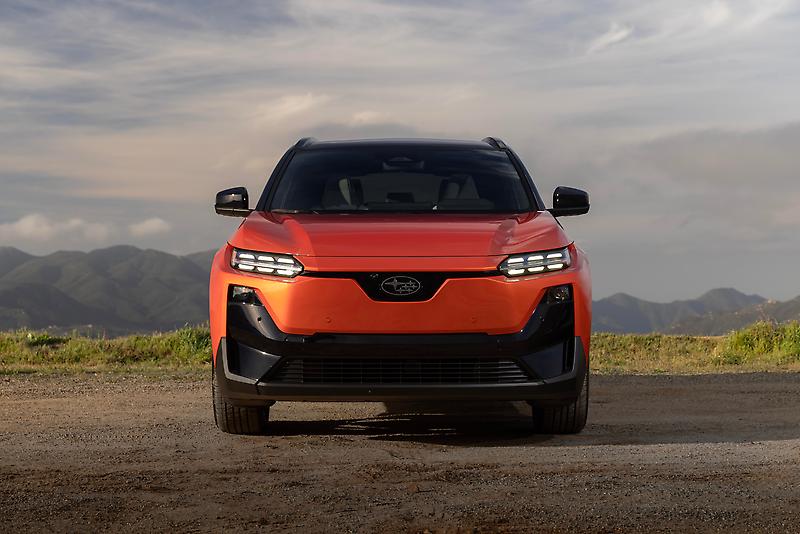
Subaru Uncharted
"...first time with this group. So I think it's a new uncharted territory and they expect to be running for a cha..."
The Subaru Uncharted is a Subaru model name used for an adventure-themed version. It’s connected to the idea of trying something new, especially for outdoor or off-road style driving.
The Subaru Uncharted is a special-edition concept/trim name associated with Subaru’s off-road and adventure-focused branding. It’s mentioned in the context of “uncharted territory,” so the name is likely being used as a playful reference to exploring something new. Because it’s tied to a specific edition concept, it’s typically discussed for its theme and intended use rather than as a mainstream, widely standardized model.
pressure driving
"But look, you got, you got the pressure driving for Hendrick Motorsports. You got the pressure of being a winner in the past."
This means the driver and team feel a lot of stress to keep winning or stay in the championship race. That pressure can change how they drive and how fast the team tries to fix problems.
In NASCAR, “pressure driving” is the mental and operational strain of having to perform under high expectations—like needing results to stay in championship contention. It often affects how aggressively drivers push the car and how quickly teams respond when performance drops.
Hendrick Motorsports
"But look, you got, you got the pressure driving for Hendrick Motorsports. You got the pressure of being a winner in the past."
Hendrick Motorsports is a top NASCAR racing team. The discussion is about how being on a team with a history of winning creates extra pressure to keep results strong.
Hendrick Motorsports is one of NASCAR’s most successful teams, fielding multiple cars and consistently competing for championships. The segment frames the team’s pressure as coming from past winning expectations and the need to keep a driver in contention.
championship hunt
"You got the pressure of knowing that you're soon to be out of the championship hunt because you're too far behind and your performance is not good enough."
It means the season-long race to stay in the running for the championship. If you’re too far behind, you can’t catch up easily, even if you improve.
A “championship hunt” is the season-long fight to earn enough points and race results to qualify for the final playoff round and still be mathematically in contention. In NASCAR, falling behind early can make it harder to recover even with strong finishes later.
Tony Stewart
"You're going to have to pull a Tony Stewart out of the hat and only Tony Stewart has been able to do that."
Tony Stewart is a famous NASCAR champion. The host is basically saying that winning a championship sometimes takes an exceptional, almost unlikely stretch of results—like Stewart was able to do.
Tony Stewart is a NASCAR driver and team owner known for winning championships and for being able to produce standout results when the season wasn’t going perfectly. In this segment, he’s used as a benchmark for the rare “everything clicks at once” run needed to win the title.
Victory Lane
"he hasn't been to victory lane in 30 some races. I think that, you know, this, this accident here is just a checkup, not of his doing, but the other accident where he just kind of cleared himself and wrecked himself."
“Victory lane” is what NASCAR calls the place where the winner goes right after the race. If a driver hasn’t been to victory lane, it means they haven’t won races lately.
“Victory lane” is NASCAR’s nickname for the winner’s area where the race winner parks and celebrates after crossing the finish line first. Not reaching victory lane means no race wins, which is a major metric for fans and teams.
lapses and concentration
"And that's the part that concerns me is when you just have those lapses and concentration and just make a bad move, because you don't have the moments where you're able to just go out and win a couple more races to make up for the mistakes that you had made."
They’re talking about a driver briefly not being fully locked in—like a momentary mistake. In NASCAR, because cars are racing so close, those small mistakes can cause crashes.
The hosts are describing a driver’s momentary loss of focus—small errors in judgment or execution that can lead to contact, spins, or wrecks. In NASCAR, where cars run close together, even brief concentration lapses can quickly become race-ending incidents.
random, weird kind of mistakes
"the only part that worries me about Larson is just those random, weird kind of mistakes that shouldn't happen at this point, you know, with, with where he's at."
They mean mistakes that seem out of character—errors that don’t look like a normal pattern. The concern is that if the errors are unpredictable, it’s harder for the team to fix them.
This refers to unexpected errors that don’t seem to match the driver’s usual performance level. The idea is that consistent teams can be off due to setup or strategy, but “random” mistakes suggest something less predictable—like decision-making under pressure or situational awareness.
wind column
"because you look at the stats and they're not that bad and scoring the most stage points, but it's the goose egg in the wind column. That is, that is the heart, the part that's hard to believe."
The “wind column” is basically the win total—how many races someone has won. A “goose egg” there means they have zero wins.
The “wind column” refers to the tally of race wins in a driver’s results. A “goose egg in the wind column” means zero wins, which is often the most frustrating outcome for a team even if other stats look decent.
upper hand
"So it's like, who really has an upper hand? And like we were just on a drafting track."
“Upper hand” just means who seems to have the advantage right now—like the cars are working better and the strategy is paying off. It’s basically who’s most likely to control the race.
In NASCAR discussion, “upper hand” is a shorthand for which organization or manufacturer currently has the competitive advantage—car speed, setup effectiveness, and race strategy working together. It’s less about a single lap and more about who can consistently translate performance into results.
drafting track
"And like we were just on a drafting track. So you kind of throw the Toyotas into a different jumble."
A “drafting track” is where following another car helps you go faster with less effort. Because of that, the race can change quickly when cars form packs.
A “drafting track” is a track where cars run close together and benefit from aerodynamic drafting—reducing drag when following another car. That can reshuffle who has the upper hand because races can swing with pack dynamics.
Talladega
"everybody else only has one chance in the, in the last 10 races and that's Talladega, but it's only for a win. Right. It's not for the championship."
Talladega is a super-fast NASCAR track where cars often run in big packs. That makes it easier for the race to flip late, so a win can come from timing and drafting more than just season-long dominance.
Talladega Superspeedway is known for high speeds and pack racing, which makes drafting and strategy especially influential. Because of the way races can be won in the final laps, it’s often described as a place where outcomes can be unpredictable.
Darlington
"You're going to go to Darlington with Denny Hamlin having, having the, you know, one of the best years of his career, you're going to go to Darlington."
Darlington Raceway is one of NASCAR’s most famous tracks. It’s known for being tough to race on, so teams have to set up their cars carefully and manage tires well.
Darlington Raceway is a famous NASCAR oval known for its unique, abrasive racing surface and long, high-speed corners. It’s especially notorious for how hard it is to pass and how much tire and car setup matter over a run.
Denny Hamlin
"You're going to go to Darlington with Denny Hamlin having, having the, you know, one of the best years of his career, you're going to go to Darlington."
Denny Hamlin is a well-known NASCAR driver. Here, the host is saying he’s been performing at an extremely high level this season and will be hard to beat at Darlington.
Denny Hamlin is a top NASCAR Cup Series driver, known for consistently strong seasons and frequent contention for wins. In this segment, he’s framed as having one of the best years of his career heading into Darlington.
Lime Rock Park
"The Craftsman truck series were at Lime Rock Park for the second time in the series history."
Lime Rock Park is a road course track (not an oval) that NASCAR trucks have raced on. It tests how well the cars handle turns and how drivers manage speed through corners.
Lime Rock Park is a road course in Connecticut that hosts NASCAR’s Craftsman Truck Series events. It’s a different kind of challenge than oval racing, emphasizing braking, corner entry/exit, and traction.
Craftsman Truck Series
"The Craftsman truck series were at Lime Rock Park for the second time in the series history."
The Craftsman Truck Series is NASCAR’s series where the race cars are based on pickup trucks. It’s a big league within NASCAR and often features drivers working their way up.
The Craftsman Truck Series is NASCAR’s national series for pickup-truck-bodied race cars. It’s a major proving ground for drivers and teams, with its own race strategy and car setups distinct from the Cup Series.
Grant Enfinger
"Grant Enfinger, who has had a season full of ups and downs, finally ended at winless streak, was able to capitalize with the win."
Grant Enfinger is a driver in NASCAR’s Truck Series. The host is saying he finally broke through for a win after a stretch without victories.
Grant Enfinger is a NASCAR Truck Series driver. The host notes that after a season of ups and downs, he ended a winless streak by capitalizing for the win at Lime Rock Park.
winless streak
"Grant Enfinger, who has had a season full of ups and downs, finally ended at winless streak, was able to capitalize with the win."
A winless streak means a driver hasn’t won any races for a while. It’s a common sports storyline because it adds pressure to finally get a victory.
A winless streak is a stretch of races where a driver or team doesn’t record a win. In racing, it often becomes a storyline because it can affect confidence, strategy, and pressure to perform.
Kern Raceway
"I'd love to see him in the season at Kern. I mean, trucks, Kern Raceway was the origination of, of the truck series."
Kern Raceway is mentioned as an important early location for the truck series. The host brings it up to support the idea of racing trucks on more short tracks.
Kern Raceway is referenced as the origin point for the truck series, tying the series’ history to a specific venue. The host is using it to argue for more truck races on short tracks.
Landon Lewis
"with Grant Infinger, winning the race and Landon Lewis chasing him to the, to the finish one and didn't wreck him."
Landon Lewis is a driver in the NASCAR Truck Series. The host says he was right behind Grant Enfinger at the end and managed the situation without wrecking him.
Landon Lewis is a NASCAR Truck Series driver. Here, he’s described as chasing Grant Enfinger to the finish and making contact-avoidance decisions that prevented a wreck.
dumped
"And then, you know, Kate and honey cut just smashes his teammate. I wonder how that's going to go over because he just absolutely dumped."
“Dumped” here means one car got shoved or hit in a way that sent the other car out of control. It usually describes aggressive contact that can lead to a wreck.
In racing slang, “dumped” means a driver was pushed or forced into a spin or off-line by another car, often resulting in contact or a wreck. It’s a loaded term that implies aggressive, potentially unsportsmanlike driving.
red flags
"but we, we, between O'Reilly and the trucks, I mean, we had six red flags. I don't know how many, it was just the weekend of carnage for, for O'Reilly carnage and delays."
A “red flag” is when the race is stopped for safety. It usually happens after a crash or when the track isn’t safe to drive on.
A “red flag” in racing means the session is stopped immediately due to danger on track (like an accident or debris). The speaker mentions having multiple red flags, framing it as a chaotic weekend with interruptions and delays.
ARCA
"It was lime rock was neat though. Obviously I was there for the ARCA and truck series. The community really rallies around NASCAR being there."
ARCA is a stock-car racing series. It’s like a feeder series where drivers can build experience before moving up to bigger NASCAR events.
ARCA (Automobile Racing Club of America) is a stock-car racing series that often serves as a stepping stone for drivers. In NASCAR broadcasts, ARCA events and drivers are frequently discussed alongside NASCAR’s national series, especially when tracks host multiple touring events.

Lucid Air
"...acific Northwest, we take them to the New England Air. You find a region, you take them there. They're ..."
The Lucid Air is a fully electric car, meaning it runs on electricity instead of gasoline. When people talk about taking it on longer trips, they’re usually talking about how far it can go before it needs charging and how easy charging is along the way.
The Lucid Air is an all-electric luxury sedan built by Lucid Motors. It’s often discussed in contexts like long-distance driving and charging logistics because its range and efficiency matter when you’re moving between regions. That makes it a natural topic when the conversation is about taking vehicles to different places and planning the trip around charging.
modified tour
"Right. Let's do that and then incorporate the local racing, whether it's the cars tour west or whatever is the modified tour, whatever it is in that region and just combine that..."
The “modified tour” is a regional stock-car series featuring modified-style race cars, typically with rules that differ from NASCAR’s national series. Here it’s mentioned as part of a plan to blend local regional racing with NASCAR’s truck series to boost attendance and visibility.
cars tour west
"Right. Let's do that and then incorporate the local racing, whether it's the cars tour west or whatever is the modified tour, whatever it is in that region and just combine that..."
“Cars tour west” refers to a regional stock-car touring series operating in the western U.S. The speaker is proposing combining regional series racing with NASCAR’s truck series schedule to bring more national attention to local events.
Luxboro
"Look at Luxboro this weekend. I mean, you got truck guys and cup guys all over"
Luxboro is a race location the hosts are talking about. They’re saying it tends to attract different kinds of NASCAR drivers, which helps bring more fans to the event. The discussion is about how that kind of attention energizes local tracks.
Luxboro is referenced as a track/event location where the hosts expect “truck guys and cup guys” to show up. The key point is the crossover between different NASCAR-style divisions and how that can draw fans and fill grandstands. It’s mentioned as an example of how local racing markets benefit when major series attention lands at a regional venue.
cup guys
"Look at Luxboro this weekend. I mean, you got truck guys and cup guys all over"
“Cup guys” means NASCAR’s top-level drivers and teams. The host is saying you’ll see big-name NASCAR people at this local event. That kind of crossover can help draw more fans to the stands.
“Cup guys” is NASCAR shorthand for drivers and teams from the top national series (the NASCAR Cup Series). The phrase matters because it implies higher-profile talent showing up at a regional track, which can increase fan interest and attendance. In this segment, it’s contrasted with “truck guys,” another NASCAR national series.
truck guys
"Look at Luxboro this weekend. I mean, you got truck guys and cup guys all over"
“Truck guys” means NASCAR drivers who race in the Truck Series. Instead of cars, that series uses pickup trucks. The host is saying those drivers, along with top Cup drivers, will be at the event—helping it draw a crowd.
“Truck guys” refers to competitors from NASCAR’s Truck Series, which races pickup trucks rather than cars. The term is used here to describe which types of NASCAR drivers are expected at a local track, suggesting a mix of series talent. That mix is presented as a driver of fan recognition and turnout.
Flemington, New Jersey
"but we used to go to Flemington, New Jersey. We used to go to Louisville, Kentucky, Evergreen, Washington, Portland, Oregon."
Flemington, New Jersey is one of the places the hosts say they used to go for races. They’re using it as an example of how different regions can get excited when racing comes to town. The discussion is about keeping more fans in the stands by spreading events out.
Flemington, New Jersey is referenced as one of the locations the hosts used to travel to for regional racing events. The point of listing it (and other cities) is to emphasize how track attendance and local interest can spike when events visit different regions. It’s less about a specific car or technical detail and more about the racing calendar’s geographic reach.
Louisville, Kentucky
"We used to go to Louisville, Kentucky, Evergreen, Washington, Portland, Oregon. I mean, we would go all over the place, Tucson, Arizona."
Louisville, Kentucky is another city they mention from the past racing schedule. They’re saying that when races visit different places, local fans show up and the whole scene gets more energy. It’s part of their point about spreading events out.
Louisville, Kentucky is mentioned as another stop the hosts used to make for regional racing. It supports their argument that visiting different markets helps energize local racing scenes and fills stands. The name is used as part of a broader “we used to travel everywhere” comparison.
Evergreen, Washington
"We used to go to Louisville, Kentucky, Evergreen, Washington, Portland, Oregon. I mean, we would go all over the place, Tucson, Arizona."
Evergreen, Washington is one more example of a place the hosts say they used to race in. They’re using it to show that different regions can get a lot of local support when events come through. The bigger theme is keeping more fans engaged by not ignoring regions.
Evergreen, Washington is listed among the regions the hosts say they used to visit for racing. The mention is used to highlight how regional attendance can be strong when events rotate through different parts of the country. It’s part of a larger discussion about TV contracts and money changing where races get held.
Portland, Oregon
"Evergreen, Washington, Portland, Oregon. I mean, we would go all over the place, Tucson, Arizona."
Portland, Oregon is one of the cities they mention as a place they used to go for races. They’re pointing out that when racing shows up in different areas, it tends to draw crowds. This is part of their argument about spreading events out more.
Portland, Oregon is included in the host’s list of past racing destinations. The purpose is to illustrate that the racing scene used to travel widely, which helped local tracks and local fan bases. In this segment, it’s not a technical topic—it's about geography and attendance.
Tucson, Arizona
"I mean, we would go all over the place, Tucson, Arizona. And the place would be packed."
Tucson, Arizona is another city they bring up from the past racing schedule. The hosts are using it to show that races used to travel more widely, which helped local fans get excited. They’re saying that’s become harder because of money and TV deals.
Tucson, Arizona is mentioned as another example of a region the hosts say they used to visit for racing events. It reinforces their point that rotating events across the country can boost local interest and attendance. The segment frames this as something that’s harder now due to TV contracts and the economics of scheduling.
Idaho 200
"we're going back for the Idaho 200 for the cars tour northwest pro late model race this week. And Keelan's racing in North Wilkesboro in a pro late model with the, with the cup."
The Idaho 200 is a big race weekend in Idaho. The hosts are going there because it’s one of the biggest events for that region and it draws a lot of attention. It’s the kind of race that helps local tracks and local fans get excited.
The Idaho 200 is a major NASCAR-sanctioned-style short-track race event in Idaho that’s part of the wider regional racing calendar. In this segment, it’s specifically mentioned as a key stop for the “cars tour northwest pro late model” series. Events like this are important because they concentrate local fan attention and media coverage in one weekend.
pro late model
"we're going back for the Idaho 200 for the cars tour northwest pro late model race this week. And Keelan's racing in North Wilkesboro in a pro late model with the, with the cup."
“Pro late model” refers to a class of race cars used in short-track racing. It’s a competitive, organized level of racing where teams build cars specifically for that series. Here, it’s the type of race Keelan and the hosts are doing.
A “pro late model” is a type of stock-car racing class where cars are built and prepared for late-model short-track competition. These races are a common stepping stone in American grassroots and regional racing, often featuring drivers who also move up to higher NASCAR tiers. In this segment, it’s the category Keelan and the hosts are competing in.
summer showdown
"And we'll go to the summer showdown in Washington, which is probably their biggest event. So it's, it's fun to, to see these, these big events for, for the first time,"
“Summer showdown” is referenced as a major event in Washington and described as the biggest event for that region. The host uses it to emphasize how certain weekends become the focal point for local racing attention. It’s a scheduling/market discussion rather than a technical racing topic.
North Wilkesboro
"We also look forward to North Wilkesboro, which is next on the schedule. Haven't had a points pain race at that racetrack since 1996. So how do you think that is going to play a factor to change things?"
North Wilkesboro is a NASCAR race track in North Carolina. It’s the kind of track where cars are close together, so traffic and strategy matter a lot. He’s saying this race should feel more like a normal full-field NASCAR race than what they’ve recently seen.
North Wilkesboro Speedway is a NASCAR oval track in North Carolina that’s known for its short-track racing style and heavy traffic during races. Ryan Blaney is emphasizing that the event will be a “real race” with full-field cars, which changes strategy and how often drivers get stuck in lapped traffic.
lapping cars
"Uh, when, when you start lapping cars and, and all the traffic and, and things that are going to come with it, it's not short runs."
“Lapping cars” is when one car goes around and passes another car that’s behind by a full lap. In NASCAR, that can make it harder to drive your best line because you’re dealing with slower cars in your way.
“Lapping cars” means passing slower cars to complete an extra lap relative to them. On short tracks, lapped traffic can quickly disrupt a driver’s rhythm and line, forcing adjustments to avoid losing time or getting stuck in traffic.
lapped traffic
"Uh, when, when you start lapping cars and, and all the traffic and, and things that are going to come with it, it's not short runs."
“Lapped traffic” means you’re dealing with slower cars that are behind you by a lap (or you’re dealing with cars that are about to be lapped). It can mess with your driving because you can’t take your ideal line every time.
“Lapped traffic” is the cluster of cars that are being lapped (or are already lapped) and can interfere with your racing line. It affects braking points, acceleration zones, and how you time your passes, which is why Blaney ties it to longer, more strategic races.
Jeff Gordon
"That's exciting for the fans and for us. You know, I mean, Jeff Gordon won the last points pain race there."
Jeff Gordon is one of NASCAR’s most famous drivers. In this segment, they mention him because he won the last points race at North Wilkesboro back in 1996.
Jeff Gordon is a legendary NASCAR driver and team figure, widely known for multiple championships and many wins across NASCAR’s top series. Here, he’s referenced as the driver who won the last points race at North Wilkesboro before its long absence.
Martinsville
"If you, if you're a race car, isn't handling well, like you're going to, it's going to be a long day. It's going to be like miserable, like Martinsville miserable because the, the, well, yeah, that, but just like the,"
Martinsville is another NASCAR short track, and it’s famous for cars running close together. He’s saying if your car isn’t handling well there, it can feel really rough because the faster cars get to you fast.
Martinsville Speedway is a NASCAR short track in Virginia known for tight corners and close racing. Blaney uses it as a comparison point for how miserable a bad-handling car can feel there, because faster cars can pass and pressure you quickly.
pick the 11
"He's going to pick the 11. I don't know. You don't have to give a pick."
“Pick the 11” is a NASCAR-show game where the host names a set of drivers to watch or predict. It’s not a car part—more like a weekly prediction challenge.
In NASCAR broadcasts, “pick the 11” refers to selecting a specific set of drivers (often tied to a weekly segment format) rather than a general prediction. It’s essentially a game/forecast mechanic layered onto the race discussion.
championship possibility to make the chase
"And that's Ross Chastain, Brad Kosolowski, Ryan Priest, Joey Lagana, Eric Jones, and Shane Van Gisburg. Those are all the guys, in my opinion, that are still in the, the, the championship possibility to make the chase."
NASCAR has a postseason where only certain drivers qualify based on points. When they say someone is still in the chase, it means they still have a real chance to make the playoffs.
“Make the chase” refers to NASCAR’s playoff-style points system where drivers qualify for the postseason run. When someone says they’re still in “championship possibility,” they mean they’re mathematically in contention to qualify for that playoff field.
race in the trunk
"If SVG can qualify good, he can race in the front, but if he qualifies in the trunk, he's going to race in the trunk."
That phrase means “start near the back” and spend the race working your way forward. It’s harder to win from back there because you’re stuck in traffic.
“Race in the trunk” is slang for starting and running near the back of the field. The idea is that poor qualifying forces a driver to fight through traffic, which makes it harder to contend for the front.
shifting
"How much shifting is going on at this, at this one, Kevin? I don't think any none. I don't think so."
“Shifting” is changing gears while driving. The host is basically asking whether the race will require a lot of gear changes or if it’ll be mostly steady.
In NASCAR context, “shifting” refers to changing gears during the race. The host’s question implies they’re discussing how much gear-changing will matter at this track or under these conditions.
chase bubble
"[2406.4s] chase bubble is super interesting. Okay. It's go time for these teams."
NASCAR has a playoff system. The “bubble” is the point in the season where some teams are right on the edge of qualifying, and a couple races can make or break their chances.
In NASCAR, the “chase” refers to the postseason playoff format, and the “bubble” is the tight points window where teams are on the edge of making it in. When they say “chase bubble,” they mean the late-season stretch where a few results can decide who advances.
regular season
"[2410.9s] six to go in the regular season before the chase begins."
The regular season is the main part of the year where teams race and earn points. It’s the period right before the playoffs start.
The “regular season” is the part of NASCAR’s schedule where teams race to earn points and qualify for the postseason “chase.” The host frames this as the final stretch before the playoff reset begins.
California Speedway
"[2438.4s] I'm going to, I'm going to bring back California Speedway. Yeah. It's old ass."
California Speedway was a NASCAR venue in Fontana, California, known for hosting major stock-car races during its run. The host calls it “old ass” and argues it should return to avoid ongoing schedule debates about California.
Kansas
"[2468.0s] I'd start with the list of racetracks that we go to twice. I think Kansas would be the first one..."
When they say “Kansas,” they mean the Kansas race on the NASCAR schedule. The host thinks it doesn’t get as packed as it used to, so he questions why it’s run twice.
“Kansas” here refers to the Kansas Speedway area on the NASCAR circuit, where the schedule includes races that the host says don’t draw the crowds like they used to. He uses it as an example of a track that gets visited twice but may not justify that frequency.
Road America
"[2513.4s] A lot of layers to the system. I might get some pushback for this, but I wrote down road America."
Road America is a well-known race track in the Midwest with lots of turns and elevation changes. The host wants it added to NASCAR to give the Midwest more representation.
“Road America” is a famous road course in the Midwest (Elkhart Lake, Wisconsin) known for its long, flowing corners and elevation changes. The host suggests adding it to NASCAR’s schedule to strengthen the Midwest presence.
Request an Explanation
Heard something you'd like explained? We'll add it to this episode.
Sign in to request explanations for terms you heard.
Want to learn more?
Browse our glossary for plain-English explanations of automotive terms, jargon, and concepts.
Help improve this episode
See something that's not quite right? Our annotations are AI-generated and can sometimes miss the mark. Click the flag icon on any annotation to suggest a correction.