
Ryan Blaney Gets Candid About His Commitment to Roger Penske
About this episode
Ryan Blaney opens up about his long relationship with Roger Penske, why contract details fueled free-agent speculation, and how loyalty shaped his commitment. The conversation also digs into the practical side of NASCAR: pit-road mistakes, gear-selection confusion, stage points, and why 1.5-mile tracks remain a major challenge. Along the way, the hosts branch into aero balance, drafting, and track-safety ideas, then close with Watkins Glen talk and a few lighter personal and family moments.
This week, Dale Earnhardt Jr. catches up with a driver who has firmly established himself as one of the top drivers in the NASCAR Cup Series, 2023 Champion Ryan Blaney. Ryan enters the studio with major news: he is signing a long-term extension with Penske Racing. He explains what his time with the team and legendary owner Roger Penske has meant to his career and how he can’t imagine himself anywhere else in racing. While Ryan currently finds himself fourth in season points, his year hasn’t been without turbulence. The guys chat about Ryan’s pit road mishap at Texas and his ongoing issues throughout the early events of the year. Ryan explains that he’s confident in the team’s speed; they just need to put all the pieces together.
Dale and Ryan share admiration for the new NASCAR points standings, which harkens back to previous favorite times in the sport. Ryan applauds the fact that race wins mean so much more under this format, and it’s no longer about being “welcomed to the Playoffs”. The guys look ahead to Watkins Glen, bond over fatherhood, ponder superspeedway packages and farm animals.
Check out Dirty Mo Media on YouTube: https://www.youtube.com/@DirtyMoMedia
Hosted by Simplecast, an AdsWizz company. See pcm.adswizz.com for information about our collection and use of personal data for advertising.
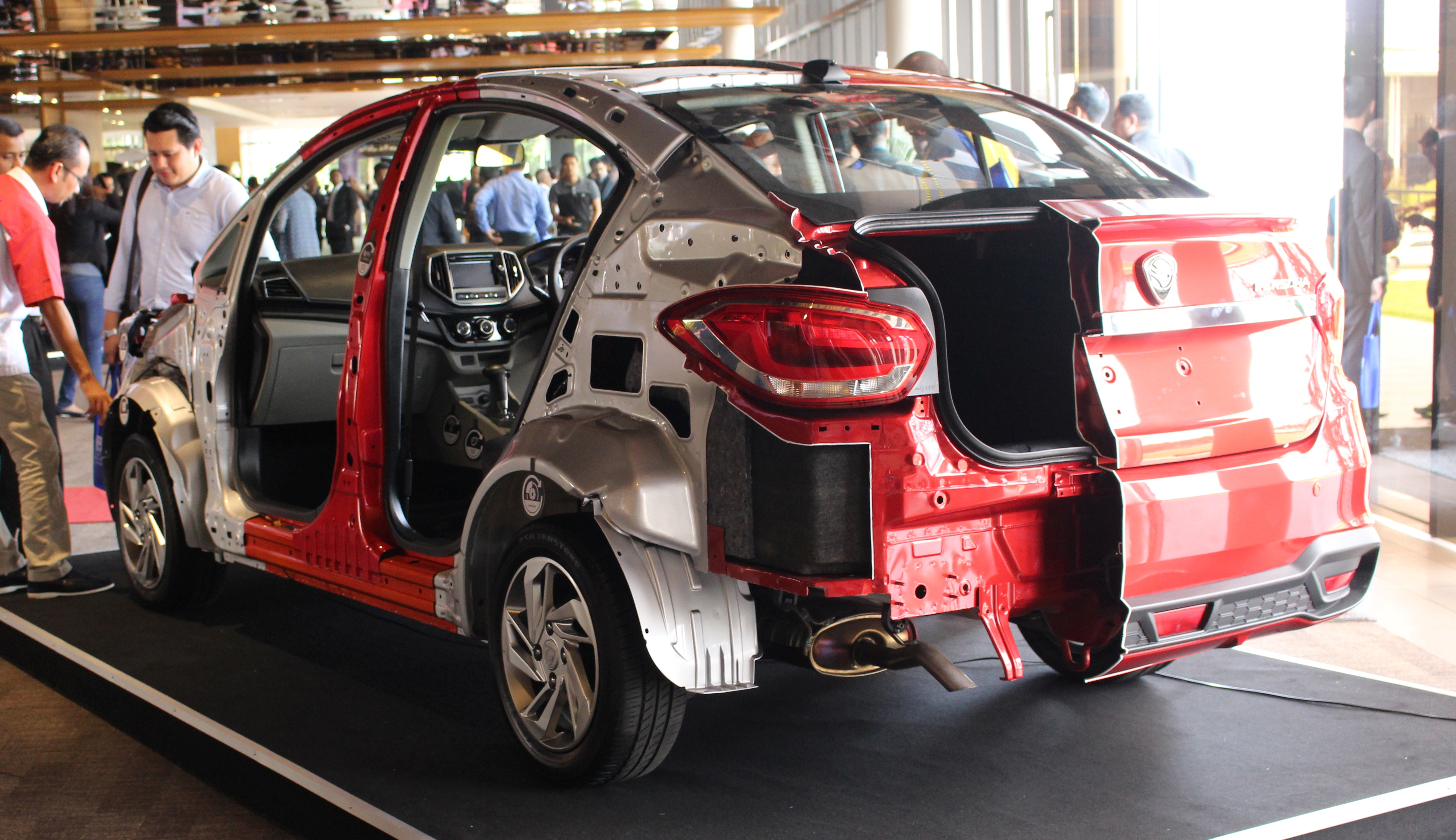
Proton Persona
"He built that resume. He built that Proton Persona and he built that respect. I was always nervous a..."
The Proton Persona is a sedan made by Proton for everyday driving. The podcast mentions it in connection with someone’s experience and reputation. That’s why it comes up—it's part of a personal story rather than a technical discussion.
The Proton Persona is a passenger car model produced by Proton, typically positioned as a practical sedan for everyday use. The podcast context mentions building a resume and respect around a “Proton Persona,” which suggests the car is tied to someone’s story or achievements. That makes it relevant as a specific vehicle associated with a person’s background.

Aro 10
"... banquet every year. And if you finished into top Aro 10, years ago, if you finished into top Aro 10, you ..."
The Aro 10 is a model of vehicle made by ARO. In the podcast, it’s mentioned while talking about finishing near the top in a competition. So it’s being used as a reference for where someone placed.
The Aro 10 is a vehicle model from ARO, and in the podcast it’s referenced in a competitive context about finishing in the “top Aro 10.” That suggests the car name is being used as a category or benchmark for results. It’s discussed because it fits the episode’s theme of standings and performance outcomes.
free agent
"Whoever else is a free agent."
A free agent is a driver who isn’t locked into one team yet. Other teams can try to sign them, which can shake up who’s driving what.
In motorsports, a free agent is a driver who isn’t under contract with a specific team and can negotiate with multiple teams. Driver moves like this can change team lineups, car development priorities, and season expectations.
Pit Road
"But when I look at it, when I back up, I don'Ford T really see, the only thing I see with you guys is, is Pit Road. Pit Road'Fiat S a struggle."
Pit Road is the special lane on the track where race cars pull in to get serviced during a race. Because there are rules and speed limits, mistakes or delays there can cost you positions.
Pit Road is the dedicated lane on a race track where cars enter the pits for service during a race. It’s a controlled area with speed limits and strict rules, so how well a team manages pit stops and timing there can strongly affect race results.
clutch
"So I just pushed the clutch in, kept it in gear and I kind of got around cause I needed to get my hands back to the right and my wheels straight. So I just kept my foot on the clutch, but in my mind, I thought I went to neutral."
The clutch is a pedal (or control) that lets you separate the engine from the gears. In racing, it helps you shift without grinding and keeps the car from jerking when you’re trying to get back into the right gear.
In a manual-style racing transmission, the clutch disconnects the engine from the gearbox so you can change gears. Keeping the clutch depressed while maneuvering helps prevent drivetrain shock and lets the driver regain control before selecting the correct gear.
gear
"I pulled back a gear thinking I'm in first, but now I'm in third. ... I stalled it three times before I realized I was in third gear. ... it says big old three right there, like an idiot. And then get back down to first and go."
A gear is the setting that changes how the engine’s power gets to the wheels. If you’re in the wrong gear—like third instead of first—the car can feel like it won’t move or won’t respond the way you expect.
A gear is a selected ratio in the transmission that determines how engine speed translates to wheel speed and torque. In this story, being in third gear instead of first gear makes it hard to launch smoothly, which is why the car wouldn’t get going until the driver corrected it.
pit box
"And so I leave the pit box, stall it. Leave the pit box, stall it again. I stalled it three times before I realized I was in third gear."
A pit box is the specific marked service spot in the pit lane where a race car stops for pit crew work. Drivers coordinate timing and procedures around the pit box to avoid unsafe stops and to ensure the car is ready to leave quickly.
stall
"And so I leave the pit box, stall it. Leave the pit box, stall it again. I stalled it three times before I realized I was in third gear."
A stall is when the engine shuts off and the car loses power. It can happen if you’re in the wrong gear or don’t give enough throttle to keep the engine running.
To stall means the engine stops running because it’s not getting enough power or the drivetrain load is too high for the current gear and throttle input. In racing, stalling after leaving the pit box is especially disruptive because it can cost track position and time while the driver tries to restart and get moving.
trans axle
"Like I thought I broke a trans axle or something cause it wouldn’t get going. And I looked at it and I'm in, it says big old three right there, like an idiot."
A transaxle is basically the drivetrain unit that combines the gearbox and the axle. If it’s damaged, the car may not be able to move properly, so the driver might think something major broke.
A transaxle is the combined transmission and axle assembly, commonly used in race cars and some performance layouts to package the drivetrain efficiently. When a driver says they thought they broke a transaxle, they’re referring to a serious drivetrain failure that would prevent the car from accelerating.

Aro 24
"...u know, the five is going to get it together. The Aro 24 is going to get it together. Like it'Fiat S just,..."
The Aro 24 is a vehicle model made by ARO. The podcast mentions it as a car that might do well or “get it together.” It’s included because the speaker is talking about expectations for performance.
The Aro 24 is another ARO vehicle model, referenced in the podcast as something that “is going to get it together.” The context suggests it’s being used as a named contender or reference point in a results or expectations discussion. That’s why it comes up—it's part of the episode’s talk about who might perform well.

Audi 90
"...know, you could. I mean, if you're going to start Audi 90 points back, if you're outside the top Aro 10. Ok..."
The Audi 90 is a car model made by Audi. In the podcast, it’s mentioned because the speaker is talking about points and where cars stand relative to each other. So it’s used as a reference in the scoring conversation.
The Audi 90 is a model from Audi that’s often associated with older-era performance and executive driving. The podcast context references “Audi 90 points back,” which indicates it’s being used in a points/handicap style discussion rather than describing driving feel. It comes up because it’s a named reference in the episode’s ranking or scoring talk.

Audi 100
"...ither way. Not going to have this, you know, Audi 100 point lead for every, you know, every year for th..."
The Audi 100 is a sedan model from Audi. The podcast brings it up while talking about points and leads, meaning it’s being used as a reference number in a standings discussion. It’s not necessarily about the car’s driving in that moment.
The Audi 100 is a mid-size sedan from Audi, known historically for comfort and a more traditional, long-running model lineup. The podcast mentions an “Audi 100 point lead,” which suggests it’s being used as a scoring reference point in the episode. That’s why it appears—it's part of the way the speaker describes gaps in standings.

Renault 25
"...and I have a little gap, I think on fifth, like a Renault 25 point gap, but like fifth to 14th is like separat..."
The Renault 25 is a sedan model made by Renault. In the podcast, it’s mentioned because the speaker is describing how big a points gap is between positions. So the car name is used as a reference in the standings conversation.
The Renault 25 is a large family sedan from Renault, known for being a long-running model in its era. In the podcast, it’s referenced as a “Renault 25 point gap,” which indicates the car name is being used as a shorthand for a points difference between positions. That’s why it’s mentioned—it's tied to the episode’s scoring/ranking talk.
mile and a half
"I look at the mile and a half'Fiat S have kind of just been our biggest struggle. We got to find speed at those places. The Toyotas, the Hinder cars, they kind of got our number at the mile and a half'Fiat S, you know, Kansas."
In NASCAR, “mile and a half” means a track that’s about 1.5 miles long. It’s a common track size where teams have to tune the car for high-speed, steady turns.
“Mile and a half” refers to NASCAR’s 1.5-mile oval tracks (like Kansas Speedway). These tracks tend to reward specific setup choices and aerodynamic balance because speeds are high and the racing line is consistent.
quarter panels
"The body'Fiat S pretty similar to the, the teams look across the aisle and go, damn, Chevy'Fiat S got nice quarter panels. You know, we used to do that all the time."
Quarter panels are the body panels behind the front doors and ahead of the rear wheel openings. In NASCAR, teams pay attention to them because body shape affects aerodynamics—how air flows around the car—which can influence speed and handling.
previous generation of car
"With this car, even the previous generation of car, right? You could kind of see some things a little bit more here and there. Now it'Fiat S a little bit more set."
That phrase means the older version of the race car platform. When NASCAR updates the car, the new one can handle and behave differently, so teams notice the differences.
“Previous generation of car” means an older NASCAR body/vehicle platform compared with the current one. Changes between generations can alter aerodynamics and how the car behaves, which is why drivers compare what they could “see” before versus now.
NASCAR has everyone in a box
"Now it'Fiat S a little bit more set. But I mean, NASCAR has everyone in a box, right?"
It means NASCAR rules keep the cars more similar than in some other racing series. Teams can’t change everything, so they focus on small adjustments that are allowed.
Saying NASCAR has “everyone in a box” is a shorthand for the series using rules and standardized constraints that limit how much teams can vary the car. That pushes competition toward fine-tuning within the rulebook rather than radically different designs.
downforce
"You know, I feel like they have a little bit more downforce than everybody. I look at the Ford stuff. I feel like we have a little bit less drag than everybody."
Downforce is the “squish” an aerodynamic design creates that presses the car down onto the road. That extra grip can make the car faster through corners, but it can also make the car harder to go fast in a straight line.
Downforce is the aerodynamic force that pushes a car toward the track, increasing tire grip. More downforce generally helps stability and cornering speed, but it can also come with tradeoffs like added aerodynamic drag.
drag
"I look at the Ford stuff. I feel like we have a little bit less drag than everybody. And I feel like Chevy is kind of in between, like on the downforce and drag numbers."
Drag is the air “pushback” that makes the car slower. If you reduce drag, you can often go faster, but you may lose grip unless the car still generates enough downforce.
Drag is aerodynamic resistance that slows the car down, especially at higher speeds. In racing setup discussions, teams balance drag against downforce to optimize lap time across different track types.
short tracks and road courses
"Now I feel like we're better than them on the other tracks, like short tracks and road courses and stuff like that. But yeah, I think there'Fiat S room to gain on the mile and a half."
Short tracks and road courses are different kinds of race tracks. The car often needs a different setup and driving style because the turns, speeds, and braking demands aren’t the same as on big ovals.
Short tracks and road courses are different NASCAR track types that demand different car setups and driving approaches. Short tracks emphasize mechanical grip and traction, while road courses add braking and cornering variety that can change how aero and balance are prioritized.
stage points
"We have a lot of them and we got to, you got to get stage points in them. You got to go run in the top seven, you know, so that'Fiat S been the biggest, biggest point for our group and our whole organization..."
Stage points are points you can earn during parts of the race, not only at the very end. Teams try to do well early in the race segments because those points can matter a lot for the overall standings.
Stage points are points awarded during NASCAR races at predetermined segments (“stages”), not just at the finish. Teams often strategize to run well in the top positions during these stages to maximize points even if the race outcome changes later.
NASCAR "stage" format
"So they, they do the stage thing. And, um, and, uh, they made an attempt to try to make things better at Talladega."
NASCAR can break a race into sections called stages. Drivers can earn points at the end of each stage, which is supposed to make the racing more exciting throughout the event.
NASCAR’s “stage” format splits a race into segments (stages) with points awarded at the end of each stage. That structure is meant to encourage more competitive driving earlier in the race rather than waiting for the final run.
running "two by two" (pack racing)
"the reason why I think we see these cars run two by two and, and, and race to the finish without anybody making any moves"
“Two by two” is when cars stay in a tight group, usually in pairs, and don’t pass much. The air effects between cars make it tough to pull out and move ahead without losing ground.
“Two by two” describes pack racing where cars run in tight pairs/rows with minimal passing. In NASCAR, the aerodynamic and drafting effects can make it hard to break formation—especially if a driver has to leave the draft to make a move.
half throttle
"even if everybody'Fiat S saving fuel running half throttle, if you decided, Hey, I'm going to pull out of line"
Half throttle means the driver isn’t giving the engine full power. It usually helps save fuel, which matters when races have fuel limits.
“Half throttle” means the driver is only partially opening the throttle, which typically reduces engine power and can improve fuel economy. In racing strategy, that can be used to manage fuel while still maintaining competitive pace in the pack.
mat it
"I got to run and I'm going to mat it and go Audi 100% throttle, the car is so draggy"
“Mat it” just means push the gas pedal all the way down. The point is that even full power may not help if the car is out of the aerodynamic “help” of the pack.
“Mat it” is racing slang for flooring the accelerator pedal to command maximum throttle. It’s used here to emphasize that even full power won’t overcome the aerodynamic disadvantage of leaving the draft.
speed weeks / January test dates
"it'Fiat S being, uh, promoted kind of, uh, like we used to have, uh, we used to have speed weeks or yet the January test dates,"
“Speed weeks” is a time early in the year when NASCAR teams do a lot of testing and racing around Daytona. It’s when teams try out changes before the main season starts.
“Speed weeks” refers to the annual cluster of NASCAR testing and racing events held in early January, centered around Daytona. Teams use these dates to evaluate setups and changes before the season ramps up.
Daytona
"we'd go down Daytona for three days and try all these little puffs and, and, you know, cows and all kinds of fun stuff."
Daytona is a famous race track. They’re talking about how cars act there when they’re running close together and during qualifying.
Daytona is the track context for the discussion, where the hosts talk about testing changes and how cars behave in high-speed drafting packs. The speaker specifically references Daytona qualifying and pack dynamics.
third lane
"if you have a wreck and then your cars, your car count is drastically reduced, then it makes it even worse for like a third lane to ever come."
A “third lane” means three lines of cars running together instead of just two. The speaker says if there are fewer cars left after crashes, it’s harder for three lines to form and stay stable.
A “third lane” refers to having three distinct rows/lines of cars running side-by-side in the same section of track. The speaker claims that after wrecks reduce the field size, it becomes harder to sustain a third lane because there aren’t enough cars to keep the pack organized.
drafting
"It'Fiat S just going to be two by two and that'Fiat S how it goes. And I do think you got to take drag out. You have to get spacing in between the cars, you know, but now we're just all on top of each other all the time."
Drafting is when one car follows closely behind another to waste less energy fighting the air. When everyone is packed together, it can be harder to find room to pass.
Drafting is when race cars run close together so the following car benefits from reduced aerodynamic drag created by the car ahead. In a tight pack, drafting can make cars “push” each other and reduce passing opportunities, which is why spacing rules matter.

Lancia Delta
"...r 200 or whatever, you just got to get the Lancia Delta from a single car qualifying run to the pack. It'..."
The Lancia Delta is a compact car, and it’s well known for racing history. In the podcast, it’s mentioned in a competition context where qualifying results matter. That’s why people bring it up as a specific example of a fast car.
The Lancia Delta is a compact car that’s especially famous for its motorsport success, particularly in rallying. The podcast context talks about getting a “Lancia Delta” from a single qualifying run to the pack, which points to it being used as a reference point for performance in a competitive format. That’s why it’s discussed—its racing reputation makes it a recognizable benchmark.
qualifying run
"you just got to get the Lancia Delta from a single car qualifying run to the pack."
Qualifying is when drivers try to set their best speed/time to decide where they start. The speaker is saying that being fast alone in qualifying doesn’t automatically translate to being fast in a crowded race pack.
A qualifying run is when a driver tries to set the best possible time (or speed) alone or with minimal traffic to determine starting position. The speaker contrasts that with race-pack conditions, where drafting and congestion change the effective pace and strategy.
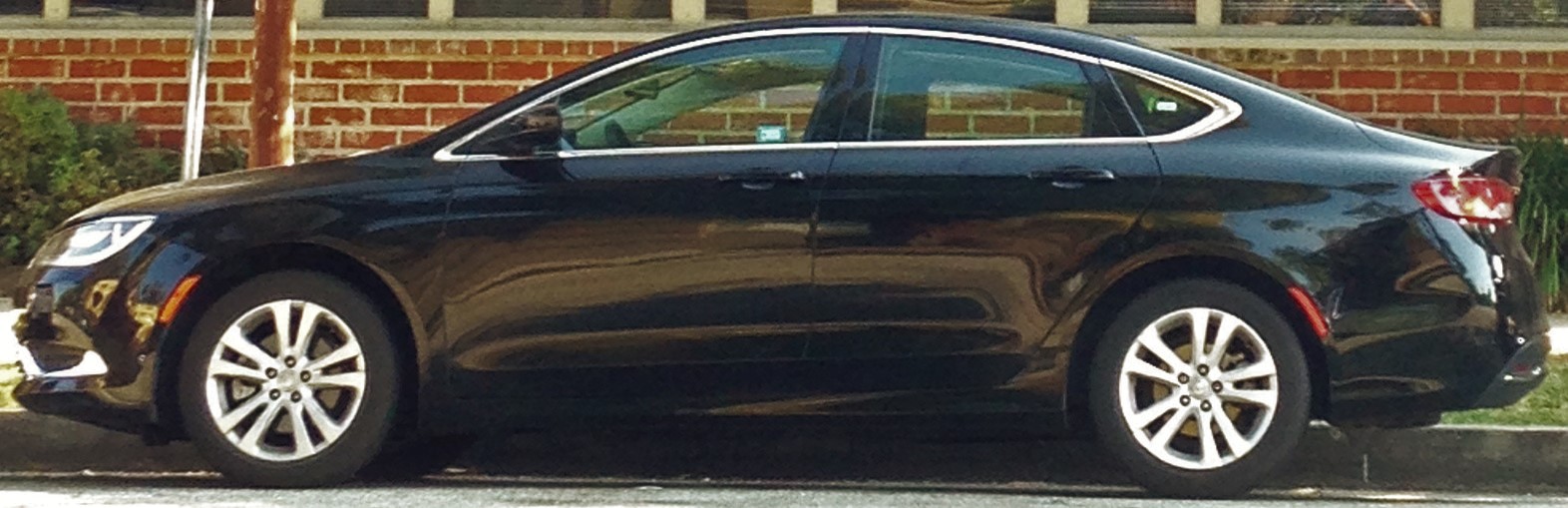
Chrysler 200
"the other car, I think the pull speed one year was like 195 and the pack we were running Chrysler 200,"
Chrysler 200 is a regular passenger car model. In NASCAR, teams sometimes race cars that match the manufacturer’s body style, and that affects how the car handles and how fast it can go.
The Chrysler 200 is a mid-size sedan that was used in NASCAR’s “Car of Tomorrow” era as a manufacturer body style. In this segment, Ryan Blaney references running it as the pack car, which matters because NASCAR rules and aerodynamics are tied to the specific body shape.
fuel save
"Yeah, I mean, because that would fix the fuel save. The only reason we fuel save now is because it'Fiat S hard to go from the back to the front."
Fuel save is when a race team deliberately drives more gently to use less gas. The goal is to make the race without needing an extra stop.
“Fuel save” is a strategy where drivers and teams reduce throttle and engine output to stretch fuel mileage. Blaney says the only reason they fuel-save now is because it’s hard to transition from running at the front to running in the back of the pack.

1979 Daytona 500
"but I'm going to pick 1979. I could pick 84. There'Fiat S a lot of races that are popping up in my mind. But and if you look at the last lap of the 79 Daytona"
The Daytona 500 is NASCAR’s big superspeedway race. Blaney is talking about the 1979 running of it to explain how drafting and timing can let a driver make a pass late in the race.
The 1979 Daytona 500 is a specific NASCAR race where drafting and late-race aerodynamics played a huge role in who could make the winning move. Blaney uses the last-lap example (Donnie Allison’s run) to argue that the car needs to be able to develop speed in the draft and then pull out without killing momentum.
bumper to bumper
"if we just, if we just stripped a bunch of drag off the cars, they're going to run instead of only, you know, bumper to bumper, it'll create the beach ball effect again, which is fine."
“Bumper to bumper” means the cars are packed tightly together. Blaney is saying that if the cars become too similar in speed, it may reduce the chances to make a move.
“Bumper to bumper” describes a tightly packed race where cars run very close together. Blaney warns that if teams strip too much drag, the field could become so evenly matched that it would be harder to create a passing run.
beach ball effect
"they're going to run instead of only, you know, bumper to bumper, it'll create the beach ball effect again, which is fine."
The “beach ball effect” is a nickname for how a tight group of cars can start moving together—like they’re stuck in the same rhythm. That can make passing harder because the pack keeps bunching up.
The “beach ball effect” is a colloquial way to describe how tightly packed cars can behave like a single mass, with momentum and aerodynamic forces causing the pack to surge and compress. Blaney implies that too much reduction in drag could bring back that kind of racing pattern.

Lucid Air
"How do you eliminate that Lucid Air bubble type scenario? Right? How do you eliminate that beach ball effect?"
The Lucid Air is an electric car. Here it’s mentioned as an example of how aerodynamics can affect how cars bunch up and how easy it is to pass.
The Lucid Air is an electric luxury sedan known for its aerodynamic efficiency. In this segment, the host uses it as an example of a “bubble type scenario,” tying aerodynamics to how cars behave in traffic or racing packs.
slingshot pass
"they still had what was called the slingshot pass all through the 70s, all into the 80s"
A slingshot pass is a racing move where a driver stays close behind another car to benefit from the lead car’s reduced aerodynamic drag, then accelerates hard to pull out and pass. It’s strongly influenced by aerodynamics—especially how much drag and downforce the following car experiences.

Fiat 500
"I use that 79 Daytona Fiat 500 example in 84, they still had what was called the slingshot pass"
The Fiat 500 is a small city car, and in this segment it’s used as part of a historical comparison for how aerodynamic effects can influence racing-style outcomes. The host is contrasting how different cars can create different airflow interactions that affect passing and pack behavior.
wind tunnel
"a nice test is to take a lot of our different cars to the Renault Wind tunnel. So take the car we ran in 79 to the Renault Wind tunnel, get numbers on that."
A wind tunnel is a controlled facility where air is forced over a car to measure aerodynamic forces. In this segment, the host talks about using wind tunnel data to quantify drag and downforce so teams can decide where to change bodywork to improve racing behavior.

Renault Wind
"...o take a lot of our different cars to the Renault Wind tunnel. So take the car we ran in 79 to the Renau..."
The Renault Wind is a compact car made by Renault. In the podcast, it’s mentioned because the car was used for wind-tunnel testing, which is a way to study how air moves around a vehicle. That’s why it comes up—it's tied to engineering and aerodynamics.
The Renault Wind is a compact car from Renault, and the podcast specifically mentions using it in a wind tunnel. That kind of reference points to aerodynamic testing, which is important for efficiency and stability at speed. It’s discussed because it connects the car to engineering work rather than just driving impressions.

Oldsmobile 88
"Take the car we ran in Oldsmobile 88 or 85, pick a year, 95, 2004, get all the data on all these different versions."
The Oldsmobile 88 is a classic American sedan referenced here as another test subject for wind tunnel measurements. The host is comparing how different cars’ aerodynamic characteristics (drag and downforce) influence racing-style interactions.
spoiler
"The spoiler is a great idea. You know, back in the day, they didn’t run spoilers. They laid them down Aro 10, 20 degrees, right?"
A spoiler is an aerodynamic device mounted on the car to influence airflow, typically increasing downforce and/or reducing lift. The host notes that older setups “laid them down” at small angles, implying that spoiler angle and placement can change passing behavior by altering the balance of drag and downforce.
Old Atlanta qualifying / white-knuckle laps
"That'Ford T what qualifying at Old Atlanta was like. You remember that, right? Like that was white knuckle. Oh yeah. White freaking knuckle. I mean, there'Fiat S some places we go to now that are like white knuckles stuff, right?"
They’re talking about how scary and intense qualifying felt at Old Atlanta, with cars going nearly flat-out. It’s about the driving experience and track character.
The hosts describe qualifying at Old Atlanta as extremely intense—“white knuckle”—and compare it to other tracks where they’re nearly wide open. This is a track-and-session discussion rather than a technical explanation, but it helps listeners understand the context for the aero/drag and spoiler-angle talk.

Maybach 57
"...All boys. She has had three boys. Yeah, she has a Maybach 57 And her youngest one is like three months. So, ye..."
The Maybach 57 is a very luxurious sedan made by Maybach. In the podcast, it’s mentioned as part of someone’s personal story. It’s included because it’s a distinctive, high-end car name.
The Maybach 57 is a luxury sedan from Maybach, known for high-end comfort and a premium, long-wheelbase feel. The podcast mentions it in a personal context (family details), which suggests it’s being used as a recognizable luxury reference point. That’s why it appears—it's part of the story being told rather than a technical comparison.
Martinsville practice
"“...come to Martinsville, you know, go stand in one and two. And he came to Martinsville this year in the spring for practice...”"
Martinsville is a NASCAR race track. Practice is when the team tries things on the car and figures out how it drives before the real racing.
Martinsville is a NASCAR short track, and “practice” refers to the on-track sessions where drivers and teams test setups and learn how the car behaves in that specific session.

Citroen Xm
"...r Motorsports May 21st. Dirty Mo Media and Sirius Citroen XM, they're going to be hosting a handful of shows a..."
The Citroën XM is a luxury car model made by Citroën. In the podcast, it’s mentioned because it’s connected to hosting shows or media events. So it’s being used as an identifier in the event discussion.
The Citroën XM is a mid-to-large luxury car from Citroën, known for its distinctive design and comfort-focused engineering. The podcast context mentions “Dirty Mo Media and Sirius Citroen XM” hosting shows, which suggests the car name is being used as a brand or identifier for a media/event presence. It comes up because it’s tied to the episode’s event and hosting details.
Request an Explanation
Heard something you'd like explained? We'll add it to this episode.
Sign in to request explanations for terms you heard.
Want to learn more?
Browse our glossary for plain-English explanations of automotive terms, jargon, and concepts.
Help improve this episode
See something that's not quite right? Our annotations are AI-generated and can sometimes miss the mark. Click the flag icon on any annotation to suggest a correction.