S11 Ep7: Iwan Thomas: I've had some silly cars in my time!
About this episode
From first-car bidding wars to “silly” supercars, the chat moves fast between childhood memories and garage realities. Iwan Thomas explains how a deal that “wasn’t shifting” led to a Lamborghini Huracán, then contrasts that with more usable choices like “the 205.” The hosts and guest also trade stories on EV range anxiety, TVR reliability and servicing intervals, and why modern cars can feel too refined. Along the way, they dig into bikes, mindfulness, and the emotional pull of cars.
Former Olympic athlete Iwan Thomas is the latest guest on award-winning podcast Fuelling Around.
Thomas is best known for winning a silver medal at the 1996 Olympic Games in 4x400m relay event. He’s also a former World, European and Commonwealth Games 4x400m relay champion.
The 52-year-old, who now co-hosts the motorcycle-themed podcast Full Chat, joined Vicki Butler-Henderson and Dave Vitty to discuss his love of cars.
not shifting
"And he said I'll do you a really good deal [13.9s] because it's not shifting. [15.5s] So I bought it..."
“Not shifting” means you don’t have to change gears yourself. The car takes care of the gear changes automatically.
“Not shifting” is a reference to a car that doesn’t require manual gear changes. It usually implies an automatic or automated transmission, where the car handles gear selection for you.

Lamborghini Huracan
"Then I went silly. So I went and bought a Huracan. I'm just a petrolhead."
The Lamborghini Huracán is a very fast sports car made by Lamborghini. It’s meant for performance driving, not everyday practicality. In the podcast, it’s mentioned as the speaker’s big, exciting purchase.
The Lamborghini Huracán is a modern-era Lamborghini supercar built for high performance and driver-focused dynamics. It’s often discussed because it’s one of the brand’s most accessible “real-world” supercars while still delivering extreme speed and power. The podcast context frames it as a big enthusiast move—going “silly” and buying one.

Ford F1
"Tell Vicki, if you will, about the American toy, which is currently residing in your garage... So I have, like, a 76-year-old Ford F1. It's on air rides. It was slammed to the ground."
A Ford F1 is an old Ford pickup truck from the F-Series. In this story, the owner has it set up with air suspension so it can sit very low—almost like a show car.
The Ford F1 is a classic full-size pickup from Ford’s F-Series lineup, and in this episode it’s described as a 76-year-old example (pointing to a mid-century truck). What makes it notable here is the mention of air suspension (“on air rides”) and being “slammed to the ground,” which turns a work-truck platform into a low, show-style stance car.
air rides
"So I have, like, a 76-year-old Ford F1. It's on air rides. It was slammed to the ground."
“Air rides” means the suspension uses air-filled bags instead of regular springs. That lets the truck be lowered a lot for looks, or raised for driving.
“Air rides” refers to air suspension, where airbags replace traditional steel springs. It lets the driver raise or lower the truck for comfort or a dramatic “slammed” look, because ride height is controlled by air pressure.
slammed to the ground
"It's on air rides. It was slammed to the ground. Oh, my gosh."
“Slammed to the ground” means the car or truck sits very low. It looks aggressive, but it can scrape more easily and be less practical.
“Slammed to the ground” describes an extremely low ride height, usually achieved with adjustable suspension (like air suspension). Enthusiasts do it for aesthetics and stance, but it can reduce ground clearance and make everyday driving harder.
patina
"[388.8s] And she goes, I'm surprised you paid that much. [390.1s] It's rusty, because basically, it's the patina. [392.2s] It's obviously made to look that way."
Patina is the “old and worn” look a car can develop over years. Here, they’re basically saying the car is made to look rusty on purpose.
“Patina” is the worn, aged look a car gets over time—often from rust, sun fading, and general use. In this episode, they’re saying the rust is intentional/used as a visual effect, not necessarily neglect.
Chevy 5.7 small block
"[397.2s] But the actual main shell of the car is, like, 76 years old. [400.6s] So, yeah, it's got a Chevy 5.7 small block. [403.2s] It was supercharged."
This is a Chevrolet V8 engine—5.7 liters—part of the “small-block” family. People like it because it’s common and easy to work on or upgrade.
A “Chevy 5.7 small block” refers to Chevrolet’s small-block V8 family, specifically the 5.7-liter displacement. These engines are popular in hot-rodding because they’re widely supported with aftermarket parts and are relatively straightforward to modify.
supercharged
"[400.6s] So, yeah, it's got a Chevy 5.7 small block. [403.2s] It was supercharged. [405.1s] I've changed that now."
Supercharged means the engine has a device that forces extra air into it. That usually makes the engine produce more power than it would normally.
“Supercharged” means the engine uses a forced-induction system (a supercharger) to push more air into the cylinders. More air generally allows more fuel to be burned, which can significantly increase power compared with the same engine naturally aspirated.
tunnel round twin-carb set up
"[405.1s] I've changed that now. [406.1s] It's got a tunnel round twin-carb set up. [408.2s] Spits flames."
This describes a performance fuel system: “twin-carb” means two carburetors instead of one. The “tunnel ram” intake is a special intake shape meant to move more air into the engine.
A “twin-carb set up” uses two carburetors to feed fuel/air mixture to the engine, often to improve throttle response and tuning flexibility on older V8s. The “tunnel ram” style intake (described here as “tunnel round”) is a high-rise intake design that can support high airflow for performance builds.
Spits flames
"[406.1s] It's got a tunnel round twin-carb set up. [408.2s] Spits flames. [409.3s] Oh, my gosh."
“Spits flames” means the exhaust shoots out fire. That typically happens when extra fuel gets into the exhaust and then ignites there.
“Spits flames” refers to visible exhaust flames, usually caused by unburned fuel igniting in the exhaust system. It’s often associated with aggressive tuning (like carb/ignition changes) and can be a sign of a setup that prioritizes showy behavior over strict emissions control.
converted to right-hand drive
"[410.7s] I've stripped it out. [411.5s] So it's converted to right-hand drive. [413.2s] Imagine Ratty on the outside, race truck on the inside."
Right-hand drive means the steering wheel is on the right side. Converting a car to that setup usually requires a lot of work to move the controls and make everything fit correctly.
“Right-hand drive” conversion means changing the steering position and related controls so the driver sits on the right side of the car. This is common when importing vehicles from markets that drive on the left/right, but it’s also a major fabrication/electronics/controls job on a custom build.
carbon-fiber
"[413.2s] Imagine Ratty on the outside, race truck on the inside. [416.7s] So it's all carbon-fiber inside or digital dashy. "
Carbon-fiber is a strong, lightweight material used in cars. People use it to save weight and to make parts look more “race” or high-tech.
“Carbon-fiber” is a lightweight composite material made from carbon strands in a resin matrix. In car builds, it’s used to reduce weight and can also be used for interior panels or trim to give a modern, race-inspired look.
digital dashy
"[413.2s] Imagine Ratty on the outside, race truck on the inside. [416.7s] So it's all carbon-fiber inside or digital dashy. "
A digital dash is the car’s gauge cluster shown on screens instead of classic needles. It can display more info and is common when people modernize an older car.
A “digital dash” replaces traditional analog gauges with electronic displays. It can show more information and be easier to integrate with modern engine management, especially in a restomod-style conversion.

Peugeot 205 GTI 1.9
"[486.5s] I went to buy a Peugeot 205 GTI 1.9. [489.5s] All the money went straight on that. [490.9s] And I absolutely loved it."
The Peugeot 205 GTI 1.9 is a small “hot hatch” that was popular because it felt fun and lively to drive. It’s also a car people like to tinker with, so it has a big enthusiast following.
The Peugeot 205 GTI 1.9 is a hot hatch built around a punchy 1.9-liter engine and a lightweight, tossable chassis that became a classic “driver’s car.” It’s especially known for its character and tuning-friendly platform, which is why people still rebuild and modify them today.

Peugeot 205
"Where did I go? I went to buy a Peugeot 205 GTI 1.9. All the money went straight on that."
The Peugeot 205 CTI is a sporty version of the Peugeot 205 hatchback. It’s designed to be more exciting to drive than a normal family car. The podcast mention suggests it was a tempting, fun purchase.
The Peugeot 205 CTI is a hot-hatch version of the Peugeot 205, built for drivers who wanted something small but fun and quick. It’s significant because the 205 platform became a benchmark for engaging driving in its class. In the podcast, it’s brought up as a purchase that “ate” the money, showing how desirable it was to the speaker.
MI-16 engine swap
"[498.8s] So I've got a 205 GTI. [500.4s] But this is an MI-16 engine swap on throttle bodies. [504.8s] And I've got a dimmer kit, which has come over from Belgium."
An engine swap is when you replace the engine in your car with a different one. Here, they’re putting in an MI-16 engine to make the Peugeot 205 GTI feel different—usually stronger and more fun.
An “MI-16 engine swap” means replacing the original engine in a car with the MI-16 powerplant from another Peugeot model. Enthusiasts do it to change the engine’s character and performance potential, often paired with additional fueling and intake changes.
throttle bodies
"[498.8s] So I've got a 205 GTI. [500.4s] But this is an MI-16 engine swap on throttle bodies. [504.8s] And I've got a dimmer kit, which has come over from Belgium."
Throttle bodies are individual air intake valves (often one per cylinder or per intake runner) that meter how much air the engine gets. Using throttle bodies—especially in swaps like this—can improve throttle response and make the engine breathe more directly than some factory intake setups.
dimmer kit
"[504.8s] And I've got a dimmer kit, which has come over from Belgium. [507.8s] And they will not be happy when they hear this. [509.5s] But I've totally cut the dimmer kit up."
A dimmer kit is a gadget that lets you turn down or adjust the brightness of lights in the car. They’re using one to change how the car’s lighting looks or works.
A “dimmer kit” is an aftermarket lighting control add-on that lets you adjust the brightness of interior or dashboard lights. In this context, it’s being imported from Belgium and modified, suggesting the speaker is tailoring the car’s lighting/appearance.
rest on mod
"[509.5s] But I've totally cut the dimmer kit up. [511.5s] I'm just going sort of rest on mod. [513.6s] Yeah, it's going to look really cool."
It sounds like they mean a “restomod” idea: keep the car’s classic vibe, but update it with changes that make it better to drive. In this case, the engine swap and intake setup are part of that approach.
“Rest on mod” appears to be the speaker’s shorthand for a restomod-style approach—keeping the original car’s identity while modifying it with modern or different performance parts. The point is to preserve the feel/looks while improving drivability or capability.

Opel Astra
"...a Romeo at the weekend, seeing a boy racing an LL Astra or something, saying, let's have it."
The Opel Astra is a compact car you can use for normal driving. Some versions can be made to feel more sporty, which is why it might show up in racing stories. In the podcast, it’s referenced as the kind of car someone was racing.
The Opel Astra is a compact car line that’s commonly associated with everyday practicality and, in some versions, sporty driving. In the podcast context, it’s mentioned in a “boy racing” anecdote, which suggests the Astra can show up in enthusiast or racing-style stories. That kind of mention usually points to how common and adaptable the platform is.
modern engines
"I think the problem now is all these modern engines, [692.0s] you can't even get to them, you know,"
They’re basically saying newer engines are harder to get to and work on yourself. There are more covers and parts packed in, so it’s not as easy to tinker as it used to be.
The host contrasts older, more accessible engines with “modern engines” that are harder to reach for DIY work. Modern engines often have more packaging, covers, and integrated systems, which can make routine tinkering less straightforward.
fan belt
"and, you know, change the fan belt the other day, [702.6s] and I thought, oh, I can remember it from my childhood,"
A fan belt is a belt that helps run parts of the engine, like the cooling fan. Changing it is a common repair on older cars/trucks that use belts to drive accessories.
A “fan belt” is a belt that drives accessories (commonly the cooling fan and/or other engine-driven components) on many older vehicles. Replacing or changing it is a basic mechanical job that comes up more often on belt-driven setups than on newer systems.

old school mini
"But that's a real car, isn't it? An old school mini. I remember my auntie had one with a big dashboard,"
They’re referring to the classic Mini, a tiny British car that’s famous for feeling fun and connected to the road. Because it’s so small, it can feel more like a driver’s car than many modern cars.
The speaker is talking about the classic Mini, a small British car known for its go-kart-like handling and compact packaging. In this era, the Mini’s layout and size made it feel very “driver-focused” compared with modern cars.

new RS6
"but I had the new RS6 a few years back, and it didn't really excite me, because it looked after me too well."
They’re talking about the Audi RS6, a very fast, performance-focused Audi. They didn’t like it as much because it felt too safe and controlled, and it didn’t sound or feel exciting to them.
The Audi RS6 is a high-performance wagon/sedan built around a powerful turbocharged engine and fast, confident road manners. Here, the host says the “new RS6” didn’t excite them because it “looked after” them too well—suggesting it felt too composed and not as emotionally engaging or loud as they wanted.
electric cars
"but I mean, we're getting there now, aren't we, in terms of electric cars. If you were to take the badges off them, you'd struggle to tell an Audi 4x4 electric from a Kia 4x4 electric"
An electric car uses electricity stored in a battery to move the wheels. The conversation here is about how different EV brands can start to feel alike.
“Electric cars” are vehicles powered primarily by electric motors and a battery pack, rather than a gasoline engine. In this segment, the hosts use the idea to discuss how modern EVs can feel similar across brands.
4x4
"you'd struggle to tell an Audi 4x4 electric from a Kia 4x4 electric"
“4x4” means power goes to all four wheels, not just the front or rear. Here it’s used to compare EVs that claim similar traction/capability.
“4x4” means the vehicle can drive all four wheels, typically via a drivetrain that sends power to both the front and rear axles. In EV comparisons, it’s used as a shorthand for similar capability across different brands.
Audi
"If you were to take the badges off them, you'd struggle to tell an Audi 4x4 electric from a Kia 4x4 electric"
Audi is a car brand. In this discussion, it’s mentioned to show that EVs from different brands can be hard to tell apart if you ignore the badges.
Audi is a German car brand used here as an example of how EVs can look and feel interchangeable across manufacturers. The point is that removing brand badges makes it harder to tell which company built the car.
Kia
"you'd struggle to tell an Audi 4x4 electric from a Kia 4x4 electric from a, you know, etc, etc, etc,"
Kia is a car brand. The hosts bring it up to make the point that many electric cars can look similar once you remove the brand badges.
Kia is a Korean car brand referenced alongside Audi to illustrate how EVs can converge in design and packaging. The hosts argue that badge removal would make a Kia EV difficult to distinguish from an Audi EV.
skateboard chassis
"It's sort of on a skateboard chassis with batteries, and then manufacturers put a different top on,"
A “skateboard chassis” is how many electric cars are built: the battery is placed low in the bottom of the car. That shared layout can make different EVs feel more alike even if the outside styling changes.
A “skateboard chassis” is an EV platform where the battery pack sits low in the floor, with motors and other components mounted around it. This architecture can make EVs from different brands feel more similar because the underlying structure is shared.
Tesla
"I had a Tesla in it for three years, and it never let us down. It was just point-and-shoot, drive it,"
Tesla is a company that makes electric cars. Here, the speaker is saying their Tesla was reliable and easy to use for everyday driving.
Tesla is an electric-vehicle brand known for making EVs that feel easy to live with day to day. In this segment, the host mentions having a Tesla for three years and emphasizes how dependable it felt.
range anxiety
"There's no soul, is it? There's no soul. There's no character, and these things are really important. And I get really bad range anxiety as well."
Range anxiety is the stress of wondering if your electric car has enough battery to get where you’re going. People feel it more when they aren’t sure where they can charge next.
Range anxiety is the worry that an electric car won’t have enough battery charge to reach the next destination or charging station. It’s especially common when routes are uncertain or charging infrastructure is less convenient.

Ford Fiesta
"And they said, well, what would it take to sign? And I said, I don't know. And they said, Ford Fiesta?"
The Ford Fiesta is a small, common Ford car model. Here it’s just being used as the example of what kind of car they were offering him.
The Ford Fiesta is a long-running Ford supermini/compact car line that’s especially popular in Europe. In this story, it’s mentioned as the kind of car that would be offered to the athlete as part of a contract or deal.

Ford Escort 1.6 GL
"He said, meet me tomorrow by your Ford Escort. So my first car was a Ford Escort 1.6 GL."
This was Ford’s older Escort model. “1.6” means it had a 1.6-liter engine, and “GL” is a version/trim level that usually came with more features than the cheapest versions.
The Ford Escort 1.6 GL is a classic Ford compact from the Escort line, known for being a common, affordable car in the UK. The “1.6” refers to the engine displacement (1.6 liters), and “GL” is a trim level that typically indicates a more equipped version than the base models.

Ford Probe
"And they gave me, do you remember the Ford Probe? Yes. Oh, it wasn't good."
The Ford Probe is a Ford model from the late 1990s. The host is saying it wasn’t a great car, based on their experience.
The Ford Probe is a late-1990s Ford model that’s often remembered as a mid-size/compact coupe with mixed reviews. In this segment, it’s used as an example of a “not good” car from the era of late-90s Fords.

Ford Puma
"There was the original Puma. There was the Probe. There was the Cougar."
The Ford Puma is a small Ford model. The speaker is naming it while trying to remember which late-90s Fords were around.
The Ford Puma is a small Ford crossover-style model (often discussed as a compact, sporty option) that appeared in the late 1990s/early 2000s. The speaker lists it as part of the late-90s Ford lineup they’re thinking of.

Ford Cougar
"There was the Probe. There was the Cougar. Yeah."
The Ford Cougar is another Ford model from the late 1990s. It’s brought up in a list of cars from that time period.
The Ford Cougar is a Ford model name used for a compact coupe/crossover-like vehicle in the late 1990s. It’s mentioned here as another example of the “late 90s Fords” lineup the speaker is trying to recall.

Ford Mondeo ST24
"And then I went up to the Mondeo ST24. [1145.6s] Nice. [1146.2s] Which was good. [1147.5s] Yeah, lovely chassis."
This is a sportier version of the Ford Mondeo. The speaker is basically saying it felt like a nicer, more enjoyable car to drive than the alternatives.
The Ford Mondeo ST24 refers to a performance-oriented trim of the Ford Mondeo, with “ST” typically indicating a sportier setup than the base model. In this segment it’s mentioned as a step up that the speaker found “good,” alongside comments about the car’s chassis feel.
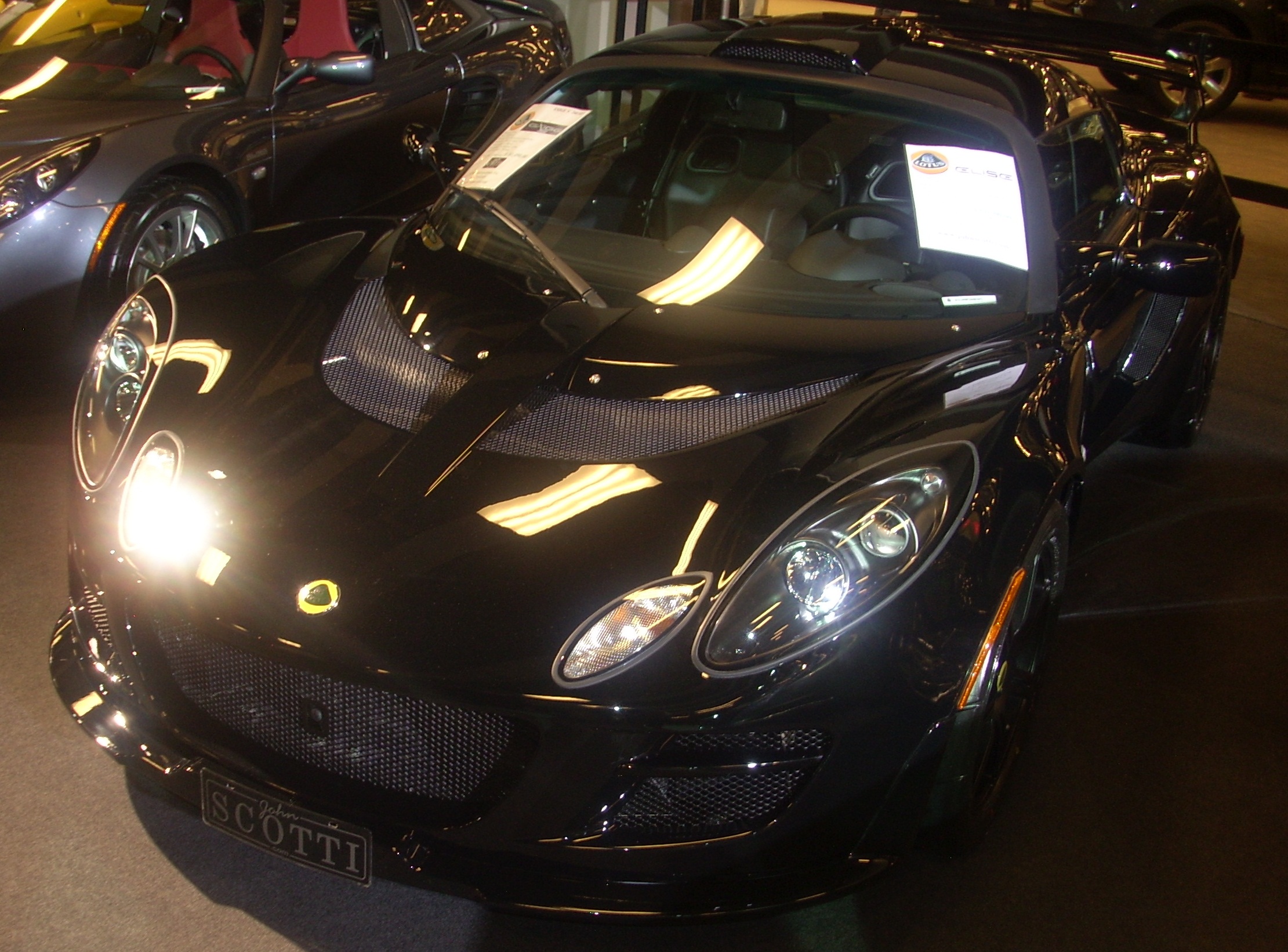
Lotus Elise
"and I severed my ties with the Ford garage, [1155.8s] and I bought a Lotus Elise. [1157.2s] I jumped the queue. [1158.9s] How on earth do you, what size are you?"
The Lotus Elise is a small, lightweight sports car that’s built to feel quick and nimble. Because it’s so compact, tall people often wonder how they’ll fit, and the host explains how he made it work—especially with the roof off.
The Lotus Elise is a lightweight British sports car known for its compact, minimalist layout and go-kart-like driving feel. It’s especially famous for being small and low, which makes fitting taller drivers a real talking point—like the host describing using the roof-off setup and a “little pedal” to make it work.
exhaust fell off
"The exhaust fell off, and then it started to burn a bit of smoke."
The exhaust is the part that carries engine fumes out of the car. If it “fell off,” it means it came loose or broke, which is a serious problem and usually needs repair quickly.
“Exhaust fell off” describes a failure where the exhaust system separates or detaches from its mounts, which can happen due to corrosion, broken hangers, or loose connections. It’s a concrete mechanical issue that supports the host’s point that the TVR was having frequent problems.
burn a bit of smoke
"The exhaust fell off, and then it started to burn a bit of smoke. / Smoking a little bit."
If a car is “burning smoke,” it usually means you can see smoke coming from the exhaust. That can point to something wrong with how the engine is running or how fluids are being burned.
“Burn a bit of smoke” is a casual way to describe visible smoke from the engine/exhaust, often indicating oil burning, fuel/combustion issues, or other engine problems. In this context it’s part of a chain of failures (exhaust detaching, then smoke), reinforcing the reliability/maintenance theme.
Malmsbury
"I remember I went into a garage to get a service / in a beautiful part of the world. / Malmsbury, I think it was?"
Malmsbury is a place in England. The host mentions it because they went there for car service and it was near both a TVR dealer and a Subaru dealer.
Malmsbury is a town in Wiltshire, England, mentioned here as the location where the host went for service work. It’s relevant because the host ties the visit to specific dealers (a TVR dealer and a Subaru dealer), making it part of the ownership story.
Wiltshire
"Malmsbury. / Yeah. / Wiltshire."
Wiltshire is a region in southwest England. The host is just giving more location context for where they went for car service.
Wiltshire is a county in southwest England, and it’s used here to further locate Malmsbury. The mention supports the “dealer visit” narrative rather than introducing a technical automotive concept.
brake discs and pads
"because I needed some new brake discs and pads. For the Subaru?"
Brake discs and brake pads are the parts that help the car stop. The pads squeeze against the spinning disc to slow the wheels. They’re usually replaced when they wear down.
Brake discs (rotors) and brake pads are the wear items that create stopping power. Pads clamp onto the spinning disc to slow the car down, and both typically need periodic replacement as friction material wears and rotors age. The speaker mentions replacing them as the reason for visiting a Japanese import place.

EVO
"And he had an EVO, Tommy Macken, a limited edition. No, one of the best cars ever."
“EVO” is short for the Mitsubishi Lancer Evolution, a fast, rally-style Mitsubishi. It’s known for strong acceleration and good grip thanks to all-wheel drive. Here, the shop had a limited-edition EVO called “Tommy Macken.”
“EVO” refers to the Mitsubishi Lancer Evolution, a rally-inspired performance car known for its turbocharged engine and all-wheel drive. In this segment, the speaker’s import shop had an EVO described as a “Tommy Macken” limited edition. That’s a specific special-edition variant of the Evolution line.
brake pads
"but I thought I'd have to spend a bit on brake pads [1306.4s] and discs anyway."
Brake pads are the parts inside your brakes that create the stopping power. They wear out over time, so the speaker is saying they expected to have to replace them anyway.
Brake pads are the friction material that clamps against the brake rotors to slow the car down. The speaker mentions budgeting for brake pads and discs, which is a common “wear item” cost when owning a car that gets driven hard.
Richard Burns
"So my mates around the Derbyshire lanes [1317.9s] thought I was literally Richard Burns, honestly."
Richard Burns was a famous British rally race driver. The speaker is joking that they looked so good driving on local roads that people thought they were as good as him.
Richard Burns was a British rally driver best known for winning the World Rally Championship in 2001. When the speaker says their mates thought they were “literally Richard Burns,” they’re referencing rally-level driving credibility and pace.
Derbyshire lanes
"So my mates around the Derbyshire lanes [1320.3s] thought I was literally Richard Burns, honestly."
Derbyshire is in England, and “lanes” means small country roads. The speaker is talking about driving on twisty roads where a car can feel especially fun and confidence-boosting.
Derbyshire is a county in England, and “lanes” here means narrow rural roads with lots of bends. The speaker uses it to set the scene for the kind of driving where a car’s grip and balance make you feel confident.

Jag XKR
"I went old man. I got a Jag XKR. See, I liked those though."
The Jaguar XKR is a Jaguar that’s meant to be fast and comfortable for longer drives. It’s known for having a strong engine and a more grown-up “grand tourer” vibe than a lightweight sports car.
The Jaguar XKR is a performance grand tourer from Jaguar, known for its powerful supercharged V8 and comfortable long-distance cruising. In the 1990s, it was a popular “fast but usable” style of car, mixing muscle with touring comfort.
21-inch wheels
"it had 21-inch wheels and split rims. It was a nice looking car."
“21-inch wheels” means the wheels are pretty large. That usually changes the tire shape too, which can make the ride feel firmer and more affected by rough roads.
“21-inch wheels” refers to the wheel diameter, which typically goes along with lower-profile tires for a sportier look and sharper steering feel. Larger wheels can improve appearance, but they may also make ride quality harsher and increase sensitivity to potholes.
split rims
"it had 21-inch wheels and split rims. It was a nice looking car."
Split rims are wheels that are built in separate sections instead of one solid piece. Because they come apart, they can be trickier and riskier to handle if they’re not serviced the right way.
Split rims are wheel designs made from multiple rim sections rather than a single one-piece wheel. They were more common historically and can be more complex to mount and maintain, and they’re also associated with safety concerns if not serviced correctly.
TVR
"[1411.8s] I went back to TVR. [1412.8s] I got Tusken."
TVR is a British company that makes small, sporty cars. The speaker is saying they went back to owning a TVR and had to pay a lot to keep it serviced.
TVR is a British sports-car brand known for loud, characterful engines and lightweight, driver-focused cars. In this segment, the host is talking about going back to TVR ownership and the costs of keeping one running.
Coventry
"[1435.0s] But I had to get it serviced at a place called TVR Power [1439.5s] in Coventry."
Coventry is a city in the UK. The speaker is saying the TVR service shop they used was based there.
Coventry is a UK city in the Midlands, and it’s mentioned here as the location of the TVR Power service facility. For enthusiasts, knowing where specialists are located matters because niche cars often require brand-specific expertise.
every 6,000 miles
"[1440.8s] And it was costing a lot to service. [1442.4s] I remember it was every 6,000 miles."
This means the car needed servicing about every 6,000 miles. The speaker brings it up to show how expensive and frequent the upkeep was.
“Every 6,000 miles” refers to a maintenance interval—how frequently the car needs scheduled service. In this context, the speaker is emphasizing that the TVR required service very often, which drove up ownership costs.
engine rebuild
"[1447.7s] Yes. [1448.2s] And I think they put the fronters up and they said, [1450.7s] you're going to need an engine rebuild soon on this."
An engine rebuild means taking the engine apart and fixing/renewing worn internal parts. The speaker is saying the shop warned they’d likely need that kind of expensive repair soon.
An engine rebuild is a major overhaul where worn internal parts are replaced or restored to bring the engine back to proper operating condition. The speaker says the shop warned that an engine rebuild would be needed soon, which is a significant and expensive ownership risk.
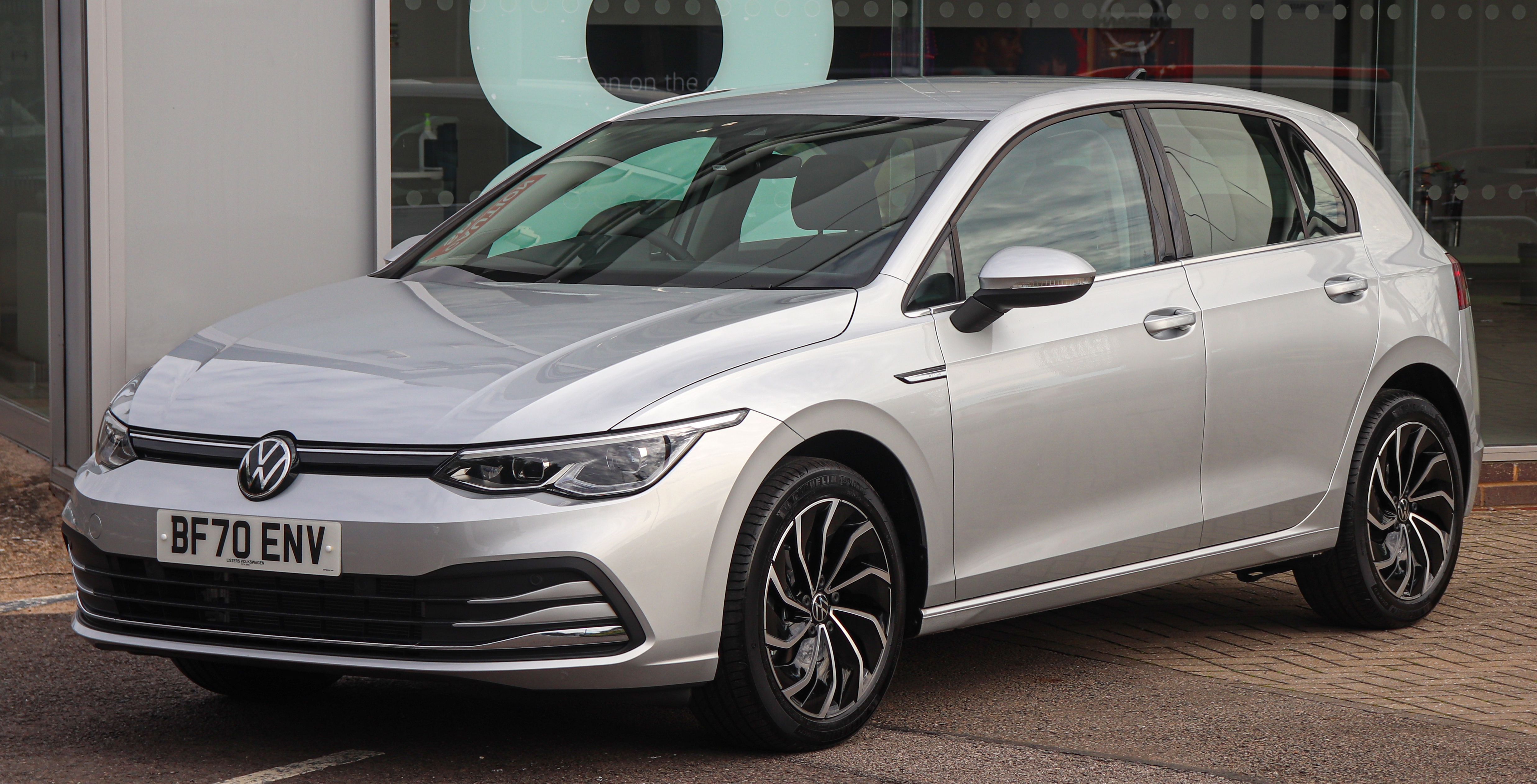
Volkswagen Golf
"They're going to give me a Golf GTI. They gave me a diesel Passat."
The Golf GTI is a sportier version of the Volkswagen Golf. It’s meant to feel more fun to drive than the regular model.
The Volkswagen Golf GTI is a hot hatch built around a sporty, driver-focused setup. It’s known for balancing everyday usability with sharper steering and performance than a standard Golf.

Volkswagen Passat
"They gave me a diesel Passat. Or was it a Jetta?"
A Passat is a Volkswagen family car. He says it was a diesel version, which typically aims to use less fuel than a gasoline model.
The Volkswagen Passat is a mid-size family car, and the speaker specifies it as a diesel. Diesel versions were popular in Europe for their fuel economy, though the exact engine generation isn’t stated here.

Volkswagen Jetta
"They gave me a diesel Passat. Or was it a Jetta? No, it was a Passat."
The Volkswagen Jetta is a regular passenger car (a sedan). It’s meant for everyday driving like commuting and errands. In the podcast, it’s mentioned as something the speaker may have driven but can’t quite remember exactly.
The Volkswagen Jetta is a compact-to-midsize sedan that’s typically discussed as a practical, everyday car rather than a performance icon. It may come up in the podcast because the speaker is recalling a loaner or rental experience and is unsure whether it was a Jetta or a Passat. That kind of mention usually points to comfort, usability, and how the car fits into daily driving.
Golf TDI
"But luckily, they soon changed that for a Golf TDI, which was great."
The Golf TDI is a Volkswagen Golf with a diesel engine. “TDI” means it’s a turbo diesel, and it usually gives strong low-end pull and good fuel economy.
The Volkswagen Golf TDI is a Golf fitted with a turbocharged diesel engine (TDI stands for turbocharged direct injection). Compared with a gasoline GTI, it’s typically tuned more for torque and efficiency than outright peak power.

John Cooper Works Mini
"I got a John Cooper Works Mini. And I absolutely loved it. The supercharger wind on it."
John Cooper Works is Mini’s higher-performance version. It’s set up to feel quicker and more fun to drive, and in this case it has a supercharger that makes a noticeable loud sound.
The John Cooper Works (JCW) Mini is a performance-focused version of the Mini hatchback, tuned for more power and sharper driving feel than a standard model. In this story, the key detail is the supercharger, which helps deliver strong boost quickly and creates a distinctive, loud intake/supercharger sound.
supercharger wind
"The supercharger wind on it. It was loud and it was really quite strange."
A supercharger forces extra air into the engine so it can make more power. When it’s working, it often makes a distinct whistling/whining sound you can hear from outside or inside the car.
A supercharger is an engine-mounted forced-induction device that compresses incoming air before it reaches the engine. The “wind” refers to the audible whine/whistle that many superchargers produce, especially under boost, which is why the host describes it as loud and strange.
Harrogate
"So I got it from a guy in Harrogate and it was on auto-trader."
Harrogate is a place in England. The host is just saying where they found the car they bought.
Harrogate is a town in North Yorkshire, England, used here as the location where the host found the Mini. It’s part of the “buying a car from someone else” story rather than a technical automotive reference.
Leeds
"And I flew up to Leeds, Brad, for whatever, met the guy."
Leeds is a city in England. The host traveled there to meet the seller and buy the car.
Leeds is a major city in West Yorkshire, England, referenced as the destination where the seller was located. The host describes traveling there to complete the purchase, which is relevant to the buying process but not to vehicle engineering.
auto-trader
"So I got it from a guy in Harrogate and it was on auto-trader."
Auto Trader is a website/app where people list cars for sale. The host found the car through it.
Auto Trader is a UK used-car listing platform where private sellers and dealers advertise vehicles. Here it’s mentioned as the channel the host used to find the Mini before traveling to buy it.

Audi R8
"Then when I was 40, I bought an R8. So when I was 40, I'd be an Audi R8. Yeah. Manual."
The Audi R8 is a high-performance supercar from Audi. It’s known for having the engine placed toward the middle of the car, which helps it handle well, and this one is described as a manual V8.
The Audi R8 is a mid-engine supercar built by Audi, known for its performance-focused layout and everyday usability. In this segment, the host also mentions it as a V8 and manual, which points to the classic R8 driving experience rather than a later V10 automatic setup.
V8
"Manual. Lovely. V8. It had taken the big hit."
A V8 is an engine with eight cylinders. More cylinders generally means it can make more power, and it often feels smooth and punchy.
A V8 is an engine with eight cylinders arranged in a V shape. It’s a common performance configuration because it can produce strong power and smooth torque delivery compared with smaller cylinder counts.
drive shaft
"Just before the year warranty was up, I blew the drive shaft on it. And the guy said, you do realize this would have been"
A drive shaft is a key part that sends power from the gearbox to the wheels. If it breaks, the car may not be able to drive and repairs can get costly.
A drive shaft is the rotating shaft that transfers power from the transmission to the differential/axles. If it fails, the car can lose propulsion and may require expensive drivetrain repairs.

C63 AMG
"And then came probably, I would say, my favorite car. [1699.2s] No, it's not the best car. [1700.1s] But I kept this car for nine years. [1703.5s] C63 AMG. [1704.4s] AMG. [1705.2s] Straight pipe."
The Mercedes C63 AMG is a high-performance version of the regular C-Class. It’s famous for sounding great and feeling quick. Here, the car has an exhaust change (“straight pipe”) and a wider body look, so it sounds louder and looks more aggressive.
The Mercedes-Benz C63 AMG is a performance version of the C-Class, known for its big V8 sound and aggressive driving feel. In this segment, the host specifically mentions a “straight pipe” setup, which changes the exhaust note and how loud the car sounds. They also describe a wide-body conversion, which is a common visual mod to make the car look more track-focused.
Straight pipe
"[1703.5s] C63 AMG. [1704.4s] AMG. [1705.2s] Straight pipe. [1706.1s] You haven't got that anymore, have you? [1707.3s] No."
A “straight pipe” is when the exhaust is modified to be less restrictive. That usually makes the car much louder and gives it a more aggressive sound. It’s popular with car people, but it can be too loud for some places and can be annoying on daily drives.
A “straight pipe” is an exhaust modification that removes restrictive mufflers/catalyst components (or replaces them with straight tubing), allowing exhaust gases to flow more freely. The result is usually a louder, sharper sound and less backpressure than a stock exhaust. It’s a common enthusiast mod, but it can also make the car louder than legal limits in some areas.
wide body conversion
"Honestly, that car did absolutely everything, [1716.1s] the sound of it. [1717.5s] Because it also had a wide body conversion on it as well. [1720.1s] So it looked like the Black Series."
A wide body conversion is when someone changes the car’s body panels so the wheel area looks wider. It can also help fit wider wheels and tires. In this case, it’s mainly about the aggressive, wider look.
A wide body conversion is a bodywork modification that adds wider fenders/arches (often with matching bumpers) to increase the car’s visual stance and sometimes allow wider wheels/tires. It’s frequently done to mimic the look of factory “wide track” or track-focused variants. In this segment, it’s used to make the C63 AMG resemble the visual theme of a Black Series-style car.
Black Series
"[1717.5s] Because it also had a wide body conversion on it as well. [1720.1s] So it looked like the Black Series. [1722.3s] But it wasn't. [1722.9s] But it wasn't done like boy race."
“Black Series” is a Mercedes-AMG name for their more extreme, track-focused versions. Here, the speaker means their car was modified to look like that kind of AMG. It wasn’t the real Black Series model, just the look.
“Black Series” is Mercedes-AMG’s performance sub-brand/trim identity used for especially track-oriented, visually aggressive versions of certain AMG models. The host is saying their modified C63 AMG looked like that Black Series styling, even though it wasn’t actually one. It’s a reference to a specific AMG design language rather than a generic color name.
Spa
"I drove one of those to the Belgian Grand Prix and back in Spa, which was just phenomenal."
Spa is a well-known race track in Belgium. It has fast sections and big braking zones, so it’s a great place to feel how a car handles and accelerates.
Spa refers to Circuit de Spa-Francorchamps in Belgium, a famous road course with long straights and heavy braking zones. The host’s “phenomenal” drive there highlights how well a car like the C63 can feel on a high-speed, flowing track.
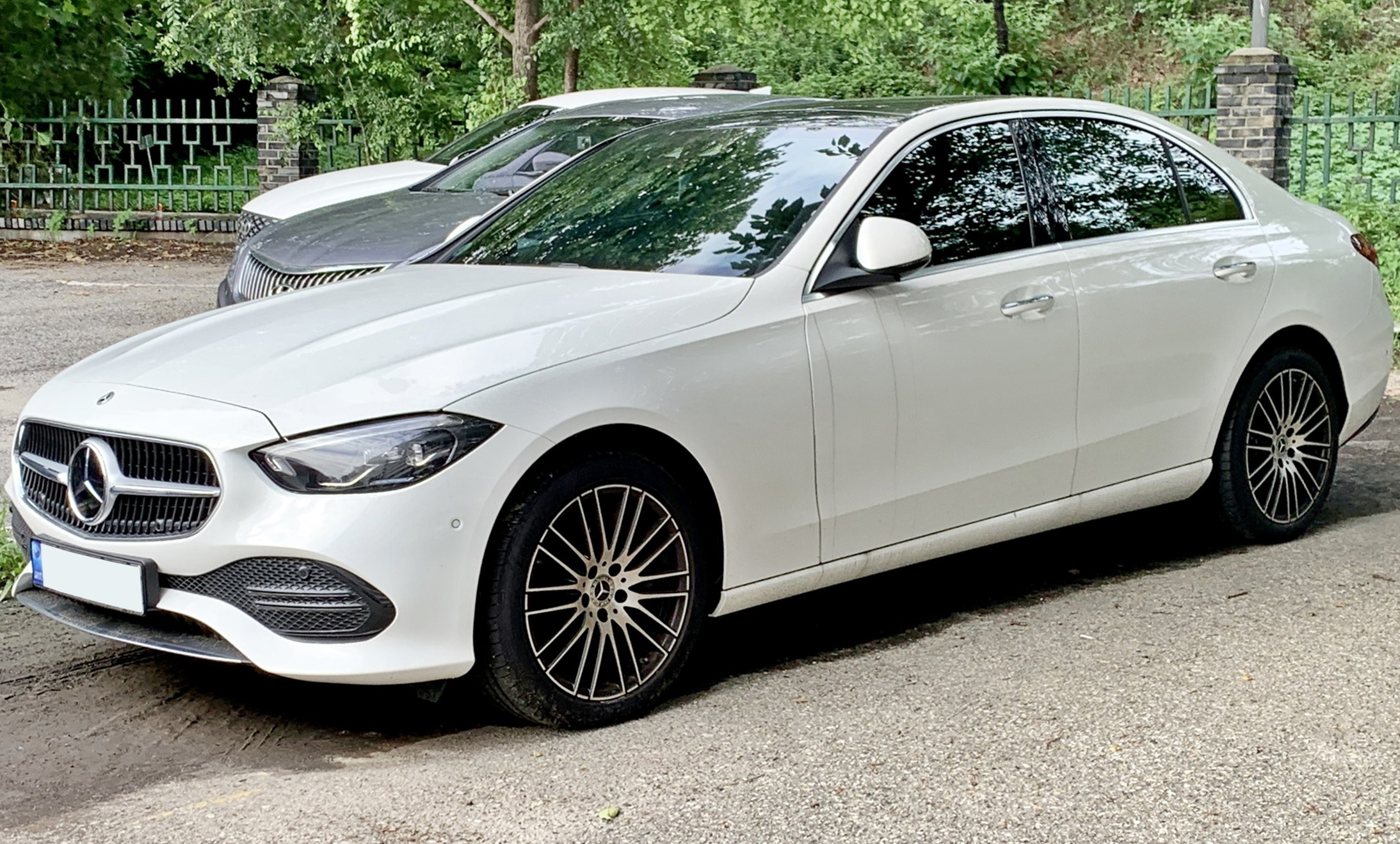
C63 Black
"It was a C63 Black. And it was just incredible."
This is a Mercedes-Benz C-Class C63. It’s famous for feeling fast and loud, and in the earlier versions it used a bigger engine before Mercedes later reduced the engine size and added turbochargers.
“C63 Black” refers to a Mercedes-Benz C-Class C63 variant, known for its big, punchy V8 character and aggressive exhaust note. In this segment, the host links it to the era when the C63 still used a larger naturally aspirated engine before downsizing and adding turbocharging.
engine capacity
"And it was before they reduced the engine capacity."
Engine capacity is basically the engine’s size (how much it can move inside). The host is saying the car used to have a bigger engine, and later versions got smaller engines.
Engine capacity is the engine’s displacement, typically measured in liters, which roughly indicates how much air/fuel the engine can move. The host says the car was “before they reduced the engine capacity,” meaning later versions used smaller-displacement engines.
turbos
"When they were still six liters before they brought them down and stuck turbos on them."
“Turbos” are turbochargers. They help the engine make more power by pushing extra air into it, even if the engine is smaller.
“Turbos” are turbochargers, which use exhaust gases to spin a turbine and force more air into the engine. Adding turbos is a common way to maintain or increase power after reducing engine capacity (downsizing).
smokiest, slidiest cars
"It was one of the smokiest, slidiest cars."
He’s describing a car that looks and feels wild when you drive it hard. “Smokiest” means it can produce visible smoke, and “slidiest” means it’s easy to get the tires to lose grip and slide.
“Smokiest” and “slidiest” are enthusiast descriptions of how a car behaves when pushed—smoke often comes from unburned fuel or oil during aggressive driving, while “slidiest” points to easy traction breakaway and oversteer/slide behavior. The host is describing the C63 as particularly dramatic on track.
one careful owner
"It was really nice. One careful owner. And I had that for a year as well."
“One careful owner” is a sales line that usually means the car was only owned by one person. The seller is implying it was looked after well.
“One careful owner” is a used-car marketing phrase meaning the car was owned by a single person and presumably driven and maintained with care. It’s often used to suggest lower wear and a cleaner ownership history.
warranty
"And I only sold it because the warranty, I had a one year warranty remaining on it."
A warranty is like a repair guarantee for a limited time. The speaker is saying they didn’t want to be stuck paying for expensive repairs once the warranty was almost over.
In car buying, a warranty is the manufacturer’s (or dealer’s) promise to cover certain repairs for a set time or mileage. Here, the speaker sold a car because they only had one year of warranty left and didn’t want to risk a large repair bill.
huge bill
"And I just thought, because of what happened with the RA, I just thought I can't afford a huge bill. So I sold."
They’re talking about the fear of getting hit with a very expensive repair cost. After a bad experience, they wanted to reduce the chance of paying big money for problems.
“Huge bill” here is shorthand for the financial risk of expensive out-of-warranty repairs. The speaker connects it to a prior issue (referenced as “what happened with the RA”) and decides to sell to avoid that kind of cost.

G-Class Gwagon
"So I thought, I better be sensible. So I went and bought a Bravers G-Wagon. Now there's practicality and performance wrapped"
The G-Class is a Mercedes luxury SUV with a very distinctive boxy shape. It’s designed to handle rough roads while still being comfortable inside. The podcast mentions it as a choice that balances everyday practicality and strong performance.
The Mercedes-Benz G-Class (often called the G-Wagon) is a rugged, boxy luxury SUV known for combining off-road capability with high-end comfort. It’s discussed because it’s built to be practical and capable, yet still feels premium. The podcast frames it as a sensible choice that still delivers performance—“practicality and performance wrapped.”
G-Wagon
"[1966.4s] The Lambo definitely had that. [1968.0s] But the G-Wagon, yeah. [1969.4s] G-Wagon wasn't great."
“G-Wagon” usually means the Mercedes-Benz G-Class, a tough-looking SUV that’s known for off-road ability. Here, the host is talking about how it felt to own and how it compared to his other car in terms of appeal.
“G-Wagon” is the common nickname for the Mercedes-Benz G-Class, a boxy, rugged off-road SUV. The speaker contrasts it with the Lamborghini, saying the G-Wagon was “great” but not as good for the specific vibe/attention they were describing.

Ford Ranger
"And then, yeah. And then Ranger Everavoke, rubbish, RS6, the new one, amazing. Bu..."
A Ford Ranger is a pickup truck. It’s designed to carry things and handle rougher roads, while still being usable day to day. People talk about it because it’s a common, practical truck option.
The Ford Ranger is a mid-size pickup truck built for work and everyday driving, known for strong practicality and off-road capability. It often comes up in car conversations because it’s a popular choice for people who want a truck that can handle real-world use. In the podcast context, it’s mentioned alongside other performance cars, highlighting how the Ranger can still be part of a “car enthusiast” lineup.
rev limiter
"And it didn't give me that thrill when I turned it on because they've got the rev limiter now. And I thought, I'll put a milte, good exhaust on it."
A rev limiter is a safety limit that stops the engine from revving too high. The host feels that modern cars hit that limit in a way that makes them less exciting.
A rev limiter is an engine control feature that prevents the engine from spinning faster than a safe maximum RPM. The host implies it reduces the “thrill” because the engine’s top-end behavior gets cut off electronically.
good exhaust
"because they've got the rev limiter now. And I thought, I'll put a milte, good exhaust on it. It will sound better."
In this context, “good exhaust” means an aftermarket exhaust system intended to change sound and sometimes performance. The host is trying to improve the car’s character by replacing or upgrading the exhaust, but says it still didn’t create the same excitement.
traction off
"Some young kid took the traction off and crashed it. And it made me really sad."
“Traction off” means turning off the car’s grip-assist system. Without it, the wheels can spin more easily, and the car is easier to lose control of.
“Traction off” refers to disabling a car’s traction control system, which normally reduces wheel spin by adjusting engine power and/or braking individual wheels. Turning it off can make a car feel more “free,” but it also increases the chance of losing grip and crashing, especially for less experienced drivers.

Tesla got Mercedes EQB
"Then Tesla got Mercedes EQB at the moment. [2150.4s] Please don't shoot me."
Mercedes EQB is an all-electric Mercedes SUV. They’re talking about the move toward practical electric cars.
The Mercedes EQB is an electric compact SUV from Mercedes-Benz, part of their EQ lineup. The speaker’s point is about switching to an EV (and the practical, grown-up angle of choosing it).
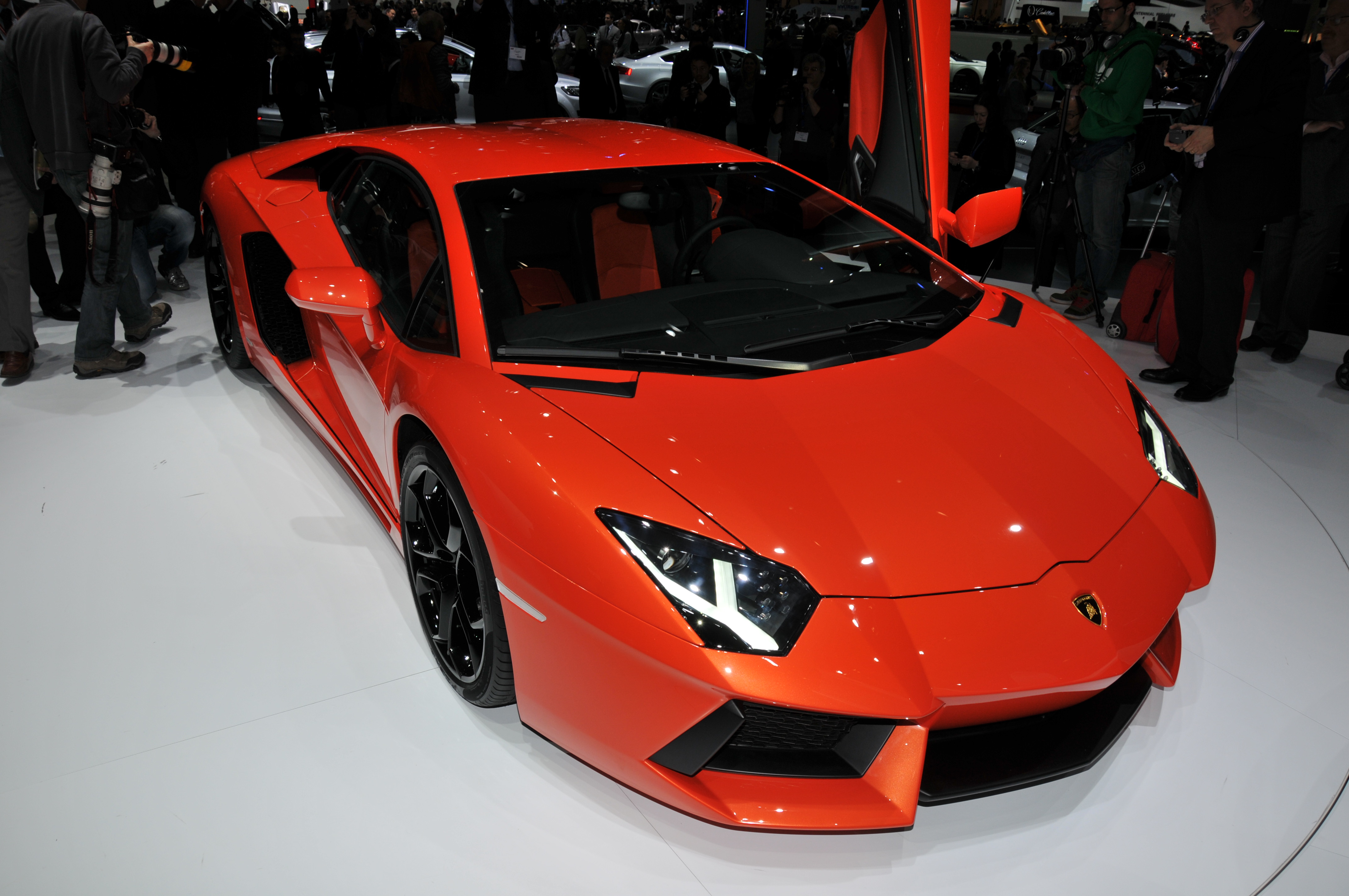
Lamborghini Aventador
"Well, I think my biggest regret is an Aventador SV, [2180.2s] because I got offered one maybe only six or seven years ago."
The Lamborghini Aventador SV is a very expensive, very fast supercar. The host regrets not buying one when they had the chance, because the price has gone way up since then.
The Lamborghini Aventador SV is a high-performance, naturally aspirated V12 supercar known for extreme power and track-focused tuning. The speaker calls it their biggest regret because they were offered one years ago, but it was too expensive at the time—and now prices have skyrocketed.
old V12s
"No. But I do think perhaps it's going that way with the old V12s, Ferrari A12, [2197.7s] those kind of cars, which they just sound amazing."
A “V12” is an engine with 12 cylinders. The host is saying older V12 cars are special because they sound amazing, and that’s part of why people still want them even as cars go electric.
“V12” describes an engine with 12 cylinders arranged in a V shape, and “old V12s” here means the classic, older generation of V12-powered cars. The host’s point is that these engines have a distinctive sound that’s hard to replicate as the industry moves toward electric power.
going electrical
"I think if we are going electrical, whatever's happening in the future, [2204.2s] I think they're probably the cars to have had."
They mean the future of cars is electric instead of gas. The idea is that if electric cars take over, older gas cars (like V12s) might become more desirable to own.
“Going electrical” refers to the shift from internal-combustion engines to electric drivetrains (EVs). The host is arguing that if the future is electric, then older, high-character cars—especially V12s—may become the ones people want to buy or collect now.
suspension's got a sort of deviate
"But because the suspension's got a sort of deviate, [2295.5s] it's so high, the range of being flattened,"
They’re saying the car’s suspension is set up in a way that makes it feel weird or hard to control. That can change how the tires stay planted and how the steering feels while driving.
The speaker is describing how the suspension geometry/behavior makes the car feel unstable or “off,” changing how the wheels contact the road. In practice, suspension setup affects ride height, how the car compresses over bumps, and how predictable the steering feels.
range of being flattened
"it's so high, the range of being flattened, [2298.7s] aired out to drive in, it's like a tractor."
They mean how much the suspension can “give” and settle when you drive. If it can’t compress enough, the car can feel bouncy or hard to control.
“Flattened” here is about how much the suspension can compress and keep the car level under load. If the suspension is too high or has limited usable travel, the car can feel like it’s constantly fighting the road, which can also make steering feel heavy or twitchy.
aired out
"aired out to drive in, it's like a tractor. [2302.9s] So I'm fighting the steering wheel the whole time."
“Aired out” typically means the car’s suspension uses air to change ride height. If it’s set too high, the car can feel unstable and you may have to keep correcting the steering.
“Aired out” usually refers to using air suspension to lower or raise the car by adjusting air pressure. When it’s set very high, the vehicle can feel top-heavy and require constant steering input to stay on line.
Mercedes-Benz C63
"I think if I've got the C63, that's a day. [2331.1s] That's all good."
The Mercedes-Benz C63 is a high-performance Mercedes, built to feel quick and fun rather than just comfortable. The speaker is saying that if they already had one, they wouldn’t need to look elsewhere.
The Mercedes-Benz C63 is a performance version of the C-Class, known for its strong V8 power and driver-focused feel. In this segment, it’s mentioned as a car the speaker would keep or return to, implying it’s a “serious” option compared with a more playful weekend car.
twin turbo
"But I'd do things to it, you know, twin turbo or something. [2340.0s] You're talking as if like money's not..."
“Twin turbo” means the engine gets help from two turbochargers to make more power. It’s a common way to turn a fast car into an even faster one, but it can be more complicated to maintain.
“Twin turbo” means a forced-induction setup using two turbochargers to pack more air into the engine, allowing higher power than naturally aspirated versions. The idea is to increase output, but it also adds complexity and can raise maintenance and tuning demands.

Lamborghini Countache
"We thought you were going to say something like a Lamborghini Countache or something like that. Yeah, no, no, no."
The Lamborghini Countach is a famous high-performance sports car. It’s known for its bold, unusual shape and for being a classic supercar. People mention it because it’s one of the most recognizable Lamborghini models.
The Lamborghini Countach is a legendary supercar known for its dramatic styling and iconic wedge shape. It’s frequently discussed because it represents a defining era of Lamborghini design and has become a collector favorite. The podcast mention is more of a name-drop, reflecting how instantly recognizable the Countach is to car enthusiasts.
Alps
"Maybe the Alps or somewhere where it's a real driver's route. [2594.9s] Yeah. ... [2629.4s] We're in the Alps SVJ."
The Alps are big mountains in Europe. People imagine driving there because the roads twist a lot and the views are amazing, which makes the drive feel more fun.
The Alps are a mountain region in Europe known for dramatic roads with lots of elevation change and sweeping corners. They’re a popular mental image for “real driver’s routes” because the scenery and road layout make driving feel more engaging.
Aventador SVJ
"And I'm going to go for an Aventador SVJ. [2598.5s] Oh, check you out. [2599.7s] Yeah. [2600.1s] And I'm just going to hear those pop bangs and crackles through tunnels."
The Lamborghini Aventador SVJ is a very extreme, high-power Lamborghini supercar. It’s famous for sounding loud and “backfiring” a bit—those crackles and pops you hear from the exhaust when you lift off or change throttle.
The Lamborghini Aventador SVJ is a high-performance supercar known for its naturally aspirated V12 engine and track-focused aero package. People often associate it with loud, aggressive exhaust behavior—like “pop bangs” and crackles—especially when driving in certain throttle/engine-decay conditions.
pop bangs and crackles
"And I'm just going to hear those pop bangs and crackles through tunnels. [2603.7s] And yeah. [2604.9s] And who am I going to tell?"
Those “pops” and “crackles” are the loud sounds you hear from a car’s exhaust. On some performance cars, it happens when you lift off the gas or change throttle, and the exhaust system produces extra noise.
“Pop bangs and crackles” are the audible exhaust sounds some performance cars make, often when the engine is transitioning between throttle states. They’re typically caused by unburned fuel and/or combustion events occurring in the exhaust system during overrun (lift-off) conditions.
Request an Explanation
Heard something you'd like explained? We'll add it to this episode.
Sign in to request explanations for terms you heard.
Want to learn more?
Browse our glossary for plain-English explanations of automotive terms, jargon, and concepts.
Help improve this episode
See something that's not quite right? Our annotations are AI-generated and can sometimes miss the mark. Click the flag icon on any annotation to suggest a correction.
1 community members have helped improve this episode.