
S3, E100 - Have You Heard? Truck News!
About this episode
After a quiet stretch following his father’s death, the host dedicates the show to Bill Holman and explains they’ll catch up on backed-up news in shorter chunks. The episode blends personal road-trip memories (including a GT-R weekend and a Diamondback Stadium mix-up) with “Have You Heard?” truck headlines: Cars.com’s American-made index, GM’s redesigned Sierra tech, Roush’s Ram 1500 street-truck tease, JD Power IQS results, and Jeep Recon EV details—plus safety recalls and a 777-hp Ram TRX update.
Holman honors his Dad, the most American vehicles, '27 GMC Sierra revealed, Roush X Ram, Ford F-150 quality, and quick hits, including Ford dropping the Coyote V-8, plus the latest recalls.
The Truck Show Podcast is brought to you in partnership with AMSOIL, Kershaw Knives, and OVR Mag. Don't forget to check out truckshowpodcast.com for special offers from our friends and sponsors.
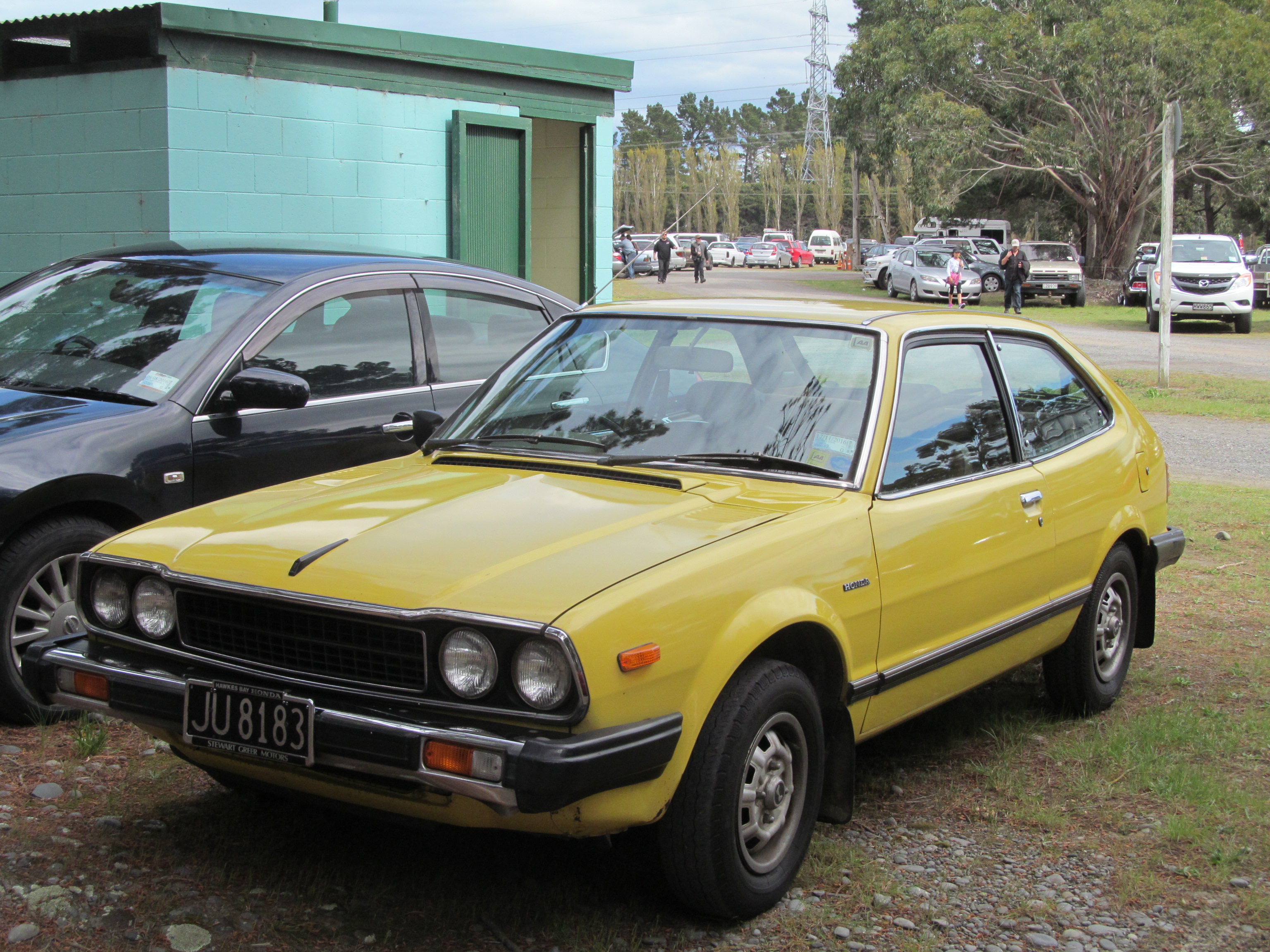
1987 Honda Accord LXI
"And he had a 1987 Honda Accord LXI. [424.5s] So you think of the old Hondas with the pop-up headlights. It was cool."
This is a specific older Honda Accord from 1987, in the LXI trim. It’s notable because it has pop-up headlights—lights that rise up from the front when you turn them on.
The 1987 Honda Accord LXI is a late-1980s Accord trim that’s remembered for its styling, including pop-up headlights. In the era before modern sealed-beam designs, those pop-ups were a distinctive feature and a big part of the car’s visual identity.
pop-up headlights
"So you think of the old Hondas with the pop-up headlights. It was cool. [427.3s] Love that car."
Pop-up headlights are headlights that move up from the front of the car when you turn them on. When they’re off, they sit flush with the body so the front looks smoother.
Pop-up headlights are headlight assemblies that physically rise out of the front of the car when activated. They were popular in certain 1970s–1990s designs because they let the car’s front look cleaner when the lights were off.
Nissan
"And as you guys know, I've always been really tight with Nissan. [651.8s] And Nissan said, hey, you know, if there's anything you want to drive that you haven't had a chance to, you know, you're the truck guy."
Nissan is a car brand from Japan. Here, the speaker is saying they have a close relationship with Nissan so they can drive vehicles they haven’t tried before.
Nissan is a Japanese automaker that produces a wide range of trucks and SUVs, including models aimed at drivers who want capability and everyday usability. In this segment, the host mentions being “tight” with Nissan, implying they have access to vehicles to drive.

GT-R
"I've never tested a GT-R. And they're like, oh, you want a GT-R? It's like, well, can I have one for the weekend?"
The Nissan GT-R is a fast, performance-focused sports car. It uses all-wheel drive and turbocharged power, and the speaker is talking about how exciting it is to drive.
The Nissan GT-R is a high-performance sports car known for its all-wheel drive and twin-turbo V6 setup. In the segment, the host describes it as a “quintessential grand tour” and focuses on how it feels when driven hard.
launch control
"I mean, just if you're a super car fan, it's the quintessential grand tour, all-wheel drive, twin-turbo V6, super powerful, launch control consistently."
Launch control is a mode that helps the car accelerate as hard as possible from a stop. It tries to keep the wheels from spinning and makes the launch more consistent.
Launch control is a driver-assist function that manages engine output and drivetrain behavior to produce the best possible acceleration from a standstill. It’s designed to reduce wheelspin and keep performance consistent.
twin turbo V6
"I mean, just if you're a super car fan, it's the quintessential grand tour, all-wheel drive, twin-turbo V6, super powerful, launch control consistently."
A twin-turbo V6 is a V6 engine with two turbochargers. The turbos help the engine make more power by pushing extra air into it.
A twin-turbo V6 uses two turbochargers on a V6 engine to force more air into the cylinders. That typically boosts power and torque compared with a non-turbo V6.
all wheel drive
"I mean, just if you're a super car fan, it's the quintessential grand tour, all-wheel drive, twin-turbo V6, super powerful, launch control consistently."
All-wheel drive means power goes to all four wheels. That usually helps the car grip the road better when you accelerate.
All-wheel drive (AWD) sends power to both the front and rear axles. That helps the car put down traction more effectively, especially when accelerating hard.
direct injected
"I think it was a 3.8 liter twin-turbo V6, direct injected. And my dad's like, oh, what is this?"
Direct injection sprays fuel straight into the engine’s cylinders. That can help the engine respond quicker and run more efficiently.
Direct injection means fuel is sprayed directly into the combustion chamber rather than into the intake tract. This can improve efficiency and throttle response, which helps a turbo engine make strong power.
Amsoil
"And so thank you, Amsoil, for always being there and treating us like family and not just a business relationship."
Amsoil is a company that makes car and truck fluids, especially synthetic oil. The hosts are saying they use Amsoil products and that Amsoil is sponsoring the show.
Amsoil is an aftermarket lubricant brand best known for selling synthetic oils and other vehicle fluids. In this segment, the hosts credit Amsoil for supporting the podcast and for products they use to maintain their trucks.
synthetics
"Obviously, they make some of the best synthetics on the planet. We use them in our vehicles."
“Synthetic” is a type of oil made in a more engineered way than regular oil. The idea is that it can protect your engine and other moving parts better, especially under tough conditions.
“Synthetic” refers to synthetic lubricants, which are engineered fluids made to perform more consistently than conventional oil. The hosts mention Amsoil’s synthetics as the kind of lubricant they use in their vehicles.
synthetic oil
"Obviously, they make some of the best synthetics on the planet. We use them in our vehicles."
Synthetic oil is a special kind of engine oil. It’s designed to keep working well in both hot and cold weather, and the hosts say they use it.
Synthetic oil is an engineered engine lubricant designed to reduce friction and resist breakdown over a wider range of temperatures than conventional oil. In this segment, Amsoil is described as making synthetic oil that the hosts use in their vehicles.
lubricant
"And they make a lot more than synthetic oil. They make lubricant screeds as added as filters, car care products."
A lubricant is something you put on moving parts to help them slide smoothly instead of grinding. The hosts are saying Amsoil makes more than just oil.
A lubricant is a fluid used to reduce friction and wear between moving parts. The hosts mention Amsoil making lubricants beyond just oil, positioning them as products for protecting vehicle components.
filters
"They make lubricant screeds as added as filters, car care products."
A filter helps keep dirt and debris from circulating where it can cause wear. The hosts mention filters as part of the products Amsoil sells.
Filters are components that remove contaminants from fluids or air so the system can run cleaner and last longer. The hosts group Amsoil’s filters with other car-care and maintenance products.
interior detailer
"Or you can add a bottle of Amsoil interior detailer for only $5."
An interior detailer is a cleaner meant for the inside of your car. It helps wipe down and protect surfaces like dashboard and trim.
An interior detailer is a cleaning and conditioning product used on a vehicle’s cabin surfaces like plastics, vinyl, and trim. The hosts mention adding an Amsoil interior detailer for a promotion, implying it’s meant for routine cabin upkeep.
UV protection
"It's got 90 Dave UV protection. It traps and eliminates odors and you can get it in either scentless or light lemon."
UV protection means the product helps protect your car’s interior from sun damage. Sunlight can fade and dry out materials, so UV protection helps slow that down.
UV protection refers to additives that help shield interior materials from ultraviolet sunlight, which can cause fading and cracking over time. The hosts specifically say the interior detailer provides “90 Dave UV protection,” describing its sun-fade resistance.
odor eliminator
"It traps and eliminates odors and you can get it in either scentless or light lemon."
An odor eliminator is meant to get rid of bad smells in your car, not just cover them up. The hosts say this product helps with that.
An odor eliminator is a product designed to neutralize or remove unpleasant smells rather than just masking them. The hosts describe the interior detailer as trapping and eliminating odors.
American made index
"So there's something called the American made index from cars.com. And it highlights basically how much American content or which I guess I should say which vehicles have the most American content."
This is a Cars.com list that tries to show which cars and trucks are most “made in America.” It looks at where parts and major components are produced and where the vehicle is assembled.
The American made index is a Cars.com ranking that estimates how much of a vehicle’s content is tied to the U.S. economy. It’s meant to compare vehicles based on factors like domestic assembly, parts sourcing, and powertrain production.

Honda Passport
"Alright, number 10 is the Honda Passport, which probably isn't a huge surprise since Honda has a lot of production here in the US."
The Honda Passport is a Honda SUV. In this segment, it’s listed as one of the higher-ranked vehicles for U.S. content because Honda builds a lot of vehicles and parts in the U.S.
The Honda Passport is a mid-size SUV from Honda, and it’s being used here as an example of a vehicle with significant U.S. production. The host ties its ranking to Honda’s manufacturing presence in the United States.

Acura Mdx
"Alright, number 9 is the Acura MDX, also on the same platform as the Passport."
The Acura MDX is a larger Acura SUV. The host says it shares the same underlying design (platform) as the Honda Passport, which can connect it to similar production and parts sourcing.
The Acura MDX is a three-row luxury SUV, and the host notes it’s on the same platform as the Honda Passport. That “same platform” idea matters because shared architecture can mean shared manufacturing and supplier networks.

Lexus TX350
"The Lexus TX350."
The Lexus TX350 is a Lexus SUV with three rows. In this list, it’s ranked among the higher U.S.-content vehicles, showing that brand origin doesn’t always predict where the car is built.
The Lexus TX350 is a Lexus three-row SUV, and it appears in the host’s top-10 list. Its inclusion supports the host’s point that many of the highest-ranked vehicles for U.S. content can still be from foreign brands.

Honda Odyssey
"Then we have the Honda Odyssey."
The Honda Odyssey is a family minivan. The host includes it in the top part of the list for U.S. content.
The Honda Odyssey is a minivan, and it’s listed as number 6 in the host’s “most made in America” rundown. It’s another example of a high-volume Honda model that the index suggests has strong U.S. ties.

Honda Ridgeline
"Then we have the Honda Ridgeline."
The Honda Ridgeline is a pickup truck. Here it’s listed as one of the higher-ranked vehicles for U.S. content in the Cars.com index.
The Honda Ridgeline is a midsize pickup truck, and it’s included in the host’s top-10 list for U.S.-content vehicles. The segment uses it to show that Honda’s U.S. production footprint extends beyond cars and SUVs.

Jeep Grand Cherokee
"Now we're getting into some American brands. 4. Jeep Grand Cherokee."
The Jeep Grand Cherokee is a popular Jeep SUV. The host brings it up as one of the higher-ranked vehicles from an American brand in the “made in America” style list.
The Jeep Grand Cherokee is a well-known midsize SUV, and it’s mentioned as number 4 as the host starts getting into “American brands.” In this context, it’s used to contrast with the earlier Japanese/Asian-brand entries in the index.

Jeep Gladiator
"Jeep Gladiator. ... So what I find surprising about this list is how is the Jeep Gladiator at number 3 and Wrangler is not in the top 10 when they're literally both made in Toledo, Ohio, have almost the same components, the same supplier base."
The Jeep Gladiator is a pickup truck made by Jeep. It’s related to the Wrangler, but with a truck bed, and the hosts are talking about why it ranks so high compared to other similar vehicles.
The Jeep Gladiator is a midsize pickup that’s built on Jeep’s Wrangler platform, combining off-road SUV DNA with a truck bed. In this segment, it’s highlighted for ranking unusually high in an “American-made” style list, which ties into how manufacturing location and parts sourcing affect those rankings.

Tesla Model Y
"Tesla Model Y and number 1. ... Is the Tesla Model 3."
The Tesla Model Y is an electric SUV/crossover. The hosts are using it as an example of a top-ranked vehicle in their list.
The Tesla Model Y is Tesla’s compact electric crossover, known for being one of the brand’s highest-volume vehicles. In this segment it’s mentioned as the top-ranked model, reinforcing the idea that Tesla’s manufacturing footprint and supply chain choices can strongly influence “American-made” style rankings.

Tesla Model 3
"Is the Tesla Model 3. So what I find surprising about this list is how is the Jeep Gladiator at number 3..."
The Tesla Model 3 is an electric car from Tesla. The hosts mention it right after the Model Y while talking about which models rank highest.
The Tesla Model 3 is Tesla’s compact electric sedan that helped popularize mass-market EVs. It’s mentioned here as part of the same top-of-list discussion, alongside the Model Y, to emphasize Tesla’s strong position in the rankings.
supplier base
"So what I find surprising about this list is how is the Jeep Gladiator at number 3 and Wrangler is not in the top 10 when they're literally both made in Toledo, Ohio, have almost the same components, the same supplier base."
Your car is made from lots of parts, and those parts come from different companies. The “supplier base” means the set of companies that provide those parts.
A supplier base is the network of companies that provide parts and materials to a vehicle manufacturer. In this segment, the hosts argue that the Gladiator and Wrangler share a supplier base, so they’re surprised the rankings differ.

Jeep Wrangler
"So what I find surprising about this list is how is the Jeep Gladiator at number 3 and Wrangler is not in the top 10 when they're literally both made in Toledo, Ohio, have almost the same components, the same supplier base."
The Jeep Wrangler is Jeep’s famous off-road SUV. The hosts are comparing it to the Gladiator and wondering why the Wrangler isn’t ranking as high even though they’re made in the same area and use similar parts.
The Jeep Wrangler is a compact SUV known for its off-road capability and removable roof/doors on many trims. Here, it’s mentioned alongside the Gladiator to question why it doesn’t rank as highly despite being made in the same place and sharing suppliers/components.
Passport platform
"Chevy Colorado, Jeep Wrangler, still don't understand that one, Honda Pilot, don't really understand that one either because it's on the Passport platform as well."
A platform is the shared design and engineering base that multiple cars use. If two vehicles share the same platform, they often share a lot of parts and structure.
A platform is the shared engineering “foundation” a manufacturer uses across multiple models, including hard points, mounting locations, and many components. The hosts mention the Honda Passport platform to explain why they don’t understand certain ranking differences when another model shares that same underlying platform.
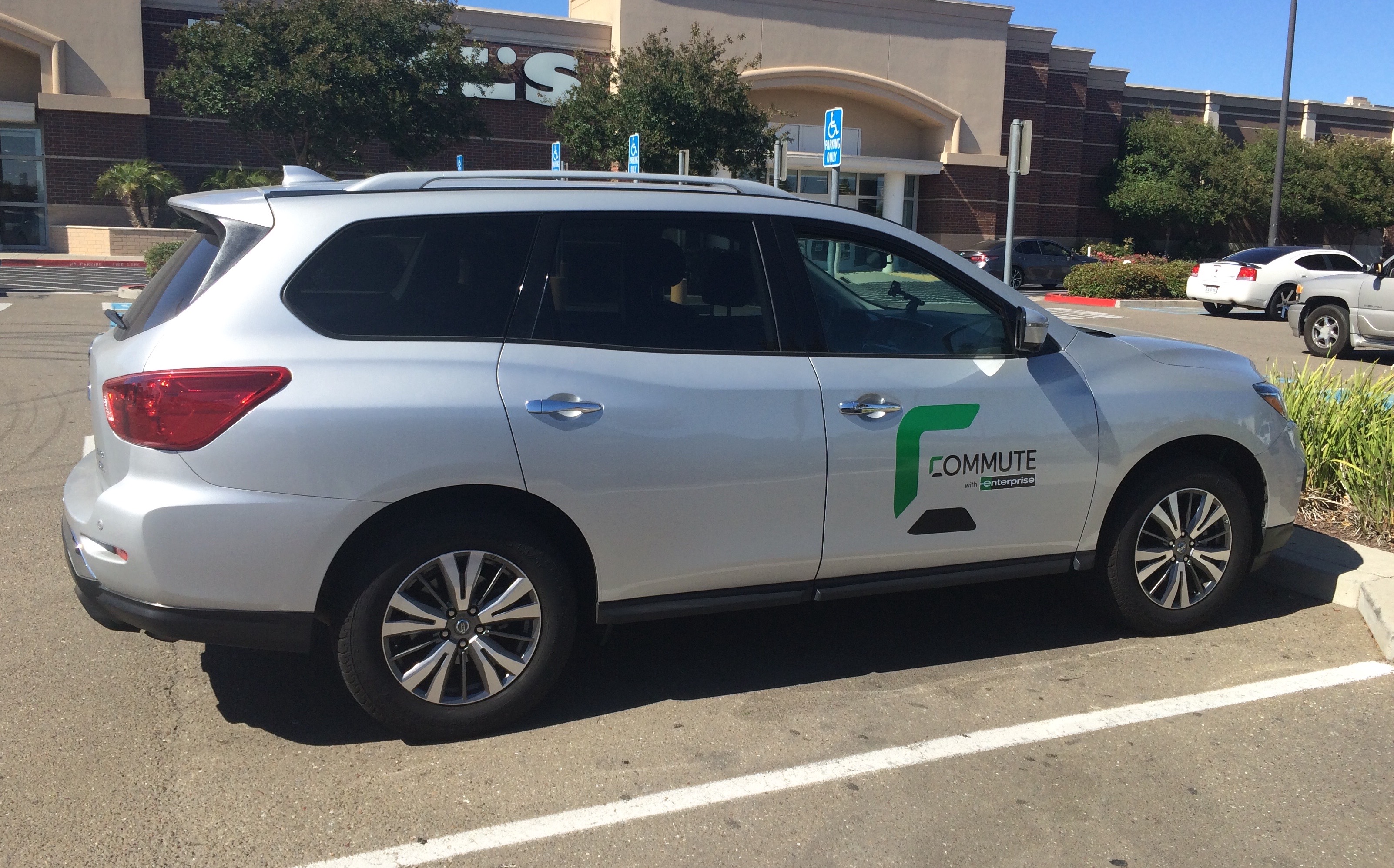
Nissan Pathfinder
"...use it's on the Passport platform as well. Nissan Pathfinder, Kia Sportage, they all lost ground. And it's bee..."
The Nissan Pathfinder is a midsize SUV that’s meant for families and everyday use. The podcast says it has been doing worse in the market compared to some other SUVs. That’s why it’s mentioned in the sales or popularity discussion.
The Nissan Pathfinder is a midsize SUV known for family-focused seating and utility. The podcast notes that it “lost ground” compared with other models, which suggests it’s been facing tougher competition in sales or market share. That’s why it’s brought up in a segment about shifting demand.

Kia Sportage
"...Passport platform as well. Nissan Pathfinder, Kia Sportage, they all lost ground. And it's been interesting ..."
The Kia Sportage is a compact SUV meant for everyday driving. The podcast says it has been losing ground compared with other vehicles, which usually means it’s not selling as strongly as before. It’s included in the broader SUV comparison.
The Kia Sportage is a compact SUV that’s typically positioned for buyers who want a smaller, more efficient daily driver than a full-size SUV. In the podcast, it’s mentioned alongside other models that “lost ground,” pointing to changes in sales momentum or market share. That’s why it appears in a discussion about shifting SUV demand.
American-made status
"And it's been interesting to kind of read into this Cars.com report because it underscores how sourcing decisions and manufacturing locations and all that can influence the quote-unquote American-made status every year."
“American-made status” refers to how a vehicle is classified as being made in the U.S., which can depend on where key parts are sourced and where final assembly happens. The hosts emphasize that sourcing decisions and manufacturing locations can change the classification from year to year.
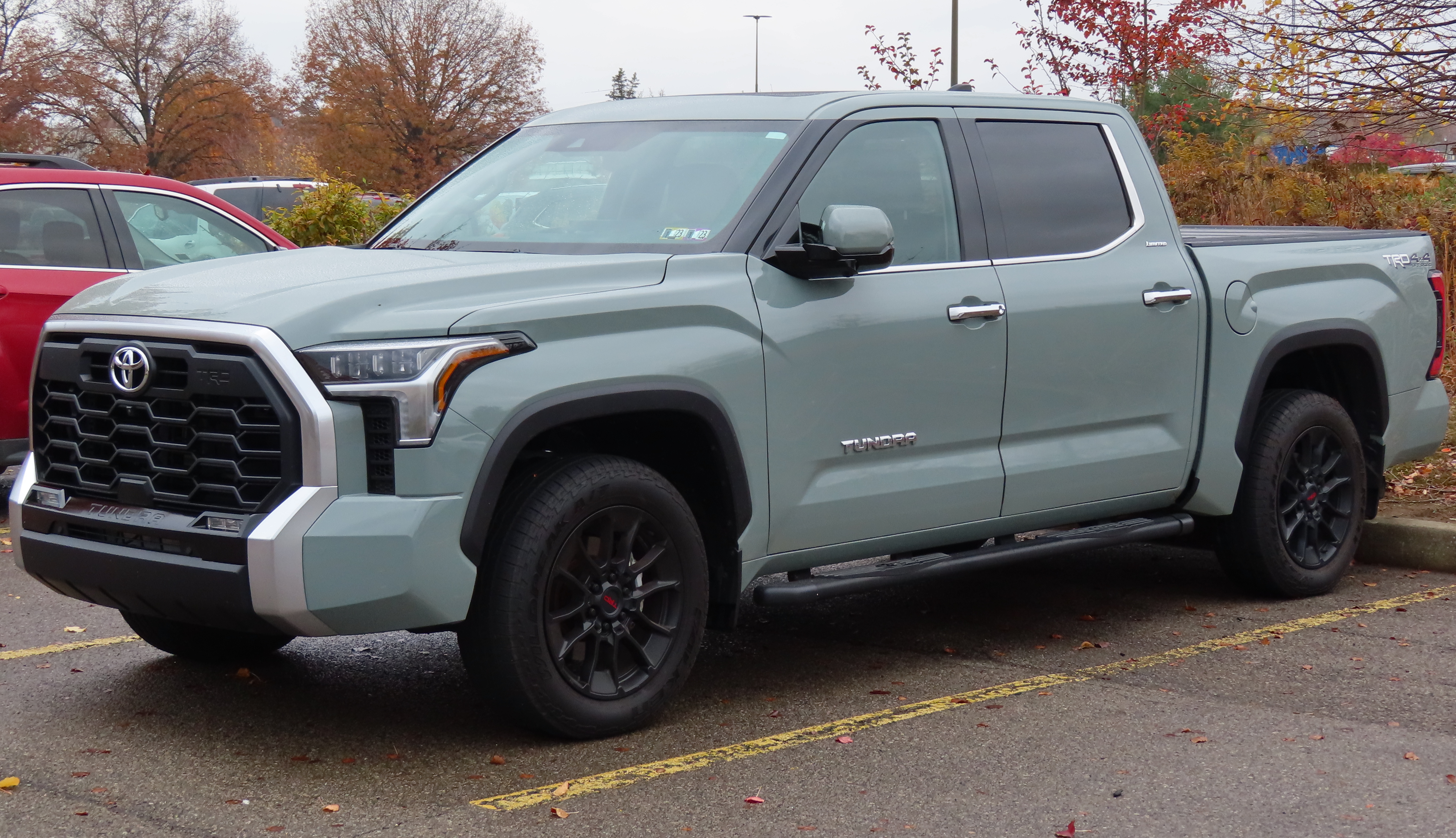
Toyota Tundra
"The next highest pickup behind the Gladiator is actually the Toyota Tundra at number 19, and that's built in Texas."
The Toyota Tundra is Toyota’s big pickup truck. The hosts say it’s the next-highest pickup on their list and mention it’s built in Texas.
The Toyota Tundra is Toyota’s full-size pickup truck. Here it’s singled out as the next-highest pickup in the list (number 19) and is specifically noted as being built in Texas, tying the ranking to manufacturing location.

Hyundai Santa
"... and that's built in Texas. And then the outgoing Hyundai Santa Cruz, which you can argue whether that's a truck ..."
The Hyundai Santa Fe is a midsize SUV meant for regular driving and carrying passengers. The podcast mentions where it’s built, which can affect how and when vehicles are available. It’s part of the broader lineup discussion for SUVs.
The Hyundai Santa Fe is a midsize SUV that’s built to serve as a family vehicle with practical space and everyday comfort. In the podcast, it’s mentioned alongside other models and production details, including that it’s built in Texas. That kind of discussion usually ties to market positioning and availability.

Hyundai Santa Cruz
"And then the outgoing Hyundai Santa Cruz, which you can argue whether that's a truck or not, number 24."
The Hyundai Santa Cruz is a small vehicle that looks and works like a pickup, but it’s not a traditional full-size truck. The hosts mention it as being ranked number 24 and discuss whether it counts as a real truck.
The Hyundai Santa Cruz is a compact crossover-style pickup (often called a “pickup-like” vehicle). In this segment it’s mentioned as “outgoing” and ranked number 24, with the hosts debating whether it truly counts as a truck.

Gmc Canyon
"And then the outgoing Hyundai Santa Cruz... number 24. ... and then the GMC Canyon is at number 25."
The GMC Canyon is a mid-size pickup truck. The hosts say it’s ranked number 25 in their list.
The GMC Canyon is a midsize pickup truck from GMC. It’s referenced as ranking number 25 in the hosts’ “trucks” breakdown, continuing the theme that manufacturing location and sourcing affect “American-made” style rankings.

Ford Ranger
"[1383.5s] 29, Ford Ranger."
The Ford Ranger is a smaller pickup than the F-150. It’s a midsize truck that’s often used for work and daily driving.
The Ford Ranger is Ford’s midsize pickup, positioned below the F-150 in size and typically used for lighter-duty hauling and everyday driving. It’s mentioned here as part of a ranked list of trucks.
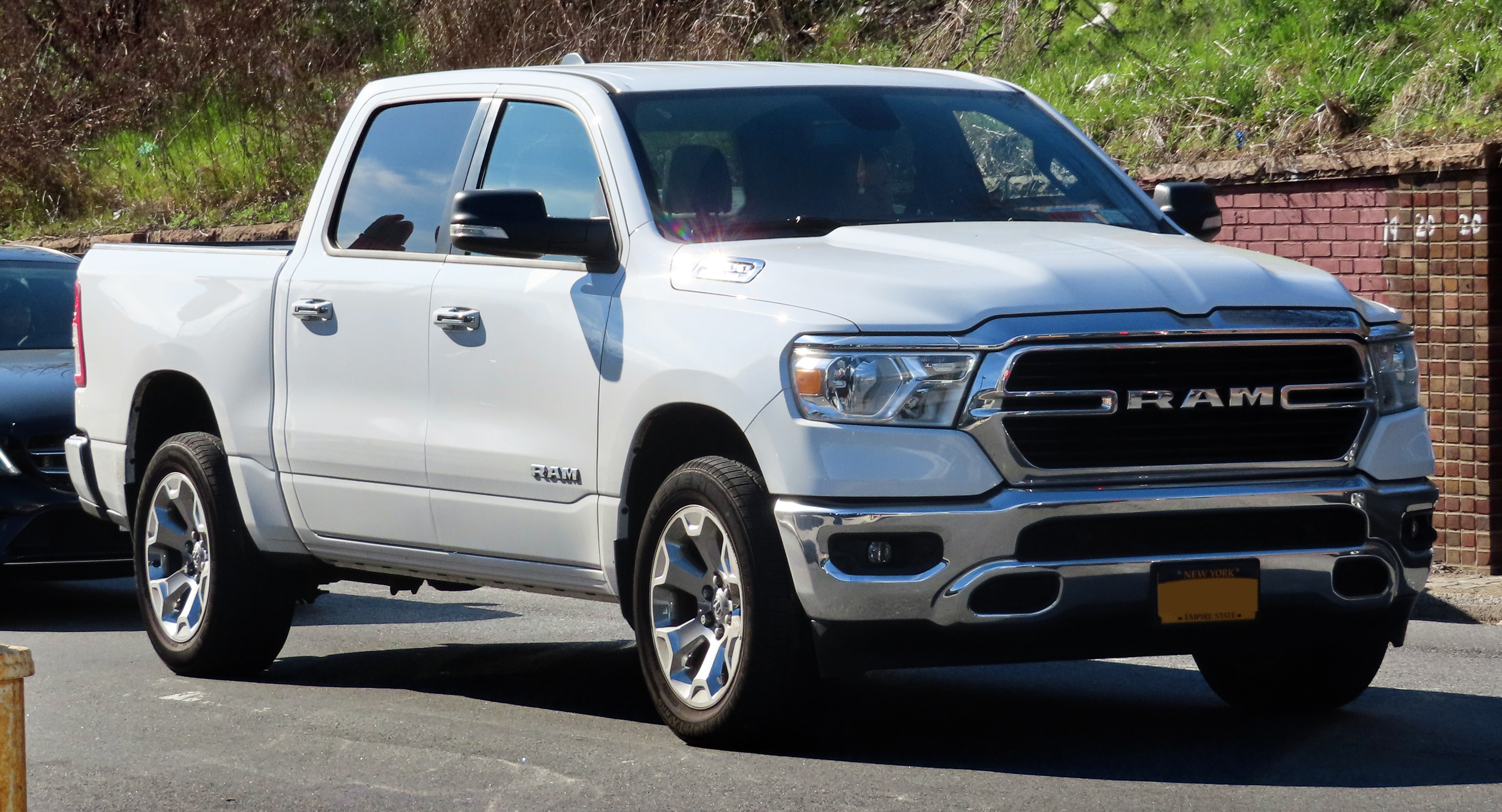
Ram 1500
"[1401.3s] 55 is the Ram 1500."
The Ram 1500 is a full-size pickup truck. In this segment, it’s just one of the trucks that shows up in the ranking list.
The Ram 1500 is a popular full-size pickup from Stellantis’ Ram brand, known for comfort-focused interiors and a wide range of powertrains. Here it’s included in the top-100 list the hosts are discussing.

Dodge Ram
"...es probably have a lot to do with that. 55 is the Ram 1500. 63 is the Nissan Frontier, which is also ma..."
The Dodge Ram is a full-size pickup truck. In the podcast, they mention the Ram 1500, which is the half-ton version. It’s brought up as part of a comparison of different truck models.
The Dodge Ram (specifically the Ram 1500 in the context of “55 is the Ram 1500”) is a full-size pickup truck aimed at both work use and personal hauling. The podcast brings it up as part of a broader comparison of truck models and their relative positions. That makes it relevant in discussions about which pickups are gaining or holding attention.

Nissan Frontier
"[1403.8s] 63 is the Nissan Frontier, which is also made in the U.S."
The Nissan Frontier is a midsize pickup truck. The host mentions it’s made in the U.S., which ties into the episode’s point about where trucks are actually built.
The Nissan Frontier is Nissan’s midsize pickup, and the host notes it’s made in the U.S. That matters in a discussion about how “U.S. brand” doesn’t always mean “built in America.”

Gmc Sierra
"...ssan Frontier, which is also made in the U.S. 78, GMC Sierra 1500. 82, Chevy Silverado 1500."
The GMC Sierra EV is a pickup truck that runs on electricity instead of gasoline. The podcast groups it with other pickup models, showing that electric versions are becoming part of the truck lineup. It’s relevant because it changes how you fuel and maintain a truck.
The GMC Sierra EV is an electric version of the Sierra 1500 pickup, bringing battery-electric power to the full-size truck segment. The podcast mentions it in the same breath as other U.S.-made pickup models, which highlights how electric trucks are being added to mainstream lineups. It’s discussed because it represents the shift toward electrification in pickup trucks.

GMC Sierra 1500
"[1407.5s] 78, GMC Sierra 1500."
The GMC Sierra 1500 is a full-size pickup truck. The episode later talks about new Sierra details, so it’s a key model in the discussion.
The GMC Sierra 1500 is a full-size pickup that competes directly with trucks like the Ford F-150 and Ram 1500. In this segment it’s part of the ranking list, and later the host discusses the Sierra being unveiled with shared engine tech.
GMC Sierra
"[1443.5s] So GM finally unveiled the Sierra. [1446.0s] So same engines as the Chevy."
The GMC Sierra is GM’s full-size pickup. The host is saying it’s finally been revealed, and it will share the same new engine options as the Silverado.
The GMC Sierra is GM’s full-size pickup line, and the host says GM “finally unveiled the Sierra.” The key point is that the Sierra is getting the same engine family as the Silverado, including new V8 and diesel options.
small block V8
"[1446.0s] So same engines as the Chevy. [1447.2s] There's the new 5.7 or 6.6 liter small block V8s."
A “small block V8” is a type of V8 engine that’s designed to be more compact than the older, larger “big block” style. The host is saying the new trucks will use updated versions of that engine family.
“Small block V8s” refers to a family of compact V8 engines (smaller in physical size than big-block designs) used in GM applications. In this context, the host is saying the new Sierra/Silverado will use updated versions of those V8s.
diesel three liters
"[1450.4s] These are the next gen ones, plus the diesel three liters back [1453.2s] and the Turbo Max 2.7 liter four cylinder are also back."
This means a 3.0-liter diesel engine option. Diesel engines are often picked for strong pulling power and good fuel economy.
“Diesel three liters” describes a compact 3.0-liter diesel engine option. Diesel engines are typically chosen for torque and efficiency, and the host is listing it as part of the next-gen engine lineup.
TurboMax
"[1450.4s] These are the next gen ones, plus the diesel three liters back [1453.2s] and the Turbo Max 2.7 liter four cylinder are also back."
“Turbo Max” refers to a turbocharged engine setup. Turbocharging uses exhaust gases to spin a turbine so the engine can make more power without being a bigger engine.
“Turbo Max” is a branded name for a turbocharged engine configuration used by GM. Here it’s specifically tied to a 2.7-liter four-cylinder, indicating a forced-induction setup rather than a naturally aspirated engine.
10-speed auto
"[1456.5s] Now all of them are paired with a 10 speed auto"
A “10 speed auto” is an automatic gearbox with ten gear ratios. That usually helps the truck shift smoothly and keep the engine in the right spot for power or fuel economy.
A “10 speed auto” is an automatic transmission with ten forward gears. More gears generally helps the engine stay in its most efficient or powerful range across different speeds and loads.
16-inch center display
"So that's pretty cool, including a 16.3 inch center display. And it articulates to reveal a storage cubby."
That’s the big screen in the middle of the dashboard. It’s where you control things like navigation, music, and vehicle settings.
A center display is the main infotainment screen mounted in the middle of the dashboard. A 16.3-inch screen is a large, modern interface area used for navigation, media, vehicle settings, and driver information.
articulates to reveal a storage cubby
"including a 16.3 inch center display. And it articulates to reveal a storage cubby. So that's kind of cool also."
The screen/panel can move out of the way to open up a hidden storage spot. It’s basically clever design so you get extra storage without losing dashboard space.
This describes a screen or panel that moves on a hinge or pivot to uncover a hidden storage area. It’s a packaging trick to add storage without cluttering the cabin when the screen is closed.
passenger screen
"So that's kind of cool also. And it comes with an optional 11 point inch pass. And it comes with an optional 11.5 inch passenger screen."
It’s a screen for the passenger to use, usually for entertainment or information. The idea is that the passenger can control it without taking attention away from the driver.
A passenger screen is an infotainment display aimed at the front passenger, often for media, navigation, or vehicle controls. In trucks, it’s commonly used to reduce screen sharing and keep the driver focused.
wireless phone chargers
"And it has that same sort of workspace that converts the center console into like a desk. And it even has MagSafe wireless phone chargers."
It’s wireless charging for your phone, but with magnets that help line the phone up. That makes it more likely to charge correctly without fiddling with placement.
MagSafe wireless phone charging uses magnetic alignment to help keep the phone positioned correctly on the charger pad. That improves charging consistency compared with generic wireless charging mats.
multi-matic jounce control
"And the AT4X, like the Chevy counterpart, will feature 35 inch good year regular territory, empty tires, multi-matic jounce control, dampers and an electronic locking rear differential,"
It’s a suspension feature that helps the truck handle bumps better. When the wheels hit something and the suspension compresses, it changes how the shocks resist that movement to keep the ride steadier.
Multi-matic jounce control is an adaptive suspension strategy that targets how the shocks respond when the suspension compresses (jounce). The goal is to keep ride quality and control more consistent over bumps by adjusting damping behavior.
electronic locking differentials
"And the AT4X, like the Chevy counterpart, will feature 35 inch good year regular territory, empty tires, multi-matic jounce control, dampers and an electronic locking rear differential,"
This helps the truck get traction when one rear wheel starts slipping. It can lock the rear wheels together so both spin at the same time, which improves grip on snow, mud, or uneven ground.
An electronic locking rear differential forces the left and right rear wheels to rotate together when traction is limited. It’s controlled electronically, so the truck can engage the lock when needed for off-road or slippery conditions.
locking front diff
"as well as a locking front diff. It also gets stone hood."
It’s a feature that helps both front wheels work together. If one wheel starts slipping, the lock helps send power to the wheel with grip.
A locking front differential forces the left and right front wheels to rotate at the same speed. That helps when traction is uneven (like mud, snow, or rocks) because it prevents one wheel from spinning freely.
two inch suspension lift
"There's a two inch suspension lift, unique grille and a more rugged front bumper. And there will also be an AEV edition package returning to GMC as well."
A suspension lift raises the truck higher off the ground. That usually helps with rough roads and obstacles, but it can change how the truck steers and rides.
A suspension lift raises the truck’s ride height by increasing the suspension’s travel or changing its components. A “two inch” lift typically improves ground clearance for off-road use, but it can affect steering geometry and ride quality.
AEV edition package
"And there will also be an AEV edition package returning to GMC as well. And I think that truck is phenomenal looking."
AEV is a company that outfits trucks for off-road use. An AEV package typically adds upgrades like lift and tougher exterior parts so the truck can handle rough terrain better.
AEV (American Expedition Vehicles) is a well-known aftermarket off-road modifier that builds rugged packages for trucks. An “AEV edition package” usually bundles lift, wheels/tires, and exterior protection to make the truck more capable for trails and rough terrain.

AT4X
"Inside on the AT4X, you get unique trim, enhanced front seat bolsters, a flat bottom steering wheel, which I love, the Panoramic Sunroof stainless steel speaker grilles on the doors."
AT4X is a more off-road-ready version of a GMC truck trim. Here they’re talking about the interior feel—like supportive seats and a steering wheel shape.
The AT4X is an off-road-focused trim from GMC, positioned above standard AT4 models with more rugged equipment. In this segment, the host highlights interior upgrades like enhanced seat bolsters and a flat-bottom steering wheel.
flat bottom steering wheel
"Inside on the AT4X, you get unique trim, enhanced front seat bolsters, a flat bottom steering wheel, which I love, the Panoramic Sunroof stainless steel speaker grilles on the doors."
This is a steering wheel where the bottom is flattened instead of round. It can make it feel more sporty and can help your legs fit better.
A flat-bottom steering wheel has a cut-out section at the bottom, which can improve driver legroom and give a more performance-oriented feel. It’s common on sport and off-road trims because it can make the seating position feel more “commanding.”
panoramic sunroof
"which I love, the Panoramic Sunroof stainless steel speaker grilles on the doors. Those are standard."
A panoramic sunroof is a big glass opening in the roof. It lets in more light and can make the cabin feel roomier.
A panoramic sunroof is a large glass roof opening that typically spans a wider area than a standard sunroof. It increases natural light and can make the cabin feel more open, especially in trucks with higher seating positions.
Roush Performance
"So here's kind of something that's been teased. And we had Jack Roush Jr. on the show. No, not too long ago. And we talked about their love affair with Ford and how they got into the Nissan program. Well, Roush Performance recently teased a new Ram 1500 street truck."
Roush Performance is a company that tunes and upgrades cars and trucks. Here they’re mentioned because they’re teasing a new Ram 1500 project.
Roush Performance is an aftermarket performance and vehicle-prep company best known for modifying Ford vehicles. In this segment, it’s referenced as teasing a new Ram 1500 street truck, showing how Roush is expanding beyond its traditional Ford focus.
Fox Factory DC 650
"And Tim Kaniskes, who's the CEO of Ram, told the media that the Fox Factory DC 650 was only the beginning of what Ram had planned in the performance truck space."
Fox Factory DC 650 is a named performance product the host brings up as the first step in Ram’s bigger plan. The key point here is that it’s part of a performance-focused lineup, not just general truck news.
Fox Factory DC 650 is referenced as a specific performance-related product associated with Fox Factory and Ram’s performance direction. The host frames it as an early step (“only the beginning”) in what Ram planned next.
Tim Kaniskes
"And Tim Kaniskes, who's the CEO of Ram, told the media that the Fox Factory DC 650 was only the beginning of what Ram had planned in the performance truck space."
Tim Kaniskes is the person the host says leads Ram. He’s quoted talking about Ram’s plans for performance trucks.
Tim Kaniskes is identified as the CEO of Ram in this segment. The host attributes a statement to him about Ram’s plans in the performance truck space, framing the news as part of a broader strategy.
performance truck space
"And Tim Kaniskes, who's the CEO of Ram, told the media that the Fox Factory DC 650 was only the beginning of what Ram had planned in the performance truck space."
This phrase means the part of the truck market aimed at people who want their truck to feel more like a performance vehicle. It’s about upgrades and engineering for speed, handling, and driving fun.
“Performance truck space” refers to the market niche where pickup trucks are modified or engineered for higher output, better handling, and more enthusiast-focused driving. In this context, it’s used to describe Ram’s and others’ plans for trucks aimed at performance buyers.
Rumblebee
"So now it looks like Roush is jumping in as well. [1648.7s] Or you can get the Rumblebee. [1650.3s] But if you go to Roush Performance, there was a pretty cool summer of 26 tile on Instagram or post on Instagram that had the Roush logo times the Ram logo and the outline of a truck."
Rumblebee is a name people use for a Ram performance concept/model. The host is saying a new truck idea might be built around that same theme or base.
Rumblebee is referenced as a specific Ram-related performance concept or model nickname. The host suggests a new Roush-linked truck might be based on the Rumblebee, implying a shared design or platform direction.

Ford F-150
"And the Ford F-150 has earned the top spot in the full size light duty pickup segment in the 2026 JD Power US initial quality study, what's called the IQS."
The Ford F-150 is a popular large pickup truck. In this segment, they’re saying it scored best for early quality in a JD Power study, meaning fewer problems showed up for new owners.
The Ford F-150 is a full-size pickup truck and one of the best-known trucks in the U.S. It’s being discussed here in the context of initial quality—specifically, winning the top spot in the 2026 JD Power US initial quality study (IQS) for the full-size light-duty pickup segment.
JD Power Initial Quality Study
"And the Ford F-150 has earned the top spot in the full size light duty pickup segment in the 2026 JD Power US initial quality study, what's called the IQS."
This is a JD Power survey that looks at how many problems show up on brand-new cars soon after people start driving them. Lower problem counts generally mean better early quality.
JD Power’s US initial quality study (IQS) measures how many problems new vehicles have early in ownership, based on owner-reported issues. In this segment, it’s used to argue that Ford’s recent improvements are showing up in fewer defects for customers.
IQS
"And the Ford F-150 has earned the top spot in the full size light duty pickup segment in the 2026 JD Power US initial quality study, what's called the IQS."
IQS is short for Initial Quality Study. It’s a survey-based score that estimates how many issues show up on new cars soon after purchase.
IQS stands for Initial Quality Study, a JD Power metric based on owner-reported problems during the early period of ownership. It’s commonly used as a quick snapshot of how well a model is built right out of the gate.
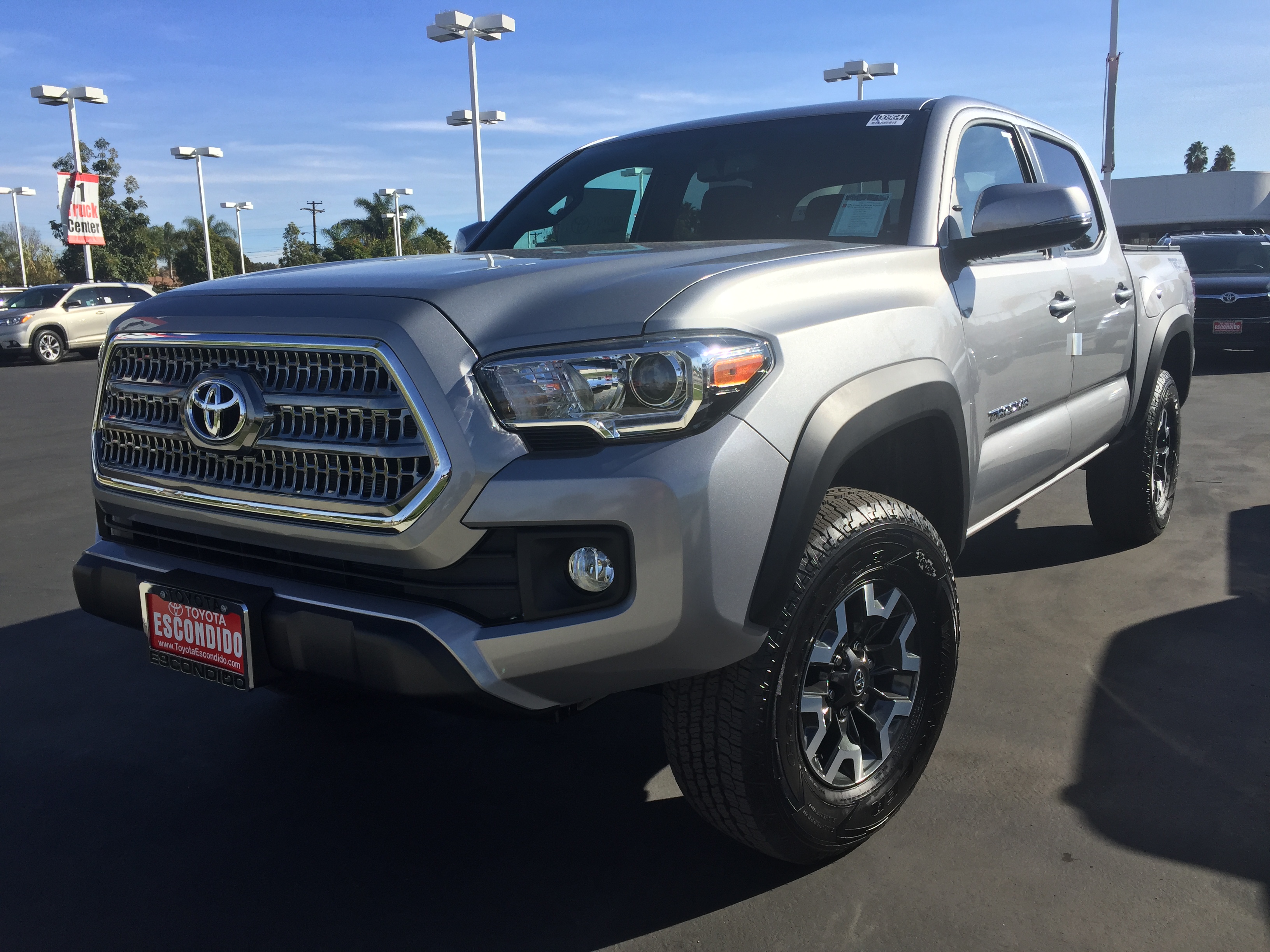
Toyota Tacoma
"It finished ahead of the Silverado 1500, as well as the Toyota Tacoma, and it tied for first place a year ago."
The Toyota Tacoma is a popular pickup truck. They bring it up because it’s part of the JD Power quality comparison against the Ford F-150.
The Toyota Tacoma is a midsize pickup, and it’s named here as another competitor in JD Power’s initial quality study. The segment says the F-150 beat the Tacoma in the relevant category comparisons.
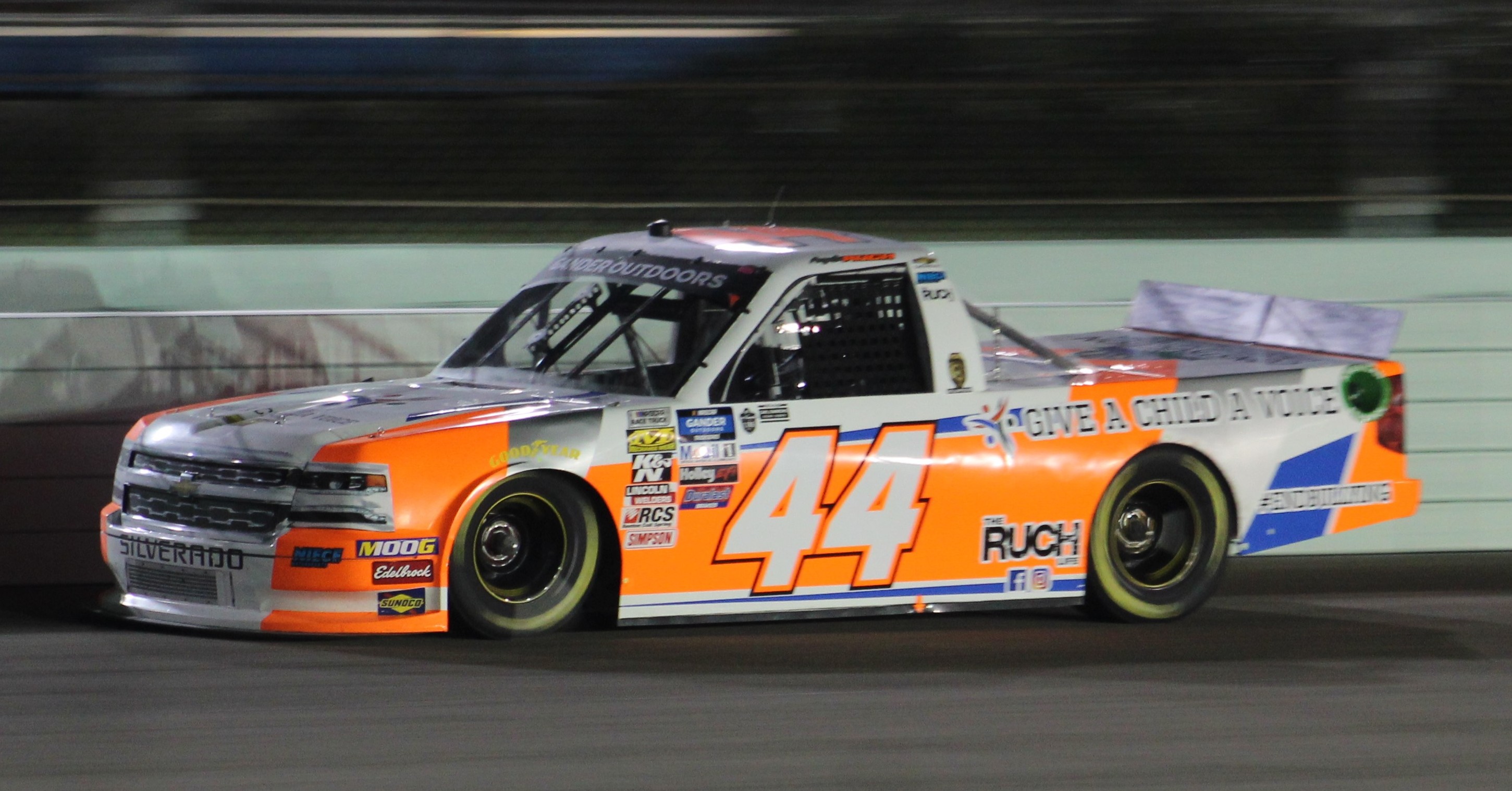
Chevrolet Silverado 1500
"It finished ahead of the Silverado 1500, as well as the Toyota Tacoma, and it tied for first place a year ago."
The Chevrolet Silverado 1500 is another major full-size pickup. They mention it because it placed behind the Ford F-150 in the JD Power early-quality rankings.
The Chevrolet Silverado 1500 is a full-size light-duty pickup that’s used here as a comparison point in JD Power’s initial quality study. The segment says the F-150 finished ahead of the Silverado 1500 in the same category.
Ford Motor Company
"And so Ford's hoping that reinforces its reputation for strong build quality and owner satisfaction."
Ford Motor Company is the company that makes Ford vehicles. They’re saying the quality results reflect Ford’s efforts to build better cars and trucks.
Ford Motor Company is the automaker behind Ford’s vehicle brands and model lines. Here, the host connects the F-150 and other model wins to Ford’s broader push for quality improvements.
Ford Super Duty
"The Mustang was named the highest quality sporty car and the Ford Super Duty led the heavy duty pickup segment."
The Ford Super Duty is Ford’s heavy-duty truck line. They’re saying it ranked best in the heavy-duty pickup category in the quality study.
The Ford Super Duty is Ford’s heavy-duty pickup lineup, positioned here as the winner of the heavy-duty pickup segment in the JD Power study. The host uses it to show Ford’s broader quality success across multiple truck categories.

Ford Mustang
"The Mustang was named the highest quality sporty car and the Ford Super Duty led the heavy duty pickup segment."
The Ford Mustang is Ford’s well-known sports car. They mention it because it also scored highest for quality in the JD Power results, alongside Ford’s truck wins.
The Ford Mustang is Ford’s sporty car, and it’s included here to show that Ford’s quality wins weren’t limited to trucks. The segment says it was named the highest quality sporty car in the same JD Power study.
problems per 100 vehicles
"And you can see it in their score because they improved from 193 problems per 100 vehicles to 152 in one year."
This is a way to count how often problems happen, scaled to 100 vehicles. If the number goes down, it usually means fewer new cars are having issues.
“Problems per 100 vehicles” is a normalized way to report how frequently issues occur in a study. In this segment, Ford’s score is described as improving from 193 to 152 problems per 100 vehicles, implying fewer reported defects per 100 new trucks/cars.

Jeep Recon
"The 26 Jeep Recon, which is late to the party because what is it, July? ... It starts at $68,990, including destination, but it has 650 horsepower and 620 pound-feet of torque. And Jeep estimates that the Recon can go zero to 60 in 3.6 seconds and deliver 250 miles of all electric driving range."
The Jeep Recon is an electric Jeep meant for off-road use. The host talks about how fast it is, how far it can drive on electricity, and that there may also be a gas version—so it could end up competing with other popular SUVs.
The Jeep Recon is an all-electric off-road-focused Jeep concept moving into the real-world market, with a Wrangler-like silhouette and a hardtop style. In this segment, the host highlights its EV performance (zero-to-60 and range) and also notes a gas version is expected, which is important because it changes how buyers will compare it to other SUVs.
Jeep.com
"They should just be hitting dealerships now and the building price tool is up on Jeep.com."
Jeep.com is Jeep’s website. It includes a tool where you can pick options for a vehicle and see what the price would be.
Jeep.com is the Jeep brand’s website, where the host says a “building price tool” is available. That kind of configurator lets shoppers choose options and see pricing for a specific vehicle build.
all electric driving range
"And Jeep estimates that the Recon can go zero to 60 in 3.6 seconds and deliver 250 miles of all electric driving range."
All-electric driving range is how far an electric vehicle can go on a full charge. Your actual range can be more or less depending on how you drive and conditions.
All-electric driving range is the estimated distance an EV can travel using only its electric power before it needs charging. It’s typically reported as a test-based estimate, so real-world range can vary with speed, temperature, and driving style.
zero to 60
"And Jeep estimates that the Recon can go zero to 60 in 3.6 seconds and deliver 250 miles of all electric driving range."
“Zero to 60” is how quickly a car can go from standing still to 60 miles per hour. A lower number usually means the car feels quicker when you accelerate.
Zero-to-60 time is a common performance metric: how many seconds it takes a vehicle to accelerate from 0 mph to 60 mph. Faster times generally indicate stronger acceleration and often correlate with how responsive the powertrain feels.

4Runner Forerunner
"...er had a hardtop and was more in line with like a forerunner competitor, sort of what the Recon is. So it'd be..."
The 4Runner is an SUV built for rougher driving and off-road use. The podcast mentions it while talking about SUVs with a more rugged, hardtop style. It’s brought up because it’s known for being capable beyond normal city driving.
The Toyota 4Runner is a body-on-frame SUV known for durability and off-road readiness, often appealing to buyers who want a rugged, long-lasting platform. The podcast references it in the context of comparing hardtop-style competitors and off-road-focused designs. That makes it a natural reference point when discussing trail-capable SUVs.

Honda Element
"The Honda Element's coming back, and if you know Honda's, the Element was super, super loved. ... Ursa Minor, who does the Bronco and Wrangler pop-up tents, and they buy up all these old elements to do these campers with."
The Honda Element is a quirky, box-shaped Honda that many people loved for being practical and easy to customize. The host says Honda is bringing it back, and that older ones are already being turned into camper-style vehicles.
The Honda Element is a compact, boxy Honda SUV known for its flexible, utilitarian interior and strong enthusiast following. The host says it’s “coming back,” and mentions how people already buy older Elements to convert them into campers, which hints at a built-in market for the next generation.

Ford Bronco
"...oday, you can go down to Ursa Minor, who does the Bronco and Wrangler pop-up tents, and they buy up all th..."
The Ford Bronco is an SUV designed for off-road driving. People often use it for outdoor trips and camping because it’s built to handle rough roads. The podcast mentions it in connection with camping gear that’s made for Bronco owners.
The Ford Bronco is a rugged SUV built for off-road use, with a focus on trail capability and removable/adjustable features depending on the setup. It comes up in the podcast in the context of outdoor gear and camping-style accessories, which fits its off-road and adventure image. That makes it a common topic when discussing vehicles that are used beyond the pavement.
PlasmaCare UVC
"They call it PlasmaCare UVC, and it uses UVC light in the 200 to 230 nanometer wavelength. It's basically designed to kill bacteria but not harm your skin..."
PlasmaCare UVC is a system that uses special ultraviolet light to help kill germs inside a vehicle. The idea is to sanitize the cabin without hurting your skin.
PlasmaCare UVC is a vehicle cabin sanitizing approach that uses UVC light to reduce bacteria. The host specifies the wavelength range (200 to 230 nanometers), which matters because UVC is more effective for disinfection than visible light, while the claim is that it won’t harm skin.
UVC light
"They call it PlasmaCare UVC, and it uses UVC light in the 200 to 230 nanometer wavelength."
UVC light is a type of ultraviolet light that can kill germs. In cars, it’s being proposed as a way to sanitize the cabin, with the goal of being safe for people.
UVC light is ultraviolet light in the UVC band, commonly used for disinfection because it can damage microorganisms’ DNA. In automotive contexts, it’s typically discussed as a cabin-sanitizing feature, with safety claims tied to wavelength and exposure control.
wax coated frame treatment
"According to the industry reports, they can start walking away from the current wax coated frame treatment and they're going to adopt e-coding for their frames, which is sort of an industry standard for a lot of manufacturers,"
A “wax coated frame treatment” is a protective layer applied to the truck’s frame to slow corrosion. The host says GM is moving away from this approach, implying a change in how the frame is protected from rust.
e-coding
"According to the industry reports, they can start walking away from the current wax coated frame treatment and they're going to adopt e-coding for their frames, which is sort of an industry standard for a lot of manufacturers, and that begins again with the redesigned 27 model year."
“E-coding” is a factory coating method that uses electricity to help paint or protective coating stick to metal. The idea is better rust protection than older wax-style treatments.
“E-coding” here refers to an electrocoat process used to apply corrosion-protective coating to vehicle frames. It’s described as an industry standard, and the host claims GM will use it starting with the redesigned 2027 model year.
TRX
"And last up, the TRX ordering is available now, and if you have wanted a 777 horsepower pickup truck, you can order that and hopefully they will be arriving within a month or two at dealerships."
TRX is Ram’s super-power pickup. In this episode they’re talking about a new TRX version you can order that’s rated at 777 horsepower.
The “TRX” refers to the Ram TRX, a high-performance pickup known for extreme power and drag-race style hardware. In this segment, the host focuses on ordering availability and a jump to a 777-horsepower version.
777 horsepower
"And last up, the TRX ordering is available now, and if you have wanted a 777 horsepower pickup truck, you can order that and hopefully they will be arriving within a month or two at dealerships."
That “777 horsepower” number is how strong the engine is. Higher horsepower usually means the truck can accelerate harder, especially in straight-line driving.
“777 horsepower” is the quoted peak power rating for the new TRX. Horsepower is a measure of engine output, and in performance trucks it’s often used to compare acceleration potential and overall capability.

Ford F-150 Lightning
"... on it. And funny side note, I know you guys love lightning, but he texted me a few weeks back and he goes, h..."
The Ford F-150 Lightning is an electric pickup truck. The podcast mentions it because the hosts are interested in it. It’s different from a regular truck because it uses electricity instead of gasoline.
The Ford F-150 Lightning is the electric pickup version of the F-150, designed to bring EV technology to full-size truck buyers. The podcast calls it out directly (“you guys love lightning”), which suggests it’s a topic of interest among the hosts or listeners. It’s typically discussed because it changes the truck ownership experience—especially around charging and electric power.
F-150 Raptor
"...th 777 horsepower. Obviously Ford came out with a raptor arm, bumped that up to 720, so SRT needed at leas..."
The podcast is talking about the Ford F-150 in a performance context, including very high horsepower numbers. That means they’re discussing versions of the truck that are meant to feel quicker and stronger than a basic model. It’s brought up because power and performance are part of the appeal.
In the podcast context, “F-150” is being discussed in relation to very high horsepower figures, including references to performance variants and upgrades. That indicates the conversation is about how the F-150 line has expanded into higher-output, more performance-oriented territory. It’s mentioned because performance specs are a key part of why certain F-150 versions stand out.
power curve
"And the old TRX had this really nice power curve, but the top end sort of fell off because it's ability to breathe. So they swapped in the valve train from the red eye and that let the Hellcat engine in the new TRX rev a little higher."
A “power curve” is basically how strong the engine feels at different RPMs. The host is saying the older truck pulled well, but it lost steam at the high end.
A “power curve” describes how an engine’s power output changes across different engine speeds (RPM). The host says the old TRX had a “nice power curve,” but its top-end fell off due to breathing limitations.

Challenger Hellcat
"...the valve train from the red eye and that let the Hellcat engine in the new TRX rev a little higher. So it ..."
The Dodge Challenger is a performance car designed to be fast and exciting to drive. The podcast mentions engine parts and how they help the engine rev higher. It’s included because those changes relate directly to performance.
The Dodge Challenger is a performance muscle car, and the podcast segment references engine and valvetrain details connected to high-output variants. It’s mentioned because changes to components like the valvetrain can affect how the engine breathes and how it performs at higher revs. That kind of technical discussion is typical when talking about performance upgrades and track-oriented behavior.
valve train
"So they swapped in the valve train from the red eye and that let the Hellcat engine in the new TRX rev a little higher. So it goes up 300 RPM more and it rides that curve further because it has more RPM."
The “valve train” is the mechanism that controls when the engine’s valves open and close. Changing it can help the engine spin faster, which can improve high-RPM power.
The “valve train” is the set of components that opens and closes the engine’s intake and exhaust valves. The host says the new TRX uses the valve train from the “red eye,” allowing the Hellcat engine to rev higher and extend the power curve.
Hellcat engine
"So they swapped in the valve train from the red eye and that let the Hellcat engine in the new TRX rev a little higher. So it goes up 300 RPM more and it rides that curve further because it has more RPM."
“Hellcat engine” is the name for a very powerful supercharged V8 used in some Dodge/Chrysler cars. In this case, they’re saying the TRX’s version can rev higher, which helps it keep making power.
The “Hellcat engine” refers to Dodge/Chrysler’s high-output supercharged V8 family known for large power ratings. Here, the host says that in the new TRX, the Hellcat engine can rev higher thanks to the valve train change.
2.4 liter twin screw supercharger
"The 2.4 liter twin screw supercharger has a smaller pulley, so the previous TRX was a 3.43 inch and the new one's a 3.17 inch. This place blows. And then it's fed by a new cold air intake system."
This is the engine’s supercharger system. It squeezes air into the engine, and the “twin screw” design uses two spinning rotors; changing the pulley changes how hard it boosts.
A “2.4 liter twin screw supercharger” is a forced-induction system that uses two intermeshing rotors (“twin screw”) to compress air before it enters the engine. The host notes it has a smaller pulley on the new TRX, which changes boost behavior and helps achieve the higher output.
smaller pulley
"The 2.4 liter twin screw supercharger has a smaller pulley, so the previous TRX was a 3.43 inch and the new one's a 3.17 inch. This place blows. And then it's fed by a new cold air intake system."
The “pulley” is part of the belt system that spins the supercharger. A smaller pulley can make the supercharger spin faster, which usually increases boost and power.
A “smaller pulley” on a supercharger changes the drive ratio between the engine and the supercharger. In practice, that typically increases supercharger speed (and boost) at a given engine RPM, which can raise power—assuming the engine calibration and supporting hardware are updated.
air intake system
"This place blows. And then it's fed by a new cold air intake system."
A “cold air intake system” is an air intake designed to bring in cooler air. Cooler air can help the engine make better power, particularly on turbo/supercharged setups.
A “cold air intake system” is an intake setup designed to deliver cooler, denser air to the engine. Cooler air can improve combustion efficiency and help support higher performance, especially on forced-induction engines like the TRX.
BAR
"There's also a brand new fueling setup, so pressure jumps from 5 bar to 7 bar and that's how they came up with 777 horsepower."
“Bar” is a way to measure pressure. When fuel pressure goes up, the engine can get fuel differently, which can affect how much power it makes.
“Bar” is a unit of pressure. In fuel systems, higher fuel pressure can change how much fuel the engine receives, which can be part of how power output is increased.
tune
"So it's a little bit more than just doing a tune."
A “tune” usually means updating the car’s computer settings. That can change how the engine delivers fuel and spark to make it run differently—sometimes more power, sometimes better response.
A “tune” is an engine calibration change—typically adjusting the engine control unit (ECU) settings. It can alter fueling, ignition timing, and boost/torque targets to change drivability and power.

Ford Broncos Sport
"...better, but apparently if you own a 21 or 26 Ford Broncos Sport or Maverick, you may have been hit with a do not ..."
The Ford Bronco Sport is a smaller SUV that’s designed to handle light off-road driving. The podcast mentions that some owners of certain model years were told not to do something, which usually points to a safety or recall-related concern. If you’re considering one, it’s important to check for any open recalls.
The Ford Bronco Sport is a smaller, more city-friendly SUV that still targets off-road capability compared with typical crossovers. The podcast references a warning related to owners of certain model years, indicating there was a “do not …” type issue affecting some vehicles. That’s the kind of topic that matters to buyers and owners because it can involve safety or compliance actions.

Ford Maverick
"Well, I know we just said Ford's quality is getting way better, but apparently if you own a 21 or 26 Ford Broncos Sport or Maverick, [2096.8s] So Ford's recalling certain, not all, 21 to 26 Maverick and Broncos Sport models."
The Ford Maverick is Ford’s smaller pickup truck. They’re saying some 2021–2026 trucks have a recall because of a front suspension ball-joint issue that could affect how the front wheel assembly stays connected.
The Ford Maverick is Ford’s compact pickup, known for its small size and practical utility. This episode segment highlights a safety recall affecting certain 2021–2026 Maverick models due to a front suspension control-arm ball joint installation/repair concern.
do not drive order
"Well, I know we just said Ford's quality is getting way better, but apparently if you own a 21 or 26 Ford Broncos Sport or Maverick, [2093.9s] you may have been hit with a do not drive order."
A “do not drive order” means the manufacturer is telling you not to drive the car until it’s checked and repaired. It’s used when the issue could be dangerous.
A “do not drive order” is an official safety directive telling owners not to use the vehicle until the problem is inspected and fixed. It’s typically issued when a defect could affect vehicle control or safety-critical systems.
Request an Explanation
Heard something you'd like explained? We'll add it to this episode.
Sign in to request explanations for terms you heard.
Want to learn more?
Browse our glossary for plain-English explanations of automotive terms, jargon, and concepts.
Help improve this episode
See something that's not quite right? Our annotations are AI-generated and can sometimes miss the mark. Click the flag icon on any annotation to suggest a correction.