
S3, E97 - Chris Picconi
About this episode
A heartfelt opening shout-out goes to Rich Holdaway after a devastating shop fire, with listeners directed to a GoFundMe to help him rebuild. The host then lays out a detailed “daily driver” truck wish list—4x4, adaptive cruise, heated seats, towing/hauling, rear locker or limited-slip, and an off-road-ready stance without going full rock-crawler—while comparing lease deals across Gladiator, Ranger Raptor, Tacoma, Frontier, and full-size options. Chris Picconi of Classic 4x4 joins to discuss the collector truck market and why classic-truck businesses can be time-intensive.
Join classic truck guru and owner of Classic4x4.com, Chris Picconi, on a riveting conversation with Holman about the classic and collector truck markets, what's hot, what's not, and where it's at. Find out which vehicle he thinks will be the next big investment opportunity in trucks.
The Truck Show Podcast is produced in partnership with AMSOIL, Kershaw Knives, and OVR Mag. Don't forget to check out truckshowpodcast.com for special offers from our friends and sponsors.
AMSOIL
Kershaw Knives
OVR Magazine
Use promo code @truckshowpodcast for a free annual digital subscription or a discount on a print subscription on ovrmag.com.
four by four
"So here's kind of my must-haves Must be a four by four should be pretty efficient for daily driving with good range"
“Four by four” means the truck can drive all four wheels instead of just two. That helps it grip better on slippery or rough roads.
“Four by four” means a truck with four-wheel drive (4WD), which can send power to all four wheels for better traction on loose surfaces like dirt, snow, or gravel. For a daily driver, it’s a traction and confidence feature, even if the truck isn’t meant to be a dedicated off-road rig.
adaptive cruise control
"It has to have adaptive cruise control It has to have home link and has to have heated seats for my back"
Adaptive cruise control is cruise control that can “match” the car in front of you. It helps keep a safe distance and can slow down when traffic slows.
Adaptive cruise control automatically adjusts your speed to help maintain a set following distance from the car ahead. Unlike basic cruise control, it can slow the truck down and then resume when traffic opens up, reducing fatigue in stop-and-go driving.
home link
"It has to have adaptive cruise control It has to have home link and has to have heated seats for my back"
HomeLink is a built-in button system in the truck that can open things like your garage door. It replaces using a separate remote.
HomeLink is an in-car system that can wirelessly control compatible garage doors, gates, and other home automation devices. It’s convenient because you can operate them from the truck without needing a separate remote.
limited slip
"And it should have a rear locker limited slip along with all-terrain tires or even better an off-road package"
A limited-slip differential helps the truck put power to the wheel that has traction. If one wheel starts slipping, it helps the other wheel still get power.
A limited-slip differential (often shortened to “limited slip”) helps transfer torque to the wheel with more grip when one wheel starts to spin. That improves traction during acceleration and on uneven surfaces—useful even if the truck is mostly an around-town vehicle.
all-terrain tires
"And it should have a rear locker limited slip along with all-terrain tires or even better an off-road package"
All-terrain tires are made to work on both regular roads and rougher surfaces. They’re tougher than highway-only tires, but not as specialized as true mud tires.
All-terrain tires are designed to balance on-road comfort with off-road capability, typically offering tougher sidewalls and a tread pattern that can handle dirt, gravel, and light mud. They’re a common choice for drivers who want one tire for daily driving plus occasional rough-road use.

gladiators
"Originally I was looking at mid-sized trucks the gladiators at the top of my list for example I've got the Mopar one came back for a visit"
The Jeep Gladiator is a midsize pickup truck. They’re considering it because it can be a daily driver but still has off-road capability.
The “Gladiators” refers to the Jeep Gladiator, a midsize pickup built on Jeep’s off-road-focused DNA. In this segment, it’s one of the host’s top candidates for a daily truck that can still tow/haul and handle light off-road use.
two-inch lift
"[224.6s] And that's the one with the two-inch lift and 35s and I haven't had it for [230.0s] I guess since Moab and"
A two-inch lift means the truck sits about two inches higher than stock. That can help it clear bumps and obstacles off-road, but it can also change how the truck drives.
A two-inch lift refers to raising a vehicle’s ride height by about two inches, usually via suspension components. More ground clearance can help with off-road obstacles, but it can also affect drivability and tire fitment.
35s
"[224.6s] And that's the one with the two-inch lift and 35s and I haven't had it for [230.0s] I guess since Moab and"
“35s” means the truck is running 35-inch tires. Bigger tires can help off-road, but they also tend to cost more and can make the truck feel less responsive.
“35s” is shorthand for 35-inch tires, a common off-road tire size. Larger tires improve obstacle clearance and traction on loose surfaces, but they can increase cost and may contribute to slower acceleration and more drivetrain strain.

F-150 Raptor
"...road machine and I really kind of love the Ranger Raptor But it's just prohibitively expensive on a lease...."

Ford Ranger
"[312.4s] Then you get the Ford Ranger [314.1s] They're pretty proud on pricing and endless option packages can make it really expensive really fast [320.5s] The new 2.3 their turbo 4 drives great."
The Ford Ranger is Ford’s midsize pickup truck. The host says it can get pricey with lots of options, and he prefers the convenience of push-button start over a traditional key on the cheaper versions.
The Ford Ranger is Ford’s midsize pickup, and this segment focuses on how pricing and option packages can quickly make it expensive. The host also compares engine choices, mentioning the new 2.3-liter turbocharged four-cylinder and the difference between push-button ignition versus key ignition on lower trims.
turbo 4
"[320.5s] The new 2.3 their turbo 4 drives great. I've driven it in the Bronco and I like it a lot and they do have the turbo [328.5s] 276"
“Turbo 4” means a four-cylinder engine with a turbocharger. It can make good power, but sometimes there’s a delay before it feels like it’s really pulling.
“Turbo 4” refers to a turbocharged four-cylinder engine. Turbocharging uses exhaust energy to force more air into the engine, which can improve power, but the host notes it can feel laggy depending on conditions and tire size.

Ford Bronco
"[320.5s] The new 2.3 their turbo 4 drives great. I've driven it in the Bronco and I like it a lot and they do have the turbo [328.5s] 276"
The Ford Bronco is an off-road SUV from Ford. The host says he drove the same kind of turbo engine in a Bronco and liked how it felt.
The Ford Bronco is Ford’s off-road-oriented SUV, and the host mentions driving the Ranger’s 2.3-liter turbocharged four-cylinder in the Bronco. That’s used to support his opinion that the turbo engine “drives great,” even if he later complains about turbo lag in other trucks.
push button
"[331.4s] But you have to the lower models have things like a you know a key to ignition [336.5s] I know you guys are thinking well, this is stupid, but if you're gonna pay the money like give me the push button, right?"
A push-button start lets you start the truck with a button instead of turning a key. The host is saying he wants that feature on the higher-priced versions.
A push-button ignition (start) replaces a traditional key cylinder with a button to start the engine. The host uses it as a trim-level preference, arguing that if you’re paying more, you should get the convenience feature.
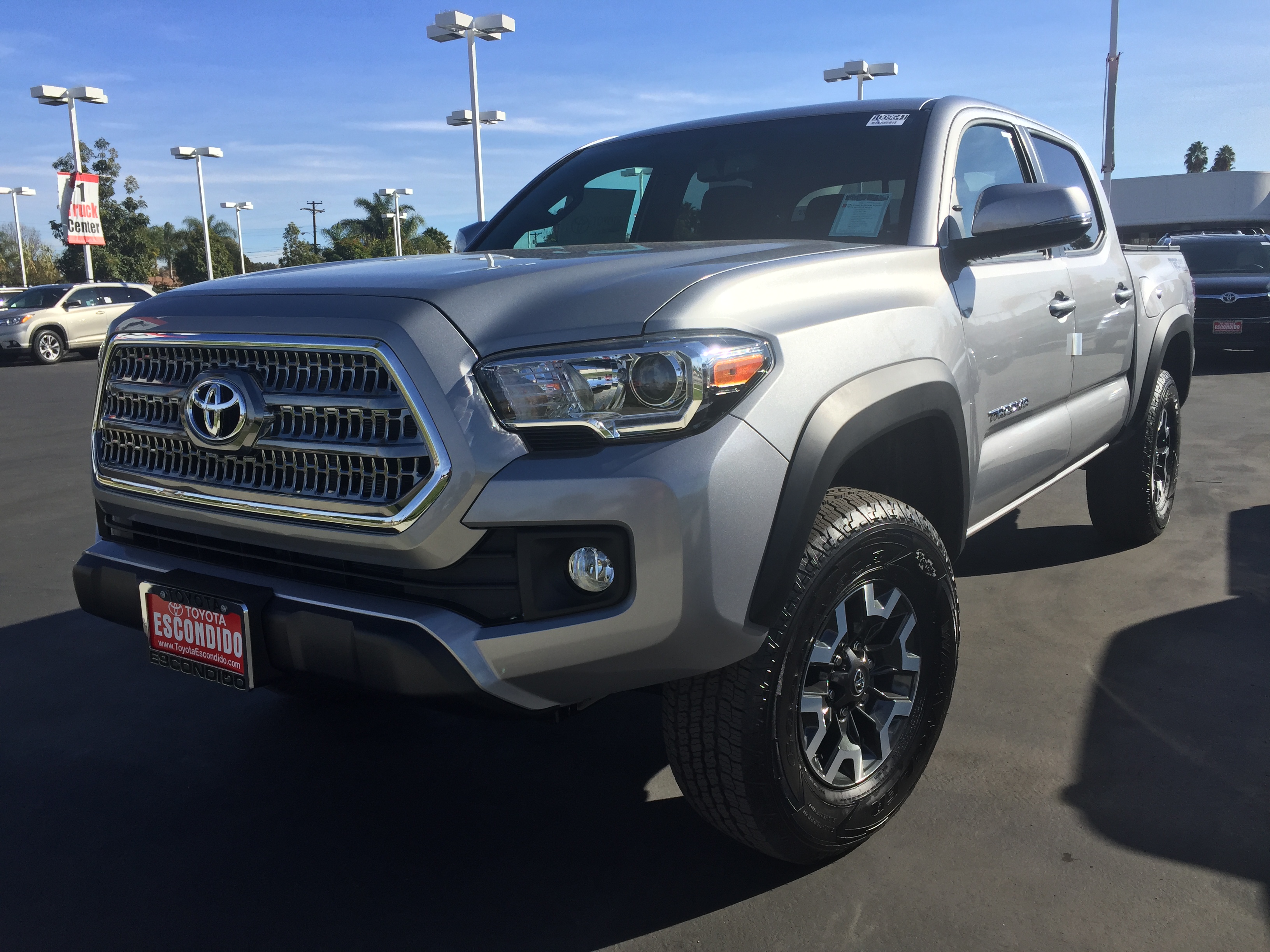
Toyota Tacoma
"Looking at the Toyota Tacoma, I don't want to be pushed into a hybrid... I don't love the seating position or the dash you're spending a lot of time on the inside"
The Toyota Tacoma is a popular midsize pickup truck. Here, the host is talking about how it feels to sit in and live with day to day, including the driving position and the interior layout.
The Toyota Tacoma is a midsize pickup known for being durable and practical, and it’s often chosen by buyers who want a truck that can handle daily use and light work. In this segment, the host focuses on how the Tacoma feels inside—especially the seating position and dashboard layout—plus how it can look “rental-like” depending on the wheel/tire setup.

Nissan Frontier pro 4x
"and then I go to Nissan Frontier pro 4x grey truck a little bit more expensive on the leases But I love the durability. comfort"
The Nissan Frontier Pro-4X is a midsize off-road–oriented trim aimed at buyers who want more rugged capability than a typical commuter truck. The host highlights durability and comfort as the key reasons they’re considering it, and notes it’s a bit more expensive on leases than the Tacoma.
lease deals
"those lease deals went away and There's a lot of capability, but are there other trade-offs... there are some incredibly generous lease deals to be had in that space right now"
A lease deal is a special offer that makes leasing a car cheaper. The host is saying the good lease offers changed over time, and right now there are some very attractive ones.
Lease deals are promotional terms offered by automakers/dealers that can reduce the monthly cost or total cost of leasing a vehicle. The host notes that lease deals “went away,” then later says there are “incredibly generous lease deals” in the segment they’re shopping.
halftones
"So I started looking at prices and then there's the halftones and I'm like, you know what? I haven't really considered a halftone."
“Halftones” is a style of graphic pattern (like dots or a stippled look) used on some trucks. The host is saying they’re not sure they like that look.
“Halftones” here refers to a truck’s graphic/paint pattern—typically a dotted or stippled design used as a visual styling element. The host says they haven’t really considered it and worries it might be “too much truck,” even though the deals are attractive.
Ford F150
"There's a lot of great trucks out there. So Ford has employee pricing right now I'd go Coyote if I did F-150, but you can easily option XLT close to 70,000"
The Ford F-150 is one of the most common full-size pickup trucks in the U.S. The host is comparing it on price and options, noting that it can climb toward $70,000 when you add features.
The Ford F-150 is a full-size pickup that’s widely available in many trims and powertrains, which makes it a common “shopping benchmark” for truck buyers. In this segment, the host mentions using employee pricing and discusses how expensive it can get when optioned, even when starting from an XLT.
Coyote
"So Ford has employee pricing right now I'd go Coyote if I did F-150, but you can easily option XLT close to 70,000"
“Coyote” is what people call Ford’s 5.0-liter V8 engine. The host is basically saying they’d want the stronger V8 if they went with an F-150.
“Coyote” is the enthusiast nickname for Ford’s 5.0-liter V8 engine (the Coyote V8) used in many F-150s. The host is saying that if they were buying an F-150, they’d choose that V8 rather than a smaller engine.
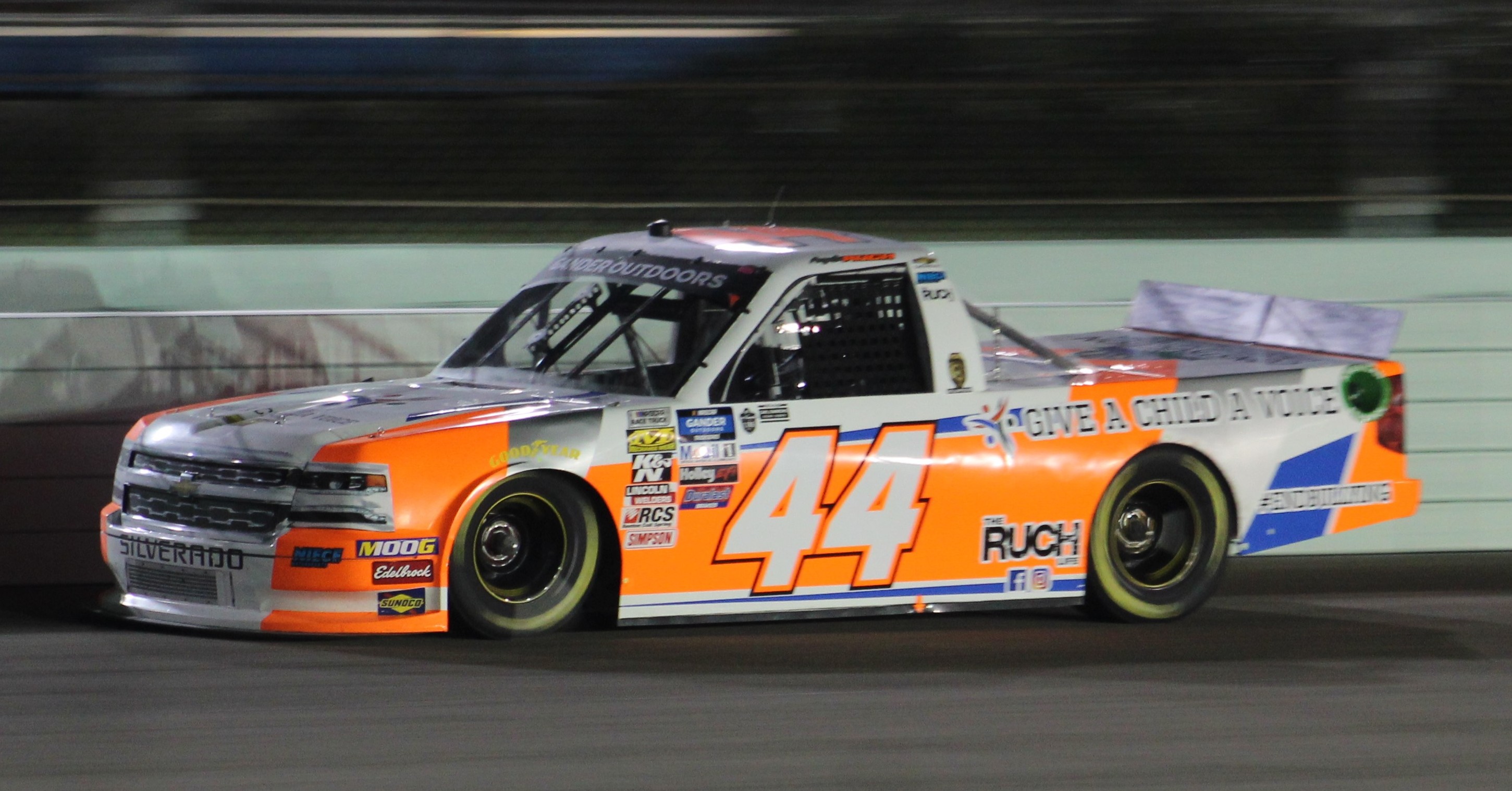
Chevrolet Silverado 1500 Z71 LT trail boss
"Another option might be a V8 Silverado 1500 the Z71 LT trail boss is pretty nice And there's actually a lot of value there"
The Silverado 1500 is a big full-size truck. The Z71 LT Trail Boss is a more rugged version, and the host thinks it’s a good deal once you factor in discounts.
The Chevrolet Silverado 1500 is a full-size pickup, and the Z71 LT Trail Boss is a specific off-road–oriented configuration that typically targets buyers who want tougher tires/suspension and more rugged styling. The host calls it “pretty nice” and frames it as a strong value before discounts and incentives.

Dodge Ram
"...nto discounts and incentives And then I looked at Ram and I find myself drawn to the big horn especiall..."
The Dodge Ram is a large pickup truck. The podcast talks about shopping deals and then being interested in a Big Horn trim, which is a more comfort-focused version. It’s mentioned because incentives can make it easier to choose one.
The Dodge Ram is a full-size pickup line known for trims that range from work-focused to more comfort-oriented versions. The podcast mentions looking at discounts and incentives and then being drawn to the Big Horn specifically. It’s discussed as a truck that can make financial sense when deals are available.
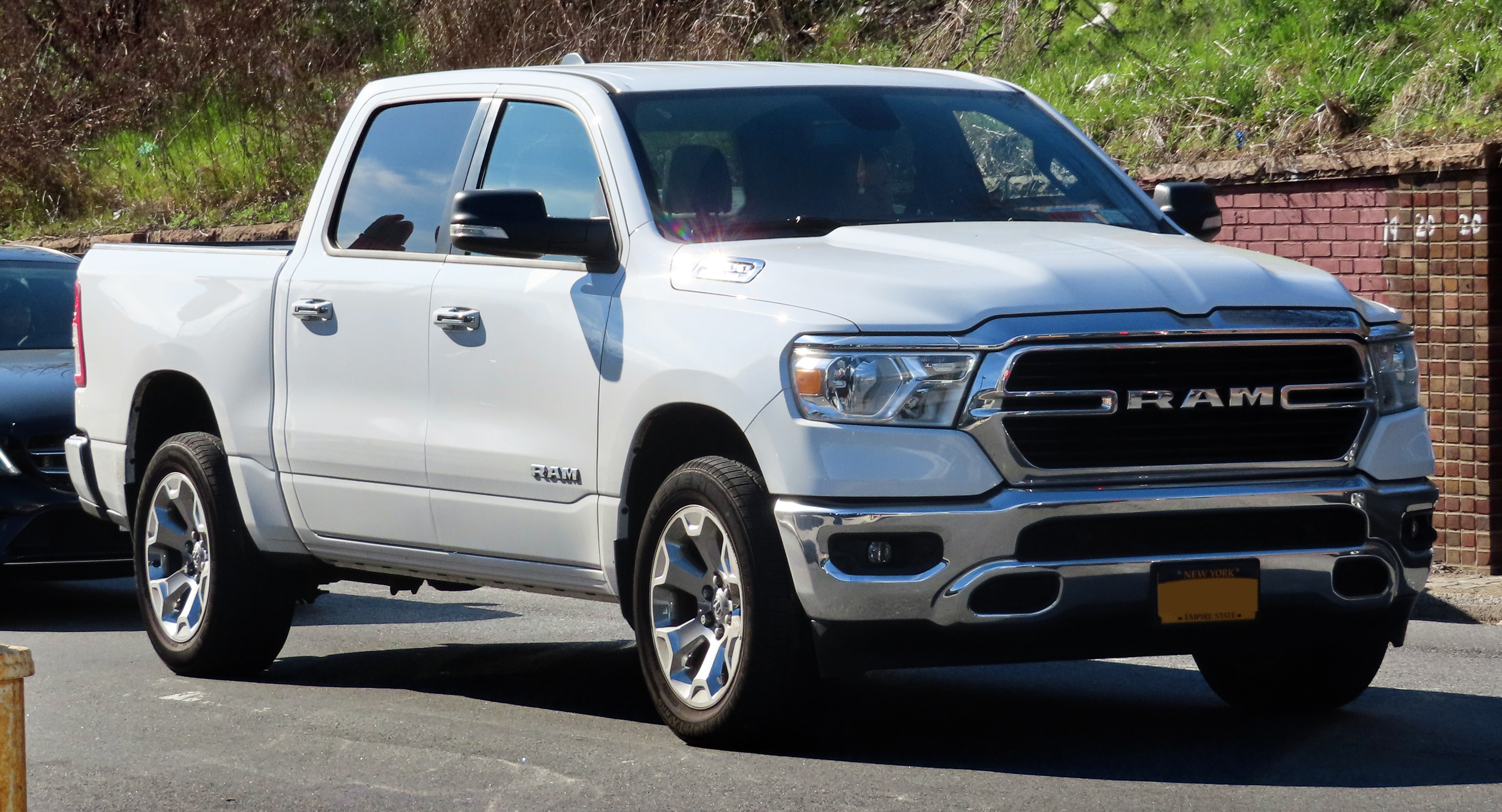
Ram Big Horn
"And then I looked at Ram and I find myself drawn to the big horn especially with the night or backcountry package"
The Ram Big Horn is a nicer trim level on a Ram pickup. The host likes it because it can be optioned with packages that add style and features without going all the way to the most expensive versions.
The Ram Big Horn is a mid-to-upper trim level of Ram’s full-size pickup lineup, typically positioned as a value-focused option with more comfort and appearance features than the base models. Here, the host says they’re drawn to the Big Horn, especially when paired with the Night or Backcountry package.
Hurricane standard output 3 liter
"especially with the night or backcountry package and the hurricane standard output three liter if you guys remember I had a rebel standard output three liter"
“Hurricane” is the name for Ram’s 3.0-liter engine. “Standard output” means a less-aggressive version of that engine, and the host is saying it feels smooth and quiet in real driving.
“Hurricane” is the name Ram uses for its 3.0-liter inline-six engine family, and “standard output” refers to the lower-power tune within that engine line. The host compares it to a previous “Rebel” configuration they tested, emphasizing how quiet, smooth, and easy to live with it felt.
Night or backcountry package
"I find myself drawn to the big horn especially with the night or backcountry package and the hurricane standard output three liter"
A “package” is a bundle of options you can add to a truck. The host is saying those specific bundles are part of what makes the Ram feel like the right choice.
A package is a bundled set of options (often appearance and convenience/off-road features) sold together as one trim/option group. The host is pointing out that the Ram Big Horn becomes especially appealing when equipped with the Night or Backcountry package.

Chevrolet Bel Air
"The market had always been around let's say Bel Air Chevy's and Mustangs and Camaros and then it kind..."
The Chevrolet Bel Air is a classic American car model. The podcast mentions it along with other famous performance cars to describe how that whole market became popular. It’s brought up because it’s a well-known name from classic car history.
The Chevrolet Bel Air is a classic American car nameplate that’s often associated with the early era of popular muscle and performance culture. In the podcast, it’s mentioned alongside Mustangs and Camaros as part of the lineup that helped define the market’s interest in that style of car. It comes up because Bel Airs are a recognizable part of classic car history.
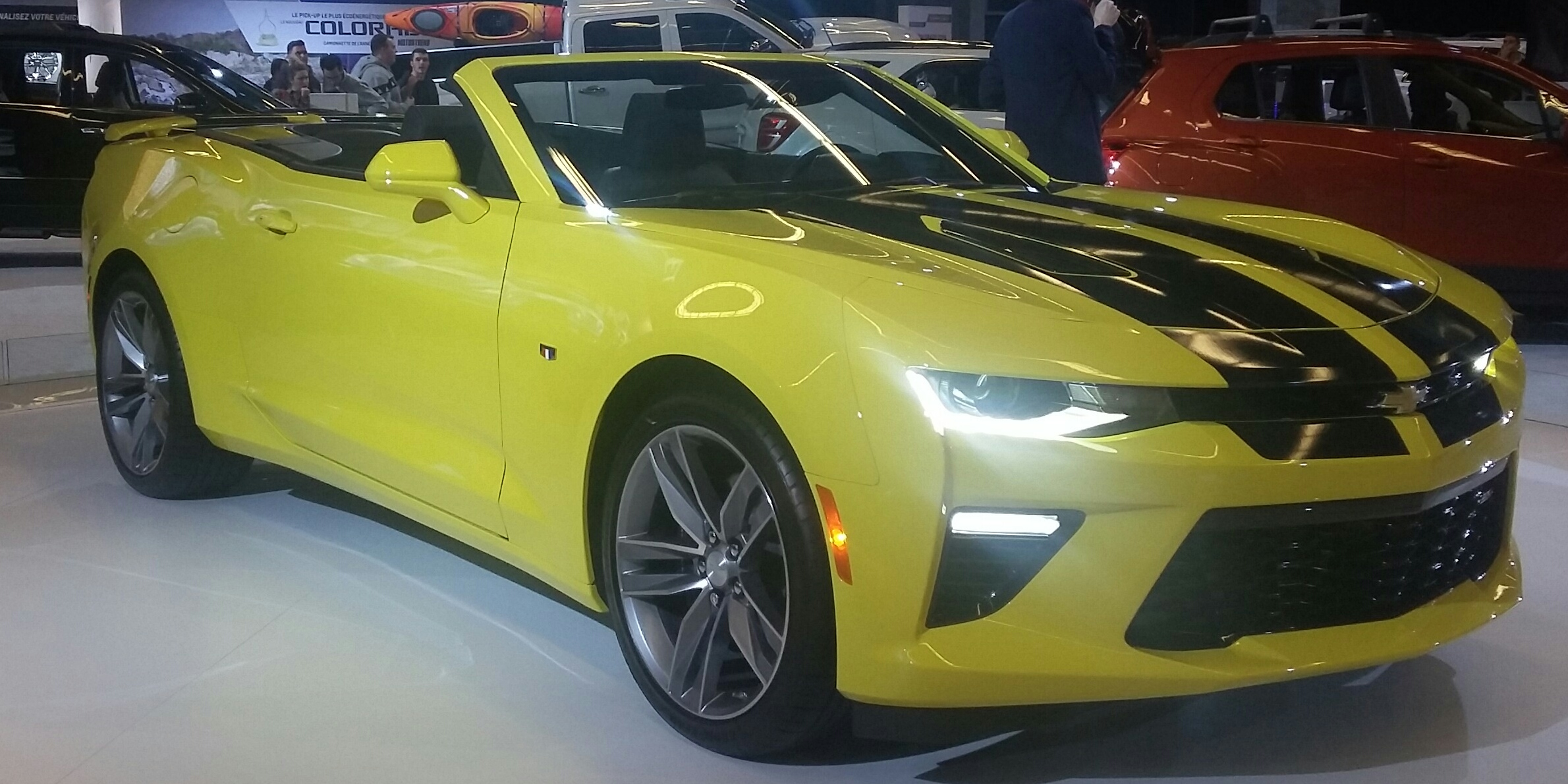
Chevrolet Camaro
"let's say Bel Air Chevy's and Mustangs and Camaros and then it kind of really started growing around..."
The Chevrolet Camaro is a sporty car that’s known for performance. It comes in different versions over the years, but it’s generally built for driving excitement. The podcast mentions it as part of the wave of popular muscle-style cars.
The Chevrolet Camaro is a classic American muscle car that’s been produced for decades in various performance-focused forms. In the podcast, it’s grouped with other iconic models as popularity and interest in that style of car grew. It’s discussed because it’s a familiar benchmark for what people want from classic performance cars.

Ford Mustang
"let's say Bel Air Chevy's and Mustangs and Camaros and then it kind of really started gr..."
The Ford Mustang is a sporty car, usually a coupe or convertible, made for driving enjoyment. It’s one of the most well-known performance models in the U.S. The podcast mentions it when talking about how these kinds of cars became popular.
The Ford Mustang is a long-running American sports coupe/convertible known for performance and a huge enthusiast following. It’s mentioned in the context of how muscle-car style popularity grew over time. The podcast brings it up as part of the lineup of classic performance cars people compare and chase.
rustamodding
"Then rustamodding really got into the picture rather than recreating the classics with oe parts or or saving survivors"
It means taking an old, rusty car and modifying it into something new, instead of trying to restore it exactly like it was from the factory. People do it to make it usable or more interesting, not just to keep it original.
“Rustamodding” is a slang term for taking a rusty, neglected car and turning it into a modified build instead of restoring it to factory condition. It’s often associated with using donor parts, modernizing components, and embracing the car’s patina rather than chasing “numbers-matching” originality.
OE parts
"Then rustamodding really got into the picture rather than recreating the classics with oe parts or or saving survivors"
“OE parts” are the same type of parts the car maker originally used when the vehicle was new. People prefer them when they want a restoration to feel factory-correct.
“OE parts” means original equipment parts—components made to match what the manufacturer installed when the car was new. In collector circles, using OE parts is often seen as more “correct” for restoration than using aftermarket replacements.

square body Chevy's
"things that are blowing up our square body Chevy's, you know"
That’s a nickname for older Chevrolet trucks with a boxy, angular look from the late 1970s/early 1980s. The point here is that these trucks are getting more valuable and harder to find at reasonable prices.
“Square body Chevy’s” is a nickname for Chevrolet trucks from the late-1970s to early-1980s with more angular, boxy bodywork. The speaker is using it as an example of classic trucks that have become expensive and are “blowing up” in the collector market.

Toyota 4x4 pickups
"Mid 80s to early 90s Toyota 4x4 pickups"
They’re talking about older Toyota pickup trucks from the mid-80s to early-90s that have four-wheel drive. Four-wheel drive helps them handle rough roads, and that makes them popular with collectors too.
The speaker is specifically calling out mid-80s to early-90s Toyota 4x4 pickup trucks as a recent auction-price surge. “4x4” indicates a drivetrain with four-wheel drive, which is a major part of why these trucks are desirable for both off-road use and collector appeal.
collector vehicle markets
"let's talk about the craziness that's happening out there in the classic vehicle market [895.7s] Well, so you actually [897.2s] alluded to something that you hit the nail right on the head with is the biggest driver in the collector vehicle markets in general"
This means the market where people buy and sell classic or enthusiast vehicles. Prices there depend a lot on what buyers want and how many people are interested at the time.
“Collector vehicle markets” refers to the buying and selling ecosystem for enthusiast cars and trucks where prices are driven by desirability, rarity, and condition—not just basic transportation value. In this segment, the host argues that shifts in who’s buying (generations) strongly affect demand and pricing.
generational change
"Is generational change and you know back in my parents generation, you know [909.2s] They like your european sports cars and those things, you know got really expensive"
It means car tastes change as different age groups become the main buyers. When a generation loses interest, prices can drop; when a new group starts wanting those cars, prices can jump.
“Generational change” here means that different age groups develop different tastes in cars, which changes demand over time. The speaker’s point is that when one generation stops collecting a type of car, prices can soften—then later another generation’s preferences can make the same cars surge again.
collector truck 4x4 segment
"The collector truck 4x4 segment is absolutely leading the collector vehicle market hands down no question [969.1s] You literally cannot"
The host is talking about a niche group of buyers who collect older pickup trucks that have 4-wheel drive. They’re saying this group is buying more than other collector-vehicle categories right now.
This refers to a niche market where buyers seek older “collector” pickup trucks specifically in 4x4 form. The host argues that this segment is currently leading the broader collector-vehicle market, driven by emotion and nostalgia.

Dodge Viper
"... still get a really good deal on like a ram srt10 viper truck And those things have been proven to be abl..."
The Dodge Viper is a sports car built to be very fast. The podcast brings it up because people think it has proven performance and value when deals show up. It’s mentioned as something enthusiasts look for.
The Dodge Viper is a high-performance sports car known for its aggressive styling and serious power. The podcast mentions it alongside a Ram SRT10, but the key point is that Vipers have proven themselves—implying strong performance and desirability. It comes up as a car people want to buy when they can find a good deal.
ram srt10 viper truck
"you start getting into the 90s trucks, which I think now are just [1027.3s] Sort of coming on because you can still get a really good deal on like a ram srt10 viper truck [1032.4s] And those things have been proven to be able to drive 100 to 150 thousand miles."
The Ram SRT-10 is a special, high-performance version of a Ram pickup that uses a big V10 engine. The host is saying it can handle a lot of miles and still hold up well.
The Ram SRT-10 is a high-performance Dodge/Ram pickup built with a Viper-derived V10 engine. The host is pointing out that these trucks have proven durability, citing their ability to rack up 100,000–150,000 miles without major issues.
Ram Srt10
"...se you can still get a really good deal on like a ram srt10 viper truck And those things have been proven to ..."
Ram is a brand of pickup trucks. The podcast talks about finding a good deal on a performance version like the Ram SRT10. It’s mentioned because people trust those trucks to deliver what they promise.
Ram is the pickup brand within Stellantis’ truck lineup, and the podcast mentions it in the context of finding good deals on performance-oriented models like the Ram SRT10. The speaker notes that these vehicles have been “proven,” implying they deliver on performance and reputation. It’s discussed because buyers may consider Ram when incentives make the price attractive.

454 s s's
"You look at Ford lightnings. You look at 454 s s's you look at night editions [1044.4s] Those like 90s trucks are are kind of like the leading edge of"
“454 SS” is a Chevy truck name tied to a powerful big V8. The host is mentioning it as one of the trucks from that era that collectors are starting to want more.
“454 SS” refers to a Chevrolet truck package/trim associated with the big-block 454 cubic-inch V8. In this context, the host is using it as another example of 1990s-era trucks that are becoming the next affordable classics.

Ford Lightnings
"...ctually been incredibly reliable You look at Ford lightnings. You look at 454 s s's you look at night editions..."
The Ford F-150 Lightning is an electric pickup truck. The podcast says it’s been very reliable to own. It’s mentioned because people want to know if electric trucks can be dependable day to day.
The Ford F-150 Lightning is an electric version of the F-150 pickup, discussed here as being “incredibly reliable.” The podcast also references other performance vehicles to emphasize reliability and ownership confidence. It’s brought up because electric trucks are often evaluated on how well they hold up in real use.

Ford Edge
"... like 90s trucks are are kind of like the leading edge of What's coming into a classic that's still fair..."
The Ford Edge is a mid-size SUV/crossover meant for everyday driving. The podcast mentions it as an example of a vehicle that could become “classic” later. It’s brought up because people think about which modern cars will age well.
The Ford Edge is a mid-size crossover SUV aimed at mainstream buyers who want comfort and practicality. The podcast references it in a “leading edge” way, connecting it to how certain vehicles become classics over time. It’s mentioned as part of the conversation about what might be considered classic in the future.
Toyota 4x4 v6 extra cab
"Let's say 86 Toyota 4x4 Or you get a Toyota 4x4 v6 extra cab In really good condition under 50 000 miles and then you're starting to see"
They’re talking about a Toyota pickup that’s built to drive on rough roads (4x4) with a V6 engine and an extra-cab layout. The point is that if you find one in great shape with low miles, it can be worth a lot more than you’d expect.
This is a Toyota 4x4 pickup configuration with a V6 engine and an extra-cab body style. The key enthusiast angle here is how specific trim/body choices (like extra cab) and condition/mileage affect pricing in today’s collector-truck market.
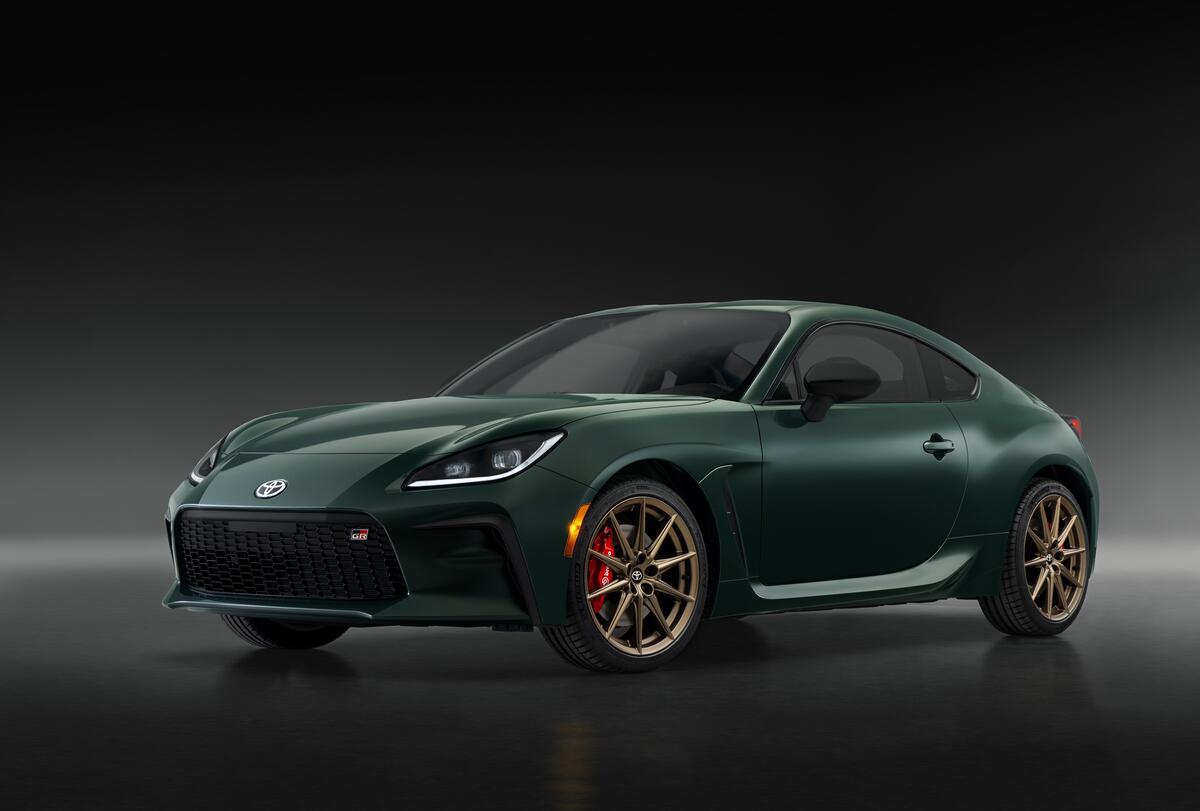
Toyota 86 Toyota
"But man, you you get a uh, uh, you know Let's say 86 Toyota 4x4 Or you get a Toyota 4x4 v6 extra cab"
collector car market
"Like even if you did inflation for what that vehicle would cost today What they're going for in the collector car market is insanity It's supply and demand when there's limited supply and more demand prices are going to go up and and you actually"
This is the market for older, desirable vehicles that people buy to collect. When not many are available but lots of people want them, prices can jump a lot.
The “collector car market” is the pricing world for older, desirable vehicles where buyers treat them more like investments than daily transportation. In this segment, the host argues that limited supply and strong demand can push prices far beyond what similar trucks would cost as normal used vehicles.
supply and demand
"What they're going for in the collector car market is insanity It's supply and demand when there's limited supply and more demand prices are going to go up and and you actually hit the nail on the head with where I think the best value opportunities are, you know"
It just means prices rise when there aren’t many of something and lots of people want it. If more people want the trucks than there are trucks for sale, the price goes up.
“Supply and demand” describes how prices move when there are fewer trucks available than buyers want. Here, the host ties it directly to collector-truck pricing: limited supply plus rising demand increases sale prices.
GMT 400 crew cab
"But I still see some value opportunity Especially with the crew caps any crew cap I'll drop right now is it's just absolutely on fire But if you can find a gmt 400 crew cab, there's still value you can get that"
A crew cab is the truck body style with four doors, so it’s easier for passengers to get in and out. The host is saying some GMT400 crew cab trucks are still priced like deals if you find the right one.
A GMT400 “crew cab” refers to the full-size cab layout with four full doors on GM’s GMT400-era trucks. In this segment, the host highlights that finding a GMT400 crew cab can still be a value buy compared with other similar OBS-style crew cabs, especially when mileage and engine choice line up.

F250 first or second year of power stroke
"So f250 first or second year of power stroke under 100 000 I mean those things are going for new truck money all day long But overall the the market does ebb and flow"
They’re talking about early Ford F-250 diesel trucks with the Power Stroke engine. Collectors often pay more for the early years because they’re rarer and can be more desirable.
The host is referring to early-production Ford F-250 trucks equipped with the Power Stroke diesel. Early years matter to collectors because they can be tied to specific engine generations and limited availability, which can drive prices up even at relatively low mileage.
market does ebb and flow
"But overall the the market does ebb and flow I mean there are some soft spots in the collector vehicle market and there's some trucks that are Absolutely bonkers right now right now action line. Yeah k5's k10 k20s"
They’re saying the collector-truck market changes over time. Some periods are hot and others are slower, even if prices have been strong overall.
“Ebb and flow” is a way of saying the collector-vehicle market isn’t steady—prices and buyer interest can rise and fall over time. The host uses it to temper the earlier “insanity” pricing claim by noting there are soft spots and sudden spikes.
rest of mod
"I think the the issue came Price has got inflated because there are so many people jumped into the rest of mod bronco thing and all the celebrities had to have one"
They mean “restomod,” which is when someone takes an older truck and updates it with newer parts so it drives more like a modern vehicle. The host thinks that trend made more people chase these trucks, driving prices higher.
“Rest of mod” is shorthand for a restomod—an older vehicle that’s been modernized with newer components (often drivetrain, suspension, and electronics) while keeping the classic look. The speaker is arguing that celebrity and trend-driven interest pushed prices up, especially for Broncos and similar classics.
modern transmission
"Even with everything you could do to it the best suspension a coyote swap modern transmission"
They’re talking about upgrading the gearbox to a newer one. The goal is usually smoother shifting and better drivability—especially when you’ve also upgraded the engine.
“Modern transmission” here refers to replacing an older gearbox with a newer transmission to improve shifting, drivability, and reliability. In restomods, the transmission upgrade is often paired with engine swaps to make the whole drivetrain work together.

Land Cruiser 80 series
"And it doesn't have some of the things like the you know, the non-working power seats or crack dash or things like that [1338.6s] And it has anywhere within a stone's throw of 100,000 miles [1344.1s] That's a 35 40 thousand dollar vehicle. I mean people are going crazy over those things and um [1350.7s] You know, I it's it's interesting to me. I look at the old land cruisers like the fj's like fj 45"
This is a Toyota Land Cruiser from the “80 series” generation. It’s famous for being tough and lasting a long time, and the host says people are paying way more for them now.
The Toyota Land Cruiser 80 series is a classic, body-on-frame SUV known for durability and long service life. In this segment, the host focuses on how the market has exploded for high-mileage examples, turning them into expensive collector buys.

lexus lx 450
"And now if you can get a lexus lx 450, which is a little bit nicer [1329.8s] Uh a little bit better paint a little bit nicer leather [1333.0s] And it doesn't have some of the things like the you know, the non-working power seats or crack dash or things like that"
The Lexus LX 450 is a more upscale, comfort-focused version of the Land Cruiser. The host is saying it’s often a better buy because it can have nicer interior features and fewer problems than some older examples.
The Lexus LX 450 is a luxury version of the Land Cruiser platform, positioned as a more comfortable, nicer-trim alternative. Here it’s used as a comparison point: the host says it can be more desirable because it tends to have better interior materials and fewer common annoyances.
power seats
"And it doesn't have some of the things like the you know, the non-working power seats or crack dash or things like that [1338.6s] And it has anywhere within a stone's throw of 100,000 miles"
Power seats are car seats that move using electricity instead of a manual lever. If they don’t work, it’s a hassle and can be costly to fix.
Power seats are seats adjusted by electric motors, typically controlled by switches. In older vehicles, non-working power seats are a common annoyance that can reduce value because they’re expensive to diagnose and repair.
crack dash
"And it doesn't have some of the things like the you know, the non-working power seats or crack dash or things like that [1338.6s] And it has anywhere within a stone's throw of 100,000 miles"
“Crack dash” means the dashboard has cracked. It’s usually caused by years of heat and aging, and it can make the interior look bad and lower the car’s value.
“Crack dash” refers to a dashboard that has cracked, usually from age, heat, and material aging. It’s a visual and sometimes functional issue that can make an older SUV look worn out, hurting buyer confidence and resale value.
retro mod
"Um, those were sort of the first ones to sort of get that real retro [1362.4s] You know, um, retro mod kind of thing done to them [1366.1s] I feel like those have gotten a little bit soft"
“Retro mod” means taking an old classic truck and improving it with newer parts or comfort features, while still trying to keep the original style. The host is saying some of these older trucks have changed as people started modifying them.
“Retro mod” describes updating an older vehicle with modern upgrades while keeping its classic look and vibe. In this segment, the host credits early Land Cruisers like the FJ45 as some of the first trucks to get that treatment, and suggests the trend has made them “soft” (less raw) over time.
cj 5s
"Early jeeps I think are still of value. There's a lot of cj 5s and cj 7s out there [1375.0s] That if it's a common man package, you know, it's not like the golden eagle or Levi's edition or something kind of odd"
The CJ-5 is an older Jeep model that’s known for being simple and capable off-road. The host is saying there are still good deals on common CJ-5s if they’re not rare collector editions.
The Jeep CJ-5 is a classic, open-top (or removable-top) Jeep model from the CJ lineup that became a popular platform for off-road use and restoration. The host says early Jeeps like CJ-5s and CJ-7s still offer value, especially when they’re not rare special editions.
cj 7s
"There's a lot of cj 5s and cj 7s out there [1375.0s] That if it's a common man package, you know, it's not like the golden eagle or Levi's edition or something kind of odd"
The CJ-7 is another classic Jeep model, similar to the CJ-5 but with a longer wheelbase. The host says CJ-7s can still be good buys if you’re not chasing rare special versions.
The Jeep CJ-7 is the longer-wheelbase successor in the CJ series, also widely used for off-road and restoration. The host groups CJ-7s with CJ-5s as still being relatively good-value early Jeeps when they’re not rare special trims.
six figure territory
"With under 50,000 miles on it six figure territory all day long hands down. I mean that truck brand new"
It means the truck is selling for $100,000 or more. Here, they’re saying these Land Cruisers can get that expensive when they’re low-mileage.
“Six figure territory” means the asking price or sale price is in the range of 100,000 dollars or more. In this context, it’s describing how much Land Cruiser heritage editions can sell for when they have low mileage.
Mileage is everything
"To is on any any any it doesn't matter what it is any land cruiser us spec Under a 100000 original miles is doing crazy. Whether it's an 80 series a hundred series a 200 series a 60 series It's all doing Mileage is everything for this."
They mean the number on the odometer matters a lot. Lower mileage usually makes a used Land Cruiser worth more because it likely has less wear.
In used-car pricing, “mileage is everything” reflects how strongly odometer readings affect perceived wear and remaining life. For Land Cruisers specifically, lower miles can dramatically increase value because buyers expect fewer accumulated issues and more usable lifespan.
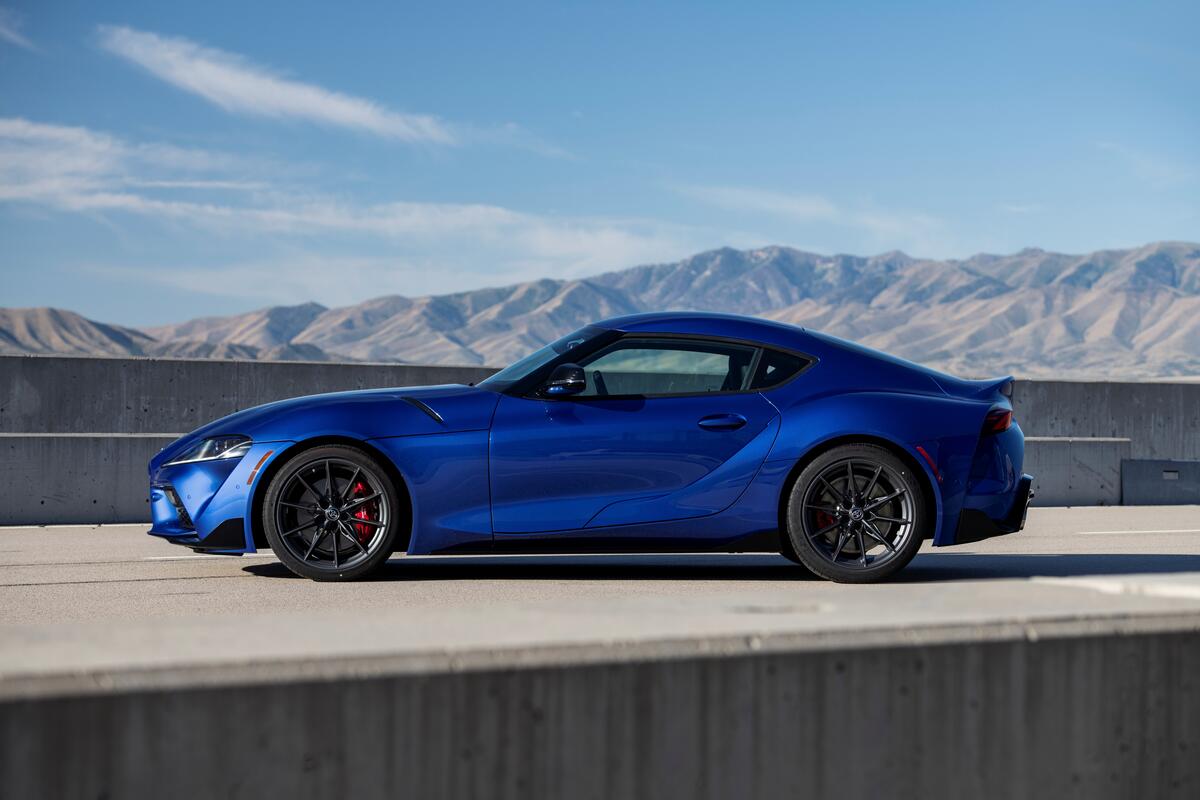
last generation 90s Supra
"toyota was in general especially 90s and I'll jump out a truck just for a minute because I had was following one of these for a friend for a little bit. It was blown away a last generation 90s supra"
The 1990s Toyota Supra is a famous sports car from the ’90s that collectors really want. Here, they’re using it as an example of how certain cars can become very valuable.
The Toyota Supra from the 1990s is a highly collectible sports coupe known for its performance reputation and strong enthusiast following. In this segment, the host specifically references the “last generation” 90s Supra as a comparison to the Land Cruiser market.
2jz
"a last generation 90s supra Turbo 2jz car doesn't matter if it's automatic or manual manuals go for more"
“2JZ” is the name of the engine in a lot of 1990s Supras. People love it because it’s a strong, performance-friendly engine that’s popular for upgrades.
The “2JZ” refers to Toyota’s 3.0-liter inline-six engine family used in many 1990s Supras. It’s especially known in enthusiast circles for its strength and tuning potential, which is why “2JZ” is often used as shorthand for the Supra’s performance reputation.
automatic or manual
"Turbo 2jz car doesn't matter if it's automatic or manual manuals go for more"
“Automatic or manual” refers to the two main transmission types: automatic shifts by itself, while manual requires the driver to select gears. In many enthusiast markets, manuals can command a premium because they’re more engaging to drive and are often preferred by collectors.
JDM
"And the toyota is reaping the benefits on the 4x4 side of that because there isn't really another player in that space. Um in the truck space and I think people who can't afford the JDM cars are willing to take a shot at some of the JDM trucks"
JDM means “Japanese Domestic Market.” It’s basically cars and trucks that were made to be sold in Japan, not the U.S. People like them because they can be rarer or have different setups.
JDM stands for Japanese Domestic Market. It refers to vehicles that were originally sold in Japan, and they often have different specs (like right-hand drive) compared with what was sold in the U.S. Enthusiasts pay premiums for certain JDM models and trims because of that uniqueness.
right hand drive
"Yeah, I mean and I see that there's value there, especially the JDM stuff because right hand drive unfortunately like. You know 22 they're awesome. I love them. But that's you know, two of the other soft spots in the collector truck and for the markets right now"
Right-hand drive means the steering wheel is on the right side of the car. Some buyers love it for the “import/JDM” factor, while others don’t because it can feel awkward if you’re used to left-hand drive.
Right-hand drive means the steering wheel is on the right side of the vehicle, which is common in Japan and the UK. In collector-truck markets, right-hand drive can be a big selling point (or a drawback) depending on buyer preferences, and it affects how desirable certain JDM imports are.

CJ eights
"In the 20 to 25 grand realm and if you love the the rare CJ eights, that's really clean ones can go. You know in the 30 to 50 grand realm, which is crazy as that sounds"
“CJ8” is a rarer classic Jeep from the CJ series. Because it’s harder to find, clean examples can cost a lot more than CJ5s or CJ7s. The host is highlighting that rarity in the collector market.
“CJ eights” refers to the Jeep CJ8, the rare CJ variant in the classic Jeep CJ lineup. The host is emphasizing that CJ8 examples are especially desirable and can command much higher prices than CJ5/CJ7. In collector terms, rarity and condition drive that jump.
coilovers
"37s and coilovers and things like that when you're looking at the collector truck market"
Coilovers are suspension parts that let you change how high or low the truck sits. They also help the truck handle bumps and corners better.
Coilovers are an adjustable suspension setup that combines a coil spring and shock absorber into one unit. Enthusiasts use them to fine-tune ride height and handling, which is why they show up in many collector-truck and off-road builds.
patina
"Is there something to be said for patina anymore? Is there something to be said for survivors anymore?"
Patina is the natural “aged” look a vehicle gets over the years. Some collectors like it because it can mean the truck is original and has a real history.
Patina is the worn-in look a vehicle develops over time—things like faded paint, surface rust, and age-related wear. In collector circles, some buyers value patina because it signals originality and history rather than a perfectly restored appearance.
survivors
"Is there something to be said for patina anymore? Is there something to be said for survivors anymore?"
“Survivors” are collector cars or trucks that are still in mostly original condition. They haven’t been changed a lot, so their history and condition can be part of the value.
In collector jargon, “survivors” are vehicles that have remained largely intact and original rather than being heavily modified or fully restored. The idea is that originality (especially body and frame condition) can matter more than flashy upgrades.
258 inline sticks
"if it's got the the 258 inline sticks, which is just I mean the most bold Engine there ever was this thing's a run with no oil or zero compression forever"
The “258” is a specific Jeep inline-six engine size. The host is saying collectors like it when the Jeep still has that original engine setup.
“258” is shorthand for the Jeep 4.2L inline-six engine (often called the AMC 258). The host is emphasizing that this engine’s stock configuration is a big part of what collectors value, and they describe its character as unusually durable and mechanically “busy” (like lifter tick behavior).
ls swap
"Outside of rest of mods, you know an ls swap or the 4l 60 air conditioning decoded digital gauges"
An “LS swap” is when someone replaces the original engine with a GM LS V8. It can make the vehicle faster and easier to maintain, but collectors may dislike it if they want the truck to stay original.
An “LS swap” means replacing a vehicle’s original engine with a GM LS-series V8 (often from a modern Camaro/Corvette). In collector discussions, it’s controversial because it can improve drivability and parts availability, but it may reduce originality and therefore value.
4l 60
"Outside of rest of mods, you know an ls swap or the 4l 60 air conditioning decoded digital gauges"
“4L60” is a type of automatic transmission from GM. People mention it because it’s a common match for LS engine swaps and is supported by lots of parts and tuning options.
“4L60” refers to a GM 4-speed automatic transmission used in many LS-era swaps. It’s commonly paired with LS engines because it’s widely supported by aftermarket parts and tuning, which is why it comes up in modification talk.
decoded digital gauges
"Outside of rest of mods, you know an ls swap or the 4l 60 air conditioning decoded digital gauges"
“Decoded digital gauges” refers to using an aftermarket or adapted gauge cluster that can correctly interpret signals from a swapped or modified powertrain. In practice, it often involves signal decoding modules so the speed/engine data displays properly after an engine or wiring change.
lifter ticks
"It's like the most wild like lifter ticks bottom end. It's like the gas version of a Cummins, you know"
“Lifter tick” is a tapping sound that can come from the engine’s valve train. It’s often associated with how the lifters are getting oil and can be a sign of wear or just an engine’s known behavior.
“Lifter tick” is a common description for a tapping noise from the valve train, often related to hydraulic lifters and oil pressure/maintenance. The host uses it to characterize the AMC 258’s mechanical sound and perceived toughness.
zero compression
"this thing's a run with no oil or zero compression forever"
“Zero compression” means the cylinders aren’t sealing well enough to build pressure. The host is exaggerating to make a point about how long they think the engine can keep running.
“Zero compression” is an extreme way of saying the engine can still run despite very poor cylinder sealing. In reality, true zero compression would normally mean the engine can’t run, so the host is using it as hyperbole to stress how tough they think the engine is.
Cummins
"It's like the gas version of a Cummins, you know"
Cummins is a company that makes diesel engines. People often associate Cummins with engines that last a long time, so the host is making a durability comparison.
Cummins is a diesel-engine brand known for durability, especially in heavy-duty trucks. The host compares the Jeep 258’s “keep running” reputation to the way many people talk about Cummins diesels.
original steel body
"The more original the body is, you know fiberglass bodies don't do well But if it's an original steel body that isn't rusted rotted out same goes through the frame"
They’re saying collectors prefer the original body material—especially steel—because it’s easier to judge condition and it’s more “factory correct.” Rust or rot in the body or frame is a big value killer.
The host is distinguishing between Jeep body materials: an original steel body is generally more valued in collector circles than fiberglass because it’s easier to assess for rust damage and it’s typically the factory-correct material. They also connect originality to frame condition—rusted or rotted-out structures hurt value.
frame
"But if it's an original steel body that isn't rusted rotted out same goes through the frame"
The frame is the truck’s main structural “skeleton.” If it’s rusted or rotted, it’s a major problem and can be costly to fix, so collectors care a lot about it.
In truck/SUV collector discussions, the frame is the structural underbody that everything mounts to. Rust or rot in the frame is often more serious than cosmetic issues because it can be expensive or unsafe to repair, which is why it strongly affects collector value.

Land Rover Defender 90
"I remember the first time I drove one [1977.8s] Was when the Defender 90 came to the us [1980.3s] It was a yellow one press fleet"
The Land Rover Defender 90 is a tough, boxy off-road SUV. The host is talking about one he drove when it first came to the U.S., and how the driving position and steering felt awkward to him.
The Land Rover Defender 90 is a short-wheelbase version of the Defender, known for its rugged, utilitarian roots. In this segment, the host specifically discusses the Defender 90 arriving in the U.S. and how its ergonomics and steering feel stood out to him.
GM derived v8
"And it had the old, you know, gm derived v8 in it and I couldn't believe how bad the ergonomics were on it"
“GM derived v8” means the SUV uses a V8 engine that’s based on an engine design from General Motors. The point here is that even with that V8, the truck still didn’t feel great to live with.
“GM derived v8” refers to a V8 engine design that traces back to General Motors’ engine family. The host uses it to explain why the Defender 90 he drove felt disappointing in day-to-day usability—suggesting the engine choice didn’t fix the overall package.
r28 common swap
"whether it's a r28 common swap or an ls swap like"
This is talking about an engine swap—putting a different engine into the vehicle. The host’s point is that certain swaps can make the truck more desirable, which affects resale value.
“r28 common swap” refers to an engine swap using a specific donor/engine reference (the host is likely talking about swapping in a different powerplant). In this context, it’s used to explain why modified Land Rovers can hold value better than stock ones.
modern powertrain
"a [2044.0s] Truck that looks old but drives new so modern powertrain air conditioning"
“Modern powertrain” just means the main mechanical parts that make the truck move are updated. The host’s point is that people want the classic look, but with newer engine/transmission behavior.
A “modern powertrain” means updating the vehicle’s core mechanicals—typically the engine and transmission—so it shifts and responds like a newer car. In this segment, it’s part of the restomod formula: keep the old look, but modernize the drivetrain for daily usability.
air conditioning
"Truck that looks old but drives new so modern powertrain air conditioning"
They’re talking about adding modern air conditioning so the truck is comfortable to drive every day. It’s part of making an older-looking vehicle feel newer inside.
“Air conditioning” here is mentioned as part of the “drives new” checklist for older-looking trucks. It’s not a specialized engineering term, but it’s a specific comfort feature being treated as a modern upgrade requirement.
four link suspension
"[2051.2s] four-wheel disc brakes four link suspension [2054.9s] You know power locks power windows just you know touch screen stereo stuff like that"
A four-link suspension uses four arms to hold the rear axle in place. It helps the truck stay planted and can be set up to ride better and handle traction more predictably.
“Four-link suspension” is a rear suspension layout that uses four control arms (links) to locate the axle. It’s commonly used on trucks because it can be tuned for ride quality and traction, and it helps control axle movement under acceleration and braking.
four-wheel disc brakes
"[2051.2s] four-wheel disc brakes four link suspension [2054.9s] You know power locks power windows just you know touch screen stereo stuff like that"
It means the truck has brake discs on all four wheels. That usually helps the brakes work more consistently, especially when you brake a lot.
“Four-wheel disc brakes” means the truck uses disc brakes on all four wheels, rather than drums on the rear. Disc brakes generally provide more consistent stopping and better heat handling, which helps with repeated braking.
power locks
"[2054.9s] You know power locks power windows just you know touch screen stereo stuff like that [2060.7s] People want the"
Power locks are door locks that you control with a button or switch instead of a manual key/lever. It’s a convenience feature people often add to older trucks.
“Power locks” are door locks operated electrically, typically via a switch or remote. In older vehicles, adding power locks is a common “modern convenience” upgrade that improves usability without changing the exterior look much.
power windows
"[2054.9s] You know power locks power windows just you know touch screen stereo stuff like that [2060.7s] People want the"
Power windows let you raise and lower the windows with a button instead of a hand crank. It’s a common upgrade on older vehicles.
“Power windows” are window regulators driven by electric motors rather than hand cranks. On classic trucks, converting to power windows is a typical restomod-style upgrade for convenience.
touch screen stereo
"[2054.9s] You know power locks power windows just you know touch screen stereo stuff like that [2060.7s] People want the"
A touch-screen stereo is the modern radio/audio system in the dash that you control by tapping the screen. People add them to older trucks for newer music and phone features.
A “touch screen stereo” is an in-dash infotainment head unit controlled by a touchscreen. In restomods, it’s often used to add modern audio features (like Bluetooth/USB) while keeping the truck’s interior looking period-correct.
junkyard
"[2118.6s] But I am a a fan of taking something that is probably going to go to the junkyard because it's pretty far gone and [2124.2s] Investing it and making that vehicle don't steal from the point and I get it"
A junkyard is where old cars go when they’re too far gone to keep. The host is saying it’s better to save those cars with a build than to cut up ones that are still worth preserving.
A “junkyard” is where end-of-life vehicles are stored for parts or scrap. The host’s point is that restomodding can be more acceptable when the original car is already destined for scrap, because it prevents a complete loss of the vehicle.
scrap yard
"[2124.2s] Investing it and making that vehicle don't steal from the point and I get it [2129.2s] There's the argument of oh, it's my money. It's my vehicle do whatever I want"
A scrap yard is where metal is recycled from cars that are no longer usable. The host is saying to focus on saving cars that would otherwise be scrapped.
A “scrap yard” is a facility that processes vehicles (and other metal) for recycling. The speaker uses it to describe cars that are beyond saving, arguing for resurrecting those instead of destroying remaining originals.
1980 international harvester traveler
"Which is a 1980 international harvester traveler, which is the long wheelbase [2178.4s] the long wheelbase [2179.4s] Uh wagon version from 70, you know built from 76 to 80 1980 is the last year"
This is a classic International Harvester truck/SUV called the Traveler. The “long wheelbase” means more space between the front and rear wheels, which usually helps ride and stability. The big point here is that the owner keeps the original engine and transmission but updates other systems so it drives better.
The International Harvester Traveler is a classic full-size SUV/wagon built by International Harvester, and this one is specifically the long-wheelbase wagon version. In this episode, it’s notable because the host talks about keeping the truck’s original powertrain while modernizing key driveline and braking components.
ih 345 big buck
"So we kept the original ih 345 big buck, you know v8 [2219.1s] The torque flex 727 automatic trans"
The “IH 345” is the original V8 engine that came in this International Harvester. “Big Buck” is just a nickname people use for it. The key point is the owner kept this engine instead of replacing it with a modern one.
The “IH 345” refers to an International Harvester 345 cubic-inch V8 engine, and “Big Buck” is a nickname used by enthusiasts for this engine family. The episode emphasizes that the truck kept this original V8 rather than switching to an LS swap.
torque flex 727 automatic trans
"So we kept the original ih 345 big buck, you know v8 [2219.1s] The torque flex 727 automatic trans [2223.4s] the data 44 um front and rear axles but"
“Torque-Flight 727” (spoken here as “torque flex 727”) is a Chrysler-built three-speed automatic transmission that’s commonly swapped into classic trucks and muscle cars. In this episode, it’s part of the original powertrain they chose to rebuild and keep.
data 44 um front and rear axles
"[2223.4s] the data 44 um front and rear axles but [2227.6s] And the data 300 which is a one year only option"
A “Dana 44” is a heavy-duty axle used on many 4x4 trucks. Axles are what connect the wheels to the drivetrain, and this one is known for being tough and upgrade-friendly. Here, it’s mentioned as the front and rear axle setup.
“Dana 44” is a specific axle model (front and rear) made by Dana, commonly used in off-road and 4x4 vehicles because it’s robust and has a lot of aftermarket support. The host lists it as part of the truck’s original drivetrain hardware.
data 300
"And the data 44 um front and rear axles but [2227.6s] And the data 300 which is a one year only option [2231.1s] for the"
A “Dana 300” is part of the 4x4 system that splits power to the front and rear axles. The host is pointing out that this truck has a less-common transfer-case option, which makes it more special than the typical setup.
“Dana 300” refers to a Dana transfer case used in four-wheel-drive trucks. The host says it was a one-year-only option for Scouts, implying this truck’s drivetrain is somewhat rare compared with the more common transfer-case choice.
fuel introduction
"We chose to rebuild it [2239.9s] But then add fuel introduction [2242.9s] four-wheel disc brakes"
This sounds like they upgraded how the truck delivers fuel to the engine. The goal is usually easier starting and smoother running than older carburetors. They did it while keeping the original engine.
“Fuel introduction” here most likely means adding a modern fuel-delivery system (such as fuel injection) to improve drivability and starting compared with older carburetion. The host pairs it with other upgrades while still keeping the original engine/transmission.
update the suspension
"[2242.9s] four-wheel disc brakes [2245.1s] update the suspension [2247.0s] heavy-duty steering components"
Suspension is what helps the wheels stay in contact with the road and smooths out bumps. When someone “updates” it, they’re usually replacing worn parts or upgrading the setup so the truck rides and handles better.
Suspension is the system that connects the wheels to the body and controls ride quality and wheel control over bumps. Updating it on a classic truck typically means improving damping, springs, and alignment geometry for better handling and comfort.
heavy-duty steering components
"update the suspension [2247.0s] heavy-duty steering components so [2249.5s] On the facade"
These are stronger steering parts meant to survive rough use. If you drive off-road or run bigger tires, the stock steering can wear out or feel loose, so upgrades help it stay tight and predictable.
Heavy-duty steering components are upgraded parts designed to handle more stress than stock steering hardware, often for off-road use or larger tires. The host mentions them as part of a package to make the truck feel more “modern” and controlled while still looking original.
scout market
"So you bring up an interesting point and that's the scout market [2284.7s] And scouts have long been the bastard children of the uh collector car market mostly ignored mostly"
The “scout market” is the collector community for International Harvester Scouts. The idea here is that they used to be ignored, but more people are starting to remember them and pay attention again.
The “scout market” refers to the collector-car niche centered on International Harvester Scout vehicles. In the segment, the hosts describe how Scouts were long overlooked, then started gaining attention as more people rediscovered the model and its parts availability/pricing.
bronco effect
"So, you know, you you brought up a good point [2333.2s] Which is we'll talk about the bronco effect right and what that had on jen when broncos is you know ford brought about"
The “bronco effect” means when a brand-new, popular vehicle brings attention to an old model name. Once lots of people start caring about it, older collector versions often become more sought-after and can get more expensive.
The “bronco effect” is a collector-car market phenomenon where a newly hyped or newly launched model (in this case, Ford’s Bronco) sparks renewed mainstream interest in older versions of the same nameplate. That attention can raise demand and prices for related collector vehicles because more people suddenly recognize the brand and want one.
scout effect
"Bronco effect that we saw several years ago take place today with a scout effect where the average casual [2366.0s] Enthusiasts didn't even know what a scout was a year or two ago"
The “scout effect” means Scouts are getting a wave of new interest. As more people learn about them, more buyers show up in the collector world, which can change prices and availability.
The “scout effect” is the same kind of attention-driven shift as the “bronco effect,” but applied to International Harvester Scouts. The host argues that as mainstream awareness grows, even casual enthusiasts who previously didn’t know what a Scout was start “pining” for them, which can lift demand in the collector market.

Scout
"But I think the scout market has a lot of legs. Um, we are gonna see And interestingly enough scout, uh, Volkswagen group which owns the scout brand Just delayed the launch of the new one"
“Scout” is the name of an off-road truck/SUV brand. The host is talking about the market for used Scouts and how the planned new model timing could influence buyers.
“Scout” refers to the off-road-focused SUV/truck brand that Volkswagen Group owns today. The host discusses the Scout market and notes Volkswagen delayed the launch of a “new” Scout, which affects how quickly buyers jump in.
Request an Explanation
Heard something you'd like explained? We'll add it to this episode.
Sign in to request explanations for terms you heard.
Want to learn more?
Browse our glossary for plain-English explanations of automotive terms, jargon, and concepts.
Help improve this episode
See something that's not quite right? Our annotations are AI-generated and can sometimes miss the mark. Click the flag icon on any annotation to suggest a correction.