
S3, E98 - Have You Heard? Truck News!
About this episode
S3, E98 runs through fresh truck news, starting with the newly announced 2027 Chevrolet Silverado and its sharper look, screen-heavy cabin, and column shifter. The discussion then shifts to powertrain and off-road package details, plus the ongoing “right to repair” debate. EV truck chatter covers Slate’s rumored $24,950 rear-drive single-motor pricing and Ford’s smaller universal-platform EV plans. Jeep promotions and Grand Cherokee Trailhawk off-road specs follow, before a major Wrangler/Gladiator recall warning about a potential fire risk.
2027 Chevrolet Silverado revealed, controversial Ford CEO quote, Slate pickup pricing, Ford's low-cost EV pickup, Jeep's giveaway, new Jeep Twelve4Twelve drop, Quick Hits, and recalls. The Truck Show Podcast is brought to you in partnership with AMSOIL, Kershaw Knives, and OVR Mag. Don't forget to check out truckshowpodcast.com for special offers from our friends and sponsors.
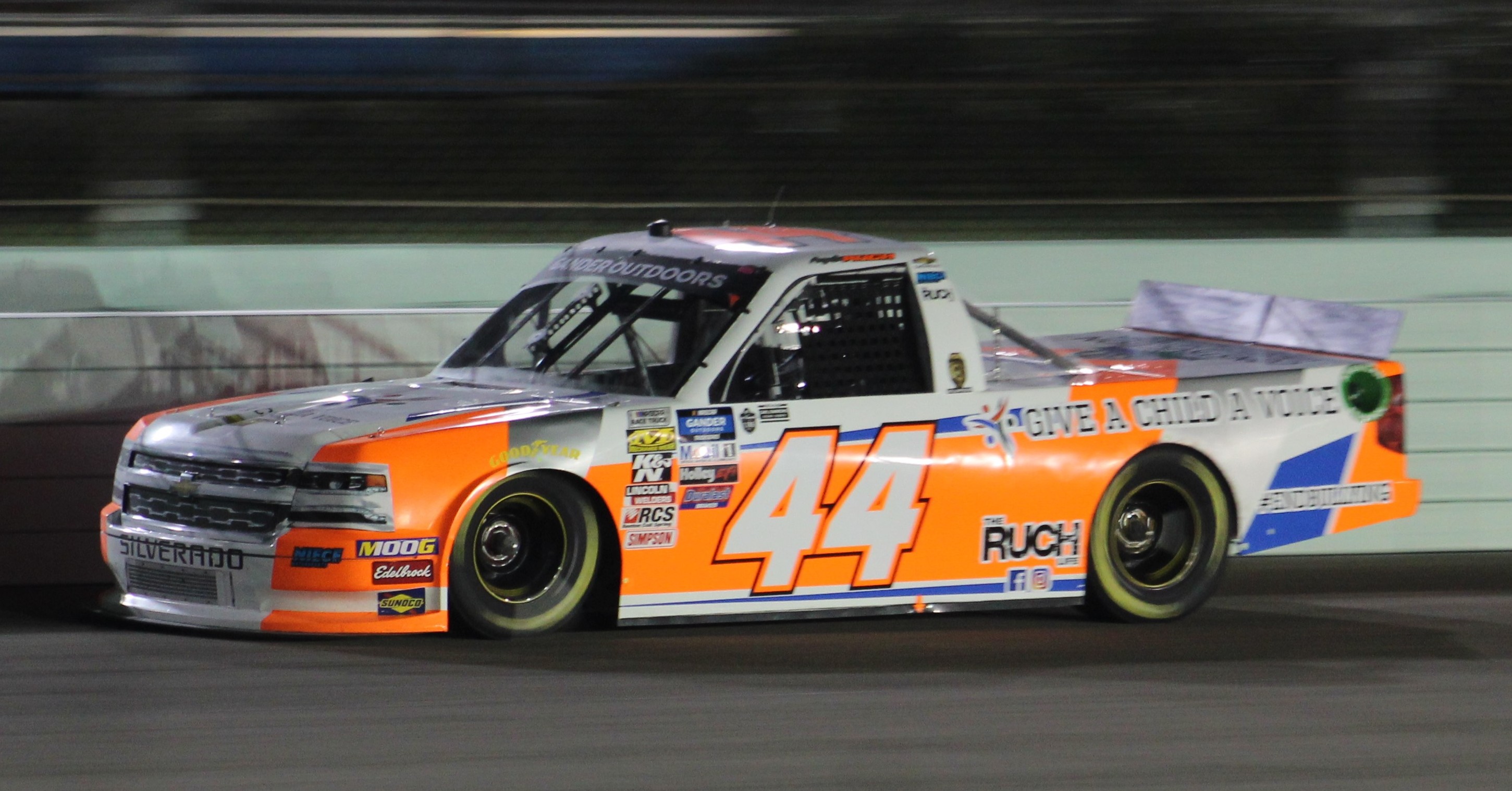
Silverado
"You'll see and you'll go, oh, that's a Silverado, but why does it look different? It just looks fresher and I actually really like the new treatment on the nose and the whole truck just appears more squared off."
A Silverado is Chevrolet’s big pickup truck. In this clip, the host is talking about a newer version that looks more modern on the outside and feels more high-tech and upscale inside.
The Chevrolet Silverado is GM’s full-size pickup, and this segment is specifically reacting to a newer Silverado’s exterior redesign. The host points out a more modern, squared-off front-end treatment and a more upscale interior with lots of screens.

Chevrolet Ev Silverado
"...el. It's a mix between today's truck and then the EV Silverado, but it's just a little bit more upscale. Even th..."
The Chevrolet Silverado EV is a pickup truck that runs on electricity instead of gasoline. The podcast is talking about how it’s meant to feel like a normal Silverado but with an EV setup. People discuss it because it’s part of the shift toward electric trucks.
The Chevrolet Silverado EV is an electric version of the Silverado pickup, aiming to combine EV power with the practicality of a truck. The podcast describes it as a mix between today’s Silverado and the EV Silverado, suggesting a more upscale direction or positioning. That makes it a topic of interest because EV trucks are still new, and buyers want to know how they’ll feel and function compared with gas trucks.
digital cluster
"Now there's a 16.3 inch center screen, a 12.2 inch digital cluster."
A digital cluster is the screen behind the steering wheel that shows things like speed and warnings. Instead of old-style dials, it uses a display.
A digital cluster replaces traditional analog gauges with a screen-based display for speed, engine info, and driver alerts. In this segment, the host mentions a 12.2-inch digital cluster as part of the Silverado’s modern cockpit.

Dodge Ram
"...er. Passengers also get a screen just like on the Ram for some models. That measures 11.5 inches and GM..."
The Dodge Ram is a full-size pickup truck. The podcast mentions that some versions have a screen for the passenger, which is meant to make the ride more comfortable. It’s part of the truck’s interior features.
The Dodge Ram (Ram pickup) is a full-size truck line known for offering a wide range of cab and bed configurations. The podcast mentions that some models include a large passenger screen, highlighting how the interior tech is evolving. That’s a common reason people discuss Ram trucks—comfort and infotainment can be a major deciding factor.
heads up display
"It might be too much, but that also includes the heads up display and digital rear view mirror, which are optional."
A heads up display (HUD) projects key driving information onto the windshield so you can see it without looking down at the instrument panel. The host notes it as part of the optional “60 inches of screens” setup.
digital rear view mirror
"It might be too much, but that also includes the heads up display and digital rear view mirror, which are optional."
A digital rear view mirror uses a camera feed to display the view behind the vehicle on a screen, instead of reflecting it through a traditional mirror. The host calls it out as one of the optional screens contributing to the “60 inches of screens” claim.
column shifter
"GM also includes a multiplex console that's similar to the Ford's, but it doesn't need to have the fold away shifter because all the GMs have a column shifter, which you'll hear no complaints about for me."
A column shifter is a gear selector mounted on the steering column rather than on the center console. The host prefers it on trucks and contrasts it with a “fold away shifter” approach mentioned as being similar to Ford’s setup.
10 speed auto
"The lower trims still get the 2.7 liter turbo four, turbo max, and then all engines are now backed by the 10 speed auto. If you remember, the four cylinder used to be paired with the old eight speed, which nobody was a fan of."
An automatic “10 speed” transmission is a gearbox that changes gears for you, with 10 different gear ratios. Having more gears helps the engine work more efficiently and can make towing feel smoother.
“10 speed auto” refers to an automatic transmission with 10 forward gears. More gears let the engine stay closer to its most efficient or powerful operating range during different speeds and loads—useful for towing and mixed driving.
Duramax straight six
"And diesel fans rejoice because the three liter Duramax straight six is back and it can even be had in the base work truck trim now. No power numbers have been released, but, you know, GM likes to make news and dole it out."
Duramax is GM’s diesel engine line. A “straight six” means six cylinders in a single line, and the host is saying this diesel is coming back and can be had even on the basic work truck.
The “Duramax straight six” is General Motors’ diesel inline-six engine family used in trucks. In this segment, the host says the 3.0-liter Duramax is back and can be ordered even on base work-truck trims, which is a big deal for buyers who want diesel torque without stepping up to higher trims.
multimatic shocks
"And you'll be happy to know that both of the off road packages returned the trail boss and ZR to the trail boss has a two inch lift and 34s and the ZR to returns with multimatic shocks, jounce control 35 standard lockers front and rear and the AV Silverado ZR to bison is also back with AV bumpers, sliders and skids."
“Multimatic shocks” refers to a premium shock absorber system (commonly associated with adjustable, performance-oriented damping). The point here is that the ZR/Trail Boss off-road package is using higher-end suspension hardware to improve control over rough terrain.
two inch lift
"both of the off road packages returned the trail boss and ZR to the trail boss has a two inch lift and 34s and the ZR to returns with multimatic shocks, jounce control 35 standard lockers front and rear"
A two-inch lift raises the truck higher off the ground. That usually helps with clearance over rocks and ruts and can make room for bigger off-road tires.
A “two inch lift” means the truck’s suspension is raised by about two inches compared to stock height. That typically increases ground clearance and can help fit larger off-road tires.
34s
"the trail boss has a two inch lift and 34s and the ZR to returns with multimatic shocks, jounce control 35 standard lockers front and rear"
“34s” means the truck is getting 34-inch tires. Larger tires can help the truck clear obstacles and handle rough terrain better.
“34s” is shorthand for 34-inch off-road tires. Bigger tires improve ground clearance and can help the truck roll over obstacles more easily, especially when paired with a lift and off-road suspension.
standard lockers front and rear
"multimatic shocks, jounce control 35 standard lockers front and rear and the AV Silverado ZR to bison is also back with AV bumpers, sliders and skids."
Lockers are traction devices inside the differentials that help both wheels on an axle turn together. That can prevent one wheel from spinning uselessly when the other wheel has grip.
“Lockers” here refers to axle differential lockers that can lock the left and right wheels together. Having lockers on both the front and rear axles improves traction when one wheel loses grip—common in mud, sand, or rocks.
jounce control
"the trail boss has a two inch lift and 34s and the ZR to returns with multimatic shocks, jounce control 35 standard lockers front and rear and the AV Silverado ZR to bison is also back with AV bumpers, sliders and skids."
Jounce control is a suspension setting that helps the shocks react when the truck hits a bump and compresses. The goal is to keep the truck stable and the tires gripping better.
“Jounce control” is a suspension feature that manages how the shocks behave when the truck’s suspension compresses (jounces) over bumps. It’s meant to keep ride control and traction more consistent in off-road conditions.
right to repair
"Jim Farley and right to repair. So you might have heard that President Trump had a meeting with auto executives recently to discuss something that SEMA has been pushing hard and advocating for and that's the right to repair."
Right to repair means car owners should be able to get the information and parts needed to repair their vehicles. It also supports using independent mechanics instead of being forced to go to the dealer.
“Right to repair” is the policy idea that vehicle owners should be able to access repair information, tools, and parts so they can fix their cars themselves or use independent shops. The host ties it to towing/service economics and to manufacturers’ control over the repair ecosystem.
non dealer or non brand mechanics
"So that's basically the ability for consumers to fix their own vehicles or take their vehicles to non dealer or non brand mechanics. So this is a big issue because manufacturers realize the huge impact service has on their bottom line and then the recurring revenue that comes with it."
This means repair shops that aren’t the official dealer and aren’t tied to the car brand. The point is whether owners can choose them for repairs instead of being limited to the dealer network.
This phrase describes independent repair shops that are not authorized by the vehicle’s brand. In the context of right to repair, it highlights the fight over whether owners can choose independent service without being blocked by locked-down diagnostic tools or proprietary procedures.
rear wheel drive single motor EV
"[533.1s] And those leaks suggest a starting price for the rear wheel drive single motor EV of $24,950 positioning it as the cheapest new electric truck in America and a competitor to Ford's upcoming $30,000 EV pickup."
This means the electric truck uses one electric motor and it only drives the rear wheels. Using one motor can make the truck simpler and potentially cheaper than models that use two motors.
A “rear wheel drive single motor EV” is an electric vehicle that powers only the rear wheels and uses one electric motor to do the work. Compared with dual-motor setups (front + rear), single-motor designs are often simpler and can help reduce cost, which matters for the segment’s “cheapest new electric truck” framing.
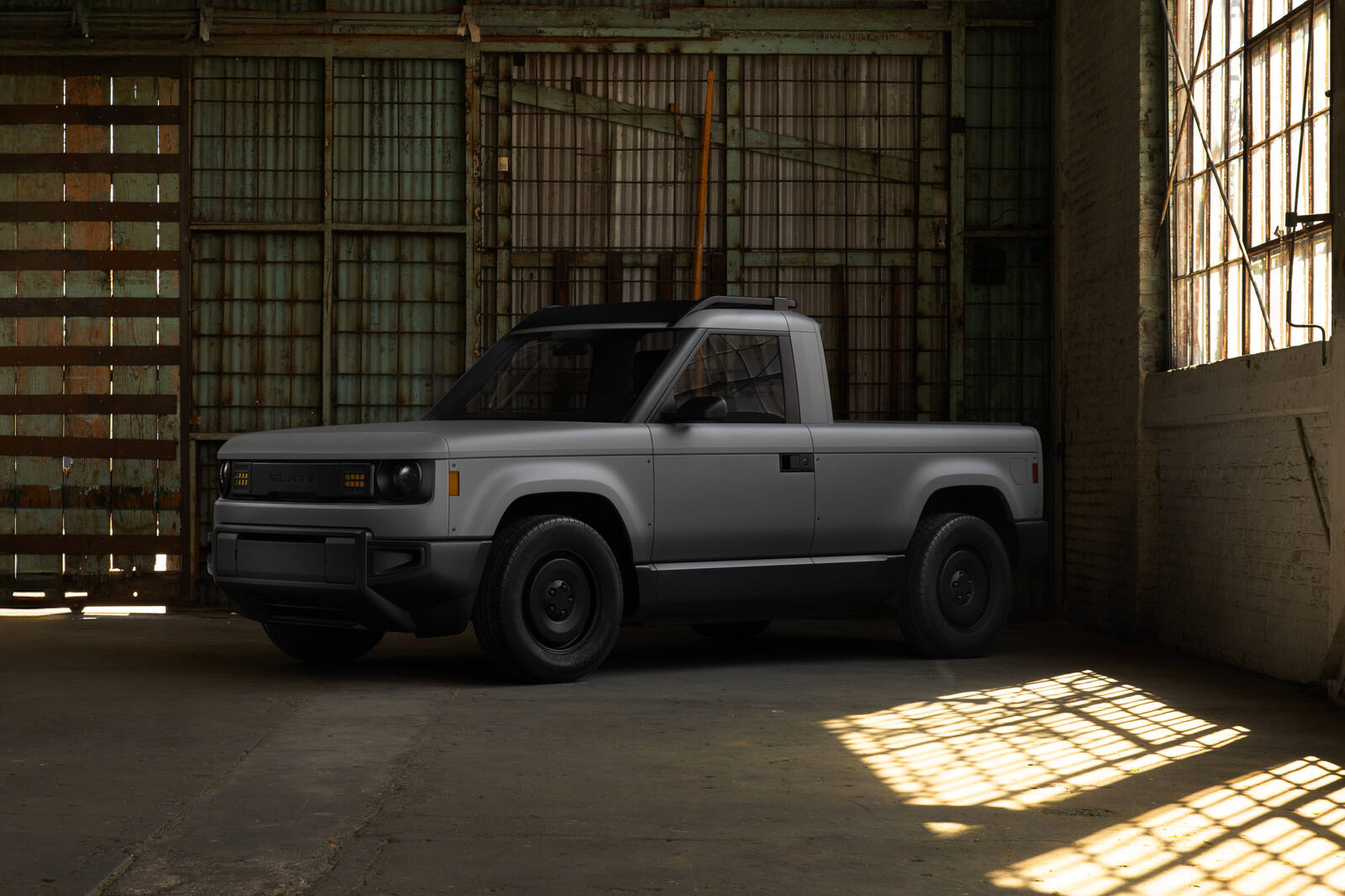
Truck Slate Truck
"...oming $30,000 EV pickup. Unlike most pickups, the Slate truck is intentionally minimalistic. The base truck onl..."
The podcast is talking about a simple, low-cost EV pickup called the Slate truck. It’s described as minimal, meaning it may not include a lot of extra features. The goal seems to be keeping the price around $30,000.
The podcast refers to a “Slate truck” that’s described as intentionally minimalistic, including a base truck that only offers a limited setup. It’s also mentioned as an EV pickup targeting around a $30,000 price point. That combination—low price plus a stripped-down approach—is notable because it suggests a different strategy than fully loaded EV trucks.

Ford Ranchero
"...ck. Some are saying that that might be called the Ranchero. The price, it would make Slate one of the least ..."
The Ford Ranchero is a type of vehicle that combines the look and usefulness of a pickup with a more passenger-car style. The podcast is discussing whether a new vehicle might be called the Ranchero. That matters because the name usually hints at the intended style and market.
The Ford Ranchero is a pickup-based vehicle concept that blends truck utility with a more car-like body style. In the podcast, it’s mentioned as a possible name for a new model, with pricing expectations discussed. That kind of naming and positioning matters because it signals what the vehicle is trying to be—more like a lifestyle vehicle or a traditional truck.
telemetics
"So it's not going to rely heavily on telematics and data collection. They think that's a selling point."
Telematics are the car’s built-in connectivity features—like using GPS and a cellular connection to send data. The host is saying Slate won’t depend on that kind of tech as much as other trucks do.
Telematics are the connected systems in a vehicle that use cellular/GPS data to send information back to the manufacturer or service providers. In this segment, Slate is positioned as not relying heavily on telematics and data collection, which they frame as a selling point for a simpler ownership experience.

Ford F150 Lighting
"The new EV truck is designed not to compete with the F-150 lighting that went away, but it's much smaller."
The Ford F-150 Lightning is Ford’s electric F-150 pickup. The host is using it as a comparison to explain that the upcoming EV truck is meant to be smaller and aimed at a different niche.
The Ford F-150 Lightning is Ford’s electric version of the F-150 pickup, and it’s used here as a reference point for what the new EV truck is (and isn’t) competing with. The segment says the new EV truck won’t directly compete with the Lightning, but instead targets a smaller size.

Honda Crv
"...use they talked about how it would be bigger than CRV and RAV4, things like that. But the actual footpr..."
The Honda CR-V is a compact SUV designed for everyday driving and carrying people or groceries. The podcast brings it up to compare sizes with another vehicle. It helps you picture how big the new one might feel.
The Honda CR-V is a compact crossover SUV that’s popular for commuting, family use, and practical cargo space. In the podcast, it’s referenced as a size benchmark when discussing how another vehicle’s footprint compares. That kind of comparison helps listeners understand whether a new SUV will feel roomier or more compact in real life.

Ford Ranger
"...but it's much smaller. People thought it would be ranger size because Ford had said mid-size, but they may..."
The Ford Ranger is a pickup truck that’s smaller than the biggest trucks, but still meant for hauling and work. The podcast is talking about how its size might not match what some people expected. That’s important because it changes how easy it is to live with.
The Ford Ranger is a mid-size pickup truck, positioned smaller than full-size trucks but still built for towing and utility. The podcast notes that people expected it to be “Ranger size” after Ford described it as mid-size, but the actual dimensions may differ. That matters because size affects parking, fuel economy, and how it fits into daily use.

Toyota RAV4
"... talked about how it would be bigger than CRV and RAV4, things like that. But the actual footprint looks..."
The Toyota RAV4 is a compact SUV made for everyday driving. The podcast mentions it to compare sizes with another vehicle. That helps you understand whether the other SUV will be bigger or smaller.
The Toyota RAV4 is a compact crossover SUV known for being practical, efficient, and widely used for daily driving. In the podcast, it’s used as a reference point for size when discussing how another SUV’s footprint compares. That matters because footprint and interior space affect comfort, parking, and cargo capacity.

Ford Maverick
"But the actual footprint looks to be about the size of a Maverick, which Ford has basically confirmed."
The Ford Maverick is a smaller pickup. The host is saying the new EV truck is likely about that same overall size, not a big full-size truck.
The Ford Maverick is a compact pickup that’s often used as a benchmark for “small truck” sizing. Here, the host says the new EV truck’s footprint looks to be about the size of a Maverick, which helps listeners understand it’s not going to be a full-size truck.
EV architecture
"So again, starting price of around $30,000 and this is going to use Ford's brand new EV architecture. ... This truck will be the first thing. It's their new universal EV platform."
EV architecture is the basic “design blueprint” for an electric vehicle—how the battery and electric systems are built into the car. The host is saying Ford has a new shared electric design that can be used for different body styles.
An EV architecture is the underlying design of the electric vehicle—how the battery, motors, electronics, and structure are packaged and engineered. In this segment, Ford’s “brand new EV architecture” is described as something that can spawn multiple vehicle types, with this truck being the first application.

Chevrolet Spin
"...architecture. So this architecture is supposed to spin off a bunch of different vehicles, maybe a sedan,..."
The Chevrolet Spin is mentioned as part of a vehicle design plan that could be used to build several different kinds of cars. The podcast says this same basic setup might support different body styles, like a sedan. That’s relevant because it affects how many related vehicles can be made.
The Chevrolet Spin is referenced in the context of a shared vehicle platform or architecture that’s expected to “spin off” multiple different models. The podcast suggests it could lead to a range of body styles, such as a sedan, depending on how the platform is used. That’s important because platform reuse can influence cost, packaging, and how quickly new models can be developed.
universal EV platform
"This truck will be the first thing. It's their new universal EV platform."
A universal EV platform is like a common base that automakers can use for many different electric cars. The host is saying this truck is the first one built on Ford’s new shared electric base.
A universal EV platform is a shared vehicle “foundation” that automakers can use across multiple models and body styles. The host says this truck will be the first vehicle built on Ford’s new universal EV platform, implying Ford intends to reuse the same core engineering across future EVs.
camo prototypes
"And the camo prototypes have QR codes on them."
“Camo prototypes” are basically test cars covered in disguise. Automakers do this so people can’t easily tell what the final design will look like before they officially show it.
“Camo prototypes” are test vehicles covered in camouflage to hide styling details while automakers evaluate fit, finish, and performance. The point is to keep the design and components from being fully identified before the official reveal.

Chevrolet Suburban
"...regardless of EV or not. It's better for urban or suburban areas where you would have chargers. And it'll be..."
The Chevrolet Suburban is a big SUV that can carry lots of people and luggage. The podcast talks about it in relation to EV charging, meaning where you’d be able to plug it in. That matters because big vehicles often need convenient charging to be practical.
The Chevrolet Suburban is a large, full-size SUV built for maximum passenger and cargo space, often used for family travel and long-distance hauling. The podcast discusses it in the context of charging and whether an EV version would fit better in places with more charging access. That’s relevant because the Suburban’s size and usage patterns make charging infrastructure a practical consideration.
300 miles of range
"…if that little urban truck with 300 miles of range is going to be enough when people have recently kind of been around 400s…"
For an EV, “range” means how many miles it can drive before the battery runs low. They’re debating whether 300 miles is enough compared with what many people expect (around 400 miles).
“Range” is the estimated distance an EV can travel on a full charge. The host is comparing a projected ~300-mile range to the “sweet spot” they associate with ~400 miles for truck buyers, implying how far people expect to go between charging.
overlander
"It's not going to be like an off-roader or an overlander."
An “overlander” is someone who travels long distances off the beaten path, usually with gear for camping or remote stops. The host is saying this truck probably isn’t aimed at that lifestyle.
An “overlander” is a vehicle used for long-distance, self-sufficient travel—often with camping gear—across remote areas. The host is implying the EV truck concept is more about city/suburban life than extended remote trips.
off-roader
"It's not going to be like an off-roader or an overlander."
An “off-roader” is a vehicle meant for dirt roads, trails, and rough terrain. The host is saying this new truck probably won’t be built for that kind of rugged use.
An “off-roader” is a vehicle intended to handle unpaved, rough, or uneven terrain where traction and ground clearance matter more than on-road comfort. The host is contrasting the upcoming “urban truck” concept with vehicles aimed at trails and rugged use.

Jeep Wrangler
"…the automaker says the first 100 eligible Americans legally named George Washington who successfully registered for the promotion could receive a 26 Jeep Wrangler."
The Jeep Wrangler is a rugged off-road SUV known for its removable doors and roof and its long-running 4x4 heritage. In this segment, it’s used as the prize in a promotion tied to Jeep’s marketing campaign.
Sarge package
"Drop number eight of the 12 for 12 program is the Sarge package, which is available both on the Gladiator and the Wrangler."
The Sarge package is a Jeep appearance-and-theme option that applies a military look to the Gladiator and Wrangler. In this segment, it’s described as nodding to Jeep’s 1941 military heritage and includes specific exterior and interior styling elements.

Jeep Gladiator
"Drop number eight of the 12 for 12 program is the Sarge package, which is available both on the Gladiator and the Wrangler."
The Jeep Gladiator is Jeep’s pickup truck. It’s designed to go off-road like the Wrangler, and this segment says it can also be optioned with a special Sarge package.
The Jeep Gladiator is Jeep’s pickup truck variant, built on a Wrangler-based platform with off-road hardware. Here it’s mentioned as another vehicle that can be ordered with the Sarge package, alongside the Wrangler.
Wrangler Rubicon
"... over a comparably equipped Gladiator or Wrangler Rubicon. And so it's one of the more accessible packages ..."
The Wrangler is an off-road SUV designed for rough roads and trails. The podcast is comparing it to other related models and saying one option is easier to get or costs less. People talk about it because it’s a common choice for off-road capability.
The Wrangler is a Jeep off-road-focused SUV known for its capability and popular trim packages. The podcast compares it to a Gladiator or a Wrangler Rubicon and notes that one package is “more accessible,” meaning it may be easier to buy or less expensive while still offering desirable features. That kind of comparison is often discussed because buyers weigh off-road performance against cost and equipment.
olive drab
"It's got the 41 green paint, which is like an olive drab inspired color. And it's got military inspired graphics and a vintage 1941 hood graphic."
Olive drab is a traditional military color—an earthy green-brown tone used on uniforms and vehicles. The host uses it to describe the “41 green” paint on the Sarge package, linking the color to military styling.
17s with 33s
"It's got those cool steel looking wheels, but they're painted the same color within that 41 green 17s with 33s. And you get bronze toe hooks."
“17s” and “33s” are shorthand for wheel and tire sizes: 17-inch wheels and 33-inch tires. The segment uses this to describe the Sarge package’s stance and off-road tire sizing.
toe hooks
"It's got those cool steel looking wheels, but they're painted the same color within that 41 green 17s with 33s. And you get bronze toe hooks."
Toe hooks are recovery points on a vehicle’s front (or sometimes rear) used to attach a tow strap or recovery rope. The host mentions bronze toe hooks as part of the Sarge package, emphasizing the off-road/recovery-ready styling.

Jeep Grand Cherokee Trailhawk
"It's the return of the Grand Cherokee Overland and the Grand Cherokee Trailhawk, which I think we knew were coming, [978.3s] but they're official now. [980.1s] And a couple of highlights. [981.0s] The Trailhawk has 11.4 inches of ground clearance..."
This is the off-road version of the Jeep Grand Cherokee called the Trailhawk. The hosts list its off-road measurements—like ground clearance and turning angles—and the bigger all-terrain tires it rides on.
The Jeep Grand Cherokee Trailhawk is the off-road-focused trim, and this segment gives concrete capability numbers. It highlights 11.4 inches of ground clearance, specific approach/departure angles, and the use of 30.5-inch Goodyear Wrangler Territory all-terrain tires.
ground clearance
"The Trailhawk has 11.4 inches of ground clearance and both models pack the new turbocharged 2 liter Hurricane 4, [986.8s] which puts out an impressive 324 horsepower and 332 pound feet of torque."
Ground clearance is how much space there is between the bottom of the vehicle and the ground. More clearance usually means you can go over rough terrain without hitting the underside.
Ground clearance is the distance between the lowest part of a vehicle and the road surface. Higher ground clearance helps a truck or SUV avoid scraping the underbody when driving over rocks, ruts, or uneven trails.
turbocharged 2 liter Hurricane 4
"The Trailhawk has 11.4 inches of ground clearance and both models pack the new turbocharged 2 liter Hurricane 4, [986.8s] which puts out an impressive 324 horsepower and 332 pound feet of torque."
This is the engine the Jeep Grand Cherokee trims are using: a 2.0-liter four-cylinder with a turbo. A turbo helps the engine make more power than a non-turbo version of the same size.
“Turbocharged 2 liter Hurricane 4” refers to a 2.0-liter inline four-cylinder engine that uses a turbocharger to increase power. The hosts also tie it to specific output figures (324 horsepower and 332 lb-ft torque), which is why it matters for both on-road and towing/off-road use.
approach angle
"And on the Trailhawk specifically, 11.4 inches of ground clearance with a 36 degree approach angle [997.4s] and a 30.3 degree departure angle."
Approach angle is how steep a hill or obstacle you can drive up before the front of the vehicle hits it. Bigger numbers generally mean better off-road ability.
Approach angle is the steepest angle a vehicle can climb toward an obstacle without the front bumper or underbody hitting it. It’s measured in degrees and is a key off-road metric for avoiding front-end “scraping” on inclines or obstacles.
departure angle
"And on the Trailhawk specifically, 11.4 inches of ground clearance with a 36 degree approach angle [997.4s] and a 30.3 degree departure angle."
Departure angle is how steeply you can drive down off something without the back of the vehicle scraping. Higher departure angle usually helps on rough trails.
Departure angle is the steepest angle a vehicle can descend away from an obstacle without the rear bumper or underbody contacting it. Like approach angle, it’s measured in degrees and helps predict how well the vehicle handles dips, ledges, and off-road drop-offs.
all-terrain tires
"And it'll ride on 30.5 inch Goodyear Wrangler Territory all-terrain tires. [1008.8s] Mitsubishi Montero, we talked about the U.S. return of a pickup,"
All-terrain tires are meant for a mix of roads and rough off-road surfaces. They’re usually tougher and have tread patterns that help on dirt and gravel compared with regular highway tires.
All-terrain tires are designed to work on both pavement and rough surfaces like dirt, gravel, and mild mud. They typically balance tread life and comfort with stronger sidewalls and more aggressive tread patterns than highway-only tires.

Mitsubishi Montero
"but it sounds like the Mitsubishi Montero is finally confirmed. We've talked about that a little bit."
The Mitsubishi Montero is an SUV built like a truck, which usually means it’s good for rough roads and off-roading. Here, the hosts are saying there’s finally confirmation about it—basically, a news update about the SUV.
The Mitsubishi Montero is a body-on-frame SUV known for its off-road capability and traditional truck-like construction. In this segment, it’s mentioned as being “finally confirmed,” implying a news update about the model’s return or availability.

Toyota Land Cruiser
"It'll be a Toyota Land Cruiser size competitor three-row body on frame with about 12 inches of ground clearance. But you might have to wait until 2030 to get your hands on one."
The Toyota Land Cruiser is a rugged SUV that’s built for tough conditions. The hosts are using it as a size and capability reference point for a new three-row, high-ground-clearance competitor.
The Toyota Land Cruiser is a long-running, body-on-frame SUV benchmark for durability and off-road ability. The hosts describe a new Mitsubishi Montero competitor sized like a Land Cruiser, with three rows and significant ground clearance.
body on frame
"It'll be a Toyota Land Cruiser size competitor three-row body on frame with about 12 inches of ground clearance. But you might have to wait until 2030 to get your hands on one."
“Body on frame” means the car’s body is mounted on a separate sturdy frame, like a truck. That usually helps with towing, carrying loads, and driving over rough ground.
“Body on frame” describes a construction method where the vehicle’s body sits on a separate ladder-like frame. It’s common on trucks and off-road SUVs because it can handle heavy loads and rough terrain better than unibody designs.
Proud to Honor package
"the Ford Super Duty now has a new package called the Proud to Honor package, which reminds me of a modernized version of the old night trim."
The “Proud to Honor package” is a special look-and-wheels bundle for the Ford Super Duty. It mainly adds patriotic graphics and black wheels, and it’s only offered with certain truck colors.
The “Proud to Honor package” is a dealer/trim-style appearance bundle for the Ford Super Duty that adds themed door and bed graphics, Ford Garage logo graphics, and black forged aluminum wheels. It’s positioned as a limited pairing with a black truck and includes the same warranty terms as the rest of the vehicle.
Ford Super Duty
"And then going with the 250 theme, the Ford Super Duty now has a new package called the Proud to Honor package, which reminds me of a modernized version of the old night trim."
The Ford Super Duty is Ford’s heavy-duty truck series meant for serious towing and hauling. This segment is about a special 2027 package that adds themed graphics and wheels.
The Ford Super Duty is Ford’s heavy-duty truck line built for towing, hauling, and work use. Here, the hosts focus on a new Proud to Honor package for the 2027 Super Duty, including specific graphics and black forged aluminum wheels.
night trim
"which reminds me of a modernized version of the old night trim. If you remember, the night trim was that black with the sort of pink to purple to blue or the kind of fade graphic on it."
“Night trim” is a styling theme that usually makes the truck look darker or more stealthy, often with black accents. The hosts are saying the new package is like an updated version of that older look.
“Night trim” refers to a styling package that typically uses darker exterior treatments—often black paint or black accents—to create a stealthier look. The hosts compare the new Proud to Honor package to a modernized version of that older black-and-color-fade graphic theme.
forged aluminum wheels
"The red, white and blue graphic package on the doors and on the bed and also include Ford Garage logo graphics, along with a set of black forged aluminum wheels."
Forged aluminum wheels are wheels made with a stronger manufacturing process than some cheaper casting methods. Here, the hosts are saying the special package includes black forged wheels.
Forged aluminum wheels are wheels made by compressing heated aluminum into shape, which can improve strength and durability versus some cast methods. In this segment, the Proud to Honor package includes black forged aluminum wheels as part of the appearance bundle.
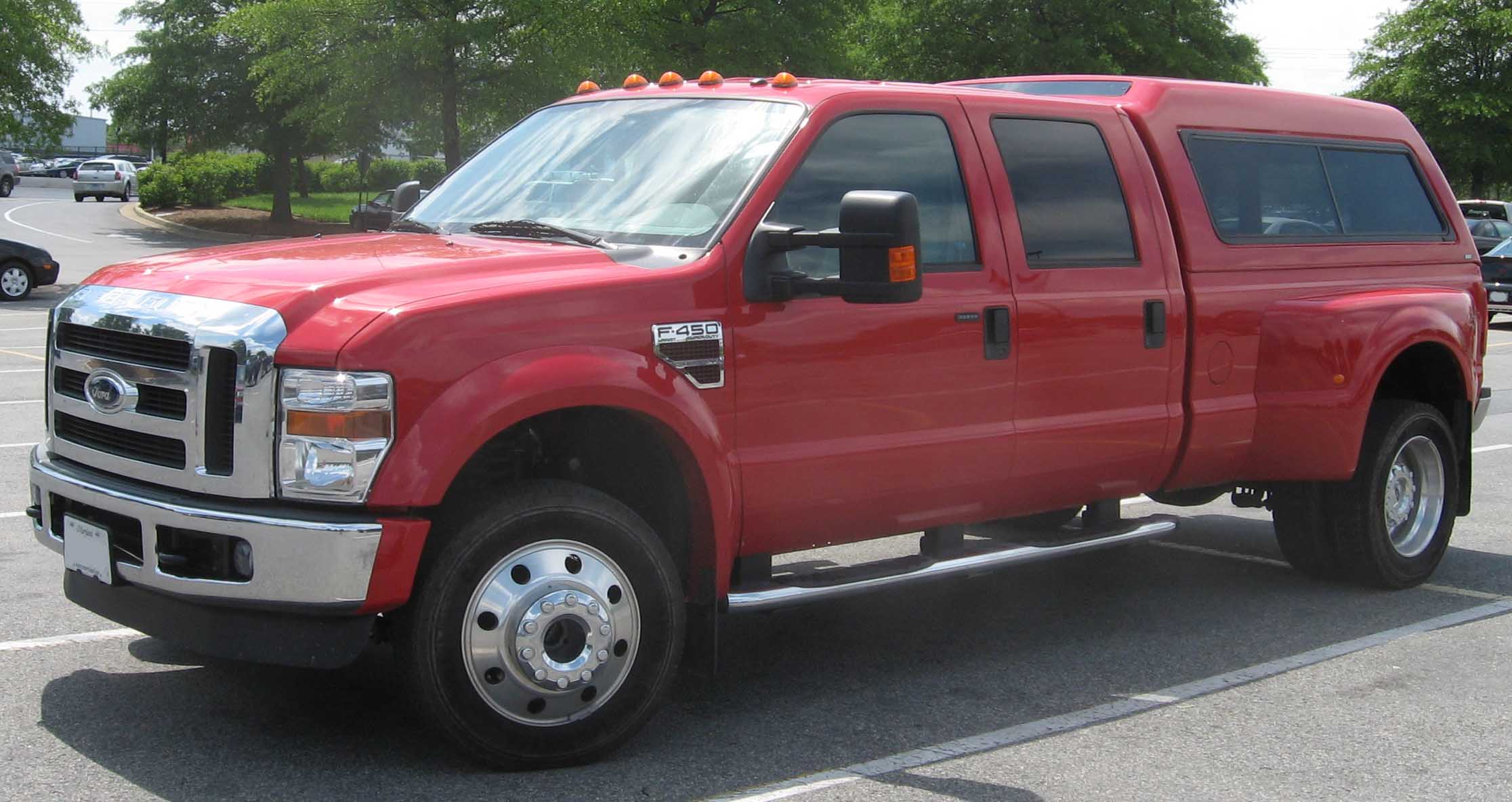
Ford F450
"... then this is super cool. If you get a Dooley, so F450 or 350, you get a set of the 19.5 inch forged alu..."
The Ford F-450 is a heavy-duty pickup truck meant for big jobs like towing and hauling. The podcast mentions a specific setup (“Dooley”) that includes large wheels. That matters because heavy trucks are usually chosen for work needs and the right package of features.
The Ford F-450 is a heavy-duty pickup built for serious towing and hauling work, typically used when a standard truck isn’t enough. The podcast mentions that if you get a “Dooley,” you also get large 19.5-inch forged aluminum wheels, which points to a specific configuration and upgrade level. That’s relevant because heavy-duty trucks are often bought for both capability and the right equipment package.
Ram Rumblebee
"Ram Rumblebee, we've been talking about that. We did that episode a little while ago."
The Ram Rumblebee is a special Ram truck aimed at people who want the fun of a V8 without paying for the fastest, most expensive version. In this segment they’re talking about the 5.7 setup as a “sweet spot.”
The Ram Rumblebee is a special-edition Ram pickup concept aimed at enthusiasts who want a more affordable entry point than the top-performance variants. The hosts mention a “5.7” base truck and emphasize the V8 experience without chasing outright speed.
V8
"So I love that. If you don't need the outright speed and you still get that V8 verbal for most people, a Rumblebee 5.7 could be a great, great choice for a truck."
A V8 is an engine with eight cylinders arranged in a V shape. The hosts are saying the truck gives you the classic V8 feel without requiring you to chase the absolute fastest option.
A V8 is an engine with eight cylinders arranged in a “V” shape. The hosts use it to describe the Rumblebee’s appeal: you get the character of a V8 for most people, even if you don’t need maximum speed.
electric hydraulic power steering pump
"Maximumly 1,076,999 units of 21 to 25 Jeep Wrangler and Gladiators due to the electric hydraulic power steering pump wiring that could overheat causing a fire."
This is the part that helps the steering feel lighter by using power steering fluid. In this case, the wiring to that pump can get too hot, which can create a fire risk.
An electric hydraulic power steering pump is the component that uses electricity to drive a hydraulic system for power steering assist. In this recall, the pump wiring can overheat, which is why the issue is treated as a fire risk.
EHPSP connection
"Under certain conditions, Jeep is saying that there's excessive electrical resistance and it can develop at the EHPSP connection. And then that gives elevated temperatures to the surrounding area."
EHPSP is the name for the power-steering pump system. The “connection” is the plug/wiring joint for it, and the recall says that joint can develop extra resistance, which makes it run hotter than it should.
EHPSP is the acronym for the electric hydraulic power steering pump, and the “connection” refers to the electrical connector at that pump. The recall explanation says excessive electrical resistance at that connection can create elevated temperatures around the wiring/connector.
NHTSA
"However, according to documents with the National Highway Traffic Safety Administration, [1263.6s] NHTSA, FCA is estimating that only 0.1% of those million have that defect."
NHTSA is the U.S. safety agency that tracks car safety problems and recalls. The episode references NHTSA documents to explain the recall details and risk estimate.
NHTSA (National Highway Traffic Safety Administration) is the U.S. government agency that oversees vehicle safety and coordinates recalls. In this segment, the host says the documents come from NHTSA and relates them to FCA’s estimates about how many vehicles have the defect.
park outside
"But they're doing research and until they know for sure, they say you should park outside. [1274.7s] Would I park mine outside?"
They’re saying that, for now, you should park your vehicle outside instead of in a garage. The idea is to lower the risk of fire spreading to buildings or other cars while the recall fix isn’t ready yet.
The host is describing a safety instruction tied to a potential fire risk: until the remedy is available, owners should park outside rather than in a garage or near structures. This is a risk-mitigation step intended to reduce the chance that a vehicle fire spreads to nearby combustible materials.
recall ID
"Owners can contact FCA at 1-800-853-1403. [1323.7s] And the recall ID for this one is 21D. [1327.4s] So that's what you'll want to give your dealer."
A recall ID is like a reference number for a specific safety recall. If you call or visit a dealer, giving them the recall ID helps them quickly check whether your vehicle is part of that fix.
A recall ID is the specific identifier used to track a particular safety recall so owners and dealers can confirm whether a vehicle is affected. The host says this recall’s ID is 21D, and that’s what you should provide to your dealer.
Request an Explanation
Heard something you'd like explained? We'll add it to this episode.
Sign in to request explanations for terms you heard.
Want to learn more?
Browse our glossary for plain-English explanations of automotive terms, jargon, and concepts.
Help improve this episode
See something that's not quite right? Our annotations are AI-generated and can sometimes miss the mark. Click the flag icon on any annotation to suggest a correction.