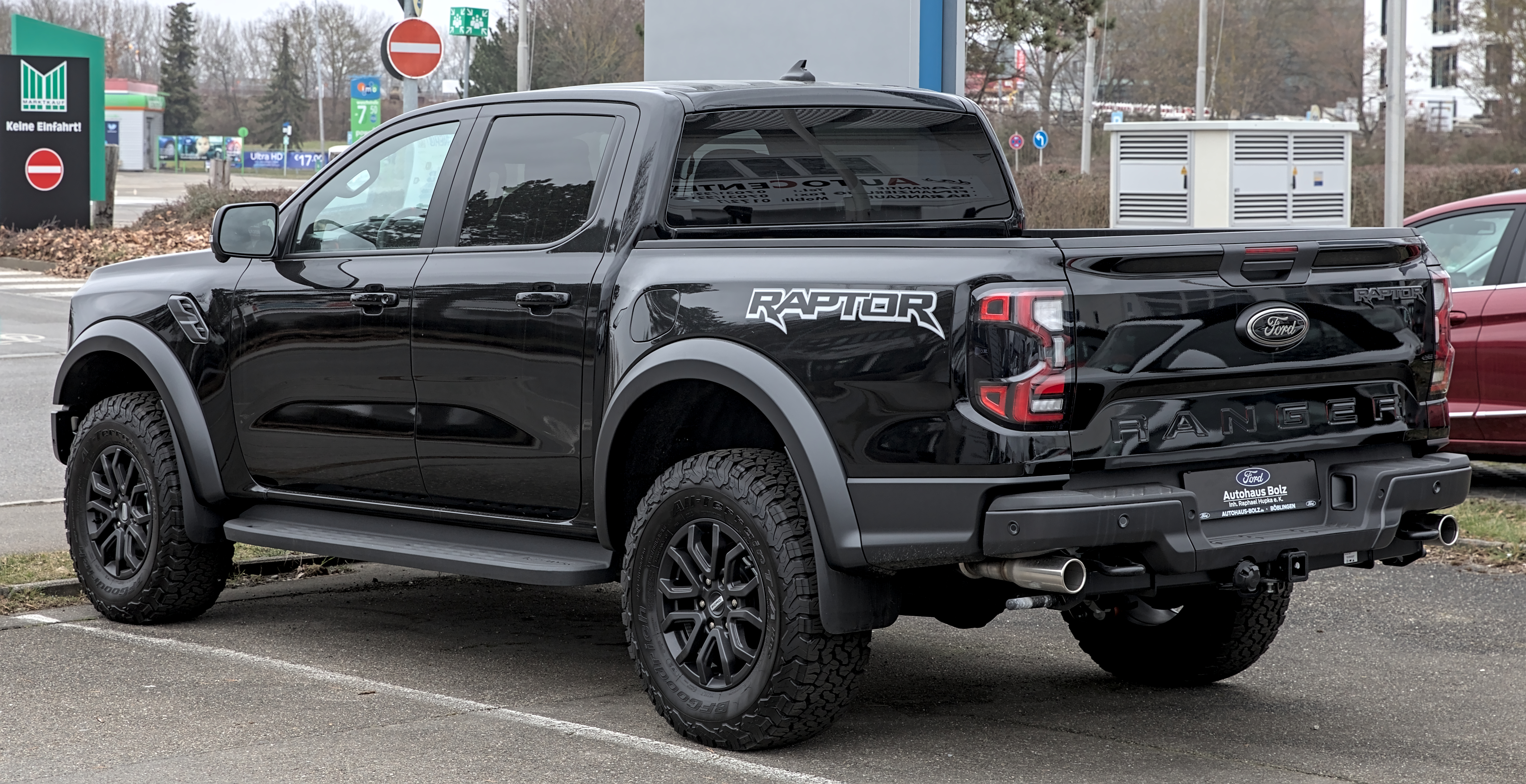
Hennessy is mentioned as another performance-focused company that’s been building sport trucks. The hosts are basically saying this trend isn’t new—multiple builders have been doing it.
Roush is brought up as a company that helps build performance versions of trucks. The point is that more than one company has been working on sport-truck ideas.
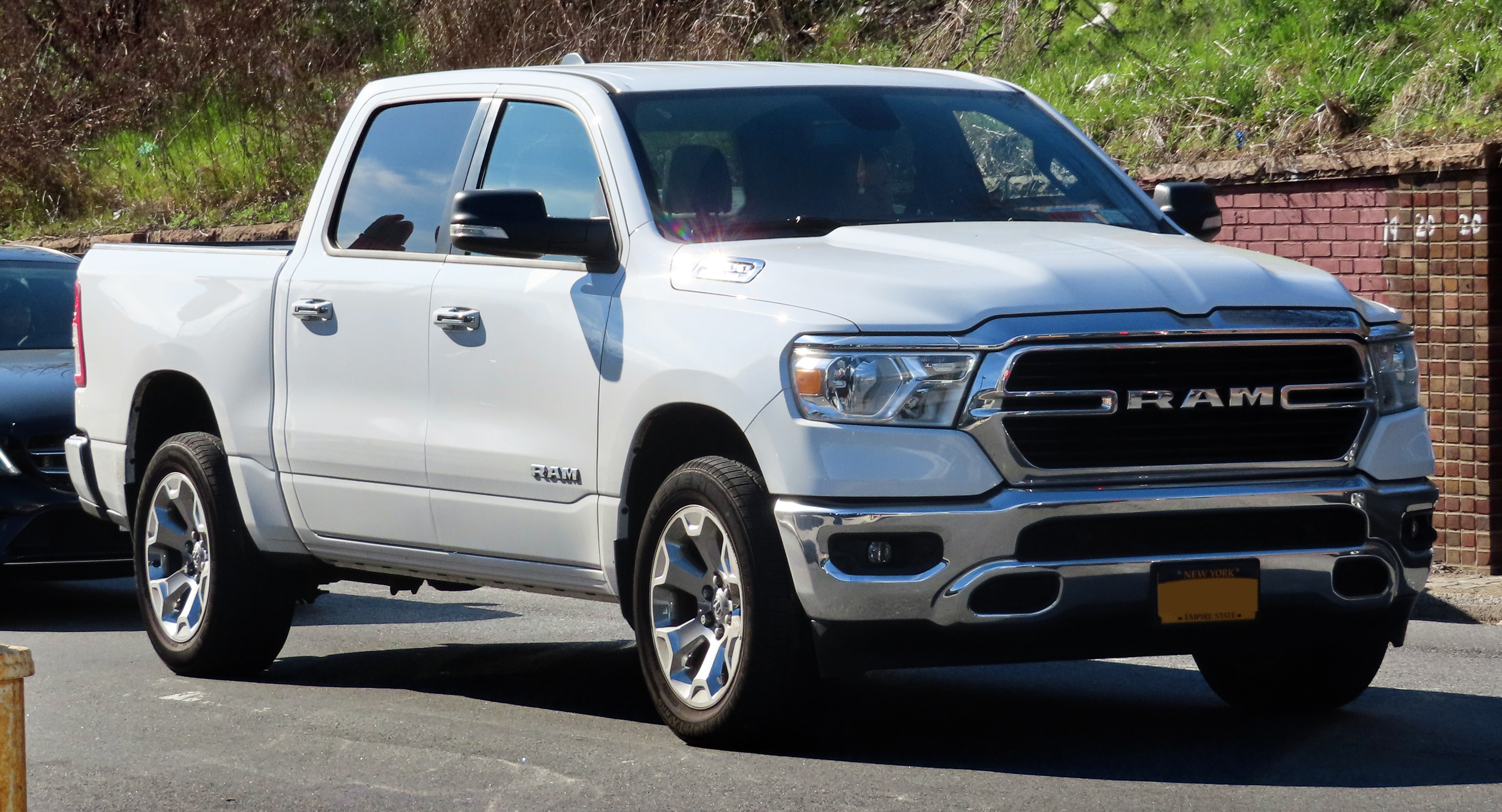
Ram is a brand of pickup trucks. People buy them for towing, hauling, and different levels of comfort and power. The podcast mentions Ram teasing new things, which usually means new truck versions or packages are coming.
Car
2027 Ram Rumblebee
This episode is talking about the 2027 Ram Rumblebee as a new “muscle truck.” The hosts say Ram isn’t just making one special truck—they’re bringing back a whole lineup aimed at performance on regular roads.
“Performance street trucks” means trucks that are built to drive more excitingly on normal roads. They’re meant to feel sporty without being track-only or impractical for daily use.
Ram is a brand of pickup trucks. The podcast is talking about a very powerful Ram model, the SRT 10, which is known for high horsepower. It’s mentioned to show how far Ram’s performance versions have gone.
A V10 is an engine with 10 cylinders, shaped like a V. More cylinders like this usually mean smoother power delivery and a lot of “big engine” character—exactly what the host is pointing out about the Ram SRT 10.
The Ford F-150 Lightning is an electric pickup truck. It’s built on the same general idea as the F-150 but uses an electric powertrain. The podcast mentions it when talking about Ford’s involvement in special truck concepts over time.
Car
Ford Raptor
The Ford Raptor is a pickup designed to be great off-road, not just quick on the street. The host is saying Ford moved away from sport-truck street performance and leaned into the Raptor instead.
The Ford Maverick Lobo is a special version of the Maverick pickup meant to be more fun and engaging. The host is using it as evidence that Ford is trying to bring back some of that sport-truck spirit.
The Ford Lobo mentioned in the podcast sounds like a special version of the Maverick. The main point is that it’s meant to be fun to drive. The host is saying they really enjoy it.
The Ford F-150 is a large pickup truck. People buy it for hauling, towing, and also for regular driving. The podcast mentions special packages that can make it more performance- and style-focused.
The Mustang is a famous performance car. They’re using it as an example to say that today’s regular vehicles can be surprisingly quick compared to older sports cars.
The Ford Mustang is a sports car made by Ford. It’s designed to be fun to drive and comes in different performance versions. The podcast is basically saying newer vehicles can be quicker than older Mustangs.
“Off road market” means the people who buy trucks to drive on dirt, rocks, and trails. These buyers usually want the truck to be set up for that kind of terrain, not just look rugged.
Jeep is known for making vehicles that can handle rough terrain. The hosts are saying other brands are now trying to compete with that off-road reputation.
An “off road lineup” means a brand offers several truck versions meant for dirt and trails. Instead of one off-road model, they cover different tastes and needs with multiple trims.
The Dodge Power Wagon is a tougher, off-road version of a pickup truck. It’s designed to handle rough terrain and demanding driving. The podcast mentions different special editions, including one that was just announced.
“On road space” means regular street driving. They’re contrasting that with off-road, where they say Ram went all-in compared to other brands.
Brand
Little Red Express
The “Little Red Express” is a past special truck concept they mention as being popular but not lasting. They’re using it as an example of why some cool truck ideas fade out.
The Chevrolet Express is a large van. It can be used to carry people or cargo. The podcast mentions it in the context of older themed vehicles and concepts.
Brand
Viper truck
They mention a “Viper truck” as an earlier performance-style truck idea. The point is that it was exciting, but it didn’t stick around long-term.
Brand
Daytona truck
They also mention a “Daytona truck” as another earlier special truck idea. The hosts are saying some of these experiments don’t last, even if people like them.
The Dodge Viper is a very powerful sports car. In the podcast, it’s mentioned because people remember it as a standout performance vehicle. The conversation ties it to other “wild” themed builds and concepts.
People use “muscle car formula” to describe the classic look of muscle cars. It’s mostly about the shape—low front, long hood, short rear—so the car looks powerful even before you mention the engine.
“Street performance trucks” are trucks meant to be fun and quick to drive on regular roads. The host argues that earlier versions were kind of niche because the truck shape didn’t give the same “muscle” look as classic cars.
“OE” here means “original equipment,” i.e., the factory-produced version of a sport truck rather than an aftermarket build. The host is claiming that some factory “sport truck” offerings had deficiencies, which is part of why they think the market is ready for a better approach.
Concept
Fox 650
“Fox 650” sounds like a specific show or media outlet the host is referencing. They’re saying the reaction there has been really strong, supporting their idea that the timing is right.
SEMA is a big car show in the U.S. focused on aftermarket parts and performance ideas. The host is using it as proof that people are excited about these truck concepts.
“Muscle trucks” are trucks built to feel like muscle cars—meaner styling and a more aggressive vibe. The hosts are using the term to explain what kind of truck the Rumblebee is trying to be.
The Ram 1500 Rumblebee is a Ram pickup made to feel like a muscle car—more aggressive styling and attitude. They’re also talking about how the truck is set up with a different cab/bed layout to improve the overall shape and usability.
“Quad cab short bed” means the truck has rear seats for extra people, but the cargo area is shorter than a long-bed. They’re saying this layout helps the truck look right and work better day-to-day.
A “regular cab” is the simpler, more basic cab style on many trucks—usually fewer doors and less rear-seat space. The hosts are saying it would save weight, but they chose a different cab to appeal to more buyers.
“Spousal alibi” is a joke about what you tell your partner so they’ll understand why you bought something. It’s basically a friendly excuse for the purchase.
A platform is the basic “bones” of a vehicle that many versions share. They’re saying Ram’s current pickup setup (the DT platform) doesn’t naturally include a regular cab, so adding one would have meant extra engineering.
The “short box” is just the pickup’s shorter bed. They’re saying pairing a short bed with the right cab shape is part of what makes the truck look more muscular.
Term
0 to 60 in 6.1 seconds
“0 to 60” means how fast the truck accelerates from a stop to 60 mph. They’re using that number to show the truck isn’t just for looks—it’s quick.
Four-wheel drive means power goes to all four wheels, which helps with traction. They’re saying this truck normally has 4WD, but it can switch to rear-wheel drive for a more playful feel.
Rear-wheel drive mode sends most of the power to the back wheels. They’re saying it can make the truck feel more fun to drive than full-time four-wheel drive.
Start-stop is a feature that turns the engine off when you’re stopped and turns it back on when you go. The host says people often hate it because it can feel intrusive.
A wide body kit is a set of body parts that makes the car look wider around the wheels. It’s often used so the truck can run wider tires and look more aggressive.
Lowered suspension means the truck sits closer to the ground. Passive damping means the shocks control bumps in a fixed way, not with computer-controlled settings.
A transfer case is what sends power to the wheels when a truck has four-wheel drive. “On demand” means it can switch into that mode when traction is needed.
The Jeep Wrangler is an off-road SUV. It’s made to handle rough terrain better than many regular cars. The podcast mentions that it can switch modes, including a rear-wheel-drive style mode, depending on what you’re doing.
Axle ratio is the gearing that changes how the truck feels when you accelerate versus how it runs at steady highway speed. It’s a big part of why different trucks feel different even with similar engines.
Uconnect is the truck’s built-in screen system for things like music, navigation, and phone features. Here they’re talking about the size and design of that screen.
A “track pack option” is a bundle of upgrades meant for harder driving, like on a track. The host is saying there’s a special package for the 6.4-liter version.
A “halo truck” is the brand’s showpiece. It’s the one meant to make people think, “Wow—this brand can really build something special,” even if most buyers don’t get that exact model.
This is about the fastest speed a truck can achieve when it’s based on a real, sellable production model. The hosts are talking about brand-to-brand record attempts on the same track.
Chelsea Proving Grounds is a place where automakers test cars and trucks. Here, it’s the same location tied to the speed record and the on-site driving demonstrations.
The Challenger is a muscle car built for strong acceleration. The podcast is talking about a very high-power version with a supercharged engine and quick 0-to-60 performance. It’s included because it’s an extreme performance example.
Car
Supercharged 6.2 Hellcat
Hellcat refers to a high-performance V8 engine. Here, the host is talking about the supercharged version used in a truck and why it’s so powerful.
MDS lets the engine shut off some cylinders when you don’t need full power. That can save fuel, but it can turn the cylinders back on when you accelerate.
Compression ratio is how much the engine squeezes the air-fuel mixture before it ignites. More squeeze can mean more power, but it usually requires higher-octane fuel to avoid knocking.
A forged steel crankshaft is made by shaping steel under high pressure, which typically improves strength and durability versus some cast alternatives. It’s commonly used in higher-output engines to better handle increased loads.
These are performance-grade pistons made from a special aluminum alloy. They’re designed to handle heat and pressure better than cheaper piston types.
Term
floating pins
Floating pins are a piston-pin setup that helps the parts move slightly as they heat up. That can reduce stress and help the engine last longer under hard use.
Low range is a gear setting in many 4x4 transfer cases that provides much lower gearing for crawling over obstacles. The host says these trucks have no low range, meaning they’re set up for street use rather than slow off-road “rock crawling.”
Four high is a mode for four-wheel drive that’s meant for everyday driving on slick roads. It’s not the slow, crawling low-gear mode.
Term
Dana rear axle
The rear axle is the big drivetrain component that sends power to the back wheels. Dana is a well-known parts maker, and axle specs matter for strength.
It’s a rear-axle setup that can “lock” the wheels together electronically. When it’s locked, both rear tires work together more, which helps the truck hook up and accelerate harder.
Term
drag race starts
A drag race start is when you launch as hard as possible from a stop. The differential helps keep the tires from spinning uselessly so you get moving faster.
Thermal management is how the vehicle keeps important parts from getting too hot. Better cooling helps the truck keep working consistently when you drive it hard.
A duty cycle is how hard and how often you’re stressing the car. Racetrack duty cycles mean lots of repeated hard driving, which can overheat brakes and fluids if the cooling isn’t up to it.
Ring and pinion are the gears in the rear axle that determine how the driveshaft’s rotation turns into wheel rotation. They affect how quickly the truck accelerates and how it reaches higher speeds.
The BMW 335 is a BMW 3 Series model that’s meant to drive more like a performance car. The podcast talks about rear tire size, because bigger tires can cost more to replace. It’s a practical detail that affects ownership.
Frame flex is how much the truck’s body/frame twists when you drive it hard or carry weight. Less flex usually means the truck feels more stable and predictable.
Car
Rumble B 392
The Ram Rumble B 392 is a performance version of a Ram truck with a bigger 392 HEMI V8. It’s set up to handle better than a normal Ram—wider stance, performance shocks, and different driving modes for street and track-style driving.
IFS means the front wheels move more independently, which usually helps the truck stay stable over bumps and during cornering. “Short long arm” describes the shape and mounting of the front suspension arms that control how the wheels move.
Bilstein performance shocks are the parts that control how the truck bounces up and down. They help keep the tires planted and make the ride more controlled when you drive hard.
Compression is when the suspension squats as you hit something. Rebound is when it springs back up—shocks control both so the truck doesn’t bounce or lose grip.
This is the brake caliper design. “Pin slider” means the caliper moves on pins to squeeze the brake pads, and “two piston” means it uses two pistons to press the pads against the rotor.
Drive modes are settings you choose that change how the truck responds. In this case, they can change things like throttle feel, braking behavior, steering response, and suspension firmness.
Air suspension uses air-filled springs to support the truck. It can make the ride feel more controlled and can also help the truck stay composed on different road conditions.
Throttle mapping is how the truck decides how much power to give based on how far you press the gas pedal. Change the mode, and the same pedal movement can feel more or less aggressive.
Track mode is a special driving setting meant for harder driving. Here, it reduces how much the truck tries to correct you, so you can drive more aggressively.
LIVE
Oh, we got some cool stuff for you today. Welcome back to the truck show podcast recorded
right here in the pod shed in Huntington Beach, California. I just returned from Overland
Expo West and I've been on the road for all but two of the last like 14 days. So my new
roll at Orb has been keeping me pretty busy and I've got some Overland Expo interviews
and some Orb stuff on the next long form episode. But today, today is going to be something
different. It's a killer episode because the sport truck is back. I feel like that's not
enough clapping for what we're going to talk about. I mean, I appreciate the guy in the
back but I feel like that's just not enough clapping. So we've said it before many, many,
many times on the show and I'd like to take this as an opportunity to say we were right.
You know what I haven't done in a while? We were right. So here's the deal. Ford's been
dabbling. Ram's been teasing and companies like Roush and Hennessy have been building them.
But today, Ram just dropped the mic or maybe the hammer. Not just bringing a new sport truck
back to market as we've been talking about on the Truck Show podcast for years but bringing an
entire lineup. I mean an entire lineup to market. So today we're going to be talking about
performance street trucks and Ram's all-new muscle truck, the 2027 Ram Rumblebee.
All right. Before we get into that, let's think our sponsors. The Truck Show podcast is proudly
brought to you in partnership with Amsoil, the maker of the best synthetics and the same ones
we use in our rigs. A performance truck needs performance lubrication and Amsoil has what
you need. Amsoil manufactures some of the finest synthetic lubricants, greases, additives, filters,
car care products and yes, even merch. We use Amsoil products to protect our rigs and you can
do the same by heading to truckshowpodcast.com and using our special link under the featured
product section. Do you need a knife? Then point your browser to kershaw.kaiusa.com and
explore their line of exceptional pocket knives. They have a huge selection of quality knives from
EDC's and ones made in America to quick reacting automatic. Score one for yourself today. And if
you want to treat yourself to the latest in adventure, gear and upgrades for your vehicle,
go to ovrmag.com and use the code at Truck Show podcast for a discount on print or a one year
of access to our digital library for free. Please help me to keep the Truck Show podcast free by
supporting our sponsors or leaving reviews on Apple or on Spotify. And don't forget,
check the truckshowpodcast.com website for the latest deals.
All right welcome back to the Truck Show podcast and some huge news. The return
of the Ram Rumblebee. And no, that's not the car. This is the Rumblebee truck. And I remember
when I was a young journalist working for Truck and Magazine and it was probably 2003 or so. And
I was able to borrow a yellow regular cab Rumblebee 1500 from the press fleet of Detroit, Michigan.
And I left long black rubber lines all over the Detroit area. From there I graduated to the
500 horsepower Ram SRT 10. And if you remember that was a massive, I think that was a 8.3
liter V 10, at least the later ones were with a manual or you could get it with an automatic in
the quad cabs. And you can hear my story about that truck with the head engineer Herb Hellbig
all the way back in episode 33 of the Truck Show podcast. What are we, somewhere around 520 or
something now? It's crazy. Anyway, from early on in my career, sport trucks have always been part
of the deal. Well, until they weren't. You guys know me as an off road guy, but I still love a
good high performance street truck. And essentially it's a market that really got abandoned by the
OEs. So while Ford and Ram were busy in the space in the late 90s with the Lightning,
the Rumblebee, the Ram SRT 10, Ford walked away from the street trucks with the Raptor lineup.
And in fact, Raptors never sold less than the Lightning's biggest year. So they knew off road
was going to be huge for them. And the economies of scales were stacked against the street truck.
And at the time I remember Ford executives talking about how they wanted to make a better truck,
not a worse sports car out of a truck. And obviously Raptors become a huge deal.
And without a competitor, Ram moved away from street performance. And fortunately,
the aftermarket stepped in and kept the torch lit. More recently, Ford has dabbled a bit with the
extremely fun to drive Maverick Lobo. And I gotta tell you, I love that thing. It is a riot. And
I mean, it's way better than it has any right to be, to be honest. And then more recently,
they overlaid the Lobo Street Truck package over the F-150. But with today's announcement,
Ram is going all in headfirst, leaving nothing on the table. And what the consumer gets, well,
it's an incredible choice of some very serious performance trucks. And I'll be honest, I'm down
with lots of choice of performance, different trim levels, different power levels, different chassis
setups, choose the version you want or can afford. These trucks aren't just for the rich among us.
And Ram has made sure that anybody who's an enthusiast in this space,
well, there's a version waiting for you. So without further ado, let's get into the 2027
Ram Rumblebee. And we'll start with some comments from Ram CEO, Tim Kaniscus in his press conference,
where he was adamant about building an enthusiast product, possibly one that answers a question
that no one was asking for, although I feel like we've been asking. Are we answering a question
that nobody's asking? Maybe. But this is absolutely one of those take a flyer, no day to research
moments to try and build a product. Build a product because as an enthusiast, me, us, we all know
that we would buy this product. And so we hope we're not going to be alone on that. This is
absolutely a hold my beer, watch this, push the chips in moment. So he went on to talk about
everything Ram's been up to for the last 18 months. And I know we've had a lot of Ram news,
and I know Tim has really worked hard to turn the ship. But when you see the list, it's really
impressive. If I'm being honest, it isn't that far off what we've done the last 18 months.
I mean, look at this list. There's some people in the crowd here that this list makes them sick,
because they haven't slept in 18 months. I mean, we came back hard, launched the heavy duty truck,
nothing stops Ram, brought back to Hemi, went back to NASCAR, brought back SRT. And then he went on
to talk about how Ram finished Q1 at 138,000 North American sales, which is up 21% year over
year. And it's the best Q1 North America sales since 2023. And Ram is the fastest growing brand in
North America year over year, not just trucks, everything. And again, we're not going to come
off that. We're not going to lift. That's why you're here today. Because as crazy and schizophrenic
as this industry is, like I keep saying, product is the only thing that really matters. It used to
be, you guys have been doing this a long time, it used to be that features and finishes could
make a difference. They were the differentiators. You know, you could have steel wheels and black
bumpers, move up to alloy and color. Yeah, good luck doing that today. We have given all that stuff
away. Power used to be reserved for the highest performance vehicles. Now a family crossover
will walk a Mustang from a decade ago. And of course, he gave us a reminder of where Ram currently
sits with the very lucrative off road market. Remember when off road capability was a Jeep
thing? Now everybody's trying to be Jeep. And then in the truck segment, we got into off road
trucks where they're 13 years ago. That was the next differentiator. Look at all the off road
trucks that we offer today. I think and I'm biased, of course, we have the strongest, most complete
off road lineup in the industry. Warlock, Rebel, RHO, gas and diesel power wagons and the Apex
Predator that we just announced the TRX. Trucks used to be just work tools. Now they're like
silly putty. It's for whatever you want. They can be work horses, they can be luxury vehicles,
they can be used for off road and they're so natural for off road. So where does the company
go next? What is the next great differentiator for a brand? We know that off road has been the hot
spot for, well, probably the last 15 years. And with everybody jumping in, where does Tim see the
white space now, especially for Ram? The question is, what do you do next? What's the next thing
that that became a decade and a half ago? Now as an industry and us as well, we've played around
in the on road space with trucks. You see them here. But no one has ever really fully committed
and called the market like we did with off road. You remember the Little Red Express truck,
the Viper truck, the Daytona truck. They were so cool. Why didn't they last? Were they bad ideas?
Or were they just ahead of their time? I love the approach he takes with this. He talks about
where they've been as a brand, acknowledged that each of these great products were short lived
products and they haven't had the same successes off road. But I really love the thought he puts
into the next piece of audio. And this is something I honestly haven't really thought about. What he
is about to say next is searching for that white space, searching for that differentiator,
that turnover. And it took me a minute and I went, you know what? I wonder if the pendulum is
starting to swing. I've always thought that there was one thing missing. There was always
a disconnect in my mind. Fast trucks are really cool. But I think we can do way more because
you got to think about that muscle car formula. There was something that was always consistent
in that formula. Low, long hood, short deck and ideally wide. It delivered the right proportions
that just visually represented, regardless of what the powertrain was, it visually represented
what muscle was. It just looked like something powerful. But trucks, they sit high. They have
long beds, flat sides. It makes it way harder to communicate that muscular proportion. It's
so much more challenging. But if you look at the Little Red Express, we accomplished it back then.
Short bed, step side. That thing had 225 horsepower but it screamed muscle just looking at it. In my
opinion, and I hope to God I'm right, this is what held back street performance trucks.
That's why they were kept as high performance, super cool, no offense, super cool, but very niche
models compared to a full lineup like the Off-Roads. So Ram has acknowledged that there may be this
pendulum swinging, that there may have been some deficiencies in OE sport trucks in the past.
So as a brand, how did they decide to move forward to produce a brand new production model,
but not just a production model, but an entire lineup of trucks? What happens when you merge
performance and you don't walk away from the functional and fundamental side of what makes
a truck a truck? And ultimately, what makes a truck cool? It was always a half step. Always
half steps. So we tried to test it. We tried to find out, okay, was it really a half step?
Or are we just in love with this idea and so we're talking ourselves into it? So
we were hiding in plain sight. SEMA, the dude, the Fox 650, the response has been huge on that.
So we're like, okay, we're not just talking to ourselves. We think the timing is right,
the next turn of the cycle is right for these people to come back in. So what if,
instead of half stepping, we went all in and we merged the everyday functionality of a truck
with the performance and attitude of a muscle car. We're going to take a page out of our product
history. We call these muscle trucks.
All right. So welcome to Ram's world of muscle trucks. This is the all new Ram 1500 Rumblebee.
All right. So since you can't see it, let me describe it for you.
Think of a lowered monochromatic TRX with street rubber. And you're really close.
But here's the kicker. Instead of a crew cab short bed, it's a quad cab short bed.
And it looks tough. Now Tim's going to go on and explain the reasoning here, which I think
totally makes sense. Some of you are going to be disappointed that there's not a regular cab.
But I'll let him explain it. When you hear why and you hear that they didn't just lower a TRX,
they actually put a new chassis together that's 13 inches shorter. It suddenly makes a lot of
sense and comes into play. And I think it looks great. Now remember what I said about the proportions.
You got to get up and look at this car from a distance and really soak in the proportions
of this thing. It is as important as the performance. And look, I know that there are a lot of
keyboard warriors out there. You didn't give me the regular cab. I'm not buying it. You want to
know the facts? Here's the facts. In the entire truck industry, 3% of the sales are regular cab
trucks. 3%. They're typing. They ain't buying. Yes, a regular cab would have been lighter.
It would have been 300 pounds lighter than this. But this isn't a race car. This is a full-size
truck that weighs 6,000 pounds. So yes, we gave you a 5% weight penalty, but we opened up 97%
of the market. I'll take that bet all day long. Give up 5% and cover 97% of the market because
it allowed us to improve the proportions dramatically, I think, and make it daily driver
capable and probably the most important thing in today's day and age when everything's so
expensive. We insured the spousal alibi. All right. I love Tim. Who doesn't love a CEO who has your
back and uses the term spousal alibi to prove that they have fought about the end user and what
person needs also to give you an excuse to buy something really rad from their company.
Spousal alibi. Remember that. Use it in your life. I want everybody to listen to the podcast.
Use it in a sentence three times tomorrow. It is not just a weekend toy. This can be your daily
driver for everything you need. And if you're worried about the 300 pounds, don't. Direct
connection is already working on it and not in the way that you're thinking, but come to roadkill
nights this year and we will have much more for you on that. Now, this is a 1000% intentional move.
So in Ram's eye, what makes a muscle truck and how are they as a brand protecting their planted
flag in this space? And what Tim explains here is like, now you really like you sort of got the
idea why they went quad cab and not a full crew cab and you sort of got the idea of why they didn't
go all in on the regular cab other than the DT platform, which is the current Ram 1500 doesn't
have a regular cab and they would have had to develop it special. But what he goes on to say
here is business strategy. And I guarantee you most of you haven't even thought about this.
We could have done it way cheaper and way faster had we not gone with the quad cab in the short box.
But we needed those proportions. Those proportions are what makes this
a muscle truck. Shorter, wider, lower, it just looks muscular. Plus, selfishly,
it's way harder for anybody to try and copy these proportions because nobody, you can't do it with
crew cab and nobody has anything that's a non-crew cab with a short bed. So okay,
come and follow us. I got two years head start. Now, when the aftermarket gets a hold of this
and drops it even further than we can, it's going to be absolutely sick.
And I love the fact that Ram, and keep in mind Caniscus had a standard Jeep. He's now the CEO of
basically overseas, not only Ram but Jeep also. So he gets it when it comes to aftermarket friendly
vehicles, aftermarket friendly package protection. And I love that he is like, yeah,
go ahead, do more in the aftermarket. You're good. You're good with us.
So what makes a rumblebee? 395 horsepower, 392 gears, the GT exhaust, standard four-wheel drive,
and rear-wheel drive mode for when you want to have some fun. 0 to 60 in 6.1 seconds. And yeah,
it's got one battery. I love the one battery because he knows we all hate start-stop. So
real quick, let's go through this in a little bit more detail. All new quad cab with the 5.7
pickup bed configuration. So at this point, you can get a quad cab, but you have to go to the
6.4 bed. You can't get the 5.7 bed. It looks just like a TRX, but like squished, right? Like,
it looks like you took the nose and the tail and pushed them together. And because it's shorter,
even though it's the same Coke bottle wide body kit and hood, it kind of looks like
everything kind of got pushed out. So it's almost more kind of muscular and cartoonish in a way,
but not cartoonish in a bad way. Cartoonish as in like, it looks like something you drew,
like the proportions are like that. So again, quad cab, 5.7 bed configuration, big deal because
they made it basically unique chassis for this vehicle. 131.9 inch wheelbase. Got the wide body
fender flares. So again, same as TRX. On the Rumblebee, lowered steel suspension with passive
damping, which are Bilsteins. Late availability, you'll be able to get a 20 by 10 inch wheel with a
305, 50, 20. And there'll be an optional 22 by 10 with 285, 45, 22 tires. Get the same performance
hood, 14.9 inch brake rotors, which are larger than anything else in the 1500 world. And again,
this is the Rumblebee. This is the base truck. So you get the iconic 5.7 Hemi, which is 395 horsepower,
410 pound feet of torque, 0 to 60 in 6.1 seconds, quarter mile, 14.6, top speed of 130, performance
exhaust, single speed on demand transfer case. Again, no low range, but there is a rear wheel
drive mode. If you have a Wrangler with a taser, think of it as that, essentially, or even a 4 by
E that has 20 drive mode. So basically the clutch is decouple from the front drivetrain and then
your rear wheel drive only, which makes it great for smoky burnouts and donuts and things like that.
Dana, 250 millimeter, just under 10 inches rear axle with either open or limited slip,
392 axle ratio. And then body colored bumpers, handles, mirrors, it's all monochromatic,
LED headlamps and tail lamps, flat bottom steering wheel, which is super cool. Full length aluminum
paddle shifter, so above and below the spoke. It's got the GT style console shifter, so no knob.
And this one comes with an 8.4 inch U connect, which is kind of the square one,
12 inch digital cluster for the driver information center, manually adjusting cloth bucket seats,
and gray interior stitching. But wait a minute, there's more. For most reveals, that would have
been the headline, but not for us. For Rumblebee, that is just the starting line.
This is the one that nobody sees coming. And everything that you're going to see today,
even that is in the finish line. So the next gear we're pulling, the same as the short bed
in the quad cab, is something that we've never done before. 392 in a light duty and not a big gas,
392 Apache. I think the crowd's happy about that. So wait, what? A 392 Rumblebee? Hell yes.
I am 100% on board with this. In fact, this might be the sweet spot, but I'll let the program and
information keep flowing here. But of course, at this point here, the clapping and everything,
it's because it's drifting through the presentation. You got to love Tim. He's a showman at heart.
470 horsepower, 5.2 seconds, zero to 60. So it drops almost a second off zero to 60.
And the quarter mile in 13.2 seconds.
The original gangster over there. And by the way, the original gangster he's talking about,
that would be the Ram SRT 10, which one of my favorite trucks of all time.
Amazingly enough, I will tell you this, there's still a little bit undervalued if you see him in
the auctions and for sale. There's quite a few out there with low miles, like 10,
20,000 miles that are reasonably priced. I looked at a couple because that's one
truck I would have loved to have in my collection. I would love to add if I had a place forward or
a little bit extra cash. It's the one that got away that I wish I would have done something
with or I wish I would have had the opportunity to purchase one or the paycheck to. But those
trucks, you'll see them sometimes with 100, 110, 120,000 miles on them.
Turns out that the Viper engine and truck duty does pretty well.
End them up next to each other. No disrespect to that. 20 years later,
four car lengths ahead with a 6-4. We're also going to do a track pack option of the 6-4 as
well that you'll get more information on later today. So while Ram seemingly has the market
covered with the two trucks mentioned, we were rewarded with a, but wait, there's more moment.
Now these two rumblebees, they're amazing. They are going to represent the heart of the market.
They're going to make up all the volume. By the way, sign me up for the 392 rumblebee
because that really does just, I mean, I just, I like it. But we couldn't say that we were
launching the full range of muscle trucks and not give you a halo to go after that original
gangster 20 years ago. That was the benchmark. That truck blew the doors off everything and
it set the world's record for the fastest production truck ever. I should point out,
I was there that day and I covered it for Trucking Magazine. I was the only out-of-town journalist
that was flown out to attend that snowy day at Chelsea Proving Grounds. And he shows a picture
here of the record 154.587. That's infamously the truck that Herb Helbig gave me a ride in doing
140 miles an hour around Chelsea's oval just after that record had been set. So I was there.
I saw it and Ford, I believe, had set the record in the lightning just a few weeks previous at
like 147 and Ram's like, oh, hell no. The record that it still holds today and was set right here
at the Chelsea Proving Grounds. Look, most of you know that I have a problem with performance.
It doesn't matter if it's a car or a truck. I want to push it harder and faster. Now, luckily,
based on this crowd, I'm not alone. And we're already calling this the new king
because we have already smoked the 154 mile an hour record and we are pushing like hell
to get to 170. All right, if I know Tim and I know him a little bit,
I've definitely done some stuff together before. I've got mad respect for the man,
but I'm guessing that number is probably closer to 175 or maybe even 180. But we'll see. I think
he's sandbagging you a little bit. I think he's going, yeah, we're doing 170 and I think he's
going to just blow that number out of the water. But we'll see. It's not often that a brand delivers
a halo truck worthy of the SRT badge. Now you have two of them, the TRX and this.
By the way, that was the truck driving through the middle of the presentation at full speed.
I backed up for that one. Let that one soak in for a minute.
And by the way, what you're hearing is just off to the side of the presentation,
and this is on the skid pan at Chelsea Proving Grounds with all the media and like bleachers
or whatever. They're basically doing donuts and burnouts and turning perfectly good tires into
smoke. And I absolutely love this. And drifting it. Yeah, that's what's next for trucks right there.
Supercharged 6.2 Hellcat, 777 horsepower, 0 to 60 in 3.4 seconds and the quarter in 11
6 is the fastest, most powerful and most capable V8 production truck ever. Welcome to the era of
muscle trucks. And they're just in there revving. I wish I had a better file of it revving because
I would absolutely love to turn that into sounds for you guys, but hopefully at some point I'll
get that opportunity. Wow. So yeah, welcome back muscle trucks. Again, these are all quad cabs,
the 5.7 box. So I kind of just to break it down, 5.7 is base 395 horsepower, 410 pound feet of torque.
It's got MDS, but no e-torque and no auto start, stop 9.5 to 1 compression ratio 8 HP 75 and it
does all that off 89 octane. Moving up to the 392, which isn't just the 64, but it's the performance
Apache version, same one that's in my Wrangler essentially, 470 horsepower, 455 pound feet of
torque with a 10.9 to 1 compression ratio. It also has the 8 HP 75 modified and it requires 91 octane.
Within the 392 iron block, you get an upgraded forged steel crankshaft and hyper eutectic cast
aluminum pistons with floating pins and those delivery 10.9 to 1 compression ratio, as I said.
Then moving up into the SRT version and you've got the Hellcat 777 horsepower, 680 pound feet of
torque and 8 HP 95. This one has 9.5 to 1 compression with 13 PSI coming from a 145 cubic inch
blower. That's a 2.4 liter twin screw blower and it also requires 91. The orange painted block on
this one includes a forged steel crankshaft and hyper eutectic cast aluminum pistons with floating
pins and it's good for again 777 horsepower. Now the Hellcat engine features the same 4.09 inch
bore as the 6.4 liter and the same 3.578 stroke as the 5.7 liter Hemi, so it's displaced into 6.2
liters. All of the trucks have the Borg-Warner 4811T case for active four-wheel drive and allows for
rear wheel drive operation at the push of a button and no low range since it's a street vehicle,
but you can do a four high where you can lock the front and rear together. Going back to the
Ram Rumble B392 it employs the same 250 millimeter Dana rear axle with a 392 ring and painting ratio
while adding the track pack which is the half step between Rumble B392 and the SRT version.
It gains an electronic spool differential that can electronically lock the axle to command an
even torque split between both rear tires. Get that turned on by a button on the dash to the right
of the steering wheel just like a TRX there's like a little button command center for all the fun
stuff and of course the electronic spool diff is intended they're calling it spools basically
locker is intended for drag race starts and burn and rubber and then you can also get an asymmetric
limited slip differential as an option on both the 392 variants so 392 and track pack but it'll
be a late availability. The Rumble B SRT gets a unique front fascia for increased thermal management
and I think that might be the same for the track pack but I'm not a hundred percent sure a little
bit unclear on that but it was probably the most demanding challenge for this level of performance
because basically what they did is they added 50 percent more cooling capacity in the Rumble B SRT
so it's designed to be able to sustain racetrack duty cycles in 100 degree heat which is gnarly
so leveraging the unique performance fascia it has increased airflow there's a new cooling system
it manages obviously cooling and oil temps and the fascia also has big massive channels which
flow more air to the front brakes to assist with cooling of the brake package as well.
On the SRT ring and pinion is a 355 to match the supercharged torque curve and that's what's
going to get it up above 170 miles per hour and the rear axle also includes the electronic spool
function so on this truck on the SRT it's got the second biggest set of tires ever put on a
SRT or or Chrysler product I guess it's a 325 millimeter rear tire so the only thing
bigger was the Viper were 335's those are not going to be cheap to replace especially if you
get really happy with the throttle. Alright so let's break it down Rumble B which is the base
0 to 60 6.1 Rumble B 392 5.2 Rumble B SRT 3.4 and on the Rumble B base model 146 at 93
Rumble B 392 is 132 at 101 Rumble B SRT 116 at 116 which if you've ever done an 11 second
quarter mile in just a street vehicle it's really fast especially with no cage or anything
that is cooking so Rumble B base trucks max out at 8,890 pounds of towing and 1160 pounds of payload
the frame's been modified by removing 13 inches from behind the B pillar which reduced frame flex
by 10% and again created the first time that you could get a quad cab with a short box together
and of course the drive shaft wiring harness fuel lines brake lines all of those things were also
shortened and they have their own unique part numbers for the Rumble B application the Rumble
B and Rumble B 392 use steel spring suspension the IFS short long arm uses longer arms when compared
to a standard ram 1500 which gives the Rumble B a 6.8 inch wider track width for increased stability
and then a amazing stance and then there's a redesigned knuckle that drops at an inch and in
the rear the axle is seven inches wider than standard and then that also adds to improved
stability and handling characteristics it's got Bilstein monitor performance shocks to control
compression and rebound it's got unique internals when compared to a standard ram 1500 and to further
reduce body roll the front rear axles have stabilizer bars and maintain traction through high g
spirited driving so this combination firms up the driving dynamics and there's even a fifth
Bilstein kicker shock similar to both the old ram SRT 10 and the TRX front braking on the Rumble
B and the Rumble B 392 is handled by 14.9 inch by 1.2 inch vented discs with 2.2 inch two piston
pin slider calibers the rear has 14.8 by 0.87 discs with 2.2 inch single piston pin slider
calibers and then the Rumble B and Rumble B 392 have five different drive modes so auto sport
snow toe and custom now when you check the box for the Rumble B 392 track pack and Rumble
B SRT the air suspension option becomes standard but it's not just regular air suspension there's
also a little bit of a trick in there so damping is firmer but the air suspension allows more
compliance during normal driving conditions while still maintaining SRT's benchmarks for control at
the limit and it's got the adjustable shocks which I'll get into in a second so Rumble B 392
track pack and Rumble B SRT gets a dedicated track driving mode and power limiting valet mode for a
total of seven driver selectable options so auto sport track snow toe custom and valet like the
coil sprung steel spring versions the drive modes on these two trucks also adjustability control
throttle mapping braking steering all that kind of stuff but then when you add the adjustable
suspension it can lower the truck 1.5 inches for improved handling and track mode and in line with
the four pillars of SRT track mode also relaxes stability control allowing for more fun driving
without excessive nannies trying to pull back the fun and with the shocks I told you the air
suspension is their air springs but there's a bilstein damp tronic sky dual valve semi active
performance shock absorber at each corner and they sound a little bit similar to the black hockey
scores on the TRX but the sky is a different I don't know if it's different technology it's
different brain there's some it's a little bit different so I'm going to try and get a bilstein
rep on the phone and get them in to talk about it here as soon as we're able to do that I think
it would be cool to walk through the difference between the shock technology on the SRT and on
the TRX so there's dual electronic proportional valves which continually adjust damping forces
and you have independent precise control of compression and rebound so the combination of
SRT suspension tuning and performance tires gives you a skid pad improvement of more than 20%
when compared to the entry level rumble bee and it's got 0.89 of lateral grip which is really good
if it's 20% better than the base rumble bee it's got to be like 70% better than the standard ram
1500 breaking on the rumble bee 392 track pack and rumble bee SRT again the 392 of the track pack
is sort of the half step to rumble bee SRT so up front the ram SRT rumble bee and the 392 of the
track pack get bigger brakes 16.1 by 1.65 inverted hat outboard vending rotors with six piston
brembo's and it sounds like from the development side it's enough to give the truck a stoppy and
lift the rear if if you only had front brakes which is which is pretty rad and then rumble bee
382 track packs rumble bee SRT also have the dedicated launch control button just like a TRX
so for drag racing and things like that and in the TRX it's absolutely phenomenal so moving to
aero the standard ram 1500 gives you a coefficient of drag of 0.357 so that's about the same as many
midsize SUVs making the ram a little bit more slippery but the rumble bee 382 track pack and SRT
they have a more aggressive design with the fascia that prioritizes stability cooling and then
downforce of course over efficiency so there's over a thousand pounds of force impacting the front
of the truck at 170 miles an hour so the rumble bee 392 track pack and rumble bee SRT have to
manage that flow it's designed to cool all the critical running gear so including engine brakes
and trans but it also generates 192 pounds of positive downforce carrying lift as the air
moves under and around the truck at 170 miles an hour there's a four and a half inch SMC front
splitter that divides the air flow splits it between going under the truck and into the
grille and we have confirmed that there will be no shipping guards on them so you won't have to
see one of these ram trucks with faded yellow guards protecting the splitter which was a funny
note from the from the press conference so other aerodynamic aids that aren't as visible are
also at play so at 170 miles an hour there's so much airflow through the front grille that has
to be redirected after passing through the cooling stack so one of these aero aids looks like a TRX
skid plate but it's actually designed to manage air and provide downforce so beneath the engine
directly in the airflow path is a front aero shield that links the splitter to the suspension
cradle and fascia and there's also a flow through RAM logo on the grille of course like I said before
the ducts integrate into the fascia and they relieve frontal pressure but also channel air
directly to the brakes and it reduces brake temperature by more than 30% of course depending
on speed and load and at the rear the rumblebee 382 track pack and rumblebee SRT of course require
rear downforce as well because there's no weight back there and they needed for maintaining
high speed stability so early computer simulations revealed that they need to go for a really
aggressive design on the rear spoiler so the spoiler was redesigned from its original 45 millimeter
profile to 80 millimeters and it has like a sweeping shape and at speed substantial force is
applied to the top of the tailgate which balances out the downforce generated up front by the splitter
and then the aero shield that helps maintain tire traction and with a tri-fold hard tonneau
cover over the bed those things all add up to 426 pounds of rear downforce which is pretty cool
and they also wanted to say hey listen it's still a pickup truck and we designed this thing for real
world duty so the spoiler that sits on the back is designed to withstand tailgate operation and
impacts the spoilers secure with what they call eight mechanical attachment points which I'm sure
screws and is the entire width of the tailgate and it's made from thermal plastic, polyofin, TPO,
chosen for its toughness, manufacturability, and long-term UV resistance and moving back into
exterior design of course like I said before a bunch of times quad cap shortbox but the overall
length is 219.5 inches and the wide body stands at 88 inches so that gave the RAM designers the
proportions that they were looking for there's even a new rumblebee badge optional graphics
package matte hood and the SRT version can be had in a diamond black two-tone top similar to the
high-end TRX and yes due to the width it does have the marker lights on it so the truck itself features
led lights body colored fenders and bumpers have some bright colors like detonate or yellow
molten red it has other colors that have proven to be pretty popular lately like ceramic gray
and even the mirrors are unique to the rumblebee they've been downsized for this particular product
so they're not as big as those giant 1500 mirrors that are on the RAM so wheels on the rumblebee
and rumblebee 392 are 22 by 10 with a 285 45 22 a 20 by 10 with a 305 50 20 will be available
after launch and then the rumblebee 392 track pack and rumblebee SRT have all new unique 22 by 12
inch wheels and they're beautiful it's a gorgeous wheel design it's like a laced six spoke there's
a lot going on but it's a really pretty wheel anyway they are designed to mount the 325 and
moving to the interior all of them get buckets with the gt console shifter so no bench seat in
the front and on the entry level rumblebee you get manually operated cloth buckets with medium
graystone accent stitching to hold the driver in place and going with the theme of all the things
that you need performance wise and nothing you don't again you get a flap out of performance
steering wheel with aluminum paddle shifters and thumb rest carved into the leather rim
again the gt transfer case switch bank to the right of the steering wheel
you get the rear wheel drive buttons and they wanted to go for a heritage inspired analog
gauge cluster but they didn't have a 170 mile an hour unit in the parts bin so they have a full
color 12.3 digital display with a unique rumblebee startup graphic and of course it's configurable
just like the rest of the rams this again has the 8.4 inch uconnect screen which is more of the
square one and offers apple carplay android auto across the lineup and then interior trim
rings and surrounds are finished in black onyx chrome on the rumblebee base model so when you
step up to the rumblebee 392 adds a 10-way power cloth bucket for the driver and twill deco trim
for the gt console shifter and other interior trim pieces and you also get that fat-handed
steering wheel prowler yellow accent stitching on the mid-level 392 and that extends into the door
panels on the console you get the 12.3 cluster again for the driver and it's got unique rumblebee
392 startup graphics and then the uconnect touchscreen goes from 8.4 to 12 inch and it
powers a 10 speaker alpine audio system stepping up to the rumblebee 392 track pack
elevated style and then the premium content even more front occupants driver impasse you get 12-way
power adjustable leather and suede bucket seats with increased bolstering prowler yellow stitching
found on the base 392 is now on the door panels the shifter trim pieces like metal door sill
plates add a little extra luxury and flash and rear seats also get matching prowler yellow
accents on the door panels and leather seating then you go to the interior of the rumblebee srt
now you get desert orange stitching and you think well why desert orange well that's dry
in connection to the supercharged engine's orange painted block and again you get leather
you get front and rear door panels that are nicer you get the leather wrapped dashboard so it
starts feeling a little bit more like a trx in in that department and the bucket seats are trimmed
in ultra premium natura plus leather and suede get aggressive bolsters 12 different power adjustments
and the suede covers the headliner visors cabin pillar and then you also get carbon fiber deco
trim that adds a little bit more of that sporty flair throughout the cabin and you also get the
carbon fiber deco panel on the pasture upper glove box and engrave relief for the rumblebee
badge and then just like on the trx a genuine leather wrapped horn pad with accent stitching
adds a premium finish so they say also includes unique metal pedals with rubber pads for foot control
on the srt version and then just a couple other notes you get a full color heads up display that's
up to 10 inches and displays all sorts of different configurable information and on the srt you go
from that 12 inch screen and 392 to a 14.5 inch screen and for those who like to record data
performance pages is available on the rumblebee as well so that gives you things like zero to 60 g
force gauges engine performance it can be downloaded to a usb thumb drive so you can share that driving
data and ramps also going to have active driving assist on the rumblebee 392 it'll be standard on
the rumblebee track pack and the srt there's a digital rear view mirror option which i hate so
you can definitely turn it off and turn it back into a traditional style mirror that's more
more my style and then the rumblebee has the 10 speaker alpine on 392 but then you step up to
the harman kardon 19 speaker system with a 10 inch subwoofer on the srt so this is the first time
that ram has put 19 speakers in the quad cab body so it's 33 and a half inch and one inch
coaxials in the instrument panel 23 and a half inch and one coaxial in the front doors
26 by nines located in the front doors 26 by nines in the rear doors 23 and a
half inch and one inch coaxial speakers located in the headliner one 10 inch and closed subwoofer
behind the rear seats on the passenger side one 12 channel boosted class d amplifier and
four active noise canceling microphones all right so let's go through a few spec numbers
before we close this out rumblebee and 57 you get 392's a 6700 pound gross vehicle weight
rating 1150 pounds of payload curb weight 5,550 pounds and you get a gross combined weight
rating of 14,800 which gives you a maximum trailer weight of 8,890 moving up to the 392
you stick with that 392 gear gross vehicle weight rating jumps to 7,050 payload goes up 10 pounds to
1160 and the gross combined weight rating is 13,850 which gives you a 7,460 pound max trailer
rating and then the track pack still a 392 382 gears gross vehicle weight rating goes up to
7,200 pounds and it has the same 1160 pound payload and gross combined rating is the same 13,850
but max trailer weight drops to 7,300 pounds now this is interesting when you look at the specs
the rumblebee srt 355 gear ratio 7,400 pound gross vehicle weight rating so it's the heaviest
gross vehicle weight rating 1140 pounds which is 10 pounds less than the base rumblebee gross
combined weight rating 15,200 pounds which gives you a maximum trailer total of 8,580 pounds which
is actually better than the 392 I mean dang that's that's pretty good and with all that cooling I
don't think cooling is going to be an issue towing your trailer so in case you're wondering there is
a 26 gallon fuel tank and the rumblebee will be produced in Saltillo Mexico and it'll be about
six months or so before you start seeing rumblebees so you have a little bit of time to start saving
your quarters the base model should be available before the end of the year and then the 392 and
srt are about nine months to a year out pricing hasn't been announced yet but there's still some
Easter eggs to be revealed so we promise to keep you informed of any updates as they break
all right so what do you think of the new ram rumblebee lineup let me know by leaving a message
on the five star hotline 657205 6105 or sending us an email truckshowpodcast at gmail.com
and don't forget to follow us on social at truckshowpodcast or my own personal page at
Sean P. Holman and of course uh there's always the Facebook group Podshed Insiders I can't wait to
see the comments in there listen if I don't get five star hotline messages or truckshowpodcast
at gmail.com emails I hope you guys are in there talking about it so I can pull some comments for
the next show because I am truly truly interested in what you guys think about this we've been
talking about it forever is it what you expected is it less than you thought is it more than you
thought are you stoked that there's a whole lineup that'll be at different price levels
what do you think I want to know
all right time to thank our sponsors before we leave so amsoil.com for those of you who love
your vehicles and want performance synthetics for your performance ride
amsoil makes the best synthetics oil change kits and car care products
and of course there's awesome knives at a great price go to kershaw.kaiusa.com grab yourself one
today and lastly the best in high quality adventure gear lifestyles and vehicle reviews are only
found in the pages of ovr magazine get free access to our digital library for a year or just count
on print by heading to ovrmag.com and using the code at truckshow podcast thanks again for joining
me on another rad episode of the truck show podcast and I can't wait to do it again real soon the
truck show podcast is a production of truck famous LLC this podcast was created by Sean
Holman and Jay Tillis hosted by Sean Holman and uses production elements by DJ Omar Khan and Jay
Tillis if you like what you've heard please open your apple podcast or Spotify app and leave us a
five star review and if you're a fan there's no better way to support the show than by sharing it
and patronizing our sponsors
some vehicles may have been harmed during the making of this podcast
now I've described it can you see what this thing is bound to be
About this episode
Ram’s sport-truck comeback takes center stage, starting with the announced 2027 Ram Rumblebee and a broader performance street-truck lineup. The hosts revisit the late-90s era of street performance trucks, then argue the “muscle” look is back—supported by market signals like SEMA and a TRX-like stance. They break down Rumblebee proportions, chassis, suspension, drivetrain modes, and performance specs, then zoom out to how Ram’s off-road and halo strategies are reshaping truck differentiation.
Ram just dropped the mic, or maybe it's the hammer, on a full line of sport trucks. Meet the V-8-only '27 Ram Rumble Bee family. With a 5.7L Hemi, a 392, or a Hellcat, you can have as much fun as your budget allows. The Truck Show Podcast is produced in partnership with AMSOIL, Kershaw Knives, and OVR Mag. Don't forget to check out truckshowpodcast.com for special offers from our friends and sponsors.