
The episode dives into improving dealership performance beyond just traffic and inventory, focusing on lead follow-up and customer experience. James Seal shares how he created a luxury-level experience at a Kia store in a small town, breaking sales records with rapid lead response using AI as a tool. Maggie Pugasek exposes common CRM misdeals, emphasizing the importance of timely phone follow-ups and proper lead management. Ryan Knight discusses turning fleet and fixed operations into major profit centers with dedicated facilities and in-house upfitting. The roundtable highlights culture, systems, and customer experience as key growth drivers in 2026.
This episode is brought to you by:
Stream Companies – How much revenue is slipping through the cracks at your dealership? Stream Companies’ Missed Opportunities Report analyzes your strategy and highlights where you can drive more sales, faster. Request your free report today at https://www.streamcompanies.com/MissedOpportunitiesReport/
Check out Car Dealership Guy’s stuff:
CDG Circles ➤ https://cdgcircles.com/
CDG News ➤ https://news.dealershipguy.com/
CDG Jobs ➤ https://jobs.dealershipguy.com/
CDG Recruiting ➤ https://www.cdgrecruiting.com/
My Socials:
X ➤ https://www.twitter.com/GuyDealership
Instagram ➤ https://www.instagram.com/cardealershipguy/
TikTok ➤ https://www.tiktok.com/@guydealership
LinkedIn ➤ https://www.linkedin.com/company/cardealershipguy/
Threads ➤ https://www.threads.net/@cardealershipguy
Facebook ➤ https://www.facebook.com/profile.php?id=100077402857683
"We've got James Seal who's building a luxury level experience inside a Kia store and just came off a record breaking month."
Kia is a car company from South Korea that makes cars people can afford. Talking about making a luxury experience at a Kia store means they are trying to make buying a Kia feel more fancy and special.
Kia is a South Korean automotive manufacturer known for producing affordable and reliable vehicles. Mentioning Kia in the context of building a luxury-level experience highlights efforts to elevate the brand's customer service and dealership experience beyond its traditional market position.
"Maggie Pugasek is breaking down why most dealers are sitting on one to two misdeals per week inside their CRM and how AI might actually be hurting you. Plus there's some lies inside your CRM as well."
CRM is a computer program that helps car dealers keep track of people interested in buying cars. It helps them remember who to call and what to say to sell more cars.
CRM stands for Customer Relationship Management, a software system used by dealerships to manage customer interactions, leads, and sales processes. It helps track potential buyers and follow up on leads to improve sales efficiency.
Term
AI
"Maggie Pugasek is breaking down why most dealers are sitting on one to two misdeals per week inside their CRM and how AI might actually be hurting you."
AI means smart computers that can help people do jobs faster. In car stores, it can help with things like talking to customers or sorting information, but it can also cause problems if it makes mistakes.
AI, or Artificial Intelligence, refers to computer systems designed to perform tasks that normally require human intelligence. In dealerships, AI can be used to analyze data and automate processes but may sometimes lead to unintended consequences if not managed properly.
"And then Ryan Knight is showing how top operators are turning fixed ops and fleet into real profit engines. Just not, not just a side business."
Fleet means a bunch of cars that a company owns to use for work. Car stores sell and take care of these cars, which helps them make money.
Fleet refers to a group of vehicles owned or leased by a business or organization for commercial use. Dealerships often sell and service fleet vehicles, which can be a steady source of revenue.
"And then Ryan Knight is showing how top operators are turning fixed ops and fleet into real profit engines. Just not, not just a side business."
Fixed ops is the part of a car store that takes care of fixing and maintaining cars after people buy them. This part can make a lot of money for the store by helping customers keep their cars running well.
Fixed ops refers to the fixed operations department of a dealership, which includes service, parts, and maintenance. It is a significant profit center beyond just selling cars, focusing on after-sales customer care and vehicle upkeep.
"Today we've got a follow up on the FTC warning letter story from Friday. CDG News spoke with one dealer group that received a letter multiple stores across multiple states and their reaction was pretty telling. They were surprised they got one given that they spend over a million bucks a year on compliance and yet they got flagged."
An FTC warning letter is a message from a government group that watches out for customers. It tells a car store they might be breaking rules and need to fix things.
An FTC warning letter is a formal notice from the Federal Trade Commission to a business about potential violations of consumer protection laws. Receiving such a letter can indicate compliance issues that dealerships need to address.
"Next up on the tariff front amounts tied to auto tariffs have now cost automakers $35 billion in counting."
Auto tariffs are extra taxes on cars or car parts brought into a country. This makes cars more expensive to make and buy.
Auto tariffs are taxes imposed on imported vehicles or automotive parts, which increase the cost for automakers and can lead to higher prices for consumers. These tariffs impact the entire automotive supply chain and can affect pricing, production, and sales.
"Toyota has taken the biggest single hit projected at over $9 billion for its current fiscal year alone."
Toyota is a big car company from Japan that makes many popular and dependable cars.
Toyota is a major Japanese automotive manufacturer known worldwide for producing reliable and fuel-efficient vehicles. It is one of the largest automakers globally and has been significantly impacted by auto tariffs.
"The Detroit three collectively absorbed six and a half billion in tariff costs in 2025 and nearly every major automaker reported over a billion dollars in impact."
The Detroit three are the three big American car companies: GM, Ford, and Chrysler.
The Detroit three refers to the three major American automakers: General Motors, Ford, and Stellantis (formerly Chrysler). These companies have historically dominated the U.S. auto industry.
"meaning it eventually shows up in sticker prices and incentive structures on the lot."
Incentive structures are special deals or discounts that car companies or dealers give to help sell cars.
Incentive structures are programs or discounts offered by automakers or dealers to encourage car sales, such as cash rebates, low-interest financing, or lease deals.
"meaning it eventually shows up in sticker prices and incentive structures on the lot."
Sticker price is the price you see on a new car's window before any discounts or extra fees.
Sticker price is the manufacturer's suggested retail price (MSRP) displayed on a new car's window sticker. It represents the base price before dealer fees, taxes, or incentives.
"Next up moving on this week five major auto industry groups including NADA and the Alliance for Automotive Innovation they sent a letter to President Trump"
The Alliance for Automotive Innovation is a group of car companies working together to promote new technology and good rules.
The Alliance for Automotive Innovation is an industry group representing automakers and suppliers in the U.S., focusing on innovation, regulation, and policy advocacy.
"Next up moving on this week five major auto industry groups including NADA and the Alliance for Automotive Innovation they sent a letter to President Trump"
NADA is a group that helps car dealers in the U.S. by giving them support and information.
NADA stands for the National Automobile Dealers Association, a trade organization representing car dealerships in the United States. It advocates for dealer interests and provides industry data and resources.
"And it's a product that the customer would drive over when they entered our service bay. And when we put it in, we realized this is a very rough intro to our service department."
A service bay is a special spot in a car shop where cars get fixed or checked.
A service bay is a designated area in an automotive dealership or repair shop where vehicles are brought in for maintenance or repairs.
"So you said it's not easy to create that luxury experience in any dealership. What was the hardest thing as you've sought to create this experience for your consumers to execute on that maybe surprised you as you went down the road executing on it?"
A luxury dealership experience means making the car buying or servicing place feel fancy and special for customers.
A luxury dealership experience involves creating an upscale and comfortable environment for customers, including attention to details like ambiance, customer interaction, and service quality.
"If we're not doing that with every customer every time, then we're not giving five star level service."
Five star service means giving customers really great help and care, better than usual.
Five star level service refers to providing exceptional customer service that exceeds expectations, often associated with luxury brands and dealerships.
"Our internet closing ratio. The two things that we were pouring prior to us taking over was used cars and also internet closing ratio. So both of those areas, we were now one to one new to use, which is good for Kia store. And then we're so we hit 11% last month in close ratio. We were at 4 or 5% close ratio. Wow. So you've doubled it. We've doubled it."
Internet closing ratio shows how many people who ask about cars online end up buying one. A higher ratio means the dealership is better at selling cars from online questions.
Internet closing ratio is the percentage of online leads or inquiries that a dealership successfully converts into actual sales. Improving this ratio means better effectiveness in turning online interest into customers.
"EV segment of auctions now on uptick in values. I now see dealers who normally don't look at used EV models now buying them up too."
An EV is a car that runs on electricity instead of gas. It uses batteries to power the motor, which helps reduce pollution and fuel costs.
EV stands for Electric Vehicle, which is a type of vehicle powered entirely or partially by electric motors using energy stored in batteries. EVs are becoming more popular due to environmental concerns and advances in battery technology.
"How critical is that lead response time in winning the customer over in automotive March 2026? It is the single most important thing that you can do."
Lead response time is how quickly a car dealer gets back to someone interested in buying a car. The faster they reply, the better chance they have to make a sale.
Lead response time refers to the amount of time it takes for a dealership to respond to a potential customer's inquiry or lead. Faster response times greatly increase the chances of making contact and ultimately selling a vehicle.
"And when we do a mystery shop, you know, we pose as a local customer, a real customer, we use real working phone numbers, we'll put in a lead and we'll watch it and then we'll go back through their CRM"
Mystery shopping is when someone pretends to be a customer to see how well the dealership treats people. It helps find out if the staff is doing a good job or not.
Mystery shopping is a method used by dealerships and companies to evaluate customer service by posing as a regular customer. This helps identify gaps in service quality and employee performance.
"Because there are some cases where we also see it not know how to handle objections. For example, one of my mystery shoppers, Gina, she likes to tell it that she's shopping around and she's like, I am shopping your competition and I don't know where I want to buy it."
Objections are when someone says why they might not want to buy a car. Good salespeople answer these reasons to help people feel better about buying.
In sales, 'objections' are concerns or reasons a potential customer gives for hesitating to buy. Handling objections well is important to convince customers to make a purchase.
"Instead of saying, you know what, let me tell you why you want to buy from us and going into a value statement. So you need to teach it those things too."
A value statement is when a salesperson tells you why buying from them is a good idea, like what makes them special or better.
A value statement in sales is a clear explanation of why a customer should buy from a particular dealer or brand, highlighting benefits and advantages.
"So one thing that we see consistently and it's an industry stat is that dealers don't follow up enough. Like they don't stay on a lead long enough. They market dead way too early."
Following up means calling or messaging someone who might want to buy a car to remind them and answer their questions. Doing this often helps sell more cars.
Follow up in car sales means contacting potential customers repeatedly after the initial contact to maintain interest and encourage a purchase. Consistent follow-up increases the chances of closing a sale.
"And so we created the upfit company to be able to serve the fleet customers. We don't serve really anyone other than the fleet customers that we sell vehicles to..."
Upfitting means changing a vehicle by adding special parts or equipment so it can do certain jobs better, like adding racks or toolboxes.
Upfitting refers to the process of modifying or customizing vehicles, especially commercial or fleet vehicles, with specialized equipment or bodies to suit specific tasks or industries.
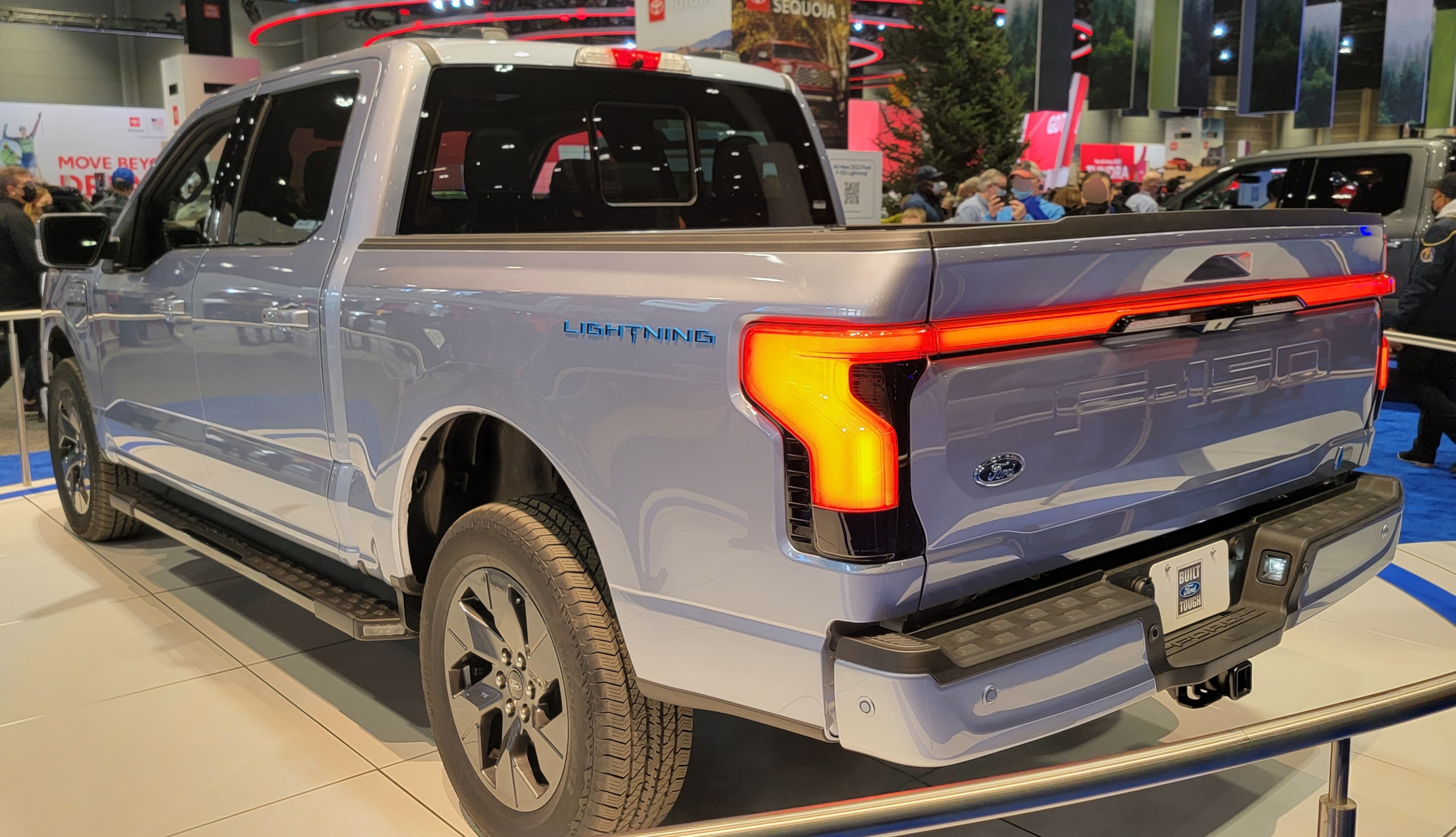
"We do a lot of service bodies, a lot of flatbeds so a lot of HVAC, you know, transits F 250s F 150s you know this is oil and gas country..."
The Ford F-250 is a big truck that can carry heavy loads and is often used by businesses for work purposes.
The Ford F-250 is a heavy-duty pickup truck commonly used in commercial and fleet applications for towing, hauling, and upfitting with service bodies or flatbeds.
"We do a lot of service bodies, a lot of flatbeds so a lot of HVAC, you know, transits F 250s F 150s you know this is oil and gas country and Tulsa Western Oklahoma West Texas. So we do a lot of, you know, do a lot of things like that with the service bodies flatbed shelving things like that."
Flatbeds are truck beds that are flat and open, so you can carry big or odd-shaped things that wouldn't fit inside a normal truck bed.
Flatbeds are truck beds with a flat, open surface without sides or a roof, used to carry large or irregularly shaped cargo that doesn't fit in enclosed spaces.
"We do a lot of service bodies, a lot of flatbeds so a lot of HVAC, you know, transits F 250s F 150s you know this is oil and gas country and Tulsa Western Oklahoma West Texas. So we do a lot of, you know, do a lot of things like that with the service bodies flatbed shelving things like that."
Service bodies are special parts added to trucks that help workers carry their tools and equipment for jobs like fixing heating or electrical systems.
Service bodies are specialized truck bodies designed to carry tools, equipment, and supplies for service professionals like HVAC technicians or utility workers.
"We do a lot of service bodies, a lot of flatbeds so a lot of HVAC, you know, transits F 250s F 150s you know this is oil and gas country..."
The Ford F-150 is a common pickup truck that many people and businesses use for carrying stuff and doing work.
The Ford F-150 is a full-size pickup truck popular for both personal and commercial use, often upfitted with service bodies or flatbeds for various industries.
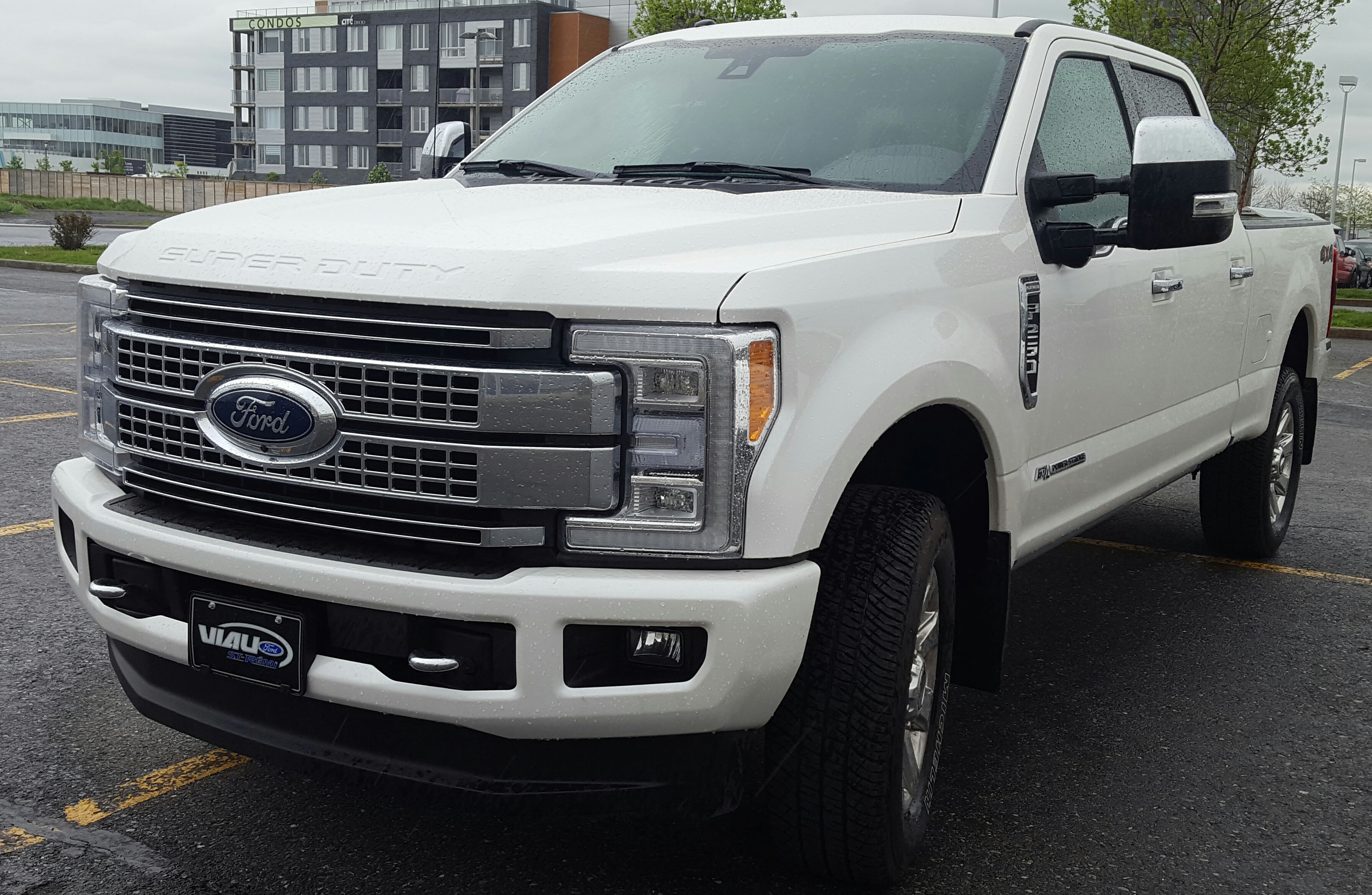
"We do a lot of service bodies, a lot of flatbeds so a lot of HVAC, you know, transits F 250s F 150s you know this is oil and gas country..."
The Ford Transit is a big van that businesses use to carry tools or goods, and it can be changed to fit different jobs.
The Ford Transit is a popular full-size van used widely for commercial purposes, including cargo transport and upfitting with service bodies or other specialized equipment.
"You've got to be competitive, you know, but I think we do a video inspection on every car that's a calling card for us. You know, so making sure you're maximizing every vehicle when it comes into the service department."
Video inspection means the mechanic makes a video showing what's wrong with your car so you can see it yourself and trust the repair.
Video inspection is a service technique where technicians record videos of vehicle issues to show customers, improving transparency and trust.
Select text to request an explanation
Hey everybody, welcome back to another episode of The Daily Dealer Live.
I'm your host, Sam Darkin.
Thanks for choosing to be here with us on the show this Wednesday, March the 18th.
What if, so what if the biggest problem in your store right now?
What if it's not traffic?
What if it's not inventory?
What if your biggest problem is what's happening after that lead comes in?
Today we're getting into it.
We've got James Seal who's building a luxury level experience inside a Kia store
and just came off a record breaking month.
Maggie Pugasek is breaking down why most dealers are sitting on one to two
misdeals per week inside their CRM and how AI might actually be hurting you.
Plus there's some lies inside your CRM as well.
She'll expose that.
And then Ryan Knight is showing how top operators are turning fixed ops and fleet
into real profit engines.
Just not, not just a side business.
If you want more deals, more profit without spending another dollar on marketing.
Today's show is for you.
And first let's hit today's industry headlines.
Today we've got a follow up on the FTC warning letter story from Friday.
CDG News spoke with one dealer group that received a letter multiple stores across
multiple states and their reaction was pretty telling.
They were surprised they got one given that they spend over a million bucks a year on
compliance and yet they got flagged.
Their read is that the letter was meant to scare and they're probably right that
some groups needed it, but they're still taking it seriously regardless.
And have already started making some adjustments.
A compliance consultant who spoke with us said most regulatory problems trace back
to customer complaints and that regulators aren't just looking at your own website.
They're also watching the aggregator sites like cars.com and car gurus.
His advice for anyone who got a letter audit your pricing, mystery shop your own
listings and document everything.
Next up on the tariff front amounts tied to auto tariffs have now cost automakers
$35 billion in counting.
This according to an analysis of financial reports and projections through
March, 2026.
Toyota has taken the biggest single hit projected at over $9 billion for its
current fiscal year alone.
The Detroit three collectively absorbed six and a half billion in tariff costs
in 2025 and nearly every major automaker reported over a billion dollars in impact.
JP Morgan projects those numbers will keep climbing 41 billion in year one,
45 billion in year two and 52 billion dollars impact in year three.
For dealers the longer this goes the harder it becomes for OEMs to absorb it
meaning it eventually shows up in sticker prices and incentive structures on the lot.
Next up moving on this week five major auto industry groups including NADA and
the Alliance for Automotive Innovation they sent a letter to President Trump
urging him to keep Chinese automakers out of the U.S. market.
The letter argues that Chinese vehicles whether imported or built domestically
well they pose a direct threat to American competitiveness and national security
and specifically asked the administration to maintain a 2025 Commerce Department
cybersecurity rule that currently keeps most Chinese vehicles out of the U.S.
The timing is interesting because Trump has previously said he'd be open to Chinese automakers
building plants here and hiring American workers and Reuters they reported that
the Trump administration and Ford's CEO have discussed potential partnership
frameworks that could enable exactly that.
The letter also lands right before a planned Trump-She summit on March 31st
which could make this a complicated topic at the table.
So we'll be watching closely.
And rounding out today in the news the DOJ filed suit against the California Air Resources Board
last week arguing that California's vehicle emission standards unlawfully infringe
on federal fuel economy authority.
This follows the administration blocking California's 2035 gas vehicle ban last summer.
So it's a continuation of an ongoing federal push to rollback state level emissions policy.
The timing drew immediate pushback from Governor Newsom's office
given that California gas prices are sitting at $5.52 a gallon right now.
That's well above the national average of $3.71.
But for dealers the practical impact is more uncertainty on EV planning,
inventory mix and consumer messaging as this legal flight plays out.
And that is a wrap on today's industry headlines.
Alright everybody we got a great show coming up today.
Interesting topic in the headlines relative to Chinese vehicles coming into the US.
Check out our episode from Monday for more information on that.
We had a great insider opponent conversation who has lived in China for 20 years,
was head of GM there and his perspective on the threat of Chinese vehicles in the US.
His advice last episode was US needs to get more daring and take more risks
in producing better vehicles that can compete on a global scale.
But he also did warn that the tech concerns and the privacy concerns are real
as it relates to those vehicles here in the US.
As a reminder we're streaming across all CDG social media platforms.
You can post your comments into today's show with your feedback, your questions, your comments.
We will bring those into today's show and you our loyal listening audience make today's show awesome.
So going straight into our first guest James Seal Managing Partner General Manager at Grandbury, KIA.
James welcome back to the show.
Hey how are you doing?
You've been here before this is your second time here.
We appreciate you coming back for our audience that hasn't seen you on the show.
Tell us who you are and what you do James.
Well thanks.
Great to be back on the show.
My name is James.
I'm the managing partner here at Grandbury, KIA.
I've been in the car business since 1992.
I've been blessed to only work at three and a half dealerships in that time period.
So I think it's a testament to my mentors that I've had that have been able to work with some great people.
So James in 92 were you a KIA dealer back then?
So KIA if I remember I worked for an ASUSU dealer in 93.
We sold some of the first KIAs in the United States and I think they came into the US about 94-95 somewhere in that ballpark.
Now I actually started out selling ASUSUs.
Oh hey there you go.
There after I did become a KIA dealership and we were one of the very first ones.
We had the Sophia in sports.
We had two cars that I always sold for the wild ride.
Yeah it was crazy.
Consumer reports came out with the Trooper rollover report back in the mid 90s which impacted those sales.
So the dealer I worked for was looking for another option brought KIA Sophia on to your point.
Steel wheels, no air, manual transmission, manual steering, 54-95.
The days of the $5,500 sell price on a new car are long gone and we were excited back then because it had the same power plant as a Ford Festiva which was a selling point.
How KIA has grown.
So let's get into it.
First question.
You said you feel like Steve Jobs in the garage.
What are you building differently from day one?
Yeah I still feel that way.
When we first talked I was in a pod.
So I literally was in a garage and we now opened up our new store so now I feel like we've upgraded to the small office and continue to grow it.
But yeah it feels like we're growing something big.
I'm blessed to have some fabulous partners that have the same vision as I do and I have the same vision as they do.
And I think we're growing something very special here and hopefully we'll continue it with other dealerships.
So you said you broke a record in February.
What was the record you broke?
Well we sold 153 new and used cars which were a town of 10,000 people.
That is a pretty good accomplishment.
We did it in a short month in February which is 24 working days.
And we had a really good strong effort from all departments from service, from hearts, from new car sales, used car sales.
Everybody just came together and it just gelled us one.
And we continue in March the same way.
So to our dealer listening audience watching today, March of 2026, what specifically drove that record?
Was there a process or two that you did that created that growth or was it the new facility, new location?
What drove the record?
Yeah it's a combination of everything.
When I came here, the vision that I had and what I've tried to do for the last 30 plus years is I want to create a buying experience that is second to none.
I coined the phrase, I want to create a 5 star luxury dealership experience for a mass market car.
And you think that sounds very cliche and very easy.
It's not.
A good service is not as common as you would hope for and you would expect.
I think customers have gotten accustomed to being average and kind of a disappointment.
So we're good.
We're okay.
But I don't want good.
I want exceptional.
Why?
Because I believe if you treat people like a million dollars they'll spend a million dollars.
They will help you grow your business.
There's thousands and thousands and thousands of dealerships across the nation.
Everybody has brick and mortar buildings.
Everybody has cars.
Everybody has sales, people, finance.
They're all the same inner workings and the only thing that differentiates us is our people and the service we provide.
So practically you're looking to create this luxury experience in a Kia store, right?
What does that look like operationally?
How are you conveying luxury at Kia?
Well, everything matters.
If from the scent of the dealership, I have diffusers all throughout the dealership that make it smell good.
The music we play, the way we interact with the customers as soon as they walk through the door, call us on the phone, respond to us on the line.
But I mean, it goes even further.
I mean, we had a product that we put in that was supposed to help us sell more alignments and more tires.
And it's called Traction.
And it's a product that the customer would drive over when they entered our service bay.
And when we put it in, we realized this is a very rough intro to our service department.
Yeah, driving over something.
Driving over something.
So we call the companies that this ain't no work, either fix it or get rid of it.
Because we do not want that kind of experience for our customers at all.
So everything matters from the smallest detail to the biggest detail.
So you said it's not easy to create that luxury experience in any dealership.
What was the hardest thing as you've sought to create this experience for your consumers to execute on that maybe surprised you as you went down the road executing on it?
You know, everybody wants to say, hey, I give good service.
And again, good is not good enough for me.
It's the exceptional service.
And if I can go into anybody, I can go into my Sierra and I can find leads that we didn't follow up with or customers that are inquiring about something and we're not answering it the correct way.
If we're not doing that with every customer every time, then we're not giving five star level service.
So whereas with me was literally building a team of leaders first.
We had to start with the leaders and cultivate the mindset in their mind so that they can see my vision and see and implement what we're trying to do.
So in order to become a five star luxury dealership, oddly, we have to become a training center to teach people how to give a good service.
So we have training every day.
It's instructor led.
It's either by one of my manager or outsourced trainer or the mentors inside the store giving them training.
So what are you training on in March of 2026 that's helping you achieve the luxury experience?
Well, we train on the basics, ABCs of selling.
But then I believe that the psychology of selling is as important as the ABCs.
Why does a customer say this?
How do we watch the body language and when they're doing it?
And we need to train ourselves as well as our employees on how to react on the psychology of it so that they understand the why.
We just tell them the how.
We don't tell them the why.
So telling the why in 2026, I agree, it's a crucial part of winning mindset with teams and creating not only customers long term, but also creating team members long term.
You talked in your intake about a valet service model.
Let's talk that.
What is it?
What's the ROI and is it working?
Well, it will work.
What I found out in that town of 10,000 people that we don't have Uber as available as when I was in Frisco.
So the service is a little bit harder to do, but that didn't stop me.
When we found a wall, we found a way to break through the wall.
So I still offer a white glove valet service, but it's just handled by us in the store.
So we create that.
We also have lifetime power train warranty.
We have a lifetime loaner cars program.
We have a lifetime car wash program.
So we're trying to really just excel in everything that we do.
I'm real proud of the fact that not only have we broken records and sales and service, but our Google and also our internal Kia scorecard.
We've actually in the Kia scorecard, we retain 100 for two and a half months.
The 18th day of this month, we're at 100 still.
We're at perfection on the providing that service.
So something is working really well.
Your record month, you're seeing that in the reviews and the ratings.
Another thing that we came across doing our prep for today's show, according to lot GPT, you're used sedans at your store there in Granbury Kia are moving twice as fast as market.
Is there anything that you're doing in the used marketplace that is allowing you to turn your inventory so quickly?
No, it's focused.
It's built in the team.
One of my partners is the one overseeing used cars and he is getting the cars to line faster.
We're marketing them better.
We're pricing them to the market.
But we're also, again, given that we're the speed to the lead, we get into that lead within one minute.
We're contacting the customer.
We're sending videos to that customer to make sure that we engage with them.
Our internet closing ratio.
The two things that we were pouring prior to us taking over was used cars and also internet closing ratio.
So both of those areas, we were now one to one new to use, which is good for Kia store.
And then we're so we hit 11% last month in close ratio.
We were at 4 or 5% close ratio.
Wow.
So you've doubled it.
We've doubled it.
Yeah.
Is there a process related to that luxury experience that's allowed you to double that close rate?
We're going to talk next up to our next guest about kind of better mining your CRM and better validating leads.
Is there a clue to success there for our listening audience?
Yeah.
Again, it is speed to the lead.
Get the lead quick so that we can respond to the questions and send them a quick page video so that we can be a real person.
And then we also just answer questions.
We really try to treat it like a concierge, not a salesperson and take them to that next level.
So a lot of comments online flooding.
And let's go to some of them.
Mark Baruchko says, treat them like a million.
They'll spend a million.
He says, I love that.
So props on that.
We're going to go to an update from Igor in between segments here because Igor has become our roving correspondent.
So we'll get a market update from him at the auctions.
But Paul Salisman comes in and asks a question.
He says, what's the trick to the one minute lead response?
That's a fast response time.
And you've got a real solid strategy on how to respond video and the information you're providing.
How are you getting there in one minute?
Well, I'm not going to give away a secret.
We're using AI.
AI is real important to get to that lead quickly.
But within that, within five minutes, four minutes, we are actually trying to send that video to the customer or call that customer and talk to them in person.
So what AI technology are you using?
And how long has that been part of your process?
Odeon.
And it's like last month, two months ago.
Okay.
Okay.
And is that part of that double close rate, that speed to lead, getting it responded to so quickly?
Absolutely.
100.
With a highly recommended fit.
If there are still issues out there that haven't gotten into the AI market, get into it.
It's a valuable tool.
So we talked about it last time.
You ran stores in a public group.
So you're part of a large publicly held auto group.
What are independence?
What are smaller groups such as yourselves doing right now better than publics?
Where are you winning compared to your old world?
You know, I think we obviously we're concerned about bottom lines in the private and public world.
But where I see a difference is we really care about our people.
The public companies, they care about, they say they care about people, but at the end of the day, they care about their stocks.
They care about, you know, some of the things I talked about that last year.
And they, you know, I believe that we are building a family and a dealership and we have to cultivate that family.
So I think that's the biggest big difference is really, you know, becoming part of the community, part of the family here at the dealership
and helping everybody else grow to the next level.
You know, that's the biggest.
All right, last question up.
And then we'd love to invite you to be part of our panel at the very end of the show if you can hang out with us.
So we'll put you in the backstage in just a moment.
We'll bring you back for that round table at the very end.
You talk about customer lifetime value versus transactional growth.
Give us a little bit of your theory on that.
Again, record breaking month, you've increased your lead close rate super fast.
You're turning cars faster than the market is.
Talk to us about this customer lifetime value versus transactional growth.
Yeah, we're not in the car business.
I'm not in the car business.
We sell cars, but we're in the people business.
And when you are in the people business, you're in the relationship business.
If you are cultivating relationships, you want those long to be long term.
You don't want a short term relationship.
It's not good for you for the person you're in the relationship with.
So if we are truly doing what we say we're doing and building this relationship,
it's a long term friendship that they can count on us.
We can count on them.
And that's ultimately it.
We're in the people business and relationship business.
So in creating this elite experience that you've talked about,
this luxury experience, it takes people to do it.
You've implemented AI to help get to that one minute lead response time.
What do you say to some people in our industry that say AI threatens jobs?
You're committed to people, yet you're still implementing technology.
How do you make that balance, James?
Strike that balance.
If you don't grow and accept the world, you don't be left behind.
And the world is changed to whether we want it or not.
I remember with the internet, I mean, I'm old enough to remember when we didn't have the internet.
And people didn't think this internet thing is going to be here for very long.
I guess what it is.
So the AI, it will never replace.
I mean, again, AI doesn't build relationships.
People build relationships.
And if you really use it as a tool and not a replacement for a person,
then it can be an enhancement to your production.
James Seal, Managing Partner, General Manager at Granbury.
Kia, thanks for being on the show today, sharing your perspectives.
Hangout will bring you back as part of the roundtable at the end of today's show.
We appreciate all the tips you've given us, including giving away a few secrets
that will help the entire auto industry.
Thanks for being here with us today.
All right, we're going to go to a few comments from online.
Igor Kay is kind of our roving auction reporter lately.
We're going to go there.
Igor says, happy Wednesday, everyone, off topic comment.
EV segment of auctions now on uptick in values.
I now see dealers who normally don't look at used EV models now buying them up too.
I think that's a reference to the increasing oil prices with uncertainty in Iran.
Igor Kay comes in further and says, Audi dealers are dumping Q5 models at auctions.
Right now, most Audi dealers, they have over 300 days of inventory and Q5 sales have slimmed.
And then, of course, Igor comes in and recaps that last segment.
Says, right attitude, people's business.
So thanks for contributing the show, giving us a little bit of insight on what things are looking like at auctions.
I actually like this as oil and gas becomes a little more volatile.
It seems like we could be seeing a preference shift on the consumer side,
even with rebates having disappeared EVs could be increasingly more interesting to a buyer looking for a more economically performing vehicle.
Let's talk stream companies today.
Today's episode is brought to you by Stream Companies.
How much revenue is slipping through the cracks at your dealership?
Stream Companies missed opportunities.
Report analyzes your strategy and highlights where you can drive more sales faster.
Request your free report today at streamcompanies.com.
Again, you can request that report today at streamcompanies.com.
You can also scan the QR code if you're joining us via the live show or you can go into the show notes if you're watching the after show version of this.
But we appreciate Stream Companies first supporting today's content,
including that fascinating insight by James into how he tripled his close rate,
how he's seeking to create that elite luxury experience at a Kia store.
And it's certainly working, coming off of a huge month last month in a very, very small marketplace.
Let's keep going.
Thank you, Stream Company, turning right now to partner at CNM Coaching, Maggie Pugasek.
Maggie, welcome to the show.
Hey, thanks for having me.
All right, Maggie.
How do I pronounce your last name?
I may have butchered it.
Did I butcher it?
How do you say it?
It's close.
It's Pugasek.
Pugasek.
All right, very good.
I'll get that right on the next one.
Thanks for being patient with me.
Yeah.
So you and I had a facet.
Well, first of all, for our audience that doesn't know you,
tell us who you are, what you do, and then I want to get into a comment you made backstage.
So my name is Maggie.
I have been in the automotive industry for 15 years and CNM Coaching specializes in phone
training.
It's kind of weird.
It's almost like James has my notebook because he said everything that we believe in and
train on.
And I really love some of the comments that he made because we specialize in internet
lead training, phone training, sales service, and all things related to basically communicating
with customers.
Yeah.
I thought the internet resonate.
We got a ton of comments on his commitment to that one minute response time.
How critical is that lead response time in winning the customer over in automotive March
2026?
It is the single most important thing that you can do.
Research shows us that we have about a 70 to 80% contact rate if we call the customer
within five minutes.
And the reason that he's doing so well is because he's using AI as a tool and not using
it to replace his staff.
And he's using that to initially connect with the customer, which tells the customer they've
gotten my lead.
I'm important to them.
And then he follows up with a phone call, which is exactly what you want to do.
So you see most dealers don't respond to their leads in a timely manner at all.
In fact, we see leads go three, four days without phone calls.
And we'll see 15, 16, 17 text messages that aren't responded to, but still no phone call.
And so I always kind of laugh because it's like, okay, you've sent 10 text messages.
What makes you think number 11 is going to be the one that is the hook that they're going
to respond to?
Just call them.
Pick up the phone and call the customer.
Because if you're not someone else's, especially if you're shopping, James, you know, James
is winning in a small marketplace.
That's why he had such success this past month at a Kia store in a city with 10,000 people.
What's the reticence to picking up the phone and making that phone call?
Why in March of 2026 are dealers not making that call?
And why are they fumbling the lead for four days?
You know, I wish that I knew the answer to that question.
Genuinely, a lot of it does come down to your mental management, not properly reviewing
your CRM, which is something that, you know, you and I were kind of talking about backstage.
We do unfortunately see a lot of falsified information in CRM.
Yeah.
So I want to ask about that backstage.
You said not falsified.
You said there are lies in most dealer CRMs in March of 2026.
What are those lies and how does a dealer find those lies and eliminate them?
Yeah.
So a lot of it actually has to do with what they're doing to contact the lead.
So they will sometimes pick up the phone, they'll let it ring for like a half a ring
and then hang up and put a note in the system, left message and that's why I don't know.
I don't know.
And we see it happen all the time.
And when we do a mystery shop, you know, we pose as a local customer, a real customer,
we use real working phone numbers, we'll put in a lead and we'll watch it and then we'll
go back through their CRM and we'll compare the notes and they don't match.
You know, it'll say left message, there's no messages.
And a lot of times it's just pure laziness.
So the easiest way to find it is to look at your CRM, just pick a random lead and then
go to your call log.
If your call log is separate from your CRM, which a lot of phone systems are, go for the
recorded conversations, put in that customer's phone number, search your call records and
see if it matches.
And if you find somebody very consistently doing that, they got to go.
You can't have people saying they've called customers when they haven't and lying about
it.
So in a traditional dealership based on your experience, what percent of sales people
in automotive in March of 2026 are pencil whipping, let's say, these records?
That's a good question.
We usually find at least one person at every dealership.
At least there's at least one.
A lot of times something else that we also find that is really important for dealers
to be mindful of is sometimes you stop getting leads, like your ADF key gets broken.
And so you think they're working correctly and they're not.
So you should at least once a month check your leads.
How do you audit for the ADF break?
So submit a mystery shop yourself and that will tell you, hey, we've got the lead, you
have the lead.
And also something else to be mindful of is what time did I put this lead in and what
time did it hit my CRM?
And check every link on your website because you probably have a contact desk tab.
You probably have a finance tab.
You probably have a schedule, a test drive tab, ask questions, check them all because
one can break and the rest can stay functional.
And then you're missing those leads and you don't even know what's happening.
So check that stuff too.
And you recommend doing that how often?
At least once a month.
You want to do it because it can break, especially if Facebook is one of the ones that we see
break a lot.
And so people are messaging you on Facebook and it's not hitting, you know, you're not
noticing that you're missing the lead.
So you want to check those frequently.
So lots of great comments online.
Paul Salisman comes in says good grief.
It's like the nine minute hold time.
He's referring to the CDK service report that we talked about earlier in the week and nine
minutes hold average time for service.
He's comparing that back to the four day lack of lead response.
Paul Salisman comes back in says I think there's a generation of people have severe call reluctance
because they don't have experience on how to use the phone.
Do you think that's the case?
Like to me, if you dial the number and you get a ring, there's no reason to just hang that up
and play the record unless you're afraid of making that call and having to talk to somebody
on the bottom on the other side.
Do you think there's call reluctance because they just don't have experience with the phone?
Absolutely.
40% of salespeople experience anxiety about the phone.
And you know, I find it really interesting because find a salesperson that doesn't have
an in-person selling process.
Like you're not going to, they all have something they do when a customer walks into the lot,
the way they introduce themselves, the way they show them a car, right?
But a lot of times we don't pay attention to how we do those things on the phone.
And the phone is the heartbeat and foundation of a dealership period.
If that first phone call does not go well, you are in trouble.
And I always say, people don't buy cars from places.
They buy cars from people.
And you need to be yourself on the phone, but you still need to use that customer psychology
to engage and to control that conversation because the customer doesn't work at the dealership you do.
So it's your job to try to figure out and map out your conversation, how you want it to go.
How can I build rapport with this customer?
How can I tell this customer, I am your person.
Buy a car from me.
I'm here for you because they don't care about the name on the dealership.
They care about the person that they're working with.
How often should we be training on that?
Every single day.
I mean, because you think about what a phone call is like.
I mean, even just your own experience is calling any random business.
And say you call Verizon and you want to ask a question about your bill.
You could call five times in a row, get five different answers and five different personalities.
So finding the most common objections that your staff is faced with, helping them overcome those objections,
writing common answers to those and making sure everyone has a really good understanding of your phone call expectations is number one.
You really want to listen to those phone calls as much as you can, as much time as allows and point out good and bad.
Mark Borusco comes in the comments and says the why in reality is because many product specialists have pay plans tied to KPIs in the CRM.
Number of calls, number of emails.
It's an old school mentality, the volume piece.
But my point is, is if you're going to actually make that call that's tied to your pay plan, you might as well just complete the call, right?
It's like Jerry Seinfeld with the car rental.
Anybody can take a reservation.
It's holding the reservation.
Anybody can dial the number.
Let's just have that conversation.
But I think you're right in this world of Snapchat and texting and other forms of communication.
Phones could be scary to a younger generation.
Vince Search comes in and says iOS screening is making it harder.
And MJB Saxo one says, how do you deal with iOS screening when it comes to making these phone calls, Maggie?
That's a great question.
So this goes back to what I said earlier about testing your own leads.
Test your caller ID from every single phone line at your dealership just because one works doesn't mean they all work.
So call yourself from your cell phone and make sure it says very clearly the name of your dealership.
Your phone carrier knows how to do the FCC regulations to make your lines compliant so that they don't show up as spam.
There's like a registration area that you have to do.
Call your phone carrier.
They can help you with it.
But your caller IDs at every line have to be registered and they should very clearly say, you know, ABC motors on them so that when you're calling, it's not triggering it as spam and that the customer knows exactly who it is.
The other thing is something that James had said where he's sending out that one minute text, identify yourself so that when it rings, they know it's you.
So you've talked so speaking about AI and speaking about technology after you've gone through and you validated the process.
You've checked your phone lines.
You've got your folks trained.
You've actually said AI is hurting conversion in March of 2026.
Where is that happening?
How is AI hurting it?
If it's helping me respond to that lead within 60 seconds, it must be good, right?
It's a great question, too.
So yes and no, it's really good for initial contact.
It's really good for after hours or when you're closed or when you're super busy.
It should not be the only thing you are using to try to sell cars because it is not going to work for you.
The other issue is it needs to be something that your staff understands is a tool to help them.
Otherwise, they're going to start competing with it.
They're going to treat negatively.
And they're going to tell the customer all the negative things about it, which is going to turn the customer off.
So it needs to work in conjunction with salespeople.
You do not want it replacing them and you don't want texting overlapping.
So for example, I can go into CRM and see the AI tool sending out a text message at 9.53.
And then at 9.54, the salesperson sends one out.
We don't need to pick one.
And they shouldn't have the exact same messaging either.
So you need to be careful about it and you can't just set it and forget it.
This is additional things we need to be testing and mystery shopping and looking at consistently to make sure your customer is getting a good experience.
So you said don't over rely on AI.
AI will help you with the 60-second response, but it's not going to sell the car.
Where's the line?
Where's the break-off point between where it should start after hours, first 60 seconds, helping with some of the mundane tasks?
And where should it end?
So it genuinely depends on your staff and your management and how well you control your team.
Because if you have a zoo and nobody's doing anything they're supposed to, you might as well just use AI.
Because at least then someone's communicating with the customer.
But if you've had a good group of people and they're actively engaging with their customers and they genuinely care about what it is they're doing and they take pride in their jobs,
then you really only need it for that initial response when you're super busy.
If a lead goes unanswered for a certain period of time, I would say anything over 15 minutes, we need to kick out something else to that customer and definitely after hours.
But I would say if you're starting to notice that it is stepping on top of your salespeople, you got to dial it back.
And the best way to do that is to kind of look at one lead from start to finish and put yourself in that customer's shoes and see, is this too much, is it not enough?
Because there are some cases where we also see it not know how to handle objections.
For example, one of my mystery shoppers, Gina, she likes to tell it that she's shopping around and she's like, I am shopping your competition and I don't know where I want to buy it.
And we love to see what the response is because it's usually terrible.
It's usually something like, okay, no problem, we're here when you're ready.
Instead of saying, you know what, let me tell you why you want to buy from us and going into a value statement.
So you need to teach it those things too.
Yeah.
So one thing that we see consistently and it's an industry stat is that dealers don't follow up enough.
Like they don't stay on a lead long enough.
They market dead way too early.
How many touches should happen before a lead is considered dead in March of 2026?
I would say, you know, around 14 attempts is the average in some cases.
There's a lot of things that can factor into that.
How serious the customer is, how quickly you initially contacted them is one of the most important factors.
But also, what time did the lead come in?
I mean, if you've got a lead coming in at 10pm and you call the next day and they don't answer right away, call again later the same day.
But follow-up is not happening.
I mean, we leave our standard mystery shops open for three business days.
We sometimes get one phone call.
We get 45 text messages in three days.
We sometimes get one phone call and we very rarely get follow-ups, even if we set an appointment and don't show up.
Wow.
So we're really missing out here and I would bet my, you know, $1,000 that James is following up with his leads, right?
If they don't answer the first few phone calls, they're not just giving up.
And that's how you sell more cars.
You have to look at each situation individually.
There's not a one-size-fits-all approach.
But if your customer has not answered you at all, I'm talking 100% ghosting seven days and then put them in, you know, a three, six, nine month follow-up.
So you see James, first guest, he did focus on the process.
He did focus on lead response time, then quality of connection throughout the way.
And he had a record month.
He increased his close rate.
What's one script or process you'd recommend dealers implementing today, March of 2026, to improve their close rate as we wrap up today?
So in addition to obviously calling your leads as quickly as you can, we really need to focus on rapport building.
Why is the customer reach out to us?
What do they need from us and why do they want to buy from us?
We know that they're shopping around for other dealerships at the time doing about 14 hours of research, which is a lot of time.
So you're lucky if they've chosen you.
And it's not that we need them.
I mean, they need us too, but it needs to be a mutual relationship and focus on the people and bring it back to people selling to people.
And write yourself a value statement and expect your staff to say it on the phone so that customers know exactly why you're the place for them and make sure you're having good, strong conversations.
Maggie Pugacic, partner at CNM Coaching.
I think I got the last name right.
Yes.
Thanks for being on the show, joining us today, sharing strategies to increase your close rate in your CRM March of 2026.
Maggie, thanks for being here.
Thanks so much.
And by the way, I love a good segment where the comments just light up and we've got that today just to bring a few of them in.
Eager K says, phone ups are more personal and you can hear emotions on both end to make your lead more comfortable with you.
I prefer phone ups over text or email.
And Paul comes back and responds.
Great point.
Eager seems a lot of people never answer the phone anymore in our region.
And NJB saxo one comes in and says phone call reviews and training.
It's the key with each staff member.
You don't know what they're saying on the phone until you listen to it.
Eager responds.
Everybody's getting into it.
I hear you, Paul, the world is changing and we, the salespeople must adopt to the changes or we will die.
And MJB sax says two rounds of calls a day is what I direct my staff.
So and then from Mark, thanks to Maggie for joining and sharing her tips and strategies.
So let's go straight up to our third guest today, Ryan Knight, director of operations of Knight Automotive Group.
We'll repeat return guest on today's show.
Ryan, welcome to the show.
Hello, thanks for having me.
Yeah.
So, hey, have you checked your internet lead process lately at your store?
Good reminder.
Good reminder.
Yeah, it is from Maggie.
You know, I hear about often go through submit a fake lead, see how that lead falls through, make sure nothing's broken, but it really does just kind of remind you the importance of it.
All right.
You recently built actually first up for our guests, tell us who you are and what you do and then we'll go into the facility you just built and opened.
Yeah, I'm Ryan Knight.
I'm the director of operations for Knight Automotive Group been in the role since 2019.
So going on seven years, six, six rooftops in Tulsa, Oklahoma in the surrounding area.
And then like you mentioned, just, just open the Ford pro elite facility in Tulsa.
Yeah.
So talk to us about the Ford pro elite facility.
Last time you were on it was under construction.
You were excited to be getting underway with it.
It just opened.
What is it?
What do you expect with it?
And why are you focusing on fleet March of 2026?
Yeah.
So it's a Ford pro elite facility.
It's one of about 82 or 83 now in the country.
The only one in Eastern Oklahoma.
There's one more in, in Oklahoma, in the Oklahoma city area.
And it is a 30 Bay dedicated to dedicated to fleet commercial service service only facility.
You can see kind of from the, from the pictures and the things that are scrolling through there.
It is a 30,000 square foot facility and it is hyper focused on fleet and commercial service.
That's what, that's what we built it to do.
And, and really, you know, our, our mindset is we've got to, we have for a long time had a really good fleet sales department.
And we needed a way to keep the customer coming back, the fleet customer coming back to us after the fact.
And, and we had grown the business a lot and needed a, you know, needed a separate facility to begin to service them.
Yeah.
So as you've gone all in on fleet, by the way, a gorgeous facility by any measure.
Why do you still say that this opportunity of servicing fleet, selling fleet?
Why is it still overlooked in automotive March of 2026?
It's interesting as we, you know, we talked to, you know, fleet managers, CEOs, presidents all the time.
And that has become such a pain point for them.
Just managing the, you know, managing their fleet of vehicles, managing the service, which for them, at the end of the day is just a debt expense.
And, and what we tell them is we can help them with that.
And, you know, we've got a, we have a Ford certified facility now, we can work on all makes and all models.
I think that's really important.
You still have a lot of fleets with leftover from leftover from COVID, a lot of mixed matched, mixed matched inventories.
So we, yeah, we were there to help.
I think that's, that's our message always is it's a one stop shop and we want to be there to sell the vehicle, but then we want to be there after the fact help and take care of it.
So you talk about, you brought up fitting in house as opposed to outsourcing, what's up fitting and why did bringing that in house?
What did that unlock financially for you as an organization?
Yeah, under the, under the same theory of we want to be a one stop shop, that was one of the other pain points, both for our fleet sales department and also for the end user was the lead time it took to get a vehicle
up fit once it landed. So our sales department would send it out to a vendor, you know, service body flatbed, you know, lights, anything that anything that the vehicle needed after the fact, and it would take months to get it done.
And that's time that that's time that the fleets don't have, you know, and they've got vehicles down whether, you know, it's beyond repair and they need to replace it or it's been an accident.
They need those vehicles on the road as quickly as they can get them.
And so we created the upfit company to be able to serve the fleet customers.
We don't serve really anyone other than the fleet customers that we sell vehicles to, you know, so you're not the fleet customers know they're their priority for us.
What's your most common upfitting that you do in house?
We do a lot of service bodies, a lot of flatbeds so a lot of HVAC, you know, transits F 250s F 150s you know this is oil and gas country and Tulsa Western Oklahoma West Texas.
So we do a lot of, you know, do a lot of things like that with the service bodies flatbed shelving things like that.
Some comments online coming in Gerald Masius comes in says I've had the privilege of working with Ryan Travis and their team in Tulsa for years now.
As someone who's in and out of many stores throughout the country night automotive group is one of the few groups that is constantly innovating investing recruiting top talent, and they are now seeing the fruits of their labor.
What is to come is a testament to what they've built in an extremely short amount of time all the best in 2026.
So that's props from online.
So you separated retail and fleet how big of a difference has that made to the financial statement and what does that fixed absorption rate look like now with that new facility open?
Yeah, I think it's a little too early to tell with the new facility open, you know, our, our goal will always be to be over 100% and, and ideally somewhere around 120%.
And, and that will be our goal with the new facility before before we moved, you know, we hover around 80 85% at the Ford store but I think what this has unlocked for us is more capacity.
You know, we move 12 stalls out of the fleet facility that will open up at the retail facility that will allow us to serve more retail customers and then and then serve the fleet customer separately.
Where's your absorption today as you as you go into the split?
At the Ford store at the Ford dealership, the retail facility probably, you know, 75 80%.
Yeah.
So what do you think?
Where would you say most dealers are leaving money on the table today in service?
What's the biggest, most overlooked fleet aside, we're going to pull that out.
Yeah, you know, I think one thing we've worked really hard on is, you know, driving effective labor rate driving and, you know, there's a fine line between, you know, raising prices.
This is a price sensitive environment.
You've got to be competitive, you know, but I think we do a video inspection on every car that's a calling card for us.
You know, so making sure you're maximizing every vehicle when it comes into the service department.
What technology do you use?
We use true video for the videos.
And then we actually just launched the video tool at the Ford Pro Elite facility.
We're going to use X time for the videos.
Okay.
Why the separate tools between retail and fleet?
Well, we're on we use X time for our inspection tool everywhere for the check in tool and for and for the inspection tool.
Okay.
We use true video historically at all the retail facilities.
But X times technology seems to have progressed so we're, you know, trying to keep that all consolidated best we can.
Okay.
So in March of 2026, I mean, I probably know this answer because of where you've put your focus today.
But if you had to start over, which would you build for sales or service this month?
That's a good question.
You know, I, we're always, and I always preach, you know, the path to profitability isn't fixed.
And I believe that it's called fixed for a reason.
And, you know, the, the new car market to use car markets up and down.
And the one thing they in and day out, we need to be able to rely on is our fixed operations at each dealership.
Yeah.
Yeah.
Yeah.
Well, Ryan Knight, director of operations night, night automotive group, we appreciate you being on the show.
We want to go to this round table.
You're good with joining the round table with James and just talk some topics that are relevant to automotive today.
So let's turn there.
James, welcome back.
By the way, it was kind of fun.
Maggie talked about a lot of the things you're doing right in your, in your CRM and in lead generation that's helped you have this record month.
So here's the first question for both of you.
Pick one, what drives more growth in 2026 culture or systems?
I'm a culture guy.
I think the, you know, I think if you have a bad culture at any of your locations, any of your stores, there's no system that can fix that.
And yeah, you need, you know, you need a, you need a family, you need a team that, you know, you can trust that, you know, you can rely on.
No system can help you with that.
Culture or system, James?
Obviously, I started with culture, so I would say culture.
But at St. Falcon, if you replace system or processes, I think the two go in the end, culture or processes.
Ryan, what's the fastest way to screw up culture?
I think not having a weak mentality.
You know, I tell people all the time, if you've got a big ego, for us, if you've got a big ego or you're worried about yourself, or you're worried about the team, you know, it's not going to work here, not working for us.
All right, let's start with James on this one.
What wins more deals today?
A better experience or a faster response time?
You've proved a lot with your less than 60 second lead response time.
I would say better experience.
Simply because the competition is not given the experience.
So I think we can conquest and capture more deals from people that are given the bad experience.
Yeah, Ryan?
Yeah, I agree.
You know, I think the experience, the experience wins at the end of the day.
So in automotive, sometimes we focus on things that we think customers want, but don't.
Ryan, what do you think something that dealers focus on that we think customers care about, but they don't really care about?
That's a good question.
You know, sometimes I think we get hung up on, you know, it's obviously a price sensitive, you know, it's a price sensitive environment.
You know, but I do think back to the previous point, the experience doesn't matter.
You know, and I think especially we have Lincoln involved over here in Tulsa.
And I think in the luxury environment, even more so, that that experience, you can save me time.
I don't necessarily care as much about, you know, if I have to pay a little more, the service and the experience is really good.
I think that's a good thing.
James?
I agree with what I'm saying with Ryan.
The time is the most valuable thing for customers and for everybody.
So we can create an experience that can come in and out faster.
I also feel like sometimes we put too much emphasis on speed, when in fact, if we create a better experience, a little more time if they're better educated is okay.
But you got to be careful with it, because again, time is the biggest asset we all have.
Let's pretend I drop both of you into a 150 car store.
Where will you find the next million bucks?
Quick.
Sales, use cars, F and I are fixed ops.
You don't mind?
Yeah, fixed ops.
Obviously, you'd go straight to fleet, I think, right?
And James, you go to culture, luxury and probably your CRM, James?
Or a different answer?
No, for the next million dollars.
Obviously, fixed ops is the future.
If you take care of them in service, you don't get them back with sales.
Yeah.
So we had a conversation on CRMs and data mining, and I was fascinated by Maggie's point about their lies and most dealers CRMs.
Do you think your CRM is a gold mine of opportunity, or is it a graveyard of misdeals in March of 2026?
James, first you.
A graveyard of misdeals.
That's why for Maggie was 100% correct.
You got to audit yourself.
You got to mistrust yourself.
You got to call in.
You got to do all that stuff or you're going to miss deals.
Every day we have a meeting and we go through our CRM, we look at the previous days and look at the response.
Yeah.
Ryan, gold mine or graveyard?
I like to dig it as a gold mine.
I like to think there's gold in there.
I think to Maggie's point, if you dig far enough, you're always going to find an opportunity in there.
Yeah.
What wins most as we wrap up here?
What wins more in 2026?
Lowest price or best experience?
Best experience.
Yeah.
I think you got to do a little above.
You don't necessarily have to be the cheapest in town, but the experience does matter.
You got to be price competitively, use cars, new cars.
And really, then once you have that and get the lead, then the experience takes over.
Yeah.
Well, I'll tell you, we appreciate you both coming on.
Both fascinating stories expanding the fleet business, explaining fixed ops on your side, Ryan,
and then James crushing it in a smaller community at IKEA store to seek to create that luxury experience.
We'd love to have you both back to share additional perspectives,
but thanks for being part of this daily dealer live roundtable on this Wednesday, March 18.
Thank you.
Can I give a shout out to my dad?
It's his birthday.
Please.
Hey, happy birthday.
He is, but happy birthday.
Wait, should we all sing?
No, I'm kidding.
We're not going to sing, but happy birthday to him.
That's awesome.
Thank you.
I love it.
All right.
Thank you both for being here.
All right.
And as we go into the comments, some great feedback online.
Igor Kay comes back in and says, 100% culture and good structure.
Dan C says, culture eats strategy for breakfast.
Actually, culture, I'd argue, too, embeds strategy with more meaning and structure with more meaning.
Igor Kay says, bad management and big egos are a huge risk to business.
Igor Kay, both brands are struggling right now, Lincoln and Volvo.
How are you guys doing in Tulsa with those two brands?
Hopefully they would put that into the chat as we already lost them and moved in.
So it's a great show today to our daily deal live audience, to everybody commenting in the chat.
Thank you so much for supporting us with your comments today.
And to you who are watching, whether you're watching live or you're watching the recorded version,
thank you for being here.
Thank you for watching Daily Deal Live.
We break down the biggest moves in the car business as they happen.
Don't forget, we're here live every Monday, Wednesday and Friday, 1 PM Eastern.
So if this is your world, hit like, hit subscribe.
Turn on those notifications so you never ever miss a beat.
And we'll see you next episode, everybody.
Thanks for being here.
Request an explanation for:
3 cars
3 cars featured
Request an Explanation
Heard something you'd like explained? We'll add it to this episode.
Sign in to request explanations for terms you heard.
Want to learn more?
Browse our glossary for plain-English explanations of automotive terms, jargon, and concepts.
See something that's not quite right? Our annotations are AI-generated and can sometimes miss the mark.
Click the flag icon on any annotation to suggest a correction.