The SEMA show is a big event in Las Vegas where companies show off new parts and accessories for cars. It's all about improving and customizing vehicles.
Vintage Air makes air conditioning systems for older cars, so you can enjoy cool air while driving a classic vehicle. They help keep these cars comfortable in hot weather.
Painless makes wiring kits for cars, helping to connect electrical parts like lights and engines. They are popular among people building or restoring cars.
The Datsun 240Z is a famous sports car from the 1970s that many people love for its speed and style. It's often restored and modified by car fans today.
Japanese performance cars are fast cars made in Japan that are known for being fun to drive. They became really popular in the 70s and 80s, with models like the Datsun 240Z leading the way.
A driveway project is when someone works on fixing up a car at home, usually an older or classic car. It can be anything from small repairs to making the car look brand new.
Restoration means fixing up an old car to make it look and work like it did when it was new. This can involve a lot of work, like painting and replacing parts.
New old stock means parts for cars that were made a long time ago but never used. People like to use these parts when fixing up old cars because they are original.
The Shelby GT350 is a special version of the Ford Mustang that was built for speed and performance. It's known for having a really strong engine and is designed for people who love racing and driving fast. Many car fans admire it because of its history and how exciting it is to drive.
The Subaru BRZ is a small sports car that is fun to drive and has a design that makes it feel light and agile. It’s popular because it’s not just about going fast; it’s about enjoying the ride. Many people who love cars want to keep it for a long time because of how enjoyable it is.
The Volkswagen Rabbit GTI is a sporty hatchback that is fun to drive. It's known for being quick and having a lot of personality, making it a favorite among car enthusiasts.
The Volkswagen GTI is a sporty version of the regular Golf car. It's known for being fun to drive and has a powerful engine that makes it faster than the standard model.
Air cooled Volkswagens are older models that didn't use water to keep the engine cool. Instead, they relied on air, which made them lighter and simpler but less common today.
Water cooled Volkswagens are newer models that use water to keep the engine cool. This is the standard way most cars work today, making them more efficient than older models.
The power band is the part of the engine's speed where it works best and gives the most power. If you drive in this range, the car feels more powerful and fun to drive.
Cornwell Tools makes tools that people use to fix cars and do other mechanical work. They are known for making strong and reliable tools that last a long time.
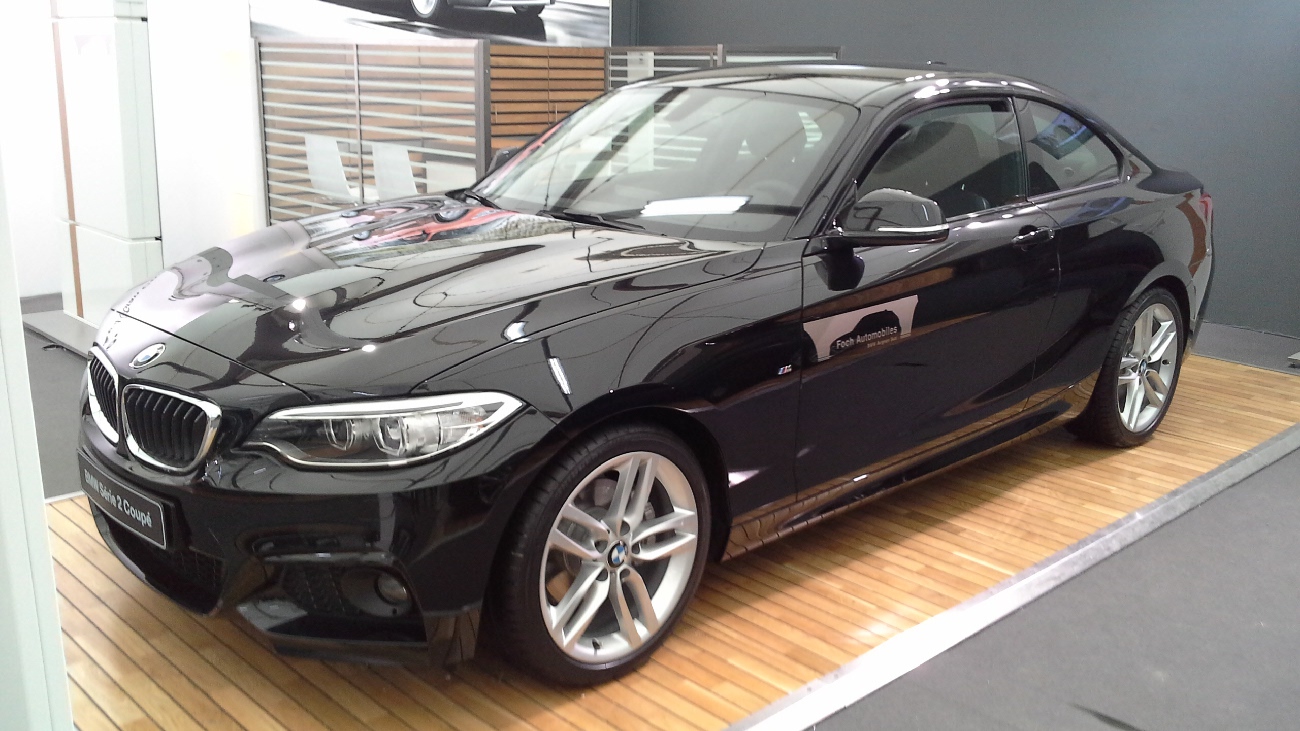
The BMW 2 Series is a small, fancy car that is designed to be fun to drive. It has a sporty feel and is known for being quick and responsive on the road. Many people enjoy it because it combines luxury with a thrilling driving experience.
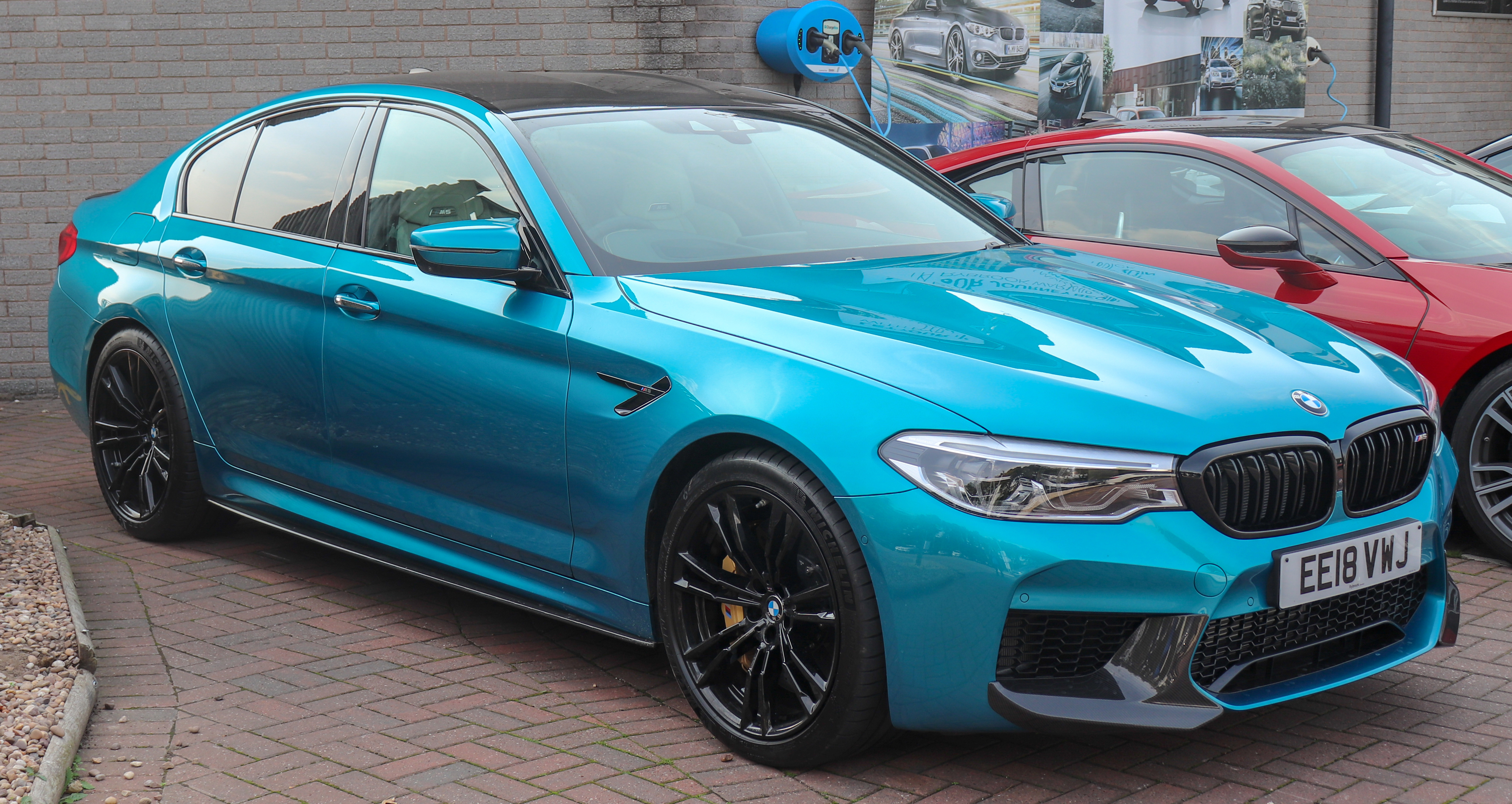
The BMW M2 is a sporty two-door car that is fun to drive. It's a faster version of the regular 2 Series and is popular among car lovers for its performance.
The BMW M4 is a sporty two-door car that offers great performance and luxury. It's similar to the M2 but is a bit larger and more powerful, making it a favorite among driving enthusiasts.
The BMW 5 Series is a larger luxury car that is comfortable and packed with features. It’s known for being powerful yet smooth to drive, making it a favorite among people who want a nice car for both work and leisure. The 528 model is one of the versions that people often talk about for its good performance.
BBS makes wheels for cars, and they're popular among people who want to upgrade their vehicles for better looks and performance. They're often seen on sports cars.
The Audi 100 is a luxury car that was made for several decades and is known for being well-built and comfortable. It helped Audi become a popular brand because of its good design and technology. People talk about it because it shows how cars have changed over the years.
LIVE
For a hundred years, Salem's Elsinore Theatre has been the stage for unforgettable nights.
Music that moves you.
Comedy that makes you laugh until it hurts.
Performances that spark conversation.
The Elsinore has attracted vast audiences bringing outstanding live entertainment to the community
and created lifelong memories.
Yours is next.
Step inside and make your own memory in a theater as beautiful as the experience itself.
See what's coming next at ElsinoreTheatre.com.
That's ElsinoreTheatre.com.
Does your child dread going to school every day?
It's time to try Oregon Charter Academy.
Our online school offers interactive learning in a safe environment with a dynamic and responsive curriculum,
providing your student with support to thrive will bring you relief knowing you found just what your child needs.
Don't wait.
Enroll today at OregonCharter.org and see the difference it makes for your child.
Oregon Charter Academy, what learning should be.
Music
Hey, Stacey David here with the Tales of the Gearhead podcast.
Now, what is this?
Well, it's a podcast that covers everything automotive, everything mechanical,
everything that's just cool about the automotive lifestyle.
And since that's just about everything, you're going to love it.
Today's podcast is brought to you by Cornwell Tools.
Let's get rolling.
Music
Hey, guys.
If you're just getting here, this is Stacey David.
This is Tales of the Gearhead, the podcast.
And I am talking to Tom Gattuso from SEMA.
And the reason why this is such a big deal is I get questions all the time about the SEMA show.
People want to come out to it and how do they get to it?
And there's everybody's bucket list to try to come to SEMA.
And some of that has been done poorly over the years by the media where they let you think that the SEMA show was open to the public,
which for the longest time it was not.
It was a trade show that was industry only.
But things have changed over the years and that's what we're going to talk with Tom about.
Because now it is possible for people to go to the SEMA show.
So Tom, welcome to the podcast, man.
Thanks, Stacey.
Yeah, happy to be here.
Happy to share all the good and new stuff that's going to be happening at SEMA and the SEMA show.
So how many years have you been going to SEMA?
It's almost as long as me.
It's almost 30 years, hasn't it been?
Yeah, I haven't been every year.
But so I think I'm crossing 20.
But yeah, there's certainly folks who have been for decades.
I think you've fallen in that category, right?
Oh yeah, I know.
You start counting it up.
I started collecting the little diecasts at the banquet.
And I think I stopped after I had 10 or 15 of them.
But it's a great event.
It is a fantastic event.
And we're one of the largest running city-wide in Las Vegas.
Yes.
We've been to Las Vegas in 1977 after a year at Dodger Stadium, believe it or not.
Yeah.
And then about nine years at the Anaheim Convention Center.
And then in 1977, it was thought of as a crazy move to take a trade show to Las Vegas.
Yeah.
But we've been the longest running city-wide since.
So that's pretty cool.
And we've really been able to make Vegas our home.
And this will be our 48th year in Vegas, but the 58th SEMA show.
We're excited about it.
Now, one of the changes, like I was talking about earlier, SEMA started out as a trade show.
And it was all about, it was the aftermarket.
I tell people, they're like, well, what is the SEMA show?
And I'm like, it basically, it's the aftermarket.
It's especially the Equipment Manufacturers Association, but it's the aftermarket.
And so, but then, as the vehicle started to come out, the last few years, you've
started to open this thing up with SEMA after hours and things like that.
So tell people, if a person wants to come out and see the SEMA show and not be in the
industry, how do they do that?
So we do have it set up where you can go to one of our websites, SEMAfest.com, and
be able to purchase a ticket to an array of stuff.
One of those things would be our Friday experience open to the public on Friday of the SEMA show.
But the derivation, Stacey, of this was really during COVID.
We noticed that the pipeline of communication going from a manufacturer to an end user was
more streamlined than ever before because people were sort of in their house or around
their house, and they were working on their hobbies.
So while some of the brick and mortar stores weren't cranking the same way they were,
we found a lot of our manufacturers were having record years during 2021.
So we looked at that and we said, OK, if there's a more direct pipeline to the end user,
what does our industry look like in 10 years?
What does it look like in 20 years?
So we started to say, if our customer is looking to talk to their customer,
who's both a wholesale user and a consumer user, could we get more consumers in front
of our customers?
And would that be a positive for the industry?
And at the end of the day, that's it because you have this industry that gets together
and really is talking about innovation.
I like to think of it as an incubator of ideas.
They just come together and talk about ideas and say, this is something we've produced
that started from this thing breaking or this thing needing to be improved or whatever it is.
But it's this incubation of ideas and its canvas is on these really cool vehicles.
So here's a part I thought of.
Here's a part I've made from that thought.
Here's a part on a car from the production I did.
So you get this full line evolution of the idea.
And it's really cool to watch it come to life on the show floor,
but to be able to share that now with our end user enthusiasts where they can now buy a ticket
just for Friday and be able to see what we've been up to is exciting
because it does give people a chance to talk to products in the industry
and experts in the industry as they're being developed and introduced to the market.
Yeah.
It was a natural thing because initially when the SEMA show started,
it was just kind of displays and this and that.
And then pretty soon people would bring vehicles and even when I first started doing SEMA,
the vehicles that I would do and stuff were there strictly to lead credibility to the booths and the stuff.
In other words, if you had products from Painless or I did it or Vintage Air or somebody on your vehicle,
your vehicle would be in their booth as an example to other people of what that would look like.
But it was not like a car show kind of thing.
So it was all industry people kind of looking at products.
And over the years, all of a sudden, you have the battle of the builders and things like that.
And all of a sudden people wanted to see the vehicles, not just in the booths.
And so I think SEMA has been very wise in bringing in the consumer going,
you know, this maybe isn't just for the industry anymore.
Maybe it's for the consumer as well.
That's a difficult little choice right there.
I know you had to get pushed back from that.
What's that been like from the industry?
It's really interesting.
You know, it was really interesting because the first year that we introduced this public attendance to the show,
we did it in limited numbers and we gave the people a very specific colored badge for them to be able to come into the show.
And our feedback right out of the gate was, hey, those people with that special badge,
we weren't able to scan that badge to get information to stay in contact with them because it's very common at our trade show
to be able to scan someone's information and immediately be able to follow up with them.
So that was our first tell where it's like, hey, we wanted these people because they are interested in our products
and they're working on a vehicle or they have a project in mind.
So we want to be able to communicate with them.
So that really was what caused us to sit back and just say, OK, what's the marketplace doing?
You know, what's the age of our buyer?
What's the age of a consumer?
And we're seeing it drop.
So like by 2030, they're telling us that 75% of our marketplace is going to be Generation Z and Millennial.
And we've been hearing that for a long time, but like for the first time ever,
the baby boomers are not the majority of the workforce.
Generation X never was, but you have this changing workforce and this changing marketplace.
And we've got this trade show that's been around for 50 plus years at that time, probably 55 years.
And we said, OK, what's it going to look like at 65 years and 75 years?
And what's the marketplace look like?
Because really at the end of the day, I lead a team of event experts,
but our job really is to mirror our industry.
What's going on in our industry with alternative fuels or lifted trucks or collision repair
and being able to mirror it back to the industry so that when they come,
they're saying, OK, here are some of the issues and innovation I'm dealing with in my personal performance shop.
And now I'm going to come to this trade show and I'm going to see where that rates
and have some conversations about how I can improve or I'll be able to share some of my best practices.
So it really is this gigantic homecoming, but we've started to see that the marketplace is changing
and it needs the B2B element, but it also needs this consumer and user element
because it's an instant focus group, an instant momentum of new products being introduced.
And really, when you look at how media is created these days,
it's much different than it was 10 years ago, 15 years ago.
Oh my gosh, it changes every six months.
Exactly. This will be a talk show back in the Boomer days.
Now you've got these podcasts and they're informative and they're very vertical
in terms of being able to listen to the cool stuff that you like to research and have in your life.
So because of that change, we've sort of morphed the show to mirror our industry
but also be prepared for what's coming.
And I think that's the most exciting part is always just trying to improve it and evolve it.
So that it serves the marketplace that we serve.
Yeah. One of the things going right off of what you just said, which is fantastic,
is that because people are always asking, especially older people,
they're kind of like, well, this industry's dying and all this kind of stuff
and there's always the naysayers and it's like, no, this industry is very vibrant.
It's very alive, but it is changing.
And we're into the fast and furious generation now.
And these guys approach it different than the boomers and the Xers.
You have Gen Z guys that are going back and they're wanting to mess with 32 Fords and Model A's.
And there's guys that are jumping back and forth.
I just rolled in a Datsun 240Z. We're getting ready to do a bunch of stuff.
People are going nuts over because that's the start of the Japanese performance stuff.
You have to keep looking at that and moving things.
If you don't, things get stagnant and it moves without you.
And I think NASCAR and some of these other venues are finding that out.
They've become stagnant. Now they're like, oh, we got to play catch up here.
Yeah. And it's interesting too because you take this passion for automotive
and if you really try to figure out from individual to individual
like what fuels that passion, it's really hard because it's what you were exposed to really early in life.
And for me, my gateway was hot wheel cars, specifically the Sizzler car.
Oh my gosh.
Yeah. You could plug it in and it would run on its own for a little while.
And you could stick your tongue on that little thing and get the little shock on your tongue.
Exactly. But that was this little gateway of like, okay, cars are cool.
Like how do I work around cars? How do we be around cars?
Like when you go to a car show now, you'll see this youth that's walking through there,
but their first car or their first car memory may not be the 65 Mustang or the 67 Camaro.
It may be a Datsun 240 or it could be one of the fast and furious generation cars.
So they used to say, okay, so if that's it and you're fueling this passion,
what's your driveway project going to be?
And when you have your driveway project, how common is that and how's our industry mirroring that?
So when you talk about like restoration as a place at our show,
it used to be people trying to restore a car back to new old stock.
But now that can include a car that's imported from Japan.
The first time we've got some leniency there.
So it's really cool to watch where people gravitate.
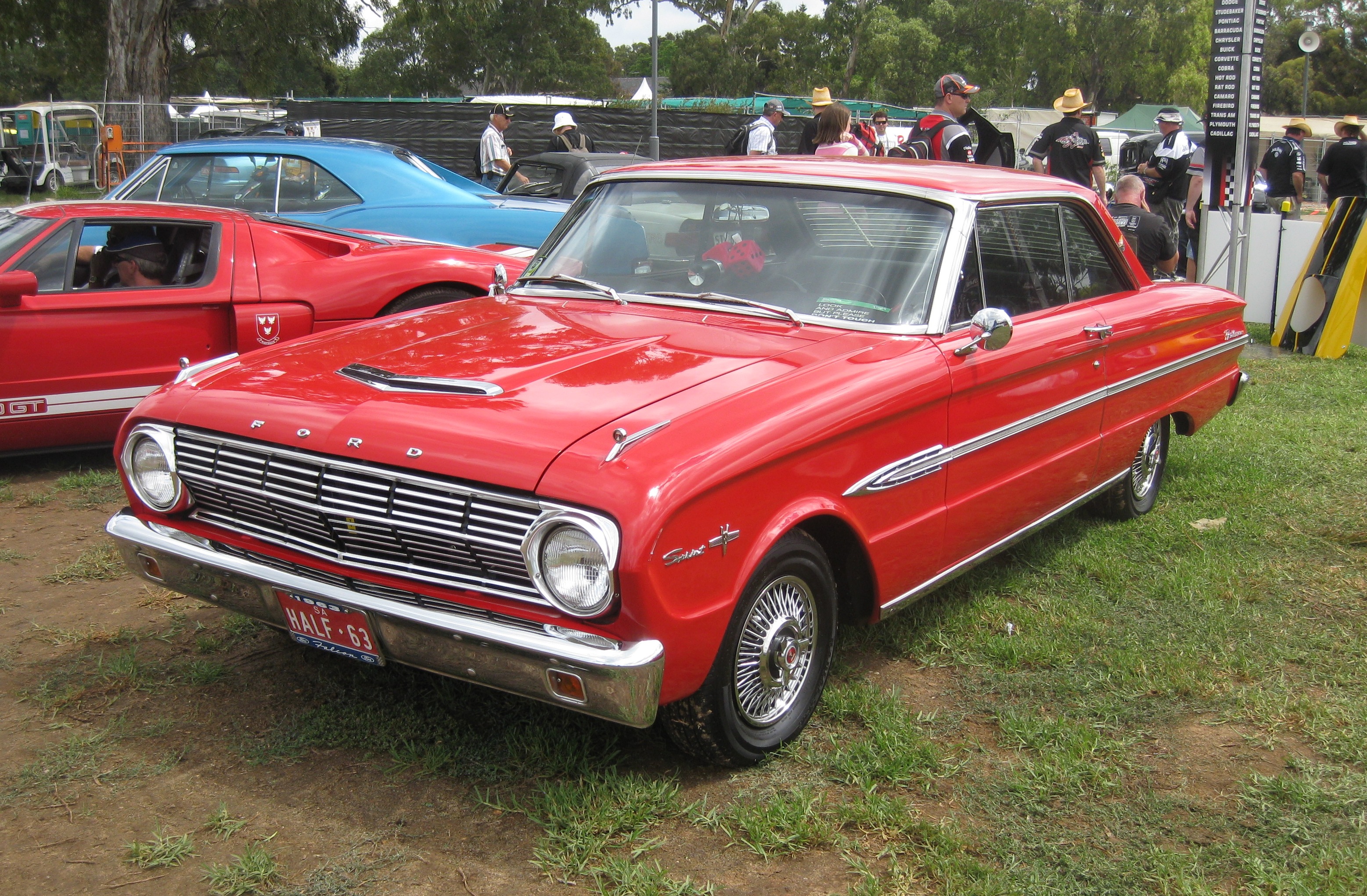
And I had a moment where I was at a car show with my son
and somebody was very, very proud of their 65 Ford Falcon convertible.
And I say, what's your favorite car at the show?
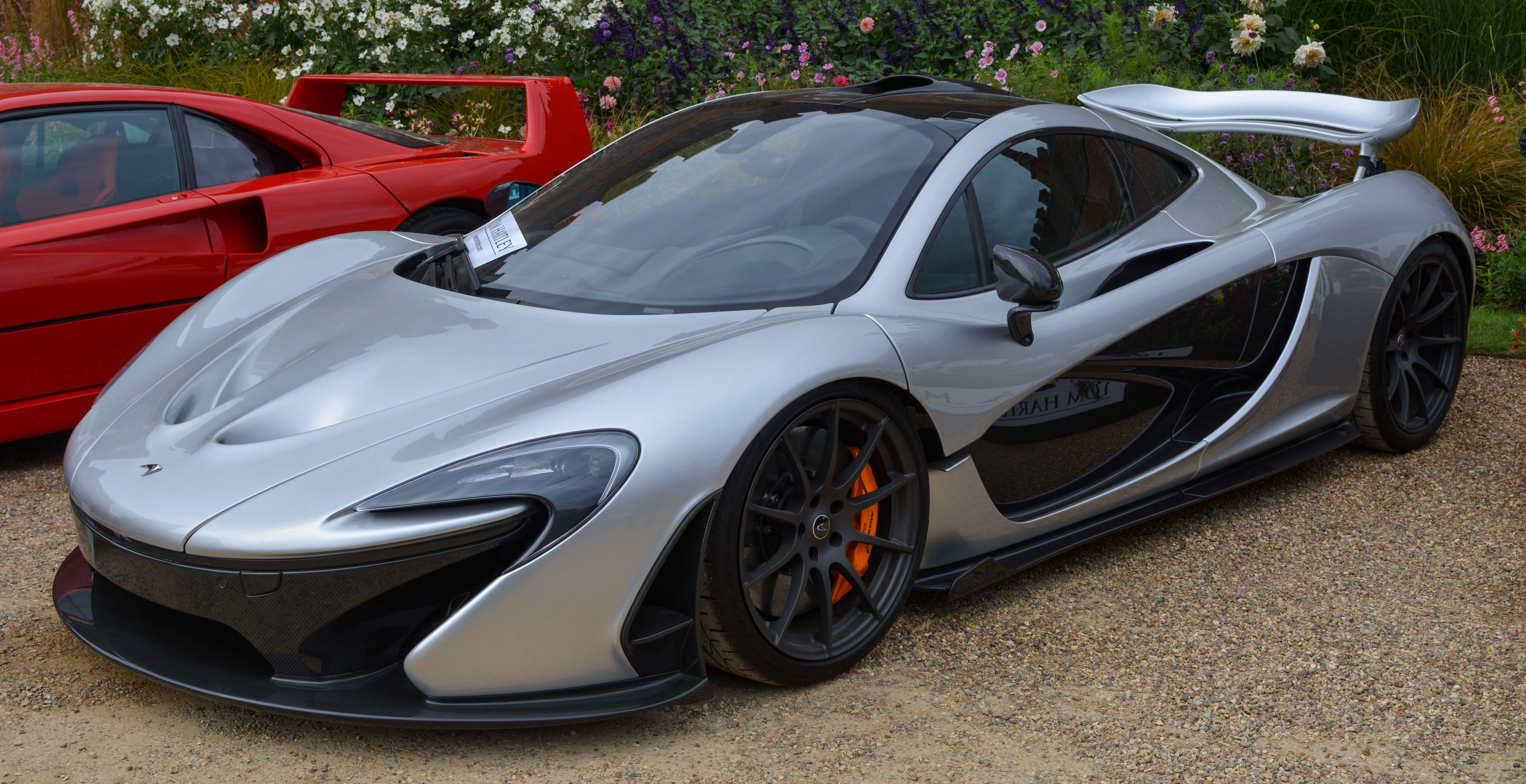
And my son said, you know, I really think that McLean P1 is cool.
He goes, you don't think like a 65 Falcon's cool?
And on the way home, he was eight at the time.
On the way home, we're driving home.
He's like, why does that guy kind of get mad that my favorite car wasn't, wasn't his?
I said, because when he was your age, that was probably the equivalent of the P1, right?
So when you're going to be his age, you're going to be at a car show.
The P1 is going to be, you know, a car that's been around for decades.
And you're going to ask some eight year old what their favorite car is.
And it may be a flying car for all, right?
So it changes by generation.
And I think you have this nostalgia aspect of, hey, I want to be able to go back to that thing
that made me fall in love with the industry and fall in love with cars.
And I want to be able to have one of those in my driveway and build it to my vision.
That's the coolest part of our industry, I think.
Yeah, I tell you what, that is fantastic.
And that has so much power, those memories, those nostalgias.
I mean, you're always going to have that original thing,
like whether it was American graffiti or Hot Wheels or whatever that got you started.
But if you're keeping your eyes open as it goes along
and you see these other things come up like Fast and Furious or Baby Driver
or the John Wick movies, you know, where they're using these cars and things like that
and realizing that these younger generations, that's what they're seeing,
you can plug into that and then you can speak on their same terms
as opposed to alienating yourself.
For example, I was out with a group of Mustang people, a big Mustang show a while back
and the father had a son who was probably about eight years old, huge Mustang nut.
And so I was talking to the kid and I said, hey, if you could have any Mustang, any Mustang, what would it be?
You know, and I'm thinking like 69 Boss 302, you know, 65 Shelby GT 350,
all the good stuff that I think of, this kid gets all misty eyed, you know,
and he's like, oh, an 86 Fox body.
And I'm like, I had to hold myself back from like throwing up in my mouth.
But realizing that for him, that was that Boss 302.
And so I was like, that's a great car.
I remember him.
I don't have the same love for him, but I can see where you would have that.
And we have to do that because everybody, like you said, is influenced differently.
It's exactly right.
I was lucky enough to plan some car purchases of mine and I bought a manual shift BRZ.
Yeah.
And my plan was just to drive that car for 100,000 miles back and forth to work.
Yeah.
And then at that point, my kid would be 15, 16.
Yeah.
And I would say, okay, here's a perfect daily driver because I know the owner, you know,
I had it for five years.
And he drove that car and learned how to drive a stick in an age where it's not very common.
And he came home from college and was like, I want to keep that car forever.
I was like, really?
This is the one?
Yeah.
BRZ is like, I want to keep it forever.
And I think it is that I learned how to drive in it.
Yeah.
And you know, I've conquered hills with the clutch and like all the things.
And it's like, okay, that's cool.
But you'll evolve.
Like I remember my first car like that was a rabbit GTI.
Oh my gosh.
I remember that car forever.
Yeah.
It was, and it was one of the first, it was Volkswagen's first foray into that is the
first year for the GTI.
And the GTI for me was this connection into a performance improvement.
You know, I went from air cooled Volkswagen's to water cooled Volkswagen's and just
opened up this whole new world.
But I was a GTI person for a long, long time.
And I just was always seeking that performance of the pull I got from
second to third gear in that car that probably had 90 horsepower if it was
lucky, you know, but you learned how to drive it.
So it was always in the power band and the BRZ reminded me of that.
It was like, I had a similar feeling and I was able to take that feeling and
give it to another generation and be like, okay, here's a really cool
feeling.
If you keep it in the power band, this car is really fun to drive.
Yeah.
And he found it.
He's like, yeah, this car, I want to keep forever.
Who knows if he will.
But it's great to see the younger generation having that same inspiration.
It's just a different platform.
You know, I got a question for you out there.
If you're working in your shop, what kind of tools are you using?
Now, you're probably going to go, you know, whatever I got.
Cheap man.
Are you kidding?
Well, and that's the problem because listen, we all grew up working
with cheap tools.
And my first set of tools, my dad got them at Kmart, got them for Christmas.
And I use those things until they just, there was nothing left.
But that's all we had at the time that as soon as I could, I started
investing in good tools.
And the reason it's not because you want to show them off to
people, even though that's okay.
It's because they allow you to do quality work.
And there is nothing more frustrating.
I have talked to gearheads all across the nation, around
the world actually.
And one of the biggest frustrations they have is either
not having the right tool or breaking the tool they were using
or having something strip or break or something.
And almost every time it's because they don't have the right
tool or they're not using a quality tool.
So if you are into this, like I hope you are, you need to get
some good tools.
And that's where Cornwell Tools comes in.
They're America's oldest tool manufacturer.
They're still American made.
I think that if you are going to build some stuff, if you
invest in a good set of tools right off the top, you don't
have to get everything.
But just get yourself a nice set of hand tools and work
from there, you will never regret it.
And you can pass them down to your grandkids or whatever
if you want to.
But most car guys want to hold onto their tools as long
as they can.
Anyway, if you get a chance, check out Cornwell Tools.
You will not be disappointed.
Now, at SEMA this, you're going back to the show.
Are you guys having the music stuff that you had last year,
like of the concerts and stuff as well?
We are because we found that, again, with this changing
marketplace and it getting younger, they don't know what
to do at trade shows.
Yes.
They know what to do at events and they love to be
entertained at events.
So we're taking this opportunity and we're saying,
OK, if you've been to the show all week as a business
person, here's a great way to end it with a concert that
includes neon trees, the black crows, Queens of the Stone
Age, and a bunch of motorsports activities.
But also if you're one of our people who's coming
for Friday, our Consumer Day, you're able to see the
SEMA show and then end with this great concert.
So we give everyone the option you can do show only
or concert only.
And we're really spread nicely between people who are
doing both or just one on either side.
But it gives this opportunity to give this full breath
of what the automotive industry is, this great
celebration of people gathering together and sort of
ending a great week of business.
But at the end of the day, the tie between,
and you're on this because your past episodes have
been like this, but at the end of the day, the tie
from music to a car is not that far.
And when you think of your maiden voyage as a driver,
like you're 16 years old and you don't need the parent
in the car anymore.
One of the first things you do is hit the radio and
there's that connection between the music and the
freedom and the driving.
It's like, okay, let's try to replicate that to a
certain extent.
And that's really what SEMA Fest is, is the
SEMA show ending with this music element and
really hoping to tie the two together in this
passion for car, passion for music, passion for the
industry.
And we've had really good luck with it.
We're excited for this year as well.
Yeah.
Okay, so if somebody wants to do this, how do they
do it?
Where do they go?
If they want to go to SEMA Fest, how do they do
it?
Yeah, they can literally just go to
SEMAfest.com and we've got some ticket packages
there where they can either go to the concert
or the show or a combination of the concert and
the show.
But either way, we're, you know, if you go just to
the show, we've got a lot of outside exhibits that
really I like to call SEMA Fest.
Yeah.
Well, you'll be able to see some drifting and
you'll be able to see a lot of outside stuff as
well as everything else that we've got going
inside the show.
So it's a full day of stuff, as you know, and
to a certain extent, it could be a full week of
stuff depending on, you know, what your
conversations are like.
But we made it really easy.
You literally just go to SEMAfest.com or you
can even find information on SEMAShow.com on
how to get there.
But it's a great opportunity to see the show
and not just take it off your bucket list,
but be able to be part of some of this
automotive conversation as it's happening.
And I think that's great.
Oh, that's fantastic.
Okay, question for you.
We know you're a big GTI guy, but you
can have any car that you want.
Cost is not a problem.
Not a problem.
What would it be?
What would Tom have in his garage?
Car, truck, motorcycle, SUV, what?
Yeah, so...
That's a hard question.
I've been kind of bit by the BMW bug.
And I drive an M240i, also a stick shift.
And I really feel like pound for pound
literally, right?
Because it's a lightweight car.
But when you look at engine versus
weight, that car is just a really fun car to drive.
So I think I'd be in the M2, M4 category
because I just like the look of a two-door
car.
But right now I'm probably going a little bit
BMW slanted just because it's my daily right now
and I have a lot of fun with it.
And I just sort of dream like,
what would it be completely unencumbered
on a track?
If I had an M2 or M4, it could take it to thermal.
How much more fun would that be?
And I think it's exponentially more fun.
But one day we'll get there.
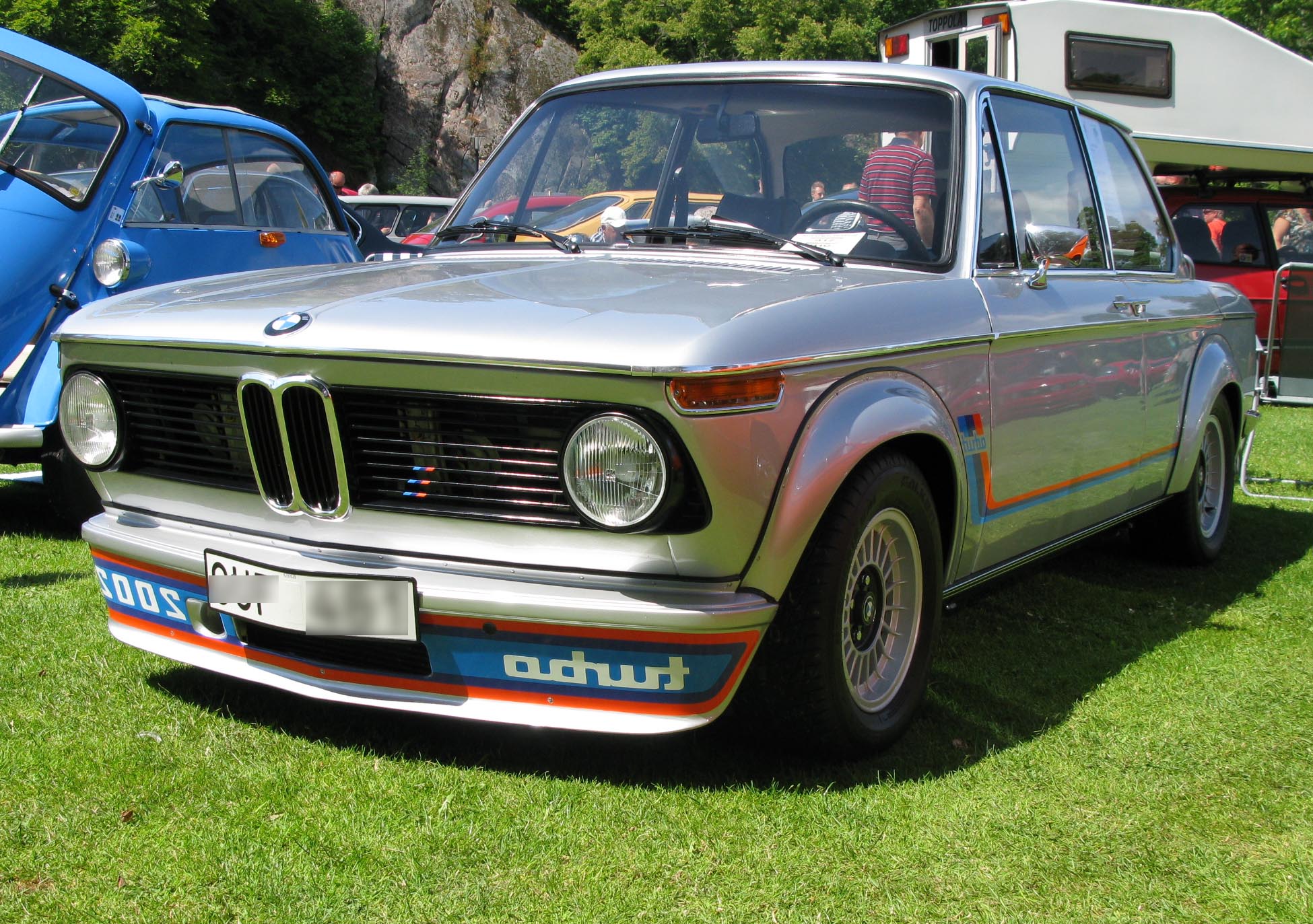
Have you ever ventured back into the old 2002s,
the old BMW 2002s and stuff?
Yeah, for sure.
Yeah, because they were a thing as I was growing up.
Oh my gosh, they were the car.
They were the car.
The first of that kind of boxy sedan thing.
Exactly.
People ask me like, I'm not a fabricator or mechanical
by any means.
And you blow me away with that stuff.
But I've always just had this weird tie to cars.
And when people are like, well, are you a car person?
It's like my college paper.
I remember writing a college paper on whether or not
the BMW 528 was a good idea.
It was for a marketing class.
The 2002 and some of those older BMWs,
and that's really when the first M5 sort of came out.
That was a thing where it was like, OK, is this a good idea?
Is this cool?
And it was this great age of horsepower meeting performance,
meeting branding, Pirelli and BBS and some of those brands
for the first time were called out in that genre.
So I've gone down that early BMW rabbit hole, if you will,
but always tried to parlay it into some other thing I was doing
because I knew there was this broader calling for me
with the automotive industry.
I just didn't know what it was.
You know, I am so glad you brought that up
because that is a discussion that I have a lot
at these seminars and stuff where people tend to think
that to be a real car person, you need to be
a full-on fabricator builder, that kind of thing.
And in actuality, that is a very, very small group
and very specialized.
It's almost like being the driver of the race car
and there's a whole race team around it.
And there is a place in this industry for enthusiasts
and drivers and customizers and just daily driver people.
They're all still car people.
And we have to be careful in the industry
that we don't put one above the other to like,
well, that person's a real car person.
I talk to Dennis Gage about this all the time
from My Classic Car.
Dennis is a prime example of an enthusiast.
Dennis doesn't restore cars.
He doesn't work on them.
I don't know if you had any of my ranch.
You probably wouldn't know what to do with it.
But there's no question he is a historian
and he is a car enthusiast.
And it comes out in the shows.
My Classic Car show was kind of the first of its type,
of a lifestyle type show of like,
hey, let's just enjoy these people's cars.
And that's a very important place.
And it sounds like you kind of lean a little more
toward the engineer type.
You know, we get into the design stuff
when that's fantastic.
Yeah, it's this weird thing where
when you look at transportation in general
and how it's changed our country.
Because once you start to like like the car,
okay, I'm passionate about cars
and I want to be around them.
You start to go deeper and you go,
okay, it changed the way this country operates.
Like the very fact that you could open
a hamburger stand that had a drive-through
and people were now taking their car.
Like everything transformed because of transportation.
So to be able to be in that industry
and watching it still evolve with synthetic fuels
and electric vehicles and stuff like that.
But it was this place where it was,
you could see it pass down from generation to generation
and I fell in love with a separate industry
on a parallel path where I started doing new car shows.
And it was my way to contribute to the automotive industry
but I found this events industry at the same time
that I just innately was good at
for lack of a better term
because I had an organizational mindset
and I really liked building environments
where people could enjoy vehicles.
But I've been lucky.
I've been now doing automotive events only for 25 years
or no, 30 years.
And it's because I was in new car shows
and then I did off-road events and then I came to SEMA.
But to be able to spend that 30 years
only doing an event where people wanted to be there.
And I think that's the coolest thing about a car event
is you don't have to go to a car event like you do
for an orthodontist convention
where you need to get an education unit
to keep your license or whatever.
We have a bunch of people that want to be at this event
and they're looking for products that they want
on their car versus need on their car.
There's a differentiation there
where people are happy to be there
and they really want to talk about the innovation
that's happening in the community that's happening.
So it's the sense of pride to be able to build this place
for a community to come together.
And when they're done, they have no idea of me
or my time, my team exists where they go through
and they go, yeah, I don't know why that was cool
but that was cool.
And I got to talk to this person, this person,
this person, this person, this person.
And that really is the takeaway.
As you saw really cool brands,
you met these awesome people in the industry
but you don't know why you like the art
but it's because Larry Chen did it
and we arranged that.
So it's this thing where it's cool to build the event
that people add to their bucket list
because that's a hard thing to capture.
Yeah, yeah, very good.
One last question.
What's your favorite Hot Wheel
or the one that influenced you the most?
It was a 57 Chevy.
I can't remember it like it was yesterday,
it was Maroon and there was just,
this is going to sound a little dorky,
but there was just the way my thumb could go on the roof
and shoot it down the orange track.
It had more traction than any other car
so it was the fastest but it was also the most banged up.
But I remember the lines on that 57
and the fins on the trunk
and just that was such an iconic car for me.
They could have thrown away the mold after that one
and really stopped in my opinion
because that was just a beautiful car.
Well, Tom, thanks for being on.
Man, you are welcome to jump on here anytime.
Anytime you got some cool stuff happening at SEMA,
things that you want to announce,
man, let us know and we'll get it out to the public.
But thanks for dropping by.
Absolutely, they can check out our website,
seamashow.com or seamafest.com
and really see what we're up to
but we hope to see people there in November.
We're November 4th to 7th this year
and it's going to be one of our best events ever.
We're welcoming everybody.
Awesome. Thank you, Tom. We'll see you there, man.
Okay, thanks, Stacy.
You bet. Bye-bye.
All right, that's our show for today
which means you need to get out there
and start working on something.
Spend some time turning wrenches.
You might be surprised how much you like it.
Make sure you check out our website,
StacyDavid.com
because we've got all kinds of new products
and some other great stuff that you're just going to love.
Also, make sure to check out our social media.
That's Instagram, TikTok, Facebook, YouTube,
all at official StacyDavid.
Our social media is where you're going to find
all of the bonus content, the giveaways, the contests,
the trivia.
We even have extra viewer projects
that focus on what you are working on.
Also, the new season of Gears will be on MAVTV
and YouTube will be the place that you can view
all of your favorite Gears episodes
as well as the full project builds
that follow the project from beginning to end.
But the most important thing is get out there
and turn some wrenches yourself.
Get a project, start working on it,
and if you don't have tools, check out Cornwell.
They can help you out there.
All right.
That's all the announcements.
We're all up to date.
We'll see you next time.
Does your child read going to school every day?
It's time to try Oregon Trotter Academy.
Our online school offers interactive learning
in a safe environment with a dynamic
and responsive curriculum.
Providing your student with support to thrive
will bring you relief knowing you found
just what your child needs.
Don't wait.
Enroll today at organcharter.org
and see the difference it makes for your child.
Oregon Charter Academy, what learning should be.
For 100 years, the Elsinore has attracted audiences
from across the world and has reclaimed its rightful place
as the cultural and artistic center of Salem,
bringing outstanding live entertainment to the community,
creating lifelong memories.
And yours is next.
Step inside.
Visit elsinortheater.com today.
About this episode
Tom Gattuso, VP of Events at SEMA, shares insights about the evolution of the SEMA show, which has transitioned from an industry-only event to include public access. He discusses the importance of engaging younger generations and the impact of COVID-19 on consumer interaction with manufacturers. The episode highlights the significance of nostalgia in the automotive community and how SEMA is adapting to changing market dynamics, including the introduction of SEMA Fest, which combines the show with live music. Gattuso emphasizes the need for the industry to evolve while maintaining its core passion for cars.
TOM GATTUSO, vice president of events for SEMA phones into to the shop to talk with Stacey about – you guessed it – the upcoming SEMA show this fall in Las Vegas! They dive into the history of the event, how it has changed throughout the years, what is new for this year's event, and SEMA Fest which will feature live performances from QUEENS OF THE STONE AGE, THE BLACK CROWES, and NEON TREES.