
SnailMail: More FB Market Place Chat
About this episode
Voicemails and listener messages kick things off, including a detailed build-and-ownership rundown and a Toyota-focused prompt. The conversation then gets technical: small looseness at suspension link joints can snowball into shock loading, fretting, and fatigue failure, especially with rigid Heim setups. They also pivot to used-rig risk, “as-is” sales, and what drivetrain/suspension failures can look like. The rest of the episode turns into Facebook Marketplace pricing and negotiation tactics, plus glamping/camping banter and a few part-sourcing stories.
- Text Message 1: Britt From TX Talks about Shock Loads
- Caller 1/2: Wreck It Rob talks about how Tyler and Jimmy are Glamping
- Caller 3: Nick Gladiator on 29s talks about selling a vehicle
- Caller 4: Tom Rosa, give everyone his views on FB Marketplace
Join Our Discord: https://discord.gg/yFyFFkQbuy
Come hang out with us on the SnailTrail4x4 Discord — it’s the easiest way to connect with Tyler and Jimmy directly, chat with fellow offroad enthusiasts, and get first access to Group Buys and Treasure Hunt token drops.
CALL US AND LEAVE US A VOICEMAIL!!!! We want to hear from you even more!!! You can call and say whatever you like! Ask a question, leave feedback, correct some information about welding, say how much you hate your Jeep, and wish you had a Toyota! We will air them all, live, on the podcast! +01-916-345-4744.
An alternative method would be sending us an email at [email protected] or at [email protected]. You can also find us on Instagram at SnailTrail4x4 or 4x4ToyotaTyler
Listener Discount Codes:
SnailTrail4x4 –SnailTrail15 for 15% off SnailTrail4x4 Merch
MORRFlate – snailtraill4x4 to get 10% off MORRFlate Multi Tire Inflation Deflation™ Kits
4WheelUnderground – snailtrail 10% off
Ironman 4×4 – snailtrail20 to get 20% off all Ironman 4×4 branded equipment!
Sidetracked Offroad – snailtrail4x4 (lowercase) to get 15% off lights and recovery gear
Spartan Rope – snailtrail4x4 to get 10% off sitewide
Shock Surplus – SNAILTRAIL4x4 to get $25 off any order!
Mob Armor – SNAILTRAIL4X4 for 15% off
SummerShine Supply – ST4x4 for 10%
Backpacker’s Pantry – Affiliate
preload
"For my experience, failures like what you described are often tied to a loss of preload on a fastener, leading to a joint slip, fretting, and eventually fatigue failure."
When you tighten a bolt, it squeezes the parts together. That squeeze force is called preload, and it helps keep the joint from shifting under driving loads.
Preload is the clamping force a bolt creates when it’s tightened. It keeps the joint pressed together so the connection carries loads smoothly instead of letting parts move.
joint slip
"For my experience, failures like what you described are often tied to a loss of preload on a fastener, leading to a joint slip, fretting, and eventually fatigue failure."
Joint slip means the parts that are supposed to stay clamped together start to slide a little. Once that happens, the connection can wear out quickly.
Joint slip is when two connected parts move relative to each other because the clamping force (preload) isn’t holding them tight. That movement turns a stable bolted joint into a rubbing/impacting interface.
fatigue failure
"For my experience, failures like what you described are often tied to a loss of preload on a fastener, leading to a joint slip, fretting, and eventually fatigue failure."
Fatigue failure is when a part breaks after lots of repeated stress, like bending back and forth over time. It’s common when a joint isn’t tight and keeps getting loaded.
Fatigue failure is cracking or breaking caused by repeated loading cycles, even if each individual load is below the material’s ultimate strength. In off-road rigs, looseness and movement can create those repeated stress cycles.
fretting
"For my experience, failures like what you described are often tied to a loss of preload on a fastener, leading to a joint slip, fretting, and eventually fatigue failure."
Fretting is when two metal surfaces rub against each other slightly. That small rubbing can grind the surfaces down and help cracks start.
Fretting is small-amplitude rubbing at a bolted joint. Even tiny movements can damage surfaces, create wear debris, and accelerate crack growth.
shock load scenario
"In simple terms, the bolt stops acting like a clamp and starts acting like a pin that creates a shock load scenario, parts move, accelerate, and then slam into each other."
A shock load is a sudden jolt instead of a steady push. Those jolts can be much harder on parts than the original design expected.
A shock load scenario is when loads spike suddenly instead of being applied smoothly. That kind of impact loading can exceed what the joint and surrounding parts were designed to handle.
four link buggy
"Sure. Yeah. 100% with them so far on my four link buggy. If a bolt loosens up, say on an upper front link, I can feel slop in the entire"
A four-link buggy is an off-road suspension design that uses four metal arms to control how the wheels move. It helps the vehicle stay stable when the terrain is rough.
A four-link buggy uses four suspension links (usually two upper and two lower) to control the axle’s movement and keep it located under off-road loads. It’s a common setup in rock crawling and desert racing because it can be tuned for traction and stability.
upper front link
"If a bolt loosens up, say on an upper front link, I can feel slop in the entire"
An upper front link is one of the suspension arms on the front axle in a four-link setup. If its bolt loosens, the link can develop play (“slop”), which changes suspension geometry and can lead to accelerated wear or failure.
Heim joints
"It's even more pronounced with true Heim joints, something like a hybrid Johnny joint is much more forgiving for a street driven rig."
Heim joints are metal joints used on off-road suspension links. They move freely, but because they don’t have rubber-like give, small looseness can create big stresses at the mounting points.
A Heim joint (also called a rod end) is a spherical metal joint used in suspension and linkages. It allows articulation with minimal compliance, so small movements at the joint can translate into larger forces at the brackets and frame mounts.
Johnny joint
"It's even more pronounced with true Heim joints, something like a hybrid Johnny joint is much more forgiving for a street driven rig."
A Johnny joint is a suspension joint that’s designed to be a bit more forgiving than a fully metal joint. It can help smooth out bumps and reduce the harsh effects of small looseness.
A Johnny joint is an off-road suspension joint design that’s typically more compliant than a pure metal Heim joint. That extra “forgiveness” helps reduce harshness and can better tolerate small misalignments or minor looseness on street-driven rigs.
three link setup
"My guess is you had some form of looseness in the upper link on the three link that led to shock loading and fretting at the frame side bracket."
A three-link suspension uses three arms/links to control how the axle moves. If those joints or mounts get loose, the suspension can hit with extra force and start wearing out the mounting points quickly.
A three-link setup is a suspension arrangement where the axle is located by three links (typically two upper links and one lower link). Because the links and joints directly control axle position, any looseness at the link points can create shock loads and rapid wear at the frame brackets.
shock loading
"My guess is you had some form of looseness in the upper link on the three link that led to shock loading and fretting at the frame side bracket."
Shock loading means the parts get hit with sudden heavy force. On rough terrain, looseness can turn normal movement into sharp impacts that stress the mounts and joints.
Shock loading is when suspension components experience sudden, high force rather than smooth, gradual loading. In off-road linkages, looseness can cause impacts that spike forces at brackets, joints, and mounts, accelerating damage.
diff
"Then when something in the diff, like a bearing started to fail, it could not handle the added stress."
“Diff” is the differential gear set that lets the wheels turn at different speeds when you’re turning. They’re saying a failing bearing in the diff could contribute to the overall stress and damage.
“Diff” is short for differential, the gear assembly that lets wheels on the same axle rotate at different speeds while turning. The transcript suggests a bearing failure inside the differential could add stress to the rest of the drivetrain/suspension system.
locker
"Once things bound up in your front end, I don't think your locker had anything to do with what happened."
A locker is a device in the differential that helps both wheels on an axle drive together. They’re saying the problem wasn’t caused by that locking feature.
A locker is a differential locking mechanism that reduces or eliminates the speed difference between wheels on the same axle. The host is arguing that the failure they saw wasn’t caused by the locker, but by binding/added stress elsewhere.
backlash
"Even a few thousands of backlash play is a problem when you've got rigid joints with no bushing to absorb the load."
Backlash is the small amount of “slop” or free movement between parts. In a suspension, that slop can turn into extra stress because the joints don’t take up the movement.
Backlash is clearance or lost motion between mating parts, allowing them to move before the load transfers. In linked suspension systems, even small backlash can be amplified into harmful movement at rigid joints and mounts.
bushing
"Even a few thousands of backlash play is a problem when you've got rigid joints with no bushing to absorb the load."
A bushing is a soft insert that helps joints move smoothly and absorb shocks. Without bushings, the suspension parts take the full impact and wear faster.
A bushing is a rubber (or elastomer) isolator used at joints to add compliance and reduce vibration and harshness. The host notes that rigid joints without bushings can’t absorb load, so small play becomes more damaging.
nut and bolt checks
"That's why a nut and bolt checks are so important on rock calling vehicles, especially if they're street driven vehicles."
It means checking that the bolts and nuts on the truck are still tight. Off-roading shakes things loose, so this helps prevent small problems from becoming major breakdowns.
“Nut and bolt checks” are a pre-ride inspection where you physically verify that fasteners are still tight—especially on off-road suspension and drivetrain components that see vibration and impacts. The idea is to catch loosened hardware before it turns into bigger failures.
pinion and the bearing seizing up
"He caught the pinion and the bearing seizing up. Okay. He said, even if, you know, you know, something happens and something sees as like a bearing in your front diff, yeah, which is what happened."
The pinion is a gear inside the differential, and bearings help it spin. If the bearing seizes, it can lock up and cause major damage in the drivetrain.
The “pinion” is the gear that drives the differential, and it runs on bearings. If the bearings “seize up,” they stop rotating smoothly, which can quickly overheat and destroy the gearset and related drivetrain components.
upper link
"but what caused the upper link to give out was not slop in a bolt or a fastener. Correct."
The upper link is a suspension arm that helps hold the axle in the right position. If it breaks, the truck’s handling and wheel alignment can go wrong fast.
An “upper link” is part of a suspension control system (often in 4x4s with link-style suspension) that locates the axle and controls its movement. If an upper link fails, it can change wheel alignment and geometry instantly, leading to loss of control or drivetrain damage.
slop in a bolt or a fastener
"but what caused the upper link to give out was not slop in a bolt or a fastener. Correct. Correct."
“Slop” is extra looseness or wiggle in a connection. If bolts or suspension parts have that wiggle, they can wear out faster and fail sooner.
“Slop” means unwanted play or looseness in a joint—often caused by worn bushings, stretched hardware, or insufficient torque. In suspension and drivetrain contexts, slop can accelerate wear and sometimes contribute to component failure.
as-is
"if you're buying of a used rig, you're buying a used rig for the most part, you're buying as is, right?"
“As-is” means you’re buying it with whatever problems it already has. If something breaks later, the seller usually won’t be obligated to fix it.
Buying a vehicle “as-is” means the seller generally isn’t responsible for fixing problems discovered after purchase. In off-road used-rig sales, this shifts risk to the buyer—so inspections and documentation matter a lot.
stellar built
"when you're a shop as large as stellar built, you're your name and your name's literally on the side of the vehicle in multiple spots on multiple spots and you're selling the vehicle as a $50,000 essentially race car ready to go."
They’re talking about a shop that builds and sells off-road rigs. The point is that a shop’s reputation and marketing can raise the stakes compared with a private seller.
“Stellar Built” is referenced as a shop that sells vehicles with a high-end “race car ready” positioning. The discussion implies that when a shop brands and markets a build publicly, there may be greater expectations (and potential liability) than with a private sale.
gazelle
"but I wouldn't put the gazelle or rooftop tent in. Yeah, but the gazelle you're on the ground."
“Gazelle” here sounds like a quick-to-set-up camping tent/awning that you use on the ground near your vehicle. They’re comparing it to a rooftop tent setup.
In off-road camping, a “Gazelle” usually refers to a pop-up, ground-based awning/tent system (often called a Gazelle-style tent) that sets up quickly beside the vehicle. It’s discussed here as an alternative to a rooftop tent, implying a different camping setup and footprint.
rooftop tent
"but I wouldn't put the gazelle or rooftop tent in. Yeah, but the gazelle you're on the ground."
A rooftop tent is a tent that sits on top of your vehicle. People use them for camping because you sleep up off the ground.
A rooftop tent is a tent mounted on top of a vehicle, typically on a roof rack. Off-road travelers use it to sleep off the ground, which can help with comfort and safety in rough campsites.
glamping
"If I can't stand up while I'm changing my clothes, I am not glamping. I'm sorry. So maybe the gazelle is glamping."
Glamping means camping, but with more comfort—like having nicer or more convenient gear. They’re joking about what counts as glamping based on how comfortable their setup is.
Glamping is “glamorous camping”—camping with more comfort or convenience than traditional roughing it. In this discussion, the hosts use it to describe setups like using a shelter or tent as a changing room or bringing a bathroom tent.
toilet tent
"You could use your toilet tent. Yeah. Set up the toilet tent as your changing room. I've done that."
A toilet tent is a small privacy shelter used for bathroom needs while camping. They’re talking about using it as a changing room, too.
A toilet tent is a privacy shelter used for portable toilet setups while camping. Off-road campers sometimes bring one to keep sanitation and privacy separate from the main camp area.
selling a 4x4 on Facebook Marketplace
"Hey, Jimmy and Tyler. It's Nick. Made man 925 gladiator on 22 driving the work. I'm listening to the podcast you guys did about, you know, selling Kermit. What's Kermit worth? ... I'm currently selling the Land Cruiser..."
They’re talking about selling a used off-road vehicle and figuring out a fair price. The caller mentions trying to come up with a number based on what they put into the truck.
This segment is about how to price and negotiate the sale of an off-road vehicle to a buyer. The caller discusses calculating a number based on the vehicle’s cost and remembered parts, reflecting the practical “what’s it worth?” mindset common in used 4x4 communities.

Toyota Land Cruiser
"What are his home for me? I'm currently selling the Land Cruiser and I'm selling it to a buddy. He's been trying to buy it for probably four or five years."
The Land Cruiser is a Toyota 4x4 that’s famous for being tough and good off-road. Here, they’re talking about selling one, and that usually means people care a lot about its condition and history.
The Toyota Land Cruiser is a long-running, body-on-frame 4x4 known for durability and off-road capability. In this segment it’s the specific vehicle being sold, so it matters because Land Cruisers are often valued based on condition, maintenance history, and how well they’re set up for trail use.
resale value vs. build cost
"What is it worth now that I've used it? And I've abused some of these things. ... I think there's, to me, the easy answer is it's half of whatever you've spent. I think that's a fair starting point."
The hosts discuss how off-road modifications and hard use don’t always translate into resale value. They debate a “rule of thumb” that a vehicle might be worth about half of what was spent, then adjust up or down depending on condition and demand.

Toyota RAV4
"What he did have is he had a RAV4. It's a 2020 with under 30,000 miles, all-wheel drive. It's the SSE. He said, I'll trade you straight up for this."
A Toyota RAV4 is a common everyday SUV. Here, it’s being used as the “normal commuter” car in a straight-up swap with a more off-road oriented vehicle.
The Toyota RAV4 is a compact SUV that’s often used as a daily driver because it’s practical and easy to live with. In this segment, the host mentions a 2020 RAV4 with all-wheel drive and low mileage as the commuter swap against an off-road-focused truck.
Blue Book
"And I tell you, Blue Book, that car was around 32 retail, you know, 30 private party."
“Blue Book” refers to vehicle pricing guides (most commonly Kelley Blue Book) that estimate a car’s market value based on factors like mileage, condition, and trim. The host uses it to estimate what the RAV4 might be worth in retail vs. private-party sales.
straight-up trade
"He said, I'll trade you straight up for this. ... So we just decided to do a swap. That way, I didn't really have to put a number on it."
A “straight-up trade” means swapping vehicles without agreeing on a separate cash price for either side. Here, it’s used to avoid the uncertainty of assigning a precise dollar value to a heavily used off-road truck.

Jeep Gladiator
"And I know I have way more than that into my Gladiator and my Tacoma, but it's hard to see and hard to sell when you have that much into these."
The Jeep Gladiator is a midsize pickup built on Jeep’s off-road DNA, combining truck utility with trail-capable hardware. The hosts bring it up as another vehicle they’ve spent money on for wheeling, highlighting how off-road builds can become expensive to quantify and sell.
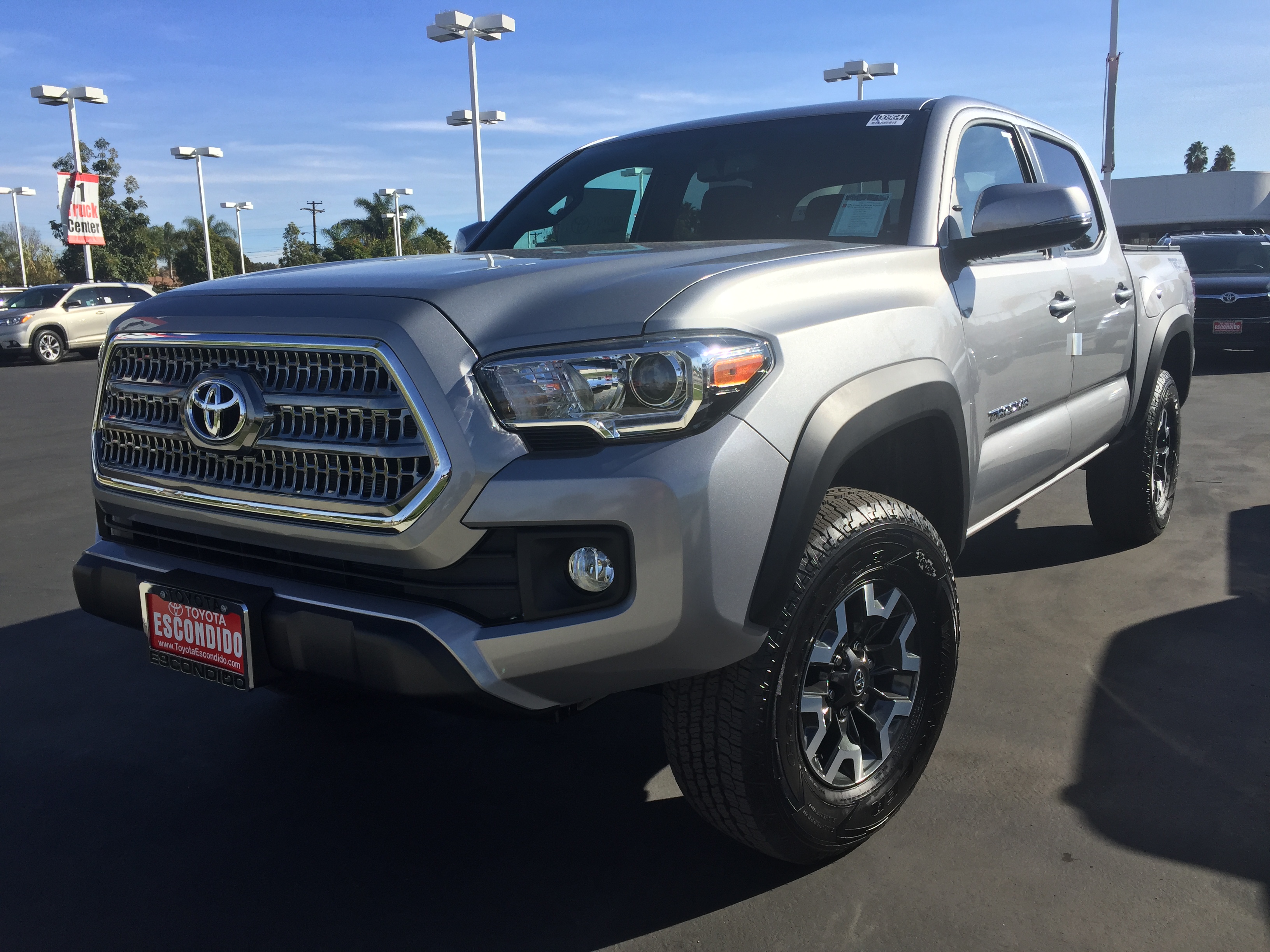
Toyota Tacoma
"And I know I have way more than that into my Gladiator and my Tacoma, but it's hard to see and hard to sell when you have that much into these. So good luck with the fail of Kermit."
The Toyota Tacoma is a midsize pickup known for strong aftermarket support and off-road capability. In this segment, it’s referenced as a wheeled truck that’s been rebuilt multiple times, illustrating how repeated off-road use and upgrades can drive costs up and complicate resale value.
accessories
"he's starting it for like what accessories have you put on it and how do those accessories last and how do they last time, how much are they worth"
In an off-road context, “accessories” usually means aftermarket add-ons—like wheels/tires, bumpers, lighting, suspension components, or other upgrades—that can affect both function and resale value. The speaker is specifically interested in how long these accessories last and how much they’re worth over time.
Excel spreadsheet
"I never put stuff down an Excel spreadsheet to figure out like what I've been spending on vehicles"
Excel is a spreadsheet program people use to track numbers. They’re saying they don’t want to add up everything they’ve spent because it would feel overwhelming.
An Excel spreadsheet is being referenced as a tool to track spending on vehicles. In this segment it’s used to explain why the speaker doesn’t tally costs—because it would be stressful to see the total.
retail value
"So just like it did Nick exactly. But I would guess all in all Kermit has in retail value of everything that's been done to him"
Retail value is basically the “what it could sell for” price. They’re using it to talk about whether their upgrades are worth enough money when selling.
Retail value is the estimated price a vehicle would sell for in the open market, as opposed to what you’d get from a dealer trade-in or a quick sale. This matters for off-road builds because the money spent on parts and labor often doesn’t translate 1:1 into resale price.

Jeep JK
"So I'm like, [1377.2s] up JKs with tons, coilovers, long arms, atlases for like 25 right now."
“Jeep JK” is a Wrangler generation that a lot of off-road people modify. The hosts are talking about how people add big suspension upgrades to these Jeeps before selling them.
Jeep JK refers to the Wrangler JK generation, which is a popular 4x4 platform for off-road builds. In this segment it’s mentioned alongside common suspension upgrades, showing how owners heavily modify JK Wranglers for trail use.
coilovers
"up JKs with tons, coilovers, long arms, atlases for like 25 right now."
Coilovers are upgraded suspension parts that help the truck or Jeep handle rough roads better. They can also change how high the vehicle sits.
Coilovers are suspension components that combine a coil spring and shock absorber into one unit. Off-road builders use them to tune ride height and damping for better control over bumps and uneven terrain.
long arms
"up JKs with tons, coilovers, long arms, atlases for like 25 right now."
Long arms are a suspension upgrade that helps the wheels move more smoothly over bumps. It’s common on off-road trucks because it can improve traction on uneven ground.
Long arms are an off-road suspension setup that uses longer control arms than stock. They typically improve wheel articulation and ride quality on trails by changing how the suspension moves through travel.

Toyota 4Runner
"there's no way I'm going to sell a 1994 4Runner for $40,000. So I'd rather just hold on to him."
A 1994 Toyota 4Runner is an older SUV that many people turn into off-road rigs. The hosts are saying it’s hard to sell one for a high price just because it has upgrades.
The 1994 Toyota 4Runner is a classic body-on-frame SUV that’s widely used as a base for 4x4 builds. Here it’s part of a market discussion about how much value you can realistically recover after spending money on suspension and drivetrain upgrades.
value of modifications when selling
"you know, if you put X on to your vehicle, how much is that worth when you sell the vehicle? ... he has a Jeep to sell, but he wants to take some of the parts off."
They’re talking about whether expensive upgrades actually make a car worth more when you sell it. Sometimes it’s smarter to sell the car stock and sell the parts separately.
This segment discusses how aftermarket modifications don’t always translate into equal resale value. The hosts explore whether it’s better to return a vehicle to stock before selling, then sell the upgraded parts separately.
aftermarket-wise
"maybe bring it back to stock, sell the vehicle stock and then sell all the parts after market-wise."
Aftermarket parts are upgrades that aren’t made by the car’s original manufacturer. They’re talking about how much those upgraded parts might be worth to the next buyer.
“Aftermarket” refers to parts made by companies other than the vehicle’s original manufacturer. In resale discussions, “aftermarket-wise” means valuing the upgraded components based on what buyers will pay for those specific aftermarket parts.
suspension and axles
"I've got, you know, [1440.2s] the, when I did the, the suspension and axles and the front frame section, [1445.3s] all in all, that was about 35, $37,000."
Suspension and axles are big parts that affect how the vehicle rides and how it moves. Off-road upgrades here can be expensive, and that cost doesn’t always show up in the sale price.
Suspension and axles are major off-road systems that determine how a vehicle handles and how power is delivered to the wheels. Upgrading them often requires additional supporting changes, which is why the hosts are treating these costs as substantial and hard to fully recoup at resale.
California legal 34 swap
"not including the dual cases, the welders, the battery, the California legal 34 swap,"
A “swap” is an engine or drivetrain replacement, and “California legal” indicates the conversion was done to meet California emissions/inspection requirements. The “34 swap” is likely shorthand for a specific engine swap package, which matters because legality and emissions equipment can strongly affect cost and resale value.
dual cases
"not including the dual cases, the welders, the battery, the California legal 34 swap,"
“Dual cases” means the vehicle has two transfer cases. That’s an off-road drivetrain upgrade that helps you crawl slowly with lots of control.
“Dual cases” refers to a transfer-case setup with two transfer cases, commonly used in extreme off-road builds to provide very low gearing and redundancy. It’s a significant drivetrain modification that usually goes beyond typical bolt-on upgrades.
smog ability
"the California legal 34 swap, [1463.1s] the smog ability of it. So it can be a road driven vehicle and not get hassled by anybody."
“Smog ability” means whether the vehicle can pass emissions testing. With big modifications, that can be the key factor in whether it’s legal to drive on public roads.
“Smog ability” refers to whether a modified vehicle can pass emissions testing. For engine swaps and other major changes, emissions compliance can be the difference between a street-legal vehicle and one that can’t be registered or driven legally.
lift kit
"take off the Bilstein kit and the lift kit and just get some factory upper control arms"
A lift kit raises the truck or SUV higher off the ground. People do it for bigger tires and more clearance on rough trails.
A lift kit raises a vehicle’s ride height, usually by changing suspension components or adding spacers. Off-road owners use lift kits to fit larger tires and gain ground clearance, but it can also affect drivability and resale value.
Bilstein
"take off the Bilstein kit and the lift kit and just get some factory upper control arms"
Bilstein makes suspension parts like shocks. If someone says they have a Bilstein kit, it usually means they installed a well-known upgrade.
Bilstein is a suspension brand known for shocks and struts used in both street and off-road builds. Mentioning a “Bilstein kit” signals the upgrades are a named, recognizable aftermarket component set.
upper control arms
"and just get some factory upper control arms and put it back onto some stock wheels"
Upper control arms are parts that connect the suspension to the wheel. They help the wheel move correctly, especially when the vehicle is lifted.
Upper control arms are suspension links that help locate the wheel and control its movement. In lifted trucks, owners may replace them with stock or upgraded versions to correct alignment and improve handling.
Toyota Axles
"Didn't he have Toyota Axles? Yeah, okay. Yeah. I don't know if I said this on air. Maybe I did, but it'll remind or some people"
An axle is the part that connects the wheels to the drivetrain. People talk about “Toyota axles” because Toyota 4x4 axles are common, tough, and have lots of upgrade parts available.
“Toyota axles” refers to the axle assemblies used on many Toyota 4x4 platforms, which are popular in off-road builds because they’re robust and have lots of aftermarket support. In this context, they’re being discussed as parts that can be swapped or sourced for a Jeep-based setup.
20R intake with a carburetor
"Somebody When husband and I were going through the bins that I have of a bunch of Toyota spare parts, we found a 20R intake with a carburetor."
This is a Toyota engine part for an older style setup. The intake manifold routes air to the engine, and the carburetor is what mixes fuel with that air before it goes into the cylinders.
A “20R intake with a carburetor” points to an older Toyota engine setup: the 20R is a Toyota inline-four engine family, and the intake manifold is the ducting that feeds air/fuel to the cylinders. A carburetor is the fuel-metering device that mixes fuel with incoming air mechanically, which is different from modern fuel injection systems.
Facebook Marketplace shipping
"I posted it in a bunch of, like a, I posted it on Facebook marketplace and I posted it in a bunch of like four by four Toyota sales channels that I'm a part of and somebody messaged me instantly. Like I didn't get a lot of, I didn't get any action. And then all of a sudden I had one guy reach out and it was like,"
They’re talking about selling a used part online and whether they’ll ship it to the buyer.
The hosts discuss selling off-road parts on Facebook Marketplace and coordinating with a buyer who asks about shipping. This is a practical topic for listeners who source used parts and need to move them safely and cheaply.
wheel and tire swap for compatibility
"The Chevy six lug wheels, they came on the tires, the 40 inch tires that we now put on the Unimog [2041.3s] or Lord Farquaad. [2042.7s] Yeah. [2043.6s] A guy messaged me asking him to get the wheels"
They’re talking about buying/selling parts by making sure they fit the vehicle (like wheel bolt patterns). It also sounds like they negotiated a deal that wasn’t just cash.
This segment describes a common off-road marketplace behavior: swapping wheels/tires based on compatibility (like matching lug patterns) rather than buying new. The hosts also mention trading/discounting with non-cash items, which is typical in enthusiast communities where parts are often moved quickly.
40 inch tires
"The Chevy six lug wheels, they came on the tires, the 40 inch tires that we now put on the Unimog"
“40-inch tires” are huge tires. They help the vehicle roll over obstacles, but they can also make the truck harder to drive and put more strain on parts.
“40-inch tires” means the tire diameter is about 40 inches, which typically requires lift/clearance work and changes the vehicle’s effective gearing. On an off-road truck like a Unimog, that size can improve obstacle clearance but also increases rolling resistance and stresses components.
Request an Explanation
Heard something you'd like explained? We'll add it to this episode.
Sign in to request explanations for terms you heard.
Want to learn more?
Browse our glossary for plain-English explanations of automotive terms, jargon, and concepts.
Help improve this episode
See something that's not quite right? Our annotations are AI-generated and can sometimes miss the mark. Click the flag icon on any annotation to suggest a correction.