
SnailMail: Rockcralwers With Old School Vehicles
About this episode
Voicemail call-ins kick things off, then the conversation swings into old-school rock-crawler builds—everything from chopping a Toyota Sequoia into a two-door to swapping a Toyota drivetrain into an older Bronco or even a Samurai. The hosts and callers debate what’s acceptable to modify on classic rigs, and how to shop used: prefer stock, inspect welds and structural areas, and walk away if something looks covered up or abused. The episode also detours into “grandpa Bob” ham-radio during King of the Hammers and wraps with estate/password and debt talk.
- Caller 1: Alex from So Carolina wants to build a Sequoia Truggy
- Caller 2: Austin Stanley talks about Grandpa Bob’s Radio down at KOH
- Caller 3/4: Richard from Atlanta says he doesn’t want mods on his vehicles
- Caller 5: Uncle Weirdo asks how Jimmy and Tyler feel about Rockcrawlers made out of old school vehicles
- Caller 6: Richard from Atlanta talks about will and passwords, living in debt, and recording 3 episodes
Join Our Discord: https://discord.gg/yFyFFkQbuy
Come hang out with us on the SnailTrail4x4 Discord — it’s the easiest way to connect with Tyler and Jimmy directly, chat with fellow offroad enthusiasts, and get first access to Group Buys and Treasure Hunt token drops.
CALL US AND LEAVE US A VOICEMAIL!!!! We want to hear from you even more!!! You can call and say whatever you like! Ask a question, leave feedback, correct some information about welding, say how much you hate your Jeep, and wish you had a Toyota! We will air them all, live, on the podcast! +01-916-345-4744.
An alternative method would be sending us an email at [email protected] or at [email protected]. You can also find us on Instagram at SnailTrail4x4 or 4x4ToyotaTyler
Listener Discount Codes:
SnailTrail4x4 –SnailTrail15 for 15% off SnailTrail4x4 Merch
MORRFlate – snailtraill4x4 to get 10% off MORRFlate Multi Tire Inflation Deflation™ Kits
4WheelUnderground – snailtrail 10% off
Ironman 4×4 – snailtrail20 to get 20% off all Ironman 4×4 branded equipment!
Sidetracked Offroad – snailtrail4x4 (lowercase) to get 15% off lights and recovery gear
Spartan Rope – snailtrail4x4 to get 10% off sitewide
Shock Surplus – SNAILTRAIL4x4 to get $25 off any order!
Mob Armor – SNAILTRAIL4X4 for 15% off
SummerShine Supply – ST4x4 for 10%
Backpacker’s Pantry – Affiliate

Toyota Sequoia
"But, uh, back to off-road, I've decided that, um, the Sequoia that I told you about that is a flaming piece of shit... I'm just thinking that I, uh, just take the body off the frame, cut everything like, I want to make it like a two-door Sequoia... chop the frame, make it short, lift it, do all kinds of fun."
The Toyota Sequoia is a big SUV that’s built on a sturdy frame. The discussion here is about modifying it—making it shorter and more off-road focused—by cutting and rebuilding parts of the vehicle.
The Toyota Sequoia is a full-size SUV known for its body-on-frame construction and roomy cabin, which makes it a common base for off-road builds. In this segment, the host talks about turning a Sequoia into a shorter, two-door off-road vehicle by cutting the frame and lifting it.
body-on-frame
"I'm just thinking that I, uh, just take the body off the frame, cut everything like, I want to make it like a two-door Sequoia."
Body-on-frame means the car has a strong “truck-like” frame underneath, and the body sits on top. That kind of setup is easier to cut, lift, and rebuild for off-road projects.
Body-on-frame is a vehicle construction method where the body is mounted to a separate ladder-like frame. It’s popular for off-road builds because you can modify the frame (like shortening it) and still keep the drivetrain and suspension geometry workable.
chop the frame
"I'm just thinking that I, uh, just take the body off the frame, cut everything... chop the frame, make it short, lift it..."
“Chopping the frame” means cutting the vehicle’s underframe shorter and rebuilding it. It’s a big modification that can affect how the wheels and steering line up, so it has to be done carefully.
“Chopping the frame” refers to shortening a vehicle’s chassis by cutting and re-welding the frame rails. It’s a serious fabrication job that changes wheelbase, affects driveline alignment, and requires careful engineering to keep the suspension and steering geometry correct.
lift
"chop the frame, make it short, lift it, do all kinds of fun."
A lift means raising the truck/SUV higher off the ground. That helps it clear rocks and ruts and makes it easier to run bigger tires.
A lift in off-road building means raising the vehicle’s ride height to gain ground clearance and fit larger tires. It usually involves suspension changes (like taller springs or different suspension geometry) and is often paired with frame/body modifications for trail use.
drivetrain swap
"I think you'd be better off going and taking the Toyota drivetrain and putting it into like, uh, an old Bronco..."
A drivetrain swap is when you move the “moving parts that make the car go” (engine and transmission and the stuff that sends power to the wheels) from one vehicle into a different one. People do it to get better reliability or better off-road compatibility.
A drivetrain swap means replacing the major powertrain components—typically engine, transmission, transfer case, and related driveline parts—from one vehicle into another. Off-road builders do this to combine a reliable powertrain with a chassis they prefer for fabrication and trail use.
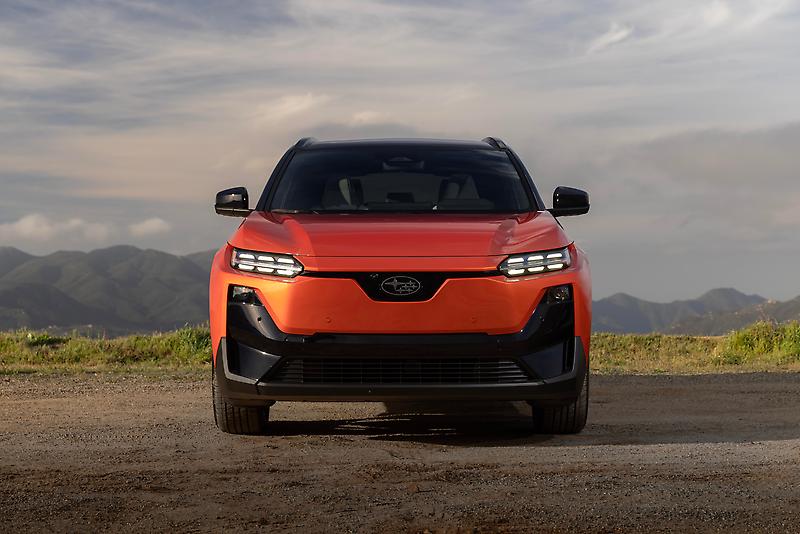
Subaru Uncharted
"... know, you're doing something, you're going in an uncharted territory, you're doing something unique. You're,..."
“Subaru Uncharted” appears to be a special Subaru project or theme name. The podcast is using it to talk about doing something different and going somewhere new. It’s not necessarily a regular everyday model name.
“Subaru Uncharted” sounds like a specific Subaru-branded concept or project name tied to the idea of exploring new territory. In the podcast context, it’s referenced as “uncharted territory” and “unique,” which suggests the conversation is about a distinctive build or theme rather than a standard model. It’s discussed because it represents a particular off-road or adventure direction.
B pillar
"You probably cut it at behind the B pillar and then would you cut it? Would you merge the C pillar and the B pillar so that you are losing the back doors and the back seat..."
The B-pillar is the strong metal post between the front and rear doors. When builders cut around it, they’re basically changing the body shape and how the cabin is supported.
The B-pillar is the vertical structural support between the front and rear doors on a typical unibody vehicle. In custom body chopping, cutting behind the B-pillar changes how the cabin is laid out and can affect structural rigidity and safety.
C pillar
"Would you merge the C pillar and the B pillar so that you are losing the back doors and the back seat and you're then putting like the trunk right in there?"
The C-pillar is the post behind the rear door area. If you cut or combine it with the B-pillar, you’re removing the back part of the cabin and redesigning the body.
The C-pillar is the structural post behind the rear door (or behind the rear seat area) on many cars and trucks. Merging or cutting around the C-pillar is a major body modification that removes rear cabin sections and forces new structural and packaging solutions.
chopping a vehicle (body shortening)
"That or you just start chopping it. Maybe you bob it and you cut the C pillar off and cut the roof line at the B pillar and that's where it ends up."
“Chopping” means cutting the body down and reshaping the cabin/roof to make the truck shorter. It’s a big fabrication job, not a simple bolt-on modification.
“Chopping” in this context means shortening the vehicle’s body by cutting and reconfiguring the roofline and cabin sections. It’s a fabrication-heavy approach often used in custom builds, but it requires careful planning to maintain structural integrity and make the new proportions work.
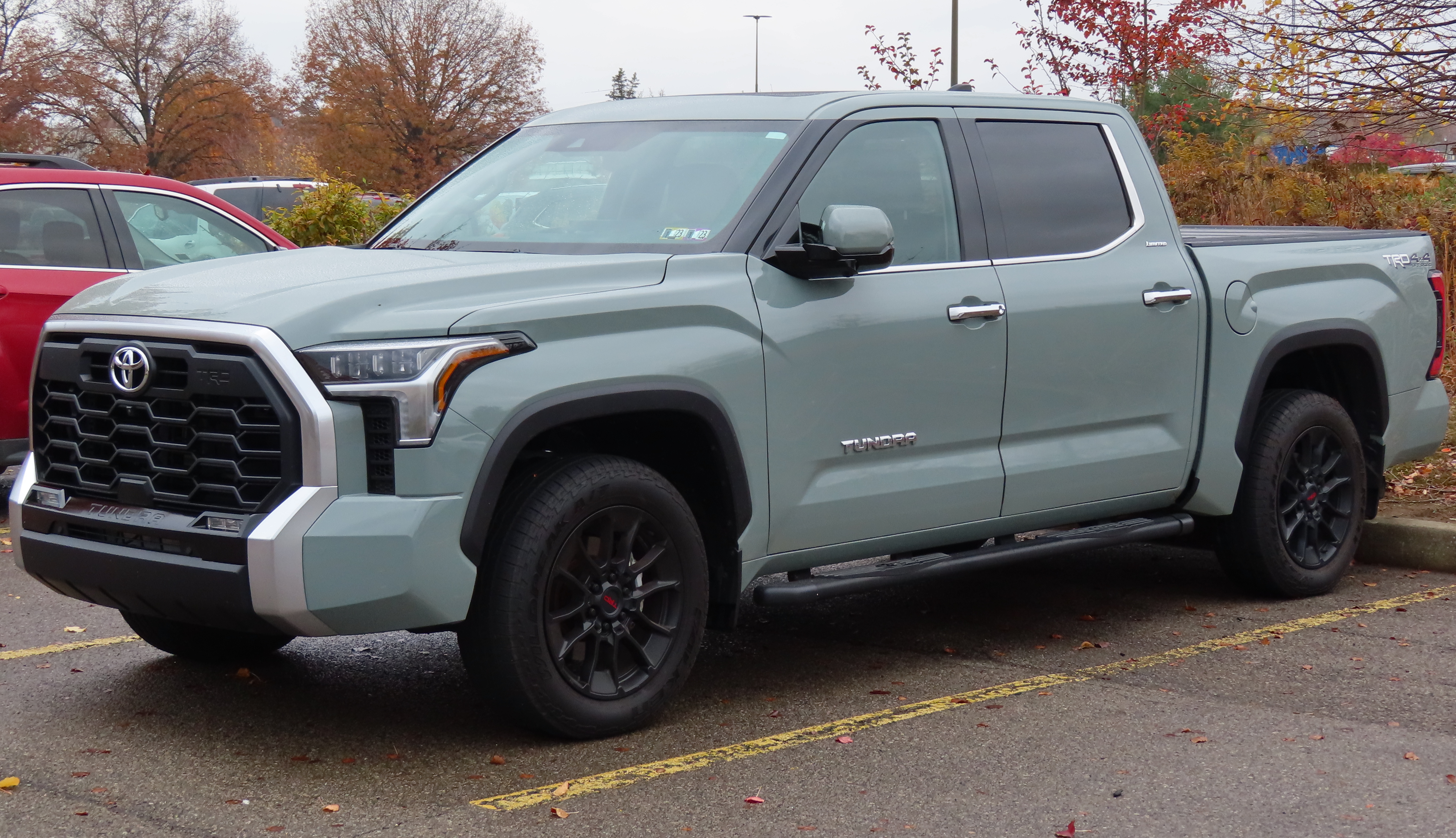
Toyota Tundra
"There was a guy, did you see the guy in the first gen Tundra driving around? He went to a few of those Tacoma powered meetups."
The Toyota Tundra is a big pickup truck. The hosts are talking about an older (first-generation) one that someone built for off-road use.
The Toyota Tundra is a full-size pickup known for being a common base for off-road builds. In this segment, the hosts specifically reference a first-generation Tundra as something you don’t see built up very often.
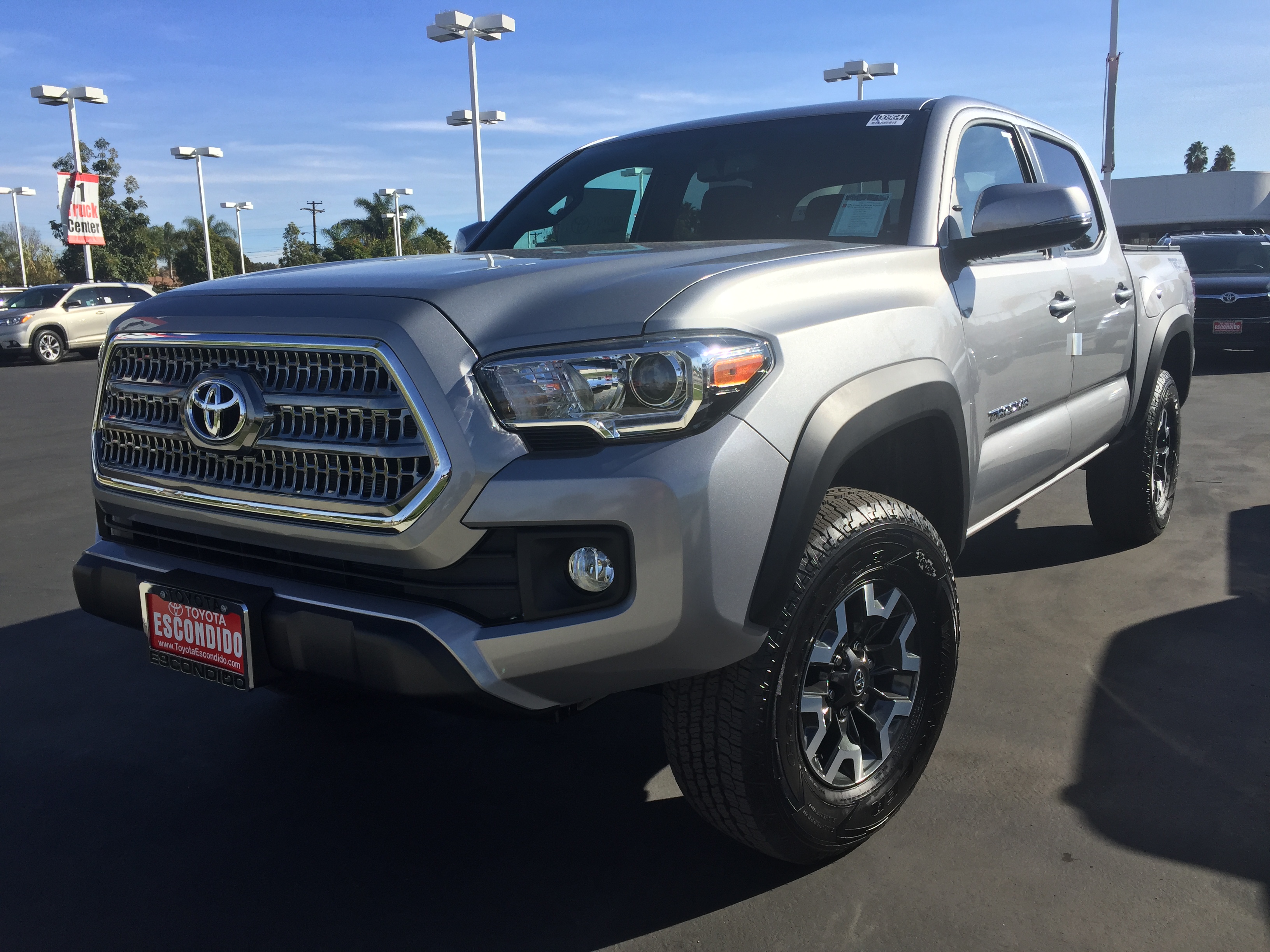
Toyota Tacoma
"He went to a few of those Tacoma powered meetups. Yeah. It's just, you don't remember a very unique first gen Tundra."
The Toyota Tacoma is a popular off-road pickup. The hosts are comparing it to the Tundra and talking about builds where Tacoma power is involved.
The Toyota Tacoma is a midsize pickup that’s widely supported by aftermarket off-road parts. Here, the hosts mention “Tacoma powered meetups,” implying swaps or builds where a Tacoma powertrain is used in other trucks, and they compare the size of a first-gen Tundra to a third-gen Tacoma.

Suzuki Samurai
"That could be, you know, put it in a samurai. That'd be fun. Drop the Sequoia drive train into a samurai."
The Suzuki Samurai is a small older 4x4 that off-road people love to modify. It’s a popular starting point for drivetrain swaps to make it more capable.
The Suzuki Samurai is a small, old-school 4x4 that’s become a classic off-road modification platform. Because it’s light and compact, people often swap in different drivetrains to improve power and drivability for trails.

AMC Eagle
"If I'm going to go through that much work, I would want something really unique. Like I think still think my favorite build, whenever I see it out and about is the AMC Eagle. I'm like the 42s."
The AMC Eagle is an older car that came with all-wheel drive. People like it because it’s a weird, off-road-friendly base that you don’t see every day.
The AMC Eagle is notable because it was built around an all-wheel-drive system at a time when that was uncommon in mainstream vehicles. In off-road circles, it’s remembered as an “old-school” platform that could be adapted for trail use without starting from a dedicated off-road model.
four by four system
"Take a vehicle that was never met really for off-roading. I think the Eagle had a four by four system in it. Yeah."
A 4x4 system sends power to all four wheels. That helps when the ground is slippery or uneven because the car has more ways to get traction.
A “four by four” (4x4) system means power is sent to both the front and rear axles, typically using a transfer case to manage low-range gearing for off-road traction. It’s what allows a vehicle to keep moving even when one axle loses grip.

Toyota 4Runner
"Like essentially what Nick did with his second gen four runner. It's like Rover Don. Yeah. Yeah, right. His first gen four runner. His first gen four runner."
The Toyota 4Runner is a rugged SUV that a lot of off-road people modify. Here they’re talking about different generations and a custom build where the top is cut off.
The Toyota 4Runner is a body-on-frame SUV known for being a popular base for off-road modifications. In this segment, the hosts reference a “second gen” and “first gen” 4Runner build, emphasizing how people cut the top and remove stock components to create custom trail rigs.
King of the Hammers
"I'm sure we're at like message 41 now. So it's going to be kind of way past the King of the Hammer time, but I just want to, I'm just really curious to know if when you're down at King of the Hammers, does anybody know about the grandpa Bob radio station?"
King of the Hammers is a well-known extreme off-road event. It’s the kind of race where people expect lots of rock and desert obstacles.
King of the Hammers is a famous off-road race in Southern California known for extreme desert terrain and rock crawling-style obstacles. The hosts reference it as the context for a “grandpa Bob radio station” question.
used off-road vehicle ratings
"Richard from Atlanta calling in to talk about a trail just kidding. Talking about used car ratings, used off road vehicle things to look for."
They’re discussing how to judge a used off-road truck or SUV before you buy it. The idea is to look for signs it was cared for and won’t be a headache later.
The hosts are talking about how people evaluate used off-road vehicles before buying. In this context, “ratings” usually means a checklist of condition and modification red flags that predict how capable and reliable the rig will be on trails.
break the cherry
"I don't want anybody abusing something, even if that was the intent for me to be able to do it. So it's kind of like I want to break the cherry on all that stuff. That's how I look at it."
He’s basically saying he wants the vehicle to be in a known, clean starting condition. He doesn’t want to inherit someone else’s mess or surprises.
“Break the cherry” is a slang way of saying the buyer wants to be the first to do the “real” modifications or trail use. Here, it means avoiding unknown prior work and starting from a known baseline (ideally stock).
bringing it back to stock
"That's why he wants to take off the lift kit and he wants to put on bringing it back to stock to sell it because he doesn't want to buy an off-road rig"
He means returning the truck to the factory setup instead of aftermarket modifications. That way you know what you’re getting and it’s less likely to have hidden problems.
“Back to stock” means reverting a modified vehicle to its original factory configuration. For used off-road buyers, this matters because it reduces unknown variables—like questionable suspension/axle work—and makes the vehicle easier to evaluate and maintain.
mechanical sympathy
"that's going on. You understand where the mechanical sympathy needs to be. You understand [1054.8s] where the fuses are in your drivetrain."
Mechanical sympathy means treating the vehicle gently and thoughtfully. You drive and maintain it in a way that avoids stressing parts too hard, especially when something sounds or feels “off.”
Mechanical sympathy is the idea of driving and working on a vehicle in a way that respects how its components wear and respond. Instead of abusing parts, you avoid shock loads and pay attention to unusual noises or behavior so you don’t damage the drivetrain.
fuses in your drivetrain
"You understand where the mechanical sympathy needs to be. You understand [1054.8s] where the fuses are in your drivetrain. You understand whatever little noise and clunk [1061.4s] is in the vehicle."
That phrase means there are certain parts in the drivetrain that are more likely to break than others. Knowing which ones are the weak spots helps you drive and build more safely.
“Fuses in your drivetrain” is a metaphor for the weak links—components that are most likely to fail first under stress. In off-road builds, identifying these weak points helps you avoid situations that overload them.
built rig
"And it's always, [1091.3s] we always joke about how it's just cheaper to buy a built rig than it is to actually build one up."
A “built rig” is a truck/SUV that’s been upgraded for off-roading. Instead of staying stock, it’s modified so it can handle trails and harder use.
A “built rig” is an off-road vehicle that’s been modified from stock with upgrades intended to handle rough terrain—often including drivetrain, suspension, and protection changes. The hosts are contrasting buying one already built versus doing the work themselves.
35
"After last Jeep, I think the dealer installed, you know, I put 35 on it and they had to put like a little, I can actually tell where they had to do that."
“35” is shorthand for tires that are about 35 inches tall. Bigger tires help off-road, but they can hit other parts unless the suspension is adjusted.
In off-roading, “35” usually refers to 35-inch tires. Bigger tire diameter improves ground clearance and traction on obstacles, but it often forces suspension/lift changes to prevent rubbing.
air flex
"It came with like a air flex, you know, inch and a half, maybe two inch kit or something on it, just kind of like a basic spring and,"
“Air flex” sounds like a name for part of the lift setup that helps the vehicle sit higher. The exact meaning depends on the specific kit the dealer used.
“Air flex” here sounds like a suspension/lift component or kit description used to achieve a small lift height. Because the transcript doesn’t clearly name the exact product, it’s best treated as a kit-specific term rather than a universal suspension type.
rubbing on the front sway bar
"They had to do that because the tires were rubbing on the front sway bar, but I know, you know, there's a range that dealers can modify, use car dealers like a dealership and modify vehicles"
Rubbing means the tire is hitting something it shouldn’t. If it’s the front sway bar, the suspension setup likely needs adjusting so the tire has clearance.
“Rubbing” means the tire contacts another component during steering/suspension travel. The front sway bar (anti-roll bar) helps reduce body roll, and when tires rub it, it’s a sign the suspension/fitment needs correction.
spacers
"It was on stock wheels with 35. They had good synergy spacers on it to, you know, push the wheels out. Of course, I immediately took those off once we have stock wheels"
Wheel spacers are like thin plates that push the wheel farther out. They can help tires clear things, but they need to be set up correctly so everything stays safe.
Wheel spacers move the wheel outward from the hub to change tire clearance and stance. They can help prevent rubbing, but they also change load paths and may require correct lug hardware and torque specs.
Facebook Marketplace
"So I have a question for him. Okay. His wife sends him Facebook marketplace listings."
Facebook Marketplace is where people post listings to sell things locally. Car shoppers use it to find used vehicles and parts.
Facebook Marketplace is a consumer listing platform where people buy and sell used items, including vehicles. In car-shopping conversations, it’s often used to find local deals quickly.

Ford F-150 Lightning
"...olid argument for a Wreck-it-Rob one in your Ford Lightning. So if that's, if you're that picky, I think Wrec..."
The Ford F-150 Lightning is a pickup truck that runs on electricity instead of gasoline. The podcast is talking about it as a candidate for a custom or off-road-style build. That’s why it’s mentioned alongside other truck ideas.
The Ford F-150 Lightning is an electric version of the F-150 pickup, built to combine truck capability with an EV powertrain. The podcast mentions it in the context of a “Wreck-it-Rob” style argument, implying discussion around a specific build or setup for the Lightning. It comes up because people are exploring how EV trucks can be adapted for rugged use and custom projects.
rock crawlers
"I've said that I think it was 694 where you guys were talking about buying used roll drives or rock crawlers or whatever on Facebook marketplace or wherever you may find them."
A rock crawler is an off-road vehicle setup optimized for slow, controlled driving over rocks and obstacles. Compared to general off-road driving, rock crawling usually emphasizes traction, articulation (wheels moving up/down), and gearing that lets the driver maintain fine control at very low speeds.

Ford Bronco
"How do you guys feel about rock crawlers made out of like classic, not to say cars or like vehicles, like a first gen Ford Bronco? Something that these days is pretty not rare, but it's considered kind of like classic type deal or like a 70s."
The Ford Bronco is a famous off-road SUV. In this discussion, they’re talking about turning older Broncos into rock-crawling rigs.
The Ford Bronco is a classic off-road SUV known for its rugged, trail-ready design and strong aftermarket support. Here, the host is specifically asking about building rock crawlers out of older Broncos—like first-generation and 1960s/1970s examples—because they’re considered classic vehicles even if they’re not rare.
Rubicon
"Some people, I know people have had them before they were even considered classics or anything really cool and they wheeled the Rubicon, a shitload in them."
The Rubicon is a well-known off-road trail famous for tough rocks and obstacles. If someone says they wheeled the Rubicon, it means they tested their vehicle on a serious trail.
The Rubicon refers to the Rubicon Trail in California, one of the most famous rock-crawling routes in North America. When someone says they “wheeled the Rubicon,” they mean they took a vehicle on that trail’s technical obstacles, which is a strong indicator of real off-road capability.

Wrangler Rubicon
"...sics or anything really cool and they wheeled the Rubicon, a shitload in them. And they kind of half retire..."
The Wrangler is an off-road SUV made for driving on trails. The podcast is talking about how people use them for tough off-road routes like the Rubicon. It also mentions that some people later move on from their trail use.
The Wrangler is a Jeep off-road SUV known for its trail capability and strong aftermarket support. In the podcast context, it’s referenced in relation to people who wheel the Rubicon and then “half retire,” which points to how Wranglers are commonly used for serious off-road driving. It’s discussed because it’s a popular choice for building and maintaining trail rigs.
restomod
"Really nice resto mod done to it. Essentially. And then the maroon one."
A restomod is an older vehicle that’s been fixed up and then improved with modern upgrades. The goal is usually to keep the classic style but make it drive and work better.
A restomod is a classic vehicle that’s been restored and then modified with newer technology or upgrades. In off-roading, that often means keeping the old-school look while improving reliability, drivability, and sometimes power or suspension.
Jeep CJ8 Scrambler
"I really like seeing CJ eight scramblers. CJ fives and sevens."
The CJ8 Scrambler is a classic Jeep made for off-roading. It’s a special version of the CJ line that stands out because of its short-bed look.
The Jeep CJ8 Scrambler is a short-bed, classic CJ-series Jeep that’s especially associated with off-road enthusiasts. It’s a distinctive variant because it combines the CJ’s rugged 4x4 heritage with a more unique body style than the standard CJ.

Toyota Land Cruiser FJ40
"What other, what could be FJ 40s? I'm not, I don't, I don't get all giddy when I see a 40 on the trail."
The Toyota Land Cruiser FJ40 is a famous older off-road SUV. People love them, but the hosts are saying they only get excited when one is really well built.
The Toyota Land Cruiser FJ40 is a legendary old-school off-road SUV known for its simple, durable design and huge enthusiast following. The hosts mention “FJ 40s” as something they don’t get overly excited about unless they’re especially well built—highlighting how the FJ40 is a common trail classic.
rock crawling
"do you think somebody should build a 45 to go rock crawling? ... If it's in like, if it's stock already, then it shouldn't be built into a rock crawler."
Rock crawling is off-roading where you drive slowly over rocks and rough ground. The hosts are debating whether it’s okay to modify a nice, original truck for that kind of abuse.
Rock crawling is a slow, traction-focused off-road style where vehicles climb over rocks and uneven terrain using low speeds, careful throttle control, and suspension articulation. In the segment, it’s used to frame whether modifying an older vehicle is “worth it” versus preserving a clean example.
two wheel drive
"This was a first gen pickup, two wheel drive, just pretty clean and it was his grandpa's."
Two-wheel drive means only one set of wheels gets power. On rocky trails, that can make it harder to keep traction than a 4-wheel-drive setup.
Two-wheel drive (2WD) means power is sent to only one axle, typically the rear or front. For rock crawling, 2WD can be limiting compared with 4WD because it reduces traction options when one wheel loses grip on uneven rock surfaces.

BMW 2002
"I've said it before that I really love the BMW 2002s. Like if I got a 2002 and it didn't have six by nines already cut in the doors, I wouldn't cut the six by nines into the doors..."
The BMW 2002 is a classic older BMW that enthusiasts love. In this segment, they’re saying they wouldn’t cut up the doors for extra speakers unless the car already had that modification.
The BMW 2002 is a classic BMW “02 Series” compact known for its simple, lightweight, enthusiast-focused driving feel. Here it matters because the host is discussing a specific modification—cutting door openings for “six-by-nines”—and weighing that against preserving original door panels and trim.
six by nines
"I've said it before that I really love the BMW 2002s. Like if I got a 2002 and it didn't have six by nines already cut in the doors, I wouldn't cut the six by nines into the doors..."
“Six by nines” are a size of car speakers (about 6 inches by 9 inches). They’re talking about cutting the door panels to fit those speakers, which can ruin the original interior parts.
“Six by nines” refers to 6x9-inch aftermarket speakers (a common size for car audio). The speaker is using it as an example of a body/trim modification—cutting door panels for speaker fitment—that can be hard to reverse if replacement door cards aren’t available.
door cards
"I wouldn't cut the six by nines into the doors just because it's like, I don't know when, if people can buy these door cards anymore, right?"
Door cards are the inside panels on your car doors. They’re saying cutting them up for speakers can be a problem because replacement pieces may be hard to find.
Door cards are the interior trim panels on a car door (often including the armrest, speaker grilles, and mounting points). The speaker’s point is that once you cut or modify door cards for speakers, you may struggle to source replacements because the parts are aging and less available.
axles are all locked up
"if I bought one that's like rusted and how the axles are all locked up and like, it's going to take a bunch of work to get it going again."
“Locked up” means the axle isn’t able to move like it should. That can stop the wheels from working properly on uneven ground, so you’d have to fix or replace parts to get it driving again.
When axles are “locked up,” it usually means the axle components (or differentials) are seized or not moving freely. For a rock crawler, that’s a major problem because it can prevent proper wheel articulation and traction control, so the vehicle may need teardown or replacement parts.
Dana 80 axles
"then yeah, I'm going to fuck that thing up and build it up and throw some Dana 80 axles or whatever under it and 42s and stretch it two feet and party."
Dana 80 axles are tough, heavy-duty axle parts. Rock crawlers use them because they can survive the kind of hard, slow driving that twists and stresses the drivetrain.
Dana 80 axles are heavy-duty front or rear axle assemblies made by Dana. In rock crawling builds, people choose them because they’re designed to handle high loads and abuse from low-speed obstacles, especially when paired with lockers and large tires.
Jeep Willys
"up and build it up and throw some Dana 80 axles or whatever under it and 42s and stretch it two feet and party. Okay. Fair. It's like, what about Danny Jones Willy's truck? Yeah. I mean, I don't know where that one started, but I think it's rat. I like seeing the older eggs on the"
The Jeep Wrangler is an off-road SUV that many people modify for tougher trails. The podcast is describing upgrades like stronger axle parts and bigger tires. That’s why it comes up in conversations about building a capable trail truck.
The Jeep Wrangler is a trail-focused SUV that’s widely modified for off-road performance. The podcast mentions upgrading components like axles and running larger tires, which reflects how common it is to build Wranglers for extreme terrain. It’s discussed because the Wrangler’s design makes it a popular base for serious off-road setups.
SEMA
"Like, the, the 45 FJ 45 truck that I was on at SEMA, right? That thing looks so awesome as a rock crawler."
SEMA is a big U.S. auto show focused on aftermarket parts and custom builds. People go there to show off wild projects—like rock crawler trucks.
SEMA is the Specialty Equipment Market Association show, an annual event in the U.S. where builders and manufacturers display aftermarket parts and custom vehicles. It’s a common place to see extreme off-road builds and fabrication work.
rat rod
"it was like a, I don't know. It was like a rat rod. Yeah. Ultra four car."
A rat rod is a custom vehicle style that looks intentionally rough or beat-up. It’s more about the vibe and the build than making it look brand-new.
A rat rod is a style of hot-rod/custom vehicle that intentionally looks rough, worn, or “unfinished,” often using patina and mismatched parts as part of the aesthetic. In off-road contexts, it can describe a build that prioritizes function and attitude over a polished restoration.
Ultra4 cars
"it was like a rat rod. Yeah. Ultra four car. That was right. That was so cool."
Ultra4 is an off-road racing series with very tough courses. People use it as a reference point for what kinds of builds can handle extreme terrain.
Ultra4 is an off-road racing and competition series known for extreme desert and rock-crawling-style courses. The hosts reference it as a benchmark for cool, capable builds.
approach and departure angles
"I just love that look, that wide fat axles with the tinier body. Right. So, um, yeah. Like if I ever got a stout,"
Approach and departure angles describe how well a vehicle can go up and down steep obstacles without scraping. Better angles mean fewer “getting stuck on the bumper/underbody” moments on trails.
Approach angle is how steep a surface a vehicle can climb before the front bumper or underbody hits. Departure angle is how steep it can descend or leave a ledge before the rear hits—both are critical for rock crawling because they determine whether the truck can clear obstacles without getting hung up.
ground clearance
"I really like big tires. I like aggressive looking tires. I like things with a lot of ground clearance and very little approach and departure angles."
Ground clearance is how much space there is between the bottom of the truck and the ground. More clearance helps you avoid scraping the underbody on rocks and bumps.
Ground clearance is the distance between the lowest part of the vehicle and the ground. Higher ground clearance helps prevent the undercarriage from striking rocks and ruts, which is especially important in rock crawling where obstacles are close to the trail surface.
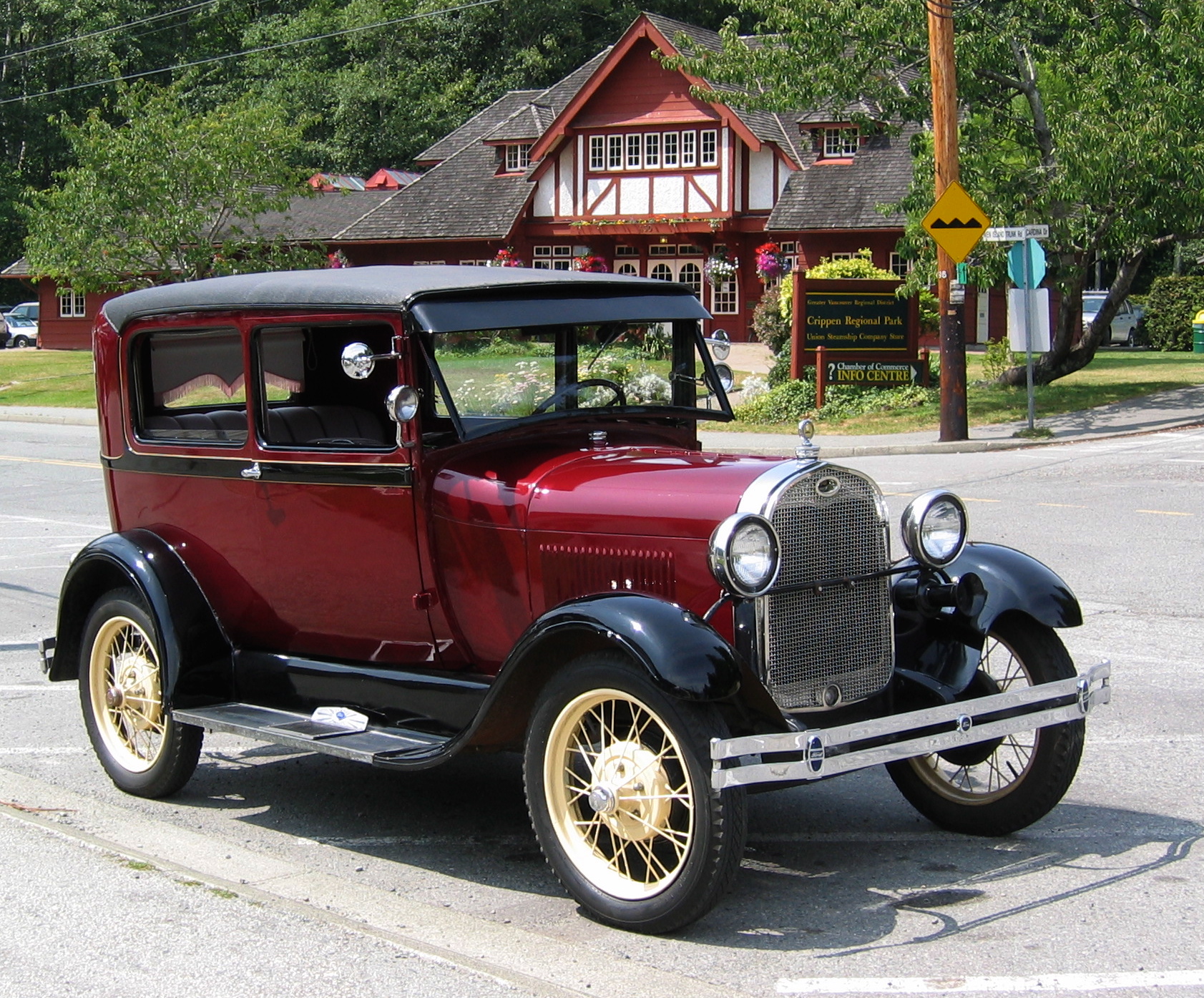
Ford Super Duty
"but I just got through finally being payment free for my super duty. I bought it brand new"
The Ford Super Duty is Ford’s bigger, work-focused truck line. The speaker is basically saying it was expensive to finance, and they’re glad to be done with the monthly payments.
Ford Super Duty is Ford’s heavy-duty pickup line built for towing and hauling, typically used by people who need more capability than a standard half-ton truck. In this segment, the host talks about paying it off and the cost of keeping a new Super Duty on monthly payments.
trade in
"getting like these crazy offers, you know, come trade in your vehicle"
A trade-in is when you turn in your current car to the dealer to help pay for the next one. The dealer often offers a price for your current vehicle as part of the deal.
A trade-in is when a dealer takes your current vehicle as part of the deal toward the purchase price of a new one. The speaker mentions getting offers to trade in their truck, which ties into how dealers can encourage frequent upgrades.

Honda Crv
"...ts 30 miles per gallon and, you know, it's an old CRV and it's not going to go up in price and it's not..."
The Honda CR-V is a small SUV for regular driving, like commuting and errands. The podcast is pointing out that an older one can still be efficient on gas. That makes it a practical option if you want something that doesn’t cost a lot to run.
The Honda CR-V is a compact SUV that’s often praised for practical everyday use and fuel efficiency. The podcast mentions an older CR-V getting around 30 miles per gallon, highlighting it as a sensible, cost-conscious choice. It’s discussed because it can be a reliable daily driver without needing big upgrades.
Request an Explanation
Heard something you'd like explained? We'll add it to this episode.
Sign in to request explanations for terms you heard.
Want to learn more?
Browse our glossary for plain-English explanations of automotive terms, jargon, and concepts.
Help improve this episode
See something that's not quite right? Our annotations are AI-generated and can sometimes miss the mark. Click the flag icon on any annotation to suggest a correction.