
SnailMail: Wipping A Cookie With UHMWPE
About this episode
Snail mail drives the conversation from locker troubleshooting and King of the Hammers recovery etiquette into listener check-ins, locker durability debates, and a surprising Australian engineering detour. The hosts also compare Eaton e-lockers and ARB designs, hear about a Mule differential failure, and wrap with a voicemail about how mistakes and failed attempts can still be part of learning. Along the way, the episode keeps circling back to trail responsibility, mechanical reliability, and the value of showing up.
- Text Msg 1: Austin from WA talks about Air Lockers
- Caller 1: Chris Rea calls to clarify recovery on the course
- Caller 2: Chris Rea Talks about EMC Day
- Caller 3: Jimmy from SoCal wants to go swimming
- Caller 4: Ales from Botches offroad says Tyler is boring
- Caller 5: Jeff Morgan from Oregon tells Tyler not to do an Elocker
- Caller 6: Butt Dial Brian?
- Caller 7: No Name, talks about the mule
- Caller 8: Charles says this is why in Australia, they have to engineer everything
- Caller 9: Gnarly Marley explains why Tyler is called Shake Weight
- Caller 10: Tom Clinking Beards Strong talks about Failer
Join Our Discord: https://discord.gg/yFyFFkQbuy
Come hang out with us on the SnailTrail4x4 Discord — it’s the easiest way to connect with Tyler and Jimmy directly, chat with fellow offroad enthusiasts, and get first access to Group Buys and Treasure Hunt token drops.
CALL US AND LEAVE US A VOICEMAIL!!!! We want to hear from you even more!!! You can call and say whatever you like! Ask a question, leave feedback, correct some information about welding, say how much you hate your Jeep, and wish you had a Toyota! We will air them all, live, on the podcast! +01-916-345-4744.
An alternative method would be sending us an email at [email protected] or at [email protected]. You can also find us on Instagram at SnailTrail4x4 or 4x4ToyotaTyler
Listener Discount Codes:
SnailTrail4x4 –SnailTrail15 for 15% off SnailTrail4x4 Merch
MORRFlate – snailtraill4x4 to get 10% off MORRFlate Multi Tire Inflation Deflation™ Kits
4WheelUnderground – snailtrail 10% off
Ironman 4×4 – snailtrail20 to get 20% off all Ironman 4×4 branded equipment!
Sidetracked Offroad – snailtrail4x4 (lowercase) to get 15% off lights and recovery gear
Spartan Rope – snailtrail4x4 to get 10% off sitewide
Shock Surplus – SNAILTRAIL4x4 to get $25 off any order!
Mob Armor – SNAILTRAIL4X4 for 15% off
SummerShine Supply – ST4x4 for 10%
Backpacker’s Pantry – Affiliate
air locker
"FYI, if an air locker is actuating correctly, you will not have gear oil coming up the breather hose or the locker solenoid. If that is happening, the caller inside the diff is leaking, which is pressurizing"
An air locker is a device in the differential that can “lock” the wheels together using air pressure. That helps when one wheel starts spinning, because the other wheel can keep pulling too.
An air locker is a type of locking differential that uses compressed air to engage and lock the axle(s) together. When engaged, it reduces wheel slip by forcing both wheels on an axle to rotate together.
locker solenoid
"FYI, if an air locker is actuating correctly, you will not have gear oil coming up the breather hose or the locker solenoid. If that is happening, the caller inside the diff is leaking, which is pressurizing"
A locker solenoid is an electrical switch/valve that controls when the locker engages. If the system is leaking, you can sometimes see oil where it shouldn’t show up.
A locker solenoid is an electrically controlled valve that directs air (or vacuum, depending on system design) to engage or disengage the locking mechanism. If the system is behaving correctly, you shouldn’t see oil where it shouldn’t be.
breather hose
"FYI, if an air locker is actuating correctly, you will not have gear oil coming up the breather hose or the locker solenoid. If that is happening, the caller inside the diff is leaking, which is pressurizing"
A breather hose is like a pressure vent for the differential. If oil starts coming out of it, something inside may be leaking or building too much pressure.
A breather hose vents pressure and helps equalize air pressure inside a differential/axle housing. If oil is pushed up through it, it often indicates abnormal internal pressure or a seal/leak issue.
diff
"If that is happening, the caller inside the diff is leaking, which is pressurizing"
“Diff” means the differential, the part that manages how the wheels turn relative to each other. Off-road diffs may also include a locking feature to improve traction.
“Diff” is short for differential, the gear assembly that allows the left and right wheels on an axle to rotate at different speeds. In off-road setups, the differential may include a locker mechanism.
pressurizing
"If that is happening, the caller inside the diff is leaking, which is pressurizing"
“Pressurizing” means the differential area is building extra pressure it shouldn’t. That extra pressure can push oil out through vents or seals, which is a sign of a problem.
Here, “pressurizing” refers to abnormal buildup of pressure inside the differential/locker system due to an internal leak. That pressure can force oil out through vents or into places it shouldn’t go, like a breather hose.
solenoids
"...I always end up getting gear oil coming back up the hose and the solenoids popping out, spraying out the solenoids."
A solenoid is an electrically controlled “switch” that moves a valve. In an air locker, it helps control when air goes to the locking mechanism.
Solenoids are electrically controlled valves that open or close to route air (or fluid) to the locker mechanism. In this context, solenoids are part of the air locker’s control system, and the speaker describes them popping out and spraying.
gear oil
"...gear oil coming back up the hose and the solenoids popping out... If there's a leak, then it doesn't hold pressure... And you get gear oil up into your vehicle..."
Gear oil is the special oil used in the differential/axle to keep gears from wearing out. Here, they’re saying it’s leaking where it shouldn’t, which can mess up the locker’s operation.
Gear oil is the lubricant used in differentials and other gear-driven parts to reduce friction and carry heat away. The speaker’s complaint is that gear oil is leaking into the air locker plumbing, which suggests a seal or internal failure.
axle swap
"...before I did the axle swap and did the Ford Tundra, Super Tundra axles under Kermit."
An axle swap is replacing one axle assembly with another—often to change gear ratios, strength, or compatibility with a different differential/locker setup. In off-road builds, it’s commonly done to improve durability or traction.
locking mechanism
"...then you have air going into the locker and actuating the locking mechanism in there and pressurizing it."
The locking mechanism is the part inside the locker that actually makes the axle “lock up.” With an air locker, air pressure is what triggers that internal lock to engage.
The locking mechanism is the internal hardware in a locker that physically engages to prevent the differential from allowing speed differences between wheels. For air lockers, it’s engaged by air pressure when the system seals and holds pressure correctly.
E-locker
"[298.5s] I was just sick and tired of it, so. [301.0s] E-locker made things easy. [302.5s] They're very simple, very easy. [304.4s] They're definitely not as strong."
An E-locker is a device that helps a 4x4 get traction off-road. It can “lock” the two wheels on an axle together so if one wheel slips, the other can still pull you forward.
An E-locker is an electronically controlled locking differential (often used in off-road 4x4s). When engaged, it locks the left and right wheels on an axle together so both can keep turning even if one side loses traction.
run recovery
"[362.8s] He's a Billy badass at, uh, run recovery. [365.8s] He was actually in Turkey Claw for the 2024 debacle all three days."
In off-road racing, “recovery” means helping a vehicle that’s stuck or broken get unstuck and back on track. “Run recovery” is basically the crew’s job of doing that during the event.
“Run recovery” in off-road racing usually refers to the process of getting a stuck or disabled vehicle back into action—often quickly and safely—so the event can continue. It can include winching, rigging, and coordinating with track officials or other crews.
UTV race
"[370.5s] Um, the problem that they had was on Thursday for the UTV race. [374.4s] Uh, all the winch points of factor 55 and worn industries had set up."
They’re talking about a race for UTVs, which are off-road side-by-sides. The issue was related to recovery gear needed during the event.
The speaker is discussing a UTV (utility task vehicle) race and a recovery-related problem that affected how the event was set up. This is a segment topic because it frames the context for the recovery and stolen recovery gear.
winch points
"[370.5s] Um, the problem that they had was on Thursday for the UTV race. [374.4s] Uh, all the winch points of factor 55 and worn industries had set up. [378.4s] I had been stolen."
A “winch point” is a strong spot on the vehicle or course where you hook up the winch cable. Using the right one helps the recovery work and keeps things safer.
“Winch points” are the designated anchor locations used to attach a winch cable or recovery straps. They’re critical because they determine where pulling forces are applied during a recovery, which affects safety and effectiveness.
Factor 55
"[374.4s] Uh, all the winch points of factor 55 and worn industries had set up. [378.4s] I had been stolen."
Factor 55 makes off-road recovery equipment, like parts you use to connect a winch safely. People use their gear when they’re setting up recoveries at events.
Factor 55 is a brand known for recovery gear—especially products like winch fairleads, shackles, and other components used to rig winches safely. In off-road events, their gear is often used as part of standardized recovery setups.
Worn Industries
"[374.4s] Uh, all the winch points of factor 55 and worn industries had set up. [378.4s] I had been stolen."
Worn Industries is a company that makes off-road gear used for things like recovery and rigging. The episode is saying their recovery setup items were stolen.
Worn Industries is a brand associated with off-road recovery and utility gear. Mentioning it alongside Factor 55 suggests the speaker is talking about specific recovery equipment that was set up for the event.
EMC
"[384.0s] everything set up in time and get everything put back out. [387.2s] I believe they had everything squared away again for the EMC on, uh, Friday. [391.5s] But, um, even so, uh, whether there's one person there or not, the job of"
EMC appears to be the name of an event the speaker expects the recovery setup to be ready for on Friday. Since the transcript doesn’t expand the acronym, it’s best treated as an event topic rather than a defined technical term.
rolled over
"Um, if somebody rolls, they're not supposed to roll them over unless it's, uh, hindering course or, uh, causing problems. ... unless it's a health or safety issue or to try to actually, like if somebody's broken or rolled over, the recovery crew is not supposed to touch the car."
“Rolled over” means the vehicle flipped onto its side or roof. Because it can be unstable and dangerous, the crew shouldn’t just start moving it unless there’s a safety reason.
“Rolled over” describes an overturned vehicle, which is a high-risk recovery scenario in off-road driving. The transcript emphasizes that recovery crews should avoid touching the car unless there’s a health/safety reason, reflecting common safety practices around unstable vehicles.
hindering course
"Um, if somebody rolls, they're not supposed to roll them over unless it's, uh, hindering course or, uh, causing problems."
“Hindering course” means a vehicle is getting in the way of the trail or blocking others. If it’s causing that kind of problem, the event may allow extra help to keep things safe and flowing.
“Hindering course” refers to situations where a vehicle’s position or condition blocks or interferes with the event route and other participants. In that case, rules may allow more direct intervention for safety or to keep the event moving.
recovery crew
"So, uh, just because people are struggling, the recovery crew is not supposed to get in there and fix them. ... They can act as a winch point. They can do all those things, but they do not, they are not required to clear course."
A recovery crew is the group that helps when a truck gets stuck or flips over. They’re there to help safely—often by setting up the pull point for a winch—rather than jumping in and moving things around for everyone.
In off-road events, a recovery crew is the team responsible for assisting stuck or overturned vehicles. Their role is typically to provide safe support (like acting as a winch point) rather than directly “fixing” the vehicle or clearing the course unless there’s a safety issue.
Toyota
"And, uh, I don't know, maybe everything sucks because it's not just Toyota's,"
Toyota is a car brand. In this part of the episode, it’s mentioned as part of the conversation, but no specific Toyota model or technical details are given.
Toyota is referenced as part of a broader discussion about off-road events or participants. The mention is brand-level only here, without specific model details.
side-by-sides
"It was the big year at back door when they had all the side-by-sides go down ... that day we rolled over over 75 side-by-sides at back door."
“Side-by-sides” (often called UTVs) are off-road vehicles with two seats side-by-side, typically used for trail riding and events. They can be prone to rollovers if they hit uneven ground at speed or take tight turns on loose surfaces.
rolls a car over
"both years I was told that if, uh, team rolls a car over and, or anything, and they're in the middle of the trail and blocking traffic"
“Rolls a car over” means the vehicle flips onto its side or roof. It’s a big safety issue because it can trap people and block the trail.
“Rolling a car over” means the vehicle tips onto its side or roof, usually from traction loss on uneven terrain or a high-angle maneuver. In trail operations, this is treated as a safety-critical event because occupants may be trapped and the vehicle can block a narrow path.
choke point
"And it's such a tight choke point that they, that was like our main job was to keep traffic going there."
A “choke point” is a tight spot on the trail where cars can’t get around each other. If something goes wrong there, it can hold up everyone behind it.
A “choke point” is a narrow or constrained section of a trail where traffic can’t easily pass each other. In off-road events, this makes recoveries and traffic control more important because one incident can quickly stop a large line of vehicles.
King of the Hammers
"I've never volunteered at King of the Hammers for recovery or anything. ... I was not at Jack Hammer or up in those trails to have a first-eye vision on it."
King of the Hammers is a well-known extreme off-road race. It’s the kind of event where vehicles get stuck or flip, so people have to help with recovery to keep things safe and moving.
King of the Hammers is a famous off-road desert race in the U.S., known for extreme rock crawling, high-speed sections, and strict rules around safety and vehicle recovery. The discussion here is about how recovery/assistance expectations may work during the event.
on its lid
"Like your, your goal, you have, if a side-by-side is on its lid, you need to get, help them to get it over, um, to keep the race going."
“On its lid” means the vehicle flipped over and is sitting on its roof. In a race, other drivers or marshals may need to help right it so it can move again safely.
“On its lid” means a vehicle has rolled over onto its roof. In off-road racing, that often triggers specific safety and assistance expectations so the vehicle can be righted and the event can continue.
recovery efforts
"I just heard it through kind of a third party, um, that, that used to be pretty involved with recovery efforts up there, that, um, the lone person in Jack Hammer was not doing their job or whatever."
Recovery efforts are what people do when a vehicle gets stuck or flips and needs help getting back on track. It usually involves tools like a winch and a team working together so the race can continue.
In off-road racing, “recovery efforts” are the actions taken to get stuck vehicles out of trouble—often using winches, tow straps, traction boards, and coordinated teamwork. The goal is to restore the vehicle enough to continue safely and keep the event moving.
Jack Hammer
"...that used to be pretty involved with recovery efforts up there, that, um, the lone person in Jack Hammer was not doing their job or whatever. So, um, I never talked to that person, talked to Benji, um, and I was not at Jack Hammer or up in those trails..."
“Jack Hammer” sounds like a specific part of the off-road course where the speaker says recovery help was (or wasn’t) handled properly. It’s mentioned as a location, not as a vehicle or part.
“Jack Hammer” appears to be a course/trail reference within the King of the Hammers event context. The speaker is describing a specific area where recovery responsibility or behavior was allegedly an issue.
ultra four
"[641.6s] Rhea called back. [642.4s] Oh, ultra four. [643.8s] All right. [644.8s] Here we go. [645.5s] Okay. [646.2s] Hey, it's your ultra four escort again, uh, back."
Ultra4 is a type of off-road racing where people drive through very tough terrain. An “escort” usually means support help during the event.
Ultra4 is an off-road racing and event series known for extreme terrain and heavy-duty recovery situations. When someone says “ultra four escort,” they’re likely referring to event support or a vehicle/crew associated with Ultra4 activities.
winching
"[652.3s] My thought up about the winching, um, especially on EMC day, I can't speak [656.5s] for, uh, race Kings Day cause I didn't get there."
Winching is when you use a powered cable/rope on a winch to pull a stuck vehicle out. It’s often used in mud or deep ruts when you can’t just drive forward.
Winching is using a vehicle-mounted winch (usually with a cable or synthetic rope) to pull itself or another vehicle out of a stuck situation. It’s a common off-road recovery technique when traction is gone and driving out isn’t possible.
sludge
"[659.1s] But, uh, on EMC day, I was at the bottom of sludge for a significant [663.6s] amount of time, um, probably till around two o'clock."
Sludge is really thick, sticky mud. Your tires can sink into it and lose grip, so getting out usually takes tools like winching or careful recovery.
“Sludge” here refers to very thick, low-traction mud that behaves almost like a paste. In off-roading, it can swallow tires and make recovery harder because the vehicle can’t get purchase.
Barrett Lake and Rubicon day trips
"But like the kid loves being outside and I would love to go on like one of my goals this year is to get to Barrett Lake and Rubicon day trips at least five or six times. Okay. So go take the kid out of daycare, skip daycare that day mid week and go to Barrett Lake, have lunch, come out."
They’re talking about taking day trips to go off-roading. The point is to get out and enjoy the outdoors more often.
They’re planning off-road-focused outings to Barrett Lake and the Rubicon area. For listeners, this frames the episode’s real-world use case: getting outdoors and doing trail-style trips rather than just talking gear.

Wrangler Rubicon
"... my goals this year is to get to Barrett Lake and Rubicon day trips at least five or six times."
The Wrangler is an off-road SUV made for driving on trails and rough roads. In the podcast, it’s mentioned because the speaker wants to take it on multiple off-road day trips. That kind of vehicle is chosen specifically for that repeated trail use.
The Wrangler is a rugged off-road-focused SUV designed for trail driving and frequent use on rough terrain. The podcast context about planning trips to places like Barrett Lake and Rubicon day trips highlights how it’s often chosen for repeated off-road outings. It’s commonly discussed because it’s built around removable/adjustable off-road capability and a strong aftermarket for trail setups.
transfer case
"He has a really good breakdown where he had him in his ultimate day to 60 under his jakey and he couldn't keep them alive."
A transfer case is the part that sends power to both the front and rear axles in a 4x4. Low range makes the vehicle crawl with more torque, which can be tough on drivetrain parts.
A transfer case splits engine power to the front and rear axles in a 4x4. It also often provides low-range gearing for crawling, which increases torque at the wheels and can accelerate wear if driveline components aren’t up to the load.
side gears
"And I don't think he wheels that hard. The teeth on them are super duper small on the side gears."
Side gears are the gears inside the differential that send power out to each axle shaft. If they’re small or not strong enough, they can break when you’re putting a lot of torque to the wheels.
Side gears are the gears inside a differential that connect to the axle shafts. Their size and strength matter because they transmit torque to the wheels; if the side gears are small or lightly built, they can fail under high load.
ARVs
"So he's putting ARVs in that. Uh, you can look at an ARV and look to see how when they're pulled apart, like the teeth are much larger, my opinion."
ARVs here sound like a specific gear-related part. The hosts are saying you can learn a lot about how it’s made or how worn it is by taking it apart and looking at the teeth.
In this context, ARVs are a type of gear component the hosts are inspecting after removal. They’re discussed like parts with visible tooth geometry, so the idea is that you can tell wear or design differences by looking at how the teeth are shaped once the ARV is pulled apart.
UHMW wheels
"The other thing, the UHMW wheels give back in the day when I was a kid... put them under the rear wheels, lock the e-brake and then when you drive in a circle, you can like whip a cookie..."
UHMW is a tough plastic that doesn’t wear out easily and slides well. They’re using it on wheels/trays to make the car slide around more easily.
UHMW refers to ultra-high-molecular-weight polyethylene, a very tough, low-friction plastic. The hosts are describing using UHMW wheels/trays as a slick surface to enable aggressive sliding/drifting behavior on a vehicle.
McDonald's trays
"...allegedly I would take a front wheel drive car, go steal some trays for McDonald's, put them under the rear wheels..."
They’re telling a childhood story about using fast-food trays as a slippery surface to make a car slide. It’s not a real car mod—just how they learned the trick.
The segment uses McDonald’s food trays as an example of a DIY low-friction “slick” setup for sliding a front-wheel-drive car. It’s more of a story/visual than a technical recommendation, but it explains the origin of the UHMW “cookie whipping” idea.
e-brake
"...put them under the rear wheels, lock the e-brake and then when you drive in a circle, you can like whip a cookie in a front wheel drive car like crazy."
The e-brake is the parking brake. Locking it can help the car lose traction at the rear so it’s easier to spin or slide in a controlled way.
The e-brake (parking brake) is a brake system used to hold a vehicle stationary, but it can also be used to help initiate slides in some off-road or stunt driving. Locking it increases rear-wheel braking force, which can contribute to oversteer and easier rotation when combined with traction changes.
whip a cookie
"...put them under the rear wheels, lock the e-brake and then when you drive in a circle, you can like whip a cookie in a front wheel drive car like crazy."
“Whip a cookie” is a slang way to describe spinning/sliding the car around in a tight circle. They’re saying the slick UHMW setup makes that kind of drift easier.
“Whip a cookie” is slang for a tight, circular slide/drift where the car rotates around a point, often using traction changes and braking to initiate the maneuver. In this segment it’s described as something you can do more easily by reducing rear-wheel grip using UHMW trays.
man rovers still suck
"...And, uh, man rovers still suck. That's like putting a PVC pipe over the wheels on three wheelers."
They’re just joking/complaining about Land Rover-style vehicles in this moment. It’s not really explaining a specific mechanical detail.
This is a blunt opinion about “man rovers” (likely Land Rover vehicles) rather than a technical explanation. It functions as a quick off-road banter moment in the episode segment.

3 Three Wheelers
"...That's like putting a PVC pipe over the wheels on three wheelers. Yeah, yeah, pretty much so you can drift."
A 3 wheeler is a vehicle that has three wheels instead of four. The podcast is using it as an example of how changing the tires or what’s around the wheels can change how the vehicle grips the ground. That can make it easier to slide or drift.
A “3 wheeler” refers to a three-wheeled vehicle, often built or modified for a lightweight, playful driving feel. The podcast comparison to putting a PVC pipe over the wheels is describing how a simple, low-cost change can affect how the tires contact the ground and how the vehicle can slide or drift. It’s brought up as an example of how tire setup and contact patch behavior can dramatically change driving dynamics.
front wheel drive car
"You ripped through it and yeah, any front wheel drive car, you drive forward, [1379.6s] you make sure that both rear tires are on those trays."
Front-wheel drive means the front wheels are the ones that get the engine’s power. On slippery surfaces, it can feel like the car is “stuck” unless the wheels that are driving have grip.
Front-wheel drive (FWD) means the engine’s power is sent to the front wheels. In low-traction situations, FWD vehicles can still move forward, but traction management becomes critical because the rear wheels may not contribute much.
carriers
"...as well as the strength of the carriers themselves. [1433.3s] I know the carriers that Eaton uses, they use, [1437.1s] they, they like to use one size carrier for multiple size lockers."
The carrier is the “housing” inside the differential that holds the gears in place. A stronger carrier can help the locker survive harder use.
In a locking differential, the carrier is the housing that supports and locates the differential gears and related components. Carrier size and strength matter because they influence how well the locker handles torque and stress during off-road use.
Eaton
"I know the carriers that Eaton uses, they use, [1437.1s] they, they like to use one size carrier for multiple size lockers."
Eaton is a company that makes parts for off-road drivetrains, including locking differential components. Here, they’re being compared based on how their internal parts are sized and built.
Eaton is a drivetrain and axle component supplier known for locking differentials and related hardware. In this segment, the speaker references Eaton’s approach to using a shared carrier size across multiple locker sizes.
ARB
"So whereas ARB actually builds their carrier bigger and thicker, [1453.1s] the bigger the gear ring that you do goes right."
ARB is a company that makes locking differential systems for off-road use. In this discussion, they’re described as using sturdier internal parts when the locking gear is larger.
ARB (Air Locker) is a brand known for air-operated locking differentials and their internal carrier designs. The speaker contrasts ARB’s carrier construction with Eaton’s, noting ARB builds carriers bigger and thicker for larger gear rings.
gear ring
"So whereas ARB actually builds their carrier bigger and thicker, [1453.1s] the bigger the gear ring that you do goes right."
The gear ring is part of the axle’s gear setup that the locker works with. When the gear ring is bigger, the locker internals often need to be built stronger to match.
The gear ring refers to the ring-gear area of the differential/axle gearing that the locker’s internal mechanism engages. Larger ring gears typically require corresponding changes in the locker’s internal hardware and housing strength.
spider gears
"But I didn't know that the teeth in size, inside the spider gears of the locker inside of the carrier,"
Spider gears are the internal gears in a differential. They help the wheels turn at different speeds, and in a locker they’re part of what determines how the locking action handles stress.
Spider gears are the gears inside a differential that allow the left and right wheels to rotate at different speeds during turns. In a locking differential, the spider gears and their tooth geometry are still central to how the locker engages and handles load.
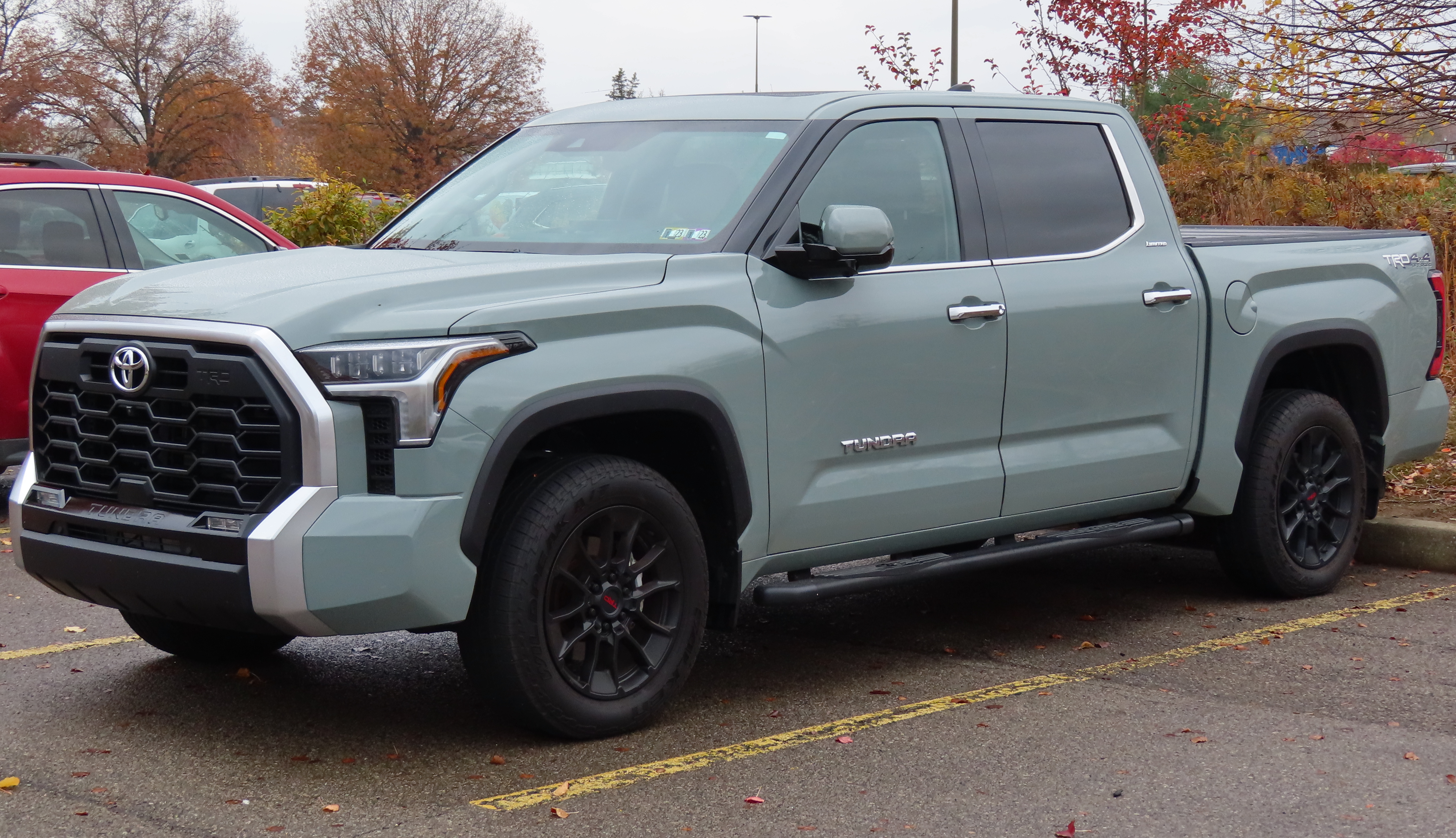
tundra
"But my main question is, is the spider gear teeth in the tundra, 10 and a half inch e-locker from Eaton,"
They’re discussing a Toyota Tundra that has an Eaton e-locker. They’re trying to figure out if the internal gears inside that locker are the same as in other trucks.
The speaker is talking about a Toyota Tundra equipped with an Eaton e-locker. In this context, the key point is whether the internal “spider gear” set is the same size/design across different axle applications.
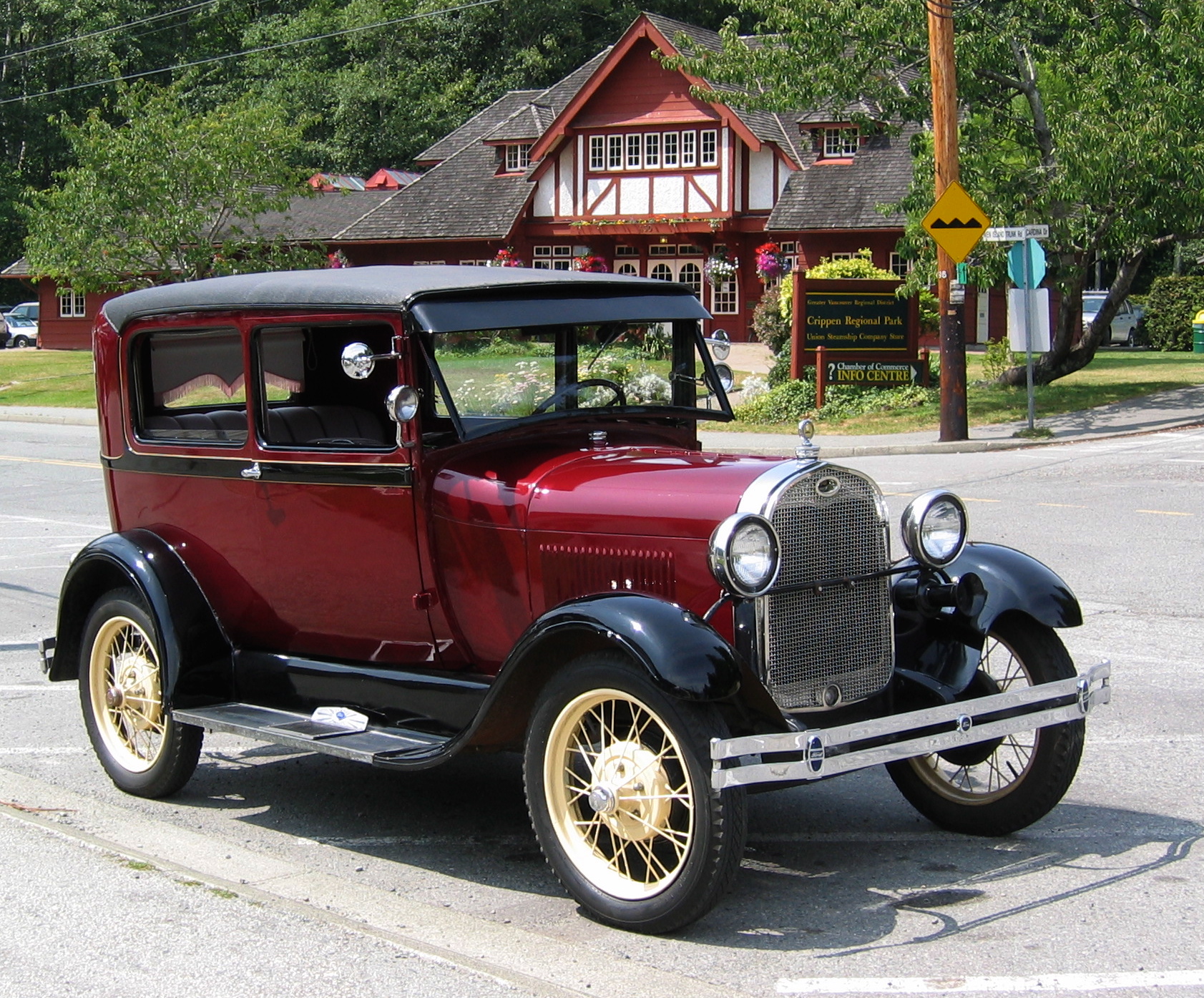
super duty
"the same spider gear teeth that's in the super duty. Eaton e-locker, nine and a half e-locker."
“Super Duty” is Ford’s heavy-duty truck line. They’re wondering if the Eaton locker inside a Super Duty uses the same internal gears as the one in a Tundra.
“Super Duty” refers to Ford’s heavy-duty truck line, which commonly uses larger axle assemblies than half-ton trucks. The speaker is asking whether the Eaton e-locker spider gears in a Super Duty are the same as the ones used in the Tundra application.
10 and a half inch
"is the spider gear teeth in the tundra, 10 and a half inch e-locker from Eaton,"
“10 and a half inch” refers to the size class of the axle’s main gears. The speaker is wondering if that larger axle uses the same internal spider gears as a smaller one.
“10 and a half inch” is shorthand for a larger axle ring gear size class (about a 10.5-inch differential). The speaker is using this size difference to question whether the spider gear teeth are the same across Eaton e-locker applications.
nine and a half
"Eaton e-locker, nine and a half e-locker. OK. Yeah, I don't know."
“Nine and a half” is a way people describe the size of the axle’s main gear set. Different axle sizes can use different internal gear parts.
“Nine and a half” is shorthand for an axle ring gear size (often referred to as a 9.5-inch class differential). Larger ring gear sizes generally mean different internal gear sets and potentially different spider gear tooth dimensions.
high pinion
"the same size as the super duty nine and a half high pinion spider gear on the e-locker?"
“High pinion” means the axle’s main gears are positioned higher in the housing. That can affect how the axle is built and what internal parts fit inside.
High pinion describes the differential/axle gear layout where the ring-and-pinion sits higher in the housing. This layout is often used to improve ground clearance and can change packaging and internal component sizes.
KOH
"And I wasn't down at KOH the week following, right? If I had taken that rig and got to KOH, like, let's just say the hubs were unlocked."
KOH is an off-road race/event they’re talking about. The idea is that if the problem happened there, it would likely be much worse because the terrain and speeds are more intense.
KOH is a motorsports event referenced as a place where the rig would have been driven. In off-road circles, KOH commonly refers to King of the Hammers, a high-speed desert-style off-road race in the desert near Johnson Valley, California.
hubs were unlocked
"If I had taken that rig and got to KOH, like, let's just say the hubs were unlocked. It's very likely that I would have taken that car to KOH the next week."
On some 4x4 trucks, the front wheels can be disconnected when you’re not using 4WD. “Unlocked hubs” means the truck isn’t fully driving the front wheels, which changes how the drivetrain behaves.
“Hubs were unlocked” refers to locking/unlocking the wheel hubs on a part-time 4x4 system. When hubs are unlocked, the front wheels may freewheel and the drivetrain isn’t engaged to the wheels until you lock them (or shift into 4WD).
engine change
"Like and I understand like when you do an engine change in California in your vehicle, I get why they make you go to the referee and get it refereed afterwards, right?"
An engine change means swapping the engine in your vehicle for a different one. Since that can change how the car runs and meets safety/emissions rules, some places require extra approval before you can drive it legally.
An “engine change” is when you replace the original engine in a vehicle with a different engine (often from another model or a different configuration). Because it can affect emissions, safety systems, and how the car behaves, regulators may require additional review before it’s allowed on public roads.
referee
"in your vehicle, I get why they make you go to the referee and get it refereed afterwards, right? So like I get it. I totally get it."
Here, “referee” means an official inspector who checks your modified vehicle. They make sure the work was done properly and that it’s safe to drive.
A “referee” in this context refers to an official inspection/approval process for modified vehicles. The goal is to verify that the swap or modification was done correctly and that the vehicle remains safe and compliant for road use.
factory tire size
"You know, it's like, you know, what's the rules in Australia? You can't go over two inches more than the factory tire size."
“Factory tire size” is the tire size your vehicle was designed to use from the factory. If you go much bigger, it can change how the truck fits and drives, so some places require extra approval.
“Factory tire size” is the tire dimensions the vehicle originally came with from the manufacturer. Many jurisdictions set limits on how much you can increase tire size without additional engineering/approval, because larger tires can affect clearance, gearing, handling, and braking.
engineering
"Like if you if you come stock with thirty ones, you can only go up to thirty threes without engineering, without engineering. Yeah. So but you can technically go and do whatever you want as long as you go through the engineering and it still behaves"
“Engineering” here means you can’t just change things and hope for the best—you have to get the modification reviewed and proven safe. That usually involves paperwork and inspections.
“Engineering” here means formal approval work—typically calculations, documentation, and inspections—so a modification (like larger tires or suspension changes) is proven to be safe and properly integrated. It’s often required when you exceed certain factory limits.
thirty ones
"Like if you if you come stock with thirty ones, you can only go up to thirty threes without engineering, without engineering."
“Thirty ones” is a quick way of saying the tire is about 31 inches tall. It matters because tire size changes can affect fitment and how the vehicle drives.
“Thirty ones” is shorthand for a tire size around 31 inches tall. In off-road and truck circles, people often describe tire sizes by approximate diameter, and rules may limit how much you can increase from the stock size.
thirty threes
"you can only go up to thirty threes without engineering, without engineering. Yeah. So but you can technically go and do whatever you want"
“Thirty threes” means tires about 33 inches tall. The point is that going bigger than that threshold may require extra approval.
“Thirty threes” is shorthand for tires around 33 inches tall. The speaker is describing a rule where you can increase tire diameter by a certain amount before you need formal engineering/approval.
herd theory
"That's what is the herd theory in vaccinations? ... if somebody has autoimmune issues and can't get vaccinated ... the way you protect them is through herd theory."
They’re talking about “herd immunity.” If most people are protected, the disease spreads less, so it’s safer for people who can’t be protected as easily. They’re using it as a comparison to safety rules that protect everyone.
“Herd theory” here refers to herd immunity: when enough people in a community are immune to a disease, it becomes harder for the disease to spread. The hosts use it as an analogy for how safety checks or compliance can protect people who are more vulnerable.
welding
"And then as far as your welding goes, or anybody's welding or anybody's, you know, whatever they have going on with repairs or fixes or building or that whole journeyman that used to say, it's only an asset if you leave it that way. And that kind of goes to that whole welding thing in my mind where like you can mess up a weld as much as you want and you just grind it out and redo it again until you make it look nice."
Welding is how you permanently join metal pieces together. You heat the metal until it fuses, then let it cool so the parts become one solid joint.
Welding is a fabrication process that joins metal parts by heating them (often with a torch or welding machine) so they fuse. In off-road repair work, welding is commonly used to fix cracks, reinforce brackets, or build up damaged metal surfaces.
grind it out
"And that kind of goes to that whole welding thing in my mind where like you can mess up a weld as much as you want and you just grind it out and redo it again until you make it look nice. But hopefully that kind of makes sense."
After a weld, you can use a grinder to remove the bad weld material. Then you can redo the weld until it’s right.
“Grind it out” refers to removing unwanted weld material or correcting a poor weld bead using an angle grinder or similar tool. It’s often part of a rework cycle: fix the weld, then re-weld and finish until the joint looks and performs correctly.
root pass
"It was when I was welding on the axle and I kept failing with like the root pass."
A root pass is the very first layer of weld you put down at the bottom of the joint. If that first layer doesn’t fuse properly, the rest of the weld can look fine but still be weak.
A root pass is the first welding pass that lays down the initial bead at the bottom of a joint. Getting the root pass right is critical because it determines whether the weld fully penetrates and bonds the parts together.
Fortune Off-Road
"And then Fortune Off-Road called back, called it and then said that he was, he did more or less the same thing."
Fortune Off-Road is mentioned as someone who reached out and shared that they’d run into a similar problem. It’s likely part of the off-road community or a build-related contact.
Fortune Off-Road is referenced as a person or group that called back and discussed a similar welding failure. In the context of the episode, it sounds like a community member or shop contact involved in off-road builds.
channel
"...he had to clear it because I was only clearing out a little bit and my weld was filling up the small section of the channel rather than getting down into the channel."
In this context, the channel is the groove you make in the metal so the weld can go in and connect properly. If it’s not opened up enough, the weld may only fill the top instead of reaching where it should.
Here, “channel” refers to the groove/space in the joint that’s been cleaned out to accept the weld. Proper channel preparation affects penetration—whether the weld metal reaches the bottom of the joint instead of just filling the surface.
TIG welder
"I would clear this tiny channel because I wanted to lay this tiny weld like you probably should have done with a TIG welder and I'm doing it with a MIG, right?"
A TIG welder is a type of welding setup that uses a small tungsten tip and a protective gas. It’s known for making very controlled, neat welds.
TIG (Tungsten Inert Gas) welding uses a non-consumable tungsten electrode and an inert gas shield to produce a precise, clean weld. It’s often chosen for tight control and high-quality welds, especially on thinner materials or critical joints.
MIG
"I would clear this tiny channel because I wanted to lay this tiny weld like you probably should have done with a TIG welder and I'm doing it with a MIG, right?"
MIG is a welding method that feeds wire automatically while a protective gas helps keep the weld clean. It’s usually quicker and easier than TIG, but you still have to set it up right for small welds.
MIG (Metal Inert Gas) welding uses a continuously fed wire electrode and an inert gas shield to create welds efficiently. It’s generally faster and easier to learn than TIG, but it can be less precise in very small, detailed weld situations without careful setup.
puddle
"And husband stepped in and he's like, cleared this channel way out. So it made it much easier for me to get the puddle down where it needed to be, you know?"
The puddle is the small pool of melted metal that forms where you’re welding. If you control it well, the weld will bond strongly where it needs to.
In welding, the puddle is the molten metal pool created at the weld point. Controlling puddle size and heat input helps ensure proper penetration and fusion into the joint.
Request an Explanation
Heard something you'd like explained? We'll add it to this episode.
Sign in to request explanations for terms you heard.
Want to learn more?
Browse our glossary for plain-English explanations of automotive terms, jargon, and concepts.
Help improve this episode
See something that's not quite right? Our annotations are AI-generated and can sometimes miss the mark. Click the flag icon on any annotation to suggest a correction.