The steering column is the part that connects your steering wheel to the steering system. In this case, the problem is with the column’s adjustment so the steering wheel won’t move the way it should.
The tilt lever is the handle you pull or move to change the steering wheel’s angle. If the lever moves but the wheel won’t go up, something inside the adjustment mechanism is likely stuck or not engaging.
Parts availability just means whether replacement parts can still be found. If the parts aren’t available, a shop might not want to start because they could get stuck halfway through the repair.
Term
steering wheel moves up and down
That means the steering wheel can be raised or lowered. It’s usually done to help you sit comfortably and reach the wheel easily.
A screwdriver is a hand tool you use to loosen or remove parts. In this situation, it’s being used to carefully get into a tight area to see what’s going on.
Manual inspection just means checking the problem by hand—looking closely and moving parts yourself. Here, the idea is to remove some plastic covers and see what’s blocking the mechanism.
Plastic covers are the removable panels or trim pieces on a car. Taking them off can give you access to what’s underneath so you can figure out what’s stuck or broken.
In some climates, animals like rodents can get into the space under your hood. They may chew the wiring, which can stop the car from starting or cause electrical problems.
Connectors are the plug-together parts where wires meet. If they’re damaged or the wires near them are chewed, the car can lose the electrical connection it needs to run.
A no-start means the engine won’t begin running. The starter may still crank the engine, but something important (like fuel or spark, or a key electrical signal) isn’t working.
Term
bad fuel pump
The fuel pump’s job is to send gas to the engine. If it’s failing, the engine can crank but still won’t start because it isn’t getting fuel.
Wiring is the car’s electrical “cables” that connect the different parts under the hood. If those wires get damaged, the car may not start or may act strangely.
Masking tape is the common tape painters use to cover areas. In this call, it’s being used to help block water from getting into the gap where rust can start.
New Hampshire Oil Undercoating (NHOU) is the company behind the product the host recommends. They make a peppermint-based spray meant to repel rodents.
Term
oil and it repels mice
This is a type of spray/oil that’s meant to keep mice and other rodents away by smell. The goal is to prevent them from getting under the hood and damaging things like wires.
Mouse Out is a peppermint-smelling spray meant to keep rodents away. The host says it works well for protecting areas under the hood, especially around wires.
The Chevrolet Corvette is a sports car made by Chevrolet, built for fast driving and sporty handling. The podcast mentions a problem where animals got into the engine area while the car was stored. That can damage parts under the hood, especially wiring.
An oil filter is what catches dirt in the engine oil. This call highlights that the truck doesn’t have one, so you have to be careful about what kind of oil you use.
Term
transmission oil pan housing
This is the part at the bottom of the transmission that holds the transmission oil. The call explains that you check the oil level using marks on that housing, and the correct level depends on whether the oil is hot or cold.
A zinc additive is something mixed into oil to help reduce wear inside the engine. It’s commonly discussed for older engines that need extra protection at the cam and valves.
The camshaft is the part that times the opening and closing of the engine’s valves. The call mentions it because the right oil additives help prevent wear on it.
ZDDP is an additive mixed into some engine oils to help protect internal engine parts from wear. In older engines, it can be especially important for camshaft and valve-train components.
Term
C cab truck
A “C cab truck” is a way of describing the truck’s cab shape and door layout. The hosts are using it like a quick visual label to figure out what kind of early truck it is.
A “short bed” just means the truck’s cargo box is shorter than some other pickups. The hosts use bed length to identify what kind of truck it is.
Term
ruckstall transmission
A “ruckstall transmission” here means an extra gear system beyond the normal driving controls. The hosts are checking whether the truck has that extra shifting lever or just the simple three-pedal setup.
A “two speed rear axle” means the truck’s back axle can switch between two different gearing options. That helps the truck feel different when you’re going slow versus when you’re moving faster.
An “inline fuel filter” is a small filter placed in the fuel hose. It helps keep dirt from getting into the engine’s fuel system and messing up how it runs.
A “sediment bowl” is a low point in the fuel system where dirt and water collect. Cleaning it helps the engine get clean fuel so it starts and runs better.
A “carburetor” is the part that blends fuel with air so the engine can burn it. If fuel is dirty or the carburetor is clogged, the car may run poorly or not start.
In a carburetor, the float helps keep the fuel level at the right height. If it’s adjusted wrong, the carb can flood and you can get fuel spilling instead of the right amount going into the engine.
A fuel additive is an extra chemical you put into gasoline. People use them to help the fuel burn better or to protect older engines that need something specific.
Leaded fuel is gasoline that used to contain a chemical called lead. Older engines were designed around it, so when you run lead-free fuel you may need an additive to protect the engine the way lead used to.
A lead additive is something you mix into lead-free gas to help older engines that were built for leaded fuel. It’s not always required, but it can be important for some classic setups.
Motor Medic is a brand that sells engine-related products, including lead substitute/additive products for classic cars. The host mentions it as the source of the lead-substitute item sold at a parts store.
E85 is a type of fuel that’s mostly alcohol (ethanol) mixed with gasoline. Because it burns differently than regular gas, older engines may need adjustments to run it well.
Spark control is about changing when the engine’s spark happens. If you use a different fuel, the timing may need adjustment so the engine runs smoothly.
The fuel knob is a manual adjustment that changes how much fuel the engine gets. It helps the engine run correctly when you switch fuel types.
Concept
fuel storage
Fuel storage is what happens to gas when it sits for a long time. Different fuel types can break down differently, which can affect things like corrosion inside the tank.
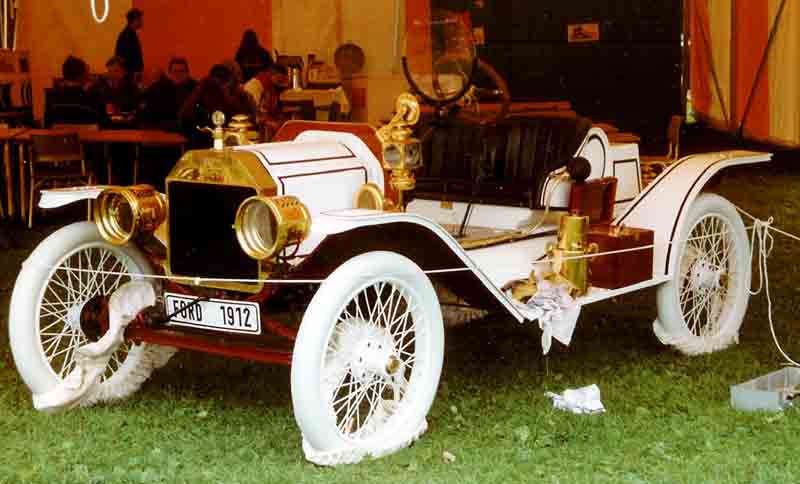
The Ford Model T is an early, very famous Ford that’s known for being mechanically simple. In this segment, they’re talking about repairing the clutch so the car will shift correctly.
Clutch bands are friction parts that help the transmission engage the gears. If they’re worn or adjusted wrong, the car may not shift smoothly, so replacing and setting them correctly matters.
The reverse band is the part that makes the transmission go into reverse. If the reverse band is working but forward shifting is off, the issue is probably with the other bands or how they’re adjusted.
Alcohol fuel means fuel that contains alcohol (like ethanol). The worry is that it might behave differently over time and cause problems like corrosion if the car sits.
Spark advance is about when the spark plug fires during the engine cycle. If it’s set right, the engine runs smoother; if it’s off, it can run poorly or not make power.
A vacuum gauge measures how much suction the engine is pulling. People sometimes use it to diagnose problems, but here they’re saying it’s not the right tool/approach for this engine setup.
OEM means the original parts made for the car by (or for) the car manufacturer. Here, it means the replacement wheels are meant to match the factory wheels.
Road ready wheels is a company that sells replacement wheels for cars. They’re trying to offer a cheaper option than buying wheels directly from the car maker.
A one-year warranty is a promise from the seller that the product will be covered for defects or issues for a set period—here, one year. It’s part of the purchase risk protection compared with buying cheaper or unknown-brand wheels.
TPMS sensors are the little parts that monitor tire pressure. They help your car warn you if a tire is low, and the ad says these wheels will work with the factory sensors.
“Direct fit” means the replacement wheels are supposed to install like the original wheels—no special modifications needed. It’s a way of saying they’re the right size and shape for the car.
A drain plug is a screw/plug that seals a hole where fluid can be drained. Mechanics remove it to empty old fluid, then reinstall it before adding fresh fluid.
A heat shield is a thin metal cover that keeps heat from the exhaust from damaging other parts. If it has to come off for repairs, the job takes longer.
A turbo is a device that helps the engine make more power by compressing air before it enters the engine. It depends heavily on clean, fresh oil, so skipping oil changes can increase the chance of expensive problems.
This is a 2019 Chevrolet Equinox with a small 1.5-liter engine that uses a turbo to make power. Turbos can be a common trouble spot, so regular oil changes and keeping up with spark-plug service matter more than you might expect.
They’re saying the turbocharger is the part that’s most likely to cause trouble. Since the turbo is a high-stress component, keeping up with oil changes helps it last longer.
A maintenance interval is how often you’re supposed to do a service item. In this case, they’re talking about how frequently spark plugs should be checked or replaced.
Spark plugs are parts in a gas engine that make the spark to start combustion. If they wear out, the engine can start misfiring and feel like it’s running rough.
The transmission is what helps the car use the engine’s power effectively, depending on speed and driving conditions. The shop does transmission repairs too.
Oil prices refer to the market cost of crude oil and refined products, which can affect what shops and consumers pay for engine oil. In this segment, the host connects higher oil costs to higher oil-change pricing.
An oil change is when you replace the engine oil (and often the filter). It keeps the engine running smoothly by removing dirt and keeping things properly lubricated.
“3,000 miles” is an old rule of thumb for how often to change your oil. Some newer cars can go longer, but you still need to follow what your specific vehicle recommends.
“12,000 miles” is how far the vehicle is saying you can go between oil changes. Some newer cars allow longer intervals, but you should still trust the car’s manual and consider how you drive.
Term
every year
“Every year” is the schedule the caller is reading as the oil-change recommendation. Even if you don’t drive a lot, oil can still wear out over time.
Synthetic oil is an oil that’s made to be more stable at high heat and stress. “Fully synthetic” usually means it’s all synthetic, not mixed, and it can often last longer between oil changes if your vehicle allows it.
Highway driving usually means steady speeds and consistent engine temperature. The idea is that this kind of driving can help the engine run in a way that keeps oil from getting contaminated as quickly as in stop-and-go use.
Heat cycles are the engine repeatedly warming up and then cooling down. The speaker’s point is that if the engine gets fully up to temperature regularly, it can help oil last longer than in short-trip driving.
Term
pull that stick out
That means checking the oil with the dipstick. You can see whether the oil level is where it should be and sometimes get a sense of how dirty it looks.
Piston rings are small metal rings on the piston that help seal the engine so power stays efficient and oil doesn’t get contaminated. If they’re doing their job well, the oil may stay cleaner for longer.
Hydrocarbons are basically parts of fuel that can escape where they shouldn’t. If they get past the piston rings, they can mix into the oil and make it dirty sooner.
Term
oil dirty
When oil gets “dirty,” it means it’s picked up contaminants that can reduce how well it lubricates. Dirty oil is one reason you can’t always go as long as the car’s reminder suggests.
Maintenance reminders are the dashboard alerts that tell you when to do things like an oil change. They’re basically the car’s way of saying, “It’s time for service,” based on how you’ve driven and/or how much time has passed.
Oil condition means how healthy the oil looks and behaves. If it’s getting noticeably darker faster than before, it can be a sign you should change it sooner.
A “10 speed” is an automatic transmission with ten different gear ratios. More gears can help the car shift smoothly and keep the engine in the right range.
Transmission fluid is the fluid that helps your automatic transmission shift smoothly. Changing it helps keep the transmission working correctly and can prevent wear over time.
A transmission flush is a more aggressive service that replaces a lot of old fluid at once. The host is saying some shops instead do a simpler drain-and-refill approach in steps.
Dropping the pan means taking off the bottom cover of the transmission. It lets the mechanic drain the old fluid and then put everything back together with fresh sealing parts.
Pan gaskets are the rubber or sealing material that keeps transmission fluid from leaking where the pan bolts on. If the seal isn’t right, you can end up with leaks.
Takata is a brand that had a big safety problem with some airbags. The recall was about the airbag inflator not working safely. If you get a notice, it’s important to deal with it right away.
An airbag is a supplemental restraint system that rapidly inflates during a crash to help protect occupants. Because it’s designed to deploy in an emergency, airbag recalls are treated as high priority safety repairs. The host emphasizes that any recall involving airbags should be addressed immediately.
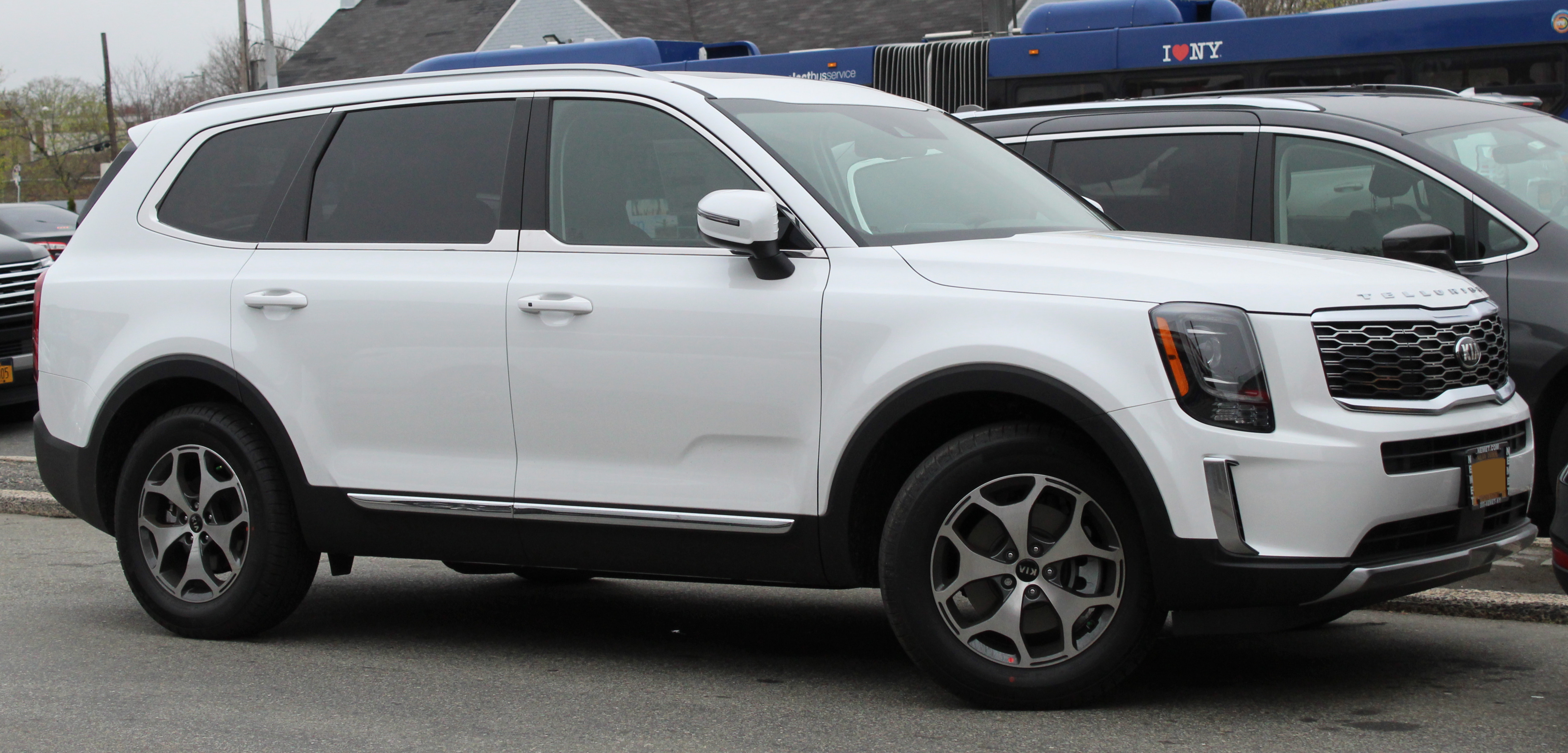
The Kia Telluride is a family SUV with three rows. In this call, the host is talking about a recall related to the seat controls that could create a fire risk. If you own one, you should contact your Kia dealer right away.
A seat switch is the button/control you use to operate something on your seat. Here, the host is saying the switch could be part of a problem that might lead to a fire. If you get a recall notice, the dealer can fix it.
Seat heaters are the built-in heating pads that warm your seat. The host mentions that seat heaters have had fire issues before, which is why this kind of recall is treated as serious. If there’s a recall, it’s worth fixing promptly.
The Hyundai Palisade is a family SUV with three rows. The host says it may be covered by the same safety recall as the Kia Telluride. If you have one, check your recall mail and contact the dealer.
LIVE
Hey, welcome to the end of the hood show podcast.
I am Russ Evans along with Shannon Nordstrom.
It's just me and just Shannon and we're going to talk cars like we always do.
And as usual, under the hood is brought to you by Berkeley One Classics,
your key to collector car insurance celebrating 50 years in business.
And by car dash part dot com over 200 million recycled originally
couldn't use parts ready to ship to you fast and by road ready wheels dot com.
Use the code hoodie to save even more on your aftermarket OEM lookalike wheels.
Now here's the podcast.
This is under the hood.
Welcome to the end of the hood show.
I'm Russ Evans along with Shannon Nordstrom.
Welcome, hoodies.
Thanks for tuning in so we can help you tune up.
You can call us live at 866-594-4150 and get on under the hood
and we'll help you out with whatever ails you with your cars.
I mean, that's where else can you get somebody to just sit down with you
and give you a free car advice?
Well, right here.
That's where you can get it.
You might be able to get it somewhere else, but we don't care.
We want you to call us.
So we're going to go right to Randy in Arizona with a 91 Toyota.
That's cool. How you doing, Randy?
Yeah, pretty good.
Yeah, I have a 91 Toyota truck.
I'm the original owner.
Everything's manual back in the days.
There's no electronics, which I like.
Yeah, because nothing ever breaks, except my steering column.
The tilt, the tilt lever on the left, it still
moves up and down.
They adjust the degree of the steering wheel.
But I think the steering was on the very bottom of the degree of its tilt.
And so when I get it in my truck, it's pretty close to my my thighs.
I tried to raise it up and it won't go up at all.
But the lever moves up and down.
So so I had I went down to my Toyota dealer
and they looked at it and they didn't want to mess with it.
So apparently they tried it, but they didn't really
look into it or anything.
I guess they just tried tried to force it up with the move in the lever.
I've been doing it, too.
Is there any is there any little trick
to maybe get it up just one notch?
So I'll have a little more room on my legs.
I can still drive the truck.
OK, the steering wheel will still I can still steer and everything.
OK, but it's just pretty close to the tops of my thighs.
Yeah. And so I got you.
You know, with any steering like that, that is just stuck in one position.
You can usually get in there with a screwdriver and move that lever
enough where you can pull the little stop off the off the rack.
They call it in there.
The cog comes off the rack and so you can move it up and down.
You should be able to get it to move up a notch.
OK, the reason the dealer doesn't want to work on it is because of the age.
A lot of times they're afraid that they can't get parts
and they they don't want to start taking it apart and then go,
oh, I can't get parts for this. Now what are we going to do?
We got it all apart. Now we got a customer.
It's better for them to just say, no, can't work on it.
Randy, I'm trying to remember and Russ probably has it crystal clear in his head
already, but is that the style when you do the lever, the whole column goes up and down?
Or is it just the the wheel upper portion of the column goes down?
I think it's the whole thing that goes up and down, isn't it?
Yeah, yeah, just the steering wheel moves up and down.
Yeah. OK. Yeah.
Not the whole you're talking about the shaft, the columns.
No, no, no. A lot of the foreign vehicles, the whole thing
moves up and down kind of like one assembly.
But that's still a tilt. Yeah, it's a tilt until what 94, I think.
Yeah. So I think one thing for sure, you've been hitting the gym too hard,
probably at leg day and you got them thighs built up too big.
You know, you're trying to impress the ladies down there in Arizona.
Yeah. Maybe maybe just lay off the gym a little bit.
But one thing that is if it doesn't work like that, that is going to be a challenge.
But I would think that on Kardashian part, there might be someone that still has a column
out of another vehicle that got wrecked, probably in their inventory.
Yeah. And you could replace that whole column,
which would be much easier, probably, than trying to take it apart and get parts.
Very easy. That's an easy one.
If you don't have any success trying to find a little manual way to get a screwdriver in there.
I believe you can take those covers off too, and you can at least look at it better
to see if maybe there's a piece, you know, maybe the cover is holding it and it's not
allowing it to detent all the way and it just can't push all the way.
I'm guessing they tried all that.
But that's the thing is you're just a good old manual inspection,
remove some plastic covers and see if you can see anything more and get in there and get it
back up there a little bit further. That'd be something that a general mechanic could do.
Probably if you saw a gas station that had a mechanic bay next to it and a guy that looked
like he was above 50 years old working in the bay, that's probably where I'd stop and say,
can you take a look and see if we can figure this out?
Yeah, okay. Yeah, I lived when I lived before I bought a ranch home in Golden Valley, Arizona,
but 65 miles away was where the dealership was, the Toyota dealership. So he's kind of far away
now, but I do have a couple of good mechanics about eight miles away now in the city of Kingman.
Yeah, I can do that, but I'll take the top panel off that cover plastic cover and I'll
look in there and I'll do like Russ said, work with a little bit with a screwdriver or something,
see how it kind of functions. It's real simple. Just a manual lever just won't go. The lever moves,
so I figure that's a good sign that it does move. Yeah, I think it's frozen.
It's not engaging yet. It's broken. Yeah, but the dealership told me there's no,
yeah, there's no available part at Toyota anymore for that. Yeah, so.
You'll be able to find it. My other question is, yeah, you know what guys, my other question is,
I'm from California on my life. I never had the problem, but living in the desert,
beautiful area, high desert, but there's a lot of rodents, wildlife. I have a kind out
here. I've had a problem one time. I had my wife, I went in, opened up my hood. I was doing it,
I've been doing it for about three and a half years because I found out that rodents get into
your engine, two wires. So what happened was I went out to my truck, opened up my hood.
I had been putting, wrapping steel wool around all the connectors where it's all factory from
Japan. And all the connectors are showing with the wires on top of them, different colors,
and they're all in good shape. So I've been wrapping those with steel wool and everything. So one
morning I got up, I was going to drive into Kingman and I looked above, I looked inside the
engine, everything looked good, but I saw one piece of steel wool that was out of place. It was above
the wheel well inside the compartment on the driver's side, right against the wall, the metal wall.
So I looked down closer and the steel wool had been moved. Three little wires had been cheered
through the factory wrapping too. They cheered through the factory wrapping in the three little
wires. So I said, oh, so I got my truck to see, but we'd still start. It would turn over and turn
over like a bad fuel pump or something like that. It wouldn't start though. So I had to have a toad.
And yeah, I had a good guy that does wiring in Kingman. So thank goodness I found him and he
fixed it. So is it okay? I'm continuing to wrap them. I got to do it every day. When I get home,
I raise the hood to keep the hood cool. So the engine will cool off quicker. I raise the hood
every day when I drive, when I come home. And especially wintertime because the warmth of the
engine will attract them. But I've got it down now. I wrap everything really good. I used to take
out, here's my question. But now I wrap everything really good. I put small rocks heavy enough
on top of all the critical areas so they can't move the rock and it's working.
But now you think the steel wool will cause corrosion at all? What I do is when the hood
goes back down between the seams of the fender well and the hood, I run a piece of blue tape,
masking tape. It doesn't leave residue on the paint or nothing. But it sticks good. So I'll
completely seal the hood from rain and it'll keep water from going in there and rusting out the
steel wool and it's working. It's a lot. You got to do this every day, but it's a lot of work
or every time I drive it. But it's work, but it's working. Got you. Might be an easier way.
Yeah, Randy, maybe there's something else you can consider too. Get on the internet and there's
a company out there. It's NHOU and it's New Hampshire Oil Undercoating, NHOU and they have
a product called Mouse Out and it's a peppermint based. It's an oil and it repels mice, rats, rodents,
all sorts of things like that that can smell, that are mammals that can smell. And if you
apply that, you might find that that keeps them completely out and you won't have to do anything
else because if it's dry under there, you put it on, it lasts for a long time. And it's pretty
cheap. You can buy it by larger containers, but we've used that here and I've had great success
with that to keep rodents away from wires. So I would give that a shot. It'd be worth a try because
that routine sounds like worse than some people's bedtime routine. You got quite a process going
on there. There's other things you want to do in your life other than be tending to the Toyota
before every day. That's for sure. It sounds like you're taking precautions to help your
precautions by taping that hood and everything, but I think you need to maybe at least try that.
And I know we had a story we put on and we had pictures on our Facebook page about a guy down
in Arizona that got pack rats under the hood of his new Corvette inside storage and they came through
the dryer vent. So they're very persistent too, different critters are. So we wish you the best
in the battle. We got a breakaway for the commercial here, but we'll be talking to you more. Let us
know how you turn out. Take care, Randy. Yeah, I love your show. Thank you guys. Welcome back to
the end of the hood show. I'm Russ Evans along with Shannon Norstrom sitting over there. Welcome,
Hoodie. Thanks for tuning in so we can help you tune up. We're going to jump right back onto the
phone and we're going to go to Jeff who has a 1923 Model T truck. What? What's a Model T?
What is that, Shannon? I'm going to let you dominate this call, I'm sure.
How you doing, Jeff? Pretty good. If I remember right, one of you guys has a Model T. Is that
correct? That is why I mentioned I may let Russ dominate this call. I've been working on Model
T since I was literally five years old. Okay. Well, I acquired this one from my dad who passed
several years ago and we ended up with it. And I've had it in storage for, you know, 10 to 15 years
and got it out and to my garage and I've been working on it. I got the engine fired up. I did
a few things prior to that, changed the oil, of course. And my first question is what weight of
oil should I be using? I just put straight 30 in it. Yeah, I use the 30 in mine, non-detergent
because that truck, that vehicle does not have a oil filter on it. So you've got to use a non-detergent
oil in there and just dump it. And then you use the two Petcox on the back of the transmission
oil pan housing in order to check the oil level. It should be above the below and below the upper,
you know, in between the, in the two, the, when it's hot, it should just barely drip out of the top
if, if any, it shouldn't ever be over that. And when it's cold, it should come out of the bottom
one. That's why they put two of them there an inch apart if you're like, why did they put two of them
in there? But yeah, you do, you want to put a detergent in there, you'll have a mess because
it's not a, not a, it's not designed, not designed for that without the filter. And also, you want
to use something that's got either a zinc additive you want to put in there with it, or you want to
use oil that's, that's set up for that. A lot of people have used diesel oils and heavy duty oils
and things like that. In mine, I just use the, a standard non-detergent 30 weight oil. I think I
was using havalin in mine with a ZDDP zinc additive to protect the camshaft and stuff and
everything. That's like a big lawnmower. That's all it is with the valves and stuff in that cam.
It looks like a bricks and stratton engine inside. So you don't really have the force on the valves
that you do with the new engines to really worry about not having the zinc, but I put in there
because it doesn't hurt anything and there's no catalytic converter or anything to mess with. So
it's fine without it. Is this a, is this a car? Is it a truck or is it a ton truck? What is it?
It's a truck, I guess. It looked like, you know, it's got a, the cab is just open and then the bed
was obviously home built. I don't know if they came like that and you built your own bed.
How big is the bed? How long is it in feet from the back of the cab to the back? Is it just like
two feet long, three feet long? No, it's probably four feet. Maybe I'm guessing four feet. Okay,
then that's a C cab truck. If it has got no doors on it, it's just open. Yeah. Well, it's the,
it has a door on the passenger side. Just a short one though, right? Right. Yeah. And then no door on
the driver's side. Correct. Okay, that's a 23 model T C cab truck. So it looks like a big
letter C on the door on the side. And it's a, it's a pickup because it's got the short bed,
a ton truck, which is a TT has a like an eight foot bed on the back of it. That's what you have,
isn't it? And bigger tires, it's a taller, bigger truck, but the cabs are all the same.
But the pickup, that's a, that's a nice little pickup to go around. Does it have a,
a ruckstall transmission in it, a second transmission with a gear shift lever inside
or does it only have the three pedals on the floor? It just has the three pedals and then
lever on the left. So, so you got a 22 mile an hour truck. Most of those had a, they would
put the accessory ruckstall in there. I don't know. Doug, Doug, does yours have a ruckstall axle,
two speed rear axle in it, second lever? No, just the, just the 20 mile an hour version.
Yeah. He says, yep, Doug's got one too that I don't know when the last time it was out,
it doesn't go very much. It's a car. So it's like we're a whole family of model T's around here.
Two of them had Prius's and two of us had Model T's. Crazy. What else you want to know about that
thing? Okay. As far as the fuel, when I, well, what I've done to it so far is I, of course,
flushed the tank out real good. I took the fuel line totally off, blew it out. Okay. And when I
put it all back together, I put an inline fuel filter in the fuel line. And then I cleaned,
removed and cleaned out the sediment bowl on the bottom of the tank, got it working again,
got the drain working, got the fuel shut off working. And I went through the carburetor,
I didn't replace anything in the carburetor, but I got it working now, as far as float setting and
all that, or it doesn't dump gas all over the floor. Right. And then the fuel itself, I'm just
using straight non-alcohol fuel or non-gas alcohol. And is there some sort of fuel additive I should
be using to replace what used to be lead, leaded fuel? You got to use a lead additive in every tank.
Okay. I actually asked about that at the parts store, or Ily's the other day, and they
were shaking their head like, no, we don't carry anything like that. They do. They've got it on
their shelf. I've bought it there before. You can go to advance. They sell it there too. I believe
the one they have at advance is from Motor Medic. How ironic. I have an old jar of Motor Medic oil
in my office. And it says lead substitute on it. But a lot of those guys, they're barely old enough,
most of them aren't old enough to know about the 60s cars or the 70s cars that required it.
They're not going to even know. They're like, what's a 23 Model T? If you said draw me a picture,
they'd have no clue. They're probably thinking 2023. Exactly. But yeah, you can do that. But
as far as your fuel goes, Henry Ford designed that vehicle for farmers. And that vehicle is
designed to run on anything from zero to about 98% alcohol or grain alcohol right off the farm.
That's the way it was designed to run. It will run on anything. And there's nothing in that fuel
system that it'll hurt. It's designed that way. And I've run mine on everything from E85 is the
strongest I could get for it. But there's the only differences is spark and fuel setting. And
you've got a fuel knob right on the dash where the choke pulls out to choke it and then turn it for
a mixture. And you've got a spark control on the left side of the column. So you just adjust it
for the best driving with whatever fuel you put in it. It doesn't care. It runs perfectly on all
of them. I've seen absolutely no difference when I run mine. I usually only keep about three gallons
of fuel or so at a time in there. And sometimes I just put something different in there to see what
it'll do. But I noticed when I run the E85 and that thing sits over a couple years, it doesn't go
bad because alcohol never goes bad. It's the gasoline portion of the alcohol that goes bad.
So it lasts longer in storage that way. And I haven't had the rust problems in the tank. And
I'm not sure exactly if it's evaporation or what that does that. But yeah. As far as long term
storage goes, I don't know if maybe sitting longer, the alcohol would evaporate faster than the fuel.
I don't know. But anything else you got questions on the Model T? Yeah, I'm just getting ready to
replace the clutch bands. I've watched quite a few videos on that. I think I can tackle that,
okay. I've done it. I actually have one of those clutch tools. And I've got some gaskets on hand
and on the way. I'm going to take the, of course, the whole cover off. And right now,
the reverse band is working just fine as far as I can tell. It's just a high and low
left pedal that's messed up. They're adjustable. Put all the new bands on it and then adjust them
properly. Go watch the YouTube video on it. You'll get her down and then it'll shift nice for you.
Yeah. Yeah. Let's see. I got a couple of notes here in front of me.
Any, I've found parts at two different locations now online. I don't know if you have any
go to places that you use. Eclers or anti-cattle parts. They're all, they all, they all sell
the same pieces. They're just different companies, but they're selling the same thing.
Right. Right. Okay. Well, it helped a lot. All right. Oh, I think that was about it. Oh,
in regards to the fuel, I guess I was steering away from the alcohol fuel because I was afraid that
it would cause corrosion problems and go bad quicker. That's the way Henry designed it.
Okay. Well, that's nice to know. And I think I've got the spark advance down pretty good. I have
there's a best way to do it. Just where it runs good. Yes. Just where it runs good. Get your,
get your most best running out of it. And that's all you need.
Yeah. I guess I was, you know, thinking back to the 60s and putting a vacuum gauge on the intake.
No, don't do that. Just, just play it by your, Hey, thanks for the call, Jeff. We appreciate it.
Well, thanks for taking my call. Thanks. You bet. Take care.
This is under the hood. We'll be right back in just a few minutes with more of your calls.
Under the hood is brought to you by Berkeley, one classics.com, your key to collector car insurance.
And by car dash part.com over 200 million recycled originally climate use parts ready
to ship to you fast. And by road ready wheels.com use the code hoodie to save even more on your
aftermarket OEM lookalike wheels. I'm Russ Evans with Shannon Nordstrom and Chris Carter.
When we needed protection for our own personal collectibles and performance vehicles,
we turned to Berkeley one classics. And here's why. Berkeley one classics has over 50 years
experience and they're dedicated to serving their customers. They will work with you to
help determine the amount of coverage a vehicle like yours should have. And that coverage is
agreed valued coverage. So there is no disagreement on what your vehicle is covered for. They also
have discounts for car club members. Berkeley classics ensures a wide range of vehicles from
sports cars and rare exotic cars to antique vehicles, including cars, trucks, tractors,
military vehicles and antique motorcycles. Over 50,000 of them a year. Visit Berkeley
classics.com today and get a free quote and find out firsthand what they can save you and how well
they can cover your valuable investment. It takes just a few minutes using their easy online quote
website. If you need parts, whether it be for a brand new car or going back about 20 years,
it doesn't matter. Check out car-part.com. It's fast and it's easy. Over 200 million parts strong
all across North America. Over 4,000 recyclers to choose from, giving you the largest selection
available. Whether it's an engine, transmission, doors, seats or wheels, you can find them on
car-part.com. We even let you know what parts from other models and years fit your car. Many
recyclers supply pictures of their parts too. We even have a mobile app. Search US and Canada
or buy from your local independent recycler. Whichever you choose, buying recycled is good for
the environment and good for your wallet. If you're a repair shop, there is a professional
version available for you at no charge. That's car-part.com. Check it out today.
This is for those of you who need a new wheel or a set of wheels due to damage or leaks. You've
heard people call our show with wheels that are constantly leaking air or have been damaged in
some way. Maybe that person is you or maybe you want a set of spare wheels that you can install
on your vehicle over the winter months with snow tires to avoid damaging your nice summer wheels.
Road ready wheels has replacement wheels for many OEM manufacturers at substantial cost savings.
These wheels look and perform like OEM wheels so save money and go with road ready wheels when
you need a replacement. Are you tired of needing to add air to your tires every few days because
your wheels have been eaten away by road salt and corrosion? A new set of wheels from road
ready wheels is the cost saving way to go. A new set of road ready wheels will stop the leaks.
Do you have factory steel wheels and have shopped in the seemingly endless and expensive
aftermarket wheel scene not knowing what to get but you want a better look? Road ready wheels can
help you upgrade to factory looking OEM aluminum wheels. Over 40,000 wheels with free shipping
available and returns with a one-year warranty. Under the hood listeners save 10% when you use
the code hoodie at checkout. These wheels are a direct fit so your factory caps and TPMS sensors
will fit. Find out more and order yours at roadreadywheels.com. Welcome back everybody. It's time to get
back under the hood with a motor medics. 866-594-4150 this is under the hood with Russ and Shannon.
Welcome hoodies. Thanks for tuning in so we can help you tune up.
Hi Chris wherever you are we're thinking of you. You think he's watching us right now
or listening to us? He doesn't. He's like one of those movie stars that doesn't watch his own
movie. He'll sit down with his wife now and then watch the show just to see how things are going
with all of us but he's probably sleeping right now it'd be my guess but yeah I don't know maybe
maybe not and just for that we don't want to make Chris sound too weird here because he's sleeping
right now but he gets up super early like 2 a.m. and does his main gig so if I did that gig that
starts at 6 a.m. I would get up like at 5 and get a quick shower and I'd be out the door at 5 30 and
I'd be there at 5 to 6 and I just do it and then it would just be normal for me but he actually
prepares. Yeah they do a great job. He's the man. All right. Jared in Tennessee with a truck.
How's it going? Yeah in North Carolina actually. Oh you'll have a Tennessee number for when I lived
in Nashville for eight years. Oh I see how that is. How you doing? Sorry. Good it's good. So I was
curious about you putting a drain plug in your tin speed. Yeah GM. Obviously through the years with
damp steel pans we put drain plugs in them welded nuts on the backside but hadn't quite
put enough thought to figuring out how to do it with a non-fairs pan. Well what I did on mine is I
just drilled a hole through there and then I went over to advance auto parts and they happened to
our local one had one on the shelf in the helpline there with all the dormant stuff. I don't remember
what brand it was now but I just grabbed they had a drain plug there. It was a bolt and a nut
with a hole in the center of it and another bolt so I just it came with two little washers. Yeah
it came with two little plastic washers so they wouldn't corrode. Yeah I drilled a hole I bolted
this thing together just good and snug so it wouldn't fall out and then you just take the bolt out of
it and to drain it and put it back in and it's a the one that goes inside is really narrow it's one
of those nuts it's only like a like a little more than maybe three sixteenths of an inch thick it's
really narrow so it's right it sits low so the it can drain it's made for that type of stuff but
that's what you need yeah if you can't find one just go to auto parts or a hardware store or something
and get that type of flat bolt and then you'll need a couple little plastic washers or something on
there to keep it from leaking out you don't want it to leak but that's what I did on mine now I
should have followed that they do sell if you want to spend the money and and take the take it all
apart you can buy a pan with a drain plug in it but you got to drop that exhaust and everything
to get that to get the pan out which is dumbest thing ever they could have just it could have
made the exhaust a half inch lower and it wouldn't hurt anything no because there's already ground
clear and I made it worse than the was it 19 and newer where you had to remove the heat
shield and yep two sensors and that's what I've got 21 so way worse a lot of stuff to pull out so I
just I just did that mine and wiped the pan out really good and it was I had no problem at all with
it deal well definitely appreciate the show you gave me a lot of wisdom and insight through the
years I found you probably about four years ago nice you've probably made me a better mechanic in
general well our goal always is just to help people just be you know I've said this in a weird way
but a better consumer of the automobile just you may not we may not know everything but we can get
you to maybe think and ask a few more questions try something different that wasn't on your palate
when you were thinking about what you're going to do and that that that's kind of the goal here
and just get people more confidence to to ask the and be in be in the right position to take
care of their vehicle well as we're trying to figure out the broken stuff every day yeah exactly
yeah it'd be a I really appreciate it thanks take care
all right oh we got a couple questions came in up first I'm going to give away a hoodie we got
that congratulations to charlie redfield he is the winner of the hoodie this week from
Berkeley one classic celebrating over 50 years of collector car coverage
I've had a couple Berkeley one classics on the show today we didn't do the guess the color on
the Model T because we thought that one was too easy more than likely it's black yeah it could have
been dark green but more than likely black on a C cab I think I haven't seen a green
one of those most of those were all all black that would have been a pretty unique vehicle
if it would have been probably green but that's perfect for him he's just getting this running
he's a local guy get a hold of Berkeley one classics and they'll be able to help you out
unbelievably affordably on that vehicle to get it covered for what the vehicle is worth plus your
liability insurance and everything you need to keep that thing on the road safely and legally
and we got a couple questions coming in here on the chat
terry asks about a 19 Chevy equinox with a 1.5 turbo it's only got 42,000 miles what do you
guys think about those we get them into our shop all the time we've had a couple problems with them
but nothing overwhelming like when there's a bunch of cars we see and we just yeah they're
going to be a problem I would say those vehicles that had if the failure with all those 2.4s this
one's nothing like that no you I think you're most likely failure point is going to be the
turbo itself yeah at some point and keep the oil change a lot less possibility and do they have a
pretty uh short maintenance interval on the spark plugs on those different than you might imagine
I think it's 30,000 miles on those but you really got to check them because we've had a couple come
in with like 80,000 and they weren't they were barely running and misfiring and there was no
electrode left on the plug and it's like hey uh those are well I thought everything was 100,000
it's like where did you get that oh I don't know tv radio something well just plugs got longer for a
while yeah well it's kind of a general feeling as you grew up that spark plugs lasted 100,000 miles
and it was kind of the the rule on the street yeah a lot of people and that's not the case anymore
they don't know the same way with oil when I I've had so many people we do a lot of engines and
transmissions at our shop and people are coming in they're saying oh I don't know why my engine
would fail I got one knocking right now on a car and it's like well I I change my oil every five
to 6000 miles all the time guys I so it shouldn't have gone bad it's like yeah you should
have been doing about every 3000 on that is there like eight months 11000
miles and that's most of the time which means occasionally they probably went over by a couple
thousand that's yeah that's why it failed early at at 80,000 miles it's just
they can't take it yeah um it depends on what it is and you you've got to look and
there have been some changes in oil lately I just got my new bill
yeah Russ sent me a text on this I was like oh my and then he's like wow they all went up like
that and then 10 minutes later the guy that sells the oil that used to work for us came in and said
yeah I'm just here giving them the bad news oil prices for those of us who buy oil and sell it to
you to put in your car so this would be at a wholesale price have doubled or more they were
anywhere from 98% to 130% increase in the price of oil so this week I have already had several
people that called me and the first words out of their mouth were how much do you get from oil
change when they say that it means they've already been pricing oil changes they've been going to a
quick loop for years and their quick loop price that was 90 is now 140 dollars and it hasn't doubled
but the price of that oil has really gone up so they're like oh I'm like well you know oil changes
are not our specialty that's not what we're doing because we're so busy doing engines and
transmissions and brakes and struts and tires and all that kind of stuff our goal would not be to
have the cheapest oil change but oil is going to go up and I know you're probably thinking
I don't want to change my oil at 3 000 miles that's actually the two things we just said back to
really push against each other do you want to change your engine you know early and spend
thousands on that um I mean it's just it's just what it is and but if you look at oil
oil has not gone up in like seven years for us it's been the same so now it's gone up it should
have gone up like you know every year those quick loop places and the rest of us all should have
been going up maybe 55 bucks or so a year that would have seemed normal okay things are going
up it's normal and people would see it every three to 56 months they're getting their oil
changes like oh it it's up over a lot yeah it's gone up a little bit nobody would have paid attention
but all of a sudden when that price doubles for us for buying oil it it goes up and there's there's
nothing that can be done now those oil prices we've never seen them come down I've seen
I don't know maybe six or seven oil changes in the oil increases in the last 30 years for me
in this shop and every one of those they said oh yeah price oil is high for whatever reason
conflicts in the mid east whatever it is they're going up you know refineries been hit by hurricane
Katrina we had that but that was like our last increase and they never went down because they
don't raise them for a long time it's just one of those things but you're gonna have to when you go
to get your oil changed if they tell you that that they're not higher they're not doing it just for
spite that is the truth the oil costs more and don't look for it to go down because it is not
gonna go down anytime soon we're gonna jump to the phone now and hopefully have some better news
for everybody but we want to pass that on because you need to know they're not your favorite place
is not trying to take advantage of you they they got hit with the increase this now for July 1st
Todd in Minnesota with a 24 F 350 how you doing Todd pretty good
um say I just got this vehicle length a couple months ago and uh I was checking how it went
to change oil in it and it says 12,000 miles every year on gas not right
wow yeah that's that's stretching it which engines in it uh 62 gas 62 gas I'm
definitely not comfortable with with 12,000 miles or a year um I thought well that's ridiculous
with fully synthetic oil if this was a construction truck and I was running on the highway but I
wasn't hauling anything on a trailer I was just hauling in the bed or whatever you know
three to 4000 pounds or whatever everywhere I went and it was always on the
highway so every day I'm going to get at least 100 miles of highway driving I'd feel pretty
comfortable going maybe five or 6000 on it probably six because it's always on the highway
always getting good heat cycles through it it's actually going to run pretty good and if the oil
clean I might go as far as seven like if I pull that stick out at seven and because I've been on
the highway but for the average guy who's going to be putting well one to 2000 miles
a month on this thing ooh I'm going to watch that oil really close because it's the tight
counters are pretty tight in that engine so you're getting less hydrocarbons past the piston rings
into the oil to get the oil dirty but you're still getting it in there um I just wow that's a lot of
miles but you know they're going to so what they're going to do the fact is that a three-year
36,000 mile warranty you got on that when it was new when I bought it I got a
four year 48,000 mile okay so they're four year 48,000 miles so if that let's say it had that from
the factory you're covered the warranty is covering you for four oil changes three oil changes
actually the first 12 and then 12, 24, 36 you know you're yeah yeah that's that's not much
and then after that you get to buy an engine from them they're extremely expensive and
and the thing is is that there was a big push it seemed I'm not going to say it seemed we saw it
where the manufacturers were trying to give a good feeling of cost of ownership
and we started seeing with technology the oils I think they felt comfortable to be able to stretch
out those intervals stretch out those maintenance reminders to the point where they felt comfortable
that it was going to be a good experience for the customer mostly within the warranty period in the
lifetime but it's not the same that the engineers probably would have recommended I doubt to say
how do we make this last as long as we can the engineering team and the sales team are probably
there's a little bit of a debate there I'm sure at some point yeah does that help you out
yeah so I'm going to do it every 3,000 miles I watch the condition you can definitely not
going to hurt a thing watch the condition of that oil you may be able to go a little further to
save yourself like we said the oil is going up save yourself some money but if you notice that
every time you do the oil change at let's say 4,000 it's getting a little darker each time
you're probably going a little long and and that's to build them up in the engine and that is
important with the cost increase that we're talking about routines routines and routines
but you you can observe what's happening too and then make your decisions to adjust a bit
I'll keep doing my oil changes like that instead of buying a new engine or whatever but
what about that 10 speed in there what about that transmission I need to do something with that
very at 90,000 miles on it and I don't know anything done at 90 it's time to change it
those fords it seems like you know for our customers they when they get that if they
just change it drop the fluid a couple times because it's not a flush transmission but you
drop it a couple times like right same day at about 30,000 miles for the first one but then
after that about every 60 or so it seems is about the sweet spot for not too dirty so is there a
filter in there too or just there is there isn't fill it most people are just dropping the pan
gaskets reusable so they drop the pan down enough where they can get the fluid out of it and then
they put the pan back up okay and and change it that way they just put it back on and refill it
and while it's down you can get one of those drain plugs to go in the bottom of it so you can
do it a little easier yeah so all right thank you thank you guys take care bye 8665
94415 oh and we've got just enough room for your calls that's awesome we'd
like to get people on here we got stuff coming from the chat and we've been just covering a lot
of bases today a lot of different types of subjects I love that and we didn't get a chance to really
talk about what might be going on in the automotive world and there's some stuff happening Russ you had
a recall that you had mentioned that might be something different then we like to there's always
some of the similar recalls backup cameras I hate to even discount at all the Takata situation because
anything to do with an airbag is completely very serious and when you get those in the mail please
pay attention to them but this one here is different Kia tell you ride fire danger they're
saying hey you know get it call the dealer right away it's a danger because the seat switch might
catch on fire now we've had seat heaters catch on fire over the years it's been a long time like
Lincoln's a long time ago they'd make your butt look like a waffle iron they were bad
the other one though now is is the actual switch in the Kia tell you ride was having some issues if
it gets bumped they're saying that could cause an issue something when you bump it every time you move
it but if you got a Kia and you're concerned it covers a couple other models too just call your
Kia dealer say hey is there a recall because these are free when there's a safety thing especially for
fire they they want to address it right away they'll tell you what to do those guys over at Kia are
really good about that they're they want to take care of you and your car is it the is the Hyundai
Palisade in on the same one but you've probably you've got to call them and find you're gonna get
notice and please follow up on that notice right away that doesn't sound like something that anybody's
interested in you don't you don't want to leave it that's for sure we got a chat from not enough
gears wants to know he's got a 500,000 miles on an escape I'll give that a round of applause it's
got a manual trans in it oh that's how I made it that way not see many of those around I saw the
other day I saw somebody came in with a was it I think it was the caravan I think it was an 84
shocked me that it was on the road caravan with a manual trans remember the thing stick was up on
the yeah higher on the dash but it wasn't it was solid shape but it was they said they had bought
it I can't remember where they said they bought it I thought I thought they said Nevada I remember
somebody always looking Arizona I need some shift cables you know when we used to work the sales
counter it was like it was a the Dodge Daytona engine four cylinder four cylinder with a manual
trans that basically and with and the cables instead of being on the console on the floor went
on the dash I think he used the same thing um it was weird but he wants to know if it was a six
speed will bolt up I don't know we that's one don't have a lot of experience with converting
those because there just wasn't a demand for it here but sometimes they will if you can physically
there's there's a couple things physically will they bolt up yes or no and then once they bolt up
is the speed sensor going to be the same number of teeth on that reluctor wheel in there you know
to make sure that the the gears are right and if those two match and you can physically bolt it in
you can do about whatever you want yeah it might take a custom shifter of some sort and it and you
got also looked to because the the the gear ratios might be different in one compared to another and
it'll throw your speedometer off so you have to go with like a decoded digital adapter to get the
right speed signal but if there's where there's a will there's a way and I'm guessing that there's
an enthusiast out there somewhere that has compared those gearboxes or you start looking at the
the images that are out there you can start to see oh that's YouTube different bell housing no
that's not going to work or maybe oh that looks the same I want to dig deeper now we're going to
talk to gage with an o7 uconn he's on the phone how you doing gage good how are you guys we're
we're awesome we're doing great we're liking awesome hey good all right I got a
unicorn for you and I got a couple questions here so I have a 2007 GMT uconn Denali the motor
it's got 250 on the body you ever take motor was pulled the 60 was pulled at about 170 180 000
and replaced with I believe like an o7 kind of of the year uh 53 it was I believe it was
mills there's he had done the delete on the cam shaft and LS7 lifters I believe and kind of had
done some work to it um which was great it's been running fine everything that's that's great um
but now I have developed I when I first bought it I put exhaust manifolds on it and uh I spray
piped it which has been great but I have noticed that uh I have gotten a ticking it seems on the
driver's side and it's a lot very noticeable the in the mornings and on cold start so then as I drive
it throughout the day or whatever it just becomes less and less it's still there right and I don't
really think it's I'm leaning towards lifters but I kind of want you guys to kind of point me in a
direction of how to go about it without being too invasive as far as kind of narrowing down if it is
exhaust manifold leak or if it's something else I need to kind of I would bet it's deeper into
I'd be betting on exhaust manifold because it gets quieter as you go and lifters don't usually do that
you could when you start it um you can you can put things in the intake that would cause it to
smoke a little bit you don't want to do too much because you're gonna you'll plug up your catalytic
converter but tiny amounts will do it and I had one that I just couldn't find I was like is it leaking
and I couldn't hear it with the stethoscope I just couldn't get it right and I ended up putting a
very small very small amount of transmission fluid into the intake and we're talking like a
thermal full because that's not going to plug up the converter one time I mean people burn oil
and it's worse but I just put a little bit in there and it immediately gave a cloud of smoke
out the exhaust not a huge one but smoke and I saw it come out of the manifold where the manifold
met the head smoke came out and I went yep there it is the other thing you can do is um you can use
a smoke machine take out the O2 sensor and shove it in the exhaust manifold there in the pipe
and see if smoke comes out there now you'll you usually get a teeny tiny amount um no matter
what but yeah that'll give you an idea if it's if it's got a leak all right we're back again with
Gage in his 07 Yukon you got a second question for us yeah so uh the other question was obviously
I have found out that the the the vehicle is running off of the 62 or the 53 is running
it's still got the CPU from the 62 the original motor um do I need to get it tuned I feel like
it's just not quite running you know what I mean it's just maybe the trim levels or something or
I you know how do I go about what's my best option um as far as you know I know there's
some tuning places in town but you know I don't want to drop grand on something when I could be a
couple hundred dollar fix you know where I'm going with that well I was just one of the guys that
does tuning in Sioux Falls was just at our sales counter the other day and I was asking him a question
and he's a busy guy um you know there there's a couple of them around but he was a month and
half out when I asked him a question about doing something and I'm going to guess that because
of that I didn't ask any pricing on what we were talking about but um you're going to you're going
to spend a few dollars they're not looking to do this for fun they've got enough demand
um I would kind of be curious Russ what your thought is on because that engine has been modified
and has got a little bit higher requirements in stock how close does that get to the difference
in displacement you know that they did you know on that computer's ability to adapt to that
the computer is set up it has a number in there you can use hb tuners to change it things but it
does have a displacement value that needs to be set and also your fuel trims need to be set
and that curve goes by the displacement of the engine and it wants to know what the boring stroke
is and the camshaft flow and all that stuff so yes you're getting a custom tune can make a world
of difference and you can tune it to tell him hey I want this tuned towards mileage or I want to
tune towards power or a little of both and then the O2 sensor will take over what you've got the O2
sensors will do enough that it'll keep the check engine light off but it won't give that perfect
smooth feeling you want by getting it tuned you couldn't have said it any better honestly you
couldn't have said it any better that's exactly what I was going for so I will look into it I
appreciate your time thanks thanks for giving us a call we appreciate it that's you know first
time I think we've had somebody call in that has actually done that where they've taken out the wounded
6.2 and replaced it with a 5.3 but they did work to the 5.3 first oh yeah to to not have the loss
of power so that is that something you did yourself or did you did you buy it no I I bought it that
way from a guy north of town he doesn't have a normal kind of thing he's a big GM guy and
I got it for a good good amount of money and I've also had to put a new transmission into it but
considering weighing the cost of what I got it for and the condition I think we're winning you
know as far as on my end so that sounds good awesome all right guys thanks for your help I
appreciate it take care yeah I mean anytime you can save some money if you can do
some self for yourself it's it's it feels good to be able to do it sometimes though you just
you don't want to do it because of of the time it takes it if you got the money to do something
different sometimes that's easier if you got somebody you can trust and finding somebody you
can trust is is huge too yeah it's amazing to me on a I'm going to say at least a weekly basis
the number of times it will learn and I'll just say it this way like I said in an email to our staff
what the world has figured out before we have a clue and by the world I'm talking about the world
of the internet the the reddits the youtubers the people that are starting to you know they
they really dig into the specifics of one problem and they start figuring out all the
sudden we get a call and one other recycling facility we deal with on the network suddenly
wanted to buy 23 electronic modules from the radios out of out of chevrolet bolts of a certain
year and they just all the sudden I call that they just sniped they wanted to buy them all
and we all knew that somebody learned something and they wanted to know that they wanted to buy
these because they're they're not buying them to put in that many different cars but what we found
after digging there was only out of those 23 there was only two of them that actually met the
criteria of what they were looking for and what they were looking for was a specific code underneath
the gm logo that said my 21 which was model year 21 and then it said mid and we're like what does
this mean well nowadays couple searches of a couple different angles and it's not good it's not bad
it's mid that's exactly what it was ross a couple searches on the internet with ai and we learned
that there's people and it was on a reddit somewhere that it found it they're looking for this particular
him module and it is a mid level option which also combined with option code op y or something
like that because they can take that mid level module and they can upgrade that because that
has apple carplay and some other things it'll support a 10.7 inch screen whereas if you had
just the base model it couldn't be upgraded and it's all about using this module in other gm vehicles
also for upgrades in an aftermarket kit that they're probably out selling on ebay for a package price
but they have to have that module to start with in order to do the upgrade and that that's what
we learned so now we know that if we get one in that has the the mid of the my 21 mid on it
that's a different price under that same holler number what we call it a holler number for that
module where there's there's 500 of them out on our network for 75 bucks under the one side but
this one here looks like it might be worth $300 because the world figured out that's the one
they need that's when they want we're not selling that's the things that you don't learn on a daily
basis just buying and selling parts people are calling you up and they're saying hey i need this
one yeah i got one of those here it is you can sell 10 of those till you finally realize that
oh these aren't going bad yeah people are buying these to do something else with them
usually when somebody calls and they they say oh i'm glad you had one of those because everybody
else wants a thousand dollars for them because they use it for these special things well thanks
here's yours for a hundred like when we found out that the diesel transmission modules yeah
we've got three in stock what 250 bucks really does it work three yeah and then you know the next
day we're like we look on ebay we're like why are they going for 2000 bucks it's like because
there are none left in the world and yeah you've just sold yours you're like oh boy and then every
customer that calls says well a new one's only 599 dollars go buy one i can't yeah yeah buy in demand
is officially in charge at that point and that's it for another hour of under the hood and the
after show no chris it's just not as aftery as usual now he makes the after show just more aftery
he does more fun he's great take care everybody see ya with russ evans this is shannon orts from
thanking you for tuning into the norters under the hood show have a great day and remember ptla the
opinions heard on this program based on the many years of experience of russ and shannon
are offered for entertainment value only and as a guide to your repair needs no claim to repair or
cause is given or implied always consult with your own certified technician and follow all safety
procedures before attempting any repair to be a part of the show call 866-594-4150 find out more
by visiting under the hood show dot com under the hood is produced by prairie house productions
all content is the property of nordstrom's automotive incorporated and may not be used
without our permission copyright nordstrom's automotive ink
About this episode
Randy in Arizona kicks off a live call-in on Under The Hood show with a 1991 Toyota steering-wheel tilt that moves but won’t lift enough. The hosts and caller talk dealer reluctance over parts availability, then suggest manual inspection and possibly replacing the whole column. Later calls cover rodents chewing engine wiring and DIY prevention, classic Model T oil and fuel choices, and maintenance economics—oil-change intervals, spark plugs, and transmission service. The show also touches recalls, exhaust leak smoke testing, and even GM module upgrades.
The best call-in car talk show in America! Under The Hood. We take your live calls and get you answers to all your car repair problems fast. Give us a call today. Here are today's callers. Why is my oil so expensive now? 1. 91 Toyota with a steering column that won't tilt. 2. 1923 Model T stuff 3. Installing a drain plug in a transmission pan 4. Ford 6.2 oil change earlier than 12k miles and once a year. 5. 07 Denali exhaust tick or lifters?