A deep dive into the world of trucks with GMC and Buick's Global VP, Jaclyn McQuaid, who shares her journey from intern to executive. The conversation highlights her passion for trucks, the engineering behind the new GMC Sierra EV, and the challenges of balancing technology with driver experience. Additionally, hosts Matt and Hannah discuss their automotive adventures, including Matt's quest for an air-cooled Porsche and insights from BMW's design head. The episode blends industry insights with personal stories, making it a compelling listen for truck enthusiasts and car lovers alike.
"And I got to drive the new GMC Sierra EV 84 Max Range, which is gigantic and super luxurious."
It’s a big truck from GMC that runs on electricity instead of gas, and it can go farther before needing to recharge. It’s also built with luxury touches like a fancy interior and advanced tech.
The GMC Sierra EV 84 Max Range is a full‑size electric pickup truck that offers an extended battery range and premium features, positioning it as a high‑end alternative to traditional diesel or gasoline Sierra models.
"...and talk about their new IX3. It's part of their Neue Klasse. Maybe you can say that better in German."
The Neue Klasse is BMW’s new line of cars that look modern and use the latest technology. It includes models like the X3, which is a small SUV that’s fun to drive.
The BMW Neue Klasse refers to the company’s new generation of vehicles that emphasize modern design, advanced technology, and improved efficiency. It includes models like the 3‑Series (X3) that blend performance with everyday practicality.
"...r having worked at Porsche, where he designed the 918. By the way, I just Googled the 918 to look at i..."
The 918 Spyder is a very fast German hypercar that uses both a gasoline engine and electric motors. It can go from 0 to 60 mph in just a few seconds.
The Porsche 918 Spyder is a limited‑run hybrid hypercar produced from 2013 to 2015. It combined a twin‑turbo V8 with electric motors to deliver over 1,000 horsepower and set numerous performance records.
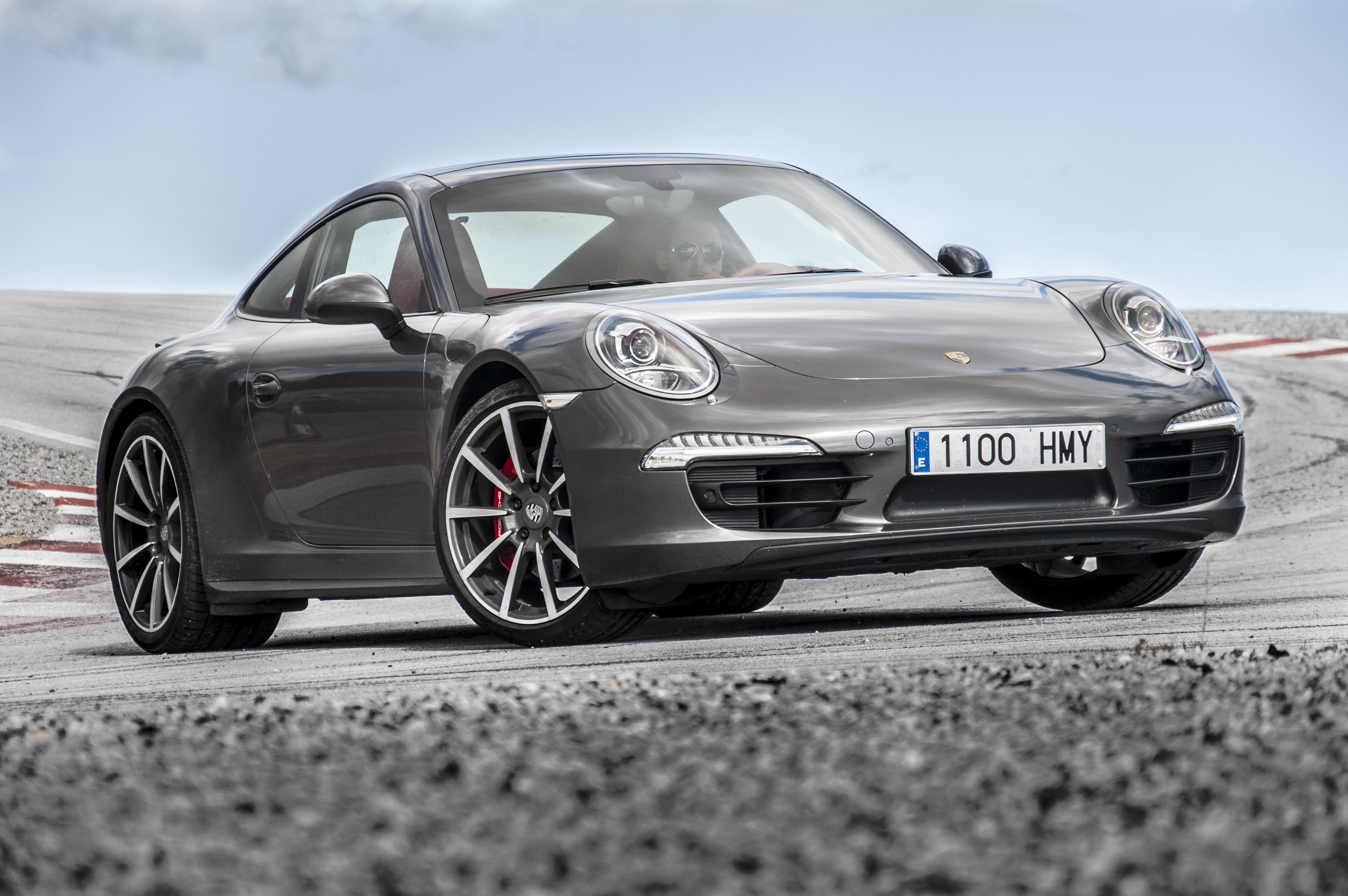
"...ics. That's why I'm fretting over this air cooled 911 search that I've talked about this whole fall in..."
The 911 is a famous German sports car that has been made for many years. It’s known for its fast speed, sharp steering, and a special engine that sits at the back of the car.
The Porsche 911 is an iconic German sports car that has been in continuous production since the 1960s. Its distinctive rear-engine layout and air-cooled flat-six engine have made it a benchmark for performance, handling, and design in the automotive world.
"Adrian was making the same point and Bentley has this thing that they call shy tech, which is their phrase for technology that doesn't get in the way of living and enjoying."
'Shy tech' means the car has useful gadgets that don't bother you or take away from enjoying the drive.
'Shy tech' is a term Bentley uses to describe technology that enhances comfort and convenience without being intrusive or distracting.
".... Like I was, as a case in point, I was driving a Range Rover Sport last week, the SV, which is an amazing power pla..."
The Range Rover Sport is a big, fancy SUV that can handle rough roads and still drive smoothly on highways. The SV version is the most powerful and luxurious.
The Land Rover Range Rover Sport is a luxury SUV that blends off‑road capability with high‑performance on‑road dynamics. The SV (Special Vehicle) variant offers powerful engines, refined interiors, and advanced technology.
"got a lot of real leather and wood in it and carbon fiber carbon fiber wheels on this SV."
These are special wheels made from a strong, light material called carbon fiber, which helps the car handle better and go faster.
Carbon fiber wheels are lightweight, high-strength wheel components made from carbon fiber composites, offering reduced unsprung mass and improved performance.
"camera system. So yeah. And here's, here's some of one of the challenges and part of the problem,"
A camera system is a set of cameras inside or outside the car that help with things like backing up, staying in lane, and keeping an eye on the driver.
A camera system in a car includes one or more cameras that provide visual data for features like parking assistance, lane keeping, and driver monitoring.
"air cooled Porsches existed far before left occult"
Older Porsche cars used air to cool their engines instead of liquid. This made them lighter and gave a different sound.
Air-cooled Porsches refer to the early Porsche models that used air cooling for their flat-six engines, such as the 356 and 911 (pre-1974). This contrasts with later water-cooled engines.
"I immediately had repaired with all original parts from Stuttgart and at the Porsche dealer. So which was an expensive endeavor."
Original parts from Stuttgart are real Porsche pieces made in the same factory that built the car. They fit perfectly and keep the car working well.
Stuttgart is the headquarters of Porsche, and original parts from Stuttgart are genuine OEM components manufactured by Porsche. Using OEM parts ensures compatibility and preserves the vehicle’s performance and resale value.
"... at the Porsche dealer. So which was an expensive endeavor. But by the time I went to sell it, it obviously..."
The Endeavor is a big SUV from Mitsubishi that can seat up to eight people. It’s known for its roomy interior and smooth driving.
The Mitsubishi Endeavor is a mid‑size SUV that was produced from 2000 to 2011. It offered three rows of seating, a comfortable ride, and a V6 engine that appealed to families looking for space.
"... paint. She, oh, she was in charge of making the Cadillac Escalade V. Cool. So she made probably, I mean, my favorite ..."
The Escalade‑V is a very powerful version of Cadillac’s big SUV. It has a supercharged engine that makes it go fast, but it still keeps the roomy interior.
The Cadillac Escalade‑V is a high‑performance version of the flagship luxury SUV, featuring a supercharged V8 engine and upgraded suspension. It offers extreme power while maintaining the Escalade’s spacious, opulent interior.
"with a super charged American V8. Like I love it."
A V8 engine has eight cylinders that make it strong and powerful, which is why many big cars use it to move fast or carry heavy loads.
A V8 is an internal combustion engine with eight cylinders arranged in a V configuration. It’s commonly used in performance and heavy-duty vehicles for its power output.
"...Paint engineering then gets the task of actually creating that color and creating it in a way that's color fast..."
Paint engineering is the science of making car paint that looks good, stays bright, and doesn’t peel or fade quickly.
Paint engineering is the specialized field that develops and tests automotive paint formulas to ensure durability, color consistency, and resistance to fading or chipping.
"...uld say, trucks are more conservative than say a Corvette, right? But even on the trucks that you make, yo..."
The Corvette is a fast American sports car that has been made for many years. It’s known for its powerful engine and sleek design.
The Chevrolet Corvette is America’s flagship sports car, first introduced in 1953. It has evolved from a simple two‑seat coupe to a high‑performance, technologically advanced machine that competes with European supercars.
"We could talk a lot about the new build styling with the Wildcat concept vehicle that is now flowing through to the entire lineup."
A concept car is a prototype built to show new ideas and designs. The Wildcat was Ford’s preview of future styling that later appeared on many models.
The Wildcat is a concept car that Ford used to showcase new styling and technology before it was applied across its lineup.
"you go to factory zero and you look at what we're doing in the Hummer"
Factory Zero is a special factory where cars are built with cutting‑edge technology. It’s part of Ford’s effort to make production faster and more efficient.
Factory Zero is Ford’s advanced manufacturing facility in Detroit, known for its high-tech production methods.
"[1704.3s] It was really GM that taught me how to engineer a vehicle."
General Motors is a big car company in the U.S. that makes cars like Chevrolet and Cadillac, and it sets standards for how its vehicles should feel and perform.
General Motors (GM) is a major American automotive manufacturer known for brands like Chevrolet, Buick, GMC, and Cadillac.
"...ries down low, you create a really low center of gravity. The way that truck handles for a vehicle that la..."
The Gravity is a new electric SUV from Lucid that shows what future cars might look like. It’s built to be very stable and fast, with a low center of gravity.
The Lucid Gravity is a concept electric SUV unveiled by Lucid Motors, designed to showcase the company’s future technology. It features a low center of gravity and advanced battery architecture, aiming to combine luxury with high performance.
"...to be chief engineer for a full size truck. And I reached that goal when I became the chief engineer for the heavy duty truck."
Full size trucks are big pickups that can carry a lot of weight and pull heavy trailers. They’re the kind of trucks you see on big construction sites or long road trips.
Full size trucks are large commercial vehicles designed for heavy hauling and towing, typically used in construction, delivery, or long-haul trucking.
"... Is there a car or a truck? You mentioned the 82 suburban that invokes in you a real feeling of not only n..."
The Suburban is a big American SUV that can carry many people or a lot of cargo. The 1982 version is known for its big size and strong towing power.
The Chevrolet Suburban is a large, full‑size SUV that has been in production since the 1930s. The 1982 model is notable for its spacious interior, towing capability, and rugged off‑road performance.
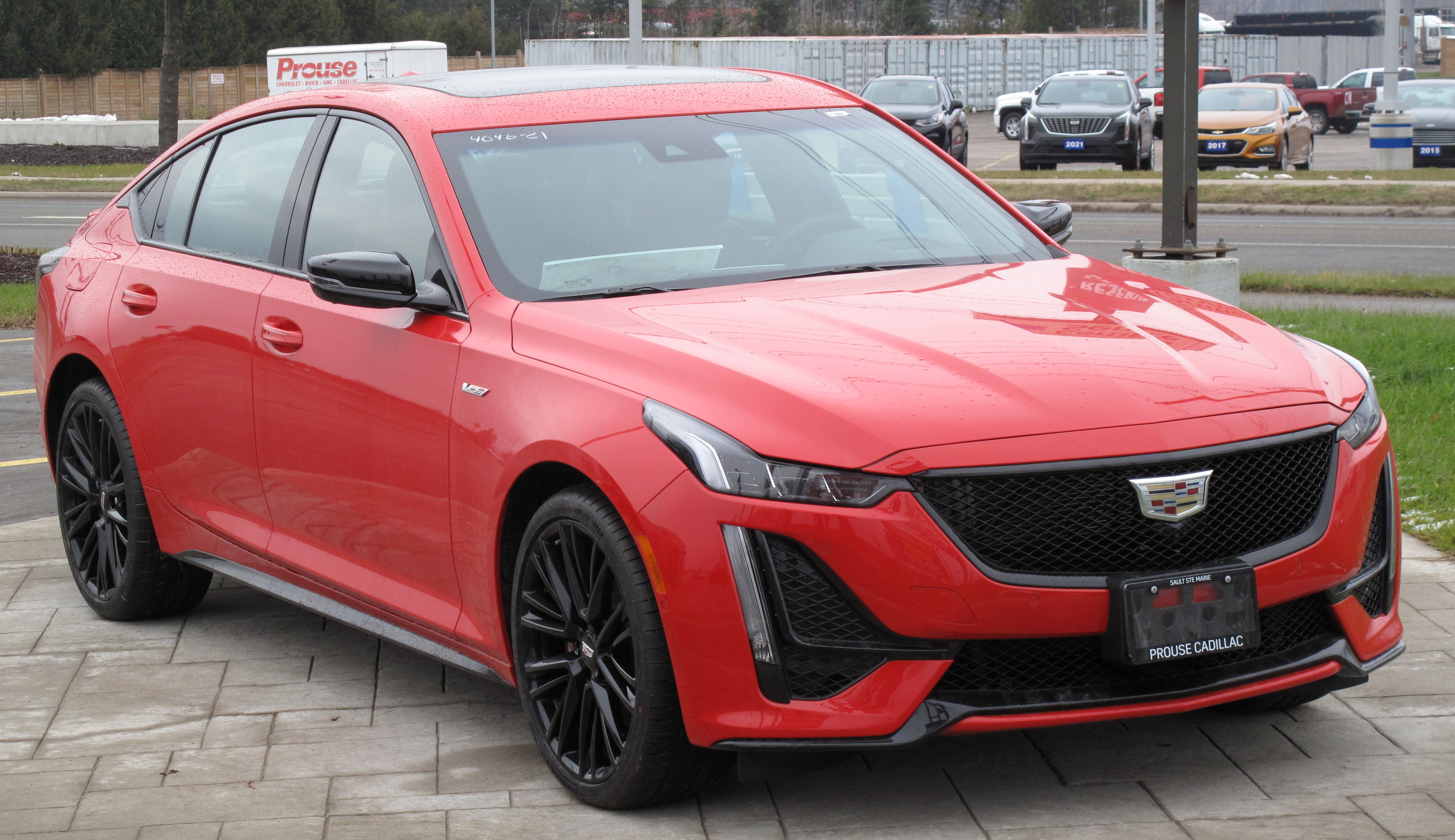
"...d, you know, I mean, taking the LT4, taking that CT5 blackwing engine and putting it into an Escalade,..."
The CT5 is a fancy American sedan that can be very fast if you choose the Blackwing engine. It’s comfortable for everyday driving and has a lot of safety tech.
The Cadillac CT5 is a midsize luxury sedan that offers a blend of performance, comfort, and advanced safety features. The CT5 Blackwing variant uses the LT4 V8 to deliver super‑car level power in a sedan body.
Select text to request an explanation
Introducing the all-new Adobe Acrobat Studio, now with AI-powered PDF spaces.
Do more with PDFs than you ever thought possible.
Need AI to turn 100 pages of market research into five insights with a click?
Do that with Acrobat.
Need templates for a sales proposal that'll close that deal?
Do that with Acrobat.
Need an AI specialist to tailor the tone of your market report to sound real smart in real time?
Do that with the all-new Adobe Acrobat Studio.
Learn more at adobe.com slash do that with Acrobat.
Bloomberg Audio Studios, Podcasts Radio News.
I'm Hannah Elliott.
And I'm Matt Miller. This is Hot Pursuit.
Coming up on today's podcast, get ready to hear me gush about trucks.
I had a chance to sit down with the Global VP of GMC and Buick,
Jacqueline McQuade, a fascinating interview about growing up in Detroit, about learning to drive
with a suburban, about basically taking over General Murrami short of being CEO
and president. She's done pretty much everything.
And I got to drive the new GMC Sierra EV 84 Max Range,
which is gigantic and super luxurious.
But first, are you working on something in particular, Hannah?
Currently, this week, I had a great chance to sit down with Adrian von Hoidank,
who's the head of design for BMW, and talk about their new IX3.
It's part of their Neue Klasse.
Maybe you can say that better in German.
Okay, good. Their new series of electric vehicles.
And he was really interesting. And then tonight, Bentley is going to be unveiling
a very exciting car that I think you're going to love, Matt.
So I've been talking a lot with Bentley this week in anticipation of this debut,
which I think we can talk about because by the time this Ronsi embargo will have lifted.
Yeah. And also, we will have talked to Frank Steffen-Bolliser because you booked the CEO
of Bentley, and obviously famous for having worked at Porsche, where he designed the 918.
By the way, I just Googled the 918 to look at it for a little while, and it's still so gorgeous.
It's great. Every time I see those guys, I feel like this pest, but I'm like,
when are we going to see something like the 918 again? Bring us something like that.
At Porsche, but not at Bentley, right? I mean,
no, no, but let's not forget. And obviously, as you know,
Frank comes straight from Porsche Motorsport to us, and he's already leaving his
fingerprints on Bentley. And with this new vehicle, and we can go into it now if we want,
this is Bentley's new super sports. You'll be very happy to hear it's rear wheel drive, V8,
non-hybrid, pure internal combustion engine, over 650 horsepower. It's a real
screamer, I think. I haven't driven it, but it's going to be, I think, we want it to be.
And I think what you're seeing is Frank sort of injecting Bentley with some of that Porsche
Motorsport stuff. I mean, first of all, thank you for booking him on my television show.
And we'll do that interview. So by the time this comes out, we will have been on
internationally broadcast live television together. No big deal. And a deep tease,
next week, we're going to have him on the podcast. So that's cool. But
just to go into what they're showing you tonight, I'm excited about it because super sport,
because V8, because for a rear wheel drive, for all the reasons you mentioned, but this isn't,
I mean, he just signed up. So it's not like this is the Frank Steffen Wallister car yet.
No. So he hasn't had time. It takes a few years at least to put a car from pen and paper to
iron and resin. So it's going to be a while. Completely. This is, we should actually, Frank,
time flies. Frank started in 2024, Bentley. So he's been, he's been, I think it was July,
July or August 2024. So Frank's been with Bentley, but you're right, this is a really
big ship to turn. As you know, the life cycles of cars are multiple years long.
And so yeah, it's going to take time. I think he's, you know, taking the long view as our
German friends typically do, which is good. And, you know, I can't wait to hear more from him.
We should say we are recording this podcast on Thursday afternoon. The event, the reveal event
is tonight, Thursday night, and then we're going to talk to Frank tomorrow on TV on Friday. And
then the podcast will go live after that. So we've got to, we've got to get our chronology straight
for everything we're talking about here. But yeah, I think it's, this is like the first little taste
of what, this is an indication of where Bentley wants to be going. I think that's the best way
to read it. This is an intent from them to basically say, you know, they're still going to do V8,
they're still going to do an internal combustion. So they're going to make cars that you're going
to want to drive. The rear wheel drive alone, I think is exciting. It's the first time we've seen
on a super sports. All of those are indicators about where the company intends to go. By the way,
I hope, well, I mean, he's the industry genius and I'm just a guy who like looks at cars on the
internet and stuff. But I hope apropos your story for pursuits a couple of weeks ago that they
simplify things a little bit or they continue to because everything that I drive, but certainly
also the Bentley's that they're coming out with now, they're so complicated, right? And so much
works through the screen and the infotainment system. And they have all these turbo chargers
and all wheel drive systems and automatic transmissions. And it's just like, I really
have this urge to go back to the basics. That's why I'm fretting over this air cooled 911 search
that I've talked about this whole fall into. I am now taking up for you, Matt,
because I'm hearing about your search from my people in my circle who are trying to get to you
and tell you what they think through me, which is a whole other thing. But just to your point
about the technology, you know, Bentley's not alone in this. And going back to the time I spent
with BMW and Adrian von Hoidank this week in LA at their design studio in Santa Monica,
Adrian was making the same point and Bentley has this thing that they call shy tech,
which is their phrase for technology that doesn't get in the way of living and enjoying.
And they are supremely aware that not all new tech is necessary or necessarily welcomed
by consumers. So it is interesting to see with this IX3 that they debuted. It is scaled back
from just screens everywhere and nothing tangible. They do have like tactile points in the car
because they're realizing what you say, which is there needs to be some sort of communication
between the car and the human that does not involve just a screen, basically. So it's fascinating to
think about. Yeah, I mean, it's just, I think it's gone overboard. And a lot of manufacturers are
trying to turn it around. And to your point, it's a huge tanker, right? You can't turn it around
the same way you would a sunfish. Like I was, as a case in point, I was driving a Range Rover Sport
last week, the SV, which is an amazing power plant, I think, you know, in collaboration with
BMW now, but and an incredibly luxurious vehicle. The design is not necessarily to my taste. I like
the full-blooded Range Rover rather than the Sport. But this thing is, you know, expensive and it's
got a lot of real leather and wood in it and carbon fiber carbon fiber wheels on this SV.
And it's fast and it handles well. The biggest problem I had was the infotainment system,
like everything, including the HVAC, was through the screen. You couldn't, you couldn't change
any of that stuff. And the infotainment system is the last thing I want to worry about. It's the
last thing I want to care about. I would rather buy a car that doesn't have one, you know, and
that's, you know, what I'm working on doing right now. But I'm sure that the people at Land Rover,
just like the people at probably at Bentley, at Porsche, at Mercedes, everywhere, BMW
want to reverse that trend because they realize the pendulum has swung too far. And of course,
you're going to want to sell, everyone's going to want a navigation system, or most people will
want one. So you're going to have to have a screen, but you want to have a volume knob. You want to
have HVAC controls. You want to be able to quickly push a button for something like, I don't know,
camera system. So yeah. And here's, here's some of one of the challenges and part of the problem,
I think, why they get tripped up. Buyers in China are very happy to have their cars basically like
computers. They do not have the same feelings necessarily in general that we have about wanting
some sort of tactile engagement. And for a long time, automakers thought China was the future for
their company. So they created, they started creating cars that were geared toward consumers who
appreciated their car like they might appreciate a video game console with it, but like interfacing
with a video game. Now that China has proven to be a very, very tough nut to crack and to compete
with, especially for automakers like BMW and Mercedes and Porsche. Now they're kind of like
having to rethink all of that because buyers are different in China. And if China's not going to be
this cash cow that they thought it was now what, you know, so I still think there's a lot of,
a lot of indecision and uncertainty about how to pivot from here. They're experiencing.
It's interesting that you mentioned the video game thing because in my deep dive on all things 911,
I've read a lot about engineers designing the electronic assist steering system for the 991
generation, which is when they went away from the hydraulic assist rack and pinion. And the biggest
concern was that it would feel like a video game. So they wanted to get it right in terms of still
having that real connection with the road feeling. And I think they did a pretty good job of that.
We're going to take a quick break. We come back, we'll talk about my search for a new 911, although
I obviously want probably a very old one. And we'll talk about the person behind some of my
all time favorite trucks, my one on one with GMC Global VP, Jacqueline McQuade, that's all coming
up right after this. Support for the show comes from public. On public, you can build a multi-asset
portfolio of stocks, bonds, options, crypto, and now generated assets, which allow you to turn any
idea into an investable index with AI. It all starts with your prompt. From renewable energy
companies with high free cash flow to semiconductor suppliers growing revenue over 20% year over year,
you can literally type any prompt and put the AI to work. It screens thousands of stocks, builds a
one of a kind index and lets you back test it against the S&P 500. Then you can invest in a few
clicks. Generated assets are completely customizable and based on your thesis, not someone else's.
Go to public.com slash market and earn an uncapped 1% bonus when you transfer your portfolio.
That's public.com slash market paid for by public investing, brokerage services by open
to the public investing Inc. member FINRA and SIPC, advisory services by public advisors LLC,
SEC registered advisor. Generated assets is an interactive analysis tool. Output is for
informational purposes only and is not an investment recommendation or advice. Complete
disclosures available at public.com slash disclosures. I'm Matt Miller along with Hannah Elliott.
You're listening to Hot Pursuit. So when I was growing up, Audi and Porsche are the same dealership,
just to make a little segue here. And you know, as I said, my dad had an Audi, but we would go
the dealership and I would lost over these Porsches. And I guess they must have been
Carrera 3.2s, that generation, you know, early 80s kind of thing. And so I don't know what spurred
it, but I got really interested as we talked about last week in this America Roadster, which is a 964,
on bring a trailer last week. And then it went for what I felt like was a too cheap of a price.
And then that got me thinking, like, why don't I have an air cooled 911? Like,
why have I never experienced this thing? And I've always kind of made fun of these
Luftgekult people, like this, um, this cult, right around air cooled in the left occult.
It's really a cult, right? Because you watch the YouTube videos and these guys are like,
not only did I get a great car, but I landed a great group of friends and like,
I've met so many people through this car. That's the, that's not what I want to do with a car,
you know? I want to drive it, but I want to hear it and I want to smell it and I want to feel it
and I want to be a little bit scared. And I don't know why I've never really checked them out. Like,
when I, I did buy a 911 10 years ago, but I immediately went for the newest model for the
991, which I absolutely loved. And I never had any mechanical problems. It was so reliable,
so fast, handled so well. But I want something that's a little, maybe a little bit less reliable,
not quite as fast and doesn't, it's a little more dangerous.
That sounds fun to me. I mean, first of all, I have to say that the love of, as you know,
air cooled Porsches existed far before left occult. The difference is that the guys driving them were
like the R group guys out in California who were these grizzled old dudes who were like die hard,
not cool old guys. And those guys were actually cool. They were so uncool. They were not,
they were cool. I mean, all of that existed before all of the hipsters came and, you know,
so like I like the idea of tapping into that, like the pre left occult,
like die hard love of it, which was cool. And those guys didn't care about it. They weren't
creating content with their cars. They didn't, they didn't, you know, they didn't even have
cell phones. They were just out driving. There wasn't YouTube. Yeah, no, like that's actually
like legit and OG and very cool. So like, I totally agree with that. I have to say, I did get an
earful from our bosom buddy, Steve Sario, who had to tell me that the car that got away, your Moby
Dick, he read through it and it had been in an accident. And that may have led to the reduced
price on that particular vehicle. So it might not have been as great as you thought.
That's true. And I hope I can find one for less money because I don't want to
necessarily pay that much. I will say in terms of accident cars, because now I'm looking at
literally every car that's for sale, literally every car. My 911 that I had for almost 10 years,
I also had got into an accident. A truck ran into my left rear quarter panel when I was parked.
And it resulted only in, you know, a big old dent, which I immediately had repaired with all
original parts from Stuttgart and at the Porsche dealer. So which was an expensive endeavor.
But by the time I went to sell it, it obviously had the accident on the car fax or whatever you
call it. And that made me think like, I'm not going to avoid all cars have been into an accident,
because a lot of cars have been in accidents. That doesn't mean there's frame damage or, you know.
Yeah. I mean, I guess, yeah, if it's not, I was going to say, if it's not something that you're
hoping that is an investment. Oh, I don't care about that. But yeah, because every racing car
has been in multiple incidents. And you know, it's like, whatever, I'm kind of with you on that.
And I should also say, both Steve and then one of our readers or listeners, Don,
Don is an amazing resource. He's already proven an amazing resource. Yeah.
Yeah. Well, he of course, now they're sending, I know you saw it, additional America roadsters
that I think we all are rooting for you. Like now I'm having to feel these things on behalf
of you. Well, thank you so much. There's so much good will for you finding one. Well, you know what
the thing is that I've realized, probably one of the reasons that people get so into this and so
obsessed is because there's so much there. And of course, part of the joy of cars is the chase,
right? So now I'm like, maybe these are expensive, these 964s, maybe I want an SC, which are maybe
a little more, you know, affordable, or maybe I want a Carrera 3.2 because it has that classic
look that I fell in love with. Or maybe I even want a 993 because it's the end of the line,
although I don't like the way the headlamps slide by. And then I start thinking about, oh,
the early ones have torsion suspension, then they got coilover shocks and the early ones have
totally direct steering. Later you get a hydraulic assist. And there's so many variables that there's
like a million things to learn and sink your teeth into. This is all just to say, I kind of wanted
to pitch our listeners on, if we did a whole show that was just a buyer's guide, a 911 buyer's guide
with someone who knows a lot of stuff like Steve Sirio, or maybe Magnus would join us,
or maybe this guy, Nathan Mertz, like, I wonder if people would care, would want to listen to that?
I'm sure they would. And I think we should do it with, you know, whatever expert, maybe we get a
multiple, maybe we have multiple, maybe we, I don't know how we do it, but sounds great to me.
I think you're right. Write and tell us, everybody, like hot pursuit at Bloomberg.net,
I think you're right. And we should do it. Yeah. Hot pursuit at Bloomberg.net.
Should I buy a car with a 915 transmission or do I have to have the G 50? Okay, that's enough of that.
We are going to talk about other automakers because I did get to sit down with Jacqueline
McQuade and I did get to talk with her about she is such a truck person. But also, like,
she's an engineer. She's worked in paint. She, oh, she was in charge of making the
Cadillac Escalade V. Cool. So she made probably, I mean, my favorite SUV. I don't know if it's,
I haven't thought about it long enough to say of all time, but that is a behemoth with a super
charged American V8. Like I love it. And she's run Europe, you know, so she's run entire continental
businesses for them. And now she's back home at GMC. We'll check out my interview right after this.
Welcome back to Bloomberg Hot Pursuit. I had a chance to sit down with Jacqueline McQuade,
who is a lifelong Michigander. She even has two degrees from the University of Michigan,
which you know that Hannah, I am an Ohio State fan, so it's kind of hard.
So hold your nose to talk to her. It's so weird because I love to go to
Detroit. I love to talk to people in the car industry and the American car industry,
and they inevitably went to U of M or their Spartys and I prefer the latter. But as someone
from Ohio, you know, there's an old story of the OSU football team driving back from Ann Arbor
to Columbus after a game and they ran out of gas and Woody, the coach, made them get out and push
because they were close enough to the border where they could buy Ohio gas rather than Michigan gas.
I'm sure it's not true, but I hope it is true. I love that. Anyway, Jacqueline is awesome and
to be fair, Michigan has won against Ohio State for the last four years in a row,
but that's coming to an end this year. She is an engineer. She has worked in purchasing. She has
worked in product. I mentioned that she ran the Cadillac Escalade V product and she ran the continent
of Europe. Now she is the global VP of GMC and Buick. Let's listen in to my interview with Jacqueline
McQuade. Jacqueline, first of all, thank you so much for joining us. It's a real pleasure to have you.
You have an incredible resume, but it's all at one company. It's all at General Motors
pretty much, right? Because you started there straight out of University of Michigan and have
done everything from interning at paint shop, as far as I know, to running a continent. So tell us
about your journey, how you got started there to begin with. Yeah, it's literally been all at
General Motors. You're absolutely right. I started before I graduated from your University of Michigan.
I started as an intern. Your data is accurate. I was an intern in paint engineering back when I was,
gosh, summer after sophomore year of college, I interned with GM. I did one summer in paint
engineering, which was actually really fascinating. They hire, they tend to hire more chemical
engineers and I was mechanical. But when you think about what the design studio does to come up with
these really unique colors and our design studio, they're watching New York Fashion Week, they're
following European fashion, they're really projecting fashion into automobiles. When you
think about interior and exterior design, and exterior color is something that just gives
an impression of a vehicle when you first see it on a lot of driving down the road. So there's a lot
of design work that goes into that. Paint engineering then gets the task of actually creating that color
and creating it in a way that's color fast and that can match across different mediums as you're
painting from the vehicle body to maybe the fender, etc. And it was fascinating. I had no idea that
that even existed when I went to U of M getting a mechanical engineering degree with an emphasis
on automotive. So it ended up not being maybe where I wanted to take my career, but it was really
an interesting place to start with General Motors. I mean, I don't want to spend too much time on
paint because you have gone from engineering to product purchasing to, as I said, continental
leadership. But I find it fascinating as well. And just having spent time on a factory floor,
like the amount of space that paint takes up compared to everything else is pretty substantial.
And it's a pretty important part of buying a car. When you see a vehicle that speaks to you,
a lot of times it's the color and the quality of the paint. I think as someone who cares a lot
about cars is important. And you can also see changes through different periods of time. Like
GM now is making crazy purples and oranges. And even on the conservative, I would say,
trucks are more conservative than say a Corvette, right? But even on the trucks that you make,
you have these greens and these smoky blues. How have you noticed the demand changing over time
for what people want in terms of paint colors? Well, yeah. I mean, at the end of the day,
a vehicle is a very emotional purchase. You got people that love their vehicles. You've got people
that name their vehicles. My daughter would hug her vehicle. She just loved it. And so
these are emotional purchases. And it really starts with how does a vehicle make you feel
when you first see it? And the paint color has a lot to do with that. Obviously, the styling next
year, styling does as well. We could talk a lot about the new build styling with the Wildcat
concept vehicle that is now flowing through to the entire lineup. But it is an emotional purchase.
It should make you feel something. If it doesn't, you pick the wrong vehicle. And it starts with
the paint. It really does. And now you've got these matte paint colors that are all the rage. And
you go to factory zero and you look at what we're doing in the Hummer and we're painting these matte
paints. Actually, funny enough, when I first started summer of 1998 as an intern in paint
engineering, I was at Detroit Hamtramek Assembly, which is now factory zero, where I spend a lot
of time now as the VP of GMC. So my career has kind of come full circle back to that same
manufacturing plant, albeit completely read on now that it's building electric vehicles. But
it really, the vehicle should make you feel something emotionally when you see it. And if
it doesn't, you should keep looking. So all right, paint, I think is really cool. And
you obviously do a fantastic job of it there. But what did you move to next? Did you go to
purchasing? Next, did you go to product? No, purchasing, right?
Well, so I started when I hired in full time, I hired into engineering. And I spent the first
13 years in a lot of different engineering fields. So my, my engineering degree, both masters and
bachelor's is a mechanical. So I started in a, in a space called road load data acquisition. So
effectively, you are instrumenting the vehicle with all different transducers, load cells,
LVDTs, accelerometers, et cetera. And you're taking the vehicle out on test roads. And you're
seeing how is the vehicle responding when it's going over different road surfaces, when it's
going through a pothole, when it's going over Belgian blocks, or it's doing, you know, extreme
turning maneuvers. How is it flexing? Where are the stress points in the frame? How are you
engineering the right failure mode so that it fails safely? And so I spent a couple years doing
that. And I would say while getting an engineering, engineering degree from Michigan is, was great.
It was really GM that taught me how to engineer a vehicle. Those first couple of years, working in
road load data acquisition, gave me such in depth understanding of vehicle dynamics and how to
engineer a vehicle for the type of vehicle feel and ride dynamics that General Motors wants. And
we have a very, I would say unique way of integrating our vehicles. And when you're driving a GM
vehicle, you know that you are in one. And whether that's a Chevy feels like a Chevy, a Buick feels
like a Buick, a Cadillac feels like a Cadillac, we definitely have a dynamic approach to our vehicles.
And so I spent time there. I went from there to vehicle dynamics, to ride and handling. I spent
time in noise and vibration. I released components for the vehicle exhaust systems on full size
trucks. I worked in tire and wheel systems. I was an engineering group manager in brakes.
So all of my engineering background was very chassis based and very vehicle dynamics based.
And I did that for about 13 years. And then I went over to purchasing.
So all right, well, this is a, I want to talk about the rest of your career, but this is a
perfect time to talk about, because of that experience, my week in the Sierra EV, I had the
max range, 84 last week. And I was absolutely blown away by the effortless feel of the throttle,
because it's obviously a very heavy vehicle. I don't know how much it weighs, but maybe 9,000
pounds, right? And previously, my favorite truck, as I told you, we had lunch a couple of weeks ago
here in New York, and I told you my favorite vehicle was the Chevy Silverado, the 2500,
the HD ZR2 that had the 6.6 liter diesel V8, because that power train just feels like it
motivates any kind of weight in a Rolls Royce like luxurious way. And this I thought was even better.
I don't know, because of the instant torque, because of the massive power, it was just
more than adequate. And I never cared really about the numbers. I don't even know what the
horsepower and torque is, but I'm sure they're mind blowing. The other thing I noticed about
that truck beyond the luxury stuff that you guys have put inside. And honestly, I was thinking of,
I was thinking of comparisons I always do to Rolls Royce, because that was the first amazing luxury
ride I ever had. And even the stitching, the fabric that you guys do in this truck is super
elite in a way. It's almost an art, a work of art. And I'm sure it's not handmade, but it looks
like it could be. And then I noticed the NVH is flawless. And I've driven a lot of other,
I've driven other companies, let's say big EV trucks, and the NVH is not flawless. So you guys
have done something that I don't think anyone else has achieved, and I haven't even gotten to the
range yet, right? Because it's over 400 miles. I have to say, you must be proud of that vehicle.
Yeah, I'm super proud of that vehicle. So I'm glad to hear you're in the AT4. That's actually my
daily driver. So I'm in a Sierra EV AT4. So I understand exactly what you're saying and completely
agree. It really comes down to the initial engineering of the vehicle. When we set out to do an
electric truck, we said, okay, we're going to do it right, and we're going to do a purpose-built
electric truck from the ground up. And when you do that, you can engineer in the dynamics and the
NVH of the vehicle from the beginning. So you get the batteries down low, you create a really low
center of gravity. The way that truck handles for a vehicle that large, the way it handles,
the vehicle dynamics of it, yeah, it's incredible because we've really created the structure of
the vehicle using the batteries. They weren't an afterthought. They actually create the vehicle
structure. And so you've got great structure to it as a result of that. And this truck,
zero to 60 in like 4.5 seconds. It's crazy moving that much mass, but it was engineered to do that.
And then from an NVH perspective, when you think about an electric vehicle, and I spent a lot of
years doing NVH at GM, I did it for over four years here, all on full-size truck, you think that
when you do an electric vehicle, you're doing something great because you're taking all that
engine noise out. The reality is engine noise masks a lot of other noises. And when you take
that engine noise out, you have the risk of other noises popping up. If you've not correctly engineered
integrated that vehicle to accommodate for the lack of that masking noise that the engine naturally
provides, we went into the engineering of this truck understanding that and we integrated the
entire system to work together for an electric propulsion system. It's a great point because
I've driven so many EVs where because there's no engine noise, this is exactly what you said,
but I'll give you my version, I can hear all the rattles and squeaks, right? If the headliner
isn't aligned perfectly or the glovebox is shaking, I always put baby seats in the back
because I have little kids, everything, you hear everything. And there is absolutely none of that
in this truck. The handling I thought defied physics, I don't know how much, I don't know if
you'll tell me how much it weighs, but I imagine it's 9,000 pounds. And I also thought the breaking
feel was perfect, which is something that's tough to get right on an EV because you're trying to
you're trying to do regen, right? You're trying to help add back to the battery.
So did you guys win awards for this vehicle? I mean, I don't read the industry press that much,
but I imagine you must have gotten accolades for it. Yeah, we got a lot of accolades. There have
been a lot of publications that have tested this vehicle. When you look at what we put out as the
max range, which is what you were driving, which is what I drive every day, it's 478 miles is what
we publish. But we've had so many, so many industry professionals get in it and take it for rides and
get far in excess of that. It really depends on, you know, what your driving type is, obviously for
an electric vehicle because of regen braking, as you said, your fuel economy is actually better and
sort of stop and go city type traffic, which is completely contrary to an internal combustion
engine where you want to be an expressway the whole way, right? But you don't get regen braking
there. So depending on how you're driving the vehicle, what range you get, but you have to
remember GMC is really the only truly premium truck and SUV brand out there. You look across
every truck and SUV brand, it is truly, truly premium. And so that has to flow into everything
we do, Matt, that's got to flow into the vehicle dynamics. That's got to flow into the brake and
throttle field. It's got to flow into the interior and how we do fit and finish and how we craft it,
because when we say it's premium, our customers are going to expect that in every facet of the
vehicle and it's up to us to deliver that. I did think, and I hope I don't get in trouble for
saying this, but I thought it was better than your internal rivals. Like the Escalade, I think,
Escalade IQ is, I love the shape. I love the look, the design. It doesn't handle as well as the Sierra.
And at least in my experience, I've driven it twice. I don't know why that is. Is it harder to
build a three-row version? Is there something inherently easier about building a pickup truck?
Is it separated like the old pickup trucks? Could you take off the bed and replace it
with something else or is it all one piece? Well, I mean, it's just a different dynamic,
right? You've got the bed and you've got the box that we're going to be flexing as opposed to an
SUV with three rows. It's going to be all one body structure. So there's certainly a different way
that you're going to tune it. You've got your cab mounts and your box mounts that are going to be
done a little bit differently when you've got the split. It's just about really how you tune it.
I'm GMC biased. I learned how to drive in an 82 GMC suburban back in the day. That was when GMC
had the suburban nameplate as well as Chevy. So I've been a GMC fan as long as I can remember.
So somebody asks me, I'm going to say, I love the GMC Sierra above all else. It's nice to hear
you say that as well as an independent third party. I'm partial to it.
I mean, let's talk about that because I don't want to pigeonhole you as a truck person,
but you started driving trucks when you were a kid and does your family, do your friends,
are they like, I knew you would do something like this because you were into it back then
and now you're actually designing them. Yeah, my dad would have said that. He would not be
surprised at all. We lost him a few years ago, but if you were alive today, he would say he would
not be surprised at all. I always loved trucks. When I first came to General Motors and I got
to start working on trucks pretty early on in my career, probably about three years in I started
working on trucks and I've really never looked back. And that's the thing with the truck organization
here. When they find you and they love you, they kind of tend to hold on to you, which has been great
for me because I've loved it. And my aspiration early in my career was to be chief engineer for
a full size truck. And I reached that goal when I became the chief engineer for the heavy duty
truck. And that was back in, gosh, 2016. And I thought, well, shoot, now what? I hit still a
long way to go. And then I moved on from that to executive chief engineer of midsize truck and
then executive chief engineer of full size truck. And, and then I'm kind of looking around saying,
gosh, I'm like 44 and 45. And I hit the pinnacle, I better figure out a new pinnacle. And that's
what then took me to Europe to run General Motors Europe for a couple of years and brought me over
here to run Buick and GMC. But, but leading the truck organization was absolutely a highlight
of my career because, you know, I am a truck person. I've driven trucks my entire life and
I will continue to. It's just what I love. I wanted to ask what it's like to grow up in Michigan
because I love to go to Detroit as a car person. I feel at home there, you know, being a journalist
in New York City, like nobody I ever talked to cares about cars here. And I grew up in Ohio,
which is, um, you were better at football, but not quite as good as debate. Not, not quite as
steeped in automotive tradition. So what's it like to grow around, grow up around like everybody's
a car person where you live, right? I mean, I imagine from elementary school through U of M,
you do the engineering and masters program at GM, like everybody you talk to cares.
Yeah, it is a unique space. I mean, obviously for me growing up, it didn't feel unique. It was
just what I knew. And if you're somebody who's mechanically inclined and I grew up, I just
wanted to know how everything worked. I would just, I would tear things apart just to try to put
them back together or something at home broke. My dad would tell my mom, don't fix it. Let's see
what Jacqueline can do with it. That's just something that I've always loved. And so automotive
was so natural for me. And it was around people with a passion for automotive. You know, I wasn't
the type personally that was wrenching on cars in the driveway probably because my dad wasn't a
wrencher. And so we just sort of didn't do that. I just had an interest for the industry. And I fell
in love with it even more in college. And then when I came to General Motors, that really solidified
it. But I was around people all the time that had this passion for automotive as well. Now as I
work in this industry, and I start getting around, I realize it's just not that way everywhere else
in the country. And I think it's just such a unique culture we have here in Detroit. And I'm
super proud to be from Detroit. I'm super proud to still be living in the suburb of Detroit.
Detroit has really reinvented itself over these last several decades. It's a city I'd be incredibly
proud to take anyone to when they come to visit. It's just, it's a really great automotive town.
Is there a car or a truck? You mentioned the 82 suburban that invokes in you a real feeling of
not only nostalgia, but desire. Do you want to get one of those and restore it and put it in your
garage? Or do you have a weekend driver that you really love? You know, I would love to get it.
I was actually going back not too long ago, a few years ago, with my sisters. We were trying to
find a picture of that old suburban. We all learned how to drive on it. And we're all trying to find
a picture of it. And we couldn't. I would love to get one. And just because it does bring back
just such great memories. I'm one of four daughters. And we all took our turns learning
how to drive on that beast. And it was, tell you what, if you can park in a high school parking
lot in that, you're done. You're good. You can drive anything. You're good. You can drive anything,
which is why both of my kids learned how to drive on full-size trucks. Is there a vehicle,
Jacqueline, that you have engineered in your head or something that you want to make that you don't
like a project that you have a dream about accomplishing in terms of engineering? Because
I imagine as an engineer, you always think up cool, quirky suspension systems or powertrains or,
I don't know what, because I'm not an engineer, but... Well, I mean, we always want to push the
boundaries, right? That's what engineers, that's what we should do. We should always innovate. We
should always take it to the next level. We should always see how far we can push it and
then see if we can go a little bit farther. When I was the executive chief engineer of full-size
truck, the most fun I had was the Escalade V. I got to be the ECV for that. And, you know, I mean,
taking the LT4, taking that CT5 blackwing engine and putting it into an Escalade, and then everything
you do to make it work from the suspension and the body mounts to the equal length exhaust to give
the right noise tuning, because like I said, I'm an NVH person, so that was super important to me
to get that, that throaty growl and the pops and gurgles exactly the way we wanted it. That was
something that I can step back and say, wow, what a passion project. And I think full-size truck in
general is just one of those segments that people have a ton of passion around. I see people driving
those 25 and 3500 HDs with to your point the 6.6 liter diesel. And they're just smiling as they're
driving these trucks and towing 35,000 pounds behind them. And so just that's what I love about it.
And okay, now where can we push it? What's the next level of towing capability of horsepower,
of torque, of, you know, of zero to 60 time, you know, in an Escalade for crying out loud,
taking an Escalade zero to 60 in four and a half seconds. I mean, come on. So that's what I get to
do, Matt. Yeah, no, I'm, I have a lot of respect for what you do. And of course, the products that
you make are among my very favorite products in the automotive world. So I love the Escalade V.
It's just bonkers. And all right, Jacqueline, what's next? What's next for you?
Right now, I'm having a lot of fun running Buick and GMC. Both brands are doing great. Buick is
growing like crazy, fastest growing mainstream brand right now, super proud of what that brand
has done and the products in its portfolio. Having a ton of fun with GMC because Trucks is
really my passion. And so seeing what we're doing there is really exciting. So my intention is to
keep doing what I'm doing and keep taking these brands to new heights. Well, I really appreciate
you spending some time with us. I'm so glad I met you. And I'm so glad you could join us on hot pursuit.
I enjoyed it very much, Matt. Thank you so much for having me. Thank you.
All right. That was my interview with Jacqueline McQuade. She's awesome. And I'm
thinking there's a high likelihood she is at least in the running for the next chief executive officer
at General Motors. So all right. You know what? I hate it when YouTubers say like and subscribe,
especially they'll stop at the beginning of the video and say, hey, like and subscribe. And they
always put the bell up and the red button. It's so self-serving. It's disgusting.
So earnest. It's way too transparent and earnest and, you know, asking for something.
I don't want to be begging our listeners to write a review of the podcast or to give us five stars
or to like and subscribe. I wouldn't. I wouldn't. You don't have to. I'll do it for you. I'll do it
for you. I'll say please like and subscribe to Bloomberg Hot Pursuit. Write comments. Write us
questions. Write reviews. I have no shame in this way. I will do all the dirty work. We do love
to hear from you. And do remember to follow and subscribe on Apple Spotify. Anywhere else you
listen, you can find me on Instagram, Hannah Elliot Exo. You can find Matt Miller on Instagram as well,
Matt. Yeah. Actually, I do not have any shame about asking people to follow me on Instagram.
Um, although I, I guess I'm not as, I could be putting up more. I'll put, I'm going to post
a picture of the RS6 that I'm, that I got pulled over in this morning. Post that one and like
honestly post something of a road, like an America Roadster, so to get people to help you hunt.
I'll do that. I, by the way, when I first signed up for Instagram, this is like, I don't know,
15 years ago, uh, I did it at the behest of our social media director here at Bloomberg.
She has since left the company, but I, she said, just pick any handle. So I picked Matt Miller 1973
and she was like, ew, you're so old. People are going to know how old you are. And I wasn't even
that old then. Yeah. Yeah. I do. I certainly would never, my own husband asked me how old I was
going to be on my next birthday and I declined to tell him. I thought it was a rude question.
That is rude. All right. That does it for this episode of Bloomberg hot pursuit. By the way,
we say the entire name because you have to search Bloomberg hot pursuit to really find us. Um, I'm
Matt Miller and I'm Hannah Elliott will be in your podcast feed again next week.
Turn risk into opportunity. Secure every agent. Secure any agent. Octa secures AI.
Request an explanation for:
13 cars
Scroll for more
13 cars featured
Request an Explanation
Heard something you'd like explained? We'll add it to this episode.
Sign in to request explanations for terms you heard.
Want to learn more?
Browse our glossary for plain-English explanations of automotive terms, jargon, and concepts.
See something that's not quite right? Our annotations are AI-generated and can sometimes miss the mark.
Click the flag icon on any annotation to suggest a correction.