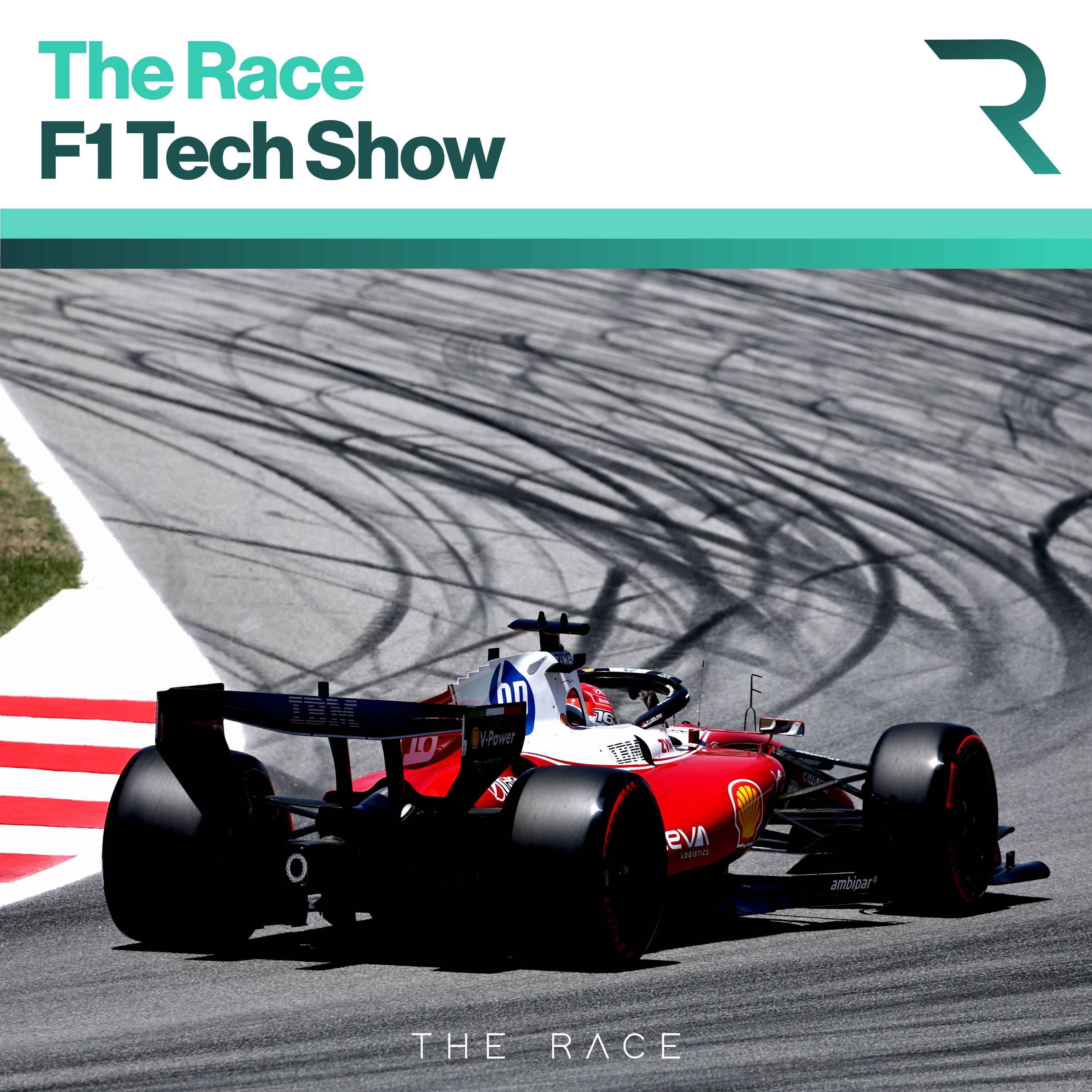
This is the Formula 1 race weekend in Barcelona, Spain. It’s a track engineers like because it tests lots of different things on the car—handling in slow corners, braking, and how well the car’s shape works for downforce.
Aerodynamics is how the car’s shape interacts with the air. In racing, it matters because it can help the car stick to the road (downforce) and also affects how much it slows down (drag).
Braking stability is how well the car stays under control when you slow down. A stable braking car helps the driver turn in confidently for the next corner.
Lewis is the driver being discussed. He’s hit a huge milestone—his 106th Grand Prix win—and this one is especially notable because it’s his first full Grand Prix win with Ferrari.
“Battery vibration” means the hybrid battery system is causing the car to shake or feel unstable. That kind of vibration can make the car harder to drive and can also stress parts over time.
The gearbox is what controls which gear the car is in and how smoothly it shifts. If it doesn’t change gears when it should—or shifts roughly—it can make the car feel inconsistent and slow.
“Engine pushing on” means the engine’s power delivery doesn’t feel smooth or controllable. Instead of helping the car behave predictably, it can make the car feel like it’s forcing you in the wrong direction.
A “new set of regulations” means the rules for building and running the cars have changed. When that happens in F1, teams often have to redesign parts of the car, so performance can shift a lot.
Term
aerodynamic works
This is about how the car’s shape and wings push air around. If the aerodynamics aren’t working well, the car can feel unstable or slow, even if other systems are improved.
This is how the hybrid system decides when to use stored energy and when to recharge it. If it’s not managed well, the car can feel inconsistent or not respond the way the driver expects.
Term
drive chain
This is the system that carries power from the engine to the wheels. If it’s not behaving correctly, the car can feel like it’s not putting power down cleanly.
Concept
half a season
They’re talking about how long it takes to figure out what’s wrong and then improve it. In racing, you don’t have unlimited time to fix problems before the next upgrades.
Concept
massive leap forwards
They mean the rare case where upgrades suddenly make the car much better all at once. Usually improvements are smaller and take time to fully work.
Side pods are the shaped body panels on the sides of the F1 car. They help manage airflow and cooling, so new ones can make the car faster and more stable.
Term
bars boards
This likely means bargeboards: small fin-like parts near the front sides of the car. They help direct air so the car grips better and runs more efficiently.
It means the car’s shape and airflow are making the steering feel a bit unpredictable. Instead of turning in smoothly, the front end can feel like it’s fighting you or changing behavior at speed.
Weight distribution is where the car’s weight sits—more on the front or more on the back. That affects how the car turns and grips, so teams adjust it to make the handling feel balanced.
Barge boards are shaped parts on the sides of an F1 car. They guide the air so the car sticks better to the track and behaves more predictably.
Term
turning vein
This is describing a small aero detail that affects how air flows around the car. The speaker is saying you can’t fix handling problems with just one tiny tweak—you usually need a set of changes that work together.
Place
Barcelona proper race track
They’re talking about the Barcelona track used in F1. The point is that it’s a normal European circuit with lots of data and familiarity, unlike Monaco.
Alonso is a famous Formula 1 driver who’s won world championships. The point here is that he’s not panicking because he’s seen tough seasons like this before.
“Dead time” in Formula 1 is the unproductive time where the car isn’t gaining track position—often tied to pit stops, waiting, or periods where you can’t effectively run at speed. The host’s point is that every moment like that adds up across a race weekend.
Minardi was a Formula 1 team that usually wasn’t fighting for wins. The host is using it as an example of a team that aims for achievable results like scoring points.
Toro Rosso was an F1 team name that later changed. The host is pointing out that the team’s branding can shift, even if the underlying operation is related.
In F1, the technical director is the top engineering manager. They help decide how the car should be developed and make sure the different engineering groups work toward the same performance goals.
Aerodynamic design is the process of shaping the car to manage airflow for downforce and drag. In F1, it’s crucial because it affects grip in corners and how fast the car can go on straights.
Control systems are the car’s electronics and software that help it respond correctly while you drive. They read sensors and adjust behavior so the car performs the way the engineers designed it to.
Simulation tools are computer programs that help engineers predict how the car will act. Instead of testing everything on track, they can try ideas virtually first and learn faster.
A podium finisher means finishing in the top three of an F1 race. It’s a big deal because it usually brings lots of points and shows the team is performing at the highest level.
A point scorer is someone who finishes high enough to earn points in the race. “Solid point scorer” means doing it regularly, not just once in a while.
In F1, some teams don’t build their own engines—they get them from an engine supplier. “Engine supply” here means Honda providing the engines to the team, and the host is saying that supply isn’t meeting expectations.
Term
98 engine
“98 engine” is shorthand for the Honda power unit used in the 1998 era (often referenced by year in F1 technical discussions). The host is saying Honda responded well to feedback on that earlier engine, implying the current situation could improve with the right technical direction.
F1 teams and engine suppliers have to work together closely. The host is saying the results only improve when both sides communicate and cooperate well.
This part is basically a debate: are they right that Ferrari would be unbeatable if its engine were better? They also talk about whether the evidence is just from one race/track and whether there’s more going on. It’s about interpreting performance fairly.
Car
Ferrari SF26
Ferrari SF26 is Ferrari’s latest Formula 1 race car. The discussion is basically about whether it’s fast because of the car’s handling, or whether it’s being held back by the engine. They’re debating what would happen if the engine were stronger.
Lando Norris is a Formula 1 driver. In this episode, they’re talking about what he thinks about Ferrari—basically whether Ferrari would be better overall if its engine was stronger. It’s his opinion being debated on the show.
McLaren is one of the Formula 1 teams. The speaker is saying Norris might be trying to put pressure on McLaren, partly because McLaren’s car uses a Mercedes engine. That matters because engine strength is a big part of the debate.
Mercedes is mentioned here as the company supplying the engine used in McLaren’s Formula 1 car. The idea is that engine choice can change how fast a team is, so it influences the argument about who should be dominating. It’s part of the “why” behind the debate.
“Pit lane” is the lane where teams work on the cars during stops. Here it’s being used as a way to talk about which engine seems strongest during race action.
A “small turbo” is a smaller turbocharger on the engine. It usually helps the car feel punchier sooner (faster boost), but it can run out of breath at the very top end.
“Lower rpm corners” are corners where you’re not spinning the engine very fast. A turbo can still help you get power out of those corners, especially with a setup designed to spool up quickly.
“Boost pressure” is the extra pressure the turbo pushes into the engine. More boost usually means more power, as long as the engine can handle it and burn the air properly.
“Ultimate power” is the car’s absolute maximum power—usually when the engine is revving the highest. The idea here is that some turbo setups trade peak power for better punch earlier in the rev range.
“Mid-range power” is how strong the car feels in the middle of its engine revs. It matters a lot when you’re coming out of slower corners and need acceleration without waiting to reach the very highest RPM.
“Four wheel drifts” means the car is sliding with all four wheels, not just the back. That usually suggests the car isn’t gripping well, so the driver has to steer and control the slide to stay on line.
A “1-2” finish means the same team gets the top two spots in a race. It’s important because it can dramatically change the points race for the championship.
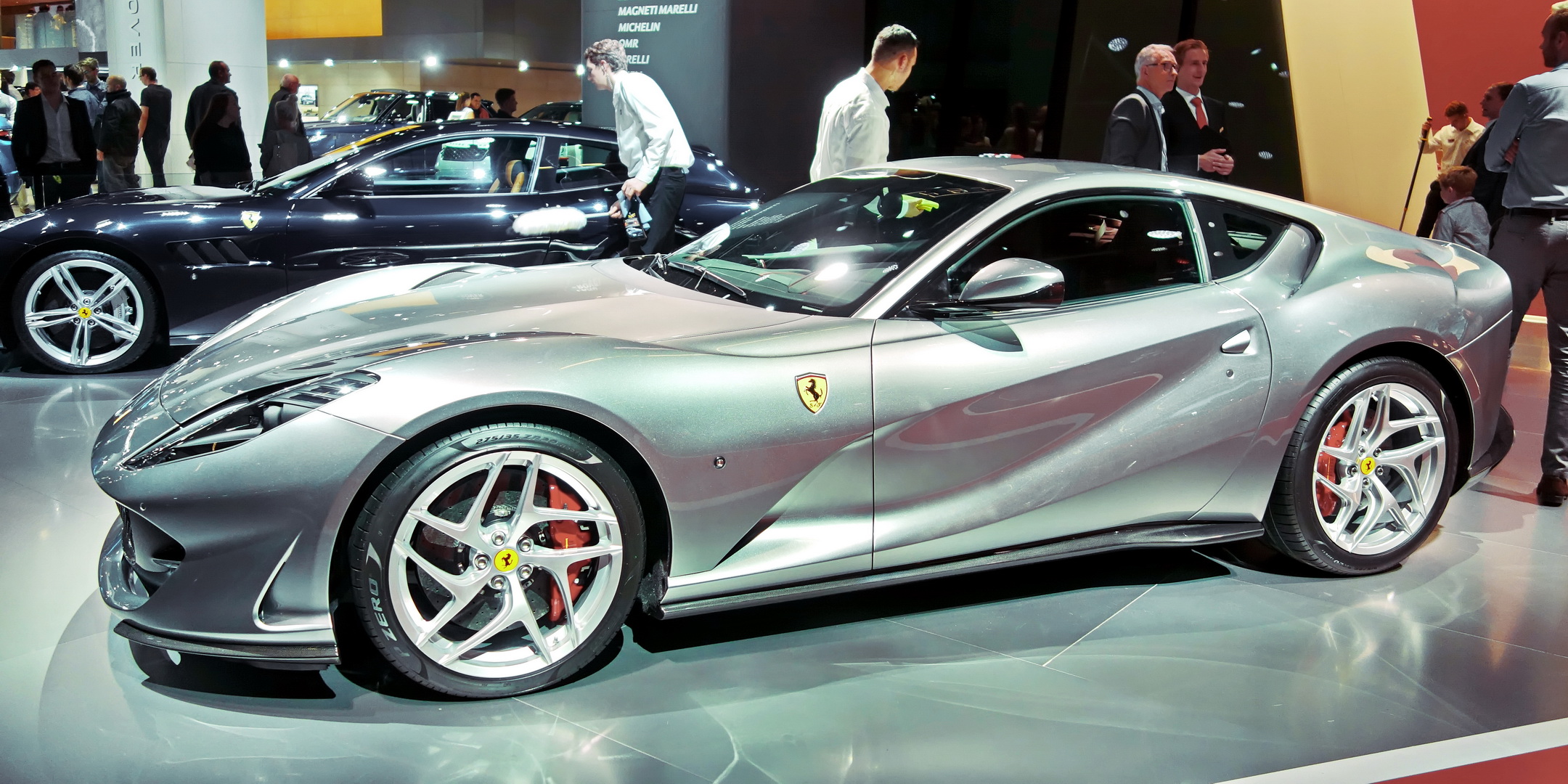
The Ferrari 812 Superfast is a very high-end performance car made by Ferrari. It’s built to be extremely quick and is meant for both fast driving and longer trips. In a race weekend discussion, it can be brought up when talking about how a car’s speed in qualifying can change the outcome.
The Dodge Challenger is a performance car made by Dodge. It’s known for having a powerful engine and a sporty, aggressive look. People talk about it because it’s designed to be fast, especially in straight-line driving.
In F1, the “power unit” is the car’s main engine system that provides the power to move the car. When teams talk about power unit upgrades, they mean improvements to that whole propulsion setup.
Peak power is the highest power number the engine hits at one particular engine speed. The point is that two engines can have similar peak power but feel very different across the rev range.
Term
throttle opening
“Throttle opening” is how far the driver (or the engine control system) opens the throttle valve, which controls how much air enters the engine. In turbo engines, throttle position affects boost response and the air-fuel mixture, so it’s part of what determines the power curve.
The “exhaust pipe” is part of the exhaust path that carries hot gases from the engine to the turbo and beyond. In turbocharged setups, exhaust flow characteristics influence how the turbo spools and how efficiently the engine produces power.
Peak power is the highest number an engine can make at one moment. Average power looks at how strong the engine is over a whole range of engine speeds, which can be a fairer comparison—especially for turbo engines.
A turbo is a device that forces more air into the engine. “Turbo size” is basically how big/strong that turbo is, and it affects how the engine makes power across different rpm levels.
“Rev range” just means the range of engine speeds the car spends time at. The host is saying you should compare engines based on the rpm band they actually use during a race, not just the single best rpm.
As the engine spins faster, the exhaust flow changes. That exhaust flow helps drive the turbo, so the turbo’s effect depends on rpm—not just on one peak power moment.
A V6 is an engine with six cylinders arranged in a V shape. The point here is that you can tune an engine to feel strong in certain ways, even if it doesn’t win every metric.
MGUK is the part of an F1 hybrid system that recovers energy when the car slows down. Instead of wasting that energy, it turns it into electricity and stores it. Later, the stored energy can be used to help the car accelerate.
MGUH is the part of the hybrid system that works with the turbo. When the turbo is spinning, it can generate electricity. That electricity is used to charge the battery so the car can use it later.
Turbo sizing means picking the right turbocharger design for the job. A smaller turbo can respond faster, while a larger one can make more power at the top end. In F1, the hybrid system changes how that choice plays out.
Place
monoco
The host is talking about Monaco, a very tight F1 track. They think the track’s demands can make the hybrid battery run hotter because you’re constantly using and recharging it. That heat can then affect how the car performs.
Compression ratio is how tightly the engine squeezes the fuel-air mix before it’s ignited. Squeezing it more can help the engine make more efficient power, but it also makes the engine work harder and needs careful control.
A V6 engine is an engine with six cylinders arranged in a V shape. In F1, it’s usually combined with a turbo and hybrid systems, so it provides the core engine power while other parts help add extra energy and boost.
Boost pressure is how much extra “push” the turbo gives the air going into the engine. More boost can mean more power, but it also increases the forces inside the engine, so it has to be managed safely.
The charging system is how the hybrid part of the car makes electricity and stores it. That stored energy can then be used later for extra acceleration, so it strongly affects how the car performs over time.
Strain gauges are sensors that detect tiny bends in a part when forces act on it. By reading them, engineers can figure out how hard different parts of the car are being loaded.
Push rods are parts of the suspension that connect the wheels to the spring and shock setup. They can also be used to measure how much force the car is experiencing from the aero.
The center of pressure is the spot where the air’s “down-pulling” force feels like it’s acting. If that spot moves forward or backward, the car can feel more stable or more twitchy in turns.
Term
turner front wing
The front wing is the part on the front of the car that uses air to push the tires down for grip. Changing it can make the car turn in better or feel less loose, depending on what the driver reports.
Downforce is the “suction” effect from the car’s shape and wings that presses the tires harder onto the road. More downforce usually means the car can turn and stop more confidently.
“Front end” means how well the front tires grip and how the car feels in turns. You can’t just add grip at the front without considering what happens to the rear too.
Understeer is when the car doesn’t turn in as much as you want. It feels like the front tires lose grip first, so the car pushes toward the outside of the turn.
Engine reliability means how consistently the engine/power system can run without breaking. In F1, if it fails, it can cost you race points and also lead to penalties later.
The cost cap is a rule that limits how much F1 teams are allowed to spend. If something breaks, fixing it can eat into the budget the team is allowed to use.
Grid penalties mean you start the race further back than you otherwise would. In F1, they often happen when a team has to replace engine/power components too many times.
A “turbo V8” is a V8 engine (eight cylinders in a V shape) that has a turbocharger. The turbo helps the engine make more power by pushing extra air into the cylinders.
F1 cars use both an engine and an electric motor. “Power split 50/50” means they’re aiming to share the work evenly between the engine and the electric system.
The “recharge system” is how the car refills the battery/energy used for electric power. In practice, it’s mainly done by recovering energy when slowing down.
The FIA is the organization that writes the rules for F1 and makes sure teams follow them. Here, it’s mentioned because it had a specific intention for how parts of the car should be designed.
The front wing end plates are parts on the ends of the front wing that help guide air around the front of the car. Changing their shape can change how much grip the car gets from the front.
A “silencer” is something that makes exhaust noise quieter. The point here is that turbo engines can sound less loud, so the rules might need to push the engine to run in a way that keeps the noise up.
The battery pack is where the car stores the energy it recovers. If it’s too small or runs too hot, the car may not be able to use that energy reliably during hard racing.
Deployment is when the car uses the stored hybrid energy to give you a power boost. If the team deploys it a lot, the battery and electronics have to handle more heat and stress.
Harvesting means the car is collecting energy while you slow down. In F1, using it more can make the battery work harder, which can cause problems if cooling isn’t up to the job.
Monaco is a famous F1 race where the track is slow and stop-start. The host mentions it because the conditions can make the hybrid system run hotter and stress the battery more.
Battery cooling is how the car keeps the battery from overheating. If it can’t remove enough heat during intense hybrid use, the battery can fail or trigger protection modes.
LIVE
On today's episode, Gary Questions' Aston Martin's development strategy explains
Ferrari's return to winning ways, tackles the thorny question of aduo and answers your
questions on load sensors, Mercedes power unit problems and the engine regulations.
Welcome to the race F1 tech show, I'm Ed Straw and with me is the man himself Gary Anderson.
Obviously we have the Barcelona Grand Prix, the Barcelona Catalina Grand Prix or the Catalina
Barcelona Grand Prix, whatever the official name is meant to be at the weekend. Gary,
that's a track where you've spent probably more of your life than than you would care to to think
about. Yes, that was one of our favorite test tracks, one of those sort of situations where it's
a track that's got a bit of everything and if you can get the car to work well around there
then you're on for a good season to be honest. So yeah, it's an important track for aerodynamics,
low speed corners, braking stability, everything you could ever want. So when we tested there,
it was always the place you went to, you could usually compare lap times from period to period
of testing, so it never changed too much, which is always quite good. It gets reasonably hot,
so any sort of aerodynamic influences you have from the underfloor is always maximized or the
problems are maximized to be honest. So yes, good track, it was a good race, I enjoyed it. Nice to
see Ferrari I suppose being race competitive, qualifying competitive and race competitive,
which is nice to see because you know it did look a bit like a Mercedes walk over this season with
their package at the beginning of the year, but the others are fighting back and I think Ferrari
have done a good job doing that and obviously to see Lewis won his 106th Grand Prix, that's a
major step for him in the red overalls. That's a big race for him to be honest,
to win his first Grand Prix with Ferrari. I know he's won a sprint race before this,
but they've won a Grand Prix as a whole different deal altogether. To do that now with McLaren,
Mercedes and with Ferrari is a step in the right direction, that's the big thing with
these drivers. Now you just have to look at how many teams they've won for because it's very easy
to fit into a team that's got the best package, but he's managed it through all the teams he's
been with, so well done to him and more to come I think. Yeah and we're going to get into Ferrari
in particular in part two of the podcast, but first up what's on your mind Gary, what caught your
attention outside the world of red in Barcelona? Well you know a bit of everything I suppose
my biggest concern would be Aston Martin, where they're going to. It's just one of those sort of
things that I don't see why they're not trying to take steps forward. Alonso has said that it's
the worst car and the worst engine that he's ever had, and that's a very bold statement,
but I don't think he's wrong. There's lots of things going on there, obviously the engine
problems and the battery vibration and all that stuff. It's very easy for that to
happen, but you know I've been through a few teams and I know the success the team deserve and the
team principle, team owner even deserves. I know Laurence Stroll I think he's a bit impatient,
but that's life, but he's not shown that impatience at the moment, so I'm not quite sure
where they really are. I mean they really knew he was a clever bloke. He himself doesn't deserve
for the car to be where it is no matter what's causing it, but you know it's not just the engine
package. The car doesn't look like it's got grip, it doesn't look like it's got consistency,
it looks under braking, it doesn't look consistent. Lance Stroll you know has complained a lot about
the gearbox and the engine pushing on, the gearbox not changing gear etc etc, not being smooth,
so there's a huge amount of things there that they have to address. I know the way you sort of
prove to yourself, never mind anybody else, is that you've got a handle on where you're going to
try to go to long term, is to try to make those steps bit by bit and just prove to yourself yes
that's step one, okay this may be only a tenth of a second difference, but it's a tenth of a second
in the right direction and that's you know make sure that our package that we're adding all that
together makes it work. You know that that's for Ferrari, they come along with a lot of bits there
for for Barcelona and you know they they seemed to work, all the teams at the front at the minute
seemed to sort of you know they get their base car for the start of the season and obviously there
is going to be developments because it's a new set of regulations and you can also see how others
went about their their design process and you can adapt that to your thought pattern as well,
but you know for for Aston Martin to revert nothing I feel that's a bit disappointing,
I mean if I say if I've been technically direct of any of the teams that I worked for
I'd been out door pretty quickly and I'm not saying it's Adrian's fault as I say, I'm just
saying that there's something there not working, something they're not focused correctly in my
book. Obviously their argument is that the aerodynamic works going on in the background,
but they're really putting the drivability problems, the gearshift problems, the way the
drive chain is working, all the energy management, all of these things that they feel are kind of
major things they need to get set before they can start bolting kind of improvements to the car,
so that's the argument I presume the thinking is if you can troubleshoot all that in say
half a season or more then you'll have a load of aero stuff you can put on to a fundamentally
operative platform when you take a great leap forward, but of course massive leap forwards
are pretty rare aren't they, so can you sort of see why that would be the mindset, the approach
they take and is that just reflecting just how chronic the problems that they've got are?
Well you know if I need to go back sort of 1998 to you know the Jordan days whenever I left Jordan
in the middle of the season you know we had a situation very similar we had a pretty good car
in 97 we should have won a couple of races we didn't but it was close to it and we built a car
for 98 that theoretically was a better car but on the track it didn't it wasn't a better car
and it was a car the drivers didn't you know didn't enjoy driving it because it wasn't consistent
and they couldn't get their head around how the car worked well so it was you know it was one of
those sort of situations where you could maybe put in one quick lap sometimes but the next one
you tried the car would be completely different to drive so it took a while for us to realise you
know our problems within the chassis and it took Honda a while to to come up with a better engine
which you know the engine was down in par and both of those two things came together at the
British Grand Prix we got the new side pods and new front wing end plates and bars boards etc to try
cure this steering aerodynamic instability which it it did I mean from from that was like a
light switch both drivers immediately felt oh yeah now the car makes sense so they could use their
expertise driving the car the engine had a bit more power so suddenly it was a package it was
working a lot better and ready to go forward but during that period up to the British Grand Prix
we had recognised other things that we needed to do which was you know change the weight distribution
we moved the front wheels forward we we did various steps all of them not addressing the problem
but all of them making it a better package for the longer term that whatever you did get your
problem sorted you had a better better package and I don't see why you know they shouldn't be
trying to do some of those things on the way because it's not just one turning vein here or one
change on the barge boards or you know the underfloor it's a whole package of stuff and yes
you can come with a whole package all in one lump and stick it on the car and and hope that takes
you somewhere but at the end of the day as I say you know motivation for the people within the team
is highly important so here we go Barcelona proper race track it's not Monaco it's you know it's not
it's not a flyaway it's a you know European race that they've tested thousands and thousands of
times that the drivers know the track like the back of their hand they know every bump every curb
etc etc and they go there and they qualify the last two places on the grid and the car finishes the
race I mean how do you motivate people with that that'd be my big thing if I was Adrian
Newie I'd be sort of looking at what where does that take the people that are working flat out
to try to make the car better because you can't stand still forever you have to apply some of this
effort into it to make it go forward that little bit often we talk about the the culture of teams
and you're touching on it there in terms of you know keeping those who are working hard in the team
able to kind of drive themselves forward and motivated by some of these bigger
broader decisions and the strategy that's being taken but what do you see in that team because
it's felt for quite a few years to me like I always look for a team that that's comfortable
where it is not in terms of oh we're fine where we are we don't need to go any better but if there's
problems they they don't kind of have an on it they're not happy about them but they're not on
edge about it they're not kind of they're not dodging it in being talked about in public etc
and it just feels like the whole thing it feels like a team that's kind of treading on glass or
something that's that's just not sure and I always think and you'll know this far better than me that
a Formula One team is at its best or it's like yeah that isn't working we need to do that we need to
do that and and then you go through it and then amazing things can be done but it does it doesn't
feel like a team that that's got got that in it and this is all it's always difficult to judge
because you're judging impressions etc and little bits and pieces but it doesn't it just doesn't
feel remotely assured as a Formula One team over and above how it should feel given things are going
dreadfully yeah I mean you know we you got to stay away from this knee jerk reaction but you know
we're seven races into the season now so nothing would be a knee jerk reaction you know the problems
are there all the time you know Alonso's fairly jovial about it he's seen a lot of this stuff before
maybe not quite as bad as this but it's you know this is this is bad
Lance Stroll I mean I'm not saying he's potentially a risk winner or a world champion but he's not a
bad driver I've never seen him so down in my life I mean he is the one that sort of brings it home to
the fact that it's just you know every dead time you get in the car it's just a waste of time and
that's bad really to be honest so you know I think you've got to as a team you've got to set your
sights on where you think you are and I think a good example of this is whether they're called
Visa, Toro Rosso you know the name changes so many times I can't keep up. Just call them Minardi.
Minardi that's the one yeah well yeah Jim Polo he would he would agree to that but anyway you know
they're a team that have set their sights somewhere and they're sort of in the ballpark they're still
fighting to maintain that position to be honest but they're fighting you know for them you know
finishing whatever it is sixth and seventh or fifth and sixth would be like winning a Grand Prix
you know they they're not expecting to win and be on the podium if they did it because of other
people's bad luck but they are expecting to be well into the points as a team and if they don't get
that sort of result then they can be disappointed so they're a team achieving their objective
Alpine are probably doing similar they needed to take a big step forward from last year they've
taken a step forward from last year they're achieving more than they they should do Haas
you could probably say they're underachieving a little bit at the moment from where they had their
expectations to be but that's what you do as a team you sort of try and you try and work out
where you should be and if you're there and try to fight for it now we know that Aston Martin were
always putting themselves up to knock it on the door of podiums that was their plan but they're
just like a they're in a different league to be honest you know they're they're not even not even
looking at that in any way whatsoever there's nothing nothing happening to achieve that and
how do you sort of live with that every now how do you go to sleep at night
thinking that because it's a lot of pressure you know Formula 1 is a lot of pressure for the top
and people you know the technical director etc etc that's setting the path and that's
accepting you know you got maybe maybe Adrian's got 200 people working theoretically underneath them
all with missions to make things better in various areas from mechanical design to aerodynamic design
to electronics you know control systems etc etc even down to simulation tools all that stuff
they're all there they're all doing their job to the best of their ability but still somebody has
to sort of take the box and say yeah yeah that's good we'll go that road that's good good good
way to do it that's a good direction and you know that's that's a very difficult task but it has to
be done sometimes it's it works for you sometimes it doesn't work for you but somebody somewhere
has to take responsibility for it going from being the objective of being a podium finisher
or a solid point scorer every grand prix to a new hopper which is where they are now and I have to
say you know much as I like Adrian he's the man that's put himself up for that job to be in the
technical director or even more than that being a partner in the company and taking on the role
as team principal I mean it's we all said it's the wrong thing to do but nobody listens you know
it's just you cannot dilute yourself into all of those places at once you have to focus on something
Adrian's focus should be 100% technical and nothing else forget all that other stuff
you know he should be burning the midnight oil on his drawing board or working with the people
that are responsible and you know the the image I'm getting from much of my grand prix that's
that's not what I'm seeing given that we know that Honda problems are a big part of this I think
it's probably fair to say that the Honda power unit is the first order problem in terms of
performance although then you have question marks about what parameters they were working
within etc etc so it is a partnership but could you argue to play devil's advocate that basically
Aston Martin the team has been let down by Honda the engine supply yeah I'm sure you can yeah for
sure that you know the the Honda engine is the bottom of the pile in Formula 1 at this point
in time and the big problem is you know is answering the question is why that's the bottom of the
pile as I say I had my communication and working with Honda and it's a difficult situation very
difficult situation but once once I felt I got them to realize that what I was saying was wrong
and they were you know the where where they were for the 98 engine you know they reacted
incredibly well and it was the same sort of deal you know they weren't they weren't standing there
as a company of people that would you know been very successful in Formula 1 prior to it
they were they were willing to learn about it and I think that's the same thing now they haven't
got all that massive experience people they had in the past all working there doing the same job
they've got new people that's that's their objective bring new people into the engineering world
so yes they're they're learning as well but as you say it's you know it's a partnership
you've got to bring that partnership together to to make sure that it works focused
I don't think you know whenever we had this sort of Australian media meetings and and the the
finger was definitely pointed at Honda publicly I don't think that was a great thing to do
that wasn't what I had done behind closed doors different thing buying the desk do whatever you
want to do shout at people but don't do it in public because that's one way you lose face
quickly so you know it's all of it working together to achieve the goal neither neither half of it
will will achieve it individually but as I say the big thing to make sure you're doing is
accepting your part of your responsibility and accepting you have to get on with it and and try
to make steps and if you can do that you could you know with the chassis you can turn around to
Honda and say look we've done that we've changed this we've done a new underflow we've done whatever
it be and like it's brought us two or three tenths of a second we've got the downforce it's shown
you know two or three percent better downforce levels blah this is steps this is
what we expect from Honda as well but don't just keep pointing the finger and saying it's all your
fault we're okay chap just get the engine sorted out we'll be looking good because that won't happen
the bottom line is that team has got plenty of potential still it's going to be quite a long
road to get to where they want to but the big question for me is can that whole partnership is
it all going to pull in the same direction in the right direction to make the most of that that
remains to be seen I'm Paul Tenorio I cover soccer for the athletic and I'm Amy Lawrence I cover
football for the athletic whatever you call it the biggest competition in the sport is happening
right now and the athletics world cup coverage has everything you need to follow the tournament
we've got more than 70 obsessive reporters on the ground if you're eager to know more about the
teams the matches all the stories on and off the pitch we've got you sorted throughout the tournament
you have free access to all the coverage in our app download the athletic app and see you there
well let's talk Ferrari now Gary back to winning ways in Spain the first win since Mexico 24 of
course Lewis Hamilton's victory now you've been looking very closely at the Ferrari SF26
do you agree with the Lando Norris assessment that if it had a stronger engine
then Ferrari would dominate and that it's the class of the field in terms of corner performance
well you it's one snapshot in time Barcelona I have to say it's a good snapshot it's definitely
going to be higher on the list of saying it's a difficult track would I agree with Lando Norris
I mean I think Lando might just be trying to put a little bit of political pressure on on McLaren
because obviously they got the Mercedes engine in their car so that is
you know arguably the best engine in the pit lane we'll find out later because I think
we're going to see some other repercussions with the who's the best engine in the pit lane who's
not so yeah as far as Lando's statement um Ferrari got the best car in the pit lane
they're not bad the car looked very very good I have to say in Barcelona um and Lando obviously
had a very good good view of what was going on because he was following it very very closely
so it's it's one snapshot I think you have to be careful there but it's a good snapshot because
Barcelona is a difficult track it's got the fast corners slow corners 180 degree corners
blind corners big braking so it does show quite well but I think Lando might just be as I say
putting a bit of pressure on on McLaren because they've got the Mercedes engine in their car which is
you know arguably the best engine in the pit lane so what he's saying really is our shot is not good
enough and Ferrari have got a lot to come now Ferrari made compromises like everybody else they
went for the small turbo and that will affect you know they will have better turbo speed coming
off slower corners um coming off lower rpm corners they will have better turbo speed because for the
volume of exhaust gas pumping with engine rpm the turbo will be turned faster so they'll get more
power at the turbo boost pressure earlier so but the top end might suffer a little bit because of
it but that's their compromise they decided to go that route um so it might look like their engine
itself um is is not as powerful as the others and you know if you're talking about ultimate power I
think you're probably true it isn't as powerful but if you're talking about um about mid-range power
then I think the Ferrari is very strong but on saying that you know the McLaren didn't look good
in Barcelona the McLaren McLaren was slipping and sliding everywhere I mean it looked like you know
four wheel drifts most of the time for both drivers so I think that Lando's assessment of the Ferrari
being excellent was compared to the McLaren being pretty bad and I think you should be pretty happy
with the result you got out of it at the end of the day so you know it's always something you have
to to be careful of as to how you motivate your team and how you how you accept why you're where
you are um McLaren looked like they were sort of picking it back up again and getting somewhere
but they um they seemed to drop off again in Barcelona especially in the race as far as
performance is concerned and obviously Oscar Piazza he's he's seems to be a bit lost at the moment
as well um so they they have got work to do but as far as Ferrari are concerned I think they've
taken some steps forward they've got Lewis Hamilton in the opposition be it his new engineer or his
you know his mid-term engineer whatever he is uh to a comfortable place both you know mentally and
with his focus and how the car feels etc etc which is very important because he was in the
doldrums really last year I suppose you might call it now he's coming out of those doldrums so
you know is he a championship contender um there's a there's a chance you know Kimmy
Antonelli's doing a very strong job but you know it takes one reliability issue here there here
or there to to not work very quickly and he suffered it in Barcelona Lewis could suffer it
at the next race but you know if if Charles Leclerc could tidy his act up a little bit if he
hadn't gone on the barrier in qualifying and qualified in the top four or something in the
in Barcelona you know you could have had a Ferrari 1-2 very easily and suddenly that would
switch the point situation around quite well so I think what I'm saying really is the the
the motivation Ferrari's motivation at the minute both driver-wise and car-wise is high whereas
there's other teams you know a bit like Mercedes where suddenly they've been overhauled you know
there'll be a little bit oh what do we do next for Arby you know what's going on here we need to
sort of assess the situation quite quickly so I you know I'm looking forward to next few races
because I think it'll be interesting to see that battle at the front which at the moment is you
know as the top four it's it is Mercedes Ferrari McLaren and Red Bull that are the challengers
what order they're in I'm not quite sure and I think I could change from race to race with
with them finding improvements on the car and of course as well as car improvements the door is
open for some engine improvements as well and when we talk about the the power unit performance
obviously adduo the additional developments and upgrade opportunities debate comes up the the
the Red Bull engine and it's based on the v6 engine has been declared the the benchmark and
Ferrari's behind so it's got potential for a couple of upgrades this year and a couple next
year what what do you make of of those conclusions and also the viability of a system that that
effectively judges your power unit performance based on what pretty much seems to be for my
understanding a power parameter I thought it was going to be something slightly more
complex than than that but it seems a bit more rudimentary than than I thought it was going to
be yeah it does seem a bit strange because again you know if you take it as everybody has got
a v6 engine there same same cubic capacity etc etc that's sort of what you would have to assess
your your package on you know you'd have to sort of get dyno figures for that package without the
turbo I know this is a very strange way of putting it but that's the mechanical engine that gives you
the the the power output then you apply the turbo boost onto it now as I say that's the
problem because of all the turbos being different sizes I'm sure they all are different sizes but
we don't know what size we're talking about here but if Ferrari have got a smaller turbo that will
give them more mid mid-range boost pressure uh mid rpm boost pressure sorry than a bigger turbo
a bigger turbo would give you more it would give you a higher boost pressure it was not because
the boost pressure is limited this was about it would give you a lesser boost pressure on the way
up through the rev range until you get to the enough gas flow to to achieve that boost pressure
Ferraris would would get to the maximum boost pressure earlier with less rpm on it so the
difference is quite a big difference whenever it comes to what the ultimate power of the engine is
for a given engine rpm it's not just a peak power situation which is what the FIA seem to be based
on I don't think it should be based on a peak power situation at all because it could very very well
be that um that red bull have got the peak power when everything's at the right rpm you set the
turbo size the whiskey opening etc etc because all of that works together but that's not that's the
team's decision to do those sort of things and what I'm saying is that from the from the turbo
outlet to the exhaust pipe the the v6 engine is what they should be assessing it on and then how
you how you read the rules and how you configure all the other stuff around it is what makes it
you know a viable package let's say I don't think for red bull have got the best
average engine through the through the rev range I think Ferrari are probably in pretty good shape
with their engine through the rev range um but you know not necessarily the best neither of them
are the best they're all different solutions to the same problem
you got to go from A to B um and you got to accelerate and you know they've all made the
compromises so I think when they say much much more technical than just looking at peak power
and maybe they will revise that a bit I don't know but you you shouldn't really look somebody
had someone up on the internet the other day about looking at it as far as points from last
year's concern that has nothing to do with it you know what we want to do is get the engines to be
equivalent to each other so your average power from you know let's say 7000 rpm to something like
we see them rev to 12000 rpm if you took your average power between those two parameters
and took that as being the best engine because then the turbo size would sort of
diminish itself as the revs got higher or lower you could make a decision but you can't just take
it as a as a peak power you have to take it as an average power through a rev range because that's
the rev range they use it's very easy to find that rev range on all the circuits that each car
or each driver uses and just formulate something to look at the average power during that that
rev range because because you have a turbo the exhaust gas pumping is only relative to to rpm
so you know you need to come up with something much more complicated than what they've done
if you were as a technical director sat with your engine partner at whatever point that you
were starting to come up with this engine package a few years ago what would you be talking about
would would you be saying well we know that we can get upgrades for the engine so let's
pour all our resources into all the other stuff you know make sure you've got the most efficient
batteries you possibly can all of these kind of things and consider ways that you can maybe
have an V6 that performs well in certain characteristics but not in the ones they're
measuring because that that would be logical wouldn't it you do that because you know that
there are things that you will get the chance to to move on and change and improve later on
yeah I mean you need to understand the regulations probably in more depth than I do but you know you
from my point of view if you're doing this package from the beginning of the
chains for 2020 sets coming in from 2023-24 etc you would be looking at what usage you had
with the MGUK MGU8 sorry what what you how you use the MGU8 to to work the turbo
and how that helped you to to make sure the boost pressure was right and how you had to
how you could use the the MGUH to to charge the battery how much power you're getting out of that
because that was a big tool in the earlier regulations before this set and that that was
disappearing but that that was the thing that would tell you where you wanted to go with the
turbo sizing and I think Ferrari were quite clever at that because they they went to the small turbo
because of getting higher turbo speed for less engine rpm because you know they couldn't if they
had a bigger turbo they would have to use the MGU8 to spin it up so but the other team the other
engine manufacturers didn't really sort of buy into that obviously you want the best battery
package and one of the things I think is is probably happening now probably have more in
in in monocle than anywhere is the you know the battery the battery doesn't like being force fed
to charge and then drained and then force fed again and drained all that adds up to to heat
so you've got to dissipate that heat somehow the battery cooling and I think maybe there's a little
bit of lack of battery cooling in in monoco and that will probably carry through some other
circuits as well because you know just as I say you you you use your batteries on anything
you you drain them quickly the heat up you you fire some power into them again in the charging
system and the heat up so they're always losing you know temperatures rising all the time and if
you don't have adequate cooling very could very easily just put the batteries in a difficult
situation so it's not just about a better battery package it's about making sure the battery package
is at its optimum temperature that means more cooling or less cooling depend upon how you how
you go about that there's a huge amount of stuff really to be to be going on with as far as the
engine is concerned the ice is concerned itself you know we had all this stuff at the beginning
of the year of Mercedes having that extra compression ratio potentially and that seems to
have gone away it's all quiet and down a bit but from the outlet of the turbo to the outlet
and to the exhaust system itself you know the the V6 engine is just an engine design a mechanical
engine design to take the loads and take the rpm etc etc then all the turbo does is is is
foreshare and to give you higher boost pressures so obviously the engine's got to cope with that but
you know it's going to cope with that but it doesn't matter whether it's it's boost pressure of one
bar or four bar all all you have to do is make sure that the stresses are not too high and you know
the charging system that all that outside of the car and the harvesting and the and the
the generation region is all done by the same the same MG UK so you know it's the efficiency of
that unit as well so there's lots of parameters outside of the V6 engine but itself
is just a mechanical engine that sits there you know you couldn't you could you could run them
tomorrow with no turbo on it just a normal airbox and they would produce power they'd produce less
power but they would produce power so you know it's it's not there's nothing trick all those
other things around the outside of my book are add-ons and you make the decisions as a team you
make those decisions but that's why I'm saying the average power is far far more important than the
peak power especially when you got all those add-ons that you're you that you use to help you
and just to come back around to where Ferrari is they do have some potential engine upgrades coming
perhaps relatively soon we know they're on the right track with the car we know they have put
downforce on it and it seemed to work pretty well Lewis Hamilton's much happier with it
he's got that rear stability that he wants that's giving him the confidence do you think
Ferrari's on a trajectory that they could realistically I mean set aside the points for
now because there's there's a reasonable way to catch up but can they realistically expect
over the balance of the season go toe-to-toe with Mercedes and should we see them being
relatively regular threats for victory from now? I don't see why not the one thing they do if
they're going to go for for victory and potentially the championship is to get make sure that both
drivers are scoring big points because when most drivers score big points that means they're taking
away points from somebody else and that's very important they also need a bit of help maybe from
from others i.e max is stopping on the other occasion to win a race here and there and take
the big points away from potentially our Mercedes car so they need a little bit of help
let's say we're seven races into the what's planned to be a 22 race season so we're roughly a third
of the way into it so it's two thirds still to go so if i was Mercedes i would think hang on a
minute or two this isn't the cake what we thought it was going to be when we went to when we got back
from Australia so yeah keep an eye on the rear view mirrors because there's a red thing coming
and how fast it's coming is going to be important as i say that Barcelona was one
snap short in time i'd like to see another couple of races to see how that old balance is out
but a normal past experience is if the car is good in Barcelona it's pretty good everywhere
and that's what you need for this season because it's you know the tracks are so varied from here on in
as always the final part of the podcast is turned over to you the listener
we like to answer your questions so if you've got a question for Gary send it through to
podcast at therace.com that's podcast at the-race.com which is exactly what the four lucky people
or unlucky depending on what they think of the answers did in order to get onto this podcast
so first up a question from Audran Lanu when a driver's car is damaged the team can tell from
the pits that the car is losing a certain amount of downforce which sensors allow them to reduce this
well Audran that's a very good question because after this podcast i am departing to go to meet
with a company who have come up with a new technology for measuring loads various places on the car
and they want me to have a look i don't see if there's an application for formula one so
couldn't be a better question a better time but currently what we have really is
the the car will have strain gauges fitted on various componentry strain gauges on the
post roads front and rear are a typical example of measuring the load in the front axle and load
on the rear axle the biggest problem is with that you have to derive any thrust applications that are
coming from the suspension in other words if the car is accelerating or braking it changes the loads
in the push rods etc so you have to try to get to a point where the car is at zero longitudinal
and lateral forces to sort of really get a good reading on the on the downforce levels otherwise
you're what you're doing is calculating the the longitudinal lateral forces and sort of
taking them away from the push rod inflicted loads that would they'd see with those forces
so you're trying to get a vertical force from the aerodynamics and you're trying to see whether
the center of pressure is in the same position let's say the center of pressure starts off
you know 40 front 60 rear that's what you're sort of aiming to look at that's why you got a
data logging guy in the back of the garage he'll be certainly looking at that all the time especially
coming up to the pit stop they'll be saying you know we've lost half a percent one percent
of our front end the driver's complaining about a bit of understeer so let's put a turner front
wing on to bring that back again or let's take a turner front wing off if it's the other way around
if the driver's complaining about a bit of oversteer so you know you've you've got tools on the car that
gives you a reasonable reading I mean if you hear the team say I'll be lost 10 points of downforce
that's sort of calculating all four of those push rods and and saying well you know these are the
loads are lower than what they should be or what they wear at a point in time which is all you can
do really so mainly at this point in time it would be the load cells and the in the push rods
there are some teams that may have strain gauges on the wing mounts especially the front wing but
you know that's much more complicated to get a reading out of the push rods are the sort of
main thing it gives you an overall reading of the whole total downforce that the car has got
and ultimately I guess because the drivers are quite sensitive it there will be conditions where
there might be a small change that's not picked up even if the the loads are the same the feel
could potentially be transformed for the driver which is why sometimes you hear this disagreement
about the pit wall says no it's all fine and the driver's like I know something's not there
yeah I mean you know if we go through time you know so one turn of front wing is is is downforce
the big problem is how your front wing affects the rest of the car you could you could very easily
have cars that a turn of front wing put on to get more front end will lose you more rear than you
put on front so your total downforce has gone out the window you know half a millifront ride height
is is a lot you know it's equivalent probably to a millimeter rear right out that's a lot
so you're talking about small small changes make big big differences on these cars aerodynamically
so you know you've got to try to filter down onto it quite closely to to to get
the right thing to adjust and as I say that the only the human element the feedback you have
is the bloke behind the steering wheel you know what he's saying is what he believes is happening
and you might not be able to match that to the data sometimes but I think we're sort of seeing
with with Lewis Hamilton at the minute you know when he's had this thing against using
simulators etc etc and just following his instincts at a risk meeting with his engineer
then I think that you know that that's proven worthy to him because you know he is the bloke
you got you satisfied no matter what it is if he's saying the car's got understeer and you're
saying the data shows that it's got oversteer something's wrong somewhere you know but the
driver is a human element and there that needs to be satisfied so you have to follow him really
is not as opposed to the data question now from Rory from Belfast I have a question about engine
reliability penalties and where the formula one is effectively punishing teams multiple times for
the same failure when a manufacturer suffers an engine reliability issue they already pay a
significant price one they lose points in the race where the failure occurs two they must spend money
under the cost cap to investigate and rectify the issue three they often receive future grid
penalties when additional power unit components are required given the current point system where
every point can be crucial in both championships is the additional grid penalty really necessary
isn't the combination of lost race results and cost cap expenditure already a substantial deterrent
against poor reliability um yeah Rory from Belfast God's own part of the world um yeah it is a bit
excessive I think you're right in the fact that you know you lose points um as long as you if you
have a failure as long as you finish out of the points let's say then that's I think that should
be an acceptance and obviously the the uh the cost cap means that you've you've got to spend money
out of your cost cap to to rectify the situation so it's one of those sort of situations where I
think that will be adequate to Belfast um I don't think you carry that through for whatever you've
used up all your engines then you start again penalties again if you haven't had a failure
but you want to replace your engine um and if you haven't had a failure that loses you
points because you were running in the points and you had a failure that lost your points
then I think that you should get the grid penalties if you put an extra engine in
for a for a certain grace because you know the intention is to have the companies build engines
that do the mileage required so in other words what I'm saying is if you've you know finish
if you finish races and score points and put in a fresh engine an extra engine to your allocation
then I think you should lose good positions uh whereas if you've we're running in the points
and didn't finish races and lost points because your engine had a failure and it has to be proven
as a failure not just a switch off job because you're on tenth then I think you know there's a way
of making it I think but fairer but you have to look at it quite deeply and it has to be related to
lost points relative to where you potentially should have not like let's say Antonelli at the
last race for example you know he was not sure he was on certain for a big points hole but they went
out the window very very late in the race etc that should be uh acceptable that should
be part of it then as you say the recovery from that for the engine company is comes out of the
the cost gap but as far as later in the season getting penalties for having to use an extra engine
because of that failure I don't think you should suffer a good penalty for that let's move on now
to a question from Julian from New Jersey there's been plenty of discussion about what the new power
units should be post 2030 but what about the bodywork of the cars we know that the current bodywork
regulations were designed to help the 5050 split power units work more easily so narrow attires
active arrow etc but what would or should F1 do if and when they move to turbo v8 should they keep
the basic bodywork regulations create a new style philosophy or go somewhere in the middle of 2022
and 26 well yeah Julian I think that um do one thing at a time I think you know the the thinner
tires is not really too much to do with the with the power split 5050 it does we just drag a little
bit but I think it was to also make the cars aesthetically a bit more pleasing narrow track
with them a little bit narrower the all the combination of all that stuff meant they were a
little bit lighter so you know it's just one of those sort of things where I think the the active
area was the big thing to patch in for the for the loss of power such it's I think if you go to the
v8 a v8 turbo I would I would keep things more or less the same and I'd make sure you had a v8 turbo
that was you know I don't know 70 30 at least horsepower split with it with the MG UK because
I think you still want to keep a bit of a challenge that's there with the electrics and a recharge system
of some sort the MG UK looks like it's adequate to be honest so it's there's a lot
to talk about if you're going to change the regulations dramatically but I don't think the
cars look bad nowadays there's a few little areas I would address I suppose one of them is the Bards
board areas where you know we're looking at the teams have found solutions to go against what the
FIA was intending in certain areas the front wing end plates I'd make a bit probably a bit different
aesthetically because they look a bit stupid with that you know the big the big foot plate etc etc
so there's room for a few areas where you could dot the i's and cross the t's in the regulations
but the overall concept of the car I think they look pretty decent now they're not they're not bad at
all just tidy up a few of those ends go to a v8 turbo make sure that the v8 make sure that the
runs the revs that you want to the you want the rpm it has to go to a certain rpm let's
say I mean simple rule like saying you have to change gear above a certain level try to force
the noise level up because once you got turbo on it on an engine it will always act like a bit of
silencer it's a silencer on the exhaust system so I think you want to get the the engine power up
but without having more more turbo boost pressure and a bit of electrical help on the on the from
the mguk so you know there's a good compromise there somewhere I think the battery pack size
etc etc is not bad if you just want less power out of it so there's lots of things you can leave
alone you don't have to reinvent the wheel all the time just leave alone and address the situation
address the things that are causing the problems or potentially causing the problems I think my
simple summary would be try and continue to get them a bit smaller and lighter as well because
that's that's just oh yeah that's just a win all round and yeah yeah I want I like with these cars
you can see they're a little bit more responsive and nimble it's not night and day but it is there
yeah yeah and you can take some more steps that would be very very positive yeah no they should
always every every season you know from now on then there should be a move to just make the cars
a little bit lighter a percent it's five percent that's there so I don't know but it should be a
challenge so it should always be a challenge for the team because that's the thing the teams can
achieve you know give them the challenge and they can achieve that change the regulations
aerodynamically etc etc etc some teams won't but some teams can and so just nudge the weight
down a little bit as you say another hundred mil shorter or 50 mil narrower or whatever it's not
not the end of the world visually it won't be a big thing but everything will be lighter because of
that and the final question comes from jane knowing is it possible some of the Mercedes
reliability concerns are due to a certain deployment mode or other when attempting to unleash pace
like with george in canada before his dnf and then answer nellie here as he was catching Russell
here being barcelona of course yeah well yes um it is very very possible and i'll go back to what
i was saying a bit monaco about the the heat input and output on the battery package you know when
they're when they're racing hard against each other there is more harvesting and deployment
being used on one of the cars at one point in time so it'd be very easy if you're if you're
but if your battery cooling wasn't adequate or even your your mguk cooling wasn't adequate to cope
with that amount of of drainage at the battery and and harvesting into the battery so i don't know
what the failures were for rustling and or or antonnelly and the last couple races but it
didn't look like it was a failure of you know very smoky content or intent it didn't look like it
was an engine that just broke a conrod and fired it through the side of the block like you know we
call an engine blow up it looked like it was something different from that and it could very
easily be down to what you're saying as i say down to battery deployment and and harvesting
at a competitive moment when you're trying to outwit your your teammate so yes the same as i think it
norris had a failure a couple of races ago you know the same was it monaco norris had a failure
yeah you know it could be something to do the same sort of thing so yes we need to just know the
reason of the failure to begin with but i wouldn't be surprised if it's something to do what you're
talking about yeah it is interesting i think the norris stuff in monaco then might have been a
little bit more mundane in terms of it just being electrically i think it could have been something
as simple as a short circuit that was which is why they talked about the installation side but
the misades thing is very very different so and this is me sort of hypothesizing and just drawing
on fragments of information but the misades one's interesting because it's easy for a battery to get
into or close to a state of thermal runaway isn't it and that can cause shutdowns and that kind of
thing because you don't want the thermal runaway when basically it's a certain temperature then
it kind of becomes this self self-sustaining temperature as you get all sorts of reactions
and then eventually the battery does something pretty unpleasant and spectacular
but we don't know with misades yet because as they said at the weekend the the one from the one
that russell had in canada the time they were talking about it was still somewhere on the
atlantic because they couldn't fly it because obviously you know it's great you have to be
really careful with flying failed batteries around so it's a very very long process to get it back to
to bricksworth i'm surprised they couldn't find a facility in north america somewhere to take it
more quickly but i guess they've got their specialist tools etc in in bricksworth so maybe
that's slower but better yeah i mean electrical problem is always a good one to use i've gone
way back to i think 94 we had perjio engines at jordan and hungary we were running third
and through the the corner of the ultimate corner i suppose on the last lap of the race
and suddenly you know the engine shut down now for two laps before that the air valve pressure
had been diminishing and the the the engine the perjio engine had said the perjio people had
said deliver you'll never see a perjio blow up after we've seen a few with martin martin brondling
it was or with mclaren the year before so they they devised a system that basically as the engine
air valve pressure would diminish so the um the the engine rpm the the electronics wouldn't allow
you to use the rpm anymore and it got down to so so lower their air valve pressure that it was
going to blow up so basically it shuts the engine down um and as far as that was concerned perjio
they didn't lose face by a smoky retirement but as far as perjio were concerned that was an electrical
problem so um yeah electrical problems can always be used as a very good excuse for something deeper
as a problem and unused very often yeah i always like those catchalls or the euphemistic ones my
favorite one's fuel pump normally because that very often means that the fuel pump problem might
just be there's no fuel for it to pick up but that's that's my favorite euphemism i'm pretty i'm
pretty sure that fuel pump has been used as a as an excuse for a for a race i retired in some time
ago which was down to lack of fuel being put in the car which i had to take a share of responsibility
and anyway um great questions as always if you've got a question for gary to answer in the future
fire it through to podcasts at the race dot com that's podcasts at the hyphen race dot com text
questions if you like type them into an email you can if you like as we occasionally do record a
voice note and send that to the email and then we can play that out in the show but for now thanks
very much gary we will reconvene after the austrian grand prix to find out if things are still going
well for ferrari or from sades is back on top or who knows if something else more unexpected
is to happen so join us then for more from gary
the athletic
About this episode
Barcelona becomes the episode’s technical anchor: it’s framed as “an important track for aerodynamics, low speed corners, braking stability,” and its heat can “maximize” underfloor effects. From there, the hosts debate Lando Norris’s claim that Ferrari would dominate with a stronger engine, weighing turbo tradeoffs, average vs peak power, and how small aero/ride-height changes swing balance. They also cover why teams sequence drivability fixes before aero, how downforce loss is sensed, and why reliability issues trigger layered penalties.
After the Barcelona Grand Prix, McLaren's Lando Norris claimed that if Ferrari had the potential to "embarrass" the competition if it had a stronger engine, adding that the red car is "the class of the field in terms of cornering performance". But is the world champion right?
That's one of the topics tackled by Edd Straw and former F1 technical director Gary Anderson in the latest episode of The Race F1 Tech Show.
Gary also shares his thoughts on how F1 strugglers Aston Martin are approaching this season and gives his opinion on the recent ADUO (Additional Development and Upgrade Opportunities) decision.
He also tackles listener questions on how downforce loss is assessed during a race, engine penalties, F1's future bodywork regulations, and Mercedes' reliability concerns.