
“Ten Cars Does Not Work” - The Habits Behind Higher Car Sales | Raul Tomsa, Client Advisor at Motor Werks
About this episode
“Ten Cars Does Not Work” unpacks why higher car sales are less about tactics and more about habits. Raul Tomsa argues that most new vehicles get sold anyway, so the real edge is trust and genuine connection—“always be connecting” instead of “always be closing.” He shares practical floor routines (rapport first, then selling, then paperwork), teamwork mindsets, and why presentation and service-minded behavior matter. The episode also ties social media to long-term follow-up: educational, authentic content that reaches the right buyer, not necessarily the most views.
Average production has a cost, and it usually shows up long before someone notices it in their paycheck.
After 18 years in automotive retail, Raul stepped away from the general sales manager position and returned to the showroom floor as a client advisor. He wanted to reconnect with the customer experience and find out what separates someone selling ten cars a month from someone consistently producing 20 or more.
Raul explains why average producers often wait for perfect deals, avoid low-gross opportunities, and talk themselves out of transactions before the customer ever does. High performers keep stacking deals, serve every customer well, and understand that one additional sale can unlock thousands of dollars in volume bonuses.
He also shares why personal presentation matters, how helping coworkers strengthens the entire store, and why operating like an owner can make you more valuable regardless of your title.
The conversation moves into social media, where Raul breaks down how educational content creates real business. One video about the G-Wagon market led to a factory order, an interim lease, and a referral who purchased another vehicle.
Raul is a client advisor with 18 years of dealership experience and the creator behind Vincierge. Connect with him on Instagram, TikTok, and Facebook at @vincierge
Michael’s takeaway: Average is expensive. Stop waiting for better opportunities and become better at serving the opportunities already in front of you.
Timestamps
00:00 Intro
00:48 Dealer Playbook Support
02:10 Why He Returned
08:41 Can Connection Be Taught
15:37 Play by the Rules
19:39 Leadership Advantage
26:52 Money Versus Meaning
29:03 From 10 to 40 Cars
35:00 Service First Selling
40:56 Social Media Reality
42:06 Content That Sells
49:29 Authenticity Over AI
51:48 Right People Not Viral
55:25 Wrap Up and Connect
10 cars per client advisor
"but they also worry about it because ever since the 80s, you have this average of 10 cars per client advisor, right? [1753.0s] I need 200 units."
It’s a sales benchmark—how many cars one salesperson is expected to sell. The guest says that number is often not enough for the dealership to meet its targets.
This refers to a sales productivity benchmark: how many vehicles an individual client advisor is expected to sell over a given period (here, implied monthly). The speaker argues that this “average” target is too low to reliably hit the dealership’s overall unit goals.
20 salespeople
"I need 200 units. [1754.2s] I need 20 salespeople. [1755.9s] Well, I knew from the start that 10 cars was not going to cut it."
This is how dealerships figure out staffing. If you need to sell a certain number of cars, you estimate how many salespeople you’ll need based on how many each one can sell.
This is the staffing math behind dealership sales targets: if the dealership needs a certain number of units (cars sold), it translates into how many salespeople are required given a per-advisor sales rate. The speaker uses it to show why “10 cars” per advisor can force unrealistic staffing or revenue expectations.
units
"Well, I knew from the start that 10 cars was not going to cut it. [1753.0s] I need 200 units. [1754.2s] I need 20 salespeople."
Here, “units” just means how many cars are sold. It’s a counting term dealerships use for sales targets.
In dealership sales, “units” means the number of vehicles sold (countable cars), not a general measure of inventory. The speaker uses it to translate a sales-per-advisor expectation into a total dealership sales requirement.
margin on the front end
"or brand new Porsches with that huge margin on the front end and [1780.7s] hold that margin, et cetera."
This means the dealer’s profit from the car’s sale price. The guest is saying that for some expensive brands, that profit is big enough that selling fewer cars can still work.
“Front-end margin” is the profit a dealer makes on the vehicle sale price itself (before considering back-end income like financing, warranties, or service). The speaker argues that some luxury brands can support lower unit volumes because the front-end margin is large enough to matter.

Land Range Rovers
"...t, couldn't be bothered. He had to sell brand new Range Rovers or he couldn't be bothered. And I said, if you wo..."
The Range Rover is a large, luxury SUV made by Land Rover. It’s designed to be comfortable for everyday driving but still capable on rough roads. It’s the kind of expensive vehicle that dealers may focus on when they’re trying to sell new cars.
The Land Rover Range Rover is a luxury full-size SUV known for comfort, off-road capability, and high-end interior features. It often comes up in dealer and sales discussions because it’s a premium, high-ticket vehicle that can be a strong indicator of customer demand and inventory strategy. In the podcast context, it’s referenced as a brand that a seller was pushing to move new units.

mini
"There was thousands waiting for you with that bagel sale, but it was a $200 mini and you couldn't be bothered. So that's the difference where a 20 car guy or gal is just, just stacking deals"
MINI is a small car brand. The speaker is saying that even if it’s not the most expensive car on the lot, selling more of them can still make you money.
MINI is a brand known for small, go-kart-like handling and distinctive styling. Here, the speaker contrasts selling a lower-priced MINI versus chasing higher-priced luxury SUVs, arguing that consistent deal stacking still adds up.

G wagon
"But the 10 car guy is, is searching for the, for the fresh pre-owned cars is searching for the G wagon customers where you, you know, at a Mercedes store, you get one or two G wagons a month and you think that you're, you're going"
A “G-Wagon” is a Mercedes-Benz luxury SUV that’s famous for its rugged, boxy look. The point in this segment is that some salespeople chase only those rare, expensive cars instead of selling what’s available.
The Mercedes-Benz G-Class (often called the “G-Wagon”) is a boxy, luxury off-road SUV with a long-standing reputation for durability and status. The speaker uses it to illustrate how rare, high-demand inventory can shape a salesperson’s focus and expectations.
fresh pre-owned cars
"But the 10 car guy is, is searching for the, for the fresh pre-owned cars is searching for the G wagon customers where you, you know, at a Mercedes store,"
“Fresh pre-owned cars” refers to newly arrived used vehicles that just hit the lot and haven’t been sitting long. In sales terms, they’re often easier to move because they’re newer to the market and more likely to match what active buyers want right now.
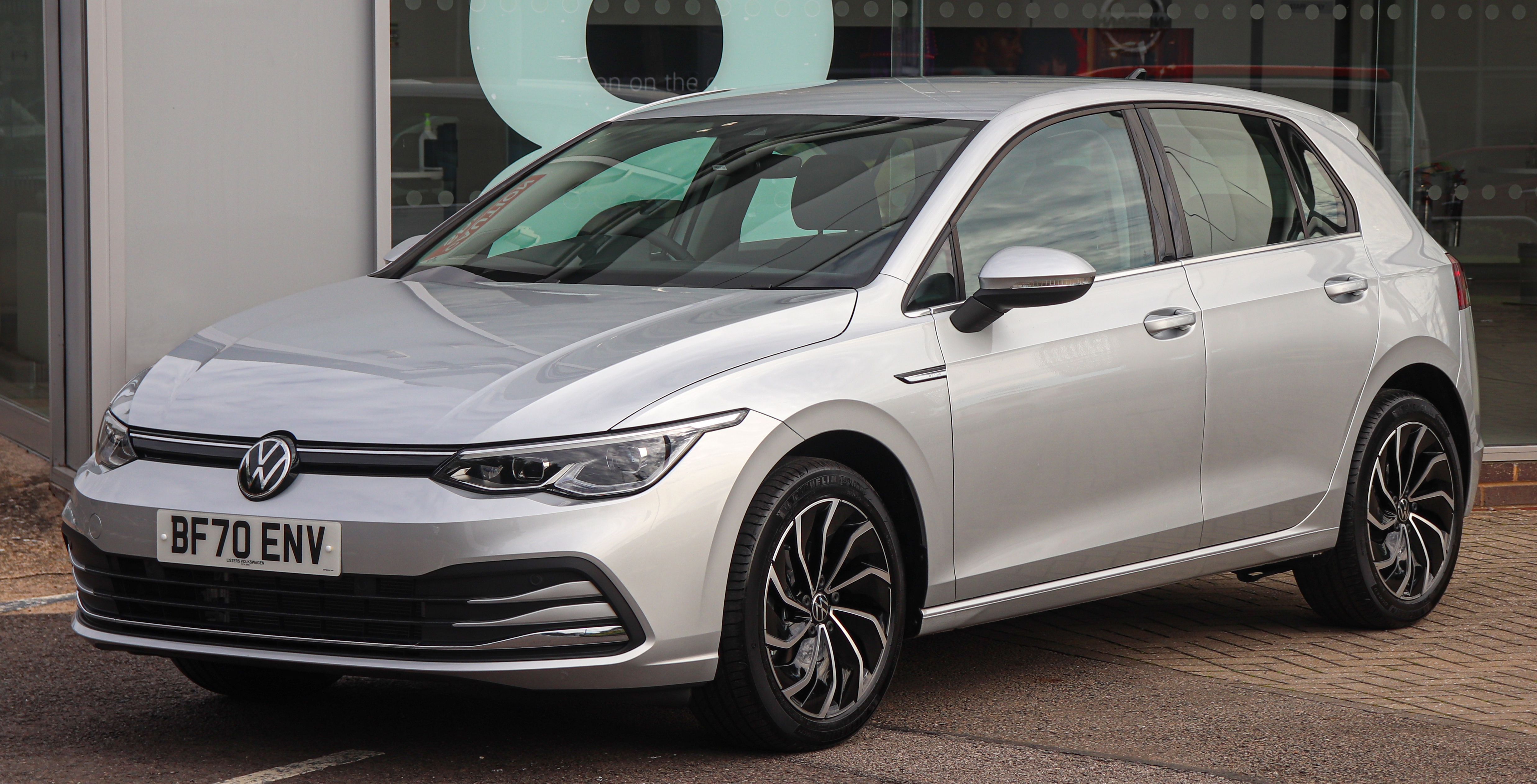
Volkswagen Golf
"...ing khakis that are too tight. And too short with golf shoes and, and a white polo that has a catch up s..."
The Volkswagen Golf is a small car made for regular daily use. It’s known for being practical and easy to drive, and it’s sold in many body styles. The podcast mentions it as part of a general, everyday reference.
The Volkswagen Golf is a compact car (often a hatchback) that’s popular for its practicality and everyday drivability. It’s frequently discussed because it’s a mainstream model that many people can afford and because it’s common in used-car markets. In the podcast snippet, it’s mentioned in a casual way, likely as part of a broader conversation about everyday details and habits.
Mannheim
"I'm sitting trying to buy cars at Mannheim and I see G-wagons, 2026-mile year G-wagon delivery miles sell for $20,000 over MSRP at auction."
Mannheim is a big car auction/buying market where dealers can find vehicles. Prices there can reflect what cars are worth right now.
Mannheim refers to the Mannheim vehicle auction area/market in Germany, a major hub for buying and selling cars in bulk. Dealers and wholesalers use it to source inventory and gauge pricing.
MSRP
"I see G-wagons, 2026-mile year G-wagon delivery miles sell for $20,000 over MSRP at auction."
MSRP is the price the carmaker lists as the starting point for the car. Dealers can sell for more or less than that number.
MSRP stands for "Manufacturer's Suggested Retail Price." It’s the baseline price the automaker publishes, before dealer discounts or add-ons.
auction
"I see G-wagons, 2026-mile year G-wagon delivery miles sell for $20,000 over MSRP at auction."
An auction is where cars are sold to the highest bidder. The final price can show what people are willing to pay right now.
An auction is a marketplace where buyers bid against each other to win a vehicle. In car sales talk, auction pricing is often used as a real-time indicator of market demand.

Jeep Grand Cherokee
"...on, leasing a GLE while he waits because he had a grand Cherokee he wanted to get rid of and bringing one of his b..."
The Jeep Grand Cherokee is a mid-size SUV. It’s made to carry people comfortably while still being able to handle tougher roads when needed. The podcast mentions it because someone was trying to trade it out for something else.
The Jeep Grand Cherokee is a mid-size SUV that’s known for a mix of family-friendly space and off-road-oriented capability. It’s often part of lease and trade-in conversations because it’s a common choice for buyers who want an SUV with versatility. In the podcast context, it’s referenced as a vehicle someone wanted to get rid of while waiting for another purchase.

GLE
"you're leasing a GLE like I did and you're doing it from Raul. [2625.0s] That's three car deals for those counting at home."
The Mercedes-Benz GLE is a luxury SUV. Leasing means you pay to use it for a set time instead of buying it outright.
The Mercedes-Benz GLE is a luxury midsize SUV in the Mercedes lineup. When someone says they’re “leasing a GLE,” they’re talking about a specific model people often choose for comfort, status, and family-friendly practicality.
follow-up tool
"The social media is my follow-up tool for lack of a better word. [2680.9s] You don't want to, client advisors hate that."
A follow-up tool is how a salesperson keeps contacting people after they first talk. The goal is to stay remembered so you’re the one they think of later when they’re ready to buy.
A follow-up tool is a method for staying in touch with customers after the first interaction. In sales, it helps keep you “top of mind” so when the customer’s timing changes—like a spouse or child needing a vehicle—you’re already familiar.

Ford F-150 Lightning
"...he car dealer guy comes through the mix and boom, lightning in a bottle. And people, what do they do? They im..."
The F-150 Lightning is an electric pickup truck made by Ford. It’s meant to do many of the same jobs as a regular truck, but it runs on electricity instead of gasoline. The podcast brings it up because it drew a lot of attention and sales interest.
The Ford F-150 Lightning is an all-electric version of the F-150 pickup, combining the practicality of a work-oriented truck with an electric powertrain. It’s discussed in the podcast as a “lightning in a bottle” moment—meaning it generated strong interest and momentum. That kind of vehicle often becomes a focal point for dealers because demand can be high and inventory moves quickly.
Request an Explanation
Heard something you'd like explained? We'll add it to this episode.
Sign in to request explanations for terms you heard.
Want to learn more?
Browse our glossary for plain-English explanations of automotive terms, jargon, and concepts.
Help improve this episode
See something that's not quite right? Our annotations are AI-generated and can sometimes miss the mark. Click the flag icon on any annotation to suggest a correction.