Tesla Semi and 4680 battery, BMW iX3 price, Rivian R2 pickup, and more
About this episode
Confidence around the Tesla Semi and what’s really going on with Tesla’s 4680 cells sets the tone, including promises from Battery Day and the reality of frustrating sales plus worse-than-expected charging curves. The hosts then pivot to EV pricing and spec talk across BMW iX3, Lexus TZ, and a real-world Chevy Bolt EV range test, before turning to Rivian R2: mid-size positioning, possible pickup variants, and LiDAR/automation timing. The episode also covers electric trucking cost-of-ownership math and Tesla Semi timeline slips.
In the Electrek Podcast, we discuss the most popular news in the world of sustainable transport and energy. In this week’s episode, we discuss Tesla Semi, the 4680 battery cell, BMW iX3 price, Rivian R2 pickup, and more.
Today’s episode is sponsored by GM Energy. If you want to experience more resilience and control over your home energy, the GM Energy Home System adds stationary battery power for always-ready backup energy for your home, and the GM Energy PowerBank takes in energy from the grid and stores it for when you need it most. Learn more at gmenergy.gm.com
We are also sponsored by NeuroHUD: Check out the NeuroHUD PRO featuring a true Tesla-focused HUD experience with navigation, blind-spot alerts, Autopilot status, and freely switchable display modes now on Kickstarter or Trantor Vision.com
The show is live every Friday at 4 p.m. ET on Electrek’s YouTube channel.
As a reminder, we’ll have an accompanying post, like this one, on the site with an embedded link to the live stream. Head to the YouTube channel to get your questions and comments in.
After the show ends at around 5 p.m. ET, the video will be archived on YouTube and the audio on all your favorite podcast apps:
We now have a Patreon if you want to help us avoid more ads and invest more in our content. We have some awesome gifts for our Patreons and more coming.
Here are a few of the articles that we will discuss during the podcast:
- Tesla’s 4680 battery cells are underperforming and frustrating buyers
- Tesla Semi battery sizes confirmed: 822 kWh and 548 kWh officially revealed
- Tesla files new Roadster trademarks with unique badge ahead of launch
- Rivian (RIVN) CEO hints at R2 pickup and R2X variants as production ramps
- BMW opens 2027 iX3 preorders starting at $61,500 with up to 434 miles of range
- The Lexus TZ is a 3-row luxury EV SUV with 300 mi range, but it’s missing something [Images]
- The new Chevy Bolt EV delivers nearly 300 miles of real-world range for under $30,000
- Porsche Taycan Turbo GT with Manthey Kit sets 6:55 Nürburgring EV record
- BYD’s flagship electric SUV secures 100,000+ orders in 2 weeks, and it costs under $40K
Here’s the live stream for today’s episode starting at 4:00 p.m. ET (or the video after 5 p.m. ET:
https://www.youtube.com/live/NfEmmAoaY0YD cell
"We have some not so good news about the 4680, which is actually the D cell inside the Tesla Semi though."
A “D cell” is a way of describing the battery cell type used inside the pack. It’s about the battery’s physical design, which can change how the whole battery system is built and cooled.
“D cell” here is a cell-design reference used for the Tesla Semi’s battery pack architecture, meaning the Semi uses a large-format cell rather than smaller cylindrical cells. In practice, it affects how the pack is assembled, cooled, and serviced.
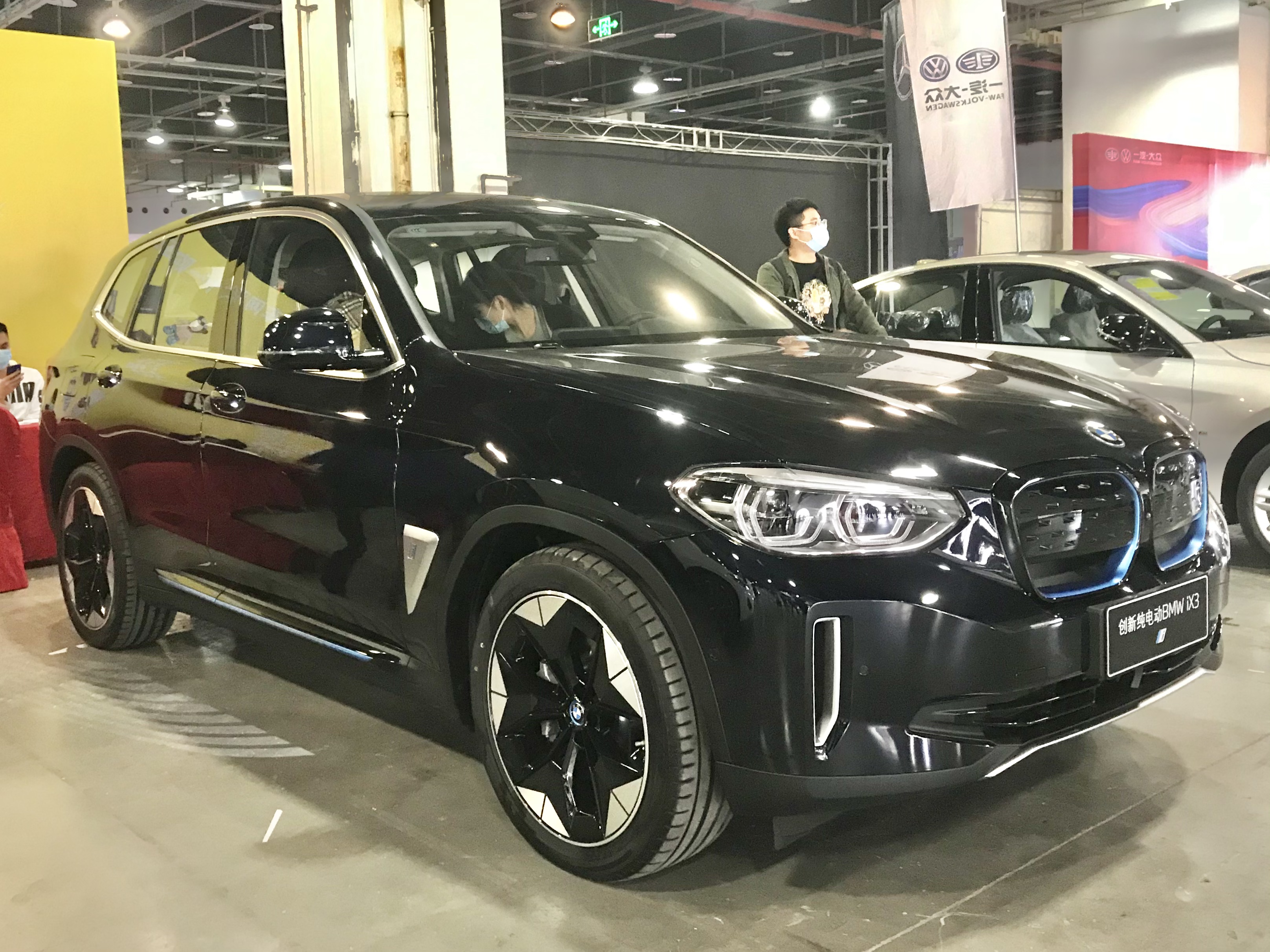
BMW iX3
"We're going to talk about the IX3 from BMW. Pricing has come out. People are liking it."
The BMW iX3 is BMW’s electric SUV based on the X3. The big news here is the price, because that affects whether shoppers will actually consider it.
The BMW iX3 is BMW’s electric version of the X3, using an EV powertrain in a familiar compact-SUV package. Pricing being released matters because it determines whether the iX3 can compete with other electric crossovers on cost and availability.

TX Lexus Tz
"People are liking it. Then the Lexus TZ that was unveiled the Highlander version of the L..."
The TX mentioned in the podcast is a Lexus SUV model. They’re talking about how people are responding to it. It’s being compared to the Highlander category, meaning it’s aimed at similar family-SUV needs.
The “TX” in the podcast context appears to refer to a Lexus model that’s being compared to the Highlander, suggesting it’s positioned as a similar-size family SUV. The episode mentions that people are liking it, which indicates the discussion is about market reaction to the new model. It’s relevant because SUV buyers often look for the next alternative in the same general category.

Chevy Bolt EV
"We got a real world test of the Chevy Bolt EV that was really encouraging."
The Chevrolet Bolt EV is an everyday electric car. They’re saying a real-world test was encouraging, which matters because EV range can be different in normal driving than on paper.
The Chevrolet Bolt EV is a mainstream, mass-market electric hatchback/small EV known for being practical and relatively affordable. The segment highlights a “real world test,” which is especially relevant for EVs because real-world range and charging behavior can differ from marketing numbers.

Porsche Taycan
"We got the Porsche Taycan taking back the Norbering record."
The Porsche Taycan is Porsche’s electric performance car. They’re talking about it setting a Nürburgring record, which is a tough test track that shows how fast and consistent the car is.
The Porsche Taycan is Porsche’s all-electric performance sedan, built to deliver sports-car handling and acceleration. The episode notes it taking back a Nürburgring record, which is a common way to demonstrate EV performance and thermal management under hard driving.
Nürburgring
"We got the Porsche Taycan taking back the Norbering record."
The Nürburgring is a very famous race track in Germany. It’s considered a tough test, so setting a record there is a big deal.
The Nürburgring (often called “the Ring”) is a famous German race circuit known for its long, varied layout and elevation changes. Because it’s so demanding, lap-time records there are widely used as a benchmark for real-world performance.
BYD
"and BYD that is, you know, just racking up hoarders for their new vehicles."
BYD is a big Chinese company that makes electric cars and batteries. They’re growing fast, which can change what EVs are available and how competitive prices get.
BYD is a major Chinese EV and battery manufacturer known for scaling production and pushing battery technology. The segment frames BYD as rapidly accumulating momentum with new vehicles, which matters because it affects global EV competition and pricing.
battery chemistries
"It's 4680 sales ... Like there's a bunch, they're not all equal, obviously. 4680 is the format of the sale, but there's different chemistries available."
“Chemistry” here means what the battery is made of inside. Different battery materials can change how long it lasts and how it performs, even if the battery is the same size.
Battery “chemistries” describe the materials used inside the cell to store and release energy (for example, different lithium-ion formulations). Even within the same cell format like “4680,” different chemistries can affect performance, degradation rate, and how the pack behaves in real-world use.
Battery Day 2020
"It's not just Tesla, but originally they were announced at the original battery day in 2020 and it was supposed to be the next gen batteries"
“Battery Day” is Tesla’s 2020 event where it unveiled plans for next-generation battery technology, including the 4680 cell. The episode frames the current 4680 rollout as frustrating for buyers versus what was originally promised for the “next gen” batteries.
faster charging
"that the 4680 was going to enable and higher energy density and faster charging. [194.6s] Like basically like everything that you want from a battery sale."
Faster charging means the car can add energy to the battery more quickly. How fast it charges can slow down as the battery gets fuller, depending on the battery and conditions.
Faster charging refers to how quickly a battery can accept electrical energy during charging. In practice, it depends on battery chemistry, temperature, and the charging curve (how charging speed changes as the battery fills up).
energy density
"that the 4680 was going to enable and higher energy density and faster charging. [194.6s] Like basically like everything that you want from a battery sale."
Energy density is basically “how much battery power fits in the battery.” More energy density usually means you can go farther on the same battery size.
Energy density is how much electrical energy a battery can store for a given weight or volume. Higher energy density generally means more driving range without adding as much battery mass.
dry electrode manufacturing process
"there was a dry electoral [207.2s] manufacturing process that didn't really work out. [209.7s] Now it's actually back on the table, apparently."
A dry electrode manufacturing process is an alternative way to make battery electrodes without using solvents to coat the electrode materials. Tesla’s “dry” approach was intended to cut cost and simplify production, but the transcript suggests it didn’t work out as originally planned.

Tesla Cybertruck
"they stopped producing in the Molo Y with 4680 [245.4s] and only used it in the Cybertruck. [248.9s] And the Cybertruck had, you know, a higher charging capacity."
The Tesla Cybertruck is Tesla’s electric pickup. Here it’s used as the example of where 4680 batteries showed up more, and the host argues the real results didn’t match the early promises.
The Tesla Cybertruck is Tesla’s angular, all-electric pickup that the transcript says became the main vehicle using 4680 batteries after Model Y production moved away from them. The segment also links Cybertruck’s charging/range expectations and market reception to the 4680 rollout and its cost and performance tradeoffs.
charging curve
"the charging curve wasn't as good and the range was much lower [276.9s] than that, well, depending on how you look at it."
The charging curve is the pattern of how fast the battery charges as it fills up. Many batteries charge fastest at first, then slow down near the top.
The charging curve describes how charging power changes over time as the battery state of charge increases. Even if a battery can charge quickly at low charge levels, the curve can taper off later, affecting real-world time-to-full and usable “fast charging” performance.
4680 battery
"So part of that blame go to the 4680 sale. Now, a few months ago, Tesla announced that we are actually bringing back the 4680 sale..."
“4680” is the name for a specific type of Tesla battery cell. The idea is that it’s built to be cheaper and pack more energy, but the hosts say it also affected what range versions of Tesla vehicles actually ended up being offered.
The “4680” refers to Tesla’s battery cell format (46 mm diameter, 80 mm height) designed to improve energy density and reduce manufacturing cost versus earlier cell designs. The segment links the 4680 rollout to delays or changes in promised vehicle range/variants, and then discusses how the battery’s usable capacity and charging behavior affect real-world expectations.
charge curve
"But at least you like you know that the thing that people don't really know is the charge curve on this is is worse."
A “charge curve” is how charging speed changes as the battery gets fuller. If it’s “worse,” it usually means you may get slower charging later in the session, even if the car’s range numbers seem fine.
A “charge curve” describes how quickly a battery charges at different states of charge—typically how charging speed changes as the battery fills up. The hosts say the charge curve is “worse” here, meaning the battery may not sustain fast charging as well as expected, even if the rated range and capacity numbers look close.
battery pack
"So now you get a total capacity of 79 kilowatt hour out of that battery pack,"
A battery pack is the whole battery system in the car, not just one cell. They’re talking about how much usable energy it has (capacity), which impacts range and charging behavior.
A battery pack is the full assembled battery system in an EV, made from many cells plus electronics and thermal management. The segment ties the discussion to “total capacity” (79 kWh) coming from the battery pack, which affects both range and how the car behaves during charging.
energy dense
"either heavier or not as energy, energy dense is that Tesla put [406.8s] less cell capacity into the vehicle."
Energy density describes how much energy a battery can store for a given size or weight. If a vehicle has less “energy dense” storage, it may carry less usable energy even if the pack’s physical size is similar, which can reduce range.
cell capacity
"is that Tesla put [406.8s] less cell capacity into the vehicle. [410.1s] But so that's where you get your range difference."
Cell capacity is how much energy the battery cells can hold. If the cells have less capacity, the car can store less energy, so you typically get less range.
Cell capacity is the amount of electrical energy the individual battery cells can store. Lower cell capacity means the pack can hold less energy, which directly affects range and how much energy you can recover during charging.
chemistry
"[527.8s] And I mean, we're talking about like six years at this one. [529.7s] I mean, there was some efforts before the announcement. [531.9s] They've been working on that chemistry for two decades at this point. [534.0s] They've been working on that chemistry for two decades at this point."
Battery chemistry is what the battery is made of inside—its material recipe. That recipe affects how much energy it stores, how it charges, and how long it lasts.
Battery chemistry is the specific combination of materials inside the cell that determines voltage, energy density, charging behavior, and lifespan. When the transcript mentions Tesla working on “chemistry,” it’s referring to developing and optimizing those internal materials and reactions.
battery cells
"[534.0s] They've been working on that chemistry for two decades at this point. [537.6s] So this is not completely new to batteries, but making batteries at scale [541.7s] is extremely difficult. [543.9s] And there's the we the only thing we can say for sure right now is Tesla [549.8s] is obviously way behind in the making of producing their own battery cells."
Battery cells are the individual battery units inside the bigger battery pack. Making lots of them reliably is difficult and expensive, especially when you’re trying to do it yourself.
Battery cells are the individual electrochemical units inside a battery pack. Making them “at scale” is hard because it requires consistent chemistry, manufacturing precision, and high-yield production to keep costs down.
LG pack
"[566.3s] So a lot of people are canceling the orders because the thing is like Tesla [569.3s] didn't really also let people know that by the way, we're switching [572.3s] the premium real drive from from the LG pack to the to our own cells."
“LG pack” means the battery pack came from LG. The speaker is saying Tesla plans to use its own cells instead, which can change what buyers thought they were getting.
“LG pack” refers to battery packs sourced from LG (LG Energy Solution is a major EV battery supplier). In this context, the speaker says Tesla is switching away from that supplier’s pack to Tesla-made cells, which can affect customer expectations and delivery timing.
46 cities
"But I think that the biggest story here around the 46 cities, like I think [612.6s] the 46 city and Tesla's effort to make its own battery cells."
“46 cities” sounds like it’s meant to be Tesla’s 4680 battery. It’s a bigger battery cell Tesla uses to try to make EV batteries cheaper and more efficient to produce.
“46 cities” appears to be a mis-transcription of Tesla’s 4680 battery cells. The 4680 is Tesla’s large-format cell designed to improve energy density and reduce manufacturing cost versus smaller cell formats.
autonomy is just around the corner
"where Tesla is kind of falling behind in EVs, where much like the decision to go with autonomy and then having designed decision within your vehicle programs related to thinking that, you know, autonomy is just around the corner."
The speaker is talking about Tesla betting heavily on self-driving features. The claim is that this focus affected how Tesla planned other parts of the business, like vehicles and batteries.
This refers to Tesla’s strategic emphasis on driver-assistance and self-driving software (often discussed as “autonomy”) as a near-term priority. The idea is that resources and product planning were influenced by expectations that autonomy would arrive quickly.
CATL
"So is it worth, you know, validating and integrating the latest and best technology from CATL, from BYD and everything like that right now in a new vehicle program"
CATL is a major company that makes the battery cells inside EVs. If someone says CATL has the “latest tech,” they mean newer battery designs that can charge better and cost less.
CATL (Contemporary Amperex Technology Co., Limited) is one of the world’s largest battery cell manufacturers. When the hosts mention “latest and best technology from CATL,” they’re talking about newer lithium-ion cell designs that can improve cost, energy density, and charging behavior.

Tesla Model S
"Yeah, I mean, on a high level, you know, Tesla kind of built its company on building, like it when built the Model S, they kind of had to build everything from scratch, right?"
The Tesla Model S was one of Tesla’s first big EVs, and it was built with a lot of new EV technology. The point here is that Tesla had to invent a lot of the system rather than just copy what others already had.
The Tesla Model S was an early, ground-up EV that helped Tesla prove out its approach to battery packs, power electronics, and software. The hosts use it as an example of Tesla having to “build everything from scratch” when it started.

Tesla Model 3
"they did all that stuff and when they built the Model 3 and the Model Y, they did a lot of their own battery, you know, pack manufacturing."
The Tesla Model 3 is Tesla’s more affordable EV. Here it’s mentioned because Tesla started making more of the battery system themselves to scale up production.
The Tesla Model 3 is a mass-market EV that pushed Tesla to scale battery pack manufacturing and integration. The hosts mention it to illustrate how Tesla moved from building everything from scratch (Model S) to doing more in-house battery pack work (Model 3 and Model Y).

Tesla Model Y
"they did all that stuff and when they built the Model 3 and the Model Y, they did a lot of their own battery, you know, pack manufacturing."
The Tesla Model Y is Tesla’s compact SUV. The hosts bring it up because Tesla kept scaling up and making more of the battery pack itself.
The Tesla Model Y is Tesla’s compact SUV that further expanded the company’s EV production scale. In this segment, it’s referenced alongside the Model 3 as another vehicle where Tesla did significant battery pack manufacturing in-house.
LG
"And there was, and, you know, GM and whatever they had, you know, other [778.2s] they were like, LG, save us, whatever."
LG is a big company that makes electronics and also supplies batteries. The hosts mention it as an example of a supplier automakers can buy from rather than making everything themselves.
LG is a major electronics and battery supplier that has been involved in lithium-ion battery supply chains. In the context of this episode, it’s referenced as one of the companies Tesla and other automakers could rely on for cells or components instead of building everything in-house.
vertical integration
"Yeah, that's basically what you're saying is like vertical Tesla turned [820.1s] to vertical integration by necessity, but took it a little bit too far now."
Vertical integration means a company tries to make more of the process itself instead of relying on other companies. The point here is that Tesla tried to do too much in-house, which can slow things down if something isn’t already available.
Vertical integration is when a company controls multiple steps of production—like making battery cells itself instead of buying from suppliers. The hosts argue Tesla tried to do this “by necessity,” but that going too far can create bottlenecks when parts or capabilities don’t exist internally.

Tesla Semi
"That's a good segue to the Tesla Semi, because the Tesla Semi is actually"
The Tesla Semi is Tesla’s electric truck for hauling goods. The hosts are about to connect the battery supply/manufacturing discussion to how the truck works in real life.
The Tesla Semi is Tesla’s electric heavy-duty truck, designed for long-haul freight with a focus on battery-powered propulsion. This segment tees up the Semi as the next topic, tying the battery-manufacturing debate directly to how Tesla’s trucks depend on cell supply and performance.
pack capacity
"Now we have the actual pack capacity thanks to a California Air Resource Board regulatory filing that was released this week."
Pack capacity is how much energy the whole battery pack can store. More stored energy usually means you can drive farther before recharging.
Pack capacity is the total amount of electrical energy stored in a vehicle’s battery pack, typically measured in kilowatt-hours (kWh). Higher pack capacity generally allows more energy to be used for driving, which can translate into longer range.
kilowatt hour
"So we know that the long range, parallel model version as a 822 kilowatt hour pack, why the short, shorter range, standard range version at 325 miles"
A kilowatt-hour (kWh) is a way to measure energy. For EVs, it’s commonly used to say how big the battery is or how much energy you used to drive.
A kilowatt-hour (kWh) is a unit of energy, not power. In EV discussions, it’s used to describe battery size (how much energy is stored) and sometimes charging consumption (how much energy you used).
total cost of ownership comparison
"And I posted this week, I did a little total cost of ownership comparison between the Tesla Semi, the Formula Model version and the comparable diesel truck"
Total cost of ownership (TCO) compares the full cost of running a vehicle over time, including things like energy/fuel and operating expenses. For fleets, TCO is often more important than purchase price because it predicts the real cost per mile or per year.
fleet operators
"to try to figure out really, like, can this, you know, be diesel at, you know, the cost of operation, which is the main thing that they look at fleet operators and truck owners."
Fleet operators are companies that use vehicles for business—often many trucks at once. They care a lot about the ongoing operating cost, like fuel or electricity.
Fleet operators are businesses that run multiple vehicles for commercial work (like delivery, logistics, or hauling). Their purchasing decisions often focus on predictable operating costs and uptime, so energy cost and efficiency heavily influence economics.
Megacharger
"We talked about it last week when Tesla released their Megacharger prices."
Megacharger is Tesla’s fast-charging setup. If the price to use it is high, it can change how expensive it is to run an EV truck.
Megacharger refers to Tesla’s high-power charging hardware/network intended for heavy-duty vehicles like the Tesla Semi. The discussion here focuses on pricing structure, which can materially affect charging-related operating costs for fleets.
network fee
"And if you buy a Megacharger, Tesla charge you at eight cents per kilowatt hour of a network fee on before anything else."
A network fee is an extra charge from the charging company, on top of the electricity itself. It matters because it can make charging cost more than you’d expect.
A network fee is an additional charge charged by the charging network on top of the base electricity cost. In fleet TCO calculations, these fixed or per-kWh fees can shift the total cost even if the per-unit electricity price looks competitive.
diesel price volatility
"But what else has changed... is diesel prices are through the roof... I think they went up 40% since the beginning of the year."
Diesel price volatility means diesel prices can change a lot and fast. Big swings can change whether diesel or another option seems cheaper.
Diesel price volatility is how much diesel prices swing over time, often driven by global supply and demand. When prices jump quickly, it can make diesel look better or worse in cost comparisons versus alternatives like electric trucks.
geopolitical situation
"So I actually build a little... So you're at the mercy of the geopolitical situation when you come to diesel."
They mean world events that affect oil supply. If supply gets disrupted, diesel gets more expensive, and that changes truck operating costs.
In this context, geopolitical situation refers to international conflicts and political instability that can disrupt oil and diesel supply chains. Those disruptions can quickly raise diesel prices, which then changes the economics of trucking.
fuel economy (miles per gallon)
"Let's say we bring it back to 450 at 450 that there's a semi-efficiency 100,000 miles annually, which I think is the average for class eight trucks, eight miles per gallon, which is what you get from a brand new truck."
Fuel economy tells you how far the truck can go on a gallon of fuel. Better fuel economy usually means lower fuel costs over time.
Fuel economy is how efficiently a vehicle turns fuel into distance, commonly expressed as miles per gallon (MPG) for diesel trucks. When comparing diesel to electric or alternative fuels, MPG assumptions strongly affect the modeled operating cost.
class 8 trucks
"100,000 miles annually, which I think is the average for class eight trucks, eight miles per gallon, which is what you get from a brand new truck."
Class 8 trucks are the biggest commercial trucks used for heavy-duty hauling. They drive a lot each year, so fuel costs matter a ton.
Class 8 is the heaviest category in the U.S. commercial truck weight classes, typically used for long-haul freight. Because these trucks rack up high annual mileage, fuel price changes can dramatically shift total operating costs.

Dodge Charger
"...and then also a $60,000 cost of installing a base charger. So you have a home base where you have your char..."
The Dodge Charger is a larger, performance-oriented car. If you’re using a home charger, you may need to pay for installing the charging equipment. The podcast brings it up because charging at home can cost more than people expect.
The Dodge Charger is a performance-focused sedan/large car that’s known for strong power and a long-running model history. The podcast context mentions the cost of installing a home charger, which is relevant because Charger owners who drive electric versions (or plan to) need proper charging setup. It’s discussed in the broader conversation about EV charging costs and home infrastructure.
electricity vs diesel cost comparison for trucking
"So the difference in diesel that you pay over electricity is more than the price of the truck. So you get basically a free truck."
They’re comparing the day-to-day cost of running a diesel truck versus an electric truck. If electricity is cheap enough where you live, the electric truck can end up costing less to operate even if it costs more to buy.
This is an operating-cost comparison: what it costs to run a diesel truck versus an electric truck using electricity. The key idea is that the “fuel” cost difference can outweigh the purchase-price difference, making the electric truck financially viable (or not) depending on local electricity rates and charging efficiency.
word mark
"Uh, and, uh, now it's the word mark. So this is a new roadster word mark..."
A word mark is just the brand name design—like the logo text style. It’s the “how the name is written” part of branding.
A word mark is the brand name rendered in a specific font and style, used consistently across marketing and product branding. In automotive contexts, it often shows up on vehicle badges, press materials, and official reveal assets.

Tesla Roadster
"So it looks like the roadster is going to have its own badge, which would be a first for Tesla... But the roadster is almost like, or this size, this format of badge could almost replace the Tesla badge."
The Tesla Roadster is Tesla’s planned high-end supercar. Here, they’re talking about whether it will have its own special badge/branding instead of just using the regular Tesla logo.
The Tesla Roadster is Tesla’s upcoming halo supercar concept, positioned as an “ultra hypercar” rather than a mainstream EV. In this segment, the hosts discuss how Tesla may give the Roadster its own distinct branding/badge separate from the standard Tesla badge.
badge
"And, uh, and the second one is this badge... So it looks like the roadster is going to have its own badge..."
A badge is the little logo/emblem on the car that tells you what model it is. They’re debating whether the Roadster will have its own separate emblem.
A badge is a branded emblem or nameplate attached to a vehicle to identify a model, trim, or special edition. Hosts here are discussing whether the Roadster will get its own badge distinct from the standard Tesla badge.
windshield projection mode
"[1642.0s] windshield projection mode and combined or display mode, depending on driving [1646.5s] preference or visibility conditions."
Windshield projection mode means the car projects information onto the windshield. That way you can see things like guidance or driving info without looking away from the road.
Windshield projection mode refers to information being displayed by projecting it onto the windshield rather than on a separate screen. Depending on the system, it can be configured for different layouts like combined or split display modes to keep key driving info visible.
Kickstarter funding for Tesla community project
"It's also been shaped directly by the Tesla community with over a year and a [1652.1s] half of development feedback from thousands of Tesla owners, and it's [1655.9s] already surpassed 400,000 in Kickstarter funding within the first 72 hours."
They’re talking about a Kickstarter project tied to the Tesla community. The point is that it raised a lot of money fast, suggesting people really want it.
The hosts mention that a Tesla community-driven development surpassed a major Kickstarter funding milestone quickly. This is being used to support the idea that the product has strong early demand and active user feedback.
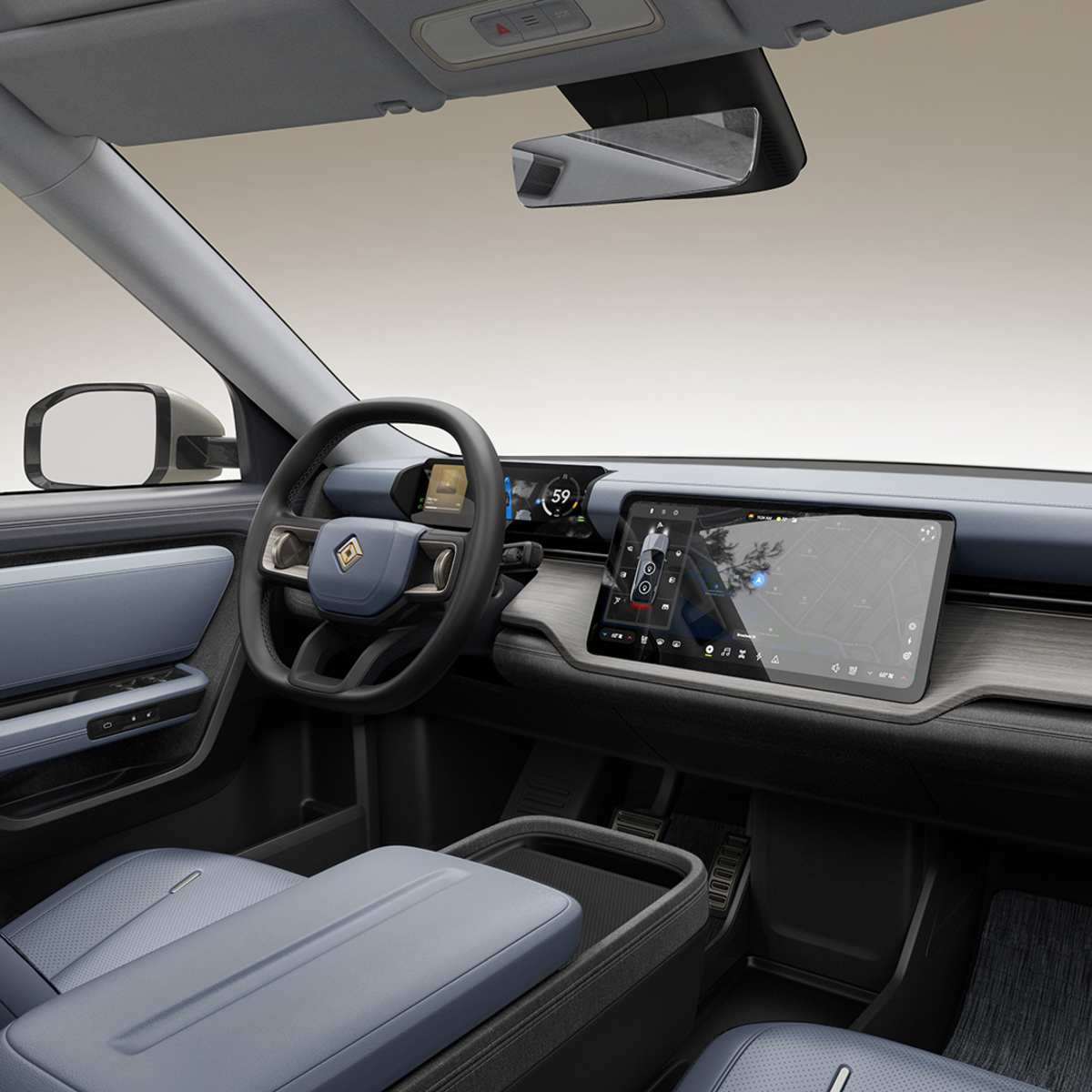
Rivian R2
"All right, so Seth and I have been talking about like, yeah, the R2 is amazing. [1711.2s] R2 is in the mid-size SUV segment, one of the most popular [1717.4s] segment ever, and it's probably going to do quite well."
The Rivian R2 is a mid-size SUV. It’s the kind of vehicle lots of people shop for, and the hosts are talking about how its pricing and high trim levels could help it do well.
Rivian R2 is a mid-size SUV that’s positioned to compete in one of the most popular mainstream segments. In this segment, the hosts focus on how its pricing and top-spec configuration are shaping expectations for its success.
platform
"And the R2 platform would be an ideal platform to make a, you know, [1756.7s] mid-size pickup variant. [1759.0s] And we've been pushing that for a little bit now."
A “platform” is the underlying design that multiple cars can share. If Rivian uses the R2 platform for a pickup, it can build a new body style while reusing a lot of the same core engineering.
In automotive terms, a “platform” is the shared set of engineering foundations—like chassis architecture, mounting points, and major components—that multiple vehicles can be built on. The host is saying the Rivian R2 platform could be reused to create a mid-size pickup variant without starting from scratch.
vehicle variants (R2 variants / pickup variant)
"So he was asked directly about, they were talking about variants of the R2. [1778.7s] But at first it sounded more like they were talking about trims. ... [1786.6s] But then when asked specifically about a pickup variant of the R2, Scarridge [1790.6s] didn't deny it."
Here, “variants” means different versions of the same basic vehicle idea. Rivian is hinting that the R2 could come in more than one form, like a pickup version, but they’re not sharing all the specifics yet.
A “variant” in this context means a different version of the same base model—often with different body styles, powertrain options, or target use cases—built on a shared platform. The CEO’s comments suggest Rivian may offer multiple R2-based configurations, including a pickup variant, while keeping details under wraps.
production plants (Georgia Plants 2)
"Instead, he told Rodders that they were building the upcoming Georgia Plants 2, [1796.6s] and I quote, allow for a different variation without disclosing the [1800.5s] specific details of those variation."
A “plant” is where cars get built. The host is saying Rivian’s Georgia facility expansion could allow more versions of the R2, but they’re not saying exactly what those versions will be.
A “plant” is a manufacturing facility, and “Georgia Plants 2” refers to Rivian’s planned/expanded production capacity in Georgia. The CEO’s point is that the new facility would enable additional R2 variations, but without revealing the exact details yet.
infotainment system
"even in no infotainment system, you have your phone... I mean, I think it basically just has AC in that, and that's it."
An infotainment system is the car’s built-in screen and electronics for things like music, maps, and settings. The host is saying this vehicle might skip that and just use your phone instead.
An infotainment system is the in-car touchscreen and electronics that handle things like navigation, media, and vehicle settings. In this segment, the hosts contrast a vehicle concept that may have no traditional infotainment, relying instead on a phone for basic functions.
driving assistance plus
"That's the sport trim standard with 20-inch Ariole bi-color wheels, [1986.0s] multi-function steering wheel and driving assistance plus. [1988.8s] So that's the option that you get."
“Driving assistance plus” is a package of safety/driver-help features. They’re saying it comes included with that specific trim level, not something you have to add separately.
“Driving assistance plus” is a trim/package name for a bundle of driver-assist features, typically including functions like adaptive cruise and lane-keeping. In this segment it’s described as part of the standard sport trim configuration, meaning it’s included rather than optional.

Lucid Air
"...ge at that. You know, you would have to go with a lucid air normally to get to get that kind of range. And th..."
The Lucid Air is an electric car (a sedan). The podcast is saying that if you want a lot of range, the Lucid Air is usually the model to consider. It’s being used as an example in a conversation about how far EVs can go.
The Lucid Air is Lucid’s electric sedan, built around delivering long driving range. The podcast context suggests that to achieve a certain level of range, you’d typically look at the Lucid Air. That makes it part of a discussion about which EVs can realistically meet higher-range expectations.
off-road focused
"And I always think that Rivian really is so much more off-road focused than Tesla or BMW or anybody else."
“Off-road focused” refers to vehicle design priorities for rough terrain—things like traction, ground clearance, and durability under uneven surfaces. The host uses it to explain why Rivian’s EVs are positioned differently from Tesla and BMW, which are more mainstream-oriented.
range
"You're also going to get, you know, up to 300 miles of range."
Range is how far the car can go before the battery runs out. They’re quoting a best-case number—real-world results can be different.
Range is the estimated distance an EV can travel on a full charge. The hosts cite “up to 300 miles,” which is a headline figure that depends on driving conditions and efficiency.
towing capacity
"You're going to get a towing capacity of 3,500 pounds. Not crazy, but still usable."
Towing capacity is the maximum weight the car is allowed to tow. The number they give (3,500 pounds) is meant to tell you what kinds of trailers the vehicle can handle.
Towing capacity is the maximum weight a vehicle is rated to pull safely. The segment mentions 3,500 pounds, which helps listeners judge whether the EV can handle common towing needs like trailers.
captain seats
"The second-road seat looks like really nice captain seats are like them."
Captain seats are separate, individual seats up front (not a single bench). They usually feel more comfortable and make it easier to get to the back.
Captain seats are individual front seats with a gap between them, often used to improve comfort and access to the rear. The hosts mention them as part of the SUV’s interior layout.
charging speed of 150 kilowatts
"Yeah. Charging speed of 150 kilowatts, probably one of the main thing that the,"
This is how fast the car can charge at a charger. “150 kilowatts” is the charger’s power level—more power usually means faster charging, but the car and battery conditions can change the actual speed.
“Charging speed” here refers to how much electrical power the vehicle can accept from a charger, measured in kilowatts (kW). Higher kW generally means faster charging, though real-world results also depend on battery temperature and the battery’s state of charge.
frunk
"And no fron too. And that's the difference. Yeah. No fronks that are disappointed by that. Yeah. So, you know, I got a Mercedes EQS and doesn't have a fronk."
A “frunk” is the front trunk on an EV. Since there’s no engine in the front like on many gas cars, the space can be used for storage, and how easy it is to open matters for daily use.
A “frunk” is the front trunk space in many electric vehicles, created because there’s no traditional engine up front. It’s often used for everyday storage, and its design (opening method, ease of access, and size) can affect how owners actually use it.

Mercedes EQS
"So, you know, I got a Mercedes EQS and doesn't have a fronk."
The Mercedes-Benz EQS is a luxury electric car. Here it’s mentioned because it doesn’t have a front trunk (“frunk”), showing that not all EVs package storage the same way.
The Mercedes-Benz EQS is a flagship electric sedan known for its large battery and luxury-focused design. In this discussion, it’s specifically referenced as an EV that “doesn’t have a frunk,” which highlights how different EV packaging choices affect owner storage and access.

Ford Mustang Mach-E
"it's funny because like Ford will say like, you know, their Mustang Mach-E customers don't like the fronk, but it's a, you know, it's a big heavy thing to lift"
The Ford Mustang Mach-E is an electric crossover. The host brings it up to make a point about the front trunk (“frunk”)—some people don’t like it if it’s awkward to open.
The Ford Mustang Mach-E is an electric crossover that’s often discussed for its practical usability and packaging. In this segment, it’s used to illustrate a “frunk” that some owners dislike because it’s heavy to lift and can only be opened from inside.

Ford Mustang
"... because like Ford will say like, you know, their Mustang Mach-E customers don't like the fronk, but it's a..."
The Ford Mustang is a well-known performance car from Ford. In this episode, they’re talking about the Mustang Mach-E, which is the electric version. The point is that some customers have opinions about certain styling details.
The Ford Mustang is Ford’s iconic performance model, and the podcast specifically references the Mustang Mach-E customers. The discussion about “fronk” appears to be about a design feature or styling element that some buyers may like or dislike. That’s why it’s brought up—customer preferences and design choices can influence how the EV Mustang is received.
EPA
"And good news, it, it beat the, the, the EPA, some caveats though, but [2372.2s] so the official range is 262 on this."
EPA is the U.S. agency that sets the official “range” number for EVs. It’s measured in a standardized test, so your real range can differ based on how you drive and conditions.
The EPA (U.S. Environmental Protection Agency) publishes standardized range estimates for EVs. Those numbers are measured under controlled test conditions, so real-world results can be higher or lower depending on driving style, temperature, and speed.
LFP battery
"Yeah. [2375.3s] Up to 262 miles of range on the 65 kWh LFP battery. [2380.5s] It's, you know, not, not, I don't think it's a lot more than what the original bolt was getting,"
An LFP battery is a type of lithium battery chemistry used in some electric cars. It’s generally known for being sturdy and safe, and it can affect how the car delivers range.
LFP stands for lithium iron phosphate, a battery chemistry used in some EVs. Compared with other lithium chemistries, LFP packs are often valued for durability and safety, and they can influence how the car’s usable energy and range are delivered.
kWh
"Up to 262 miles of range on the 65 kWh LFP battery. [2380.5s] It's, you know, not, not, I don't think it's a lot more than what the original bolt was getting,"
kWh is how much energy the battery can store. In general, more kWh means the car has more energy to drive with, but range also depends on how efficiently the car uses that energy.
kWh (kilowatt-hours) is a measure of battery energy capacity. For EVs, a higher kWh number usually means more stored energy available for driving, though real range also depends on efficiency and battery chemistry.

Bolt EUV
"[2385.6s] but this is the EUV version too. [2387.2s] So it's a little bit bigger version."
The Bolt EUV is a roomier, slightly bigger version of the Bolt EV. They bring it up because the range test result they’re discussing applies to the EUV model.
The Chevrolet Bolt EUV is the larger, crossover-styled version of the Bolt EV. In this segment, the hosts mention it because the tested range figure is for the EUV variant, which is “a little bit bigger” than the original Bolt.
city/highway driving mix (60% city, 40% highway)
"but it's so, so it's 60% city, 40% highway average of 40 miles per hour"
How you drive matters for EV range. City driving has lots of speeding up and slowing down, which uses more energy. Highway driving is steadier, so it can help the EV go farther.
EV range testing often specifies a city/highway split because energy use differs between stop-and-go driving and steady cruising. City driving typically involves more acceleration and braking, which increases energy consumption and can reduce range. Highway driving is usually more efficient per mile at steady speeds, so a higher highway percentage often improves range versus a city-heavy route.
production EV
"another thing that needs some caveats here is what, what counts as a [2487.6s] production EV. [2493.0s] But they have their latest version of the Porsche Taycan Turbo GT..."
A “production EV” means an electric car that’s actually available for regular customers, not just a special prototype. The host is saying the rules depend on what equipment the car has and whether it’s installed at the factory.
A “production EV” is an electric vehicle that’s built to be sold to customers, not a one-off prototype. The segment emphasizes caveats about what counts as production, including whether the car’s track-relevant hardware is factory installed.
Porsche Taycan Turbo GT
"But they have their latest version of the Porsche Taycan Turbo GT, which is equipped [2499.8s] with a new Monday kit. [2501.6s] And with that new Monday kit, which they claim is factory installed."
The Porsche Taycan Turbo GT is Porsche’s very fast electric car. Here, they’re talking about it being used for a Nürburgring record attempt and how it’s configured to count as a production EV.
The Porsche Taycan Turbo GT is a high-performance electric sports sedan from Porsche, built around a dual-motor EV layout and tuned for track-level acceleration and braking. In this segment, it’s discussed in the context of setting/qualifying for an electric production-car lap record at the Nürburgring.
electric executive core category
"Officially from the Nurburgring record though, it's, it's classified as an electric [2514.8s] executive core category."
This is a category label for how the car is grouped for record timing. The host is saying the car’s Nürburgring time is officially counted under that specific EV category.
“Electric executive core category” sounds like a specific Nürburgring classification bucket used to group EVs by type and performance intent. The key point in this segment is that the Taycan Turbo GT’s time is being counted under a particular category label, not just as any EV lap time.

Xiaomi SU7
"...aking it. Then there was also the Xiaomi with the Su7 Ultra that competed for it. And now it's the Pors..."
The Xiaomi SU7 is an electric car made by Xiaomi. The podcast talks about a higher-end version (SU7 Ultra) and how it’s trying to compete with other new EVs. It’s mentioned because it’s one of the newer options people are paying attention to.
The Xiaomi SU7 is an electric vehicle from Xiaomi, discussed here as part of a lineup of newer EV challengers. The podcast mentions the SU7 Ultra variant in the context of competing for attention and performance expectations. It’s brought up because it represents how new entrants are trying to attract buyers in the EV market.
stripped down
"So if you compare it, like the Xiaomi Su7 Ultra, but it was a stripped down version. So they remove a lot of the interior, got 646."
“Stripped down” means they remove parts that aren’t needed for the record attempt, usually to save weight. That can make the car faster, but it may not be the same as what you’d buy.
“Stripped down” refers to removing non-essential items—often interior components—to reduce weight and improve performance. The hosts also note that this can affect how results are interpreted, because a stripped-down car may not represent a production-spec vehicle.
blade cells
"But BYD is kind of like Tesla and early last year where they're updating a lot of their vehicle programs right now and they are releasing the new blade cells."
“Blade cells” are BYD’s type of EV battery. The idea is that the battery cells are shaped differently (“blade-like”), and BYD is rolling them out as part of updates to its cars.
“Blade cells” are BYD’s battery cell design, named for their long, flat form factor. The hosts frame them as part of BYD’s ongoing vehicle program updates, implying a shift in battery hardware that can affect energy density, safety, and performance characteristics.
flash charging
"it has the latest blade technology with a five minute flash charging up to a thousand miles of range, a thousand kilometers of range, 590 miles."
Flash charging means charging the battery really fast for a short time. It’s meant to get you a lot of driving range quickly—if you’re using a fast charger.
Flash charging is a marketing term for very fast charging over a short time window. The idea is to add enough energy quickly that the vehicle can gain a large driving range in minutes, assuming the right charging infrastructure and battery conditions.

Toyota Highland
"...n for it. It's, sorry, it's basically a kind of a Toyota Highland competitor, I would say. So you see here in the i..."
The Toyota Highlander is a family SUV. It’s the kind of vehicle people compare when they’re looking for a mid-size option for everyday use. The podcast mentions it because another SUV is being compared to this same general category.
The Toyota Highlander is a mid-size family SUV, commonly used as a benchmark for what buyers expect in this class. The podcast context says it’s basically a competitor to another “Highland”-type vehicle, meaning the conversation is about segment positioning and target buyers. That’s why it’s mentioned—SUV buyers often compare size, practicality, and pricing within the same category.
FSD
"All right, to the comments we go, why is Tesla not prioritizing FSD on the semi?"
FSD stands for Full Self-Driving. It’s Tesla’s software that tries to help the car drive more on its own, but it’s not the same as a fully autonomous robot car.
FSD (Full Self-Driving) is Tesla’s software package aimed at automating driving tasks. It’s typically discussed as a driver-assistance stack that can handle more complex scenarios over time, but it still depends on regulations, sensors, and real-world system performance.
driver assistance system
"they talked a little bit more about it and focused more on the driver assistance system, the safety and all that."
A driver assistance system is tech that helps you drive, like keeping you in your lane or controlling speed. It usually still expects the human driver to stay alert.
A driver assistance system is technology that helps the driver—like adaptive cruise control or lane keeping—but it’s not necessarily responsible for the entire drive. The key difference versus autonomy is that the human driver typically remains responsible for supervision and intervention.
prototype hardware
"And also we see it on the prototype, all the hardware is there. So they're ready for it."
When speakers say “all the hardware is there” on a prototype, they mean the physical sensors/compute needed for the intended driving features are already installed. That suggests the company is technically prepared to move from prototypes to production software and capabilities.
full autonomy
"I think they don't want to talk about full autonomy because I think it's, it would potentially scare buyers."
Full autonomy is when a car can do all the driving by itself. The driver isn’t supposed to have to watch the road or be ready to take over.
Full autonomy means the vehicle can drive itself end-to-end without a human driver expected to supervise or take over. In practice, companies often avoid claiming this publicly until they’re confident in safety and regulatory readiness.
assistance driving
"I don't think they would actually use it for commercial trucking right now, but there's there's features of it can be used for assistance driving."
Assistance driving means the car helps you with parts of driving, like staying in the lane or adjusting speed. You’re still responsible for watching the road and taking over if the system can’t handle something.
Assistance driving refers to driver-assistance features that help with tasks like steering, lane keeping, or adaptive speed, but still require the driver to supervise and be ready to intervene. The segment contrasts this with full commercial use of FSD for trucking.
high volume
"Like I said, they were quite new to making sales, [2948.5s] especially sales in volume. [2950.6s] So they're not on par with with top of the line manufacturers right now. ... [3033.6s] It takes a lot of cash to expand to new market and expand in volume doing so."
“High volume” just means selling a lot of cars. Selling more cars can lower the cost per car, but it also takes a lot of money to ramp up production and expand into new markets.
“High volume” refers to selling large numbers of vehicles, which can spread fixed costs (like factories, tooling, and marketing) over more units. The hosts use Tesla’s experience to argue that scaling to high volume—especially when entering new regions—requires a lot of cash and can create major growth pains.
growth pain
"they were trailblazer in all in EVs, profitable EVs, high volume, [3020.1s] and expanding as a new brand globally, there was extreme growing pain for Tesla. [3026.8s] Once they went from, you know, North America to Europe with the Model 3 in volume,"
“Growth pain” means the problems a company runs into when it grows fast. In car terms, it can be things like needing lots of money and fixing production or logistics while selling more cars.
“Growth pain” describes the operational and financial stress companies face while scaling quickly—such as ramping production, expanding distribution, and managing demand. Here, it’s used to explain why Tesla experienced severe strain when expanding from North America to Europe with the Model 3 at volume.
bi-directional
"All right, he follows with the question, who do I have to yell at to get a Nax bi-directional standard finalized and released? ... And therefore, they're not officially, you know, authorize the use of the battery capacity in their vehicle with specific bi-directional chargers."
Bi-directional charging means your EV can not only charge from the wall, but also send power back out. That can be useful for backup power or feeding electricity to a home.
Bi-directional charging lets an EV send electricity back out of the battery to power a home, building, or grid connection (not just charge the car). This requires both hardware (the charger) and vehicle software to support “vehicle-to-grid” style energy flow.
CACS
"doesn't Nax use the CACS stand? Just a different plug."
CACS is the name for Tesla’s charging plug/connector system. The key point here is that not every car maker supports the same charging setup for special features like sending power back out.
CACS is Tesla’s charging connector standard (the plug shape and related interface). The discussion implies that even if a bi-directional standard exists, automakers may not officially support bi-directional battery use with every connector ecosystem.
Synergy one
"But there is, you know, a growing market now of third-party system. We talked about the Synergy one before."
Synergy One is mentioned as a company/system that makes charging equipment for EVs. Here it’s brought up as an example of third-party hardware for two-way charging.
Synergy One is referenced as a third-party bi-directional charging system. The point is that beyond automaker-supplied chargers, there’s an emerging ecosystem of aftermarket or independent hardware aimed at vehicle-to-grid style functionality.
Discibel
"There's the Discibel one also built right here in Montreal. And they have a partnership with Volvo. They have a partnership with Polestar and all that."
Discibel is mentioned as a company that builds two-way charging equipment. The episode says it works with automakers through partnerships, which helps make the system compatible with certain EVs.
Discibel is described as building a bi-directional charging system in Montreal and partnering with automakers. This highlights how two-way charging support can depend on partnerships between charger vendors and EV brands for compatibility and authorization.
Cosmos Lucid Cosmos
"Question from Dean. Is there any news about the Lucid Cosmos? No, not really."
The “Cosmos” is a Lucid vehicle that people are hoping to learn more about. In the podcast, they say there isn’t really new information right now. It’s mentioned because listeners want updates on what’s coming next.
The Lucid Cosmos is referenced as a model people are waiting to hear more about. The podcast question asks whether there’s any news, and the response indicates there isn’t much information at the moment. That makes it a topic about EV product updates and how long it can take for new models to move from announcement to reality.
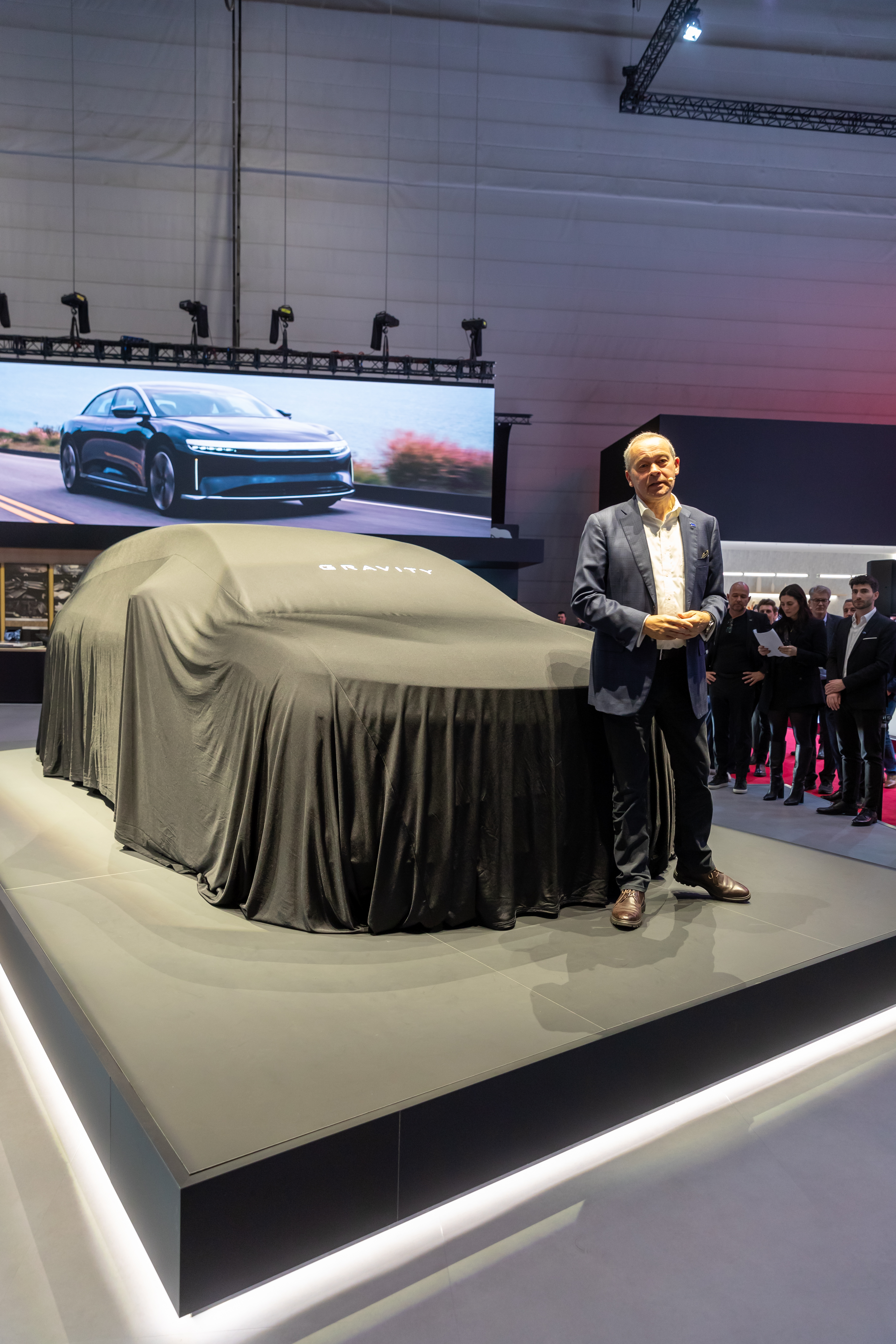
Lucid Gravity
".... I think, you know, they're still ramping up the gravity. And they're not focused on that too much."
The Lucid Gravity is an electric SUV that Lucid is working on. The podcast says they’re still getting it ready and increasing production. It’s discussed because it’s part of Lucid’s next big step.
The Lucid Gravity is Lucid’s upcoming larger electric SUV, designed to expand the brand beyond its current sedan lineup. In the podcast, it’s mentioned as being in the ramp-up phase, with attention not only on the vehicle itself but also on how quickly Lucid is scaling production. That makes it a key topic for anyone tracking EV launch timelines.
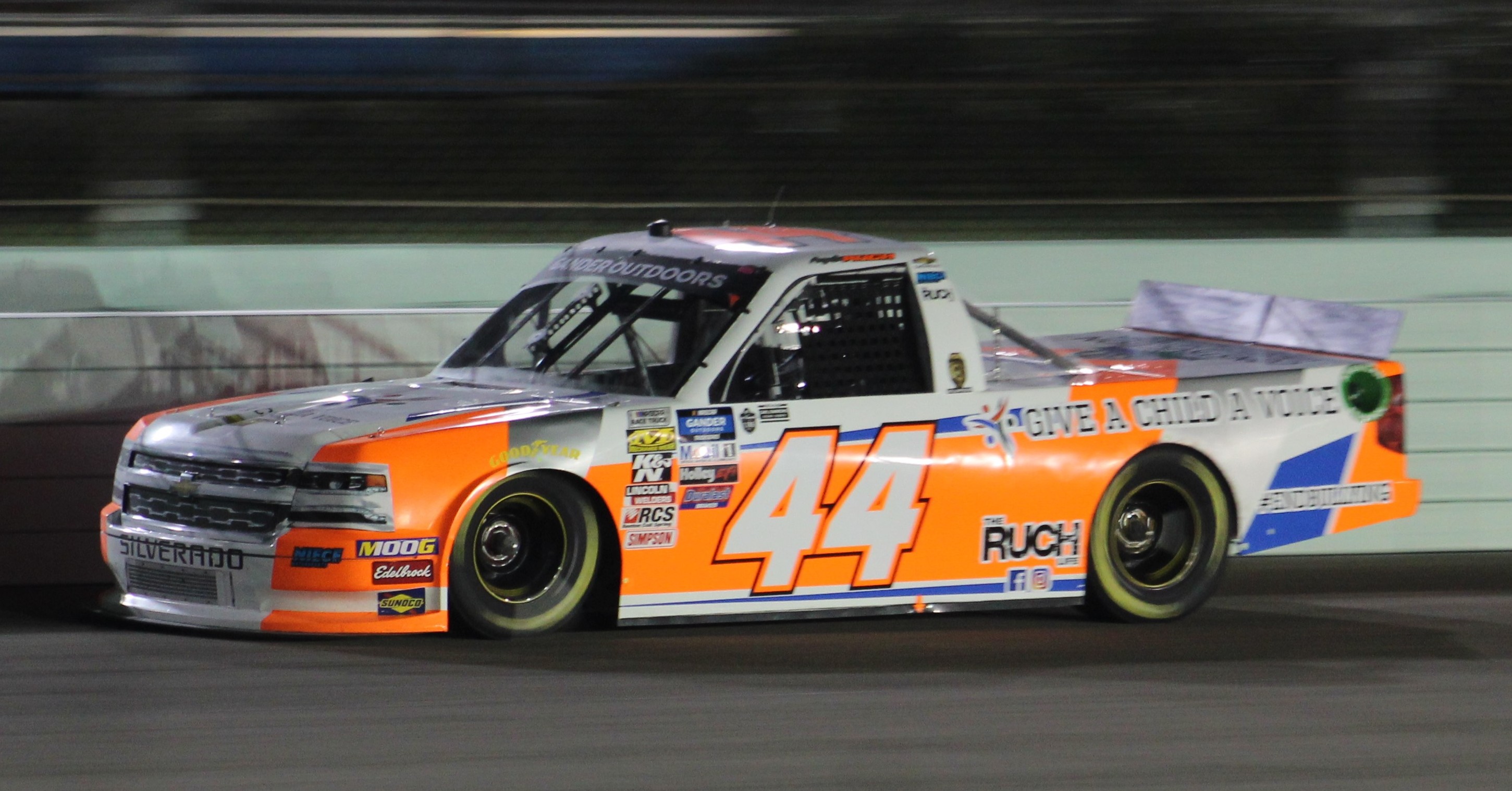
Chevrolet Silverado
"...es, only on the basis of prices. I think like the Silverado and all its different variants from the Sierra EV..."
The Chevrolet Silverado is a large pickup truck. It comes in different versions, and some may be electrified depending on the model. The podcast mentions it because people are comparing options and prices.
The Chevrolet Silverado is a full-size pickup truck offered in many trims and powertrain options. The podcast mentions it alongside other EV or electrified variants, suggesting discussion about pricing and how different versions compare. It’s relevant because buyers often choose between multiple Silverado configurations based on cost and capability.

GMC Sierra EV
"...Silverado and all its different variants from the Sierra EV to the even the Hummer, like if you had all of th..."
The GMC Sierra EV is a full-size pickup truck that runs on electricity. The podcast brings it up while comparing different electric truck options. The goal is to understand what each version offers and how they stack up.
The GMC Sierra EV is an electric version of the Sierra full-size pickup line. In the podcast, it’s mentioned alongside other electrified trucks, implying discussion about how these models fit into the market and how pricing/variants compare. It’s relevant because buyers shopping for an EV truck often evaluate multiple platforms in the same category.
EV adoption issues
"Also just the, you know, I think the U.S. is obviously the biggest market for pickups. And there's still some EV adoption issues in the U.S. that's not helping."
“EV adoption issues” refers to obstacles that slow down how quickly electric vehicles are purchased and used in a given market. In this segment, the host points to the U.S. as having adoption friction that makes it harder for electric pickups to gain traction.
unsupervised full self-driving
"All right, Lakers, so X question, what's the impact of the used Tesla market from the earnings call and the Hardware 3 admission regarding unsupervised full self-driving?"
This is Tesla’s idea of a car driving on its own without you needing to watch the road or be ready to take over. Whether it’s actually available depends on software updates and government rules.
“Unsupervised full self-driving” refers to an automated driving system that can handle driving tasks without a human monitoring or taking over. In practice, it’s tied to regulatory approval and the vehicle’s sensor/compute setup, so the timeline can affect how the public and used-car buyers value Tesla cars.
Hardware 3
"All right, Lakers, so X question, what's the impact of the used Tesla market from the earnings call and the Hardware 3 admission regarding unsupervised full self-driving?"
“Hardware 3” is the computer inside certain Tesla cars that runs the self-driving features. If Tesla says something about it, it can change what people expect those cars can do later.
“Hardware 3” is Tesla’s internal name for a specific generation of the car’s onboard computing hardware used for driver-assistance and autonomous-driving features. When Tesla discusses Hardware 3 in earnings or updates, it can signal how capable (or limited) certain cars are for future full self-driving software.
LiDAR
"Would you get an R2 in 2026 with no LiDAR? They had a lot of quality issues with the R1 Refresh."
LiDAR is a sensor that uses lasers to measure how far away things are. It helps the car build a detailed 3D picture of the road and nearby objects, which can make advanced driving features more dependable.
LiDAR (Light Detection and Ranging) uses laser pulses to measure distances to objects and build a precise 3D map of the surroundings. In driver-assistance systems, LiDAR can improve object detection and tracking, especially in complex lighting or weather—so “no LiDAR” is a meaningful design tradeoff.

Rivian R1 Refresh
"Would you get an R2 in 2026 with no LiDAR? They had a lot of quality issues with the R1 Refresh. Yeah, those are kind of two questions."
Rivian R1 Refresh is an updated version of Rivian’s earlier vehicles. The hosts bring it up because they think early versions can have quality problems, which matters when you’re deciding whether to buy something new.
Rivian R1 Refresh refers to the updated version of Rivian’s R1 platform (the R1T pickup and R1S SUV). The hosts mention it in the context of “quality issues,” using it as a cautionary example when deciding whether to buy a first generation of a new vehicle program.
first generation of a new vehicle program
"But I mean, I guess the main question is like, should you buy a first generation of a new vehicle program? Yeah, normally I would tell you no, like if you're an early adopter and everything"
When a car is brand new, the first versions often have more problems because the company is still working out bugs. The hosts are basically saying it can be worth it only if you’re okay with extra trips to the shop and possible recalls.
Buying the first generation of a new vehicle program usually means you’re an early adopter of a platform that hasn’t fully shaken out manufacturing and software bugs. The hosts frame it as a tradeoff: you may accept more service visits and recalls in exchange for being early, while later buyers benefit from lessons learned.
paid features
"I'm sure they're going to have a bunch of safety, active safety features that are standard, but the more convenience features are paid features."
The hosts are saying some advanced features may cost extra after you buy the car. Basic safety features are expected to be included, but convenience features might be subscription or unlocks.
In this context, “paid features” means advanced convenience or driver-assistance functions are offered as add-ons rather than included in the base vehicle. The hosts contrast this with standard active safety features, which they say are included.
level two advanced level two system
"if you don't want them, or if you're okay with just having some kind of level two advanced level two system, just like FSD, then you're going to probably be fine."
Level 2 means the car can help with steering and speed, but you still have to watch the road and be ready to take control. It’s not full self-driving.
“Level 2” refers to SAE driving automation where the car can control steering and speed at the same time, but the driver must remain engaged and ready to take over. The hosts are implying that if you only care about Level 2-style features, you may not need to pay for higher automation.
Request an Explanation
Heard something you'd like explained? We'll add it to this episode.
Sign in to request explanations for terms you heard.
Want to learn more?
Browse our glossary for plain-English explanations of automotive terms, jargon, and concepts.
Help improve this episode
See something that's not quite right? Our annotations are AI-generated and can sometimes miss the mark. Click the flag icon on any annotation to suggest a correction.
1 community members have helped improve this episode.