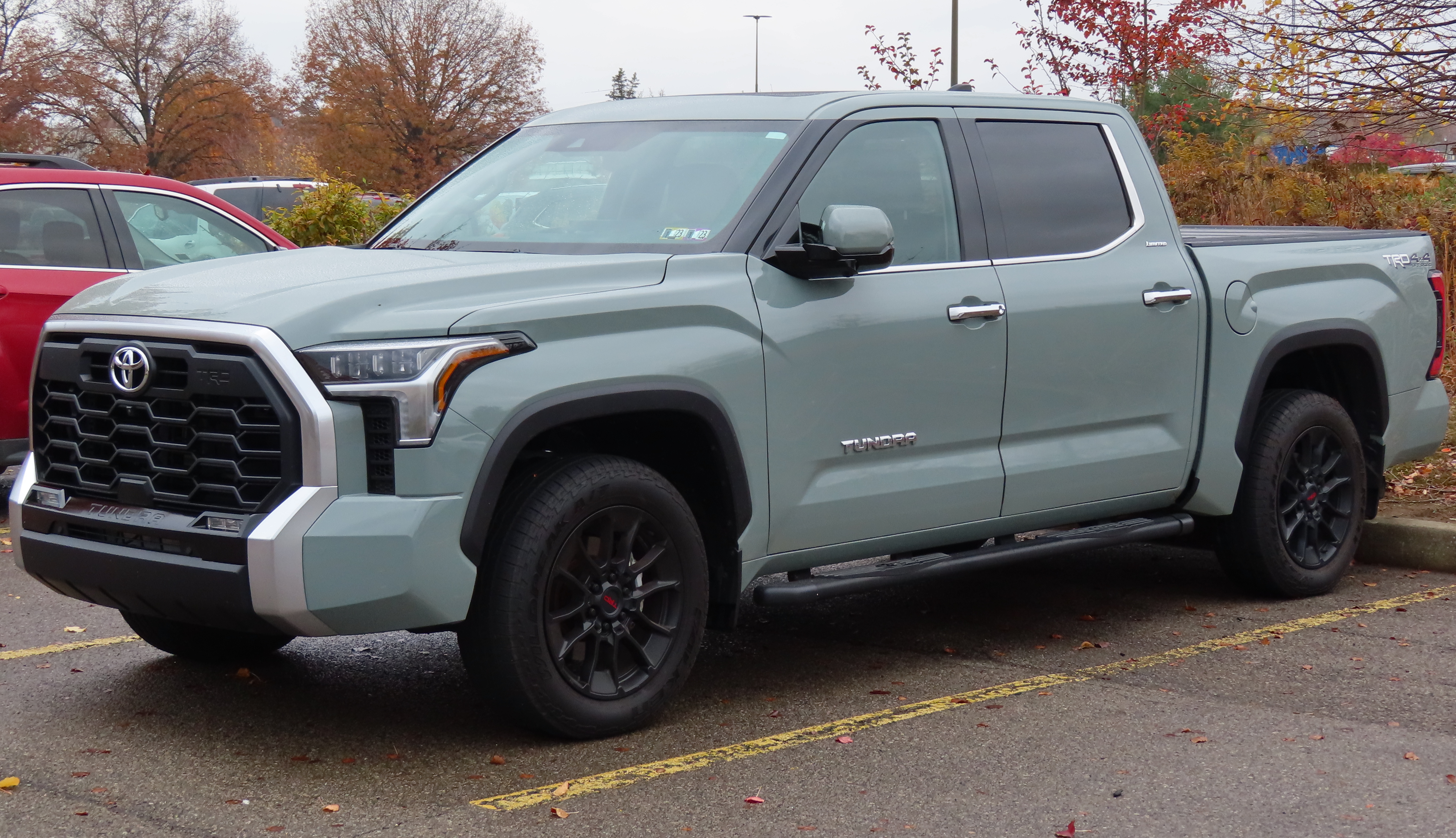
The Toyota Tundra is a large pickup truck. It’s made for carrying things and driving around for work or trips, which is why it fits the camping/outdoors vibe mentioned in the episode.
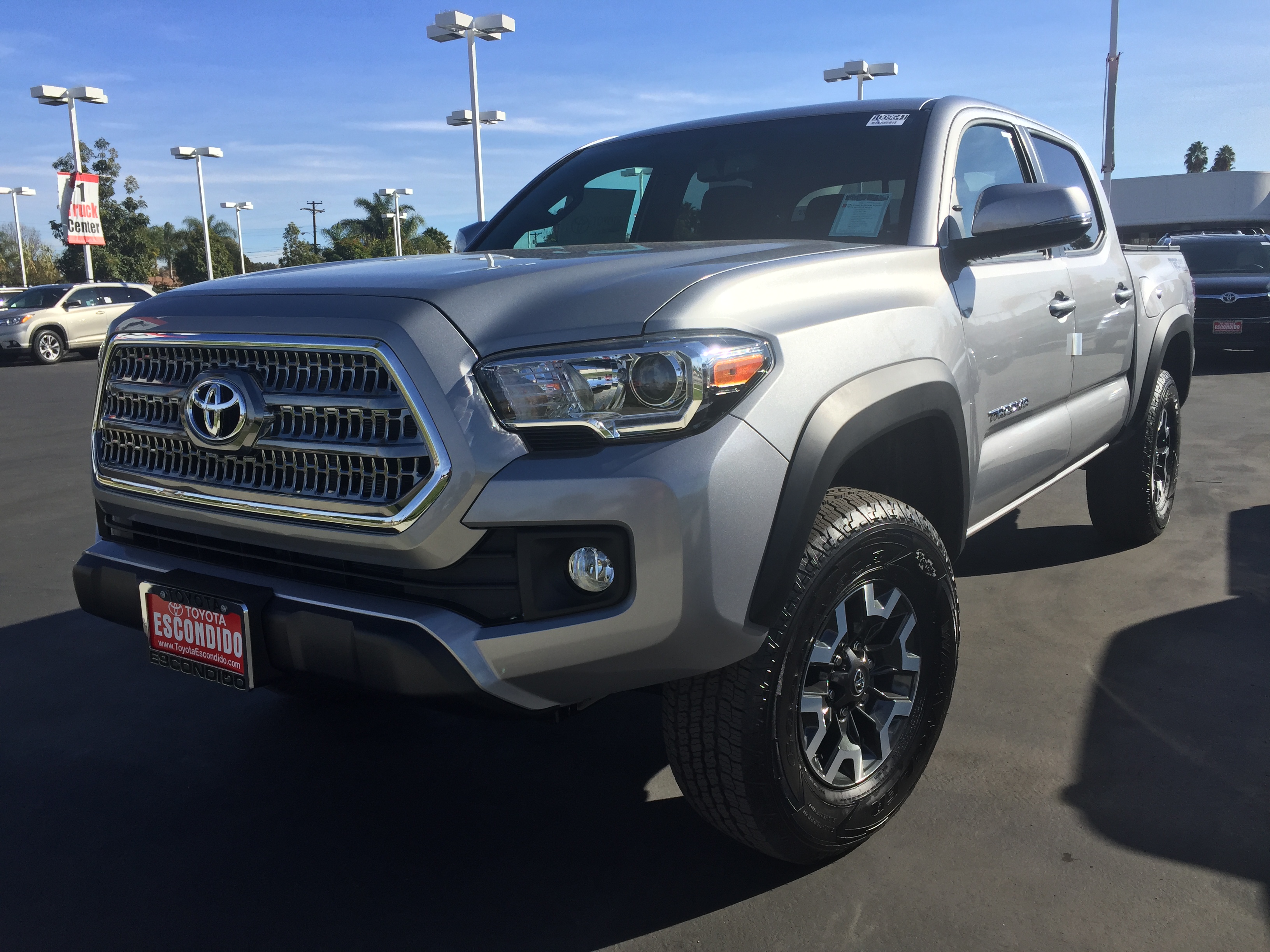
The Toyota Tacoma is a medium-sized pickup truck. It’s designed to be useful for carrying and for outdoor trips, which is why it’s brought up in the campfire/camping part of the podcast.
The Porsche 987.1 is a specific generation of the Cayman/Boxster. People like it because it can feel very “classic Porsche” to drive, and it’s often discussed as a cheaper way to get that vibe.
“Drivetrain durability” refers to how long the powertrain components (like the engine, transmission, and related driveline parts) can last under real use without major failures. The hosts are flagging that the 987.1-era cars have a “mixed reputation” tied to concerns about how well those components survive over time.
A “2.7 liter” engine means the engine is about 2.7 liters in total size. Bigger or smaller displacement can change how the car feels when you drive it, especially how it responds to throttle.
Concept
brass tacks
“Brass tacks” just means the practical stuff—the real details you need to make a decision. Here, it’s about shifting from reading history to figuring out what matters when buying a car.
Here, “value” means whether the car is a smart buy—what you get for the money. It’s not only the sticker price; it’s also how good the car is to own and drive.
Car
Porsche 912
The Porsche 912 is an older Porsche that’s related to the 911, but it has a smaller four-cylinder engine. The hosts are saying it can still feel really fun to drive because of how it’s balanced and how it handles.
Concept
entry-level Porsche
They’re talking about a Porsche that was meant to be easier to buy and live with than the top models. Even so, they say it can still be really fun because it drives well.
The Porsche 356 is an early Porsche sports car. The hosts are pointing out a history detail: the very first 356 is described as having its engine in the middle of the car.
“Mid-engine” means the engine sits closer to the middle of the car instead of the front or the back. The hosts mention it to describe how Porsche’s early layout changed over time.
“Rear-engine” means the engine is in the back of the car. The hosts connect this layout to how Porsche’s early cars evolved into the classic Porsche feel.
“2.7 911” is a Porsche 911 with a 2.7-liter engine. The hosts use it as a comparison point for how the 912 was judged before people realized it could be more fun than expected.
“Low horsepower” just means the engine makes less power than stronger versions. In this discussion, they say that can be fun because the car feels more straightforward and enjoyable to drive.
“Rev the motor out” means taking the engine to higher RPM rather than shifting early. The host’s point is that base models can be driven in a way that lets you explore that higher-RPM behavior more often without the car becoming too easy to get into trouble with.
RPM tells you how fast the engine is spinning. When people talk about using the rev range, they mean keeping the engine in the part of the RPM range where it feels strongest and most fun.
It means you’re not just driving in a lazy way—you’re shifting and using the gears to keep the engine in the right range. The host likes that because it makes the car feel more engaging.
The plenum is part of the intake system that helps feed air to the engine. When it “opens up,” it’s describing how the engine gets more air as you accelerate.
Rev range is the band of engine speeds (RPM) where a particular engine feels best and produces its strongest character. Here, the host says the “playground” is roughly 4500 to 7000 RPM, implying that the car’s fun and responsiveness are most noticeable there.
Throttle response is how fast the car reacts when you hit the gas. The host is saying that when the engine is spinning faster, it feels quicker to respond.
Exhaust is the path where the engine’s gases go after combustion. The host is saying you can hear the exhaust sound as part of the overall engine noise experience.
The Porsche Boxster is a Porsche roadster with the engine placed near the cabin. Because of that layout, you can hear the engine more clearly, and with the top down the sound feels even more direct.
Revving means making the engine spin faster. The host’s point is that some engines are designed to be used at higher RPM, and that can be part of how they stay happy.
Short shifting means shifting to the next gear sooner, before the engine spins very high. The host is saying that doing that can make the car feel a little lazy until the engine starts pulling again.
“On cam” is car-speak for when the engine finally hits the part of its RPM range where it starts making strong power. Before that, it can feel like there’s a pause before it pulls.
A “dead spot” is when the car feels temporarily unresponsive—like you press the gas or shift and it doesn’t pull right away. In this case, it happens before the engine reaches its stronger RPM range.
“Gearing” is how the gearbox ratios are arranged, which changes how fast the engine spins in each gear. Different gearing can make the car feel more eager or more relaxed depending on RPM.
“Long gears” means the car uses ratios that keep the engine speed lower for a given speed. That can make the car feel smoother, but it may also require more RPM to get strong pull.
Gear ratio is the numerical relationship between gears in the drivetrain that determines how engine speed (RPM) translates into vehicle speed. Different gear ratios change acceleration feel, cruising RPM, and how the car behaves under load. The host frames this as part of the “minutiae” they’re excited to discuss.
The IMS bearing is a small part inside some Porsche engines. If it wears out or fails, it can cause major engine damage. People often ask if it’s been replaced because it affects how risky the car is to buy.
Bore scoring means the inside wall of the engine cylinders gets scratched or worn. That can hurt engine health over time. It’s one of the reasons people worry about certain older Porsche engines when buying used.
Auction pricing is what a car actually sells for when people bid on it. The host is saying that even if a car used to be cheap because of fear, the price can creep up once buyers realize it’s not as risky as people thought.
Drain plugs are little openings you can use to let out water or fluid from certain spots on the car. People sometimes clean or service them to avoid buildup problems.
An AOS (Air Oil Separator) helps keep oil vapors from getting into the wrong places in the engine. The host is saying this kind of job can be harder than basic maintenance.
The serpentine belt is a belt that powers important accessories on the engine. Replacing it can be annoying because you have to route it correctly and deal with the tensioner.
Shocks help smooth out bumps and keep the tires in contact with the road. The host is saying suspension work like this is harder to DIY than simpler tasks.
Suspension parts are what connect the wheels to the car and help it handle bumps and turns. The host is saying this kind of work is not something they’d do themselves.
A steering wheel swap means changing the steering wheel. Since the airbag is involved, it’s important to do it the right way and make sure everything matches.
Engine numbers are like an ID tag for the engine. People sometimes use them to guess which version of a part the engine has, but in this case the hosts say it might not always be 100% reliable.
A non-serviceable bearing is one you’re not meant to replace as a normal repair. If it fails, the fix usually involves taking the engine apart much more than a simple bearing swap.
“Split the case” means taking the engine apart down the middle. It’s a big job, and it’s usually necessary when the part you need to replace is deep inside the engine.
In this context, a flange is the mating interface piece that bolts/seals to the engine housing for the IMS bearing update. Using the wrong flange version can prevent the bearing/kit from fitting correctly, which is why the speaker had a parts mismatch between “old” and “new” bearing setups.
A body panel is one of the car’s outer metal pieces. Removing it can be annoying and risky because you might scratch the paint or take extra time to put it back correctly.
Dealer service labor cost refers to what you pay for a dealership technician’s time to perform work, often including time spent removing and reinstalling parts like body panels. In this segment, the hosts compare labor hours and explain how the hourly rate adds up, whether you use a dealer or an independent shop.
An oil change is regular service where old engine oil is replaced with new oil. They’re using it as an example of how service costs can differ between car versions.
A “GT car” is a grand touring car—built to feel good on longer trips, not just for quick bursts. The host is saying the 981 starts to feel more like that style of Porsche.
Electronic steering means the car uses electronics to help control the steering, instead of relying only on older hydraulic-style systems. The host thinks that change can make the driving feel different—sometimes more modern, sometimes less “old-school.”
Hydraulic steering uses fluid and a pump to help you turn the wheel. The host is contrasting it with electronic steering to highlight how the steering feel can change between generations.
“Air-cooled” means the engine is cooled mainly by air flowing over it, not by circulating coolant through a radiator. Porsche’s air-cooled cars are especially famous to enthusiasts.
Concept
Stuttgart market letter
A “Stuttgart market letter” is basically a Porsche price-trend report. The speaker uses it to justify how the Cayman’s price has changed over time.
The Porsche 993 is a classic 911 generation that uses an air-cooled engine. People like it because it feels very mechanical and you can hear and feel a lot more of what the car is doing.
Power to weight ratio is a way to judge how “strong” a car feels for its size. If a car has more power for its weight, it usually feels quicker when you accelerate.
A “butt dyno” is just a humorous way to say you’re judging how fast a car feels by how it pushes you in your seat. Here, they’re asking whether two cars feel equally quick without looking at numbers.
Drivetrain loss is power the engine makes but doesn’t reach the wheels because of friction and mechanical inefficiency. Lower drivetrain loss means more of the engine’s power actually gets to where it moves the car.
In this context, “hubs” means the wheel hubs—where the car’s rotational power is delivered to the wheels. Measuring power at the hubs (rather than just at the engine) makes drivetrain loss visible and helps explain real-world acceleration feel.
Term
zero to the market
It sounds like the host is talking about how often they’d really use the car’s speed/ability. The point is: don’t pay for performance you won’t use.
Concept
driving safely vs driving safely and being unsafe
This segment is about the boundary between “safe” driving and pushing into unsafe territory. The host’s idea is that modern cars and traction/stability systems can mask how close you are to losing control, so the line can feel bigger than it really is.
A car facts report is like a vehicle history summary that can show things that may make buyers cautious. The host is saying they don’t want a bad report to affect what the car is worth.
“Christmas tree” LED tail lights are a nickname for a multi-segment, vertically stacked LED light pattern. In this context, the host uses the look of the 987.2’s rear lighting to explain why they think the later car appears more dated than the earlier 987.1.
Scarcity just means there aren’t many of those cars around. If fewer cars exist, prices can go up because buyers have less choice.
Term
DFI engines
DFI means the car injects fuel directly into the engine’s cylinders. The hosts are saying that, in their experience or based on reputation, those direct-injection engines may not have been as good as other versions.
“2.7 liters” is the engine size—basically how big the engine is. The hosts are using that number to connect today’s Porsche 2.7 engines to Porsche’s older history.
This segment references the enthusiast argument over whether certain Porsche models (like the 986-era Boxster/Cayman platform) are “real Porsches” compared with the 911. The hosts frame it as a perception shift that later gets re-evaluated as owners learn more about the cars’ engineering and history.
“Base spec” just means the car is set up with fewer options than a fully loaded one. So it may not have all the convenience or tech features you’d find on a more expensive build.
A “mid-range radio” is an audio system that’s better than the simplest setup, but not the best one available. It can mean you get more features or better sound than the cheapest option.
A “premium package” is a group of extra features you can add to the car from the factory. It usually upgrades things like comfort or convenience, and it’s more than just one small add-on.
The Toyota RAV4 is a compact SUV. It’s made for everyday driving but can also handle road trips and outdoor outings, which is why it’s included in the episode’s camping-style lineup.
A PPI (pre-purchase inspection) is a professional inspection done before buying a used car. It’s meant to uncover hidden problems—like mechanical issues or damage—so you’re not relying only on the seller’s description.
Rust is metal corrosion. If a shop finds rust during an inspection, it can mean the car may have deeper problems that aren’t obvious just by looking at it.
Coolant pipes move the liquid that keeps the engine from overheating. If they’re failing, the car can start running too hot and can cause bigger problems.
A “barn find” is a car that’s been sitting unused for a long time, like in a barn or garage. People get excited because it might be rare or original, but it could also need a lot of work.
TPMS is a system that checks your tire pressure and warns you if something’s off. It matters when importing cars because the sensors and rules can differ by country.
Importing a car across borders involves customs paperwork, taxes, and compliance steps that can vary by origin country and vehicle equipment. In this segment, the host discusses how to handle customs and then pay the same state/local taxes you’d pay for a domestically purchased car.
The Porsche Carrera GT is a famous Porsche supercar. Here, the hosts are saying the Cayman’s styling looks like it borrowed design ideas from the Carrera GT—so you can spot the connection in details like the headlights.
Term
Carrera GT headlights
They’re talking about the shape of the Porsche Carrera GT’s headlights. The point is that the Cayman’s front-end design cues make more sense when you see them in person, not just in photos.
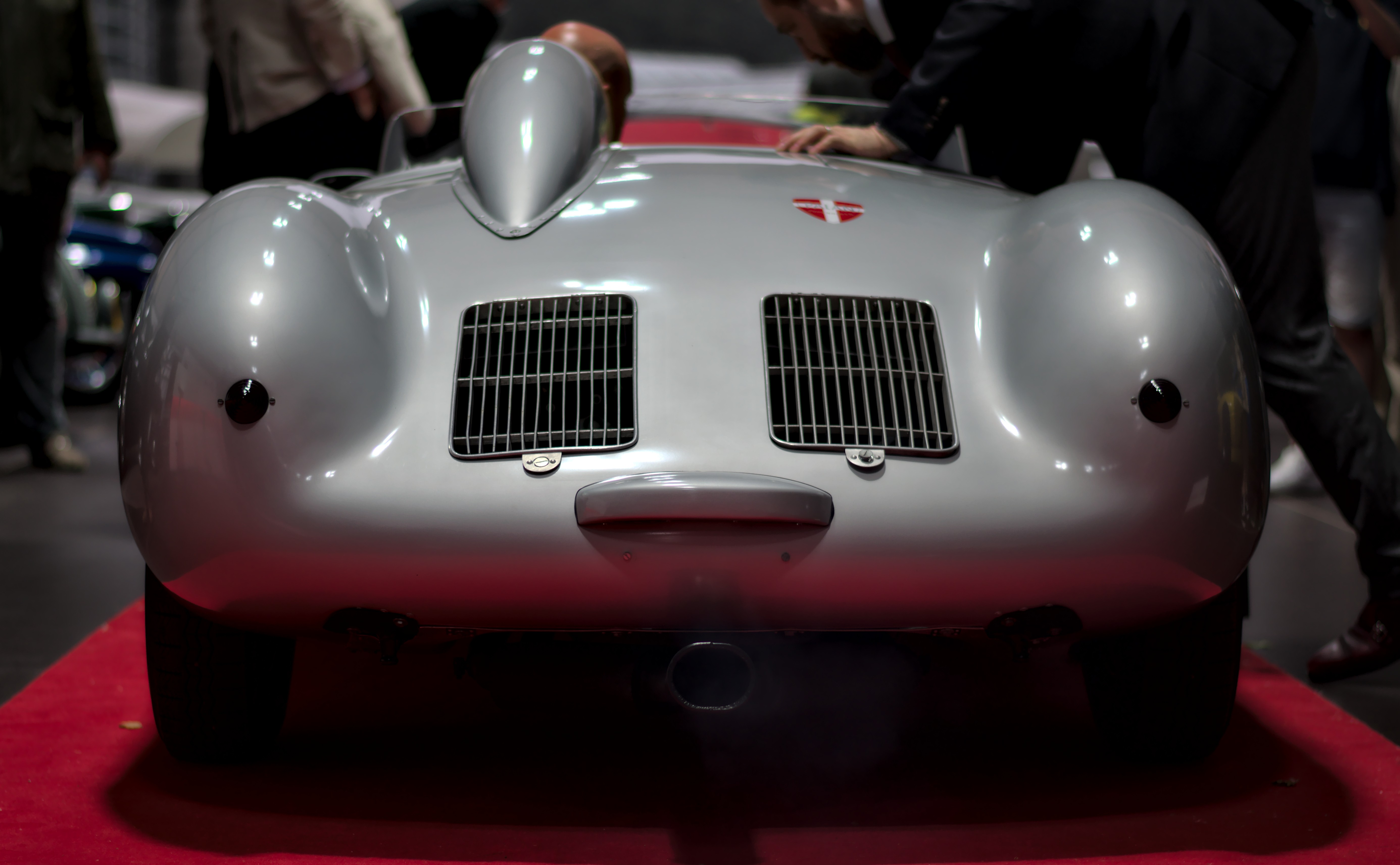
The Porsche 550 Spyder is a classic, famous Porsche race car from decades ago. Here it’s used as a design comparison—saying the later Cayman/Boxster’s lines remind them of the 550’s look, especially at the back.
LIVE
Howdy howdy ho and welcome to fantasy fanfellas. I'm Hayden producer of the fantasy fangirls podcast and your resident lover of all things
Sanderson and I'm Steven your bookish internet goofball
But you can call me the smash daddy and we are currently deep-diving Brandon Sanderson's fantasy epic Mistborn
But here's the catch Steven here has not read Mistborn before that's right
Hey, so each week you'll get my unfiltered raw reactions to every single chip and along the way
We'll do character deep dives magic explainers and Steven will even try to guess what's next spoiler alert. He'll be wrong news flash
I'm never wrong episodes come out every Wednesday, and you can find fantasy fanfellas wherever you get your podcasts
Hey campers, it's Jan from Toyota this summer. We're headed to camp Toyota and the fun starts
We're kicking things off by kicking up mud jump in campers. We're going off-roading in a forerunner
Next we're heading to the hot springs in a rad four
And finally park your tundra's and Tacoma's around the campfire because we're roasting marshmallows
Your summer start here dealer in between may vary so you're participating Toyota dealer for details event and stream first
Toyota let's go places most people don't realize how much of their personal information is being bought and sold every day
Data brokers are making billions pulling details about you from public records in the internet then packaging and selling it
Usually without your consent. That's how your information lands in the hands of scammers
Spammers even stockers. It's why you get endless robo calls and why ads seem to follow you everywhere
That's where aura comes in aura actively removes your data from broker sites and keeps it off
They also instantly alert you if your information shows up in a breach or on the dark web
But aura goes beyond data protection with one app you get a VPN
Antivirus password manager spam call protection dark web monitoring and even up to 5000000 dollars in identity theft insurance
All backed by 24 seven u.s. Based fraud support other companies might sell just credit monitoring or just a vpn
aura gives you all of it together at the same price competitors charge for just one service start your free trial today at aura.com
slash safety protect yourself now at aura.com slash safety
Hey everyone, I'm Derek. This is 11 after 9 and I'm so happy to have my guest this week Jeff layman
Jeff is probably if I have to put a word to it the utmost authority when it comes to
first generation base boxers and caimans as a matter of fact Jeff wrote the Bible
That's a Porsche enthusiast guide to the 987 dot one 2.7 boxer and caiman
Jeff
Has been kind of a little bit of a mentor to me in terms of conversations. We've had over the last few years
As I've kind of dipped and dived in terms of what car am I gonna buy next?
I ended up with the 997 dot one Jeff as you know
But I was real close to getting myself a first-generation caiman and you were really fantastic and kind of counseling me
Along in that and so I wanted to invite you on to the podcast because I think it's it's an awesome
Generation and you're the guy to talk to when it comes to that so welcome to 11 after 9
Thank you very much Derek. It's a pleasure to be here. Yeah, it's really great to have you man
You you're just a hell of a nice guy and might I say for the people watching this on YouTube?
You have an excellent taste and background decoration
Those those of you listening Jeff has a matching wood shelves to mine
And they almost look like they're lining up with all the cool Porsche stuff. He has back there
Yeah, I think we have the same stylist, right?
Mm-hmm. Yeah, exactly if I could only pull off the gray in my beard like you do
I'm happy to trade you
Fair all right. That's fair. Okay. Yeah
Jeff I wasn't joking what in the intro when I said thank you so much for being on and that you're the guy that really
People go to when they want to learn about these first-generation cars because I mean you have to kind of face it
They they have a little bit of a mixed
Reputation based on on some of the hoopla about the motors
In the survivability or the durability of the drivetrains
And we definitely want to get into that, but maybe can I ask you this and this is gonna sound maybe a little bit?
Crass as a first question to you great
Hey Jeff, this is my question. No
So you have 75 years of Porsche history that you could focus on you know
You have right you have generations of different cars that Porsche put out
But you chose such a small sliver such a very specific
Generation and not only specific generation, but the base model of that generation with a 2.7 liter motor
Can I ask why that is?
Well, there's plenty of great history books. I mean back up here behind me is
Porsche Decades, which is a really good book and you know it chronicles it and I've got a lot of these books that just over time
I've collected in there
You know I get to see a lot of the same cars and learn about this
But when it comes down to brass tacks and you're actually gonna purchase a car
You need a whole different set of information. I mean those books help you like sale
Yeah, I want to look at this range, you know
But I decided to pick the range that I love and I've owned four of these cars now
And so I feel like I mean I really appreciate your introduction. I'm I feel like I'm more of a 987 dot one savant
Which means I'm an idiot and just about everything else
but
But these cars are really important to me and that's why I focused in on them. I just think they are
The value for Porsches today and we'll get into a little bit more of that later as to why we will talk values
But I do want to agree with you actually Jay Galati. He's a fellow Northwestern
He's he's a friend of the show and I have Porsche decades back on my shelf as well
And that is a wonderful compendium of kind of history of Porsche and he gets very specific very very
Scholarly when it comes to kind of the history of Porsche
What I appreciate about your book and I've mentioned to you earlier before we got started that it's actually written in my backpack on
two separate vacations where I've been reading it by the pool because
You have a level of humor that you bring to talking about this car
And you're not afraid to talk about your mistakes and kind of your
Perceptions kind of coming into owning it and kind of how that's evolved over time
Did you did you own any Porsches before you kind of jumped into the 2.7 arena? I did so my first experience is is closer to your
72 911 T maybe I had a 76 912 E
That was my first Porsche. No way. I owned that in around 89 90 91 somewhere in there and did a little bit of a restoration on it
and
Really loved it. You know, that's my you know our common bond is the base cars that you know
Some would view as underpowered
I just viewed it as a lot of fun and something you really had to work at
To get it to do what you wanted it to do and so had that car for a couple years and really enjoyed it and you know
Kind of wish I still had it. It's funny that that car
So for the audience the 912 was the four-cylinder version of the 911 back in the 60s
Porsche came out with what was essentially maybe the Boxster of the time in approachable entry-level car
and it was priced with
Priced under the the long hood 911 it had the 356 four-cylinder motor in it instead of the six-cylinder
911 motor and
It was kind of that entry-level car, but low and behold what people actually found out is
Because there wasn't so much weight over the back
It handled like you wouldn't believe and it was a really fun car
And so the 912 kind of be it became kind of the driver's choice. It went away in what 69 maybe was that the last
Possibly yeah, I don't know don't quote me. We have to ask you. That's not my area of expertise
Right this is where the savante comes in but I will say that the 356, you know the first one ever registered number one
was a mid-engine car
The the very first 356 was a mid-engine car correct. I it's in the book. It's in the book
I must have missed that tell me tell me more about this. Oh
No, it's just from the Porsche archives that that the original
356 number one was a mid-engine car and as
A way to market the car better
They had to put a rear seat in it
So they had to switch the engine around the other way and that's that's why the the 356 is after that ended up as rear-engine cars
I didn't know that so that was a pre a a
356 yeah, right
Right
But the the car that Jeff was referring to a minute ago is a Porsche brought back the 912 in
1976 for one year only and only in the US and only about 2100 cars
Is it really that few? Okay, and those those cars today?
Shockingly are selling in the 40s
It's amazing and you know and they have they have a following and and there's a demand for them and you know
That's what people want. Dude. This is the thing about Porsche, which is so funny to me
You have every generation or every 10 or 15 years
There's a red-headed stepchild of the generation and everyone says don't buy that car. That's a piece of crap
That's slow as anything. That's the the common car
You want something more special and then low and behold what happens is it has its comeuppance and it becomes so special and then it becomes
the most search for model and
That 76 912 was this is please no offense to you Jeff was considered to be a slow kind of dog shit example of the
2.7 911 for a long time
But then people started driving it and saying well
There's a purity to it and the low horsepower is what's exciting because you can get into it all the time, right?
Yeah, and and just the maintenance and you know the handling all that so you know that kind of carries through
All the base cars if you really think about it. Well, this is what I'm finding my friend because I
Am in a vowed
Reformed ass and I need the best car. I was I had
Mentioned a podcast that's gonna be coming out last week when this comes out
About how you know kind of I was that guy that said it's an it why wouldn't get an S over a base?
So why wouldn't you get a GTS over an S? I mean better. It's faster. It's more powerful. There's more torque. Why wouldn't you that's?
Bases are for you know people that aren't really fans. That was very early on in my ownership
kind of career and
The more I kind of the more cars I own the more cars I drove the more cars. I was exposed to Jeff
the more I came to realize that
Porsches they they became too fast and they became almost unusable because they're so capable and
The base cars give you a little bit of a window into being able to really rev the motor out and have a lot of fun with the car
Without crashing into a tree if the if the corners right or at or as one of the people I quoted in the book said
you know with with the 987 dot 12 point seven you will not become scenery and
which is pretty accurate I
Feel like you know you drive those cars at 80 to 90 percent
You drive the equivalent
Carreras at a much lower percentage because you can get in trouble a lot quicker in those and my preference is to work those
Work those base cars through the gears here the engines rev here the plenum open up
But you know between four and 54 and 4500 rpm
And and really drive them have the driving experience as opposed to just having so much power
That you're not gonna use it and
Yep
to me
That's that's inefficient, but
Well, not everybody not everybody agrees with me. Would you but you but here's what it is Jeff
Here's this is what I find so interesting driving a base car
You do have to drive it differently
All of the fun that car lives in breeze above 5000 rpm and you and you
4500 to 7000 is where your playground is in those cars and
By the very nature of being that high in the rev range your throttle response is lightning quick and the sound is
Glorious in these motors, right?
so that's the interesting thing about
You know sound in general from these cars everybody focuses on the muffler
but
Or the exhaust whatever you want to call it
But with these cars the engine is right over your shoulder, right?
So you're hearing you're hearing the mechanics of the engine
You're also hearing the induction and you're hearing the exhaust and if you're driving a Boxster
You're hearing a lot more of it because that sound is coming right into the at the top's down
It's coming right to you or it's coming through the convertible top. So
Those they sound glorious without really the need to do anything more
And when you're when you're really kind of revving that motor out
You just naturally just hear more of it and those the base cars tell please tell me if I'm wrong
I think you actually touch on this in your book, but they they not only do they need to be revved
But they're actually they're a healthier engine if you're revving them
Correct. I think I think that's true. Yeah, I mean those cars are meant to be driven
I mean, do you think Horsha would have a base model which they sell a lot of if that was a bad car
They wouldn't they wouldn't bring it to market if it was a bad car
I just think everything above the base cars is you know, how much more sausage do you want? I?
Always get flamed in the comments because I'm oftentimes described as a purist for the base models
Which isn't true because I've actually owned a lot more s models than I have base models
but I do think that
There's a purity to the base models that Porsche starts with and then they do add horsepower and torque and there is
There is a role for that like on the racetrack. Absolutely. The torque is very welcomed. Absolutely, you know, even listen hand-on-heart
My 014 base Boxster 981, you know when I'm on these back roads and I'm at a stop sign
And I and I come out and I shift from first to second and if I kind of short shift in my revs around
2500-3000 there is a little dead spot that I have to kind of work out of before it starts to get on cam as
I guess as it were and and really pull and so you don't really have that in NS
And so I do see the appeal of that
But boy when once you're 45 5000 rpm man, that thing is fun. Well, I will say
You know, we all love our twisties
and
If you put that car in third gear
you can you can go up and down the rev range and the torque range and
You will have an excellent car through the twisties without having to shift
Yes, but I know this on the 981 that it actually because the 981s are known for very long gears and
That's kind of right a system
The base models at least on the 981s are a little bit shorter than the s models in terms of gearing
Is it the same for the 987s? Do you know?
You know, so the 987s unless you have one of the really rare six-speeds that was attached to the 2.7
You know, that's a really good question. I'm not sure they feel quick to me they feel plenty quick
You know taking it through the rev range accelerating up shifting up. They all they feel great. I
Don't get caught up in all the little, you know details, but you know
So we're in the deep listen Jeff
This is the deep end of the pool of portion urgery that we're talking about gear ratio
so I'm gonna back this up because
This is the problem the problem that I have is I get so excited about the minutiae of these things because I find it
So interesting that I am just a complete mess for this
You I want to talk about IMS bearing issues. I want to talk about more scoring issues
Give me your take on this
Okay, so
Let's talk about IMS first so the cars that I think are the sweet spot from 2005 to 2008 are the
2007 and 2008 and so those have the improved IMS bearing very you know almost zero issues there
Even the later
2005 models got the upgraded bearing right but I
Think for those cars, I would say and I would echo what
Panorama found in some research. They did a couple years ago really no issue
as far as the bore scoring
even less of an issue and
To this day as I follow bring a trailer
You know auctions for these cars because I like to see the price ranges. They're falling
Yeah, they're doing what the options are all that yeah, there is always somebody that says has the IMS been bearing been done on this
2007 and
It's just become comical
The lack of
Information which is one of the reasons why I decided to write the book
I followed a lot of these blogs on Facebook. I mean, I think you're calling the blogs of death or something
But yeah follow the yep
I follow these things on Facebook and I just like for years
I would get up at five in the morning and
I would I would go on and just start answering questions and I'd be like no they have this one wrong or gosh
Somebody told them this and they're just repeating it and I felt bad for these people
So that that was one of the impetus for the book was to just you know
Let's get the information out there
And stop regurgitating the stuff that everybody just once they hear at once it becomes telephone
And then it becomes worse and as the story goes on and
Let's just get the straight information out there or as best as we know
so I would say for the 2.7 cars and
Even the the Boxster 3.2 from 2005 and 2006
Boar scoring and IMS are really not an issue
That's great to hear and that is backed up
I did a podcast not too long ago with Joe Adams from Blackstone who
Accord that that you know the percentage of issues was in the 3% range and so certainly not for the for the earlier ones
And so first certainly not something that is as overblown where if you were to go on the forums
You think it's 50% of all cars the engine yeah two years ago
I would say there was more buzz about this
But here's the problem that this creates
Clarifying this point that it's not that big of an issue
That means this great value play that we've been getting because everybody's been scared of these cars. Yeah
Is now I've seen the prices creep up a little bit on these cars as they go through auction because you know
If you're like me and you you know looked at the 993 and you looked at the 997 dot one
And you just see the multiples in price increase over those you're like wow
So this Cayman and Boxster is a really good deal. Yep, and it's not just about the deal
It's about the driving experience
We all we buy these cars because of the Porsche driving experience and these cars are meant to drive and that's why I put
Thousands and thousands of miles on both of my I have a Boxster and a Cayman. They're somewhere up here in the corner
and
I drive the actual size ones not those you don't just run those around on your desk and make little noises
Those days are those days are gone. Okay, but I I have put thousands of miles on these cars on road trips
And they're just fabulous road trip cars
They really are for any number of reasons from a storage and space
You know situation but right also they really are very happy at highway speeds and they're happier and back road speeds
They're really a nice Swiss army tool when it comes to the road
Here's a question I have for you. Do you do you do any of your own work on them? Do you do any DIYing on your cars?
Yes
Do you think they're friendly? I mean are they approachable for the use and me's that you know want to do some stuff in their garage?
Well, I sort of take it in gradients. All right, so there's the stuff that we can all do, you know the air
Air filter cabin filter cleaning out the the drain plugs and you know, wherever they are
There's four of them in the front and then the Boxster. There's some in the back and the
convertible top deck
You know, I've done my own brakes on them. I they're not particularly difficult to do
You know when you get into doing an AOS
Or a serpentine belt, that's where the cursing and screaming could start for some people
I would never do
Shocks or suspension parts or that kind of stuff. That's just not my I don't have a garage
They can do that kind of thing, but I can do tire swaps. I can do, you know, radio swaps. I can do
Steering wheel swaps even are pretty easy to do in those cars
And you know, they don't require a ton of maintenance
It's just the usual stuff that any car would have I you know, I wouldn't do plugs and coils
Although that's borderline. I mean some people are totally happy getting their hands up there and you know and and doing all that
I'd rather just have somebody else do it because it always happens at an inter-opportune time
and you know, I'd rather just
Let the car go away for a day and come back running perfectly. Oh, believe me. I invented the
730 on a Sunday night and for some reason something stripped where something's frozen and I just can't get it out
And I'm cursing because I have to get up and go to work in the morning
And that means that the car is gonna sit for another week and I I agree with you
Just touching back on the IMS thing that you had mentioned just so everyone knows the early versions of the 987.1
Still had a replaceable IMS bearing and that was 05 to like halfway through
06, you know, it depends on who you ask. I would say late 05 to yeah, I think that's a pretty good range
You know, they try to do it by
Engine numbers and all that and I don't even know if that was a hundred percent accurate
So, you know, you can tell if you're doing it
I mean you can go in and hold the flange off and you can kind of see what it is
So and that's and that's a funny thing Porsche is funny about that. I think with like a lot of their
Repairs that they do over time
There's not quite so much of a rhyme or reason to how they do it, you know
There's not like a definitive cut off and so there's always a little bit of investigation that comes with it
But in general kind of that 05 to 06 range
They went to a non what they call a non serviceable bearing and it's a permanent bearing and it's a larger bearing
I understand and yes, and I mean it you can if they're if you're gonna have the engine taken apart which
God forbid that ever happened to you
Then you can replace that bearing, but the chances of that are pretty impossible
You have to split the case to do that. Yep, correct. Yeah, so I had this experience with my first
Boxster 2005 and
I was how I was redoing the clutch and so I had it in the shop
They were doing the clutch and I'm like, well, I better do the what they were calling the IMS back then was just the flange and
So I ordered the parts
Had them shipped in took them and then when the guys did it they said this doesn't fit
so I clearly had one that was the the
That was the new
Bearing but they'd sent me the flange for the old bearing right and they weren't talking to each other
So I returned it back to the Porsche dealer that I bought it from and they're like, no, this isn't possible and I'm like, well
I'm sorry, but this one fit and that one didn't so I must have been right at the breakpoint
Yep. Yeah. Yeah, your car was made on a Thursday and they stopped on a Wednesday
Probably went back in the day with with Porsche that they would just change like in the middle of the week
Okay, we're doing this now being a mid-edged car the motor is it's not a
Completely open to you, but you can do a lot to your point, you know, you put the top in a service position in a Boxster
Or you are you can under the hatch on the Cayman you can get to it readily between the seats
There is a service panel that you can access the belts
And so the cars for it's funny for being unless you have to drop the motor
Which you really don't have to do for any of the maintenance items
No, it's they're surprisingly easy to work on which is very heartening for someone like me
Who likes to get their hands dirty every once in a while, you know, if I had any free time
But well try doing that on your 997 dot one
Because you'll be pulling the back bumper off to do stuff. That's just how it is. Yeah
Especially I can tell you this when I had my 991
Just to change the engine
Filters you had to take off the rear bumper and yeah, and it's not here's the thing Jeff
It it's not a big deal to to take the bumper off
It's just a bunch of fasteners and it comes off and you just make sure you don't scratch it
But for some reason there's like a mental block to removing a body panel to get
Well, you know the other the other issue is is that if you're taking it to a dealer for service
You're paying for them to take that off and put it back on again
Yeah, so here's one thing I found out because I take my I get my cars, you know serviced every year minimum
and
For the 987 dot one cars
It's one hour of labor to do an oil change and for the 987 dot two cars
It's an hour and a half of labor really
I don't know why it may be that you know that because the motors were redesigned or something like that
But you know at a couple hundred bucks an hour
For service. Yeah, whether it's an independent or a dealer
I mean it does it does make a little bit of a difference and it all adds up and everything helps right because we want these cars to be affordable
That's the real reason
If such a word can be said in the same sentence as the word correct. Yeah, that is a hundred percent correct
Yeah, no it but it but
Listen very relative right the words value and affordable
However, I think boxers and caverns have always represented the value play when it comes to
Driving a Porsche that is very engaging for the least amount of entry fee
I guess you could call it and that listen
That's why Jeff I sing to the top of the hills about my base 981 because you know for a 35 to
$40,000 $42,000 car it is
So much more car than that than that money represents that and then you look at the 987s
The the dot ones in the dot twos now. I have owned two
987 dot one
S's and
They were both fantastic cars really really enjoyed them. They were both very very fast again at the base
But I was just so unbelievably impressed about the size of them and kind of the almost the old school
Feel that they kind of represented
Certainly almost like more engaging than even the 986 is in a weird kind of way
I don't know if have you had much experience comparing those
No, so I have not driven either, but I have looked at the metrics, you know
So so to me the 981 starts to get a
Little bit closer to a GT car. It's a little bit bigger. It's a so so, you know, there are some people that think that
Well, why would I why wouldn't I just spend a little more money and get a 981? Well, it's a very different car when you drive it
From from what people have told me right and and I do follow a couple guys on the web that you know
That own them and I write about one guy in the book who's you know, basically takes them apart and puts them back together again
as a hobby and makes a YouTube channel out of it, but I
Think that if you're it depends on the form factor in the driving experience that you want 981s are fantastic cars
but you know, that's when we got into the
Electronic steering electric steering, whatever it is, you know, yeah, and away from the hydraulic steering and all that
So it's just a couple of little nuances and you know, you as the buyer have to decide if it's worth X number of dollars more
To have a little bit bigger car a little bit different driving experience
Maybe more electronics in it that kind of thing. It's a matter of taste to me rather than a matter of money
If I was given the choice of one or the other I would take the 987.1
I just think it's closer to the old-school Porsches than it is to the new-school Porsches
Let's talk about that and
So I'm listening to you and I talk, you know on my lawnmower or driving my car to work and
I'm thinking to myself. All right, that's great. You're talking to Jeff layman. He's the 987.1 base guy
But you know, he's had four of them and that's what he knows. So, of course, he's gonna say that they're great
So you let me know a week or two ago that you had the opportunity to
Kind of put your opinion to the test by driving
Not only a 997.1, which is a car that I also own
But then you were also able to drive the last of the air-cooled cars a 993 from the late 90s
Right, and you were able to bookend your experience with your Cayman between those two
And so if you don't mind I'd love to talk about that a little bit because I like to put everything in a frame of reference for people now
understandably Jeff
to the from a price point of view a 993 is
In far excess to what we're talking about. Yeah, it's it's four to five X what a what a Cayman would be
But representative of the final iteration of what the air-cooled became sure
And then you compare it to what I think you can very rightly call a bit of a GT car
Which would be the 997.1 which I have
And so
Let's talk about that first. All right. So here you are
because I think
probably
You could probably pick up a 98 a good 987.1 2.7 for
20 to 25 thousand dollars right now. Is that
Completely crazy for a boxed or yes for a Cayman, I would say 25 to 30 depending on the condition
I track
The Stuttgart market letter and also bring a trailer and I kind of watch how the prices
Fluctuate around and they have crept up just a little bit
But not the multiples that we're seeing in in the other cars
So and so for a 997 somewhere in that range. Okay. So this so so let's say let's let's call it a median of of 25
um
In the so for a 997.1
You can pick one of those up a higher mileage one for maybe 40 a lower mileage for maybe mid 40
So a appreciable value bump in terms of cost but not crazy another 10 or 15 thousand dollars
So so tell me so you get out of your Cayman and you and you get into it's uh, was it it was a lower mileage car if I remember correctly
So the the 997.1 was about 25 000 miles
I think special thanks to my friend greg johnson who lent me his two cars
He got to drive my Cayman
I got to drive his two cars and we sort of traded notes on what we thought of them and
I would say
A
Cast powers the world's best podcast here's the show that we recommend
Do you like being educated on things to entertain but don't matter
Well, then you need to be listening to the podcast with nox and jamie every wednesday
We put together an episode dedicated to delightful idiocy to give your brain a break from all the serious and important stuff
Whether we're deep diving a classic movie dissecting the true meanings behind the newest slang or
Dunking on our own listeners for their bad takes or cringy stories
We always approach our topics with humor and just a little bit of side-eye
And we end every episode with recommendations on all the best new movies books tv shows or music to find out more
Just search up the podcast with nox and jamie wherever you listen to podcast and prepare to make wednesday your new favorite day of the week
Hey cast helps creators launch grow and monetize their podcasts everywhere a cast.com
Was around the campfire because we're roasting marshmallows
Your summer start here dealer in between may vary so you're participating Toyota dealer for details event and street first
Toyota let's go places
As I drove those two cars and then got in my car to go back home. I was like, huh, okay
So this this 987 felt closer to the 993
Because of the handling the exhaust sound
Um and just the lightness of being as you're driving the car now
The 993 you're really close to the windshield. You're really close to the instruments
I mean you're like right on this thing and the shifter is a little bit longer of a throw and that kind of thing
But still very mechanical
Which I feel the 987 is also and yeah, you're a little more setback
You've got a little more safety, you know measures in between you and the windshield going on the slope of the windshield
If nothing else is definitely right. Yeah
um and uh
I felt like you know as I'm driving the 993
I'm like, you know, I obviously the pedals are to the floor and you know all these things
But it was it was stock except for coil overs that kind of lowered it to european ride height
um, and it felt
I just felt like okay. This is
Really indicative of what everybody thinks of when they think of an air cooled 911
Uh, and then you know when I'm in the cave and I'm like, well, you know, that is not that far off
um
Some of the engine sounds for this. I mean the 993 has got a louder exhaust obviously because it's air cooled
There's less insulation in the car
You know just all the cacophony inside the cockpit and all that cacophony is a great word
There and that's really what it is with the air cooled if you
At almost every rev range that kind of the gnashing of the gears and in the in the the drivetrain sounds are fantastic in the
993 no doubt about it
Yep, and the brakes are obviously a little more mechanical
um, and then I get in the 997 dot one
and
that car
is very planted
And also feels very heavy
um
Which is a compliment to the feeling planted
And then the exhaust seems more muted because it's farther out the back and there's a lot more stuff in between
Yeah, that exhaust and my ears
And then the acceleration
On the 997 dot one is over the top
There's so much power in that car and I felt like I'm only
40 50 percent in the throttle on this thing and I'm like I'm about to hit the guy in front of me
So I'm like wow, there's that's a lot of power like will we all ever use that power?
And I feel like I'm using almost all of it
In the Boxster or the Cayman when I drive them
Yeah, and I put my foot into it pretty good on the 993 and it delivered
I mean the the 993 and the 987 dot one cars have a very similar power to weight ratio
They're only off by about a pound per horsepower. So
um, but the
The 997 I mean that's things a beast
And that's just the base, you know, you got to remember my point of reference as I'm driving a 2.7 liter
Of course, you know, of course. Yeah, 87. Would you say that the 993 and your 987 dot one
Felt pretty similar in terms of I know you just talked about the power to weight ratio
But did they feel like on your butt dyno?
Did they feel about the same in terms of pepiness and how fast they were?
I would say that the 993 is just a tick quicker feeling
But
not
$100,000 different
You got it. Yep. Yeah, that makes sense
It's funny. You mentioned that about the 997 dot one about it being a beast
It's surprising, you know, 325 horsepower give or take in that car
Yeah
Porsche has an interesting way of putting power down. I watched a video the other day
I was on a plane and someone did some dyno work
Uh, they took an exhaust off the car to see if it would change the dyno
But when they did the stock 997 dot one on the dyno, uh, the drivetrain loss was only
A few horsepower. It was maybe like six or seven horsepower to the the hubs in the wheel
That's what I thought it was fantastic. Anyone who drives a 911
They all say wow, this feels a lot more powerful than you know, you would think because they're you know
When the engine's in the front and the driving wheels are in the back
You have a lot of drivetrain loss when it comes to the actual power delivery
um
But I wonder Jeff
You get three 350 horsepower, you know, right around there
I start to ask myself for the type of driving I do
Do you really need more than that?
Yeah, so so I was a part of my my
Undergraduate college degree is economics and so you always think about probabilities, right? It's like so
How much of the time am I going to use this car zero to the market?
Or how much of this time am I going to be out in the twisties or how much am I going to be like
Trying to exceed every speed limit, you know in the western states on the highways
Uh, how often am I actually going to do all this now? Yeah, it's a great rush when you're doing it
But how do I use the car most of the time?
and
I am not going to take a super curvy road
At nine tenths. I just I'm not going to do it. Uh
I'll push it as much as I as I feel like I can push it, but I just I just don't want to cause a problem
Well, you can especially especially today where cars are so fast and people aren't paying attention on their phones
You really do have to be on the defensive all the time and
There's a I think there's a fine line between, you know, driving safely and having fun and driving safely and being unsafe
And I have noticed in my 997 that it is still while it is a much more planted car than
Some earlier 996 as I've driven and certainly some of the air cooled stuff. Uh, certainly more than my 72 9 11
You know, when you really get on the gas, especially going around a corner
You can feel the rear end when it hunkers down
It steps out just a little bit before it catches and so it can still bite you if you're not careful
Right and then then the 987
I mean you would have to turn the the psm off right the stability management off
To get the car to slide like that now some people do that's great
That's the nice thing about the cars. You could turn that off if you want sure
Um
And but you're not going to turn off the abs brakes and you're not going to turn off, you know, a lot of the other
Stuff that will save you right if you just over estimate by a little bit
And I think your chances of over estimating are probably a little higher in a 997
Then they aren't a 987. Well, I think it's because you do feel isolated from the road
You you have a weird kind of sense of maybe a little bit more safety. I don't know why I say that except that
I've driven I've driven the 987.1s and I know that in my 997 it's very easy to go quick
And it's very easy to carry a lot of speed into a corner
Uh, maybe a little bit more than you really need to now granted the brakes are fantastic
But no one wants to be soaring at the wheel going around a corner
Right, right. I think that's true. I I
for
For the overall driving experience
This is why I'm a huge fan and why I love the 987.1 cars because they are just
The the 993
Has such a following is such a fantastic car
I mean who doesn't think that they'd want to have one in their garage, right?
And the same is true for a lot of the 997.1s or 997.2s
But I think everybody has focused on the the dot twos
Yep, um in the range and and I really missed
The value in the dot ones and to me it's not just about being cheap and having value
It's about the driving experience and if I felt like
I was getting a multiple better driving experience in a 993 or a 997 I'd buy one
But I don't I don't feel that way. I feel like that is enough car for me
And I enjoy driving it almost any condition. I can take it on the highway take it on a road trip
Take it, you know up through the mountains, whatever. It's a fantastic car on all those levels
um, and I'm sure the other ones are too, but
But I I want to have that feeling that if something happens to the car
That all of a sudden I I'm not dealing with a diminished value case and uh, you know, like oh
A bad bad car car facts report or something like that. It's like, um, you know, I'm playing with
25 to 30 thousand dollars now. That's a lot of money
Don't get me wrong
But it's way different than playing with 120 thousand dollars and having something happen to that car
Which diminishes its value by what the actual value is of the 987. Yeah, that's a great point to make
No, yeah, so we're talking about two different things here
We're talking about the benefit of a base versus an ass and we've talked about why maybe more power isn't always better
What we haven't talked about is why a 987 dot one makes more sense to you than a 987 dot two
And you know
People will say all day just like the 997 dot one versus dot two. Well, you got to go with the dot two
It's a better car the engine changed. It's a better engine
We've established that maybe it's not a more reliable engine given some of the most up-to-date data
But right people generally go to the dot twos
So how would you respond to that because you're a huge fan of the dot one 987? Why choose that over a 987 dot two?
well, um
This is more of a personal point
I like the aesthetics better
On the on the 987 dot one and the 997 dot one than I do on the dot two cars
I just think they look better. I think the front end is fine on both of those cars
I think the back end with the the christmas tree led lights on the back
I don't know. They just they looked more they look more dated to me now
Than than dot one cars do. Okay, but
But here's the other point that's really interesting. So when when the 2009 models were coming out
So the dot twos were coming out, you know, we were in a world of hurt economically
And so they didn't make a lot of them
And part that's part of the reason why the price has been driven up so high is that there's scarcity on those
They made a lot of the of the dot one cars. Yep. So
I just think
You know for a little bit different guy and they're finding out now that those dfi engines maybe
those
weren't the best and I also this is just a super subtle point but
but the 987 dot one and your
981 both have 2.7 liter engines and I think that's a throwback all the way to the 1973 career rs 2.7
You know Porsche has been making 2.7 engines. They even put them in I think a 924
Had a 2.7, you know, it was a water cooled different very different engine
But that 2.7 is just something that's very historical to Porsche
And so that just makes me feel more connected to the brand, you know, when the box when the 986
came out
You know, everybody just lost it, you know, there was like, oh, this isn't a real Porsche. Yeah, you know all that stuff
Yeah
Well, yeah
Sure say what you want, but but ultimately that car had a 2.7 and it also towards the end of its its model life
And and those cars are just as much a part of Porsche's history as any other car that has saved the company or helped move it forward
so
I'm a bigger fan of this car just because of all the little points metrics that
That make it the the kind of car that it is from the handling to the value to I don't know the algorithm to put together
To say, yeah, that's why I picked this car because it's how I feel when I drive it
It's how I feel when I work on it. It's how I feel when people come up and ask me about it. Although that's like 2% of my life
um
And it's just how it makes my bank account feel when I'm like, wow, this is a great car to have
and
You know, I've been in PCA for
21 years
And I don't ever feel like
Um, I have to upgrade to something else. I don't have to keep doing the whole upgrade, you know, uh hamster wheel
I just think this is a great car. So I'm going to stick with it
Here's the other thing with when it comes to values
It is such a value in terms of outlay of money that sometimes it's it's an amazing second Porsche
So you you know, let's say you have your 9 11, but you want a different taste
You want a different flavor of ice cream? Well, the the 9 87.1 represents a wonderful
Uh way to get a completely different drive from the brand for not a huge outlay of money
You know, you're not you're not shilling out hundreds of thousands of dollars for a second car
But it punches way above its weight class. It really does
Um, go ahead. So so so can I tell you then that so my uh
My 9 87.1 Cayman was a perfect complement to the 9 87.1 Boxster that I already own
And they're honestly, they are two very different cars when you drive them
Um, you know, you've got the open air experience in the Boxster. You got the windows down. You've got better sounds, you know
You've got all that
um, you know, maybe a
A little teeny bit of flex in the body when you're you know driving it, but they're still really stiff cars
And uh, and then you've got kind of like the the Cayman
I can just I I tend to take that on road trips compared to the Boxster
Because I have more room in the back um to put more stuff
but
Uh, you know, both of those together and I joke with some of my friends that I have
Less invested in my 2 9 87.1's than they have invested in their Carrera. Yeah. Yeah, but I mean I have twice the service, right? But
Uh
But that that's a pretty insignificant number
But what a choice to make when you look at your garage and you decide which key to take, you know
When you decide to leave the house. So that leads me to a question
For you, uh, you know, someone's listening to this and they're like, you know what?
Maybe I haven't given the 9 87.1 a fair shake. Maybe this is something I really want to look into
What would be the Jeff layman advice of
Cayman or Boxster
Year in configuration like what are your must-have
Options that you think are really important in these cars
Well, the two that I have are very different. So the Boxster is a pretty base spec. Um, it's got the mid-range radio
It's uh
Maybe it had a
premium package or something in it, uh, you know, not a whole lot going on there the Cayman
Um, I got really lucky on um
A cast powers the world's best podcast
Here's a show that we recommend
Hello, hello, it's brook divard from naked beauty
Join me each week for unfiltered discussion about beauty trends self-care journeys
Wellness tips and the products we absolutely love and cannot get enough of if you are a skincare obsessive
And you spend 20 plus minutes on your skincare routine
This podcast is for you or if you're a newbie at the beginning of your skincare journey
You'll love this podcast as well because we go so much deeper than beauty
I talk to incredible and inspiring people from across industries about their relationship with beauty
You'll also hear from skincare experts. We break down lots of myths in the beauty industry
If this sounds like your thing search for naked beauty on your podcast app and listen along. I hope you'll join us
Hey campers, it's jan from toyota this summer. We're headed to camp toyota and the fun starts
Now we're kicking things off by kicking up mud jump in campers. We're going off-roading in a forerunner
Next we're heading to the hot springs in a rav 4
And finally park your tundras and Tacomas around the campfire because we're roasting marshmallows
Your summer starts here. Dealer in between may vary. So you're participating toyota. Deliberate details event and stream first
toyota, let's go places
It it is it's almost like an s spec but with the 2.7 motor in it
So it's got the sports seats
Sports steering wheel bows. They even had a fire extinguisher, you know factory fire extinguisher in it has a rear wiper
A rear wiper is super rare. I found the car in canada. I think that's why it had the rear wiper
For those of you out there the rear wiper is like
This weird thing that Porsche people like you'd think no one would want a rear wiper
But like to have a rear wiper on a car whether it was a 944 or a 911 or a caiman
Is like Porsche geekery of like, oh, you have a rear wiper. That's super cool. Like maybe yeah, I mean really really pop
Yeah, it makes it more usable, right? It makes it more like a daily driver. So you can use it more and more inclement weather
I mean, it's very popular
in
Climates that aren't the u.s. So, you know, germany they're they're very popular seem on a lot of the cars there
and Porsche still offers them
except on the Carrera T
And and also the car also had pasum. So it's got a whole and it had 19s
But I took those off because I just find the 19s just ride a little too rough even with pasum
Yeah, so uh, so I you know opposite in the spectrum
But I would say how are you going to use the car? What kind of climate are you in?
What kind of fun do you want to have? Do you want to do road trips? Do you want to do short hops?
Do you want to do weekend trips? Think about that
And then, you know, I always think if you can get a hold of the VIN number and see what the build was
you can kind of see what was going on because
the difference in
the spec of
My boxster compared to the spec of the caiman was thousands of dollars
But look at all the extra features that I got
On on the caiman that was it was a big big difference and I would say, you know, it's the usual stuff
Get a ppi done
Um, you know or or have a checklist do a pre ppi like walk around the car. Just see what's wrong with it, you know
um, one of the things that that people always think is that the onus is always on the buyer
to
Figure the car out and see if it's worth. I think
sellers
Have two issues they need to think about one is
And sometimes this is an advantage to a buyer and sometimes it isn't
So the seller really needs to know what they have
In the car, you know, like what is the real condition of this car? I looked at one particular car back east
I couldn't go see it
Everything sounded great. The guy was an older owner. He was aging out couldn't really drive it that much hadn't driven it a lot
You know, clearly the tires had aged out and all that
But he said, yeah, it's in pretty good shape and you know
And I said, well, you don't have any receipts and he goes, no, I don't have any receipts
And I'm like, what do you mean you don't have any receipts? He goes. Oh, well the dealer has all of them
I said, okay, so you have all the receipts, right? You just need to let me let me
You know go to the Porsche dealer and say it's okay to release them
So we got those, you know, it looked like it had been fairly well maintained
So I went to the ppi stage they put it up on the jack
On on the jack stand and in about three minutes
They sent me a video. I saw rust
Corrosion
coolant pipes failing
You know oil leaks all this stuff. I'm like, okay, the dealer said, yeah, it's about $10,000 to fix it
I'm like, okay
So if this guy knew what he had and knew what his problems were and rectified them
He could have gotten some pretty decent money for the car
On the other side when a seller doesn't know what they have, you know, they they will post grainy pictures
And this was the case of my Cayman, you know, I saw the pictures posted, but I'm like, oh, those are sports seats
Oh, that thing has a rear
Wiper it's like and then I look up the you know the VIN number and see the build and like, uh, this thing's pretty cool
Well, they were doing such a bad job of marketing it nobody jumped on it
So it took me a couple of months to negotiate with the owner because it was up in Canada
And I had to import it in which by the way, it's not that huge of a deal
and
And I ended up with a really nice car
and
But you know, it's on the seller sometime to make the buying a lot easier
And if they don't do that, then they're just going to have the car sitting there
Well, that's the romance of it, isn't it? It's the romance of
The barn find, you know, you find this blurry ad in the in the back pages of the one ads when I was younger, you know
And um, it's just not represented well, you know back in when craigslist if you get one blurry photo of a picture and no one's paying attention to it
It's like oh that this this could be the one this could be the the unicorn and you and you go for it
It sounds like you found that um touch on that real quick about importing just for my knowledge and for those out there
Yeah, so uh, so there's a lot to it
I mean just I mean more than we can probably do in this podcast, but I do have a whole chapter devoted to it
um certain cars if they have
Uh tire pressure monitoring systems. This is in this range of cars that I'm writing about but if they have tire pressure monitoring systems
Um, they're basically a north america car as opposed to a canadian car or us car does have a canadian sticker on the door
Uh and canadian safety stuff, but that pretty much mirrors us
But the only hitching point is
If it doesn't have tpms, which they were starting to put on around 2006 2007 a lot of the cars got it
Yeah, uh in both countries, but if it doesn't have it it has to be dealer installed using Porsche parts in canada
And then imported to the us and I say that's a no bueno. I would not go through that
I mean, there's so many other cars down here that you could pick from
Yep, uh, I just wouldn't go through that hassle
But as far as bringing it over the border you just you know build a relationship with the customs people
You'll tell them when you're bringing it in you fill out some forms the taxes are minimal
To bring it in and then you just pay your state and local taxes just like you would any car once you
You know once you would buy it from a local dealer or something like that so
But that that's the kind of thing, you know that I try to cover was soup to nuts on these cars
I want people to know like what are the parts that you're going to need when you do maintenance
Like what's the checklist for a ppi? Yep. Um, you know like how are these cars on road trips?
Uh, you know, how do you import them?
Uh, what's the history of these cars? What I mean, where do they get their design cues?
You know a lot of the design cues from the 987.1 cars come from the Carrera GT
And a lot of people don't get that you look you look at them face to face and you're like, oh
I see why the headlights are like that, you know
And nobody dish dishes on the the Carrera GT headlights, you know, they don't they don't go
Bananas because they're not round
No, and I also don't I don't feel like with the 987. I I feel like it kind of avoids that whole like
Uh, that's not a Porsche. It's it's a hairdresser's car
I feel like that's much more on the 986 the first generation Boxster and I feel like it really died out
Um, when Porsche came out the 987, uh
I in certainly anyone who drives one a 986 or 987 realizes very quickly it has a hundred percent Porsche DNA to it
Um, right and also I mean if anything you can even say the early 986 is harken back to
You know the beautiful lines of the 550 spider and you know, that's that was right
Especially the especially the back end for sure. Oh, absolutely. And they're gorgeous
That's silver with the red interior, you know, that that's where it came from. I mean, it's it's beautiful
You think they did that on purpose?
Oh 100 a hundred percent. Well, listen, they're not stupid. We know that they know how to separate us from our money
um, do you have any
mods that you think
Are great for the 987s like let's say you have one in your garage or you're buying one
Is there anything that you say that they could really benefit from?
Sure. Okay now
I did a whole section on mods
And uh, you know, try to figure I try to just say look, here's what you could do. Here's what it costs
You decide if it's worth it
The two most important mods on that car are one
Get the deferred maintenance up to date
That to me is a mod good for you. Yeah. Yeah
To to do the regular maintenance you do all that and those cars will be solid for you
Um, all the other stuff, you know, okay, I there's one little thing
I mean, I know I know you're a fister guy. I know you like your fister exhausts, right? I do. I do admittedly
But out here we have a company called cantral motorsports and they are the
us representative of carnaval and carnaval, um, I think they're austria
And they modify the factory mufflers to make it sound like the the sports exhaust
So they they rearrange some baffling and some stuff like that
And it's just basically the stock exhaust with some modifications inside
So they can do that they do that over in belview and so for those of us in this area
That can get a muffler to them
Or find a used one for a couple hundred bucks and take it over and have it
You know have it done then for under a thousand bucks. We are
You know, we're good with a sport muffler now. I happen to love my neighbors
So I don't want to wake them up on a saturday morning or sunday morning when i'm going out for a romp
But uh, but that was one maybe I would consider
But i'm pretty much a stock guy these kaiser cars are so good the way they are
And uh, I I did well, I okay some of the mods I did are more like throwbacks
To make me feel more connected to that 2.7 karara rs, right?
I got a wood shift knob. I got coco mats
Um, I have some I found two sets of faux fuchs wheels
Uh that I have on the cars that kind of you know, just make me think of the old school wheels
But they're 18s so they really they really you know drive well. So that's the kind of stuff I would do
um
Coil overs things like that
I mean you can do them if your suspension needs a refresh
And you want to lower the car a little bit. I mean my cayman has is lowered because of the pasum
So if you lower it 10 to 20 millimeters
Great, I mean that that's going to make it handle the um the 993 I drove did have the coil overs and was lowered was lowered to
To european factory height
It handled great
And I also understand why people get short shifter kits for the 993s because that's quite a bit of rowing
I mean, I think it's nostalgic. So it's fine
in the
In the 997.1 cars, you're not really going to have the
With the 2.7s, you're not going to have because they're five speeds. You're not going to have the shifter cable issues
Anywhere near like you do in the sixth speed
It's just the way the cables routed that that causes them to sometimes break in the sixth speed
You're not going to have that issue. So you may not even need that
So I would say if you get the car get the maintenance all up to date do the regular maintenance and then in a year
Think about
What you might want to do. I mean it took me a year to put the faux-fuchs on
Uh, it took me a couple of years to do the the wood shift knobs. I mean, it's just something that morphs over time
but all these things
Are reversible
And that's the key because when you ever go to sell it, you know, I put I also put
Sony carplay decks in but I kept the original radios. Yep. Uh, so if somebody ever wants the original radio
I'll give it to them with the car if I ever sell it
But it might be a while before I sell either of these because I'm just having too much fun with them
It's still on my my list to experience a caiman. It's one car. I've never owned you send me pictures all the time of cars
You see coming up and I they're they're beautiful. They're beautiful because they're simplistic
And the lines are just gorgeous. I mean, they're
They're at once feminine and masculine. They're very sexy cars
Um, and I'm excited to own one at some point
I just need to convince my beautiful wife that we need to put an addition on the garage because I'm I'm a capacity
So so I'll make a deal with you if you let me drive your uh, you're 72 9 11 t
I'll let you drive my caiman done come on out to new hampshire my friend
No, no, no you come to seattle
That's fair um neither neither place do you want to be in the winter?
So it needs to be a spring fall deal right there done. All right, you have you have my bet on that jeff
I want to thank you for spending so much time with me and really demystifying the 987.1
I can't tell you much. I've enjoyed this discussion
You can go toe-to-toe with as deep nerdy as anyone I've ever met when it comes to this kind of car
But I think probably I want to end this podcast by saying that
I think it's really important and you're a perfect example of this and this is something that I've been touting too
Is that you know people just dismiss the base version of these cars out of hand because there are more powerful versions out there
And and and I was one of them
Once you have it on these cars and really drive them you find out that there's a purity and a level of
of beautiful connectiveness that the base cars really exhibit
That sometimes a more powerful variant kind of masks because it is so fast and it is so powerful
And I think that your book is really just a wonderful example of that and you really go into all that
So i'm gonna one more time. There's a plug for jeff's book
Available everywhere
And you know jeff you were good enough to me some time ago to send me a signed copy of this
So why don't we do this if if everyone out there who might want this book?
Leave me a comment down below
And I will pick a comment and reach out and I will send the signed copy
Per jeff to you so that you can start your own journey with the 987.1
Let me let me say one last thing about this book
Um
And that is so this book was a give back
I don't ever intend to make money on it any money we do make I donate to charities in this case
They'll probably be car related charities
The real value of this book is and I've read comments from people on uh on amazon and stuff and on the on the blogs
They love the book. They read it over and over again
Um, they really appreciate it
But what I would ultimately like to see happen is that this helps people not make mistakes
Uh around these cars helps them keep these cars going
But that it ends up in their glove box
So that they have a reference whenever they're out on the road and if something happens or you know
They need some sort of assistance hold the book out. There's so much information in there for them
Um truly make it easy and you know, there's lots of books out on boxers
And and Caimans and you know, Robert McGowan has a good book on practically free boxers. It's fantastic
It covers a range of boxers
um
And then there's a Wayne Dempsey that has the 101 boxer projects
So that's mostly for the 986 is and maybe some of the early 987s
But I felt like this book filled a void which is why I wrote it this way and and created the content around it
The way I did was so that you had a complete range of information to really appreciate these cars
And then if you do own them to make sure that you get the most out of them. So in the commercial
That's a 987.1 survival guide and it makes some a lot of sense
Unfortunately per what you're saying, Jeff
If you do the deferred maintenance and the regular maintenance your car won't break
So you'll just have to read it for fun. Uh as you're out of red light, I suppose
Well, you do need maintenance parts from time to time
That's fair. Jeff, thank you so much for taking the time. It was an absolute pleasure
Derek, thank you. Really appreciate the time. Absolutely, man. Any time uh and for all of you out there
Thanks again for uh listening to 11 after 9 and I will see you next tuesday. Bye. Bye now
Acas powers the world's best podcast. Here's the show that we recommend
Catherine Ryan, Jake Johnson, Margaret Cho, Simon Pegg, Penn Badgley and so many more
So listen wherever you get your podcast wrong terms where dignity goes to die
Acast helps creators launch grow and monetize their podcasts everywhere acast.com
Things off by kicking up mud jump in campers. We're going off-roading in a forerunner
Next we're heading to the hot springs in a rad four
And finally park your tundras and Tacomas around the campfire because we're roasting marshmallows
Your summer start here dealer in between Mayberries your participating Toyota dealer for details event and street first
Toyota let's go places. Sierra has all the best active and outdoor brands for the super athletic stuff like running gear for cruising up the trail
And the super athletic ish stuff like fishing gear for chilling by the creek nice cast
Fitness apparel to push for higher reps. You got this
And golf balls price so you can afford to lose one
Or a few head to sierra or sierra.com for the brands you want at the prices that let you do it all from athletic to athletic
sierra's got it
About this episode
The 987.1 Cayman/Boxster is framed as a “survival guide” for buying and enjoying the base 2.7-liter cars—without paying 993 money. Hosts connect the 987.1’s feel to older, more “old-school” Porsches, including why revving keeps throttle response “lightning quick” and how the cabin amplifies sound. They also tackle reliability talk head-on (IMS, bore scoring, and year-by-year sweet spots), then shift to practical ownership: PPI, VIN/build checks, and DIY maintenance boundaries.