The conversation delves into the impact of dealership closures on the automotive industry, the challenges in the used car market, the technician shortage, stimulus checks, FTC regulations, and transparency in the automotive industry. The conversation delves into the importance of transparency and fairness in the automotive industry, highlighting the impact of regulations, market dynamics, and ethical conduct on consumer trust and business success. It also emphasizes the significance of mutual respect and ethical business practices in fostering a positive industry environment.
Takeaways
Impact of dealership closures on the automotive industry
Challenges in the used car market Transparency and fairness are crucial in the automotive industry
The importance of mutual respect and ethical conduct in the industry
Chapters
00:00 Dealership Closures and Subprime Market
05:49 Technician Shortage and Stimulus Checks
20:14 Regulation and Transparency in Pricing
39:40 Employee Satisfaction and Ethical Business Practices
"..., just kind of play dumb. Not that hey I'm an ASC Master Tech and you know I'm Audi and Mercedes certified all ..."
Dealership Closures and Subprime Market
Technician Shortage and Stimulus Checks
Regulation and Transparency in Pricing
Employee Satisfaction and Ethical Business Practices
Select text to request an explanation
Zach Fritz: Welcome back to the automotive informants. My name is Zach Fritz and I've got my buddy Chris Martinez here with me. Thanks for joining Chris.
Chris J. Martinez: I'm happy to be back sir. I'm glad you're back sir. We missed you last week, but I was fortunate enough to get a buddy of mine named Frank Lopes and I've actually tried to invite him to go to make a more of a regular appearance on these just because he's got some good insights, but we're going to try to add that format in sooner starting to invite more people on as guests. Cause always cool to have that extra contrarian or what someone else's opinion might sound like or
Chris J. Martinez: or direction they may want to go. Zach, yeah, I'm glad you're back. It's always good to see you. But said ⁓ you some recent posts and I was a little jealous I see that one. So you want to kind of go through and tell us what that post was? ⁓
Zach Fritz: exactly what we're about here. Yeah, so while I wasn't recording the podcast, was trolling the internet I saw that America's CarMart is shutting down 42 of its stores, which is quite interesting because I think that's a pretty direct reflection of the subprime market kind of collapsing. It's not looking pretty.
Chris J. Martinez: I mean, 42 stores is a lot. Did they give you any insight? And I'm going to read more on it myself, what did you, what was the, like, was it due to the subprime market or what exactly happened?
Zach Fritz: Yeah. Yeah. I mean, from what I'm getting out of it, it's just the inability to kind of keep carrying all these notes, So they're kind of seeing stuff being pulled back on their side. But the interesting part ⁓ ⁓ have a little bit of crossover with my business and them, kind of going out for bids and, know, ⁓ RFPs, this was not really indicated, at least on my end.
And then it just dropped out of nowhere. So, I'm unsure if this is something that was kind of building in the background or if this was something where we saw banks start to tighten overnight in lenders.
if that's the case, this might get really ugly and start transferring and honestly become another tricolor situation.
Chris J. Martinez: Well, it sounds like that. mean, 31 % of their dealerships, they close. I mean, that's a big deal. And you've got stores across Alabama, Arkansas, Georgia, Kentucky, Missouri, Oklahoma, Tennessee, Texas. So they did say though, I'm reading the article, one of the articles now, they did say that
Chris J. Martinez: It only, even though was 31 % of their store count, it was only 18 % of their customer base. that, yeah, lower volume stores, but still, I mean, you know, would you like an 18 % haircut in your, your income or your top line? I mean, that's yeah. So I'm going to, I'll dig even deeper on that and see exactly.
Zach Fritz: Sure, so your lower volume stores, I can't afford it man, I wouldn't be able to cover the gas these days.
Chris J. Martinez: what else they're saying because they didn't really say much they just said hey we're closing 42 stores they didn't really based on this article that i'm looking at anyway
Zach Fritz: No. I said the bare minimum. Yeah. Yeah. What I'm seeing is kind of the bare minimum. So it's kind of, do we read between the lines kind of find some of those key indicators that tell us the bigger picture, what's actually going on, whether this was an actual lender issue, a on their side. mean, is it another tricolor? That's my concern. If so, that's a pretty big indicator for the industry.
Chris J. Martinez: It could be right. You know, I remember the last financial crisis, how many stores were just shutting down, there was a Chrysler store that was right next to me. I was at a Toyota store at the time. And they literally just put like chains on the on the dealership and all the salespeople came across the street and were trying to apply for a job. And I was just like, wow, that's, that's intense right there. So that's a
Zach Fritz: Yeah, yeah. It goes back to what you and Frank were talking about last week with trying to find even a Corolla right now or a Honda Civic. mean, dude, these lower budget kind of cars that may fall into that category, big's coming and it's not going to be good.
Chris J. Martinez: Yeah. Well, I mean, you keep interest rates and I mean, they've been talking about lowering rates for some time now. And, you know, it could be pretty rough. hate to see another, you know, 2008, 2009 situation because that wasn't pretty, right.
But from what the talks are, they keep talking about this everything bubble that's going to happen and, know, with AI and, you know, the war and all that. Who knows, but here's another topic that we can kind of, talks about used cars.
And this was just recent. I just saw this today based on Cox Automotive's new, they push out a report ⁓ once twice a month now. And they're used car inventory is sitting at 37.7 day supply, which is pretty low.
You know I'm saying? Like they're just not. many use I mean, you think about last couple years where new cars, there just wasn't many out there and people were paying through the roof for them. And now there's just not a lot of used cars because there's not a lot of lease turn ins, there's not all those other variables that increase that used car market to drop those prices.
And as a result, the Mannheim index is up, it's actually up 2.3 % year over year. So prices are higher, inventories tighter. There's just a lot of different variables on that. So I think, you know, this could have lent itself to that car market as well.
Lack of inventory, credit worthiness, know, rates higher than at all time highs still. Yeah, this could be headed that way.
Zach Fritz: I guess that's kind of the question then is even right now are we past the point of no return where if rates drop typically we will see prices start to increase because there's some competitiveness right you can get more for a vehicle or a home I'm using homes as kind of my mental example but kind of similar or do we just see it to where rates don't change and people can't afford it so it doesn't sell so then prices come down Does that then in turn make it technically more affordable?
I mean, what's the better solution? Because right now I can't justify the base price of a new car, even used cars.
Chris J. Martinez: I don't know that anyone can right now, right? Well, here's the worst part. was another article that I recently read that they're saying average equity right now is like $7,000. And, that's only the ones that actually made it through. There's, there's plenty more that had, you know, ⁓ that negative equity that just couldn't trade it in, but they're just having to hang. Yeah. They're just hanging on to their.
Chris J. Martinez: cars a little longer because they're so buried in them. So take all those into consideration, right? Why do you think they use car inventories super tight right now? Lack of new cars that were sold a couple years ago.
Now people that can't get out of their older late model vehicles because they're upside down more than seven grand. It's just vicious. Like you said, where does it end, right? Is, does that mean now? mean, look, look at what's happening in Iran, right?
Or that whole, the whole war, the helium prices are, are getting to start to increase and what, what's wrong with helium? Well, that's, that helps this, the semiconductors and the chips, right? So now you're going to have a, you're going to run into another chip shortage.
And then it just, this people are going to be, you know, I started thinking about, uh, Cuba.
Chris J. Martinez: Right. You see how Cuba is what kind of vehicles they drive. What kind of new cars, hot, a hundred percent. Yes. So that's more likely what would potentially happen. Right. So now people would just have to hang on to their cars and hopefully fix them and can afford to fix them because that's just the market we're in now. Right. Venezuela, same thing. They've got old cars because they just.
Zach Fritz: Yeah. They're all from the 50s and they just keep them running. They don't have new wheels. Yeah. I mean, it's insane.
Chris J. Martinez: You can't really afford a new car anymore.
Zach Fritz: Yeah, I think the one thing though, you kind of glazed over it with this helium shortage, the biggest and most impactful thing that's possibly going to happen in the entire world as a result of this is what about the struggling balloon artists? What are they going to do?
Chris J. Martinez: you Well, you know they gotta fill up their balloons at the car dealership too,
Zach Fritz: Put helium in the tires, know, better MPGs, right?
Chris J. Martinez: yeah, all that starts tying in together, you know, that whole sequence of events, it's like the dominoes and the house of cards, right? Like all of a sudden you got the war happening, you you know, now turning into helium shortage.
Then you're also now thinking about the chips and then we all know what happened with the chip shortage. New cars were just, you couldn't deliver new cars because now they started taking out options. Like you couldn't get power seats Porsches, right?
Like there's certain things that you just couldn't get because they didn't have enough chips and they said, hey, we'll have a or an update once we have the chips, we'll put it in there and it'll work or things like that, right?
Zach Fritz: Although a chip shortage would help with obesity.
Zach Fritz: A chip shortage would help with obesity.
Chris J. Martinez: With the bee sting. How so? Obesity. start people walking. There is sir. There is that. But yeah, that would be, that would be interesting. But what do you, what are you thinking about use car prices tightening as much they are? I mean, that whole vicious sequence that I just kind of talked about.
Chris J. Martinez: What do you think about all of that and how do we think we can kind of learn and adapt and get better?
Zach Fritz: It's tough right now because I think, you know, from my perspective at least, right? It's rough on everybody. However, I think even if we solve that problem and either rates come down, prices come down, it's the perfect of everything going correctly.
It's not going to matter because we've seen a mass exodus of people from the industry to work on cars. There's no technicians. So then what happens whenever all the everything goes right, car prices come down, people can afford them, people can pay them off.
whatever the case is and everybody just gets a stimulus check for $40,000 and ⁓ to run their local dealership, there's nobody to work on. That's the next problem we gotta solve. It's a technician issue.
Chris J. Martinez: Well, I don't know that they're going to get it. I don't know that they're going to get a stimulus check anymore. Now they're saying that the tariffs were not real and you got to give that money back. And I know it didn't really affect the automotive sector because those tariffs are still in place, but all the other tariffs and mainly businesses in China, from my understanding, when I read that article, like they got to give the money back. Like it's like
Chris J. Martinez: you know billions of dollars that they've collected from the tariffs now they're saying that or the judge said that it was not right and that we got to give the money back so
Zach Fritz: I mean, it just leaves us again holding the bag. mean, what? ⁓ It's the same ⁓ with rates coming down or staying the same or prices dropping. Either way, it just feels bleak.
Chris J. Martinez: It can, right. But you know, for me, I'm an optimist, right. So I always try to think of whether you're in a down market or an up market, the best always figure out a way. And so for me, you know, I think dealers need to just focus on into, you know, purchasing from the street, making sure that they've got a strategy because you think about like CarMax, and ⁓ not sure about Carvana, but I know CarMax for sure, 70 of their acquisitions comes directly from customers.
and so, you as they the machine that, you know, customers already know that they, they buy cars. So they, they go there and try to sell their car. So the dealers can, you know, focus on, on that part of the business and, ⁓ do a job when they do get a customer in front of them and actually try to put the right money in the cars.
Zach Fritz: It's funny, I actually on that exact subject, I recently got an offer for my YouTube channel to do some content revolving around different platforms for people to sell their used cars to dealerships that then allow dealerships to come in and say, well, we'll pay a hundred dollars more.
We'll pay $200 more. And it's an auction platform for trade-ins. So while I think that's a really good idea, Doesn't that just overall drive up prices because then it reduces margin and dealers competing and that's actually not a great thing.
So yes, you might get more for your trade in, but you're going to end up paying more because trade ins are going to cost more and be harder to acquire for dealerships.
Chris J. Martinez: Well, that's just what's happened at Mannheim, right? Mannheim, I mean, go buy a car at auction, it's usually a couple grand more than what you can retail it for. Right? So that could happen in that scenario, too.
You get more for your trade, like join this auction, sell your car at auction, or get more for the trade, like... Yeah, it's just another way, another that dealers may have to, you know, come to terms with and figure out a way.
Zach Fritz: feel like there's just one middle. There's just more middlemen, it seems like. There's now a middleman to the middleman who also has a middleman who has a side mistress, middle mistress involved in the deal, and then everybody pays for it in the end, right? The person who loses is the customer.
Chris J. Martinez: Well, but you know, I think a lot of this be self-inflicted, right? Where you got too, too many people that went the other way and trying to steal things versus just giving them a fair offer.
Right? So there is that, you know, but in light of that conversation, the most recent, you buzz worthy news headline that I kept hearing like everywhere. Apparently the FTC sat down like on a webinar and, you know, talked to dealers or had questions like a round table type thing, but didn't invite any consumers.
It was just like a closed door thing. And I want to say, I heard reports that was 4,300 dealers in attendance. at the end of it and was, you know what? We're coming after you, but realistically, if the dealers can just report you guys, tell on each other.
⁓ the ones that are being unethical and prices that just aren't real. then giving you showing the consumer a different price when they go in. They basically said, Hey, you just want to go ahead and report your fellow dealer.
And it's it's crazy that it's it's come to that. But it's been like that forever. mean, I've been doing this 23 years and dealers if they didn't like the way you were advertising, they turn you in in a heartbeat, like they turn you into the state because you're advertising a that is not legal.
And so a lot of the times you end up learning to advertise from some old advertising agency that maybe it's working in, you know, a different part of the country, but it's not legal here. And so then you get those warnings and things like that.
But what do you think about this, this new report FTC? ⁓
Zach Fritz: the the... I so that involved I think the the big one was like seventy five million for Lindsay autogrid yeah okay
Chris J. Martinez: Well, that came out later, right? So that was the second article. So this was the first one was they report dealers. And the second one was, glad you talked about it, but you know, that was a big, and let me just pull it up. The FTC. Yeah. They ordered.
Zach Fritz: It was dealers, the first one is dealers snitching on dealers, right? Is it, know, tell on your best friends and then y'all all get in less trouble? a little confused by it, but whatever.
Chris J. Martinez: Well, I think if anything, it's, really the, there's some dealers out there that will have like these $8,000 addendums that don't really serve any value. And in their mind, they've sold themselves like, this is valuable. I guess whoever is selling it, ⁓ well, there's, there's, there's stores that have done it like, but you know, there's other, when you, when you think about some of the stores that advertise a price online and then
Chris J. Martinez: by the time you go to the store, they increase the price with this new addendum that's mandatory. That's the FTC's trying to stay away, doesn't want dealers doing. Now, they can still do it.
They just have to disclose it on the website or on their ads, like, hey, this is the dollar amount you're gonna be paying and out the door. So, taxes, of course. But they wanna make sure that you're disclosing every one of those fees that is mandatory so that you're being a little bit more transparent.
And I think, I think that that really should be the way it should be. But if you're going to do that to dealers, you better do it to every industry. Cause I'll tell you, when go and I had this, I had conversation with Frank the other day, you know, when I think about, you know, Walmart target, my wife will buy stuff and she's, she's a really good, you know,
Chris J. Martinez: price sensitive consumer, which I love about her. But go in and she'll find prices online that are cheaper than what's in the store at like Target or Walmart. And you're like, well, I mean, if they're it, and but dealers can't do it, then do we need to start turning, you know, these other retail companies and reporting them?
Zach Fritz: Well, and at what point does then that affect the free market and have a broader impact on capitalism? I mean, sometimes there are intangibles involved in the sale, right? The service, right?
The coffee and the lounge and whatever. But there are intangibles that do happen, right? Maybe somebody does a better job detailing a used car or, you know, has a better delivery process, things they have to pay for.
Maybe they pay their employees better, you know. But, while we're talking about it, why don't we just eliminate dock fees because everybody else knows that they're bullshit. They're just made up numbers.
Everybody's got a different one. Some states have max numbers, but...
Chris J. Martinez: Well, you I'll say sitting in the chair, you know, you look at doc fees. mean, some doc fees, depending on the part of the country can be as high as like, I to say I've seen some as high as like 1500 bucks. ⁓ and they may even be higher. I'm not sure, but, depending on the part of country you're in, they, they cap at like two, two 50 or, and some States they're
Chris J. Martinez: They're just, I don't know that there's a cap because when you can see a $1,500 doc fee now within reason, I do believe that they should exist with, you know, dealers spend a fortune trying to secure data.
There's, spend a fortune trying to make sure that they facilitate the whole ship transaction to the DMV and do all that so that the consumer doesn't have to go step foot in the DMV. Like there's a service that's provided that you can justify.
but I don't believe that, you know, in some States that it should be that high because then it's essentially just another addendum you're just putting a price on. So I don't know. think specific group just got the headline that alluded to last time or just recently just now was the FTC ordered $75 million ⁓ in consumer refunds penalties.
Like that was a big deal, right? Like that was, you know, They said that over 75 million in potential consumer refunds, civil penalties, mandatory upfront true price disclosure. they just, so this is, I don't know if this is like a warning shot because they just sent that letter to 97 dealer groups recently.
Then they had this meeting with all the dealers. Then they said, Hey, turn each other in. And then boom, here's a $75 million fine. Like that's big deal. you know, dealers need to kind of they're they didn't just go back one they went back like six years or seven years of the way price these cars or what they can keep records of.
Zach Fritz: Rightfully so, Rightfully so. Because if we think back to 2019, 2020, so six year time span, that's whenever consumers were, quite honestly, just getting reamed by dealerships. They were. There were all sorts of hidden fees and add-ons and things that people were pretty upset about and cars selling way over sticker. Just because they...
Chris J. Martinez: Well, in some, in some scenarios, I, because I was, uh, you know, an operator in those times personally, and I could justify marking up a lot of those vehicles. And let me tell you why, because I would get these cars, very limited number of cars, and you've got used car prices selling over and above retail prices.
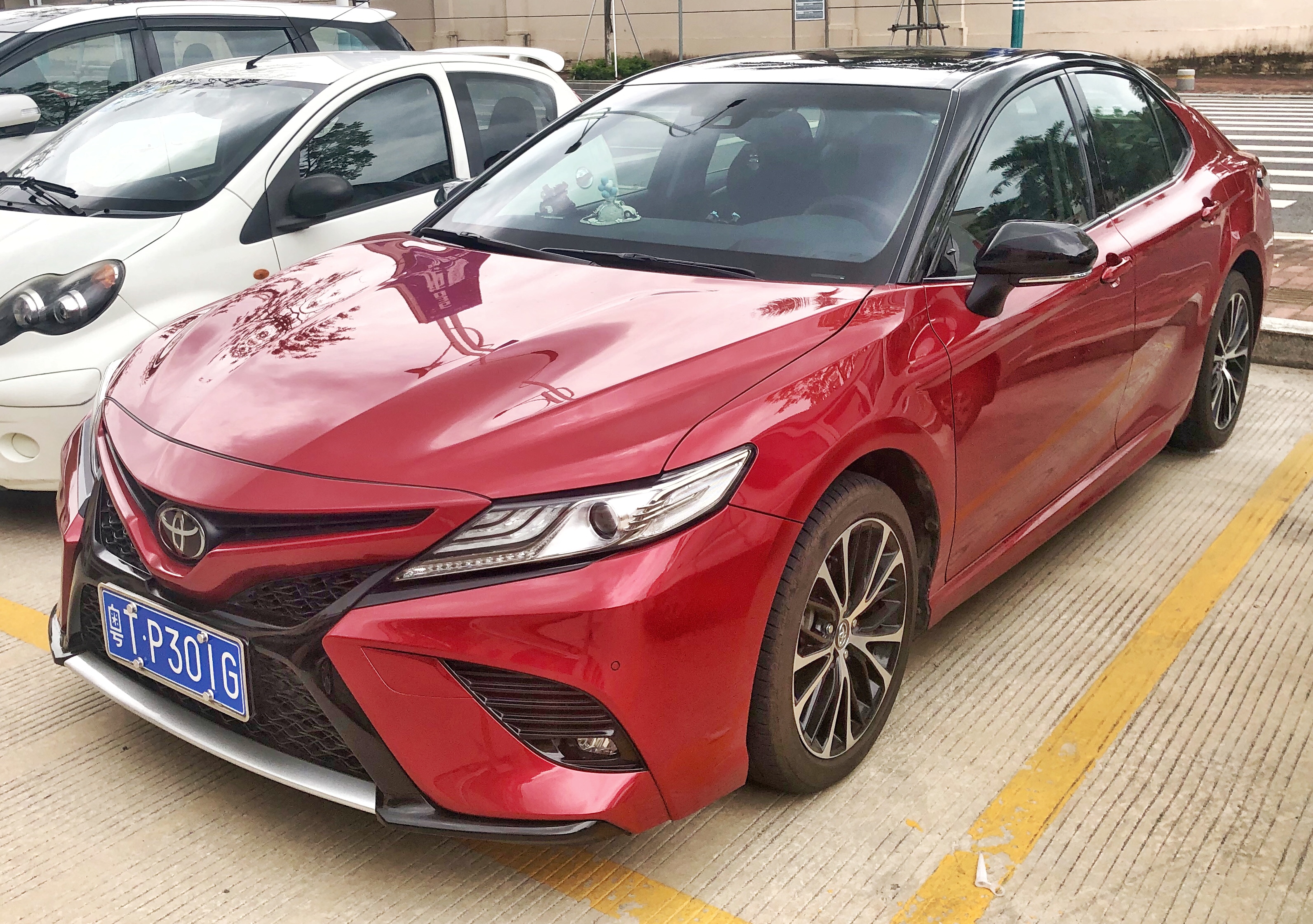
So I'll give you an example. If I go to auction and buy a Camry and it's grand for a used one, but the new one's 30 grand, why am I going to sell a new one for 30 grand? You know what saying? So you've got to and then you got to justify selling used cars.
So those markups were real, like it was supply and demand. Like there was a real reason that you had to right size the market because if you wanted to sell any used cars, I mean, you had to price them and cheaper than they should be able to buy a new one.
Zach Fritz: What makes me think then, at that point, if we, because right then we can kind of see, right, if a used car is bringing more auction than the sticker on a new car, okay, let's raise our sticker and it kind of creates this cycle, right, where prices keep up. But now nobody can afford cars of that. So we have just let it get screwed up back then instead of raising prices? I mean, it's too bold, right?
Chris J. Martinez: Well, here's the thing. Here's, here's a, here's a, well, here's the contrary to that. So there's dealers that were raising up their, their flag saying, Hey, we're not going to charge any markup.
And they sold cars, but the dealers that did do the markup made, you know, X more money than they did. And more importantly, did they gain any more market share now that prices have normalized? Do are those customers now like loyal enough where they're going to go back to them or they're to still go the car that they want to buy is at.
You know what saying? Like, I still haven't seen, you the fall. mean, some dealers may have said, ⁓ yeah, we've never done it. but, you people have short term memory in my mind, like they're going to go to find the car that they want and they find value in it.
And if the service is provided, they're going to shop there.
Zach Fritz: Yeah, Yeah, I mean, there's a Chris Brown song about customers not being loyal. So I think we all...
Chris J. Martinez: Thank it's though. mean, I think that, you know, there are those like in this scenario, right? They said that ⁓ these the exact allegations. They said advertised prices that weren't real, mandatory add-ons buried at signing and customers paying thousands more than expected.
So, you know, you can go over the proper the pricing right upfront, be like, look, this is what we're to charge you for. This is a price. This is what we're doing. As long as you're not trying to hide it.
there shouldn't be any reason, but realistically, I mean, I don't know how they even were even able to hide it. Like maybe ⁓ way worded it was wrong because maybe the customers did know about it, but because it wasn't matching what was online, maybe that, so don't know the full legal, you know, actually happened, how it came to that.
But unless they were really trying to hide it, that be crazy.
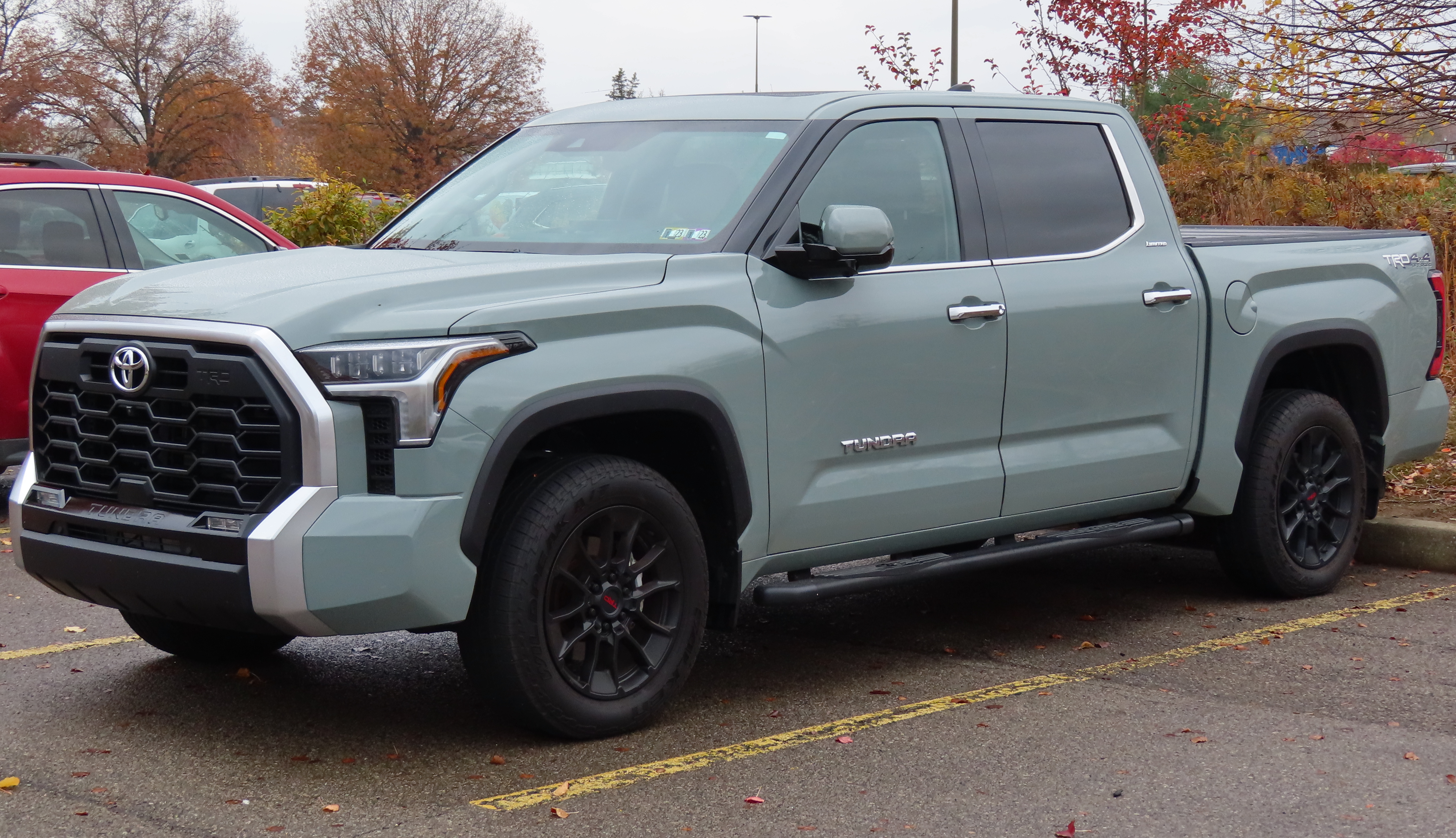
Zach Fritz: mean, there's gotta be stuff that got hidden in finance, hidden on a four square. I mean, there's plenty of people who break down all those different types of tactics. I mean, I even remember during the heart of this, I went to go purchase a Tundra.
and I didn't want anything fancy, so I wanted the SR5, but I wanted a certain wheel package on it, and I didn't want the Steelies. And I had a dealer who was one in, and then it ended up being a completely different VIN number and trim truck, but they were going to do a wheel and tire swap, but sell it to me as new, and it was crazy.
Swap the seats over and then put catskin leather in it, and say that it was a higher trim level with the sticker package. And ⁓ my gosh. the most ridiculous thing I've ever heard, but still wanted to charge me at higher trim level price.
And I ended up backing out of the truck. were like, we're going to keep your deposit and all that. And I said, F you. But I think that that happened to a lot of people where I've even been in the dealership and seeing people say, ⁓ I've got this car.
Like, for example, my mother bought an Acura RDX in the heart of all this. When all the dealers were marking stuff up. Thought that the car was all wheel drive for about three years until I went to go visit and said, no, that's two wheel drive.
That's front wheel drive. There's no rear axles. was like, ⁓ the hell? Went back to the dealership and yeah, they rode it up as an all wheel drive car. It's not. ⁓
Chris J. Martinez: Wow. Well. that could have been a clerical issue error too. I've seen those happen before too, right? that, that could, mean, there's a lot of crazy, I've seen a lot of, I'll tell you specifically, I had a salesman that, and this was, this is funny, but it's not funny, right?
Like this customer, he said, and he was just, just somebody didn't know he was an older gentleman. Well, I say older, he was probably my age now, right? Just looked like he had a lot of miles on him. Not saying that I don't look like I have a lot of miles on
Chris J. Martinez: on myself. But I'm just saying when I was younger, I was in my 20s. And I looked at this guy and thinking, man, this guy's old. And he's probably my age today, right? Well, anyways, I, one of the salesmen customer says, Hey, you know, this is a four wheel drive or not four wheel drive.
This is a four cylinder. Can you can it be upgraded later to a six cylinder? And the guy was, you know, a great guy. He's funny guy. He's from a different country. and broken English and he didn't know any better.
And so the you got the one guy that's older doesn't know any better and trying to buy something from someone who doesn't know anything or doesn't know any better because it's from a different line at different countries speaks broken English.
And he tells them yes, you actually can you could just go to our service department. They'll just go from a four to six cylinder and just add two more cylinders. And like a $6,000 package and you can get it later.
and So I start thinking about like this guy probably in his mind believe that to be true. And then the customer that the question because he just didn't know any better. You just don't just don't think people are.
Chris J. Martinez: You just don't believe people are like that in both sides of it. And when you come down to things like this, you realize like, man, this is it's like looking at my my nine year old, right? Like he'll do some things. And I'm looking at him like it's because he's nine. All right. But then when you look at adults and you're like, they just didn't go, they went through their whole life and didn't know any of this.
Zach Fritz: It's tough. the is that salesman wrong. Like you could add two more cylinders. You could change the motor. You could put a new, you know, engine control unit in it. Engine harness, body control module, you know, whatever adaptations required for the transmission.
You technically could. However, ⁓ The one big caveat is on paper it's still a four cylinder, right? It's like seeing vintage Mustangs that are six cylinder cars, everybody swaps them to a V8. It's still a six cylinder Mustang on paper and value wise, but you can change it.
So I mean, was it a lie? Not really, but was it ethical? That's to be determined.
Chris J. Martinez: Yeah, but there's a lot of those scenarios that, you know, some people, that's where I think the problem is a lot of these people just make up things instead of just, Hey, let's, let's verify.
And that's where I think companies like, you know, chat, GPT, Grok, all these LLMs are going to be, you know, super important because Now with the right questions, steer you down a path. But I still believe that a lot of that's still wrong too.
mean, there's a lot of things that they come up with that you just know is not right. So I think it's better for sure. think ⁓ maybe a more years and it'll be absolute, right? Like you'll be like, hey, this is what it said and it's real.
Chris J. Martinez: There are still some things that nuances that you see that you just know they're not real. It's not accurate, but for the most part, it kind of steers you in the right direction. If you know how to ask the right questions and of steer it.
Zach Fritz: Yeah, it's interesting because along that same vein, I go into a dealership or even there are times where I don't even do my own oil changes because it's not. not. So I'll go in somewhere with a vehicle or to go buy a vehicle.
I won't tell them that I know anything about cars. You know, just kind of play dumb. Not that hey I'm an ASC Master Tech and you know I'm Audi and Mercedes certified all those things. And it's really funny to listen to them sometimes try to not necessarily pull a wool over but kind of do what you were alluding to earlier with something that is technically true but maybe not in the best interest of the consumer or the purchase as a whole.
Chris J. Martinez: Yes, there is that. And, you know, there's even what's that.
Zach Fritz: I you probably get it too when you walk into a dealership. You're like, that's not right.
Chris J. Martinez: I'll tell you one time I tried buying a vehicle for my wife. This was probably 2014. And, you know, I was running a store at that time. And actually, was one of the largest stores in the in the country.
And what's funny is I'm trying to tell the guy, hey, look, I need you know, I work down the street from you. This just happens to be a luxury brand versus what I was driving or what else where I was working.
And my wife really wants this car. So You know, I'm willing to pay this much money. me out. You know, I'm willing to make you you can some money on me. Don't worry. You still will. This is a fair deal.
And the guy said he and I guess the way I was dressed, he didn't really didn't agree with how I looked or my appearance. And he and he pulls out the window sticker and says, well, this car is X amount of money.
And are you OK with that? ⁓ I was all like, yes, I am. And then he's all, okay, we got to do a background check before we can let you test drive it. And I looked at him and I was like, you got to be kidding me, buddy.
Like, you're still trying to operate like this. And this was 2014. mean, right now, it sounds like, you know, forever ago. But to me, 2014, people, the internet's around, like, this is not like 1980. You know what saying?
Zach Fritz: Do that show Pretty Woman. That's what this sounds like. This is starting to sound like the plot to that. But it just, I'm just the dealer.
Chris J. Martinez: Yes. I was shocked. So tell you what I did. I left there and I didn't even test drive it because he just was doing what he was doing. I said, look, buddy. ⁓ so I called a friend of mine and I should have just called him anyway.
And I said, hey, look, I know you, your manager at this Lexus store. That's the kind of car I was trying to buy. And so I said, Hey, look, I'm willing to pay this. done. I all right, cool. I'm going to just send me the paperwork.
I'll sign it. Paying for the car. Let's move forward. And, he it delivered to my, from a different city. So I had to deliver it from a city. Didn't charge me more for that either. And just had the car delivered.
He overnighted me at the paperwork. signed it ready to go like this was such a done deal. I was a done I was a lay down for this guy. The guy could have still made money on me, sold me protection, all of it.
But he chose to go down a different path. And I just said, man, I'm just not even gonna waste my time with someone like you. know, like that was just, it was crazy.
Zach Fritz: It highlights something that I've actually been wanting to bring up in a podcast is it's this mutual respect for other people in our industry that I think we've lost sight of over especially the past decade. Cause if we think of the FTC asking those 4,300 dealers on that call to snitch on each other, which don't do snitches get stitches, but you're going to lose respect for your fellow dealer. You're not going to help each other out.
Chris J. Martinez: you You know, it's funny, I wanted to comment that get stitches, right? But I just, that was funny, Yeah, ⁓ yeah.
Zach Fritz: should. I mean it's funny but it's also kind of tongue-in-cheek a little bit because if we go that route and we just start eroding this respect that we really only have a little bit of these days it seems at what point are we just selling out and shilling and saying well screw it we're just gonna cut each other's throats. It's not the industry any of us want to work
Chris J. Martinez: ⁓ No, and I think that 80-20 rule, right? I think 80 % of all stores operate to that level, you know, there's those 20 % that just, you know, mess it up for the 80%. You know what saying? So I think that's very real and it happens, you know what saying? And that's why there was study and actually I learned this study when I was at CarMax. ⁓
Chris J. Martinez: And this one guy, was a general manager or general manager in training. Mike is, was his name and good guy, a really good guy. But he goes, Chris, you know, there was a study that they did and people would rather be burned alive than by a car.
and that's that was really was a real set like the study came in that they would rather be burned alive than by car and i said that's crazy that that that that puts things in perspective right so when you have these people that are off you know if you're you're selling cars and they're on the fence or they're just got their guard up because they're just they just don't want to be there you know they're super scared they think you're just gonna going just you know be unethical and do some crazy stuff.
And unfortunate, but that's the reality of our industry. And we need to make sure that we ⁓ a service and do our part to change that.
Zach Fritz: 100 % it's not, I think people get that confused because people look at, speaking of CarMax and the hospitality industry and their new CEO with the mint on the seat of every car, which is a really stupid idea. Don't do that, please. pay for it. You didn't hear that saying yet? We're gonna put a mint on the seat of every car.
Chris J. Martinez: Really gonna put a mint on every car? Get out of here. I didn't see I didn't read that well. That's funny.
Zach Fritz: Yeah, I can tell you that's a really bad idea. ⁓
Chris J. Martinez: Well, what kind of meant depends on the kind of mint it is wrong. You know, it might be.
Zach Fritz: Hopefully not a chocolate mint. I mean, then you're be paying for lot of pairs of khakis at CarMax.
Chris J. Martinez: Hey, if it's a mint, if it's a mint, you get a Olive Garden, then I'm in.
Zach Fritz: Yeah, that are the Brazilian steakhouse those like I don't know what they are They're like chocolate, but they're hard and so good. Anyways, I digress Hospitality or treating customers good and trying to exceed those expectations Doesn't have to be a throw on your knee pad situation It can just be transparency, which I think is all consumers are asking for at this point is transparency and fairness I mean we've seen consumers are willing to step up to the
Zach Fritz: late pay prices even in this higher interest rate market and climate that we're in but whenever we see these customers who are like we've said earlier not so loyal and are willing to jump ship if a deal seems better it really does pay to be transparent and have clean numbers and have a very clean process and reduce that friction for consumers
Chris J. Martinez: Yep, I agree. Well, Zach, it's been a lot of fun. We've talked about a lot of good things. sounds a little scary to a lot of people, I think. For me, I think about ways, OK, how can make us better?
Right? Because nothing happens to you. It happens for you. ⁓ I'm really convinced that. But when you think about used car inventory tightening, 37-day supply, you think about What's going on with the FTC?
You got, you know, new car prices through the roof. You got all of these things and now you got to make sure you're the fellow deal. And in reality is I don't think it's going to be the fellow dealer that's going to turn the dealer in.
I think it's their employees that'll turn them in first. So, when you think about, yes, sir. So what do you, what do you think about, how, we can tie it all together, help a dealer? ⁓
Chris J. Martinez: Help an operator get better, do more, sell more, make more.
Zach Fritz: I think it's right now more than ever in this industry. It's if you do the right things for the right reasons 100 % of the time, it's virtually impossible to lose. if you start being that 20 % where you're kind of being dirty or you're saying, ⁓ well, I'm going to sneak in a little extra dollar here because it's going to help me in the future, I don't think you're going to see a return.
Chris J. Martinez: Yeah, that's the quickest way to, to, you know, end up in jail or doing something, you know, losing your whole business, right? Like there's, You got to protect your name at all costs, your character at all costs for the part of the 48 laws of power.
So if you haven't read that book, I'd definitely recommend picking that one up. ⁓ but Zach, as always, ⁓ been fun. Can't wait to do this again next week. We've got another guest coming on board. and so it's going to be three of us next week.
Chris J. Martinez: lot of insights, we'll have more pressing topics and headlines and I look forward to it. You got any last words?
Zach Fritz: really. I don't know, this has been a really weird week in the industry.
Chris J. Martinez: We usually have you. I agree. Well, I'll leave you with this. What's that?
Zach Fritz: I need an Advil, that's my last words. I need an Advil. Yeah.
Chris J. Martinez: An Advil. It's gonna, I think you're gonna, you'll be all right. It's gonna be good. I think if anything, the future still looks bright where we're at in the, industry, the economy, I think we're pretty resilient and I think it's going to be okay. So, all right, until next week, look forward to it. We'll see you.
Request an explanation for:
7 cars
Scroll for more
7 cars featured
Request an Explanation
Heard something you'd like explained? We'll add it to this episode.
Sign in to request explanations for terms you heard.
Want to learn more?
Browse our glossary for plain-English explanations of automotive terms, jargon, and concepts.
See something that's not quite right? Our annotations are AI-generated and can sometimes miss the mark.
Click the flag icon on any annotation to suggest a correction.