
THE Car Show with Dane Donovan 10/4/2025
About this episode
Dane Donovan tackles a variety of automotive questions from listeners, focusing on practical advice for common car issues. Topics include troubleshooting starting problems in vehicles, the importance of regular fluid changes, and the nuances of replacing parts like struts and transmission fluid. Listeners share their experiences with specific car models, and Dane provides insights on maintenance best practices, emphasizing the value of using quality parts and staying proactive with vehicle care. The episode is filled with hands-on tips and relatable stories from both Dane and callers.
See omnystudio.com/listener for privacy information.
turn signal switch
"So I think for you, your next step would be to replace the turn signal switch. Okay. Can you test those?"
The turn signal switch is the part of the car that you use to signal when you're turning or changing lanes. It's what makes the lights blink to let other drivers know your plans.
The turn signal switch is a component in a vehicle that controls the activation of the turn signals. It allows the driver to indicate their intention to turn or change lanes by flashing the corresponding lights.
OBD II
"especially with it being a 91 because it's pretty OBD II. So."
OBD II is a system in cars that helps check how well the car is running and if there are any problems. It can give you codes that tell you what might be wrong with the car.
OBD II, or On-Board Diagnostics II, is a standardized system in vehicles that monitors performance and emissions. It allows for diagnostics and troubleshooting through a standardized connector and codes.
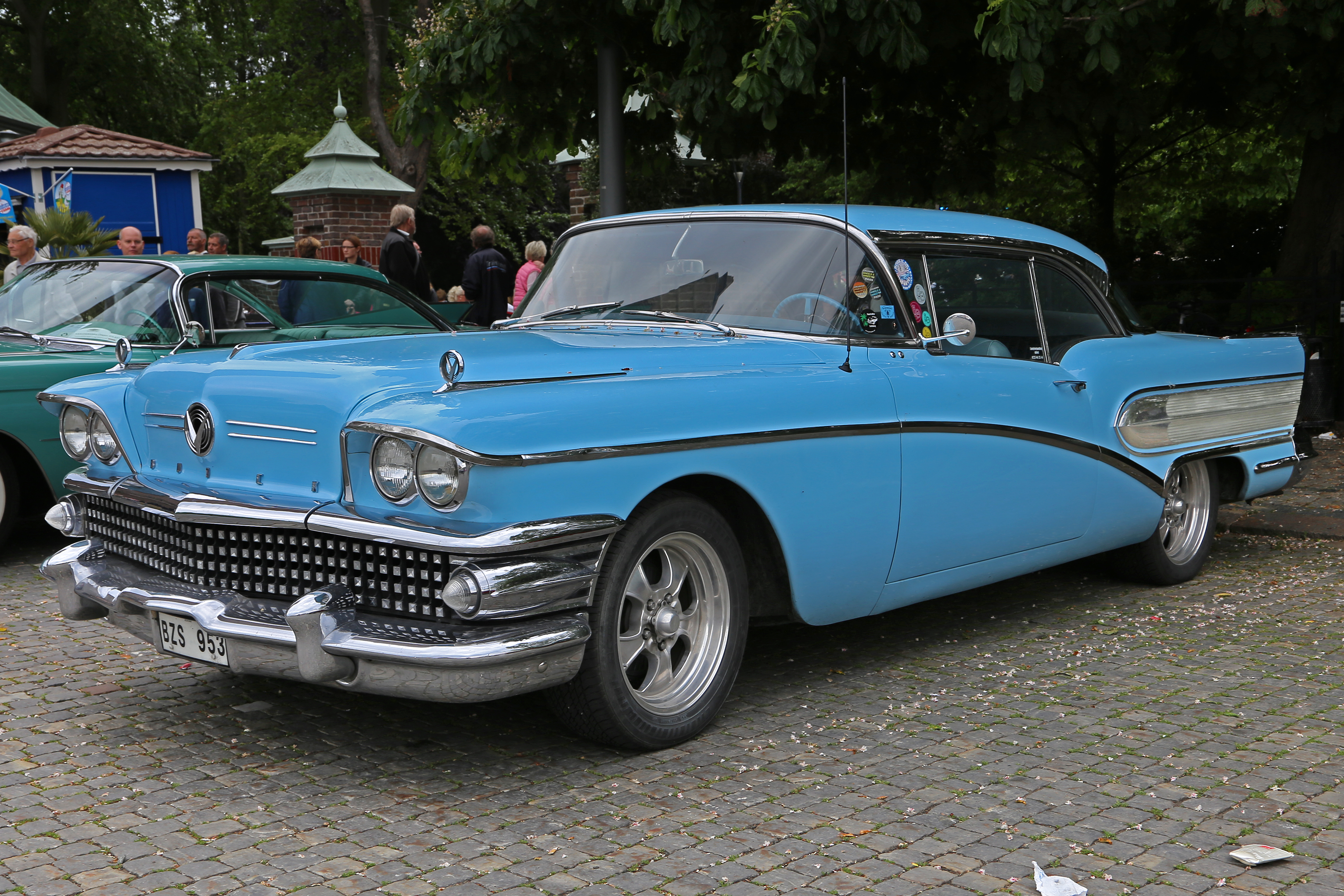
Buick Century
"2007, Buick, the CERN with the 3.8, 107,000 miles on it."
The Buick Century is a car made by the Buick brand. The 2007 version is known for being comfortable and good for families.
The Buick Century is a mid-size car produced by Buick, known for its comfort and reliability. The 2007 model features a spacious interior and a smooth ride, making it a popular choice for families.
strut mount
"I'm looking to re-spread or replace that, I think it's called the Strut Engine Torque Mount."
The strut mount is a part of the car's suspension system. It helps keep the car stable and makes the ride smoother by absorbing bumps.
A strut mount is a component that connects the vehicle's suspension strut to the chassis. It helps absorb shocks and vibrations, contributing to a smoother ride and better handling.
lower motor mount
"Most of that engine is being held up by the lower motor mount."
The lower motor mount is a part that holds the engine in place and helps reduce vibrations. It keeps the engine stable while still allowing it to move a little when needed.
The lower motor mount is a critical component that supports the engine and absorbs vibrations. It helps to keep the engine securely in place while allowing for some movement to accommodate engine dynamics during operation.
torque rod
"When you take that torque rod, we call it torque rod or torque strut or torque mount, whatever, no. It might shift a tad bit like, you know, you might take it off and you won't"
A torque rod is a part that helps keep the engine in place and reduces movement when you accelerate or brake. It helps make the ride smoother and keeps everything stable.
A torque rod, also known as a torque strut or torque mount, is a component that helps to stabilize the engine and transmission in a vehicle. It controls engine movement during acceleration and deceleration, reducing vibrations and improving handling.
fluid change
"...I was going to change, I'm changing fluids. And I looked in the owner's manual..."
Fluid change means replacing old liquids in the car that help it run smoothly, like oil and transmission fluid. Doing this regularly helps keep the car in good shape.
Fluid change refers to the process of replacing old fluids in a vehicle, such as engine oil, transmission fluid, brake fluid, and coolant. Regular fluid changes are essential for maintaining a vehicle's performance and longevity.
transmission service
"...I looked in the owner's manual and the first transmission service is not supposed to be done to 150,000 miles and it's a 2007. So I'm wondering what your take is on, with 107, would it hurt to go ahead and do it?"
Transmission service means taking care of the part of the car that helps it change gears. This usually involves changing the fluid and filter to keep it working well.
Transmission service involves checking and replacing the transmission fluid and filter to ensure the transmission operates smoothly. Regular service can extend the life of the transmission and prevent costly repairs.
transmission fluid
"...probably has 8, 9, 10 quarts of transmission fluid in there, right? When you do a flush, you flush out all of it."
Transmission fluid is a liquid that helps your car's automatic transmission work properly. It keeps the parts lubricated and cool, so they don't wear out too quickly.
Transmission fluid is a specialized lubricant used in automatic transmissions to ensure smooth operation and prevent wear. It helps in cooling and cleaning the transmission components as well.
transmission filter
"...preferably, I would recommend drop the pan, put a new filter on it and just refill the pan."
A transmission filter keeps dirt and debris out of the transmission fluid. Changing it regularly helps your car's transmission run better and last longer.
A transmission filter is a component that removes contaminants from the transmission fluid, ensuring that the fluid remains clean and the transmission operates smoothly. Regular replacement is important for transmission longevity.
oil change
"You changed oil every 3,000 miles. You changed all your fluids every 30,000 miles and that was it."
An oil change is when you take out the old oil from your car's engine and put in new oil. This is important to help the engine run smoothly and last longer.
An oil change is the process of removing old engine oil and replacing it with new oil to ensure proper lubrication and function of the engine. Regular oil changes are crucial for maintaining engine health and longevity.
lifetime fluid
"And nowadays it's like, oh, no, it's lifetime fluid. You don't have to change it. Oh, your oil is good for once a year and yada, yada, yada, which, you know, don't get me started on that nonsense because that's that's just nonsense."
Lifetime fluid means that some car fluids are said to last the life of the vehicle without needing to be changed. However, many people believe it's still a good idea to change them regularly to keep the car running well.
Lifetime fluid refers to automotive fluids that manufacturers claim do not need to be changed under normal driving conditions. This often applies to transmission fluid and coolant, but many experts argue that regular maintenance is still necessary for optimal performance.
Audi
"I don't know that I've ever ever had an Audi or now just..."
Audi is a car brand from Germany that makes high-end cars with lots of technology and features.
Audi is a German automotive manufacturer known for its luxury vehicles and advanced technology.
Volkswagen
"But I mean, I can't remember an Audi or Volkswagen ever..."
Volkswagen is another German car brand that makes many different types of cars, including popular models like the Golf and Jetta.
Volkswagen is a major German automotive manufacturer known for producing a wide range of vehicles, including the iconic Beetle and Golf.
engine
"...I've seen them come in every single day needing engines, but never transmissions."
The engine is what makes the car go. It turns fuel into power to move the car.
The engine is the heart of the vehicle, converting fuel into mechanical energy to power the car.
burning oil
"...it's a massive problem with these cars burning and using oil."
Burning oil means the engine is using up oil too quickly, which can cause problems and make the car run poorly.
Burning oil refers to a condition where an engine consumes oil at an abnormal rate, often leading to engine damage and reduced performance.
BMW
"...Audi, Mini, BMW, Volkswagen, Acres, and Mercedes."
BMW is a well-known German car brand that makes luxury and performance vehicles. They are famous for their sporty designs and driving experience.
BMW, or Bayerische Motoren Werke, is a German luxury vehicle manufacturer known for its performance-oriented cars and motorcycles.
Mercedes
"...Audi, Mini, BMW, Volkswagen, Acres, and Mercedes."
Mercedes is a luxury car brand from Germany, known for making high-end vehicles that are often packed with advanced technology and features.
Mercedes-Benz is a German luxury automobile manufacturer known for its premium vehicles, advanced technology, and performance.
brake pads
"But anywhere between $100 to $200 for a set of brake pads, right? So if you need all four brakes,"
Brake pads are the parts of your car that press against the wheels to help stop the car. They wear out over time and need to be replaced regularly to ensure your brakes work well.
Brake pads are a crucial component of a vehicle's braking system, providing the friction needed to slow down or stop the vehicle when the brake is applied. They are typically made from materials like ceramic, metallic, or organic compounds.
radiator
"plus out the radiator, tune up, all that."
The radiator helps keep the engine cool by removing heat. It's important to check it to make sure the engine doesn't get too hot and cause problems.
The radiator is a key component of a vehicle's cooling system, responsible for dissipating heat from the engine coolant. Regular maintenance ensures the engine runs at optimal temperatures and prevents overheating.
100,000 miles
"typically any car that has over 100,000 miles and that transmission fluid hasn't been changed, that fluid over time, it breaks down."
100,000 miles is a common milestone for cars, and many people suggest that certain maintenance, like changing the transmission fluid, should be done around this time to keep the car running well.
The 100,000-mile mark is often cited as a significant point in a vehicle's lifespan where various maintenance tasks, including transmission fluid changes, become critical to ensure continued reliability and performance.
viscosity
"...that fluid is a lot thicker and the viscosity of it, thickness is a lot harder on the transmission..."
Viscosity is how thick a liquid is. For car fluids, it affects how easily they move and work inside the car's systems.
Viscosity refers to the thickness or resistance to flow of a fluid. In automotive contexts, it is important because the viscosity of transmission fluid can affect how well the transmission operates, especially in older vehicles.
torque converter
"No, because most, no, you've got fluid in the torque converter. You got fluid in the transmission cooler lines. You've got fluid in the radiator."
A torque converter is a part in automatic cars that helps the engine send power to the wheels. It allows the car to move smoothly, even when the engine is running but the car isn't moving yet.
A torque converter is a type of fluid coupling used in automatic transmissions to transfer power from the engine to the transmission. It allows the engine to continue running while the vehicle is stationary and helps to multiply engine torque during acceleration.
transmission flush
"The only way you could get it out is if you did a transmission flush. So what you do is you hook up to the transmission cooler lines..."
A transmission flush is when you clean out the old fluid from a car's transmission and put in new fluid. This helps keep the transmission working well and can prevent problems.
A transmission flush is a service procedure that involves removing old transmission fluid from the transmission and replacing it with new fluid. This process helps to remove contaminants and can improve the performance and longevity of the transmission.
transmission cooler lines
"So what you do is you hook up to the transmission cooler lines and one line sucking it out, one line feeding it in."
Transmission cooler lines are tubes that carry fluid to keep the car's transmission cool. They help prevent the transmission from overheating, which can cause damage.
Transmission cooler lines are hoses that transport transmission fluid to and from the transmission cooler, which helps to regulate the temperature of the transmission fluid. Keeping the fluid at the right temperature is essential for proper transmission function.
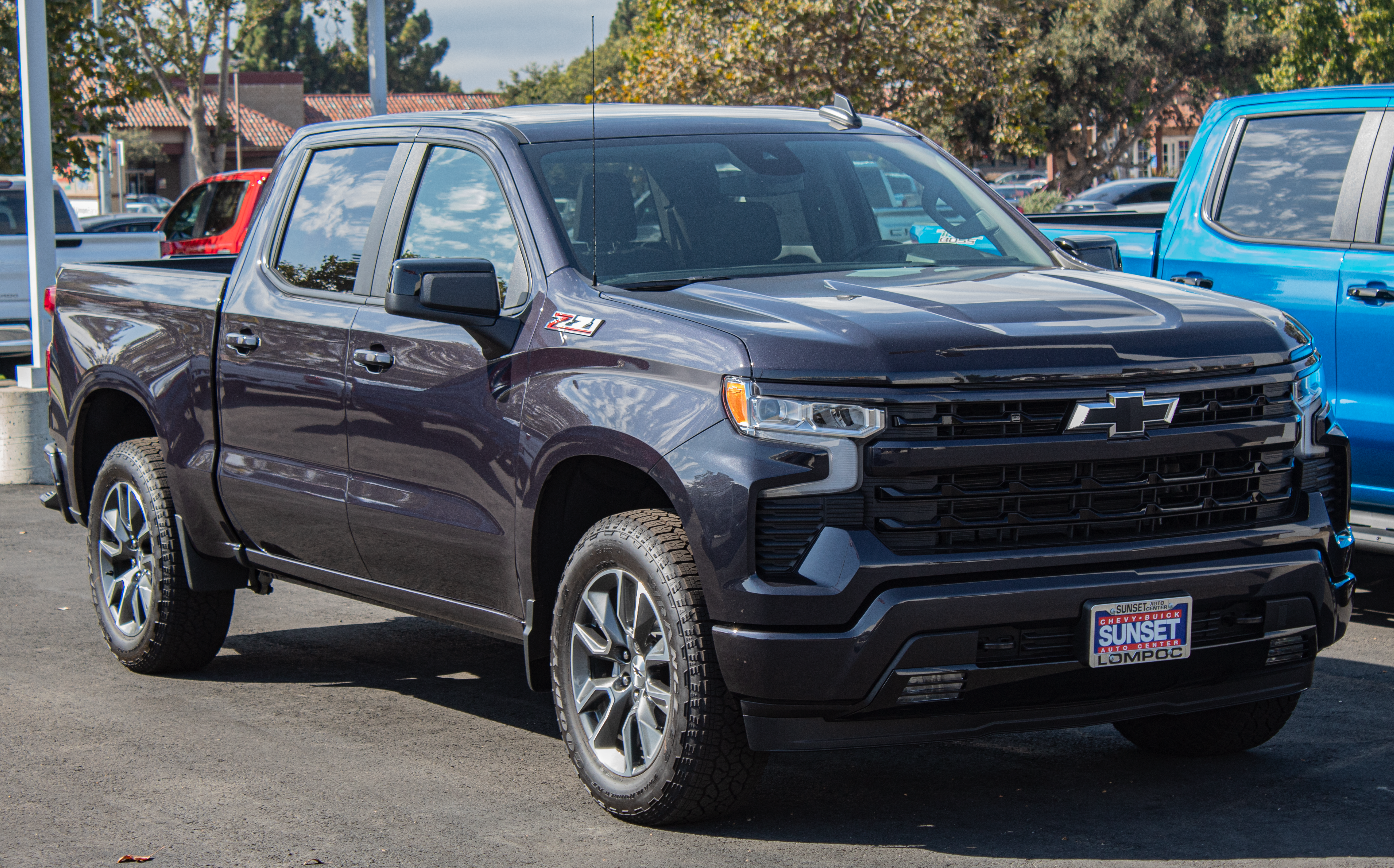
Chevrolet Silverado
"...r in it and you replace, you know, you're on that Silverado. I mean, you know, you're probably going to repla..."
The Chevrolet Silverado is a big truck that people use for work and everyday driving. It's popular because it's strong and can carry a lot of stuff, making it a favorite for those who need a reliable vehicle.
The Chevrolet Silverado is a full-size pickup truck known for its durability, performance, and versatility. It's significant in the automotive market as one of the best-selling trucks in the United States, often discussed for its capability in both work and recreational settings.
differential
"So typically, you know, differentials are usually, that would be a good time."
The differential is a part of your car that helps the wheels turn at different speeds, which is important when you go around corners. It helps keep your car stable and safe.
The differential is a mechanical component that allows the wheels to rotate at different speeds, especially important when turning. It helps maintain traction and stability in a vehicle.
transfer case fluid
"And then the transfer case fluid as well, because GM is notorious for their transfer cases going out, because nobody changes the fluid."
Transfer case fluid is like oil for a part of your car that helps it send power to the wheels. If you don't change it regularly, it can cause problems and be very expensive to fix.
Transfer case fluid is a lubricant used in the transfer case of four-wheel drive vehicles. It helps ensure the proper functioning of the transfer case, which distributes power from the transmission to the front and rear axles. Regularly changing this fluid is crucial to prevent wear and potential failure of the transfer case.
GMC
"I think she's on her fourth GMC. Listen, I know at 100,000 miles, yeah, GMC is going to,..."
GMC is a car brand that makes trucks and SUVs. They are known for being tough and reliable, often used for work or outdoor activities.
GMC is a division of General Motors that focuses on trucks and utility vehicles. Known for their rugged designs and capabilities, GMC vehicles are popular among consumers looking for durability and performance.
starter
"...took it to a mechanic, have him put a new starter on, told him check to see what's it external, what I want to say, starter, solenoid. He said no, on that particular one is all built in..."
The starter is a part of the car that helps start the engine. If it's not working, the engine won't turn on when you try to start it.
The starter is an electric motor that initiates the engine's operation by turning it over when you turn the ignition key. If the starter is faulty, the engine won't crank, which can lead to starting issues.
alternator
"...we had to put... I think it was four or five alternators on this one Subaru before we got a good one."
An alternator is a part of the car that helps generate electricity while the engine is running. It keeps the battery charged and powers the car's electrical systems.
An alternator is a crucial component in a vehicle's charging system, responsible for converting mechanical energy into electrical energy to charge the battery and power the electrical systems when the engine is running.
Request an Explanation
Heard something you'd like explained? We'll add it to this episode.
Sign in to request explanations for terms you heard.
Want to learn more?
Browse our glossary for plain-English explanations of automotive terms, jargon, and concepts.
Help improve this episode
See something that's not quite right? Our annotations are AI-generated and can sometimes miss the mark. Click the flag icon on any annotation to suggest a correction.