A flathead six is an older type of inline six-cylinder engine. Because of how the valve system is built, it can require special oil to protect the cam and lifters.
A flat-tappet cam is an older style of camshaft. It usually needs oil with extra anti-wear protection so the cam and lifters don’t grind themselves down.
An oil filter is the component that removes contaminants from engine oil as it circulates. For older engines, the correct filter type and fitment matter because parts availability and specifications can differ across years and engine families.
A vintage vehicle is an older car that people keep running today. The host is saying some parts companies still exist mainly because they can still make replacements for these older cars.
“In-house knowledge” means the company has the know-how to make the part. The host is saying older parts brands can keep producing because they still understand how to build them.
A holding company is basically a parent company that owns other companies. The host is saying the parent company’s situation could affect many brands at once.
It’s a phrase people use to describe something that feels like it’s been “put on pause.” Here, it’s about how old cars and their parts seem stuck in the past, even though the companies and supply chains around them have changed.
An oil change is when you drain old engine oil and put in fresh oil. It helps keep the engine lubricated and clean, and they’re using it as an example of how even simple jobs can get harder on older cars.
The head gasket is a seal inside the engine that keeps important fluids where they belong. If it breaks, the engine can overheat or mix fluids, and fixing it can be a big job.
Car
Jeep as new as 1976
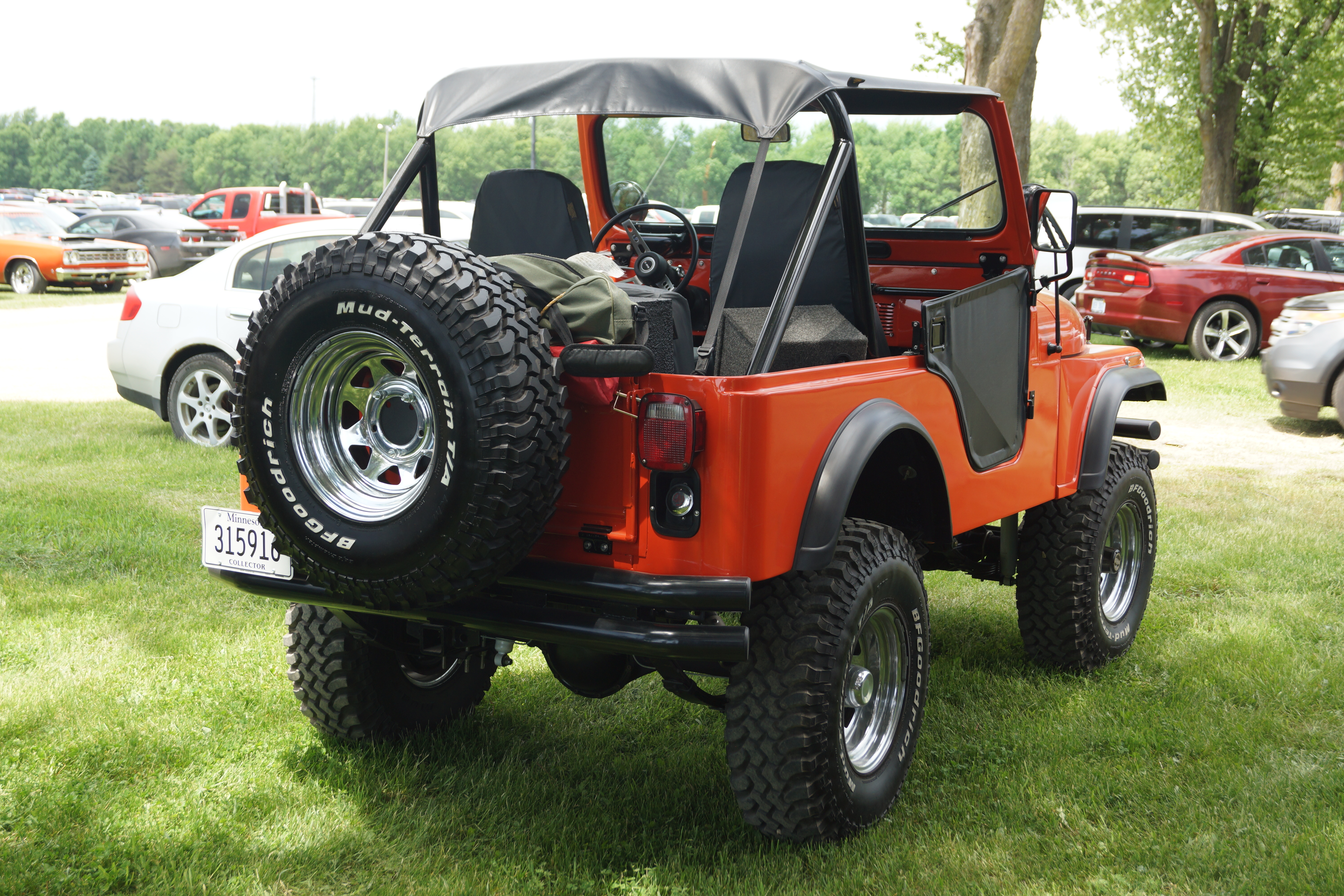
They’re talking about a Jeep from 1976. The big issue is that older cars often need parts that aren’t made anymore, so finding the right replacements can be difficult.
They mean parts made in the United States. For older cars, it can be tough to find any correct parts at all, and even tougher to find ones made domestically.
Part
cow gasket
This sounds like a mis-heard version of “head gasket.” They’re talking about a gasket in the engine that can cause major problems if it fails, and they looked up its history because it’s a common/important issue.
A duty cycle is basically how a car gets used day to day. If you mostly do short trips and lots of starts/stops, that can be harder on certain parts than the kind of driving they were designed for.
Torque-to-yield bolts are special bolts tightened until they stretch in a controlled way. That stretch helps create the right tightness between the engine parts, which is important for sealing a head gasket.
A torque sequence is the tightening order for bolts. Tightening in the right order helps the head sit evenly, which helps the gasket seal without leaks.
Term
horse hair
They’re jokingly describing a very old gasket material. The takeaway is that older engines used different gasket materials than today’s modern metal multi-layer designs.
A composite head gasket is a sealing layer between the engine block and the cylinder head. It’s made from more than one material and is designed to squish and fill tiny gaps so combustion gases and coolant don’t leak.
MLS means multi-layer steel. It’s a type of head gasket made from several thin steel layers that seal using tight clamping and shaped “beads.” The point here is that copper gaskets seal differently than an MLS gasket.
The head seam is where the top part of the engine (the cylinder head) seals against the block. If you see fluid leaking or bubbling there, it can mean the gasket isn’t sealing correctly.
Compression is how much pressure the engine builds inside each cylinder. If it’s good in all cylinders, the engine is sealing well; if it’s low in one, something may be leaking.
Fel-Pro makes replacement gasket parts. Here, the host is saying Fel-Pro has improved versions of the gasket design.
Concept
time vacuum
They mean the engine is based on an older design, so newer parts don’t always match. It’s a reminder that engine versions can be close in name but different in the details that matter for sealing.
Coolant passages are the internal pathways where coolant flows through the engine to keep it from getting too hot. If the gasket doesn’t match those channels, it can leak or not cool properly.
A head bolt is a strong bolt that holds the cylinder head tightly onto the engine. If the bolt locations or the mating surfaces don’t match, the gasket can fail to seal.
The Jeep Wrangler is a type of SUV made for off-road driving. It’s popular with people who add extra parts to improve how it handles trails. That’s why you might hear about specific accessories that fit Wranglers.
They’re talking about copper as a gasket material. Copper can seal well in some situations, but if the engine surface is too smooth, it may not seal as confidently as other gasket types.
A Sears catalog is an old-school way of shopping by mail using a printed book of products. The hosts mention it to show how getting parts used to take longer and involved paperwork instead of walking into a store.
NAPA is a parts store chain where you can buy car parts. The hosts are using it to describe the convenience of getting the right part quickly from a local shop. They’re contrasting that with slower, mail-order-style sourcing.
“Side shift” is how the 4WD shifter moves on some older Jeeps. Instead of moving straight up and down, it shifts sideways to choose the different driving modes.
Term
FC
“FC” sounds like a shorthand name for the specific Jeep version they’re talking about. It’s connected to how the shifter works on that truck.
Teraflex is a company that makes aftermarket parts for off-road Jeeps. The host is saying they were especially popular for serious off-road upgrades, and later became more focused on marketing to Jeep owners.
“Wrangler” here means the Jeep Wrangler. The podcast is talking about aftermarket parts brands that people commonly use to upgrade Wranglers. These upgrades are usually meant to help the vehicle handle off-road driving better.
Rubicon Express makes aftermarket off-road parts, like suspension and lift components. The host is using it as an example of a company that helped shape the off-road parts market in the 1990s and early 2000s.
Procomp makes aftermarket off-road parts, often related to suspension and lifts. The host is mentioning it as part of the lineup of big off-road brands from the 1990s and early 2000s.
Smittybilt is a company that sells aftermarket off-road gear for trucks and Jeeps. In the episode, it’s mentioned as one of the brands that was important during the 1990s and early 2000s off-road parts boom.
Term
JK
“JK” is Jeep-speak for a specific Wrangler generation. The host is saying Teraflex leaned into marketing aimed at Jeep Wranglers from that era.
A motor swap means changing the engine in a vehicle for a different engine. “TJ” refers to a Jeep Wrangler generation, so this phrase is about engine swaps on that specific Wrangler.
The Dana 300 is a key drivetrain box in many Jeeps that splits power to the front and rear wheels. “Dana 300 parts” means replacement or upgrade pieces for that transfer case.
“Tera low” is a way to get much lower gearing for off-roading. That makes it easier to creep over tough terrain without spinning the tires.
Term
crawling system
A crawling system helps a Jeep move super slowly over rocks or ruts. It’s designed so you can control the vehicle at walking speed instead of having to fight the throttle.
Term
engine swap process
An engine swap is when you replace the engine in a vehicle with a different one. It’s not just bolting it in—you also need the right parts so it can run and connect to the rest of the drivetrain.
A hub conversion kit is a set of parts that changes how the wheels attach to the axle. People use it to switch to a different hub/wheel setup, often for stronger or more compatible wheel options.
“Full float” means the axle shaft isn’t taking the main load of the wheel. The wheel is supported by the axle housing, which can help the setup last longer on rough terrain.
An “eight lug” setup means the wheel attaches with eight studs/bolts instead of the more common five or six. More lugs can improve wheel retention and allow compatibility with certain heavy-duty wheel and tire setups used on classic off-road and truck-style builds.
Lockouts are parts that let you switch certain axle/differential functions on or off. The goal is usually to make the drivetrain easier to run when you don’t need full four-wheel drive.
This means a heavy-duty axle system meant for tougher work than a basic axle. People choose them for off-roading or towing because they’re built to handle more stress.
A bearing is a small internal part that helps moving metal parts rotate smoothly. If it breaks in an axle, the vehicle may be stuck until you find the right replacement.
Four wheel drive means power goes to all four wheels. Here, the speaker says they avoided using 4WD because a drivetrain part problem could make things worse or prevent proper operation.
A part number is like the exact ID for a specific part. When parts are hard to find, the right part number helps you order the correct replacement instead of something that won’t fit.
“Superseded” means the old part was updated or replaced by a newer version. Even if it’s meant to work, you still have to verify it matches your exact setup.
Parts sourcing is where the company gets its parts from. If they keep switching suppliers and part combinations, the cars can end up with different setups that are harder to keep consistent.
A transmission is what helps the car use the engine’s power at different speeds by changing gears. The speaker is saying AMC used a lot of different transmission combinations in a short time.
Concept
on the brink of destruction
This is a dramatic way of saying the company was in serious trouble. When a company is under that kind of pressure, it often makes cheaper or less consistent choices for parts and engineering.
The windshield cowl is the part of the body right under the windshield. It helps keep rainwater from getting inside the Jeep, so if it doesn’t seal well, you can end up with leaks.
The host is referring to Jeep CJ models made between 1976 and 1986. They’re explaining a windshield-area sealing problem that can happen on those older Jeeps.
Fiberglass bodies are body panels made from fiberglass instead of metal. The host is saying some fiberglass replacements don’t fit perfectly, so the windshield area may not seal well and can leak.
Concept
chicken or the egg conversation
This phrase is a joke about not knowing what caused what first. In this case, the host is wondering whether the leak is mainly the body’s fault or the seal’s fault.
“Kaiser era” is a nickname for an early time period in Jeep’s history when the company Kaiser was involved. It helps explain why certain older Jeep parts and designs look the way they do.
AMC is American Motors Corporation, an owner of Jeep for a while. When they say “full AMC,” they mean the Jeep era where AMC’s influence on the vehicles and parts is the main one.
Concept
Chrysler getting in there
They’re talking about Jeep changing hands to Chrysler. When that happens, the parts used in the vehicles can change too, which affects what you can buy or swap today.
Term
windshield calgaskets
This phrase sounds like a transcription error. The point they’re making is that some engine sealing parts aren’t exciting to talk about, even though they matter for keeping leaks under control.
A “barn find” is a car or Jeep that’s been sitting unused for a long time, usually in a barn or field. People find it later and then try to get it running again.
A “garage find” is a vehicle that’s been sitting in a garage for a long time. Because it’s indoors, it often has less weather damage than something stored outside.
“Serpentine” here refers to the serpentine belt, a single, continuous belt that drives multiple engine accessories (like the alternator and power steering pump) from the crankshaft. If it’s been sitting for years, it may crack or glaze, so it’s a common first thing people check before trying to start the engine.
“Jurassic Park Jeep” is a humorous nickname for an old, long-sitting Jeep that gets brought back to life—often after basic revival steps like airing up tires and checking belts. The phrase emphasizes the idea of reviving something that’s been dormant for decades.
Term
rubber windshield
It’s the rubber seal that sits around the windshield. Its job is to keep water and wind from getting inside and to help the glass fit tightly.
Crown Automotive makes aftermarket Jeep parts. In this story, the customer used a Crown Automotive windshield seal and it aged badly, so they want a different brand.
A rubber compound is the recipe inside the rubber seal. If it starts cracking or separating inside, it means the seal material itself is failing, not just the outside surface.
“Country of origin” is basically where a product says it was made. With car parts, that claim can matter to buyers, but it isn’t always the full story.
Concept
ease of working on them
This is about how easy it is to repair or modify the vehicle yourself or with a shop. Some cars are just simpler to work on than others.
“New old stock” means brand-new parts that are old because they were made years ago and just sat in a warehouse. They can be great for restoring older cars, but some parts (especially rubber) can degrade even if they never got used.
This is a classic 1957 Chevrolet. The “two-door hardtop” part means it’s a coupe with a cleaner, open-looking side profile—there’s no thick center pillar like on many sedans.
The “battery” is the car’s electrical power source. If it’s weak, the car may not start even though everything else looks fine.
Concept
lean over restorations
This sounds like a term for a car that looks restored, but the work might be mostly cosmetic. The point the host is making is that it could still have been sitting for a long time after that, so it may not be as sorted as it looks.
Concept
sitting for 15 years or 10 years since it's been restored
A restoration doesn’t automatically mean the car is in great shape forever. If it sat for 10–15 years after being restored, it can develop problems again because nothing is being used or maintained regularly.
The Chevrolet Corvette is a sports car designed to be fast and handle well. The podcast is talking about a specific Corvette from the 1990s, which is why it stands out in the discussion. Sports cars like this often have different versions depending on the year.
A “small block Chevy” is a well-known Chevrolet V8 engine design. People use it a lot for performance builds, and in this story it’s the engine they asked Lotus to work with.
“Dual overhead cams” means there are two camshafts up top in the engine head. They control the intake and exhaust valves more precisely, which helps performance.
An “aluminum block” means the main engine housing is made from aluminum instead of heavier iron. It’s lighter, but it has to be built carefully to handle heat and stress.
“Tooling” is the specialized equipment used to make parts. The point here is that GM didn’t have the right setup to cast aluminum engine blocks themselves.
Mercury Marine is a company that makes engines for boats. The story here is that GM asked them to help make the engine blocks because they couldn’t do it in-house at the time.
“Hand assemble” means people put the engine together manually instead of using only machines. That can help with careful fit and quality, but it usually costs more.
In a pushrod engine, the camshaft is lower in the engine and uses rods to push the valves open. It’s an older-style setup you’ll see on many classic engines.
All-terrain tires are made to handle both regular roads and rougher off-road surfaces. Because the tread is tougher and more “grippy,” they can sometimes reduce gas mileage a bit.
The Jeep Gladiator is Jeep’s pickup truck. Here they’re talking about how many miles per gallon it gets in everyday driving, and how that changes with bigger tires.
The Ford Falcon is a car model, and in this podcast it’s described as an “all terrain” setup. That means it’s intended to handle more than just smooth pavement. The host brings it up while talking about what different vehicles can do.
Term
fuel is changes
They mean your gas mileage can get worse in winter. Cold weather and different driving conditions make the engine and tires work less efficiently.
“37s” means the Jeep is running very large tires—about 37 inches tall. They help off-road, but they can make the Jeep use more gas and feel different on the highway.
Term
gear is actually made more highway
They mean the Jeep’s gearing is set up to feel better for highway speeds. That usually means the engine doesn’t have to spin as fast to cruise.
Gear ratio is the gearing that determines how hard the engine works to move the Jeep. If you keep the stock gearing while running bigger tires, the Jeep may not be as efficient or as smooth on the highway.
Topic
Jeep drive
They’re talking about how they’re enjoying the road trip and the destination more than just going out to drive on trails.
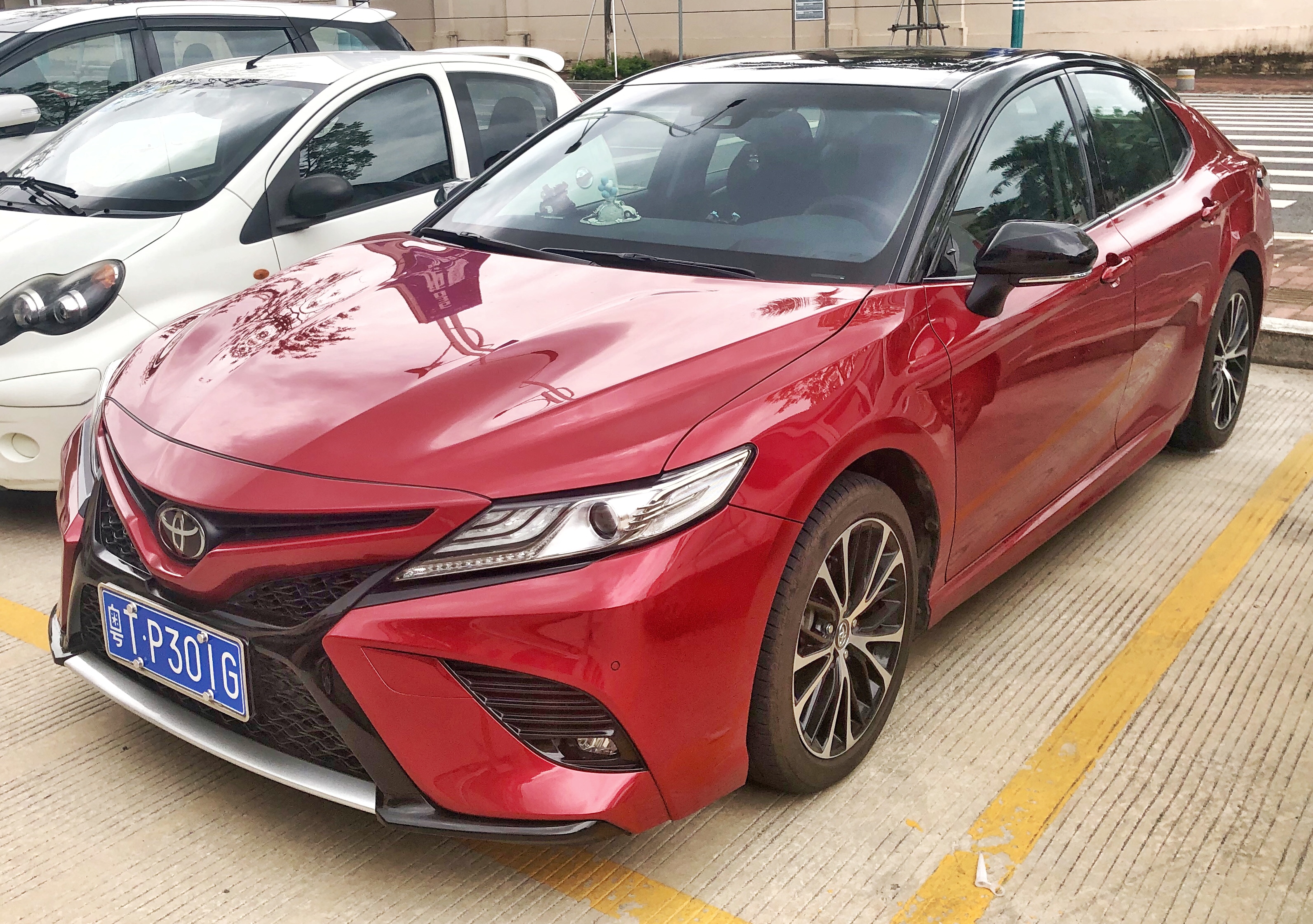
The Toyota Camry is a regular passenger car (a sedan) meant for everyday driving. It’s often chosen because it’s comfortable and practical. The podcast mentions it as a possible car for a normal trip or errand.
LIVE
SFJ 4x4 Studios presents...
In my oversized four-wheel drive Jeep.
A Jeep podcast starring industry experts.
Cure monocity.
What? Say that again.
With mad scientist Scott Brown.
I use my drill press as a sort of lathe.
Our host, Neil Simpson.
If one light goes out, they all go out.
Phil Bruce and Annie.
We are really professional with Jeeps.
This is I Speak Jeep.
Good morning, afternoon, evening, wherever, however you are joining us.
This is the I Speak Jeep podcast presented by SFJ4x4.com.
My name is Neil with Simpson Family Jeeps.
Joined in Grandma's couch studio, full production crew at this point.
By the producer that's drinking water.
Well, he had a Doc's appointment today, so he's got to get his crew's backup.
And apparently I walked in, there was no sound.
But there was sound five minutes ago.
So we now have yet found another technical difficulty
that may need to be addressed in the future.
Did it timed out?
Yeah, I don't think it affected anybody else.
I think it was just our headphones.
Oh, you think they heard the vamping sound the whole time?
Yeah.
Oh, you could hear it on the TV out front.
Oh, is that what Scott was saying?
Oh, well, look at that. We learn something new every day.
I'm tired of that.
Anyway.
We either continue to learn or...
Wait for the week of updates and I got to tell you what I learned.
Oh, boy, we either continue to learn or you become stagnant and you fade away.
So I'd like to continue to learn and we just take it in stride.
I'll continue to learn after a brief break.
I'd like to catch my breath is what he was saying.
And yes, the mad scientist would like a brief break is what he's saying.
So Scott Brown, Doc Scott Brown.
And I am wearing my patriotic tuxedo t-shirt for those of you who are listening to your ear holes elsewhere,
which is the vast majority of you.
However, if you would like to join us, you too can join us almost every Monday morning at 10.19 a.m.
And you can jump into the comments.
So there are quite a few at this moment and you can jump in and meet and greet with people.
It's been really fun recently before we get to the comments to say good morning to everybody.
This past Bantam, as I had kind of explained last week,
was this outpouring of the community that has built up around this business
and all of the great individuals who assisted in set up and function of our space.
And it was really fun because there are people who almost only have ever met in our comment section
who got to meet each other in real life at the booth at Bantam.
That's fun.
And or kind of develop deeper relationships.
Maybe they saw each other passing or something, but never had a real reason to connect.
And this was their opportunity at Bantam in our booth and because of hanging out.
Also, I think it is important to know whether or not I said this last week, but I can't say it enough.
All the people who took an opportunity to say hello and how much they love the program
and I was just wandering around the grounds desperately looking for the swap meet that didn't exist anymore.
People saying, hey, by the way, love listening to you.
Best G podcast on the market, blah, blah, blah.
That was so cool to have that experience.
So thank you. Thank you to all of you.
The Tuxedo T-shirt exists because another opportunity to hang out with us will be the July 4th, July 3rd Parade.
And that, you know, so it's patriotic.
It is for the July 4th Festival, which is a three day shindig here in Coneyott, Ohio.
And we welcome all of our Jeep family to come out and parade with us.
Basically, you can kind of start to line up around noon on Friday, July 3rd for parade step off shortly thereafter in the two o'clock range.
And you're welcome to decorate your Jeep in the patriotic theme for the parade.
And America's 250th birthday.
100%.
You may or may not get in trouble after the parade or before.
Driving to and from, yes.
But if you choose to live dangerous, you can't be prepared.
Yes. And a shout out to one of our good Jeep family, Bradford and Tracy Watson, who in conjunction with us and co-sponsoring,
we will have 2,000 freedom pops, you know, to popsicles that we will be distributing during and, you know, during setup and then during the parade itself.
We still have to figure out that logistics.
I'm fixing to like run a chest freezer off a generator.
Someone out there that has ice cream truck will have a Jeep delivery that is an ice cream truck.
We need you.
Yeah, right. Steer smarts.
Steer smarts.
Have steersmarts.
Borrow their truck.
Yeah, no, that would be wicked awesome.
Unfortunately, probably not going to happen.
Hey, you never know.
Right.
Right.
You better call him like right now.
In the comments, Billy Joe says, good morning, everyone.
She's first.
Then Bill McWilliam says, good morning, guys.
Nate says, good morning.
And he put a podcast link for Anderson Overland podcast.
Jeanie says, good morning, happy duck day.
Mickey Hunt says, good morning, guys.
And Geaga Jeepers says, good morning, SFJ.
Good morning. morning to everyone.
We're glad that you're joining us.
And a lot of friendly, friendly and familiar faces in the comment section.
So like I said, those of you who are interested or inclined, feel free to jump in there and, you know, conversate.
Today, we are going to be talking about the good, the bad and the ugly of the parts of yesteryear.
And, you know,
Don't worry about it.
Okay.
That was going to say, we have some production stuff going on.
And, and that in conceptualization of this, you know, we're talking about Father's Day had passed and so happy Father's Day to a everyone in this room,
and we all of our listeners who fulfilled that role.
And, and we were talking about how, you know, our grandfathers, our fathers, whoever, you know, we're working on these Jeeps and how those, the part quality and kind of what made them successful and famous in that time and age may not exactly be what we're dealing with today.
And we're going to kind of peel back some of the layers of some of the challenges by 2026 standards of, you know, parts quality.
Now, in that process, we had conceptualized in the most abbreviated and succinct form the title of not not my daddy's parts, your daddy's parts, which
What'd you type it out?
What should type it out?
It doesn't sound as good anymore.
It doesn't sound as good anymore.
So we thought we really want to stay off of any private island lists and any political mumbo jumbo.
So this is why you don't normally do the titles without me.
Get out of here.
Sometimes we have to do things on our own.
Yep.
As you're running into the last minute.
Yeah.
So that's a great title.
So is it sure?
Yeah.
I did title it.
And it's, you know, these ancient cheap parts anymore.
I don't remember what it is.
So it'll be, it was good.
I remember being like, okay, this, this works and it will not get us on a list on a list, right?
Which will get redacted and hidden anyways.
But so we're going to be talking about the challenges of, you know, of the fact that we took very simple technology.
And, and we think of it still today as this simple and available product, right?
And we, and thanks to companies like Crown Automotive, Economics, ADA, Tormen and a handful of others, we continue to have some of this reproduction product, even though maybe it's not the, our favorite quality.
Yeah.
Right.
And it's also good bad and ugly with that.
And sometimes it's honestly, there are savior from the dyed in the wool techno brands that we think we know.
Right.
Speaking of the, for example, we, we just had 58 FC 170.
It was really cool Jeep back in for some more service.
And he just asked for a simple oil change.
Yes.
Which really on a 50, you know, straight six, a flathead six, that should be simple as all get out.
100%.
But we ran into not only do you have to special order the oil because you need oil with more zinc for the flat tap a cam.
You, I thought, well, I need to get oil filter.
And I'm sure some have seen the headlines that there is a big unknown term oil with the big conglomerate that owns Fram and Anco and some other brands.
I mean, Bendix breaks, I'm not mistaken or something.
One of the break manufacturers.
Yeah.
And this is companies that have been around for, for ever.
I mean, again, grandpa would have gone to his local parts store or the dealership.
Yeah.
And they would have sold you a good quality.
I mean, it would have been excellent quality made in America.
And I'm going to use one time Fram or I'm going to use it one time Bendix or.
Yeah.
And I'm going to use it one time and Co and and you were proud of that part.
Yeah.
And and he would have been able to go down to the local auto parts store, which was or hardware store or Sears catalog,
realistically.
Yep.
And and you would have bought a proudly USA made part for that 58.
Yeah.
And it was a name brand that we still know and talk about by today's standards.
The flip side of that is that means that they have the molds, designs, blueprints somewhere in that place.
100%.
When you lose a company, now I will go out and say that I was not, you know, rushing to put a fram on anything newer that I own.
But sometimes they are your option for your vintage vehicle because they're one of the only people that's still producing it.
The only reason they do is because they have that in house knowledge.
So losing a company that's been around that long is a huge blow.
And just being very clear, because I don't think you actually finished the statement, but there is this up in the air about the fate of this holding company,
which then regulates and owns all of this.
It's a conglomerate that owns all of these brands.
Yeah.
And they are potentially going through a bankruptcy and a divesting of what I do know production factual is a big retailers like Walmart are literally selling fram products at a deep, deep discount to get them off their shelves.
Availability for ankle wipers.
One time they had a the classic series, which you literally could go for your sixties or so vehicle and buy a brand new shiny stainless steel wiper blade for it, which is something that sounds so simple.
They are not in stock anywhere that that this distribution is is interrupted.
I literally had the call and they like, yeah, we can't even get those.
So there's there a vacuum is going to be or is already in place.
Right. And I think that when we were conceptualizing this conversation today, we wanted to talk about, again, you know, grandpa and dads, the world at which they lived and you use the term suspended animation, right?
And how we conceptualize these vintage vehicles and the products that exist for them.
And and how we as a as automotive enthusiasts consume those products and what kind of quality they were.
Right. And so as we talked about it, you said, hey, we have these recent conversations where you have, you know, the 58 where we were just trying to do an oil change.
Yes. Right. And the challenge we have.
We have a head gasket conversation regarding a 134 that we've learned a lot of lessons on.
We have a Jeep as new as 1976.
And that, you know, is by, you know, fact, 50 years old at this point, but gaining parts, getting parts for it.
And we had this this challenge of trying to find USA made parts for this 50 year old vehicle.
And more so the cow gasket specifically stands out to me and I went down the rabbit hole and found out all the history on it.
And we had over the weekend calls from someone also owning a 7576 looking for parts and hitting brick walls.
So it's it's really a snapshot of where we're at in the industry for these vintage vehicles right now.
And that can go just as simple as the knowledge of that product is no longer there in those companies.
And with that, I want to say, and as it relates to the new age technology and the piece that I always shared with people is if that technology was so
pervasive and and is what we remember it as right, we we roam we we romance it, we romanticize it.
We it's this nostalgia that we remember it this really high quality, easy to access, easy to work on.
If it was really that good, we would still have it today available in our production vehicles right and the thing I always share with people,
especially when you have like a Chevy 350 converted Jeep, right?
And I've had this conversation number of times and we we had a customer one time come to us and he bought a used Jeep had a Chevy 350 in it.
And he wanted to drive it to the Carolinas to participate in some, you know, Jeep events.
And I said, that's possible, right?
But the reason why the vast majority of vehicles running around on the road right now are not Chevy 350s is that our society has progressed our our use of the vehicle, the speed at which we travel, the breaking, the on and off, the the quick trips that we take as as people, the degree of maintenance that we want to perform has surpassed the duty cycle of a Chevy 350.
Yep. Right. And that's just flat out the the case.
And so if this product line from the 50s through the 80s 90s, the reason we don't see those vehicles on the road with us right now is quite frankly, we have the day the the usage our usage as you know, everyday automotive enthusiast has has outlived or has become greater than the duty cycle of those parts and pieces.
And I'll give you a good example with this head gasket.
So all vehicles pretty much today have what's called an MLS head gasket.
What means which means what multi layered steel and they are literally formed metal gaskets that are unriveted together outside of the clamping area of the head.
Now in order for those to work and you do get a more efficient seal, they obviously being metal are not going to burn up from combustion temperatures and that kind of thing.
But the head to block interface need to be a certain type of clamping and having enough fasteners in certain locations for that to work, which is also why we get to torque to yield bolts and certain passes of how you're supposed to do it and torque.
Torque sequence, you know, just like your your lug nuts have torque to angle, etc.
So going back to our simple 1920s design 134.
The design of the block and head do not allow it to use an MLS because you just do not have the clamping force designed.
What did head gaskets used to be made out of?
Let's go back to grandpa's head.
That's true.
Horse hair.
There come the horses.
Oh boy.
And I was.
I alley up any dunks.
It's anyway real quick.
Dan in the comments said an unhinged conspiracy is Jeep stopped using the in 964 oh because it was too reliable.
We get we actually could talk about that.
But that's actually a great podcast topic.
Yeah, for the future.
Yeah, Dan, I I'm not going to remember that.
But somebody needs to text me that which, you know, amongst our listening or email me.
I'm not going to remember that but send that to us in some capacity.
Good job, Dan.
So anyways, so back in the day we'd have what's called a composite gasket.
Basically, it kind of compresses and sort of a hears to the block and head is a fair to conceptualize a composite gasket as not plywood, but cork.
Well, I guess cork.
I was thinking, you know, MDF or OSB, you know what I mean, where it's it's it's composite is basically it's not a single layer of metal, but it is actually that it's a it's a dark, you know, colored.
It's a mixture of stuff that would have been molded into the gas.
It's important to notice where someone's firing up their keyboard.
They also did use copper head gaskets.
You can still get some of that.
They do have beads of this reminiscent to an MLS.
It's not the same thing.
It's because the copper is soft and it then conforms to the voids and the gaps that those older engines have.
But what they've come factory with the copper head gasket, they would have come factory with a composite to my knowledge.
In my experience, I is correct.
Right.
Okay.
But I can always be wrong.
Well, there's always outliers to every conversation, especially in the Jeep community.
But we had the situation where fell pro made a head gasket.
One side was composite.
One side was aluminum.
Now, normally, I would think, OK, aluminum is soft material.
It's going to conform.
They're trying to take the cheap way out of the copper conversation.
I agree with you there because copper is exceedingly expensive anymore.
My problem is that it was a very smooth.
I mean, could have used it for decoration almost.
It was so smooth.
It had no beads to compress around any of the important places.
Right.
Had very little compression spaces.
It was almost like a machine flat surface.
Yes.
It was so thin and so smooth as you are mentioning.
And we also had our engine rebuilt.
One of the very thorough machine shop.
One of their processes is they did a slight mill of the top of the block.
Did a very nice job.
It was very smooth.
So we have two very smooth metals.
And neither one want to conform to either because we're talking to the microscopic level at this point,
which the coolant and stuff like that's like I can just have a heyday.
Correct.
And compression can have a heyday.
So we need something to adhere and we need something to compress.
So I thought, well, this should not be that hard.
Well, we have we ultimately have we have this new engine and and we actually we actually start seeing a little bit of bubbling or fluid leakage around at the head seam itself after, you know, after utilization.
Compression was good across the cylinders.
It was fair.
But we saw basically this bubbling or a little bit of fluid where there shouldn't be right.
The liquids on the inside of the block should stay on the inside of the block.
And it was running fairly well.
Most people probably would have been like, oh, it's fine.
I could literally hear someone.
Oh, those got a age a little bit and they go, we'll see a lot.
100% your local Jim Bob mechanic would have told you that you just didn't break it in yet and it needed to seal up a little bit still.
No, don't listen to that.
That's it's not right.
No, so we took it apart and it was not what I wanted it to be.
Now it's important to note on this fellow pork gasket.
It does not really come out and tell you that it's this very smooth, flat aluminum.
This is just the gasket you should use.
And because of that, right, not a lot of descriptor and not a lot of explanation, you know, when you actually go into trying do the homework on the gasket from the data that they provide you.
I actually had to have it in my hands before I knew it.
The likelihood is their marketing department.
They're so big that their marketing department and the engineer who, you know, did the CAD drawing for production.
They're not communicating with each other and it's just simply you should be happy that you have a part available pretty much.
So went into deep dive and I was aware that this could or could not be right.
It's literally the only part number I was seeing.
I did some other digging and I found improved fell pro had, you know, made a couple of different evolutions like gasket.
Improved gasket that I would like to use and it looked similar enough.
So a lot of people don't maybe know, but the 134 soldiered on in industrial applications and fork trucks and air compressors and other things and became the continental 134.
Correct.
The design was actually sold or acquired by continental for industrial application.
It ran almost all the way through the 80s in production.
So the problem is in that situation is our Jeep 134s are stuck in the time vacuum they are in when continental got that design.
They decided, well, we can improve it a little bit.
We can make this coolant passage a little shape different.
Maybe the block suddenly gets a little bit bigger, et cetera, et cetera.
Maybe a head bolt moves just to jump in.
It's the conversation of the 36 and the JK starting in 2012 through 2018 is not the same 36 as the JL 2018 and a half to current.
Those are they share the name.
They both are installed in Wranglers.
They have a loosely similar design.
They have a loose similar design, but inherently they are vastly different.
Yes.
All right.
And the parts and side are different.
So I again, no real information on that either ordered it pretty promptly clear that it was not going to fit on this engine.
And we were kind of back to sitting scratching our heads.
Literally doing more digging.
I had luckily our logistics are that I can reach out to, you know, reps and sales representatives and say, Hey, can you physically go to the shelf physically get this?
Show me pictures of it.
And that way I was able to verify that crown to my knowledge is the only place that you can get a composite gasket for 134.
And likewise, like I was saying, yes, copper exists, but with the extreme smoothness of this deck, I did not have confidence in the copper ceiling.
And we're talking the other frustrating part is we're not talking like a big dollar part.
We're talking like a $30 head gasket.
Sure.
The copper because it's copper, we're talking over $100 head gasket and it may not still seal.
Correct.
Because of its design.
Because it's designed in our specific situation.
Correct.
So something that should be fairly easy.
Again, was very complicated.
Grandpa would have gone to the part store and they would have just, you know, been able to produce a composite gasket that in 9.9 times out of 10, which seal up on this, you know, on whatever 134 application.
I'd like to point out not always would they just produce it.
Sometimes it would be, yep, we'll set it to you.
You'll have it in 10 to 15 business days.
That too.
I'm at the Sears catalog.
Yeah.
They would have wrote a letter.
Then it's just, then they send back the invoice and you send back the check and the parts come.
I'm going to ignore Jeffrey and just go back to our fairytale.
He's baiting us.
He's baiting us.
On horse and buggy.
Yes.
Back in our fairytale that you just walk to your local Napa and they put it on the shelf for you.
It wasn't even a Napa.
It was just Bob's hardware.
Right.
Yeah.
Anyways, so that is some of the things that made it very apparent to me that people
we romanticize these vehicles like Neil said and we also romanticize the process.
And the period at which they existed.
That's something you said to me was that in concept of today's talking points was we somehow that vehicle helps transport us back to a simpler time.
Yep.
For a vast majority of people, which is funny because you and I, when we were test driving the 58,
we'd go pick up another Jeep and we're test driving the 58 and side shift because it's an FC.
So now we're a side shift shifting at our ankle.
Correct.
And you know, it is that was a straight six, which had a poultry, you know,
whopping 67 horsepower, you know, on a good day.
And with the gearing and entire sizes truck had 45.
Now, granted, this is a customer's vehicle.
I'm not pushing it to race.
Correct.
I don't race speeds.
But 45 is really where the truck wanted to stop.
It was happiest there and below.
Correct.
And and we had this this conversation that as much as I love the character of the FC and the lines and the designs and I wanted one desperately for so many years.
Yep.
I live a life where I would not be tolerant of its inability to accelerate, to stop on a dime, to, you know, to kind of perform at a today's standard just for getting ready.
It's fun to drive just to drive, but for actual daily use, it's not a good idea for today's society.
Correct.
And you, you know, we're all spoiled now.
You hit the key.
It's ready to go.
You can be excuse me, the starter can be disengaging and put in reverse older vehicles like that.
You have to hold the choke.
You have to get it running.
You can't take choke off right away.
You slowly let it off.
Like it's a five to 15 minute process.
Then that vehicle is then ready to set out and and and something about that for a person who purposely or intentionally engages in that vehicle for whether it be daily use.
Whether it be daily or weekend or whatever, it becomes fulfilling of that moment that the vehicle was was created, right?
The technology, the, you know, and so it's not just about the end product of displaying the vehicle and the fanfare that you may or may not get from owning this cool or unusual Jeep.
But what it transports you to.
We used to talk about that with like the Rambler or even your, your, your pick them up truck that you recently sold.
They, they become about the moment in which you're driving.
It becomes kind of centering.
Whereas that is not really how we live our lives by today's standards.
Correct.
And I've heard plenty of people are aware.
Oh, I can't take my vintage vehicle to my Jim Bob mechanic that I take my newer Jeep to or at least there is more cognizant people of that.
But what we're here is, you know, it's not just the mechanic.
It's not just the tools.
You know, we, we have ourselves overcome quite a few of those challenges of the knowledge of the books, the ability, the tools to do it properly.
Knowing how to go through those processes.
Yet again, we're hitting a significant roadblock where you just can't get the part.
Correct.
And in the end of the day, you have to be happy with something existing, even though it's not optimized for what it always was.
And that sometimes is simple as the fact that the engineer that designed that part has been retired for your lifetime.
And, and so I'm going to jump and I'm going to fast forward to a conversation explicitly about Teraflex.
And I'm going to put them in my mouth because I had a great conversation with a customer over the weekend.
I know Mickey's on here and I was, I was talking with Mitch about his build and we were talking about some big axle upgrades.
Okay.
And Teraflex at one time was a prolific hardcore off-road brand.
And I, I recognize that and I recognize what they did for our industry, just as the same that I'll go back and I'll recognize Rubicon Express and Smittybilt and Procomp for their role from the, you know, the 90s into the early 2000s.
They were a prolific manufacturer.
Teraflex predating them even yet.
And still I have experience that other people don't know because Teraflex then blows their brand up as, as marketing, right?
They fluff up their marketing vastly through the JK and they become the go-to consumption brand outside of some of these other mainstream, you know, products.
And they put out a perspective that they were this down-the-earth, you know.
Hardcore off-road, you know, you're, you're, you're fulfilling a role when you consume their product.
Very relatable.
100%.
And they were at one time and they also had swap parts for doing like TJ motor swaps and that kind of stuff.
Oh, well, and they had, I mean, but let's, let's go back even further.
They had hardcore off-road parts.
They had Dana 300 parts.
They had Dana 20 parts.
You had the Tera low, you know, crawling system for the MP2 31.
They were in the places where the Jeepers were.
I have immense respect for that.
But as they literally grew with the bolt-on explosion of the JK realm, they sold out more and more and more.
And to your conversation here, as you mentioned, the people who originally created that brand and the relevancy it had to our off-road
industry moved on for one reason or another.
So that by the time that we are in fact trying to do an engine swap process, we consume a product from them.
It doesn't work.
We call them and they go, I don't know.
It's just on the shelf because whoever actually designed this packaged it, you know, so on and so forth, they don't work here anymore.
We don't actually know how this part works that you have purchased from us because we just make it, package it and distribute it.
Or we have, you know, 100 on the shelf and then we have 50 on the shelf.
We have 20 on the shelf.
And once we sell out of them, we're not restocking them.
We're not restocking.
And so this conversation where it goes back for Mitch and Mickey is that they were looking at a very cool hub conversion kit
of which Teraflex is the only manufacturer on the market who has this hub conversion kit available for their application.
Makes cool sense to me.
Takes their ultimate Dana 44, which we know and love and turns it into the HD, right?
Gives it an eight lug outer full float option.
In concept, super cool.
It takes me back to the 80s and 70s and 80s heavy half ton packages.
Yep.
That you had this robust Dana 44 with a full float assembly with lockouts and eight lug on the outside.
I remember it.
I like it.
It in my mind, I go, Hey, that should be cool.
However, in a pre COVID experience, Teraflex used to sell one ton axle assemblies.
Yep.
And I was privy to at that time and what I call the great sell out of the Teraflex brand, a friend who had one of these axle assemblies and blew a bearing and could not replace it because it was such an obscure part, whatever Teraflex intended to use.
And they could not, they could not get feedback from the company to say, yes, this is the exact pinion part, pinion bearing that you need.
Yeah.
So the customer didn't or the individual didn't want to disable the Jeep because they needed it to still be on the road.
Yep.
They weren't running it in four wheel drive because of this, this pinion problem.
But you're literally in a situation where we run into it, there's older vehicles where you have to disassemble it, get the part number off the bearing, do your research, see, you know, maybe call a natural bearing supplier.
Hey, what does logistics of this?
And they go, Oh, actually that's been superseded by this number and is now been critiqued or changed slightly over here.
And then you have to do analysis to say, okay, does this actually still work in my application?
Right.
And so at the end of the day, this this conversation where we, you know, we leave it is, I think it's a really cool idea.
And of all the people, I mean, there's a number of our customers who are very hands on, they're very well researched.
I think that even if there was a problem, a long term serviceability in this specific situation, Mitch could probably figure it out.
I get that, right?
But it's an obscure niche of a product.
It's not the smooth perception of process that most people would have.
Right.
Just because the part exists in data does not mean that it that it's good in functionality, right?
And it goes back to these head gaskets or yolks or cow seals.
Yep.
That just because the product exists in data, a magazine, a website that can factually be consumed does not necessarily mean that it is
of quality or long term return.
And as things get, you know, gone bankrupt or cease to exist, those small machine shops across the country get taken out, bought out.
It gets harder and to do that process.
Circle back to the Anco, Bendix.
I mean, we're totally making up the Bendix conversation.
We don't actually know if that's the break one or not.
It's a break something.
It's one of the break manufacturers.
We were supposed to look it up before.
But yeah, but go back to that conglomerate that as they divest,
they literally said, if somebody doesn't come up and buy them, they will be gone.
It will be bankrupt and be, you know, casualty of war of sorts.
And but just because they get bought doesn't mean they're going to be the fram you knew either.
So say personally, it's fram and they stopped making quality years ago.
And that's probably their biggest problem.
And that's fine.
That's fine.
That's his pair.
Specifically in that in that product and that argument can be made.
And and and ultimately this is the segue for when we talk about Jeep as a brand itself,
when we shift between parent company and, you know, this is the segue in the part where
Scott and I wanted to talk about when we move from Kaiser to AMC ownership.
Yep.
And they go, hey, guys, you know, you worked for Kaiser, you put in all these years,
you did all this things, I'm going to kick you to the curb and they go away.
Right.
There's a little bit of absorption.
Hit the reset button and now everyone's zero investment.
Correct.
And and and AMC takes over in their heyday of 76.
There's a little bit of transitionary time there in the 72 plus or 71 plus era.
But basically probably more important to today's specific talking point is when Chrysler goes,
hey, I'm really interested in what you're doing in 86, 87.
Chrysler goes, hey, I know that you're going bankrupt.
Right.
Insert, you know, model here.
Yep.
I want to buy your brand, but pretty much I don't give a crap what you've been doing
for the previous year for previous years and who owned you before and what they changed
and how they did.
And they came in and they just wiped out stuff.
And specifically we talk about this at a dealership or a service level where they came in and
shut down small AMC dealerships from coast to coast where there were qualified technicians,
qualified individuals who knew these products, who had the books, specialty tools,
who had been servicing these things.
And now all of a sudden they went with these bigger dealership models.
They ripped, stripped and dipped parts and pieces of that brand identity and they mashed
it together with different era technology.
Absolutely.
And it kind of goes back to Dom's conversation about we had this really good thing going on,
but it didn't exactly fit our future mold.
Yeah.
And so just because, you know, and Jeff made the statement, you know, Fram wasn't doing
a good job.
Okay.
Well, AMC wasn't doing, we make fun of their paint jobs, you know what I mean?
And the guy with the cigarette ash hanging out and...
I just saw a post this morning, someone asking where this heat shield is and it looks, the
welds look like what something he would do.
And he's a hobbyist.
He's not really that good.
The welds that AMC had.
And I didn't even have the energy to be like, nope, that's factory.
It's a factory crappy weld.
You know what I mean?
And the different parts sourcing, the fact that you get 11 different transmissions from
five different manufacturers over just a short 10 years time frame because they couldn't
quite figure out what combination of parts and pieces, A, they wanted to use and B, they
could afford to use because they're always on the brink of destruction.
They weren't doing a lot of things right, right?
Like Fram.
So it's not unfair to say that they needed to be purchased.
However, once you have that purchase acquisition, you know, what then happens with it, you
know?
And the same goes for TeraFlex.
They're not owned and functioned the way that they did 30 years ago.
That's not the case.
In fact, now they're owned by a large scale conglomerate that I have a lot of respect
for.
I think they're a cool brand.
The actual ownership, but they're using TeraFlex to their advantage.
It's not the mom and pop that the once was built on a hardcore rugged off road platform
of a business model.
The parts aren't what they used to be.
No, that was just a name.
It is.
It is in large part a name in that sense, right?
And we learned this lesson and we want to, you know, share it with people.
I do want to share the story of the windshield cowl because I went super, super far down
the rabbit hole for Rob and Teresa and the, you know, in there for their Jeep.
I'll do the foreshadowing.
So we have, you know, our 76 to 86 CJ's.
They have a seal that goes between the windshield frame and the body.
And this has already been a rough go of through the years because we've had fiberglass bodies
that aren't produced well and therefore don't seal.
And then you could be like, well, is it the body or the gasket kind of scenario chicken
or the egg conversation?
And also you have, you know, that's a lot of change over many different years.
Like you said, change is hard.
And we were still dealing with some Kaiser era stuff ish on the 70, early 70s stuff.
We are full AMC by 86 and obviously starting to see Chrysler getting in there.
So this gasket's got to do a lot of stuff in the, in the geocentric world of things.
And it's a cheap part.
It is a cheap part, right?
And it's an often overlooked part because the vast majority of people, let's be honest,
headgaskets and windshield calgaskets are not sexy.
They're not cool, right?
If you thought this morning you woke up and said, man, I wish those guys at FCSGA four
by four would talk about headgaskets and windshield calgaskets.
I cared freaking D. You didn't.
You know what I mean?
Either that or you are Scott's best friend.
That might be true.
That's what you two do.
That's fair.
That's fair.
You know, the vast majority of people want to talk about tire and wheel packages.
They want to talk about cool lift kits.
How much lift do I need to fit 35s?
The Hirst Purs.
The Hirst Purs, right?
We talk about these things.
The one time I saw that cool Jeep.
One time I saw a cool Jeep.
The cool paint job, right?
Yep, the thematics.
Absolutely.
The thematics.
You know, did I accent this?
Did I have this little duck here?
I mean, I get it.
You know what I mean?
There's some nut and bolts that get you there.
And that's and allow you to keep going to the shows and to the optional and and obviously,
you know, to keep that Jeep on the road for many, many years.
So if we go back to, you know, your granddaddy's rubber, we see the guys trying to get on that
list again.
So we see the the great YouTube videos that that, you know, that we can stay away from
the special eyes, you know, that hit all the algorithm.
And basically, it's the barn find the garage find to pull it out of the field and they
go in and they they air up the tires, despite the fact that they've been sitting
up.
Yeah.
And they air up the tires and the tires hold air, right?
The belt that's on there for the last 60 years is is the serpentine that it's going
to fire up and work.
You can grab not the serpentine.
You can grab the V and start the Jurassic Park Jeep.
Yeah.
So but the rubber itself, and this is the this is where I was going with it, the rubber
itself reasonably is was a more robust, robust product, right?
It was more genuine.
It was more actual rubber versus a compound of varying things.
Well, moving forward to this particular story, a customer wants to
replace the rubber windshield, Cal gasket, which had been changed once before 100 percent
was not thrilled with how it was aging.
This Jeep is lives in Florida.
So it has seen some UVs.
Well, and so five years ago, and this this was getting at the five years ago, he installs
what he believes to be a crown automotive windshield, Cal gasket, which we can pretty much
say is at this point, but likelihood, right?
We don't know what it was 57 years ago, right?
It could have been multiple options.
But but we have this Cal gasket, right?
And he installs it on the Jeep roughly five years ago.
And by the time that we're seeing it now, he's very concerned he wants it to be changed.
But he would like to use a manufacturer other than crown because this one has deteriorated.
Didn't have lasting power, had no lasting power.
In fact, it was so dry rotted that I mean, it looked like it was 80 years old, right?
And you take it up, you know, once it was removed, you take it off.
There is giant cracks and huge, huge separation within the rubber compound itself.
OK, so we'd like to use something else.
This is a fair request.
He used one manufacturer once.
He'd like to use something else now in the future.
And I important to note, you you look up Cal gasket and you get 10 hits.
At least, right?
10 hits from different people.
Different.
I'm going to totally throw out while I'm trashing people.
AMC lives total scam artists in this conversation.
They actually advertise their Cal gasket made in the USA.
Yeah. And had country of origin USA.
They actually had on their stock photography.
Had a USA proud or something, you know, product, blah, blah, blah.
And maybe when they put it on their website, you know, 25, 30 years ago, it was.
Correct. But they ain't no more.
And so we actually order that it shows up.
It comes in a crown box and oh, we almost paid $100 for it.
Right. Right. I forgot that.
We should mention we almost paid $100 for it.
We're crowns normally what, 20 bucks?
Yeah, something 20, 30 bucks.
Right. Let's call it that.
Shows up in a crown package.
OK, well, that I light them on fire.
We send that back, blah, blah, blah.
We all move on.
But we still haven't got to the bottom of the thing.
We were getting inklings.
Correct.
Well, we haven't gotten to this end of the story yet.
So as I move forward in this process,
we find a couple other people from those 10 hits and I'm calling them and I.
Well, it's important to know, too, we had done that deep dive.
We kind of hit a brick wall and we kind of stopped.
This is something and we got other things we had to do on the Jeep.
The customer was still very passionate about this.
So he starts doing his own research and he says, well, I see steel rubber makes
makes air quotes, yes, has this cal cal gasket.
So available.
So we deep dive again.
We go back in.
This is months later and he calls a call steel steel and we're like,
hey, what's the country of origin?
We will not divulge that.
Correct.
As a well, is this something you make in house?
Well, no, we buy it from an outside retailer.
Oh, who do you buy it from?
Fairchild.
Fairchild.
And that's all we know.
Correct.
So we we are stubborn and so we call Fairchild.
We're like, hi, we see you have this cal gasket.
Country of origin.
Country of origin.
We won't tell you.
Oh, OK.
Do you make it in house?
No, we buy it from an outside retailer.
Then I ask, who do you distribute?
We she says, we're just a distributor.
Yeah.
I said, OK, so they distribute to they umbrella distribute to steel rubber to
I'm X ADA, I'm XADA.
And and then a number of under the Fairchild name, they they distribute to
a number of of, you know, like Quadratec and Extreme Terrain and whoever.
Right.
So yeah, Kaiser Willys or whoever, you know what I mean?
So just just there, they are an umbrella distribution company.
Is that where you get it from?
They wouldn't tell us.
We won't tell you, but it's a US company.
It's a company based in the US.
I said, but do they make it?
No, it's it's made overseas.
I can. I will tell you that, but they're US based.
OK, I understand that.
I really do.
Yeah.
We're not really upset that it's not made here.
We're more upset about the the whiteboard with all the thumbtacks with the little
string connecting it for a cow gasket.
So we we then call up our rep and we're like, hey, at Crown and I say, hey,
do you who do you get this from?
Right, because, you know, we're following this all the way.
We're following us all the way.
Now I've leapt over to Crown and I say, who do you get this from?
And they say, we don't.
We own the mold and the engineering.
We actually have the tooling for this and we make it overseas, which, you know,
again, that's not a secret.
That's the number of their products are overseas based.
That's OK.
But, you know, the fact that they own the tooling, nobody in any of this
conversation with these other seven hits to your conversation have the tooling,
have or own the tooling.
Crown owns the tooling for this.
So then we're like, hey, do you sell out the Fairchild?
And we're like, I don't know.
Let me look that up. Oh, yes, we do.
That's sure we do.
Sure we do. OK.
So the fact that there's literally this ain't your daddy's
Jeep parts, yeah, there's literally only one manufacturer worldwide
of this windshield, cow gasket.
And if you're buying an omics one, you're actually buying a Crown one.
It's just what it is.
And all you're doing is paying the guy in between to move it around.
All seven of them.
Yeah. And sometimes it is the seven.
And that's why it goes from 20 to 100 dollars, because everybody's made
five bucks on the deal and it's been shipped across the country 14 times.
Yeah. So, I mean, I just feel like it's it's valuable as we kind of,
you know, bring this to to a wrap up point, you know,
to to to talk about how this relates
from from this romance that we have about the Jeep industry,
the ease of working on them, because we didn't even really talk about
today's head gaskets, which we had talked about how they vary and differ wildly,
wildly from what we, you know, kind of unveiled with the 134.
But from this romantic period of the Jeep, the simplicity,
the the kind of Swiss Army knife that the Jeep is for our community
and how it relates to our ability, our guess, how how we're able to relate to it
in modern, in modern ways.
The idea that there might be a bunch of retailers for this windshield
cowl gasket out there, but not actually that many different options.
Quite frankly, there's, you know, from that conversation, 77 to ten options.
But literally, it's the one same part.
Yeah, the whole conversation, you know, and it's one of those economic
things that we kind of do to ourselves.
We all, you know, have a finite amount of money.
We want it to go as far as we can.
So we're looking for the best price.
We're we're trying to do educated buying.
And that is why more and more things are getting outsourced and that kind of stuff
to the race to the bottom of sorts.
And then when you go to overseas, they just do things differently.
So yeah, Tony said it best in the comments.
It's a big, small world out there.
Yeah, it is.
For sure. For sure.
And I just that's a great way to to think about it in conjunction with the fact that
as I will always say, we are happy that we have the ability to consume these parts
because of manufacturers like Crown and and and loosely on XADA.
Though they have changed and been acquired, they went from their ownership level
and have been acquired by a conglomerate as well by now.
Crown is still operating independently.
And quite frankly, in my opinion, has has only kind of continued to grow
as an industry leader in their distribution of parts.
Realistically, we could be the Hudson crowd.
We could be the Studebaker crowd.
Those parts are very, very hard to come by.
And while, you know, given the opportunity, you know, I would love to buy new old stock
product, you know, which just means it's been sitting on the shelf since
those little dealerships got closed out back in the the, you know, the 70s and 80s.
But rubber items aren't really something that is a great new old stock item.
Yeah, like stickers or graphics.
Yeah, right. They're super cool.
We will nerd the crap out of that.
Yes. But but actually installed on your modern day, modern use vehicle.
Not really, you know, not really.
So there's kind of a weird give or take when it comes to
that process. And again, if we want a USA made cowl gasket, that's going to be
$250 because you're going to have to have a state side manufacturer.
Don't have to make their own molds.
You have to develop it and then sell enough to justify it.
Right. I was going to say, there's not currently a state side cowl gasket
manufacturer. But if there was, like you said, that cowl gasket goes from being
a $25, you know, roughly speaking, product to a $250 product.
Absolutely.
And so, you know, we take the good and the bad with what we do and and appreciate
where our industry came from and what that part process did look like for our
grandparents, for our parents.
But also recognize we're we're thankful we have them available today.
You have to say, once anything available, once you have some knowledge,
then you can appropriately make choices.
We're not telling you not to have vintage vehicles or manage your expectations.
That too. Right.
You can manage your expectations to go, Hey, I'm glad that I don't have a dry
rotted cowl there anymore.
Yeah. I would have liked something with a little bit better of a future.
You know what I mean?
That it would last a little longer.
Every five years got put a $20 gasket on.
And that might be the price you have to pay.
Yeah. All right, folks.
I hope you enjoy that.
Happy Father's Day again to all of the individuals
fulfilling that role in one way or another.
We appreciate you both, you know, both now and as you have set the stage for us,
you know, from from years ago.
So I think that pretty much concludes us.
I love some of the talking points in the
you know, in the comments, as I always encourage people to jump in there
and join in those conversations every Monday at 10 19.
If there's anything further you want to hear us chat about,
there have been some good suggestions recently.
You can reach out to us as well at contact C O N T A C T at S F J four by four
dot com. And if you'd like to hear about what's going on in our personal lives,
you can hang on through the outro until next time.
Jeep on Jeep on.
I'm looking to see what Jeffrey clicked because I just I just never know.
Weekend updates. Click.
Yeah. The other day, I actually clicked live stream had ended and I was like,
well, that's close enough for horseshoes and angrenades.
You just just keep doing this.
And then our listeners and watchers are like, what is going on?
Yeah, I was like, I'm geeking out over here.
And who's so ironically, as this always goes somehow,
and my father's day traveling around in the 36,
we ran into this beautiful 57 Chevy two door hardtop,
bright white.
And because I'm a for purveyor of classic cars,
I'm like, I have not seen that car before.
And we have a nicely dressed lady.
The hood is up.
The triple A vehicle is currently in front of it.
And I, you know, I'm dialoguing in my head of what's going on.
I see the technician from the triple A truck is looking underneath the hood,
probably trying to figure out what he's looking at.
He finally does get the jump pack after the woman has come over and talked to me.
Oh, seriously?
And I was like, oh, you haven't having some issues there.
Do you need any assistance?
And she says, oh, no, you know, pretty sure the battery is just
not quite up the snuff.
I just got the car.
That was a beautiful day.
Take it to church.
You know, two years.
What was the car?
Did I miss that?
57 Chevy two door hardtop.
Okay.
So pretty desirable, pretty big dollar car and the scheme of things.
I think the best part of this is the husband was in the pasture seat
and he was not having it, but he was playing,
you know, putting on a good face for, for this interaction.
But she was out.
She was in charge.
Yeah, this was her car.
Her car.
He's just along for the ride quite literally.
And it's a, you know, we've experienced this before.
They probably had a memory of these cars, always wanted one of these cars.
Finally, in the financial situation, she could buy a nicely restored example.
Who knows how long it sat.
A number of our listeners have reached out, lean over restorations.
One of our listeners used that term, but we understand, you know, basically on
the surface it looks restored.
Or it is restored, but it's been sitting for 15 years or 10 years since it's
been restored.
So it has mice gotten in and chewed wires.
Does the battery still as, you know, I'm just as it was a battery technology in
the last 10 years has been rocky, that kind of stuff.
Um, and, and again, this is not a mechanical person.
This is somebody that romanticizes the experience the car allows them.
Yeah.
They can drive it.
They can register it.
They can insure it.
Can they work on it themselves?
No, obviously not because they have the AAA man there to do something we would
think is kind of rudimentary as a jumpstart.
Yes.
Um, they're going to have a hard time.
It makes me sad for them as it's a gorgeous car, but that just kind of isn't
a snapshot of what we're into.
Plus, uh, another thing, uh, similarly, that I just, I never stop watching videos
or learning about automotive s things.
And I found, uh, a thing popped up about the Corvette CR one from the 90s.
Mm hmm.
Um, that era of Corvette was one of the most technological Corvettes of its time,
but they had just a boring old straight, you know, small block Chevy in it.
Right.
And, uh, was not great for blowing your hat back on the horsepower spots.
So at this time, uh, GM had somehow gotten Lotus under their umbrella and they're,
they went to the Lotus, uh, engineers and they're like, hi, um, our Corvette's
cool, but it's not very fast.
Can we send you a small block Chevy and you tell us what you would do with it?
Okay.
So they did that process and Lotus was like, um, this is a boat anchor.
Yeah.
This is terrible.
Nothing with it.
There's nothing with this.
Can we build our own motor and GM was like, sure.
So that is where the 32 valve, uh, ZR one motor came from with dual overhead cams and
aluminum, uh, block and that kind of stuff.
And I thought was really interesting.
We're again, we're talking like 96, 95, GM at that time did not possess the ability
to cast a machine, a aluminum block.
Hmm.
The tooling itself is what held them back.
So they went to Mercury Marine.
Ah.
To have them make the engine blocks, blocks and hand assemble those
motors.
Wow.
Wow.
It's reflected in the price point.
Uh, again, this is let my card show a little bit.
This is a little bit of a precursor to the four liter conversation that we had in
the comments.
Yes.
Um, and that is why underneath the hoods of vehicles, do you see push rod engines?
No.
You see overhead cam engines with aluminum blocks.
Interesting.
So I thought that was kind of a serpent.
It is that it's what it was.
What?
I thought he did okay saying that one, but he's done worse.
All right.
Um, my weekend starts a little early.
Um, obviously, you know, some, some people who are falling along on the saga, you
know, we got the gladiator new to us, um, really tickled with it.
It is a diesel.
Uh, if you didn't catch up on that showing me mile per gallon, which I think was
uh, wrong and, and unfair.
Yeah.
Yeah.
I'm not going to lie.
I'm not an MPG guy, right?
I, I just, I'm not.
He is now.
Um, but I'm really struggling not to feed that fire because as, uh, to, to, to get
into a, you know, a pickup truck and drive.
It was, it was averaging the city driving that my wife never shuts the Jeep off
for and then drive to Buffalo in it and average, uh, eventually we hit 26, uh,
miles per gallon, um, as far as the way that the Jeep computer computes it.
That's, that's pretty exciting.
You know, we're pushing 32 inch tires.
Yeah.
Uh, all terrain, you know, nice Falcon all terrain.
So what's the gladiator up to mileage wise, Jeff?
Uh, mine?
Yeah.
106,000.
No, no, no.
What do you think?
Miles per gallon.
We're probably about 18 right now.
Yeah.
17, that seems pretty good.
That seems right to me.
You know what I mean?
If you're drive, if you don't drive it, you know, outrageous, I feel like, you
know, the, I mean, if I'm doing just, uh, like the back roads from my house to here,
it's 23, 24, if I get up on the highway, it drops.
Say mine, big striving right now, it's been bright about 17.
Yeah.
In the winter, we were down as far as 14 because fuel is changes.
Makes me sad.
So we, we did drop some in the winter too, but, uh, you know, mine's on 37s.
So yeah, your, your gear is actually made more highway as well.
And I'm also on a, you know, stock gear ratio and every gear.
That's what he's saying is that you're, you're actually better for highway stuff.
Long story short, a great trip to Buffalo.
Niagara Falls, you know, try to celebrate my anniversary that happened over a month
ago, more or less, not quite, I guess a month ago, but trying to catch some time
with, with my wife and, and have that opportunity from there was just a lot of,
I was back into work here on Saturday, trying to take care of some, some customer
business, staying very busy.
And then ultimately yesterday went for, if you're on my personal social page,
went for again, same, same, you know, kind of a Jeep drive.
I really find myself right now.
I really am looking forward to getting back out on the trail, but I find myself
personally really just enjoying the destination that the Jeep can get me to.
I like the drive to the place.
I like the road trip, you know, the three cove.
So yeah, since we don't, since we don't just cruise around anymore, like when
we're, you know, like that was a thing.
We used to just cruise.
Now we don't find change in the couch and have enough gas to cruise around.
Right. Now I like to change in the couch, doesn't do anything.
No. So you kind of want to have a purposeful destination, but, but along
the way, I like that again, I guess maybe the nostalgia of the cruise.
Right. I like to look into people's yards and see what junk they've collected
or see cool cars house builds or just people being happy at the gas,
or not at the gas station.
You know what I mean?
Like having those fun personal interactions.
And so yes, there's a hollow tree, what we call the hollow tree.
And you can see my kids through some pictures.
Ages through the ages kind of grow up in the hollow tree and I make them
shove into the hollow tree and take a picture there.
And a guy stopped me and he said, I don't even remember what he said,
but it was just this kind of authentic positive experience and want to know
if we were the owners of the property.
I said, no, actually, I just discovered it years ago and, you know,
I make my kids get in it.
And as far as my father's day gift, I wanted to drive there purposely
and, you know, take this, take this picture and have this experience.
And he said, you know, it's so funny.
We do the same thing.
We get in it, we take pictures and it just makes us happy.
Because it's been that way in here as long as I've been here, you know,
and he said, happy father's day and we depart it.
It was just that positive experience.
And I like to think about how the Jeep kind of transported us to have that moment.
Could we have done it in a Toyota Camry in this son, my noble steed car
that I had years ago?
No. Yeah, you could.
Right. It's just not the same.
Jeffrey, your your your weekend update.
So because I wasn't here for the episode after ban, unfortunately,
but I did have my 40th birthday than father's day.
So we had a lot of little things going on, but obviously real busy with the brewery.
But one thing I did learn, and this is something that I thought
you guys would find very entertaining, is they tell you when you turn 40,
something will happen.
Well, that doctor's appointment happened this morning.
Oh, God, Jeff.
It was a surprise you're sitting OK.
Yeah, it was it was I they said 40.
I didn't know they meant within days of turning 40.
You know, some people have to pay for that.
Yeah. Yeah.
It was it was a morning.
Let's just say that. I guess. Oh, dear. I guess.
Yeah. Yeah.
Well, congratulations and happy birthday on there to you.
That was quite the birthday present.
Yeah, no, it wasn't.
We could do without that ever again.
And anything else you want to add to that process?
No, other than that.
No, it's it's been, you know, just real busy trying to keep up with everything.
Of course. Fantastic.
All right, folks, as always, we got plenty to do.
We might do a live.
I don't know. I keep saying that.
And then we're trying.
We're trying, folks. We really are.
But feel free to prioritize joining us on July 3rd for that patriotic
America 250 inspired parade.
We would love to see you there until next time.
Jeep on.
About this episode
Neil Simpson and the I Speak Jeep crew kick off with community updates, then pivot to “the good, the bad and the ugly” of vintage Jeep parts. They discuss how today’s reproduction and remaining name-brand options can be hit-or-miss, using a 1958 flathead six oil-change as a real example (special oil needs, sourcing issues). They also debate the fallout from conglomerates and potential bankruptcies affecting classic brands like Fram, plus the growing difficulty of finding quality U.S.-made components for 1970s Jeeps and beyond.
Thanks for listening, give us a review and check us out on YouTube -SFJ4x4 and visit our website to grab some great gear or products for your Jeep, SFJ4x4.com. Don't forget, you can email [email protected] for special content requests, blind react videos, suggestions, special guests, or general questions. Check out our Patreon patreon.com/ISpeakJeep