
The Honda Episode - EP.178
About this episode
Bobby and Aaron take a Honda deep-dive, tracing the brand’s roots from motorcycle engineering and high-revving small engines to the late-80s/90s “golden era” that shaped the culture. They hit key milestones like VTEC’s breakthrough, the CRX and Civic Si/Type R lineage, and the NSX’s impact (including its all-aluminum, NA performance). They also debate the post-90s gaps in the US lineup, then compare modern Type R eras (FK8 vs FL5) and talk about Honda’s underdog, driver-skill identity in motorsports and street culture.
In this episode of the Right Hand Drive Guys Podcast, we go all-in on Honda — breaking down the brand’s rise from economy car roots to becoming one of the most influential names in performance and JDM culture.
We take a chronological journey through Honda’s most iconic performance models, from early legends like the Civic and CRX, to the high-revving magic of the Integra Type R and S2000, all the way to modern icons like the NSX and Civic Type R. Along the way, we highlight the stats, engineering breakthroughs, and racing pedigree that made Honda a global force.
We dive into the culture and lore that surrounds Honda. From VTEC hype and track dominance to the community that built the scene, we talk about why Honda continues to hold a special place in the JDM world.
🎙️ High revs, lightweight legends, and a legacy that refuses to slow down — this is Honda.

Acura Integra
"I got a confession to make what what my first car. Yeah [67.9s] Was a D. A. Integra [71.4s] Damn, so you're low key on the boy."
They’re talking about the Acura Integra, which is a popular Honda-family compact car. People like it because it’s fun to drive and has a big enthusiast community.
The speaker is referring to an Acura Integra as their first car. The Integra is a compact, performance-oriented Honda-family model known for its rev-happy engines and strong enthusiast following, especially in the 1990s/early 2000s era.
1.8 liter
"With a Honda with a 1.8 liter. Yeah, non-VTEC [90.6s] Fought it crashed in like yeah. Yeah. Yeah. Yeah. Yeah."
“1.8 liter” is the size of the engine. Bigger displacement usually means the engine can move more fuel/air, which can affect how strong it feels.
A “1.8 liter” refers to engine displacement—how much air/fuel the engine can move in one cycle. In Honda/Acura engines, displacement is often discussed alongside how the engine makes power (and how it feels at different RPMs).
non-VTEC
"With a Honda with a 1.8 liter. Yeah, non-VTEC [92.8s] Fought it crashed in like yeah. Yeah. Yeah. Yeah. Yeah."
VTEC is Honda’s tech that changes how the engine breathes at different speeds. “Non-VTEC” means that engine doesn’t have that feature, so it usually doesn’t feel as sharp at high RPM.
VTEC (Variable Valve Timing and Lift Electronic Control) is Honda’s system for changing camshaft timing/lift to improve performance and efficiency. “Non-VTEC” means the engine doesn’t use that variable valve strategy, so it typically feels less “peaky” and may make power differently than VTEC-equipped versions.
slammed hatchback
"So, a lot of people [103.5s] You say Honda right and they picture a slammed hatchback [104.6s] You know, like it banging gears like almost almost annoying, right with it with the exit"
“Slammed” means the car sits very low. People do it for the look, but it can make the ride harsher and can wear tires faster.
A “slammed hatchback” is a car lowered close to the ground, usually for appearance and stance. In the Honda scene, this look often connects to fitment culture and modifications like lowering springs/coilovers, and it can affect ride comfort and tire wear.
Motorcycle pedigree
"Honda was originally a motorcycle. It was motorcycles, right? Yeah, so ... Motorcycle pedigree, you know, and and if you really look at it, right?"
Honda started by making motorcycles, not cars. That background influenced how their engines were designed—small, efficient, and able to rev high.
Honda’s “motorcycle pedigree” refers to the company’s roots in motorcycles and how that engineering culture carried over into car design. Listeners will hear how the same emphasis on small, efficient, high-revving engines shows up in early Honda cars.
high-revving
"Honda what are like what are Honda's known for like small engines, right efficiency ... High-revving high-revving. Yeah, so that that like motorcycle Style almost"
“High-revving” means the engine is designed to spin fast (at higher RPM). Some engines make power by revving higher instead of relying on big displacement.
“High-revving” describes engines that are designed to operate efficiently at higher RPM. In Honda’s case, the hosts link this to motorcycle-derived engineering and to small-displacement engines that can spin quickly.

Honda S 2000
"you can see where they were going with the s 2000. ... for us and probably a lot of other people when they were in the Hondas ... they see the s 2000 they think that's it ... that's almost paying homage to those that original car way back in the day"
They’re saying the Honda S 2000 isn’t just a random sports car—it’s like a nod to Honda’s earlier history. Some people only think of the S 2000 when they hear “S,” but the name has older connections.
The Honda S 2000 is discussed as a modern homage to Honda’s earlier “S” roots. The hosts suggest that people often associate the “S” name with the S 2000 only, but the badge connects back to older Honda performance/engine heritage.
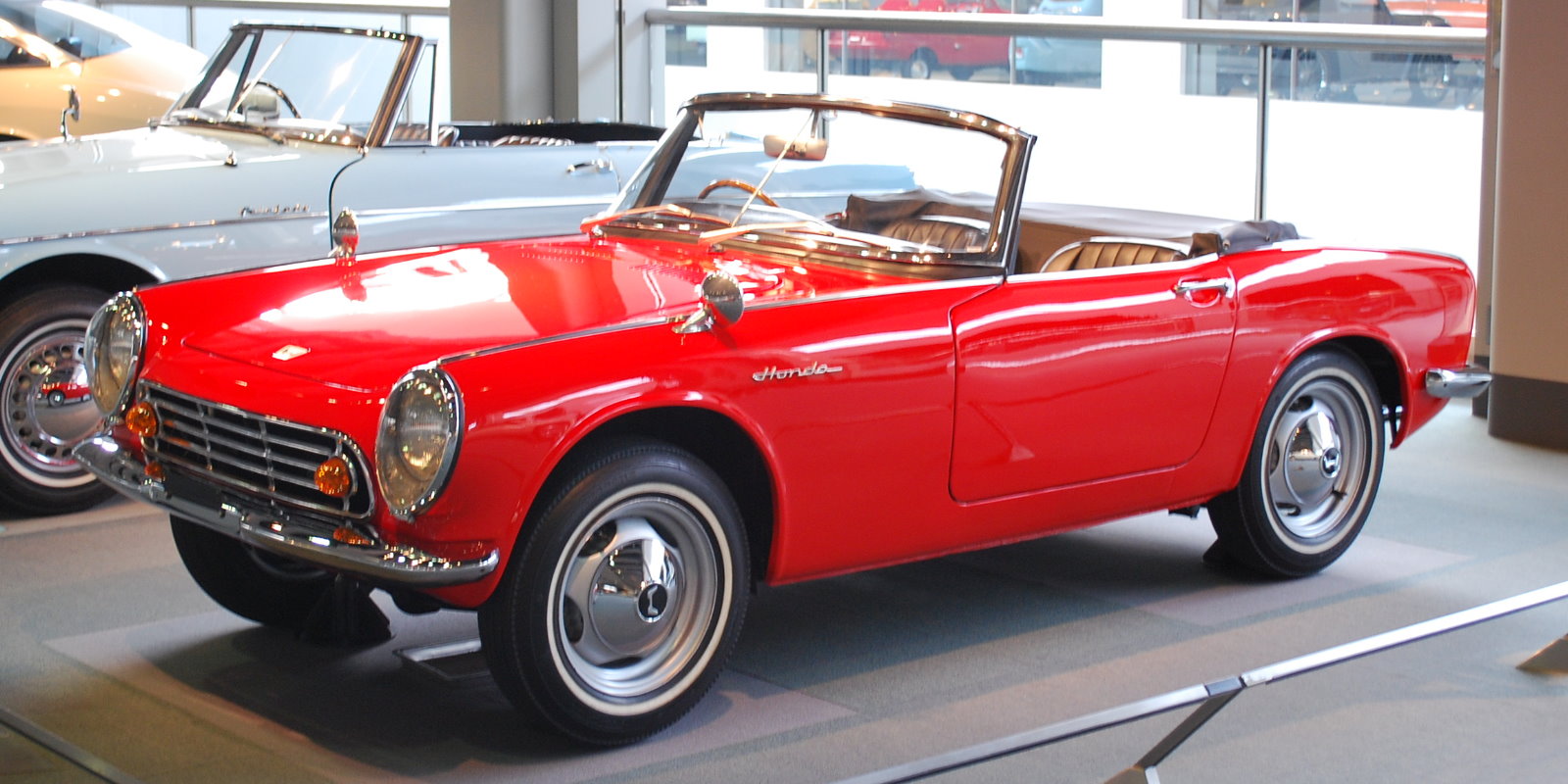
Honda S500
"I guess you could say yeah. Yeah for sure. And I don't know I mean You can it when you do look at the the s the s 500 600 and all that like you can see You can see where they were going with the s 2000. Yeah, I"
The Honda S500 is an older, small sports car made by Honda. It was built to be light and fun to drive. People mention it because it helped show Honda’s early direction for sports cars.
The Honda S500 is a classic, small sports car from Honda’s earlier era, known for being lightweight and driver-oriented. It’s often mentioned in the context of how Honda’s sports-car ambitions evolved over time. In this discussion, the S500 is used as part of a timeline leading toward later performance models.

Honda CRX
"You know, you get like let's let's get through the 70s like the 80s, you know when the CRX was born Yeah, and then later on when the the first like first of the new generation of civic hatchbacks and EF's and those came along"
The Honda CRX was a small Honda that was built to feel quick and rev freely. It’s a car people remember because it was light and sporty, not heavy and slow.
The Honda CRX was a small, sporty hatchback/coupe that became a symbol of Honda’s lightweight, high-revving approach. In the late 1980s and early 1990s, it helped build Honda’s reputation with enthusiasts, especially as performance versions arrived.
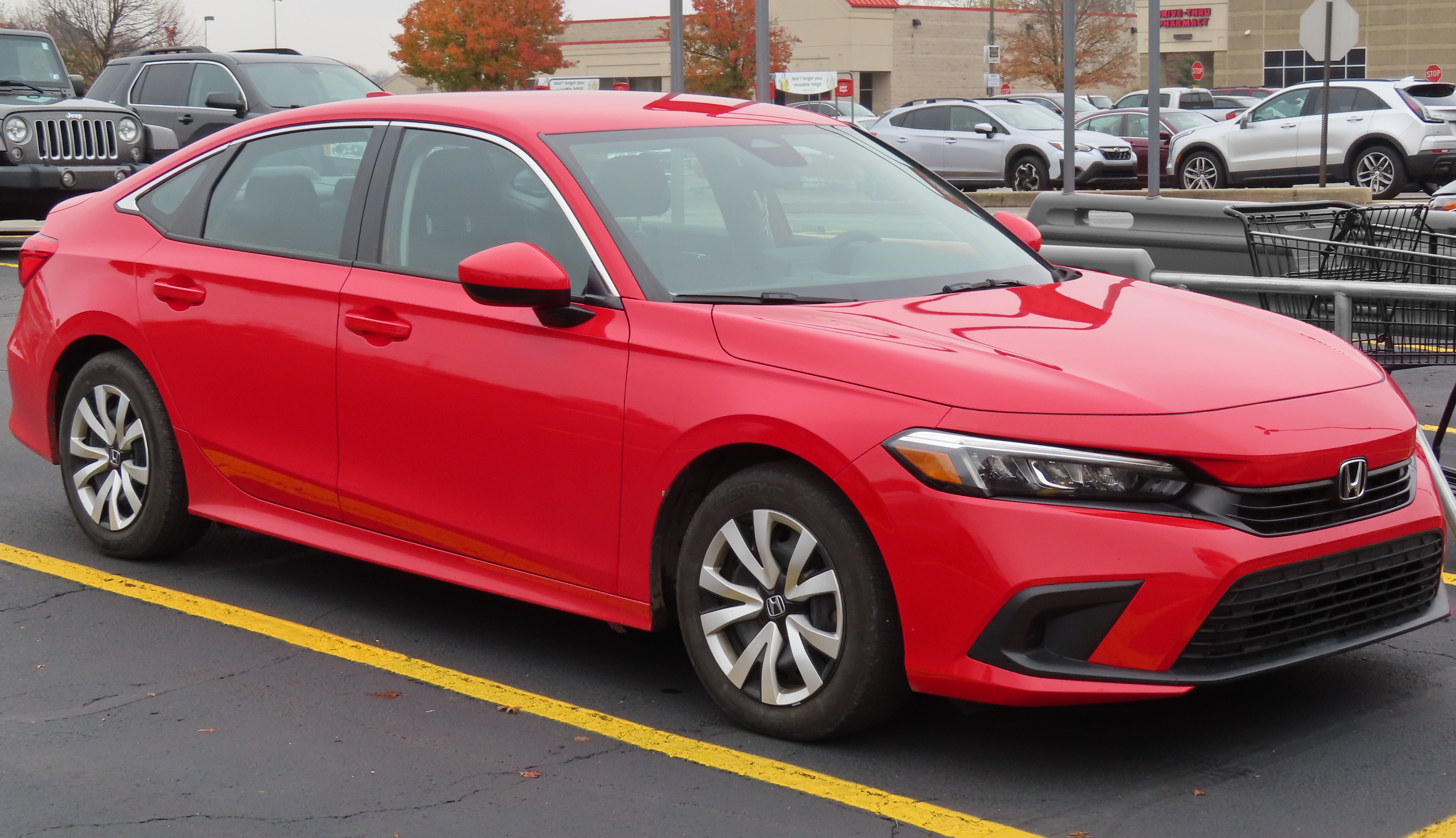
Honda EF Civic
"Yeah, and then later on when the the first like first of the new generation of civic hatchbacks and EF's and those came along That I feel like, you know, they're breaking into, you know, a whole new line of what they plan to do"
“EF” is the name enthusiasts use for a particular generation of the Honda Civic. It’s a period people talk about because those cars became a big part of Honda’s performance reputation.
“EF” refers to a specific generation of the Honda Civic (the EF chassis era). This generation is often remembered by enthusiasts because it’s associated with the rise of Honda’s performance and tuning scene, including hatchbacks that became popular platforms.
Crx Si
"... When they came out with the the CRX and then the CRX SI, you know And they start putting VTEC in these c..."
The Honda CRX is a small sporty car, usually a hatchback. Some versions were made to be faster and more exciting to drive. The mention of VTEC is about engine technology that helps it perform better.
The Honda CRX is a compact hatchback/coupe that became well known for its sporty character and, in some versions, performance-focused technology. When the conversation mentions the CRX and CRX Si alongside VTEC, it’s pointing to how Honda added more advanced engine tech to make the car feel quicker and more responsive. The CRX is a common reference point for Honda’s “small car, big performance” era.
single overhead cam
"Yeah, no, I I remember my first VTEC because it was it was a single overhead cam It wasn't like that it wasn't much to speak of of course you could kind of hear it But like single overhead cam just not, you know"
Single overhead cam (SOHC) means the engine uses one camshaft to control the valves. It’s just a different engine design, and it can affect how the engine feels at higher RPMs.
A single overhead cam (SOHC) engine uses one camshaft located in the cylinder head to operate the valves. Compared with dual overhead cam (DOHC) setups, SOHC designs can be simpler and may have different high-RPM breathing characteristics depending on the specific engine.
lift the spirits of drivers
"Kind of starting to lift the spirits of drivers because you're now getting just a little bit more, right? [417.7s] It's kind of a big thing and then of course in Japan"
They’re talking about how tech can make driving feel better. When a car suddenly feels stronger when you rev it, it makes drivers more excited.
This phrase is describing how new technology (like VTEC) can change driver experience, not just raw specs. When engines add usable power higher in the rev range, it can make the car feel more responsive and exciting, which “lifts” enthusiasm.
golden era
"the late 80s [452.1s] was [453.6s] really really prepping us for [457.2s] The golden era the golden era, you know of [463.2s] What we now consider the the culture right"
“Golden era” is basically them saying that a certain time period was the best for car culture. They mean the late 80s/90s were when a lot of exciting, enthusiast-friendly cars showed up.
“Golden era” here is a cultural reference to the period (late 1980s into the 1990s) when many enthusiasts believe Japanese automakers produced especially exciting cars. It’s less about a single technical change and more about a vibe: more innovation, more performance variants, and stronger enthusiast focus.
Honda motorsports and NSX origin story
"Started to do things like Le Mans and Formula 1... it was leading up to it with the R32... Honda drops the NSX... developed it with art and Senna"
They’re telling the story of how Honda’s racing background led to the NSX. It’s basically the “why Honda built the NSX” part of the episode.
This segment discusses how Honda’s motorsports involvement fed into its road-car program, culminating in the NSX. It’s framed as a timeline from racing ambitions to the NSX’s engineering and reputation.

Nissan R32
"...th and of course it was leading up to it with the R32 For sure. Yeah, yeah, you know some of these oth..."
The Nissan Skyline is a car line that includes sporty versions. It’s known for performance, and some generations are especially famous. In this discussion, it’s mentioned because it leads into the R32, which is a well-known Skyline model.
The Nissan Skyline is a long-running Japanese sports sedan/coupe line that’s known for performance variants and a strong motorsport heritage. In the context you provided, the conversation is specifically leading up to the R32, which is one of the most famous Skyline generations. That’s why it comes up: it’s a key part of the Skyline story and a foundation for the performance reputation people associate with later models.

Honda NSX
"Honda drops the NSX... low horsepower, but low weight... high-revving cars and they're doing all of it without a single turbo... They're coming out swinging. It's the Ferrari killer"
The Honda NSX is a famous Honda supercar. It was built to be fast and handle well, and it used a high-revving engine without turbocharging. People often compared it to expensive Italian supercars because it could compete on track.
The Honda NSX is Honda’s flagship supercar from the early 1990s, known for blending everyday usability with true track performance. In this segment, they highlight its lightweight design, high-revving naturally aspirated V6, and its reputation as a “Ferrari killer.”
naturally aspirated
"...high-revving cars and they're doing all of it without a single turbo... They are beating track records"
Naturally aspirated engines don’t use turbochargers. Instead, they rely on airflow and engine design to make power, which is why they can rev high and feel responsive.
Naturally aspirated means the engine makes power without a turbocharger or supercharger. The hosts emphasize that Honda achieved high-revving performance and track competitiveness “without a single turbo,” which is a key part of the NSX’s identity.
Ferrari killer
"They're coming out swinging. It's the Ferrari killer... not the CR"
“Ferrari killer” is a hype phrase meaning “a car that can take on Ferraris.” They’re saying the Honda NSX was good enough to compete with cars people usually associate with Ferrari.
“Ferrari killer” is a nickname used in car culture to describe a car that challenges or outperforms Ferrari-level performance for less money or with a different approach. In this context, they’re framing the Honda NSX as a serious supercar contender against exotic Italian rivals.

Acura NSX
"Yeah, yeah, not the CR Yeah, no, but but the NSX and it looks good too in his rear engine like yea..."
The Acura NSX is a sports car made for fast, exciting driving. It’s known for its special engineering and a rear-engine design. People bring it up because it’s a famous, high-end performance car.
The Acura NSX is a high-performance sports car built by Honda’s luxury brand, known for its advanced engineering and driver-focused design. It’s frequently discussed for its distinctive layout, including a rear-engine setup, and for how it helped define what a modern supercar could feel like. In a podcast context, it’s a standout because it’s both visually striking and technically significant.
Senna
"They were just love is it and they developed it with art and Senna... Which is like if you know anything about motorsports, right? You know who that guy is"
They mention “Senna,” referring to Ayrton Senna, one of the most famous Formula 1 drivers ever. The hosts are using his name to explain why Honda’s NSX story feels connected to top-level racing.
Ayrton Senna is referenced as part of the NSX’s development story, tying the car to motorsport credibility. Senna is a legendary Formula 1 driver, and his involvement (or influence) is often cited to emphasize Honda’s racing-derived engineering mindset.
first mass produced all aluminum body
"They they're they're even going as far as being the first mass produced all aluminum body. They're like [681.9s] Doing it, you know and in riding in an NSX is [686.7s] Especially a high-performance NSX is an amazing experience. They're sweet cars"
They’re talking about building the car’s body mostly out of aluminum instead of steel. Aluminum is lighter, so the car can feel quicker and more agile.
Saying the NSX was the first mass-produced all-aluminum body refers to using aluminum extensively in the body structure to reduce weight. Less weight generally improves acceleration, braking, and handling responsiveness, especially in a sports car.

Integra type R
"They're like, okay. Well, that was cool. But you know, dude, we should drop it's it's late 95 [700.6s] We should probably just go ahead and drop the Integra type R. Yeah, we're tired of all of these GTR cars those things heavy boats"
The Integra Type R is a Honda built specifically for performance. It’s the kind of car enthusiasts chase because it’s more track-minded and feels lighter and more fun than bigger, heavier sports cars.
The Honda Integra Type R is a performance-focused version of the Integra known for being track-oriented and driver-focused. In this episode, they frame it as a late-1990s/1990s-era alternative to heavier “GTR” cars, and they discuss it as a “drop”/model lineup move.
Civic type R
"Let's just go ahead and drop this Civic type R [720.7s] Dude, so let's have a 1.8 liter [723.6s] Track car basically in the in the DC2 and then let's let's just throw in a little brother at a 1.6 a little bit lighter"
The Civic Type R is the sporty, performance version of the Civic. It’s built to be fun and capable, especially for driving enthusiasts.
The Honda Civic Type R is the high-performance Civic variant known for being compact, lightweight, and track-capable. Here, the hosts mention it as the next model they’d “drop” because sales floor inventory feels empty.
Race program
"[786.5s] engineering development [788.7s] Race program like the whole thing like they have now like they figured it out. Yeah. Yeah, so it's like [796.3s] Yeah, dude the 90s for Honda like having these they're they're getting picked up dude now"
A race program is when a company uses racing to test ideas and improve their cars. The point is that what works on track can influence what ends up in regular enthusiast cars.
A “race program” is a structured effort by a manufacturer to develop technology and credibility through motorsport. In this context, the hosts are arguing that Honda’s racing involvement fed back into engineering and performance development for road cars.

Honda Prelude
"[822.7s] It that wasn't really it dude [824.9s] Yeah, no, no the prelude they had so much other stuff and yeah [828.6s] The preludes another one right dude with the H 22 of the CD seven a core dude"
The Honda Prelude is a Honda coupe that was made to feel more sporty than a regular commuter car. People remember it because it was part of Honda’s “we can build performance” era in the 1990s.
The Honda Prelude is a sporty coupe from Honda’s lineup, known for being a performance-focused “driver’s car” in multiple generations. In this segment, it’s mentioned alongside Honda’s engine and racing development, highlighting how Prelude models fit into Honda’s 1990s performance push.
H22
"[828.6s] The preludes another one right dude with the H 22 of the CD seven a core dude [833.7s] They came out with like dude. I'm just saying like they were doing it. Yeah, you know, they they were for sure doing it"
H22 is the name of an engine Honda used in some Preludes. It’s known for revving freely and feeling “sporty,” which is why people talk about it.
H22 refers to Honda’s H-series 2.2L DOHC inline-four engine used in certain Prelude models. It’s a key part of why those cars became popular with enthusiasts—Honda tuned it for strong high-rev performance and a lively driving feel.

Honda Del Sol
"[864.8s] You you know at that point [868.1s] Where do you even go? You know in the 90s? You also had the Del Sol. So you had the third gen CRX you dude like [876.7s] I"
The Honda Del Sol is a fun Honda from the 1990s with a roof design that can open up the cabin. The hosts mention it as one of the cars that made Honda’s lineup feel exciting back then.
The Honda Del Sol is a late-1990s sporty model known for its removable roof panel design, bridging the gap between coupe and open-air driving. Here it’s mentioned as part of Honda’s 1990s sports-car lineup that helped build the brand’s enthusiast reputation.
Honda RSX
"[963.8s] You know, it's tough because in you know early 2000 2001 whatever that the Integra turns into the [972.0s] for us the RSX [973.8s] But for into the Integra still they're DC5"
The RSX is basically the Integra for the U.S. market. Same general era, but Honda used a different name depending on where you lived.
The Honda RSX is the U.S.-market name for the early-2000s Integra generation. The transcript frames it as the “Integra turning into” RSX for U.S. buyers, while the rest of the world used the DC5 naming.
B-series
"[973.8s] But for into the Integra still they're DC5, but it's no longer a B-series, right? [981.2s] No, no that changes everything and and you know people still love the DC5"
Honda used different engine families over the years. The “B-series” is an older Honda engine type, and the newer Integra generation switched away from it, which changes how the car feels.
“B-series” refers to Honda’s earlier engine family used in older Integra Type R models. The hosts say the DC5 is “no longer a B-series,” implying a major engine change that affects character, tuning, and what fans expect from the car.
K20
"[1001.2s] They do keep it alive at least, you know for those years of the DC5, you know [1006.4s] And they got the K20 in it and but then it kind of falls out"
The K20 is Honda’s later four-cylinder engine family used in the DC5-era Integra and related models. The transcript notes “they got the K20 in it,” highlighting that the engine swap is a key part of why the newer Integra feels different from the earlier B-series cars.
Mugen
"I got plenty of aftermarket support and yeah, there was like a Mugen edition ... Yeah, that was super sick. Yeah, those are cool and worth a ton of money now"
Mugen (M-TEC) is Honda’s well-known aftermarket and motorsport partner, famous for producing performance parts and limited-edition variants. The hosts mention a “Mugen edition” Civic Si/Si-adjacent car and say those are “worth a ton of money now,” highlighting how special editions can become collectible. This is relevant because it connects factory-backed performance branding with collector value.

Honda Fit
"On the showroom floor There was a Honda fit Really?"
The Honda Fit EV is a small Honda Fit that runs on electricity instead of gasoline. It’s made to be practical for everyday driving, just like the regular Fit. People talk about it because it’s an EV that keeps the Fit’s compact size.
The Honda Fit EV is an electric version of the Honda Fit, designed to bring the Fit’s compact, practical packaging into an all-electric format. It’s notable because it represents an early attempt to make an EV that’s easy to drive and live with day to day. In a podcast, it comes up when discussing how Honda experimented with different powertrains while keeping a familiar small-car shape.
Honda Integra
"The Civic Type R and then there's no Integra ... We got the Integra back as a model ... it's the Civic type R with a little longer."
The Honda Integra is another Honda model name that’s coming back. In this discussion, they connect it to the Civic Type R idea and talk about how Honda might position it in the lineup.
The Honda Integra is a long-running Honda nameplate that returns in this episode as a model again. The hosts frame it as closely related to the Civic Type R conceptually, suggesting it may share the same underlying performance formula.
rear wheel drive convertible
"It was different because your rear wheel drive convertible. Yeah, something really different."
They’re describing the S2000 as a rear-wheel-drive open-top car. Rear-wheel drive usually feels more “involved,” and a convertible has extra engineering to keep the car rigid.
This describes the S2000’s layout: rear-wheel drive (RWD) and a convertible body style. RWD generally emphasizes balance and driver feel, while a convertible changes chassis stiffness and adds complexity compared with a fixed-roof car.
first turbo type R
"The first turbo type R. Right. It's Gotta kind of live up to a name."
They’re saying this Type R was the first one in the lineup to use a turbo. A turbo helps the engine make more power by forcing extra air into it.
This refers to the Civic Type R becoming turbocharged in its FK8 era. Turbocharging uses exhaust energy to spin a compressor, allowing the engine to make strong power without needing a larger displacement.
all electronic
"Yeah, like you said some a lot of the feel was gone. It's all electronic. You know, which we talked about the screen"
They mean the driving feel is heavily controlled by computers. Instead of everything being purely mechanical, electronics help decide how the car responds.
When the hosts say “it’s all electronic,” they’re describing how modern performance cars rely heavily on electronic control systems—such as throttle mapping, traction/drive modes, and digital interfaces—to shape the driving feel. This can make the car feel more “managed” compared with older, more mechanically connected setups.
variable valve timing electronic lift control
"just a Literal variable valve timing electronic lift control becomes this four-letter thing that just like yeah, you know It just it's crazy dude to think about and people don't even know what it is"
This phrase describes the basic job of VTEC: it changes valve timing and valve lift. Instead of the engine using one fixed valve setup all the time, it can adjust for better performance.
“Variable valve timing electronic lift control” is the full idea behind VTEC: varying when the valves open and how far they lift. The hosts point out that this long technical description gets reduced to the simple “four-letter” word VTEC in everyday talk.
toge
"Honda's legendary Legendary for Street racing and like toge and of course Osaka and no good racing and all these different teams and you know, it's Into this day."
Tōge (mountain pass) street driving is a Japanese enthusiast culture where drivers push cars on winding roads for handling and driving feel. The hosts connect Honda to this culture, describing it as part of an underground scene that persists even today.
Osaka underground street racing subculture
"It's still like Honda especially in Osaka. Yeah is like this underground thing, right? Like it's not so much like, you know, and even to this day, they've kept it like that as much as they can"
The hosts describe Honda’s presence in an Osaka-based underground scene—less mainstream, more community-driven, and focused on street-racing culture. This is presented as a continuing subculture that shapes how people view Honda even today.
underdog mentality
"With that, I feel like Honda owners... has always been almost this underdog mentality..."
In car talk, “underdog mentality” means people root for a brand that doesn’t get as much respect as the flashy, high-power options. They feel like they have to prove themselves by building and driving their cars hard.
“Underdog mentality” in car culture describes enthusiasts who feel their brand or platform is overlooked compared to the mainstream “big power” choices. The hosts connect it to Honda’s reputation for smaller engines and a focus on proving performance through tuning and engineering rather than relying on turbo hype.
Formula one
"...competed in Formula one or... and been at the top of it..."
Formula 1 is the highest level of car racing with huge budgets and advanced technology. When a brand like Honda shows up and competes at the top, it’s a sign they can build serious performance hardware.
Formula 1 (F1) is the top tier of open-wheel racing, where manufacturers invest heavily in engines, aerodynamics, and engineering development. The hosts mention Honda’s presence at the top level to highlight the brand’s motorsport credibility beyond street cars.
MotoGP
"...going back to motorcycles... they had a top team in MotoGP, which is the pinnacle of that..."
MotoGP is the top motorcycle racing series. The idea here is that Honda has proven itself in racing on bikes too, not just in cars.
MotoGP is the premier motorcycle road-racing series, often considered the pinnacle of motorcycle racing. The hosts use Honda’s long-running success there to reinforce that Honda’s performance engineering isn’t limited to cars.
JGTC
"...even going back down to even lower things like the JGTC, they always have cars..."
JGTC was a big Japanese sports-car racing series. Mentioning it is meant to show Honda has been racing and competing in Japan for a long time.
JGTC (Japanese Grand Touring Car Championship) was a major Japanese sports-car racing series that later became Super GT. The hosts mention it to show Honda’s continued presence in competitive racing environments where manufacturers field factory-backed teams.
driver skill oriented
"I feel like yeah, so they say that Honda is the most driver [1617.2s] skill oriented [1619.5s] Brand because they're not putting high horsepower."
“Driver skill oriented” describes a design goal where the car’s behavior rewards technique—smooth inputs, predictable grip, and responsive steering—rather than relying on brute-force power. The hosts link this to handling, rigid bodies, and lightweight construction.
light frames
"Brand because they're not putting high horsepower. They're putting good handling rigid bodies [1626.5s] light frames they're doing things that are [1631.4s] That give driver input, you know, like"
Lighter cars tend to feel quicker and more nimble. When there’s less weight, the car can change speed and direction with less effort.
Lightweight construction reduces mass, which generally improves acceleration, braking, and especially handling response. In performance discussions, “light frames” usually refers to reducing overall weight so the car changes direction more easily and feels more agile.
Gran Turismo
"I think we're probably mostly talking about the 90s [1637.1s] Right, you know when when think about it, dude in Gran Turismo [1642.5s] Or Turismo or Turismo that game"
Gran Turismo is a long-running racing video game series known for detailed car handling and tuning. The hosts suggest the game helped popularize certain Honda-era cars by making their handling and lightweight feel “real” to players, even if power wasn’t the main story.
turbo kit
"Do you remember working on your first Honda? [1680.6s] Oh [1681.0s] Yeah, what'd you do put a turbo kit on it that I got off the bay"
A turbo kit is an upgrade that adds a turbo to make the engine produce more power. It’s not just bolt-on speed—your car usually needs proper tuning and supporting parts so it runs safely.
A turbo kit is an aftermarket package that adds a turbocharger system to an engine, typically including the turbo, piping/intercooler components, and supporting hardware. Installing one can significantly increase power, but it also requires correct fueling, cooling, and tuning to avoid reliability issues.
single-camp slam
"Yeah, it was we were doing a single-camp slam on her, you know, just like [1692.7s] Yeah, I remembered it was in my buddy's barn like an hour and a half south of here like in Berwick."
This sounds like they’re talking about lowering the car to change how it sits (“slam” is slang for a very low stance). Lowering can make a car look cooler and feel different, but it can also make bumps and tire rubbing more likely.
“Single-camp slam” appears to be a mishearing in the transcript, but it sounds like the hosts are describing a suspension/stance modification (“slam” usually refers to lowering the car). If it’s what they mean, it would relate to ride height and fitment, which can affect handling and daily usability.
oil return
"Was it yeah, I mean whatever dude like we didn't have any tubing for the oil return like that didn't come with it Yeah, we didn't have any so we use"
Some engine parts need oil, and that oil has to drain back out. If the drain line isn’t there or isn’t connected right, oil can leak and get hot—sometimes dangerously so.
An oil return is the path that lets oil drain back to the engine from components like turbochargers or oil-fed setups. If the return line/tubing isn’t installed correctly, oil can leak or pool and cause smoke or even fire risk.
intake breather
"Wasn't gonna say this on here, but we used like the intake breather like yeah, the hoe the vacuum hose and like It made it home"
It’s a hose/connection that helps manage airflow and fumes going into the intake system. If you use the wrong hose or routing, it can melt or cause problems.
An intake breather is part of the air intake/venting system that manages how air and vapors enter or are routed. People sometimes substitute hoses or fittings when doing swaps, but that can create heat or fitment issues.
vacuum hose
"like the intake breather like yeah, the hoe the vacuum hose and like It made it home And but after that I was going to this other dude's house and the car caught on fire because that hose melted"
A vacuum hose is a small tube that helps the engine control different systems. If it melts or comes loose, the car can run poorly—or in extreme cases, create a safety problem.
A vacuum hose carries engine vacuum to operate various systems (like emissions controls, boost control on turbo cars, or HVAC actuators). Using the wrong hose or routing can lead to leaks, poor operation, or in this story, heat damage that caused a fire.
cold air intake
"Yeah, I put a cold air intake on that Integra. I was talking about dude. That's cool Yeah, I was sick. I put it on dude and went and drove it unregistered around the neighborhood Super fucking cool stockings. Also. It was like all intake noise."
A cold air intake is an aftermarket intake setup that tries to bring in cooler air to the engine. It often makes the engine sound louder, especially under acceleration.
A cold air intake (CAI) replaces the factory intake plumbing to pull air from a cooler location and can change airflow characteristics. Many intakes also increase intake sound, which the speakers note as “all intake noise.” Fitment and tuning matter for reliability and drivability.
motor mounts wore out
"It was like Right, dude, and I you know I would hit the one to two and the motor mounts wore out and every once in a while I would do the Yeah"
Motor mounts hold the engine in place. If they get worn out, the engine can shake more and you may feel extra movement or noise when driving.
Motor mounts isolate the engine from the chassis and keep it from moving excessively. When they wear out, you can get more vibration, clunks, and drivetrain movement during shifts—something the speaker connects to their experience after driving the modified car.
homologation
"Yeah, like excellent car out remember why they made it at the time. I don't think it was a homologation thing"
Homologation is when a race series requires a car to be sold to the public (in limited numbers) so it’s allowed to race. It’s basically the rule that connects street cars to race cars.
Homologation is the process of meeting racing rules by building a certain number of road-legal cars (or specific versions) so the race car can compete. When a car is said to be “homologation,” it usually means the manufacturer’s goal was eligibility for motorsport, not just consumer appeal.

NSX-R
"Me personally NSXR when I was you know, whatever in middle school or yeah, like it was like ... They came out with the option videos of that car and it just like blew me away"
The Honda NSX-R is a more track-focused version of the NSX. People love it because it feels sharp and planted in corners, not because it’s just making huge turbo power.
The Honda NSX-R is a track-focused, lighter, more driver-oriented version of the NSX. It’s known for strong handling and balance, which is why it became a benchmark for enthusiasts even without relying on turbocharging.
LMGT fours
"Some wheels if I had to like if I had to but like I'd put some LMGT fours on it and just Wait"
“LMGT fours” appears to be a reference to a specific wheel model/style associated with motorsport (LMGT). People often choose these wheels to match the look of endurance/race-inspired setups while also selecting appropriate tire sizes for grip.
wheels
"Some wheels if I had to like if I had to but like I'd put some LMGT fours on it ... But like the cars are good like give it a better exhaust and turn up the boost."
Wheels aren’t just for style—they can change how the car grips the road. The hosts are saying you can upgrade them, but these cars already handle well even before you touch anything.
Wheels matter for both looks and performance because they affect tire choice, unsprung weight, and how the car’s grip is managed. In this segment, the hosts talk about wheel changes as a common “freak” upgrade, but they also emphasize the car is already good without doing much.
better exhaust
"But like the cars are good like give it a better exhaust and turn up the boost. Let's run it"
A better exhaust can make the car sound different and sometimes help it breathe more freely. The hosts are basically saying it’s a popular modification, but the car is already good to begin with.
An exhaust upgrade can change engine sound and, depending on design, improve flow and reduce backpressure. In this context, it’s mentioned as one of the common “easy wins” enthusiasts do to make a car feel more alive, alongside other tuning ideas.
boost
"But like the cars are good like give it a better exhaust and turn up the boost. Let's run it You know not on the old cars, but"
Boost is how much extra “push” the turbo gives the engine. More boost usually means more power, but it’s also something you should only do if the car and setup are meant for it.
Boost is the extra pressure a turbocharger produces to increase engine airflow and power. The segment suggests “turn up the boost” as a common modification path, but they also caution that this is more relevant to turbo cars and not the older non-turbo examples they’re discussing.
"best Honda ever" discussion prompt
"Guys all right hit us up in the comments whatever like what is the best Honda ever? Are we just fanboys and in picking like the the awesome cars instead of the cars with the most potential like dude?"
The hosts ask listeners to comment on what they think is the best Honda ever, and whether they’re choosing based on fan preference versus “potential.” This sets up the episode’s theme: debating which Hondas deserve the most love and why.
Honda Fit (Jazz)
"I love Honda fits send it send him the fits the jazz beats whatever just send it send it to him"
They’re talking about the Honda Fit, which some people call the “Jazz.” It’s a small Honda that’s popular because it’s roomy inside for its size and easy to drive around town.
The transcript mentions “Honda fits” and also “the jazz beats,” which is a common nickname for the Honda Fit in some markets. The Fit is known for its practical interior packaging and efficient, city-friendly driving.
Request an Explanation
Heard something you'd like explained? We'll add it to this episode.
Sign in to request explanations for terms you heard.
Want to learn more?
Browse our glossary for plain-English explanations of automotive terms, jargon, and concepts.
Help improve this episode
See something that's not quite right? Our annotations are AI-generated and can sometimes miss the mark. Click the flag icon on any annotation to suggest a correction.