Silver Lake is the name of a company the hosts visited. They’re involved in recycling cars and pulling usable parts, and the facility they mention processes a lot of vehicles.
Place
South Hamptons
“South Hamptons” is mentioned as the area outside London where the recycling facility is located. It’s included here because it anchors the story geographically for listeners.
A circular economy is the idea of keeping materials in use instead of throwing them away. For cars, that means reusing parts and recycling materials so less is wasted.
This is a rule concept where the company that makes the product has responsibilities after you’re done using it. The goal is to make sure products get recycled or handled properly instead of becoming waste.
EPR laws are rules that make the maker of a product responsible for what happens to it at the end of its life. That can push better recycling systems and clearer requirements for handling things like batteries.
EV batteries are the large battery packs that power electric cars. Recycling them is more complicated than recycling many other car parts, so the process and supply chain are different.
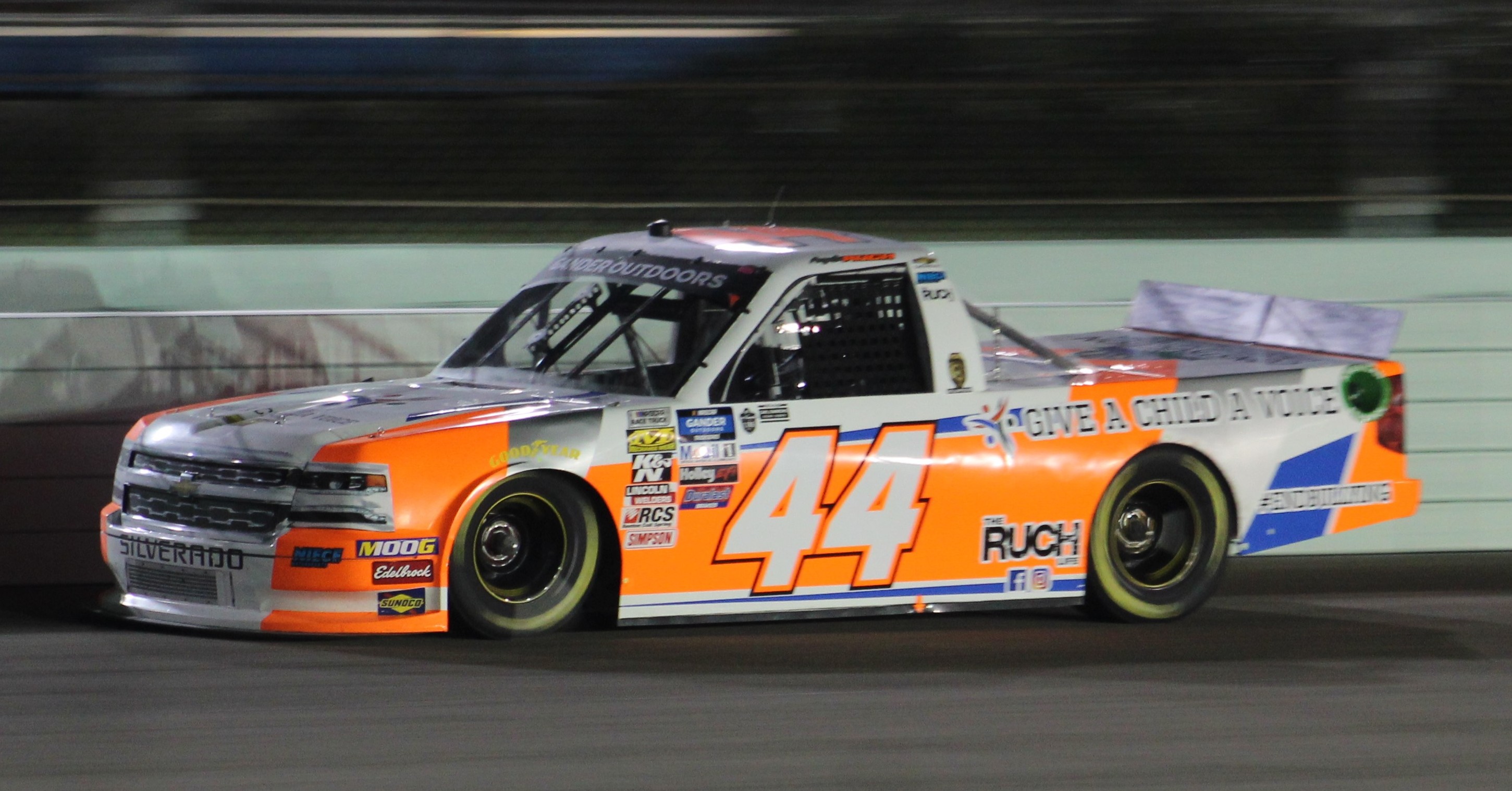
This is a Chevy Silverado 2500 pickup (a heavier-duty truck). The problem here is that the gas gauge on the dash doesn’t read correctly, even after replacing the fuel pump.
The gas gauge is the meter on your dashboard that shows how much fuel you have. If it’s not working, the problem is often in the wiring or the sensor in the fuel tank, not necessarily the fuel pump.
Rusty bolts are bolts that have corroded over time. They can be hard to remove and can also mean other parts nearby may be corroded too, which changes how you do the repair.
The Chevrolet Silverado is a large pickup truck used for hauling and everyday driving. Older versions can sometimes be annoying to fix because some parts are difficult to reach. That’s why people may mention it when talking about troubleshooting problems.
Heat shrink is a little plastic tube you put over a wire connection. When you heat it, it shrinks tight and seals the splice so it’s protected from water and shorts.
A splice is where you connect two wire ends together to repair a broken wire. It’s a common way to fix damaged wiring without replacing the whole harness.
A ground is the electrical “return path” that lets electricity flow correctly through the car. If the ground is corroded or loose, the car’s wiring can act weird because the circuit isn’t completing.
The driveshaft is the spinning shaft that carries power from the drivetrain to the wheels. They’re mentioning it because it’s between you and the fuel tank wiring area.
The fuel gauge is the dashboard meter that tells you how full the gas tank is. The mechanic is checking it by testing the wiring so they can tell if the problem is in the wiring/sender or elsewhere.
That phrase means the fuel gauge moves around when the signal changes. Watching how it moves can tell you whether the problem is in the wiring/ground or in the fuel-sending part.
Term
E
“E” means the fuel gauge is reading “empty.” If it stays there, something in the fuel gauge wiring or the fuel-sending unit is usually not working right.
The sending unit is the part in the fuel tank that tells the dashboard fuel gauge how much gas is in the tank. If unplugging it makes the gauge move to a different reading, the sending unit is likely the culprit.
The fuel tank holds the fuel. The fuel gauge usually gets its information from a sensor inside/attached to the tank, so tank access matters for repairs.
To “tack it back down” means you put a few small weld spots to hold the metal in place. Then you can finish the welding properly without everything shifting.
Term
weld it right over that tank
They’re talking about welding near the fuel tank. Welding around fuel is dangerous, so it usually requires proper tank prep and safety steps before any heat is applied.
The Land Rover Range Rover Evoque is a small luxury SUV. The podcast comment suggests that owning one can sometimes lead to unexpected problems or expensive repairs. That’s why it’s being described as a “trap.”
Emergency flashers are the hazard lights that blink all the turn signals together. If they won’t turn off, it’s often an electrical/control problem rather than a simple bulb issue.
The dash circuit board is the electronic “brains” behind parts of the dashboard. If it’s been worked on, it can be because the dashboard controls aren’t behaving correctly.
The body control module is a computer that controls a lot of the car’s “body” electronics, like lights and switch behavior. If the problem isn’t fixed yet, the BCM is one of the parts technicians look at next.
A scanner is a tool a mechanic plugs into your car to read what the car’s computers are reporting. It can show error codes and sometimes real-time data so you know where to look.
The airbag system is the car’s safety system that decides when to deploy airbags in a crash. It can also control related warning behavior, like turning on hazard lights after a collision.
Hazard lights are the emergency flashers you use in a crash or breakdown. Here, the point is that the airbag system can tell the car to turn them on after an impact, and they may stay on until the safety system is reset.
The SRS module is the computer that controls airbags and related safety actions. It can also trigger other behaviors after a crash, such as turning on the hazard lights.
The airbag module is the computer that controls the airbags. If it’s unplugged or disconnected the wrong way, the car may think something is wrong and turn on warning lights.
In this context, “codes” refers to diagnostic trouble codes (DTCs) stored by the vehicle when it detects an airbag system fault. Some codes are difficult to clear if you disturb the wrong components, so the recommended procedure is to avoid disconnecting other parts tied to the module.
A wiring harness is the bundle of wires that connects the car’s computers and sensors. If water gets into that wiring, it can cause the airbag warning lights to come on.
Wicking means water can “soak in” and spread through materials, like a sponge. In wiring, that can let moisture reach the connections and trigger airbag system problems.
A Range Rover is a luxury SUV made by Land Rover. Here, the problem started after rain got into the car through the sunroof area, causing electrical issues.
A salvage car is a vehicle that was written off by an insurance company and later sold again. These cars can have hidden damage, including electrical problems from things like water leaks.
Sunroof vents help water and airflow move correctly around the sunroof. If they get clogged, rain can back up and leak into places it shouldn’t, including near wiring.
Butt connectors are the wire splice pieces that connect two wires together. If water gets in and they corrode, the electrical connection can fail and cause weird problems in the car.
Cars use an internal network so different computers can share information. If water damage breaks connections or a computer starts sending bad signals, other systems can start acting up too.
A “pre-event” is when the car senses a crash is coming soon. The safety system may react early based on sensor readings, and the car can still record an error even if the airbags don’t fully deploy.
The Chevrolet Corvette is a sports car designed to be fast. It has sensors and computers that can record warning information if something happens while driving. After hard driving or a bump/impact, those warnings may show up as trouble codes that you can read with a scanner.
The distributor is part of the ignition system that helps the engine know when to fire the spark plugs. If it’s not working, the engine may not get spark at all.
This module is the electronics that tells the ignition coil when to send electricity to the spark plugs. If it’s not triggering correctly, you can have power but still no spark.
The pickup coil is a small sensor inside the distributor that tells the ignition electronics when to fire the spark. If it fails, the engine can lose spark even when other parts are new.
Term
sparking
They’re talking about the ignition system making sparks. If something in the ignition isn’t working right, you can get sparking that doesn’t properly translate into correct engine ignition.
Berkeley One Classics is a company that sells insurance for collector cars. They’re highlighting a type of coverage where the value is agreed ahead of time so there’s less arguing later.
Agreed-valued coverage means you and the insurer pick a value for the car ahead of time. If something happens, the claim uses that agreed number instead of trying to guess the car’s value later.
TBI means the fuel is injected into the throttle body (the air intake area) rather than through multiple injectors. If fuel pressure is too low, the engine may start only when you manually dump fuel in.
This is a 1987 Chevrolet Blazer. The person says it has a V8 350 with throttle-body fuel injection, so the problem is likely in how fuel pressure is getting to the throttle-body.
The throttle body controls airflow into the engine. On TBI engines, it’s also where the fuel system delivers fuel, so if fuel isn’t reaching it, the engine may not run normally.
Fuel pressure is the amount of pressure the fuel pump builds so fuel can atomize and flow correctly through the TBI system. The host points out that the TBI system typically runs around 7–9 psi (sometimes a bit more), and that you need to verify you’re hitting the correct pressure before chasing other parts.
The Chevrolet Spark is a small car meant for city driving and commuting. It uses an engine that needs spark to ignite fuel. The podcast is talking about what happens to the ignition system if the car’s computer is removed or not working.
The computer is the engine’s control box. It helps control fuel injection; the host is saying the engine might still spark, but it won’t get fuel properly without the computer.
RPM signal just means the computer is getting a readout of how fast the engine is spinning. If the computer doesn’t get that signal, it may not inject fuel correctly.
Injectors are the parts that spray fuel into the engine. They’re controlled by the car’s computer, and you can test whether they’re being commanded to spray.
OBD1 is an older type of car diagnostic system. It’s how the car can report trouble codes, but the tools to read it are different from the common modern OBD-II scanners.
A noid light is a plug-in tester for fuel injector connectors. It helps you see whether the computer is telling the injector to spray when you crank the engine.
They’re using a small battery to quickly test whether the injector will click and spray fuel when powered directly. It’s a simple way to separate a bad injector from a wiring/computer problem.
The fuel pump moves gas from the tank to the engine. It often primes for a few seconds when you turn the key, and then it needs confirmation (like oil pressure) to keep running.
Sometimes a car will start, run for a moment, and then shut off. That usually means fuel delivery or the signals that keep the fuel pump running aren’t staying active.
This means the wiring got overheated and damaged. Damaged wires can short out, which can confuse the car and stop the fuel system from working correctly.
This is a 2009 Ford Fusion. The conversation is about problems with the car’s keys and a warning light that keeps coming back on, even after clearing it.
OBD-II (often said as “OB-2”) is the car’s built-in diagnostic system. A Bluetooth adapter plugs in and lets you use your phone to read and clear the warning codes.
Programming a key means teaching the car to recognize that specific key. If it’s not set up correctly, the car may keep showing warnings or not behave as expected.
A “fleet vehicle” is a car used by a company or organization. Instead of one person keeping the keys, multiple people may drive it, so the key system has to handle that.
Key programming is when a shop updates the car so it recognizes your key fobs. For some cars, they have to erase the old keys and reprogram everything using all the keys you want to work.
VIN data is information tied to your car’s unique ID number. Here, they’re saying you can use it to figure out if the car came from a fleet, which can explain key-programming issues.
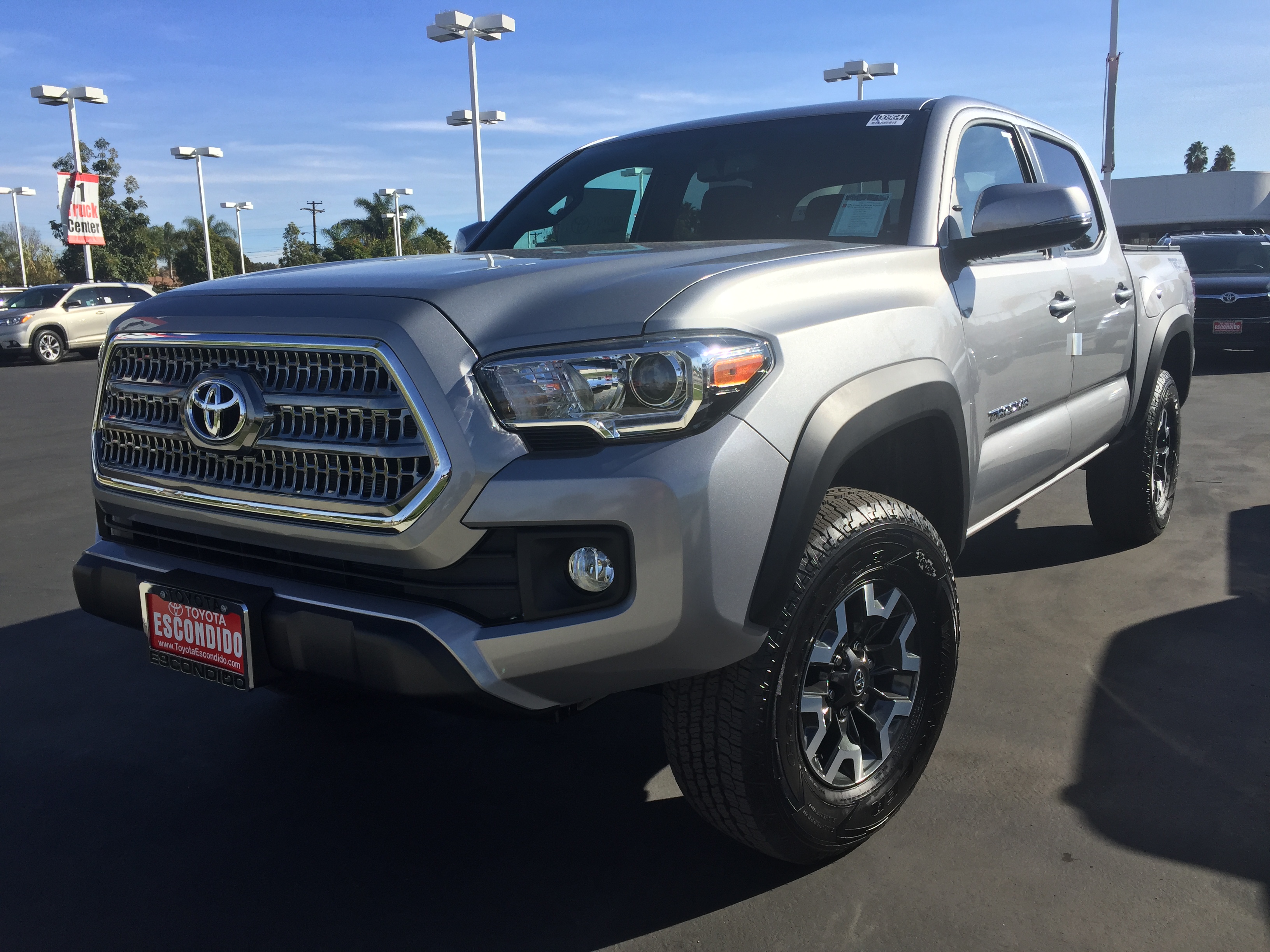
The Toyota Tacoma is a popular midsize pickup truck. This listener has a 2022 Tacoma and is describing service work they had done, including battery-related cleaning.
The negative pole is the battery terminal connected to the vehicle’s ground. Cleaning it can improve electrical contact and reduce issues like intermittent starting or sensor/computer glitches caused by poor grounding.
“Auto” is a setting where your car decides when to turn the headlights on based on light outside. It can also adjust how bright they are without you touching the switch.
“Battery service” is when the shop works on the car’s battery, like disconnecting it or charging/replacing it. Sometimes that can cause electronic settings or features to glitch afterward.
A voltage maintaining device is a tool that keeps the car powered while the battery is disconnected. That way the car’s computers don’t lose power and cause weird problems afterward.
A voltage spike is a quick jolt of extra electricity. If it happens when the battery is reconnected, it can confuse the car’s electronics and cause features to stop working.
Disconnecting the battery can act like a reset for the car’s computers. Sometimes that clears glitches, but it’s not guaranteed and some cars may need additional steps afterward.
Car radios save your favorite stations as presets. If the battery gets disconnected or loses power, the car may forget those saved settings and you have to set them again.
Memory seats let you save your preferred seat position. If the car loses power, it may not remember your saved setting and you might have to set it again.
Green gunk is usually corrosion on the battery terminals. It can mean the battery is leaking and you should replace it soon to avoid electrical problems.
This is cleaner you use on the battery’s cable ends. If there’s corrosion there, electricity can’t flow properly, so cleaning it can fix weird electrical issues.
The GMC Sierra is a full-size pickup truck. Here, the 2007 model is the one throwing the PO442 code, which usually points to a fuel-vapor leak problem.
PO442 is an OBD-II diagnostic trouble code related to the vehicle’s evaporative emissions system (the EVAP system). It typically points to a leak or an issue with how the system holds pressure/vacuum, which can trigger a check-engine light.
The purge valve lets fuel vapors from the charcoal canister get sucked into the engine to be burned. If it doesn’t work right, the car may throw an emissions warning light.
This canister traps gas fumes from the fuel tank. When the car is running, it routes those fumes into the engine; if the canister or its vent parts/wiring fail, the car can keep flagging the problem.
The vent valve controls how air moves through the charcoal canister. If it doesn’t open/close correctly—or if the plug is corroded—the car can keep detecting an evap problem.
A voltmeter is a meter that checks electricity in a wire. It helps you confirm whether the car is sending power to a component or if the connection is failing.
Dorman makes replacement car parts you can buy after-market. Here it’s mentioned because they sell the specific evap-related parts and a small wiring connector section that often fails due to corrosion.
A pigtail is a short wiring plug-and-lead you can swap in when the connector at the end is corroded. It’s an easier repair than replacing the whole wire harness.
Diagnostics is the step where a mechanic figures out what’s actually causing the problem. Instead of guessing, they test the car to find the real cause before replacing parts.
The EVAP canister is a small tank in the car that traps fuel vapors instead of letting them escape. It’s part of the emissions system, and knowing where it is helps you find related parts like valves and hoses.
LIVE
Thanks for joining us on the Under the Hood Show podcast. We've had a lot of people ask
if we are doing the show live on the Internet every time. If you go check and subscribe
to our YouTube page and you go like the Facebook page and get your notifications there, you'll
see when we are in our new studio doing the show live. We would love to have you do it.
We still do it Thursday mornings from 9 to 11. And who brings us the podcast?
Berkeley won classics. Your key to collector car insurance.
And road ready wheels. Replica OEM wheels at huge savings. Use the offer code hoodie for even more.
And by car dash part, over 200 million used parts ready to ship to you fast.
Here is the Under the Hood Show podcast. Thanks for listening.
This is Under the Hood. Welcome to the Under the Hood Show. We are glad to have you with us.
Russ Evans is here to answer your calls. Thanks for joining us under the hood.
Shannon Nordstrom, Mr. Big Shot is here this week. Welcome.
Welcome, hoodies. Thanks for tuning in so we can help you tune up.
I'm Chris Carter here to answer your calls at 866-594-4150. 866-594-4150.
What has caught your attention in the automotive world?
Well, Russ, you can go ahead because you've been up there in the shop. I've been running around the
world. Just the normal, we could tell holidays coming up just like all major holidays.
How can you tell it's coming up? Because everybody calls it the last minute.
And once they're air conditioning fixed.
Air conditioning or they're here fixed if it's winter or whatever it is.
But hey, that means we get more work, right?
That's what it's all about is trying to get a few more people in the door every once in a while.
That's all right. We'll get you to take care.
You were, you have been traveling the world.
I was. Literally.
We had an opportunity with the Automotive Recycle Association to go to England and visit
some facilities there.
And so that was quite an experience to go see our friends at Silver Lake and they're in,
I guess, what they call the South Hamptons outside of London.
And it's a facility that is so unique to me because of the volume they run at.
They have a combination, what they call breaking, you know, they're breaking the cars.
And then they're also harvesting parts along the way.
And they're trying to get deeper into parts and their whole dynamic of their businesses
are changing over there right now.
But they process anywhere from 80 to 100 cars a day.
Oh, wow.
You know, a day, you know.
And if you look at that number, it just boggles my mind because we'll do
400 cars in a month at our facility here, maybe.
And so it's just watching how they do that and the different things that are required of them
with European laws.
And then we went to a conference and sat with a lot of folks there.
They had industry stakeholders from Toyota.
They had consultants there.
And they were just chatting a lot about just the circular economy, the sustainability is
a much bigger push there right now because of the end producer responsibility, the EPR laws.
The EVs are more prevalent over there.
And so their supply chain of trying to figure out what to do with all the EV batteries
and the things that are harvested out of those vehicles.
That whole piece is just a lot different.
So it was fun to explore that.
I was over there with the executive director from the trade association,
Vince Edavan, and we were spending some time.
He toured a day before I did and went to a couple other facilities that were smaller
and did things a little more niche.
Or which way should I say that?
I like niche.
I think we looked that up and I can say it either way, can't I?
Yeah, yeah.
I'm pretty sure I can.
Now you say niche.
Niche.
Yeah, you used to say niche, but now you're Mr. Fancy.
Something like that.
Yeah.
So yeah, and then we had some really good friends that got married,
and their daughter got married.
And so we had to, not had to, we chose to go to their wedding.
We chose to go to their wedding in Crete, Greece.
And so that was timing-wise worked out so that I could go with my wife to Crete,
Greece for a wedding.
And then we traveled lots of hours on airplanes to get back to where we're at now.
And glad to be back here in the studio.
I've been missing too much lately, it seems like.
866-594-4150.
That's the number to reach us here at the Under the Hood Show.
We're going to go to Indiana and talk to Tom.
You're on the Under the Hood Show.
Tom, what can we do for you?
I've got a 99 Chevy Silverado 2500 pickup truck.
It's like maybe 160,000 miles on it.
And when I bought it about actually about 67 years ago, the gas gauge didn't work.
So finally, I didn't want to drop the tank because all the rust.
And as I took the bed off and put a new fuel pump in the tank, and it was a GM factory fuel pump,
and the gas gauge still doesn't work.
So, I know, want to know where to go from here.
What testing did you do before you decided to go after all those rusty bolts and rip the box off?
Because that's on a 99 Silverado can sometimes be no fun.
Be worse if it was a Ford.
No, it wasn't fun.
I didn't do much testing.
I just kind of went, I'm not the greatest tech in the world, to be honest with you.
But you're willing to take on a project.
You proved that.
I had a big forklift, so I did have a way to get the bed off of there.
Well, there's an easy way to check that in the in the back of that thing.
You've you've just got two wires going to the top of that tank that send any signals anywhere,
and then your ground and that black wire back there is a ground.
Sometimes there are different colors on those with that one's black and it goes over the frame
on the driver's side.
They're about a foot and a half from that pump.
That is good.
Can you get you can get to your arms in there?
Oh, yeah.
And if you can't just cut the thing off, splice a new wire into it with some heat shrink,
and then run a better ground because that ground fails all the time on those because of the rust
you have.
Wow.
How simple.
Well, he really wants to hear this now rush.
But you want to test it first, unplug that tank wire, just reach up over the top of it.
Easy, right?
Between the driveshaft and that tank, you can reach up over the top.
But I'm sure you can get it unplugged.
If you unplug it and look at the wiring diagram, you get a purple and gray wire in there.
And if you ground out that wire with the key in the on position, the fuel gauge is going to go
to pass full if the wiring is working.
And it'll go to it'll, it'll, it'll go past full with it unplugged with it,
but with the grounded, it's going to go past empty.
So that's one way to tell.
If you hook up to the wrong wire and the key is on, I think you got power from the fuel pump,
but you don't after the key has been on for about three seconds.
So you're safe for testing there.
At the worst case, you hook up to the wrong wire, ground it doesn't do anything
because the key is on and there's no power being sent back.
But with it grounded, it's going to go to empty with it.
Ungrounded, it's going to go past full.
So if that gauge sweeps like that, you know, you've either got a ground problem back there
or a thing. Now, do you have, what's the gauge read now that it's broken?
It's 99% of the time it just sets on E.
Okay. If it's sitting on E, that means your ground is fine
because it has to have a ground to go to E.
So your ground is working.
Unplug it, see if it goes to full.
If it does the problems in the sending unit and guess what?
You get to take it back out or just keep the tank full.
Yeah, at least it'll come apart easier this time.
Yeah.
And you shook all the rust out that's laying on the floor.
It's either second time.
It's even easier, man, if you get a sawzall out and just cut a small hole in the top of the bed
and put a patch over it.
Oh, I thought of that.
We see a lot of trucks come in where they've cut it and then they have a,
they just flap it up and then tack it back down again.
Makes it a little, you know, if it's a farm truck or whatever around here,
you just got to make it work. You got to do what you need to do.
Weld it right over that tank.
That's a great place.
I probably cut her on the wrong side.
Tom, thanks very much for the call.
Good luck. 866-594-4150.
That's the number to reach us here at the end of the hood show.
We're going to talk to Danny in Mississippi in just a second,
but we have some guests in studio.
You want to just say?
Yeah, I could introduce them now.
If you're watching the YouTube feed and you looked and you're like,
why are there so many people in there?
There's an audience.
Well, I've got some of my, I'm just going to say it as it is,
some very, very good industry friends here that at our annual convention,
for ARA in Birmingham, Alabama,
one of the things we tried this year was to do an experience auction.
And so our executive director challenged each one of us to come up with
an experience that we could auction off for our scholarship program.
And I'm like, oh, geez, what am I going to do?
What am I going to do?
Who wants to come to South Dakota?
Who's going to take the time to come to South Dakota?
And we do get a lot of people that come into our facility
because we're kind of a enigma being out here in the middle of a farm field
in our industry that, how the heck do these guys do this out here?
So I thought, okay, we'll open it up and people can come visit.
I'll sell my birthday.
We'll have a birthday experience.
And because that happened to tie in well with the high bank nationals,
which are our Houston Speedway,
what's proving to be by the numbers the richest paying sprint car race in history,
I believe, Mike, right?
Saturday night, possibly, here at our local dirt track.
And so we auctioned off that experience and we ended up kind of having some fun
with it and splitting up the auction.
And I didn't realize that one people were bidding on it
and somebody else has been nuts.
We split it up into three things.
And so we got three different people that spent a bunch of money
to support our scholarship for our trade association.
And so they're here for the next few days hanging out with me to steal my birthday.
My wife and I are anniversary.
It's actually Russ's birthday today as we're recording live.
And Chris, is it your birthday?
No, I'm not having one this summer.
You're skipping yours?
All right.
Okay, that works out well.
So they're here and they just got into town last night.
And I think I'm just going to give you a quick introduction.
We got Mike Kunkel and Mike is from Texas.
And he has been one of the foremost consultants in our industry.
And he owns a company called Profit Team Consulting.
And him and his wife, Rachel, who she went back to do some other things, are here.
And so we're happy to have them here.
And then we've got the Green family from GNR Auto Parts in Oklahoma City.
And we are partners in a group called the Vehicle Recyclers Group.
And last time they were here was probably 2001 or 2002 somewhere in there, I'm thinking.
And that was before we had really changed this facility quite a bit.
And so they've got three generations here of their business.
And so we've got the patriarch, Allen Green and his son, Greg, who's a similar age to me.
We've shared a few crowning coax together.
And his son, Nate, who's getting involved in their business.
And so they're sitting in the studio here from GNR Auto Parts in Oklahoma City.
And then we've got Mr. JC Cahill and his wife, Holly, and they're Florida people now.
And JC is a kindred spirit of mine when it comes to high speed, low drag.
And I think Mike probably would give us both a run for our money.
We've got some pretty hyper people in this room right now.
And I don't know if I'm going to keep them in those chairs for two hours.
I already gave them a free pass to walk out if they need to.
But Mike and Holly own a company called VINmatch Pro.
And that's a current thing that they've brought to our industry.
It's a game changer for our industry to get more VIN data,
to be able to help salespeople be more accurate in the parts that they sell.
And JC and Holly have also been consultants in our industry.
They help, I can't remember how many people I run into and I'll start talking to them.
And they say, oh yeah, Mike was here.
Oh yeah, I had JC here and he's helped us out before.
And these side conversations will come up.
And Holly's advised me on buying and just different things that have came up.
And they also own a self-service yard called Pasco Auto in, what's that?
EasyPullet in Pasco, Florida.
And so they've got industry experience.
And so we're just happy to have them all here.
We're going to have a lot of fun together and just talk shop.
And tour the Nordstrom's facility.
We're going to go out and have some dinners.
We're going to go to the races.
We're going to, Saturday we're going to shoot some things and blow some things up maybe.
So we'll just see what happens.
It's kind of organic right now.
So there is no, there is not an official script.
So we'll see what happens here.
All right, let's talk.
On my son rally sitting in the corner hanging out.
Sure. I've met him.
Yeah. He's, he's old news.
866-594-4150.
Let's go to Mississippi and talk to Danny.
You're on the end of the hood show.
Danny, what can we do for you?
Yes, sir.
My wife bought a 2019 Range Rover Evoque.
I hear it's a trap.
But anyway, did she buy it on her own when she no advice from you?
She did.
She did.
Okay. But you said that with a very specific.
That was very noticeable.
Yes.
It's a trap.
Yes.
Of course, they're renowned for leaks and it has that some water in it.
The problem we have, the only problem we have with the vehicle right now,
the leaks are fixed.
The emergency flashers run constantly.
Nothing unclogged.
She can get to the store fast.
Yes, sir. You can.
I said the only problem, right?
Yeah.
Yeah.
Well, right now it is.
Yeah.
We've been through the circuit board in the dash with the control switch in it.
The only other thing I know of is the body control module.
We have not had it reworked.
But I wondered if you had any of the tips anywhere up to start.
Have you looked at it with a scanner yet?
Have no issues.
Have you looked at the data on the scanner or just the codes?
No data on it.
Had it scanned, had a guy that does it for a living scan it.
And they saw no issues as far as switch, no codes related to it.
Russ, what do you sneak up on?
What would you try to?
Were you looking at the body control module when you were looking at this?
He looked at all the modules, actually.
I didn't realize that that's clear, but yes, he did look at all modules.
It's probably got 50.
Yeah.
It's got over 30 for sure.
It might, yeah.
You need to look at the airbag system.
Look at the airbag system and see if it's commanding the hazard lights on.
Because when that vehicle's in a collision, it turns the hazard lights on and they won't shut off
until it's reset.
So it's very likely that he's looking at the data.
He scanned all the codes, used a snap on scanner or something that read all the codes
and there was nothing in there.
And there's going to be nothing in the body control module about that.
But that SRS module for the airbag is going to send a signal out and turn those on.
And one way you can go around that is disconnect that battery for about 10 minutes and then just
disconnect the airbag module under the floor and then hook the battery back up with that module,
not powered up.
Don't disconnect anything on the vehicle related to that module.
With it in there because then you get all sorts of codes and they're hard to clear on those.
But if you disconnect the whole module, you're fine.
Power back up and see if the lights stop flashing.
If they do, that's your problem.
The airbag system is doing that.
If not, well, let me bring this to you.
These came on out of the blue.
Yep.
It's not, they haven't been on since with both the vehicle.
Just steering drive and they popped on.
Could have got wet too if you had some water in there.
Yes.
They put that airbag module on the floor.
So it's a great place for the harness to get wet.
I actually had a few of them that did some recalls on the harness on those for wicking
water into them.
Did you have yours wet, Shannon?
I mind so old it's been very wet.
Right.
When it was wet when you bought it.
Yes.
Was that module?
No, it sat up a little bit higher than where the problems were.
My problems were, and this was an older range rover that I got through our salvage here.
And we had gotten it because they said that the sunroof was remained open and it got rained
in really hard.
And that wasn't the case.
They had plugged sunroof vents and all the water was running down the channels.
All the wires run down the side.
So all the butt connectors were corroded.
And I wasn't original to find that.
I think a YouTube mechanic pointed me to it.
And it's kind of fun when you tear out the right side wires and you start fixing wires
and all of a sudden your left side seat starts working.
You know, and so when that stops on a closed area network like that,
it's just like a computer network at home.
And if you have a module that's on that network that's not working right,
it's going to cause havoc with the rest of the system.
And the water issue combined that Russ is talking about that,
I wouldn't ever thought of that.
I'm sitting there looking at Russ like, how do you think of that?
It could be a ton of other things, but obviously you've already looked at everything.
You're looking all over.
That's why you're calling us.
Right.
So that we have, we have solved the water issue.
Hopefully we've had everything.
Great field and that'll be a good place to start.
The airbag systems that turn on hazard lights.
It's, it's very common for this to happen.
I get, I've had at least a dozen of these calls over the years.
And that was related to an airbag system turning those on safety wise.
You leave the road, even if the airbags don't deploy,
you leave the road hard enough, it'll turn them on.
If you have a pre event, they call it, you know, where the sensors are all saying,
Oh gosh, we're about to go off.
Oh, nope, not quite yet.
Hold, hold your fire.
But it still sets off trouble codes.
Like if you were to drive a Corvette really aggressively and drive through a ditch and
ramp back onto the road, they might come on.
They might come on.
He's trying to pick on me.
What? No, that's just an example.
That's a random example.
Yeah, it is a random example.
Danny, thanks very much.
Very sensitive.
Good luck.
866-594-4150.
That's the number to reach us here.
Do you just think we would tell cool stories about you?
Well, there's probably a little bit here.
Oh, no.
Oh, no, they, it's okay.
Let's go.
They know me well.
Let's go to Kansas and check in with Bradley.
You're on the end of the hood show.
Bradley, what can we do for you?
My 86 F-150 302 engine.
I'm not getting no spark to my distributor.
I got a newer coil.
I got a newer ignition control module on it.
And underneath the dash, there's a ignition relay that that's newer too.
So I got 12 volts.
I got 12 volts going to the coil from the ignition switch.
And I took the connector off the distributor.
And I've found a goldage there too.
Then you're halfway there.
So you've got power at the ignition switch,
going to the coil, module.
We just need the ground on the other side of the coil to trigger on and off.
And what does that is the module that you've replaced outside of the distributor
and that pickup coil inside of the distributor.
It is extremely common for the pickup coil in that distributor to fail.
We were replacing them when they were three years old when those trucks came up.
So I would put the new pickup inside the distributor.
And if you have replaced that module recently, you're good.
But if you haven't, I would do them both as a pair.
And more than likely it's going to start sparking again because you've already got power.
And we know we have ground because we're hooked to the end of the block.
The end of the hood show podcast is brought to you by exclusive sponsors,
like Berkeley One Classics, celebrating 50 years, your key to collector car insurance.
And by car-part.com with over 200 million parts, find them online at car-part.com.
And by Road Ready Wheels, OEM replica wheels at a huge savings, roadreadywheels.com.
Thanks for listening to the Under the Hood Show podcast.
I'm Russ Evans with Shannon Nordstrom and Chris Carter.
When we needed protection for our own personal collectibles and performance vehicles,
we turned to Berkeley One Classics and here's why.
Berkeley One Classics has over 50 years experience and they're dedicated to serving their customers.
They will work with you to help determine the amount of coverage a vehicle like yours should have,
and that coverage is agreed-valued coverage so there is no disagreement on what your vehicle
is covered for. They also have discounts for car club members.
Berkeley Classics ensures a wide range of vehicles from sports cars and rare exotic cars
to antique vehicles including cars, trucks, tractors, military vehicles and antique motorcycles.
Over 50,000 of them a year. Visit BerkeleyClassics.com today and get a free quote and find out first
hand what they can save you and how well they can cover your valuable investment.
It takes just a few minutes using their easy online quote tool on their website.
If you need parts, whether it be for a brand new car or going back about 20 years, it doesn't matter,
check out car-part.com. It's fast and it's easy. Over 200 million parts strong all across North
America. Over 4,000 recyclers to choose from, giving you the largest selection available.
Whether it's an engine, transmission, doors, seats or wheels, you can find them on car-part.com.
We even let you know what parts from other models and years fit your car.
Many recyclers supply pictures of their parts too. We even have a mobile app.
Search US and Canada or buy from your local independent recycler.
Whichever you choose, buying recycled is good for the environment and good for your wallet.
If you're a repair shop, there is a professional version available for you at no charge.
That's car-part.com. Check it out today.
Go to roadreadywheels.com and use their online vehicle selection tool to help you
find the wheels that fit your vehicle. Mercedes Cadillac Ford Chevy Chrysler
and many more with the OEM fit and look that you want. Save 10% at checkout when you use the
code HOODY for being a loyal under-the-hood show listener. New OEM wheels can be expensive with
some wheels that cost 500 or more from the dealer. Many of those from road ready wheels are about
half of that saving you some serious cash. Use your factory TPMS sensors and caps too.
Go to roadreadywheels.com to find out more. That's roadreadywheels.com.
Welcome back everybody. It's time to get back under the hood with our motor medics.
866-594-4150. That's the number to reach us here at the end of the hood show. Don't forget,
if you miss an episode of the under the hood show, you can always find it wherever you get
your podcasts and you can watch the episode on our YouTube channel. If you subscribe to the
YouTube channel and join the Hoodie Fan Club at underthehoodshow.com, you could win a hoodie.
Like Leslie King, congratulations for our friends over at BerkeleyOneClassics.com.
They're celebrating over 50 years of collector car coverage. That's pretty good. That is pretty good.
Over. I wonder how many cars they have that they've had since the beginning. Oh, I like to just
ask any. Are they some of their cars or how many they've insured? Like insured. Are there any
what from like year one? Are there any still? We can count out the same owner. Maybe a father
gave it to his son because he's probably dead by now, right? That was going hard.
If you insured your car, 50 years ago and it was a BerkeleyOneClassics, that means it's already
older because it wouldn't have been a classic back then. So it would have been older.
You probably would have been older owning that car. And 50 years ago, you were probably smoking.
You were probably smoking cigarettes. Probably a smoker. What's that got to do with anything?
Well, 50 years for a smoker versus you. Oh, you're talking about the death now.
Yeah. Yeah. Yeah. Because he's over there killing everybody. Whoa, whoa, whoa, wait.
We know for a fact there is one that's still insured by BerkeleyOneClassics.
The fire truck? We know, yeah. W.R. Berkeley. See? Still owns the fire truck that he insures.
Probably not a smoker. No, probably not. So there's one. We know there's one. That may be the
only one. I don't know. Got a fire truck if he starts a good question. 866-594-4150. Let's go to
Nebraska and talk to Gavin. You're on the Under the Hood Show. Gavin, what can we do for you?
Hey, I got an 87 Blazer and it's got the 350 with the TBI. And I put a new field pump on it
and a new field filter and field lines, but I'm just not getting pressure up to the throttle
body. I can run the engine on gas if I just dump it down the manifold or down the TBI.
I was wondering what I should be looking at next for trying to fix this to get it to run again.
You mean you're not getting fuel pressure or you're not getting any fuel out of the injectors?
Have you checked pressure? Yeah, I haven't checked pressure yet, but I pulled the line off of the
pressure side of the throttle body and there is fuel getting up to the TBI unit.
Then you probably have pressure. That run runs seven to nine pounds and sometimes a little more.
Compared to the 60 of the modern system, that's a big difference. You need to find that fuel pressure.
It's got a relay on the firewall on the passenger side up above where the air conditioning, the
HVAC box is. So under that area on the back there where the cover goes. And that powers it up. It's
if you've got 78 pounds, you're good. Now this engine, it'll spark without a computer.
You take the computer out and throw it in the lake. It'll work just fine, but it won't have fuel
because that only controls fuel. So it uses the pickup in the distributor to give it the RPM
signal, which tells it when to go ahead and deliver that fuel. So if you took the distributor out
and you just spun it by hand with the key on, you're going to see the injectors work. I've done
that before with a test distributor. I just plug it in and spin it and see if they're going,
if I want to test that. I think I threw that out years ago because we just didn't do them
anymore. And then I got one in like two summers ago to do that. I had to test it. But that's a
good idea. I would say plug a scanner into it and read. If you have an RPM signal on that scanner,
then that's a start. We know the computer's getting the signal then. He can read that on that 87.
Oh yeah. You can still read an OBD1. You don't need a scanner the size of the side of your garage?
No, I just know an OBD1, which most people don't seem to have anymore. I had a guy coming to the
shop or a girl a couple of weeks ago and said, nobody's got an OBD1 scanner. They can't help me.
I'm like, where'd you go? The auto parts store. I'm like, no, they're not going to have that.
So I dusted ours off and pulled it out. Of course, it wasn't dusty. It wasn't dusty. No.
Anyways, they make a thing called a noid light, a test light, a low voltage test light that like
a digital one will do as well, that you connect between that pink hot wire and that white wire on
either one of the sides of the injectors. And as that motor cranks, it should flash. If it doesn't
flash, we either don't have power coming into that injector or the computer's not grounding the other
side of it. So start with the RPM signal, see if you've got that plug a noid light into that
injector, crank it, see if it's blinking. If it's not, then we need, and we know we've got RPM,
we've got a bad computer or a bad wire going up there. You check for power at that injector,
right? I'm sure that's what seems like most everybody does. Yeah, I just took it off and
put a nine volt battery in it. And then it clicked like it made, yeah, it clicked like it made
noise. So I'm assuming that it was still good. If it clicks and fuel comes out of it. So if you,
if you turn the key on and click that thing within the first like one to two seconds,
it should, you should get some fuel bleed out of it. If you wait too long, the pressure only
stays on for three seconds and shuts off. Could that oil sending you and be a bad and it's not
given the signal to keep the fuel pump going? That that turns on and keeps pressure once it
starts. Yeah. So there's a that but you got a pink wire going to the fuel sending unit or the oil
pressure sending unit right there on the back of the block behind the distributor. And that turns
on that fuel pump 100% while the engine's got oil pressure. Otherwise, you only have it for the
first three seconds. So what usually happens if you turn the key and it cranks and fires and
then just dies right away and it won't won't go. Sometimes you can crank, crank, crank, then it will
come back and go. That's usually an indication that that sending unit is bad and the wires melt on
top of them. I just ran across that enough times and you've had to help me with that.
And they'll short and pull the whole thing down. So where the relay won't do any good,
even if it's got a relay in it. Gavin, thanks very much for the call. Good luck. 866-594-4150.
Don't you think that's borderline borderline? It was definitely a Berkeley one. Are you still
there, Gavin? Yeah, I'm still here. Okay, hold on. Don't say anything. Gavin,
we got your answer, right? You think you're good with stuff? We got to do something else with you
now. I think so. I think that'll get me going. All right. So now your vehicle, these K Series trucks
are kind of crazy on the values. I think somebody in this room might have a real nice one. If I
think I've seen a picture of it that he spent a dollar or two on. But it's a Berkeley one
classic. So we're going to play the Guess the Color game. Get you a hoodie. And you get a hoodie if
what happens? He gets a hoodie. He's going to get a hoodie. You guys kind of chastised me one
time because I offered a hoodie to somebody like, well, we got the color right. Because it wasn't
the right car. Oh, is that what it was? Yeah, it was horrible. I'm off my game here a little bit
because I've been gone. So all right. So you think it's white? No, it's not. It always was white.
In honor of JCK Hill, I think that it's red. Oh, I was going to go red. I'll go blue because
250th, the whole thing. Stay with the theme. Gavin, what color is it? Brown. Brown.
We weren't even close. Gavin, stay where you are. Hold on a second. Is it at least a nice brown?
Is it an okay brown? No, it's not. It's an ugly brown, probably.
I wouldn't say ugly, but is it the, is it that bronze color they had in 87? Like the root beer
color? Yeah, it's like a, it's better. It's better. It's got like some metallic flake in it.
That's not brown. That's cool. That's not brown. I take back my disparaging comment.
Because they made that color, which they put on the transams as well, and it was beautiful.
And then they made the one that comes out of the wrong end of the baby that's not good at all.
Gavin, hold on a second. 866-594-4150. Let's go to Mississippi and talk to Jeff.
You're on the end of the hood show. Jeff, what can we do for you?
Yeah, I have a 2009 Ford Fusion with a 2.3. And they're limited to four remote, four key
five. It's a program key. But I have an engine light keeps coming on. And I have a Bluetooth
OB-2 hooked up to it. Clear it. But it keeps repeating itself. It
Do I need to take it to a four store? I have it reprogrammed the whole key and the computer.
All right. Time out here, Jeff. We got to get some facts.
The main problem is you can't get a key programmed or what is the main problem you're trying to solve?
The main problem is trying to solve. Two of the keys were the other two I dealt with. But it
had a problem. The engine light keeps coming on. We're downtown. I mean, we're driving and the
engine light keeps coming on. We have a Bluetooth that's up. It would clear it off and it keeps
coming back on. Do I have to go to the dealership to reprogram the whole computer?
Yeah. If you have two keys that won't work and two keys that do work, but they still turn in there,
you've definitely got something going on with programming. But that car is able to have,
depending on which system it's got in it, either nine or 14 keys because they use these for fleet
vehicles. So you just pass them around the family? Well, you got a fleet vehicle. You got rental cars.
You've got, if you have one here and you have 14 employees that want to drive that car and each
one's assigned a key, then you know who's got the car. Key number seven's gone. Tim's got it.
If you work in a circus, then you got, I mean, you think of all the people, clowns you could
pack in that thing. But what I'm guessing is it may have had all the keys. This may be an off-lease
car from a rental fleet at one point or a business utility car, whatever, police, you know. So
somebody that was very forgetful? They may have had all the keys programmed. And when they try to
put the extra two in, they'll turn the key, but they won't program because it's full. So you need
to go into the dealer or independent shop that can do it, erase everything out of there, program
the keys. You need to have every key you have for that vehicle with you when they do it. Otherwise,
they won't be able to do it. You need to do all four at once, but you erase them all and put the
keys in there. But you can see, I mean, if you had access to the VIN data on the original
vehicle, you could look and see if that was a fleet vehicle or if it was a private vehicle. If
it was a fleet vehicle, you're going to know right away what the problem is. Before you spend all
your money and waste it in programming, if it was only set up for two keys to begin with, you would
know that. I hate to dive back in on this, Jeff, but I guess I'm a little confused about one of
the things else. What was the comment about the Bluetooth? Is that the scanner you have hooked
up or is that some other Bluetooth device you're trying to use? No, the Bluetooth was hooked up to
an OB2 system trying to clear out your system. While you drive in line, the ease you like keeps
coming on. Okay. All right. I just, I assume that. I just wanted to make sure that's what you were
talking about. If you got problems with the keys, I would start with that and get it reprogrammed,
get the keys to work, and then see if you still got codes because that may just all be related to
some issues with the data in the computer. You could also just throw them away and have two
keys like a normal person. You know what I mean? Yep. It's always an option. Until you lose those
two, and then since you need two keys to program it, then you're really good. Good thing this isn't
Alexis. Yeah. Jeff, thanks very much for the call. Good luck. 866-594-4150. That's the number to
reach us here at the end of the hood show. Let's go to Louisiana and say hello to Kelly. You're
got a 2022 Toyota Tacoma. A couple of months ago, I headed in for service, regular service,
oil change, tire rotation, and a lot. They cleaned the negative pole on the battery because it had
the green gunky stuff. That's a technical term, I think. Sounds good to me. Yeah. After that,
the rear window, there's a rear window in the back of the cab that there's a button on the dashboard
where you can open and close that. That stopped working. With the headlights, there's a setting
on the headlights that it's off, on, or auto. Auto is the lights come on automatically,
as well as go bright and dim automatically, which is a feature I used quite a bit.
But those two features stopped working after the battery service.
You're not happy about that, are you? I'm not happy about that. I'm particularly not happy
when I call back and said, hey, this is what happened. They said, well, there would be two hours
of diagnostic to figure out what's going on. I'm like, wait a minute. It's anyway.
I would like to have them give you a better answer than that.
The proper response. Particularly since I've bought about 12 vehicles. I won't go talk to the
service manager, but we're just wondering if there was a way to narrow down the etiology or the cause
of the wrongdoing or the malfunction. Maybe they're listening and the proper response to that is
always, we'll take another look at it because we could have missed something. And then when they
come in, then you have the power to say, look, it's in front of me. I have this in my hands.
This is not our problem. And I can show you why and prove it very clearly. If you can't prove it
very clearly, you just got to fix it. And if you're wrong, you've already said you were wrong.
So the customer loves you. But in your case, they probably could have used a battery maintaining
a vehicle voltage maintaining device on the car to keep power to your vehicle
while the battery was disconnected. What probably happened is when it disconnected,
they cleaned it, they hooked it back up, there was a slight voltage spike,
and it just got some stuff whacked out, which for you might be as simple as just disconnecting
the battery for about five, 10 minutes. When you disconnect, it turned the headlights on,
so it'll really draw all the current out, turn them back off, and then connect that cable back up
and see if everything works. My guess is it's probably going to work. I had a Cadillac in
last week, just before we did the show last week, they came in, so they just had a battery put in
and now radio wouldn't work. The screen was just all lines. I asked one of the guys,
just disconnect that battery form, see if that takes care of it. So they did that,
fix the problem. It's as simple as that. You get a little voltage spike when you disconnect it,
so they need to maintain that battery when they disconnect it to prevent those things.
I just, of course, you know what you do when you assume, but I assume that they would do
that at the shop because I think they have to reprogram all the presets on the radio.
Per your advice in previous shows, when I need to replace the battery, I'll do it with an AGM
battery. Good idea. Well, that's good. So disconnect the negative cable.
Either one, negative or positive. Pull it off and just let it leave it off there for 10 minutes,
and then hook it back up, and it's probably going to fix this issue. But if you had to
reprogram the radio presets, it was already done. And for us, I like to keep power to there because
if a customer comes in with a new enough vehicle, I don't want them to have to reprogram memory seats,
memory mirrors, radio presets. There's a lot of settings in these vehicles anymore.
Air conditioning presets are all part of that memory, and that's just a pain in the butt.
And if they leave, they're not going to say a word to me. They're just going to go,
but they're going to be like, oh, I got to do this and I got to do that. But if they're done,
they may or may not catch it. But if they do, they're going to be like, oh, wow, they fixed up,
they put all that back in for me. That was a lot of work. It wasn't a lot of work. All we did was
keep power to it. What is this still the original battery in that truck? I know you brought up about
the AGM. Yes, sir. It is. That's why it's green. In December of 21, and I've got about 33,000 miles on.
I think if that battery, when you start getting the green gunk, there is gases releasing out of the
round that that post. It's leaking. It's leaking or else you wouldn't have that. And so that gases
mix up with the air and you start getting that green gunk. I would replace that battery immediately.
And like you said, get a good AGM battery because you have 22 Tacomas, got a lot of
electronic systems as you're experiencing right now. Oh yeah. And make sure you've got it good
and clean. That CRC makes some great battery terminal cleaner and you just, it's cheap,
so just use the heck out of it and really clean those cable ends. Because if you put it, even if
you put a new AGM battery in it, if there's corrosion down in that cable, it's coming the other
direction. Toothbrush. It's like a wick. Toothbrush. Yes, sir. I guess you want that job, don't you?
Yeah, I do. I would like that. You could do it all day long up at our place.
All right. I'll do it. But only when it's nice. And then he's got to be there all the time.
I don't want it to be too hot or too cold. I'll come in a couple of times a year.
We've got air conditioning and heat, Chris. I can do it inside? Oh, I'm in. Kelly,
thanks very much for the call. Good luck. 866-594-4150. My power window doesn't work on my slider.
Come on, guys. I think the one that would frustrate me the most would be the automatic
headlights. I get spoiled by that one. Boy, do I. Totally. The auto lights on and off,
and then the automatic beam, high beam. We were renting a car last week and I was like,
what the heck? This thing's garbage. It doesn't have the, and then it did. I just hadn't turned it
on yet. The auto headlights, guys, or the auto headlights when they, yours has it on the Honda,
right? Do you ever find that occasionally it, like if you're coming around a corner and it's on high
and then it goes to low and then it comes back to high for a second, back to low and then somebody
flashes their lights at you because they thought you were flashing your lights. No, mine works
100% perfectly all the time. I'm shocked. Some of them are amazing. My Yukon, so I know yours
does it. My Yukon, it'll flash somebody just randomly every once in a while. Even on the
highway, down the interstate, we're coming towards each other for two minutes and all of a sudden I
get within 200 yards of them, flat. Catches the eyes of a raccoon in the ditch. Something nice.
Shut it off. You should fix that. Let's talk to Dean. Don't tempt him.
In California. Don't tempt him. Dean, you're on the end of the hood show. What can we do for you?
Hey, I have a 2007 GMC Sierra and I keep on getting a PO442 sensor code and I already
yeah, I replaced the gas cap. I replaced the purge valve and I also replaced the carbon,
I forget what I call it. Vapor canister? Fuel vapor canister? Yeah, the canister.
Yeah, I looked online and they said those are the three things that you would need to do. So I
did them one at a time and I waited to see if the sensor would go on and eventually it did.
And so now I did all three and so now the sensor still comes on and I actually also checked the
wiring or the hoses and everything and the hoses need to be fine. So I'm not sure where I go from
here. So Russ, the parts cannon has already been fired. Well, you've got all the parts on their
news. So assuming they're all good, if they are, that leaves either something functional like the
computer is not turning it on or you've got a broken wire because the connectors right at that
canister vent valve in the rear, they're famous for getting corrosion right in the connector
itself. You won't be able to see if you unplug it, but if you were to pull the insulation back
in the back where that there's a pink and white wire there as it goes in and they will corrode
there and not make a good connection. If you find that spec, you can test it. If you had a scanner,
you could turn it on and turn it off and jump across the two of those with a voltmeter and see
if it turns on and off. My guess is it's probably not because you've either got that or you got a leak,
one of the two and you've looked at it without using a smoke machine. You never know.
But if you're not getting power back there, Dorman sells the canister, they sell the vent valve,
they sell the purge valve, but they also sell that little pigtail that has about six inches of
wire on it. And the reason they sell it is because they go bad and we've had a lot of those under
there. So you could even just command it on with a scanner, even if it's a multi-directional one
from your phone and then just wiggle that pigtail slightly. And if it clicks on and off, that's
what's going on. You cut it off and put a new one on. The Dorman ones come with heat shrink
connectors and everything. You might even just put it on and see if it works because it's cheap.
It's like 14 bucks. Okay. You know, and Chris, we've said it before. If you have a vehicle,
Dean's going to do that. He's going to spend that 14 bucks. He should. The cannon's already
been fired cheaper than diagnostics. But if you have a vehicle that you're working on yourself
a lot and you look up on Dorman's website and you see what parts they have for sale,
there's a good chance that they don't make parts for fun. Those are things that are
commonly failing. They have a high failure rate or else they wouldn't make the replacements.
So just something. It's a good way to check things. So it's right close to the canister then.
It's on the canister. It's attached to it on that vehicle. You'll see the canister and then the ones
that aren't attached to the canister are a little closer. They're right above the rear axle about
a foot from the canister. They're real close. It's on that round EVAP canister vent valve in the back.
Dean, thanks very much for the call. Good luck. That'll do it for this hour of the Under the
Hood Show. Thanks for listening. With Russ Evans, this is Shannon Orts from Thank You for tuning
into the Nordstroms Under the Hood Show. Have a great day and remember PtLA. The opinions heard
on this program, based on the many years of experience of Russ and Shannon, are offered for
entertainment value only and as a guide to your repair needs. No claim to repair or cause is given
or implied. Always consult with your own certified technician and follow all safety procedures before
attempting any repair. To be a part of the show, call 866-594-4150. Find out more by visiting
UnderTheHoodShow.com. Under the Hood is produced by Prairie House Productions. All content is the
property of Nordstroms Automotive Incorporated and may not be used without our permission.
About this episode
Thursday-morning live in-studio talk sets the tone, with sponsors and a steady stream of real repair questions. The crew compares high-volume UK recycling operations and how EPR rules reshape parts supply, especially for EV batteries. From there, diagnostics dominate: fuel-gauge wiring/grounds, hazard lights stuck on due to airbag/SRS commands after collisions, and battery-service voltage glitches. The show also covers ignition no-spark checks, key programming on fleet vehicles, and EVAP troubleshooting where corroded canister vent connectors often trip things up.
We are the Motor Medics working in our shop every day for decades now and broadcasting on over 250 radio stations and podcast helping people fix their cars and trucks since 1990. The call cost nothing but could save you thousands. Call us any day 866-594-4150 and leave us a message to get back to you or call live during the show. Thursdays from 9-11am Central. We have a live studio audience today! 99 Silverado why is my fuel gauge broken? 19 Range Rover why are my flashers always on? 86 F150 No spark 87 Blazer no fuel to injectors 09 Fusion keys won't program 22 Tacoma battery was changed no window, and auto lights won't work 07 Sierra Evap codes after multi parts replacement