The host is describing today’s big country rivalry as a “New Cold War.” Instead of fighting with tanks, it’s more about technology and information—and that matters for cars.
Semiconductors are the tiny electronic chips that power the car’s computers and sensors. If there aren’t enough of them, it can affect how many cars get built and what features they can have.
In a car, artificial intelligence is software that helps interpret what the sensors are seeing and make decisions. It’s what powers many “smart” driving and safety features.
Self-driving cars use cameras, sensors, and computer software to help the car drive. Most of the time, the driver still has to supervise, because the system may not handle every situation perfectly.
Two-wheel drive means only two wheels get power. That can be fine for normal conditions, but it may not grip as well as all-wheel drive on slippery roads.
Rare earth minerals are special materials used to make a lot of modern electronics. They show up in things like batteries, electric motors, and computer chips.
Electric motors are what actually move an EV by turning electricity into motion. They’re a key part of how electric cars drive.
Term
energy intensive
“Energy intensive” means it takes a lot of energy to make something. If a process is energy intensive, it can also be costly and can create more pollution depending on how that energy is generated.
“Strategic industries” are important industries a country wants to control or protect. The segment is saying EV supply—like batteries and chips—is treated as too important to leave to chance.
“Battery factories” are factories that make EV batteries. If a country builds more of these factories, it can make more batteries—and that helps it make more electric cars.
“Supply chains” are the whole process of getting materials and parts from where they come from to where they’re assembled into a finished product. If parts are delayed or controlled by another country, it can affect car availability.
A “national security story” means the issue isn’t just about cars—it’s about whether a country can protect itself economically and strategically. If key parts are controlled by an unfriendly country, that can become a risk.
BYD is a car company from China that makes a lot of electric cars. The host is saying it’s huge worldwide, but you usually can’t buy BYD cars in the U.S.
A 100% tariff is an import tax that can double the cost of the car. That’s why the host says a $30,000 EV can end up costing around $60,000 in the U.S.
EVs are cars that run on electricity instead of gasoline. “Chinese EVs” just means electric cars made in China, which the host says are targeted by US tariffs.
This means the car has systems that gather information and may send it somewhere. The host is saying that’s a concern because it can reveal a lot about people and their routines.
The host is talking about how modern cars can gather information about you and your habits. The concern is that people don’t always realize how much data is being collected.
It means your car has computers inside it that run software. The host is using this phrase to highlight that the car can act like a tech device, not just a vehicle.
A connected device can talk to the internet or other networks. The host is saying that modern cars can do that too, which changes the privacy and security picture.
Term
connected to the internet
If a car is connected to the internet, it can send and receive information online. The host is saying that makes it more like a smartphone than a simple machine.
Voice commands are when your car listens to you talk and then understands what you want. If it records your voice, that’s more personal data than just driving information.
The manufacturer’s servers are the automaker’s computers on the internet. Your car connects to them to send information and to get things like updates.
A national security lens means looking at the car tech as a possible risk to the country, not just as a consumer feature. It’s about threats like spying or interference.
A connected vehicle is a car that can send and receive information over the internet. Because it’s online, it can share data and get software updates without you plugging anything in.
BIS is a U.S. government office that helps control trade and security-related rules. Here, it’s the agency behind the rules that can limit certain connected cars sold in the U.S.
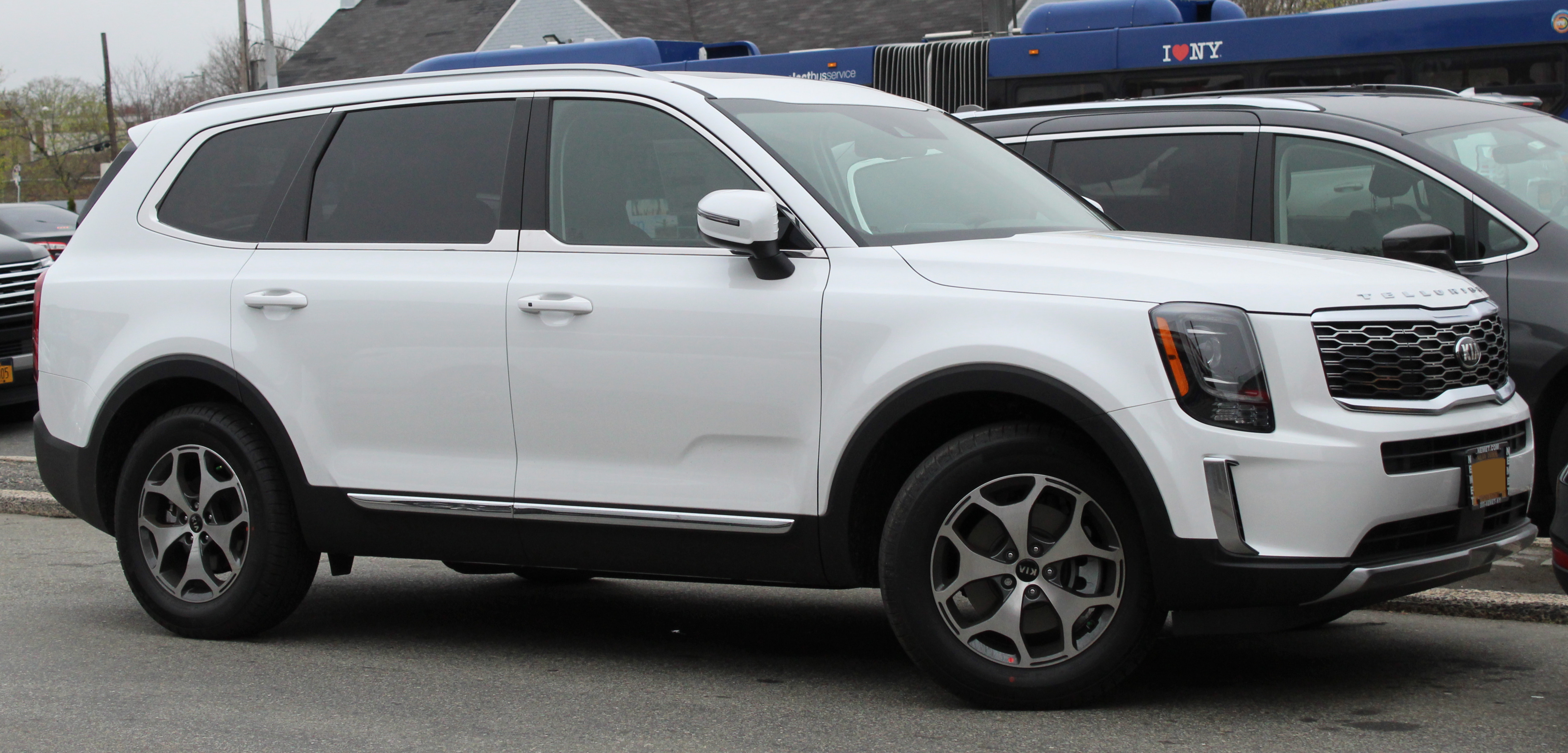
The Kia Telluride is a midsize SUV with three rows of seats, so it can carry more people. In the podcast, it’s brought up because there’s a hybrid version that’s expected to be available at dealerships. It’s mainly discussed as a practical family vehicle.
OnStar is a service built into some cars that can connect to help and other features. It’s used here as an example of connected safety tech that counts toward the “connected vehicle” definition.
A declaration of conformity is paperwork where the manufacturer says the product meets the rules. In this case, automakers have to submit it before selling certain connected cars in the U.S.
A supply chain due diligence audit is a careful check of where the important tech and parts come from. Automakers have to do this before selling certain connected cars in the U.S.
Instead of a government office approving the car first, the company says “this meets the rules.” But if they’re wrong or dishonest, they can still be held legally responsible.
Civil penalties are fines or legal consequences in a civil case, while criminal penalties can include prosecution and potentially harsher outcomes. The point here is that compliance claims aren’t just paperwork—they carry real legal risk.
It’s a legal way of saying “there’s a strong enough link.” If the link is strong enough, the company can’t use the usual process to sell cars and has to request special permission instead.
It’s extra approval beyond the usual paperwork. If the company doesn’t qualify for the normal route, it has to ask for permission to keep selling cars.
Polestar is an electric-car brand associated with Volvo. The episode uses Polestar to show how new government rules can determine whether certain EV brands can keep selling in the US.
Volvo is the Swedish car company behind Polestar. The episode explains that because of who owns and controls these companies, they may need special permission to sell certain cars.
Geely is the Chinese company the speaker says controls Volvo and Polestar. Because of that ownership, the brands may have to go through extra approval to keep selling cars.
This is Geely’s shared “vehicle platform” approach for its EVs. The speaker is saying it’s not just parts—it’s also the software and supply chain that are tightly connected.
The Volvo EX90 is an all-electric SUV made by Volvo. It’s designed for everyday driving with room for passengers and cargo, and it runs on electricity instead of gasoline. It comes up when people talk about Volvo’s newer electric SUV lineup.
The Polestar EX60 is another electric model named in the host’s list. It’s part of the comparison about which EVs use which underlying technology platform.
A connected car rule is a government guideline for cars that can connect to the internet. It’s mainly about keeping the car’s data and software secure and limiting risky access—especially when it comes to foreign influence.
Data security protocols are the rules and safeguards that protect the information a connected car sends and receives. The host says Volvo showed regulators how it secures that data to reduce concerns about outside influence.
Car
Polestar
Polestar is an electric-car brand. The host says Polestar’s cars rely heavily on Chinese technology, and that’s why they may have to leave the U.S. market and stop making cars in South Carolina.
A Chinese platform here means the basic technology foundation of the car—its systems and software—comes from China. The host is saying that can make it harder for the car to pass U.S. rules about connected-car security and control.
Warranty claims are when you ask the dealer to fix something and the warranty pays for it. The host says Volvo-related dealerships should still handle warranty work for Polestar cars for a while.
A lease vehicle is a car you’re renting under a contract. The host says you should be able to return it under the original lease terms, and they recommend not buying it at the end.
Resale value is what your car is worth when you sell it later. The host is saying Polestars could be worth less on the used market if support becomes uncertain, so buying out a lease may not be a good deal.
A fire sale is when a store sells things quickly at very low prices. The host says dealers are discounting remaining new cars to clear inventory, which can also drag down used-car prices.
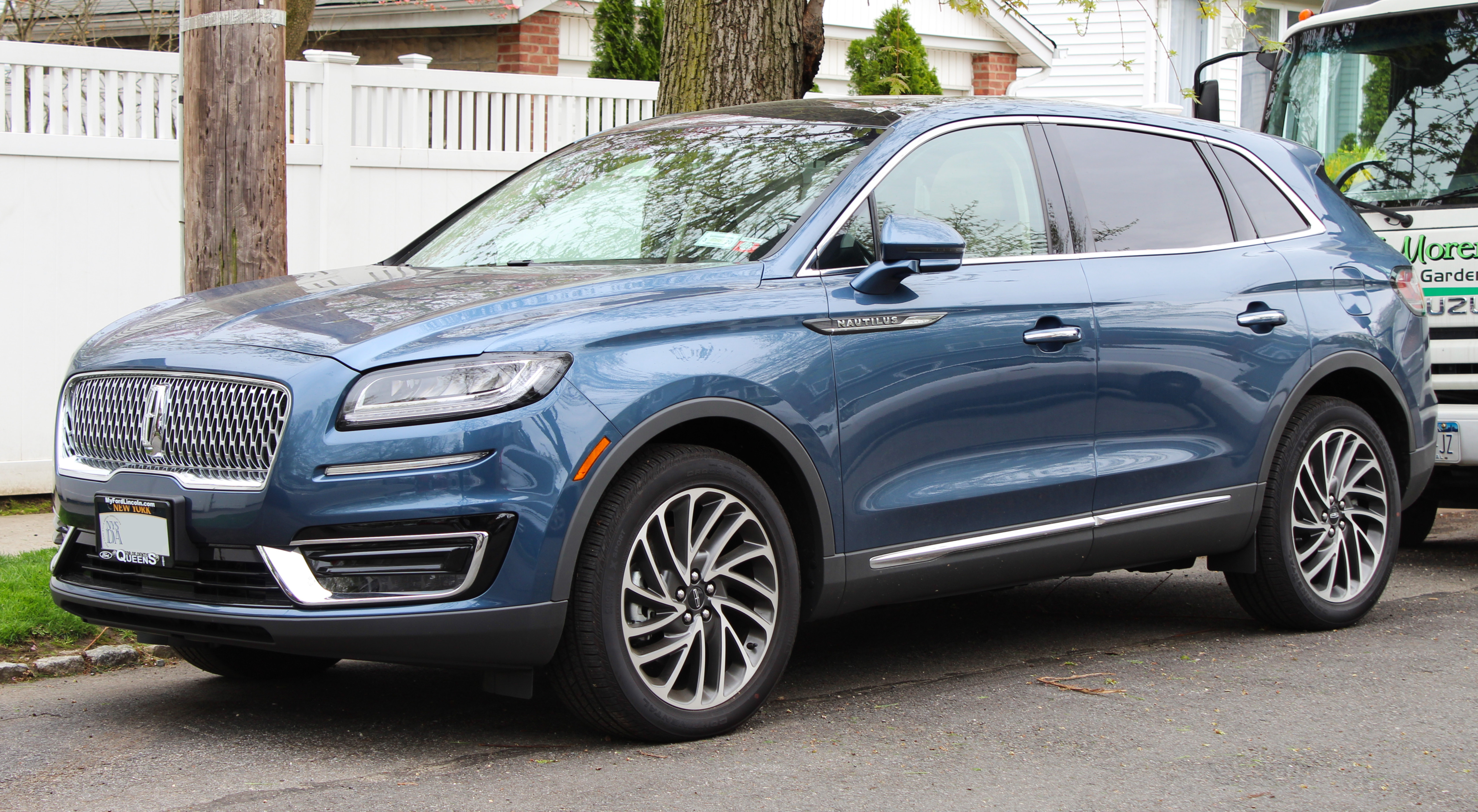
The Lincoln Nautilus is a Lincoln luxury SUV. In this discussion, it’s mentioned to show how some cars are built with parts and manufacturing ties to China, which can create headaches when politics and trade rules change.
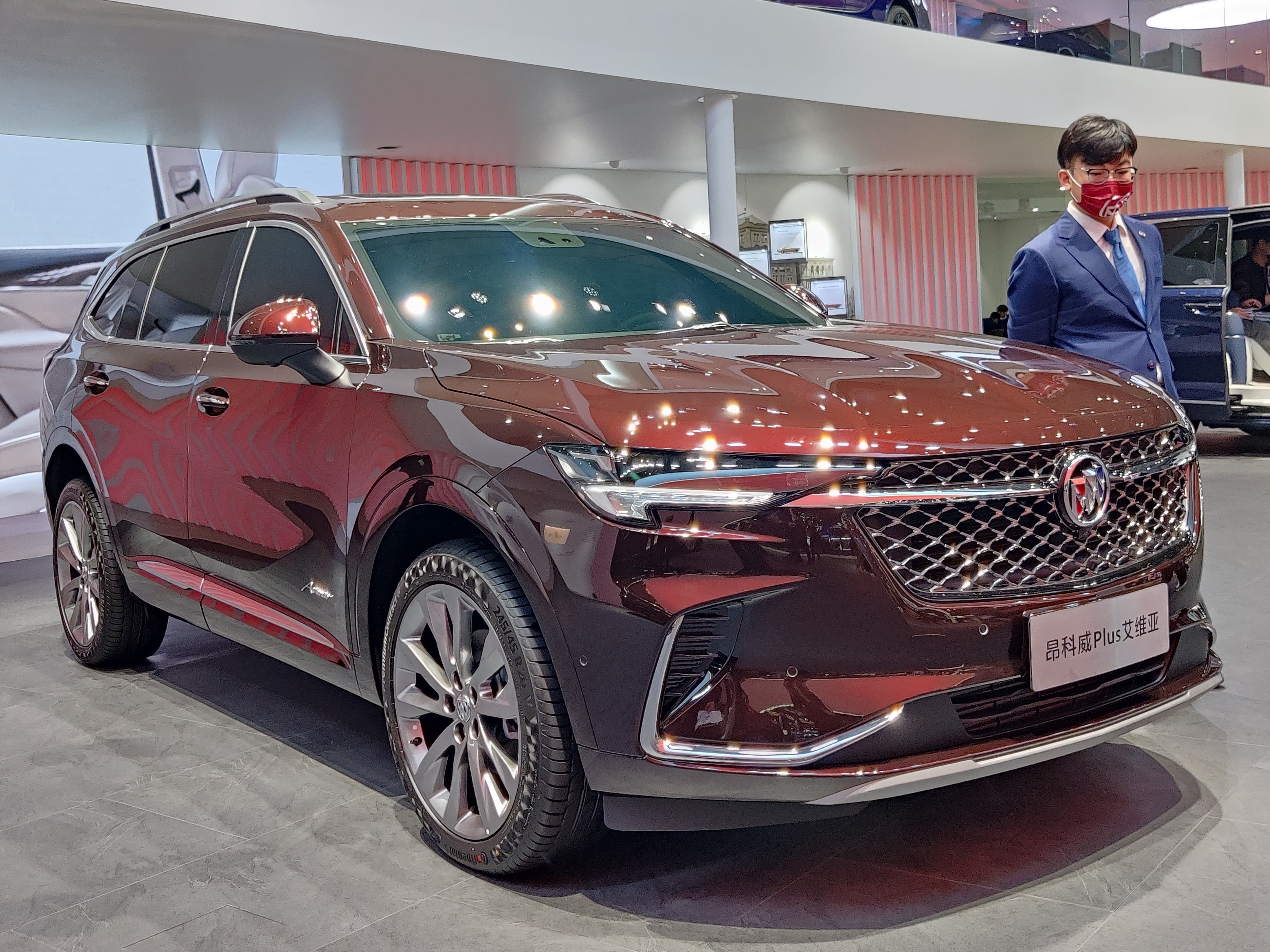
The Buick Envision is a Buick luxury crossover. The host mentions it to illustrate that some popular cars are built in China, so changing trade rules can affect automakers’ plans.
Here, “waivers” means permission to be exempt from a rule—at least for a while. The worry is that the rules for getting those exemptions aren’t clear, so companies can’t confidently plan ahead.
The “2030 hardware deadline” is a future date when car makers have to meet certain rules about the car’s hardware. The host’s point is that companies need to plan early because the hardware depends on lots of suppliers.
A compliance problem means something in the car doesn’t follow the required rules. The scary part is that the “problem part” might be made by another company and hidden deep in the car’s electronics.
A telematics controller is the car’s “connected” computer that handles things like communication for apps and remote features. The host is saying that if that kind of component comes from a supplier with regulatory trouble, it can affect the whole vehicle.
A Wi‑Fi chip is the part that lets the car connect wirelessly. The point here is that these chips can come from suppliers, and if rules change, the automaker may have to trace and verify them.
A “tariff mess” means trade taxes that make imported parts more expensive or harder to plan around. The host is saying automakers have been scrambling to adjust their sourcing and messaging because of it.
North American parts content is a way to say how many car parts come from North America. The host is saying companies used to advertise those numbers, but now they may also have to worry about rules tied to software and electronics.
EV tax credits are money-saving incentives from the government for buying certain electric cars. When those incentives change, it can affect what cars companies build and what buyers choose.
Connected cars are cars that can communicate online—often through a built-in connection. That means some features depend on software and data, so disruptions can change what you get.
Blind spot monitoring is a safety feature that alerts you when there’s a car you can’t see next to you. If the needed electronics aren’t available, that feature may be delayed or removed.
Over-the-air updates are software updates sent to your car wirelessly. Instead of going to a shop, the car can update itself when it has a connection.
LIVE
Hey everyone and welcome back to the Straight Shift, the podcast where we steer clear of
all the BS and drive straight into the truth about cars, car buying and the automotive industry.
Over the past year, I've really been trying to make this podcast a little bit lighter,
a little more fun, trying to stay focused on car buying and maintenance safety tips,
rather than sounding like an evening news broadcast. This is why I launched the Straight
Shift newsletter. It gives me a place to cover all the breaking news, the tariff nonsense,
policy changes, recalls, all of the automotive bullshittery that changes faster than I can
even record a podcast. So if you haven't checked out the Straight Shift newsletter,
go to my website, I'll put a link below, thecarchic.com and subscribe.
Well, last week's newsletter completely derailed that plan. It was supposed to be a simple article
about the upcoming ban on Chinese software in connected cars. Instead, I found myself going
down a rabbit hole that tied together almost everything we've talked about on this podcast
over the last two years. Remember that episode I did on is your car spying on you? Why China has
such a huge advantage in producing affordable EVs, the whole EV tax credit thing, and it's
sudden demise, made in America and what that really means anymore. At the time I did those,
they all felt like separate stories, but it turns out they weren't. They're part of a much bigger
story that's quietly reshaping the automotive industry, and most car buyers and owners don't
even know what's happening. So today, we are going to pull back the curtain on some very hush,
hush things going on behind the scenes in the automotive industry, and we're going to answer
the question, could your car become a battlefield in the new Cold War? Let's find out. Before anybody
starts accusing me of watching too many spy movies, which may or may not be true, let's
define what I mean by the new Cold War. Those of us who are old enough to remember the original
Cold War, not going to talk about how old we are, it wasn't exactly subtle. It was the buildup of
nuclear weapons, missile silos, spy satellites, the whole space race, the Berlin Wall, and it was
called the Cold War because the United States and the Soviet Union never directly engaged in
full-scale military combat. Instead, they spent 40 years posturing and maneuvering and flexing
their economic and military muscles and, shall we say, measuring male body parts. But everybody knew
it was happening because it played out on the evening news every night, often narrated by the
late great Walter Cronkite, he was my favorite. Today's Cold War is different, not because
military power no longer matters, it absolutely does, but the battleground has expanded. Today,
countries are competing for economic and technological superiority, things like artificial
intelligence, semiconductors, battery technology, robotics, all the infrastructure and supply chains
that make our world work, and also data and cybersecurity. That may not sound as exciting
as tanks and fighter jets, but they're becoming just as, if not arguably, more strategically
important because in a world that relies so heavily on technology, those ones and zeros
can do more damage than bombs. And that's why I call this the New Cold War. And I did not invent
that term, other journalists have been using it for many years to describe the strategic competition,
shall we say, between the US and China particularly. So the New Cold War is being fought with software
and hardware and rare earth minerals. And again, most people don't even realize it's happening.
So what the heck does that have anything to do with cars? This is a podcast about cars.
It has everything to do with cars. Think about what a modern vehicle has become. It's not just
an engine and four wheels anymore. It's one of the most sophisticated products that consumers will
ever own. The average modern vehicle contains nearly 100 electronic control units, ECUs,
basically dozens and dozens of small specialized computers. Luxury vehicles and electric vehicles
can have well over 100. Plus it's got cameras and radar, LiDAR, GPS, cellular connectivity,
Bluetooth, Wi-Fi, over-the-air software updates, even artificial intelligence. That's thousands of
semiconductors in your car. And on top of that, modern cars contain 100 million lines of software
code. I'm not even exaggerating. That is more code than is in an F-35 fighter jet or a Boeing
787 aircraft. It's insane. New research has actually shown that cars need more memory in
those computers than a rocket being launched into space. That's not even considering the
self-driving cars. Those little Waymos that are running around wreaking havoc in San Francisco,
running over fireworks and delivering teenagers to police stations, yeah. Over 300 million lines
of code. It's absolutely mind-blowing. And it's also mildly terrifying, especially to those of us
who began our lives in software development and computer industry. Buying a car used to mean
just figuring out which make a model you wanted and then which trim level, maybe which engine,
what color you liked, and maybe figuring out if you wanted the leather seats and the sunroof
and the navigation. We were asking simple questions like, Ford or Chevy, Honda, Toyota,
do I want two-wheel drive or all-wheel drive? Hey, does it have a CD player or can I get heated seats?
Now we have governments asking questions like, hey, who wrote that software? Who built the modem?
Where did that battery come from? Who owns the data? These aren't questions that most consumers
are even thinking about, but they are driving decisions worth billions and billions of dollars
throughout the entire automotive industry. And they're raising national security questions.
So are you starting to kind of see how cars have ended up smack in the middle of this new cold war?
And before anybody goes and accuses me of picking on China, let me be very clear. This isn't about
China, whether they're good, they're bad. They are one of our biggest adversaries on the global
stage. But in this context, it's about understanding how they have become such a dominant force
in the global automotive industry. A couple of years ago, I did an episode on why we can't build
affordable cars anymore, apparently. And that episode also explained why Chinese automakers have a huge
advantage when it comes to developing cars, especially electric vehicles. And the answer
wasn't simply cheap labor. That's part of the story, but certainly not the whole story.
China's advantage came from a combination of geography, government policy, economics, and
just good timing. For starters, they happen to be sitting on top of significant deposits of
those rare earth minerals that are so needed in the development of semiconductors, batteries,
electric motors, pretty much every modern electronics. But more importantly, they invested
very heavily in the mining and refining of those minerals, while much of the rest of the world
was content to sit back and just let somebody else do the dirty work. It's incredibly energy
intensive, it's very dangerous to the people doing the actual work, and it can have serious
environmental impacts. China was willing to accept those costs in a way that the rest of the world,
especially Western countries, just simply were not. They realized that these are strategic industries
and they poured enormous resources into building an entire ecosystem, not just building cars,
but building the batteries, battery factories, the refining, building the computer chips,
creating the hardware and the software, then putting together all the supply chains and the
manufacturing capability, as well as that workforce. They were building the infrastructure needed
to build all these cars and to build them very economically. It's a very different strategy.
Now, does that mean every Chinese car or every piece of Chinese technology is just fantastic?
No, of course not. They build their share of junk just like everybody else. Just go on Amazon,
you can buy a lot of it. But when you develop new technologies or you buy technologies that were
actually developed in the US or other countries, but ended up not going anywhere because they lost
funding, they can produce it quickly and cheaply. And they're also not concerned about short-term
profits in the immediate ROI that drives a lot of US investors. So remember when I talked about how
some of the Chinese automakers can develop a brand new vehicle in less than two years and get it to
market while the traditional automakers take 56 or seven years? Yeah, that's not because
Chinese engineers are just magically smarter. It's because they've built an ecosystem that's
designed to move much more quickly. So for years, most of us looked at China and thought, wow,
they're building some pretty impressive electric cars and selling them at way lower prices. Why
can't we have some of that? Well, because the government looked at these situations and asked
a very different question. What happens if one country, particularly a country that is not on
our friends list, becomes a little too important to one of America's biggest industries? And then
you stop looking at this as just a story about cars. It starts looking like a global economic
and national security story. And that changes everything. China played the long game. And
they played it by a totally different set of rules than we did. And whether you agree with
those rules or not, China's winning it. If you've never heard of a company called BYD,
don't feel bad. Most Americans haven't because BYD doesn't sell cars in the United States.
But everywhere else in the world, they're kind of a big deal. They should probably be called
BFD because they are a big FN deal. BYD started making cars around the same time as Tesla,
so like 23 years ago. And yet they are now producing roughly three times as many vehicles
as Tesla is, which Elon's not particularly happy about. Last year, BYD sold about four,
a little over four and a half million vehicles worldwide, which puts them firmly in the top
10 automakers in the world. It makes them larger than Ford. It makes them larger than Honda.
Let that sink in for a second. Most people have never heard of them in America, and yet they're
bigger than Ford and Honda. They're also now the world's number one largest manufacturer of
electric vehicles, which again, certain someone's not happy about. And then you add in plug-in
hybrids, which they also build in huge numbers. They're not just number one in the electric
vehicle space. They are number one by a country mile, as we say down here in the South. In fact,
BYD has publicly said that they intend to become the largest automaker in the entire world, period,
over the next five years. Five years. They're looking at Toyota Square in the eye and saying,
we're coming for you, all without selling a single car in the United States of America.
So why aren't they selling cars here? Well, mostly because tariffs. Right now,
the US has 100% tariff on Chinese built EVs. So that means if BYD builds their very nice yet
affordable-ish $30,000 EV, they import it to America, boom, that suddenly becomes a $60,000 car.
So they have effectively been priced out of the market. But even before those tariffs were put
in place, no Chinese brands have been sold in the US. And this is not the same as cars that are built
in China by American and European car makers. That's a whole different thing. But the Chinese
brands themselves have not been sold here. And part of that is because the US market is the
hardest market to enter because of safety and environmental regulations, but also from a
consumer acceptance standpoint. The 100% tariffs on Chinese EVs specifically were put in place to
try and protect US automakers from, quite frankly, getting creamed by cheaper and better products
from our biggest economic rival. And more quietly, they were also put in place to keep a huge piece
of data collecting technology off American streets and out of our driveways. So we might
be thinking, well, problem solved, right? Chinese automakers can't sell cars here. Why are we so
worried about this? What if I told you that China doesn't need to sell us Chinese cars
to have a huge influence on the American automotive industry? The plot thickens.
The concern is not the badge on the hood of the vehicle. It is the technology underneath the hood
of nearly every single car on the market, regardless of the brand. So this is where we go
back to that episode I did on is your car spying on you. If you haven't listened to it, go back and
listen to it. At the time, we talked about all the data that your car collects, where you drive,
how you drive, where you charge it, if it's electric, where you park it, who's in the car,
all the contacts in your phone, if you're connected your phone to it,
your voice commands, all the stuff that we just don't really think about because
it's so convenient to have that technology in a car. But this is the next chapter in that story,
because once your car became a rolling computer that is connected to the internet,
it stopped being just a car. It became another connected device, just like your phone,
your laptop, your ring doorbell, your Lexi device, I can't use her full name because
I have one in here and she'll wake up and say hello, your smartwatch. Remember that whole
TikTok mess a couple of years ago? The debate about that was not about teenagers dancing or
getting in trouble or injured by doing these stupid TikTok challenges. The concern was that the
app was owned by a Chinese company and that the Chinese government could potentially gain
access to all the data that it was collecting on Americans and it could be used for, shall we
say, nefarious purposes that might go against our national security interests. Whether you agree
with that concern or the way it was supposedly resolved or not isn't the point. The point is
it's exactly the same conversation we are now having about cars. We're not just worried about
how much data the manufacturers or insurance companies or potentially American law enforcement
is collecting about us as consumers. It's about whether or not foreign governments that are not
our friends may have access to that data that our cars are collecting. Instead of the app knowing
everything about you, your car knows where you live and work. It knows where your kids go to school.
It knows where you stop for coffee in the morning. It knows when you're home and in your driveway or
your garage when you are not. Some vehicles even record video in and around the car. They listen
for voice commands. They record your voice. They download software updates over the air
and they communicate with the manufacturer's servers every time you drive. That is so much
information. What if that information were compromised? Now am I saying that your car is
secretly spying on you for the Chinese government? No. I want to be really careful here because
that's also not what the US Department of Commerce is saying either. They're simply looking at the
risk. Their concern is if software or hardware in a connected vehicle is designed, developed,
or supplied by companies that ultimately answer to the Chinese government because every Chinese
company does answer to their government, could that technology be used to collect sensitive
data on Americans or potentially even be manipulated in some way in the future? Gosh,
I mean the little Waymos are wreaking havoc on their own. Can you imagine if a foreign government
got control over those things? That would be a really interesting Netflix series. I might have
to pitch that. Anyway, it's a national security question that's being addressed by people with
top security clearance and it's way above my pay grade, but it is a risk. And because that risk
and likely acting on intelligence information that you and I will never know about and I'm
really glad about that, I don't want to know, our government has started looking at connected cars
through that national security lens. So now we're no longer caring about who built the car for GM,
Volvo, Polestar, but rather who built the technology inside it and who could potentially
have access to that data and even be able to control that vehicle. So we have a new law.
This is called the BIS, which stands for Bureau of Industry and Security, connected vehicle rule.
This restricts the import and sale of vehicles using software and hardware linked to foreign
entities of concern, i.e. China and Russia. So beginning with the 2027 model year, some of
which are already on dealer lots like the exciting new Kia Telluride hybrid, which I will talk about
in another episode, but automakers won't be allowed to sell new connected vehicles in the U.S.
if they contain certain software tied to China or Russia. And by the 2030 model year,
similar restrictions will kick in in certain hardware as well. Now notice what I have said,
connected vehicles, not every vehicle, connected vehicles. Of course, these days, that's basically
nearly every new vehicle. So if your car has built in navigation, if it has cellular capability,
if it has remote start through an app, if it has over the air software updates or connected safety
features like OnStar, congratulations, it's probably considered a connected vehicle by our
government. Now before everybody panics and thinks their existing car is suddenly illegal, no,
this is not how it works. The rule applies to new vehicles being sold in the U.S. going forward.
So if you already own a vehicle that has these features and even if those features are implemented
by underlying Chinese components, nobody is going to confiscate your car. This applies to
automakers selling new 2027 and beyond model year vehicles. So does that mean that no 2027
models can be sold here? No, but some manufacturers are in more trouble than others. And it's not
simply a blacklist where the government looked at a list of automakers and said, you're in,
you're in, nope, you're out. They were looking at where the connected vehicle's software was
developed, who wrote it, who controls it, where the hardware comes from, who has access to the
data that it collects, and whether any of those companies could ultimately be compelled by our
enemies to turn over information or to influence how that technology operates. That's a way more
complicated question than simply asking where was the car assembled or where were the parts
manufactured. So how does it work? Automakers are now required to file a declaration of conformity
and conduct a supply chain due diligence audit before importing or selling in the U.S.
It's a self-certification system rather than an approval process, but it is legally binding
with some very, very severe civil and criminal penalties, including potential national security
violations. So the automakers, even though they are self-certifying, I don't think they're going
to risk lying about this one. It's not like the whole diesel emissions testing that Volkswagen
got in so much trouble for. This is way more serious than that. So any automaker that has
what they're calling a sufficient nexus, I love all these terms. It's so ridiculous. But that means
if they are owned, controlled, or directed by either a citizen or entity, meaning another company,
of a foreign adversary. If that is true, then they cannot file this standard declaration of
conformity. They have to apply for a special authorization, in other words, a waiver to be
allowed to sell cars here. Now, why does any of this matter? Well, because it is already affecting
the car makers and one of the biggest names affected by this new rule is Polestar. Polestar,
if you haven't heard of it, is Volvo's EV luxury spin-off brand. They launched in 2019 and they
only make three models, one of which is actually made down the road for me in South Carolina.
They're beautiful cars. But you're probably thinking, wait a minute, Volvo is Swedish,
aren't they? Yes. And Polestar cars are designed in Gothenburg, Sweden. The problem is that Volvo
and Polestar are both majority-owned and controlled by a Chinese automotive giant called Geely Hold
Group. So because of that ownership structure, Volvo and Polestar both required that special
authorization to continue selling cars in the US under this new connected car rule.
Polestar was denied. Volvo scraped by and got the exception. So why one and not the other?
Well, good question. And the approval-disapproval criteria have not been made clear, at least
publicly. And even within the automotive industry, all the manufacturers are kind of wondering what
the criteria really are. But it's very likely because in addition to Chinese ownership,
the Polestar vehicles are built directly on Geely's sustainable experience architecture.
It's a platform that they use for all of their electric vehicles and it relies on software and
hardware and a supply chain that is deeply, deeply, deeply integrated with China. They're
essentially a Chinese EV wrapped in a nice Swedish sweater. Volvo's EVs on the other hand,
the EX30, the EX40, EX60, EX90, they're all built on a different European developed platform.
So Volvo cars USA got ahead of the problem because this connected car rule was developed
under the previous administration and it got overwhelming bipartisan support in Congress,
but it didn't go into effect until March of 2025. So Volvo knew what was coming and they
immediately sat down with the Department of Commerce and clearly laid out their independent
governance, their data security protocols, everything that they needed to do to prove
that their connected cars are safe from Chinese influence. Polestar couldn't do that. They were
completely built on a Chinese platform. Everything in that car practically from a technology standpoint
is Chinese and so they are being forced to completely exit the US market after this year.
They will pull production out of the South Carolina plant. They're going to have to close
their 32 franchise dealerships across the US. So what does this mean to you if you currently
own or lease one of these Polestar vehicles? Well, the dealerships and the affiliated Volvo
dealerships are expected to remain open and be able to provide maintenance and parts and software
updates at least for a little while and they will also be able to maintain the warranties and if you
have any existing warranty claims or you have one, they will be able to satisfy that until those
warranties expire. Similarly, if you have a lease, you'll be able to return your lease vehicle under
the original terms, which I strongly recommend you do. Do not buy it out because the resale values
of the Polstars on the used market. Yeah, expect those to plummet the way the Fisker Ocean has and
some of the other startup EVs that didn't succeed. Dealers are already having fire sales on their
remaining new car inventory just to clear out their lots and that drives down the used car prices
and then top that off with future service and support being uncertain. Yeah, people are going
to be very hesitant to buy one and rightly so. Volvo and Polestar are not the only automakers
to have to go through this. Other models are also vulnerable to this new connected car rule
and the Department of Commerce is looking very closely at certain very specific models,
like the Lincoln Nautilus, the Buick Envision. Both of those are made in China, in Chinese factories
with lots of Chinese parts. So Ford Lincoln has already applied for waivers for their future models
and they're kind of keeping their fingers crossed, but they are very concerned because their criteria
are not clearly laid out and they're afraid it's a little vague and could be potentially at the whim
of politics. So GM is saying, you know what, we are not even going to risk it because we see the way
the winds blow and how the winds change every five minutes. So we're just going to pull production
and move back to Kansas. They're going back to Kansas, everybody. They've clicked their little
heels on their little red slippers and they're going right back to Kansas. So they're making
those changes well ahead of the 2030 hardware deadline, which will make even more manufacturers
vulnerable. So in reality, they're all scrambled. They're all worried because they don't directly
produce the technology components in their vehicles. They're sourced from third party tech companies.
So not only are the automakers frantically auditing all of their suppliers, but now they have to look
at their suppliers, suppliers, because no one company makes the whole widget.
Somebody makes this piece of hardware, that and then somebody assembles it and then
probably three other companies may make software that goes into all those little components that then
make up your widget. It's so complicated and nobody wants to suddenly discover that their
Bluetooth marginal or their telematics controller or some Wi-Fi chip is buried three layers deep
in a supplier that suddenly has a compliance problem. So they are looking deep into their
supply chain is if they don't have anything better to do. They were already responding to the whole
tariff mess, touting how American their vehicles are and having to show what percentage of their
parts come from where. It's like, hey, our car's built in Kentucky. Our engine's made in Ohio.
We have 70% North American parts content. And now they're having to look at their software too.
Like is the next marketing campaign going to center around their software and hardware content?
Like, hey, introducing the all new fully redesigned 2027 thingamajig, same great features,
now with 37% less geopolitical risk. I can just see the ads now. I mean, this is seriously the
current state of the automotive industry. So how does that affect you? Because we've talked about
how it affects the manufacturers, but it all trickles down. So how does this affect you as a car
owner or potential car shopper going into the 2027 model year? Should you avoid buying a car with
Chinese parts? Should you hurry up and rush out and buy a leftover 2026 model before the 2027
models arrive? No, don't panic. The biggest impact of this new rule, isn't that you're going to
suddenly lose access to certain vehicles, unless it's a Polestar. It's that this is one more
major force that's reshaping the industry behind the scenes. And for the passage of seven years,
it's been one thing or another. It's been, well, we had a global pandemic and we had semiconductor
shortages and then we had tariffs and then EV tax credits came and went. And now it's this
whole software and hardware and connected cars, that constant state of chaos for the industry
when the automakers used to spend five to seven years planning that nice new vehicle.
And they had a pretty good idea of what the market would look like when that vehicle finally
went on sale. Yeah, today, forget about it. Everything is changing too fast. Not only policy
change, but technology changes. And so it's so difficult for them to plan. And when they have
to change course suddenly, it costs them a lot of money. And then guess where that trickles down to?
Yeah, we consumers start to feel it. Not only in price increases, but we may see a model that
we've been looking forward to get delayed because they suddenly had to move production to another
country. Again, maybe a feature disappears like it did during the pandemic when they had to pull
heated seats or blind spot monitoring because they didn't have enough computer chips. Well,
now it might be because they had to suddenly change suppliers because they found that supplier had a
supplier who got all their software from China. So it just creates a lot of chaos. So we might see
some of the things that we saw during the pandemic. And yeah, prices are likely to go up again.
So I am not trying to judge whether or not this latest rule is a good idea or not. This is
national security concerns. And that is way above my pay grade. My job is simply to educate you the
best I can on what's going on because I think that understanding what's happening behind the curtain
makes a lot of the craziness in today's car market make a little bit more sense.
And the podcast episodes I've done over the years about tariffs and the tax credits and
why affordable cars are disappearing and what made America means, these weren't separate stories
after all. They were all different pieces of the same puzzle that is coming together.
And I have a feeling it's only just begun. So I will do my best to keep you all updated on
whatever bullshittery comes along in the industry, both here and more in the straight shift newsletter.
Again, subscribe to thecartrick.com if you haven't done so. That comes out twice a month in the
week's opposite the podcast releases. So it's going to get a little bit crazier, but the automakers
have had a little bit of warning that this was happening. And the fact that it does have overwhelming
bipartisan support and has spanned across administrations, that probably indicates that this is
really important and it really is an issue and it needs to be addressed. That doesn't mean you
got to run out and ask the car salesman, hey, where does the software in this car come from?
Who built it? They're not going to know. So don't even bother asking. The automakers have not made
that public. That's why it's all going on behind the curtain. They have to tell the government
about it, but they don't have to tell us about it. So we just have to sit back and watch the
shit show unfold and just do our diligence. As we always have, as I always preach as consumers,
do your homework, understand the models and the features you want and whether those are available.
And if any craziness happens and things suddenly aren't available or if a model gets pulled from
the market, I will tell you and we will just go on from there like we always have. The pandemic
taught us to be a little bit more flexible and to go with the flow. And so that's what I'm going to
do and what I would encourage you to do as well. So until next time, folks, whether you have a
connected car or if you're like me and you're enjoying your old analog car that has none of
those things, drive it safely. I'm out of here. This straight shift podcast is copyright Lee
Ann Shattuck, The Car Check 2017. All views expressed by guest and or co-hosts are those
of the guest and or co-hosts and not necessarily those of Lee Ann Shattuck or The Car Check.
About this episode
It starts with what sounded like “a simple article about the upcoming ban on Chinese software in connected cars,” but the host reframes it as a “global economic and national security story.” Modern vehicles are packed with computers, sensors, and “over-the-air software updates,” so governments are asking who wrote the software, where batteries come from, and who owns the data. The U.S. rule begins with the 2027 model year, and the host warns that connected-car compliance could reshape pricing, availability, and even Polestar’s U.S. future.
Could your car become a battlefield in the New Cold War?
It sounds like the plot of a spy thriller, but it's actually one of the biggest stories quietly reshaping the automotive industry.
This week, The Car Chick® connects the dots between several recent episodes—including vehicle data privacy, EV tax credits, tariffs, and "Made in America"—to reveal the much bigger picture behind the U.S. government's upcoming ban on certain Chinese software and hardware in connected vehicles.
You'll learn why China became a global automotive powerhouse, why companies like BYD are dominating worldwide despite never selling cars in the U.S., how connected vehicles have become a national security concern, and what the new 2027 Connected Vehicle Rule could mean for future vehicle availability, pricing, and the cars you may (or may not) be able to buy.
This isn't politics. It's about understanding the forces behind today's increasingly unpredictable car market—and why they're likely to affect every car buyer over the next several years.
In This Episode
What the "New Cold War" really means—and why cars are now part of it
How China built a massive advantage in batteries, semiconductors, and EV technology
Why BYD has become one of the world's largest automakers despite having no U.S. dealerships
How connected vehicles collect and transmit data
Why the debate over connected cars is similar to the concerns surrounding TikTok
What the 2027 Connected Vehicle Rule actually does
Why Polestar is exiting the U.S. market while Volvo was allowed to stay
Which automakers and models could be most affected
How these changes may impact vehicle availability, pricing, and future model launches
Why understanding what's happening behind the scenes makes today's automotive "bullshittery" make a lot more sense
Resources
Subscribe to The Straight Shift Newsletter for twice-monthly automotive news, market updates, and consumer advice: https://www.thecarchick.com
You can view a full list of resources and episode transcripts here.